Monosacáridos
Subcategorías de "Monosacáridos"
- Allosas(11 productos)
- Arabinosas(21 productos)
- Eritrosas(11 productos)
- Fructosas(9 productos)
- Fucosas(36 productos)
- Galactosamina(41 productos)
- Galactosa(261 productos)
- Glucosas(365 productos)
- Ácidos glucurónicos(52 productos)
- Glico-sustratos para enzimas(78 productos)
- Gulosas(6 productos)
- Idosas(4 productos)
- Inositoles(15 productos)
- Lyxosas(4 productos)
- Manosas(65 productos)
- O-glicanos(48 productos)
- Psicosas(3 productos)
- Ramnosas(10 productos)
- Ribosas(61 productos)
- Ácidos siálicos(100 productos)
- Sorbosas(4 productos)
- Azúcares(173 productos)
- Tagatosis(4 productos)
- Taloses(8 productos)
- Xilosas(20 productos)
Se han encontrado 6088 productos de "Monosacáridos"
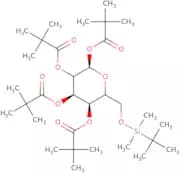
1,2,3,4-Tetra-O-pivaloyl-6-O-(tert-butyldimethylsilyl)-a-D-mannopyranose
1,2,3,4-Tetra-O-pivaloyl-6-O-(tert-butyldimethylsilyl)-a-D-mannopyranose is a synthetic compound that can be used as a fluorinated monosaccharide. It is synthesized from 1,2,3,4-tetra-O-pivaloyl-6-[(tert-butyldimethylsilyl)oxy]-aD mannopyranose. This product is also known as Tetra O Pivalate Mannose (TPM). This product has been shown to be effective in the synthesis of carbohydrates and complex carbohydrates.Fórmula:C32H58O10SiPureza:Min. 95%Peso molecular:630.88 g/molD-Sedoheptulose-7-phosphate barium salt-2,3,4,5,6,7-13C6
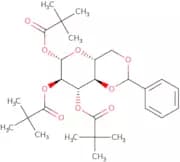
D-Sedoheptulose-7-phosphate barium salt-2,3,4,5,6,7-13C6 is a high purity synthetic sugar. It is a custom synthesis that has been modified with fluorination and glycosylation. This product can be used in the production of complex carbohydrates such as oligosaccharides and monosaccharides.Pureza:Min. 95%4,6-O-Benzylidene-1,2,3-tri-O-pivaloyl-b-D-glucopyranose
CAS:4,6-O-Benzylidene-1,2,3-tri-O-pivaloyl-b-D-glucopyranose is a carbohydrate that belongs to the group of saccharides. It is a simple sugar that has been modified with fluorination. This compound has been synthesized by custom synthesis and has high purity and can be used in research. 4,6-O-Benzylidene-1,2,3-tri-O-pivaloyl-b-D-glucopyranose is not currently available on the market.Fórmula:C28H40O9Pureza:Min. 95%Peso molecular:520.63 g/mol6-Deoxy-2,3:4,5-di-O-isopropylidene-D-gulonic acid methyl ester
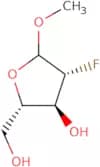
6-Deoxy-2,3:4,5-di-O-isopropylidene-D-gulonic acid methyl ester is a monosaccharide that can be used as a glycosylation and methylation reagent. It's also an important building block in the synthesis of complex carbohydrate polymers. This product is custom synthesized to meet your requirements.Pureza:Min. 95%Methyl 2-deoxy-2-fluoro-L-arabinofuranoside
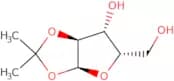
CAS:Methyl 2-deoxy-2-fluoro-L-arabinofuranoside is a synthetic monosaccharide that can be used as a building block for the synthesis of oligosaccharides and polysaccharides. It has been shown to have high purity, and it can be custom synthesized. Methyl 2-deoxy-2-fluoro-L-arabinofuranoside is an excellent source of fluorine atoms, which are commonly used in glycosylation reactions. This product is also useful for click chemistry reactions with methyl groups, as well as other modifications such as oxidation, reduction, esterification, and acetylation.Fórmula:C6H11FO4Pureza:Min. 95%Forma y color:PowderPeso molecular:166.15 g/mol1,2-O-Isopropylidene-a-L-xylofuranose
CAS:1,2-O-Isopropylidene-a-L-xylofuranose is a sulfate transport molecule that is present in the blood plasma. It binds to sulfate anions which are then transported by the sodium/sulfate co-transporter from the blood and into cells. This process is called equilibrative or facilitated transport. 1,2-O-Isopropylidene-a-L-xylofuranose also binds to adenosine and transports it across membranes. This process is regulated by surface receptors and uptake transporters that regulate the rate of adenosine uptake at different parts of the body.Fórmula:C8H14O5Pureza:Min. 98 Area-%Forma y color:White PowderPeso molecular:190.2 g/mol7,9-Di-O-acetyl-N-glycolyl-8-O-methylneuraminic acid
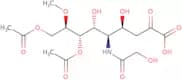
CAS:7,9-Di-O-acetyl-N-glycolyl-8-O-methylneuraminic acid is a synthetic glycolylneuraminic acid analogue that can be used in the treatment of bacterial infections. It is a prodrug that is converted to glycolylneuraminic acid by monoclonal antibody and other enzymes. 7,9-Di-O-acetyl-N-glycolyl-8-O-methylneuraminic acid inhibits the activity of necrosis factor (TNF) by binding to its receptor, thereby preventing TNF from binding to cells and stimulating inflammation. This compound has been shown to be effective against many bacteria including methicillin resistant Staphylococcus aureus (MRSA). Techniques used for the synthesis include high performance liquid chromatography with mass spectrometry detection and cavity ring down spectroscopy.Fórmula:C16H25NO12Pureza:Min. 95%Peso molecular:423.37 g/mol(1S) -1- [(2R, 3S) -N-Benzyl-3-hydroxy- 1- azetidinyl] -1, 2- ethanediol
This product is a custom-synthesized, complex carbohydrate with the CAS number of 12078-03-7. This product is an Oligosaccharide that has been modified with saccharides and methylated. It has been glycosylated and click modified. The product is a sugar that has been fluorinated and synthesized. It has high purity and is synthetic.Pureza:Min. 95%2-C-(tert.Butylmethylsilyloxy)methyl-2,3:5,6-di-O-isopropylidene-D-mannono-1.4-lactone
2-C-(tert.Butylmethylsilyloxy)methyl-2,3:5,6-di-O-isopropylidene-D-mannono-1.4-lactone is a custom synthesis of a complex carbohydrate with Oligosaccharide, CAS No., Polysaccharide and Modification properties. It is a saccharide that is Methylation and Glycosylation modified. This product has Click modification and Carbohydrate properties. 2C-(tert.Butylmethylsilyloxy)methyl-2,3:5,6-di-O-isopropylidene-D-mannono 1,4 lactone is a high purity product with Fluorination and Synthetic properties.Pureza:Min. 95%6-Amino-6-deoxy-D-glucose hydrochloride
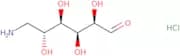
CAS:6-Amino-6-deoxy-D-glucose hydrochloride is a chromatographic agent that is used to detect and identify viruses. It is also used to study antiviral drugs and the virus life cycle. 6-Amino-6-deoxy-D-glucose hydrochloride has been shown to inhibit protein synthesis in animal cells infected with paramyxoviruses, which may be due to its ability to inhibit acetylation of proteins. This drug has also been shown to inhibit influenza virus replication in cell culture. 6-Amino-6-deoxy--D--glucose hydrochloride binds to the viral ribonucleic acid (RNA) and inhibits the replication of the virus by binding competitively to the RNA polymerase enzyme.Fórmula:C6H13NO5·(HCl)Pureza:Min. 95%Forma y color:White PowderPeso molecular:215.63 g/mol1-O-Acetyl-2,3,5-tri-O-benzoyl-b-L-ribofuranose
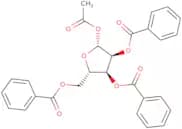
CAS:1-O-Acetyl-2,3,5-tri-O-benzoyl-b-L-ribofuranose is a reactive proton that has been shown in kinetic studies to be able to react with chloride ions. It is a stereoselective molecule that can be used to produce xanthosine (X), guanosine (G), and 2-aminoadenosine (A) from the corresponding ribofuranosides. 1-O-Acetyl-2,3,5-tri-O-benzoyl ribofuranose has been shown to inhibit viral replication in the case of hepatitis B and C viruses. This compound also inhibits cross coupling reactions with anions such as chloride ions and can be used as a potential antiviral agent or drug candidate for treatment of chronic hepatitis C infections.Fórmula:C28H24O9Pureza:Min. 95%Forma y color:White PowderPeso molecular:504.48 g/molEstriol 3-O-b-D-glucuronide sodium salt
CAS:Estriol 3-O-b-D-glucuronide sodium salt is an estrogenic compound that is metabolized to 17β-estradiol, the most potent endogenous estrogen. Estriol 3-O-b-D-glucuronide sodium salt is found in wastewater and has been detected in effluent from various sources. The presence of estriol 3-O-b-D glucuronide sodium salt in wastewater indicates that it may be discharged from pharmaceutical manufacturing plants. It has been shown to be present at high concentrations in the effluent of a pharmaceutical plant that manufactures estrogens, which may have resulted from incomplete recovery during production. Estriol 3-O-b glucuronide sodium salt can be readily recovered by liquid chromatography with a reversed phase column and eluted with acetonitrile containing 0.1% trifluoroacetic acid (TFA). Recoveries are typically greater than 90%. Estrogen conjugates such
Fórmula:C24H31NaO9Pureza:Min. 95%Forma y color:PowderPeso molecular:486.49 g/mol(2S,3R,4R,5S)-5-Acetylamino-3,4-dihydroxy-2-formylpiperidine
(2S,3R,4R,5S)-5-Acetylamino-3,4-dihydroxy-2-formylpiperidine is a custom synthesis that can be modified to meet your needs. It is a fluorinated complex carbohydrate and has been shown to have high purity. The modification process of this chemical is simple and can be done in either the lab or in the field. (2S,3R,4R,5S)-5-Acetylamino-3,4-dihydroxy-2-formylpiperidine is synthesized by methylation of 5-(acetylamino)piperidinone with diazomethane followed by protection of the amine group with an acetyl group. This chemical also has Oligosaccharide and Polysaccharide properties.Pureza:Min. 95%(2S,3S,4S)-N-Ethyl-2-hydroxymethyl-3,4-pyrrolidinediol
(2S,3S,4S)-N-Ethyl-2-hydroxymethyl-3,4-pyrrolidinediol is a synthetic sugar that is commonly used in the synthesis of polysaccharides. It can also be used as a reagent for methylation and glycosylation reactions. This compound is available as a pure white powder with a melting point of 130°C to 135°C. (2S,3S,4S)-N-Ethyl-2-hydroxymethyl-3,4-pyrrolidinediol has been shown to be reactive with saccharide and polysaccharide substrates. Click modification can be performed on this product to make it reactive with other molecules or compounds. The purity of this compound exceeds 99%.Pureza:Min. 95%Methyl 2,3-di-O-acetyl-4,6-O-(4-methoxybenzylidene)-a-D-galactopyranoside
Methyl 2,3-di-O-acetyl-4,6-O-(4-methoxybenzylidene)-a-D-galactopyranoside is a custom synthesis. It is an oligosaccharide and polysaccharide. It has been modified with fluorination and click chemistry. Methyl 2,3-di-O-acetyl-4,6-O-(4 methoxybenzylidene)-a D galactopyranoside is a synthetic sugar.Fórmula:C19H24O9Pureza:Min. 95%Peso molecular:396.4 g/molN- [(3R, 4R, 5R) - 4- Hydroxy- 5- (hydroxymethyl) - 3- pyrrolidinyl] -acetamide
CAS:N- [(3R, 4R, 5R) - 4- Hydroxy- 5- (hydroxymethyl) - 3- pyrrolidinyl] -acetamide is a synthetic compound that is composed of two molecules of acetamide linked to each other by an ester linkage. The acetamide group is attached to the nitrogen atom of the heterocycle. The N-COOH carbonyl group is attached to the oxygen atom of the heterocycle. N-[(3R,4R,5R)-4-hydroxy-5-(hydroxymethyl)-3-(pyrrolidin-1-yl)pyrrolidinium]acetamide has not been studied in humans or animals.Pureza:Min. 95%(4S,9R)-4-Benzyloxy-N-benzyloxycarbonyl-8-oxo-9-methoxy-octahydro-pyrano[4,3-b]pyrrole
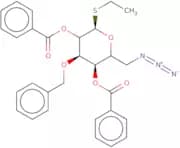
The compound is a fluorinated, glycosylated, polysaccharide-linked, custom-synthesized and modified natural product. The compound is of high purity and has been shown to have a range of biological activities including: 1) Antibacterial activity against Gram (+) bacteria such as Staphylococcus aureus and Streptococcus pyogenes. 2) Anti-inflammatory activity in the carrageenan-induced paw edema model of inflammation in rats. 3) Antifungal activity against Candida albicans. 4) Inhibition of bacterial biofilm formation and cellular adhesion to surfaces. 5) Inhibition of HIV replication in vitro and inhibition of HIV integrase function in vitro. 6) Inhibition of TNF-α production by LPS activated macrophages. 7) Protection from phototoxicity induced by UVB irradiation in human skin cells. 8) Protection fromPureza:Min. 95%Ethyl 6-azido-2,4-di-O-benzoyl-3-O-benzyl-6-deoxy-a-D-thiomannopyranoside
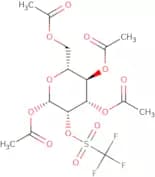
Ethyl 6-azido-2,4-di-O-benzoyl-3-O-benzyl-6-deoxy-a-D-thiomannopyranoside is a custom synthesis of a highly purified compound that has been modified to include fluorination. It is an oligosaccharide with a complex carbohydrate structure and high purity. The modification includes Click chemistry and the monosaccharides are sugar, which may be useful for pharmaceutical or biomedical applications.Fórmula:C29H29N3O6SPureza:Min. 95%Peso molecular:547.62 g/mol1,3,4,6-Tetra-O-acetyl-2-O-trifluoromethanesulfonyl-b-D-mannopyranose
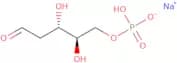
CAS:1,3,4,6-Tetra-O-acetyl-2-O-trifluoromethanesulfonyl-b-D-mannopyranose is a chemical compound that belongs to the group of fatty acids. It is a product of chemical reactions and has been shown to be able to react with positrons in an organic solution. This compound can also react with potassium ions in water vapor. The reaction solution is suitable for testing samples and cell culture.Fórmula:C15H19F3O12SPureza:Min. 98 Area-%Forma y color:PowderPeso molecular:480.37 g/mol2-Deoxy-D-ribose 5-phosphate sodium salt
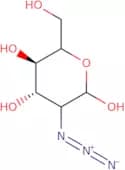
CAS:2-Deoxy-D-ribose 5-phosphate sodium salt is a mutant of ribose 5-phosphate. It is an intermediate in the pentose phosphate pathway, which generates ribose 5-phosphate and NADPH. The 2nd step of this pathway is catalyzed by deacetylase, which converts acetaldehyde to acetyl CoA. 2-deoxy-D-ribose 5-phosphate sodium salt is also an oxidant that can react with hydrogen peroxide to form hydroxyl radicals. This intermediate has been shown to inhibit the growth of E. coli by causing mutations in the DNA and protein synthesis machinery, as well as by catalase activation.Fórmula:C5H11O7P·xNaPureza:Min. 95%Forma y color:PowderPeso molecular:214.11 g/mol2-Azido-2-deoxy-D-galactose
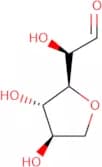
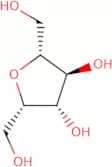
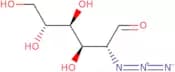
CAS:2-Azido-2-deoxy-D-galactose is a disaccharide that is synthesized by the enzymatic addition of galactose to 2-azido-2-deoxyglucose. It has been shown to be antigenic in the test tube and is reactive with hydroxy groups. 2-Azido-2-deoxygalactose can be glycosylated by glycopeptides, which are glycoproteins containing one or more oligosaccharide chains covalently linked to a protein core. The hydrophilic nature of this sugar makes it an ideal candidate for conjugation with hydrophobic drugs such as antibiotics. This disaccharide was used in the synthesis of glycoconjugates, which are carbohydrate molecules attached to proteins or lipids, and can be found in bacteria such as Corynebacterium glutamicum. 2-Azido-2-deoxygalactoseFórmula:C6H11N3O5Pureza:Min. 98 Area-%Forma y color:White PowderPeso molecular:205.17 g/mol2,5-Anhydro-D-glucitol
CAS:2,5-Anhydro-D-glucitol is a sugar alcohol that is found naturally in the human body. It can be produced from D-glucose by the enzyme aldose reductase. This reaction involves an initial dehydration of D-glucose to form 2,5-anhydro-D-glucose, followed by a nucleophilic attack on the hydroxyl group of 2,5-anhydro-D-glucose by the phosphate group of ATP to form 2,5-anhydro-D-glucitol and ADP. The reaction mechanism for this process has been studied using kinetic and model studies. It has also been shown that metal ions are required for cationic polymerization reactions. A solid catalyst was used in this study because it could be easily removed after completion of the reaction. The 2,5-anhydro form of D-glucitol can undergo dehydration reactions to yieldFórmula:C6H12O5Pureza:Min. 95%Forma y color:Clear LiquidPeso molecular:164.16 g/mol(5R, 6R, 7R, 8S) -5, 7-Dihydroxy- 8- (hydroxymethyl) - 1- azabicyclo[4.2.0] octan- 2- one
CAS:This is a custom synthesis of (5R, 6R, 7R, 8S) -5, 7-dihydroxy-8- (hydroxymethyl) -1-azabicyclo[4.2.0]octan-2-one. This compound has been fluorinated and methylated and has a monosaccharide modification.Pureza:Min. 95%Phenyl 4,6-O-benzylidene-2-O-levulinoyl-3-O-(2-naphthylmethyl)-b-D-thioglucopyranoside
Phenyl 4,6-O-benzylidene-2-O-levulinoyl-3-O-(2-naphthylmethyl)-b-D-thioglucopyranoside is a fluorinated monosaccharide. It can be synthesized in a custom synthesis and is available with high purity. This product is an oligosaccharide, which has glycosylation and polysaccharide properties. Phenyl 4,6-O-benzylidene-2-O-levulinoyl-3-O-(2-naphthylmethyl)-b-D -thioglucopyranoside is also a complex carbohydrate that has been modified by methylation and acetalization.Pureza:Min. 95%N-(Succinyl)-O-b-D-maltosylhydroxylamine
N-Succinyl-O-b-D-maltosylhydroxylamine is a glycosylation reagent used in the synthesis of complex carbohydrates. Its CAS number is 87217-14-5. N-Succinyl-O-b-D-maltosylhydroxylamine is a white to off-white crystalline powder with the molecular formula C4H8N2O6S and a molecular weight of 244.22. It has a melting point of 189°C. This product is soluble in water, ethanol, and chloroform. It does not dissolve in ether or hexane.Pureza:Min. 95%D-Xylulose 5-phosphate sodium
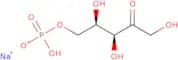
CAS:D-Xylulose 5-phosphate sodium is a phosphorylated sugar derivative, which is a crucial intermediate in the pentose phosphate pathway, a metabolic pathway parallel to glycolysis. It is naturally sourced from biochemical processes within organisms where it plays a pivotal role in carbohydrate metabolism.The mode of action involves its function as a substrate in the non-oxidative phase of the pentose phosphate pathway, where it facilitates the interconversion of sugars necessary for nucleotide and amino acid biosynthesis. This intermediary step is vital for the production of ribose-5-phosphate and NADPH, which are essential for anabolic reactions and antioxidant defense mechanisms.D-Xylulose 5-phosphate sodium is predominantly used in biochemical research to study metabolic pathways. It helps researchers investigate cellular processes, understand disease mechanisms where metabolism is disrupted, and explore metabolic engineering applications. By examining its role and transformations, scientists gain insights into energy production, redox balance, and cellular growth, providing foundational knowledge crucial for the development of therapies targeting metabolic disorders and cancer.Fórmula:C5H11O8P·xNaPureza:Min. 80 Area-%Forma y color:PowderPeso molecular:230.11 g/molD-Mannono-1,5-lactone
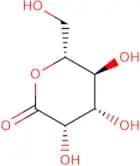
CAS:D-Mannono-1,5-lactone is a custom synthesis. It is fluorinated to give 1,5-difluoro-D-mannono-1,4,6-lactone. The methylation of the C2 hydroxyl group and the C3 keto group gives 1,5-difluoro-D-mannono-1,4,6-(methylenedioxy)lactone. Click modification of this product with azide or acetylene gives 1,5-[(azido)-(acetylenyl)] D-mannono lactone or 1,5-[(acetylene)-(azido)] D manno lactone respectively. Monosaccharides can be synthesized from these products by glycosylation with a sugar donor. Polysaccharides can be synthesized from these products by glycosylation with a sugar donor and subsequent glycosidic linkage via an olig
Fórmula:C6H10O6Pureza:Min. 95 Area-%Forma y color:PowderPeso molecular:178.14 g/molN-Thioglycolyl-D-galactosamine
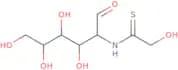
CAS:D-Galactosamine is a glycosaminoglycan (GAG) that is found in the mammalian cell. N-Thioglycolyl-D-galactosamine is a synthetic analog of D-galactosamine that was developed to study the biosynthesis of GAGs and glycoconjugates in cells. This molecule can be activated by hematopoietic cells, which leads to an increase in o-glycosylation and galnac synthesis.Fórmula:C8H15NO6SPureza:Min. 95%Peso molecular:253.27 g/mol2-Azido-2-deoxy-D-glucose
CAS:2-Azido-2-deoxy-D-glucose is the azido analogue of D-glucosamine and may be used as a metabolic chemical reporter by direct labelling of glycans. The azide group is used to link to a fluorescent marker, enabling secondary visualisation and identification of glycoproteins. The azide moiety of 2-azido-2-deoxy-D-glucose has been used to form triazoles via a 1,3-dipolar cycloaddition reaction in the synthesis of molecules with improved solubility used to inhibit p38a MAPK for anti-inflammation.Fórmula:C6H11N3O5Pureza:Min. 97 Area-%Forma y color:White PowderPeso molecular:205.17 g/mol2,3-Di-O-benzyl-4-deoxy-L-fucose
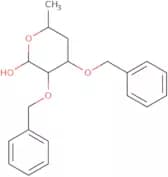
CAS:2,3-Di-O-benzyl-4-deoxy--L-fucose is a methylated derivative of the fucose monosaccharide. It is synthesized through a click reaction that involves the use of an azide group on the sugar and an alkyne group on a thiol reagent. The synthesis utilizes one step, yielding 2,3-Di-O-benzyl-4-deoxy--L-fucose in high purity with low residual starting material. The product has been modified for glycosylation and can be used in oligosaccharides or polysaccharides.Fórmula:C20H24O4Pureza:Min. 95%Forma y color:Clear Colourless LiquidPeso molecular:328.4 g/molDi-Lex-APE-BSA
Di-Lex-APE-BSA is a synthetic oligosaccharide with a high purity. It is synthesized from glycosylation and has been modified by fluorination, methylation, and click chemistry. This product has CAS No. 56837-19-4 and can be custom synthesized to order.Pureza:Min. 95%Diethylgalactarate
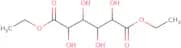
CAS:Diethylgalactarate is a polymer that is solid at room temperature. It has a yield value of 10%. Diethylgalactarate is soluble in organic solvents, but insoluble in water. This polymer has been shown to have good thermal stability and microstructure when used as a monomer with other polymers. Diethylgalactarate has also been shown to have high permeability, which makes it an ideal candidate for use in drug delivery systems.Fórmula:C10H18O8Pureza:Min. 95%Peso molecular:266.25 g/mol(3S,5S) -1-Nonyl-3, 4, 5- piperidinetriol
This is a high purity, custom synthesis of (3S,5S) -1-Nonyl-3, 4, 5- piperidinetriol. The starting material is an oligosaccharide and the product has been synthesized by a click modification reaction. It is a complex carbohydrate that has been fluorinated at the 3 position of the sugar moiety. This compound has been glycosylated and methylated with a high degree of purity.Pureza:Min. 95%Propranolol D-glucuronide D6
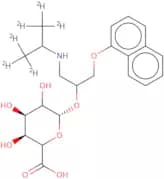
Producto controladoPropranolol D-glucuronide D6 is a synthetic, fluorinated, saccharide that is a modification of propranolol. It has high purity and can be custom synthesized to meet specific requirements. Propranolol D-glucuronide D6 has been shown to inhibit the growth of bacteria by binding to the 50S ribosomal subunit. It is used in veterinary medicine to treat respiratory infections caused by Clostridium perfringens and other bacteria. The drug also has a toxic effect on respiratory system cells, which may be due to its ability to induce apoptosis.
Fórmula:C22H23NO8D6Pureza:Min. 95%Peso molecular:441.5 g/molAdenophorine
CAS:Adenophorine is a potent enzyme inhibitor that competes with the substrate to bind to the active site of β-glucosidase and α-galactosidase. It is a synthetic compound that has been synthesized by imine coupling, followed by stereoselective reduction with piperidine. Adenophorine inhibits β-glucosidase and α-galactosidase in vitro, which are enzymes involved in the breakdown of complex sugars. These enzymes are inhibited by adenophorine at concentrations well below those required for other drugs used to treat similar conditions. In addition, adenophorine has shown activity against pancreatic alpha-amylase. Adenophorine can be used to inhibit the enzyme activities in the intestine and pancreas, as well as other tissues where these enzymes are found.Fórmula:C8H17NO4Pureza:Min. 95%Peso molecular:191.22 g/mol(S)-3,5-O-Benzylidene-D-xylono-1.4-lactone
(S)-3,5-O-Benzylidene-D-xylono-1.4-lactone is a Custom synthesis, Modification, Fluorination, Methylation, Monosaccharide, Synthetic, Click modification of the polysaccharide glucuronic acid and a carbonyl group. It is also known as 3-(2-benzyloxyethoxy)propanoic acid or 3-(2-benzyloxyethoxy)propionic acid. The CAS number for this chemical is 63912-71-0. This chemical has been used in the preparation of oligosaccharides and saccharides with glycosylations. (S)-3,5-O-Benzylidene-D-xylono-1.4-lactone is an organic compound that belongs to the class of monosaccharides and polysaccharides. It has been shownPureza:Min. 95%6-Deoxy-6-fluoro-D-galactose
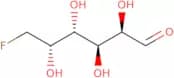
CAS:6-Deoxy-6-fluoro-D-galactose is a fluorinated sugar that has been shown to inhibit the uptake of glucose by human liver cells. This sugar binds to the enzyme activity and inhibits its activity. 6-Deoxy-6-fluoro-D-galactose was found to be metabolized in a dose dependent manner, with higher doses leading to increased uptake of fluorescein and decreased uptake of glucose. 6FDG is also metabolized by chemical reactions, such as oxidation or hydration, which leads to a decrease in its inhibitory effect on glucose uptake. 6FDG has been shown to bind to sequences that are involved in sugar transport and cell culture studies have shown that this sugar can induce inhibition of cell growth at high concentrations.Fórmula:C6H11FO5Pureza:Min. 95%Forma y color:PowderPeso molecular:182.15 g/molD-Talitol-1,6-diphosphate
D-Talitol-1,6-diphosphate is a modified sugar. It is an oligosaccharide and polysaccharide composed of D-talitol and 1,6-diphosphate. This product can be used in the synthesis of complex carbohydrates or as a reagent for fluorination reactions. D-Talitol phosphates are also used to modify monosaccharides by methylation, click modification, or other modifications.Pureza:Min. 95%4,6-Dichloro-4,6-dideoxy-D-galactose
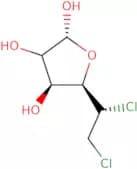
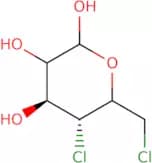
4,6-Dichloro-4,6-dideoxy-D-galactose (4,6DDG) is a chlorinated sugar that is used as a precursor for the synthesis of glycosides. It has been shown to react with cellulose to form 4,6-dichloro-4,6-dideoxycellulose. Chlorination of 4,6DDG at the hydroxyl group leads to the formation of 4,6-dichloro-4,6-dideoxyhydroxyl chloride (4,6DDH). The chlorination process can be done in two ways: nonreducing and reducing. The nonreducing chlorination process occurs by reacting 4,6DDG with chlorine and dimethylformamide. The reducing chlorination process occurs by reacting 4,6DDG with hydrogen chloride and sodium borohydride or lithium aluminum hydride. An excess of hydrogen chlorideFórmula:C6H10Cl2O4Pureza:Min. 95%Peso molecular:217.05 g/molMethyl a-D-glucopyranoside
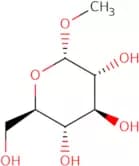
CAS:Methyl α-D- glucopyranoside is a methylated sugar used as an inhibitor of lectin-conjugate binding. Methyl α-D- glucopyranoside is commonly used in protein purification for eluting glycoproteins and other glycoconjugates from affinity chromatography columns of agarose lectin. Methyl α-D- glucopyranoside is also known as Methyl alpha-D-glucoside or alpha-Methyl-glucoside.Fórmula:C7H14O6Pureza:Min. 98 Area-%Forma y color:PowderPeso molecular:194.18 g/molUDP-a-D-apiofuranose
UDP-a-D-apiofuranose is a modification of the sugar UDP-a-D-apiofuranosyl. It is a compound of high purity that can be custom synthesized by our scientists. The CAS number for this product is 56829-08-8 and it's molecular weight is 300.Pureza:Min. 95%Methyl 2,4-di-O-methyl-α-D-glucopyranoside
CAS:Methyl 2,4-di-O-methyl-α-D-glucopyranoside is a selectively protected glucose glycosideFórmula:C9H18O6Pureza:Min. 95%Forma y color:PowderPeso molecular:224.24 g/molBenzyl 2-O-benzyl-b-D-arabinopyranoside
Benzyl 2-O-benzyl-b-D-arabinopyranoside is a custom synthesis that is a complex carbohydrate. It is an oligosaccharide with CAS No. and has the molecular weight of 947. It is modified by methylation, glycosylation, and click modification. This product is made using sugar as a raw material and has high purity. The product has been fluorinated to increase its stability. The product is synthetic and can be used in research applications such as the modification of saccharides, methylation, glycosylation, or click chemistry.Pureza:Min. 95%α-D-Galacturonic acid 1-phosphate
a-D-Galacturonic acid 1-phosphate is a component of the polygalacturonate skeleton. It is an intermediate in the biosynthesis of d-galacturonic acid and galacturonic acid. This compound is also involved in cellular growth, as it is a precursor for uronic acids. The enzyme catalyzing the conversion of a-D-galacturonic acid 1-phosphate to uronic acid has been purified from Phaseolus vulgaris. It has been shown that this enzyme can be inhibited by phosphatase inhibitors such as pyridoxal phosphate, and that it can be activated by nucleotide analogs such as adenosine 5'-diphosphate (ADP) or cytidine 5'-triphosphate (CTP).Fórmula:C6H11O10PPureza:Min. 95%Forma y color:PowderPeso molecular:274.12 g/mol2-Deoxy-2-fluoro-D-ribofuranose
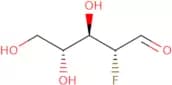
CAS:2-Deoxy-2-fluoro-D-ribofuranose is a dinucleoside that stabilizes the ribose moiety of uridine and guanosine, which are important for bacterial DNA replication. 2-Deoxy-2-fluoro-D-ribofuranose binds to the ribosomal enzyme Uridylate Kinase and inhibits its activity, thereby preventing the synthesis of nucleotide precursors. This product has been shown to be effective against bacteria such as Escherichia coli and Staphylococcus aureus. The hydration properties of 2-deoxy -2 fluorodeoxy D ribofuranose make it an ideal ligand for binding to enzymes in order to inhibit their function. The nature of this compound also makes it an ideal candidate for thermodynamic studies.Fórmula:C5H9FO4Pureza:Min. 95%Forma y color:White PowderPeso molecular:152.12 g/mol4-Deoxy-4-fluoro-D-mannose
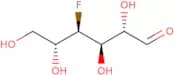
CAS:4-Deoxy-4-fluoro-D-mannose is a sugar that is an analog of 3-deoxy-3-fluoro-d-mannose. It is synthesized by the transfer of a 6-hydroxyl group from 6,6'-dideoxyadenosine to the C6 hydroxyl group of 3,6'-dihexadecylthio adenosine. 4,4'-Difluoro D-mannose is then obtained by hydrolysis and decarboxylation. This process can be catalyzed by enzyme catalysis with phosphofructokinase or hexokinase. 4,4'-Difluoro D mannose has been used in biochemical studies as an analog for 6,6'-dideoxydaunosine. It has also been used as a substrate for virus glycosylation and protein glycosylation in living cells. In addition, it has been shown to inhibitFórmula:C6H11FO5Pureza:Min. 95%Forma y color:PowderPeso molecular:182.15 g/molN,O-Didesmethyl venlafaxine D-glucuronide
N,O-Didesmethyl venlafaxine D-glucuronide is a custom synthesis, complex carbohydrate. It is an Oligosaccharide with CAS No. that is Polysaccharide and Modification. It has Methylation and Glycosylation. The saccharide in the molecule is a sugar or Carbohydrate and sugar. The high purity of the product makes it Fluorination and Synthetic.Pureza:Min. 95%2,5-Anhydro-L-iditol
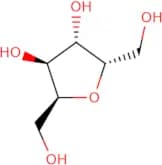
CAS:2,5-Anhydro-L-iditol is a kinetic product of transglycosylation. It has been shown to be stereoselective and can be used as an acid catalyst in the synthesis of furanic compounds. 2,5-Anhydro-L-iditol is also a nucleophilic reagent that can participate in reactions with hydrogen chloride and tetraose chloride. This compound is useful for the production of polyols and glycols via dehydration reactions. 2,5-Anhydro-L-iditol has been used in carbohydrate chemistry techniques.Fórmula:C6H12O5Pureza:Min. 95%Forma y color:PowderPeso molecular:164.16 g/mol1-Deoxy-1-nitro-L-mannitol
CAS:1-Deoxy-1-nitro-L-mannitol is an irreversible inhibitor of the enzyme mannitol dehydrogenase. It also inhibits other enzymes, such as L-arabinose isomerase and L-azide amidohydrolase, which are involved in the biosynthesis of arabinose and azide. The synthesis of 1-deoxy-1 nitro mannitol can be achieved through a one step reaction with hydroxide and l-arabinose (or l-xylose) in the presence of carbonate or sulfate. This product can be used in syntheses of amphoteric compounds.
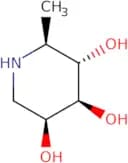
Fórmula:C6H13NO7Pureza:Min. 95%Peso molecular:211.17 g/molDideoxyrhamnojirimycin
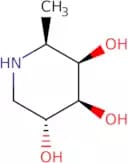
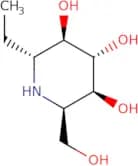
CAS:Dideoxyrhamnojirimycin is a synthetic drug that has been modified to have the same structure as natural dideoxyribonucleosides. It is used in the treatment of myelodysplastic syndrome and thalassemia major. Dideoxyrhamnojirimycin inhibits DNA synthesis by blocking the incorporation of deoxyribonucleotides into DNA, which prevents cell division and stops the spread of cancer cells. Dideoxyrhamnojirimycin also has anti-inflammatory effects by inhibiting prostaglandin synthesis.Pureza:Min. 95%1,2,3,4,6-Penta-O-acetyl-5-thio-D-galactopyranose
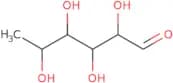
1,2,3,4,6-Penta-O-acetyl-5-thio-D-galactopyranose is an oligosaccharide that is synthesized by the fluorination of a 5-thiogalactopyranosyl fluoride and subsequent glycosylation. It can also be made by methylation of a 3,4,6 pentaacetylgalactosamine with formaldehyde and sodium cyanoborohydride. It is a complex carbohydrate that has been shown to have antiviral activity against HIV.Pureza:Min. 95%6-Deoxy-L-allose
CAS:6-Deoxy-L-allose is a sugar that belongs to the class of carbohydrates. It is synthesized by chemoenzymatic methods and can be used in the synthesis of glycoconjugates. 6-Deoxy-L-allose has been shown to inhibit acid phosphatase, a key enzyme involved in phosphate group metabolism, by competitive inhibition. This synthetic sugar has also been used as an immobilizing agent for enzymes such as glycosidases and phosphatases.Fórmula:C6H12O5Pureza:Min. 95%Forma y color:SolidPeso molecular:164.16 g/mol2, 3:5, 6- Di- O- isopropylidene- D- mannofuranose
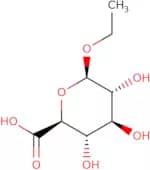
2, 3:5, 6-Di-O-isopropylidene-D-mannofuranose is a fluorinated monosaccharide that is used in glycosylation and polysaccharide modification. This compound has an O-methyl group on the hydroxyl group of the C2 position and a methyl group on the hydroxyl group of the C3 position. It is a white to off-white powder with a molecular weight of 332.37 g/mol. 2, 3:5, 6-Di-O-isopropylidene-D-mannofuranose has been shown to be stable at high temperatures and pH levels. It has a CAS number of 8061-93-0.Pureza:Min. 95%Ethyl β-D-glucuronide
CAS:Ethyl β-D-glucuronide (EBG) is a metabolite of ethanol that is formed by the conjugation of glucuronic acid to ethanol in the liver. EBG has been shown to be a potential biomarker for alcohol consumption, as it can be detected in urine and blood. The presence of this molecule has also been associated with an increased risk of developing type 2 diabetes mellitus, cardiovascular disease, and cancer. EBG may also have pharmacological effects as it has been shown to inhibit lipid oxidation and increase insulin sensitivity. This molecule can be extracted from human serum using solid phase microextractionFórmula:C8H14O7Pureza:Min. 98 Area-%Forma y color:Slightly Brown PowderPeso molecular:222.19 g/molGalactostatin bisulfite
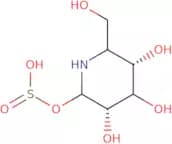
CAS:Inhibitor of β-galactosidase
Fórmula:C6H13NO7SPureza:Min. 95%Forma y color:PowderPeso molecular:243.24 g/mol2-O-Hydroxyethyl-D-glucose
CAS:2-O-Hydroxyethyl-D-glucose is a synthesised compound that has been glycosidically linked to the glucoside. This compound is an intramolecular glucoside with a bicyclic structure. It can be used in the synthesis of other compounds, such as 3-o-hydroxypropyl-D-glucose, which has been shown to have anti-inflammatory effects.Fórmula:C8H16O7Pureza:Min. 95%Forma y color:PowderPeso molecular:224.21 g/mol5-Amino-3-β-D-ribofuranosylthiazolo[4,5-d]pyrimidin-2,7(3H,6H)-dione
CAS:5-Amino-3-β-D-ribofuranosylthiazolo[4,5-d]pyrimidin-2,7(3H,6H)-dione (ATZ) is a prodrug that is converted to the active drug ATZ. ATZ has been shown to be effective against hepatitis C virus in vitro assays and in vivo in animal models. It inhibits viral replication by inhibiting the protein synthesis of the virus and its ability to replicate. ATZ also has been shown to be effective against infectious diseases such as herpes simplex virus, inflammatory diseases such as rheumatoid arthritis, and cancer. The drug is an oral prodrug that must be activated by intestinal bacteria before it can be absorbed into the bloodstream. It is chemically stable and does not undergo significant metabolism after being absorbed into the body.Fórmula:C10H12N4O6SPureza:Min. 95%Forma y color:PowderPeso molecular:316.29 g/mol2'-Azidoethyl a-mannopyranoside
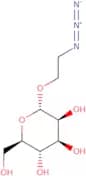
CAS:2'-Azidoethyl a-mannopyranoside is a synthetic monosaccharide that is used as a building block for the synthesis of oligosaccharides and polysaccharides. This product has been custom synthesized for your specific needs. It is an off-white powder with purity greater than 99%. The methylation of this compound can be achieved by reacting it with sodium methoxide in methanol, followed by hydrolysis with sodium hydroxide. The azido group can also be converted to an acetyl group by reaction with acetic anhydride in pyridine.Fórmula:C8H15N3O6Pureza:Min. 95%Forma y color:White PowderPeso molecular:249.22 g/molIsomaltol
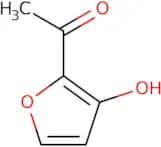
CAS:Isomaltol is a sugar alcohol that is used as a food additive. It is a white, crystalline powder that is soluble in water and has an intense sweet taste. Isomaltol is produced by hydrogenating the reducing ends of sucrose to form maltose, which then undergoes hydrolysis to form maltitol. Isomaltol can be used as a replacement for sugar in foods and drinks. Isomaltol has been shown to inhibit tyrosinase activity, which may be beneficial for skin care products. It also has antimicrobial properties due to its ability to react with aluminium ions.Fórmula:C6H6O3Pureza:Min. 95%Peso molecular:126.11 g/molChrysin-7-glucuronide
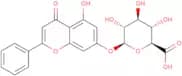
CAS:Chrysin-7-glucuronide is a metabolite of chrysin, which is found in the roots of Oroxylum indicum. This compound has been shown to inhibit the enzyme activity for multidrug resistance (MDR) and cancer resistance (CDR). It has been found that chrysin-7-glucuronide inhibits MDR and CDR in vitro by binding to the ATP binding site on these enzymes. Chrysin-7-glucuronide also inhibits the production of acid in vivo and in vitro, which may be due to its ability to inhibit cellular proliferation. Chrysin-7-glucuronide may be an effective anti-cancer agent when used as a dietary supplement.Fórmula:C21H18O10Pureza:Min. 95%Forma y color:Off-White PowderPeso molecular:430.36 g/molD-Iditol
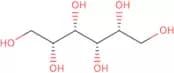
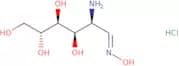
CAS:D-Iditol is a chromatographic stationary phase that is used for hydrophilic interaction chromatography. It is a polymer of 1,2-diols and long-chain fatty acids. D-Iditol has been shown to have long-term toxicity in rats and has been shown to be carcinogenic in mice. This substance binds to calcium stearate and forms ternary complexes with glutamate dehydrogenase and calcium stearate. The kinetic data on the formation of these complexes can be obtained using light signal detectors. D-Iditol also has an affinity for hydroxyl groups found in proteins, giving it the ability to bind to proteins such as glutathione reductase, cytochrome p450, mycobacterium, and erythrocytes.Fórmula:C6H14O6Pureza:Min. 98 Area-%Forma y color:White PowderPeso molecular:182.17 g/molD-Glucosamine-oxime hydrochloride
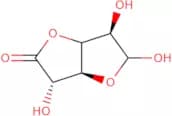
CAS:D-Glucosamine-oxime HCl is a hydrocyanic acid derivative that contains a polyhydroxy group. It can exist as two isomers, D-glucosamine and D-glucosamine-oxime. These isomers are distinguished by the presence or absence of acetyl groups on the nitrogen atoms. D-Glucosamine-oxime HCl functions as a divalent metal ion chelator and sequestering agent that has been shown to be useful in the treatment of lead poisoning. It also has been used in the synthesis of hydrocyanic acid, which is an important chemical for organic synthesis.END>Fórmula:C6H12N2O5•HClPureza:Min. 95%Forma y color:SolidPeso molecular:228.63 g/molL-Glucurono-3,6-lactone
CAS:L-Glucurono-3,6-lactone is an acetonide that is a derivative of L-glucose. L-Glucurono-3,6-lactone can be used as a precursor for the synthesis of polyhydroxybutyrate (PHB).
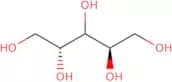
Fórmula:C6H8O6Pureza:Min. 95%Forma y color:PowderPeso molecular:176.12 g/molD-Arabitol
CAS:Substrate for arabitol dehydrogenase enzymeFórmula:C5H12O5Pureza:Min. 98 Area-%Forma y color:White Off-White PowderPeso molecular:152.15 g/mol3,6-Anhydro-D-galactose
CAS:3,6-Anhydro-D-galactose is a monosaccharide of D-galactose where the 3 and 6 positions are cyclised in an ether link. 3,6-Anhydro-D-galactose is found naturally occurring in Rhodophyta (Red Algae) and is a constituent of the sulphated polysaccharide PLS, which has shown anti-inflammation activity and anti-nociceptive effects. In addition, sulphated polysaccharide is capable of inhibiting the in vitro replication of Herpes simplex virus type 1 (HSV-1) and HIV-1. We also offer this product in 10% aqueous solution (MA07897).Fórmula:C6H10O5Pureza:Min. 95%Forma y color:White PowderPeso molecular:162.14 g/mol3, 5- O-Isopropylidene - D- lyxonic acid γ-lactone
3,5-O-Isopropylidene-D-lyxonic acid gamma-lactone is a sugar that belongs to the group of carbohydrates. It is synthesized by the chemical modification of D-lyxonic acid and has been shown to inhibit the growth of bacteria. 3,5-O-Isopropylidene - D-lyxonic acid gamma-lactone inhibits bacterial growth by binding to the enzyme beta - galactosidase, which is involved in glycosylation and glycosyltransferase activity. This compound also inhibits protein synthesis in bacteria and has been shown to have antiinflammatory properties. 3,5-O-Isopropylidene - D-lyxonic acid gamma-lactone may be used as an alternative sweetener or food additive.Pureza:Min. 95%3-Deoxy-3-fluoro-D-galactitol
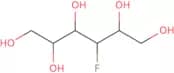
CAS:3-Deoxy-3-fluoro-D-galactitol is a fluorinated sugar that is synthesized through the use of glycosylation and fluorination. This product can be used as a raw material for the production of oligosaccharides, polysaccharides, and other complex carbohydrates. It can also be used in custom synthesis and click modification. The CAS number for this product is 1241800-31-6.Fórmula:C6H13FO5Pureza:Min. 95%Peso molecular:184.16 g/mol2-Keto-D-glucose
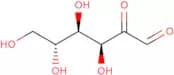
CAS:2-Keto-D-glucose is a substrate molecule that is used in the study of plant physiology, enzyme kinetics, and metabolic regulation. It has been shown to be an important factor in redox potential and the activation of detoxification enzymes. 2-Keto-D-glucose has also been found to be an important factor in energy metabolism, as it can be converted into pyruvate and acetyl CoA. 2-Keto-D-glucose is a common substrate molecule for many enzymes, including glycolytic enzymes, hexokinase, alcohol dehydrogenase, lactate dehydrogenase, and phosphofructokinase. 2-Keto-D-glucose has also been found to play a role in human blood serum biochemistry by acting as a substrate for erythrocyte D glucose transporter protein and glycerol kinase.Fórmula:C6H10O6Pureza:Min. 98 Area-%Forma y color:White Beige Yellow PowderPeso molecular:178.14 g/mol1-Deoxyfuconojirimycin HCl
CAS:Specific, potent and competitive inhibitor of α-L-fucosidase with Ki of 10 nM. In human breast cancer cells, it causes increase of fucosylation on cell surface molecules such as Lewis X antigen (CD15) and CD44 glycoprotein. The 1-deoxyfuconojirimycin treatment increases invasiveness of cancer cells.Fórmula:C6H13NO3·HClPureza:Min. 95%Forma y color:Off-White PowderPeso molecular:183.63 g/mol4,6-O-Benzylidene-D-galactose
CAS:4,6-O-Benzylidene-D-galactose is an anomer of D-galactose. It is a lectin that has been shown to inhibit the binding of amyloid beta to the cerebroside in the brain tissue. This activity may be due to its ability to form an amide bond with galactose, which is present in amyloid beta. 4,6-O-Benzylidene-D-galactose also has a coronary heart disease prevention effect and can help reduce cholesterol levels. Furthermore, it has been found to have anti-cancer properties and can help prevent the growth of cancerous cells by inhibiting protein synthesis. In addition, 4,6-O-Benzylidene-D-galactose can be used as a cationic surfactant or detergent composition for cleaning or treating surfaces.
Fórmula:C13H16O6Pureza:Min. 95%Forma y color:White To Off-White SolidPeso molecular:268.26 g/molEpilactose
CAS:Epilactose is a monosaccharide with biological properties. It is the 2-epimer of lactulose, and can be synthesized from cellobiose by epimerase. Epilactose has been shown to have beneficial effects on bowel disease in mice, which may be related to its ability to stimulate intestinal motility and improve the intestinal microflora. Epilactose has also been shown to have anti-inflammatory activity in rats with colitis. Epilactose can be used as a structural probe for oligosaccharides, due to its ability to form hydrogen bonds with sugars. In addition, epilactose has been found in marine microalgae such as Chlorella pyrenoidosa, but not in higher plants or animals.Fórmula:C12H22O11Pureza:Min. 95%Forma y color:PowderPeso molecular:342.3 g/molD-Arabinose
CAS:D-Arabinose is a dinucleotide phosphate that is an important metabolic intermediate in the pentose phosphate pathway. It has been shown to have pharmacological effects, such as enzyme inhibition and binding to DNA. D-Arabinose has been used in biochemical studies of energy metabolism and related areas. D-Arabinose is converted to ribitol by ribitol dehydrogenase, which can be oxidized to ribulose 5-phosphate by ribulose 5-phosphate dehydrogenase. The conversion of D-arabinose to ribitol requires NAD(P)H, which provides the reducing power for this reaction. The conversion of ribitol to ribulose 5-phosphate also requires NAD(P)H, but does not produce any reducing power. A redox potential measurement was used to determine the relative reduction potentials of the two reactions and found that they are equal at -0.5 volts (V).
Fórmula:C5H10O5Peso molecular:150.13 g/molRef: 3D-A-8200
-Unit-kgkgA consultar1kgA consultar5kgA consultar10kgA consultar25kgA consultar2500gA consultar4-Aminophenyl-α-D-glucopyranoside
CAS:4-Aminophenyl-alpha-D-glucopyranoside is a natural product that has been found to be an antigen. The compound has been shown to have anticancer activity, which may be due to its ability to inhibit the growth of cells and induce apoptosis. 4-Aminophenyl-alpha-D-glucopyranoside also possesses magnetic properties. The chemical structure of this compound is characterized by an acrylate group, which is a small organic molecule with two carbon atoms and one oxygen atom. This compound is synthesized in a preparative manner using methoxy, ethyl bromoacetate, and mesitylene in the presence of irradiation. NMR spectroscopy can be used for the characterization of this compound as well as other compounds with similar structures that are catalytic in nature.Fórmula:C12H17NO6Pureza:Min. 98.0 Area-%Peso molecular:271.27 g/molL-Arabitol
CAS:Used as source of carbon in culture medium.
Fórmula:C5H12O5Pureza:Min. 98.0 Area-%Peso molecular:152.15 g/molL-Arabinose
CAS:The aldopentose L-arabinose (Ara) is, after xylose, the second most abundant pentose in nature. It is found in plant cell walls as a component of polysaccharides, including: hemicelluloses, pectin, arabinogalactan-protein complexes and in exudate plant gums, such as: Gum Arabic (Fehér, 2018). L-arabinose is an important component of the mycobacterial cell wall and is involved in the synthesis of arabinogalactan and lipoarabinomannan, which suggests that it can modulate cell wall permeability and drug resistance. Mycobacterium smegmatis is a useful tool for research into Mycobacteria due to it being a "fast grower" and non-pathogenic (Zhou, 2019).Fórmula:C5H10O5Pureza:Min. 99 Area-%Peso molecular:150.13 g/molRef: 3D-A-8240
-Unit-kgkgA consultar1kgA consultar25gA consultar250gA consultar500gA consultar2500gA consultarN-Acetyl-D-glucosamine - plant source
CAS:Please enquire for more information about N-Acetyl-D-glucosamine - plant source including the price, delivery time and more detailed product information at the technical inquiry form on this page
Fórmula:C8H15NO6Pureza:Min. 98 Area-%Peso molecular:221.21 g/mol3,4-O-Benzylidene-D- ribonic acid γ-lactone
3,4-O-Benzylidene-D-ribonic acid gamma-lactone is a synthetic sugar that has been modified with fluorination and methylation. It is a complex carbohydrate that has been shown to have antiviral activity against influenza A virus. 3,4-O-Benzylidene-D- ribonic acid gamma-lactone has been synthesized using custom synthesis and high purity. The chemical structure of this product is O-(1,2:3,4:6,7:8,9) benzylidene D-ribonolactone.Pureza:Min. 95%1,2:3,4-Diacetone-β-D-glucopyranoside
CAS:1,2:3,4-Diacetone-b-D-glucopyranoside is a glycosylation agent that is used in the synthesis of polysaccharides. It reacts with the hydroxyl groups of saccharide molecules to form glycosidic bonds. 1,2:3,4-Diacetone-b-D-glucopyranoside can be modified by methylation and fluorination reactions to produce different derivatives. This product is CAS No. 496879-67-5 and has a purity of >98%.Fórmula:C12H20O6Pureza:Min. 97 Area-%Forma y color:PowderPeso molecular:260.29 g/mol1,2-O-Isopropylidene-b-L-arabinofuranose
1,2-O-Isopropylidene-b-L-arabinofuranose is a custom synthesis. It is modified by fluorination, methylation, and monosaccharide synthesis. This product can be used in the creation of oligosaccharides and saccharides. 1,2-O-Isopropylidene-b-L-arabinofuranose is a carbohydrate that has been glycosylated and polysaccharided with other sugars to form complex carbohydrates.Pureza:Min. 95%UDP-3-O-(R-3-hydroxymyristoyl)-GlcNAc disodium
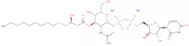
Substrate for UDP-3-O-acyl-N-acetylglucosamine deacetylase (LpxC)
Fórmula:C31H53N3O19P2•Na2Pureza:Min. 95%Forma y color:White PowderPeso molecular:879.67 g/molD-myo-Inositol-2,4,5-triphosphate sodium salt
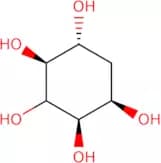
D-myo-Inositol-2,4,5-triphosphate sodium salt is a phosphoinositide that is involved in the process of cell signaling. It mediates the release of intracellular calcium ions from the endoplasmic reticulum and is involved in a number of processes including protein synthesis and efflux. D-myo-Inositol-2,4,5-triphosphate sodium salt can be found in many cells and tissues, including the brain and gastrointestinal tract. The concentration of calcium ions affects the activity of this compound by enhancing or terminating its effects. In cells that are not stimulated by an agonist such as ionomycin, divalent cations can enhance the activity of this compound. When stimulated by an agonist like ionomycin, divalent cations will terminate its effects by binding to it more strongly than to guanosine residues. This dual effect on divalent cations enhances the specificity for DFórmula:C6H12O15P3·xNaPureza:Min. 95%Peso molecular:417.07 g/mol1-D-3-Deoxy-myo-inositol
CAS:Myoinositol is a cyclitol and a member of the group of hexahydroxycyclohexanes. It is found in many plants and animals, especially in brain tissue, and plays an important role as a component of cell membranes. Myoinositol has been shown to inhibit cellular glycosidases, which are enzymes that break down complex sugars. In addition, myoinositol has been shown to have anti-cancer properties. Myoinositol is used as an analytical reagent in phase chromatography to separate molecules based on their hydrophobicities. 1-D-3-Deoxy-myo-inositol also has corrosion inhibition properties and can be used as a pesticide or agrochemical.Fórmula:C6H12O5Pureza:Min. 95 Area-%Forma y color:White PowderPeso molecular:164.16 g/molDaunorubicinol-D3
Daunorubicinol-D3 is a synthetic drug that is a fluorinated analogue of daunorubicin. It has been designed to be more stable and resistant to degradation in the body, as well as being resistant to the drug's own metabolism. Daunorubicinol-D3 is used in the treatment of leukemia, lymphoma, and other cancers. This drug is a large molecule that contains many sugars or saccharides including an oligosaccharide and polysaccharide. The modification of this molecule includes methylation, click chemistry modifications, and fluorination. Daunorubicinol-D3 has high purity with a low level of impurities such as monosaccharides, sugars, or synthetic compounds.Pureza:Min. 95%6-O-Tert.butyldimethylsilyl - 2, 3- O- isopropylidene- 5-O tolenesulfonyl-L- gulonic acid γ-lactone
6-O-Tert.butyldimethylsilyl - 2, 3- O- isopropylidene- 5-O tolenesulfonyl-L- gulonic acid gamma-lactone is a Carbohydrate, Modification, saccharide, Oligosaccharide, sugar. It has CAS number 713891–07–4. This product is a synthetic monosaccharide and has been custom synthesized for the customer’s specific need. The purity of this product is >98% with a methylation level of >99%. This product can be used in glycosylation reactions or click chemistry reactions as it contains an amino group at the C6 position.Pureza:Min. 95%Tetra-O-acetyl-L-rhamnopyranose
CAS:Tetra-O-acetyl-L-rhamnopyranose is a custom synthesis, complex carbohydrate. It is an Oligosaccharide, Polysaccharide, Modification, saccharide with Methylation, Glycosylation, Carbohydrate that has CAS No. 7404-35-5. Tetra-O-acetyl-L-rhamnopyranose has High purity and Fluorination properties. This product can be Synthetic or Custom synthesis for industrial applications.Fórmula:C14H20O9Pureza:Min. 95%Peso molecular:332.3 g/molmyo-Inositol trispyrophosphate hexasodium salt
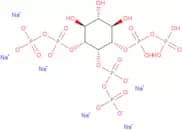
CAS:Myo-Inositol trispyrophosphate (ITPP) hexasodium salt is a drug with anti-cancer properties. It is an allosteric effector that interact with hemoglobin, releasing oxygen into the target tissues to avoid hypoxia. Several studies has shown an increase on the affinity of hemoglobin to oxygen when using ITPP, fact that demonstrated it can be a good strategy for the treatment of several cardiovascular diseases.Fórmula:C6H6Na6O21P6Pureza:Min. 95%Forma y color:White Off-White PowderPeso molecular:737.88 g/molOctyl b-D-glucuronic acid
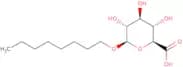
CAS:Octyl b-D-glucuronic acid is a custom synthesis of an oligosaccharide with a high purity. It is a modification of a carbohydrate, which is a complex carbohydrate. This product has been synthesized by methylation and glycosylation. Octyl b-D-glucuronic acid has many applications in the chemical industry due to its fluoroquinolone resistance and its high purity. This product is used as an excipient in pharmaceuticals, foods, and cosmetics.Fórmula:C14H26O7Pureza:Min. 95%Forma y color:PowderPeso molecular:306.36 g/mol2,5-Anhydro-D-mannofuranose
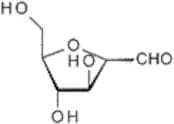
CAS:2,5-Anhydro-D-mannofuranose is a biologically active compound that belongs to the group of inorganic acids. It has been shown to be an inhibitor of heparin-induced thrombocytopenia. 2,5-Anhydro-D-mannofuranose inhibits platelet aggregation and prolongs bleeding time in rats by blocking glycosidic bond formation. This compound is also found as a constituent of oligosaccharides and nitrous oxide. Structural analysis has revealed that this molecule contains reactive groups and is acidic in nature. The analytical method for this compound is α1-acid glycoprotein. Monoclonal antibodies against fatty acid have been used for its detection in human serum.Fórmula:C6H10O5Pureza:Min. 85 Area-%Forma y color:PowderPeso molecular:162.14 g/mol2,2’-Anhydro-L-lyxo-uridine
2,2’-Anhydro-L-lyxo-uridine is a modified sugar that is synthesized from L-lyxo-uridine. This product is used as a monosaccharide in the synthesis of complex carbohydrate and has been shown to inhibit the growth of bacteria by preventing bacterial DNA transcription. 2,2’-Anhydro-L-lyxo-uridine has also been used to inhibit glycosylation, which is an enzyme that catalyzes the addition of sugars to protein molecules. 2,2’-Anhydro-L-lyxo-uridine can be fluorinated for use in glycoproteins and can be methylated for use in oligosaccharides.Pureza:Min. 95%Astragalus polysaccharide
CAS:The chemical structure of Astragalus polysaccharide is complex and consists of an α-D-(1,4)-Glc and (1,6)-α-D-Glcp backbone, and a branch point at O-6. The molecular weight is approximately 3.01 × 10⁵ Da from Mongolian Astragalus using low concentration of ethanol for precipitation and gel chromatography for purification. Spectral analysis results of 1H NMR and 13C NMR showed that the polysaccharide backbone has a 1,3-linked β-D-Gal residue and the branched portion has β-Glc, 1,6-linked α-Gal; 1,5-linked β-Xyl; 1,4-linked β-Gal; β-D-Gal, 1,2-linked α-Rha; and 1,2,4-linked α-Rha residues.
Fórmula:C10H7ClN2O2SPureza:Min. 95%Forma y color:Brown PowderPeso molecular:254.69 g/molBenzyl β-D-glucopyranosiduronic acid
CAS:Benzyl b-D-glucopyranosiduronic acid is a synthetic monosaccharide that is used for the synthesis of oligosaccharides, polysaccharides, and saccharides. It has been shown to be a substrate for methylation reactions and can be modified with fluorination or click chemistry. The CAS number for this compound is 5285-02-9.Fórmula:C13H16O7Pureza:Min. 95%Forma y color:Off-White PowderPeso molecular:284.26 g/molGlycerone phosphate dilithium salt
CAS:Glycerone phosphate dilithium salt is a cross-linking agent that has been used in clinical trials as a dietary supplement. It has been shown to reduce the levels of ATP, adenine nucleotides, and 6-phosphate. Glycerone phosphate dilithium salt is not metabolized by cellular enzymes and can be used as an alternate energy source for cells that are low in ATP or have high rates of glycolysis. When glycerone phosphate dilithium salt is added to fat cells in culture, it increases the rate of lipid synthesis.Fórmula:C3H5Li2O6PPureza:Min. 93%Forma y color:PowderPeso molecular:181.92 g/molAlkylsophorolipids
Alkylsophorolipids are custom-synthesized complex carbohydrates. They are composed of an oligosaccharide and methylated saccharides, which have been modified with fluorine at the C3 position. This modification increases the hydrophobicity of the molecule, which makes it more soluble in organic solvents such as chloroform. Alkylsophorolipids have a CAS number of 1269-61-6.Pureza:Min. 95%3-C-Methyl-allonolactone
3-C-Methyl-allonolactone is an oligosaccharide that is modified by methylation, glycosylation, and polysaccharide. It is a custom synthesis and has a high purity. 3-C-Methyl-allonolactone may be used as a precursor to 3-carbon sugars.Pureza:Min. 95%5,6-Dichloro-5,6-dideoxy-b-L-talofuranose
5,6-Dichloro-5,6-dideoxy-b-L-talofuranose is a carbohydrate. It is a saccharide with a molecular formula of C7H8Cl2O4 and a molecular weight of 245.1. This compound has been modified by fluorination and methylation. 5,6-Dichloro-5,6-dideoxy-b-L-talofuranose is stable in the presence of acid or base at room temperature and has a melting point of >200°C. The CAS number for this compound is 677638-78-0. 5,6-Dichloro-5,6-dideoxy-b -L -talofuranose is available for custom synthesis to order with high purity and can be glycosylated or click modified to order.Fórmula:C6H10Cl2O4Pureza:Min. 95%Peso molecular:217.05 g/mol6-Cyclohexylhexyl-4-O-(a-D-glucopyranosyl)-b-D-glucopyranoside
CAS:The 6-cyclohexylhexyl-4-O-(a-D-glucopyranosyl)-b-D-glucopyranoside is a monoclonal antibody that targets acetylcholine. It binds to nicotinic acetylcholine receptors in the nervous system, preventing the binding of acetylcholine and thereby inhibiting the transmission of nerve impulses. The antibody has been shown to inhibit multidrug resistance in cell culture. This may be due to its ability to bind hydroxyl groups on molecules that are known inhibitors of multidrug resistance. This drug also has an amphipathic nature, which allows it to penetrate lipid bilayers and membranes.Fórmula:C24H44O11Peso molecular:508.60 g/molRef: 3D-W-201950
-Unit-ggA consultar1gA consultar5gA consultar10gA consultar500mgA consultar2500mgA consultarHyacinthacine A2
CAS:Hyacinthacine A2 (HA2) is a diastereomer of hyacinthacine A3. It is a radical coupling compound that has been shown to be stereoselective. HA2 selectively reacts with d-arabinose and other sugar molecules, but not with L-arabinose or other sugar molecules, which makes it useful in the synthesis of polyhydroxylated compounds. HA2 has been found to inhibit the growth of bacteria such as Staphylococcus aureus and Clostridium perfringens, making it an antibacterial agent. HA2 also inhibits protein synthesis and cell division by binding to DNA-dependent RNA polymerase, preventing transcription and replication. This inhibition is due to conformational changes in the molecule as well as radical mechanisms.Fórmula:C8H15NO3Pureza:Min. 95%Peso molecular:173.21 g/mol5,6-O-Isopropylidene-phlorigidoside B
5,6-O-Isopropylidene-phlorigidoside B is a glycosylation inhibitor that belongs to the class of oligosaccharides and synthetic compounds. This compound has been shown to inhibit the synthesis of complex carbohydrates by reacting with a phosphoryl group on an activated sugar. The 5,6-O-isopropylidene group on the molecule is fluorinated and methylated, which may be used for custom synthesis or modification. 5,6-O-Isopropylidene-phlorigidoside B can also be used as a fluorescent probe in fluorescence microscopy.
Pureza:Min. 95%1,4-Dideoxy-1,4-imino-L-altritol
The compound 1,4-dideoxy-1,4-imino-L-altritol is a synthetic carbohydrate that is made of a monosaccharide and an oligosaccharide. The monosaccharide is a simple sugar with the chemical formula C5H10O5. The oligosaccharide has the chemical formula C2n+1(C3H3O3)n. The monosaccharide has four carbons and one oxygen molecule. The oligosaccharide also has five carbon atoms, but it also has three oxygen molecules. The two sugars are linked by a glycosidic linkage.
The compound was created to be used in the synthesis of complex carbohydrates. It can be modified to have fluorine atoms added to it, methyl groups added to it, or both. It can also be modified to make it into an ester or an amide. It is soluble in water and alcoholPureza:Min. 95%4-(b-D-Mannopyranosyl)-D-rhamnose
4-(b-D-Mannopyranosyl)-D-rhamnose is a glycosylation agent that can be methylated and fluorinated. It is also capable of being modified with the Click reaction to add polysaccharide or oligosaccharide moieties. 4-(b-D-Mannopyranosyl)-D-rhamnose is an important building block for complex carbohydrates, which are important in many aspects of life. This product is available in custom synthesis, high purity, and CAS No.
Pureza:Min. 95%

![(1S) -1- [(2R, 3S) -N-Benzyl-3-hydroxy- 1- azetidinyl] -1, 2- ethanediol](/_next/image/?url=https%3A%2Fstatic.cymitquimica.com%2Fproducts%2F3D%2Fthumb-webp%2FMB163377.webp&w=3840&q=75)


![N- [(3R, 4R, 5R) - 4- Hydroxy- 5- (hydroxymethyl) - 3- pyrrolidinyl] -acetamide](/_next/image/?url=https%3A%2Fstatic.cymitquimica.com%2Fproducts%2F3D%2Fthumb-webp%2FMH163543.webp&w=3840&q=75)
![(4S,9R)-4-Benzyloxy-N-benzyloxycarbonyl-8-oxo-9-methoxy-octahydro-pyrano[4,3-b]pyrrole](/_next/image/?url=https%3A%2Fstatic.cymitquimica.com%2Fproducts%2F3D%2Fthumb-webp%2FMB164009.webp&w=3840&q=75)
![(5R, 6R, 7R, 8S) -5, 7-Dihydroxy- 8- (hydroxymethyl) - 1- azabicyclo[4.2.0] octan- 2- one](/_next/image/?url=https%3A%2Fstatic.cymitquimica.com%2Fproducts%2F3D%2Fthumb-webp%2FMD163385.webp&w=3840&q=75)






![5-Amino-3-β-D-ribofuranosylthiazolo[4,5-d]pyrimidin-2,7(3H,6H)-dione](/_next/image/?url=https%3A%2Fstatic.cymitquimica.com%2Fproducts%2F3D%2Fthumb-webp%2FXEA97040.webp&w=3840&q=75)