Monosacáridos
Subcategorías de "Monosacáridos"
- Allosas(11 productos)
- Arabinosas(21 productos)
- Eritrosas(11 productos)
- Fructosas(9 productos)
- Fucosas(36 productos)
- Galactosamina(41 productos)
- Galactosa(261 productos)
- Glucosas(365 productos)
- Ácidos glucurónicos(51 productos)
- Glico-sustratos para enzimas(77 productos)
- Gulosas(6 productos)
- Idosas(4 productos)
- Inositoles(15 productos)
- Lyxosas(4 productos)
- Manosas(65 productos)
- O-glicanos(48 productos)
- Psicosas(3 productos)
- Ramnosas(10 productos)
- Ribosas(60 productos)
- Ácidos siálicos(100 productos)
- Sorbosas(4 productos)
- Azúcares(173 productos)
- Tagatosis(4 productos)
- Taloses(8 productos)
- Xilosas(20 productos)
Se han encontrado 6082 productos de "Monosacáridos"
2-C-Methyl- 2, 3- O- isopropylidene - D- ribonic acid g- lactone
2-C-Methyl- 2, 3- O- isopropylidene - D- ribonic acid g- lactone (2CMP) is a modification of the sugar D- ribose that has been found to be useful in the synthesis of oligosaccharides. It can be synthesized from 2,3-O-isopropylidene -D-ribofuranose and methyl iodide. 2CMP is used as a building block for glycosylation reactions because it is easily converted to different sugars by methylation, fluorination, or saccharide modification.
Pureza:Min. 95%2-Deoxy-2-fluoro-D-galactose
CAS:Please enquire for more information about 2-Deoxy-2-fluoro-D-galactose including the price, delivery time and more detailed product information at the technical inquiry form on this page
Fórmula:C6H11FO5Pureza:Min. 97 Area-%Peso molecular:182.15 g/molAllosamizoline
CAS:Allosamizoline is a potent inhibitor of bacterial enzyme that is produced by the bacteria. It inhibits viral replication and has been shown to inhibit the biosynthesis of other bioactive molecules, such as cyclohexane ring, nitrogen atoms, and growth regulators. Allosamizoline is a bicyclic compound with an acetylation at the carbon atom and a cyclohexane ring. This compound also has two nitrogen atoms in its structure that are important for inhibiting bacterial enzymes. In addition, allosamizoline can be conjugated to fluorescein via an ester linkage. The fluorescein-allosamizoline conjugate can be used as a fluorescent probe for the detection of bacterial enzymes in live cells and tissues.
Fórmula:C9H16N2O4Pureza:Min. 95%Peso molecular:216.23 g/molDi-O-isopropylidene psicose
Di-O-isopropylidene psicose is a synthetic sugar that is a modification of the natural compound, psicose. It can be used for the synthesis of oligosaccharides, polysaccharides and other complex carbohydrates. Di-O-isopropylidene psicose can be methylated and glycosylated to form other sugar derivatives or fluorinated to form fluoroquinolones. This sugar has been shown to have high purity and stability under a wide range of conditions.
Pureza:Min. 95%1,2:3,5-Di-O-isopropylidene-b-L-apiose
CAS:1,2:3,5-Di-O-isopropylidene-b-L-apiose is a sugar that is used in the production of glycosylation and methylation. It is an oligosaccharide of the monosaccharide apiose and has a molecular weight of 432.06 g/mol. 1,2:3,5-Di-O-isopropylidene-b-L-apiose can be synthesized by the modification of natural apiose with chloromethyl groups at C3 and C5 positions. It is also possible to modify 1,2:3,5-Di-O-isopropylidene apiose with other functional groups such as fluorine or glycosylation. This compound can be used in the synthesis of complex carbohydrates such as heparin, hyaluronic acid, and chitin.
Fórmula:C11H18O5Pureza:Min. 95%Peso molecular:230.26 g/mol3-Deoxy-L- threo- 2- hexulosaric acid
CAS:3-Deoxy-L-threo-2-hexulosaric acid is a sugar that is modified by the addition of a fluorine atom to one of its hydroxyl groups. 3-Deoxy-L-threo-2-hexulosaric acid is used in the synthesis of complex carbohydrates and oligosaccharides. It is also used in the modification of saccharides, sugars, and polysaccharides. 3-Deoxy-L-threo-2-hexulosaric acid can be custom synthesized according to your specifications. It can be synthesized with high purity at our labs.
Pureza:Min. 95%(1S) -1- [(2S, 3S,4R) -N-Benzyl-4-hydroxymethyl-3- hydroxy- 1- azetidinyl] -1, 2- ethanediol
The synthesis of 1,2-ethanediol is accomplished by the reaction of benzaldehyde with ethanol. This product is a synthetic sugar that is used in the modification of polysaccharides and glycosylation. The molecular weight of this product ranges from 200 to 400 Daltons. It has a CAS number of 730-25-6.
Pureza:Min. 95%1-Deoxy-3,4-O-isopropylidene-6-O-tert.butyldimethylsilyl-D-tagatose
1-Deoxy-3,4-O-isopropylidene-6-O-tert.butyldimethylsilyl-D-tagatose (1DOP) is a carbohydrate that can be used in the synthesis of oligosaccharides and polysaccharides. It is a synthetic monosaccharide that has been modified with fluorine and methyl groups to increase its stability. 1DOP can be reacted with other sugars like glucose or mannose to form glycosidic linkages. The resulting product is called an oligosaccharide, which can then be further modified by adding more sugar residues to form a polysaccharide.
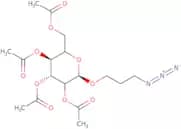
Pureza:Min. 95%3-Azidopropyl 2,3,4,6-tetra-O-acetyl-b-D-galactopyranoside
CAS:3-Azidopropyl 2,3,4,6-tetra-O-acetyl-b-D-galactopyranoside is a Custom synthesis of the monosaccharide galactose. It is modified with fluorine at the 3 and 4 positions on the carbon chain and also has an acetyl group at the 6 position. 3-Azidopropyl 2,3,4,6-tetra-O-acetyl-b-D-galactopyranoside is synthesized from the sugar glucose by methylation of the hydroxyl groups on C1 and C2. The chemical formula for this compound is C8H14N2O5. This molecule has a molecular weight of 204.22 g/mol and its CAS number is 819053-49-1.
Fórmula:C17H25N3O10Pureza:Min. 95%Forma y color:Colorless PowderPeso molecular:431.39 g/molN-Acetylmuramyl-L-alanyl-D-isoglutamine hydrate
CAS:Muramyl dipeptide is a component of the bacterial cell wall and is found in mycobacteria, mycoplasmas, spirochetes, and gram-positive bacteria. Muramyl dipeptide has been shown to induce the activation of macrophages and other cells by stimulating toll-like receptor 4. It also has significant cytotoxicity against various cancer cells, as well as potent inducers of ubiquitin ligases. The use of muramyl dipeptide in vitro was shown to inhibit replication of HIV-1 virus in human lymphocytes. This agent has also been used for the treatment of bowel disease.Fórmula:C19H32N4O11·xH2OPureza:Min. 96 Area-%Forma y color:PowderPeso molecular:492.48 g/molRef: 3D-MA58738
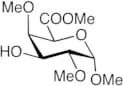
Producto descatalogadoMethyl(methyl 2,4-di-O-methyl-α-D-galactopyranoside)uronate
CAS:A uronic acid analogue of galactose
Fórmula:C10H18O7Pureza:Min. 95%Forma y color:PowderPeso molecular:250.25 g/molRef: 3D-MM181443
Producto descatalogado4-Acetamido-4-deoxy-D-glucose
CAS:4-Acetamido-4-deoxy-D-glucose is a custom synthesis of a monosaccharide that is modified with fluorine and methyl groups. It is synthesized by the Click modification, which involves the addition of an azide to an alkyne in a copper catalyzed reaction. 4-Acetamido-4-deoxy-D-glucose can be used as a building block for complex carbohydrate synthesis. 4-Acetamido-4-deoxy-D-glucose has shown effectiveness against fluoroquinolone resistance, as well as activity against methicillin resistant Staphylococcus aureus (MRSA) and Clostridium perfringens.
Fórmula:C8H15NO6Pureza:Min. 95%Forma y color:PowderPeso molecular:221.21 g/molRef: 3D-MA161350
Producto descatalogado2,3:4,5:6,7-Tri-O-isopropylidene-D-glycero-D-ido-heptonic acid methyl ester
2,3:4,5:6,7-Tri-O-isopropylidene-D-glycero-D-ido-heptonic acid methyl ester is an oligosaccharide that is a synthetic glycosylation product. It is a complex carbohydrate that has a high purity and CAS No. This compound can be custom synthesized to your specifications and modified in the lab with fluorination or methylation.
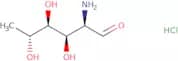
Pureza:Min. 95%D-Quinovosamine hydrochloride
CAS:Quinovosamine hydrochloride (QNH) is a fatty acid that belongs to the group of galacturonic acid. It has been shown to be biologically active in wild-type strains and in some bacterial strains, including Pseudomonas aeruginosa. QNH has also been used for preparation of monoclonal antibodies directed against receptor activity, which are activated by QNH.
Fórmula:C6H13NO4·HClPureza:Min. 95%Forma y color:PowderPeso molecular:199.63 g/molRef: 3D-MQ31639
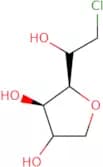
Producto descatalogado1,4-Anhydro-6-chloro-6-deoxy-D-glucitol
1,4-Anhydro-6-chloro-6-deoxy-D-glucitol is a complex carbohydrate that has been fluorinated and modified with methyl groups. It can be custom synthesized to produce high purity compounds. 1,4-Anhydro-6-chloro-6-deoxy-D-glucitol is used in synthesis of saccharides and oligosaccharides. The compound has been modified with Click chemistry to produce glycosylation products. It can also be used as an intermediate for the synthesis of sugar derivatives.
1,4-Anhydro-6-chloro-6-deoxy--D--glucitol has the following chemical structure:Fórmula:C6H11ClO4Pureza:Min. 95%Peso molecular:182.61 g/mol4-(3-(2,3-O-Isopropylidene-lyxofuranos-5-yl)propan-2-one-1-yl)piperidine-2,6-dione
4-(3-(2,3-O-Isopropylidene-lyxofuranos-5-yl)propan-2-one-1-yl)piperidine-2,6-dione is a high purity custom synthesis sugar. It is synthesized by Click modification, Fluorination, Glycosylation and Synthetic. 4-(3-(2,3-O-Isopropylidene-lyxofuranos-5-yl)propan-2-one 1 - yl)piperidine 2,6 dione has CAS No., Oligosaccharide and Carbohydrate as its properties. It is a saccharide which belongs to the class of complex carbohydrate.
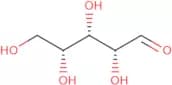
Pureza:Min. 95%D-Xylose
CAS:Xylose (Xyl) is an aldopentose also known as wood sugar (Collins, 2006). The main sources of xylose are hemicelluloses found in hardwood and perennial plants, such as, grasses, cereals, and herbs (Petzold-Welcke, 2014) and some algae. Xylose is used in the production of xylitol, a low calory sugar substitute. Xylose is used in glycosaminoglycan (GAG) biosynthesis, which is initiated by peptide O-xylosyltransferases, which transfer xylose onto selected serine residues in the core proteins. The first enzyme in the pathway, peptide O-xylosyltransferase, catalyzes the transfer of xylose from uridine diphosphate (UDP)-α-D-xylose onto serine and thus determines the site(s) of GAG attachment on the core protein (Briggs, 2018).
Fórmula:C5H10O5Pureza:Min. 98.0 Area-%Forma y color:White PowderPeso molecular:150.13 g/molRef: 3D-MX00355
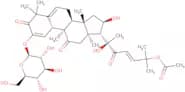
Producto descatalogado2-O-b-D-Glucopyranosylcucurbitacin E
CAS:2-O-b-D-glucopyranosylcucurbitacin E is a natural product that has been isolated from the roots of Cucurbita maxima. This compound has been shown to have bioactive properties, including antioxidant and antimicrobial activity. The extract was tested on chronic cough patients with type 2 diabetes mellitus. The treatment group showed significant improvements in symptoms and bioactive phytochemical levels compared to the control group.
2-O-b-D-glucopyranosylcucurbitacin E is a white powder that is soluble in methanol and water but not in chloroform or ether. It can be analyzed by liquid chromatography, which separates the different components of a sample by passing it through a column filled with an adsorbent material that retains some components more than others.Fórmula:C38H54O13Pureza:Min. 95%Peso molecular:718.83 g/mol5-Deoxy-L-arabonic acid 1,4-lactone
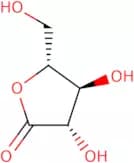
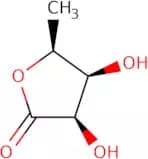
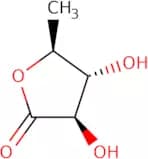
CAS:5-Deoxy-L-arabonic acid 1,4-lactone is a phytochemical present in the flowers of some plants. It has been shown to have anti-cancer properties in lung cancer cells by inhibiting the growth of these cells. 5-Deoxy-L-arabonic acid 1,4-lactone inhibits cell division and induces apoptosis by binding to DNA, preventing replication. This compound also inhibits the production of prostaglandins that promote inflammation, which may be related to its anti-cancer effects. 5-Deoxy-L-arabonic acid 1,4-lactone has been shown to inhibit the production of phenolic compounds such as vanillic acid and apigenin in lung cancer cell lines. These compounds have been shown to have chemopreventive activities against various cancers including breast cancer and colon cancer.
Fórmula:C5H8O4Pureza:Min. 95%Forma y color:PowderPeso molecular:132.12 g/molTopiramate D-galactopyranose
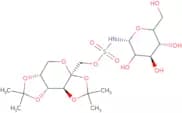
Topiramate D-galactopyranose is a custom synthesis, modification, fluorination, methylation and monosaccharide. It is synthesized by clicking modification and oligosaccharide. Topiramate D-galactopyranose has CAS No. and polysaccharide. This product has sugar and complex carbohydrate. It can be used as a fluoroquinolone antibiotic for the treatment of bacterial infections such as tuberculosis, leprosy, mycobacterium avium complex, or staphylococcus aureus infection.
!--Fórmula:C18H31NO13SPureza:Min. 95%Peso molecular:501.5 g/mol3-Deoxy-1,2:5,6-di-O-isopropylidene-3-trifluoromethyl-a-D-glucofuranose
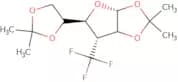
CAS:3-Deoxy-1,2:5,6-di-O-isopropylidene-3-trifluoromethyl-a-D-glucofuranose is a carbohydrate that has the following modifications: methylation at the 6 position of the 3rd carbon atom, glycosylation at the 2nd and 4th positions of the 5th carbon atom, fluorination at the 1st position of the 5th carbon atom. This carbohydrate has a CAS number 1426243-44-8 and can be found under Polysaccharide in CAS.
Fórmula:C13H19F3O5Pureza:Min. 95%Peso molecular:312.28 g/mol(1S) -1- [(2S, 3S,4R) -4-Hydroxymethyl-3- hydroxy- N-methyl-1- azetidinyl] -1, 2- ethanediol
(1S) -1- [(2S, 3S,4R) -4-Hydroxymethyl-3- hydroxy- N-methyl-1- azetidinyl] -1, 2- ethanediol is a synthetic sugar that can be used as a glycosylation or methylation agent. It is a white powder with a molecular weight of 342. The purity of this product is > 98%. This product has CAS No. 517862-65-8.
Pureza:Min. 95%GDP-D-mannose disodium salt
CAS:GDP-D-mannose is a natural mannosyl donor and substrate for mannosyltransferases that catalyses mannosylation, for instance during the synthesis of the trimannoside core of complex, high-mannose or hybrid N-glycans. GDP-D-mannose is widely used in (chemo)enzymatic synthesis of oligosaccharides and its biosynthesis occurs from glucose-6-phosphate over several steps. GDP-D-mannose consists of a D-mannose unit, α-glycosydically linked to the nucleotide guanosine diphosphate (GDP). Examples of this important reaction would be the transfer of mannosyl moieties onto the dolichol-P-P-GlcNAc2 precursor of N-glycans in the endoplasmatic reticulum, with release of GDP, or the mannosylation reactions during GPI-anchor (bio)synthesis. GDP-D-mannose has also been used for the in vitro synthesis of b-mannan oligosaccharides.
Fórmula:C16H23N5O16P2Na2Pureza:Min. 95 Area-%Peso molecular:649.3 g/mol(2, 4- Anhydro- 6- deoxy- L- mannonoyl)-glycine methyl ester
This is a custom synthesized product. It has been modified to include a methyl group at the 2,4-positions on the anhydro-6-deoxy-L-mannopyranose molecule. This modification is done using Click chemistry and the product contains a high level of purity. The modification can be used to create saccharides with high carbohydrate content and polysaccharides with different degrees of polymerization.
Pureza:Min. 95%2-Azido- 2- deoxy- 2- C- methyl-D- ribono-1,5- lactone
2-Azido-2-deoxy-2-C-methyl-D-ribono-1,5-lactone is a custom synthesized carbohydrate. It is an oligosaccharide that is modified by methylation and glycosylation. The carbohydrate has been fluorinated to provide the desired properties of this product. 2-Azido-2-deoxy-2-C-methyl-Dribono1,5 -lactone is a high purity product that is synthesized in a controlled environment with strict quality control measures. It has been synthesized using Click chemistry and is available for purchase in bulk quantities.
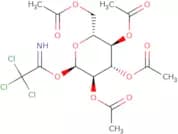
Pureza:Min. 95%2,3,4,6-Tetra-O-acetyl-a-D-glucopyranosyl trichloroacetimidate
CAS:2,3,4,6-Tetra-O-acetyl-a-D-glucopyranosyl trichloroacetimidate (2TG) is a mannose targeting agent that can be used to target specific cells in the body. This compound has been shown to inhibit the growth of cancer cells and induce photodynamic therapy. 2TG is a conjugate that consists of a 6-phosphate group attached to an acetylated mannose molecule. The 6-phosphate group is an important feature for tumor targeting, as it allows for the attachment of other molecules such as monoclonal antibodies and drugs. 2TG functions by binding with high affinity to glycoproteins on the surface of cancer cells and animal tissues. These glycoproteins are found in large quantities on the surface of cancer cells and animal tissue, which makes them good targets for anti-cancer drug development.Fórmula:C16H20Cl3NO10Pureza:Min. 95%Forma y color:PowderPeso molecular:492.69 g/molRef: 3D-MT04863
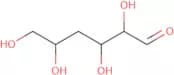
Producto descatalogado2-Deoxy-D-ribose
CAS:Used in synthetic organic chemistry and natural product synthesis. Induces apoptosis by inhibiting the synthesis and increasing the efflux of glutathione. It is used for synthesis of optically active dipyrrolyl alkanols from pyrroles on the surface of montmorillonite KSF clay.
Fórmula:C5H10O4Pureza:Min. 99.0 Area-%Peso molecular:134.13 g/molN-(3-Nitrobenzyliden)imino-2,3,4,6-tetra-O-pivaloyl-D-glucopyranoside
3-Nitrobenzylidenimino-2,3,4,6-tetra-O-pivaloyl-D-glucopyranoside is a fluorinated carbohydrate that is synthesized from 2,3,4,6-tetra-O-pivaloyl-D-glucopyranose. It has been modified with a nitrobenzylidene group. This compound can be used in the synthesis of glycosides and polysaccharides.
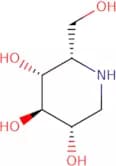
Fórmula:C33H48N2O11Pureza:Min. 95%Peso molecular:648.74 g/mol(2S, 3R, 4R, 5S) -2- (Hydroxymethyl) - 3, 4, 5- piperidinetriol
CAS:(2S, 3R, 4R, 5S) -2- (Hydroxymethyl) - 3, 4, 5- piperidinetriol is a naturally occurring metabolite of the amino acid tryptophan. It is a structural analog of glucosylceramide and has been shown to have inhibitory properties against β-glucosidase. Structural studies have shown that this compound has similar stereoselective properties as the natural product glucosylceramide. This compound was also found to be a competitive inhibitor of amines and a non-competitive inhibitor of β-glucosidase.
Fórmula:C6H13NO4Pureza:Min. 95%Peso molecular:163.17 g/mol2-[(1E)-2-[6-(β-D-Galactopyranosyloxy)-2,3-dihydro-1H-xanthen-4-yl]ethenyl]-3,3-dimethyl-1-propyl-3H-indolium iodide
CAS:Please enquire for more information about 2-[(1E)-2-[6-(β-D-Galactopyranosyloxy)-2,3-dihydro-1H-xanthen-4-yl]ethenyl]-3,3-dimethyl-1-propyl-3H-indolium iodide including the price, delivery time and more detailed product information at the technical inquiry form on this page
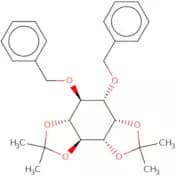
Fórmula:C34H40NO7•IPureza:Min. 95%Peso molecular:701.59 g/mol2,3:4,5-Di-O-isopropylidene-1,6-di-O-benzyl-D-myo-inositol
2,3:4,5-Di-O-isopropylidene-1,6-di-O-benzyl-D-myo-inositol is a complex carbohydrate and a sugar. It is an oligosaccharide with two monosaccharides and a glycosidic linkage. It has been modified by methylation, fluorination and Click chemistry. This compound has been custom synthesized for high purity.
Fórmula:C26H32O6Pureza:Min. 95%Peso molecular:440.53 g/molMethyl 4-azido-4-deoxy-2,3-O-isopropylidene-a-D-mannopyranoside
Methyl 4-azido-4-deoxy-2,3-O-isopropylidene-a-D-mannopyranoside is a glycosylation reagent that is used to synthesize complex carbohydrates. This product is a monosaccharide with CAS No. 682487-41-6 and has a custom synthesis. It can be fluorinated and saccharified, resulting in an oligosaccharide. The synthesis of this product is based on the Click reaction, which is an efficient way to modify sugar molecules. This product has high purity and can be custom synthesized to meet your needs.
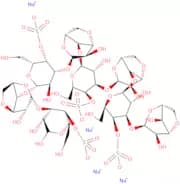
Pureza:Min. 95%Neocarraoctaose-4¹,4³,4⁵,4⁷-tetra-O-sulfate sodium
CAS:Neocarraoctaose-41,3,5,7-tetra-O-sulfate sodium salt is a synthetic carbohydrate compound that is used in the synthesis of oligosaccharides and polysaccharides. The chemical name of this product is Neocarraoctaose-41,3,5,7-tetra-O-sulfate sodium salt. It has a molecular weight of 598.34 g/mol and a CAS number of 133647-94-6. This product can be synthesized by methylation, custom synthesis, click modification and fluorination.
Fórmula:C48H74O49S4•Na4Pureza:Min. 95%Forma y color:PowderPeso molecular:1,655.3 g/molRef: 3D-MN01692
Producto descatalogado3-Deoxy-D-gluconic acid
CAS:3-Deoxy-D-gluconic acid is a chemical compound that has the chemical structure of C6H12O6. It is a white crystalline solid that can be found in nature as a reaction product of glucose and oxygen. 3-Deoxy-D-gluconic acid can also be synthesized by reacting D-glucose with nitrous acid or sulfur dioxide. 3-Deoxy-D-gluconic acid is an organic acid and has been shown to inhibit the growth of filamentous fungi by acting on their glycosidic bonds. This chemical compound has not been shown to have any adverse health effects in humans, although it may cause irritation if it comes into contact with skin or eyes.
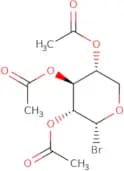
Fórmula:C6H12O6Pureza:Min. 95%Peso molecular:180.16 g/mola-Acetobromo-D-xylose
CAS:a-Acetobromo-D-xylose is an oligosaccharide sugar used in glycosylation and polysaccharide modifications. It is synthesized by the fluorination of xylose with acetic acid, bromine, and a base. The product is purified by vacuum distillation and recrystallization. In addition to its use as a carbohydrate, this product can be modified using methylation or click chemistry to create derivatives.
Fórmula:C11H15BrO7Pureza:Min. 95%Peso molecular:339.14 g/molEthyl 3-O-benzyl-4,6-O-benzylidene-2-deoxy-2-N-phthalimido-b-D-thioglucopyranoside
CAS:Ethyl 3-O-benzyl-4,6-O-benzylidene-2-deoxy-2-N-phthalimido-b-D-thioglucopyranoside is a synthetically modified sugar. It is a monosaccharide that has been fluorinated and methylated. This modification has been shown to increase the stability of the sugar in the presence of water. The sugar also has an oligosaccharide and polysaccharide moiety attached to it. These saccharides are glycosylated and have a complex carbohydrate structure.
Fórmula:C30H29NO6SPureza:Min. 95%Forma y color:PowderPeso molecular:531.62 g/molRef: 3D-ME08389
Producto descatalogado(3S, 4R) -3, 4- Dihydroxy- 2- methyl-D- proline
(3S, 4R) -3, 4-Dihydroxy-2-methyl-D-proline is a synthetic monosaccharide. It is an intermediate in the synthesis of (3S, 4R)-3,4-dihydroxy-2-methyl-D-proline and can be used for the production of glycosylated products. This carbohydrate has been synthesized by fluorination followed by methylation and glycosylation. This is a high purity product that can be custom synthesized to meet your needs.
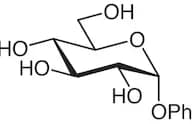
Pureza:Min. 95%Phenyl α-D-Glucopyranoside
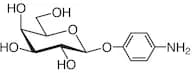
CAS:Fórmula:C12H16O6Pureza:>97.0%(GC)Forma y color:White to Light yellow powder to crystalPeso molecular:256.254-Aminophenyl β-D-Galactopyranoside
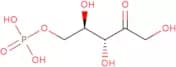
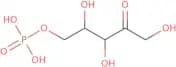
CAS:Fórmula:C12H17NO6Pureza:>98.0%(HPLC)Forma y color:White to Almost white powder to crystalPeso molecular:271.27D-Ribulose 5-phosphate sodium salt
CAS:Reference compound for metabolites of the pentosephosphate pathway
Fórmula:C5H11O8P·xNaPureza:Min. 96 Area-%Forma y color:White Yellow PowderPeso molecular:230.11 g/molRef: 3D-MR45852
Producto descatalogadoD-Ribulose 5-phosphate sodium
CAS:Ribulose 5-phosphate sodium is a chemical that can be used to inhibit the enzyme ribulose phosphate reductase. Ribulose 5-phosphate sodium has been shown to inhibit glycolaldehyde production in the chloroplasts of plants, effectively reducing the amount of carbon dioxide produced. This chemical has also been shown to have an inhibitory effect on other enzymes involved in carbon fixation and assimilation. The effectiveness of this chemical is dependent on the specific plant species and environmental conditions.
Fórmula:C5H11O8P•NaxPureza:Min. 95%Forma y color:PowderPeso molecular:230.11 g/molRef: 3D-AAA09387
Producto descatalogadoNefopam glucuronide
Nefopam is a compound that has been used as an analgesic and antipyretic. It is structurally related to the benzodiazepine class of drugs, but is not chemically equivalent to any other known drug. Nefopam has a low therapeutic index and can cause severe toxic effects in overdose. The most common adverse effects of nefopam are dizziness, drowsiness, headache, nausea and vomiting. An overdose can lead to death by respiratory paralysis or cardiac arrest.
Fórmula:C23H27NO7Pureza:Min. 95%Peso molecular:429.46 g/molRef: 3D-MN46697
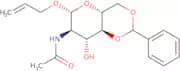
Producto descatalogadoAllyl 2-acetamido-4,6-O-benzylidene-2-deoxy-b-D-glucopyranoside
CAS:Allyl 2-acetamido-4,6-O-benzylidene-2-deoxy-b-D-glucopyranoside is a synthetic compound that belongs to the class of carbohydrates. It is used as a reagent in sugar chemistry and glycosylation reactions. Allyl 2-acetamido-4,6-O-benzylidene-2-deoxy-b-D-glucopyranoside is also used for the modification of polysaccharides and fluorination reactions. This product has been shown to be effective as a substrate for site specific methylation reactions. Allyl 2 acetamido 4,6 O benzylidene 2 deoxy b D glucopyranoside has been tested in vitro against methicillin resistant Staphylococcus aureus (MRSA) with promising results.
Fórmula:C18H23NO6Pureza:Min. 95%Peso molecular:349.39 g/mol4-Aminophenyl b-D-thioglucopyranoside
CAS:4-Aminophenyl b-D-thioglucopyranoside is a compound that belongs to the group of small molecules and has been studied for its potential use as a drug to treat brain tumours. It has been shown that 4-Aminophenyl b-D-thioglucopyranoside binds to centromeric DNA sequences in mammalian cells, which can lead to inhibition of transcription and replication. This inhibitory effect on transcription and replication is due to the inhibition of acetyltransferase enzymes by 4-Aminophenyl b-D-thioglucopyranoside.
Fórmula:C12H17NO5SPureza:Min. 95%Peso molecular:287.33 g/molRef: 3D-MA06858
Producto descatalogado5-(S-2-Pyridin-3-yl-pyrrolidine)-1-yl-5-deoxy-1,2-isopropylidene-a-D-xylofuranose
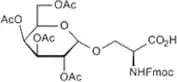
CAS:5-(S-2-Pyridin-3-yl-pyrrolidine)-1-yl-5-deoxy-1,2-isopropylidene-a-D-xylofuranose is a glycosylated sugar which can be modified with methyl groups, fluorine atoms, and saccharides. This compound has been synthesized in the laboratory and has not been found in nature. It is soluble in water and ethanol. The compound is available for custom synthesis to order.Fórmula:C17H24N2O4Pureza:Min. 95%Peso molecular:320.39 g/mol2,3,4,6-Tetra-O-acetyl-a-D-galactopyranosyl-Fmoc serine
CAS:2,3,4,6-Tetra-O-acetyl-a-D-galactopyranosyl-Fmoc serine is a custom synthesis that has been modified by fluorination and methylation. It is a monosaccharide with CAS No. 1351605-34-8 and Polysaccharide with Glycosylation and sugar Carbohydrate. This molecule has a complex carbohydrate structure with many glycosylation sites.Fórmula:C32H35NO14Pureza:Min. 95%Peso molecular:657.62 g/molRef: 3D-MT09625
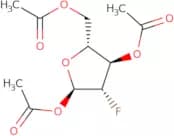
Producto descatalogado1,3,5-Tri-O-acetyl-2-deoxy-2-fluoro-a-D-arabinofuranose
CAS:1,3,5-Tri-O-acetyl-2-deoxy-2-fluoro-a-D-arabinofuranose is a sugar that is modified with fluorine. It has been synthesized using the "click" reaction methodology and is available for custom synthesis. This synthetic sugar can be used in glycosylation reactions or as a monosaccharide or polysaccharide in complex carbohydrate click chemistry. This product is of high purity and can be modified with methyl groups or other functional groups to suit your needs.Fórmula:C11H15FO7Pureza:Min. 95%Peso molecular:278.23 g/molRef: 3D-MT04737
Producto descatalogadoD-Xylulose 5-phosphate sodium
CAS:D-Xylulose 5-phosphate sodium salt is a synthetic monosaccharide that can be used in the synthesis of oligosaccharides, polysaccharides, and complex carbohydrates. It is also used in glycosylation reactions. D-Xylulose 5-phosphate sodium salt has been fluorinated to provide better stability and solubility. The compound has a molecular weight of 206.06 g/mol and a CAS number of 105931-44-0. This product is available for custom synthesis upon request.
Fórmula:C5H11O8PNaPureza:Min. 95%Forma y color:PowderPeso molecular:252.09 g/molRef: 3D-MX182933
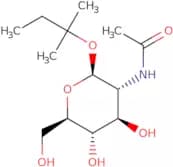
Producto descatalogadotert-Amyl 2-acetamido-2-deoxy-b-D-glucopyranoside
CAS:Tert-Amyl 2-acetamido-2-deoxy-b-D-glucopyranoside is a synthetic derivative of the natural sugar nucleotide, UDP-N-acetylgalactosamine. It is a precursor for the synthesis of glycosaminoglycans, which are important components of proteoglycans and glycosaminoglycan aggregates. Tert-Amyl 2-acetamido-2-deoxy-b-D-glucopyranoside has been modified by fluorination and methylation to provide increased stability and reactivity. This product is available in high purity with a CAS number of 262849-66-1.
Fórmula:C13H25NO6Pureza:Min. 95%Peso molecular:291.34 g/mol1, 4- Anhydro- 3- deoxy-D- threo- pentitol
CAS:1,4-Anhydro-3-deoxy-D-threo-pentitol is a custom synthesis of a monosaccharide. The structure consists of a hydrogen attached to the oxygen on the anomeric carbon which is then substituted with fluorine. The hydroxyl group on C1 is methylated and then reduced to form a hemiacetal linkage with the C6 hydroxyl group. This product can be used in glycosylation reactions to produce complex carbohydrates.
Fórmula:C5H10O3Pureza:Min. 95%Peso molecular:118.13 g/mol2-Acetamido-1,3,4,6-tetra-O-acetyl-2-deoxy-a-D-galactopyranose
CAS:2-Acetamido-1,3,4,6-tetra-O-acetyl-2-deoxy-a-D-galactopyranose is a fluorinated complex carbohydrate that has been modified by methylation and acetylation. This product is a custom synthesis that has not been previously described in the scientific literature. It is synthesized from 2, 3, 4, 6 tetraacetyl alpha D galactopyranoside and 2 deoxy alpha D galactopyranose. The chemical properties of this compound are similar to those of other complex carbohydrates such as glycogen and heparin.
Fórmula:C16H23NO10Pureza:Min. 90.0 Area-%Peso molecular:389.35 g/mol4-Aminophenyl 2,3,4-tri-O-acetyl-b-D-glucuronide methyl ester
CAS:4-Aminophenyl 2,3,4-tri-O-acetyl-b-D-glucuronide methyl ester is an organic compound that belongs to the group of Modifications. It is a colorless solid with a melting point of about 200. °C. This product is used in the synthesis of oligosaccharides and carbohydrates. The molecular formula for 4-aminophenyl 2,3,4-tri-O-acetyl-b-D-glucuronide methyl ester is C8H14N2O5 and its molecular weight is 240.24 g/mol. The CAS Registry Number (RN) for this product is 25218-22-8 and its EINECS number is 249 3 578 - 7 .Fórmula:C19H23NO10Pureza:Min. 95%Peso molecular:425.39 g/mol2-Amino-2,3,5-trideoxy-3-methyl-L-arabinonic acid-gamma-lactone hydrochloride
CAS:2-Amino-2,3,5-trideoxy-3-methyl-L-arabinonic acid-gamma-lactone hydrochloride is a lipid biosynthesis inhibitor that blocks the first step of this pathway by inhibiting the enzyme d-arabinose 4,5-diphosphate aldolase. This compound inhibits bacterial growth and leads to cell lysis. It has been shown to be active against cryptococcus neoformans and Candida neopformans. 2AADL has also been shown to inhibit the production of cell wall polysaccharides in C. neoformans and other fungi. 2AADL is thought to bind to the cell membrane through its alcohol group, which may lead to changes in the redox potential of the cells.
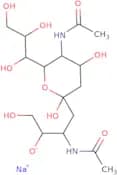
Pureza:Min. 95%3'-a-Sialyl-N-acetyllactosamine sodium salt
CAS:3'-a-Sialyl-N-acetyllactosamine sodium salt is a high purity, custom synthesis sugar. It has been modified with fluorination, glycosylation, and methylation to provide the desired properties. This product is also available in other forms such as monosaccharide and saccharide. 3'-a-Sialyl-N-acetyllactosamine sodium salt can be used in various applications including Click modification, fluoroamination, glycosylation, carbonylation and methylation. CAS No. 350697-53-9
Fórmula:C25H42N2O19NaPureza:Min. 95%Peso molecular:697.59 g/molRef: 3D-MS182937
Producto descatalogado5-Deoxy-L-lyxono-1,4-lactone
CAS:5-Deoxy-L-lyxono-1,4-lactone is a crystalline solid that belongs to the class of hydroxamic acids. This compound has been shown to react with hydroxylamine in an aldonic reaction and to inhibit the enzyme xanthin oxidase. The monoclinic crystal structure of 5-Deoxy-L-lyxono-1,4-lactone was determined by XRD analysis. This compound is synthesized from glyoxylate and malonitrile in an efficient manner. It also inhibits glucose oxidation and can be used as an additive for food products.
Fórmula:C5H8O4Pureza:Min. 95%Peso molecular:132.12 g/molRef: 3D-MD09167
Producto descatalogadoo-Topolin-9-glucoside
CAS:O-topolin-9-glucoside is a custom synthesis of a sugar. It can be modified with fluorination, methylation, and click modification. O-topolin-9-glucoside is an oligosaccharide sugar that can be glycosylated or polysaccharided.
Fórmula:C18H21N5O6Pureza:Min. 95%Peso molecular:403.39 g/mol3,2',3',4'-Tetra-O-acetyl-6,6'-di-O-tert-butyldimethylsilyl-lactal
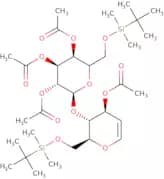
CAS:3,2',3',4'-Tetra-O-acetyl-6,6'-di-O-tert-butyldimethylsilyl-lactal is a glycosylation agent that can be used in the synthesis of oligosaccharides and polysaccharides. It can be fluorinated to create a reactive site for methylation and click modification. 3,2',3',4'-Tetra-O-acetyl-6,6'-di-O-tert-butyldimethylsilyl-lactal is an acetylated lactal with a silyl ether protecting group. This product has been custom synthesized and is available in high purity.
Pureza:Min. 95%Phenyl 2-deoxy-2-phthalimido-b-D-thioglucopyranoside
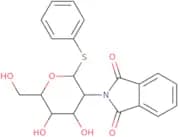
CAS:Phenyl 2-deoxy-2-phthalimido-b-D-thioglucopyranoside is a glycosylation agent that has a glycone with a pyranoside at the 3′ position and an amide bond at the 2′ position. It is used in the synthesis of oligosaccharides and polysaccharides, as well as for Click modification. The compound is also used to modify proteins and saccharides. Phenyl 2-deoxy-2-phthalimido-b-D-thioglucopyranoside has been shown to be stable when heated, making it useful for complex carbohydrate synthesis.Fórmula:C20H19NO6SPureza:Min. 98 Area-%Forma y color:PowderPeso molecular:401.43 g/mol2,3,5-Tri-O-p-chlorobenzyl-L-fucopyranoside
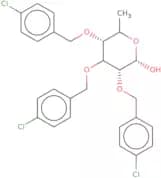
CAS:2,3,5-Tri-O-p-chlorobenzyl-L-fucopyranoside is a modified sugar and an effective inhibitor of the glycosidase enzymes. It has been shown to inhibit the synthesis of glycogen in vitro. 2,3,5-Tri-O-p-chlorobenzyl-L-fucopyranoside is a major component of commercially available agarose gel electrophoresis buffers and is also used for modification of proteins by click chemistry. The compound can be custom synthesised with a high degree of purity and can be fluorinated for use in mass spectrometry.
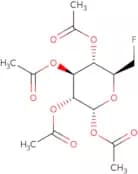
Fórmula:C27H27Cl3O5Pureza:Min. 95%Peso molecular:537.86 g/mol1,2,3,4-Tetra-O-acetyl-6-deoxy-6-fluoro-a-D-glucopyranose
CAS:1,2,3,4-Tetra-O-acetyl-6-deoxy-6-fluoro-a-D-glucopyranose is a synthetic sugar that contains four acetyl groups and one fluorine atom. It can be used for the synthesis of oligosaccharides and glycosylations. This product is custom synthesized according to customers' requirements, with high purity and good quality.
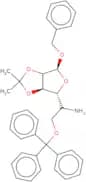
Fórmula:C14H19FO9Pureza:Min. 95%Peso molecular:350.29 g/molBenzyl 5-amino-5-deoxy-2,3-O-isopropylidene-6-O-trityl-a-L-gulofuranoside
Benzyl 5-amino-5-deoxy-2,3-O-isopropylidene-6-O-trityl-a-L-gulofuranoside is a custom synthesis of an Oligosaccharide. It is a complex carbohydrate that has been modified by methylation and glycosylation. The saccharide in this compound is a sugar and it has been fluorinated. This product is of high purity and has been synthesized using click chemistry.
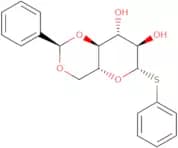
Fórmula:C35H37NO5Pureza:Min. 95%Forma y color:SolidPeso molecular:551.67 g/molPhenyl 4,6-O-benzylidene-β-D-thioglucopyranoside
CAS:Phenyl 4,6-O-benzylidene-b-D-thioglucopyranoside is a biodegradable compound that has been shown to be effective in the treatment of cancer. This agent is synthesized by the reaction of c1-6 alkyl with benzaldehyde and thioglycolic acid in the presence of sodium borohydride. Phenyl 4,6-O-benzylidene-b-D-thioglucopyranoside emits light when it interacts with oxygen. This compound can be used for the treatment of tumors due to its ability to inhibit the proliferation of cancer cells. Phenyl 4,6-O-benzylidene-b-D-thioglucopyranoside has also been shown to reduce cardiac injury and improve blood pressure by inhibiting tyrosine kinase and increasing paracrine activity.Fórmula:C19H20O5SPureza:Min. 95%Forma y color:PowderPeso molecular:360.42 g/molRef: 3D-MP04366
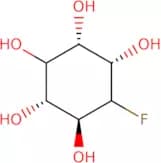
Producto descatalogado3-Deoxy-3-fluoro-D-myo-inositol
CAS:3-Deoxy-3-fluoro-D-myo-inositol, also known as myo-inositol 3-O-(2'-deoxy) (dFMI), is a natural product found in the brain that has been shown to selectively inhibit the growth of trophozoites. It can bind to nonselective cations and block intracellular Ca2+ channels. This causes an increase in cytosolic Ca2+ concentration, which activates a cytosolic Ca2+ signal cascade. These effects show that dFMI is capable of inhibiting the growth of trophozoites by blocking the function of Ca2+ channels and increasing cytosolic Ca2+.
Fórmula:C6H11FO5Pureza:Min. 95%Peso molecular:182.15 g/mol4-Deoxy-D-glucose
CAS:4-Deoxy-D-glucose is a sugar that is synthesized by the condensation of two molecules of erythrose. It has been shown to be an efficient donor substrate for nucleophilic attack, which can lead to the synthesis of glycosides and other natural products. 4-Deoxy-D-glucose is also a competitive inhibitor of uridine diphosphate (UDP) glucose, which is an enzyme involved in the biosynthesis of UDP sugars and glycoproteins. The concentration of 4-deoxy-D-glucose affects its catalytic mechanism, as it acts as a competitive inhibitor at high concentrations. Molecular modeling has revealed that this molecule adopts a chair conformation with significant solvent exposure.
Fórmula:C6H12O5Pureza:Min. 98 Area-%Forma y color:PowderPeso molecular:164.16 g/molRef: 3D-MD180432
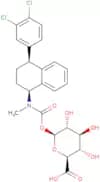
Producto descatalogadoSertraline carbamoyl glucuronide
CAS:Sertraline is a selective serotonin reuptake inhibitor (SSRI) that is used primarily in the treatment of depression and anxiety. It inhibits the serotonin transporter protein, making more serotonin available for binding to postsynaptic receptors. Sertraline also has a minor inhibitory effect on norepinephrine and dopamine reuptake, but its primary function is as a selective serotonin reuptake inhibitor. The major metabolite of sertraline is sertraline carbamoyl glucuronide, which is formed through glucuronidation by UGT2B7. This metabolite has been found to be bifurcated with one half being excreted in urine and the other half being excreted in faeces. The half that undergoes urinary excretion has been shown to have a half-life of 24 hours whereas the other half has a much shorter half-life of 2 hours. Carbamoylation of sertraline may
Fórmula:C24H25Cl2NO8Pureza:Min. 95%Peso molecular:526.36 g/molRef: 3D-MS16854
Producto descatalogadoiminosugar 2
Iminosugar 2 is a custom synthesis that is modified with fluorination, methylation, and click modification. This product is a monosaccharide and an oligosaccharide that has glycosylation. It is a saccharide that has polysaccharides as complex carbohydrates. Iminosugar 2 can be used in the production of polymers and pharmaceuticals.
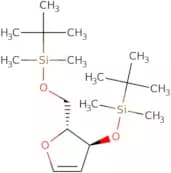
Pureza:Min. 95%1,4-Anhydro-2-deoxy-3,5-bis-O-(t-butyldimethylsilyl)-D-erythro-pent-1-enitol
CAS:1,4-Anhydro-2-deoxy-3,5-bis-O-(t-butyldimethylsilyl)-D-erythro-pent-1-enitol is a custom synthesis that has been fluorinated. It is a high purity oligosaccharide with a complex carbohydrate structure. This product was synthesized by click modification and methylation of the saccharide. It is a monosaccharide and sugar with a molecular formula C8H14FNO6S.Fórmula:C17H36O3Si2Pureza:Min. 95%Forma y color:Clear LiquidPeso molecular:344.64 g/molRef: 3D-MA06401
Producto descatalogado2,3,4,6-Tetra-O-benzoyl-b-D-glucopyranosyl isothiocyanate
CAS:2,3,4,6-Tetra-O-benzoyl-b-D-glucopyranosyl isothiocyanate (TBG) is a fluorescent compound that has been shown to inhibit the activity of proteinase and other enzymes. TBG is also an inhibitor of human blood glucose levels. This compound is not chiral, but it can be used as a reagent for the production of chiral compounds. TBG binds to DNA with high affinity and specificity. It has been shown to act as a growth factor for some cancer cells by inhibiting the expression of p21 protein.
Fórmula:C35H27NO9SPureza:Min. 95%Peso molecular:637.66 g/molRef: 3D-MT05028
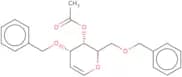
Producto descatalogado4-O-Acetyl-3,6-di-O-benzyl-D-glucal
CAS:4-O-Acetyl-3,6-di-O-benzyl-D-glucal is a custom synthesized compound with high purity. This product is a complex carbohydrate that can be used as a monosaccharide or sugar. It has been modified with fluorination and methylation to produce a compound that is resistant to degradation by enzymes and oxidation. The CAS number for this product is 165524-87-8.
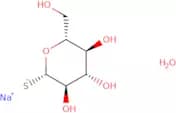
Fórmula:C22H24O5Pureza:Min. 95%Peso molecular:368.43 g/molb-D-Thioglucose sodium salt hydrate
CAS:b-D-Thioglucose sodium salt hydrate is a complex carbohydrate that is used as an intermediate for the synthesis of oligosaccharides and polysaccharides. It is also used in the modification of saccharide chains, such as glycosylation, and for the preparation of fluorinated carbohydrates. b-D-Thioglucose sodium salt hydrate is high purity, with no detectable impurities or degradation products. It has been modified with fluorine to form a new chemical entity that has not been previously described in the literature.
Fórmula:C6H11NaO5S·H2OPureza:Min. 95%Peso molecular:236.22 g/molRef: 3D-MT02234
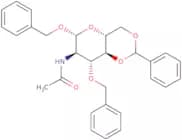
Producto descatalogado2-Acetamido-1,3-di-O-benzyl-4,6-O-benzylidene-2-deoxy-b-D-glucopyranoside
CAS:2-Acetamido-1,3-di-O-benzyl-4,6-O-benzylidene-2-deoxy-b-D-glucopyranoside is a modification of a carbohydrate. It is a complex carbohydrate that has been synthesized by custom synthesis. It is an oligosaccharide with high purity and monosaccharides methylated at the hydroxyl group. The glycosylation and polysaccharide have been synthesized with fluorination and saccharides.Fórmula:C29H31NO6Pureza:Min. 95%Peso molecular:489.56 g/molRef: 3D-MA06754
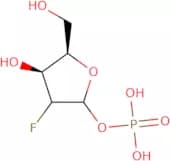
Producto descatalogado2-Deoxy-2-fluoro-D-arabinofuranose-1-phosphate
2-Deoxy-2-fluoro-D-arabinofuranose-1-phosphate is a synthetic sugar that is used in the synthesis of oligosaccharides and saccharide derivatives. It has been shown to be a promising candidate for Click modification, as well as fluorination, glycosylation, methylation, and other modifications. This sugar can be found under CAS No. 131069-06-6.Fórmula:C5H7FO7PPureza:Min. 95%Peso molecular:229.08 g/mol2-Acetonyl-1,3,4,6-tetra-O-acetyl-2-deoxy-b-D-galactopyranoside
2-Acetonyl-1,3,4,6-tetra-O-acetyl-2-deoxy-b-D-galactopyranoside is a synthetic sugar that has been modified to contain an acetyl group at the C2 position. The synthesis of this compound is based on the modification of galactose with acetic anhydride. This product has been shown to be resistant to hydrolysis by esterases or glucuronidases and can also inhibit bacterial growth in culture. It is a monosaccharide with a CAS number of 85583-40-7. It is also used as a precursor for the synthesis of complex carbohydrates.
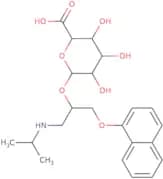
Pureza:Min. 95%(S)-Propranolol glucuronide
CAS:(S)-Propranolol glucuronide is a custom-synthesized sugar that has been modified with fluorination and methylation. It is also a polysaccharide that has been glycosylated and carbamoylated. This compound is a white crystalline solid that can be used as an intermediate in the synthesis of saccharides, oligosaccharides, and polysaccharides.
Fórmula:C22H29NO8Pureza:Min. 95%Peso molecular:435.47 g/molRef: 3D-MP35495
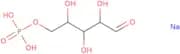
Producto descatalogadoD-Ribulose-5-phosphate sodium
CAS:D-ribulose-5-phosphate sodium is a nucleotide sugar that is one of the ribonucleotides, which are fundamental components of RNA. D-ribulose 5-phosphate sodium has been shown to be an intermediate in the metabolism of ribulose and catalyzes the oxidation of d-arabinose. This enzyme also catalyses the synthesis of fatty acids and participates in reactions involving glycerolipids and phospholipids. The reaction mechanism involves a double displacement with simultaneous attack by a water molecule on C2' and C3'. When deuterium is present, it affects the rate of these reactions in a way that depends on the orientation of the substrate to the enzyme.
Fórmula:C5H11NaO8PPureza:Min. 95%Peso molecular:253.1 g/molRef: 3D-BDA05475
Producto descatalogadoMethyl D-arabinofuranoside
CAS:Methyl D-arabinofuranoside is an antimycobacterial agent that inhibits the synthesis of mycolic acids, which are important components of the cell wall of Mycobacterium tuberculosis. Methyl D-arabinofuranoside has been shown to be active against drug-resistant strains and has been well tolerated by animals. This compound can be synthesized from 2,4-dichlorophenylacetic acid and arabinose in two steps. The first step involves a three-component condensation reaction with sodium hydroxide, hydrochloric acid, and 2,4-dichlorophenylacetic acid. The second step is a nucleophilic attack on the pyran ring of methyl D-arabinofuranoside with hypophosphorous acid. Methyl D-arabinofuranoside can also be prepared by reacting sodium nitrosobenzene with sodium benzene sulfinate in alcoholic solution
Fórmula:C6H12O5Pureza:Min. 95%Forma y color:Off-White PowderPeso molecular:164.16 g/molRef: 3D-MM31839
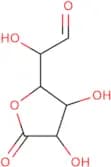
Producto descatalogadoD-Galacturono-6,3-lactone
CAS:D-Galacturono-6,3-lactone is a fatty acid that is part of the glucuronolactone family and has been shown to have anti-obesity effects in vitro. D-Galacturono-6,3-lactone has been synthesized from sodium citrate and hydrochloric acid in the presence of magnesium salt, and the product was purified by crystallization. It has also been shown to inhibit aminotransferase activity and increase locomotor activity. D-Galacturono-6,3-lactone has a ph optimum of 4.5, which can be determined by an analytical method involving the measurement of hydrogen ion concentration.
Pureza:Min. 95%Ref: 3D-MG01313
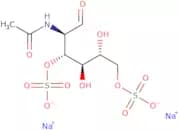
Producto descatalogadoN-Acetyl-D-glucosamine-3-6-di-O-sulfate sodium
CAS:N-Acetyl-D-glucosamine-3-6-di-O-sulfate sodium salt is a synthetic oligosaccharide. It is a fluorinated glycosylic acid glycosidase, an enzyme that catalyzes the hydrolysis of beta-(1,2)-glycosidic linkages in polysaccharides. This product can be custom synthesized to meet your specifications and can be modified with methylation or click modification for your specific needs.Fórmula:C8H15NO12S2•Na2Pureza:(13C-Nmr Spectrum) Min. 95%Forma y color:White PowderPeso molecular:427.32 g/molRef: 3D-MA58453
Producto descatalogadoN-Acetylmuramic acid 6-phosphate
CAS:N-Acetylmuramic acid 6-phosphate is a molecule that belongs to the class of compounds known as nucleotide phosphates. It is an intermediate in the biosynthesis of peptidoglycan, which is a major component of bacterial cell walls. N-Acetylmuramic acid 6-phosphate is synthesized from ATP and N-acetylmuramic acid by hydrolysis. The reaction mechanism for this transformation involves an imine intermediate, which can be formed through the action of two molecules of ATP and one molecule of N-acetylmuramic acid. This reaction is catalyzed by an enzyme called heterocyst. The enzyme kinetics for this transformation are influenced by many factors, including temperature, pH, and substrate concentration.Fórmula:C11H20NO11PPureza:Min. 95%Peso molecular:373.25 g/molGlucosamine L-5-methyltetrahydrofolate
CAS:Please enquire for more information about Glucosamine L-5-methyltetrahydrofolate including the price, delivery time and more detailed product information at the technical inquiry form on this page
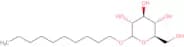
Fórmula:C20H25N7O6•(C6H13NO5)2Pureza:Min. 95%Peso molecular:817.8 g/molDecyl D-glucopyranoside
CAS:Decyl D-glucopyranoside is a sodium salt of decyl D-glucopyranoside that is used as a detergent additive in cleaning compositions. Decyl D-glucopyranoside has shown antimicrobial activity against both Gram-positive and Gram-negative bacteria, including methicillin resistant Staphylococcus aureus (MRSA) and Clostridium perfringens. Decyl D-glucopyranoside has also been shown to have chemical stability at high temperatures, making it useful in the manufacture of lacrimal gland preparations and cationic surfactants.
Fórmula:C16H32O6Peso molecular:320.42 g/molRef: 3D-MD11310
Producto descatalogadoADP-L-glycero-b-D-manno-heptose
ADP-L-glycero-b-D-manno-heptose is a synthetic, fluorinated oligosaccharide that is custom synthesized and modified. It has a high purity level and CAS No., as well as being a complex carbohydrate that can be modified with methylation or click modification to generate desired properties. ADP-L-glycero-b-D-manno-heptose is an Oligosaccharide with a glycosylation and methylation. This compound can be used in the synthesis of saccharides, polysaccharides, or other complex carbohydrates.
Pureza:Min. 95%


![(1S) -1- [(2S, 3S,4R) -N-Benzyl-4-hydroxymethyl-3- hydroxy- 1- azetidinyl] -1, 2- ethanediol](/_next/image/?url=https%3A%2Fstatic.cymitquimica.com%2Fproducts%2F3D%2Fthumb-webp%2FMB163383.webp&w=3840&q=75)




![(1S) -1- [(2S, 3S,4R) -4-Hydroxymethyl-3- hydroxy- N-methyl-1- azetidinyl] -1, 2- ethanediol](/_next/image/?url=https%3A%2Fstatic.cymitquimica.com%2Fproducts%2F3D%2Fthumb-webp%2FMH163379.webp&w=3840&q=75)




![2-[(1E)-2-[6-(β-D-Galactopyranosyloxy)-2,3-dihydro-1H-xanthen-4-yl]ethenyl]-3,3-dimethyl-1-propyl-…](/_next/image/?url=https%3A%2Fstatic.cymitquimica.com%2Fproducts%2F3D%2Fthumb-webp%2FMG183953.webp&w=3840&q=75)