Monosacáridos
Subcategorías de "Monosacáridos"
- Allosas(11 productos)
- Arabinosas(21 productos)
- Eritrosas(11 productos)
- Fructosas(9 productos)
- Fucosas(36 productos)
- Galactosamina(41 productos)
- Galactosa(261 productos)
- Glucosas(365 productos)
- Ácidos glucurónicos(52 productos)
- Glico-sustratos para enzimas(78 productos)
- Gulosas(6 productos)
- Idosas(4 productos)
- Inositoles(15 productos)
- Lyxosas(4 productos)
- Manosas(65 productos)
- O-glicanos(48 productos)
- Psicosas(3 productos)
- Ramnosas(10 productos)
- Ribosas(61 productos)
- Ácidos siálicos(100 productos)
- Sorbosas(4 productos)
- Azúcares(173 productos)
- Tagatosis(4 productos)
- Taloses(8 productos)
- Xilosas(20 productos)
Se han encontrado 6088 productos de "Monosacáridos"
4-Methylphenyl b-D-thioglucopyranoside
CAS:4-Methylphenyl b-D-thioglucopyranoside is a carbohydrate that has been modified by fluorination, methylation, glycosylation, and click modification. It is an oligosaccharide sugar with CAS No. 1152-39-2 and is custom synthesized for high purity. This compound is synthesized from saccharides or from the combination of monosaccharides using glycosylation and click chemistry. 4-Methylphenyl b-D-thioglucopyranoside can be used as a synthetic intermediate in the synthesis of other compounds.Fórmula:C13H18O5SPureza:Min. 95%Forma y color:White PowderPeso molecular:286.35 g/mol1,2-O-Isopropylidene-D-mannitol
CAS:1,2-O-Isopropylidene-D-mannitol is an alditol that is synthesized by the reaction of 1,2-O-isopropylidene glycerol with sodium sulfide. This product can be further reacted with allylamine to form a thiepane derivative. Thiepane derivatives are polyhydroxylated and have been shown to have antibacterial activity against Staphylococcus aureus, Mycobacterium tuberculosis, and Streptococcus pneumoniae.Fórmula:C9H18O6Pureza:Min. 95%Forma y color:PowderPeso molecular:222.24 g/molD-Xylose-5-phosphate disodium
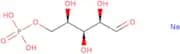
CAS:D-Xylose-5-phosphate disodium salt is a Custom synthesis that has been fluorinated, methylated, and modified with a click reaction. D-Xylose-5-phosphate disodium salt is also an oligosaccharide and polysaccharide. The CAS No. for this compound is 1083083-57-1.Fórmula:C5H11O8P•Na2Pureza:(%) Min. 80%Forma y color:White/Off-White SolidPeso molecular:276.09 g/mol4-Bromophenyl 2-acetamido-3,4,6-tri-O-acetyl-2-deoxy-β-D-glucopyranoside
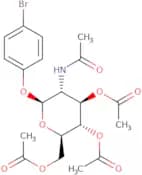
CAS:4-Bromophenyl 2-acetamido-3,4,6-tri-O-acetyl-2-deoxy-b-D-glucopyranoside is a custom synthesis product. It has been modified with fluorination, methylation and click modification. This product is an oligosaccharide which can be used for saccharide or polysaccharide synthesis. The purity of this product is high and it has been synthesized from a monosaccharide.Fórmula:C20H24BrNO9Pureza:Min. 95%Peso molecular:502.31 g/molPhenyl-beta-D-glucopyranoside
CAS:Phenyl-beta-D-glucopyranoside is a phenolic compound that can be found in plant cell walls. It is a monosaccharide with an ester linkage, which is hydrolyzed by esterases to yield protocatechuic acid. Phenyl-beta-D-glucopyranoside is an inhibitor of sugar transport and has been shown to have protective effects on the liver when it is exposed to toxic substances. This sugar also binds to proteins, which may alter the function of these proteins. Phenyl-beta-D-glucopyranoside has been shown to inhibit glycolysis in hepatic tissues and tannins are released from erythrocytes treated with this substance. Phenyl-beta-D-glucopyranoside has been shown to be chemically stable under acidic conditions.
Fórmula:C12H16O6Peso molecular:256.26 g/mol3,4,6-Tri-O-acetyl-2-O-trifluoromethanesulfonyl-b-D-mannopyranosyl azide
CAS:3,4,6-Tri-O-acetyl-2-O-trifluoromethanesulfonyl-b-D-mannopyranosyl azide is a chemically synthesized compound that can be used for methylation reactions. It is an Oligosaccharide with a molecular weight of 597.5 and contains the following structural features: A saccharide composed of three monosaccharides (D-glucose, D-mannose, and D-galactose), which is bonded by alpha 1,6 linkages. The chemical formula is C12H14F3N3O8. The CAS number is 1159265-99-2.Fórmula:C13H16F3N3O10SPureza:Min. 95%Forma y color:PowderPeso molecular:463.34 g/molN-Amyl β-D-glucopyranoside
CAS:N-Amyl b-D-glucopyranoside is a monosaccharide with a glucose residue at the 1 position and an amyl group at the 2 position. It is a synthetic sugar that can be used as a starting material in glycosylation reactions to modify oligosaccharides, saccharides, and complex carbohydrates. N-Amyl b-D-glucopyranoside can also be fluorinated, methylated, or modified by click chemistry to produce novel compounds. N-Amyl b-D-glucopyranoside is typically obtained by the glycosylation of amylamine with dibenzoyl glucose in the presence of an acid catalyst. This reaction produces a mixture of mono-, di-, tri-, tetra-, penta-, hexa-, hepta-, octa-, nona-, deca-, undeca-, dodeca-, and tetradecasaccharides, whichFórmula:C11H22O6Pureza:Min. 95%Forma y color:White to off-white solid.Peso molecular:250.29 g/mol2,6-Dideoxy-D-arabino-hexose
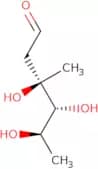
CAS:2,6-Dideoxy-D-arabino-hexose is a hydrogenolysis product of 2,6-dideoxy-D-ribo-hexose. It has been shown to have a solvolytic activity and can be used for the dehalogenation of several halogenated compounds. 2,6-Dideoxy-D-arabino-hexose is also stereoselective and can be used as an estimator in population genetics. This sugar is also regulatory, catalytic, and crystalline. It is found in many carbohydrates, including weighting disaccharides such as sucrose.
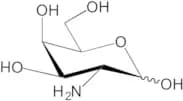
Pureza:Min. 95%D-Galactosamine hydrochloride - Synthetic origin
CAS:D-Galactosamine (GalN) is an aldohexose (2-Amino-2-deoxygalactose) in which the hydroxyl group at position 2 is replaced by an amino group (Collins, 2006). Galactosamine (as the N-Acetyl derivative) forms a key part of both N- and O-linked glycoproteins, glycolipids and glycosaminoglycans. Treatment of experimental animals with D-galactosamine / lipopolysaccharide causes lethal liver injury characterized by apoptosis of the hepatocyte and it is used as a laboratory model to study the effect of therapeutic agents (Hirono, 2001).Fórmula:C6H13NO5·HClPureza:Min. 98 Area-%Forma y color:White PowderPeso molecular:215.63 g/molEthyl b-D-thiogalactopyranoside
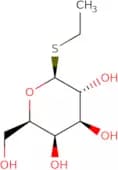
CAS:Synthetic building blockFórmula:C8H16O5SPureza:Min. 95%Forma y color:White PowderPeso molecular:224.28 g/mol1-Deoxy-D-tagatose
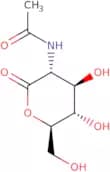
CAS:1-Deoxy-D-tagatose (1Dt) is a competitive inhibitor of glycolysis, which blocks the conversion of glucose to pyruvate. 1Dt has been shown to inhibit the growth of strain CAEN on media containing l-arabinose and d-xylose as carbon sources. 1Dt also inhibits the activity of dehydrogenase enzymes in C. elegans, leading to inhibition of mitochondrial respiration and impaired locomotion. It has been shown that 1Dt can be used as a substrate for bioproduction, with hydrazone as an intermediate product. Larger molecules are produced after hydrolysis and decarboxylation of 1Dt. The most common products are tagatose, l-fucitol, and l-arabinose. 1Dt has been shown to have anti-inflammatory properties in animal models by inhibiting the production of reactive oxygen species that are generated during inflammationFórmula:C6H12O5Pureza:Min. 95%Peso molecular:164.16 g/mol2-Acetamido-2-deoxy-D-glucono-1,5-lactone
CAS:2-Acetamido-2-deoxy-D-glucono-1,5-lactone is a diagnostic agent that inhibits the activities of enzymes such as protein synthesis and cell division. It can be used to identify viral infections in animals, plants and marine microorganisms. 2-Acetamido-2-deoxy-D-glucono-1,5-lactone has been shown to inhibit the biochemical activity of enzymes in cells grown in culture. 2AADG is also a diagnostic agent that can be used to detect tumors in subcutaneous tissues due to its ability to inhibit the production of proteins essential for cell division.Fórmula:C8H13NO6Pureza:Min. 95%Forma y color:PowderPeso molecular:219.19 g/mol2-Deoxy-D-glucose
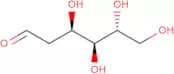
CAS:Glycolytic inhibitor; pro-apoptotic; anti-cancer agent
Fórmula:C6H12O5Pureza:Min. 98 Area-%Forma y color:White Off-White PowderPeso molecular:164.16 g/mol3,4,6-Tri-O-acetyl-1,2-O-ethylidene-b-D-mannopyranose
3,4,6-Tri-O-acetyl-1,2-O-ethylidene-b-D-mannopyranose is a synthetic glycoside that has been fluorinated and methylated. The compound is a versatile building block for the synthesis of complex carbohydrates. It is most commonly used in the synthesis of Oligosaccharides as well as sugar derivatives such as Methylation and Monosaccharide. 3,4,6-Tri-O-acetyl-1,2-O-ethylidene-b-D-mannopyranose has a CAS number of 118810.Pureza:Min. 95%1,2:5,6-Di-O-isopropylidene-a-D-gulofuranose
CAS:Synthetic building blockFórmula:C12H20O6Pureza:Min. 98 Area-%Forma y color:White PowderPeso molecular:260.28 g/mol(2R, 3R, 4R) -3, 4- Dihydroxy- 2- (hydroxymethyl) - 1- pyrrolidineacetic acid
CAS:(2R, 3R, 4R) -3, 4- Dihydroxy- 2- (hydroxymethyl) - 1- pyrrolidineacetic acid is a synthetic monosaccharide that can be modified with fluorine and methylation. This compound is a carbohydrate that can be used for the synthesis of oligosaccharides and polysaccharides. It has been shown to be useful for glycosylation reactions and in the synthesis of complex carbohydrates.Pureza:Min. 95%Gypsogenin-3-O-glucuronide
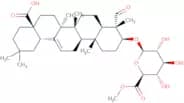
CAS:Gypsogenin-3-O-glucuronide is a saponin found in the roots of Gypsophila paniculata, a plant native to China. It has been shown to have anti-inflammatory and anti-tumor activities. Gypsogenin-3-O-glucuronide has been shown to inhibit tumor growth in mice by inhibiting protein synthesis. The pentasaccharides that make up gypsogenin are present in different proportions, which leads to differences in the biological activity of this compound. This is one of the reasons why saponins have not yet been fully explored for potential use in medicine.Fórmula:C37H56O10Pureza:Min. 95%Forma y color:PowderPeso molecular:660.83 g/mol1,2,3,4,6-Penta-O-acetyl-a-D-glucopyranose
CAS:1,2,3,4,6-Penta-O-acetyl-a-D-glucopyranose is a chemical compound that is an ester of the sugar penta-O-acetyl-a-D-glucopyranose and acetic acid. It has been shown to inhibit the activity of a number of enzymes, including proteins such as phospholipases C and D and fatty acid synthetases. The 1,2,3,4,6-penta-O-acetyl analogues have been shown to be effective in inhibiting model systems for the pathogenesis of inflammatory bowel disease and cancer. The hydroxyl group on the sugar ring may be important for binding to these enzymes.Fórmula:C16H22O11Pureza:Min. 95%Forma y color:White PowderPeso molecular:390.34 g/mol2-Formylphenyl 2,3,4,6-tetra-O-acetyl-b-D-glucopyranoside
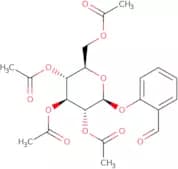
CAS:2-Formylphenyl 2,3,4,6-tetra-O-acetyl-b-D-glucopyranoside is a natural product of the gentisyl family. It is synthesized from benzyl alcohol and acetic anhydride. This compound has been shown to have anticancer properties in animal studies. The acetyl groups are thought to be responsible for the cytotoxicity of this compound. Salireposide is one such analog that has been shown to inhibit protein synthesis and induce apoptosis in cancer cells.Fórmula:C21H24O11Pureza:Min. 95%Forma y color:PowderPeso molecular:452.41 g/mol6-Deoxy-D-gulono(L-mannono)-1.4-lactone
6-Deoxy-D-gulono(L-mannono)-1.4-lactone is a custom synthesis of an oligosaccharide. It is a polysaccharide that is glycosylated with a sugar or carbohydrate. This molecule can be modified in the following ways: fluorination, methylation, and click modification. The CAS number for this compound is 73226-08-2.Pureza:Min. 95%L-Ribose-5-phosphate disodium salt hydrate
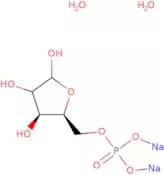
L-Ribose-5-phosphate disodium salt hydrate is a carbohydrate that has been modified by the addition of fluorine. L-Ribose-5-phosphate disodium salt hydrate can be used in the synthesis of complex carbohydrates, oligosaccharides, and sugars. It is also used in the synthesis of glycoconjugates and glycoproteins. L-Ribose-5-phosphate disodium salt hydrate is available for custom synthesis to meet specific requirements. The purity level is high, with less than 0.1% impurities. The methylation, glycosylation, and click modification are all possible modifications for this product.
Fórmula:C5H9Na2O8PPureza:Min. 95%Forma y color:PowderPeso molecular:274.07 g/mol3-Deoxy-1,2-O-O-isopropylidene-3-trifluoromethyl-a-D-glucofuranose
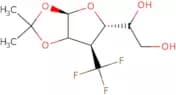
3-Deoxy-1,2-O-O-isopropylidene-3-trifluoromethyl-a-D-glucofuranose is a synthetic sugar that is used in the synthesis of oligosaccharides and polysaccharides. It has been shown to be effective in click chemistry modifications, such as methylations and glycosylations. 3DOGF has been found to be a potential biomarker for cancer cell proliferation.Fórmula:C10H15F3O5Pureza:Min. 95%Peso molecular:272.22 g/mol(2R, 3R, 4S, 5R) -3, 4- Dihydroxy- 5- (hydroxymethyl) - N- methyl-2- pyrrolidinecarboxami de
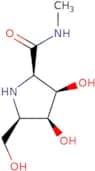
CAS:(2R, 3R, 4S, 5R) -3, 4- Dihydroxy- 5- (hydroxymethyl) - N- methyl-2- pyrrolidinecarboxami de is an Methylation product of 2-pyrrolidinone. It is a white to off-white solid. This product has been modified with Click chemistry to create a glycosylation site at the C6 position. It is soluble in water and alcohols. The CAS number for this product is 1591783-03-7.Pureza:Min. 95%Potassium D-erythronate
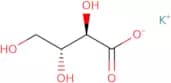
CAS:Versatile resource for organic synthesis, e.g. of the inhibitor swainsonineFórmula:C4H7KO5Pureza:Min. 95%Forma y color:White PowderPeso molecular:174.19 g/mol3,4:5,6-Di-O-Isopropylidene-2-O-tert.butyldimethylsilyl-L-idonic acid methyl ester
3,4:5,6-Di-O-isopropylidene-2-O-(tert.butyldimethylsilyl)-L-idonic acid methyl ester is an organosilicon compound that is used in the preparation of oligosaccharides and polysaccharides. This compound has a CAS number of 2134160-04-6 and can be custom synthesized to meet your needs. 3,4:5,6-Di-O-isopropylidene-2-O-(tert.butyldimethylsilyl)-L-idonic acid methyl ester is available at a purity of 99% or greater, which makes it ideal for modification to produce monosaccharides or other types of sugar derivatives.Pureza:Min. 95%2,5:3,4-Dianhydro-D-altritol
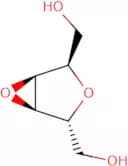
CAS:2,5:3,4-Dianhydro-D-altritol is a hydrogenated form of the sugar D-altritol. It can be prepared by hydrogenolysis of D-mannitol or D-sorbitol with palladium on charcoal at 200°C. The 2,5:3,4-dianhydro form can be converted to the 3,4-dianhydro form by hydrolysis with sodium hydroxide. Hydrogenation of the 3,4 form produces 2,5:3,4-dianhydro-D-altritol. This compound has been used in high energy density fuels and as a trackable marker for hydrogenolysis experiments. 2,5:3,4-Dianhydro-D-altritol is soluble in alcohols and extracted with ether in organic solvents such as acetone or chloroform. It oxidizes readily to the corresponding dPureza:Min. 95%UDP-GalNAc disodium salt
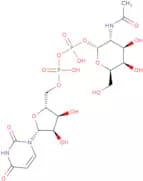
CAS:Substrate for N-acetylgalactosaminyltransferasesFórmula:C17H25N3Na2O17P2Pureza:Area-% Min. 95 Area-%Forma y color:White PowderPeso molecular:651.32 g/mol2-Azido- 2- deoxy- 2- C- methyl- 3, 4- O- isopropylidene - D- ribono-1,5- lactone
2-Azido-2-deoxy-2-C-methyl-3,4-O-isopropylideneD-ribono1,5-lactone is a monosaccharide that can be used in the synthesis of oligosaccharides and polysaccharides. It is also used for modification of saccharides by fluorination, methylation, and click chemistry. 2A2DMRL has been shown to have a CAS number of 53869-09-6.Pureza:Min. 95%2-(Dimethoxymethyl)dihydro-3(2H)-furanone
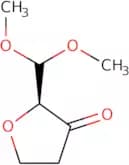
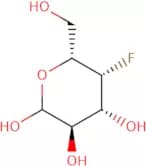
CAS:2-(Dimethoxymethyl)dihydro-3(2H)-furanone is a custom synthesis that can be modified, fluorinated, methylated, or monosaccharide. It is used in the synthesis of oligosaccharides and saccharides. 2-(Dimethoxymethyl)dihydro-3(2H)-furanone is used as a building block for complex carbohydrates such as glycosylation. The CAS number for this compound is 287183-59-9 and the Carbohydrate classification is CAS No. 287183-59-9.Fórmula:C7H12O4Pureza:Min. 95%Peso molecular:160.17 g/mol4-Deoxy-4-fluoro-D-galactose
CAS:4-Deoxy-4-fluoro-D-galactose (FUDG) is a modification of the sugar galactose. It is an inhibitor of glucosyltransferases, and it is used in the synthesis of oligosaccharides. FUDG has been shown to be a substrate for recombinant proteins that bind to 2-deoxy-2-fluoro-d-mannose, which are involved in the regulation of blood group expression. The binding affinity and specificity of FUDG for these proteins was examined using electrophysiology techniques. These results may help to rationalize how FUDG binds to these proteins and its potential as a glucose sensor.Fórmula:C6H11FO5Pureza:Min. 95 Area-%Forma y color:PowderPeso molecular:182.15 g/mol2-Deoxy-2-fluoro-L-fucose
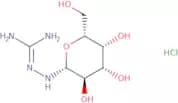
CAS:2-Deoxy-2-fluoro-L-fucose (2FF) is a fluorinated analogue of fucose that can be converted to GDP (Guanosine Diphosphate)-2FF in vitro, a competitive inhibitor of alpha-1,3-fucosyltransferase V. It can also be metabolised inside the cell to a substrate-based inhibitor of fucosyltransferases. 2FF reduces fucosylation of IgG in antibodies, which increases therapeutic efficacies of antibodies that cause antibody-dependent cellular cytotoxicity.Fórmula:C6H11FO4Pureza:Min. 98.0 Area-%Forma y color:White PowderPeso molecular:166.15 g/molN1-β-D-Galactopyranosylamino-guanidine hydrochloride
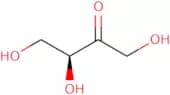
CAS:N1-b-D-Galactopyranosylamino-guanidine HCl is a synthetic, fluorinated monosaccharide that contains an amino group on the 1' carbon. It has been modified with methyl groups at the C6 and C7 positions to increase its stability and inhibit enzymatic hydrolysis. This product is also a glycosylation agent for complex carbohydrate synthesis.Fórmula:C7H16N4O5•HClPureza:Min. 95%Forma y color:White to off-white solid.Peso molecular:272.69 g/molL-Erythrulose
CAS:L-Erythrulose is an organic compound that is a sugar alcohol. It can be synthesized from the aldol reaction of glycolaldehyde and dehydroascorbic acid, which are both found in natural sources. L-Erythrulose has shown to have intramolecular hydrogen transfer (H-transfer) reactions, where the hydroxyl group migrates from one C atom to another. This kinetic data was obtained using surface methodology on model systems containing l-erythrulose and bacteria with wild-type or mutant strains. The conformational properties of L-erythrulose were also investigated by comparing its chemical structures with those of other sugars.
Fórmula:C4H8O4Pureza:Min. 95%Forma y color:Yellow Clear LiquidPeso molecular:120.1 g/mol2,3-O-IIsopropylidene-D-allono-1.4-lactone
2,3-O-Isopropylidene-D-allono-1.4-lactone is a methylated saccharide that has been modified by the click reaction with a phosphonate group and an isopropylidene group. The synthesis of this product can be customized to suit your needs. This product is offered in high purity, and it is an excellent source of carbohydrates or sugars. 2,3-O-Isopropylidene-D-allono-1.4-lactone also has a fluorinated group on its molecule. It is a complex carbohydrate that can be used for glycosylation or as a click modification substrate.Pureza:Min. 95%3,5-((R)-Benzylidene)-6-deoxy-L-glucono-1,4-lactone
3,5-((R)-Benzylidene)-6-deoxy-L-glucono-1,4-lactone is a synthesized sugar that can be modified to include fluorination, glycosylation, methylation and other modifications. It is an oligosaccharide with a saccharide backbone made up of glucose units. The monosaccharides are galactose and glucuronic acid. 3,5-(R) Benzylidene)-6-deoxy-L-glucono-1,4-lactone is used in the synthesis of complex carbohydrates for research purposes.Pureza:Min. 95%2-Acetamido-1,3,6-tri-O-acetyl-2,4-dideoxy-4-fluoro-D-galactopyranose
2-Acetamido-1,3,6-tri-O-acetyl-2,4-dideoxy-4-fluoro-D-galactopyranose is a fluorinated sugar that has been modified with acetamido groups. It is used as a building block in the synthesis of oligosaccharides and polysaccharides. This compound has been shown to be an effective inhibitor of glycosylation and can be used to inhibit the growth of cancer cells. 2-Acetamido-1,3,6-tri-O-acetyl--2,4,-dideoxy--4--fluoro--D--galactopyranose is soluble in water and organic solvents such as DMSO or DMF. It can also be used for click chemistry reactions because it contains a reactive azide group.Fórmula:C14H20FNO8Pureza:Min. 95%Peso molecular:349.31 g/mol5-O-Tert.butyldimethylsilyl - 2- C- methyl- 2, 3- O- isopropylidene - D- ribonic acid γ-lactone
5-O-Tert.butyldimethylsilyl - 2- C- methyl- 2, 3- O- isopropylidene - D- ribonic acid gamma-lactone is a fluorinated glycoside that can be used in the synthesis of complex carbohydrates. The compound has been shown to inhibit bacterial growth by inhibiting protein synthesis and cell division. It binds to bacteria 16S ribosomal RNA and inhibits protein synthesis, leading to cell death by inhibiting the production of proteins vital for cell division. 5-O-Tert.butyldimethylsilyl - 2- C- methyl- 2, 3- O- isopropylidene - D- ribonic acid gamma lactone also has antiinflammatory properties, which may be due to its inhibition of prostaglandin synthesis.Pureza:Min. 95%Phenyl 4,6-O-benzylidene-a-D-thiomannopyranoside
CAS:Phenyl 4,6-O-benzylidene-a-D-thiomannopyranoside is a custom synthesis that is modified with fluorination, methylation and click modification. It is a monosaccharide that is used in the preparation of polysaccharides and glycosylations. Phenyl 4,6-O-benzylidene-a-D-thiomannopyranoside also has saccharide and carbohydrate properties.Fórmula:C19H20O5SPureza:Min. 95%Forma y color:White PowderPeso molecular:360.43 g/molL-Galactono-1,4-lactone
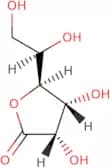
CAS:L-Galactono-1,4-lactone is a biochemical compound that is found in plants and some living cells. It is an intermediate in the Krebs cycle and can be used as a nutrient solution for plant science research. L-Galactono-1,4-lactone has been shown to have enzyme activities on chronic exposure to sephadex g-100. This compound also has an optimum pH of 5.2 and shows acid formation with titration calorimetry. L-Galactono-1,4-lactone is also used in vitro assays for polymerase chain reactions (PCR).Fórmula:C6H10O6Pureza:Min. 98%Forma y color:White Off-White PowderPeso molecular:178.14 g/mol1-Fmoc-amino-2,4-O-D-butane-2,3,4-triol
1-Fmoc-amino-2,4-O-D-butane-2,3,4-triol is a custom synthesis of an oligosaccharide that is a sugar or carbohydrate. It is modified with fluorination, methylation and click chemistry. 1-Fmoc-amino-2,4-O-D-butane-2,3,4-triol has been shown to have antiangiogenic activity. This compound also has saccharide and glycosylation activity. 1Fmoc amino 2,4 O D butane 2 3 4 triol is a polysaccharide that is glycosylated with sugar and complex carbohydrates.Pureza:Min. 95%Methyl 2,3,4-tri-O-pivaloyl-6-O-triisopropylsilyl-a-D-galactopyranoside
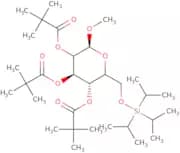
Methyl 2,3,4-tri-O-pivaloyl-6-O-triisopropylsilyl-a-D-galactopyranoside is a glycosylated sugar that can be custom synthesized or purchased. This product is a fluorinated oligosaccharide with a methyl group at C2. The chemical name for this modified sugar is O-(3,4,5,6-tetra-O-(1,1,1,3,3,3,-hexafluoroethoxy)propyl)-a-D-galactopyranose. It can be used in glycosylation reactions to modify the saccharides and it has an average purity of 99%. Methyl 2,3,4-tri-O-pivaloyl-6-O--triisopropylsilyl--a--D--galactopyranoside has a CASFórmula:C31H58O9SiPureza:Min. 95%Peso molecular:602.87 g/mol1-O-Sinapoyl-b-D-glucose
CAS:A synthetically produced glucoside. It is also a natural product found in the Swertia Japonica.Fórmula:C17H22O10Pureza:Min. 95 Area-%Forma y color:PowderPeso molecular:386.35 g/mol1,2,3,4-Tetra-O-acetyl-D-galactopyranose
CAS:1,2,3,4-Tetra-O-acetyl-D-galactopyranose is a sugar that is used in the synthesis of radiolabelled compounds. It can be labelled with tritium, 3H or 14C for use in research. 1,2,3,4-Tetra-O-acetyl-D-galactopyranose has been shown to be an effective analogue of D-glucose in animal studies.
Fórmula:C14H20O10Pureza:Min. 95%Peso molecular:348.3 g/mol2'-Phospho-cyclic ADP-ribose
CAS:2'-Phospho-cyclic ADP-ribose is a structural analog of the dinucleotide phosphate, ADP-ribose. It has been shown to inhibit the uptake of adp-ribose and to block the transfer reactions that are catalyzed by enzymes such as phosphodiesterases and nucleoside diphosphate kinase. 2'-Phospho-cyclic ADP-ribose can be used to inhibit skin cancer and other cancers. The compound has been shown to inhibit cell function in skin cells, which may be due to its ability to activate apoptosis.Fórmula:C15H19N5O16P3Pureza:Min. 95%Peso molecular:618.26 g/mol4-O-Acetyl-2,5-anhydro-1,3-isopropylidene-D-glucitol
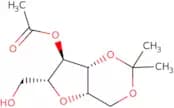
CAS:4-O-Acetyl-2,5-anhydro-1,3-isopropylidene-D-glucitol (4AIG) is a modification of glucose. 4AIG is a white to light yellow crystalline solid that melts with decomposition at 150°C. It is soluble in water and acetone but insoluble in ether. 4AIG can be used as a raw material for the synthesis of oligosaccharides and polysaccharides.Fórmula:C11H18O6Pureza:Min. 95%Peso molecular:246.26 g/molBenzyl 2-acetamido-2-deoxy-3,4,6-tri-O-acetyl-β-D-glucopyranoside
CAS:Benzyl 2-acetamido-2-deoxy-3,4,6-tri-O-acetyl-b-D-glucopyranoside is a synthetic sugar that is used as a glycosylation reagent for the synthesis of oligosaccharides and polysaccharides. It reacts with saccharides in the presence of 1,3-dicyclohexylcarbodiimide (DCC) and 4-(dimethylamino)pyridine (DMAP). The benzyl group can be modified to include fluorine atoms or methyl groups. This compound is an important building block for the synthesis of complex carbohydrates.Fórmula:C21H27NO9Pureza:Min. 95%Forma y color:White To Off-White SolidPeso molecular:437.44 g/mol4-Toluoyl 2,3-di-O-benzoyl-4,6-O-benzylidene-b-D-thioglucopyranoside
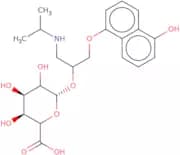
4-Toluoyl 2,3-di-O-benzoyl-4,6-O-benzylidene-b-D-thioglucopyranoside is a custom synthesis of an oligosaccharide. It is available as a white solid and has a molecular formula of C14H14F6O8S2 and a molecular weight of 458.35. This compound is soluble in water and can be stored at room temperature.Pureza:Min. 95%5'-Hydroxypropranolol-b-D-glucuronoside
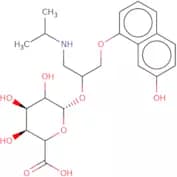
5'-Hydroxypropranolol-b-D-glucuronoside is a synthetic glycosylate of 5'-hydroxypropranolol. It can be modified with fluorine, methyl or click chemistry. The chemical name is O-(2,3,4,5-tetrafluorobenzoyl)glycine and the CAS number is 878183-10-6. This compound has a molecular weight of 471.8 g/mol and an empirical formula of C14H9F5NO5. It can be used in the synthesis of oligosaccharides and polysaccharides.Fórmula:C22H29NO9Pureza:Min. 95%Peso molecular:451.47 g/mol3b-[(a-L-arabinopyranosyl)oxy] urs-12,18-dien-28-oic acid 28-b-D-glucopyranosyl ester (12)
3b-[(a-L-arabinopyranosyl)oxy] urs-12,18-dien-28-oic acid 28-b-D-glucopyranosyl ester (12) is a methylated, saccharide, Polysaccharide. It has CAS No., Click modification, Modification, Oligosaccharide, Custom synthesis, Glycosylation, High purity, Carbohydrate and sugar. This product is Synthetic and Fluorination. It is also complex carbohydrate.Pureza:Min. 95%2,3,5-Tri-O-benzyl-L-ribonic acid-1,4-lactone
2,3,5-Tri-O-benzyl-L-ribonic acid-1,4-lactone (2,3,5-TRBA) is a fluorinated monosaccharide that is synthesized from D-ribose and hexafluoroisopropanol. It is also an oligosaccharide that can be custom synthesized for the synthesis of complex carbohydrates. 2,3,5-TRBA can be modified with methylation or glycosylation to yield a range of desired products. The CAS number for this compound is 103514-06-1. This compound has a purity of >98%.Fórmula:C26H26O5Pureza:Min. 95%Forma y color:PowderPeso molecular:418.48 g/molL-Erythrono-1,4-lactone
CAS:L-Erythrono-1,4-lactone is a dicarboxylic acid that is synthesized from l-threonic acid and d-arabinose. L-Erythrono-1,4-lactone is biosynthesized by the conversion of l-serine to pyruvate and then to erythrose 4-phosphate. This compound is also produced by the oxidation of ascorbic acid and can be used for the synthesis of dermatan sulfates. The accumulation of L-Erythrono-1,4-lactone in high concentrations has been found in patients with dermatan sulfate deficiency.Fórmula:C4H6O4Pureza:Min. 95%Forma y color:PowderPeso molecular:118.09 g/mol2-Azido-2-deoxy-3,4-O-isopropylidene-L-idonic acid methyl ester
2-Azido-2-deoxy-3,4-O-isopropylidene-L-idonic acid methyl ester is a custom synthesis that is available in high purity. It is a complex carbohydrate that has been modified with methylation and glycosylation. This product has CAS number 16078-04-1 and is a monosaccharide synthesized from similar compounds.Pureza:Min. 95%α-L-Rhamnose monohydrate
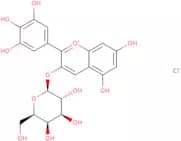
CAS:a-L-Rhamnose monohydrate is a white crystalline solid that is soluble in water. It has a molecular weight of 296.03, a melting point of 117 °C, and a density of 1.5 g/cm3. The solubility of this compound in water is dependent on the concentration and temperature; it exhibits the highest solubility at 25 °C and concentrations between 0.1% and 2%. The solubility decreases with increasing pH, but increases with increasing ionic strength or proton concentration.Fórmula:C6H12O5•H2OPureza:Min. 98 Area-%Forma y color:PowderPeso molecular:182.17 g/molDelphinidin 3-galactoside chloride
CAS:Delphinidin 3-galactoside chloride is a natural organic compound that belongs to the flavonol glycosides. It is a pigment that has been identified in flowers and fruits, such as the fruit tree. This compound exhibits antioxidant properties and can scavenge radicals, which may be due to its ability to inhibit dehydroascorbate reductase activity. Delphinidin 3-galactoside chloride also has an effect on high cholesterol levels, which may be due to its ability to inhibit HMG-CoA reductase activity. In addition, it has been shown that this compound can inhibit the growth of human pathogens such as P. aeruginosa and S. aureus.Fórmula:C21H21O12ClPureza:Min. 95%Peso molecular:500.84 g/mol(2S, 3R, 4S) -2- [(1S) - 1- Hydroxyethyl] - 3, 4- pyrrolidinediol
CAS:(2S, 3R, 4S) -2- [(1S) - 1- Hydroxyethyl] - 3, 4- pyrrolidinediol is a synthetic chemical compound that is used in the synthesis of complex carbohydrates. This chemical has been modified by fluorination and methylation. It can be custom synthesized to meet specific needs and is available at high purity with an CAS number of 225234-44-6.Fórmula:C6H13NO3Pureza:Min. 95%Peso molecular:147.17 g/mol2, 4-Anhydro-5-O-tert.butyldimethylsilyl- 6- deoxy- L- mannonic acid methyl ester
2, 4-Anhydro-5-O-tert.butyldimethylsilyl-6-deoxy-L-mannonic acid methyl ester is a modification of mannose. It is an oligosaccharide with a complex carbohydrate structure. 2, 4-Anhydro-5-O-tert.butyldimethylsilyl-6-deoxy-L-mannonic acid methyl ester has been synthesized using custom synthesis methods. This product has high purity and CAS number: 29674–84–3.Pureza:Min. 95%2,5:3,4-Dianhydro-6-O-2-propenyl-dimethyl acetal-L-talose
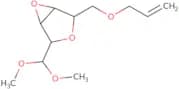
CAS:2,5:3,4-Dianhydro-6-O-2-propenyl-dimethyl acetal-L-talose is a fluorinated sugar that is synthesized by the reaction of an acetal with glycosylation. It has been modified to contain a methyl group and a click modification. 2,5:3,4-Dianhydro-6-O-2-propenyl-dimethyl acetal-L-talose is used as a fluorescent probe for the detection of nucleic acids in living cells. It has high purity and can be custom synthesized to meet customer specifications.Fórmula:C11H18O5Pureza:Min. 95%Peso molecular:230.26 g/mol7'-Hydroxypropranolol-b-D-glucuronide
7'-Hydroxypropranolol-b-D-glucuronide is a synthetic compound with a molecular formula of C21H28F3NO6. It has a melting point of 155 °C, and it is soluble in water. 7'-Hydroxypropranolol-b-D-glucuronide is an intermediate in the synthesis of other compounds, and it can be used as a building block for custom synthesis. This compound can be modified with click chemistry or saccharide linkages, providing additional opportunities for modification.Fórmula:C22H29NO9Pureza:Min. 95%Peso molecular:451.47 g/molMethyl 2,4-di-O-benzyl-a-D-mannopyranoside
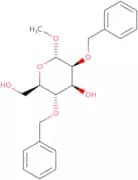
CAS:Methyl 2,4-di-O-benzyl-a-D-mannopyranoside is a monosaccharide that is used in the synthesis of complex carbohydrates and polysaccharides. It can be custom synthesized to meet specific requirements. This product has been fluorinated at the 2, 4, and 6 positions with a purity of 99%. Methyl 2,4-di-O-benzyl-a-D-mannopyranoside can be modified by methylation or glycosylation, which can change its properties such as solubility or reactivity. The product is also available in an Oligosaccharide form. This product has been successfully used for Click modification.Fórmula:C21H26O6Pureza:Min. 95%Peso molecular:374.43 g/mol1,5-Diepi-adenophorine
1,5-Diepi-adenophorine is a fluorinated monosaccharide. It is synthesized by an asymmetric glycosylation with 1,5-dideoxyadenosine and α-D-mannose as the donors. The synthesis of this compound requires custom synthesis and high purity. 1,5-Diepi-adenophorine can be modified with methyl groups or click chemistry to make it more suitable for use in biochemistry research.Pureza:Min. 95%Methyl 2,4-di-O-methyl-α-D-galactopyranoside
CAS:Methyl 2,4-di-O-methyl-α-D-galactopyranoside is a synthetic saccharide that has been modified with methyl groups at the C2 and C4 positions.Fórmula:C9H18O6Pureza:Min. 95%Forma y color:PowderPeso molecular:222.24 g/mol3-Aminopropyl-3-O-(α-D-galactopyranosyl)-β-D-galactopyranoside
CAS:Please enquire for more information about 3-Aminopropyl-3-O-(α-D-galactopyranosyl)-β-D-galactopyranoside including the price, delivery time and more detailed product information at the technical inquiry form on this pageFórmula:C15H29NO11Pureza:Min. 80%Peso molecular:399.39 g/mol6-Deoxy-L-piscose
6-Deoxy-L-piscose is a synthetic monosaccharide that has been fluorinated to 6-fluoro-D-piscose. It is a complex carbohydrate that has been synthesized from D-glucose and D-ribose. The glycosylation reaction was conducted with N,N'-diacetylchitobioglycine and the methylation reaction with sodium methoxide. Click modification was performed by reacting 6-deoxy L-piscose with 2-(2′,4′,5′,7′,8′)-octamethyltrigonal bipyramid (OMeTBP) in dry DMF at 120°C for 10 minutes. The chemical structure of this sugar is shown below:
Pureza:Min. 95%L-Arabinaric acid dipotassium salt
CAS:L-Arabinaric acid dipotassium salt is a custom synthesis of an L-arabinaric acid, which is a monosaccharide that is found in the cell wall of bacteria. This compound has been modified to be resistant to fluorination, methylation, and click chemistry. The modification process includes the use of Oligosaccharides, saccharides, and polysaccharides as well as glycosylation and sugar. L-Arabinaric acid dipotassium salt can also be used for the synthesis of complex carbohydrates.
Fórmula:C5H6K2O7Pureza:Min. 98 Area-%Forma y color:PowderPeso molecular:256.29 g/mol2,4,7,8,9-Penta-O-acetyl N-acetylneuraminic acid
CAS:2,4,7,8,9-Penta-O-acetyl N-acetylneuraminic acid is a modification of the carbohydrate 2,4,7,8,9-penta-O-acetyl N-acetylneuraminic acid. It is a complex carbohydrate that is custom synthesized to meet the needs of specific customers. This product can be used for the synthesis of oligosaccharides and polysaccharides in glycosylation reactions. It can also be modified with methylation and fluorination. 2,4,7,8,9-Penta-O-acetyl N-acetylneuraminic acid has high purity and is monosaccharide. It also has an acetate group on its sugar chain at position 9. This product can be used as a sugar or in click chemistry reactions because it contains an amine group at position 8.Fórmula:C21H29NO14Pureza:Min. 95%Forma y color:PowderPeso molecular:519.45 g/molCyanomethyl 2,3-O-isopropylidene-5-O-trityl-D-ribofuranoside
Cyanomethyl 2,3-O-isopropylidene-5-O-trityl-D-ribofuranoside is a carbohydrate that is used as a building block for the synthesis of oligosaccharides and polysaccharides. It is synthesized from D-ribose and methyl 2,3-O-(1,2,4)triazole by the reaction of the glycosyl donor 2,3,5-triacetoxybenzaldehyde with methyl iodide followed by reaction with sodium methoxide. This product has not been tested for microbial contamination or endotoxins.Fórmula:C29H29NO5Pureza:Min. 95%Peso molecular:471.54 g/mol(2S, 3S, 4S) -3-Benzyloxy- 4- (hydroxymethyl) - 1- (phenylmethyl) -2- azetidinecarboxylic acid
2-Amino-3,4-dihydroxybenzoic acid is an organic compound. It is a white solid that is soluble in water and polar organic solvents. 2-Amino-3,4-dihydroxybenzoic acid is used as an anti-inflammatory agent and for the treatment of arthritis.
Pureza:Min. 95%1,6:3,4-Di-O-anhydro-2-O-benzyl-b-D-altropyranose
CAS:1,6:3,4-Di-O-anhydro-2-O-benzyl-b-D-altropyranose is a custom synthesis of a high purity glycosylation sugar. It is synthesized by methylation and click modification of the starting material 1,6:3,4-Di-O-(2′,3′,4′,5′)-tri-O-(benzyl)b D -altropyranose. The product is a complex carbohydrate that has been shown to be effective in inhibiting the growth of bacteria.Pureza:Min. 95%2,3,4,6-Tetra-O-trimethylsilyl-D-glucono-1,5-lactone
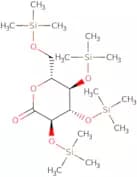
CAS:2,3,4,6-Tetra-O-trimethylsilyl-D-glucono-1,5-lactone is a synthetic building block which has been used to prepare C-glucosides via the nucleophilic addition of a suitably functionalised aryllithium reagent, followed by a triethylsilane reduction. Notable examples of this include the synthesis of C-glycoside intermediates which have been further elaborated to afford canagliflozin, bexagliflozin and dapagliflozin which inhibit sodium-dependant glucose co-transporter 2 (SGLT2) and are of interest as antidiabetic agents.Fórmula:C18H42O6Si4Pureza:Min. 95%Forma y color:Colorless Clear LiquidPeso molecular:466.86 g/mol2-C-Azidomethyl-2,3-O-isopropylidene-L-erythrono-1,4-lactone
2-C-Azidomethyl-2,3-O-isopropylidene-L-erythrono-1,4-lactone is a glycosylation agent that can be used in the synthesis of saccharide and oligosaccharide. It has been shown to react with various carbohydrates by methylation, click modification, and fluorination. 2CAS is also able to modify polysaccharides. This compound is synthesized from erythronolide B and azidomethane, which are both commercially available compounds. The high purity of this product makes it ideal for use in industries such as pharmaceuticals and biotechnology.Pureza:Min. 95%Methyl 2-acetamido-3,4,6-tri-O-acetyl-2-deoxy-β-D-glucopyranoside
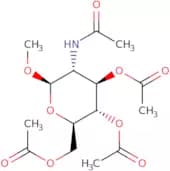
CAS:Methyl 2-acetamido-3,4,6-tri-O-acetyl-2-deoxy-β-D-glucopyranoside is an Oligosaccharide that is used in the preparation of complex carbohydrates. It has a CAS number of 2771-48-4 and can be synthesized using a custom synthesis. This product is available in high purity and monosaccharide form. It has been glycosylated and methylated as well as fluorinated and saccharified.Fórmula:C15H23NO9Pureza:Min. 95%Forma y color:White Off-White PowderPeso molecular:361.34 g/mol1,3-O-Benzylidene-D-arabitol
CAS:1,3-O-Benzylidene-D-arabitol is a methylated sugar that is used in the synthesis of complex carbohydrates. It is produced by the modification of a 1,3-O-benzylidene-D-ribitol. It has a CAS number of 70831-50-4 and can be custom synthesized to meet your needs. This product is available in high purity with a 99% yield.Fórmula:C12H16O5Pureza:Min. 95%Forma y color:White/Off-White SolidPeso molecular:240.25 g/molL-Fructose
CAS:L-Fructose is a non-reducing sugar that is found in many plants, including honey and fruits. It plays an important role in energy metabolism, as it can be converted to L-glyceraldehyde 3-phosphate by the enzyme aldolase. L-Fructose has also been used in the synthesis of oligosaccharides and other carbohydrates. The analytical method for determining L-fructose involves hydrolysis with acid followed by measurement of the released hydrogen peroxide. The cell culture technique can be used to measure the growth of bacteria that contain fructose as their sole carbon source.Fórmula:C6H12O6Pureza:90%Forma y color:White PowderPeso molecular:180.16 g/mol3-O-Benzyl-2-deoxy-1,6-di-O-methoxyphenyl-2-phthalimido-β-D-glucopyranoside
3-O-Benzyl-2-deoxy-1,6-di-O-methoxyphenyl-2-phthalimido-b-D-glucopyranoside is a synthetic glycosylation agent. It is a sugar with an Oligosaccharide structure. 3-O-Benzyl--2'-deoxy--1,6'-di--O--methoxyphenyl--2'-phthalimido--b--D--glucopyranoside has been synthesized by fluorination of the sugar and methylation of the benzyl group. Click modification can be used to modify the carbohydrate to create complex carbohydrates. This compound is made from natural ingredients and has a high purity level. Molecular weight: 592.24 g/mol CAS Number: 251300 EINECS Number: 208–831–3 Melting Point: 130°C (decFórmula:C35H33NO9Pureza:Min. 95%Peso molecular:611.64 g/molRaloxifene-6-D-glucuronide D4 lithium salt
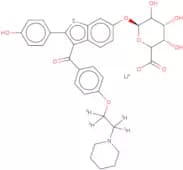
Producto controladoThis is a custom synthesis of an oligosaccharide with a 6-D-glucuronide D4 lithium salt. It is a complex carbohydrate that has been modified with methylation and glycosylation. This compound can be used as a synthetic intermediate for the production of other compounds or it can be used as a pharmaceutical agent.Fórmula:C34H30NO10SD4·LiPureza:Min. 95%Peso molecular:659.66 g/molD-Sorbose
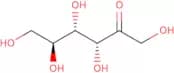
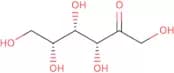
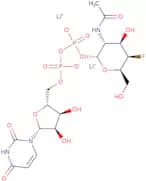
CAS:D-Sorbose is a monosaccharide that belongs to the group of sugar alcohols. It is a reducing sugar that can be used as an alternative for sugar in food and pharmaceutical industries. D-Sorbose has been shown to have potential industrial applications due to its high solubility, low melting point, and resistance to crystallization. The enzyme ribitol dehydrogenase from Escherichia coli was found to be active with D-sorbitol, but not with l-sorbitol. This indicates that D-sorbitol is a better substrate for this enzyme than L-sorbitol.Fórmula:C6H12O6Pureza:Min. 95%Forma y color:White PowderPeso molecular:180.16 g/molUDP-2-Acetamido-2,4-dideoxy-4-fluorogalactose
CAS:UDP-2-Acetamido-2,4-dideoxy-4-fluorogalactose is a Custom synthesis of a Modification, Fluorination, Methylation, Monosaccharide, Synthetic, Click modification and Oligosaccharide. It is an oligosaccharide with a saccharide and polysaccharide sugar. The Carbohydrate is a complex carbohydrate that has been shown to have anticancer properties in vitro. UDP-2-acetamido-2,4-dideoxy-4-fluorogalactose has been shown to inhibit the growth of cancer cells without harming healthy cells. This can be attributed to its ability to induce apoptosis in cancer cells by inhibiting DNA synthesis and RNA transcription.Fórmula:C17H24FLi2N3O16P2Pureza:Min. 95%Peso molecular:621.21 g/molMethyl 3-deoxy-3-fluoro-b-D-allopyranoside
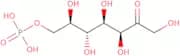
Methyl 3-deoxy-3-fluoro-b-D-allopyranoside is a modification of the carbohydrate. This product is an oligosaccharide, which is a complex carbohydrate consisting of two or more sugar molecules. Methyl 3-deoxy-3-fluoro-b-D allopyranoside has high purity and is synthetically produced. It can be used in the synthesis of glycosylated polysaccharides. This product can be modified with fluorination to generate saccharides that are not found in nature. Methyl 3-deoxy-3-fluoro b -D allopyranoside has CAS No.Fórmula:C7H13FO5Pureza:Min. 95%Peso molecular:196.18 g/molD-Sedoheptulose-7-phosphate barium salt
CAS:Substrate of phosphofructokinase; pentose phosphate pathway intermediateFórmula:C7H13O10PBaPureza:Min. 75 Area-%Forma y color:White PowderPeso molecular:425.47 g/mol1,2,4,6-Tetra-O-acetyl-3-deoxy-D-galactose
1,2,4,6-Tetra-O-acetyl-3-deoxy-D-galactose (1,2,4,6TDA) is a custom synthesis that is a complex carbohydrate. It has been modified with methylation and glycosylation. 1,2,4,6TDA is an oligosaccharide with a molecular weight of 498.06 Da and a CAS number of 90193-74-8. This product is high purity and can be fluorinated. This product can also be synthesized using the click modification reaction.Fórmula:C14H20O9Pureza:Min. 95%Peso molecular:332.3 g/mol1- Deoxy- 2, 3:4, 5:6, 7- Tris- O- (1- methylethylidene) -D- glycero- D- gulo- heptitol
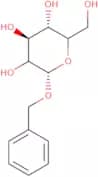
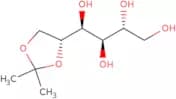
CAS:1-Deoxy-2,3:4,5:6,7-Tris-O-(1-methylethylidene)-D-glycero-D-guloheptitol is a high purity custom synthesis sugar that can be modified with fluorination and glycosylation. This product is synthesized from monosaccharides and saccharides. It has the CAS No. 1801528-80-2 and molecular weight of 354.25 g/mol. 1,2,3,4,5,6,7 -Tris (1 methylethylidene) -D glycero D gulo heptitol is a complex carbohydrate that is used in the synthesis of oligosaccharides and monosaccharides.Pureza:Min. 95%Benzyl D-glucopyranoside
CAS:Benzyl D-glucopyranoside is a synthetic reagent that is used in the synthesis of carbohydrates. The benzyl group is an important part of this molecule, as it can be used to synthesize homologues by substituting the hydroxyl group with other groups. This chemical has been shown to inhibit bacterial disease and carbohydrate antigen production in cells. The stereoisomers are not active against bacteria, but the D-glucopyranoside form is more effective than the L-glucopyranoside form. Benzyl D-glucopyranoside also inhibits lipid peroxidation, which is an indication of its antioxidant activity.Fórmula:C13H18O6Pureza:Min. 95%Forma y color:White To Off-White SolidPeso molecular:270.28 g/mol1,2:4,5-Biscyclohexylidene-DL-myo-inositol
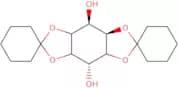
CAS:1,2:4,5-Biscyclohexylidene-DL-myo-inositol is an Oligosaccharide that is synthetically made. It belongs to the group of Glycosylation and can be used in a variety of applications. This compound can be used as a sugar in protein glycosylation, or it can act as an initiator for polysaccharide synthesis. 1,2:4,5-Biscyclohexylidene-DL-myo-inositol has been modified with Click chemistry and has been shown to be high purity and complex carbohydrate.Fórmula:C18H28O6Pureza:Min. 95%Forma y color:PowderPeso molecular:340.41 g/mol(3R, 5R) -1-Benzyl-3, 4, 5- piperidinetriol hydrochloride
(3R, 5R) -1-Benzyl-3, 4, 5- piperidinetriol hydrochloride is a synthetic compound that is used for the production of oligosaccharides and saccharides. This molecule is a part of the glycosylation reaction and has been modified to produce a variety of carbohydrate products. The CAS number for this compound is 6078-73-5 and it can be synthesized in various lengths. The chemical name for this compound is (3R, 5R)-1-(benzyloxycarbonyl)-3,4,5-piperidinetriol hydrochloride.Pureza:Min. 95%Phenyl b-L-thiofucopyranoside
Phenyl b-L-thiofucopyranoside is a custom-synthesized, fluorinated, modified sugar that is used in the synthesis of oligosaccharides and polysaccharides. This compound is an excellent choice for methylation reactions due to its high reactivity and stability under harsh conditions. Phenyl b-L-thiofucopyranoside can be used as a precursor for the synthesis of saccharide derivatives, such as monosaccharides and complex carbohydrates. It has been shown to be stable to heat and pH extremes, making it ideal for use in organic syntheses.Fórmula:C12H16O4SPureza:Min. 95%Forma y color:PowderPeso molecular:256.32 g/molD-Talono-1,4-lactone
CAS:D-Talono-1,4-lactone is a stereoselective drug that inhibits the synthesis of c-glycosides and is used to study the mechanisms of action of these compounds. It has been shown to have antibacterial activity against gram-negative pathogens such as Escherichia coli, Salmonella typhi, Klebsiella pneumoniae, and Acinetobacter baumannii. D-Talono-1,4-lactone also has inhibitory activities against gram negative bacteria. This compound may be a potential biomarker for the detection of gram negative bacteria in water samples. The mechanism of action of this drug is not known but it is likely due to its ability to inhibit bacterial growth.
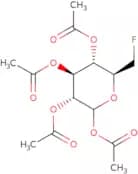
Fórmula:C6H10O6Pureza:Min. 95%Forma y color:PowderPeso molecular:178.14 g/mol1,2,3,4-Tetra-O-acetyl-6-deoxy-6-gluoro-D-glucopyranose
CAS:1,2,3,4-Tetra-O-acetyl-6-deoxy-6-gluoro-D-glucopyranose is a glycosylation sugar that is synthesized by the click reaction of 2,3,4,6-tetraacetylpyridine with 6-deoxygluconohexose. It is a white to off white powder that is soluble in water and ethanol. This compound has been used as a building block for oligosaccharides and polysaccharides because it can be modified with methyl groups or fluorine atoms. 1,2,3,4-Tetra-O-acetyl-6-deoxyglucofuranose is also known for its high purity and chemical stability.Fórmula:C14H19FO9Pureza:Min. 95%Peso molecular:350.29 g/mol1,6-Bis- O- Tert.butyldimethylsilyl- 3, 4- O-isopropylidene)-2,5-O-methanesulfonyl-D- mannitol
1,6-Bis-O-tert.butyldimethylsilyl-3,4-O-isopropylidene)-2,5-O-methanesulfonyl-D-mannitol is a sugar that is used as a starting material for the synthesis of glycosides. This compound has been shown to react with click chemistry and undergo fluorination, glycosylation, methylation, and modification reactions. It has been shown to be useful in the synthesis of oligosaccharides and monosaccharides. The chemical formula for 1,6-Bis-O-tert.butyldimethylsilyl-3,4-O-[isopropylidene)-2,5 - O]-methanesulfonyl--D--mannitol is C14H30OSiMesO8S2.Pureza:Min. 95%3-O-Acetyl-4-O-methyl-D-glucuronic acid
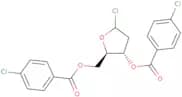
3-O-Acetyl-4-O-methyl-D-glucuronic acid is a custom synthesis that is used in the preparation of oligosaccharides and polysaccharides. It has been modified by fluorination, which increases its stability. 3-O-Acetyl-4-O-methylglucuronic acid can be used to synthesize saccharides and carbohydrates as well as to modify monosaccharides and sugars. This product is available at high purity with a CAS number.Fórmula:C9H14O8Pureza:Min. 95%Forma y color:White SolidPeso molecular:250.2 g/mol1-Chloro-3,5-di-O-(4-chlorobenzoyl)-2-deoxy-D-ribofuranose
CAS:Research on 1-chloro-3,5-di-O-(4-chlorobenzoyl)-2-deoxy-D-ribofuranose has shown that this compound has high antibacterial activity against a broad spectrum of Gram positive and Gram negative bacteria. In addition to its role as an antibacterial agent, this compound can also be used as a research reagent for the detection of genetic mutations in bacteria. This compound is not soluble in acetone or chloroform, but is soluble in water.Fórmula:C19H15Cl3O5Pureza:Min. 95%Forma y color:White PowderPeso molecular:429.68 g/molIxoroside
CAS:Ixoroside is a coumarin derivative that has been shown to inhibit the activity of an enzyme called epidermal growth factor receptor. The chemical diversity of this compound has made it difficult to study its biological properties and mechanisms. Ixoroside has been studied in vitro for its effects on eye disorders and for its potential to be used as a monoclonal antibody. It has also been shown to have toxicological studies with no significant adverse effects observed. Ixoroside is found in the genus Nepeta, where it is mainly found in Nepeta cataria and Fructus ixorii species plants, which are used in traditional Chinese medicine. It can also be found in other plants such as Eucalyptus globulus, which is commonly used in cough suppressants.Fórmula:C16H24O9Pureza:Min. 95%Peso molecular:360.36 g/mol(2a, 3b, 4a) -N-Benzyl-3- benzyloxy-2, 4-azetidinedimethanol
(2a, 3b, 4a) -N-Benzyl-3- benzyloxy-2, 4-azetidinedimethanol is a custom synthesis of glycosylation. It is an oligosaccharide that has been synthesized by reacting methylated glycosylations with a fluorinated saccharide. The molecular weight of this product is approximately 540 g/mol and the CAS No. is 82408-19-8. This product can be used for Methylation and Click modification. This product is highly pure and has been custom synthesized to meet your specifications.Pureza:Min. 95%D-Mannose
CAS:D-mannose is an organic compound and a naturally occurring sugar that is found in many plants. It has been shown to inhibit the growth of bacteria such as Escherichia coli, Staphylococcus aureus, and Klebsiella pneumoniae by binding to bacterial cells. D-mannose inhibits bacterial cell wall synthesis by acting as an alternative substrate for glycolysis, which leads to inhibition of protein synthesis. D-mannose may also act as a competitive inhibitor of certain enzymes such as proteases. This product has been shown to be effective against drug-resistant strains of bacteria by inhibiting the production of fatty acid synthase and other proteins involved in the synthesis of antimicrobial resistance.Fórmula:C6H12O6Pureza:Min. 99 Area-%Peso molecular:180.16 g/molRef: 3D-M-1001
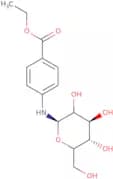
1kgA consultar5kgA consultar250gA consultar500gA consultar2500gA consultar-Unit-kgkgA consultarBenzocaine N-b-D-glucoside
CAS:Benzocaine N-b-D-glucoside is an adjuvant that is used in pharmaceutical products. It has been shown to increase the stability of drugs and prolong their effects. Benzocaine N-b-D-glucoside also enhances the absorption, distribution, and elimination of drugs. This adjuvant has a number of functionalities including being a carbonyl scavenger and having mottling effects on drug particles. Benzocaine N-b-D-glucoside is often used as a pharmaceutical product adjuvant to stabilize formulations and extend the shelf life of medications.Fórmula:C15H21NO7Pureza:Min. 95%Forma y color:PowderPeso molecular:327.33 g/mol2,3-Di-O-benzyl-L-threonic acid-1,4-lactone
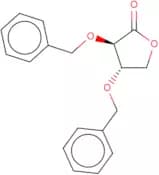
CAS:2,3-Di-O-benzyl-L-threonic acid-1,4-lactone is a custom synthesis of an Oligosaccharide. It has CAS No. 150575-74-9 and is Polysaccharide, Modification, saccharide, Methylation, Glycosylation, Carbohydrate. 2,3-Di-O-benzyl-L-threonic acid-1,4-lactone has Click modification and is Fluorination and Synthetic.Fórmula:C18H18O4Pureza:Min. 95%Peso molecular:298.33 g/mola-Homonojirimycin
CAS:a-Homonojirimycin is a chaperone that is effective in inhibiting HIV infection. It has been shown to inhibit the activity of chymotrypsin, carboxypeptidase A, and aminopeptidase B. The model system used for this compound was the human liver, which showed that a-homonojirimycin had a potent inhibitory activity against these enzymes. This drug also has a dry weight of 1,520 g/mol and an effective dose of 0.01 mg/mL. In vitro studies have shown that a-homonojirimycin inhibits influenza virus by binding to the hemagglutinin protein on the surface of the virus and preventing its attachment to host cells.Fórmula:C7H15NO5Pureza:Min. 98 Area-%Forma y color:White PowderPeso molecular:193.2 g/molD-myo-inositol 3-phosphate
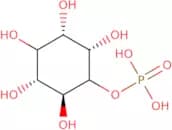
CAS:D-myo-inositol 3-phosphate (IP3) is a molecule that is involved in the metabolism of carbohydrates, fats, and proteins. It is synthesized from D-myo-inositol 1,4,5-trisphosphate through the action of an enzyme called phosphatidylinositol kinase. IP3 binds to the calmodulin protein and has been shown to have biological properties, such as cytosolic or chloroplastic localization and transcriptional regulation. IP3 also participates in the synthesis of DNA and RNA. The sequence of IP3 has been determined for plants such as Solanum tuberosum and Arabidopsis thaliana.Fórmula:C6H13O9PPureza:Min. 95%Peso molecular:260.14 g/mol1,2,3,4-Tetra-O-benzoyl-6-O-trityl-b-D-galactopyranose
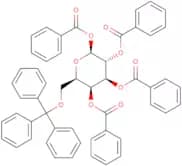
CAS:1,2,3,4-Tetra-O-benzoyl-6-O-trityl-b-D-galactopyranose is a custom synthetic sugar that can be modified using a variety of glycosylation and modification techniques. This product has been synthesized and purified to high purity standards. It is an Oligosaccharide, Polysaccharide, Modification, saccharide with CAS No. 100740-75-8.Fórmula:C53H42O10Pureza:Min. 95%Peso molecular:838.89 g/molMethyl (phenyl 2,3-di-O-benzyl-1-thio-b-D-glucopyranoside)uronate
CAS:Methyl (phenyl 2,3-di-O-benzyl-1-thio-b-D-glucopyranoside)uronate is a synthetic glycosylation product. It is the methyl ester of 2,3,4,6-tetra-O-benzylated glucuronic acid. This product can be used for the modification of polysaccharides and saccharides with click chemistry. The synthesis of this compound can be customized to meet your needs.Pureza:Min. 95%2,3,4,6-Tetra-O-acetyl-β-D-glucopyranosyl trichloroacetimidate
CAS:Gadolinium is a magnetic, paramagnetic metal that is used to enhance the contrast in magnetic resonance imaging (MRI) and has been shown to be effective in ectopic expression of gene products. Gadolinium-enhanced MRI has been shown to be a more sensitive method for detection of pancreatic cancer cells than CT scans. Gadolinium also binds to monoclonal antibodies and can be detected using immunohistochemical staining. Gadolinium is a prohormone that is converted into its active form by cleavage of the glycosidic bond between carbons 2 and 3 in the 6-phosphate position. The gadolinium ion is chemically neutral, which may account for its lack of toxicity in vivo.Fórmula:C16H20Cl3NO10Pureza:Min. 98 Area-%Forma y color:PowderPeso molecular:492.69 g/mol













![3b-[(a-L-arabinopyranosyl)oxy] urs-12,18-dien-28-oic acid 28-b-D-glucopyranosyl ester (12)](/_next/image/?url=https%3A%2Fstatic.cymitquimica.com%2Fproducts%2F3D%2Fthumb-webp%2FMA74562.webp&w=3840&q=75)


![(2S, 3R, 4S) -2- [(1S) - 1- Hydroxyethyl] - 3, 4- pyrrolidinediol](/_next/image/?url=https%3A%2Fstatic.cymitquimica.com%2Fproducts%2F3D%2Fthumb-webp%2FMH163319.webp&w=3840&q=75)