Monosacáridos
Subcategorías de "Monosacáridos"
- Allosas(11 productos)
- Arabinosas(21 productos)
- Eritrosas(11 productos)
- Fructosas(9 productos)
- Fucosas(36 productos)
- Galactosamina(41 productos)
- Galactosa(261 productos)
- Glucosas(365 productos)
- Ácidos glucurónicos(52 productos)
- Glico-sustratos para enzimas(78 productos)
- Gulosas(6 productos)
- Idosas(4 productos)
- Inositoles(15 productos)
- Lyxosas(4 productos)
- Manosas(65 productos)
- O-glicanos(48 productos)
- Psicosas(3 productos)
- Ramnosas(10 productos)
- Ribosas(61 productos)
- Ácidos siálicos(100 productos)
- Sorbosas(4 productos)
- Azúcares(173 productos)
- Tagatosis(4 productos)
- Taloses(8 productos)
- Xilosas(20 productos)
Se han encontrado 6088 productos de "Monosacáridos"
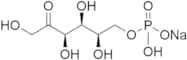
2-Deoxy-D-Ribose 5-Phosphate-13C5 Disodium Salt
CAS:Fórmula:C5H9O7P2·2NaPeso molecular:217.06 2*22.99L-Iduronic Acid Sodium Salt
CAS:Stability Hygroscopic
Applications A constituent of certain mucopolysaccharides.
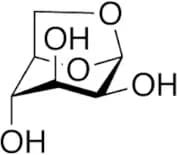
References Hoffman, P., et al.: Science, 124, 1252 (1956), Meyer, K: Biochim et Biophys. Acta, 21, 506 (1956), Cifonelli, J.A., et al.: Federation Proc., 16, 165 (1957), Cifonelli, J.A., et al.: J. Biol. Chem., 233, 541 (1958)Fórmula:C6H9NaO7Forma y color:Light Orange Colour To Dark BrownPeso molecular:216.121,6-Anhydro-β-D-mannopyranose
CAS:Producto controladoApplications Monosaccharide anhydrides, new markers of toasted oak wood used for ageing wines and distillates.
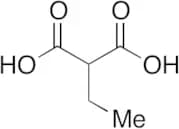
References Goldberg, D., et al.: J. Agric. Food Chem., 47, 3978 (1999), Fu, P., et al.: Environ. Sci. Technol., 43, 286 (2009),Fórmula:C6H10O5Forma y color:Off-WhitePeso molecular:162.14Ethylmalonic Acid
CAS:Applications Ethylmalonic Acid is used as a diagnostic agent used in the diagnosis of Ethylmalonic encephalopathy which is a rare autosomal recessive inborn error of metabolism.
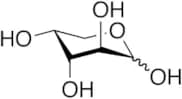
References Baertling, F. et al.: Eur. J. Pediat., 173, 1719 (2014); Sudo, Y. et al.: Hu,am Genome Var., 1, 15016 (2014);Fórmula:C5H8O4Forma y color:NeatPeso molecular:132.12D-Arabinose
CAS:Applications An inhibitor of the enzyme glucose dehydrogenase.
References Cozier, G.E. et al.: Biochem. J., 340, 639 (1999);Fórmula:C5H10O5Forma y color:White SolidPeso molecular:150.131,6-Anhydro-β-D-galactose
CAS:Producto controladoApplications 1,6-Anhydro-β-D-glucopyranose is a carbohydrate contains in liquid smoke flavorings.
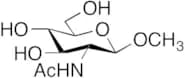
References Kim, K., et al.: Agric. Biol. Chem., 38, 53 (1974), Guillen, M., et al.: Food Chem., 58, 97 (1997), Guillen, M., et al.: J. Agric. Food Chem., 46, 1276 (1998),Fórmula:C6H10O5Forma y color:White To BeigePeso molecular:162.14Methyl 2-Acetamido-2-deoxy-β-D-glucopyranoside
CAS:Producto controladoFórmula:C9H17NO6Forma y color:NeatPeso molecular:235.23D-Idose (0.141M Solution)
CAS:Applications D-Idose is a monosaccharide that is an important component of dermatan sulfate and heparan sulfate.
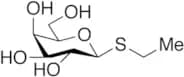
References Olsen, S.G., et al.: J. Biol. Chem., 264, 15982 (1989);Fórmula:C6H12O6Forma y color:Single SolutionPeso molecular:180.1559Ethyl β-D-Thiogalactopyranoside
CAS:Producto controladoApplications Ethyl β-D-Thiogalactopyranoside (cas# 56245-60-4) is a compound useful in organic synthesis.
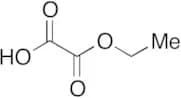
Fórmula:C8H16O5SForma y color:NeatPeso molecular:224.27Oxalic Acid Ethyl Ester
CAS:Producto controladoApplications Oxalic Acid Ethyl Ester is a useful synthetic intermediate. It is used to synthesize 2-substituted 3-aryl-4(3H)-quinazolinones with anticonvulsant activities. It is also used to prepare nonbenzamidine tetrazole derivatives as factor Xa inhibitors.
References Wolfe, J., et al.: J. Med. Chem., 33, 161 (1009); Quan, M., et al.: bioorg. Med. Chem. Lett., 13, 369 (2003)Fórmula:C4H6O4Forma y color:NeatPeso molecular:118.09N-Acetyl-D-mannosamine
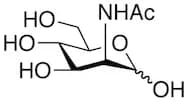
CAS:Producto controladoStability Hygroscopic
Applications A derivative of D-Mannosamine (M167000).
References Pukanud, P. et al.: Drug Delivery, 16, 289 (2009);Fórmula:C8H15NO6Forma y color:NeatPeso molecular:221.21D-Gulose
CAS:Applications D-Glucose is a aldohexose sugar that is very rare in nature but has been found in archaea, bacteria and other eukaryotes. Gulose is the C-3 Epimer of galactose (G155250).
References Sun, Y.X., et al.: Biosci. Biotech. Biochem., 70, 598 (2006); Bhuiyan, S.H., et al.: J. Biosci. Bioengin., 88, 567 (1999);Fórmula:C6H12O6Forma y color:Off White SolidPeso molecular:180.1559α-Methylglyceric Acid
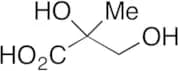
CAS:Producto controladoApplications α-Methylglyceric Acid is a biogenic secondary organic aerosol used in air quality diagnosis.
References Ru, P., et. al.: Environ. Sci. Technol., 48, 8491 (2014); Napelenok, S.L., et. al.: Environ. Sci. Technol., 48, 464 (2014); Stone, E.A., et. al.: Environ. Chem., 9, 263 (2012)Fórmula:C4H8O4Forma y color:NeatPeso molecular:120.12,5-Anhydro-D-mannitol
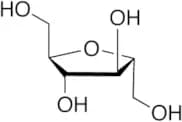
CAS:Producto controladoApplications A carbohydrate metabolism regulator that has been shown to inhibit gluconeogenesis from lactate plus pyruvate and from substrates that enter the gluconeogenic pathway as triose phosphate.
References Joet, T., et al.: Biochem. J., 381, 905 (2004), Girardin, E., et al.: J. Biol. Chem., 280, 38059 (2005), Nghiem, N., et al.: App. Biochem. Biotechnol., 141, 335 (2007),Fórmula:C6H12O5Forma y color:NeatPeso molecular:164.16Benzyl beta-D-Glucopyranoside
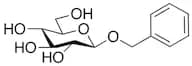
CAS:Producto controladoApplications Benzyl β-D-Glucopyranoside (cas# 4304-12-5) is a compound useful in organic synthesis.
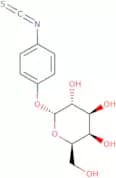
References Yoshikawa, M., et al.: Chem. Pharm. Bull., 56, 1297 (2008), Takeda, Y., et al.: J. Nat. Med., 62, 476 (2008),Fórmula:C13H18O6Forma y color:Off WhitePeso molecular:270.28α-D-Galactopyranosyl phenylisothiocyanate
CAS:a-D-Galactopyranosyl phenylisothiocyanate is a compound that is used in the synthesis of saccharides and oligosaccharides. It reacts with a variety of sugars, including glucose, sucrose, maltose and lactose, to produce methylated derivatives. This reagent is also useful for the synthesis of glycosides. The product can be used in custom synthesis or as a fluorinated carbohydrate.
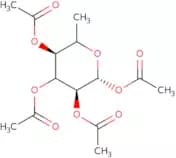
Fórmula:C13H15NO6SPureza:Min. 95%Forma y color:Off-White SolidPeso molecular:313.33 g/mol1,2,3,4-Tetra-O-acetyl-L-rhamnopyranose
CAS:1,2,3,4-Tetra-O-acetyl-L-rhamnopyranose is an acetylated disaccharide that is glycosylated with mercuric triflate and glycoalkaloid acceptors. It has been shown to be a glycosylation coupling agent for theophylline in solanum species. 1,2,3,4-Tetra-O-acetyl-L-rhamnopyranose can also act as a steroidal glycoalkaloid acceptor and has been identified in Solanum species.
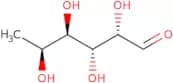
Fórmula:C14H20O9Pureza:Min. 95%Forma y color:Colorless PowderPeso molecular:332.3 g/molL-Fucose - non animal origin
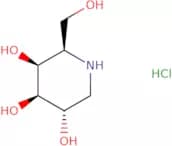
CAS:L-Fucose is an aldohexose that is used as the building block for various glycoproteins and glycolipids. It is found in human serum and human pathogens. L-Fucose can be isolated from the hybridoma cell line by apical chromatography. The analytical method of L-fucose includes body formation, oligosaccharides, and glycan titration calorimetry. Structural analysis of L-fucose includes glycosylation, sugar analysis, and carbohydrate analysis. Fucose can also be used to produce oligosaccharides through enzymatic reactions with other sugars including glucose and galactose. This reaction produces a linkage between fucose and other sugars that are called glycosidic bonds.Fórmula:C6H12O5Pureza:Min. 98 Area-%Forma y color:PowderPeso molecular:164.16 g/mol1-Deoxygalactonojirimycin hydrochloride salt
CAS:Specific and potent inhibitor of lysosomal α-galactosidase with IC50 in nanomolar range. It acts as pharmacological chaperone and assists folding of the wild type and mutant versions of the enzyme. It places itself in the instable active site and prevents the damage to the enzyme during the passage through Golgi apparatus, endoplasmatic reticulum and lysosome axis. The exposure to this compound leads to increased levels of functional α-galactosidase in models for lysosomal storage disorders and brings therapeutic benefits to patients with Fabry disease.Fórmula:C6H13NO4·HClPureza:Min. 95 Area-%Forma y color:White PowderPeso molecular:199.63 g/mol3-Deoxy-D-glycero-D-galacto-2-nonulosonic acid
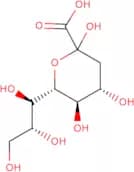
CAS:3-Deoxy-D-glycero-D-galacto-2-nonulosonic acid (3DG) is a monosaccharide that is present in many biological molecules, such as glycoproteins and glycoconjugates. 3DG is found in the sialic acid residues of glycoproteins and has been shown to have anticancer properties through its ability to inhibit cell growth. This compound also inhibits the synthesis of DNA and RNA by binding to bacterial 16S ribosomal RNA, inhibiting protein synthesis and cell division. 3DG has been used in biocompatible polymers for medical applications, such as drug delivery systems.Fórmula:C9H16O9Pureza:Min. 98 Area-%Forma y color:White Yellow PowderPeso molecular:268.22 g/molL-Menthylglucoside
CAS:L-Menthylglucoside is a custom synthesis, complex carbohydrate. It has CAS number 16203-27-3 and is an Oligosaccharide and Polysaccharide. L-Menthylglucoside has been modified with methylation and glycosylation, which may be due to its Click modification. L-Menthylglucoside is a sugar that is high purity, fluorinated, and synthetic.Fórmula:C16H30O6Pureza:Min. 95%Forma y color:PowderPeso molecular:318.41 g/molUDP-2-deoxy-2-fluoro-D-glucose sodium salt
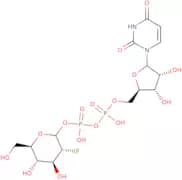
CAS:UDP-2-deoxy-2-fluoro-D-glucose sodium salt (UDPFG) is a fluorinated analog of the sugar donor, UDP-glucose. It is an acceptor for the enzyme, glycosylation protein glucosyltransferase, which catalyzes the transfer of glucose to proteins. This compound has been shown to be an activating sugar donor in vitro and in vivo. In addition, it was found that UDFG can bind to the active site of glucosyltransferase in a hydrogen bond interaction that may be important for catalysis.Fórmula:C15H21FN2O16P2·2NaPureza:Min. 95%Forma y color:PowderPeso molecular:568.29 g/mol1,6-Anhydro-3,4-O-isopropylidene-b-D-galactopyranose
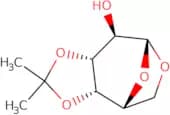
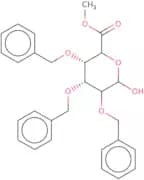
CAS:1,6-Anhydro-3,4-O-isopropylidene-b-D-galactopyranose is a custom synthesis of a complex carbohydrate that has been modified with methylation and glycosylation. It is a saccharide with the CAS number 52579-97-2. This product is highly pure and can be fluorinated for synthesizing other sugars or carbohydrates. The purity of this product is greater than 98%.Fórmula:C9H14O5Pureza:Min. 95%Forma y color:White PowderPeso molecular:202.2 g/mol2,3,4-Tri-O-benzyl-D-glucuronide methyl ester
2,3,4-Tri-O-benzyl-D-glucuronide methyl ester is an organic compound that is structurally classified as a saccharide. It can be used as an intermediate in the synthesis of oligosaccharides and glycosylated proteins. This product has been modified with Click chemistry, which is a method for modifying chemical structures with a simple reaction between two groups. The modification is stable in acidic conditions and can be removed by treatment with base. 2,3,4-Tri-O-benzyl-D-glucuronide methyl ester also contains fluorine atoms that have been introduced during the synthetic process.Fórmula:C28H30O7Pureza:Min. 95%Forma y color:White PowderPeso molecular:478.53 g/mol1,6-Dideoxynojirimycin
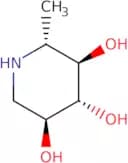
CAS:Dideoxynojirimycin is a potent hydroxamic acid that inhibits glycosidases. It is used to treat metabolic disorders such as glycogen storage diseases. Dideoxynojirimycin has been shown to inhibit the activity of intestinal maltase, an enzyme involved in the digestion of carbohydrates. This drug also inhibits the synthesis of nucleic acids and proteins, which may be due to its ability to bind nucleophilic groups on enzymes and other biological molecules. The kinetic study showed that 1,6-dideoxynojirimycin has a stereoselective effect on mouse splenocytes, inhibiting their proliferation more effectively than 1,6-dideoxy-N-acetylneuraminic acid.Fórmula:C6H13NO3Pureza:Min. 95%Forma y color:PowderPeso molecular:147.17 g/molL-Mannonic acid-1,4-lactone
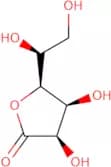
CAS:L-Mannonic acid-1,4-lactone is an acidic compound that has kinetic properties. It is used in the assays of chloride ions and neutral pH. L-Mannonic acid-1,4-lactone also has conjugates with hydrolytic activity and can be used as a synthetic intermediate for other organic compounds. L-Mannonic acid-1,4-lactone can be found in group P2 of the periodic table because it contains a hydroxyl group and an organic group with a methyl ethyl side chain. L-Mannonic acid-1,4-lactone hydrolyzes at high temperatures and may exhibit synergistic effects when combined with other agents. This product is also used to incubate cells such as k562 cells.
Fórmula:C6H10O6Pureza:Min. 95%Forma y color:PowderPeso molecular:178.14 g/mol2-Acetamido-2-deoxy-b-D-glucopyranosyl amine
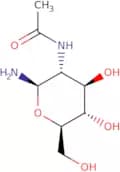
CAS:2-Acetamido-2-deoxy-b-D-glucopyranosyl amine is a synthetic molecule that has shown to be an effective therapeutic agent for the treatment of juvenile idiopathic arthritis. It binds to the surface of cells and activates the immune system by generating antibodies against the disease. This drug has been shown to reduce disease activity in patients with juvenile idiopathic arthritis, as well as improve quality of life. 2-Acetamido-2-deoxy-b-D-glucopyranosyl amine is being developed for use in other autoimmune diseases such as systemic lupus erythematosus, rheumatoid arthritis, and psoriasis.Fórmula:C8H16N2O5Pureza:Min. 95 Area-%Forma y color:PowderPeso molecular:220.22 g/mol(2R, 4S) - 3- Fluoro- 2,4- azetidinedimethanol
(2R, 4S) - 3- Fluoro- 2,4- azetidinedimethanol is a fluorinated monosaccharide. It is a synthetic compound that has been modified by methylation and Click chemistry. The fluorination of the sugar allows for high purity and modification of the carbohydrate. This compound is used in the synthesis of oligosaccharides and polysaccharides.
Pureza:Min. 95%2-Acetamido-2,4-dideoxy-4-fluoro-D-glucopyranose
CAS:2-Acetamido-2,4-dideoxy-4-fluoro-D-glucopyranose (2ADFG) is a glycosaminoglycan that inhibits the biosynthesis of glycosaminoglycans by binding to the enzyme UDP-N-acetylglucosamine 2-epimerase. It is used in cellular control experiments to determine if cells are hepatocytes or not. This compound binds to glycosaminoglycans and prevents them from being synthesized, which leads to cell death. The binding of 2ADFG also results in a decrease in cellular protein synthesis and an increase in cellular lysosomal activity.Fórmula:C8H14FNO5Pureza:Min. 95%Peso molecular:223.2 g/mol(-)-D-Noviose
CAS:(-)-D-Noviose is a naturally occurring sulfoxide that was first isolated from the tubercles of tuberculosis patients. It is a biosynthetic precursor to tiacumicin, an antibacterial agent. In addition, (-)-D-Noviose has been shown to act as a chaperone and inhibit cancer cells in vitro. (-)-D-Noviose binds to the cysteine residues of proteins, preventing their oxidation and subsequent aggregation. This prevents the cross-linking of proteins that leads to cellular damage and death.
Fórmula:C8H16O5Pureza:Min. 95%Peso molecular:192.21 g/mol2,3,5-Tri-O-acetyl-L-arabinofuranosyl fluoride
2,3,5-Tri-O-acetyl-L-arabinofuranosyl fluoride is a monosaccharide sugar that has been fluorinated. It is a custom synthesis of methylation and click modification. The CAS number for this product is 565-64-8. This product has been modified to make it more resistant to degradation by enzymes such as alpha amylase and beta amylase. It is also used for polysaccharide synthesis and saccharides with higher purity than other products on the market. This product is synthesized from natural sources, making it high in purity and suitable for use in food production.END>Fórmula:C11H15FO7Pureza:Min. 95%Forma y color:Colourless To Yellow LiquidPeso molecular:278.23 g/molD-Mannitol 1-phosphate lithium salt
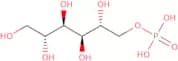
CAS:D-Mannitol 1-phosphate lithium salt (DMPL) is a bacterial growth-inhibiting agent that inhibits the ribitol dehydrogenase enzyme that converts mannitol to ribitol. The wild-type strain of bacteria is more sensitive to DMPL than the mutant strains, which lack this enzyme. This compound has been shown to be active against Aerobacter aerogenes, and it can be used as an antimicrobial agent in plant physiology, where it prevents cell lysis. DMPL is also effective against wild-type strains of E. coli K-12 and has a broad range of pH optima with a maximum at pH 6.0 to 7.0. The reaction mechanism for this drug is not well understood, but it may involve inhibition of the polymerase chain reaction or other enzyme activities.Fórmula:C6H15O9P·xLiPureza:Min. 95 Area-%Forma y color:White Off-White PowderPeso molecular:262.15 g/mol3,4,6-Tri-O-acetyl-L-glucal
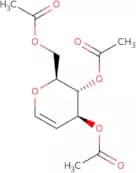
CAS:Resource for the synthesis of 2-azido- and 2-deoxy-L-glucoses and 1,2-epoxidesFórmula:C12H16O7Pureza:Min. 95%Forma y color:White PowderPeso molecular:272.25 g/molHyacinthine crystals
Hyacinthine is a sugar that is synthesized in the laboratory. It is modified with fluorine, methyl, and click chemistry. Hyacinthine has been shown to have antifungal, antiviral, and antitumour properties. It also has been shown to have anti-inflammatory effects. Hyacinthine can be used as a probe for the study of glycosylation reactions or as a model for the synthesis of complex carbohydrates.Pureza:Min. 95%Phenyl b-L-thiofucopyranoside
Phenyl b-L-thiofucopyranoside is a custom-synthesized, fluorinated, modified sugar that is used in the synthesis of oligosaccharides and polysaccharides. This compound is an excellent choice for methylation reactions due to its high reactivity and stability under harsh conditions. Phenyl b-L-thiofucopyranoside can be used as a precursor for the synthesis of saccharide derivatives, such as monosaccharides and complex carbohydrates. It has been shown to be stable to heat and pH extremes, making it ideal for use in organic syntheses.Fórmula:C12H16O4SPureza:Min. 95%Forma y color:PowderPeso molecular:256.32 g/molepi-Inositol
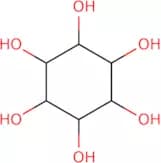
CAS:Epi-inositol, also known as myo-inositol, is a member of the group of molecules known as sugar alcohols. It is a naturally occurring compound that is found in the human body and can be synthesized by the human body from glucose. Epi-inositol has been shown to have a number of biological effects, including inhibition of cell proliferation and energy metabolism in ovarian cancer cells. Epi-inositol has also been used in clinical trials for treatment of mood disorders such as depression.Fórmula:C6H12O6Pureza:Min. 98 Area-%Forma y color:White PowderPeso molecular:180.16 g/molL-Tagatose
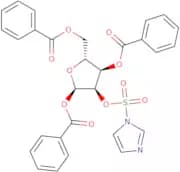
CAS:Low-calorie sweetener; additive in detergents, cosmetics, and pharmaceuticalsFórmula:C6H12O6Pureza:Min. 98 Area-%Forma y color:White PowderPeso molecular:180.16 g/mol1,3,5-Tri-O-benzoyl-2-O-(1H-imidazole-1-sulfonate)-a-D-ribofuranose
CAS:1,3,5-Tri-O-benzoyl-2-O-(1H-imidazole-1-sulfonate)-a-D-ribofuranose (TBIR) is a fatty acid that is synthesized by the condensation of 1,3,5-triacetylbenzene with 2,4,6,-trichlorobenzoyl chloride in the presence of triethylamine and sodium methoxide. TBIR has been shown to be suitable for fabricating polyesters and polyamides. TBIR also has the ability to modify membranes. This modification occurs when TBIR reacts with phospholipids in the membrane bilayer by inserting itself into the membrane bilayer. The mesoporous nature of TBIR allows for diffusional transport through its pores as well as an increased surface area for reactions. It also has a large diameter and branched chains that make it suitable forFórmula:C29H24N2O10SPureza:Min. 95%Forma y color:White PowderPeso molecular:592.57 g/molN-(Fmoc)-C-b-D-galacturonyl methylamine
Fmoc-C-b-D-galacturonyl methylamine is a custom synthesis that is used in the modification of oligosaccharides and carbohydrates. It is also used as a precursor for the synthesis of glycosylated saccharides by methylation, glycosylation, and fluorination. Fmoc-C-b-D-galacturonyl methylamine has been shown to be an excellent starting material for the production of high purity complex carbohydrates.Pureza:Min. 95%1,2-Dideoxy-3,5-di-O-toluoyl-D-ribose
CAS:1,2-Dideoxy-3,5-di-O-toluoyl-D-ribose is a synthetic sugar that can be used in the synthesis of complex carbohydrates. It has been modified with fluorine, methylation, and click chemistry. It is also available as a high purity product. 1,2-Dideoxy-3,5-di-O-toluoyl-D-ribose is an oligosaccharide that is used in glycosylation reactions to form polysaccharides or saccharides. Click chemistry allows for the modification of this sugar with other molecules such as amino acids or peptides. This modification may be useful for studying protein interactions or for drug development.Fórmula:C21H22O5Pureza:Min. 95%Peso molecular:354.4 g/molN-Acetyl-D-mannosamine-6-phosphate disodium salt
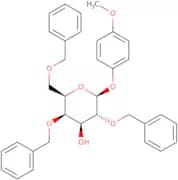
CAS:Precursor of N-acetylneuraminic acidFórmula:C8H14NO9P·2NaPureza:Min. 95%Forma y color:White PowderPeso molecular:345.15 g/mol4-Methoxyphenyl 2,4,6-tri-O-benzyl-b-D-galactopyranoside
CAS:4-Methoxyphenyl 2,4,6-tri-O-benzyl-b-D-galactopyranoside is a custom synthesis that belongs to the group of complex carbohydrates. It is an Oligosaccharide with CAS No. 247027-79-8 and Polysaccharide. 4MPG has been modified by Methylation, Glycosylation, Carbohydrate, Click modification, sugar, High purity, Fluorination and Synthetic methods. This product is available in high purity and can be used for research purposes.Fórmula:C34H36O7Pureza:Min. 97 Area-%Forma y color:PowderPeso molecular:556.65 g/molPhenyl 2,4,6-Tri-O-acetyl-3-O-allyl-b-D-thioglucopyranoside
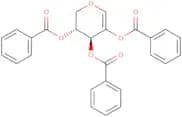
CAS:Phenyl 2,4,6-tri-O-acetyl-3-O-allyl-β-D-thioglucopyranoside is an enantiomer that can be synthesized from the commercially available 2,4,6-triacetylphenyl boronic acid. It has been shown to have a positive effect on insulin sensitivity and uptake in plasma glucose in diabetic patients. Phenyl 2,4,6-tri-O-acetyl-3-O-allyl β D thioglucopyranoside also has a safety profile that is similar to other antidiabetic drugs. This drug has been shown to inhibit influenza virus uptake into cells by competitive inhibition of a transporter type.Fórmula:C21H26O8SPureza:Min. 98 Area-%Forma y color:White Off-White PowderPeso molecular:438.49 g/mol1,5-Anhydro-2,3,4-tri-O-benzoyl-D-threo-pent-1-enitol
CAS:1,5-Anhydro-2,3,4-tri-O-benzoyl-D-threo-pent-1-enitol is a high purity compound that is synthesized from D-threo pent 1 enitol. It is a sugar that belongs to the category of complex carbohydrates. This product can be custom synthesized and modified according to customer requirements.
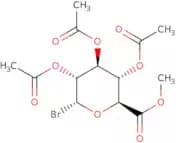
Fórmula:C26H207Pureza:Min. 95%Forma y color:PowderPeso molecular:444.43 g/mol1-Bromo-2,3,4-tri-O-acetyl-a-D-glucuronide methyl ester - 1% CaCO3
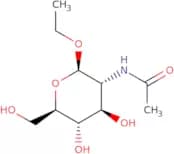
CAS:1-Bromo-2,3,4-tri-O-acetyl-a-D-glucuronide methyl ester is a protected D-glucoronic acid with an alpha bromide at the anomeric position ready to undergo glycosylation reactions with suitable glycoside acceptors. Pharmaceutically active compounds have been used as acceptors to form β-linked D-glucuronide prodrugs which can be used to modify pharmacokinetics, improve solubility and lower the toxicity of the drug.Fórmula:C13H17BrO9Pureza:Min. 98 Area-%Forma y color:White Off-White PowderPeso molecular:397.17 g/molEthyl 2-acetamido-2-deoxy-β-D-glucopyranoside
CAS:Ethyl 2-acetamido-2-deoxy-β-D-glucopyranoside is an anomeric sugar that contains a substituent at C4. It is used in the synthesis of oxazolidinones and thiazolidinones.Fórmula:C10H19NO6Pureza:Min. 98 Area-%Forma y color:PowderPeso molecular:249.26 g/molAllyl 2-acetamido-2-deoxy-β-D-glucopyranoside
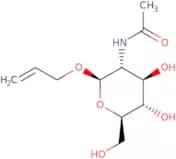
CAS:Allyl 2-acetamido-2-deoxy-β-D-glucopyranoside is a modification of the sugar molecule. It is an oligosaccharide composed of a monosaccharide and one or more other saccharides.Fórmula:C11H19NO6Pureza:Min. 98 Area-%Forma y color:PowderPeso molecular:261.27 g/mol1,3,5-Tri-O-benzoyl-a-D-ribofuranose
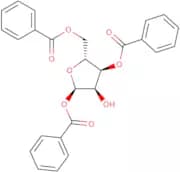
CAS:1,3,5-Tri-O-benzoyl-a-D-ribofuranose is a modified carbohydrate. It is synthesized by the methylation of 1,3,5-tri-O-benzoyl-a-D-arabinopyranose followed by glycosylation with 3,6-dideoxyhexose. This compound has been used as a substrate in enzymatic studies to investigate the modification of carbohydrates by glycosylation and methylation and can be used for the synthesis of other saccharides.
Fórmula:C26H22O8Pureza:Min. 95%Forma y color:White PowderPeso molecular:462.45 g/mol6-O-Malonylglycitin
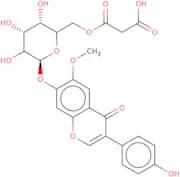
CAS:6-O-Malonylglycitin is a glycosylated flavonoid that belongs to the group of isoflavones. It is found in a variety of plants, including soybeans and fava beans. 6-O-Malonylglycitin has been shown to be an effective inhibitor of β-glucosidase activity at temperatures below 37°C, which overlaps with the range of temperatures where it inhibits glycitein production. This inhibition may be due to its pleiotropic effects on various treatments, such as its ability to inhibit cancer cell growth by inhibiting protein synthesis and inducing apoptosis. 6-O-Malonylglycitin also has synergistic effects when used concomitantly with chromatographic markers, such as high performance liquid chromatography (HPLC), which can be used to analyze the levels of endogenous compounds in human blood samples.Fórmula:C25H24O13Pureza:Min. 95%Forma y color:PowderPeso molecular:532.45 g/molMethyl 2,3,4,6-tetra-O-benzyl-b-D-thiogalactopyranoside
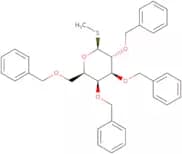
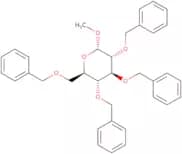
CAS:Methyl 2,3,4,6-tetra-O-benzyl-b-D-thiogalactopyranoside is a synthetic monosaccharide that has been modified with fluorination and glycosylation. It is a product of the click reaction, which is a chemical modification that involves the formation of an aziridine and an alkene in one step. This product has been used for the synthesis of oligosaccharides and complex carbohydrates.Fórmula:C35H38O5SPureza:Min. 95%Forma y color:PowderPeso molecular:570.74 g/molMethyl 2,3,4,6-tetra-O-benzyl-α-D-glucopyranoside
CAS:Methyl 2,3,4,6-tetra-O-benzyl-α-D-glucopyranoside is a benzylated glycoside that inhibits the activity of β-glucosidases and glycoside hydrolases. It is used as an inhibitor in ecological studies to investigate the effects of benzyl groups on biotic and abiotic stressors. Methyl 2,3,4,6-tetra-O-benzyl-α-D-glucopyranoside has been shown to have inhibitory potency against the transition state in enzymatic reactions. This compound also has been shown to be effective in treating diabetes.Fórmula:C35H38O6Pureza:Min. 95%Forma y color:PowderPeso molecular:554.67 g/molD-Glucosamine-2-N, 3-O, 6-O-trisulfate sodium salt
D-Glucosamine-2-N, 3-O, 6-O-trisulfate sodium salt is a high purity oligosaccharide that can be custom synthesized. This product is composed of sugar, Click modification, fluorination, glycosylation, and methylation. It has CAS No. and Oligosaccharide. This product is used in the production of complex carbohydrates due to its saccharide composition.Fórmula:C6H10NNa3O14S3Pureza:Min. 95%Forma y color:White/Off-White SolidPeso molecular:485.31 g/molStreptozocin
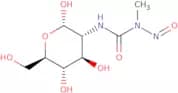
CAS:A toxic glucosamine derivative, widely used for the induction of diabetes in experimental animals. The compound enters the pancreatic β cells in Langerhans islets via glucose transporter GLUT2. It has the ability to alkylate DNA and trigger the production of ROS and nitric oxide, which contribute to DNA and mitochondrial damage. Moreover, streptozocin inhibits N-acetyl-β-D-glucosaminidase and disrupts O-GlcNAc cycling. This molecule has also been used as antimicrobial compound and chemotherapeutic agent for some types of pancreatic cancer.Fórmula:C8H15N3O7Pureza:Min. 98 Area-%Forma y color:Off-White PowderPeso molecular:265.2 g/molL-Ribulose
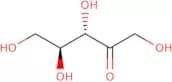
CAS:Valuable chiral building block; rare sugar applied in wood preservation
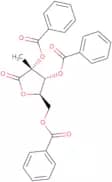
Fórmula:C5H10O5Pureza:Min. 97 Area-%Forma y color:Slightly Yellow Clear LiquidPeso molecular:150.13 g/mol2,3,5-Tri-O-benzoyl-2-C-methyl-D-ribonic acid-1,4-lactone
CAS:2,3,5-Tri-O-benzoyl-2-C-methyl-D-ribonic acid-1,4-lactone is a glutamate receptor agonist that has been shown to have pharmacological properties. It binds to the GluR2/3 family of glutamate receptors and is an agonist at these receptors. The experiments with this drug have been conducted on both animals and humans. 2,3,5-Tri-O-benzoyl-2-C-methyl D ribonic acid lactone has also been shown to be an effective probe for the identification of glutamate receptor sequences in the brain and spinal cord.Fórmula:C27H22O8Pureza:Min. 95%Forma y color:White PowderPeso molecular:474.46 g/molMethyl 7-chloro-7-deoxy-1-thiolincosaminide
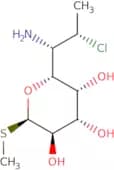
CAS:Methyl 7-chloro-7-deoxy-1-thiolincosaminide is a modification of the monosaccharide D-glucose. It has a CAS number of 22965-79-3 and is a white powder. Methyl 7-chloro-7-deoxy-1-thiolincosaminide can be used in the production of various carbohydrates, such as oligosaccharides and polysaccharides. This compound is also useful for the synthesis of sugar related products, including saccharides, glycosylation, and fluorination. Methyl 7-chloro-7-deoxy 1 -thiolincosaminide has been shown to be highly pure and synthetic, making it suitable for use in research or industrial settings.Fórmula:C9H18ClNO4SPureza:Min. 95%Forma y color:PowderPeso molecular:271.76 g/mol1,6-Anhydro-2,3,4-tri-O-benzyl-b-D-glucopyranose
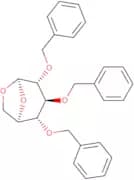
CAS:1,6-Anhydro-2,3,4-tri-O-benzyl-b-D-glucopyranose is a polymer that can be synthesized by copolymerizing the monomer with other reagents. The acetal linkage between the two glucose units allows for a cyclic structure, and this compound is soluble in water and methanol. 1,6-Anhydro-2,3,4-tri-O-benzyl-b-D-glucopyranose has been used to synthesize a variety of polymers such as polyacetals and polyesters.Fórmula:C27H28O5Pureza:Min. 95%Forma y color:White PowderPeso molecular:432.51 g/mol1,2,3,5-Tetra-O-acetyl-D-xylofuranose
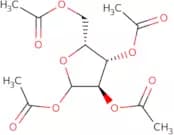
CAS:1,2,3,5-Tetra-O-acetyl-D-xylofuranose is a lectin that has been shown to have an affinity for bacterial cells. It has been shown to be effective against Gram-positive and Gram-negative bacteria, with the exception of mycobacteria. 1,2,3,5-Tetra-O-acetyl-D-xylofuranose binds to the terminal sugar of the cell wall carbohydrate chains of these cells by means of its oligosaccharide side chain. The binding causes conformational changes in the bacterial membrane and disrupts the ion gradient across it. This leads to an influx of water into the cell and subsequent death.Fórmula:C13H18O9Pureza:Min. 95%Forma y color:Colorless PowderPeso molecular:318.28 g/mol2,3:4,6-Di-O-isopropylidene-2-keto-L-gulonic acid sodium salt
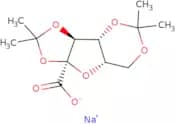
CAS:2,3:4,6-Di-O-isopropylidene-2-keto-L-gulonic acid sodium salt is a fatty acid that has been used as an antipsychotic drug. It is the active metabolite of clozapine and has been shown to have similar efficacy to other first generation antipsychotics such as chlorpromazine and haloperidol. 2,3:4,6-Di-O-isopropylidene-2-keto-L-gulonic acid sodium salt also has a low energy content and can be audited for its locomotor activity. This drug is a metabolic product of clozapine and has been shown to have similar efficacy to other first generation antipsychotics such as chlorpromazine and haloperidol. 2,3:4,6-Di-O-isopropylidene-2-keto--L--gulonic acidFórmula:C12H17NaO7Forma y color:White Off-White PowderPeso molecular:296.25 g/mol2,3-O-Isopropylidene-D-apiose
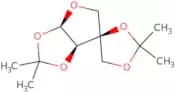
CAS:2,3-O-Isopropylidene-D-apiose is a high purity product that can be custom synthesized. It is a sugar that can be modified with fluorination, glycosylation, and methylation. 2,3-O-Isopropylidene-D-apiose has been shown to be an effective synthetic carbohydrate and can be used as a drug delivery system. This product is soluble in methanol and water and has the CAS number 94943-41-6.
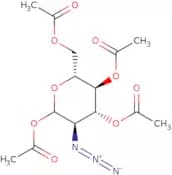
Fórmula:C11H18O5Pureza:Min. 98 Area-%Forma y color:PowderPeso molecular:230.26 g/mol1,2,3,4-Tetra-O-acetyl-6-azido-6-deoxy-D-galactopyranose
CAS:Synthetic carbohydrate building blockFórmula:C14H19N3O9Pureza:Min. 95%Peso molecular:373.32 g/mol2-Acetamido-2-deoxy-D-glucopyranose 6-sulphate sodium salt
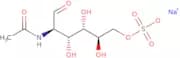
CAS:2-Acetamido-2-deoxy-D-glucopyranose 6-sulphate sodium salt is an Oligosaccharide which is a carbohydrate. It has a CAS No. 108321-79-5 and is available for custom synthesis. 2-Acetamido-2-deoxy-D-glucopyranose 6 sulphate sodium salt can be modified with methylation, saccharide, polysaccharide, click modification, or modification. It can also be glycosylated and fluorinated. The chemical formula of this compound is C6H11NO4SNaO6Fórmula:C8H14NNaO9SPureza:(%) Min. 95%Forma y color:White PowderPeso molecular:323.25 g/mol1-O-Galloyl-b-D-glucose
CAS:1-O-Galloyl-b-D-glucose is a molecule that is found in plants and has been used as an inhibitor of p-hydroxybenzoic acid (PHBA) enzyme activities. 1OGG inhibits the growth of viruses by inhibiting the enzymatic activity of their RNA polymerases. It also inhibits mitochondrial membrane potential, which is vital for cellular respiration. 1OGG has shown to be active against urinary infections and opportunistic fungal infections such as Candida glabrata. In vitro assays have shown that it may have anti-inflammatory properties.Fórmula:C13H16O10Pureza:Min. 98 Area-%Forma y color:White PowderPeso molecular:332.26 g/mol1-Deoxynojirimycin hydrochloride
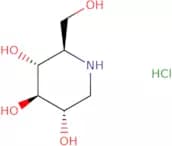
CAS:Glucose analog and potent inhibitor of α-glucosidases of class I and II. It interferes with N-linked glycosylation and oligosaccharide processing. The compound inhibits intestinal α-glucosidase and has protective effects against obesity-induced hepatic injury as well as mitochondrial dysfunction. It also has neuroprotective effects since it reduces senescence-related cognitive impairment, neuroinflammation and amyloid beta deposition in mice.Fórmula:C6H13NO4•HClForma y color:PowderPeso molecular:199.63 g/mol1,3,5-Tri-O-benzoyl-2-O-methyl-D-ribofuranose
CAS:1,3,5-Tri-O-benzoyl-2-O-methyl-D-ribofuranose is a modified sugar with three benzoyl groups. It has a molecular weight of 498.18 g/mol and the chemical formula C32H32F6N8O8. The compound is synthesized by the condensation of 2,3,4,5-tetraacetylpyridine with 2,3,4,5-tetraacetylthiophene in the presence of potassium fluoride and sodium hydroxide in aqueous methanol at room temperature. This product is used to study glycosylation reactions and to modify oligosaccharides for research purposes. 1,3,5-Tri-O-benzoyl-2-O-methyl--D--ribofuranose is soluble in water and ethanol but insoluble in ether or chloroform.This product hasFórmula:C27H24O8Pureza:Min. 85 Area-%Forma y color:White PowderPeso molecular:476.47 g/mol2,3,4-Tri-O-acetyl-a-D-xylopyranosyl bromide - Stabilised with 2.5% CaCO3
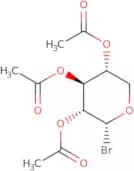
CAS:2,3,4-Tri-O-acetyl-a-D-xylopyranosyl bromide - Stabilised with 2.5% CaCO3 is a chiral compound that is a drug for the treatment of estrogen deficiency in postmenopausal women. It is synthesized from D-xylose and acetone by reductive elimination using an organotin catalyst. The resulting product has a nitro group at the 4 position and can be activated as a priming agent for DNA synthesis. This compound has been shown to be effective in treating intestinal disorders such as ulcerative colitis.
2,3,4-Tri-O-acetyl-a-D-xylopyranosyl bromide - Stabilised with 2.5% CaCO3 has been used to conjugate estrogens with various drugs to create new compounds that are more potent than free estrogens alone. Bioavailability of these conjugates hasFórmula:C11H15BrO7Pureza:(%) Min. 85%Forma y color:PowderPeso molecular:339.14 g/mol1,2,6-Tri-O-acetyl-3,4-di-O-benzyl-α-D-mannopyranose
CAS:1,2,6-Tri-O-acetyl-3,4-di-O-benzyl-a-D-mannopyranose is a synthetic sugar that has been modified with three acetates and benzyl groups. It is used in the synthesis of glycosides and oligosaccharides. 1,2,6-Tri-O-acetyl-3,4-di-O-benzyl-a-D-mannopyranose is also an important building block for the synthesis of complex carbohydrates.Fórmula:C26H30O9Pureza:Min. 95%Peso molecular:486.51 g/molMethyl 4,6-O-benzylidene-β-D-galactopyranoside
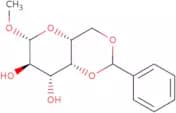
CAS:Methyl 4,6-O-benzylidene-b-D-galactopyranoside is a sugar that has a molecular formula of C14H18O7. This compound crystallizes in the monoclinic system with unit cell dimensions of a=11.74 Å, b=8.92 Å, c=5.81 Å and β=106.39°. The methyl 4,6-O-benzylidene group is attached to the galactose ring via an ether bond at C4' and C6'. Methyl 4,6-O-benzylidene-b-D-galactopyranoside has been shown to possess receptor binding properties by inhibiting acetylcholine release when it binds to the acetylcholine receptors on the surface of muscle cells. Methyl 4,6-O-benzylidene-b-D-galactopyrFórmula:C14H18O6Pureza:Min. 95%Forma y color:PowderPeso molecular:282.29 g/mol4-Methoxyphenyl 2-deoxy-4,6-O-(4-methoxybenzylidene)-2-phthalimido-β-D-glucopyranoside
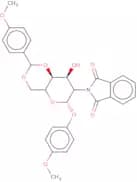
4-Methoxyphenyl 2-deoxy-4,6-O-(4-methoxybenzylidene)-2-phthalimido-b-D-glucopyranoside is a complex carbohydrate that has been modified with methylation and glycosylation. This product can be used for custom synthesis and is a high purity product. It is soluble in water. The CAS number for this compound is 57810-97-0. The molecular weight of this product is 576. The chemical formula for this compound is C24H28N2O8F3O7, which corresponds to an empirical formula of C24H28N2O8F3O7.Fórmula:C29H27NO9Pureza:Min. 95%Peso molecular:533.53 g/molPhenyl 3,4-di-O-benzoyl-2-O-benzyl-β-L-thiofucopyranoside
Phenyl 3,4-di-O-benzoyl-2-O-benzyl-b-L-thiofucopyranoside is a fluorinated sugar that is used in the synthesis of oligosaccharides and polysaccharides. The modification of phenyl 3,4-di-O-benzoyl-2-O-benzyl-b-L -thiofucopyranoside with a methoxy group at the C1 position is done by a click reaction. The product is purified to greater than 99% purity using an ion exchange column.Fórmula:C33H30O6SPureza:Min. 95%Forma y color:White to off-white solid.Peso molecular:554.65 g/mol2-(3,4-Dihydroxyphenyl)ethyl b-D-glucopyranoside
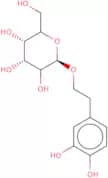
CAS:2-(3,4-Dihydroxyphenyl)ethyl b-D-glucopyranoside (2,3,4-DHPEB) is a naturally occurring phenolic acid. It has been shown to have antidepressant activity in mice and rats. 2,3,4-DHPEB inhibits the growth of Streptococcus faecalis by inhibiting fatty acid biosynthesis. This compound also has anti-inflammatory properties that may be due to its ability to inhibit prostaglandin synthesis. 2,3,4-DHPEB is a ligand for PPAR receptors and activates their transcriptional activity in cells. It has been shown to have chemopreventive effects against colon cancer cell lines and is able to induce apoptosis in tumor cells.Fórmula:C14H20O8Pureza:Min. 95%Forma y color:PowderPeso molecular:316.3 g/mol1,2,3,4,6-Penta-O-benzoyl-D-mannopyranose
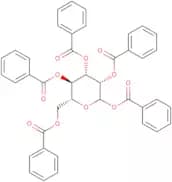
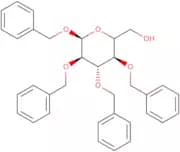
CAS:1,2,3,4,6-Penta-O-benzoyl-D-mannopyranose is a high purity sugar that is custom synthesized to be used in glycosylation reactions. It has been shown to be effective for Click chemistry and can be fluorinated or methylated. 1,2,3,4,6-Penta-O-benzoyl-D-mannopyranose is a synthetic sugar that can be modified by glycosylation reactions. This sugar has the CAS No. 96996-90-6 and is known as Methyl 1-(1'-methylpropyl)-1H-[1',2',3',4',5',6']pentaoxacyclohexane.Fórmula:C41H32O11Pureza:Min. 95%Forma y color:White PowderPeso molecular:700.69 g/mol2,3,4,6-Tetra-O-benzyl-D-galactopyranose
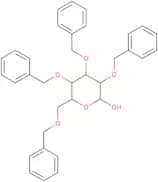
CAS:2,3,4,6-Tetra-O-benzyl-D-galactopyranose is a building block which can be used as both a galactosyl donor and acceptor in the synthesis of saccharides. The benzyl protecting groups can be readily and selectively cleaved but are stable to a variety of reaction conditions allowing chemical manipulations to be carried out on the rest of the saccharide. 2,3,4,6-Tetra-O-benzyl-D-galactopyranose has been used in the synthesis of potential cholera toxin inhibitors, analogues of α-galactosyl ceramide (iNKT agonist) and more recently in the synthesis of Scleropentaside A.Fórmula:C34H36O6Pureza:Min. 98 Area-%Forma y color:White PowderPeso molecular:540.65 g/mol4-Methoxyphenyl 2,3:4,6-di-O-benzylidene-β-D-mannopyranoside
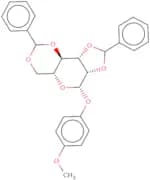
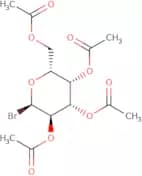
The product is a Modification, Oligosaccharide, Carbohydrate, complex carbohydrate. It is Custom synthesis, Synthetic, High purity, CAS No., Monosaccharide, Methylation, Glycosylation, Polysaccharide. The product has Fluorination and saccharide.Pureza:Min. 95%2,3,4,6-Tetra-O-acetyl-a-D-galactopyranosyl bromide - 2% CaCO3
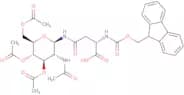
CAS:Donor for Koenigs-Knorr type galactosylation and other anomeric substitutionsFórmula:C14H19BrO9Pureza:One SpotForma y color:PowderPeso molecular:411.2 g/mol2-Acetamido-3,4,6-tri-O-acetyl-2-deoxy-β-D-glucopyranosyl-Fmoc-asparagine
CAS:2-Acetamido-3,4,6-tri-O-acetyl-2-deoxy-β-D-glucopyranosyl-Fmoc-asparagine is a synthetic oligosaccharide that has been modified with a fluorine atom at the 6 position. The acetamido group has been methylated and the sugar moiety is attached to an Fmoc group. The molecular weight of this compound is 1,000. It can be used for the synthesis of saccharides and polysaccharides by click chemistry or as a monosaccharide in carbohydrate research. 2AATGFFmocAsp can also be used for modification purposes with different reagents such as hydrazine, NIS, and TEMPO.Fórmula:C33H37N3O13Pureza:Min. 95 Area-%Forma y color:PowderPeso molecular:683.66 g/mol1,2,3,4-Tetra-O-benzyl-α-D-mannopyranoside
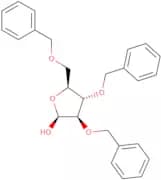
CAS:1,2,3,4-Tetra-O-benzyl-a-D-mannopyranoside is an active drug that belongs to the group of thyromimetics. It is a prodrug that is hydrolyzed in vivo to 1,2,3,4-tetra-O-acetyl-a-D-mannopyranose. This drug has been shown to be effective in treating nervous system diseases such as sclerosis and endogenous disease. The acetylation of the benzyl group on this molecule prevents it from being metabolized by enzymes that are found in the liver. The unmodified form of this drug is rapidly absorbed into the blood and reaches high concentrations quickly.Fórmula:C34H36O6Pureza:Min. 95%Forma y color:Clear LiquidPeso molecular:540.65 g/mol2,3,5-Tri-O-benzyl-L-arabinofuranose - technical grade
CAS:2,3,5-Tri-O-benzyl-L-arabinofuranose is a benzyl ester of an anomeric mixture that can be prepared by hydrogenolysis of 2,3,5-tri-O-benzyl L-arabinofuranose. It is an experimental compound that may be used for the synthesis of optical anomers or as a starting material for the preparation of other compounds. The reactivity of the carbonyl group in this compound is determined by the steric hindrance from the benzyl esters. This compound also has chloride and trifluoromethanesulfonic acid esters.Fórmula:C26H28O5Pureza:Min. 95%Forma y color:White PowderPeso molecular:420.5 g/mol1,3,4,6-Tetra-O-acetyl-2-azido-2-deoxy-D-glucopyranose
CAS:1,3,4,6-Tetra-O-acetyl-2-azido-2-deoxy-D-glucopyranose is a small molecule that binds to the D1 protein of the glycolytic enzyme phosphofructokinase and inhibits enzymatic activity. This inhibitor is used in diagnostic procedures to identify mutations in the gene encoding for this protein, which is associated with familial and sporadic aneurysms. The inhibitor is also used to study the pathogenic mechanism of aneurysms. 1,3,4,6-Tetra-O-acetyl-2-azido-2-deoxy--D--glucopyranose has been shown to inhibit cell nuclei polymerase in vitro and prevents cell division in vivo.Fórmula:C14H19N3O9Pureza:Min. 95 Area-%Forma y color:White PowderPeso molecular:373.32 g/molL-Mannose
CAS:To assess substrate specificity of galactokinase from S. pneumoniae
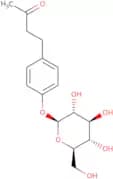
Fórmula:C6H12O6Pureza:Min. 98 Area-%Forma y color:White PowderPeso molecular:180.16 g/molRaspberry ketone glucoside
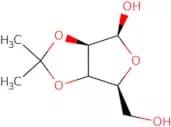
CAS:Raspberry ketone glucoside is a hydrogenated, isopropyl palmitate fatty acid. It is a dietary supplement that has been shown to inhibit the activity of matrix metalloproteinases, which are enzymes that break down collagen in the skin and lead to wrinkles. Raspberry ketone glucoside also inhibits tyrosinase, an enzyme involved in the production of melanin. As a result, raspberry ketone glucoside has been shown to reduce pigmentation and inhibit UV-induced skin damage. Raspberry ketone glucoside may have an inhibitory effect on fatty acids by inhibiting the synthesis of fatty acids and reducing the number of fat cells in adipose tissue. This compound is also used as a crystallization aid for cellulose and as an organic solvent for food composition.Fórmula:C16H22O7Pureza:Min. 95%Forma y color:White PowderPeso molecular:326.34 g/mol2,3-O-Isopropylidene-L-ribofuranose
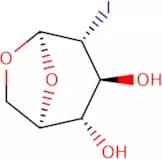
CAS:2,3-O-Isopropylidene-L-ribofuranose is a chiral building block for the synthesis of α-amino acids. This compound can be obtained from l-arabinose and l-rhamnose by kinetic resolution reactions with reagents such as (R)-1,2,3,4,5,6-hexahydrobenzo[b]thiophene or (S)-1,2,3,4,5,6-hexahydrobenzo[b]thiophene. The product is an enantiospecifically pure mixture of 2,3-O-isopropylidene L-ribofuranose and its antipode. The use of acid catalysts such as sulfuric acid or hydrochloric acid will yield a higher yield of the desired product.Fórmula:C8H14O5Pureza:Min. 95 Area-%Forma y color:PowderPeso molecular:190.19 g/mol1,6-Anhydro-2-deoxy-2-iodo-β-D-glucopyranose
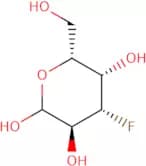
CAS:1,6-Anhydro-2-deoxy-2-iodo-b-D-glucopyranose is a sugar that has been used in the synthesis of a number of organic compounds. It is an intermolecular hydrogen bond donor, and it forms hydrogen bonds with other molecules. The molecular structure of 1,6-Anhydro-2-deoxy-2-iodo-b-D-glucopyranose consists of a six carbon chain with three hydroxyl groups and two ether groups.Fórmula:C6H9IO4Pureza:Min. 95%Forma y color:Off-White To Tan SolidPeso molecular:272.04 g/mol3-Deoxy-3-fluoro-D-galactose - Aqueous solution
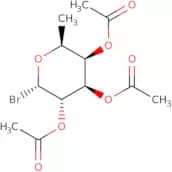
CAS:3-Deoxy-3-fluoro-D-galactose (3DFGal) is a potential drug that has been shown to shift the metabolic pathway of gram-positive pathogens from glycolysis to gluconeogenesis. This compound may be used as a tool for studying the enzymatic reaction catalyzed by galactokinase, which is involved in the conversion of 3DFGal to D-galactose. 3DFGal is a stereospecific carbohydrate and can be used as a substrate for biochemical studies. The bacterial surface profile of 3DFGal has been investigated and it has been found that 3DFGal is not significantly toxic to Gram-negative bacteria. The kinetics of 3DFGal hydrolysis have been studied and it was found that the hydrolysis rate was increased when the solution was acidified with hydrofluoric acid.Fórmula:C6H11FO5Pureza:Min. 98 Area-%Forma y color:PowderPeso molecular:182.15 g/mol2,3,4-Tri-O-acetyl-a-L-fucopyranosyl bromide
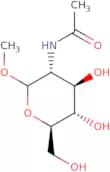
CAS:2,3,4-Tri-O-acetyl-a-L-fucopyranosyl bromide is a modification of the carbohydrate 2,3,4-tri-O-acetyl-a-L-fucopyranose. This compound is a complex carbohydrate that has been custom synthesized for use in glycosylation reactions. The compound is an oligosaccharide with 1 alpha and 3 beta linkage sites. It is a high purity product that can be used to synthesize monosaccharides, methylated sugars, and glycosylations. 2,3,4 Tri-O-acetyl-a-L Fucopyranosyl Bromide has also been fluorinated to produce fluoro derivatives.Fórmula:C12H17BrO7Forma y color:PowderPeso molecular:353.16 g/molMethyl 2-acetamido-2-deoxy-β-D-galactopyranoside
CAS:Methyl 2-acetamido-2-deoxy-β-D-galactopyranoside is an acetamido derivative of the sugar galactose. It is a white powder that is soluble in water and sparingly soluble in methanol. Methyl 2-acetamido-2-deoxy-β-D-galactopyranoside is used as a substituent for the synthesis of other compounds.Fórmula:C9H17NO6Pureza:Min. 95%Forma y color:White PowderPeso molecular:235.24 g/molcis-Inositol
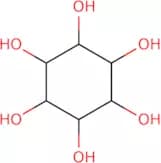
CAS:Inositol is a member of the B-vitamin family and is classified as a sugar alcohol. It has a structural similarity to glucose and can be synthesized by plants, bacteria, and mammals. Inositol is found in high concentrations in the brain and liver. Inositol has been shown to inhibit guanine nucleotide-binding proteins (G proteins) and ryanodine receptor channels in HL-60 cells. It also inhibits cancer cell proliferation and suppresses ovarian activity. Inositol appears to work by binding to the inositol-1,4,5-trisphosphate receptor on the surface of cells, thereby inhibiting intracellular calcium release from its storage site within the endoplasmic reticulum. The effects of inositol are mediated by dinucleotide phosphate or p-nitrophenyl phosphate.
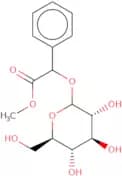
Fórmula:C6H12O6Pureza:Min. 90 Area-%Forma y color:PowderPeso molecular:180.16 g/molMethyl mandelate glucoside
Methyl mandelate glucoside is a glycosylation product that is custom synthesized for its fluorination and methylation. The molecule has a complex structure, consisting of monosaccharides and polysaccharides. Methyl mandelate glucoside is a high-purity compound with a CAS number. This chemical is also modified by click chemistry to create an oligosaccharide.Fórmula:C15H20O8Pureza:Min. 95%Peso molecular:328.31 g/molL-Daunosamine hydrochloride
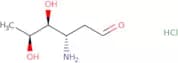
CAS:L-Daunosamine hydrochloride is a fluorinated sugar that is synthesized in the laboratory. It has been used for the modification of polysaccharides and other saccharides. L-Daunosamine hydrochloride is a monosaccharide that can be found in several complex carbohydrates. The CAS number for this chemical is 19196-51-1. This chemical has a high purity level, which makes it valuable for use as a synthetic material.Fórmula:C6H14NClO3Pureza:Min. 95 Area-%Forma y color:PowderPeso molecular:183.63 g/molBlue dextran (MW 2000000) - from Leuconostoc spp
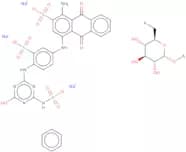
CAS:Blue dextran is a high molecular weight (MW 2000000) polymer that has been used as a model compound in experimental studies of transport and control. It is an oxidant, which can be used to make hydroquinone in the presence of other chemicals. Blue dextran has also been used to study the environment, for mathematical modeling and chromatographic experiments. This polymer has been shown to have antimicrobial activity against some microorganisms. Experiments with blue dextran have shown that it can inhibit the growth of Lactobacillus acidophilus and other bacteria.Forma y color:PowderMethyl-β-D-thiogalactopyranoside
CAS:Methyl-beta-D-thiogalactopyranoside is a monosaccharide that is a member of the galactose family. It can be found in some foods, such as dairy products or soybean milk. Methyl-beta-D-thiogalactopyranoside has been shown to promote lactose transport in cells. This compound is also used as a diagnostic marker for certain types of cancers and can be used to study sugar transport in cells. Methyl-beta-D-thiogalactopyranoside has been shown to inhibit the enzyme activity of phosphatases and may be used for research purposes as a control for other experiments.
Fórmula:C7H14O5SPureza:Min. 98.0 Area-%Peso molecular:210.25 g/molRef: 3D-M-4440
5gA consultar10gA consultar25gA consultar50gA consultar2500mgA consultar-Unit-ggA consultarL-Lyxono-1,4-lactone
CAS:L-Lyxono-1,4-lactone is a dehydrogenase that synthesizes hydroxamic acids from aldonic acids. Hydroxamic acids are used as herbicides and insecticides. L-Lyxono-1,4-lactone has been shown to be active against ochrobactrum and branched-chain bacteria. The enzyme catalyzes the cleavage of an aldonic acid to form an alcohol and an alpha,beta unsaturated ketone. This reaction is stereoselective, with the product being the same chiral center in both cases. The enzyme also shows chemometric properties by being able to measure salinity levels in water samples.Fórmula:C5H8O5Pureza:Min. 95%Forma y color:PowderPeso molecular:148.11 g/mol2,3,4-Tri-O-benzyl-L-rhamnopyranose
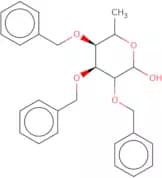
CAS:2,3,4-Tri-O-benzyl-L-rhamnopyranose is a chemical compound that belongs to the family of carbohydrates known as rhamnopyranoses. It is a derivative of L-rhamnose, which is a naturally occurring aldohexose sugar. The compound is often used as a glycosyl donor in the synthesis of oligosaccharides and glycoconjugates. The three benzyl groups in the molecule provide protection for the hydroxyl groups, allowing for selective deprotection and glycosylation. 2,3,4-Tri-O-benzyl-L-rhamnopyranose is also used as a precursor in the synthesis of various natural products.
Fórmula:C27H30O5Pureza:Min. 95%Forma y color:PowderPeso molecular:434.52 g/mol