Monosacáridos
Los monosacáridos son la forma más simple de los carbohidratos y sirven como bloques fundamentales para azúcares más complejos y polisacáridos. Estas moléculas de azúcar única juegan roles críticos en el metabolismo energético, la comunicación celular y los componentes estructurales de las células. En esta sección, encontrará una amplia variedad de monosacáridos esenciales para la investigación en bioquímica, biología molecular y glicociencia. Estos compuestos son cruciales para estudiar las rutas metabólicas, los procesos de glucosilación y el desarrollo de agentes terapéuticos. En CymitQuimica, ofrecemos monosacáridos de alta calidad para apoyar sus necesidades de investigación, asegurando precisión y fiabilidad en sus investigaciones científicas.
Subcategorías de "Monosacáridos"
- Allosas(11 productos)
- Arabinosas(21 productos)
- Eritrosas(11 productos)
- Fructosas(9 productos)
- Fucosas(36 productos)
- Galactosamina(41 productos)
- Galactosa(260 productos)
- Glucosas(365 productos)
- Ácidos glucurónicos(51 productos)
- Glico-sustratos para enzimas(77 productos)
- Gulosas(6 productos)
- Idosas(4 productos)
- Inositoles(15 productos)
- Lyxosas(4 productos)
- Manosas(65 productos)
- O-glicanos(48 productos)
- Psicosas(3 productos)
- Ramnosas(10 productos)
- Ribosas(61 productos)
- Ácidos siálicos(100 productos)
- Sorbosas(4 productos)
- Azúcares(173 productos)
- Tagatosis(4 productos)
- Taloses(8 productos)
- Xilosas(20 productos)
Mostrar 17 subcategorías más
Se han encontrado 6088 productos de "Monosacáridos"
Ordenar por
Pureza (%)
0
100
|
0
|
50
|
90
|
95
|
100
Glycerone phosphate lithium salt
CAS:<p>Glycerone phosphate lithium salt is a reactive molecule that serves as an intermediate in the synthesis of rapamycin, a complex of glycerone phosphate and rapamycin. Glycerone phosphate lithium salt is used to detect the presence of glutamate dehydrogenase and to purify monoclonal antibodies. Glycerone phosphate lithium salt has been shown to react with platinum-based chemotherapy, which may be due to its ability to bind to active sites on cancer cells. This molecule also has been shown to reduce high cholesterol levels in mice and inhibit skin cancer tumor growth. Glycerone phosphate lithium salt's physiological effects have not been fully determined, but it may have some anticancer activity.</p>Fórmula:C3H7O6P·xLiPureza:Min. 95%Peso molecular:170.06 g/mol5-Azido-5-deoxy-1,2-O-isopropylidene-b-D-fructose
CAS:<p>5-Azido-5-deoxy-1,2-O-isopropylidene-b-D-fructose is an oligosaccharide that is custom synthesized to your specifications. This compound has been modified with a methyl group at position C1 and has been fluorinated at C2. It has also undergone glycosylation at the reducing end of the molecule and can be used as a saccharide in the synthesis of complex carbohydrates.</p>Fórmula:C9H15N3O5Pureza:Min. 95%Peso molecular:245.23 g/molMethyl 2-acetamido-3,6-di-O-benzyl-2-deoxy-b-D-glucopyranoside
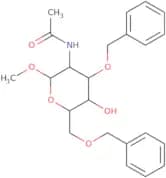
CAS:<p>Methyl 2-acetamido-3,6-di-O-benzyl-2-deoxy-b-D-glucopyranoside is a modified oligosaccharide. It has been shown to be useful for the synthesis of complex carbohydrates and sugar derivatives. The synthesis of this product involves the use of click chemistry, which is a chemoselective reaction that uses copper as a catalyst. This product can be used in the production of polysaccharides and saccharides, as well as other related compounds. Methyl 2-acetamido-3,6-di-O-benzyl-2-deoxy -b -D -glucopyranoside is synthesized from methyl 3,6 di O benzyl 2 deoxy b D glucopyranoside by reacting with acetamide in the presence of palladium acetate and ammonium formate in DMF at room temperature.</p>Fórmula:C23H29NO6Pureza:Min. 95%Peso molecular:415.48 g/mol(2R,4R)-2-[D-Xylo-tetrahydroxybut-1-yl]-1,3-thiazolidine-4-carboxylic acid
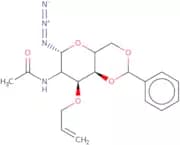
CAS:<p>(2R,4R)-2-[D-Xylo-tetrahydroxybut-1-yl]-1,3-thiazolidine-4-carboxylic acid is a methylated saccharide that has been modified by the click chemistry method. It is a synthetic product with high purity and good quality. This compound can be used for glycosylation and oligosaccharide synthesis. (2R,4R)-2-[D-Xylo-tetrahydroxybut-1-yl]-1,3-thiazolidine-4-carboxylic acid has CAS No. 110270-19-4 and can be found in complex carbohydrates in nature.</p>Fórmula:C8H15NO6SPureza:Min. 95%Peso molecular:253.27 g/mol2-Acetamido-3-O-allyl-4,6-O-benzylidene-2-deoxy-b-D-glucopyranosyl azide
CAS:<p>2-Acetamido-3-O-allyl-4,6-O-benzylidene-2,3-deoxy-bDglucopyranosyl azide is a sugar that can be synthesized from an acetamido group and an allyl group. It is used in the synthesis of complex carbohydrates. 2A3BPGA is a monosaccharide with a glycosylation pattern of alpha 1,2. The methylation of the hydroxyl groups on the glucose rings leads to the formation of 2A3BPGAM. This modification has been shown to alter the solubility and reactivity of this sugar.</p>Fórmula:C18H22N4O5Pureza:Min. 95%Peso molecular:374.4 g/molN-Cyclohexylpropyl deoxynorjirimycin
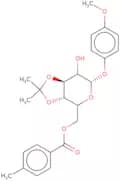
CAS:<p>N-Cyclohexylpropyl deoxynorjirimycin is a sugar that belongs to the group of carbohydrates. It is an analog of deoxynojirimycin and has been synthesized by glycosylation, methylation, and fluorination of the natural product. N-Cyclohexylpropyl deoxynorjirimycin can be used as an intermediate for the synthesis of other carbohydrate compounds.</p>Fórmula:C15H29NO4Pureza:Min. 95%Peso molecular:287.4 g/mol4-Methoxyphenyl 3,4-O-isopropylidene-6-O-toluoyl-b-D-galactopyranoside
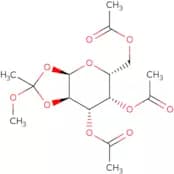
<p>4-Methoxyphenyl 3,4-O-isopropylidene-6-O-toluoyl-b-D-galactopyranoside is a synthetic compound that can be used as a methyl donor for glycosylation reactions. It is a high purity product with a purity of 99% and can be used in custom synthesis. This product has been modified to include fluorination at the C4 position of the phenyl ring. The CAS number for this product is 56987-54-2.</p>Fórmula:C24H28O8Pureza:Min. 95%Peso molecular:444.49 g/mol3,4,6-Tri-O-acetyl-a-D-galactopyranose 1,2-(methyl orthoacetate)
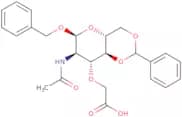
CAS:<p>The survey was conducted to understand the current workforce and their feedback on the automated testing. The median number of respondents exceeded the number that was needed for a statistically significant result. The automated testing has helped to reduce the time it takes to test new features and has also improved the resilience of the developers. Feedback from testers has been positive, with many saying that they would recommend automated testing to other companies. This survey was conducted by an analyst who had an understanding of human-computer interaction and software development.</p>Fórmula:C15H22O10Pureza:Min. 95%Peso molecular:362.33 g/molBenzyl 2-acetamido-4,6-O-benzylidene-3-O-(carboxymethyl)-2-deoxy-a-D-glucopyranoside
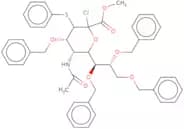
CAS:<p>Benzyl 2-acetamido-4,6-O-benzylidene-3-O-(carboxymethyl)-2-deoxy-a-D-glucopyranoside is a custom synthesized, complex carbohydrate. It is a polysaccharide that has been modified with methylation and glycosylation. This product can be used for research purposes only and cannot be used in diagnostic procedures.</p>Fórmula:C24H27NO8Pureza:Min. 95%Peso molecular:457.47 g/molMethyl 5-acetamido-4,7,8,9-tetra-O-benzyl-2-chloro-2,3,5-trideoxy-3-phenylthio-D-erytho-b-L-gluco-2-nonulopyranosonate
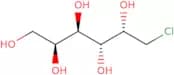
CAS:<p>Methyl 5-acetamido-4,7,8,9-tetra-O-benzyl-2-chloro-2,3,5-trideoxy-3-phenylthio-D-erytho-b-L-gluco -2 nonulopyranosonate is a modification of an oligosaccharide. It is a complex carbohydrate that contains a high degree of polymerization and is soluble in water. The CAS number for this product is 120308 - 52 - 3. Methyl 5 - acetamido - 4 , 7 , 8 , 9 - tetra - O - benzyl - 2 - chloro - 2 , 3 , 5 - trideoxy - 3 phenylthio D erythro b L glycosonate can be used as a custom synthesis or as a synthetic product. This product has high purity and is synthesized from monosaccharides and polysacchar</p>Fórmula:C46H48ClNO8SPureza:Min. 95%Peso molecular:810.39 g/mol6-Chloro-6-deoxy-D-galactitol
<p>6-Chloro-6-deoxy-D-galactitol is a sugar with the molecular formula C6H12O6. It is a modification of galactose and has the same chemical structure as 6-chloro-D-mannitol. It can be used in the synthesis of complex carbohydrates, and it is also an intermediate for producing oligosaccharides or polysaccharides. 6-Chloro-6-deoxy-D-galactitol is also known as Lactotriose. This product has been modified by fluorination, which increases its stability and reduces its reactivity to other compounds.</p>Fórmula:C6H13ClO5Pureza:Min. 95%Peso molecular:200.62 g/mol6-Amino-6-deoxy-D-galactopyranose HCl
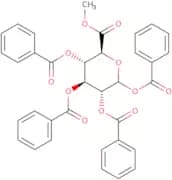
CAS:<p>6-Amino-6-deoxy-D-galactopyranose HCl is a sugar that is synthesized by the modification of 6-amino-6-deoxygalactose with hydrochloric acid. It is used as an intermediate in the synthesis of complex carbohydrates, polysaccharides and oligosaccharides. 6-Amino-6-deoxygalactose HCL has been modified to introduce fluorine atoms at different positions. This chemical compound has been shown to have antimicrobial activity against methicillin resistant Staphylococcus aureus (MRSA) in vitro, but not against other bacterial strains tested.</p>Fórmula:C6H13NO5·HClPureza:Min. 95%Peso molecular:215.63 g/mol1,2,3,4-Tetra-O-benzoyl-D-glucuronide methyl ester
CAS:<p>1,2,3,4-Tetra-O-benzoyl-D-glucuronide methyl ester is an Oligosaccharide that is synthesized by the glycosylation of benzoyl chloride with a sugar. The reaction is catalyzed by base and proceeds in a two step process. The first step is the addition of the sugar to the benzoyl chloride followed by a second addition to form the 1,2,3,4-tetra-O-benzoyl-D-glucuronide methyl ester. The product can be obtained in high purity and custom synthesis can be provided on request. This product can be modified according to your specifications.</p>Fórmula:C35H28O11Pureza:Min. 95%Peso molecular:624.59 g/molPhenyl 4-O-acetyl-3,6-di-O-benzyl-2-deoxy-2-phthalimido-b-D-thioglucopyranoside
CAS:<p>Phenyl 4-O-acetyl-3,6-di-O-benzyl-2-deoxy-2-phthalimido-b-D-thioglucopyranoside is an oligosaccharide that has been modified with a click modification. The sugar is synthesized in high purity and the modification of this compound was achieved by fluorination. Phenyl 4O acetyl 3,6 di O benzyl 2 deoxy 2 phthalimido b D thioglucopyranoside is a carbohydrate that can be used as a monosaccharide or polysaccharide and has a complex structure. This chemical can also be used for methylation and is CAS No. 159734 71 1.</p>Pureza:Min. 95%4-Methylphenyl 1-thio-2,3,4,6-tetra-O-(trimethylsilyl)-b-D-glucopyranoside
CAS:<p>4-Methylphenyl 1-thio-2,3,4,6-tetra-O-(trimethylsilyl)-b-D-glucopyranoside is a carbohydrate that can be made in custom synthesis. This product is a high purity and has a CAS number of 942043-17-6. The chemical name for this product is 4-(methylphenyl)-1-[(trimethylsilyl)oxy]-2,3,4,6-tetra‑O‑benzoyl--b‑D‑glucopyranoside. It has been fluorinated and methylated.</p>Pureza:Min. 95%4-Aminophenyl 2,3,4,6-tetra-O-acetyl-a-D-mannopyranoside
CAS:<p>4-Aminophenyl 2,3,4,6-tetra-O-acetyl-a-D-mannopyranoside is a modified oligosaccharide that has been synthesized by the glycosylation of methylated 4-aminophenol with 1,2,3,5-tetra-O-(acetyl)-D-mannitol. The acetyl group at the sixth position on the mannose residue is introduced by acetic anhydride. The chemical formula for this compound is C10H11NO7 and it has a molecular weight of 285.24 g/mol. This compound was tested for its ability to inhibit bacterial growth in vitro and found to be active against E. coli and S. aureus (ATCC 25923).</p>Pureza:Min. 95%α-D-Mannose-1-phosphate bis(cyclohexylammonium)
CAS:<p>a-D-Mannose-1-phosphate bis(cyclohexylammonium) salt is a sugar that has the CAS number 51306-17-3 and is listed as a synthetic compound. It is a white to off-white powder that can be used in many different applications, including as an enzyme inhibitor, protein modifier, and prodrug. The modification of this sugar can include fluorination, glycosylation, methylation, or modification with other sugars. This product also has a high purity and custom synthesis.</p>Fórmula:C6H13O9P•C12H26N2Pureza:Min. 95%Forma y color:PowderPeso molecular:458.48 g/molTrimethylsilyl-2,3,4,6-tetra-O-benzyl-b-D-glucopyranoside
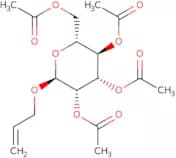
CAS:<p>Trimethylsilyl-2,3,4,6-tetra-O-benzyl-b-D-glucopyranoside is a modified carbohydrate that has been fluorinated and silylated. It is used as an intermediate in the synthesis of glycosylated compounds. Trimethylsilyl-2,3,4,6-tetra-O-benzyl-b-D-glucopyranoside can be custom synthesized to meet your needs. It is a white powder that is soluble in water and alcohols. The CAS number for this compound is 89825-08-1.</p>Fórmula:C37H42O8Pureza:Min. 95%Peso molecular:614.72 g/molAllyl 2,3,4,6-tetra-O-acetyl-α-D-mannopyranoside
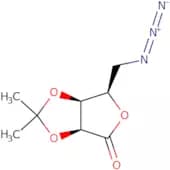
CAS:<p>Allyl 2,3,4,6-tetra-O-acetyl-a-D-mannopyranoside is a glycosylated monosaccharide with a complex carbohydrate structure. It has the CAS number 119111-31-8 and can be synthesized from allyl alcohol and acetaldehyde. This compound has been modified with fluorination, saccharide modification, and methylation. Allyl 2,3,4,6-tetra-O-acetyl-a-D-mannopyranoside is an oligosaccharide that can be custom synthesized to meet your needs.</p>Fórmula:C17H24O10Pureza:Min. 95%Forma y color:PowderPeso molecular:388.37 g/mol5-Azido-5-deoxy-2,3-O-isopropylidene-D-lyxono-1,4-lactone
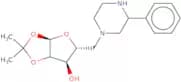
CAS:<p>5-Azido-5-deoxy-2,3-O-isopropylidene-D-lyxono-1,4-lactone is a synthetic monosaccharide. It is used in the synthesis of glycosylated saccharides and oligosaccharides. This product can be custom synthesized at high purity.</p>Fórmula:C8H11N3O4Pureza:Min. 95%Forma y color:PowderPeso molecular:213.19 g/mol5-Deoxy-1,2-O-isopropylidene-5-(3-phenylpiperizin-1-yl)-a-D-xylofuranose
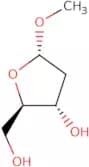
CAS:<p>5-Deoxy-1,2-O-isopropylidene-5-(3-phenylpiperizin-1-yl)-a-D-xylofuranose is a methylated and fluorinated sugar that was synthesized by the click reaction. The synthesis of this compound required the use of an oligosaccharide coupled with a polysaccharide for the attachment of the piperazine moiety. This product has been shown to be stable in water and other solvents. 5DIOXFURANOSE is a white to off white crystalline powder that appears as needle crystals. It is soluble in water, methanol, ethanol, acetonitrile, acetone and chloroform.</p>Fórmula:C18H26N2O5Pureza:Min. 95%Peso molecular:334.32 g/molMethyl 2-deoxy-a-D-ribofuranoside
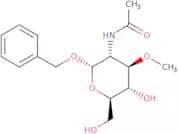
CAS:<p>Methyl 2-deoxy-a-D-ribofuranoside is an atypical nucleoside, which is a component of the thiourea cofactors. It can be synthesized from chloroacetic acid and hydantoin, which are used as starting materials for the production of this compound. The methyl group in this compound is obtained from the methylation of glucose. Methyl 2-deoxy-a-D-ribofuranoside can be identified by its chromatographic properties, such as dimethylformamide (DMF) and chloride. It also contains anomeric substituents that are necessary for nucleosidation reactions. This nucleoside has been shown to have antiinflammatory activity against carrageenan in mice and rats.</p>Fórmula:C6H12O4Pureza:Min. 95%Peso molecular:148.16 g/molBenzyl 2-acetamido-2-deoxy-3-O-methyl-a-D-glucopyranoside
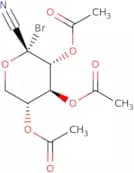
CAS:<p>Benzyl 2-acetamido-2-deoxy-3-O-methyl-a-D-glucopyranoside is a fluorinated monosaccharide that has been synthesized and Oligosaccharides. It is a complex carbohydrate and can be used in the synthesis of glycosylation, polysaccharide, or click modification. The CAS No. 93215-41-9 is custom synthesis with high purity and good quality.</p>Fórmula:C16H23NO6Pureza:Min. 95%Peso molecular:325.36 g/mol2,3,4-Tri-O-acetyl-1-cyano-a-D-xylopyranosyl bromide
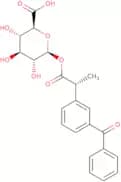
CAS:<p>2,3,4-Tri-O-acetyl-1-cyano-a-D-xylopyranosyl bromide is a custom synthesis of a sugar. It is fluorinated, methylated, and acetylated. 2,3,4-Tri-O-acetyl-1-cyano-a-D-xylopyranosyl bromide can be used for the modification of glycosides and oligosaccharides as well as for the synthesis of saccharides and polysaccharides. This product is CAS No. 8349743 -2.</p>Fórmula:C12H14BrNO7Pureza:Min. 95%Peso molecular:364.15 g/mol(R)-Ketoprofen b-D-glucuronide
CAS:<p>(R)-Ketoprofen b-D-glucuronide is a synthetic modified sugar that is produced by the glucuronidation of ketoprofen, a nonsteroidal anti-inflammatory drug. The modification of ketoprofen with glucuronic acid can be achieved through an enzymatic process, which is catalyzed by UDP-glucuronyltransferase. This modification increases the solubility of ketoprofen and its ability to penetrate cells. (R)-Ketoprofen b-D-glucuronide has been shown to have antibacterial properties against Gram positive bacteria such as Staphylococcus aureus and Streptococcus pyogenes. It has also shown antiviral activity against HIV-1 due to its inhibition of reverse transcriptase, which is an enzyme important for viral replication.</p>Fórmula:C22H22O9Pureza:Min. 95%Forma y color:White to off-white solid.Peso molecular:430.4 g/mol6-O-Benzyl-D-glucose
CAS:<p>6-O-Benzyl-D-glucose is an aglycon of 6-O-benzylglycosides, which are synthesized from glucose by alkaline hydrolysis in the presence of silver oxide. The benzyl group can be removed by a variety of methods, including treatment with hydrogen chloride gas. 6-O-Benzyl-D-glucose has been used in research to demonstrate that carbohydrates have a common structural feature that can be identified by looking at their molecular structure. This molecule has also been used to study the synthesis and reactivity of benzyl groups.</p>Fórmula:C13H18O6Pureza:Min. 95%Peso molecular:270.28 g/molD-Arabino-5-hexulosonic acid
CAS:<p>D-Arabino-5-hexulosonic acid is an intermediate in the pentose phosphate pathway. It is a component of the hexuronate, which is an important precursor for galactitol, 6-phosphate, and acid dehydrogenase. D-Arabino-5-hexulosonic acid is also an important intermediate in the glycolytic pathway for ATP production. The gene product has been shown to be involved in aerobic glycolysis, which is utilized by Staphylococcus aureus to produce energy from glucose fermentation. D-Arabino-5-hexulosonic acid plays a role in ion exchange and mitochondrial metabolism as well.</p>Fórmula:C6H10O7Pureza:Min. 95%Peso molecular:194.14 g/molO-Butanoyl-2,3-O-isopropylidene-a-D-mannofuranoside
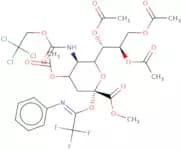
CAS:<p>O-Butanoyl-2,3-O-isopropylidene-a-D-mannofuranoside is a high purity sugar with CAS No. 177562-15-1. It is synthesized by the modification of saccharides with methyl groups, glycosylation, and click chemistry. This chemical has a complex structure and can be used as a raw material for the production of complex carbohydrates.</p>Fórmula:C14H26O7Pureza:Min. 95%Peso molecular:304.38 g/mol4,7,8,9-Tetra-O-acetyl-5-(2,2,2-trichloroethoxycarbonylamino)-2-(N-phenyltrifluoroacetimidate)-D-neuraminic acid methyl ester
CAS:<p>4,7,8,9-Tetra-O-acetyl-5-(2,2,2-trichloroethoxycarbonylamino)-2-(N-phenyltrifluoroacetimidate)-D-neuraminic acid methyl ester is a custom synthesis of an oligosaccharide modification. It has been modified by glycosylation, methylation, and fluorination. This complex carbohydrate is a polysaccharide that has a CAS number of 874904-91-3. The Carbohydrate Click Modification is used to create this product with high purity and high quality.</p>Fórmula:C29H32N2O14Cl3F3Pureza:Min. 95%Peso molecular:795.92 g/mol2-Imino-2-methoxyethyl-1-deoxy-1-thio-a-D-mannopyranoside
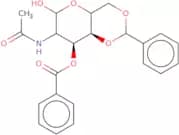
CAS:<p>2-Imino-2-methoxyethyl-1-deoxy-1-thio-a-D-mannopyranoside is a carbohydrate that belongs to the group of sugar. It can be custom synthesized and is available in high purity. This compound has been fluorinated and methylated, which means it has been modified with fluorine and methyl groups respectively. Click modification refers to a type of chemical modification to a molecule that occurs through the addition of a thiol group at the alpha carbon of an alcohol or amine group. 2-Imino-2-methoxyethyl-1-deoxy-1-thio-a-Dmannopyranoside can be glycosylated, which means it is able to undergo the process of glycosylation by transferring its saccharide unit onto another saccharide.</p>Fórmula:C9H17NO6SPureza:Min. 95%Peso molecular:267.3 g/mol2-Acetamido-3-O-benzoyl-4,6-O-benzylidene-2-deoxy-D-glucopyranose
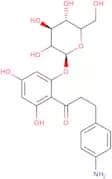
CAS:<p>This is a custom synthesized oligosaccharide that is a complex carbohydrate. This is an Oligosaccharide, Polysaccharide, and CAS No. 1486465-81-9. It has been modified by methylation, glycosylation, and carbamylation. This product has high purity and has been fluorinated. It is a saccharide and a sugar with Click modification.</p>Fórmula:C22H23NO7Pureza:Min. 95%Peso molecular:413.42 g/mol4-Aminophlorizin
CAS:<p>4-Aminophlorizin is a chemical compound that inhibits the uptake of azide by red blood cells. It has been shown to be effective against intestinal parasites and trophozoites. 4-Aminophlorizin is a potent inhibitor of the membrane system, which may be due to its interaction with the semenza, or membrane protein.</p>Fórmula:C21H25NO9Pureza:Min. 95%Peso molecular:435.42 g/mol1,2-O-Cyclohexylidene-3-O-methyl-a-D-glucofuranose
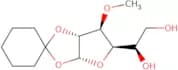
CAS:<p>1,2-O-Cyclohexylidene-3-O-methyl-a-D-glucofuranose is a synthetic cyclic oligosaccharide that can be modified with methyl groups or fluorine atoms. It is a monosaccharide that has been shown to have potential for use as a drug delivery system.</p>Fórmula:C13H22O6Pureza:Min. 95%Peso molecular:274.31 g/mol1,2,3,4,6-Penta-O-acetyl-a-D-talopyranose
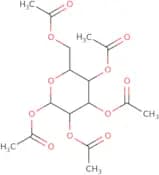
CAS:<p>1,2,3,4,6-Penta-O-acetyl-a-D-talopyranose is a fluorinated monosaccharide that belongs to the class of synthetic oligosaccharides. It can be used in glycosylation and polysaccharide synthesis. The chemical structure of this compound has been modified by methylation and click chemistry. 1,2,3,4,6-Penta-O-acetyl-a-D-talopyranose is available in high purity and custom synthesis.</p>Pureza:Min. 95%Methyl 2-O-(methyl 4-O-methyl-α-D-glucopyranosyluronate)-β-D-xylopyranoside
CAS:<p>Methyl 2-O-(methyl 4-O-methyl-α-D-glucopyranosyluronate)-β-D-xylopyranoside is a methyl glycoside disaccharide</p>Fórmula:C14H24O11Pureza:Min. 95%Forma y color:PowderPeso molecular:368.33 g/molD-Mannose-6-phosphate barium salt hydrate
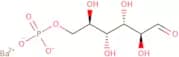
CAS:<p>D-Mannose-6-phosphate barium salt hydrate is a glycosylation agent, which can be used in the synthesis of complex carbohydrates and other saccharides. It is also a methylation agent and can be used to modify polysaccharides. D-Mannose-6-phosphate barium salt hydrate is fluorinated with trifluoromethanesulfonic acid to introduce Fluorination groups, which can then be modified with other reagents. The compound has been shown to have Click modification activity. D-Mannose-6-phosphate barium salt hydrate is a synthetic sugar that can be custom synthesized according to the customer’s requirements. This compound has CAS number 104872-94-8 and is available in high purity, which makes it suitable for use in pharmaceutical applications.</p>Fórmula:C6H11BaO9P·2H2OPureza:Min. 95%Forma y color:SolidPeso molecular:395.45 g/molSinapaldehyde glucoside
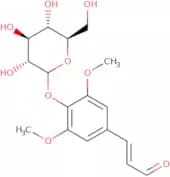
CAS:<p>Sinapaldehyde glucoside is a phenolic compound found in the leaves of Sinapis alba. This compound has been shown to have antiviral and antibacterial properties. It has been shown to inhibit staphylococcal growth, with the most effective concentration being 0.5-2% w/v. The chemical structure of sinapaldehyde glucoside is similar to that of pomolic acid, which was also found to have anti-staphylococcal effects. Syringaresinol, a constituent of S. alba, may be responsible for the anti-staphylococcal activity due to its ability to inhibit bacterial protein synthesis. Sinapaldehyde glucoside can also be extracted from S. alba using ethanol or water as solvents and is soluble in both water and alcohols. Sinapaldehyde glucoside can also be extracted from eleutherococcus (Eleutherococcus senticosus) using</p>Pureza:Min. 95%Mannose pentasulfate pentapotassium salt - technical grade
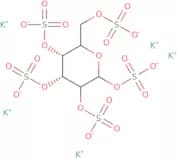
CAS:<p>Mannose pentasulfate pentapotassium salt - technical grade is a white crystalline powder that is soluble in water. This product is a synthetic, high purity, custom synthesis, and glycosylation reagent for the preparation of oligosaccharides and carbohydrates. The CAS number for this product is 359436-63-8.</p>Fórmula:C6H7K5O21S5Pureza:Min. 95%Peso molecular:770.93 g/mol2-Methoxycarbonylphenyl 2-acetamido-3,4,6-tri-O-acetyl-2-deoxy-b-D-glucopyranoside
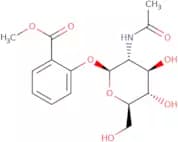
CAS:<p>2-Methoxycarbonylphenyl 2-acetamido-3,4,6-tri-O-acetyl-2-deoxy-b-D-glucopyranoside is a synthetic sugar with a fluorinated anomeric carbon. It is a saccharide with the molecular formula C14H13F3NO8. This compound can be used for the synthesis of oligosaccharides and polysaccharides. It is also useful in click chemistry and as a reagent for glycosylation reactions.</p>Fórmula:C16H21NO8Pureza:Min. 95%Peso molecular:355.34 g/mol3-Deoxy-3-fluoro-D-fructose
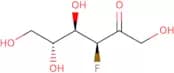
CAS:<p>3-Deoxy-3-fluoro-D-fructose is a monosaccharide that has been used as an inhibitor of glucose uptake and metabolism in the lymphocytic leukemia cell line. This compound has been shown to inhibit the glucose transporter GLUT1, which is responsible for the transport of glucose across the plasma membrane. 3-Deoxy-3-fluoro-D-fructose inhibits cancer cells by inhibiting galactitol production through inhibition of gluconeogenesis. It also inhibits oxidative phosphorylation in lymphocytic leukemia cells, leading to apoptosis. 3-Deoxy-3-fluoro-D-fructose has been shown to inhibit cancer growth by blocking glucose uptake in xenopus oocytes.</p>Pureza:Min. 95%trans-3'-Benzoyloxy cotinine 2,3,4-tri-O-acetyl-N-b-D-glucuronide methyl ester bromide
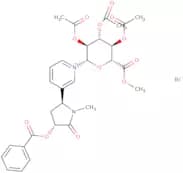
CAS:<p>Cotinine is a toxic alkaloid found in tobacco, which is used in the synthesis of a variety of drugs and other substances. Cotinine is used to prepare a range of modified and unmodified oligosaccharides, complex carbohydrates and polysaccharides. It can be synthesized by combining 3-benzoyloxy cotinine with glycosylation, methylation, or fluorination. The chemical structure of cotinine consists of a complex carbohydrate that contains an acidic sugar. Cotinine bromide can be used for the synthesis of saccharides with various chemical modifications.</p>Fórmula:C30H33BrN2O12Pureza:Min. 95%Peso molecular:693.49 g/molD(+)-Lactose monohydrate
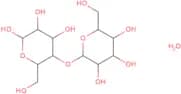
CAS:<p>D(+)-Lactose monohydrate is a crystalline, water-soluble sugar that is used as a pharmaceutical excipient. It is the most soluble of the lactose forms and has an optimum concentration of 1.0%. D(+)-Lactose monohydrate can be used in solid dosage forms such as tablets, capsules, or powders. It is also used in liquid dosage forms such as suspensions, syrups, or elixirs. D(+)-Lactose monohydrate has been shown to have anti-carcinogenic effects and may inhibit growth factor activity. It is not known to be an allergen or cause any infectious diseases.</p>Fórmula:C12H24O12Pureza:Min. 95%Peso molecular:360.31 g/molDexibuprofen-acyl-b-D-glucuronide
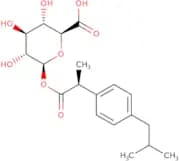
CAS:<p>Dexibuprofen-acyl-b-D-glucuronide is a complex carbohydrate that is synthesized by the acylation of dexibuprofen with b-D-glucuronic acid. The complex is then modified to increase its water solubility and stability. Dexibuprofen-acyl-b-D-glucuronide has been shown to have antiinflammatory activity in mice, which may be due to its ability to inhibit prostaglandin synthesis.</p>Fórmula:C19H26O8Pureza:Min. 95%Peso molecular:382.4 g/molFurosemide acyl-b-D-glucuronide
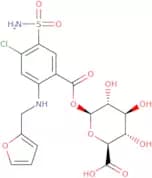
CAS:<p>Furosemide acyl-b-D-glucuronide is a derivative of Furosemide. It is a potent diuretic that has been used in the treatment of hypertension and congestive heart failure. The drug is excreted by the kidney, and its clearance is dependent on urine flow rate. Furosemide acyl-b-D-glucuronide can be detected in human serum and urine samples following oral administration, but its detection in urine may be delayed due to its low solubility. This active form of the drug may also cause drug reactions, such as nausea and vomiting, which are most likely due to the acidic nature of this form. Hydrochloric acid increases the absorption of Furosemide acyl-b-D-glucuronide, so it is recommended to take this medication with an acidic beverage containing hydrochloric acid or food high in pyridinium content. The elimination half life for this active</p>Fórmula:C18H19ClN2O11SPureza:Min. 95%Forma y color:Yellow PowderPeso molecular:506.87 g/molMethyl 1-thiolincosaminide
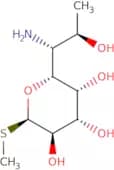
CAS:<p>Intermediate in the production of biosynthetic antibiotics</p>Fórmula:C9H19NO5SPureza:Min. 95%Peso molecular:253.32 g/molL-Fucal
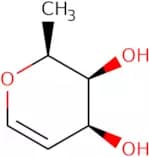
CAS:<p>L-Fucal is a chemical that belongs to the group of glycosidic bonds. It is synthesized by reacting ethyl diazoacetate with an activated hydroxyl group. L-Fucal has been shown to inhibit the growth of cancer cells and lymphocytic leukemia cells. It binds to the receptors on the surface of cancer cells and inhibits their growth by interfering with cellular metabolism and DNA synthesis.</p>Pureza:Min. 95%Methylglycol chitosan
CAS:<p>Methylglycol chitosan is a cationic surfactant that has been shown to have the ability to bind with zirconium oxide and polymannuronic acid. It is used in the treatment of infectious diseases, autoimmune diseases, and histological analysis. Methylglycol chitosan has been shown to inhibit the toll-like receptor 4 (TLR4) from binding with lipopolysaccharides and other molecules that are implicated in autoimmune diseases. This binding also prevents TLR4 from activating other cells involved in inflammatory responses. The surface of methylglycol chitosan particles also have a patterning effect on bacteria by preventing them from adhering to the surface of the particle, reducing their virulence.</p>Pureza:Min. 95%Uzarigenin digitaloside
CAS:<p>Uzarigenin digitaloside is a glycoside that belongs to the group of cardiac glycosides. It is derived from digitoxigenin and uzarigenin, which are present in the roots of Digitalis lanata. Uzarigenin digitaloside has been shown to have effects on cardiac muscle tissue, inhibiting the production of cAMP and cGMP and thereby reducing the activity of protein kinases and phosphodiesterase. This leads to an increase in intracellular levels of calcium ions, which in turn activates the myofilaments that contract the heart muscle cells.</p>Pureza:Min. 95%2,3-Desisopropylidene topiramate
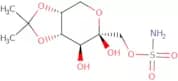
CAS:<p>2,3-Desisopropylidene topiramate is a modified sugar that is synthesized from 2-deoxy-D-ribose and 3,4,5-trihydroxybenzoic acid. This product is a white to off-white powder with a molecular weight of 238.17 g/mol. It has been shown to have excellent stability and high purity in synthesis.</p>Fórmula:C9H17NO8SPureza:Min. 95%Forma y color:White to off-white solid.Peso molecular:299.3 g/mol1-Amino-1-deoxy-D-ribitol
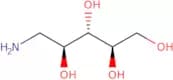
CAS:<p>1-Amino-1-deoxy-D-ribitol is a product of the enzymatic conversion of ribose to ribulose. It is an intermediate in the synthesis of other biologically important compounds, such as flavin and coenzyme A. 1-Amino-1-deoxy-D-ribitol can be stabilized with hydrochloric acid, acetylated into 1,2,3,4,-tetrahydroxybutane by acetic anhydride and metaperiodate. The bond cleavage reaction can be activated by hydrogen chloride or metaperiodate. High concentrations of these reagents are needed for this process to take place.</p>Fórmula:C5H13NO4Pureza:Min. 95%Peso molecular:151.16 g/mol


![(2R,4R)-2-[D-Xylo-tetrahydroxybut-1-yl]-1,3-thiazolidine-4-carboxylic acid](/_next/image/?url=https%3A%2Fstatic.cymitquimica.com%2Fproducts%2F3D%2Fthumb-webp%2FMX01042.webp&w=3840&q=75)