Monosacáridos
Subcategorías de "Monosacáridos"
- Allosas(11 productos)
- Arabinosas(21 productos)
- Eritrosas(11 productos)
- Fructosas(9 productos)
- Fucosas(36 productos)
- Galactosamina(41 productos)
- Galactosa(261 productos)
- Glucosas(365 productos)
- Ácidos glucurónicos(52 productos)
- Glico-sustratos para enzimas(78 productos)
- Gulosas(6 productos)
- Idosas(4 productos)
- Inositoles(15 productos)
- Lyxosas(4 productos)
- Manosas(65 productos)
- O-glicanos(48 productos)
- Psicosas(3 productos)
- Ramnosas(10 productos)
- Ribosas(61 productos)
- Ácidos siálicos(100 productos)
- Sorbosas(4 productos)
- Azúcares(173 productos)
- Tagatosis(4 productos)
- Taloses(8 productos)
- Xilosas(20 productos)
Se han encontrado 6088 productos de "Monosacáridos"
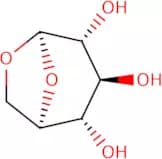
1,6-Anhydro-beta-D-glucopyranose
CAS:Used for preparation of biologically active compoundsFórmula:C6H10O5Pureza:Min. 98 Area-%Forma y color:White PowderPeso molecular:162.14 g/molMethyl 4-azido-2,3-di-O-benzoyl-4-deoxy-6-O-trityl-α-D-glucopyranoside
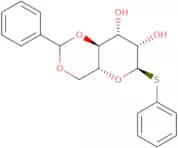
CAS:Methyl 4-azido-2,3-di-O-benzoyl-4-deoxy-6-O-trityl-a-Dglucopyranoside is a synthetic carbohydrate. It is used in the synthesis of complex carbohydrates. Methyl 4-azido-2,3-diObenzoyl4deoxy6OtritylAglucopyranoside is an intermediate in the chemical synthesis of oligosaccharides and polysaccharides. This product is custom synthesized to meet customer specifications.Fórmula:C40H35N3O7Pureza:Min. 95%Forma y color:White to off-white solid.Peso molecular:669.72 g/molPhenyl 4,6-O-benzylidene-a-D-thiomannopyranoside
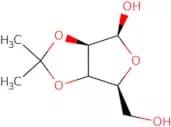
CAS:Phenyl 4,6-O-benzylidene-a-D-thiomannopyranoside is a custom synthesis that is modified with fluorination, methylation and click modification. It is a monosaccharide that is used in the preparation of polysaccharides and glycosylations. Phenyl 4,6-O-benzylidene-a-D-thiomannopyranoside also has saccharide and carbohydrate properties.Fórmula:C19H20O5SPureza:Min. 95%Forma y color:White PowderPeso molecular:360.43 g/mol2,3-O-Isopropylidene-L-ribofuranose
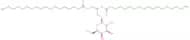
CAS:2,3-O-Isopropylidene-L-ribofuranose is a chiral building block for the synthesis of α-amino acids. This compound can be obtained from l-arabinose and l-rhamnose by kinetic resolution reactions with reagents such as (R)-1,2,3,4,5,6-hexahydrobenzo[b]thiophene or (S)-1,2,3,4,5,6-hexahydrobenzo[b]thiophene. The product is an enantiospecifically pure mixture of 2,3-O-isopropylidene L-ribofuranose and its antipode. The use of acid catalysts such as sulfuric acid or hydrochloric acid will yield a higher yield of the desired product.Fórmula:C8H14O5Pureza:Min. 95 Area-%Forma y color:PowderPeso molecular:190.19 g/molGalactosyl diglyceride - 10 mg/ml solution in chloroform/methanol
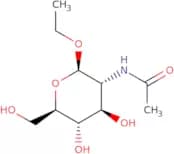
CAS:The galactosyl diglyceride (GalDG) is a lipid molecule that is found naturally in plants. The chemical formula for GalDG is C22H44O8 and it has a molecular weight of 464.36 g/mol. This lipid molecule is composed of two fatty acid chains, one glycerol molecule and one galactose molecule. It can be synthesized with the help of a transition metal catalyst and an oxidizing agent such as hydrogen peroxide or sodium hypochlorite. When heated to a temperature of about 200-250 degrees Celsius, the transformation process takes place which results in the conversion of the lamellar phase to the crystalline phase. The diffraction method was used to determine its crystal structure and it was found that this lipid molecule has a lamellar phase at room temperature but transforms into a crystalline phase when heated to 250 degrees Celsius. The diffraction pattern obtained from x-ray diffraction analysis indicated that thisFórmula:C45H86O10Pureza:Min. 95%Forma y color:Colourless to yellow liquid.Peso molecular:787.16 g/molEthyl 2-acetamido-2-deoxy-β-D-glucopyranoside
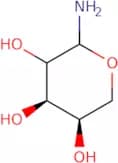
CAS:Ethyl 2-acetamido-2-deoxy-β-D-glucopyranoside is an anomeric sugar that contains a substituent at C4. It is used in the synthesis of oxazolidinones and thiazolidinones.Fórmula:C10H19NO6Pureza:Min. 98 Area-%Forma y color:PowderPeso molecular:249.26 g/molD-Lyxosylamine
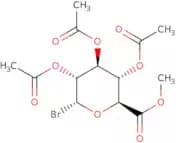
CAS:D-Lyxosylamine is a drug that has been shown to have anticancer activity against leishmania species. It inhibits the growth of the parasite by binding to the lectin, sialic, and glycoconjugates on the surface of cells. This inhibition leads to a blockage in the transport of glucose and amino acids, which are essential for cell growth and replication. D-Lyxosylamine has also been shown to have anti-leukemic effects, which may be due to its ability to kill lymphocytic leukemia cells. The drug was administered orally in a clinical trial with human volunteers in order to test its effectiveness against Leishmania major infections. D-Lyxosylamine administered at 50mg/kg/day for 28 days had no significant effect on Leishmania major infection rates.Fórmula:C5H11NO4Pureza:Min. 95%Forma y color:White PowderPeso molecular:149.1 g/mol1-Bromo-2,3,4-tri-O-acetyl-a-D-glucuronide methyl ester - 1% CaCO3
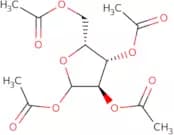
CAS:1-Bromo-2,3,4-tri-O-acetyl-a-D-glucuronide methyl ester is a protected D-glucoronic acid with an alpha bromide at the anomeric position ready to undergo glycosylation reactions with suitable glycoside acceptors. Pharmaceutically active compounds have been used as acceptors to form β-linked D-glucuronide prodrugs which can be used to modify pharmacokinetics, improve solubility and lower the toxicity of the drug.Fórmula:C13H17BrO9Pureza:Min. 98 Area-%Forma y color:White Off-White PowderPeso molecular:397.17 g/mol1,2,3,5-Tetra-O-acetyl-D-xylofuranose
CAS:1,2,3,5-Tetra-O-acetyl-D-xylofuranose is a lectin that has been shown to have an affinity for bacterial cells. It has been shown to be effective against Gram-positive and Gram-negative bacteria, with the exception of mycobacteria. 1,2,3,5-Tetra-O-acetyl-D-xylofuranose binds to the terminal sugar of the cell wall carbohydrate chains of these cells by means of its oligosaccharide side chain. The binding causes conformational changes in the bacterial membrane and disrupts the ion gradient across it. This leads to an influx of water into the cell and subsequent death.Fórmula:C13H18O9Pureza:Min. 95%Forma y color:Colorless PowderPeso molecular:318.28 g/molL-Ribulose
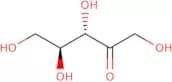
CAS:Valuable chiral building block; rare sugar applied in wood preservation
Fórmula:C5H10O5Pureza:Min. 97 Area-%Forma y color:Slightly Yellow Clear LiquidPeso molecular:150.13 g/molDelphinidin 3-galactoside chloride
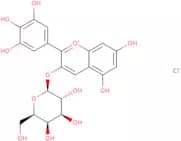
CAS:Delphinidin 3-galactoside chloride is a natural organic compound that belongs to the flavonol glycosides. It is a pigment that has been identified in flowers and fruits, such as the fruit tree. This compound exhibits antioxidant properties and can scavenge radicals, which may be due to its ability to inhibit dehydroascorbate reductase activity. Delphinidin 3-galactoside chloride also has an effect on high cholesterol levels, which may be due to its ability to inhibit HMG-CoA reductase activity. In addition, it has been shown that this compound can inhibit the growth of human pathogens such as P. aeruginosa and S. aureus.Fórmula:C21H21O12ClPureza:Min. 95%Peso molecular:500.84 g/molMethyl 2,3,4-tri-O-acetyl-6-azido-6-deoxy-a-D-glucopyranoside
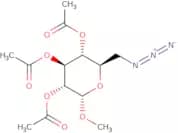
CAS:Methyl 2,3,4-tri-O-acetyl-6-azido-6-deoxy-a-D-glucopyranoside is a modification of the sugar glucose. It is a synthetically modified oligosaccharide that is used in the synthesis of complex carbohydrates and polysaccharides. Methyl 2,3,4-tri-O-acetyl-6-azido-6-deoxyglucopyranoside has been used for the fluorination and saccharide methylation reactions.Fórmula:C13H19N3O8Pureza:Min. 95%Forma y color:White PowderPeso molecular:345.31 g/mol2,3,4,6-Tetra-O-acetyl-α-D-glucopyranosyl fluoride
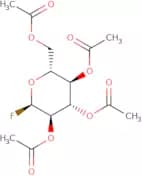
CAS:2,3,4,6-Tetra-O-acetyl-a-D-glucopyranosyl fluoride is a halide with the chemical formula of F. It has an axial conformation and is a crystalline solid at room temperature. 2,3,4,6-Tetra-O-acetyl-a-D-glucopyranosyl fluoride reacts with water to form hydrofluoric acid (HF). This compound is an important reagent in carbohydrate analysis because its presence or absence can be used to distinguish between the two anomers of maltose: α-(1→2) and β-(1→4). It also reacts with sodium chloride to give the chloride salt sodium tetrafluoroborate. The molecule has three substituents: a hydroxymethyl group (-OH), a glycosidic oxygen atom (O), and a glucosyl group (-CHO). Watanabe's numbering system forFórmula:C14H19FO9Pureza:Min. 95%Forma y color:PowderPeso molecular:350.29 g/molb-L-Arabinopyranose
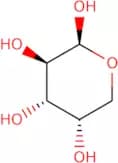
CAS:b-L-Arabinopyranose is a monosaccharide that is found in exudates, melibiose, and radiation hydrolysate. It has been shown to be hydrolyzed by intestinal enzymes and to have an optimum pH of 5.5. b-L-Arabinopyranose also has a high degree of polymerization (DP) and can form five-membered rings with galactans as well as terminal residues that are resistant to hydrolysis by carbon tetrachloride.Fórmula:C5H10O5Pureza:Min. 95%Peso molecular:150.1 g/molMethyl α-L-acosamine
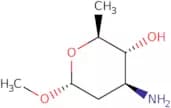
CAS:Methyl a-L-acosamine is a glycosylation agent that can be used to modify complex carbohydrates. It can also be used in the methylation of saccharides, polysaccharides, and sugars. Methyl a-L-acosamine is made by reacting acetic anhydride with L-a-D-galactopyranosyl chloride. The CAS number for this product is 54623-23-3. This product can be custom synthesized to meet your specifications and has high purity.Fórmula:C7H15NO3Pureza:Min. 95%Forma y color:White To Off-White SolidPeso molecular:161.2 g/mol2,3,4-Tri-O-acetyl-a-D-xylopyranosyl bromide - Stabilised with 2.5% CaCO3
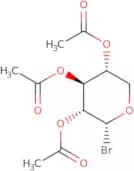
CAS:2,3,4-Tri-O-acetyl-a-D-xylopyranosyl bromide - Stabilised with 2.5% CaCO3 is a chiral compound that is a drug for the treatment of estrogen deficiency in postmenopausal women. It is synthesized from D-xylose and acetone by reductive elimination using an organotin catalyst. The resulting product has a nitro group at the 4 position and can be activated as a priming agent for DNA synthesis. This compound has been shown to be effective in treating intestinal disorders such as ulcerative colitis.
2,3,4-Tri-O-acetyl-a-D-xylopyranosyl bromide - Stabilised with 2.5% CaCO3 has been used to conjugate estrogens with various drugs to create new compounds that are more potent than free estrogens alone. Bioavailability of these conjugates hasFórmula:C11H15BrO7Pureza:(%) Min. 85%Forma y color:PowderPeso molecular:339.14 g/mol2,4,7,8,9-Penta-O-acetyl N-acetylneuraminic acid
CAS:2,4,7,8,9-Penta-O-acetyl N-acetylneuraminic acid is a modification of the carbohydrate 2,4,7,8,9-penta-O-acetyl N-acetylneuraminic acid. It is a complex carbohydrate that is custom synthesized to meet the needs of specific customers. This product can be used for the synthesis of oligosaccharides and polysaccharides in glycosylation reactions. It can also be modified with methylation and fluorination. 2,4,7,8,9-Penta-O-acetyl N-acetylneuraminic acid has high purity and is monosaccharide. It also has an acetate group on its sugar chain at position 9. This product can be used as a sugar or in click chemistry reactions because it contains an amine group at position 8.Fórmula:C21H29NO14Pureza:Min. 95%Forma y color:PowderPeso molecular:519.45 g/mol1,3,5-Tri-O-benzoyl-2-O-methyl-D-ribofuranose
CAS:1,3,5-Tri-O-benzoyl-2-O-methyl-D-ribofuranose is a modified sugar with three benzoyl groups. It has a molecular weight of 498.18 g/mol and the chemical formula C32H32F6N8O8. The compound is synthesized by the condensation of 2,3,4,5-tetraacetylpyridine with 2,3,4,5-tetraacetylthiophene in the presence of potassium fluoride and sodium hydroxide in aqueous methanol at room temperature. This product is used to study glycosylation reactions and to modify oligosaccharides for research purposes. 1,3,5-Tri-O-benzoyl-2-O-methyl--D--ribofuranose is soluble in water and ethanol but insoluble in ether or chloroform.This product hasFórmula:C27H24O8Pureza:Min. 85 Area-%Forma y color:White PowderPeso molecular:476.47 g/mol2,3,4,6-Tetra-O-trimethylsilyl-D-glucono-1,5-lactone
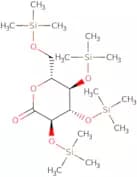
CAS:2,3,4,6-Tetra-O-trimethylsilyl-D-glucono-1,5-lactone is a synthetic building block which has been used to prepare C-glucosides via the nucleophilic addition of a suitably functionalised aryllithium reagent, followed by a triethylsilane reduction. Notable examples of this include the synthesis of C-glycoside intermediates which have been further elaborated to afford canagliflozin, bexagliflozin and dapagliflozin which inhibit sodium-dependant glucose co-transporter 2 (SGLT2) and are of interest as antidiabetic agents.Fórmula:C18H42O6Si4Pureza:Min. 95%Forma y color:Colorless Clear LiquidPeso molecular:466.86 g/mol1,2,3-Tri-O-acetyl-4,6-O-benzylidene-b-D-galactopyranose
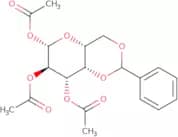
CAS:1,2,3-Tri-O-acetyl-4,6-O-benzylidene-b-D-galactopyranose is a high purity and custom synthesis sugar. This product has been modified with fluorination, glycosylation, methylation, and modifications. It is also known by the CAS number 78962-43-3. 1,2,3-Tri-O-acetyl-4,6-O-benzylidene b -D -galactopyranose is an oligosaccharide that can be used as a monosaccharide or saccharide. It is a complex carbohydrate that has many uses in the food industry.Fórmula:C19H22O9Pureza:Min. 95%Forma y color:White PowderPeso molecular:394.37 g/molL-Fructose
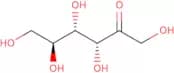
CAS:L-Fructose is a non-reducing sugar that is found in many plants, including honey and fruits. It plays an important role in energy metabolism, as it can be converted to L-glyceraldehyde 3-phosphate by the enzyme aldolase. L-Fructose has also been used in the synthesis of oligosaccharides and other carbohydrates. The analytical method for determining L-fructose involves hydrolysis with acid followed by measurement of the released hydrogen peroxide. The cell culture technique can be used to measure the growth of bacteria that contain fructose as their sole carbon source.Fórmula:C6H12O6Pureza:90%Forma y color:White PowderPeso molecular:180.16 g/mol2-(3,4-Dihydroxyphenyl)ethyl b-D-glucopyranoside
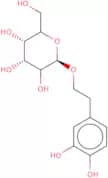
CAS:2-(3,4-Dihydroxyphenyl)ethyl b-D-glucopyranoside (2,3,4-DHPEB) is a naturally occurring phenolic acid. It has been shown to have antidepressant activity in mice and rats. 2,3,4-DHPEB inhibits the growth of Streptococcus faecalis by inhibiting fatty acid biosynthesis. This compound also has anti-inflammatory properties that may be due to its ability to inhibit prostaglandin synthesis. 2,3,4-DHPEB is a ligand for PPAR receptors and activates their transcriptional activity in cells. It has been shown to have chemopreventive effects against colon cancer cell lines and is able to induce apoptosis in tumor cells.Fórmula:C14H20O8Pureza:Min. 95%Forma y color:PowderPeso molecular:316.3 g/molD-Mannose - F (from birch)
CAS:Abundant and critical component of natural glycans and glycoproteinsFórmula:C6H12O6Pureza:Min. 98 Area-%Forma y color:White PowderPeso molecular:180.16 g/molL-Lyxono-1,4-lactone
CAS:L-Lyxono-1,4-lactone is a dehydrogenase that synthesizes hydroxamic acids from aldonic acids. Hydroxamic acids are used as herbicides and insecticides. L-Lyxono-1,4-lactone has been shown to be active against ochrobactrum and branched-chain bacteria. The enzyme catalyzes the cleavage of an aldonic acid to form an alcohol and an alpha,beta unsaturated ketone. This reaction is stereoselective, with the product being the same chiral center in both cases. The enzyme also shows chemometric properties by being able to measure salinity levels in water samples.Fórmula:C5H8O5Pureza:Min. 95%Forma y color:PowderPeso molecular:148.11 g/molDecyl glucoside
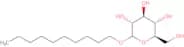
CAS:Decyl Glucoside is an alkylglycoside non-ionic surfactant and emulsifier. It is commonly used in foaming and cleansing products, often by natural personal care companies due to being plant derived and biodegradable. Decyl glucoside, also known as capryl/caprylyl glucoside, is derived from combination of coconut fatty alcohols and corn starch glucose.
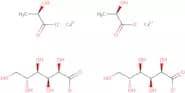
Fórmula:C16H32O6Pureza:Min. 95%Forma y color:Yellow Clear LiquidPeso molecular:320.42Calcium lactate gluconate
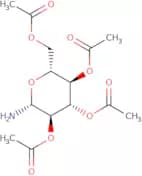
CAS:Calcium lactate gluconate is an antacid and a calcium supplement. It is a salt of calcium with lactic acid, which is often used to treat or prevent kidney stones and periodontal disease. Calcium lactate gluconate also helps to form new bone by stimulating osteoblasts, the cells responsible for bone formation. This drug can be used therapeutically to increase bone growth in people with osteoporosis or to repair bones after injury. It also helps heal fractures, relieves pain from arthritis, and treats cancer by preventing cell proliferation. Calcium lactate gluconate is a white powder that dissolves in water and can be mixed with other liquids such as fruit juice or milk.Fórmula:(C3H5O3)2Ca•(C6H11O7)2CaPureza:Min. 95%Forma y color:PowderPeso molecular:648.59 g/mol2,3,4,6-Tetra-O-acetyl-b-D-glucopyranosyl amine
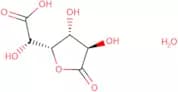
CAS:2,3,4,6-Tetra-O-acetyl-b-D-glucopyranosyl amine is an artificial carbohydrate with a fluorinated sugar. It is synthesized by reacting 2,3,4,6-tetra-O-acetyl-b-D-glucopyranosyl chloride with ammonia and methyl iodide. The compound can be used to modify the sugar residues of glycosides or polysaccharides. It has been shown to have high purity and can be used in the synthesis of complex carbohydrates.Fórmula:C14H21NO9Pureza:Min. 98 Area-%Forma y color:White PowderPeso molecular:347.32 g/molD-Glucaric acid-1,4-lactone
CAS:Inhibitor of β-glucuronidase enzyme; prevents cleavage of glucuronides.
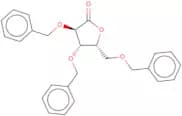
Fórmula:C6H8O7·H2OPureza:(%) Min. 96%Forma y color:White PowderPeso molecular:210.14 g/mol2,3,5-Tri-O-benzyl-D-xylonic acid-1,4-lactone
CAS:2,3,5-Tri-O-benzyl-D-xylonic acid-1,4-lactone is a complex carbohydrate that has been synthesized from saccharides. This compound is fluorinated and methylated at the 2, 3, and 5 positions of the xylan backbone. The lactone ring has been modified with a click chemistry reaction to introduce an alkyne group for glycosylation. This product can be custom synthesized to include any modification of your choice.Fórmula:C26H26O5Pureza:Min. 98 Area-%Forma y color:PowderPeso molecular:418.48 g/mol1,2,3,4,6-Penta-O-acetyl-a-D-galactopyranose
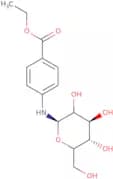
CAS:1,2,3,4,6-Penta-O-acetyl-a-D-galactopyranose is a pentaacetate of glucose. This compound is transported in the blood and extracellular fluids and has been shown to be a substrate for hexaacetate transport. The transport of this compound by hexaacetate has been shown to bypass the intracellular k+ concentration gradient. It has also been shown to have anti-diabetic effects in animals and humans. 1,2,3,4,6-Penta-O-acetyl-a-D-galactopyranose can also be found in foods that contain beta d glucopyranoside (e.g., bananas). This compound is resistant to digestion and can be found in the stomach or intestines where it postulated to have an inhibitory effect on bacterial growth. 1,2,3,4,6-Penta-O-Fórmula:C16H22O11Pureza:Min. 95%Forma y color:White PowderPeso molecular:390.34 g/molBenzocaine N-b-D-glucoside
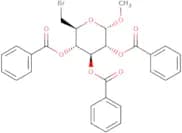
CAS:Benzocaine N-b-D-glucoside is an adjuvant that is used in pharmaceutical products. It has been shown to increase the stability of drugs and prolong their effects. Benzocaine N-b-D-glucoside also enhances the absorption, distribution, and elimination of drugs. This adjuvant has a number of functionalities including being a carbonyl scavenger and having mottling effects on drug particles. Benzocaine N-b-D-glucoside is often used as a pharmaceutical product adjuvant to stabilize formulations and extend the shelf life of medications.Fórmula:C15H21NO7Pureza:Min. 95%Forma y color:PowderPeso molecular:327.33 g/molMethyl-2,3,4-tri-O-benzoyl-6-bromo-6-deoxy-alpha-D-glucopyranoside
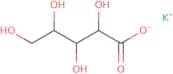
CAS:Methyl-2,3,4-tri-O-benzoyl-6-bromo-6-deoxy-alpha-D-glucopyranoside is a sugar that belongs to the group of monosaccharides. It is a custom synthesis product that can be synthesized and modified according to customer's requirements. Methylation, fluorination and saccharide modification are possible and highly pure methylated products can be produced with high purity.Fórmula:C28H25BrO8Pureza:Min. 95%Peso molecular:569.4 g/molArabinonic acid potassium salt
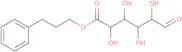
CAS:Arabinonic acid potassium salt is a fluorinated monosaccharide that is used as a building block for the synthesis of oligosaccharides and polysaccharides. Arabinonic acid potassium salt is chemically synthesized by the glycosylation of 2-deoxy-D-ribose with arabinonitrile followed by hydrolysis to form arabinonic acid. This chemical can also be modified with methyl groups, nitro groups, or other functional groups. It has CAS number 36232-89-0 and molecular weight of 176.17 g/mol. Arabinonic acid potassium salt is a high purity product with 98% minimum purity and no detectable impurities.Fórmula:C5H9KO6Pureza:Min. 95%Forma y color:PowderPeso molecular:204.22 g/molD-Glucuronic acid 3-phenylpropyl ester
CAS:D-Glucuronic acid 3-phenylpropyl ester is a custom synthesis of a complex carbohydrate. It is an Oligosaccharide, Polysaccharide, Modification, saccharide with Methylation and Glycosylation modifications. It has a molecular weight of 785.32 g/mol and purity of 99%. D-Glucuronic acid 3-phenylpropyl ester is Fluorinated at the hydroxyl group on the C2 carbon atom. It has been shown to be effective in inhibiting the proliferation of vascular smooth muscle cells and cancer cells through modification of protein synthesis.Fórmula:C15H20O7Pureza:Min. 95%Forma y color:White PowderPeso molecular:312.32 g/mol4,6-Di-O-methyl-D-glucose
CAS:A partially methylated glucose with the anomeric position freeFórmula:C8H16O6Pureza:Min. 95%Forma y color:PowderPeso molecular:208.21 g/mol6-Deoxy-D-altritol
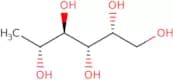
CAS:6-Deoxy-D-altritol is a structural analysis of a polysaccharide carbohydrate that is found in the cell walls of asteroides. It has been shown to contain mannose, d-arabinose, and d-glucose residues. 6-Deoxy-D-altritol also contains galactosyl and phosphate groups. The backbone of 6-Deoxy-D-altritol is made up of phosphodiester bonds with a d-galactose skeleton. This molecule can be used for the identification and characterization of bacteria species such as Mycobacterium tuberculosis and Mycobacterium avium complex.Fórmula:C6H14O5Pureza:Min. 95%Peso molecular:166.17 g/molN-Acetyl-glucosaminyl thiazoline
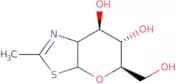
CAS:Inhibitor of O-GlcNAcase
Fórmula:C8H13NO4SPureza:Min. 97 Area-%Forma y color:White PowderPeso molecular:219.26 g/molD-Glucosaminic acid
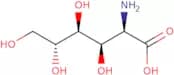
CAS:D-Glucosaminic acid is a monosaccharide that is found in many glycosaminoglycans. It has been shown to have synergistic effects when combined with malonic acid and hydroxyl group. D-Glucosaminic acid can be used for wastewater treatment, as it is able to form stable complexes with the anionic groups of cell walls. D-Glucosaminic acid also shows antibacterial activity against bacterial strains, including Mycoplasma pneumoniae and Streptococcus pyogenes. The wild-type strain of Escherichia coli is not inhibited by this compound.Fórmula:C6H13NO6Pureza:Min. 96 Area-%Forma y color:White Off-White PowderPeso molecular:195.17 g/mol3,4,6-Tri-O-acetyl-D-glucal
CAS:3,4,6-Tri-O-acetyl-D-glucal, also called 1,5-anhydro-2-deoxy-D-arabino-hex-1-enitol triacetate, is the acetate protected cyclic enol-ether (glycal) of D-glucose. 3,4,6-Tri-O-acetyl-D-glucal is a building block useful in the synthesis of a range of carbohydrates with the glucal double bond allowing other functional groups to be introduced. As an alkene, a glycal can undergo electrophilic addition across the double bond to introduce halogens and epoxides or be used to generate deoxy monosaccharides. 3,4,6-Tri-O-acetyl-D-glucal can undergo a Ferrier rearrangement with an alcohol and Lewis acid to give a 2,3-unsaturated product.
Fórmula:C12H16O7Pureza:Min. 98 Area-%Forma y color:White Off-White PowderPeso molecular:272.25 g/molMethyl 4-O-methyl-β-L-arabinopyranoside
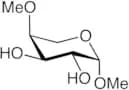
CAS:Methyl 4-O-methyl-β-L-arabinopyranoside is an L-arabinose analogueFórmula:C7H14O5Pureza:Min. 95%Forma y color:PowderPeso molecular:178.18 g/molHexahydro- 1, 2, 8- trihydroxy- [1S- (1a, 2a, 8a, 8ab) ]-5(1H) -indolizinone
CAS:Hexahydro-1,2,8-trihydroxy-[1S-(1a,2a,8a,8ab)]-5(1H)-indolizinone is a custom synthesis of a complex carbohydrate. It is an Oligosaccharide and Polysaccharide. The saccharide Methylation and Glycosylation are the Modification of this molecule. This product has CAS No. 96625-36-4 and Click modification is Carbohydrate sugar. This product is highly pure with Fluorination SyntheticFórmula:C8H13NO4Pureza:Min. 95%Peso molecular:187.19 g/mol1-Octylamino-1-deoxy-D-glucitol
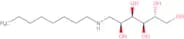
CAS:1-Octylamino-1-deoxy-D-glucitol is a natural product that is extracted from the bark of the tree Streptomyces griseorubens. It has been shown to have a diastereomeric ratio of 97:3 and an optical purity of 98%. The thermodynamic properties of this compound are determined by the reaction time, which can vary from 1 to 24 hours. The enantiomers are separated by chromatography or crystallization, and the solubility data is determined at 25°C.Fórmula:C14H31NO5Pureza:Min. 95%Forma y color:PowderPeso molecular:293.4 g/mol1,3,5-O-Methylidyne-myo-inositol
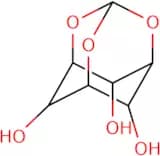
CAS:1,3,5-O-Methylidyne-myo-inositol is a cyclic sugar alcohol, which is naturally derived from various plant sources, including certain fruits and grains. As a stereoisomer of inositol, it represents a specific structural form that contributes to its unique properties and potential biological activities. The compound operates through modulating cellular signaling pathways, particularly those related to phosphoinositide metabolism, influencing intracellular calcium levels, and affecting lipid signaling cascades.This compound is primarily explored for its potential role in neurological health and its capacity to influence insulin signaling pathways. It has been investigated for applications in managing conditions such as polycystic ovary syndrome (PCOS), mood disorders, and neurodegenerative diseases. Due to its intricate involvement in cellular signaling networks, 1,3,5-O-Methylidyne-myo-inositol holds promise in furthering understanding of complex biological processes and for therapeutic development in metabolic and neurological disorders. Research continues to explore its efficacy and mechanisms of action to better establish its role in health and disease.Fórmula:C7H10O6Pureza:Min. 95%Forma y color:PowderPeso molecular:190.15 g/molD-Lyxose
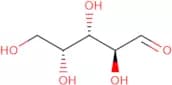
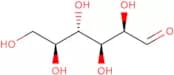
CAS:Starting material for chiral-pool based synthesis of modified nucleosides
Fórmula:C5H10O5Pureza:Min. 99 Area-%Forma y color:White PowderPeso molecular:150.13 g/mol1,2,3,4-Tetra-O-acetyl-L-fucopyranose
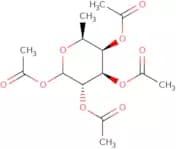
CAS:Intermediate for the anomeric modification of Fuc, including fucosylationFórmula:C14H20O9Pureza:Min. 97 Area-%Forma y color:White PowderPeso molecular:332.3 g/molL-Altrose
CAS:L-Altrose is a carbohydrate that is used as a nutrient and sweetener. It is a dextrose monomer with an L-arabinose side chain. L-Altrose has been shown to be a stereoselective carbon source that can be used in the synthesis of various biologically active compounds, such as antibiotics. L-Altrose has also been shown to stimulate growth of yeast cells in the absence of oxygen by providing an extracellular carbon source. This compound can be hydrolyzed by ring-opening or benzoylation reactions to yield dextrose.
Fórmula:C6H12O6Pureza:Min. 99 Area-%Forma y color:White PowderPeso molecular:180.16 g/mol2,3,4,6-Tetra-O-acetyl-b-D-glucopyranosyl chloride
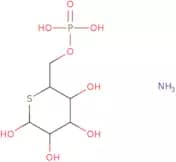
CAS:2,3,4,6-Tetra-O-acetyl-b-D-glucopyranosyl chloride is a fluorescent probe for nuclei and quadrupole resonance spectroscopy. It has been used to study the nuclear quadrupole resonance of anions in aqueous solution. The fluorescence intensity of 2,3,4,6-Tetra-O-acetyl-b-D-glucopyranosyl chloride is proportional to the concentration of anions in water. Fluorescence properties were evaluated by measuring the emission spectrum at various excitation wavelengths. The absorption spectrum was also measured to determine the fluorescence quantum yield and fluorescence lifetime.Fórmula:C14H19ClO9Pureza:Min. 95 Area-%Forma y color:White Off-White PowderPeso molecular:366.8 g/mol5-Thio-D-glucose-6-phosphate diammonium salt
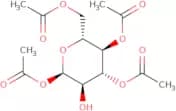
CAS:Glucose 6-phosphatase substrateFórmula:C6H11O8PS·N2H8Pureza:Min. 95%Forma y color:PowderPeso molecular:310.26 g/mol1,3,4,6-Tetra-O-acetyl-a-D-glucopyranose
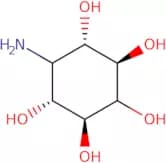
CAS:1,3,4,6-Tetra-O-acetyl-a-D-glucopyranose is a synthon that is used as a synthetic intermediate for the synthesis of other compounds. It is also a reactive compound that can be used to synthesize carboxylic acids and hydroxy ketones by reaction with water or alcohols. 1,3,4,6-Tetra-O-acetyl-a-D-glucopyranose can also be converted into esters by reaction with alcohols.Fórmula:C14H20O10Pureza:Min. 93 Area-%Forma y color:White Off-White PowderPeso molecular:348.3 g/molscyllo-Inosamine
CAS:Scyllo-inosamine is a redox potential that belongs to the class of antimicrobial agents. It is derived from the amino acid inosine, which is found in RNA and DNA. Scyllo-inosamine has been shown to inhibit bacterial growth by inhibiting protein synthesis. It also acts as an aminotransferase inhibitor, which may be used for the treatment of certain human pathogens. Scyllo-inosamine has been shown to have beneficial effects on the regulation of benzyl groups and hydroxyl group reactions. It has also been shown to inhibit polymerase chain reaction activity and titration calorimetry activity.
Fórmula:C6H13NO5Pureza:Min. 95%Forma y color:PowderPeso molecular:179.17 g/mol








![Hexahydro- 1, 2, 8- trihydroxy- [1S- (1a, 2a, 8a, 8ab) ]-5(1H) -indolizinone](/_next/image/?url=https%3A%2Fstatic.cymitquimica.com%2Fproducts%2F3D%2Fthumb-webp%2FMH163920.webp&w=3840&q=75)