Monosacáridos
Subcategorías de "Monosacáridos"
- Allosas(11 productos)
- Arabinosas(21 productos)
- Eritrosas(11 productos)
- Fructosas(9 productos)
- Fucosas(36 productos)
- Galactosamina(41 productos)
- Galactosa(261 productos)
- Glucosas(365 productos)
- Ácidos glucurónicos(52 productos)
- Glico-sustratos para enzimas(78 productos)
- Gulosas(6 productos)
- Idosas(4 productos)
- Inositoles(15 productos)
- Lyxosas(4 productos)
- Manosas(65 productos)
- O-glicanos(48 productos)
- Psicosas(3 productos)
- Ramnosas(10 productos)
- Ribosas(61 productos)
- Ácidos siálicos(100 productos)
- Sorbosas(4 productos)
- Azúcares(173 productos)
- Tagatosis(4 productos)
- Taloses(8 productos)
- Xilosas(20 productos)
Se han encontrado 6088 productos de "Monosacáridos"
2,3,5-Tri-O-benzoyl-1-O-(4-nitrobenzoyl)-D-ribofuranose
CAS:2,3,5-Tri-O-benzoyl-1-O-(4-nitrobenzoyl)-D-ribofuranose is a custom synthesis of an oligosaccharide. It is used in the synthesis of polysaccharides and glycosylations. This compound has been modified with methylation and fluorination reactions. It has CAS No. 108392-15-0 and is available in high purity.Fórmula:C33H25NO11Pureza:Min. 95%Forma y color:PowderPeso molecular:611.55 g/mol2,4-O-Benzylidene-D-Threose
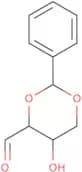
CAS:2,4-O-Benzylidene-D-Threose is a chemical compound that is used as a reagent in the synthesis of glycosphingolipids. It is prepared by the Wittig reaction of 2,4-dibromobenzaldehyde with potassium azide and phytosphingosine. The compound has also been used as a tool in biological studies to study the biosynthesis of glycosphingolipids. This product can react with carbinols to produce acetylides or diphosphate esters. 2,4-O-Benzylidene-D-Threose can be used as a reagent for the synthesis of methylmagnesium chloride, which is a Grignard reagent.Pureza:Min. 95%5'-O-(2-Amino-2-deoxy-b-D-glucopyranosyl)-uridine
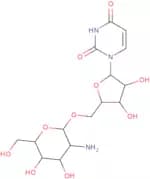
CAS:5'-O-(2-Amino-2-deoxy-b-D-glucopyranosyl)-uridine is a carbohydrate that is synthesized from uridine and 5'-amino-2,3,4,6-tetra-O-(2-deoxy-b-D-glucopyranosyl)uridine. It has a high purity and can be custom synthesized to meet your specifications. Carbohydrates are saccharides that are composed of monosaccharides linked by glycosidic bonds. They are often used as energy sources for living organisms and play an important role in the immune system. 5'-O-(2-Amino-2-deoxy-b-D - glucopyranosyl)-uridine can be methylated at the 2' position or glycosylated at either the 2' or 3' position. It is also a complex carbohydrate that can be modified with fluorFórmula:C15H23N3O10Pureza:Min. 95%Peso molecular:405.36 g/mol2,3,4,6-Tetra-O-acetyl-b-D-thiogalactopyranose
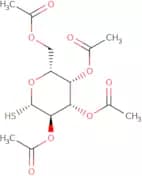
CAS:2,3,4,6-Tetra-O-acetyl-b-D-thiogalactopyranose is a synthetic sugar that is prepared by the fluorination of D-galactopyranose and subsequent acetylation. This compound can be used for glycosylation reactions and as a substrate for click chemistry. It is an oligosaccharide with four monosaccharides in its backbone. The CAS number of 2,3,4,6-Tetra-O-acetyl-b-D-thiogalactopyranose is 50615-66-2.Fórmula:C14H20O9SPureza:Min. 95%Forma y color:PowderPeso molecular:364.37 g/mol4-Methoxyphenyl 2,3,4,6-tetra-O-acetyl-β-D-galactopyranoside
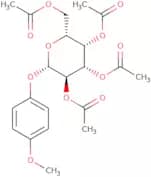
CAS:4-Methoxyphenyl 2,3,4,6-tetra-O-acetyl-b-D-galactopyranoside is a white crystalline powder. It is soluble in water and ethanol. This chemical has been used as a reagent for the methylation of saccharides and oligosaccharides with 4-methoxybenzene sulfonate. It is also an excellent substrate for click chemistry reactions.Fórmula:C21H26O11Pureza:Min. 95%Forma y color:White to off-white solid.Peso molecular:454.42 g/molD-Maltose 1-phosphate dipotassium salt
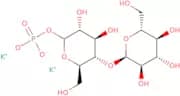
CAS:D-Maltose 1-phosphate dipotassium salt is a disaccharide that can be used in the synthesis of oligosaccharides and polysaccharides. It is also an excellent candidate for further modification.Fórmula:C12H21O14PK2Pureza:Min. 95%Peso molecular:498.46 g/mol1-(2,2,2-Trifluoro-N-phenylethanimidate)-2,3,4-tri-O-acetyl-D-glucopyranuronic acid methyl ester
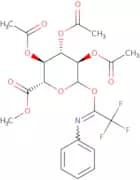
CAS:1-(2,2,2-Trifluoro-N-phenylethanimidate)-2,3,4-tri-O-acetyl-D-glucopyranuronic acid methyl ester is a methylated variant of an oligosaccharide. It has been synthesized by the click modification of an oligosaccharide with a monosaccharide and a fluorinated saccharide. This compound has been shown to have antiviral activity against the influenza virus in vitro. The antiviral activity may be due to its ability to inhibit the viral polymerase and RNA synthesis or to prevent virus assembly and release.Fórmula:C21H22F3NO10Pureza:Min. 95%Peso molecular:505.4 g/mol1,2,3,4-Tetra-O-benzoyl-6-O-trityl-b-D-glucopyranose
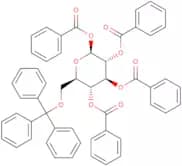
CAS:1,2,3,4-Tetra-O-benzoyl-6-O-trityl-b-D-glucopyranose is a custom synthesis that can be used for methylation and Click modification. This compound is an oligosaccharide consisting of sugar molecules linked by glycosidic bonds. It is a polysaccharide with a saccharide repeating unit composed of monosaccharides. The carbohydrate chain contains 1,2,3,4 tetra O benzoyl groups and 6 O trityl groups. This product has a high purity and can be used in the synthesis of other compounds. 1,2,3,4 Tetra O benzoyl 6 O trityl b D glucopyranose (1) was synthesized from 4-(2'-hydroxyethyl)benzaldehyde (2), 4-(2'-hydroxyethyl)benzoic acid (3),Fórmula:C53H42O10Pureza:Min. 95%Peso molecular:838.89 g/molD-Glucurono-3,6-lactone
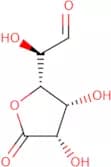
CAS:Glucose metaboliteFórmula:C6H8O6Pureza:Min 98%Forma y color:White PowderPeso molecular:176.12 g/molMethyl 2-deoxy-2-phthalimido-β-D-glucopyranoside
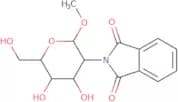
CAS:Methyl 2-deoxy-2-phthalimido-b-D-glucopyranoside is a synthetic sugar that has been modified with fluorine. It is an important building block for the synthesis of complex carbohydrates. Methyl 2-deoxy-2-phthalimido-b-D-glucopyranoside can be used to modify saccharides and oligosaccharides, as well as to add fluorine atoms to glycosyl units. This modification can be done using a click chemistry reaction with azide functionalized molecules. The chemical structure of Methyl 2-deoxy-2-phthalimido-b-D-glucopyranoside is shown below:Fórmula:C15H17NO7Pureza:Min. 95%Forma y color:White to off-white solid.Peso molecular:323.3 g/mol2,3,4,6-Tetra-O-pivaloyl-D-glucopyranosyl amine
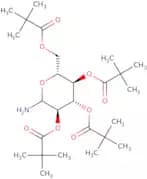
CAS:2,3,4,6-Tetra-O-pivaloyl-D-glucopyranosyl amine is a monosaccharide that is custom synthesized and modified with fluorination. It also has saccharide properties such as methylation and glycosylation. This product can be used in the synthesis of complex carbohydrates or polysaccharides. It is a high purity compound with CAS No. 888963-33-5.Fórmula:C26H45NO9Pureza:Min. 95%Peso molecular:515.64 g/mol2-Acetamido-2-deoxy-a-D-galactopyranosyl serine
CAS:2-Acetamido-2-deoxy-a-D-galactopyranosyl serine (2AGPS) is a naturally occurring glycosaminoglycan. It has been shown to inhibit the growth of cancer cells and to reduce the size of mouse tumors in vivo. This compound also inhibits viral replication in vitro, and its antiviral properties have been shown to work on several different types of viruses, including herpes simplex virus type 1, human cytomegalovirus, and influenza A virus. 2AGPS is also a potent inducer of toll-like receptor 4 signaling pathways in macrophages and dendritic cells. 2AGPS can be synthesized by using a polymerase chain reaction (PCR) technique with synthetic oligosaccharides as a template.Fórmula:C11H20N2O8Pureza:Min. 90 Area-%Forma y color:Off-White Yellow PowderPeso molecular:308.29 g/molEthyl 2,3-di-O-benzoyl-4,6-O-benzylidene-b-D-thioglucopyranoside
Ethyl 2,3-di-O-benzoyl-4,6-O-benzylidene-b-D-thioglucopyranoside is a modified sugar that is used as an intermediate in the synthesis of saccharides and oligosaccharides. It is synthesized by a modification of the Knorr reaction. This product has been shown to be high purity and can be custom synthesized with a variety of functional groups, such as fluorination. Ethyl 2,3-di-O-benzoyl-4,6-O-benzylidene-b-D-thioglucopyranoside is also available in CAS No. 11764719.Fórmula:C29H28O7SPureza:Min. 95%Forma y color:White To Off-White SolidPeso molecular:520.59 g/molPregnanediol 3α-O-β-D-glucuronide
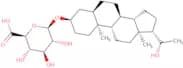
CAS:Pregnanediol 3α-O-β-D-glucuronide is a glucuronide metabolite of progesterone, which is a key steroid hormone in the reproductive system. This compound is derived from the metabolic conversion of progesterone, primarily within the liver, where it undergoes glucuronidation. This process involves the addition of glucuronic acid, mediated by the enzyme UDP-glucuronosyltransferase, enhancing the compound’s solubility for renal excretion.
Fórmula:C27H44O8Pureza:Min. 95%Forma y color:PowderPeso molecular:496.63 g/molD-Galactono-1,4-lactone
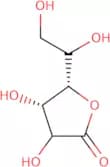
CAS:D-Galactono-1,4-lactone is an intermediate in the galactose catabolism pathway. It is an acidic compound that can be found in plants and bacteria. D-Galactono-1,4-lactone has been shown to inhibit enzyme activities when it is present at high concentrations. This compound also inhibits the enzyme carbon source, which is involved in the conversion of glucose to energy. The deuterium isotope effect on the inhibition of enzyme activity by D-galactono-1,4-lactone has been studied extensively using plant phytochemicals such as triticum aestivum.Fórmula:C6H10O6Pureza:Min. 95%Forma y color:White PowderPeso molecular:178.14 g/mol6-Bromo-6-deoxy-D-glucose
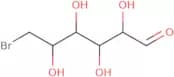
CAS:6-Bromo-6-deoxy-D-glucose is a sugar that is used to study the function of glucose transporters in cellular membranes. This compound has been shown to be a substrate for glucose transporters, where it binds in a nucleophilic manner. 6-Bromo-6-deoxy-D-glucose has been used as an inhibitor of glucose transport and as an x-ray crystal structure model for studying the binding mechanism of glucose transporters. 6-Bromo-6-deoxy-D-glucose has also been used to study the reaction system between glucose and sodium hydrogen carbonate, which is important for understanding how cells regulate blood sugar levels.Fórmula:C6H11BrO5Pureza:Min. 95%Forma y color:White PowderPeso molecular:243.05 g/mol2,3-O-Isopropylidene-2-C-methyl-D-ribono-1,4-lactone
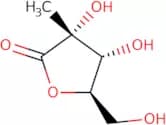
CAS:2,3-O-Isopropylidene-2-C-methyl-D-ribono-1,4-lactone is a crystalline compound that is obtained by the reaction of dimethylamine with epichlorohydrin. The compound has an asymmetric carbon atom and exists in two enantiomeric forms. It can be used as an acceptor in crystallographic analysis. The chemical structure of 2,3-O-Isopropylidene-2-C-methyl-D-ribono-1,4 -lactone is a lactone form of episulfide. Episulfides are lactones with episulfide groups attached to the C2 and C3 positions on the D ring. The episulfide group is formed by the reaction between the alcohol and sulfhydryl group from cysteamine with sulfur trioxide. The chemical formula for this compound is C13H20N2O8SFórmula:C9H14O5Pureza:Min. 95%Forma y color:PowderPeso molecular:202.2 g/molPhenyl 2-O-benzoyl-4,6-O-benzylidene-3-O-(2-naphthylmethyl)-b-D-thioglucopyranoside
CAS:Phenyl 2-O-benzoyl-4,6-O-benzylidene-3-O-(2-naphthylmethyl)-b-D-thioglucopyranoside is a synthetic sugar with a complex carbohydrate structure. It has been modified by methylation, fluorination, and glycogenation. This product is used in the synthesis of saccharides and oligosaccharides for various purposes. Phenyl 2-O-benzoyl-4,6-O-benzylidene-3-- O-(2--naphthylmethyl)-b--D--thioglucopyranoside is CAS No. 1352561--95--5 and can be custom synthesized to meet your specifications.Fórmula:C37H32O6SPureza:Min. 95%Forma y color:PowderPeso molecular:604.71 g/molMethyl 2,3,4-tri-O-benzyl-6-O-tert-butyldiphenylsilyl-a-D-glucopyranoside
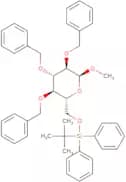
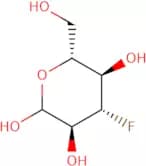
CAS:Methyl 2,3,4-tri-O-benzyl-6-O-tert-butyldiphenylsilyl-a-D-glucopyranoside is a synthetic oligosaccharide that is used as an intermediate in the synthesis of complex carbohydrates. It has a high purity and is custom synthesized to meet the needs of the customer. This product can be fluorinated, glycosylated, and methylated to produce desired modifications. It may also be used for Click chemistry modifications. Methyl 2,3,4-tri-O-benzyl-6-O-tert-butyldiphenylsilyl-a -D -glucopyranoside is an important sugar building block for complex carbohydrate synthesis.Fórmula:C44H50O6SiPureza:Min. 95%Peso molecular:702.97 g/mol3-Deoxy-3-fluoro-D-glucose
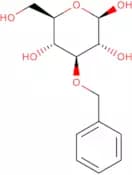
CAS:Fluorinated glucose analogFórmula:C6H11FO5Pureza:Min. 95%Forma y color:White PowderPeso molecular:182.15 g/mol3-O-Benzyl-D-glucopyranose
CAS:3-O-Benzyl-D-glucopyranose is a molecule that has been optimized for its autodock score. It binds to the active site of peptidases, which are enzymes that break down proteins in the body. 3-O-Benzyl-D-glucopyranose is a nauclea that can be used as a pharmacokinetic (PK) or pharmacodynamic (PD) inhibitor. Nauclea have shown effectiveness against diabetes by preventing the breakdown of glucose, which is an important energy source for cells. 3-O-Benzyl-D-glucopyranose has also been found to be an effective inhibitor of DPPIV, which is an enzyme involved in breaking down insulin and other hormones in blood circulation. In vitro studies have shown that it may also have antiaging properties due to its ability to inhibit production of inflammatory cytokines such as IL1β, IL6, and TNFα.Fórmula:C13H18O6Pureza:Min. 95%Forma y color:PowderPeso molecular:270.28 g/molD-Mannose
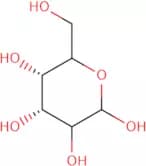
CAS:Mannose (Man) is the C2 epimer of glucose with one hydroxyl group axial which by Hudsons rules makes it slightly less stable than glucose (Hudson, 1948). However, mannose is very common in plants and animals, and occurs in many polysaccharides, such as, galactomannans (e.g. Guar, Locust Bean Gum), mananns (e.g. Ivory Nut Mannan), Spruce Galactoglucomannan, Gum Ghatti (Whistler, 1993) and bakerâs yeast (Saccharomyces cerevisiae) (Manners, 1973). Mannose is one of the key mammalian monosaccharides (Glucose, Galactose, Mannose, Fucose, N-Acetyl Glucosamine, N-Acetyl galactosamine and Sialic acid) and occurs in N-linked glycans where it is a core oligosaccharide (Gabius, 2009).Fórmula:C6H12O6Pureza:Min. 98 Area-%Forma y color:White PowderPeso molecular:180.16 g/molFebuxostat-acyl-β-D-glucuronide
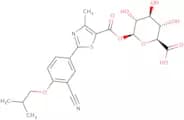
CAS:Febuxostat is a drug that inhibits the enzyme xanthine oxidase, which is involved in the production of uric acid. The chronic use of this drug can lead to a decrease in serum uric acid levels, which is associated with lowering of blood pressure and prevention of kidney stones. Febuxostat has been shown to be effective in patients with polyarticular rheumatoid arthritis and allopurinol-induced gout. Side effects may include gastrointestinal discomfort, low dose-related hypertension, and cardiovascular complications. Febuxostat interacts with colchicine and other drugs that are metabolized through cytochrome P450 enzymes. This interaction may reduce the effectiveness of these drugs or increase their toxicity.Fórmula:C22H24N2O9SPureza:Min. 95%Forma y color:PowderPeso molecular:492.5 g/molD-Erythrulose - Aqueous solution
CAS:D-Erythrulose is a sugar that can be synthesized from the chemical structures of glycolaldehyde and carbonyl group. It can also be produced by hydrolysis of erythritol, which is found in plant cell walls. D-Erythrulose has been used as an alternative to glucose for fermentation processes because it does not inhibit the growth of most bacteria. D-Erythrulose has been shown to increase ATP levels in Escherichia coli K-12 cells and to affect the activities of enzymes involved in glycolysis, such as glyceraldehyde 3-phosphate dehydrogenase, phosphoglycerate kinase, and enolase. The metabolic pathways that produce D-erythrulose are found in many organisms, including Corynebacterium glutamicum, Brucella melitensis, and Brucella suis.Fórmula:C4H8O4Pureza:Min. 95%Forma y color:Colorless PowderPeso molecular:120.1 g/mol1-O-Methyl-α-D-mannopyranoside
CAS:Methyl alpha-D-mannopyranoside is a methylated sugar used as an inhibitor of lectin-conjugate binding. It is commonly used in protein purification for eluting glycoproteins and other glycoconjugates from affinity chromatography columns of agarose lectin. In addition, Methyl alpha-D-mannopyranoside can be used in the mannosylation of lipid nanoparticles (LNPs) for vaccine or drug delivery which targets Antigen Presenting Cells (APCs) through mannose receptors. Methyl alpha-D-mannopyranoside is also known as Methyl alpha-D-mannoside or alpha-Methyl-D-mannoside.Fórmula:C7H14O6Pureza:Min. 99.0 Area-%Peso molecular:194.18 g/molRef: 3D-M-4150
-Unit-kgkgA consultar1kgA consultar100gA consultar250gA consultar500gA consultar2500gA consultarMethyl 3-O-benzyl-D-glucopyranoside
CAS:Methyl 3-O-benzyl-D-glucopyranoside is a custom synthesis. It is a complex carbohydrate that is an oligosaccharide, polysaccharide, and modified saccharide. Methyl 3-O-benzyl-D-glucopyranoside can be synthesized from glucose with the use of methylation, glycosylation, or carbonylation reactions. The product has been fluorinated to yield a high purity product. This product can be used for click modifications or sugar chemistry experiments.Pureza:Min. 95%Benzylidene -a- D- glucofuranuronic acid g- lactone
Benzylidene-a-D-glucofuranuronic acid g-lactone is a custom synthesis that can be modified with fluorination, methylation, and monosaccharide modification. The CAS number for this compound is 717492-06-8. Benzylidene-a-D-glucofuranuronic acid g-lactone is an oligosaccharide that contains saccharide units of both sugar and polysaccharides. It has a molecular weight of 574.81 grams per mole and a carbohydrate content of 79%. This compound has been shown to have glycosylation activity in the presence of the enzyme UDP GalNAc: α-(1,4)-galactosyltransferase.Pureza:Min. 95%2,3,5-Tri-O-benzoyl-a-D-arabinofuranosyl bromide
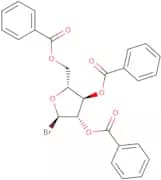
CAS:2,3,5-Tri-O-benzoyl-a-D-arabinofuranosyl bromide is a glycosylation reagent that can be used in the synthesis of polysaccharides and oligosaccharides. It is also used to modify sugars with methyl and fluorination reagents. 2,3,5-Tri-O-benzoyl-a-D-arabinofuranosyl bromide has CAS number 434868 9.Fórmula:C26H21BrO7Pureza:Min. 95%Forma y color:PowderPeso molecular:525.34 g/mol4,6-O-Benzylidene-D-glucal
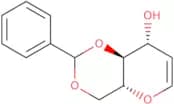
CAS:Glucal is a carbohydrate that is used as a synthon in organic synthesis. It has been shown to be anomeric and can be synthesized by acetylation of the corresponding aldose, or by the glycosidic bond reaction with borohydride reduction. Glucal is not stable at high pH and can undergo ring-opening reactions with nucleophiles such as sodium borohydride. Glucal also reacts with glycoconjugates to form new molecules, which are called glycosidic products.
Fórmula:C13H14O4Pureza:Min. 95%Forma y color:White PowderPeso molecular:234.25 g/molEthyl 2,3,4,6-tetra-O-benzyl-b-D-thiogalactopyranoside
CAS:Ethyl 2,3,4,6-tetra-O-benzyl-b-D-thiogalactopyranoside is a synthetically produced saccharide typically used as a building block in oligo-saccharide synthesis.Fórmula:C36H40O5SPureza:Min. 98 Area-%Peso molecular:584.77 g/mol2,3,4,6-Tetra-O-pivaloyl-D-mannopyranosyl fluoride
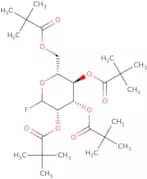
CAS:2,3,4,6-Tetra-O-pivaloyl-D-mannopyranosyl fluoride is a carbohydrate that is synthesized by the modification of D-mannose with 4,6-dichlorohexanoic acid. It is a white powder with a melting point of 170°C. 2,3,4,6-Tetra-O-pivaloyl-D-mannopyranosyl fluoride can be used as a monosaccharide for glycosylation reactions or as an intermediate for custom synthesis. This product has been methylated and glycosylated before the final purification process. It has a high purity level and can be used in Click chemistry reactions.
Fórmula:C26H43FO9Pureza:Min. 95%Forma y color:White PowderPeso molecular:518.61 g/molL-Ribose
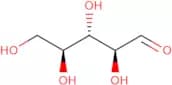
CAS:Constituent of RNA; important resource for RNA- and DNA-related syntheses
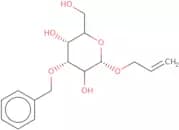
Fórmula:C5H10O5Pureza:Min. 98 Area-%Forma y color:White PowderPeso molecular:150.13 g/molAllyl 3-O-benzyl-a-D-glucopyranoside
CAS:Allyl 3-O-benzyl-a-D-glucopyranoside is a synthetic, monosaccharide carbohydrate. The product is a modification of the natural polysaccharide allyl 3-O-benzyl-a-D-glucopyranoside. Allyl 3-O-benzyl-a -D glucopyranoside is an Oligosaccharide with CAS No. 145454-72 -4 and has the molecular formula C14H20O6 and molecular weight of 312.32 g/mol. The product is available in high purity and can be synthesized to order. Allyl 3-O -benzyl -a D glucopyranosides are useful as a Fluorination, saccharide for use in glycosylation or methylation reactions or as a complex carbohydrate in the synthesis of oligosaccharides, polysaccharides, or sugar chains.Fórmula:C16H22O6Pureza:Min. 95%Peso molecular:310.34 g/molUDP-Gal 2Na
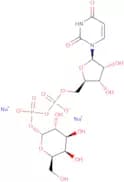
CAS:UDP-a-D-galactose disodium salt (UDP-Gal) is a sugar-nucleotide substrate of galactosyltransferases. It’s used as the donor of galactose in the biosyntheses of glycoproteins and glycolipids. Its low cellular content is also hypothetically linked to the defective galactosylation in galactosemia.
Fórmula:C15H22N2O17P2·2NaPureza:Min. 95 Area-%Forma y color:PowderPeso molecular:610.27 g/molGlucosyl-C18-sphingosine
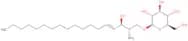
CAS:Glucosyl-C18-sphingosine is a sphingolipid that has been shown to inhibit the activity of Gaucher's enzyme, which is responsible for the synthesis of glucosylceramide. It has been demonstrated in a model system that glucosyl-C18-sphingosine inhibits mitochondrial membrane potential and decreases ATP levels, leading to cell death. The molecular pathogenesis of Gaucher disease is not well understood but it is believed to be related to defective lysosomal function. Glucosyl-C18-sphingosine may be used as a diagnostic agent for Gaucher disease and other metabolic disorders involving glucosylceramide accumulation.Fórmula:C24H47NO7Pureza:Min. 95%Forma y color:PowderPeso molecular:461.63 g/mol4-Methoxyphenyl 2,3:4,6-di-O-benzylidene-α-D-mannopyranoside
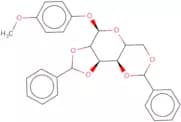
CAS:4-Methoxyphenyl 2,3:4,6-di-O-benzylidene-a-D-mannopyranoside is a water soluble polysaccharide that is a methylated derivative of mannose. It has been fluorinated at the 4 position and modified with benzyl groups at the 2, 3, and 6 positions. This compound is used in custom synthesis to synthesize oligosaccharides or polysaccharides.Fórmula:C27H26O7Pureza:Min. 95%Peso molecular:462.49 g/molIsopropyl-a-D-thiomannopyranoside
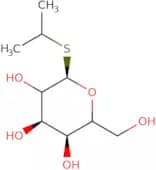
CAS:Isopropyl-a-D-thiomannopyranoside is a custom synthesis that is a methylated oligosaccharide. It has been modified by click chemistry to introduce an acetate group at the C4 position of the mannose residue. This product may be used in the preparation of polysaccharides, saccharides and carbohydrates. Isopropyl-a-D-thiomannopyranoside is a white solid that is soluble in methanol and ethanol but insoluble in water. It has been shown to have high purity and high chemical stability.Fórmula:C9H18O5SPureza:Min. 95%Peso molecular:238.3 g/molUDP-3-O-(R-3-hydroxydecanoyl)-GlcNAc sodium salt
CAS:Substrate for UDP-3-O-acyl-GlcNAc deacetylase
Fórmula:C27H43N3O19P2·xNaPureza:Min. 90 Area-%Forma y color:White Off-White Solidified MassPeso molecular:777.6 g/mol2-Acetamido-1,3,4,6-tetra-O-acetyl-2-deoxy-a-D-glucopyranose
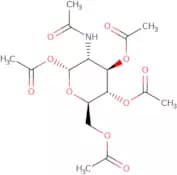
CAS:2-Acetamido-1,3,4,6-tetra-O-acetyl-2-deoxy-a-D-glucopyranose (2AAT) is a synthetic nucleoside that binds to the same sequence of n-acetylgalactosamine in the cell wall of Gram positive bacteria. It was found to be effective against bacterial strains that produce beta lactamase enzymes. 2AAT has been shown to inhibit the growth of Gram positive bacteria and is able to penetrate tissues. It also prevents bacterial DNA gyrase and topoisomerase IV from binding with their respective substrates. 2AAT is made up of four parts: two ribose molecules, one deoxyribose molecule and one acetamido group. This last part is what makes it bind to the bacterial cell wall and inhibits protein synthesis by preventing mRNA from being translated into proteins.Fórmula:C16H23NO10Pureza:Min. 98 Area-%Forma y color:White PowderPeso molecular:389.36 g/mol1,2,3,4-Tetra-O-acetyl-6-diphenylphosphoryl-b-D-mannopyranose
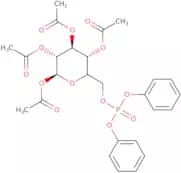
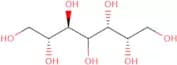
CAS:This product is custom synthesized. The synthesis of this product was accomplished by modification, fluorination, methylation and monosaccharide synthesis. It is a synthetic oligosaccharide that has been modified with click chemistry. This product is made up of saccharides in a glycosylation configuration. It is a complex carbohydrate that contains sugar units in various configurations. This product has high purity and can be used as an intermediate for the synthesis of other products.Fórmula:C26H29O13PPureza:Min. 95%Forma y color:White PowderPeso molecular:580.47 g/molPerseitol
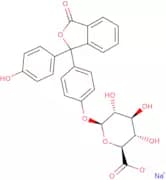
CAS:Perseitol is a nutrient solution that contains fatty acids and is used in tissue culture to supplement the growth of cells. It can be used as a substitute for animal serum, which is usually derived from bovine or porcine sources. Perseitol provides all essential components required for cell growth, including amino acids, vitamins, minerals, and lipids. Perseitol is also used in vitro assay systems to determine the redox potential of substances. This solution has been shown to have anti-inflammatory properties due to its ability to inhibit prostaglandin synthesis.Fórmula:C7H16O7Pureza:Min. 95%Forma y color:White Off-White PowderPeso molecular:212.2 g/molPhenolphthalein b-D-glucuronic acid sodium salt
CAS:beta-glucuronidase substrateFórmula:C26H22O10NaPureza:Min. 95 Area-%Forma y color:Yellow PowderPeso molecular:517.44 g/molQuercetin-3-O-b-D-glucose-7-O-b-D-gentiobioside
CAS:Quercetin-3-O-b-D-glucose-7-O-b-D-gentiobioside is a flavonoid that is found in fruits and vegetables. Quercetin has been shown to have antioxidative activity and can be used as a dietary supplement for the prevention of cardiovascular disease. Quercetin has also been shown to inhibit the oxidation of cholesterol, which may help prevent atherosclerosis. Quercetin has been shown to have antiinflammatory properties in women with symptoms of premenstrual syndrome (PMS). Quercetin inhibits the production of prostaglandins, which are inflammatory mediators that are associated with PMS. Quercetin also blocks the inflammatory effects of methyl linoleate, a fatty acid found in meat, dairy products, and vegetable oils. Quercetin has also been shown to bind with specific proteins on white blood cells called immunoglobulins or antibodies. TheFórmula:C33H40O22Pureza:Min. 95%Forma y color:White PowderPeso molecular:788.66 g/molD-Glucose-13C6
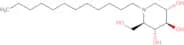
CAS:D-Glucose-13C6 is a complex carbohydrate, which is composed of a glucose molecule with one carbon atom labeled as C6. It is used to study the structure of carbohydrates and their interactions with proteins. D-Glucose-13C6 also has applications in the study of diseases such as Alzheimer's disease, Parkinson's disease, diabetes mellitus type 2, and cancer. In addition, this molecule can be used to measure plasma glucose concentrations in humans or animals. D-Glucose-13C6 is not active against bacteria such as Pseudomonas aeruginosa or Escherichia coli. The synthesis of D-glucose-13C6 requires anhydrous dextrose and unlabeled glucose.Fórmula:C6H12O6Pureza:Min. 98 Area-%Forma y color:White PowderPeso molecular:186.11 g/molN-Dodecyldeoxynojirimycin
CAS:Dodecyldeoxynojirimycin is a polyketide natural product that has been shown to be a potent inhibitor of the synthesis of mannose-containing glycoproteins, including glucans and chitooligosaccharides. It binds to the active site of glucan synthetase and prevents the formation of glucose residues, which blocks glucan biosynthesis. Dodecyldeoxynojirimycin has also been shown to have anti-inflammatory properties.
Fórmula:C18H37NO4Pureza:Min. 95 Area-%Forma y color:White PowderPeso molecular:331.49 g/mol4'-Hydroxypropanolol D-glucuronide D5
Producto controlado4'-Hydroxypropanolol D-glucuronide D5 is a custom synthesis.
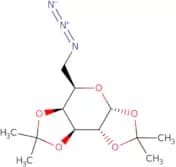
Fórmula:C22H24NO9D5Pureza:Min. 95%Peso molecular:456.51 g/mol6-Azido-6-deoxy-1,2:3,4-di-O-isopropylidene-a-D-galactopyranose
CAS:6-Azido-6-deoxy-1,2:3,4-di-O-isopropylidene-a-D-galactopyranose is a copper complex that is soluble in water. It is used as an initiator for the polymerization of galactose monomers. 6AIDOGAL reacts with azide or diazo compounds to form a cycloaddition reaction and can be used to prepare copolymers by reacting with other monomers such as D-glucose. The temperature range for this reaction is between 20°C and 100°C. This compound has been shown to form stable complexes with Cu(II) ions at temperatures below 0°C.Fórmula:C12H19N3O5Pureza:Min. 98 Area-%Forma y color:Colorless Clear LiquidPeso molecular:285.3 g/mol2-Acetamido-2-deoxy-D-mannono-1,4-lactone
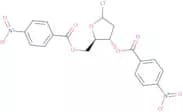
CAS:2-Acetamido-2-deoxy-D-mannono-1,4-lactone is a chemical compound that is an aldonic acid and is classified as an ester. It has a molecular formula of C8H10O5 and it has the following structural formula: This product can be synthesized from benzoic acid and glyceraldehyde. 2-Acetamido-2-deoxy-D-mannono-1,4-lactone is also known as benzoylated mannose. It has been reconfirmed to have high yield in acetylation reactions with molybdate. 2-Acetamido-2deoxy-Dmannono1,4lactone can also undergo epimerization to form the optical antipode of 2,3,4,6tetraacetyloxybenzoic acid (2,3,4,6tetraacetylFórmula:C8H13NO6Pureza:Min. 95%Forma y color:White to off-white solid.Peso molecular:219.19 g/mol1-Chloro-2-deoxy-3,5-di-O-p-nitrobenzoyl-D-ribofuranose
CAS:1-Chloro-2-deoxy-3,5-di-O-p-nitrobenzoyl-D-ribofuranose is a fluorinated sugar that can be used as a probe for the study of glycosylation and methylation reactions. It is also a complex carbohydrate with an Oligosaccharide modification. It is available for custom synthesis and has high purity. This product can be methylated, glycosylated, or modified using Click chemistry. 1-Chloro-2-deoxy-3,5-di-O-p nitrobenzoyl D ribofuranose is also an oligosaccharide sugar that contains one Monosaccharide unit.Fórmula:C19H15ClN2O9Pureza:Min. 95%Forma y color:White to beige solid.Peso molecular:450.78 g/mol(-)-4-epi-Lyoniresinol-3a-O-b-D-glucopyranoside
(-)-4-epi-Lyoniresinol-3a-O-b-D-glucopyranoside is a modification of the natural product, lyoniresinol, which is an Oligosaccharide. It is a Carbohydrate and its structure is complex due to the presence of a number of monosaccharides, including glucose. (-)-4-epi-Lyoniresinol-3a-O-b-D-glucopyranoside can be synthesized by methylating lyoniresinol with methanethiol in the presence of sodium methoxide to yield methyl lyoniresinolate. The methyl group is then removed by heating in boiling water to yield (-)-4-epi -lyoniresinol 3a -O -b -D -glucopyranoside. This compound has been shown to have antimicrobial activity against gram positive bacteria such as MycobPureza:Min. 95%