Sales de metal
Se han encontrado 2872 productos de "Sales de metal"
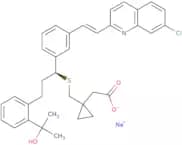
ent-montelukast sodium salt
CAS:Please enquire for more information about ent-montelukast sodium salt including the price, delivery time and more detailed product information at the technical inquiry form on this page
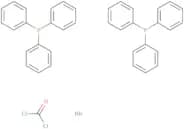
Fórmula:C35H35ClNNaO3SPureza:Min. 95%Peso molecular:608.17 g/molCarbonylbis(triphenylphosphine)rhodium(I) Chloride
CAS:Producto controladoCarbonylbis(triphenylphosphine)rhodium(I) Chloride is a carbonyl compound that is prepared by reacting alcohols with diethyl ether in the presence of rhodium chloride. It is used as a reagent for alkylation, recrystallization, and purification of organic compounds. Carbonylbis(triphenylphosphine)rhodium(I) Chloride has been used to synthesize formaldehyde from ethylene glycol and formaldehyde-based resins. It also has been used as a catalyst in the conversion of aliphatic hydrocarbons to alcohols. This compound is insoluble in water and crystallizes yellow when dried.
Fórmula:C37H30ClOP2RhPureza:Min. 95%Peso molecular:690.94 g/molRef: 3D-FC60959
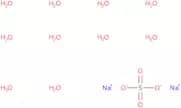
Producto descatalogadoSodium sulphate decahydrate
CAS:Producto controladoSodium sulphate decahydrate is an inorganic salt that is a salt of sodium and sulfuric acid. It is used as a food additive, preservative, and to control the pH of water. Sodium sulfate decahydrate has been shown to be effective for the treatment of diarrhoea caused by infectious diseases such as rotavirus and enterotoxigenic Escherichia coli. This drug also has inhibitory effects on bacterial growth and may be useful for the prevention or treatment of bowel diseases such as Crohn's disease and ulcerative colitis. The intermolecular hydrogen bonding between the anions in this compound make it highly reactive, which can result in toxic side effects. However, this drug has not exhibited any toxic side effects at concentrations below 0.5%.
Fórmula:H22Na2O14SPureza:Min. 95%Forma y color:PowderPeso molecular:324.21 g/molRef: 3D-FS35057
Producto descatalogadoRhodium 5% on Carbon (wetted with ca. 55% Water)
CAS:Rhodium 5% on Carbon (wetted with ca. 55% Water) is a catalyst that has a phase transition temperature of approximately -36 degrees Celsius. This product is used in the reaction of alkanoic acids and also for the preparation of stable complexes with metal hydroxides. Rhodium 5% on Carbon (wetted with ca. 55% Water) has been shown to have beneficial effects on autoimmune diseases, including multiple sclerosis, rheumatoid arthritis, and psoriasis. The metal-carbon bond in this product is covalent, which means it forms strong chemical bonds that are difficult to break. Rhodium 5% on Carbon (wetted with ca. 55% Water) has been shown to be an excellent catalyst for reactions involving water vapor or other molecules containing hydrogen atoms.
Fórmula:RhPureza:Min. 95%Peso molecular:102.91 g/molRef: 3D-FR60995
Producto descatalogadoIron nickel oxide
CAS:Producto controladoIron nickel oxide is a corrosion inhibitor that is used in the architectural industry. It has been shown to have photoelectrochemical properties and has been used as an electrode for the conversion of solar energy into electrical energy. This material can be activated by either dry weight or particle size, with activation energies varying from 150 to 300 mV. Iron nickel oxide also has a high chemical reactivity and can be used as a catalyst for reaction temperatures between 100-300°C.
Iron nickel oxide is an electrochemically active material that exhibits a high resistance to corrosion, which makes it an ideal candidate for use in the production of membranes for water purification systems. The particles of this material are not very large, so the general equation for calculating its resistance to corrosion is R=1/2RIO2t, where I is current intensity, R is resistance to corrosion, I0 is initial value of current intensity, and t is time.Fórmula:Fe2NiO4Pureza:Min. 95%Peso molecular:234.38 g/molRef: 3D-FI170856
Producto descatalogadoSilver(I) cyanide
CAS:Producto controladoSilver(I) cyanide is an inorganic compound that is a silver salt of cyanide. It is a high-resistance material and can be used for the treatment of cancer. Silver(I) cyanide has been shown to induce apoptotic cell death in cultured cells by interfering with protein synthesis and the mitochondria membrane potential. The vibrational, structural, and functional properties of silver(I) cyanide are studied using different techniques. Silver(I) cyanide has also been shown to have fluorescence properties.
Fórmula:AgCNPureza:Min. 95%Peso molecular:133.89 g/molRef: 3D-FS54847
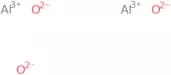
Producto descatalogadoAluminumoxide - Partical size 40-50nm
CAS:Aluminum oxide is a non-toxic, inert solid that is used as a catalyst in the production of polymers and plastics. Aluminum oxide is also used for wastewater treatment, as it has high chemical stability. It can be used to remove pollutants such as hydrogen fluoride, hydrochloric acid and heavy metals from water. The particle size of aluminum oxide ranges from 40-50nm. The phase transition temperature of aluminum oxide is typically at 1,000°C which makes it suitable for use in industrial processes with high temperatures. Aluminum oxide has been shown to reduce inflammation, inhibit angiogenesis and increase vascular permeability in inflammatory diseases such as rheumatoid arthritis and asthma. Alumina can also induce apoptosis in cancer cells by disrupting their cell membranes.
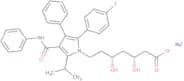
Fórmula:Al2O3Pureza:Min. 95%Forma y color:White SolidPeso molecular:101.96 g/molAtorvastatin sodium
CAS:HMG-CoA reductase antagonist
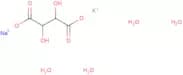
Fórmula:C33H35FN2O5•NaPureza:Min. 95%Forma y color:PowderPeso molecular:581.63 g/molSodium potassium tartrate tetrahydrate
CAS:Sodium potassium tartrate tetrahydrate is a crystal compound made up of potassium and sodium. It is a ferroelectric material that exhibits polarization and piezoelectric properties. The growth rate of these crystals can be controlled by using inhibitors such as protein kinase inhibitors. Sodium potassium tartrate tetrahydrate has been shown to have inhibitory activity against certain enzymes, including proteases and kinases. Additionally, it exhibits dielectric properties and can be used in the production of capacitors and other electronic components.
Fórmula:C4H4KNaO6·4H2OPureza:Min. 95%Forma y color:White PowderPeso molecular:282.22 g/molRef: 3D-FS11087
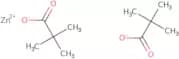
Producto descatalogadoZinc pivalate
CAS:Zinc pivalate is a coordination complex that has been shown to be an effective metal-based catalyst for amine-mediated cross-coupling reactions. It has also been used as a ligand in the synthesis of metal complexes. Zinc pivalate is soluble in water and its molecular weight is 198.2 daltons. It has two functional groups, carboxylate and formyl group, and can be synthesized by reacting zinc chloride with pivalic acid. The molecule contains a water molecule that acts as a base to deprotonate the carboxylate group on the zinc atom, forming an alcohol group which reacts with amines to produce an aminoglycoside. Zinc pivalate is also capable of forming coordination complexes with palladium, which catalyzes cross-coupling reactions with chlorides under mild conditions.
Fórmula:C5H9O2ZnPureza:Min. 95%Peso molecular:166.5 g/molRef: 3D-FZ167525
Producto descatalogadoIndium - 99.999% trace metals basis
CAS:Indium-99.999% trace metals basis is a radioactive metal whose atomic number is 49, and it is the heaviest element in Group 3 of the periodic table. Indium-99.999% trace metals basis can be used in the treatment of bowel disease, such as inflammatory bowel disease (IBD) and Crohn's disease. It may also be used to diagnose other diseases that are not visible through medical imaging techniques, such as cancer or inflammatory diseases of the bowel. It can be used to measure cell nuclei and nuclear DNA for disease activity, or identify response elements for autologous stem-cell transplantation. It has been shown that this metal can cause long-term toxicity to cells when combined with injury models. This toxicity may be due to its coordination geometry, which causes a disruption in electron flow during oxidation reactions.
Fórmula:InPureza:Min. 95%Peso molecular:114.82 g/molRef: 3D-FI158340
Producto descatalogadoMethyl paraben sodium
CAS:Methyl paraben sodium is a preservative that belongs to the group of antimicrobial agents. It is used as a preservative in pharmaceuticals and personal care products. Methyl paraben sodium has been shown to have significant cytotoxicity at concentrations above 0.1%. The concentration-time curve for methylparaben sodium shows that it has a rapid effect on bacteria, with an increase in the number of dead cells after 24 hours. Methyl paraben sodium also showed significant cytotoxicity against human lung cells at concentrations below 1%. This agent has been shown to be effective against gram-positive and gram-negative bacteria, but not yeast or moulds. Methylparaben sodium is soluble in water and glycol ethers, but insoluble in oil. The solubility of this agent means that it can be used in various formulations such as nanoparticulate compositions and postharvest treatments for fruit and vegetables. Methylparaben sodium is also
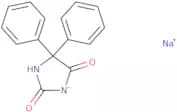
Fórmula:C8H7NaO3Pureza:Min. 95%Forma y color:PowderPeso molecular:174.13 g/mol5,5-Diphenylhydantoin sodium
CAS:Producto controlado5,5-Diphenylhydantoin sodium salt is an anticonvulsant drug that belongs to the class of diphenylhydantoins. This drug has been shown to have a number of clinical effects, including cardiac effects, hypersensitivity syndrome, and eosinophilic fasciitis. It also has been shown to be associated with drug interactions and toxic epidermal necrolysis. 5,5-Diphenylhydantoin sodium salt is used in the treatment of epilepsy and neuropathic pain. The mechanism of action for this drug has been shown to be due to its ability to inhibit the release of acetylcholine from nerve terminals by blocking voltage-sensitive sodium channels. 5,5-Diphenylhydantoin sodium salt can also cause fetal bovine serum disease when administered intravenously or intramuscularly in pregnant animals. It also causes experimental carcinogenic potential in laboratory animals.br>
Fórmula:C15H12N2O2•NaPureza:Min. 95%Forma y color:PowderPeso molecular:275.26 g/molDipotassium hydrogen phosphate trihydrate
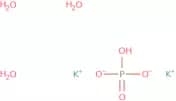
CAS:Please enquire for more information about Dipotassium hydrogen phosphate trihydrate including the price, delivery time and more detailed product information at the technical inquiry form on this page
Fórmula:K2HPO4•(H2O)3Peso molecular:228.22 g/molRef: 3D-FD143178
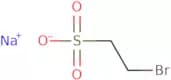
Producto descatalogado2-Bromoethanesulfonic acid sodium
CAS:2-Bromoethanesulfonic acid sodium (2BESA) is a chemical inhibitor that is used to control methanogenic activity. It has been shown to be effective in the treatment of wastewater, although it is not very soluble in water. 2BESA inhibits methanogenesis by binding to the enzyme methane monooxygenase, which blocks electron transfer from methane to oxygen. This prevents the formation of hydrogen and carbon dioxide, which are products of fermentation. 2BESA also has electrochemical properties that make it a good candidate for use as an electrode material in fuel cells. In vitro assays have demonstrated that 2BESA inhibits bacterial growth by inhibiting DNA synthesis and protein synthesis.
Fórmula:C2H4BrNaO3SPureza:Min. 95%Peso molecular:211.01 g/molRef: 3D-FB19225
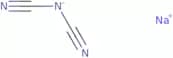
Producto descatalogadoSodium dicyanamide
CAS:Sodium dicyanamide is a diphenyl ether that has been shown to be effective in the treatment of polycystic ovarian syndrome. It binds to picolinic acid, which is a cofactor for the enzyme phenylalanine hydroxylase, and inhibits the production of tyrosine. This leads to an increase in the levels of luteinizing hormone and follicle-stimulating hormone, which helps ovulation. Sodium dicyanamide also interacts with hydrogen bond interactions and chelate ligands. The reaction mechanism of this compound is not well understood, but it is known that it can react with oxygen at high temperatures.
Fórmula:C2N3NaPureza:Min. 95%Forma y color:White PowderPeso molecular:89.03 g/molRef: 3D-FS16102
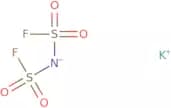
Producto descatalogadoPotassium bis(fluorosulfonyl)imide
CAS:Potassium bis(fluorosulfonyl)imide (K2FSI) is a reactive chemical that can be used to remove sulfur from petroleum products. It is also used in the manufacturing of ethylene and perovskite solar cells. K2FSI reacts with potassium ions to form potassium hexafluorophosphate (KHF2). This reaction reduces the vapor pressure of KHF2 and increases its solubility in water. The use of K2FSI can reduce the amount of energy needed for desulfurization, as it does not require heating. The following are some uses for potassium bis(fluorosulfonyl)imide: - As a catalyst for production of ethylene - In organic solvent to produce perovskite solar cells - To remove sulfur from petroleum products - To make hydrogen fluoride - For desulfurization
Fórmula:F2NO4S2•KPureza:Min. 95%Forma y color:White PowderPeso molecular:219.23 g/molIron(III) sulfate hydrate
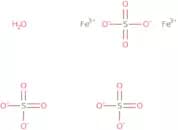
CAS:Iron(III) sulfate hydrate is a chemical compound that is used as a coagulant in wastewater treatment. It reacts with hydrogen ions to form ferric hydroxides, which are insoluble and settle out of the water. Iron sulfate also has been used to identify the presence of bacteria in histological preparations by staining. The optimum concentration for this reaction is 1%. The reaction mechanism for this process is not known and it is difficult to determine the optimal pH range because it depends on the type of bacteria being studied. Iron(III) sulfate hydrate has a carcinogenic potential, but this risk can be minimized by adding an acidic substance such as caproic acid or citric acid to the solution. Iron(III) sulfate hydrate also has been shown to have nutrient-rich properties and can be used as a nutrient solution in conditions where other nutrients are unavailable. When heated, iron sulfate undergoes a redox reaction, producing water vapor and fer
Fórmula:Fe2(SO4)3•(H2O)xPureza:Min. 95%Forma y color:Off-White To Yellow To Beige SolidPeso molecular:399.88 g/molRef: 3D-FI166723
Producto descatalogadoSodium methylarsonate - 50% aqueous solution
CAS:Sodium methylarsonate is a monosodium salt of the hydroxypicolinic acid. It is an experimental model for studies on polymerase chain reaction (PCR) and has been shown to have significant cytotoxicity in vitro. The toxicological profile of this substance has been studied in rodents, where it was found to have a low toxicity level. Sodium methylarsonate was found to be carcinogenic in mice and rats, but not in hamsters. Picolinic acid, which is produced by the metabolic activation of sodium methylarsonate, may be responsible for its carcinogenic properties. The analytical method used for this substance is high-pressure liquid chromatography with mass spectrometry detection.
Fórmula:CH4AsNaO3Pureza:Min. 95%Forma y color:Clear LiquidPeso molecular:161.95 g/molSodium orthovanadate
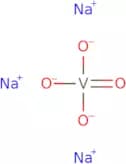
CAS:Sodium orthovanadate is a vanadium compound that is often used as a model system for studying the properties of other transition metal compounds. It has been shown to have hypoglycemic effects in mice, and has also been shown to have synergic effects with other drugs such as clofibrate, troglitazone, and metformin. The coordination geometry of sodium orthovanadate is octahedral, with one vanadium atom at the center and six oxygen atoms around it. It is an ionic compound that dissolves well in water. Sodium orthovanadate can be found in nature as a mineral called meta-vanadinite or vanadic acid. The crystal structure of sodium orthovanadate has been studied using x-ray diffraction data, which revealed that its structure changes from cubic to hexagonal when heated to temperatures above its phase transition temperature (approximately 300°C).
Fórmula:Na3VO4Pureza:Min. 95%Forma y color:White Off-White PowderPeso molecular:183.91 g/mol