Colorants, teintes, teintures, imagerie fluorescente
Les colorants, teintures et solutions colorantes sont des outils essentiels en biologie moléculaire, cruciaux pour visualiser et étudier l'ADN, les chromosomes et les noyaux cellulaires. Ces composés permettent aux chercheurs de mettre en évidence des composants cellulaires spécifiques, facilitant ainsi l'observation et l'analyse détaillées au microscope. Dans cette catégorie, vous trouverez une large gamme de colorants et de teintures de haute qualité utilisés dans diverses techniques de coloration, y compris des colorants fluorescents pour l'analyse de l'ADN et des chromosomes, des colorants histologiques pour les échantillons de tissus et des colorants spécifiques pour les structures cellulaires. Ces outils sont indispensables en recherche génétique, cytologie, histologie et diagnostics, offrant clarté et contraste dans les échantillons biologiques. Chez CymitQuimica, nous proposons une sélection complète de colorants, teintures et solutions colorantes pour soutenir vos recherches en biologie moléculaire et garantir des résultats précis et fiables dans vos études.
Sous-catégories appartenant à la catégorie "Colorants, teintes, teintures, imagerie fluorescente"
- Colorants acides(49 produits)
- Azobenzènes(270 produits)
- Colorants azoïques(7 produits)
- Colorants de base(27 produits)
- Colorants de coumarine(71 produits)
- Colorants cyanine, colorants squarylium(53 produits)
- Colorants DCM(4 produits)
- Diarylethenes(12 produits)
- Colorants dipyrrométhéniques(26 produits)
- Colorants directs(17 produits)
- Colorants dispersés(2 produits)
- Sensibilisateurs de colorants(12 produits)
- Colorants(416 produits)
- Teintures et colorants(911 produits)
- Génération de colorants insolubles(14 produits)
- Génération de colorants solubles(11 produits)
- Hexaarylbiimidazole(4 produits)
- Indicateurs(575 produits)
- Colorants mordants(10 produits)
- Colorants dans le proche infrarouge (NIR)(28 produits)
- Colorants à l'huile(15 produits)
- Autres teintures et colorants(2 produits)
- Colorants au pérylène(17 produits)
- Colorants photochromiques(40 produits)
- Colorants phtalocyaniques, colorants porphyriniques(101 produits)
- Colorants à base de quinacridone(8 produits)
- Spiropyranes(16 produits)
- Réactifs colorés et colorants(243 produits)
- Réactifs colorés et colorants pour la microscopie(5 produits)
- Colorants de cuve(5 produits)
- Colorants xanthènes(65 produits)
Affichez 23 plus de sous-catégories
755 produits trouvés pour "Colorants, teintes, teintures, imagerie fluorescente"
Trier par
Degré de pureté (%)
0
100
|
0
|
50
|
90
|
95
|
100
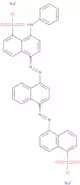
Food Black 1
CAS :Formule :C28H17N5Na4O14S4Degré de pureté :85%Couleur et forme :SolidMasse moléculaire :867.6788Pigment Green 7
CAS :Formule :C32Cl16CuN8Degré de pureté :98%Couleur et forme :SolidMasse moléculaire :1127.1900Benzoic acid, 5-[(3-carboxy-5-methyl-4-oxo-2,5-cyclohexadien-1-ylidene)(2,6-dichlorophenyl)methyl]-2-hydroxy-3-methyl-, sodium salt (1:2)
CAS :Formule :C23H16Cl2NaO6Degré de pureté :98%Couleur et forme :SolidMasse moléculaire :482.2653Iron(Iii) Hexacyanoferrate(II)
CAS :Formule :C18Fe7N18Degré de pureté :101%Couleur et forme :SolidMasse moléculaire :859.22821-(p-Phenylazophenylazo)-2-naphthol
CAS :Formule :C22H16N4ODegré de pureté :96%Couleur et forme :SolidMasse moléculaire :352.3886C.I. Food Red 1
CAS :Formule :C18H14N2Na2O7S2Degré de pureté :95%Couleur et forme :SolidMasse moléculaire :480.4225H-Resorcinol
CAS :Formule :C16H12N2O9S2Degré de pureté :97.0%Couleur et forme :SolidMasse moléculaire :440.4045Spiro[isobenzofuran-1(3H),9'-[9H]xanthen]-3-one, 3',6'-dihydroxy-
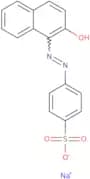
CAS :Formule :C20H12O5Degré de pureté :90%Couleur et forme :SolidMasse moléculaire :332.3063Acid Red 88
CAS :Formule :C20H13N2NaO4SDegré de pureté :98%Couleur et forme :SolidMasse moléculaire :400.38307,8-dimethyl-1H,2H,3H,4H-benzo[g]pteridine-2,4-dione
CAS :Formule :C12H10N4O2Degré de pureté :97%Couleur et forme :SolidMasse moléculaire :242.23343',6'-Dihydroxy-3-oxo-3H-spiro[isobenzofuran-1,9'-xanthene]-5-carboxylic acid
CAS :Formule :C21H12O7Degré de pureté :97%Couleur et forme :SolidMasse moléculaire :376.3158Ref: IN-DA008P3R
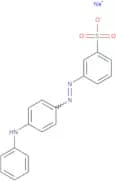
1g109,00€5g254,00€1kgÀ demander25gÀ demander100gÀ demander250gÀ demander25mg28,00€500gÀ demander100mg28,00€250mg50,00€Benzenesulfonic acid, 3-[[4-(phenylamino)phenyl]azo]-, monosodiumsalt
CAS :Formule :C18H14N3NaO3SCouleur et forme :SolidMasse moléculaire :375.37682'-(Dibenzylamino)-6'-(diethylamino)-3H-spiro[isobenzofuran-1,9'-xanthen]-3-one
CAS :Formule :C38H34N2O3Degré de pureté :98%Couleur et forme :SolidMasse moléculaire :566.6882Disodium 2-amino-5-((4-amino-3-sulfophenyl)(4-imino-3-sulfonatocyclohexa-2,5-dien-1-ylidene)methyl)-3-methylbenzenesulfonate
CAS :Formule :C20H16N3Na2O9S3Degré de pureté :99%Couleur et forme :SolidMasse moléculaire :585.53821-Naphthalenesulfonic acid,4-[(4,5-dihydro-3-methyl-5-oxo-1-phenyl-1H-pyrazol-4-yl)azo]-3-hydroxy-, monosodium salt
CAS :Formule :C20H15N4NaO5SDegré de pureté :85%Couleur et forme :SolidMasse moléculaire :446.4117pentasodium 2-[oxidobis[4-(phosphonnatooxy)phenyl]methyl]benzoate
CAS :Formule :C20H18NaO11P2Degré de pureté :95.0%Couleur et forme :SolidMasse moléculaire :519.28761,4-Bis(Methylamino)Anthraquinone
CAS :Formule :C16H14N2O2Degré de pureté :95%Couleur et forme :SolidMasse moléculaire :266.2946Beryllon II
CAS :Formule :C20H10N2Na4O15S4Degré de pureté :98.0%Couleur et forme :SolidMasse moléculaire :738.51692-(4-(DIMETHYLAMINO)PHENYL)-3,6-DIMETHYLBENZO[D]THIAZOL-3-IUM CHLORIDE
CAS :Formule :C17H19ClN2SDegré de pureté :85%Couleur et forme :SolidMasse moléculaire :318.86422,5-Cyclohexadien-1-one, 4-[bis(4-hydroxyphenyl)methylene]-
CAS :Formule :C19H14O3Degré de pureté :85%Couleur et forme :SolidMasse moléculaire :290.31277-Hydroxy-3H-phenoxazin-3-one 10-oxide sodium salt
CAS :Formule :C12H6NNaO4Degré de pureté :85%Couleur et forme :SolidMasse moléculaire :251.17012,7-Naphthalenedisulfonic acid,5-(acetylamino)-4-hydroxy-3-(phenylazo)-, disodium salt
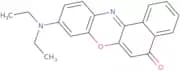
CAS :Formule :C18H13N3Na2O8S2Degré de pureté :100%Couleur et forme :SolidMasse moléculaire :509.42079-(diethylamino)benzo[a]phenoxazin-5-one
CAS :Formule :C20H18N2O2Degré de pureté :98%Couleur et forme :SolidMasse moléculaire :318.3691Methyl Green ,
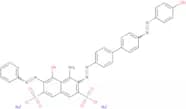
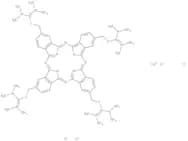
CAS :Formule :C26H33Cl2N3Degré de pureté :95%Couleur et forme :SolidMasse moléculaire :458.46634-Amino-3-((4'-((2,4-diaminophenyl)diazenyl)-[1,1'-biphenyl]-4-yl)diazenyl)-5-hydroxy-6-(phenyldiazenyl)naphthalene-2,7-disulfonic acid, sodium salt
CAS :Formule :C34H27N9NaO7S2Degré de pureté :99%Couleur et forme :SolidMasse moléculaire :760.7541Acid Green 3
CAS :Formule :C37H35N2NaO6S2Degré de pureté :98%Couleur et forme :SolidMasse moléculaire :690.80343′,6′-Dihydroxy-2′,4′,5′,7′-tetraiodospiro[isobenzofuran-1(3H),9′-[9H]xanthen]-3-one disodium salt
CAS :Formule :C20H6I4Na2O5Degré de pureté :85%Couleur et forme :SolidMasse moléculaire :879.8561Quinolinium, 2-[2-[4-(dimethylamino)phenyl]ethenyl]-1-ethyl-, iodide (1:1)
CAS :Formule :C21H23IN2Degré de pureté :%Couleur et forme :SolidMasse moléculaire :430.3252TETRAIODOPHENOLPHTHALEIN
CAS :Formule :C20H10I4O4Degré de pureté :95%Couleur et forme :SolidMasse moléculaire :821.9089Spiro[isobenzofuran-1(3H),9'-[9H]xanthen]-3-one, 2',4',5',7'-tetrabromo-3',6'-dihydroxy-, sodium salt (1:2)
CAS :Formule :C20H8Br4NaO5Degré de pureté :80%Couleur et forme :SolidMasse moléculaire :670.8803Acid violet 43
CAS :Formule :C21H14NNaO6SDegré de pureté :97.0%Couleur et forme :SolidMasse moléculaire :431.39372,7-Naphthalenedisulfonic acid,3-[(5-chloro-2-hydroxyphenyl)azo]-4,5-dihydroxy-, disodium salt
CAS :Formule :C16H9ClN2Na2O9S2Degré de pureté :80%Couleur et forme :SolidMasse moléculaire :518.8132Anthra[2,1,9-def:6,5,10-d'e'f']diisoquinoline-1,3,8,10(2H,9H)-tetrone,2,9-bis(4-methoxyphenyl)-
CAS :Formule :C38H22N2O6Degré de pureté :95%Couleur et forme :SolidMasse moléculaire :602.5911Perylene-3,4,9,10-tetracarboxylic dianhydride
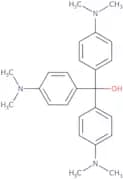
CAS :Formule :C24H8O6Degré de pureté :98%Couleur et forme :SolidMasse moléculaire :392.31674,4',4''-Methylidynetris(N,N-dimethylaniline)
CAS :Formule :C25H31N3Degré de pureté :98%Couleur et forme :SolidMasse moléculaire :373.53372-Naphthalenesulfonic acid, 6-hydroxy-5-(phenylazo)-, monosodium salt
CAS :Formule :C16H11N2NaO4SDegré de pureté :70%Couleur et forme :SolidMasse moléculaire :350.3243Cochineal
CAS :Formule :C22H20O13Degré de pureté :85%Couleur et forme :SolidMasse moléculaire :492.3864Naphthol as-g
CAS :Formule :C22H24N2O4Degré de pureté :95%Couleur et forme :SolidMasse moléculaire :380.43703-Hydroxy-n-(3-nitrophenyl)-2-naphthalenecarboxamide
CAS :Formule :C17H12N2O4Degré de pureté :98%Couleur et forme :SolidMasse moléculaire :308.28821-Amino-2-methylanthracene-9,10-dione
CAS :Formule :C15H11NO2Degré de pureté :90%Couleur et forme :SolidMasse moléculaire :237.2533Fluorescin
CAS :Formule :C20H14O5Degré de pureté :95%Couleur et forme :SolidMasse moléculaire :334.32224-DIAZO-4-METHOXYDIPHENYLAMINE SULFATE
CAS :Formule :C13H13N3O5SDegré de pureté :98.0%Masse moléculaire :323.3244Oxonol Yellow K
CAS :Formule :C21H18K2N4O8S2Degré de pureté :95%Couleur et forme :SolidMasse moléculaire :596.7162Naphthol AS-D
CAS :Formule :C18H15NO2Degré de pureté :98%Couleur et forme :SolidMasse moléculaire :277.3172PHENOLPHTHALEIN DISULFATE TRIPOTASSIUM SALT TRIHYDRATE
CAS :Formule :C20H13K3O11S2Degré de pureté :97%Couleur et forme :SolidMasse moléculaire :610.73557H-[1]Benzopyrano[3',2':3,4]pyrido[1,2-a]benzimidazole-6-carbonitrile,3-(diethylamino)-7-imino-
CAS :Formule :C23H19N5OCouleur et forme :SolidMasse moléculaire :381.4299MOrdant yellow 3
CAS :Formule :C17H10N2Na2O6SDegré de pureté :95%Couleur et forme :SolidMasse moléculaire :416.3156β-Naphthol Violet
CAS :Formule :C16H9N3Na2O9S2Degré de pureté :98%Couleur et forme :SolidMasse moléculaire :497.36694-Nitrofluorescein
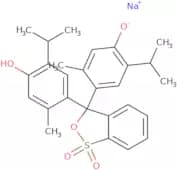
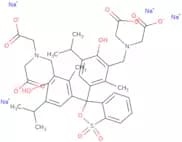
CAS :Formule :C20H11NO7Degré de pureté :97%Couleur et forme :SolidMasse moléculaire :377.3038Benzoic acid,3,3'-(1,1-dioxido-3H-2,1-benzoxathiol-3-ylidene)bis[6-hydroxy-5-methyl-, trisodium salt
CAS :Formule :C23H16Na3O9SDegré de pureté :99%Couleur et forme :SolidMasse moléculaire :537.4020Benzamide, N-(4-amino-2,5-diethoxyphenyl)-
CAS :Formule :C17H20N2O3Degré de pureté :95%Couleur et forme :SolidMasse moléculaire :300.3523N-[4-[[4-(Diethylamino)phenyl](2,4-disulfophenyl)methylene]-2,5-cyclohexadien-1-ylidene]-N-ethyl-ethanaminium inner salt
CAS :Formule :C27H32N2O6S2Couleur et forme :SolidMasse moléculaire :544.6828Naphthol green B
CAS :Formule :C30H15FeN3Na3O15S3Degré de pureté :98%Couleur et forme :SolidMasse moléculaire :878.46055-Carboxyfluorescein N-Succinimidyl Este
CAS :Formule :C25H15NO9Degré de pureté :95%Couleur et forme :SolidMasse moléculaire :473.3879Ref: IN-DA00348N
5gÀ demander10gÀ demander25gÀ demander25mg103,00€100mg153,00€250mg271,00€500mg498,00€Victoria Pure Blue BO
CAS :Formule :C33H40ClN3Degré de pureté :%Couleur et forme :SolidMasse moléculaire :514.14384H-1-Benzopyran-4-one,3-[[6-O-(6-deoxy-a-L-mannopyranosyl)-b-D-glucopyranosyl]oxy]-2-(3,4-dihydroxyphenyl)-5,7-dihydroxy-
CAS :Formule :C27H30O16Degré de pureté :96%Couleur et forme :SolidMasse moléculaire :610.5175Methyl Orange
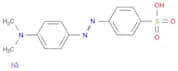
CAS :Formule :C14H14N3NaO3SDegré de pureté :95%Couleur et forme :SolidMasse moléculaire :327.3340Berberine chloride hydrate
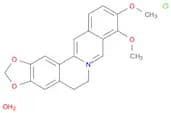
CAS :Formule :C20H20ClNO5Degré de pureté :97%Couleur et forme :SolidMasse moléculaire :389.8295Brilliant Crocein
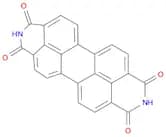
CAS :Formule :C22H14N4Na2O7S2Degré de pureté :98%Couleur et forme :SolidMasse moléculaire :556.47873,4,9,10-Perylenetetracarboxylic diimide
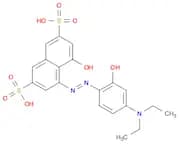
CAS :Formule :C24H10N2O4Degré de pureté :95%Couleur et forme :SolidMasse moléculaire :390.34724-((4-(Diethylamino);-2-hydroxyphenyl);diazenyl);-5-hydroxynaphthalene-2,7-disulfonic acid
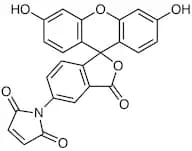
CAS :Formule :C20H21N3O8S2Degré de pureté :95%Couleur et forme :SolidMasse moléculaire :495.5260Fluorescein-5-maleimide (contains 2% N,N-Dimethylformamide at maximum)
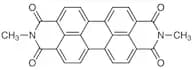
CAS :Formule :C24H13NO7Degré de pureté :>97.0%(HPLC)Couleur et forme :Light yellow to Amber to Dark green powder to crystalMasse moléculaire :427.37N,N'-Dimethyl-3,4,9,10-perylenetetracarboxylic Diimide
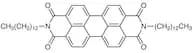
CAS :Formule :C26H14N2O4Degré de pureté :>92.0%(N)Couleur et forme :Orange to Brown to Dark purple powder to crystalMasse moléculaire :418.41N,N'-Ditridecyl-3,4,9,10-perylenetetracarboxylic Diimide
CAS :Formule :C50H62N2O4Degré de pureté :>98.0%(HPLC)(N)Couleur et forme :Orange to Brown to Dark red powder to crystalMasse moléculaire :755.06N,N'-Bis(3,5-dimethylphenyl)-3,4,9,10-perylenetetracarboxylic Diimide
CAS :Formule :C40H26N2O4Degré de pureté :>95.0%(N)Couleur et forme :Orange to Red powder to crystalMasse moléculaire :598.66N,N'-Bis(2,6-diisopropylphenyl)-3,4,9,10-perylenetetracarboxylic Diimide
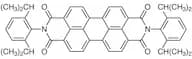
CAS :Formule :C48H42N2O4Degré de pureté :>98.0%(N)Couleur et forme :Light yellow to Brown powder to crystalMasse moléculaire :710.87Bis(5-bromo-6-chloro-3-indoxyl)pyrophosphoric acid, disodium salt
<p>Please enquire for more information about Bis(5-bromo-6-chloro-3-indoxyl)pyrophosphoric acid, disodium salt including the price, delivery time and more detailed product information at the technical inquiry form on this page</p>Degré de pureté :Min. 95%Bis(6-chloro-3-indoxyl)pyrophosphoric acid, disodium salt
<p>Bis(6-chloro-3-indoxyl)pyrophosphoric acid, disodium salt is a fine chemical that can be used as a versatile building block in the synthesis of complex compounds. It is an intermediate in research chemicals and is used as a reagent and speciality chemical. The compound has potential use as a useful scaffold for the synthesis of pharmaceuticals, dyes, and pesticides.</p>Formule :C16H10Cl2N2Na2O7P2Masse moléculaire :521.10 g/molPigment Red 63:1, technical grade
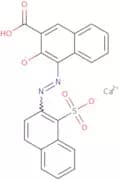
CAS :<p>Pigment Red 63:1 is a synthetic colorant that absorbs ultraviolet light. It is typically used in paints, printing inks, and textile printing. Pigment Red 63:1 can be manufactured with low levels of impurities by following the appropriate manufacturing process. The physical properties of this pigment are best determined using analytical methods such as chromatographic and magnetic resonance spectroscopy. Regulatory bodies may require the use of validated test samples and validation to ensure that the product meets their requirements. Pigment Red 63:1 has a number of isomers that are difficult to distinguish from each other by chromatographic techniques alone. This pigment often has additives such as stabilizers, dispersants, and extenders that affect its performance in different applications. Hplc analysis is used to identify these additives.</p>Formule :C21H14N2O6S•CaDegré de pureté :Min. 95%Couleur et forme :PowderMasse moléculaire :462.49 g/molNile red
CAS :<p>Fluorescent probe of intracellular lipids and hydrophobic domains of proteins</p>Formule :C20H18N2O2Couleur et forme :PowderMasse moléculaire :318.37 g/molVat Orange 3 - Technical
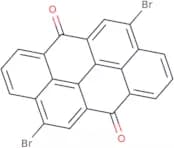
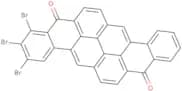
CAS :<p>Vat Orange 3 is a reactive dye used in the production of polyester fibers. It has been classified as a triarylmethane dye and belongs to the group of vat dyes. Vat Orange 3 has three functional groups, an aromatic hydrocarbon, fatty acid, and hydroxyl group. The monomers are ethylene glycols and propionates. The polymerization initiator is sodium methoxide or potassium methoxide. The molecular weight is about 600 g/mol. Vat Orange 3 is an electrophotographic dye that reacts with metal hydroxides such as aluminium hydroxide to produce a bright orange coloration in the presence of light. It also exhibits fluorescence when exposed to ultraviolet light at 350 nm (UV-A).</p>Formule :C22H8Br2O2Degré de pureté :Min. 95%Couleur et forme :Red PowderMasse moléculaire :464.11 g/molAllura red AC
CAS :<p>Allura red AC is a synthetic food dye that has been shown to inhibit locomotor activity in animals, and is therefore considered to be an inhibitor of the central nervous system. Allura red AC inhibits the growth of bacteria by binding to DNA and altering its structure. It has been used as a model for nuclear dna in analytical methods, with the dye serving as an optical sensor. Allura red AC is not toxic to humans when ingested in small amounts. It has been shown to have genotoxic activity and metabolic disorders at high doses. The linear calibration curve for allura red was determined using electrochemical impedance spectroscopy (EIS), which led to a more sensitive detection of the dye in human serum samples than previous methods.</p>Formule :C18H14N2Na2O8S2Degré de pureté :Min. 95%Masse moléculaire :496.42 g/molMethylene Green zinc chloride double salt
CAS :<p>Methylene green zinc chloride double salt is a reactive dye that is used in biological and analytical methods. It has a high affinity for proteins, which allows it to be used as a marker for protein-dye interactions. The methylene green zinc chloride double salt is an optical sensor that changes color when the dye interacts with other substances. It can be used to detect the presence of pathogens, such as bacteria or viruses, by determining the amount of dye remaining after exposure to the pathogen. Methylene green zinc chloride double salt also reacts with tetrazolium dye in biological samples, such as human serum or brain tissue, to produce a color change. This reaction mechanism can be used to measure metabolic activity in cells and tissues. In wastewater treatment, methylene green zinc chloride double salt can be used as an adsorbent for removal of organic pollutants from water. Methylene green zinc chloride double salt also has radiation-blocking properties and can be used as a protective agent against radiation exposure</p>Formule :C16H17ClN4O2S•(ZnCl2)0Degré de pureté :Min. 70 Area-%Couleur et forme :PowderMasse moléculaire :432.99 g/molReactive red 230
CAS :<p>Please enquire for more information about Reactive red 230 including the price, delivery time and more detailed product information at the technical inquiry form on this page</p>Degré de pureté :Min. 95%Solvent blue 104
CAS :<p>Solvent Blue 104 is a dye that is used as a cross-linking agent and viscosity regulator in polymers. It is also used to control the reaction rate of organic solvents, such as alcohols, esters, ethers, ketones, and nitriles. Solvent Blue 104 has phoretic properties that allow it to be transported through the environment. This property may be due to its hydroxyl group or carbonyl group. Solvent Blue 104 is not soluble in water but can dissolve in organic solvents such as alcohols and acetone. The compound exhibits low toxicity and adverse effects on the environment because it does not react with oxygen or ozone. Solvent Blue 104 is usually mixed with matrix polymers for optical applications, which are applied in textiles and plastics.</p>Formule :C32H30N2O2Couleur et forme :PowderMasse moléculaire :474.59 g/molNuclear fast red
CAS :<p>Nuclear fast red (NFR) is a fluorescent dye that binds to the DNA of cells in tissue sections. NFR has been shown to bind to the nuclear region of cells, where it can be used as a marker for disease activity or cell nuclei. It is commonly used in immunofluorescence staining and flow cytometry. Disulfide bonds are present in this molecule and are important for its stability and function. When disulfide bonds are broken, the dye becomes non-fluorescent. Nuclear fast red is a monosodium salt with a molecular weight of 694.3 g/mol and an empirical formula of C 34 H 29 NO 10 Na 2 .</p>Formule :C14H9NO7S•NaDegré de pureté :Min. 95 Area-%Couleur et forme :PowderMasse moléculaire :358.28 g/molIsoflupredone
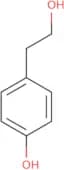
CAS :Produit contrôlé<p>Isoflupredone is a nonsteroidal anti-inflammatory drug that is used for the treatment of inflammation and pain. It works by inhibiting the production of prostaglandin, which is a hormone that causes inflammation and pain. Isoflupredone has been shown to decrease cortisol concentration in rats and reduce the amount of hydrogen fluoride needed to inhibit bacterial growth. Isoflupredone also inhibits the activity of toll-like receptor 2, which plays an important role in inflammatory responses.</p>Formule :C21H27FO5Degré de pureté :Min. 95%Couleur et forme :White PowderMasse moléculaire :378.43 g/mol4-Hydroxyphenethyl alcohol
CAS :<p>Produces a fluorogenic signal in the presence of peroxidase</p>Formule :C8H10O2Degré de pureté :Min. 98 Area-%Couleur et forme :PowderMasse moléculaire :138.16 g/molMetanil Yellow
CAS :<p>Metanil Yellow is a reactive dye that is used in wastewater treatment as an adsorbent for removing organic pollutants. It has been shown to be effective in removing glycol ethers, which are toxic and persistent compounds used in industrial solvents. Metanil Yellow can also remove other toxic components such as phenol, benzene, and toluene. The Langmuir adsorption isotherm was used to determine the amount of dye required for maximum effectiveness. Metanil Yellow has been shown to have no significant negative effects on the growth of bacteria or yeast at concentrations up to 3%. The only adverse effect observed was a slight decrease in the rate of hydrogen fluoride degradation.</p>Formule :C18H14N3O3SNaDegré de pureté :Min. 98 Area-%Couleur et forme :PowderMasse moléculaire :375.38 g/molReactive blue 21
CAS :<p>Reactive Blue 21 is a kinetic, high-salt and reactive dye that is used as an analytical indicator. It has been shown to be useful in wastewater treatment, where it has been used to measure the adsorption of cationic surfactants on activated sludge. Reactive Blue 21 is also used as a feedstock for the production of polyclonal antibodies. The FTIR spectrum of this dye shows that it contains a pyrazole ring with an absorption band at 2,600 cm-1.</p>Degré de pureté :Min. 95%Couleur et forme :PowderC.I. Acid Blue 93:1
CAS :<p>Please enquire for more information about C.I. Acid Blue 93:1 including the price, delivery time and more detailed product information at the technical inquiry form on this page</p>Formule :C37H29N3O9S3•(H3N)2Degré de pureté :Min. 95%Couleur et forme :PowderMasse moléculaire :789.91 g/molBromocresol purple
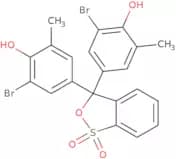
CAS :<p>Bromocresol purple is a hydrophilic dye that has applications in indicating pH and measuring serum albumin concentrations.</p>Formule :C21H16Br2O5SDegré de pureté :Min. 95%Couleur et forme :PowderMasse moléculaire :540.22 g/molN-methyl-N'-(azide-PEG3)-Cy3
CAS :<p>Please enquire for more information about N-methyl-N'-(azide-PEG3)-Cy3 including the price, delivery time and more detailed product information at the technical inquiry form on this page</p>Formule :C32H42N5O3•ClDegré de pureté :Min. 95%Masse moléculaire :580.16 g/molp-Hydroxyhippuric acid
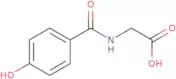
CAS :<p>Substrate for the hippuricase enzyme</p>Formule :C9H9NO4Degré de pureté :(Titration) Min. 98%Couleur et forme :White PowderMasse moléculaire :195.17 g/mol2',6'-Dimethylcarbonylphenyl-10-sulfopropylacridinium-9-carboxylate 4'-NHS ester
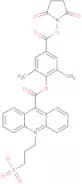
CAS :<p>2',6'-Dimethylcarbonylphenyl-10-sulfopropylacridinium-9-carboxylate 4'-NHS ester is a chemiluminescent acridinium ester label used widely in clinical diagnostics, particularly in automated immunochemistry analysers. Acridinium ester labels are also useful research tools for the investigation of protein-carbohydrate interactions to characterise the binding affinity between specific carbohydrate and its binding protein. An example of those are lectin-acridinium ester conjugates used as chemiluminescent probes.</p>Formule :C30H26N2O9SDegré de pureté :Min. 95 Area-%Couleur et forme :Yellow PowderMasse moléculaire :590.6 g/mol2',7'-Dichlorodihydrofluorescein diacetate
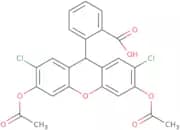
CAS :<p>Cell permeable reagent for use in detection of peroxidase activity</p>Formule :C24H16Cl2O7Degré de pureté :Min. 97 Area-%Couleur et forme :PowderMasse moléculaire :487.29 g/molTrypan blue
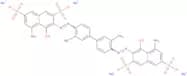
CAS :<p>Dye used in microscopy for assessment of cell viability</p>Formule :C34H24N6O14S4Na4Couleur et forme :PowderMasse moléculaire :960.81 g/molNinhydrin
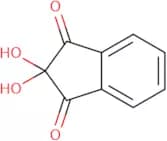
CAS :<p>Reagent for quantification of amino acids and peptides</p>Formule :C9H6O4Degré de pureté :Min. 99.0%Couleur et forme :Yellow PowderMasse moléculaire :178.14 g/molTetrazolium violet
CAS :<p>Tetrazolium violet is a monotetrazolium salt which forms water-insoluble formazans forming a purple colour. These salts are mainly used as indicators of extracellular redox activity and cell redox potential. Tetrazolium violet is positively charged and cell-permeable. Tetrazolium Violet has been used to stain agar layers in bacteriophage plaque formation assays.</p>Formule :C23H17N4•ClDegré de pureté :Min. 98 Area-%Masse moléculaire :384.86 g/mol5-Carboxyfluorescein
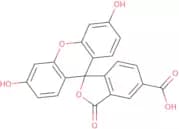
CAS :<p>5-Carboxyfluorescein (5-FAM) is a self-quenching dye and one of the most common labelling agents for biomolecules, cell staining and localisation studies. The fluorescence is pH dependent, therefore it has been used to measure the internal pH of cells. As it is only membrane permeable to dead cells, it can be used as a staining agent to distinguish viable and non-viable cells. It is also used in PCR to label the 5â end of oligonucleotides in the presence of a quencher at the 3â end (dual labelled probe). During the amplification process, the dye is cleaved and the fluorescence increases proportionally with the amount of the specific sequence amplified during the PCR process. The development of the fluorescence signal is therefore specifically related to the amplification of the target sequence. The carboxylic acid can be activated to react with a primary amine.</p>Formule :C21H12O7Degré de pureté :Min. 98 Area-%Couleur et forme :Yellow PowderMasse moléculaire :376.32 g/molPigment Yellow 55
CAS :<p>Pigment Yellow 55 is a polycarboxylic acid with hydroxyl groups. It is used as a polymerization initiator in the production of polyester resins. Pigment Yellow 55 has been identified as a reactive pollutant, and its toxicity depends on the environment and conditions. Pigment Yellow 55 is soluble in organic solvents such as tetrahydrofuran and dimethylformamide, but insoluble in water. Pigment Yellow 55 is an electrophotographic agent for printing photographs, with an average particle diameter of 1 to 5 micrometers.</p>Formule :C34H30Cl2N6O4Couleur et forme :PowderMasse moléculaire :657.55 g/molNitroblue tetrazolium chloride
CAS :<p>Nitroblue tetrazolium chloride is colorless to yellow dye that is reducible to blue or black formazan crystals by certain cells; formerly used to distinguish between nonbacterial and bacterial diseases, the latter causing neutrophils to reduce the dye; used to confirm diagnosis of chronic granulomatous disease.</p>Formule :C40H30Cl2N10O6Degré de pureté :Min. 98 Area-%Couleur et forme :White Yellow PowderMasse moléculaire :817.64 g/molAmylose azure
CAS :<p>Amylose azure is a dye commonly used to detect and measure α-amylase activity in various applications. This dye is particularly useful in assessing the hydrolysis of starch by α-amylase. Amylose azure reacts with the enzyme and produces a blue color that can be quantified using spectrophotometry. In addition to its analytical applications, amylose azure is also used as a visual indicator of the presence of aluminum. The dye forms a complex with aluminum ions, resulting in a distinct color change that can be easily observed.</p>Degré de pureté :Min. 95%Couleur et forme :PowderC.I.Basic Orange 33
CAS :<p>C.I. Basic Orange 33 is a versatile dye that belongs to the class of dyes, stains, indicators, and probes. It is commonly used in research settings for its ability to detect and measure various biological processes. C.I. Basic Orange 33 has been shown to interact with ubiquitin proteasome systems, which play a crucial role in protein degradation and cellular regulation. This dye can be used in experiments involving electrode reactions, sorafenib studies, agrochemical research, and half-reaction analysis. Additionally, C.I. Basic Orange 33 has excellent solubility in isooctane and exhibits acidic properties. Its unique molecular structure makes it an ideal choice for researchers looking for a reliable and effective tool in their scientific investigations.</p>Degré de pureté :Min. 95%Solvent violet 9, technical grade dye contents
CAS :<p>Solvent Violet 9 is a dye that has antimicrobial activity. It is used in diagnostic tests for infectious diseases and eye disorders. Solvent Violet 9 has shown to inhibit the growth of bacteria, fungi, and protozoa. This dye binds to fatty acids found on the surface of corneal endothelial cells and prevents bacterial attachment. Diazonium salt is used to synthesize this dye, which can be hydrolyzed by hydrochloric acid to form hydrogen bond with benzalkonium chloride. The absorption enhancer enhances the color of this dye when it is applied to clothing or other materials. The binding constants for this dye have been measured using an experimental technique called spectrophotometry. This dye also has anti-inflammatory properties due to its ability to bind with antimicrobial peptides and inhibit prostaglandin synthesis in inflammatory diseases such as rhizoma gastrodiae.</p>Formule :C25H31N3ODegré de pureté :(%) Min. 80%Masse moléculaire :389.53 g/molAcid Orange 154
CAS :<p>Acid Orange 154 is a hydroxyalkyl, divalent cyclic compound that is used as a colorant for textiles and paper. This chemical is detected by absorbance at 400 nm and has an anionic charge. Acid Orange 154 has been shown to form benzyl, acidic chlorophenyl, and alkylene derivatives in the presence of metal ions or polymeric stabilizers. Acid Orange 154 can be analyzed using various techniques including gas chromatography and mass spectrometry.</p>Degré de pureté :Min. 95%Acid black 24, technical grade
CAS :<p>Acid Black 24 is a hydroxylated fatty acid with the chemical name of 3-hydroxy-2,4,6-trimethylcyclohexanecarboxylic acid. It is a cross-linking agent for unsaturated polyester resins and an adsorbent for pollutants. The optimum concentration of Acid Black 24 varies depending on the type of polymerization and radiation used. For example, the optimum concentration for radiation at 25 degrees Celsius is 1.0%. The use of Acid Black 24 in wastewater treatment has been shown to reduce the amount of proton transport required by up to 50% and lower energy consumption by up to 80%.</p>Formule :C36H25N5O6S2•Na2Degré de pureté :Min. 95%Couleur et forme :Blue To Black SolidMasse moléculaire :733.73 g/molPhenol red sodium salt
CAS :<p>Phenol red is a pH indicator that finds broad applications from chemistry to microbiology. Colour varies from yellow at pH<6.8 (lmax 443nm) through to light red/pink at 6.8<pH<8.2 (lmax 570 nm) to vivid purple/red at pH>8.2. It is widely used in cell culture to monitor pH and for colorimetric titration. For example, phenol red can be used to quantify Br- content in sea or fresh water. It is added to VTM as pH indicator, at the concentration of 10mg/ml, maintaining a pink colour at neutral pH.</p>Formule :C19H13NaO5SCouleur et forme :Slightly Brown Red PowderMasse moléculaire :376.36 g/molC.I.Acid Orange 56
CAS :<p>C.I. Acid Orange 56 is a surfactant that is used as an inkjetting agent for the production of polycarbonates and organic solvents. It is also used in radiation-curable coatings, such as paint and varnish, to reduce viscosity. C.I. Acid Orange 56 has been shown to be an efficient surface active agent that can remove calcium ions from surfaces and also a polymerizable photoinitiator for the production of polymeric materials such as silicon wafers, which are used in semiconductor manufacturing.br>br><br>C.I. Acid Orange 56 is a member of the class of amphoteric surfactants that can act as both an acid and base in solution due to its ability to donate protons or accept protons when dissolved in water or other polar solvents.br>br><br>C.I. Acid Orange 56 has been shown to have a viscosity of 0.5 cP</p>Degré de pureté :Min. 95%Fast red TR salt 1,5-naphthalenedisulfonate
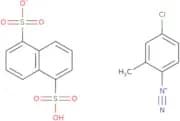
CAS :<p>Fast red TR salt 1,5-naphthalenedisulfonate salt is a reactive, multidrug molecule that binds to DNA and inhibits the synthesis of viral RNA. It also has an antiviral effect on hepatitis and some types of cancer. Fast red TR salt 1,5-naphthalenedisulfonate salt is used in conjunction with other compounds to treat cancerous tumors. The drug is activated by light when it's injected intravenously into the bloodstream, where it can be taken up by cells in the kidney or liver. Fast red TR salt 1,5-naphthalenedisulfonate salt prevents the production of acetylcholine at nerve endings and blocks the transmission of nerve impulses. This drug also prevents the binding of doxorubicin to DNA in tumor cells and blocks tumor cell growth through a process called hybridization. Fast red TR salt 1,5-naphthalenedisulfonate salt is used to create tissue</p>Formule :C10H7O6S2•C7H6ClN2Degré de pureté :Min. 95%Couleur et forme :PowderMasse moléculaire :440.88 g/molC.I.Solvent Yellow 189
CAS :<p>C.I. Solvent Yellow 189 is a monomer that is used in coatings, paints, and printing inks. It is a polymeric dye with high activity and excellent light resistance. The hydrophobic nature of this dye makes it ideal for use in coatings that require water-repellent or weatherproof properties. C.I. Solvent Yellow 189 has been shown to be reactive with formamide as well as styryl dyes to form copolymers with high crosslinked content for high-performance devices such as light barriers and filters.</p>Degré de pureté :Min. 95%Pigment Yellow 3
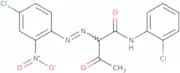
CAS :<p>Pigment Yellow 3 is a glycol ether that belongs to the class of organic compounds. It is used as a yellow coloring agent in paints, plastics, and textiles. Pigment Yellow 3 is also used in electrochemical impedance spectroscopy as a model system for carotenoid molecules. Pigment Yellow 3 has been shown to have an intramolecular hydrogen bond between the glycol ether moiety and the carotenoid chromophore, which stabilizes the molecule against thermal degradation. Pigment Yellow 3 is chemically stable at room temperature but decomposes when heated or irradiated with UV light. This compound can be found in nature as well as being synthesized artificially.</p>Formule :C16H12Cl2N4O4Degré de pureté :Min. 95 Area-%Couleur et forme :PowderMasse moléculaire :395.2 g/molTransparent Red Violet R
CAS :<p>Please enquire for more information about Transparent Red Violet R including the price, delivery time and more detailed product information at the technical inquiry form on this page</p>Degré de pureté :Min. 95%C.I.Vat green 3
CAS :<p>C.I.Vat green 3 is a hydroxide solution that is used for the treatment of organic solvents, such as oil-based paints, to remove volatile organic compounds and heavy metals from the solvent. C.I.Vat green 3 is an environmentally safe product that contains no toxic or carcinogenic substances and has a neutral pH value. It can be used in various industries, including the manufacture of tires, rubber products, and synthetic fibers. C.I.Vat green 3 can also be used in analytical methods involving carbonyl groups or basic dyes to detect carboxylic acids and phenols in environmental pollution samples.END></p>Degré de pureté :Min. 95%C.I.Reactive Orange 72
CAS :<p>Please enquire for more information about C.I.Reactive Orange 72 including the price, delivery time and more detailed product information at the technical inquiry form on this page</p>Degré de pureté :Min. 95%6α-Fluoroprednisolone acetate
CAS :Produit contrôlé<p>6alpha-Fluoroprednisolone acetate is a corticosteroid that is used for the treatment of inflammatory diseases. It has a high therapeutic index and does not bind to mineralocorticoid receptors in the body. 6alpha-Fluoroprednisolone acetate is administered as an aerosol or a microsphere. It can be used in cell culture because it does not inhibit protein synthesis or cause morphological changes to cells. The drug has been shown to have a low cytotoxicity profile, which may be due to its ability to suppress pd-l1 and Mcl-1 proteins, which are associated with cancer metastasis. Clinical data suggests that 6alpha-fluoroprednisolone acetate has no adverse effects on the liver, kidney, or bone marrow.</p>Formule :C23H29FO6Degré de pureté :Min. 95%Masse moléculaire :420.47 g/molC.I.Mordant Orange 6
CAS :<p>C.I. Mordant Orange 6 is an alkanoic acid with a hydroxyl group and a sodium carbonate counter ion in the form of a coordination complex that is chemically stable in the presence of light and heat. The synthesis of this compound involves the reaction of 2-nitrobenzaldehyde with sodium hydroxylsulfonate followed by hydrolysis of the product with sodium carbonate. This synthetic process is used to produce C.I. Mordant Orange 6 in large quantities, which are then purified using chromatography or recrystallization techniques.<br>The biological studies on C.I. Mordant Orange 6 have shown that it has antimicrobial properties, but it does not show cytotoxic effects against human cells in culture at concentrations up to 10 µg/mL, making it a potential candidate for use as an antimicrobial agent for applications such as food packaging materials.br>br>C.I. Mordant Orange 6 also has been shown to</p>Formule :C19H14N4O6S·2NaDegré de pureté :Min. 95%Masse moléculaire :472.38 g/molC.I.Solvent Red 109
CAS :<p>6-Fluoro-3-indoxyl-beta-D-galactopyranoside, also known as Rifapentine, is a highly effective antituberculosis drug from the class of rifamycins. It is specifically designed to combat tuberculosis infections by targeting the active compounds in Mycobacterium tuberculosis strains. Rifapentine works by inhibiting bacterial growth through its bactericidal activity. By binding to DNA-dependent RNA polymerase, it prevents transcription and replication, effectively stopping the spread of the infection.</p>Degré de pureté :Min. 95%C.I.Disperse Orange 44
CAS :<p>C.I. Disperse Orange 44 is a synthetic dyestuff that belongs to the group of azobenzene dyes. It has optical properties in the visible region and is used as a pigment for colorants, such as textile printing and paper coating. C.I. Disperse Orange 44 can be found in deionized water or organic solvents at concentrations of 0.1-0.5%. The molecular weight of this compound is 527 g/mol and its molecular formula is C₁₃H₁₄N₅O₀₀. This dye also has an average viscosity of 1.2 mPa·s at 25°C and 1 atm, which may be due to its crystal x-ray diffraction pattern that shows a crystalline form with an orthorhombic shape and space group Pbca with lattice constants a = 1031 pm, b = 10</p>Formule :C16H11ClN6O2Degré de pureté :Min. 95%Masse moléculaire :354.75 g/molL-Glutathione, reduced
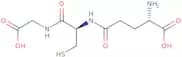
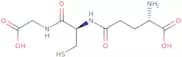
CAS :<p>Glutathione is a tripeptide cysteine-glycine-glutamic acid which exists in cells in the reduced form (this product) or oxidised form. Reduced glutathione (GSH) is an antioxidant protecting cell components from endogenous and exogeneous reactive oxygen and nitrogen species. Reduced glutathione has also been intensely used in the affinity purification of proteins with glutathione S-transferase (GST) tag. In the protein purification process, glutathione is used for the elution of GST-fused recombinant proteins from a glutathione-immobilised resins. In the elution buffers, reduced glutathione is typically used in the 10 â 40 mM concentration range.</p>Formule :C10H17N3O6SDegré de pureté :Min. 98 Area-%Couleur et forme :White PowderMasse moléculaire :307.32 g/molC.I.Direct green 1
CAS :<p>Direct green 1 is a reactive dye that is used as a colorant in textiles, paper, and paints. It has been shown to adsorb to metal hydroxides such as iron oxides. Direct green 1 is also used as an additive in detergents and other household products. The dye has been shown to be thermally stable and resistant to fading caused by light or washing. Direct green 1 is soluble in water and will react with citric acid, forming a complex that can be cross-linked with polyvinyl alcohol. The dye may also polymerize through the addition of a basic dye like phenolphthalein or potassium carbonate.</p>Degré de pureté :Min. 95%C.I.Direct green 89
CAS :<p>Please enquire for more information about C.I.Direct green 89 including the price, delivery time and more detailed product information at the technical inquiry form on this page</p>Degré de pureté :Min. 95%C.I.Basic Red 2
CAS :<p>Basic Red 2 is a thermodynamic dye that is composed of the nitrite ion, safranin, and dextran sulfate. It has been shown to adsorb onto the surface of oral pathogens in a model system. Basic Red 2 can be used for the treatment of wastewater containing nitrite ions. Basic Red 2 also has an affinity for surfactant sodium dodecylbenzene sulfonate (SDBS) and is used as a dye in electrochemical impedance spectroscopy for the detection of bowel disease.</p>Formule :C20H19N4ClDegré de pureté :Min. 95%Couleur et forme :PowderMasse moléculaire :350.84 g/molMethylprednisolone
CAS :Produit contrôlé<p>a synthetic glucocorticoid</p>Formule :C22H30O5Degré de pureté :Min. 97 Area-%Couleur et forme :White Off-White PowderMasse moléculaire :374.47 g/molFast red KL salt
CAS :<p>Fast red KL salt is an organic solvent that is used in the production of zearalanone and zeranol. It has been shown to be carcinogenic to tissues in the presence of sulfoxide and diazonium salt. Fast red KL salt has a visualizing effect on chromatographic experiments and can be used as a color indicator for chloride ions. Fast red KL salt also reacts with estradiol, which is a postulated mechanism for its carcinogenic effects.</p>Formule :C8H8N3O2•(ZnCl2)0Degré de pureté :Min. 95%Couleur et forme :PowderMasse moléculaire :246.17 g/molDisperse Blue 366
CAS :<p>Disperse Blue 366 is a hydrophobic, particle-forming dye that is used in the optimization of surface methodology for cytotoxic effect. Disperse Blue 366 has a particle size of about 10 nm and an intense blue color. It is soluble in organic solvents but insoluble in water. The film-forming polymer, which can be polystyrene or polypropylene, absorbs Disperse Blue 366 and forms a thin film on the surface to which it has been applied. This film has a low energy and is supercritical, leading to cytotoxic effects.</p>Degré de pureté :Min. 95%Thymol blue sodium salt
CAS :<p>Thymol blue sodium salt is a dye that is used to stain fatty acids. The hydroxyl group of thymol blue sodium salt reacts with the carboxylic acid group of fatty acids, forming a cross-link between the two groups. This reaction can be monitored by measuring changes in the intensity of light transmitted through the solution. Thymol blue sodium salt has also been used as a cross-linking agent in polycarboxylic acid hydration reactions, and as an analytical method for determining cationic polymerization. Optical sensors have been developed that are capable of measuring changes in cavity size due to hydration or cationic polymerization.</p>Formule :C37H40N2Na4O13SDegré de pureté :Min. 95%Couleur et forme :PowderMasse moléculaire :844.74 g/molC.I.Reactive Yellow 145
CAS :<p>C.I.Reactive Yellow 145 is an azo dye that is used in the treatment of wastewater. It has been shown to be a reactive dye, meaning that it will react with other materials in the environment and break down into smaller molecules. C.I.Reactive Yellow 145 has been used for the treatment of wastewater due to its high hydroxyl group content and its chemical stability in the presence of sodium carbonate, which is usually added to wastewater for pH control purposes. This dye has also been used for kinetic studies when combined with surface methodology techniques such as sodium carbonate activation or anhydrous sodium analytical chemistry.</p>Formule :C28H24ClN9O16S5•Na4Degré de pureté :Min. 95%Couleur et forme :PowderMasse moléculaire :1,030.28 g/molBasic yellow 40
CAS :<p>Basic yellow 40 is a basic dye that belongs to the group of dyes. It is an orange-yellow powder that is soluble in water and alcohol. Basic yellow 40 has been used as an additive in food, drugs, and cosmetics. Basic yellow 40 has been shown to inhibit cancer cell growth by binding to the phospholipid membrane and inhibiting the synthesis of fatty acids and cholesterol. The optimum concentration for this compound is 10-4 M.</p>Formule :C22H24N3O2·ClCouleur et forme :PowderMasse moléculaire :397.9 g/molL-Glutathione, reduced, tested to USP spec
CAS :<p>Glutathione is a tripeptide cysteine-glycine-glutamic acid which exists in cells in the reduced form (this product) or oxidised form. Reduced glutathione (GSH) is an antioxidant protecting cell components from endogenous and exogeneous reactive oxygen and nitrogen species. Reduced glutathione has also been intensely used in the affinity purification of proteins with glutathione S-transferase (GST) tag. In the protein purification process, glutathione is used for the elution of GST-fused recombinant proteins from a glutathione-immobilised resins. In the elution buffers, reduced glutathione is typically used in the 10 â 40 mM concentration range.</p>Formule :C10H17N3O6SDegré de pureté :(Titration) 98.0 To 101.0%Couleur et forme :White Off-White Crystalline PowderMasse moléculaire :307.32 g/molAcid Red 266
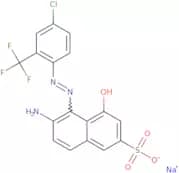
CAS :<p>Acid Red 266 is a hydroxyl-containing polymeric dye that is used in the textile and paper industries as a colorant, pigment, or dye. It has been shown to be an efficient control agent for the polymerization of polyvinyl acetate. Acid Red 266 can also be used to form films with high light stability and good mechanical properties. The hydroxyl group present in this molecule causes it to have a polarizing effect on UV absorption. Acid Red 266 is made of particles that are soluble in water and alcohols, but insoluble in oils. This acid dye is also sensitive to heat, so it should not be exposed to temperatures over 60°C.</p>Formule :C17H10ClF3N3O4S•NaDegré de pureté :Min. 95%Masse moléculaire :467.78 g/molC.I.Basic Yellow 5
CAS :<p>Basic Yellow 5 is a dye that belongs to the group of organic pigments. It is used in textile and leather production, as well as in food coloring. Basic Yellow 5 has been shown to bind to lectins on the surface of bacteria, which is how it exerts its antibacterial effects. This dye inhibits protein synthesis by binding to the ribosome and preventing amino acid incorporation into proteins. Basic Yellow 5 also inhibits bacterial growth by binding to the ribosome, interfering with protein synthesis and cell division.END></p>Degré de pureté :Min. 95%Fast blue B salt
CAS :<p>For visualizing enzymatic activity</p>Formule :C14H12N4O2Cl2·ZnCl2Couleur et forme :PowderMasse moléculaire :475.46 g/molC.I.Solvent Yellow 51
CAS :<p>Please enquire for more information about C.I.Solvent Yellow 51 including the price, delivery time and more detailed product information at the technical inquiry form on this page</p>Degré de pureté :Min. 95%C.I.Reactive Red 250
CAS :<p>C.I. Reactive Red 250 is a versatile dye that has been widely used in various experiments. It belongs to the category of Other Dyes, Stains, Indicators & Probes. This dye has shown potential in inhibiting glycogen synthase kinase-3β (GSK-3β), an enzyme involved in various signaling pathways. Additionally, C.I. Reactive Red 250 has been studied for its effects on HIV infection and autoimmune diseases.</p>Degré de pureté :Min. 95%C.I.Acid Orange 87
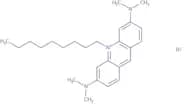
CAS :<p>Please enquire for more information about C.I.Acid Orange 87 including the price, delivery time and more detailed product information at the technical inquiry form on this page</p>Degré de pureté :Min. 95%Acridine orange 10-nonylbromide
CAS :<p>Acridine orange 10-nonylbromide is a fluorescent dye that binds to DNA and RNA. It is used in biochemistry to stain cells and tissues for examination under a microscope. Acridine orange 10-nonylbromide has been shown to bind to the mitochondria in human white blood cells, thereby inhibiting mitochondrial membrane potential, which leads to cell lysis. Acridine orange 10-nonylbromide also has an index of high values with water vapor, making it an ideal candidate for use as an indicator in ecological studies. Acridine orange 10-nonylbromide can be used as a probe for the study of biological samples because it binds reversibly to nucleic acids, giving it chemical stability. Acridine orange 10-nonylbromide also has monoclonal antibodies that are specific for the physiological function of proteins, which makes it useful as a probe for biochemical research involving protein synthesis or degradation.</p>Formule :C26H38BrN3Degré de pureté :Min. 95%Couleur et forme :SolidMasse moléculaire :472.5 g/molDisperse Orange BRO-B
CAS :<p>Please enquire for more information about Disperse Orange BRO-B including the price, delivery time and more detailed product information at the technical inquiry form on this page</p>Degré de pureté :Min. 95%Sanodal deep black MLW
CAS :<p>Sanodal Deep Black MLW is a water-soluble dye that is used to temporarily color animal tissue sections. It has a viscosity of 1000 mPa·s and can be mixed with deionized water to produce the desired concentration. This dye will not stain cells, but rather will only color the extracellular matrix. The dye is also non-toxic and does not contain aluminum or lead. Sanodal Deep Black MLW produces a black color in tissue sections that can be seen under an optical microscope, which makes it useful for imaging purposes.</p>Couleur et forme :PowderC.I.Disperse Orange 31
CAS :<p>C.I. Disperse Orange 31 is a dye that inhibits the growth of bacteria by binding to the cellulose acetate in the cell wall. Alcohol residue and deionized water have been shown to have an inhibitory effect on the dye's binding capacity. The molecular modelling of this compound has revealed that it is a monomer with two dyestuffs, amines, and a phenolic group. It is resistant to cleavage by brazilin and resistant to uptake by bacteria.<br>DISPERSE ORANGE 31 is an organic dyestuff widely used in industrial dyes, textiles, plastics, paper processing chemicals, etc. It belongs to the group of hydroxyphenylazo compounds and its molecular formula is C16H12N2O4S2Na2O3-HCl. This product can be used as an antibacterial agent for industrial or residential applications because it has strong inhibitory effect on bacterial growth due to its high solubility and</p>Degré de pureté :Min. 95%C.I.Basic Yellow 96
CAS :<p>Please enquire for more information about C.I.Basic Yellow 96 including the price, delivery time and more detailed product information at the technical inquiry form on this page</p>Degré de pureté :Min. 95%Pigment yellow 17
CAS :<p>Pigment Yellow 17 is a polycarboxylic acid that is used as a control agent in paints, plastics, and rubber. It has a hydroxyl group on the ring structure and an intramolecular hydrogen on the side chain. Pigment Yellow 17 is soluble in water and can be detected by derivative spectroscopy. The particle size of this compound is between 0.063-0.200 micrometers with a diameter of 0.1-0.2 micrometers, which is determined by using magnetic particles or microscopy techniques. Pigment Yellow 17 has been shown to have cationic surfactant properties and can be used in chemical ionization to detect other compounds such as test compounds or energy efficiency measures.</p>Formule :C34H30Cl2N6O6Degré de pureté :Min. 95%Couleur et forme :PowderMasse moléculaire :689.54 g/molC.I.Solubilised Sulphur green 3
CAS :<p>Please enquire for more information about C.I.Solubilised Sulphur green 3 including the price, delivery time and more detailed product information at the technical inquiry form on this page</p>Degré de pureté :Min. 95%C.I.Sulphur Blue 13
CAS :<p>Please enquire for more information about C.I.Sulphur Blue 13 including the price, delivery time and more detailed product information at the technical inquiry form on this page</p>Degré de pureté :Min. 95%Lipoic acid, reduced
CAS :<p>Lipoic acid, reduced (LAR) is a naturally occurring compound that is found in many living organisms. It has been used to study the mechanisms of DNA binding and protein oxidation. Lipoic acid, reduced has been shown to have anti-inflammatory properties by inhibiting the production of prostaglandins. The rate constant for LAR is 10-3 M-1s-1 at 25°C and pH 7.0, which can be measured using a polymer composition method. This compound also has an optical sensor and chemiluminescence method that are able to measure the rate constant and determine its concentration.</p>Formule :C8H16O2S2Degré de pureté :Min. 95%Couleur et forme :PowderMasse moléculaire :208.34 g/molC.I.Disperse Orange 62
CAS :<p>Please enquire for more information about C.I.Disperse Orange 62 including the price, delivery time and more detailed product information at the technical inquiry form on this page</p>Degré de pureté :Min. 95%C.I.Direct Yellow 24
CAS :<p>Please enquire for more information about C.I.Direct Yellow 24 including the price, delivery time and more detailed product information at the technical inquiry form on this page</p>Degré de pureté :Min. 95%Hydroxy naphthol blue disodium
CAS :<p>Hydroxy naphtol blue is a synthetic azo dye, characterised for containing the functional group R N=N R. The hydroxy naphtol blue disodium and trisodium salt are used as indicators to determine the content of alkaline earth and lanthanides spectrophotometrically, showing at maximum a wavelength of ~ 650 nm (λmax = 647.6 nm). The best example of the use of hydroxy naphtol blue sodium salt is to determine the hardness of water by measuring the concentration of calcium and magnesium. At alkaline or basic pH, the hydroxy naphtol blue forms a pink/red complex with the metal ions and, after titration with EDTA, hydroxy naphtol blue is liberated, turning the solution blue which indicates the endpoint.</p>Formule :C20H14N2O11S3·2NaCouleur et forme :PowderMasse moléculaire :600.51 g/molC.I.Solvent Yellow 147
CAS :<p>Please enquire for more information about C.I.Solvent Yellow 147 including the price, delivery time and more detailed product information at the technical inquiry form on this page</p>Degré de pureté :Min. 95%Pigment Red 207
CAS :<p>Pigment Red 207 is a synthetic organic pigment that is used as a red colorant in paints, plastics, and textiles. It is obtained by the condensation of dibenzoylmethane with phthalic anhydride. Pigment Red 207 has an average particle diameter of 3.2 microns, which is suitable for use in paints and coatings. The most common reaction product of Pigment Red 207 is its metal salt. The most common metal ion that reacts with this pigment is iron (III). Pigment Red 207 also contains amines, which are often used as thermal-expansion modifiers or polymerization initiators for polymers during manufacturing. This pigment can be mixed with deionized water and other colorants to create desired colors for paint products.</p>Degré de pureté :Min. 95%C.I.Reactive Blue 173
CAS :<p>Please enquire for more information about C.I.Reactive Blue 173 including the price, delivery time and more detailed product information at the technical inquiry form on this page</p>Degré de pureté :Min. 95%Gardenia red
CAS :<p>Gardenia red is a fruit extract that contains fatty acids and citric acid. It also has iridoid compounds, which are substances that have been shown to inhibit bacterial growth. Gardenia red is an extract of gardenia flowers that are grown in a particular region in Thailand. The optimum extraction process for this product is a reaction solution containing sodium citrate and nitrite ion. The acidic compound is then activated with low energy.</p>Degré de pureté :Min. 95%C.I.Direct Blue 297
CAS :<p>Please enquire for more information about C.I.Direct Blue 297 including the price, delivery time and more detailed product information at the technical inquiry form on this page</p>Degré de pureté :Min. 95%C.I.Direct Yellow 87
CAS :<p>Please enquire for more information about C.I.Direct Yellow 87 including the price, delivery time and more detailed product information at the technical inquiry form on this page</p>Degré de pureté :Min. 95%C.I.Basic Blue 159
CAS :<p>C.I. Basic Blue 159 is a liquid phase, cationic dye which is used in microscopy for the visualization of amines and carboxylic acids. It has a high degree of solubility in water and organic solvents. C.I. Basic Blue 159 is both degradable and non-toxic to the environment, making it an excellent choice for wastewater treatment or as an indicator dye for environmental pollutants. The rate of its degradation can be measured through kinetic data and kinetic analysis. This compound undergoes oxidation process with low energy, which makes it a suitable substance for many analytical techniques such as spectrophotometry, chromatography, electrophoresis, and others.br>br><br>The chemical formula for C.I. Basic Blue 159 is C22H27N3O6S2Na4Cl4.br>br><br>CAS: 811-78-1<br>Molecular weight: 797.9 g</p>Degré de pureté :Min. 95%Couleur et forme :PowderDisperse red 1
CAS :<p>Disperse Red 1 is a dye that is used in the textile industry. It has been shown to be genotoxic and can cause immune reactions. Disperse Red 1 is also used for wastewater treatment, due to its ability to absorb light and remove organic matter from water. Disperse Red 1 is a red-orange powder that can be added as a pigment to paint or ink, but it can also be used as an analytical reagent for gravimetric analysis and electrochemical impedance spectroscopy. The compound has been shown to inhibit cellular DNA synthesis and induce apoptosis in liver cells.</p>Formule :C16H18N4O3Couleur et forme :PowderMasse moléculaire :314.34 g/molPigment Orange 36
CAS :<p>Pigment Orange 36 is an organic pigment with a light-emitting property. It is soluble in organic solvents, such as benzene and chloroform, but insoluble in water. Pigment Orange 36 has a polycyclic aromatic hydrocarbon structure with ester linkages between the aliphatic hydrocarbon and aromatic hydrocarbon moieties. The molecule consists of two sections: one section is soluble in organic solvents and the other section is soluble in water. The particle size of Pigment Orange 36 ranges from 0.1 to 1 micron in diameter, and it emits light when excited by UV radiation or visible light.</p>Formule :C17H13ClN6O5Degré de pureté :Min. 95%Masse moléculaire :416.8 g/molPigment yellow 139
CAS :<p>Pigment Yellow 139 is a colorant that is soluble in organic solvents and has a maximum absorption wavelength of 595 nm. It can be used as an optical system polarizer, and it is also used in liquid crystal compositions. Pigment Yellow 139 changes color depending on the pH of the environment, and it undergoes polymerization when irradiated with radiation or an acid complex. This pigment is also soluble in glycol esters and polycarboxylic acids. Pigment Yellow 139 is produced by reacting hydroxyl groups with polycarboxylic acid products. The pigments are then converted to particles by crystallizing them using a reaction product of particle emission.<br>Pigment Yellow 139 has a crystalline structure composed of irregularly shaped particles that are about 0.2-0.4 micrometers in diameter.</p>Formule :C16H9N5O6Degré de pureté :Min. 95%Couleur et forme :Yellow PowderMasse moléculaire :367.27 g/molC.I.Reactive orange 16
CAS :<p>C.I.Reactive Orange 16 is a reactive dye with an orange hue. It is used in textile dyeing, paper, and leather industries. It is also used in toxicity studies to measure the effect of substances on living organisms. C.I.Reactive Orange 16 is not soluble in water and has a high resistance to acid and alkali; it has been shown that the optimum concentration for this dye is 0.1%. The mechanism of the reaction between C.I.Reactive Orange 16 and nitrogen atoms provides a basis for its use in wastewater treatment as well as its adsorption properties. Langmuir adsorption isotherms have shown that C.I.Reactive Orange 16 has an adsorption capacity of 1,812 g/g at 25°C and pH 6-7, which can be increased to 3,072 g/g at 40°C and pH 7-8 by adding sodium citrate to the solution (in order to</p>Formule :C20H19N3O11S3•(Na)2Degré de pureté :Min. 95%Masse moléculaire :617.54 g/molC.I.Reactive Red 222
CAS :<p>Please enquire for more information about C.I.Reactive Red 222 including the price, delivery time and more detailed product information at the technical inquiry form on this page</p>Degré de pureté :Min. 95%C.I.Vat green 13
CAS :<p>C.I.Vat green 13 is a versatile research chemical that finds application in various fields. It is commonly used in the synthesis of copolymers and as a dye for staining purposes. C.I.Vat green 13 has shown promising results in crystallization studies and can be used as an indicator or probe in different experiments. Additionally, it has been found to have inhibitory effects on certain growth factors and enzymes such as epoxomicin. With its unique properties, C.I.Vat green 13 is a valuable tool for researchers and scientists working in diverse areas ranging from polymer chemistry to biological studies.</p>Degré de pureté :Min. 95%C.I.Vat Orange 4
CAS :<p>C.I. Vat Orange 4 is a synthetic organic compound that is used as a pigment and a coating. It is soluble in organic solvents and can be used as an additive to polyethylene glycols, monomers, and coatings. C.I. Vat Orange 4 has been shown to react with radiation and metal hydroxides to form the polymerization inhibitor propionate. This polymerization inhibitor prevents polymerization reactions from occurring at high temperatures or when exposed to thermal energy.</p>Degré de pureté :Min. 95%5-Cyano-2,3-di-(p-tolyl)tetrazolium chloride
CAS :<p>5-Cyano-2,3-di-(p-tolyl)tetrazolium chloride is a tetrazolium dye used as an indicator of eukaryotic cells in a range or media including waste water resulting in a cyan color. It is commonly used in microbiology laboratories to measure the viability of cells. The redox potentials of 5-Cyano-2,3-di-(p-tolyl)tetrazolium chloride are reduced by the presence of active respiratory cells, resulting in fluorescent formazan.</p>Formule :C16H14ClN5Couleur et forme :PowderMasse moléculaire :311.77 g/molC.I.Reactive Yellow 162
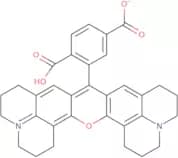
CAS :<p>Please enquire for more information about C.I.Reactive Yellow 162 including the price, delivery time and more detailed product information at the technical inquiry form on this page</p>Degré de pureté :Min. 95%6-Carboxy-X-rhodamine
CAS :<p>Single isomer of 5(6)-ROX. It is a fluorescent dye used in RT-PCR methods as an internal reference to determine fluorescence variation that is not associated with the amplification process (plastic of the wells, small differences in concentration or volume, instrument measurements). It produces a constant fluorescence emission signal during the PCR process that is used to normalise the emission produced by the reporter. The fluorescence signal is compatible with most reporters. It is used to label the 5â end of oligonucleotides as a reporter in the presence of a quencher at the 3â end (dual labelled probe). During the amplification, the dye is cleaved, and the fluorescence increases proportionally with the amount of the specific sequence amplified during the PCR process. The development of the fluorescence signal is therefore specifically related to the amplification of the target sequence. 6-ROX with NHS-activated carboxylic acids reacts with primary amines.</p>Formule :C33H30N2O5Degré de pureté :Min. 95%Couleur et forme :Red PowderMasse moléculaire :534.6 g/molC.I.Reactive Red 223
CAS :<p>Please enquire for more information about C.I.Reactive Red 223 including the price, delivery time and more detailed product information at the technical inquiry form on this page</p>Degré de pureté :Min. 95%C.I.Vat green 17
CAS :<p>Please enquire for more information about C.I.Vat green 17 including the price, delivery time and more detailed product information at the technical inquiry form on this page</p>Degré de pureté :Min. 95%C.I.Acid Yellow 19
CAS :<p>Please enquire for more information about C.I.Acid Yellow 19 including the price, delivery time and more detailed product information at the technical inquiry form on this page</p>Degré de pureté :Min. 95%Acid red 128
CAS :<p>Acid Red 128 is a red dye that is used as a food colorant and as a pharmaceutical drug. Acid Red 128 is used in the diagnosis of bacterial strains, viruses, and human proteins. It has been shown to have antiviral activity against influenza virus and HIV. The hydroxyl group on the molecule reacts with the amino group of an amino acid or protein to form an ester bond, which links two molecules together. This reaction product is called a cross-link. Acid Red 128 can also be used as a growth factor by increasing cellular protein synthesis.</p>Degré de pureté :Min. 95%Brilliant blue FCF
CAS :<p>Brilliant blue FCF is a water-soluble dye that has been used for many purposes, including as a food coloring and in wastewater treatment. It is an intensely blue powder that is soluble in water and reactive to acids. The toxicity of this substance has been extensively studied, with long-term studies showing no significant negative effects on the liver or other organs. In addition, it does not cause any toxic effects when tested on human serum. The adsorption of brilliant blue FCF onto activated carbon or silica gel beads has been shown to be reversible and time-dependent. This dye can also be quantified using an analytical method involving surface methodology coupled with electrochemical impedance spectroscopy.</p>Formule :C37H34N2Na2O9S3Couleur et forme :PowderMasse moléculaire :792.85 g/molDirect Black 22
CAS :<p>Direct Black 22 is a carbon-based nanomaterial that can be used for wastewater treatment. This material is photoelectrochemical and has been shown to have the ability to mineralize organic matter and other pollutants in wastewater. Direct Black 22 is biodegradable, which means it will break down into carbon dioxide and water. Direct Black 22 also has an affinity for estrogen and hydrogen peroxide, which makes it a good candidate for removing these substances from wastewater. Direct Black 22 has been shown to be efficient in treatments of high salinity wastewaters.</p>Formule :C44H32N13Na3O11S3Couleur et forme :Brown PowderMasse moléculaire :1,083.97 g/molPigment Yellow 116
CAS :<p>Pigment Yellow 116 is a yellow pigment that is used in the production of plastics and paints. It absorbs light in the blue region of the spectrum and has an average particle diameter of 3.5 nm. Pigment Yellow 116 is a polycarboxylic acid with a heterocycle, which allows it to be soluble in organic solvents. Pigment Yellow 116 has been shown to be photostable, meaning that it does not break down when exposed to ultraviolet radiation. This pigment can be polymerized by free radicals or radiation initiated polymerization, allowing for patterning applications such as printing on textiles, paper, or film.</p>Degré de pureté :Min. 95%C.I.Disperse Blue 291:1
CAS :<p>Please enquire for more information about C.I.Disperse Blue 291:1 including the price, delivery time and more detailed product information at the technical inquiry form on this page</p>Degré de pureté :Min. 95%C.I.Solubilised Sulphur Blue 7
CAS :<p>C.I. Solubilised Sulphur Blue 7 is a research chemical that belongs to the group of copolymers. It is commonly used in the field of biomaterials and cellulose research. This compound has been found to have neuroprotective properties, making it potentially beneficial for the treatment of neurological disorders. C.I. Solubilised Sulphur Blue 7 has also been used in various applications such as dyeing, staining, and as an indicator or probe in scientific experiments. It can be dissolved in solvents like methanol or isooctane for ease of use. This compound has shown interactions with substances like buserelin, xylose, arachidonic acid, and aluminum, indicating its versatility and potential for further research.</p>Degré de pureté :Min. 95%C.I.Reactive Red 111
CAS :<p>C.I.Reactive Red 111 is a reactive dye that can be used in the manufacture of textile and paper products. It has been shown to have optimum reactivity with anionic groups, such as sulfonic acid and carboxylate, at pH levels between 2-11. This dye has a wide range of application parameters, including stability and color development time. C.I.Reactive Red 111 is also resistant to oxidation by sulfuric acid and other corrosive chemicals at high concentrations, which makes it suitable for use in industrial environments where strong oxidizing agents are present.</p>Degré de pureté :Min. 95%Pigment Red 32
CAS :<p>Pigment Red 32 is an organic pigment that is soluble in propylene glycol and surface-active agents. It has a particle diameter of about 0.1 microns and an average particle size of 0.2 microns, with a maximum of 100% dispersion in water. Pigment Red 32 has been shown to be acidic, fluorescent, thiophosphoric, non-polar, styrene-based, and organic solvent-soluble. This pigment is used in the production of plastics and paints for devices such as TV screens due to its ability to liquefy under radiation or heat. Pigment Red 32 also contains functional groups that impart both hydrophobic and hydrophilic properties to the molecule.br>br><br>Pigment Red 32 can be found in paint products including acrylics, alkyds, latexes, oil paints, and watercolors.br>br><br>Pigment Red 32 can be found in plastics products including ABS res</p>Degré de pureté :Min. 95%Pigment Orange 64
CAS :<p>Pigment Orange 64 is an organic solvent that can be used as a polymerization initiator. Pigment Orange 64 has been extensively used in the production of polyester, polyurethane, and epoxy resins. It is also used as a colorant in paints and textiles. Pigment Orange 64 can be detected using high-performance liquid chromatography (HPLC) with detection sensitivity of 0.01 ppm. The skeleton of Pigment Orange 64 consists of a hydrophobic benzene ring with two hydroxyl groups on either side and two double bonds on each end. It has four functional groups: a carboxylic acid group, an aromatic ring, a phenol group, and an alcohol group. Pigment Orange 64 is soluble in water to form orange solutions and can be detected by its characteristic odor. In addition, it can act as a matrix polymer for metal particles due to its basic properties.</p>Formule :C12H10N6O4Degré de pureté :Min. 95%Couleur et forme :PowderMasse moléculaire :302.25 g/molC.I.Disperse Red 200
CAS :<p>Please enquire for more information about C.I.Disperse Red 200 including the price, delivery time and more detailed product information at the technical inquiry form on this page</p>Degré de pureté :Min. 95%Cyanine dye 5
CAS :<p>Cyanine dye 5 is a disulfide-linked dye that has been used as a fluorescence probe in the detection of reactive oxygen species. It has been shown to be reactive with mouse monoclonal antibodies and has been used as a model system for studying calcium binding and DNA duplexes. Cyanine dye 5 is also capable of detecting human serum, mitochondrial membrane potential, and clinical pathology.</p>Formule :C33H40N2O8S2Degré de pureté :Min. 95%Couleur et forme :PowderMasse moléculaire :656.81 g/molDirect Blue 202
CAS :<p>Direct Blue 202 is a reactive dye that is used in the treatment of wastewater. It has been shown to be effective for the removal of color from wastewater, with a high degree of efficiency. Direct Blue 202 has been shown to have low toxicity and does not persist in water. This dye also has dichroic properties and can be used as a polymerization initiator or coagulant.</p>Degré de pureté :Min. 95%C.I.Reactive Yellow 84
CAS :<p>C.I.Reactive Yellow 84 is a sulfate that is used in analytical chemistry to quantify an unknown amount of potassium chloride. This compound can be quantified using anova, which is a statistical method for comparing several different treatments in order to determine which treatments have the largest effect. C.I.Reactive Yellow 84 can also be quantified by electrolysis, which involves passing an electric current through a solution and measuring the electrical charge created by the reaction between hydrogen ions and electrons from the cathode during the process of oxidation-reduction reactions with the electrolyte (solution). The reactive square can also be used to quantify C.I.Reactive Yellow 84, as it provides a comparison between two reactants and allows for optimization of reaction time and spectra over time.</p>Degré de pureté :Min. 95%Reactive blue 220
CAS :<p>Reactive blue 220 is a synthetic, reactive dye with aldehyde groups. It is used in gene analysis and as a stain in electron microscopy. Reactive blue 220 stains the nucleus of cells purple and the cytoplasm red. The color of the nuclei indicates the presence of active substances such as ATP, NADH, or GTP. This dye has been used to identify bacteria by their ability to produce CO2 from glucose when grown on an acidic nutrient solution with deionized water and sodium carbonate. The optical properties of this dye are dependent on pH level, becoming more red at lower pH levels (acidic).</p>Degré de pureté :Min. 95%C.I.Acid Orange 127
CAS :<p>C.I. Acid Orange 127 is a synthetic dyestuff that is used in the textile industry as a reactive dye and as a colorant in paints, plastics, paper, leather, and textiles. It has also been used as an indicator for alkali metals. This compound reacts with an ethyl group to form a quaternary ammonium salt. The dyebath is often made of water and sodium hydroxide or potassium hydroxide at temperatures between 120-140 degrees Celsius. C.I. Acid Orange 127 is characterized by its ability to produce multicolour effects when treated with amines or carboxylates. The reactive properties of this compound make it suitable for use in dyeing wool and other animal fibres where the presence of fatty acids will increase the intensity of the colouration by C.I. Acid Orange 127.br>br></p>Degré de pureté :Min. 95%C.I.Disperse Red 362
CAS :<p>Disperse Red 362 is a yellow pigment that can be used in inkjet printing. It has an express color and is typically used in the printing of textiles, paper, plastics, and other materials. The color of Disperse Red 362 is similar to that of cadmium yellow.</p>Degré de pureté :Min. 95%Acid red 252
CAS :<p>Acid Red 252 (AR252) is a natural dye that is used as a colorant in textile dyeing and printing. This compound has a molecular weight of 212.2, a melting point of 137°C, and an acid value of 2-5. AR252 is soluble in organic solvents such as acetone, ethanol, ether, and chloroform. It can be polymerized with an initiator to make polymers for use as absorbers in radiation protection items such as goggles and aprons. Acid Red 252 also has hydrophobic properties that are favorable for use as a surfactant to stabilize emulsions or suspensions in water-based paints.</p>Formule :C25H22ClN5O7S2·NaDegré de pureté :Min. 95%Masse moléculaire :627.05 g/molBis(5-bromo-4-chloro-3-indoxyl)pyrophosphoric acid, disodium salt
<p>Bis(5-bromo-4-chloro-3-indoxyl)pyrophosphoric acid, disodium salt is a high quality reagent that is used as a useful intermediate or a speciality chemical. It reacts with alcohols and amines to produce substituted indoles. Bis(5-bromo-4-chloro-3-indoxyl)pyrophosphoric acid, disodium salt can be used in the synthesis of complex compounds and has been used as a building block for the synthesis of some pharmaceuticals. This compound is also useful in the production of research chemicals such as amphetamines and MDMA.</p>Formule :C16H8Br2Cl2N2Na2O7P2Masse moléculaire :678.90 g/molC.I.Sulphur Blue 15
CAS :<p>C.I.Sulphur Blue 15 is a nanocomposite of sulfur and titanium dioxide, which is used in dyeing textiles and other materials. The colorant is soluble in water and can be used as a solution or paste. C.I.Sulphur Blue 15 has been shown to have antimicrobial properties against Gram-positive bacteria, such as Staphylococcus aureus and Clostridium perfringens, but not against Gram-negative bacteria, such as Pseudomonas aeruginosa and Escherichia coli.</p>Degré de pureté :Min. 95%Bromophenol Red Free acid
CAS :<p>Bromophenol Red Free Acid is a synthetic substrate used in microbial infection and wastewater treatment. It has a pH of 2.0-3.0, which is acidic enough to disrupt the integrity of cellular membranes and cause cell lysis. Bromophenol Red Free Acid can be used as a lysing agent for human serum or cells in culture. This product is not soluble in water, so it must be dissolved in an organic solvent before it can be used. Bromophenol Red Free Acid reacts with hydrochloric acid to produce chemiluminescence that can be measured by luminometry, which is a quantitative technique for measuring light emission from chemical reactions. The hydroxyl group on the molecule reacts with the bromophenol group to form a bromohydrin intermediate, which reacts with hydrogen peroxide to produce chemiluminescence.</p>Formule :C19H12Br2O5SDegré de pureté :Min. 95%Masse moléculaire :512.17 g/molAcid Black 26, Technical grade
CAS :<p>Acid Black 26 is a polyphenol with antioxidant properties. It has been shown to have an inhibitory effect on the oxidation of basic dyes and control agents. Acid Black 26 has also been used in biological treatment to remove organic matter from wastewater. The thermodynamic data for Acid Black 26 are complex, but it displays a high reactivity toward particle surfaces and functional groups. Immobilized Acid Black 26 can be used as a surface methodology for the production of activated carbon filters, which removes reactive substances from air streams.</p>Degré de pureté :Min. 95%Pigment Yellow 108
CAS :<p>Pigment Yellow 108 is a polycarboxylic acid that is used in the production of printing ink, paint, and plastic. It has a molecular weight of 284.40 g/mol and a viscosity of 2.00 cps at 20°C. Pigment Yellow 108 contains a hydroxyl group (-OH), carbonyl group (-CO), aromatic hydrocarbon (benzene ring), and hydrogen chloride (HCl). The reaction products are glycol ester, magnesium oxide, primary amino (-NH2), radiation, thermal expansion, and functional groups (-OH).</p>Formule :C30H15N3O4Degré de pureté :Min. 95%Masse moléculaire :481.46 g/molAcid orange 7
CAS :<p>Acid Orange 7 is a reactive dye that is used in wastewater treatment. It has an orange color and has been shown to adsorb to cell nuclei and human serum. Acid Orange 7 reacts with the reaction solution to form a decolorized product, which can be seen using synchronous fluorescence. The Langmuir adsorption isotherm for this dye shows that the optimum concentration of Acid Orange 7 is 0.5%. Acid Orange 7 has carcinogenic potential due to its ability to bind DNA, which may lead to mutations in cells. Electrochemical impedance spectroscopy studies have shown that this dye binds covalently with proteins, which may also result in mutagenic effects.</p>Formule :C16H11N2NaO4SDegré de pureté :Min. 95%Couleur et forme :Red PowderMasse moléculaire :350.33 g/molDisperse blue 183
CAS :<p>Disperse Blue 183 is a synthetic dye that is used in industry for the coloration of polymers. It belongs to the class of diazonium salts, which are reactive compounds that have an affinity for fatty acids. Disperse Blue 183 is insoluble in water but soluble in organic solvents. The dye has been shown to be stable under both acidic and alkaline conditions, and it does not undergo chemical reactions with other substances. Disperse Blue 183 is also a nanomaterial that can be used as a film-forming polymer. It can be manufactured using carbon dioxide (CO2) flow and activated through heat treatment. Disperse Blue 183 can be used in environmental pollution and as a reactive agent.</p>Formule :C20H21BrN6O3Couleur et forme :PowderMasse moléculaire :473.32 g/molMethylthymol blue sodium
CAS :<p>Methylthymol blue sodium salt (MTBS) is a dye that is used in complexometry. It is typically used for determination of calcium and sulfate. λmax of 438 nm; Solubility of 860g/L.Check application notes for our ACS strontium test procedure</p>Formule :C37H40N2Na4O13SDegré de pureté :Min. 95%Couleur et forme :PowderMasse moléculaire :844.74 g/molPigment Yelow 176
CAS :<p>Pigment Yellow 176 is an inorganic pigment that exhibits a resistance to high temperatures and a high degree of light stability. It has been used as a pharmaceutical preparation, in coatings, and as a polymerization initiator. Pigment Yellow 176 reacts with acid molecules such as nitric acid or hydrochloric acid to form metal ion complexes. These complexes are usually unstable and may undergo reactions with other substances, such as cellulose acetate. This pigment also contains functional groups that can react with hydroxyl groups found on the surface of paper or other organic surfaces.</p>Formule :C36H35ClN6O6Degré de pureté :Min. 95%Couleur et forme :PowderMasse moléculaire :683.15 g/molC.I.Reactive Yellow 194
CAS :<p>Please enquire for more information about C.I.Reactive Yellow 194 including the price, delivery time and more detailed product information at the technical inquiry form on this page</p>Degré de pureté :Min. 95%Direct Yellow 86, Technical grade Dye content
CAS :<p>Direct Yellow 86 is a dye that is used as a reactive component in chemical synthesis, and as a reagent in research. It has been used as a scaffold for the synthesis of other dyes, as well as being useful in the production of complex compounds. Direct Yellow 86 is soluble in organic solvents and has a high quality dye content. This chemical has been assigned CAS number 50925-42-3.</p>Formule :C39H30N10Na4O13S4Degré de pureté :Min. 95%Masse moléculaire :1,066.93 g/molAcid Orange 95
CAS :<p>Acid Orange 95 is a dye that is used in the textile industry. It is an orange-red liquid and has a pH of 2.0. The dye is soluble in organic solvents and can be analyzed by measuring the diameter of a droplet on a glass slide, which will react with acid to give a pink color. Acid Orange 95 can be used as an initiator for polymerization reactions and has been shown to have reactive properties. The average particle diameter of Acid Orange 95 ranges from 0.5-1 micrometers, with the particle size distribution being bimodal with peaks at 1 micrometer and 3 micrometers.</p>Degré de pureté :Min. 95%Direct Black 19
CAS :<p>Direct Black 19 is a polymer that is a reactive dye. It is a cationic surfactant and can be used in wastewater treatment to remove color from the water. Direct Black 19 has been shown to inhibit the growth of Gram-positive bacteria such as Staphylococcus aureus, Enterococcus faecalis, and Bacillus subtilis. The use of this polymer also decreases the amount of nitrogen atoms in the water and reduces the chloride content. This product is insoluble in water and does not produce any gas when heated.<br>Direct Black 19 has shown no toxic effects on humans or animals.</p>Formule :C34H27N13O7S2•Na2Degré de pureté :Min. 95%Masse moléculaire :839.77 g/molC.I.Reactive Orange 20
CAS :<p>Please enquire for more information about C.I.Reactive Orange 20 including the price, delivery time and more detailed product information at the technical inquiry form on this page</p>Degré de pureté :Min. 95%Alcian blue 8GX
CAS :<p>Alcian blue 8GX is a water-soluble dye that has been used for many years to stain the cell cytoplasm and other cellular structures. It binds to proteins, carbohydrates, lipids, and nucleic acids. Alcian blue 8GX is typically used as a histochemical staining agent in conjunction with phosphotungstic acid or hematoxylin. The binding of Alcian blue 8GX to cells is dependent on the presence of hydroxyl groups and it is transported by a passive process that is inhibited by lanthanum ions. This dye binds to glucosylceramide in the cerebellar purkinje neurons, which can be detected using electron microscopy. Alcian blue 8GX has been shown to enhance protein synthesis in human serum, but does not affect this process at low energy levels such as those found in diabetic patients.</p>Formule :C56H68N16S4Cl4CuCouleur et forme :PowderMasse moléculaire :1,298.87 g/mol
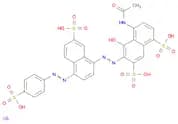

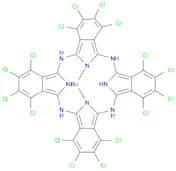
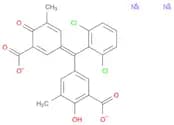
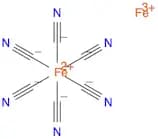
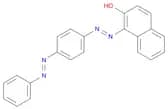
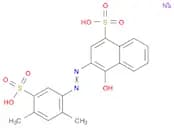

![Spiro[isobenzofuran-1(3H),9'-[9H]xanthen]-3-one, 3',6'-dihydroxy-](/_next/image/?url=https%3A%2Fstatic.cymitquimica.com%2Fproducts%2FIN%2Fthumb-webp%2FDA002MJP.webp&w=3840&q=75)
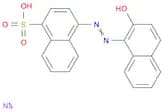
![7,8-dimethyl-1H,2H,3H,4H-benzo[g]pteridine-2,4-dione](/_next/image/?url=https%3A%2Fstatic.cymitquimica.com%2Fproducts%2FIN%2Fthumb-webp%2FDA003RDQ.webp&w=3840&q=75)
![3',6'-Dihydroxy-3-oxo-3H-spiro[isobenzofuran-1,9'-xanthene]-5-carboxylic acid](/_next/image/?url=https%3A%2Fstatic.cymitquimica.com%2Fproducts%2FIN%2Fthumb-webp%2FDA008P3R.webp&w=3840&q=75)
![Benzenesulfonic acid, 3-[[4-(phenylamino)phenyl]azo]-, monosodiumsalt](/_next/image/?url=https%3A%2Fstatic.cymitquimica.com%2Fproducts%2FIN%2Fthumb-webp%2FDA00IAFT.webp&w=3840&q=75)
![2'-(Dibenzylamino)-6'-(diethylamino)-3H-spiro[isobenzofuran-1,9'-xanthen]-3-one](/_next/image/?url=https%3A%2Fstatic.cymitquimica.com%2Fproducts%2FIN%2Fthumb-webp%2FDA003B2H.webp&w=3840&q=75)
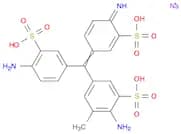
![1-Naphthalenesulfonic acid,4-[(4,5-dihydro-3-methyl-5-oxo-1-phenyl-1H-pyrazol-4-yl)azo]-3-hydroxy-…](/_next/image/?url=https%3A%2Fstatic.cymitquimica.com%2Fproducts%2FIN%2Fthumb-webp%2FDA00I769.webp&w=3840&q=75)
![pentasodium 2-[oxidobis[4-(phosphonnatooxy)phenyl]methyl]benzoate](/_next/image/?url=https%3A%2Fstatic.cymitquimica.com%2Fproducts%2FIN%2Fthumb-webp%2FDA00BIEJ.webp&w=3840&q=75)

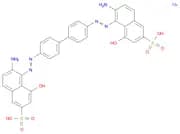

![2-(4-(DIMETHYLAMINO)PHENYL)-3,6-DIMETHYLBENZO[D]THIAZOL-3-IUM CHLORIDE](/_next/image/?url=https%3A%2Fstatic.cymitquimica.com%2Fproducts%2FIN%2Fthumb-webp%2FDA0035OX.webp&w=3840&q=75)
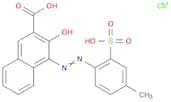
![2,5-Cyclohexadien-1-one, 4-[bis(4-hydroxyphenyl)methylene]-](/_next/image/?url=https%3A%2Fstatic.cymitquimica.com%2Fproducts%2FIN%2Fthumb-webp%2FDA00IAOI.webp&w=3840&q=75)
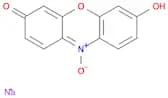
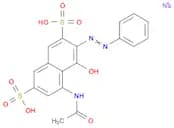
![9-(diethylamino)benzo[a]phenoxazin-5-one](/_next/image/?url=https%3A%2Fstatic.cymitquimica.com%2Fproducts%2FIN%2Fthumb-webp%2FDA0035E2.webp&w=3840&q=75)

![4-Amino-3-((4'-((2,4-diaminophenyl)diazenyl)-[1,1'-biphenyl]-4-yl)diazenyl)-5-hydroxy-6-(phenyldia…](/_next/image/?url=https%3A%2Fstatic.cymitquimica.com%2Fproducts%2FIN%2Fthumb-webp%2FDA0039UV.webp&w=3840&q=75)
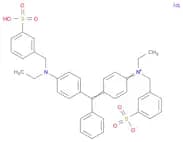
![3′,6′-Dihydroxy-2′,4′,5′,7′-tetraiodospiro[isobenzofuran-1(3H),9′-[9H]xanthen]-3-one disodium salt](/_next/image/?url=https%3A%2Fstatic.cymitquimica.com%2Fproducts%2FIN%2Fthumb-webp%2FDA00HZ33.webp&w=3840&q=75)
![Quinolinium, 2-[2-[4-(dimethylamino)phenyl]ethenyl]-1-ethyl-, iodide (1:1)](/_next/image/?url=https%3A%2Fstatic.cymitquimica.com%2Fproducts%2FIN%2Fthumb-webp%2FDA000DJ8.webp&w=3840&q=75)


![Spiro[isobenzofuran-1(3H),9'-[9H]xanthen]-3-one, 2',4',5',7'-tetrabromo-3',6'-dihyd…](/_next/image/?url=https%3A%2Fstatic.cymitquimica.com%2Fproducts%2FIN%2Fthumb-webp%2FDA00HZMG.webp&w=3840&q=75)
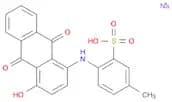
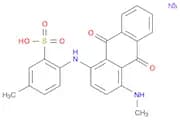
![2,7-Naphthalenedisulfonic acid,3-[(5-chloro-2-hydroxyphenyl)azo]-4,5-dihydroxy-, disodium salt](/_next/image/?url=https%3A%2Fstatic.cymitquimica.com%2Fproducts%2FIN%2Fthumb-webp%2FDA00ILIJ.webp&w=3840&q=75)
![Anthra[2,1,9-def:6,5,10-d'e'f']diisoquinoline-1,3,8,10(2H,9H)-tetrone,2,9-bis(4-methoxyphenyl)-](/_next/image/?url=https%3A%2Fstatic.cymitquimica.com%2Fproducts%2FIN%2Fthumb-webp%2FDA00IMCX.webp&w=3840&q=75)
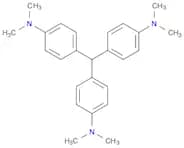
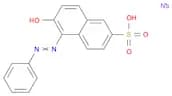
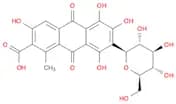
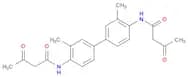
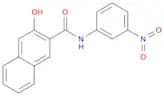

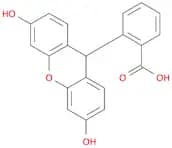
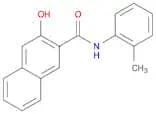
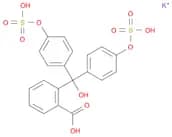
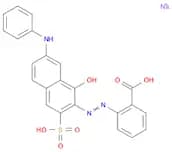
![7H-[1]Benzopyrano[3',2':3,4]pyrido[1,2-a]benzimidazole-6-carbonitrile,3-(diethylamino)-7-imino-](/_next/image/?url=https%3A%2Fstatic.cymitquimica.com%2Fproducts%2FIN%2Fthumb-webp%2FDA00IMKE.webp&w=3840&q=75)

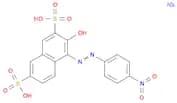
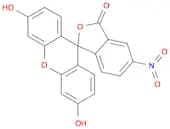

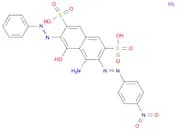

methylene]-2,5-cyclohexadien-1-ylidene]-N-ethyl-e…](/_next/image/?url=https%3A%2Fstatic.cymitquimica.com%2Fproducts%2FIN%2Fthumb-webp%2FDA00IMJH.webp&w=3840&q=75)
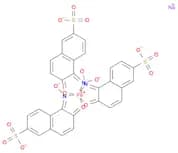
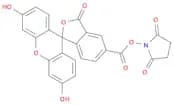
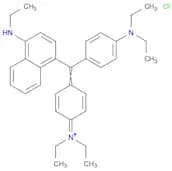
![4H-1-Benzopyran-4-one,3-[[6-O-(6-deoxy-a-L-mannopyranosyl)-b-D-glucopyranosyl]oxy]-2-(3,4-dihydrox…](/_next/image/?url=https%3A%2Fstatic.cymitquimica.com%2Fproducts%2FIN%2Fthumb-webp%2FDA00HY3I.webp&w=3840&q=75)