Halogénures organiques
Sous-catégories appartenant à la catégorie "Halogénures organiques"
20442 produits trouvés pour "Halogénures organiques"
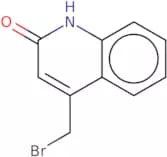
4-Bromomethyl-2(1H)-quinolinone
CAS :4-Bromomethyl-2(1H)-Quinolinone is a chemical compound that is used in the calibration of an HPLC system. It has been shown to be linear over a wide range of concentrations. The detection wavelength is at 230 nm, and the flow rate is 1 mL/min. The average response for 4-bromomethyl-2(1H)-quinolinone was found to be approximately 0.7 AUFS with a standard deviation of 0.3 AUFS.Formule :C10H8BrNODegré de pureté :Min. 95%Masse moléculaire :238.08 g/mol2,3,6,7,10,11-Hexabromotriphenylene
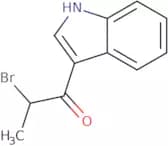
CAS :2,3,6,7,10,11-Hexabromotriphenylene is a mesomorphic monolayer with a donor-acceptor structure. It can be used to make magnetic resonance spectroscopy devices that can detect picric acid and an electron-deficient coupling agent for the synthesis of methyl ketones. The chloride groups on the hexabromotriphenylene are electron deficient and can react with a palladium-catalyzed cross-coupling reaction to produce methyl ketones. This compound also has potential use in making x-ray structures and is one of the sixfold magnetic resonance active triphenylenes.Formule :C18H6Br6Degré de pureté :Min. 95%Couleur et forme :PowderMasse moléculaire :701.66 g/mol2-Bromo-1-(1H-indol-3-yl)propan-1-one
CAS :Produit contrôléPlease enquire for more information about 2-Bromo-1-(1H-indol-3-yl)propan-1-one including the price, delivery time and more detailed product information at the technical inquiry form on this pageFormule :C11H10BrNODegré de pureté :Min. 85%Couleur et forme :PowderMasse moléculaire :252.11 g/mol1,1,1,2,2,3,3-Heptachloro-3-Fluoropropane
CAS :Produit contrôlé1,1,1,2,2,3,3-Heptachloro-3-Fluoropropane (HFC-227ea) is a synthetic chlorofluorocarbon that was developed as an environmentally friendly substitute for chlorodifluoromethane. HFC-227ea is used in refrigeration and air conditioning systems due to its high heat capacity. This chemical has been shown to inhibit serotonin reuptake and may play a role in the control of moods. HFC-227ea can also be used as a solvent for organic materials that cannot be dissolved by other chemicals. It is reactive with water and may react with other chemicals or cause fires if exposed to open flames. HFC 227ea has been shown to have toxic effects on the nervous system when injected into rats. The LD50 (the dose at which 50% of animals die) for this chemical is between 2 and 6 milligrams per kilogram of body weightFormule :C3Cl7FDegré de pureté :Min. 95%Masse moléculaire :303.2 g/mol[1-(Pyrrolidin-1-ylcarbonyl)propyl]amine hydrochloride
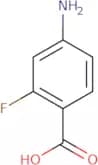
CAS :Produit contrôléPlease enquire for more information about [1-(Pyrrolidin-1-ylcarbonyl)propyl]amine hydrochloride including the price, delivery time and more detailed product information at the technical inquiry form on this pageFormule :C8H16N2ODegré de pureté :Min. 95%Masse moléculaire :156.23 g/mol4-Amino-2-fluorobenzoic acid
CAS :4-Amino-2-fluorobenzoic acid is a potent inhibitor of formylating enzymes, such as carbonyl reductase and amino acid formyltransferase. It has been shown to be an effective inhibitor of cancer cells in vivo and inhibits the growth of prostate cancer cells. This compound has also been shown to inhibit nitro reduction reactions, which are involved in the carcinogenic process. 4-Amino-2-fluorobenzoic acid reacts with chloride ions to produce a functional group that can react with carbon nanotubes, making it a candidate for use in cancer therapy.Formule :C7H6FNO2Degré de pureté :Min. 95%Couleur et forme :SolidMasse moléculaire :155.13 g/molN-[2-(Fmoc-amino)-ethyl]glycine tert-butylester hydrochloride
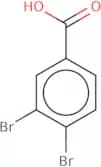
CAS :Please enquire for more information about N-[2-(Fmoc-amino)-ethyl]glycine tert-butylester hydrochloride including the price, delivery time and more detailed product information at the technical inquiry form on this pageFormule :C23H28N2O4·HClDegré de pureté :Min. 95%Couleur et forme :PowderMasse moléculaire :432.94 g/mol3,4-Dibromobenzoic acid
CAS :3,4-Dibromobenzoic acid (DBBA) is a white solid that has a melting point of -5°C. It is produced by the electrolysis of bromoacetic acid in the presence of aluminium chloride and phenylacetonitrile, followed by hydrolysis. DBBA can be used for the synthesis of 2-amino-4-bromobenzamide, which is an important intermediate for dyes and pharmaceuticals. The compound has been studied as a precursor to trifluoromethyl compounds with high thermal stability. DBBA can be prepared by bromination of benzene with bromine in acetic acid, followed by fluorination with hydrogen fluoride in acetic acid to yield 3-fluoro-4-(trifluoromethyl)benzoic acid and 3,4-dibromobenzoic acid. This process also yields anhydrous hydrogen fluoride as a co
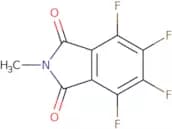
Formule :C7H4Br2O2Degré de pureté :Min. 95%Couleur et forme :PowderMasse moléculaire :279.91 g/mol3,4,5,6-Tetrafluoro-N-methylphthalimide
CAS :3,4,5,6-Tetrafluoro-N-methylphthalimide is a metal halide that is used in the preparation of oxetane derivatives. It is synthesized from the reaction of phthalimides with styrene and 3,4,5,6-tetrafluoro-N-methylbenzoic acid. The reaction time can be varied to produce different products. The acylation reaction occurs by heating the mixture at high temperature and pressure. 3,4,5,6-Tetrafluoro-N-methylphthalimide has been shown to react with pyrrole to form 2,4,5-trifluorobenzoic acid chloride.
Formule :C9H3F4NO2Degré de pureté :Min. 95%Masse moléculaire :233.12 g/mol7-[4-[4-(4-Fluorobenzoyl)Piperidin-1-Yl]Butyl]-1,3-Dimethylpurine-2,6-Dione
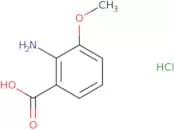
CAS :Produit contrôlé7-[4-[4-(4-Fluorobenzoyl)Piperidin-1-Yl]Butyl]-1,3-Dimethylpurine-2,6-Dione is a drug that belongs to the group of adenosine receptor antagonists. It has been shown to inhibit phosphodiesterase activity and is used as a pharmaceutical dosage. 7-[4-[4-(4-Fluorobenzoyl)Piperidin-1-Yl]Butyl]-1,3-Dimethylpurine-2,6-Dione has been shown to bind to the 5HT2C receptor in vitro. This drug may have therapeutic potential for obesity and type 2 diabetes mellitus treatment.Formule :C23H28FN5O3Degré de pureté :Min. 95%Masse moléculaire :441.5 g/mol3-Methoxyanthranilic acid hydrochloride
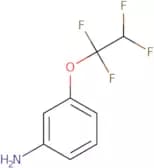
CAS :3-Methoxyanthranilic acid hydrochloride is a synthetic, monosubstituted, hydrochloric acid salt of 3-methoxyanthranilic acid and the hydrochloride. It is a colorless crystalline solid that melts at 166 degrees Celsius. 3-Methoxyanthranilic acid hydrochloride is used as an intermediate in the synthesis of caprolactam, which is then used to produce polyamide fibers. The melting point of 3-Methoxyanthranilic acid hydrochloride can be used to identify other compounds with similar structures. This compound has been shown to have antihistamine effects and may be useful for treating allergies or asthma.Formule :C8H9NO3•HClDegré de pureté :Min. 95%Couleur et forme :PowderMasse moléculaire :203.62 g/mol3-(1,1,2,2-Tetrafluoroethoxy)aniline
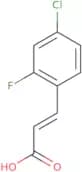
CAS :3-(1,1,2,2-Tetrafluoroethoxy)aniline is a reagent that belongs to the group of complex compounds. It has CAS No. 831-75-4 and is used as an intermediate in the synthesis of fine chemicals, useful scaffolds and building blocks. This versatile chemical can be used as a reaction component for the production of speciality chemicals and research chemicals. 3-(1,1,2,2-Tetrafluoroethoxy)aniline can be used as a starting material for the production of other reagents such as fluoroalkylating agents and fluorinating agents.Formule :C8H7F4NODegré de pureté :Min. 95%Couleur et forme :Colorless Clear LiquidMasse moléculaire :209.14 g/mol4-Chloro-2-fluorocinnamic acid
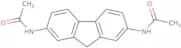
CAS :4-Chloro-2-fluorocinnamic acid is a chemical intermediate that can be used as a building block for the synthesis of other compounds. It has been shown to be useful in the preparation of pharmaceuticals, agrochemicals, and dyestuffs. This chemical has many uses in research, such as being used as a reactant in organic synthesis or as a reagent for derivitization. 4-Chloro-2-fluorocinnamic acid is also an important intermediate for the production of more complex compounds. 4-Chloro-2-fluorocinnamic acid is a versatile building block that can be used in the preparation of many fine chemicals, with its versatility making it an important scaffold for drug discovery.Formule :C9H6ClFO2Degré de pureté :Min. 95%Couleur et forme :PowderMasse moléculaire :200.59 g/mol2,7-Diacetamidofluorene
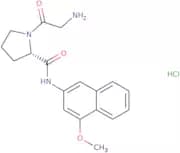
CAS :2,7-Diacetamidofluorene is a chemical substance that is classified as a nitrosamine. It has been shown to produce liver tumors in rats and tumors of the mammary gland in female mice. 2,7-Diamidofluorene has also been shown to increase blood pressure in animals. This chemical also induces myelogenous leukemia in mice, but does not affect the G1 phase of the cell cycle or cell nuclei. 2,7-Diamidofluorene can be administered orally or intravenously to CD-1 mice and will induce cancer at primary sites.Formule :C17H16N2O2Degré de pureté :Min. 95%Couleur et forme :PowderMasse moléculaire :280.32 g/molGly-pro-4-methoxy-β-naphthylamide hydrochloride
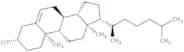
CAS :Gly-pro-4-methoxy-β-naphthylamide hydrochloride is a fine chemical that is useful as a versatile building block and intermediate. It is a research chemical that has been used in the production of other compounds, such as drugs, pesticides, and dyes. This compound is also used to synthesize certain polymers and plastics. Gly-pro-4-methoxy-β-naphthylamide hydrochloride has CAS number 100929-90-6, but it can be found under many other names including 4-(2′,5′dimethylphenyl)-1-(2′hydroxyethyl)piperazine (CAS 105999).Formule :C18H22ClN3O3Degré de pureté :Min. 95 Area-%Couleur et forme :PowderMasse moléculaire :363.84 g/molCholesteryl chloride from beef fat
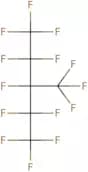
CAS :Produit contrôléCholesteryl chloride is a cholesteric liquid crystal, which is a component extracted from beef fat. This compound is derived through the processing of animal fat to isolate lipid components, specifically targeting cholesterol derivatives. Its mode of action involves its ability to exhibit unique optical properties due to its liquid crystalline structure, which aligns in a helical pattern. This alignment causes selective reflection of light, an essential feature in the study of optical and thermochromic materials.Formule :C27H45ClDegré de pureté :Min. 95%Couleur et forme :PowderMasse moléculaire :405.1 g/mol1,1,1,2,2,3,4,4,5,5,5-Undecafluoro-3-(Trifluoromethyl)Pentane
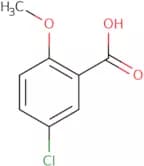
CAS :Produit contrôlé1,1,1,2,2,3,4,4,5,5,5-Undecafluoro-3-(trifluoromethyl)pentane is a fluorocarbon that is used as an intermediate in the production of other fluorocarbons. It is synthesized by the pyrolysis of toluene at high temperature and pressure in the presence of fluoride. The hexamer isomerizes to the tetramer at room temperature and pressure. The pentamer can be cyclized under high temperature and pressure conditions to form the diazotised cyclobutene ring with a cyclised pentamer.Formule :C6F14Degré de pureté :Min. 95%Masse moléculaire :338.04 g/mol5-Chloro-2-methoxybenzoic acid
CAS :5-Chloro-2-methoxybenzoic acid is an industrial chemical that is used in the production of pharmaceuticals, plastics, and dyes. It also has hypoglycemic activity and can be used to treat type 2 diabetes. The molecular modeling study of this compound showed that it binds to the chloride ion by forming a hydrogen bond between the oxygen atom of the carboxylic acid group and the nitrogen atom of the chloride ion. This interaction leads to a lower pH value in the environment where 5-chloro-2-methoxybenzoic acid is present. This change in pH may affect other molecules such as glucose, which could lead to a decrease in blood sugar levels. Researchers have found that 5-chloro-2-methoxybenzoic acid has cancer cell growth inhibiting properties and can be used as a potential drug for colorectal adenocarcinoma treatment.Formule :C8H7ClO3Degré de pureté :Min. 95%Masse moléculaire :186.59 g/molcis-(+/-)-2-[(N-Benzyl-N-methyl)aminomethyl]-1-(3-methoxyphenyl)cyclohexanol hydrochloride
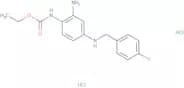
CAS :cis-(+/-)-2-[(N-Benzyl-N-methyl)aminomethyl]-1-(3-methoxyphenyl)cyclohexanol hydrochloride is a versatile building block that can be used in the synthesis of complex compounds. This compound is also a useful reagent, speciality chemical, and reaction component. cis-(+/-)-2-[(N-Benzyl-N-methyl)aminomethyl]-1-(3-methoxyphenyl)cyclohexanol hydrochloride has been shown to be a valuable scaffold for research chemicals with high quality.Formule :C22H30ClNO2Degré de pureté :Min. 95 Area-%Couleur et forme :PowderMasse moléculaire :375.93 g/molRetigabine dihydrochloride
CAS :Produit contrôléVoltage-gated potassium channel openerFormule :C16H20Cl2FN3O2Degré de pureté :Min. 95%Couleur et forme :Off-White PowderMasse moléculaire :376.25 g/mol1,4-Dibromo-2,3-butanedione
CAS :1,4-Dibromo-2,3-butanedione is an organic compound that is used as a model organism in organic chemistry. It is reactive with light and can emit light when it reacts with oxygen. 1,4-Dibromo-2,3-butanedione has been studied for its use in the synthesis of adenine nucleotides and amino acids. This chemical also has reactive functional groups that can be used to synthesize other molecules. The chlorine atom present in the molecule makes it reactive with many other compounds. 1,4-Dibromo-2,3-butanedione is not found naturally but can be synthesized from dehydroabietic acid through a series of steps involving oxidation and reduction reactions.Formule :C4H4Br2O2Degré de pureté :Min. 95%Couleur et forme :PowderMasse moléculaire :243.88 g/mol(E)-3-[3'-(4''-fluorophenyl)-1'-(1''-methylethyl)-1H-indol-2''-yl]-2-propnal
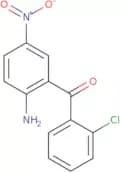
CAS :(E)-3-[3'-(4''-Fluorophenyl)-1'-(1''-methylethyl)-1H-indol-2''-yl]-2-propnal is an amoebicidal agent that belongs to the class of indole derivatives. It has been shown to inhibit tumor growth in animal models, and thus may be a potential anti-cancer drug. The activity index of (E)-3-[3'-(4''-fluorophenyl)-1'-(1''-methylethyl)-1H-indol-2''-yl]-2-propnal was significantly lower than those of fenoldopam, a well known antihypertensive agent, for the treatment of liver cancer. The compound also inhibits the growth of bacteria by inhibiting protein synthesis in organisms such as amoeba.Formule :C20H18FNODegré de pureté :Min. 95%Couleur et forme :Yellow PowderMasse moléculaire :307.36 g/mol2-Amino-5-nitro-2'-chlorobenzophenone
CAS :2-Amino-5-nitro-2'-chlorobenzophenone (2ACCB) is a precursor for the synthesis of 2,4,6-trichlorophenol. 2ACCB reacts with hydrochloric acid in the presence of a scrubber to produce diphenyl ether and activated 2ACCB. The reaction rate can be increased by adding sodium hydroxide solution to the reaction solution. The hydroxy group on the 2ACCB molecule can be converted to a terpene by transfer reactions with glycol esters. This compound has been used as a sterilant and disinfectant in reaction solutions containing chlorine atoms or carbonyl groups.Formule :C13H9ClN2O3Degré de pureté :Min. 95%Couleur et forme :PowderMasse moléculaire :276.67 g/mol2-tert-Butyl-6-(5-chloro-2H-benzotriazol-2-yl)-4-methylphenol
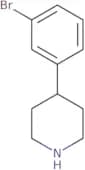
CAS :2-tert-Butyl-6-(5-chloro-2H-benzotriazol-2-yl)-4-methylphenol is the chemical compound with formula C12H7ClO3. It is a white solid that is soluble in water and ethanol, but not in ether or hexane. 2,6-Tertiarybutylphenol has been used as a cell nucleus marker to study locomotion of cells, as well as to analyze other samples including metal ions and water vapor. The method involves the use of a laser ablation technique, which can be used for complex sample analysis. The compound is structurally similar to 2,4,6-trimethylphenol, which has an OH group in place of the CH3 group on the tertiary butyl side chain. This difference makes it more reactive than 2,4,6-trimethylphenol because it has a higher concentration of hydroxyl groups.Formule :C17H18ClN3ODegré de pureté :Min. 98 Area-%Couleur et forme :Slightly Yellow PowderMasse moléculaire :315.8 g/mol4-(3-Bromo-phenyl)-piperidine
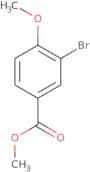
CAS :4-(3-Bromo-phenyl)-piperidine is a radioligand that binds to the vesicular acetylcholine transporter (VAChT). It has been used as a radiotracer in binding experiments, which have shown that this ligand binds to VAChT with high affinity and selectivity. Binding studies using rat brain tissue have revealed that 4-(3-bromo-phenyl)-piperidine is a selective antagonist of the VAChT transporter, with minimal effects on other neurotransmitter transporters. This compound is stable at high concentrations and can be used for experiments involving radioiodinated ligands.Formule :C11H14BrNDegré de pureté :Min. 95%Couleur et forme :PowderMasse moléculaire :240.14 g/mol3-Bromo-4-methoxybenzoic acid methyl ester
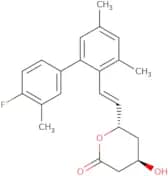
CAS :3-Bromo-4-methoxybenzoic acid methyl ester is an isomer of 4-methoxybenzoic acid. It is a natural product that can be found in dihydroisoquinoline and in the ethyl formate oxidation products. There are two ways to synthesize this compound: by oxidation of diphenyl ethers or by hydrolysis of chloride acetaldehyde. 3-Bromo-4-methoxybenzoic acid methyl ester has been shown to have cellular toxicity against human cells and biphenyl.Formule :C9H9BrO3Degré de pureté :Min. 95%Couleur et forme :PowderMasse moléculaire :245.07 g/mol(4α,6β(E))-DL-6-(2-(4'-Fluoro-3,3',5-trimethyl(1,1'-biphenyl)-2-Yl)ethenyl)tetrahydro-4-hydroxy-2H-pyran-2-one
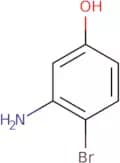
CAS :Produit contrôlé(4alpha,6beta(E))-DL-6-(2-(4'-Fluoro-3,3',5-trimethyl(1,1'-biphenyl)-2-Yl)ethenyl)tetrahydro-4-hydroxy-2H-pyran-2-one is a pharmacological agent that binds to and inhibits the HMG CoA reductase enzyme. This enzyme plays a role in the production of cholesterol, which is used to form bile acids and steroid hormones. The ring structure of (4alpha,6beta(E))-DL-6-(2-(4'-Fluoro-3,3',5-trimethyl(1,1'-biphenyl)-2--Yl)ethenyl)tetrahydro -4hydroxy -2H pyran 2 one allows for it to bind to the active site of the reductase enzymeFormule :C22H23FO3Degré de pureté :Min. 95%Masse moléculaire :354.41 g/mol3-Amino-4-bromophenol
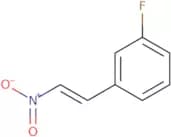
CAS :3-Amino-4-bromophenol is an industrial chemical that is used in the diazotization and reduction reactions. 3-Amino-4-bromophenol can be synthesized by reacting hydrazine with iron oxide and nitrite in a condition of acetone and sodium nitrite. The product yield for this reaction is about 90%. 3-Amino-4-bromophenol crystallizes from acetone as a white powder.Formule :C6H6BrNODegré de pureté :Min. 95%Masse moléculaire :188.02 g/mol1-(3-Fluorophenyl)-2-nitroethene
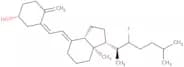
CAS :1-(3-Fluorophenyl)-2-nitroethene is a high quality reagent, complex compound, with CAS No. 705-84-0. It is used as an intermediate in the synthesis of pharmaceuticals and fine chemicals. This compound is one of the most useful scaffolds for organic synthesis due to its versatility in reactions. 1-(3-Fluorophenyl)-2-nitroethene is a versatile building block that can be used in many different reactions, such as the formation of amides, esters, and lactams.Formule :C8H6FNO2Degré de pureté :Min. 95%Couleur et forme :PowderMasse moléculaire :167.14 g/mol22-Fluorovitamin D3
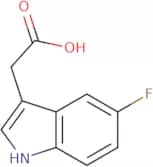
CAS :22-Fluorovitamin D3 is a synthetic analog of vitamin D3, which is derived from chemical synthesis involving fluorination at the C-22 position. This modification results in a compound that mimics the structure and activity of naturally occurring vitamin D3 but with altered pharmacokinetics and metabolic stability. The fluorine atom, due to its size and electronegativity, influences the binding affinity and activity of the compound at vitamin D receptors.Formule :C27H43FODegré de pureté :Min. 95%Masse moléculaire :402.63 g/mol5-Fluoroindole-3-acetic acid
CAS :5-Fluoroindole-3-acetic acid is a fluorine-containing drug that inhibits the transport of indoleacetic acid (IAA), an auxin, in the peo-iaa system. It has been shown to inhibit cancer cell growth and induce apoptosis in a variety of tumour cells. 5-Fluoroindole-3-acetic acid can be used as a chemotherapeutic agent for cancers such as bladder, breast, and prostate cancers. This drug also activates enzymatic reactions by introducing fluorine atoms into reaction sites.Formule :C10H8FNO2Couleur et forme :PowderMasse moléculaire :193.17 g/mol2,5-Diphenyl-3-(4-methoxyphenyl)pyronium tetrafluoroborate
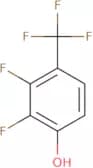
CAS :2,5-Diphenyl-3-(4-methoxyphenyl)pyronium tetrafluoroborate is a chemical compound that can be used as a reagent or building block for the synthesis of other chemical compounds. It is also useful for research and as a versatile building block in organic chemistry. 2,5-Diphenyl-3-(4-methoxyphenyl)pyronium tetrafluoroborate is classified as a speciality chemical product. This compound has CAS Number 2907-20-2 and a molecular weight of 244.12 g/mol.Formule :C24H19O2·BF4Degré de pureté :90%Couleur et forme :PowderMasse moléculaire :426.21 g/mol2,3-Difluoro-4-(trifluoromethyl)phenol
CAS :2,3-Difluoro-4-(trifluoromethyl)phenol is a useful scaffold for the synthesis of complex compounds. The compound is a useful intermediate in the synthesis of research chemicals and speciality chemicals. It is also used as a reaction component in chemical reactions to produce fine chemicals, such as pharmaceuticals.Formule :C7H3F5ODegré de pureté :Min. 95%Couleur et forme :PowderMasse moléculaire :198.09 g/mol(3-Benzyloxy-phenyl)hydrazine hydrochloride
CAS :3-Benzyloxy-phenyl)hydrazine hydrochloride is a chemical used in the synthesis of other organic compounds. It is a versatile building block that can be used in the preparation of complex compounds and useful intermediates. 3-Benzyloxy-phenyl)hydrazine hydrochloride is an excellent reagent for reactions involving electron-deficient alkenes, alkynes, and cyclic ethers. This compound also has applications as a pharmaceutical intermediate and as an analytical reference standard for chemical analyses.
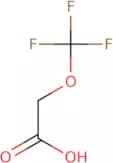
Formule :C13H14N2O·HClDegré de pureté :Min. 95%Couleur et forme :PowderMasse moléculaire :250.72 g/molTrifluoromethoxyacetic acid
CAS :Trifluoromethoxyacetic acid is a synthetic drug that has been used to treat inflammatory bowel disease, alopecia and seborrhoea. It is also used as a pharmacological agent for the treatment of autoimmune diseases, such as sclerosis, malignant and bowel disease. Trifluoromethoxyacetic acid has anti-inflammatory properties due to its inhibition of prostaglandin synthesis. This drug has been shown to be effective in treating alopecia areata in rats with an oral dose of 0.5 mg/kg for two weeks, which is comparable to the effect observed with 1 mg/kg of minoxidil (Rogaine). Trifluoromethoxyacetic acid binds to nitrogen atoms on proteins and inhibits protein synthesis, leading to cell death by inhibiting the production of proteins vital for cell division.Formule :C3H3F3O3Degré de pureté :Min. 95 Area-%Couleur et forme :Clear LiquidMasse moléculaire :144.05 g/molHexadimethrine bromide
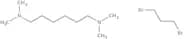
CAS :Hexadimethrine bromide is a matrix metalloproteinase inhibitor that is used in the treatment of infectious diseases. It prevents the degradation of collagen, which is important to maintain the integrity of the extracellular matrix. Hexadimethrine bromide has been shown to be a potent inhibitor of matrix metalloproteinases and other proteases involved in collagen degradation. In addition, Hexadimethrine bromide inhibits toll-like receptor signaling, which may reduce inflammation by preventing activation of inflammatory cells such as macrophages and neutrophils. This agent also has anti-inflammatory properties that have been demonstrated in animal models.
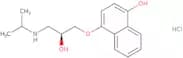
Formule :(C13H30N2·2Br)nDegré de pureté :Min. 95%Couleur et forme :White PowderMasse moléculaire :374.2(S)-4-Hydroxy propranolol hydrobromide
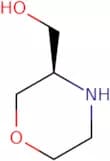
CAS :(S)-4-Hydroxy propranolol hydrobromide is an enantiomer of propranolol. It is a beta blocker that blocks the action of the neurotransmitter noradrenaline. The (S)-enantiomer of propranolol has been shown to be more potent in inhibiting the release of noradrenaline from nerve endings than the (R)-enantiomer and also to have a longer duration of action. This product is used as an antihypertensive agent and for beta-blockade during myocardial infarction. It can be used in assays to assess drug metabolism, quantify alprenolol, or assess the effects on carbon source, ionic environment, and fluorescence by measuring changes in pH.Formule :C16H22BrNO3Degré de pureté :Min. 95 Area-%Couleur et forme :PowderMasse moléculaire :356.25 g/mol(3R)-Hydroxymethylmorpholine
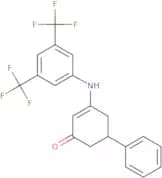
CAS :(3R)-Hydroxymethylmorpholine is a versatile building block and useful intermediate that is used in research to produce complex compounds. It can be used as a reaction component and fine chemical in the synthesis of high-quality reagents. CAS No. 211053-49-5.Formule :C5H11NO2Degré de pureté :Min. 95%Couleur et forme :White PowderMasse moléculaire :117.15 g/mol3-((3,5-bis(trifluoromethyl)phenyl)amino)-5-phenylcyclohex-2-en-1-one
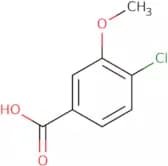
CAS :Please enquire for more information about 3-((3,5-bis(trifluoromethyl)phenyl)amino)-5-phenylcyclohex-2-en-1-one including the price, delivery time and more detailed product information at the technical inquiry form on this pageDegré de pureté :Min. 95%4-Chloro-3-methoxybenzoic acid
CAS :4-Chloro-3-methoxybenzoic acid (4CMB) is a putative cancer drug that belongs to the group of imidazole derivatives. 4CMB has been shown to inhibit the growth of human breast and colon cancer cells in culture by altering the metabolism of 3-hydroxyanthranilic acid, which is an acceptor for aromatic amino acid hydroxylase. The effect of 4CMB on this enzyme leads to a decrease in the production of kynurenine, which is a molecule involved in the production of melanin. This reduced amount of kynurenine results in a loss of pigment and decreases the ability of melanocytes to produce pigments such as melanin. This may help explain how 4CMB works against malignant cells and cancer.Formule :C8H7ClO3Degré de pureté :Min. 95%Couleur et forme :PowderMasse moléculaire :186.59 g/mol2-Methyl-D-cysteine hydrochloride
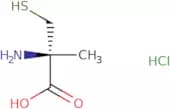
CAS :2-Methyl-D-cysteine hydrochloride is a thiazolidine derivative that is produced by Streptomyces. It is an antibiotic that inhibits bacterial growth and has been shown to be effective against Staphylococcus aureus, Bacillus subtilis, and Escherichia coli. 2-Methyl-D-cysteine hydrochloride is synthesized by cyclocondensation of the amino acid cysteine with the triethylamine derivative desferrithiocin. The chirality of this compound can be modified with an enzyme from Streptomyces sp. This modification removes the sulfur atom from the molecule, which makes it more soluble in water.Formule :C4H9NO2S·ClHDegré de pureté :Min. 95%Couleur et forme :White PowderMasse moléculaire :171.65 g/mol3'-Fluoro-4'-methoxy-beta-methyl-beta-nitrostyrene
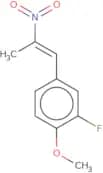
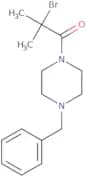
CAS :3'-Fluoro-4'-methoxy-beta-methyl-beta-nitrostyrene is a reactive building block that can be used in the synthesis of many different compounds. It is a fine chemical and a reagent which is useful in organic chemistry. 3'-Fluoro-4'-methoxy-beta-methyl-beta-nitrostyrene is used as a reaction component for the synthesis of many different compounds, including pharmaceuticals, agrochemicals, and other specialty chemicals. It has CAS number 1023717-11-4 and can be used as an intermediate compound or building block for the production of complex compounds.Formule :C10H10FNO3Degré de pureté :Min. 95%Couleur et forme :PowderMasse moléculaire :211.19 g/mol1-Benzyl-4-(2-bromo-2-methylpropanoyl)piperazine
CAS :Produit contrôléPlease enquire for more information about 1-Benzyl-4-(2-bromo-2-methylpropanoyl)piperazine including the price, delivery time and more detailed product information at the technical inquiry form on this page
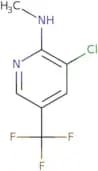
Formule :C15H21BrN2ODegré de pureté :Min. 95%Masse moléculaire :325.24 g/mol3-Chloro-N-methyl-5-(trifluoromethyl)-2-pyridinamine
CAS :3-Chloro-N-methyl-5-(trifluoromethyl)-2-pyridinamine is a fine chemical that is used as a versatile building block for the synthesis of other chemical compounds. 3-Chloro-N-methyl-5-(trifluoromethyl)-2-pyridinamine is also useful as an intermediate in research and development, and can be used to produce speciality chemicals. This compound has shown to be a useful reagent and is of high quality.Formule :C7H6ClF3N2Degré de pureté :Min. 95%Masse moléculaire :210.58 g/molEthyl 5-chloropyrazolo[1,5-a]pyrimidine-3-carboxylate
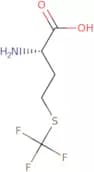
CAS :Please enquire for more information about Ethyl 5-chloropyrazolo[1,5-a]pyrimidine-3-carboxylate including the price, delivery time and more detailed product information at the technical inquiry form on this pageFormule :C9H8ClN3O2Degré de pureté :Min. 95%Couleur et forme :PowderMasse moléculaire :225.63 g/molS-(Trifluoromethyl)-L-homocysteine
CAS :S-(trifluoromethyl)-L-homocysteine is a chemical compound that belongs to the group of antimicrobial agents. It is an inhibitor of bacterial growth and can be used to treat infectious diseases caused by bacteria. S-(Trifluoromethyl)-L-homocysteine inhibits the synthesis of methionine by binding to corynebacterium glutamicum and preventing the formation of methionine from homocysteine. This compound has shown structural analysis in wild-type strains and synthetase mutations, which have revealed its hydrogen bonding interactions with trifluoroacetic acid and ph optimum. Chemical stability has also been demonstrated for this compound in the presence of various acids, bases, alcohols, and oxidizing agents.
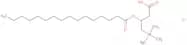
Formule :C5H8F3NO2SDegré de pureté :Min. 95%Couleur et forme :White PowderMasse moléculaire :203.18 g/molPalmitoyl-DL-carnitine chloride
CAS :Palmitoyl-DL-carnitine chloride is a fatty acid that is an important component of cellular membranes. It has been shown to inhibit the growth of cancer cells in rats and mice by increasing the concentration of diacylglycerol in the cell membrane, which leads to increased formation of procyanidins. Palmitoyl-DL-carnitine chloride can also be used as an absorption enhancer for drugs and other compounds. The compound can be used to deliver drugs or other substances into cells, such as Caco-2 cells, for therapeutic purposes. Palmitoyl-DL-carnitine chloride has been shown to increase the production of ornithine in cultured mouse fibroblasts, which may be due to its ability to enhance cellular carnitine levels.
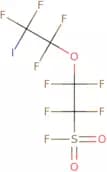
Formule :C23H46ClNO4Degré de pureté :Min. 95%Couleur et forme :PowderMasse moléculaire :436.07 g/molTetrafluoro-2-(tetrafluoro-2-iodoethoxy)ethanesulfonyl fluoride
CAS :Tetrafluoro-2-(tetrafluoro-2-iodoethoxy)ethanesulfonyl fluoride (TFEI) is a fluorinated solvent that has been used in the manufacture of organic thin films. TFEI is a colorless liquid with a strong, unpleasant odor. It is soluble in water and has a boiling point of about 140°C. TFEI possesses good thermal stability and can be used as an etchant for silicon or glass surfaces. TFEI is also capable of dissolving polymers such as polyimide, polyamide, polyethylene terephthalate, and polystyrene. TFEI has been shown to be highly toxic to bacteria and fungi and can be used as an antimicrobial agent in household cleaners, paints, adhesives, varnishes, plastics, textiles, and other industrial products.Formule :C4F9IO3SDegré de pureté :Min. 95%Couleur et forme :Clear LiquidMasse moléculaire :426 g/mol2-(2,5-Dichlorophenyl)ethanol
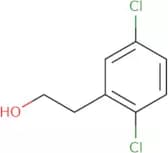
CAS :2-(2,5-Dichlorophenyl)ethanol (2,5-DCPE) is an organic chemical that is used as a building block for the synthesis of fine chemicals and pharmaceuticals. 2,5-DCPE can be used as a reactant in synthesizing more complex compounds. It reacts with many different functional groups to form covalent bonds. The compound has been shown to have high quality and has been characterized by nuclear magnetic resonance spectroscopy and mass spectroscopy.
Formule :C8H8Cl2ODegré de pureté :Min. 95%Couleur et forme :PowderMasse moléculaire :191.05 g/mol8-Chloro-5,10-dihydro-11H-dibenzo[b,e][1,4]-diazepin-11-one
CAS :8-Chloro-5,10-dihydro-11H-dibenzo[b,e][1,4]-diazepin-11-one is a polycyclic multicyclic compound that has stable properties. It is an atypical antipsychotic and antidepressant with high stability. This drug can be prepared by the process of optimization of reaction time and is an orthogonal molecule to typical antipsychotics. 8CBDD can be used in the preparation of atypical antipsychotics and antidepressants.Formule :C13H9ClN2ODegré de pureté :Min. 95%Couleur et forme :PowderMasse moléculaire :244.68 g/molACTH(1-39) trifluoroacetate
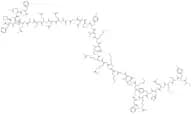
CAS :ACTH(1-39) trifluoroacetate is a synthetic form of ACTH that is used for the diagnosis of autoimmune diseases and bowel disease. It is also used to assess the function of the adrenal gland in cases of suspected Cushing's syndrome. The blood sampling procedure involves withdrawing a small amount of blood from the patient and adding ACTH(1-39) trifluoroacetate to it, which causes an increase in cortisol concentration. ACTH(1-39) trifluoroacetate binds to corticotropin receptors on cells in the body, causing them to release basic proteins that are responsible for inflammation. This drug may be a potential biomarker for metabolic disorders such as obesity. It has been shown to have anti-inflammatory properties and can be used as a nonsteroidal anti-inflammatory drug (NSAID).
Formule :C207H308N56O58SDegré de pureté :Min. 98 Area-%Couleur et forme :PowderMasse moléculaire :4,541.07 g/mol3-Amino-4-chlorobenzoic acid
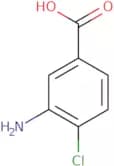
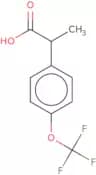
CAS :3-Amino-4-chlorobenzoic acid is a diacid that has been shown to have strong steric interactions with manumycin and fibrinogen, which are proteins found in the human body. 3-Amino-4-chlorobenzoic acid has a carboxylate group at one end of the molecule, which can coordinate to metal ions such as chloride. The other end of the molecule contains a hydrogen atom that can form hydrogen bonds with other molecules. 3-Amino-4-chlorobenzoic acid can be synthesized by reacting 2 moles of chloroacetyl chloride with an amino acid.Formule :C7H6ClNO2Degré de pureté :Min. 95%Couleur et forme :PowderMasse moléculaire :171.58 g/mol2-(4-Trifluoromethoxyphenyl)propionic acid
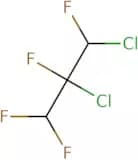
CAS :Please enquire for more information about 2-(4-Trifluoromethoxyphenyl)propionic acid including the price, delivery time and more detailed product information at the technical inquiry form on this pageFormule :C10H9F3O3Degré de pureté :Min. 95%Masse moléculaire :234.17 g/mol1,2-Dichloro-1,2,3,3-tetrafluoropropane
CAS :Produit contrôlé1,2-Dichloro-1,2,3,3-tetrafluoropropane (1,2-DCE) is an aromatic hydrocarbon that is used in the manufacturing of polyurethane and other products. 1,2-DCE is a colorless gas with a sweet odor. It has been shown to be carcinogenic in animal studies. It can be found as a liquid or solid at room temperature and has a high vapor pressure. The gas is soluble in water and most organic solvents. The liquid form boils at -10°C and freezes at -30°C. 1,2-DCE can be detected by infrared spectroscopy due to its absorption bands at 3270 cm-1 and 3300 cm-1.
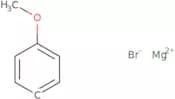
Formule :C3H2Cl2F4Degré de pureté :Min. 95%Masse moléculaire :184.95 g/mol4-Methoxyphenylmagnesium bromide - 0.5M solution in THF
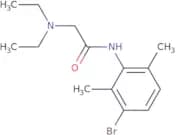
CAS :4-Methoxyphenylmagnesium bromide - 0.5M solution in THF is a cytotoxic agent that binds to the estrogen receptor, which is involved in breast cancer cell proliferation and differentiation. It is an azide that has been shown to react with hydrochloric acid to form an amide. This reaction may be stereoselective and involve dehydration of the amine group. The mechanism of this reaction involves the formation of a trifluoroacetic acid derivative, which undergoes unsaturated alkyl halogenation followed by chloride ion attack on the double bond. 4-Methoxyphenylmagnesium bromide - 0.5M solution in THF has been shown to inhibit the proliferation of human MCF-7 breast cancer cells, as well as other estrogen receptor modulators such as amines and trifluoroacetic acid.Formule :C7H7BrMgODegré de pureté :Min. 95%Couleur et forme :PowderMasse moléculaire :211.34 g/mol3-Bromo lidocaine
CAS :3-Bromo lidocaine is a useful building block for the synthesis of complex compounds. It is a chemical intermediate that is used in the manufacture of pharmaceuticals and other organic chemicals. 3-Bromo lidocaine has a CAS number of 1044658-01-6, which identifies it as a reagent that can be used in organic synthesis. It is an important reaction component with high quality and versatility, making it an excellent choice for research chemical or speciality chemical purposes.Formule :C14H21BrN2ODegré de pureté :Min. 95%Couleur et forme :PowderMasse moléculaire :313.23 g/molMagnesium chloride hexahydrate
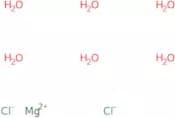
CAS :Magnesium chloride hexahydrate is a chemical compound with the formula MgCl2·6H2O. It is used as an electrolyte in wastewater treatment and for the production of magnesium metal. The optimum concentration for this chemical is between 0.1-0.3 mol/L, which can be found in nature. Magnesium chloride hexahydrate is also used as a component in dextran sulfate, which is an additive to prevent clumping of particles suspended in water or other liquids. This compound has been shown to affect the activity of enzymes such as xylanase, protease, and amylase. Magnesium chloride hexahydrate has a phase transition temperature of 40 °C and can form coordination geometry structures with copper(II) ions at high temperatures.Formule :MgCl2·6H2OCouleur et forme :PowderMasse moléculaire :203.3 g/molMethyl 4-chlorophenylacetate
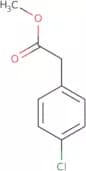
CAS :Methyl 4-chlorophenylacetate is an antibacterial agent that belongs to the group of decarboxylated compounds. It has been synthesised and chiral, with a pyruvic acid moiety. Methyl 4-chlorophenylacetate is bactericidal against Pyricularia oryzae and other microorganisms in vitro. It has also been shown to inhibit histamine H1 receptors in rats. The molecular modelling study showed that methyl 4-chlorophenylacetate forms hydrogen bonds with the bacterial cell membrane, which may lead to the formation of pores in the membrane, resulting in cell death.Formule :C9H9ClO2Degré de pureté :Min. 95%Masse moléculaire :184.62 g/molTrimecaine hydrochloride
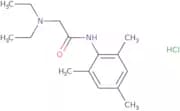
CAS :Trimecaine hydrochloride is a local anaesthetic that can be used in the treatment of pain. It is a non-narcotic, anti-inflammatory drug that is also useful as an antipruritic and as a topical agent for the relief of itching. Trimecaine hydrochloride blocks nerve conduction by inhibiting sodium ion influx across the neuronal membrane. This prevents activation of voltage-gated sodium channels and subsequent depolarization, which leads to decreased nerve conduction. Trimecaine hydrochloride is not absorbed through intact skin and does not cause systemic toxicity or respiratory depression.
Formule :C15H24N2O•HClDegré de pureté :Min. 95%Couleur et forme :PowderMasse moléculaire :284.82 g/mol2-Bromo-2-(2-fluorophenyl)-1-cyclopropylethanone
CAS :2-Bromo-2-(2-fluorophenyl)-1-cyclopropylethanone is a synthetic peroxide that is used as an additive in the production of polyvinylpyrrolidone. It has been shown to have efficient methods for the reduction of amines and chlorides to the corresponding hydroxylamine and hydrochloride, respectively. The tribromide may be generated by treatment with bromine and a base, such as potassium hydroxide or sodium hydroxide, in an inert solvent such as benzene or dichloromethane. 2-Bromo-2-(2-fluorophenyl)-1-cyclopropylethanone can also be synthesized from phenacyl chloride and acetylene.Formule :C11H10BrFODegré de pureté :Min. 95 Area-%Couleur et forme :Clear LiquidMasse moléculaire :257.1 g/mol5,7-Dibromo-8-hydroxyquinoline
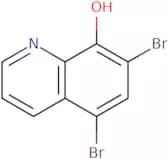
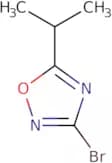
CAS :5,7-Dibromo-8-hydroxyquinoline is a cytotoxic agent that has been shown to inhibit the growth of xenograft tumor cells. It was found to be effective in inhibiting the mitochondrial membrane potential and decrease the rate of cell proliferation. 5,7-Dibromo-8-hydroxyquinoline also showed significant cytotoxicity against carcinoma cell lines, with no effect on normal human fibroblast cells. The drug is an organophosphate compound that inhibits fatty acid synthesis by binding to an enzyme involved in fatty acid biosynthesis. This inhibition causes diarrhoea and sodium salt loss. 5,7-Dibromo-8-hydroxyquinoline can be extracted from hydrochloric acid through a solvent extraction process.Formule :C9H5Br2NODegré de pureté :Min. 95%Couleur et forme :PowderMasse moléculaire :302.95 g/mol3-Bromo-5-isopropyl-1,2,4-oxadiazole
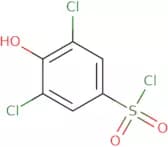
CAS :3-Bromo-5-isopropyl-1,2,4-oxadiazole is a radiocarbon that was first detected in the atmosphere of Earth in the 1960s. It is produced by natural processes and is emitted into the atmosphere by human activities. 3-Bromo-5-isopropyl-1,2,4-oxadiazole has been found to be present in humans and other animals, as well as plants and soil. This compound has been detected in different parts of China and has been shown to be related to human activities. The evolution of 3-bromo-5-isopropyl-1,2,4 oxadiazole can be analysed using semantic approaches such as ideology sampling or repairing. Factors that may affect the production of 3-bromo 5 isopropyl 1 2 4 oxadiazole include climate change and technological development.Formule :C5H7BrN2ODegré de pureté :Min. 95%Couleur et forme :Colorless PowderMasse moléculaire :191.03 g/mol3,5-Dichloro-4-hydroxybenzenesulfonyl chloride
CAS :Please enquire for more information about 3,5-Dichloro-4-hydroxybenzenesulfonyl chloride including the price, delivery time and more detailed product information at the technical inquiry form on this pageFormule :C6H3Cl3O3SDegré de pureté :Min. 95%Masse moléculaire :261.51 g/mol1-[4-(Benzyloxy)phenyl]-2-bromopropan-1-one
CAS :1-[4-(Benzyloxy)phenyl]-2-bromopropan-1-one is an estrogenic compound. It is a reactive substance that can be synthesized by reductive amination of hydroxybenzaldehyde with benzyl bromide. 1-[4-(Benzyloxy)phenyl]-2-bromopropan-1-one has been shown to be metabolized in the liver by cytochrome P450 enzymes to form the corresponding alcohol and carboxylic acid. It binds to estrogen receptors, which may be due to its ability to bind to DNA. The binding of this substance to estrogen receptors may induce transcriptional activation and increase protein synthesis in cells.
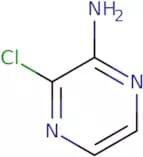
Formule :C16H15O2BrDegré de pureté :Min. 95%Couleur et forme :PowderMasse moléculaire :319.19 g/mol2-Amino-3-chloropyrazine
CAS :2-Amino-3-chloropyrazine is an active analogue of pyrazinamide, which is a potent antimycobacterial drug. It has been shown to have bacteriostatic activity against Mycobacterium tuberculosis in vitro and in vivo. 2-Amino-3-chloropyrazine has been shown to inhibit mitochondrial membrane potential, which may be due to its ability to inhibit hepg2 cell growth by decreasing intracellular ATP levels. It also inhibits the synthesis of bacterial DNA and protein, thereby inhibiting bacterial growth. 2-Amino-3-chloropyrazine has also been shown to have antitumor properties against mouse tumor cells. The pharmacokinetic properties of this drug are not well understood yet, but it has been shown that it can be detected in serum after administration
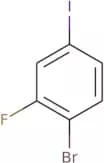
Degré de pureté :Min. 95%Couleur et forme :PowderMasse moléculaire :129.55 g/mol4-Bromo-3-fluoroiodobenzene
CAS :4-Bromo-3-fluoroiodobenzene is a pyrrole with a carbazole ring system. It is synthesized by the reaction of iodobenzene and chloroform, followed by the addition of ammonium chloride. 4-Bromo-3-fluoroiodobenzene can be used in the synthesis of amides and strategies for advances in mesomorphic ferroelectric materials.Formule :C6H3BrFIDegré de pureté :Min. 95%Couleur et forme :PowderMasse moléculaire :300.89 g/mol2,4-Dichloro-5-(trifluoromethyl)benzophenone
CAS :2,4-Dichloro-5-(trifluoromethyl)benzophenone is a versatile building block that can be used in the production of a variety of fine chemicals and research chemicals. This chemical has been shown to be an intermediate in the synthesis of a number of complex compounds, including speciality chemicals and reaction components. 2,4-Dichloro-5-(trifluoromethyl)benzophenone can also be used as a reagent for the synthesis of high quality products. This chemical is a useful scaffold for reactions involving electron-deficient alkenes.Formule :C14H7Cl2F3ODegré de pureté :Min. 95%Couleur et forme :PowderMasse moléculaire :319.11 g/mol3'-Fluoro-2'-hydroxy-β-methyl-β-nitrostyrene
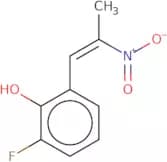
CAS :3'-Fluoro-2'-hydroxy-beta-methyl-beta-nitrostyrene is a fine chemical with a CAS No. 1017060-19-3. It is an intermediate that can be used in the synthesis of complex compounds and research chemicals. This product also has high purity and quality, making it a versatile building block for speciality chemicals. 3'-Fluoro-2'-hydroxy-beta-methyl-beta-nitrostyrene is useful as a reaction component in the synthesis of many other chemical compounds.Formule :C9H8FNO3Degré de pureté :Min. 95%Couleur et forme :PowderMasse moléculaire :197.16 g/mol4-Methyl-N-[3-(Trifluoromethyl)Phenyl]Benzenesulfonamide
CAS :Please enquire for more information about 4-Methyl-N-[3-(Trifluoromethyl)Phenyl]Benzenesulfonamide including the price, delivery time and more detailed product information at the technical inquiry form on this pageFormule :C14H12F3NO2SDegré de pureté :Min. 95%Masse moléculaire :315.31 g/mol2-Hydroxy-N,N,N-trimethylethanaminium salt with 1,1,1-trifluoro-N-[(trifluoromethyl)sulfonyl]methanesulfonamide
CAS :2-Hydroxy-N,N,N-trimethylethanaminium salt with 1,1,1-trifluoro-N-[(trifluoromethyl)sulfonyl]methanesulfonamide is a hydroxyl group containing ionic liquid that has been used as an extractant. It is activated by a proton to form an oxyanion, which can be protonated again by the extractant to regenerate the ionic liquid. The thermodynamic properties of this ionic liquid are dependent on the concentration of solute and solvent. This ionic solute has been shown to inhibit bacterial growth and is toxic for animals.Formule :C5H14NO•C2F6NO4S2Degré de pureté :Min. 95%Couleur et forme :White PowderMasse moléculaire :384.32 g/mol4-Chloro-3,5-dinitrobenzoic acid
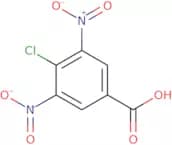
CAS :4-Chloro-3,5-dinitrobenzoic acid is a redox potential chemical that has been shown to be reactive in the presence of nucleophiles. The toxicological studies on this chemical have focused on its hemolytic activity and conformational properties. 4-Chloro-3,5-dinitrobenzoic acid is a molecule with neutral ph and can react with lysine residues in proteins, which may lead to the release of caproic acid and nitrite ions. This chemical also has protease activity and can undergo transfer reactions with other molecules.Formule :C7H3ClN2O6Degré de pureté :Min. 90%Couleur et forme :PowderMasse moléculaire :246.56 g/mol4-(3-Bromophenyl)-1,3-thiazol-2-amine
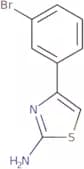
CAS :4-(3-Bromophenyl)-1,3-thiazol-2-amine is an inhibitor of enzymes such as cholinesterase and covalent binding. It has been shown to inhibit the activity of cholinesterase in vitro. This drug is not active against erythromycin or lincomycin. 4-(3-Bromophenyl)-1,3-thiazol-2-amine also has a phenylthiazole linkage that can be conjugated with other molecules for use as a therapeutic agent.Formule :C9H7BrN2SDegré de pureté :Min. 95%Couleur et forme :PowderMasse moléculaire :255.14 g/mol9,10-Dichloroanthracene
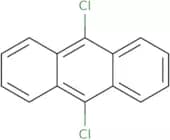
CAS :9,10-Dichloroanthracene is an organic compound with the molecular formula Cl2C=CC=CCl2. It is a chlorinated aromatic hydrocarbon with two adjacent chlorine atoms. The electronic excitations of 9,10-dichloroanthracene are dominated by a triplet state that has a lifetime of about 1 nanosecond. This species exhibits fluorescence at room temperature and emits light in the visible region of the electromagnetic spectrum. The molecule can undergo reactions with amines to form benzenediamine derivatives, which are useful in supramolecular chemistry. 9,10-Dichloroanthracene also reacts with hydrochloric acid to produce hydrogen chloride gas and fluoresces under ultraviolet radiation or when exposed to longwave ultraviolet light.
9,10-Dichloroanthracene crystallizes as white needles that melt at 169 °C and boil at 291 °C.Formule :C14H8Cl2Degré de pureté :Min. 95%Masse moléculaire :247.12 g/molN-(4-Fluorophenyl)(5-methyl-3-phenylisoxazol-4-yl)formamide
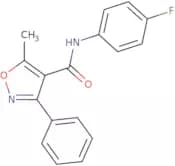
CAS :Please enquire for more information about N-(4-Fluorophenyl)(5-methyl-3-phenylisoxazol-4-yl)formamide including the price, delivery time and more detailed product information at the technical inquiry form on this pageFormule :C17H13FN2O2Degré de pureté :Min. 95%Couleur et forme :PowderMasse moléculaire :296.3 g/mol1-(2-Chloroethyl)-4-[3-(Trifluoromethyl)Phenyl]Piperazine Dihydrochloride
CAS :Produit contrôléPlease enquire for more information about 1-(2-Chloroethyl)-4-[3-(Trifluoromethyl)Phenyl]Piperazine Dihydrochloride including the price, delivery time and more detailed product information at the technical inquiry form on this pageFormule :C13H18Cl3F3N2Degré de pureté :Min. 95%Masse moléculaire :365.65 g/mol2-Bromo-5-chloroanisole
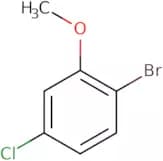
CAS :2-Bromo-5-chloroanisole is a high quality chemical that is used as an intermediate in the synthesis of other chemicals, such as ethyl bromoacetate. It is also a useful building block for the synthesis of complex compounds. 2-Bromo-5-chloroanisole has been used as a reagent to study the effect of electron density on the reactivity of nitrobenzene and its derivatives. This chemical has also been found to be a useful scaffold for drug discovery research. 2-Bromo-5-chloroanisole can be used as a speciality chemical in research and development, or it can be used as a reaction component for other chemical reactions.
Formule :C7H6BrClODegré de pureté :Min. 95%Masse moléculaire :221.48 g/mol5-(2-Bromoethoxy)-2,3-dihydro-1,4-benzodioxine
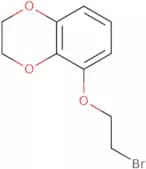
CAS :5-(2-Bromoethoxy)-2,3-dihydro-1,4-benzodioxine is a drug that belongs to the group of local anesthetics. It blocks nerve conduction by inhibiting voltage-gated sodium channels and is used for the treatment of pain. 5-(2-Bromoethoxy)-2,3-dihydro-1,4-benzodioxine has been shown to have two dimensional energies that are greater than those of other drugs in this category. The interactions between molecules are isomorphous and there are strong hydrogen bonds. 5-(2-Bromoethoxy)-2,3-dihydro-1,4-benzodioxine also interacts with the interatomic distance between hydrogens and bromines on adjacent molecules.Formule :C10H11BrO3Degré de pureté :Min. 95%Masse moléculaire :259.1 g/molTirofiban hydrochloride monohydrate
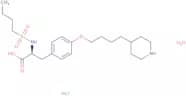
CAS :Glycoprotein IIb/IIIa inhibitor; platelet aggregation inhibitorFormule :C22H36N2O5S•HCl•H2ODegré de pureté :Min. 95%Couleur et forme :White PowderMasse moléculaire :495.07 g/molCapstone product B
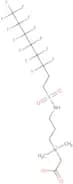
CAS :Capstone product B is a magnetic resonance spectroscopy agent that has been deacetylated. It can be broken down by photolysis, and is metabolized by hydrocarbon-degrading enzymes. Capstone product B contains a betaine group that is sensitive to light, and can be detected by resonance spectroscopy. The experiment was conducted on soil samples with the use of a surfactant to increase the solubility of the analyte in water.Formule :C15H19F13N2O4SDegré de pureté :(Elemental Analysis) Min. 95%Couleur et forme :PowderMasse moléculaire :570.37 g/mol4-Chloro-7-methyl-7H-pyrrolo[2,3-d]pyrimidine
CAS :4-Chloro-7-methyl-7H-pyrrolo[2,3-d]pyrimidine is a versatile building block for the synthesis of complex compounds. It can be used as a reagent in organic synthesis and has been shown to react with a range of functional groups including alcohols, amines, carboxylic acids, sulfonic acid esters and nitriles. 4-Chloro-7-methylpyrrolo[2,3-d]pyrimidine is an intermediate that can be used to synthesize other specialty chemicals such as pharmaceuticals.Formule :C7H6ClN3Degré de pureté :Min. 95 Area-%Couleur et forme :PowderMasse moléculaire :167.6 g/mol3-Chloro-4-fluorobenzyl cyanide
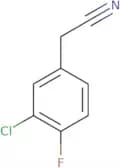
CAS :3-Chloro-4-fluorobenzyl cyanide (3CFC) is a high quality, reagent that can be used as a building block and scaffold in the synthesis of complex compounds. It is an excellent intermediate for the preparation of fine chemicals and research chemicals. 3CFC is also a versatile building block and reaction component for the synthesis of diverse chemical compounds.Formule :C8H5ClFNDegré de pureté :Min. 95%Couleur et forme :Clear LiquidMasse moléculaire :169.58 g/mol2-Chloromandelic acid
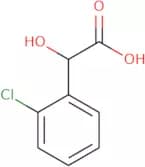
CAS :2-Chloromandelic acid is an organic compound that belongs to the class of compounds called chloroacetic acids. It has been shown to react with hydroxylamine and form a trifluoroacetamide, which is a useful building block in organic synthesis. 2-Chloromandelic acid can be synthesized from mandelic acid by reacting it with phosphorus pentachloride in the presence of carbon tetrachloride. 2-Chloromandelic acid has been shown to inhibit the growth of Pseudomonas aeruginosa, an opportunistic human pathogen in cystic fibrosis patients. 2-Chloromandelic acid crystallizes as one of two possible polymorphs: Form I or Form II. The solubility data for both forms are available, but only Form I is metastable at room temperature and pressure.Formule :C8H7ClO3Degré de pureté :Min. 95%Couleur et forme :PowderMasse moléculaire :186.59 g/mol3-Iodobenzoic acid
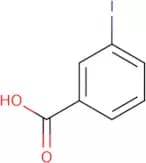
CAS :3-Iodobenzoic acid is a crystalline solid that has been shown to inhibit the growth of epidermal cells by binding to the epidermal growth factor receptor. 3-Iodobenzoic acid is an x-ray crystal structure that is hydrated and forms hydrogen bonds with DNA. It can be used as a model system for studying the effects of drugs on DNA synthesis. 3-Iodobenzoic acid has shown to bind to the plasma membrane in cardiac cells, which may be due to its hydroxyl group. The compound also has been shown to form benzoate from benzoic acid in wastewater treatment plants, which can have adverse effects on aquatic life.
Formule :C7H5IO2Degré de pureté :Min. 95%Couleur et forme :PowderMasse moléculaire :248.02 g/mol3-Bromomethylthiophene
CAS :3-Bromomethylthiophene is a monomer that has been shown to inhibit the synthesis of cholesterol. This inhibition is due to the inhibition of 3-hydroxy-3-methylglutaryl coenzyme A reductase, which converts HMGCoA to mevalonate and is an enzyme involved in the synthesis of cholesterol. The kinetics of this reaction were studied using UV spectroscopy and kinetic analysis. The optical properties of 3-bromomethylthiophene have also been examined using fluorescence microscopy. It has also been shown to have antihypertensive activity, which may be due to its ability to inhibit angiotensin converting enzyme (ACE).
Formule :C5H5BrSDegré de pureté :Min. 90%Couleur et forme :Clear LiquidMasse moléculaire :177.06 g/mol4-Amino-3-fluorobenzonitrile
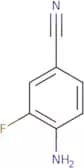
CAS :4-Amino-3-fluorobenzonitrile is an agonist of the DPP-4 enzyme. It has been shown to decrease blood glucose levels in a rat model. 4-Amino-3-fluorobenzonitrile binds to the active site of DPP-4, increasing its activity and inhibiting the breakdown of incretin hormones such as glucagon-like peptide 1 (GLP1) and glucose-dependent insulinotropic polypeptide (GIP). 4-Amino-3-fluorobenzonitrile inhibits glucagon secretion from pancreatic alpha cells, which leads to a decrease in blood glucose levels. The compound also inhibits GLP1 secretion from intestinal L cells, leading to decreased appetite and weight loss. 4-Amino-3-fluorobenzonitrile has been shown to be an agonist with biphenyl, which may explain its agonistic activity.
Formule :C7H5FN2Degré de pureté :Min. 95%Couleur et forme :PowderMasse moléculaire :136.13 g/mol3-[[(2S,4S)-4-[4-(3-Methyl-1-phenyl-1H-pyrazol-5-yl)-1-piperazinyl]-2-pyrrolidinyl]carbonyl]-thiazolidine hydrobromide
CAS :Canagliflozin is a pharmaceutical drug that is used to treat type 2 diabetes. It is an oral medication that works by blocking the absorption of glucose in the intestine, which lowers blood sugar levels and improves insulin sensitivity. Canagliflozin has been shown to have a number of effects on metabolism, including increased bile acid production and decreased fat absorption. This drug also has a number of side effects, including diarrhea, nausea, and vomiting. Canagliflozin is used in combination with metformin or insulin for the treatment of type 2 diabetes. The drug's most common side effect is diarrhea, which can be managed by eating more fiber-rich foods and drinking plenty of fluids.Formule :(C22H30N6OS)2•(HBr)5Degré de pureté :Min. 95%Couleur et forme :White/Off-White SolidMasse moléculaire :1,257.72 g/mol5-Bromo-6-chloro-1H-indole-2-carboxylic acid
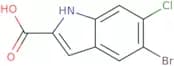
CAS :Please enquire for more information about 5-Bromo-6-chloro-1H-indole-2-carboxylic acid including the price, delivery time and more detailed product information at the technical inquiry form on this pageFormule :C9H5BrClNO2Degré de pureté :Min. 95%Masse moléculaire :274.5 g/molp-Aminophenyldichloroarsine hydrochloride
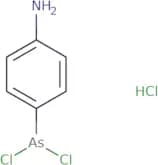
CAS :p-Aminophenyldichloroarsine hydrochloride (APD) is a reversible alkylating agent that binds to sulphydryls and reversibly inhibits the activity of nicotinic acetylcholine receptors. It is also an arsenical that has been shown to react with other proteins, such as acetylcholine receptor subunits. When it reacts with the acetylcholine receptor, it forms stable complexes and irreversible bonds. This prevents the receptor from functioning normally and leads to paralysis of muscles. The APD also binds to the reactive sites on DNA and blocks rRNA synthesis, leading to cell death.
APD is active against many bacteria, including Mycobacterium tuberculosis, but not against Gram-positive bacteria such as staphylococci or streptococci. It is also active against some fungi and protozoa but not against viruses.Formule :C6H7AsCl3NDegré de pureté :Min. 95%Couleur et forme :PowderMasse moléculaire :274.41 g/mol1-(2,5-Dichlorophenyl)-2-nitroethene
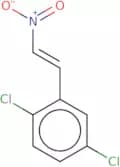
CAS :1-(2,5-Dichlorophenyl)-2-nitroethene is a chemical compound that is used as a research chemical. It's an aromatic organic compound that can be used as a versatile building block for the synthesis of complex compounds. It's also a good intermediate for many fine chemicals. 1-(2,5-Dichlorophenyl)-2-nitroethene has CAS number 1056473-63-2 and is classified as an "Aromatic Organic Chemical".Formule :C8H5Cl2NO2Degré de pureté :Min. 95%Couleur et forme :PowderMasse moléculaire :218.04 g/molMca-Tyr-Val-Ala-Asp-Ala-Pro-Lys(Dnp)-OH trifluoroacetate
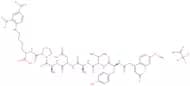
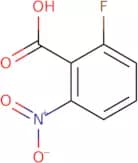
CAS :Please enquire for more information about Mca-Tyr-Val-Ala-Asp-Ala-Pro-Lys(Dnp)-OH trifluoroacetate including the price, delivery time and more detailed product information at the technical inquiry form on this pageFormule :C53H64N10O19•(C2HF3O2)xDegré de pureté :95%NmrCouleur et forme :PowderMasse moléculaire :1,145.13 g/mol2-Fluoro-6-nitrobenzoic acid
CAS :Intermediate in the synthesis of idelalisib
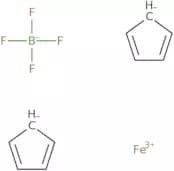
Formule :C7H4FNO4Degré de pureté :Min. 95%Couleur et forme :PowderMasse moléculaire :185.11 g/molFerrocenium Tetrafluoroborate
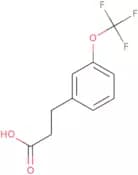
CAS :Ferrocenium tetrafluoroborate is a chiral, unreactive compound that is synthesized through the reaction of ferrocene and tetrafluoroboric acid. Ferrocenium tetrafluoroborate is a kinetic polymer that can be used as a linker in the synthesis of polymeric materials. This compound has been shown to catalyze the epoxidation of aliphatic alcohols to yield epoxides. Ferrocenium tetrafluoroborate has also been shown to catalyze the epoxidation of cyclic olefins, such as 1-octene. Ferrocenium tetrafluoroborate is an achiral catalyst and does not change during the course of the reaction.Formule :C10H2BF4FeCouleur et forme :Brown PowderMasse moléculaire :264.77 g/mol3-(Trifluoromethoxy)hydrocinnamic acid
CAS :3-(Trifluoromethoxy)hydrocinnamic acid is a useful building block that is used in the synthesis of many organic compounds. It has been used as a reagent and as a speciality chemical, and is also a versatile building block for the synthesis of complex compounds. 3-(Trifluoromethoxy)hydrocinnamic acid can be synthesized from cinnamic acid, which is available commercially and can be obtained by reacting benzaldehyde with nitric acid. 3-(Trifluoromethoxy)hydrocinnamic acid has CAS No. 168833-77-0 and can be found under the name 2,4-dichloro-3-(trifluoromethoxy)benzene.
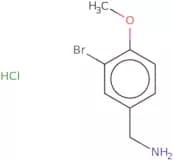
Formule :C10H9F3O3Degré de pureté :Min. 98 Area-%Couleur et forme :Clear LiquidMasse moléculaire :234.17 g/mol3-Bromo-4-methoxybenzylamine hydrochloride
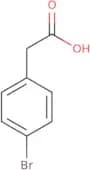
CAS :3-Bromo-4-methoxybenzylamine hydrochloride is a high quality reagent that is used as an intermediate in the synthesis of complex compounds. It has been shown to be a useful scaffold for the synthesis of new chemical entities and a versatile building block for organic synthesis. 3-Bromo-4-methoxybenzylamine hydrochloride can be used as a reaction component in various chemical reactions, including Friedel-Crafts acylation, nitration, chlorination and bromination.Formule :C8H11BrClNODegré de pureté :Min. 95%Couleur et forme :PowderMasse moléculaire :252.54 g/mol(4-Bromophenyl)acetic acid
CAS :4-Bromophenylacetic acid is a monocarboxylic acid that has been identified as an inhibitor of phosphatase. It also has an inhibitory effect on microbial infection and can be used for the synthesis of amides and cationic surfactants. 4-Bromophenylacetic acid has shown to have a high affinity for humans, which may be due to its glucuronide conjugate, isolated yield, and plant physiology. This molecule is able to undergo electrochemical studies due to its electrophilic nature.Formule :C8H7BrO2Degré de pureté :Min. 95%Couleur et forme :PowderMasse moléculaire :215.04 g/mol5-Nitro-pyridine-2-sulfonyl chloride
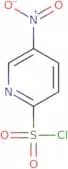
CAS :5-Nitro-pyridine-2-sulfonyl chloride is a chemical reagent that is used in the synthesis of various organic compounds. It is a versatile building block and can be used as an intermediate for the synthesis of other compounds. 5-Nitro-pyridine-2-sulfonyl chloride is also a reaction component in the synthesis of some pharmaceutical drugs, such as benzoic acid, which can be used to manufacture more complex compounds, such as antibiotics.Formule :C5H3ClN2O4SDegré de pureté :Min. 90 Area-%Couleur et forme :PowderMasse moléculaire :222.61 g/molBenanserin hydrochloride
CAS :Produit contrôléBenanserin hydrochloride is a potassium-competitive antagonist of the muscarinic acetylcholine receptor. It has been shown to reduce the glomerular filtration rate in animals, but not in humans. Benanserin hydrochloride has also been shown to be more effective at inhibiting protease activity in vitro than other known cholinesterase inhibitors, such as physostigmine and neostigmine. It binds to the active site of the enzyme and prevents it from breaking down other substances. Benanserin hydrochloride is used for the treatment of chronic kidney disease and high blood pressure, and is an ingredient in some weight loss supplements.
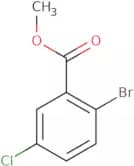
Formule :C19H23ClN2ODegré de pureté :Min. 95%Masse moléculaire :330.85 g/mol2-Bromo-5-chlorobenzoic acid methyl ester
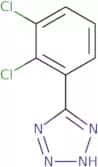
CAS :2-Bromo-5-chlorobenzoic acid methyl ester is a chemical compound that is a component of the perborate oxidant. This chemical reacts with hydrogen peroxide to produce water, oxygen, and 2-bromo-5-chlorobenzoic acid. It can also be used in cyclisation reactions to synthesise heterocyclic compounds. The reaction mechanism for this process involves the formation of an unstable intermediate that spontaneously breaks down into two bromine atoms and one carbon atom. This process is catalyzed by metal ions such as copper, silver, and zinc. 2-Bromo-5-chlorobenzoic acid methyl ester has been used as an intermediate in the synthesis of homologues of ribonucleotide reductase.Formule :C8H6BrClO2Degré de pureté :Min. 95%Couleur et forme :PowderMasse moléculaire :249.49 g/mol5-(2,3-Dichlorophenyl)-1H-tetrazole
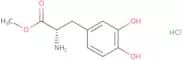
CAS :Please enquire for more information about 5-(2,3-Dichlorophenyl)-1H-tetrazole including the price, delivery time and more detailed product information at the technical inquiry form on this pageDegré de pureté :Min. 95%L-DOPA methyl ester hydrochloride
CAS :Produit contrôléL-DOPA methyl ester hydrochloride is a form of L-dopa that is used to treat Parkinson's disease. It is a prodrug of L-dopa, which has been shown to have a pharmacokinetic profile similar to that of levodopa. L-DOPA methyl ester hydrochloride is administered orally and is released slowly into the blood stream over time. This drug has been shown to interact with other drugs, such as antidepressants and antipsychotics, through its effects on neurotransmitters. In addition, this drug may cause locomotor activity in animals and can cause an increase in levels of dehydroascorbic acid in patients with chronic oral administration.Formule :C10H13NO4•HClDegré de pureté :Min. 96 Area-%Couleur et forme :PowderMasse moléculaire :247.68 g/mol



![[1-(Pyrrolidin-1-ylcarbonyl)propyl]amine hydrochloride](/_next/image/?url=https%3A%2Fstatic.cymitquimica.com%2Fproducts%2F3D%2Fthumb-webp%2FFP130638.webp&w=3840&q=75)
![N-[2-(Fmoc-amino)-ethyl]glycine tert-butylester hydrochloride](/_next/image/?url=https%3A%2Fstatic.cymitquimica.com%2Fproducts%2F3D%2Fthumb-webp%2FFF49771.webp&w=3840&q=75)
![7-[4-[4-(4-Fluorobenzoyl)Piperidin-1-Yl]Butyl]-1,3-Dimethylpurine-2,6-Dione](/_next/image/?url=https%3A%2Fstatic.cymitquimica.com%2Fproducts%2F3D%2Fthumb-webp%2FFF99814.webp&w=3840&q=75)
![cis-(+/-)-2-[(N-Benzyl-N-methyl)aminomethyl]-1-(3-methoxyphenyl)cyclohexanol hydrochloride](/_next/image/?url=https%3A%2Fstatic.cymitquimica.com%2Fproducts%2F3D%2Fthumb-webp%2FFB18402.webp&w=3840&q=75)

![(E)-3-[3'-(4''-fluorophenyl)-1'-(1''-methylethyl)-1H-indol-2''-yl]-2-propnal](/_next/image/?url=https%3A%2Fstatic.cymitquimica.com%2Fproducts%2F3D%2Fthumb-webp%2FFF37514.webp&w=3840&q=75)



![Ethyl 5-chloropyrazolo[1,5-a]pyrimidine-3-carboxylate](/_next/image/?url=https%3A%2Fstatic.cymitquimica.com%2Fproducts%2F3D%2Fthumb-webp%2FFE44325.webp&w=3840&q=75)
![8-Chloro-5,10-dihydro-11H-dibenzo[b,e][1,4]-diazepin-11-one](/_next/image/?url=https%3A%2Fstatic.cymitquimica.com%2Fproducts%2F3D%2Fthumb-webp%2FFC20115.webp&w=3840&q=75)

![1-[4-(Benzyloxy)phenyl]-2-bromopropan-1-one](/_next/image/?url=https%3A%2Fstatic.cymitquimica.com%2Fproducts%2F3D%2Fthumb-webp%2FFB15610.webp&w=3840&q=75)
![4-Methyl-N-[3-(Trifluoromethyl)Phenyl]Benzenesulfonamide](/_next/image/?url=https%3A%2Fstatic.cymitquimica.com%2Fproducts%2F3D%2Fthumb-webp%2FFM94658.webp&w=3840&q=75)
![2-Hydroxy-N,N,N-trimethylethanaminium salt with 1,1,1-trifluoro-N-[(trifluoromethyl)sulfonyl]metha…](/_next/image/?url=https%3A%2Fstatic.cymitquimica.com%2Fproducts%2F3D%2Fthumb-webp%2FFH103048.webp&w=3840&q=75)
![1-(2-Chloroethyl)-4-[3-(Trifluoromethyl)Phenyl]Piperazine Dihydrochloride](/_next/image/?url=https%3A%2Fstatic.cymitquimica.com%2Fproducts%2F3D%2Fthumb-webp%2FFC29221.webp&w=3840&q=75)
![4-Chloro-7-methyl-7H-pyrrolo[2,3-d]pyrimidine](/_next/image/?url=https%3A%2Fstatic.cymitquimica.com%2Fproducts%2F3D%2Fthumb-webp%2FFC140698.webp&w=3840&q=75)

![3-[[(2S,4S)-4-[4-(3-Methyl-1-phenyl-1H-pyrazol-5-yl)-1-piperazinyl]-2-pyrrolidinyl]carbonyl]-thiaz…](/_next/image/?url=https%3A%2Fstatic.cymitquimica.com%2Fproducts%2F3D%2Fthumb-webp%2FFM61598.webp&w=3840&q=75)