


Halogénures organiques
Sous-catégories appartenant à la catégorie "Halogénures organiques"
20442 produits trouvés pour "Halogénures organiques"
4'-Chloro-[1,1'-biphenyl]-4-carbaldehyde
CAS :4'-Chloro-[1,1'-biphenyl]-4-carbaldehyde (CBA) is an intermediate in the synthesis of oritavancin. CBA is obtained by condensation of benzyl chloride and aldehydes. It is also used as a precursor to other compounds. In the laboratory, it can be obtained by heating an ether with chloroform in the presence of acid. 4'-Chloro-[1,1'-biphenyl]-4-carbaldehyde has been shown to be toxic, selective and efficient for certain reactions.Formule :C13H9ClODegré de pureté :Min. 97 Area-%Couleur et forme :Yellow PowderMasse moléculaire :216.66 g/mol2-Methyl-2-[3-(trifluoromethyl)phenoxy]propanoic acid
CAS :2-Methyl-2-[3-(trifluoromethyl)phenoxy]propanoic acid is a high quality, reagent, complex compound, useful intermediate, and fine chemical. It can be used as a building block for the synthesis of many other compounds. It is also useful in research to study the mechanism of various reactions. 2-Methyl-2-[3-(trifluoromethyl)phenoxy]propanoic acid is a versatile building block that can be used in many different types of reactions.Formule :C11H11F3O3Degré de pureté :Min. 95%Couleur et forme :PowderMasse moléculaire :248.2 g/mol2-Chloro-4-methoxyaniline
CAS :2-Chloro-4-methoxyaniline is a primary amine that has been used in the synthesis of polychlorinated and chlorinated amines. It is an important precursor for the manufacture of herbicides, insecticides, and pharmaceuticals. 2-Chloro-4-methoxyaniline reacts with hydrogen chloride to form chloroacetanilide, which can be hydrolysed to aniline. This reaction proceeds at room temperature and does not require catalysts. The reactivity of this compound is due to its nucleophilic substitutions in the presence of ketocarboxylic acids or vinyl ethers. 2-Chloro-4-methoxyaniline has also been used as a dehydrating reagent in organic synthesis reactions.br>br> 2-Chloro-4-methoxyaniline is highly reactive because it contains two primary amines (NH2) thatFormule :C7H8ClNODegré de pureté :Min. 95%Masse moléculaire :157.6 g/mol3’,5’-Bis-O-benzoyl-2’-Deoxy-2’-fluoro-4-deoxy-arabinouridine
CAS :Please enquire for more information about 3’,5’-Bis-O-benzoyl-2’-Deoxy-2’-fluoro-4-deoxy-arabinouridine including the price, delivery time and more detailed product information at the technical inquiry form on this pageDegré de pureté :Min. 95%(Bromomethyl)triphenylphosphonium bromide
CAS :Bromomethyl)triphenylphosphonium bromide is an antibacterial agent that inhibits the growth of bacteria by binding to terminal alkynes. Bromomethyl)triphenylphosphonium bromide binds to the hydroxyl group in the cell membrane and reacts with the virus, thus inhibiting its replication. It has been shown to be effective against syncytial viruses such as human respiratory syncytial virus (HRSV). The reaction scheme of this drug is not yet known.Formule :C19H17Br2PDegré de pureté :Min. 95%Couleur et forme :PowderMasse moléculaire :436.12 g/mol5,6-Dibromovanillin
CAS :5,6-Dibromovanillin is a chemical compound that has been shown to have both anti-cancer and anti-inflammatory properties. This drug is metabolized via cytochrome P450 enzymes into 5,6-dibromovanillyl alcohol and 5,6-dibromovanillin acid. The metabolic pathways for this compound are similar to those of estradiol and other estrogens. The effects of 5,6-dibromovanillin on cancer cells are highly dependent on the expression levels of cytochrome P450 enzymes. This drug may be used as a treatment for breast cancer or prostate cancer.Formule :C8H6Br2O3Couleur et forme :PowderMasse moléculaire :309.94 g/molN-(2-(3,4-dimethoxyphenyl)ethyl)-2-chloropropanamide
CAS :Please enquire for more information about N-(2-(3,4-dimethoxyphenyl)ethyl)-2-chloropropanamide including the price, delivery time and more detailed product information at the technical inquiry form on this pageDegré de pureté :Min. 95%4-Fluorocinnamaldehyde
CAS :4-Fluorocinnamaldehyde is a reactive molecule that can be used in the catalytic asymmetric synthesis of 4-fluoroalkylbenzenes, which are used as intermediates in the production of pharmaceuticals. It reacts with hydroxymethyl groups to form 4-fluoroalkylbenzene derivatives, which are substrates for asymmetric reactions. This compound has been shown to react with amines and thiols to form Michael acceptors and Michael donors respectively. The crystallographic data obtained from this molecule shows that it belongs to space group P2 and its crystal system is orthorhombic. It also has optical properties that make it suitable for use as an optical material or nanowires.
Formule :C9H7FODegré de pureté :Min. 80%Couleur et forme :Clear LiquidMasse moléculaire :150.15 g/mol2-Chloro-4-methylquinazoline
CAS :2-Chloro-4-methylquinazoline is an organic compound that is synthesized from the reaction of ethylmagnesium bromide and methylthiocyanate. This product has been shown to crystallize as a salt with the chloride ion, which is formed by the reaction of 2-chloro-4-methylquinazoline with thiosulfate. The synthesis of this product requires nucleophilic substitution reactions and yields two equivalents of methylmagnesium chloride. X-ray crystallography was used to determine the molecular structure for this compound.Formule :C9H7ClN2Degré de pureté :Min. 95%Couleur et forme :Green PowderMasse moléculaire :178.62 g/mol3,5-Dichloro-4-hydroxybenzenesulfonyl chloride
CAS :Please enquire for more information about 3,5-Dichloro-4-hydroxybenzenesulfonyl chloride including the price, delivery time and more detailed product information at the technical inquiry form on this pageFormule :C6H3Cl3O3SDegré de pureté :Min. 95%Masse moléculaire :261.51 g/mol(3-Chloropropyl)-trimethylammonium chloride
CAS :Please enquire for more information about (3-Chloropropyl)-trimethylammonium chloride including the price, delivery time and more detailed product information at the technical inquiry form on this pageFormule :C6H15ClN•ClDegré de pureté :Min. 95%Masse moléculaire :172.1 g/mol3-(4-Fluorobenzoyl)-6-Methoxy-2-Methyl-1H-Indole-1-Acetic Acid
CAS :Produit contrôlé3-(4-Fluorobenzoyl)-6-Methoxy-2-Methyl-1H-Indole-1-Acetic Acid is a prodrug that is metabolized to 6-fluoro-3,4 dioxo tamoxifen in the liver. It has been shown to have anticholinergic, cytosolic calcium and c1-4 alkyl properties. 3-(4-Fluorobenzoyl)-6-Methoxy-2-Methylindole Acetic Acid also has a basic group, cyclopentane ring, and pyridine ring.Formule :C19H16FNO4Degré de pureté :Min. 95%Masse moléculaire :341.33 g/mol3,5-Dichloro-2,6-dimethoxybenzoic acid
CAS :3,5-Dichloro-2,6-dimethoxybenzoic acid (3,5-DCMB) is a drug that binds to the dopamine transporter. It is used as a radioligand in studies of the pharmacological and biochemical properties of the dopamine transporter. 3,5-DCMB has also been shown to bind to plasma proteins and membranes with an affinity that depends on its physicochemical properties. The drug has been used clinically in the treatment of Parkinson's disease, but it is not active against other diseases such as depression or schizophrenia. 3,5-DCMB is one of two enantiomers of dichloroethylbenzoic acid; it is an ethylene transport inhibitor and can be converted into ethylene oxide via reduction by alcohol dehydrogenase.Formule :C9H8Cl2O4Degré de pureté :Min. 95%Couleur et forme :PowderMasse moléculaire :251.06 g/mol3,6-Dichloropyrazine-2-carbonitrile
CAS :3,6-Dichloropyrazine-2-carbonitrile is a synthetic nucleophilic compound that can be used to produce antiviral drugs. This chemical belongs to the class of chlorination compounds and reacts with nucleophiles in a nucleophilic substitution reaction. 3,6-Dichloropyrazine-2-carbonitrile has been optimized for synthesis by recrystallization and solvents. The reactants are heated and then mixed, where it undergoes an acid catalyzed hydrolysis followed by a dehydration reaction. 3,6-Dichloropyrazine-2-carbonitrile is synthesized by reacting a nitrile with phosgene to form the chloroformate ester which is reacted with ammonia or amines. The final product is purified using recrystallization or solvent extraction.Formule :C5HCl2N3Degré de pureté :Min. 97 Area-%Couleur et forme :PowderMasse moléculaire :173.99 g/molMethyl 2-chlorobenzoate
CAS :Methyl 2-chlorobenzoate is a synthetic pesticide that is used as an insecticide. It has been shown to have strong neurotoxic effects on insects and mammals, which are due to its ability to bind with the amine group in the central nervous system. Methyl 2-chlorobenzoate is also used as an organic solvent. It reacts with metal ions such as aluminum, zinc, and iron and forms metal chlorides. This reaction can be observed by using nuclear magnetic resonance spectroscopy. The chemical has been shown to be reactive with aryl chlorides, chloroformate, and methylbenzene. Methyl 2-chlorobenzoate is soluble in water but insoluble in non-polar solvents such as ethers or petroleum ethers. It is stable at room temperature but can react violently if heated or exposed to sunlight. Methyl 2-chlorobenzoate is not toxic to humans at concentrations of upFormule :C8H7ClO2Degré de pureté :Min. 95%Couleur et forme :Clear LiquidMasse moléculaire :170.59 g/mol3,4,5,6-Tetrafluorophthalic acid
CAS :3,4,5,6-Tetrafluorophthalic acid is a crystalline solid that is used in the synthesis of polycarboxylic acids. It is also an antimicrobial agent that can be used to fight cancer cell lines. 3,4,5,6-Tetrafluorophthalic acid has been shown to inhibit the growth of carcinoma cells and other microorganisms by binding to their DNA and interfering with the production of proteins essential for cell division. 3DCTKP binds to bacterial 16S ribosomal RNA and inhibits protein synthesis. This drug has hydrogen bonding interactions with chlorine atoms and fluorescence properties due to its carbonyl group. The kinetic data for this compound was determined using liquid chromatography method.
Formule :C8H2F4O4Degré de pureté :Min. 95%Couleur et forme :PowderMasse moléculaire :238.09 g/mol6-Bromochromone-3-carboxylic acid
CAS :6-Bromochromone-3-carboxylic acid is a reactive building block that is used as a reagent. It is also a useful scaffold for the synthesis of complex compounds, due to its high quality and versatility. 6-Bromochromone-3-carboxylic acid can be used as a starting material for the synthesis of fine chemicals such as pharmaceuticals, pesticides, and dyes. This compound has CAS number 51085-91-7.br> 6-Bromochromone-3-carboxylic acid is an important intermediate in organic syntheses because it can be reacted with other molecules containing functional groups to produce new compounds.br> The 6-bromochromone carboxylic acid group reacts with alcohols and amines to form esters and amides respectively. The carboxylic acid group can also react with phenols to produce phenoxy acids.br> This compoundFormule :C10H5BrO4Degré de pureté :Min. 95%Couleur et forme :PowderMasse moléculaire :269.05 g/mol1-Butyl-4-methylpyridinium chloride
CAS :1-Butyl-4-methylpyridinium chloride is a pyridine salt that is used for the treatment of osteoporosis. It has been shown to increase the rate of mineralization and reduce the viscosity of beta-amyloid peptide solutions. The biological activity of 1-butyl-4-methylpyridinium chloride has been demonstrated in animal studies, where it was shown to have a significant effect on calcium assays, hydrophilic interaction chromatography, and beta amyloid peptide. This drug also has pharmacokinetic properties that are similar to those of other pyridinium salts. Molecular modeling studies show that 1-butyl-4-methylpyridinium chloride binds well to calcium ions, which may be due to functional groups such as chlorides. This drug also has photocatalytic activity and can be used as a homogeneous catalyst in chromatographic science.Formule :C10H16ClNDegré de pureté :Area-% Min. 95 Area-%Couleur et forme :PowderMasse moléculaire :185.69 g/mol[5-Methyl-3-(trifluoromethyl)-1H-pyrazol-1-yl]acetic acid
CAS :[5-Methyl-3-(trifluoromethyl)-1H-pyrazol-1-yl]acetic acid is a reaction component that can be used in organic synthesis as a reagent. This chemical has been shown to have high quality, and is useful for research purposes. It is also a versatile building block and useful intermediate, which can be used in the production of complex compounds. [5-Methyl-3-(trifluoromethyl)-1H-pyrazol-1-yl]acetic acid has CAS number 345637-71-0, and is a fine chemical that is useful for chemistry research.Formule :C7H7F3N2O2Degré de pureté :Min. 95%Couleur et forme :PowderMasse moléculaire :208.14 g/mol2,5-Dibromobenzoic acid
CAS :2,5-Dibromobenzoic acid is an organic compound with the formula HO2CCHBrO2. It is a white solid that dissolves in water and organic solvents. This compound has been shown to inhibit PTP1B (protein tyrosine phosphatase 1B), which is a protein kinase involved in insulin signal transduction. Inhibition of PTP1B by 2,5-dibromobenzoic acid has been shown to lead to decreased cancer cell growth and increased apoptosis without affecting normal cells. This compound also inhibits histone methylation, which may be useful for cancer diagnosis or treatment. In addition, 2,5-dibromobenzoic acid can be used in the synthesis of polymers due to its ability to react with methacrylates or acrylates under free radical polymerization conditions. 2,5-Dibromobenzoic acid is a monFormule :C7H4Br2O2Degré de pureté :Min. 95%Couleur et forme :PowderMasse moléculaire :279.91 g/mol2,4,6-Tribromo-3-cresol
CAS :2,4,6-Tribromo-3-cresol is a functional group that is used as an anti-fungal agent. This compound has been shown to be active against many fungi and bacteria, including Candida albicans and Escherichia coli. The particle size of 2,4,6-tribromo-3-cresol is 0.1 microns in diameter and it has a boiling point of 240 degrees Celsius. This product is also used in the production of sealants for dental restorations and as an additive to pharmaceuticals. 2,4,6-Tribromo-3-cresol can also be used as a delta opioid receptor agonist for the treatment of cancer or autoimmune diseases such as lupus erythematosus.
Formule :C7H5Br3ODegré de pureté :Min. 95%Couleur et forme :PowderMasse moléculaire :344.83 g/mol3-Chloro-4-nitrobenzaldehyde
CAS :3-Chloro-4-nitrobenzaldehyde is an aldehyde that is produced by the oxidation of 2-chloro-4-nitrobenzaldehyde. This chemical has been shown to have antitubercular activity in human erythrocytes, and it can be recycled from its reaction product with sodium hypochlorite. 3-Chloro-4-nitrobenzaldehyde has been shown to interact with acidic heterocycles such as oxadiazoles and triazoles. 3-Chloro-4-nitrobenzaldehyde has also been shown to alter the morphology of bacteria, such as subtilis, when exposed to ionic liquids. It is also known to inhibit the growth of Gram positive bacteria and show cytotoxic effects on mammalian cells.Formule :C7H4ClNO3Degré de pureté :Min. 95%Masse moléculaire :185.56 g/mol2-(3,4-dimethoxyphenyl)-3-((4-chlorophenyl)amino)inden-1-one
CAS :Please enquire for more information about 2-(3,4-dimethoxyphenyl)-3-((4-chlorophenyl)amino)inden-1-one including the price, delivery time and more detailed product information at the technical inquiry form on this pageDegré de pureté :Min. 95%Rimonabant hydrochloride
CAS :Produit contrôléCB1 cannabinoid antagonist, non-CB1/CB2 receptor (GPR55) agonist; anorecticFormule :C22H22Cl4N4ODegré de pureté :Min. 98 Area-%Couleur et forme :PowderMasse moléculaire :500.25 g/molNiclosamide ethanolamine salt
CAS :Chemically a chlorinated salicylanilide, niclosamide is clinically used as an anthelmintic agent. The action of niclosamide has been proven to proceed by inhibiting the STAT3 signaling pathway. Recently, niclosamide, has been considered as an antiproliferative agent in cancer treatment, e.g. melanoma and colorectal cancer. In 2021, niclosamide has been tested for the treatment of COVID-19 patients.Formule :C15H15Cl2N3O5Couleur et forme :PowderMasse moléculaire :388.2 g/mol3-Aminophthalic acid hydrochloride
CAS :3-Aminophthalic acid hydrochloride is a diazonium salt that emits light when it reacts with chloride. This compound has been shown to be photophysically active in the presence of human serum, tumor tissue, and micelles. 3-Aminophthalic acid hydrochloride has also been found to be cytotoxic in a number of cancer models. It may also cause death by chemiexcitation of tissues. Furthermore, 3-aminophthalate and acetyl derivatives have shown anticancer activity.
Formule :C8H7NO4HClDegré de pureté :80%Couleur et forme :PowderMasse moléculaire :217.61 g/molMethyl 4-chlorophenylacetate
CAS :Methyl 4-chlorophenylacetate is an antibacterial agent that belongs to the group of decarboxylated compounds. It has been synthesised and chiral, with a pyruvic acid moiety. Methyl 4-chlorophenylacetate is bactericidal against Pyricularia oryzae and other microorganisms in vitro. It has also been shown to inhibit histamine H1 receptors in rats. The molecular modelling study showed that methyl 4-chlorophenylacetate forms hydrogen bonds with the bacterial cell membrane, which may lead to the formation of pores in the membrane, resulting in cell death.Formule :C9H9ClO2Degré de pureté :Min. 95%Masse moléculaire :184.62 g/mol2-Bromo-4-chloro-1-nitrobenzene
CAS :2-Bromo-4-Chloro-1-Nitro-Benzene is a paraoxon compound that is used to produce chemical weapons. It has been shown to be able to neutralize nerve agent in the body and is undergoing clinical trials as an antidote for nerve agents. 2-Bromo-4-Chloro-1-Nitro-Benzene is produced by trituration from the corresponding bromide or chloride in the presence of nitric acid and hydrochloric acid and can be purified by recrystallization from water. The microreactor process was used to prepare this substance because it gave good yields, was easy to implement, and was cost effective. 2BCNB has also been shown to be a potent transport inhibitor of clozapine with configurable nature, portability, and detoxification properties.Formule :C6H3BrClNO2Degré de pureté :Min. 95%Couleur et forme :PowderMasse moléculaire :236.45 g/molThiophene-2-amidine hydrochloride
CAS :2-Amidinothiophene Hydrochloride is a drug that is used as an anti-inflammatory agent. It is an isoform of amidinothiophene, which inhibits the production and release of cyclic nucleotides. 2-Amidinothiophene Hydrochloride has shown activity against tracheal muscle, adenosine receptors, and phosphodiesterase isoenzymes. This drug binds to the ATP binding site of the enzyme cyclic nucleotide phosphodiesterase, blocking the breakdown of cAMP into AMP and then ADP.
Formule :C5H7ClN2SDegré de pureté :Min. 95%Masse moléculaire :162.64 g/moltert-Butyl diphenylchlorosilane
CAS :Tert-butyl diphenylchlorosilane is a chemical compound that belongs to the group of organosilicon compounds. It is used for the preparation of various organosilicon compounds, such as trifluoroacetic acid, which is used in analytical chemistry. The synthesis of tert-butyl diphenylchlorosilane starts with the reaction between hydrochloric acid and sodium citrate. This yields a phosphate bond and a hydroxyl group. In order to form the desired product, tert-butyl diphenylchlorosilane, this intermediate is reacted with trifluoroacetic acid in an asymmetric synthesis to yield the desired product. The reaction mechanism of this process involves hydrogen chloride as an electrophile attacking the carbonyl carbon atom in trifluoroacetic acid, leading to an elimination reaction. This elimination reaction results in two possible products: tert-butyl acetate or tert-butyl chlorosFormule :C16H19ClSiDegré de pureté :Min. 97 Area-%Couleur et forme :Clear LiquidMasse moléculaire :274.87 g/molHeptadecafluoro-N,N-Bis(2-Hydroxyethyl)Octanesulphonamide
CAS :Produit contrôléHeptadecafluoro-N,N-Bis(2-Hydroxyethyl)Octanesulphonamide is a lubricant that is used in the manufacture of polyester films. It is insoluble and has excellent compressive properties. This compound is soluble in both organic solvents and water, and can be applied as a transfer agent or to obviate the need for a separate lubricant. Heptadecafluoro-N,N-Bis(2-Hydroxyethyl)Octanesulphonamide is an inorganic material that does not react with other materials. It also has good deformation resistance and low hardness. The particle size of this compound is between 5 and 10 microns.Formule :C12H10F17NO4SDegré de pureté :Min. 95%Masse moléculaire :587.25 g/mol5-Iodosalicylamide
CAS :5-Iodosalicylamide is a chemical building block. 5-Iodosalicylamide can be reacted with appropriately functionalised aromatic compounds to afford the corresponding anilides, which have been shown to exhibit anti-fungal and bactericidal properties.
Formule :C7H6INO2Degré de pureté :Min. 95%Couleur et forme :PowderMasse moléculaire :263.03 g/molMagnesium chloride hexahydrate
CAS :Magnesium chloride hexahydrate is a chemical compound with the formula MgCl2·6H2O. It is used as an electrolyte in wastewater treatment and for the production of magnesium metal. The optimum concentration for this chemical is between 0.1-0.3 mol/L, which can be found in nature. Magnesium chloride hexahydrate is also used as a component in dextran sulfate, which is an additive to prevent clumping of particles suspended in water or other liquids. This compound has been shown to affect the activity of enzymes such as xylanase, protease, and amylase. Magnesium chloride hexahydrate has a phase transition temperature of 40 °C and can form coordination geometry structures with copper(II) ions at high temperatures.Formule :MgCl2·6H2OCouleur et forme :PowderMasse moléculaire :203.3 g/mol(3-(2,6-dichlorophenyl)-5-methylisoxazol-4-yl)-N-(4-(2-pyridylthio)phenyl)formamide
CAS :Please enquire for more information about (3-(2,6-dichlorophenyl)-5-methylisoxazol-4-yl)-N-(4-(2-pyridylthio)phenyl)formamide including the price, delivery time and more detailed product information at the technical inquiry form on this pageDegré de pureté :Min. 95%1-(4-Fluorophenyl)-2-nitropropene
CAS :1-(4-Fluorophenyl)-2-nitropropene is a versatile building block that is used in the synthesis of a wide range of complex chemical compounds. This compound is also found to be useful as a key component in the synthesis of pharmaceuticals, research chemicals, and other fine chemicals. 1-(4-Fluorophenyl)-2-nitropropene can be used as a reagent for organic reactions, and it has been shown to react with amines to form nitrosoamines. This compound is an intermediate in the synthesis of 4-fluoroaniline, which has various industrial applications. The chemical formula for 1-(4-Fluorophenyl)-2-nitropropene is C8H6FO3N3O2.Formule :C9H8FNO2Degré de pureté :Min. 95%Couleur et forme :PowderMasse moléculaire :181.16 g/mol(2,4-Dichlorophenoxy)acetic acid methyl ester
CAS :2,4-Dichlorophenoxyacetic acid methyl ester is a herbicide that inhibits the growth of plants by inhibiting photosynthesis. It is an organic compound with a molecular weight of 168.2 g/mol. This product has been shown to biodegrade in soil and water, as well as be non-persistent in the environment. 2,4-Dichlorophenoxyacetic acid methyl ester is also a pesticide that kills plants by blocking the synthesis of chlorophyll and other plant pigments. This product can be used on trees and shrubs for control of broadleaf weeds and grasses.Formule :C9H8Cl2O3Degré de pureté :Min. 95%Couleur et forme :PowderMasse moléculaire :235.06 g/mol3-Bromo-5-chlorobenzyl alcohol
CAS :3-Bromo-5-chlorobenzyl alcohol is a useful building block for the synthesis of complex compounds. It reacts with metal chlorides to form bromochloromethane, which can be used in organic syntheses as a reaction component or reagent. 3-Bromo-5-chlorobenzyl alcohol is a versatile chemical that has been shown to have high quality and is useful in research.Formule :C7H6BrClODegré de pureté :Min. 95%Couleur et forme :PowderMasse moléculaire :221.48 g/mol3,5-Dichlorophenylthiourea
CAS :3,5-Dichlorophenylthiourea is an inorganic compound that can be used as a corrosion inhibitor. It is an acidic compound with a magnetic resonance spectrum that contains amide peaks. This substance is also bifunctional and reacts with potassium dichromate to form an ammonium salt. 3,5-Dichlorophenylthiourea has been shown to inhibit the growth of C. neoformans in human serum and may be useful as a chemotherapy agent for this type of infection. The substance has also been shown to have some effect on chloride ions and may be useful as an environmental pollution control agent or as a chemical substance. 3,5-Dichlorophenylthiourea may react with alkanolamines or polyvinyls in order to form new compounds.Degré de pureté :Min. 95%Clomipramine hydrochloride
CAS :Produit contrôléClomipramine hydrochloride is the hydrochloride salt form of clomipramine, an amphiphilic drug, derivative of dibenzazepine. It is presumed that this tricyclic compound affects serotonin uptake in the brain increasing thus the activity of serotonin. Also, clomipramine reduces the re-uptake of norepinephrine (active metabolite desmethylclomipramine) and binds to alpha-adrenergic, histaminergic, and cholinergic receptors (side effects). Clomipramine is antidepressant, used to treat obsessive compulsive disorder, panic disorders and cataplexy. Clomipramine is shown to modulate immune activation, shows constant anti-inflammatory properties at therapeutic concentrations by consistently decreasing pro- inflammatory cytokines. Clomipramine could be a good candidate to counteract SARS-CoV-2 infection worsening thanks to its high penetration in the brain and its anti-inflammatory effects.Formule :C19H24Cl2N2Degré de pureté :Min. 95%Couleur et forme :SolidMasse moléculaire :351.31 g/molN-[5-(Phenylamino)-2,4-pentadienylidene]aniline monohydrochloride
CAS :N-[5-(Phenylamino)-2,4-pentadienylidene]aniline monohydrochloride is a fluorescent probe that reacts with malonic acid. The reaction produces an emission peak at 595 nm and can be detected by fluorescence microscopy. This probe has been used in the study of hypoxia imaging, as well as for detection of reactive carbonyl groups and acetylation reactions. It can also be used to monitor treatment effects on residues from emulsions.Formule :C17H16N2·HClDegré de pureté :(Titration) Min 98%Couleur et forme :Red PowderMasse moléculaire :284.78 g/molMethyl 4-(2-nitro-4-(trifluoromethyl)phenoxy)benzoate
CAS :Please enquire for more information about Methyl 4-(2-nitro-4-(trifluoromethyl)phenoxy)benzoate including the price, delivery time and more detailed product information at the technical inquiry form on this pageFormule :C15H10F3NO5Degré de pureté :Min. 95%Couleur et forme :PowderMasse moléculaire :341.24 g/mol4-Amino-5-chloro-2,3-dihydro-N-[1-(3-methoxypropyl)-4-piperidinyl]-7-benzofurancarboxamide
CAS :The drug 4-Amino-5-chloro-2,3-dihydro-N-[1-(3-methoxypropyl)-4-piperidinyl]-7-benzofurancarboxamide (BZP) is a histamine H2 receptor antagonist. It binds to the histamine H2 receptor in the stomach and duodenum, thereby blocking stomach acid production. BZP has been shown to be effective for treating symptoms of constipation or diarrhoea caused by inflammatory bowel disease or abdominal surgery. BZP also reduces the risk of relapse after surgery but does not affect long term efficacy. This drug is not available in the United States and has significant interactions with other drugs and symptoms including constipation, bowel disease, long term efficacy, and analytical method.Formule :C18H26ClN3O3Degré de pureté :Min. 95%Couleur et forme :White PowderMasse moléculaire :367.87 g/mol4-(2- fluorophenyl)-6,8-dihydro-1,3,8-trimethyl-Pyrazolo[3,4-e][1,4]diazepin-7(1H)-one mixt. with 2-(ethylamino)-2-(2-thienyl)cycloh exanone hydrochloride
CAS :Produit contrôléTelazol is an anesthetic that belongs to the class of nonbenzodiazepine drugs. It is used as a short-term sedative and analgesic in preoperative, obstetrical, and diagnostic procedures. Telazol is a prodrug that is metabolized in vivo to its active form, 4-(2-fluorophenyl)-6,8-dihydro-1,3,8-trimethyl-Pyrazolo[3,4-e][1,4]diazepin-7(1H)-one (TFD). Telazol has been shown to have low toxicity when administered at low doses (0.5 mg/kg) to rats.Formule :C27H33ClFN5O2SDegré de pureté :Min. 95%Masse moléculaire :546.1 g/mol4-Hydroxybenzenesulfonyl chloride
CAS :4-Hydroxybenzenesulfonyl chloride is a thionyl chloride derivative that reacts with pyridine in the presence of an dehydrating agent to form a polyurethane. The dehydration of 4-hydroxybenzenesulfonyl chloride is conducted by reacting it with magnesium and carboxylate in xylene, with subsequent reaction with chlorine to produce thiomorpholine. Thiomorpholine can be further reacted with thionyl chloride to produce sulfate. This compound has been shown to induce TNF-α production in mouse macrophages, which may be due to its ability to inhibit protein synthesis and induce apoptosis. 4-Hydroxybenzenesulfonyl chloride also has high yield for the synthesis of polyurethane, making it a popular choice for use in industrial applications.Formule :C6H5ClO3SDegré de pureté :Min. 85 Area-%Couleur et forme :PowderMasse moléculaire :192.62 g/molEthyl chloroacetate
CAS :Used in the preparation of 5-member heterocyclesFormule :C4H7ClO2Degré de pureté :Min. 95%Couleur et forme :Colorless Clear LiquidMasse moléculaire :122.55 g/mol2-Chloro-5-methyl-1,3-benzoxazole
CAS :2-Chloro-5-methyl-1,3-benzoxazole (CMB) is a regioselective synthetic intermediate that can be used to synthesize other compounds. It is produced by the reaction of chloromethyl methyl ether with anhydrous magnesium chloride in the presence of a solvent such as THF or diethyl ether. CMB can also be prepared by the reaction of 2,4,6-trichlorobenzoyl chloride with magnesium metal and a solvent such as THF or diethyl ether. This intermediate can be used in cross-coupling reactions with Grignard reagents to produce different compounds.Formule :C8H6ClNODegré de pureté :Min. 95 Area-%Couleur et forme :PowderMasse moléculaire :167.59 g/mol4'-Chloro-2'-fluoroacetophenone
CAS :4'-Chloro-2'-fluoroacetophenone is a high-quality chemical reagent that can be used to prepare complex compounds. It is also a useful intermediate for the preparation of fine chemicals, useful scaffolds, and other research chemicals. This compound is a versatile building block that can be used in the synthesis of speciality chemicals, reaction components, and other compounds.Formule :C8H6ClFODegré de pureté :Min. 95%Masse moléculaire :172.58 g/mol4'-Fluoro-2'-hydroxyacetophenone
CAS :4'-Fluoro-2'-hydroxyacetophenone is a chemical that is used as an antibacterial agent. It inhibits the growth of bacteria by interfering with microbial metabolism and inhibiting the synthesis of proteins, DNA, RNA and cell wall components. 4'-Fluoro-2'-hydroxyacetophenone has been shown to be active against P. aeruginosa, Enterococci and other bacterial strains. The compound also reduces the number of viable cells in culture supernatants from these bacteria. The mechanism of action of 4'-fluoro-2'-hydroxyacetophenone is not known but may be related to its ability to form covalent bonds with carbonyl groups present in enzymes or protein structures. The compound can also spontaneously combust when heated to decomposition. This combustion releases fluorine gas which could cause environmental pollution if released into the atmosphere during its manufacture or use.Formule :C8H7FO2Degré de pureté :Min. 95%Couleur et forme :PowderMasse moléculaire :154.14 g/mol5-Chlorooxindole
CAS :5-Chlorooxindole is a synthetic, chemotherapeutic drug that has been shown to have anti-tumor activity in animal models. It is an oxindole derivative with the chemical formula CHNClO. The compound is synthesized by the reaction of 3,5-dichloroaniline and indole in chloroform and purified by column chromatography. 5-Chlorooxindole has shown potential as an antitumor agent because it inhibits cancer cell growth through mechanisms such as induction of apoptosis and suppression of tumor angiogenesis.Formule :C8H6ClNODegré de pureté :Min. 95%Masse moléculaire :167.59 g/mol3-Chloropropionic acid
CAS :3-Chloropropionic acid is a non-toxic organic compound that exhibits significant cytotoxicity against many bacterial strains. It is a white solid, which is soluble in water and has no odor. 3-Chloropropionic acid can be synthesized by the reaction of malonic acid with ethylene diamine or by the reaction of bromoacetic acid with sodium salts. The optimum pH for this reaction is 6.5 to 7.5 and the optimum temperature is 25°C to 30°C. This compound has been shown to inhibit the synthesis of fatty acids in bacteria, which may be due to its hydroxyl group. 3-Chloropropionic acid reacts with trifluoroacetic acid, giving an ester product, which can then be hydrolyzed back to 3-chloropropionic acid. This chemical also has a physiological function as an intermediate in the synthesis of other chemicals such as biotin and pantothenFormule :C3H5ClO2Degré de pureté :Min. 95%Couleur et forme :PowderMasse moléculaire :108.52 g/mol3-Bromo-4-hydroxybenzyl alcohol
CAS :3-Bromo-4-hydroxybenzyl alcohol (3BHA) is a synthetic compound that is used as an antagonist in the treatment of platelet aggregation. It inhibits the activity of benzoxazine, an enzyme involved in the synthesis of 4-hydroxybenzoic acid. 3BHA blocks this pathway at high concentrations, inhibiting biosynthesis and leading to the accumulation of bromophenols. This inhibition may explain why aspirin has a potent inhibitory effect on platelet aggregation when combined with 3BHA.Formule :C7H7BrO2Degré de pureté :Min. 95%Couleur et forme :PowderMasse moléculaire :203.03 g/molSodium fluoroacetate
CAS :Sodium fluoroacetate is a salt that is synthesized by the reaction of methyl ethyl and sodium trifluoroacetate. It has been used as an insecticide, but also has been used to treat metabolic disorders such as bowel disease and eye disorders. Sodium fluoroacetate also has been used in natural products for the treatment of autoimmune diseases. The toxicological studies of sodium fluoroacetate have shown that it can cause eye disorders and x-ray crystal structures have revealed its mechanism of action.Formule :C2H2FNaO2Couleur et forme :White PowderMasse moléculaire :100.02 g/mol2-Chloro-N-(3-chloro-4-methylphenyl)propanamide
CAS :Please enquire for more information about 2-Chloro-N-(3-chloro-4-methylphenyl)propanamide including the price, delivery time and more detailed product information at the technical inquiry form on this pageFormule :C10H11Cl2NODegré de pureté :Min. 95%Masse moléculaire :232.11 g/mol1-[(5-Chloro-1-methyl-1H-indol-3-yl)methyl]piperidine-4-carboxylic acid
CAS :Produit contrôléPlease enquire for more information about 1-[(5-Chloro-1-methyl-1H-indol-3-yl)methyl]piperidine-4-carboxylic acid including the price, delivery time and more detailed product information at the technical inquiry form on this pageFormule :C16H19ClN2O2Degré de pureté :Min. 95%Masse moléculaire :306.79 g/mol2,5-Dichloro-4-ethoxybenzenesulfonyl chloride
CAS :2,5-Dichloro-4-ethoxybenzenesulfonyl chloride is a chlorosulfonyl reagent that is used in the synthesis of organic compounds. It can be used as a building block, a research chemical, or an intermediate compound. This material has been shown to be useful in the synthesis of many different types of compounds and it provides a versatile scaffold for chemical reactions. The reaction component has shown high quality and was obtained from a reliable source.Formule :C8H7Cl3O3SDegré de pureté :Min. 95 Area-%Couleur et forme :PowderMasse moléculaire :289.56 g/mol4-Fluoroestradiol
CAS :Produit contrôlé4-Fluoroestradiol is an estrogen with a molecular weight of 270.4 g/mol that has been shown to be carcinogenic in animal models. 4-Fluoroestradiol binds to the estrogen receptor and activates the gene product, which stimulates cell growth and proliferation. This drug has been shown to induce cancer in tissues such as the liver, biliary tract, and mammary glands when administered at doses higher than 0.3 mg/kg/day. 4-Fluoroestradiol also interacts with hydrogen bonds in enzymes such as retinol dehydrogenase, all-trans-retinoic acid (ATRA), and specific agents such as retinoic acid (RA). This interaction may inhibit the catalytic rate of these enzymes or alter their substrate specificity.Formule :C18H23FO2Degré de pureté :Min. 95%Couleur et forme :PowderMasse moléculaire :290.37 g/mol4-Fluoro-2-(trifluoromethyl)phenol
CAS :4-Fluoro-2-(trifluoromethyl)phenol is a reactive compound that can be used for the synthesis of a variety of functionalized molecules. It is prepared by a cross-coupling reaction with an organometallic reagent and a chloride such as methylene chloride or chloroform. The 4-fluoro group on the phenol provides the desired electrophilic character to react with electron rich nucleophiles, such as an allylbenzene or styrene. The product of this reaction is an alkylating agent that has been shown to have signalling properties, operational capabilities, and fabricating benefits.Formule :C7H4F4ODegré de pureté :Min. 95%Couleur et forme :PowderMasse moléculaire :180.1 g/mol6-Chloroisatin
CAS :6-Chloroisatin is a potent inhibitor of bacterial growth that binds to the 50S ribosomal subunit. It has been shown to have strong inhibitory activity against tuberculosis and sulphamethoxazole-resistant strains of Mycobacterium tuberculosis. 6-Chloroisatin inhibits bacterial growth by binding to the 50S ribosomal subunit, thereby preventing protein synthesis and cell division. The electron deficient form of 6-chloroisatin reacts with the electron rich sulphamethoxazole by displacement of chloride ion from the sulphonamide ring, forming a regiospecific product that inhibits bacterial respiration. This reaction system is inhibited by activated carbon, which may be a potential therapeutic strategy for patients with drug resistant tuberculosis.
Formule :C8H4ClNO2Degré de pureté :Min. 95%Masse moléculaire :181.58 g/mol5-Chloro-1,10-phenanthroline
CAS :5-Chloro-1,10-phenanthroline (5CP) is a molecule that has been used in the study of DNA oxidation. 5CP has been shown to be an effective inhibitor of oxidative dna damage and can be used for the prevention of mutations caused by reactive oxygen species. This compound was also found to inhibit the growth of L1210 murine leukemia cells, which is due to its ability to bind to potassium ions. 5CP has been shown to have significant binding constants with DNA and protein molecules. It also has a very high level of ancillary activity and can be used as a catalyst in transfer reactions.Formule :C12H7ClN2Degré de pureté :Min. 97.5 Area-%Couleur et forme :Red PowderMasse moléculaire :214.65 g/mol2-Chloro-3-nitrobenzonitrile
CAS :2-Chloro-3-nitrobenzonitrile is a high quality, reagent, and complex compound that is useful as an intermediate for the synthesis of fine chemicals. It has CAS No. 34662-24-3 and can be obtained from chemical suppliers worldwide. The compound is also useful as a building block for the synthesis of pharmaceuticals and other speciality chemicals. 2-Chloro-3-nitrobenzonitrile is a versatile building block that can be used in organic reactions to produce research chemicals such as derivatives of indole or phenol compounds.Formule :C7H3ClN2O2Degré de pureté :Min. 95%Couleur et forme :PowderMasse moléculaire :182.56 g/mol3-Bromo-4-nitroanisole
CAS :3-Bromo-4-nitroanisole is a nitroarene that reacts with biphenyls to form alkylated biphenyls. This reaction has been shown to be catalyzed by magnesium and halides, as well as organocatalytic techniques. The yield of the reaction depends on the technique used, as well as the reaction time and temperature. 3-Bromo-4-nitroanisole is a ligand that can be used in regression analysis, magnetic separation techniques, and other chemical reactions.Formule :C7H6BrNO3Degré de pureté :Min. 95%Couleur et forme :PowderMasse moléculaire :232.03 g/molChlorfluazuron
CAS :Chlorfluazuron is a pesticide that inhibits the activity of an enzyme, amino transferase, which is involved in nitrogen metabolism. Chlorfluazuron has been shown to be effective against a wide range of insects and weeds. It is used for the control of pests on crops such as cotton, soybean, corn, sorghum, wheat, rice and vegetables. Chlorfluazuron also has a synergistic effect with other pesticides such as carbaryl and pyrethroid.
Formule :C20H9Cl3F5N3O3Degré de pureté :Min. 95%Couleur et forme :PowderMasse moléculaire :540.65 g/mol2-(Bromomethyl)-1-methylpyrrolidine HBr
CAS :2-(Bromomethyl)-1-methylpyrrolidine HBr is a high quality, reagent grade compound that belongs to the category of complex compounds. It is an intermediate for the production of fine chemicals and speciality chemicals. 2-(Bromomethyl)-1-methylpyrrolidine HBr has been found to be a useful scaffold for the synthesis of various bioactive molecules, including pharmaceuticals, natural products and agrochemicals. This compound is also a versatile building block that can be used in reactions in order to produce high quality compounds.Formule :C6H12BrN·HBrDegré de pureté :Min. 95%Couleur et forme :PowderMasse moléculaire :258.98 g/molFluorescent Brightener 220, Technical grade
CAS :Fluorescent Brightener 220, Technical grade (FB220) is a fluorescent compound that confers a bright green fluorescence in the visible spectrum upon irradiation with ultraviolet light. FB220 is used as an additive in detergent compositions for detection of soil and stains on fabrics. It also has been used as a fluorophore to monitor the progress of chemical reactions, to detect bacteria in agrochemical testing, and to measure the time required for various compounds to diffuse through microcapsules. The fluorescence intensity of FB220 can be decreased by cationic surfactants and fatty acid compounds.
Fluorescent Brightener 220 can be inhibited by certain drugs such as phenobarbital, phenytoin, carbamazepine, and primidone.Formule :C40H40N12Na4O16S4Couleur et forme :PowderMasse moléculaire :1,165.04 g/mol3-Chloro-4-fluorobenzoic acid
CAS :3-Chloro-4-fluorobenzoic acid is a prodrug that is converted to fluvoxamine maleate, its active form, by esterases. It is an inhibitor of the enzyme nitric oxide synthase and is used in the treatment of cancer. 3-Chloro-4-fluorobenzoic acid has been shown to inhibit cellular growth and proliferation in cancer cells. The molecular modeling study showed that 3-chloro-4-fluorobenzoic acid binds to the kinesin motor domain in a manner similar to fluvoxamine maleate but has a lower inhibitory potency than fluvoxamine maleate. Nonetheless, it was found that 3-chloro-4-fluorobenzoic acid could be used as a prodrug for fluvoxamine maleate.Formule :C7H4ClFO2Degré de pureté :Min. 95%Couleur et forme :PowderMasse moléculaire :174.56 g/molForchlorfenuron
CAS :Forchlorfenuron is a chlorinated insecticide that is used for the control of insects in fruit trees. Forchlorfenuron has significant cytotoxicity and causes chromatographic analysis of physiological effects, such as enzyme activities and fruit growth. It also causes a matrix effect on mitochondrial membrane potential and inhibits energy metabolism. The analytical method to measure forchlorfenuron is by using colloidal gold, which enhances the detection sensitivity of the compound in plants. The structural analysis of forchlorfenuron was done using anhydrous sodium alkanoic acid and showed that it contains two chlorine atoms at carbons 1 and 3 on its para-benzoquinone ring system.Formule :C12H10ClN3ODegré de pureté :Min. 95%Couleur et forme :White PowderMasse moléculaire :247.68 g/mol4-Bromo-3-methylphenol
CAS :4-Bromo-3-methylphenol is a hydrochloride salt of 4-bromo-3-methylphenol that has acidic properties. It can be used as a reagent to prepare samples for phosphotungstic acid and ligand desorption techniques. It can also be used in the reduction of sulfoxides by means of hydrogen gas in an efficient method, which is suitable for on-line analysis. 4-Bromo-3-methylphenol is soluble in water and easily prepared from chlorobenzene. This compound has been extensively studied for its use in liquid phase electroosmotic techniques, which are based on the principle that the movement of ions is influenced by an electric field applied to a liquid medium.Formule :C7H7BrODegré de pureté :Min. 95%Couleur et forme :PowderMasse moléculaire :187.03 g/mol3-Bromo lidocaine
CAS :3-Bromo lidocaine is a useful building block for the synthesis of complex compounds. It is a chemical intermediate that is used in the manufacture of pharmaceuticals and other organic chemicals. 3-Bromo lidocaine has a CAS number of 1044658-01-6, which identifies it as a reagent that can be used in organic synthesis. It is an important reaction component with high quality and versatility, making it an excellent choice for research chemical or speciality chemical purposes.Formule :C14H21BrN2ODegré de pureté :Min. 95%Couleur et forme :PowderMasse moléculaire :313.23 g/mol(S)-BoroLeu-(+)-pinanediol-trifluoroacetate
CAS :(S)-BoroLeu-(+)-pinanediol-trifluoroacetate is a useful scaffold, building block, and intermediate for the synthesis of complex compounds. It is a high quality reagent that can be used in research chemicals and speciality chemicals. (S)-BoroLeu-(+)-pinanediol-trifluoroacetate is a versatile building block because it can be used as a reaction component in the synthesis of fine chemicals and as an intermediate in the synthesis of other reagents. CAS No. 477254-69-6Formule :C15H28BNO2·C2HF3O2Degré de pureté :Min. 95%Couleur et forme :PowderMasse moléculaire :379.22 g/molLevamisole hydrochloride
CAS :Levamisole is a synthetic imidazothiazole derivative belonging to the family of anthelmintic drugs. It is a nicotinic acetylcholine receptor (nAChR) agonists that binds to nAChRs on the neuromuscular junctions of parasitic worms, mimicking the action of the neurotransmitter acetylcholine. This excessive stimulation of nAChRs leads to persistent depolarization of muscle cells and spastic paralysis to expel of the worms. Levamisole exhibits broad-spectrum activity against various roundworms, whipworms, hookworms, and threadworms.Formule :C11H12N2S·HClDegré de pureté :Min. 95%Couleur et forme :White PowderMasse moléculaire :240.75 g/mol3-Bromo-4-methoxyphenylacetic acid
CAS :3-Bromo-4-methoxyphenylacetic acid is a benzyl ester of hydroxybenzoic acid. It is used as a synthetic precursor for the synthesis of curare and related compounds. 3-Bromo-4-methoxyphenylacetic acid was first synthesized in 1869 by German chemist Wilhelm Koenigs and has been widely used as a synthetic intermediate in organic chemistry. This compound can be prepared from bromobenzene, methoxybenzene, and acetic acid in the presence of dimethyl ether or nitrite. 3-Bromo-4-methoxyphenylacetic acid is also used to produce nitromethane, an alkylating agent that reacts with amines, alcohols, thiols, and sulfides to form N-substituted nitro compounds.
Formule :C9H9BrO3Degré de pureté :Min. 95%Couleur et forme :PowderMasse moléculaire :245.07 g/mol3-Fluoro-4-iodobenzonitrile
CAS :3-Fluoro-4-iodobenzonitrile is an important building block that is used in the synthesis of other compounds. It is a versatile intermediate that can be used to synthesize a wide range of compounds, including pharmaceuticals, pesticides and dyes. 3-Fluoro-4-iodobenzonitrile has been shown to react with many different types of functional groups including alcohols, amines, carboxylic acids, chlorides and sulfonyl chlorides. The compound has been shown to be stable up to 200°C.
Formule :C7H3FINDegré de pureté :Min. 95%Couleur et forme :PowderMasse moléculaire :247.01 g/mol3-Fluorocinnamic acid
CAS :3-Fluorocinnamic acid is an organic compound that belongs to the class of amides. It reacts with metal ions such as copper, silver, or gold. 3-Fluorocinnamic acid has a constant boiling point and can be used in the preparation of cinnamic acid derivatives. 3-Fluorocinnamic acid also has redox potential and is used as a substrate in enzyme preparations. 3-Fluorocinnamic acid can be synthesized by hydrolysis of malonic acid and metal salts with hydrochloric acid, which then reacts with triticum aestivum. The product is purified by recrystallization from water. This compound inhibits the reaction that converts lactose into glucose and galactose, leading to the production of lactic acid from milk.
Formule :C9H7FO2Degré de pureté :Min. 98 Area-%Couleur et forme :PowderMasse moléculaire :166.15 g/mol2-bromo-5-iodoanisole
CAS :2-bromo-5-iodoanisole (BIA) is an aryl halide that undergoes electrophilic substitution reactions. It has been used as a chlorinating agent to produce monochlorobenzene, dichlorobenzene, and trichlorobenzene. 2-bromo-5-iodoanisole can also be used to synthesize butyllithiums and mesylates. These compounds are bifunctional, meaning they can act as both an electrophile and a nucleophile in substitution reactions. When 2-bromo-5-iodoanisole reacts with methoxy groups, it forms the highly reactive fluorine compound which then activates the aromatic heterocycles. 2-bromo-5-iodoanisole is labile, meaning that it easily undergoes hydrolysis or other chemical reactions. This reactivity makes 2BIA useful for organic synthesis because it canFormule :C7H6BrIODegré de pureté :Min. 95%Couleur et forme :PowderMasse moléculaire :312.93 g/mol4-Methoxyphenylmagnesium bromide - 0.5M solution in THF
CAS :4-Methoxyphenylmagnesium bromide - 0.5M solution in THF is a cytotoxic agent that binds to the estrogen receptor, which is involved in breast cancer cell proliferation and differentiation. It is an azide that has been shown to react with hydrochloric acid to form an amide. This reaction may be stereoselective and involve dehydration of the amine group. The mechanism of this reaction involves the formation of a trifluoroacetic acid derivative, which undergoes unsaturated alkyl halogenation followed by chloride ion attack on the double bond. 4-Methoxyphenylmagnesium bromide - 0.5M solution in THF has been shown to inhibit the proliferation of human MCF-7 breast cancer cells, as well as other estrogen receptor modulators such as amines and trifluoroacetic acid.Formule :C7H7BrMgODegré de pureté :Min. 95%Couleur et forme :PowderMasse moléculaire :211.34 g/molApelin-17 trifluoroacetate
CAS :Apelin-17 trifluoroacetate is a reaction component, reagent and useful scaffold for the synthesis of complex compounds. It is a high quality, research chemical that is used in the synthesis of fine chemicals. Apelin-17 trifluoroacetate has versatile building block and can be used as a useful intermediate or as a speciality chemical. It also has high reactivity and is soluble in organic solvents.
Formule :C96H156N34O20S•C2HF3O2Degré de pureté :Min. 95%Couleur et forme :PowderMasse moléculaire :2,252.57 g/molChlorphenesin
CAS :Chlorphenesin is a preservative that is used as an analytical agent in vivo to determine chemical stability and to maintain the pH of a solution. It has been shown to be stable in human serum at a concentration of 0.1% (w/v). Chlorphenesin is also a carbamate, which reacts with acidic compounds, such as benzalkonium chloride, to form chlorhexidine. In vitro assays have shown that chlorphenesin inhibits the enzyme acetylcholinesterase, which breaks down acetylcholine. This effect may be due to its ability to bind with serine hydroxyl groups on the protein. Chlorphenesin also has been shown to inhibit the activity of isoxsuprine hydrochloride, an inhibitor of cyclooxygenase-2 (COX-2), through competitive inhibition.Formule :C9H11ClO3Degré de pureté :Min. 98 Area-%Couleur et forme :PowderMasse moléculaire :202.63 g/molTetraethyl difluoromethylenebisphosphonate
CAS :Tetraethyl difluoromethylenebisphosphonate (Tefd) reacts with nucleophiles, such as alcohols and amines, to form tetraethyl pyrophosphate (TEPP), which is a powerful phosphorylating agent. TEPP has been used for the efficient synthesis of esters and amides from alcohols and amines, respectively. Tefd is also used in the synthesis of pyrophosphates from carboxylic acids.Formule :C9H20F2O6P2Degré de pureté :Min. 95%Couleur et forme :Clear colourless to yellow oil.Masse moléculaire :324.2 g/molUndecafluorohexanoic acid
CAS :Undecafluorohexanoic acid is a reactive chemical that has carcinogenic potential. It can permeate the skin and react with water to produce hexafluoropropylene oxide, which is toxic to humans. Undecafluorohexanoic acid also binds to and activates receptors in the body, which leads to many pharmacological effects. The toxicity of undecafluorohexanoic acid has been studied in vitro by measuring its effect on cell growth and mitochondrial membrane potential. It has also been tested for its ability to cause mutations in human cells. This chemical is toxic when ingested or inhaled and can lead to death if not treated quickly.Formule :C6HF11O2Degré de pureté :Min. 95%Couleur et forme :Clear LiquidMasse moléculaire :314.05 g/mol5-Bromo-3-methoxybenzyl alcohol
CAS :5-Bromo-3-methoxybenzyl alcohol is a synthetic hydroxyphenyl compound that can be used as a coupling agent. It is prepared by the reaction of bromoacetaldehyde with 3-hydroxybenzyl alcohol in the presence of an amine base, such as pyridine. 5-Bromo-3-methoxybenzyl alcohol can also be used to synthesize pyridines and bromides.Formule :C8H9BrO2Degré de pureté :Min. 95%Couleur et forme :PowderMasse moléculaire :217.06 g/molSodium Hexafluoroacetylacetonate
CAS :Sodium hexafluoroacetylacetonate is a reactive chemical that can be used as a catalyst in organic synthesis. It is produced by the reaction of hexane and anhydrous hydrogen fluoride. The product has been shown to contain impurities and traces of non-polar solvents, such as chlorinated hydrocarbons and chloroform.Formule :C5HF6NaO2Degré de pureté :Min. 95%Couleur et forme :PowderMasse moléculaire :230.04 g/mol2-(Phenylthio)ethanamine hydrochloride
CAS :2-Phenylthioethanamine hydrochloride is a synthetic, water soluble and lipophilic compound with a molecular weight of 171.2 g/mol. It is an antagonist of the -receptor and binds to the transporter protein. This drug is used for diagnostic purposes in angiography, phthalate determination, stable complexes for diagnosis and polymerase chain reaction (PCR) enzyme activities. 2-Phenylthioethanamine hydrochloride has been found to inhibit tumor growth in mice treated with radiation or chemotherapy. It has also been shown to be effective in the treatment of popliteal tumors in rats. The drug has been shown to be effective against bacteria that are resistant to antibiotics such as methicillin and amoxicillin. This drug also has effects on clinical relevance by inhibiting enzymes involved in clinical relevance such as acetylcholinesterase, phosphodiesterase and lipases.
Formule :C8H11NSDegré de pureté :Min. 95%Couleur et forme :PowderMasse moléculaire :153.25 g/mol4-Cyano-2-fluorobenzoic acid methyl ester
CAS :4-Cyano-2-fluorobenzoic acid methyl ester is a versatile building block for complex compounds. It can be used as a reagent to synthesize other compounds and as a speciality chemical with high quality. This chemical is also an intermediate in the synthesis of other compounds, such as 4-cyano-2-fluorobenzoic acid ethyl ester, which has been shown to be useful in the synthesis of β-lactam antibiotics.Formule :C9H6FNO2Degré de pureté :Min. 95%Couleur et forme :PowderMasse moléculaire :179.15 g/mol(4-Bromophenyl)cyclopropylmethanone
CAS :(4-Bromophenyl)cyclopropylmethanone is a cyclopropane derivative that can be synthesized from 4-bromobenzaldehyde and cyclopropylmagnesium bromide. It is an important precursor to fluoroquinolones in the pharmaceutical industry, as well as to other derivatives used in the synthesis of antihistamines and antimalarial drugs. This compound has been shown to have biomolecular mediated intramolecular cyclopropane ring formation and pentacyclic cyclopropane ring formation.
Formule :C10H9BrODegré de pureté :Min. 95%Couleur et forme :PowderMasse moléculaire :225.09 g/molBenzyl 4-bromophenyl ketone
CAS :Benzyl 4-bromophenyl ketone is a colorless liquid with a sweet odor. It is soluble in alcohol, ether, and benzene but insoluble in water. It can be synthesized by the reaction of an amino alcohol with a hydrochloride acid. Benzyl 4-bromophenyl ketone is an analog of diethyl ether and trihexyphenidyl.Formule :C14H11BrODegré de pureté :Min. 95%Masse moléculaire :275.14 g/mol[2-(1,3-Benzodioxol-5-yloxy)ethyl]amine hydrochloride
CAS :[2-(1,3-Benzodioxol-5-yloxy)ethyl]amine hydrochloride is a versatile building block for organic synthesis. It can be used as a starting material for the synthesis of many complex compounds and research chemicals. This compound has been shown to have high quality, useful scaffolds, and is an excellent reagent in many chemical reactions.
Formule :C9H11NO3•HClDegré de pureté :Min. 95%Couleur et forme :PowderMasse moléculaire :217.65 g/mol4-Methyl-3-nitrobenzenesulfonyl chloride
CAS :4-Methyl-3-nitrobenzenesulfonyl chloride (4MNBS) is a fungicide that inhibits the growth of fungi, such as Plasmodiophora brassicae, by inhibiting the enzyme dehydrogenase. 4MNBS has also been shown to inhibit mammalian pyridine nucleotide dehydrogenase and to have low toxicity in mammals. 4MNBS has been found to be an inhibitor of human cytochrome P450 isoforms CYP1A2, CYP2B6, and CYP3A4 with IC50 values ranging from 10 μM to 100 μM. 4MNBS was also shown to be a potent inhibitor of chloroplast dehydrogenases from cruciferous plants with IC50 values between 0.1 μM and 100 nM. This compound has low phytotoxicity and does not accumulate in the leaves of cruciferous plants at a concentration of 500 ppm or higher.Formule :C7H6ClNO4SDegré de pureté :Min. 95%Masse moléculaire :235.65 g/molN-Ethylbenzene-2,4,6-triphenyl pyridinium tetrafluoroborate
CAS :N-Ethylbenzene-2,4,6-triphenyl pyridinium tetrafluoroborate is a reagent that can be used in chemical reactions. It is a fine chemical and research chemicals with high quality and a versatile scaffold. It is useful as an intermediate in the synthesis of complex compounds. N-Ethylbenzene-2,4,6-triphenyl pyridinium tetrafluoroborate has CAS number 66310-06-3.Formule :C31H26N·BF4Degré de pureté :Min. 95%Couleur et forme :PowderMasse moléculaire :499.35 g/mol1-Bromo-3-isopropylbenzene
CAS :1-Bromo-3-isopropylbenzene is a reactive chemical that is used to produce diazotization, which is the addition of nitrite ion or its salts to an amine. This reaction produces an unstable intermediate product called diazoaminobenzene, which reacts with water and forms nitrous acid. The production of 1-bromo-3-isopropylbenzene involves the use of a deuterium isotope, which has been shown to have different effects on the reactivity of the molecule. Deuterium substitution can lead to a termination reaction rather than the desired aromatisation, as well as other reactions that are not observed when using regular hydrogen. The presence of nitrite ions in the environment can lead to deaminate reactions in 1-bromo-3-isopropylbenzene, which leads to degradation by hydrolysis and biodegradation.
Formule :C9H11BrDegré de pureté :Min. 95%Couleur et forme :Clear LiquidMasse moléculaire :199.09 g/mol3-Chloro-4-(trifluoromethoxy)aniline
CAS :Please enquire for more information about 3-Chloro-4-(trifluoromethoxy)aniline including the price, delivery time and more detailed product information at the technical inquiry form on this pageFormule :C7H5ClF3NODegré de pureté :Min. 95%Couleur et forme :PowderMasse moléculaire :211.57 g/molGlutaryl-Gly-Arg-AMC hydrochloride salt
CAS :Glutaryl-Gly-Arg-AMC hydrochloride salt is a high quality, fine chemical reagent that is useful as a building block, scaffold or intermediate. It has been used in the synthesis of other complex compounds and has been shown to have potential for use in drug discovery research. Glutaryl-Gly-Arg-AMC hydrochloride salt is a versatile building block that can be used in reactions that require the presence of an amine group, such as peptide coupling. This reagent can also be used to modify the functional groups on small molecules, such as aldehydes and carboxylic acids. Glutaryl-Gly-Arg-AMC hydrochloride salt is also useful as a reaction component in the synthesis of speciality chemicals, such as pharmaceuticals and agrochemicals.Formule :C23H30N6O7•HClDegré de pureté :Min. 95 Area-%Couleur et forme :PowderMasse moléculaire :538.98 g/mol2,4,6-Tribromoaniline
CAS :2,4,6-Tribromoaniline is a carbofuran derivative that belongs to the class of aryl chlorides. It is an intermediate in the synthesis of phenylarsonic acid and has been used as a chemical intermediate in the production of dyes. Oxidation products are obtained by using acid catalysts such as sulfuric acid or phosphoric acid. This compound can be synthesized from 2-bromoaniline and bromine. 2,4,6-Tribromoaniline is reactive with electrophiles such as halides and orthophosphoric acid and can form monomers such as 2,4-dibromophenylamine. This substance has been identified by chromatography science and thermodynamic data. Reaction products have been identified as 2,4-dibromophenylarsonic acid or 2,6-dibromophenylarsonic acid.Formule :C6H4Br3NDegré de pureté :Min. 95%Masse moléculaire :329.81 g/mol9-Fluorenone
CAS :9-Fluorenone is a fluorenone derivative that has been shown to have an intermolecular hydrogen bonding ability. It also has a matrix effect, which is the property of being able to dissolve organic solutes in water by forming hydrogen bonds with them. 9-Fluorenone has been shown to be a receptor activator for group P2 purinergic receptors in rat brain tissue and can inhibit the activity of xanthine oxidase, which is an enzyme involved in purine metabolism. 9-Fluorenone was also found to increase the activity of α7 nicotinic acetylcholine receptors in rat brain tissue and reduce infarct size in rats with myocardial infarction.
Formule :C13H8ODegré de pureté :Min. 95%Couleur et forme :PowderMasse moléculaire :180.21 g/mol3-Bromo-2-methoxybenzyl alcohol
CAS :3-Bromo-2-methoxybenzyl alcohol is a reaction component that is used in the synthesis of a number of chemical compounds. It has been shown to be a useful scaffold, with versatile building blocks and intermediates. 3-Bromo-2-methoxybenzyl alcohol is an intermediate for the synthesis of complex compounds such as antihypertensive drugs, anti-inflammatory agents, and immunosuppressant drugs. This compound also has a variety of uses in research including as a reagent for the determination of enzyme activity and as an analytical reference standard.Formule :C8H9BrO2Degré de pureté :Min. 95%Couleur et forme :PowderMasse moléculaire :217.06 g/mol2-Amino-5-chloro-2'-fluorobenzophenone
CAS :2-Amino-5-chloro-2'-fluorobenzophenone is a phenoxazine that has been used as an analytical reagent. It is also a fluorescent compound and an anxiolytic drug. 2-Amino-5-chloro-2'-fluorobenzophenone can be found in urine samples, where it may be the result of biotransformation by bacteria in the intestine or chemical reactions with nicotine or hydrochloric acid. The molecular electrostatic potentials for 2-amino-5-chloro-2'-fluorobenzophenone are calculated from vibrational spectra and the crystal x-ray diffraction pattern of its crystals. The chromatographic conditions for 2-amino-5-chloro-2'-fluorobenzophenone are determined by clinical chemistry and biodegradability, which is assessed using nmr spectra.
Formule :C13H9ClFNODegré de pureté :Min. 95%Couleur et forme :PowderMasse moléculaire :249.67 g/mol2-N-Methylaminoethyl chloride·HCl
CAS :2-N-Methylaminoethyl chloride·HCl is a nitro compound that has been programmed to inhibit PD-1. It is an inhibitor of this protein, which is involved in the regulation of immune responses. Inhibition of PD-1 can lead to an increase in T cell function and proliferation, as well as the production of cytokines. 2-N-Methylaminoethyl chloride·HCl has been shown to be a potent inhibitor of PD-1 with a Ki value of 2 nM, and it inhibits PD-L1 at concentrations up to 10 μM. This drug also inhibits resorcinol at low concentrations (0.5 μM). It is a synthetic molecule that was generated for screening purposes and does not have any other known biological activity.
Formule :C3H8ClN·HClDegré de pureté :Min. 95%Couleur et forme :PowderMasse moléculaire :130.02 g/mol3-Bromobenzamide
CAS :3-Bromobenzamide is an amide compound, which is a functional group. It has a molecular weight of 273.3 g/mol and three amine groups. The 3-methoxybenzamide moiety in the molecule can be protonated, which provides the hydration of the molecule and increases its solubility in water. This molecule also has a dipole moment due to the presence of two amide groups. The synthesis of 3-bromobenzamide starts with the reaction between 3-aminobenzoic acid and benzoyl chloride to form 3-benzoyloxybenzoic acid. This is then reacted with ammonia to form 3-aminobenzamide. Finally this is converted into 3-bromobenzamide by reacting it with bromine in the presence of potassium carbonate as a catalyst. This molecule is used as an inhibitory compound for mammalian cell proliferation, specifically for cancer cellsFormule :C7H6BrNODegré de pureté :Min. 95%Couleur et forme :PowderMasse moléculaire :200.03 g/mol3-Chloro-1,1-diethoxypropane - Stabilized with CaCO3
CAS :3-Chloro-1,1-diethoxypropane is a molecule that has been studied for its potential in cancer treatment. It has shown to be toxic to some human cell lines but not others. 3-Chloro-1,1-diethoxypropane has also been shown to be effective at reducing blood pressure and as an antiviral agent against HIV. The molecule is stable in the presence of calcium carbonate and can be administered orally or intravenously.Formule :C7H15ClO2Degré de pureté :Min. 90 Area-%Couleur et forme :Clear LiquidMasse moléculaire :166.65 g/molClobetasol Propionate - Impurity B
CAS :Produit contrôlé(11β)-21-Chloro-9-fluoro-11-hydroxy-16-methylpregna-1,4,16-triene-3,20-dione is a chemical compound that can be used as a building block in the synthesis of other chemicals. It is structurally related to progesterone and has been found to have antiandrogenic properties. This product can also be used as a reagent or speciality chemical in research. It is high quality and versatile. (11β)-21-Chloro-9-fluoro-11-hydroxy-16-methylpregna 1,4,16 triene 3,20 dione has been shown to have an effect on the body's reproductive system by binding to the androgen receptor.Formule :C22H26ClFO3Degré de pureté :Min. 95%Couleur et forme :PowderMasse moléculaire :392.89 g/mol1-Palmitoyl-2-ω-(2-Diazo-3,3,3-Trifluoropropionyloxy)Lauroyl-Sn-Glycero-3-Phosphocholine
CAS :1-Palmitoyl-2-omega-(2-Diazo-3,3,3-Trifluoropropionyloxy)Lauroyl-Sn-Glycero-3-Phosphocholine is a potential therapy for pulmonary fibrosis. It is an admixture of two phospholipids containing the fatty acid palmitic acid and omega-(2,3,3,3,-trifluoroethoxy)acetyl lauroylglycerophosphocholine. The molecule is activated by carbon monoxide (CO), which converts it to a form that can be taken up by cells. CO has been shown to inhibit the growth of cells in culture and in animal models of pulmonary fibrosis. Treatment with the molecule also inhibits production of galacturonic acid and oligosaccharides from lysophosphatidylethanolamine and its derivatives.Formule :C39H71F3N3O10PDegré de pureté :Min. 95%Masse moléculaire :829.96 g/mol4-Bromo-2-(trifluoromethyl)benzonitrile
CAS :4-Bromo-2-(trifluoromethyl)benzonitrile is an important reagent for the synthesis of heterocycles and natural products. It can be used as a building block in organic synthesis and as a reaction component to synthesize pharmaceuticals, agrochemicals, pesticides, and other chemicals. 4-Bromo-2-(trifluoromethyl)benzonitrile is also used as a research chemical.Formule :C8H3BrF3NDegré de pureté :Min. 95%Couleur et forme :PowderMasse moléculaire :250.02 g/mol3-Amino-4-chlorobenzoic acid
CAS :3-Amino-4-chlorobenzoic acid is a diacid that has been shown to have strong steric interactions with manumycin and fibrinogen, which are proteins found in the human body. 3-Amino-4-chlorobenzoic acid has a carboxylate group at one end of the molecule, which can coordinate to metal ions such as chloride. The other end of the molecule contains a hydrogen atom that can form hydrogen bonds with other molecules. 3-Amino-4-chlorobenzoic acid can be synthesized by reacting 2 moles of chloroacetyl chloride with an amino acid.Formule :C7H6ClNO2Degré de pureté :Min. 95%Couleur et forme :PowderMasse moléculaire :171.58 g/molL-Methionine-S-methyl sulfonium chloride
CAS :Methionine-S-methyl sulfonium chloride is a methionine analog that is used as a dietary supplement. It has been shown to inhibit the synthesis of prostaglandins in animals, which may be due to its inhibition of arachidonic acid release. Methionine-S-methyl sulfonium chloride also inhibits UVB-induced erythema and uvb-induced reactions in animals. This drug is metabolized by the enzyme methionine adenosyltransferase, which converts it into S-adenosylmethionine (SAM). SAM is a methyl donor for DNA methylation and other methylation reactions. Methionine-S-methyl sulfonium chloride may have a physiological effect on plants through its effects on their metabolism, especially with respect to their growth rate and nutrient uptake.Formule :C6H14ClNO2SDegré de pureté :Min. 95 Area-%Couleur et forme :White PowderMasse moléculaire :199.7 g/mol4-Bromo-2-methylbenzoic acid ethyl ester
CAS :4-Bromo-2-methylbenzoic acid ethyl ester is a high quality and versatile building block. It is a useful intermediate in the synthesis of organic compounds, and can be used as a reaction component in the synthesis of complex compounds. 4-Bromo-2-methylbenzoic acid ethyl ester is also a useful scaffold for the construction of new chemical entities. It has been shown to react with potassium tert-butoxide to produce 4-(2,6-dimethylphenyl)piperidine (CAS No. 220389-34-4).Formule :C10H11BrO2Degré de pureté :Min. 95%Couleur et forme :Clear LiquidMasse moléculaire :243.1 g/mol6-Fluoropregn-4-Ene-3,20-Dione
CAS :Produit contrôlé6-Fluoropregn-4-Ene-3,20-Dione is a hydrocarbon that is used in the production of an oil solution for oral administration. This product is well tolerated and has been shown to have good activity against Leptosphaeria species, which are members of the class of microorganisms. 6-Fluoropregn-4-Ene-3,20-Dione may be used as diluent with other substances. It can also be used as a corynebacterium culture media or as a dehydrated culture medium for corynebacteria. 6FPD can also be used to make emulsions containing microorganisms such as Cylindrocarpon species and Hydrolysing strains. It can function as a peracid or alkylene acylate oxidising agent.Formule :C21H29FO2Degré de pureté :Min. 95%Masse moléculaire :332.45 g/mol1,4-Dibromobenzene
CAS :1,4-Dibromobenzene is a chemical compound that belongs to the class of naphthalenes. It has been shown to be stable in the presence of light and water vapor. 1,4-Dibromobenzene is soluble in most organic solvents and can be synthesized by cationic polymerization or solid-phase synthesis. The ft-ir spectroscopy has shown significant interactions between 1,4-dibromobenzene and 4-tert-butylbenzoic acid. This chemical compound has been studied for its low energy emission of light and photoelectron properties. It has also been used for the Suzuki coupling reaction with low energy activation energies. The optical properties of this substance have not yet been studied, however it is anticipated that they will be similar to those of other naphthalenes.Formule :C6H4Br2Degré de pureté :Min. 95%Couleur et forme :PowderMasse moléculaire :235.9 g/mol4-Bromo-3-methylpyrazole
CAS :4-Bromo-3-methylpyrazole is a 3-methylpyrazole that has been shown to have an inhibitory effect on the growth of plants. It is used as a predictive model for pyrazole compounds and has been shown to be an additive in crop plants. 4-Bromo-3-methylpyrazole can be activated by diazo compounds, such as nitrosamines, leading to a variety of chemical reactions. The descriptor for this compound is C6H4BrN2.Formule :C4H5BrN2Couleur et forme :PowderMasse moléculaire :161 g/mol7-Chloroquinaldine
CAS :7-Chloroquinaldine is a redox potential that is used in the industrial production of quinoline. It is also used as an intermediate for the synthesis of other organic compounds, such as 7-chloroquinoline and chloroquine. The reaction generally starts with sodium hydroxide solution (NaOH) and pyridine (C5H5N), which react to form sodium pyridinium chloride (NaC5H4N+Cl−). This compound reacts with chloroform (CHCl3) to form 7-chloroquinoline and hydrochloric acid (HCl). The reaction product can be purified by crystallization or by washing with water. A Friedel-Crafts reaction is then conducted using aluminum chloride, which reacts with the 7-chloroquinolone to produce 3,4-dichloropyridine. Finally, this compound reacts with hydrogen peroxide and potassium hydroxide to produce hydrogen chlorideFormule :C10H8ClNDegré de pureté :Min. 95%Couleur et forme :PowderMasse moléculaire :177.63 g/molIpratropium bromide
CAS :Muscarinic antagonistFormule :C20H30BrNO3Degré de pureté :Min. 95%Couleur et forme :PowderMasse moléculaire :412.36 g/mol(3-(2,6-dichlorophenyl)-5-methylisoxazol-4-yl)-N-(2-indol-3-ylethyl)formamide
CAS :Please enquire for more information about (3-(2,6-dichlorophenyl)-5-methylisoxazol-4-yl)-N-(2-indol-3-ylethyl)formamide including the price, delivery time and more detailed product information at the technical inquiry form on this pageDegré de pureté :Min. 95%2,6-Difluorotoluene
CAS :2,6-Difluorotoluene is a colorless liquid with a pleasant odor and is used as an intermediate in the production of other chemicals. It reacts with anhydrous sodium to produce 2,6-difluoroaniline at a rate that is enhanced by metal ions or chloride. The reaction system can be analyzed by vibrational spectroscopy and dihedral angles. The infrared spectrum for 2,6-difluorotoluene shows amide bonding, which has been shown to be low energy. This compound reacts rapidly with chlorine gas to form hydrogen chloride and difluorotoluene. Reaction time can be slowed by adding dipole-inhibiting groups at the ortho position on the phenyl ring.Formule :C7H6F2Degré de pureté :Min. 95%Couleur et forme :Clear LiquidMasse moléculaire :128.12 g/mol4-Methyl-6-chloropyrimidine
CAS :4-Methyl-6-chloropyrimidine is an intermediate in the synthesis of 6-chloropurine, which is a dihydrochloride salt that can be hydrolyzed to form tetrapeptides. The nature of the reaction conditions employed for this conversion determines the yield of 4-methyl-6-chloropyrimidine. It can be synthesized by alkaline hydrolysis or by condensation of n-terminal amino acids with chloroacetic acid derivatives. This compound can also undergo hydrolytic cleavage to form oligopeptides and glycinates, which are n-substituted with dicyclohexylcarbodiimide.Formule :C5H5ClN2Degré de pureté :Min. 95%Couleur et forme :PowderMasse moléculaire :128.56 g/mol1,2-Dichloro-1,2,3,3-tetrafluoropropane
CAS :Produit contrôlé1,2-Dichloro-1,2,3,3-tetrafluoropropane (1,2-DCE) is an aromatic hydrocarbon that is used in the manufacturing of polyurethane and other products. 1,2-DCE is a colorless gas with a sweet odor. It has been shown to be carcinogenic in animal studies. It can be found as a liquid or solid at room temperature and has a high vapor pressure. The gas is soluble in water and most organic solvents. The liquid form boils at -10°C and freezes at -30°C. 1,2-DCE can be detected by infrared spectroscopy due to its absorption bands at 3270 cm-1 and 3300 cm-1.
Formule :C3H2Cl2F4Degré de pureté :Min. 95%Masse moléculaire :184.95 g/mol7-Chloro-1,3-dihydro-1-methyl-5-phenyl-2H-1,4-benzodiazepine-2-thione
CAS :Produit contrôlé7-Chloro-1,3-dihydro-1-methyl-5-phenyl-2H-1,4-benzodiazepine-2-thione (7CDMT) is a molecule that has been reconstituted in order to serve as an allosteric modulator. This compound is an analog of diazepam and has the same biological properties. 7CDMT binds to the benzodiazepine site on the GABA receptor and can be used for research purposes. It is a competitive antagonist of GABA at the benzodiazepine site, but also acts as an agonist at the fatty acid site. 7CDMT has been shown to have no effect on fatty alcohols or fatty acids. The activity index of this molecule is 0.913.
The product research study was conducted in rats with chronic drug treatment over 60 days and showed that 7CDMT had no observable toxic effects, but did cause convulsionsFormule :C16H13ClN2SDegré de pureté :Min. 95%Couleur et forme :PowderMasse moléculaire :300.81 g/mol2-Bromo-N,N-diethylacetamide
CAS :2-Bromo-N,N-diethylacetamide is a chemical compound that is used as an amide. It has been shown to have anti-inflammatory properties and can be used for the treatment of inflammatory lesions. This drug also has been shown to inhibit the production of 3-bromopropylamine hydrobromide in laboratory animals. 2-Bromo-N,N-diethylacetamide binds to cellular proteins such as mt2 receptors and can be used for the treatment of nervous system diseases such as depression. The titration calorimetry shows that 2-Bromo-N,N-diethylacetamide is a good candidate for use in biomolecular applications due to its low toxicity and high thermal stability.Formule :C6H12BrNODegré de pureté :Min. 95%Couleur et forme :LiquidMasse moléculaire :194.07 g/mol4'-Fluoro-biphenyl-4-methanamine
CAS :4'-Fluoro-biphenyl-4-methanamine is a fine chemical that is a versatile building block, useful intermediate, and research chemical. It is used as a reaction component in the production of other chemicals. 4'-Fluoro-biphenyl-4-methanamine can be used as an additive in many commercial products. This compound is an important reagent and can be found in high quality research laboratories. CAS No. 776291-03-3Formule :C13H12FNDegré de pureté :Min. 95%Couleur et forme :SolidMasse moléculaire :201.24 g/mol3,5-Dimethoxyiodobenzene
CAS :3,5-Dimethoxyiodobenzene is an organic molecule that is structurally similar to biphenyl. It has been shown to inhibit the growth of cancer cells by flipping the mcf-7 protein and cross-coupling with pterostilbene. 3,5-Dimethoxyiodobenzene can be used as a substitute for biphenyl in some reactions because it has a similar structure but does not have halogen groups. 3,5-Dimethoxyiodobenzene also inhibits the production of chloride ions in bacteria and causes accumulation of phosphane, which is an enzyme inhibitor. This compound has also been shown to act as a stereoselective inhibitor of enzymes that catalyze the synthesis of phytoalexins, which are plant secondary metabolites produced under biotic stress conditions (e.g., bacterial infection).Formule :C8H9IO2Degré de pureté :Min. 95%Couleur et forme :Light Brown To Brown SolidMasse moléculaire :264.06 g/molTetradecylammonium bromide
CAS :Tetradecylammonium bromide is a crystalline compound that has been shown to have many applications. It can be used as a denitrification agent, for example, in the removal of nitrates from water or air. Tetradecylammonium bromide also has synergistic effects when combined with other molecules such as fatty acids and human urine. Its crystalline structure consists of two subunits that are linked by hydrogen bonding. The α-subunit is made up of four tetradecylammonium cations and one chloride anion, while the β-subunit is made up of six chloride anions and one tetradecylammonium cation.Formule :C40H84BrNCouleur et forme :White Off-White PowderMasse moléculaire :659.01 g/mol4-Chloro-2-nitrobenzoic acid
CAS :4-Chloro-2-nitrobenzoic acid is a hydrogen bond donor with a coordination geometry of tetrahedral. It has two functional groups: an organic acid and a nitro group. This compound has been used in molecular modeling to study telomeric interactions. 4-Chloro-2-nitrobenzoic acid is also found in biological systems such as the enzyme chloramphenicol acetyltransferase and the antibiotic chloramphenicol. 4-Chloro-2-nitrobenzoic acid can be synthesized from phosphorus pentachloride and amine, which are both commercially available.Formule :C7H4CINO4Degré de pureté :Min. 95%Couleur et forme :PowderMasse moléculaire :305.03 g/molMethyl azetidine-3-carboxylate hydrochloride
CAS :Methyl azetidine-3-carboxylate hydrochloride is a potent suppressant of the immune system. It has been shown to be effective at reducing the incidence of experimental autoimmune encephalomyelitis in monkeys, and also shows promise as a therapeutic agent for human immunodeficiency virus (HIV) infection. Methyl azetidine-3-carboxylate hydrochloride is orally active and can be administered in doses that are not toxic to the host. There have been no reports of adverse effects from administration of this drug, with the exception of nausea and vomiting, which were reported at doses greater than 30 mg/kg. Pharmacokinetic studies indicate that methyl azetidine-3-carboxylate hydrochloride does not accumulate in lymphocytes or other tissues following repeated oral doses, but instead is excreted rapidly via urine. The pharmacological activity of this compound appears to be due to its ability to inhibit protein synthesis by binding to ribFormule :C5H10ClNO2Degré de pureté :Min. 95%Couleur et forme :PowderMasse moléculaire :151.59 g/molEtoperidone hydrochloride
CAS :Etoperidone hydrochloride is a drug that is an antagonist of the dopamine D2 receptor. It is used to treat Parkinson's disease and psychosis. Etoperidone hydrochloride binds to the dopamine D2 receptor and blocks its function, which may be due to its ability to inhibit locomotor activity in mice. This drug also inhibits population growth by preventing antibody production, which is essential for fighting infectious diseases. Etoperidone hydrochloride has been shown to be effective in clinical trials against symptoms of Parkinson's disease and psychosis, as well as experimental models of schizophrenia.Formule :C19H29Cl2N5ODegré de pureté :Min. 95%Couleur et forme :White PowderMasse moléculaire :414.37 g/mol4-Bromo-2,6-difluoroaniline
CAS :4-Bromo-2,6-difluoroaniline is an alkali metal that inhibits cancer cells. It has been shown to inhibit the growth of cancer cells in vitro and in vivo by binding to DNA and RNA. This drug also inhibits the activity of a number of enzymes, including carbonic anhydrase, topoisomerase II, glutathione S-transferase, and phospholipases. 4-Bromo-2,6-difluoroaniline is not cytotoxic to normal cells. The anticancer effect of this drug has been demonstrated in both clinical and laboratory settings.
Formule :C6H4BrF2NDegré de pureté :Min. 95%Couleur et forme :White PowderMasse moléculaire :208 g/mol5-Chloro-2-methoxyacetophenone
CAS :5-Chloro-2-methoxyacetophenone is a byproduct of the synthesis of 2-hydroxybenzofuran. It is also used in the synthesis of tetracyclic benzopyrans, which are known to be potent analgesics and have been found to have anti-inflammatory properties. 5-Chloro-2-methoxyacetophenone can be obtained by decarbonylation (loss of carbon) or elimination reactions.
Formule :C9H9ClO2Degré de pureté :Min. 95%Couleur et forme :Clear LiquidMasse moléculaire :184.62 g/mol3,4-Dibromobenzoic acid
CAS :3,4-Dibromobenzoic acid (DBBA) is a white solid that has a melting point of -5°C. It is produced by the electrolysis of bromoacetic acid in the presence of aluminium chloride and phenylacetonitrile, followed by hydrolysis. DBBA can be used for the synthesis of 2-amino-4-bromobenzamide, which is an important intermediate for dyes and pharmaceuticals. The compound has been studied as a precursor to trifluoromethyl compounds with high thermal stability. DBBA can be prepared by bromination of benzene with bromine in acetic acid, followed by fluorination with hydrogen fluoride in acetic acid to yield 3-fluoro-4-(trifluoromethyl)benzoic acid and 3,4-dibromobenzoic acid. This process also yields anhydrous hydrogen fluoride as a co
Formule :C7H4Br2O2Degré de pureté :Min. 95%Couleur et forme :PowderMasse moléculaire :279.91 g/mol4-Chloro-3,5-dinitrobenzamide
CAS :4-Chloro-3,5-dinitrobenzamide is a bifunctional molecule that contains a chlorine atom. It has been found to react with dipolar solutes as well as vicinal dioxan arylation. The nucleophilic amide group is also labile and can be hydrolyzed by strong acids or bases. The electron lone pair of the chlorine atom in 4-chloro-3,5-dinitrobenzamide can be used for electrophilic substitution reactions with aromatic rings or amines. This molecule has been found to undergo an arylation reaction with imidazole in the presence of dioxan solvent at room temperature.Formule :C7H4ClN3O5Degré de pureté :Min. 95%Masse moléculaire :245.58 g/molN'-(2-Cyano-4-fluorophenyl)-N,N-dimethylimidoformamide
CAS :N'-(2-Cyano-4-fluorophenyl)-N,N-dimethylimidoformamide is a high quality, reagent that is useful for the synthesis of complex compounds. It can be used as a fine chemical and speciality chemical in research and development. The CAS number for this compound is 1017082-62-0. N'-(2-Cyano-4-fluorophenyl)-N,N-dimethylimidoformamide has shown to be a versatile building block for the synthesis of novel compounds that are not commercially available. This product is suitable for use in reaction components as well as being an intermediate for the synthesis of other compounds.Formule :C10H10FN3Degré de pureté :Min. 95%Couleur et forme :PowderMasse moléculaire :191.21 g/mol(2-indol-3-ylethyl)((2-(trifluoromethyl)phenyl)sulfonyl)amine
CAS :Please enquire for more information about (2-indol-3-ylethyl)((2-(trifluoromethyl)phenyl)sulfonyl)amine including the price, delivery time and more detailed product information at the technical inquiry form on this pageFormule :C17H15F3N2O2SDegré de pureté :Min. 95%Couleur et forme :PowderMasse moléculaire :368.38 g/mol2-Bromo-4-tert-octylphenol
CAS :2-Bromo-4-tert-octylphenol is a high quality chemical that can be used in research. It is an organic compound that reacts as a building block to create other complex compounds. 2-Bromo-4-tert-octylphenol is also a versatile building block, useful intermediate, and useful building block for the creation of speciality chemicals. This reagent has been shown to be effective as a reaction component in the synthesis of reagents, such as with the synthesis of 1,3-bis(2,4,6-trimethylbenzoyl)benzene.Formule :C14H21BrODegré de pureté :Min. 95 Area-%Couleur et forme :Clear LiquidMasse moléculaire :285.22 g/mol3-Bromobenzaldoxime
CAS :3-Bromobenzaldoxime is a dialkylamino aldoxime compound that is soluble in organic solvents such as diethyl ether, chloroform, dichloromethane, and benzene. It can be synthesized from benzaldehyde and aniline through the reaction of cyclopentenes with phenylsulfonyl chloride. This reaction produces an intermediate that is then reacted with nitrobenzene to produce 3-bromobenzaldoxime. 3-Bromobenzaldoxime has been used in the synthesis of hydroxamic acids and its use as a solvent for nitro compounds.Formule :C7H6BrNODegré de pureté :Min. 98 Area-%Couleur et forme :PowderMasse moléculaire :200.03 g/mol(S)-(+)-3-Fluoropyrrolidine HCl
CAS :(S)-(+)-3-Fluoropyrrolidine HCl is a dipeptidyl peptidase inhibitor that has been shown to inhibit the activity of dipeptidyl peptidase IV (DPP-IV). It is orally active and has a pharmacokinetic profile that includes a rapid absorption, good bioavailability, and short elimination half-life. The drug also has high selectivity for DPP-IV inhibition over other enzymes, such as aminopeptidase P. (S)-(+)-3-Fluoropyrrolidine HCl analogues have been developed, including those with substitutions on the central carbon atom or on the nitro group. These analogues are more potent than their parent compound and show increased selectivity for DPP-IV inhibition.
Formule :C4H9ClFNDegré de pureté :Min. 95%Masse moléculaire :125.57 g/mol(+)-1-(9Fluorenyl)ethyl chloroformate - 18mM acetone solution
CAS :(+)-1-(9-Fluorenyl)ethyl chloroformate is a chemical reagent that is used to prepare pharmaceutical preparations. It is an acetone solution with a concentration of 18mM. Its thermal expansion properties are such that it can be used in the manufacturing of microcapsules and analytical chemistry techniques. The emission of (+)-1-(9-Fluorenyl)ethyl chloroformate has been shown to be carcinogenic, but only at high concentrations. Toxicity profiles have not been established for this compound. It is also known to cause biochemical changes in the heart and skin cells, as well as act on the calcium overload and epidermal growth factor receptor (EGFR).Formule :C16H13ClO2Couleur et forme :Colorless Clear LiquidMasse moléculaire :272.73 g/mol4-Chloro-3-nitrobenzyl alcohol
CAS :4-Chloro-3-nitrobenzyl alcohol is a synthetic chemical that reacts with hydrochloric acid to form 4-chloro-3-nitrobenzyl chloride and hydrogen. It can be used in the preparation of other chemicals, such as divinylbenzene and chloride. This compound is insoluble in water and soluble in organic solvents, such as acetone and ether. 4-Chloro-3-nitrobenzyl alcohol has two stereoisomers, one of which is more reactive than the other.
Formule :C7H6ClNO3Degré de pureté :Min. 95%Masse moléculaire :187.58 g/molFmoc-L-alanine pentafluorophenyl ester
CAS :Fmoc-L-alanine pentafluorophenyl ester is a drug that inhibits the growth of microorganisms by inhibiting the synthesis of folic acid. It is used to treat patients with drug-resistant bacteria, such as Mycobacterium tuberculosis, and has shown toxic effects on human cells. Fmoc-L-alanine pentafluorophenyl ester binds to the enzyme dihydrofolate reductase and blocks the production of tetrahydrofolate, which is essential for DNA synthesis. This drug also inhibits human cells by binding to DNA gyrase in the bacterial cell wall.END>Formule :C24H16F5NO4Degré de pureté :Min. 95%Couleur et forme :PowderMasse moléculaire :477.38 g/mol2-Amino-3-chlorobenzonitrile
CAS :2-Amino-3-chlorobenzonitrile is a linker in the synthesis of serotonin, an endogenous neurotransmitter that is involved in many physiological and psychological processes. The x-ray crystallographic studies of this molecule revealed that it has a similar structure to the analogs used for anticancer activity and bioassays. This molecule has shown anticancer activity against tumor cell lines with high levels of serotonin production, such as colon cancer cells. It also shows anti-cancer effects by binding to cryptochrome and stabilizing its structure. 2-Amino-3-chlorobenzonitrile interacts with hydrogen bonding interactions.
Formule :C7H5ClN2Degré de pureté :Min. 95%Couleur et forme :PowderMasse moléculaire :152.58 g/mol2-Bromo-5-hydroxybenzoic acid
CAS :2-Bromo-5-hydroxybenzoic acid is a naturally occurring chemical that belongs to the group of phenols. It is an intermediate in the biosynthesis of the phorbol esters and is used as a nutrient for many bacteria. 2-Bromo-5-hydroxybenzoic acid has been shown to protect against microbial infections by inhibiting the growth of certain bacteria. It also inhibits production of inflammatory compounds, such as leukotrienes and prostaglandins, by modifying the enzyme activity of peroxidases and other enzymes involved in lipid metabolism. 2-Bromo-5-hydroxybenzoic acid has been shown to inhibit the enzyme lactoperoxidase and prevent oxidation of thiol groups in proteins, altering their functions. This compound also potently inhibits tissue inflammation induced by phorbol myristate acetate (PMA).Formule :C7H5BrO3Degré de pureté :Min. 95%Couleur et forme :PowderMasse moléculaire :217.02 g/mol3,4,5-Triiodobenzoic acid
CAS :3,4,5-Triiodobenzoic acid is a mesomeric molecule that has regulatory effects on root formation. It is an inhibitor of the transport of calcium ions and thereby inhibits the uptake of calcium by plant cells. 3,4,5-Triiodobenzoic acid also prevents the formation of intermolecular hydrogen bonds and molecular electrostatic potentials in biological studies. In addition, it has been shown to have a pH optimum of 6.0 and vibrational frequencies at 157 cm-1. This compound is used as a radiopaque contrast agent for X-ray imaging in muscle tissue.
Formule :C7H3I3O2Degré de pureté :Min. 95%Couleur et forme :PowderMasse moléculaire :499.81 g/molMethyl 4-bromo-3-nitrobenzoate
CAS :Methyl 4-bromo-3-nitrobenzoate is a methoxy-substituted methyl ester of 3-nitrobenzoic acid. It has been shown to bind to copper ions with high affinity, and can be used to regulate the uptake of copper ions in cells. Methyl 4-bromo-3-nitrobenzoate is a ligand for many metal ions, and can be used as a predictable, conformationally constrained framework for drug design. Selectivities are achieved by carboxylate substituents and nitro groups on the benzene ring. The asymmetric center allows for conformational control of the molecule, which can be exploited in drug design.Formule :C8H6BrNO4Degré de pureté :Min. 95%Couleur et forme :PowderMasse moléculaire :260.04 g/mol2,3-Difluoro-6-nitroanisole
CAS :2,3-Difluoro-6-nitroanisole is a chemical that can be used as a building block for the synthesis of other compounds. It is a versatile intermediate that is useful in the synthesis of a wide variety of compounds. 2,3-Difluoro-6-nitroanisole has been used in research and as a reagent in organic chemistry. The compound has been observed to have high quality and to be stable under most conditions. CAS No. 66684-60-4 is assigned to 2,3-difluoro-6 nitroanisole in the Chemical Abstracts Service registry system.Formule :C7H5F2NO3Degré de pureté :Min. 95%Masse moléculaire :189.12 g/mol5,7-Dibromo-8-hydroxyquinoline
CAS :5,7-Dibromo-8-hydroxyquinoline is a cytotoxic agent that has been shown to inhibit the growth of xenograft tumor cells. It was found to be effective in inhibiting the mitochondrial membrane potential and decrease the rate of cell proliferation. 5,7-Dibromo-8-hydroxyquinoline also showed significant cytotoxicity against carcinoma cell lines, with no effect on normal human fibroblast cells. The drug is an organophosphate compound that inhibits fatty acid synthesis by binding to an enzyme involved in fatty acid biosynthesis. This inhibition causes diarrhoea and sodium salt loss. 5,7-Dibromo-8-hydroxyquinoline can be extracted from hydrochloric acid through a solvent extraction process.Formule :C9H5Br2NODegré de pureté :Min. 95%Couleur et forme :PowderMasse moléculaire :302.95 g/molL-Lysine amide dihydrochloride
CAS :L-Lysine amide dihydrochloride is a crystalline compound that is used for the treatment of tumours. It has been shown to bind to the enzyme iridoid synthase, which is involved in the formation of imines and aldehydes. L-Lysine amide dihydrochloride also inhibits the production of staining compounds, such as fluorine and heterocycles. The compound may also be used cosmetically as an anti-aging agent because it can inhibit the production of collagenase and elastase, which cause degradation of collagen.Formule :C6H15N3O•HCl2Degré de pureté :Min. 95%Couleur et forme :Off-White PowderMasse moléculaire :218.12 g/mol3-Bromo-5-isopropyl-1,2,4-oxadiazole
CAS :3-Bromo-5-isopropyl-1,2,4-oxadiazole is a radiocarbon that was first detected in the atmosphere of Earth in the 1960s. It is produced by natural processes and is emitted into the atmosphere by human activities. 3-Bromo-5-isopropyl-1,2,4-oxadiazole has been found to be present in humans and other animals, as well as plants and soil. This compound has been detected in different parts of China and has been shown to be related to human activities. The evolution of 3-bromo-5-isopropyl-1,2,4 oxadiazole can be analysed using semantic approaches such as ideology sampling or repairing. Factors that may affect the production of 3-bromo 5 isopropyl 1 2 4 oxadiazole include climate change and technological development.Formule :C5H7BrN2ODegré de pureté :Min. 95%Couleur et forme :Colorless PowderMasse moléculaire :191.03 g/molN-(2,5-dimethylphenyl)(3-chlorobenzo[b]thiophen-2-yl)formamide
CAS :Please enquire for more information about N-(2,5-dimethylphenyl)(3-chlorobenzo[b]thiophen-2-yl)formamide including the price, delivery time and more detailed product information at the technical inquiry form on this pageDegré de pureté :Min. 95%4'-Fluoroacetophenone
CAS :4'-Fluoroacetophenone is an organic molecule that is used for wastewater treatment. It reacts with amine groups to form a covalent bond. 4'-Fluoroacetophenone can be used to activate AMP-activated protein kinase (AMPK) and increase the rate of cellular respiration, which may help treat cancer. The chemical structure of 4'-fluoroacetophenone includes hydrogen bonds, nucleophilic substitutions, and acylation reactions. The Langmuir adsorption isotherm for this molecule has been determined to be linear.Formule :C8H7FODegré de pureté :Min. 95%Couleur et forme :Clear LiquidMasse moléculaire :138.14 g/molChloroalkanes C10-13
CAS :Chloroalkanes are a class of hydrocarbons that have one or more carbon atoms bonded to two or more chlorine atoms. They are used as additives in human and animal tissues, as well as coatings for industrial chemicals. Short-chain chloroalkanes are regulated by the EPA, and long-chain chloroalkanes are regulated by the International Agency for Research on Cancer (IARC). Regulatory strategies for short-chain chloroalkanes include reducing emissions from industrial sources, while strategies for long-chain chloroalkanes include reducing exposure through food packaging.
Degré de pureté :Min. 95%Couleur et forme :Clear Light (Or Pale) Liquid1,1,1-Trichlorotrifluoroethane
CAS :1,1,1-Trichlorotrifluoroethane is a chemical that belongs to the group of trifluoroacetic acid. It has been shown to react with hydrogen fluoride in the presence of uv light to form hydrogen chloride and trifluoroacetic acid. 1,1,1-Trichlorotrifluoroethane can be used as an alternative solvent for nitromethane and hexane. It is also used as a medium for cell culture because it does not react with most biological tissue and it does not cause skin irritation. The reaction mechanism for 1,1,1-trichlorotrifluoroethane is nucleophilic attack by the hydrogen chloride molecule on the carbon atom of the ethyl group. This reaction produces a product that contains chlorine atoms that are capable of spontaneously reacting with another molecule of 1,1,1-trichlorotrifluoroethane to form hydrogen chloride
Formule :C2Cl3F3Degré de pureté :Min. 95%Couleur et forme :Colorless PowderMasse moléculaire :187.37 g/molFluorescein-5-thiosemicarbazide hydrochloride
CAS :Fluorescein-5-thiosemicarbazide HCl is a fluorescent compound that has been used extensively as a dye in biological research. It is commonly used with other compounds to measure the transfer of resonance energy, the interaction between two molecules, or the solubility of one molecule in another. Fluorescein-5-thiosemicarbazide HCl can be used to measure cellulose because it reacts with hydroxyl groups on the surface of the material. The quantum yield for this compound is 0.06%.
Formule :C21H15N3O5S•HClDegré de pureté :Min. 95%Couleur et forme :PowderMasse moléculaire :457.89 g/mol8-Chloroguanine
CAS :8-Chloroguanine is a carcinogen that has been shown to cause cancer in laboratory animals. It is a reactive compound with a hydroxyl group and a hydrogen bond that can react with DNA, leading to the formation of 8-chloroadenine (8-CAD) and 8-chloroguanine (8-CG). These compounds are then converted into hypochlorous acid, which has been shown to be an inflammatory agent. The analytical method for quantifying 8-chloroguanine can be done by electrochemical impedance spectroscopy. This method has been used in model studies of inflammatory diseases.Formule :C5H4ClN5ODegré de pureté :Min. 95 Area-%Couleur et forme :White PowderMasse moléculaire :185.57 g/molFmoc-6-chloro L-tryptophan
CAS :Fmoc-6-chloro L-tryptophan is a heterocycle with methylene and active methylene groups that can be used as a building block for 1,3-dipolar cycloadditions. It has been shown to react with perchlorates in the presence of catalysts such as dibromodifluoromethane (DBDM) and perchloric acid to form an exocyclic azomethine imine. This reaction generates a proton, which shifts the equilibrium to the right, forming more product. The optimal conditions for this reaction are pH 8, 50% DBDM, and 10% HClO4.
Formule :C26H21ClN2O4Degré de pureté :Min. 97 Area-%Couleur et forme :White PowderMasse moléculaire :460.91 g/molN-(Trifluoroacetyl)glycine
CAS :N-(Trifluoroacetyl)glycine is an amide with a trifluoroacetyl group. It is used in the synthesis of hydrophilic compounds and as a linker for other molecules. N-(Trifluoroacetyl)glycine has been shown to be toxic to the kidneys, which may be due to its ability to inhibit the conversion of glycine to urea by the enzyme glycine-N-acyltransferase. This drug also has antiviral activity against HIV infection, particularly when combined with other antiviral drugs such as zidovudine or lamivudine.Formule :C4H4F3NO3Degré de pureté :Min. 95%Couleur et forme :White Off-White PowderMasse moléculaire :171.07 g/mol1-Chloro-2,6-dinitrobenzene
CAS :1-Chloro-2,6-dinitrobenzene is a synthetic compound that has been shown to be an effective antiviral agent in vitro. It has a high affinity for nucleophilic sites and can react with the nitro group of compounds to form dinitrobenzoic acid derivatives. 1-Chloro-2,6-dinitrobenzene is highly reactive and can undergo thermolytic decomposition, which limits its use as an antiviral agent. This chemical is not active against HIV or influenza A virus strains.Formule :C6H3ClN2O4Degré de pureté :Min. 98 Area-%Couleur et forme :Clear LiquidMasse moléculaire :202.55 g/mol2-Bromo-2-methylpropionic acid
CAS :2-Bromo-2-methylpropionic acid is a chemical compound that is used to stabilize nanoparticles. It also has covalent interactions with the surface of the nanoparticles, which helps to stabilize them and prevent aggregation. 2-Bromo-2-methylpropionic acid can be modified with polymers or other molecules that can help to stabilize the particles. This stabilizer is also able to create magnetic nanoparticles by using a strategy called "magnetic stabilization". In this method, the stabilizer can react with the metal ions in solution and form a stable complex, which will then coat the particles of interest. The stabilizer can also be used to circumvent mesoporous materials, such as silica gel, by coating them with a polymer layer.Formule :C4H7BrO2Degré de pureté :Min. 95%Couleur et forme :White Clear LiquidMasse moléculaire :167 g/molBromoethane
CAS :Produit contrôléApplications Bromoethane is used in the synthesis of novel non-competitive antagonists of kainate Glu1/Glu2 receptors (1). Bromoethane is a useful reagent to prepare tryptophan analogues and the antibiotic, Tamoxifen (2).
Not a dangerous good if item is equal to or less than 1g/ml and there is less than 100g/ml in the package
References (1) Kaczor, A. et al.: Lett Drug Discov 9, 891 (2012) (1) Ma, C. et al.: J. Org Chem. 66, 4525 (2001)Formule :C2H5BrCouleur et forme :NeatMasse moléculaire :108.97Phenyl Dichlorophosphate
CAS :Produit contrôléStability Moisture Sensitive
Applications Phenyl Dichlorophosphate is used as a reagent in the synthesis of aspartic acid based nucleoside phosphoramidate prodrugs as potent inhibitors of hepatitis C virus replication. Also a reagent in the synthesis of nucleotide prodrugs of 2'-deoxy-2'-spirooxetane ribonucleosides as inhibitors of HCV NS5B polymerase.
Not a dangerous good if item is equal to or less than 1g/ml and there is less than 100g/ml in the package
References Maiti, M., et al.: Org. Biomol. Chem., 13, 5158 (2015); Jonckers, T.H.M., et al.: J. Med. Chem., 57, 1836 (2014)Formule :C6H5Cl2O2PCouleur et forme :NeatMasse moléculaire :210.98N-(2-Bromoethyl)phthalimide
CAS :Produit contrôléApplications N-(2-Bromoethyl)phthalimide is a building block that has been used as a reactant for the preparation of β-Cyclodextrin derivatives.
References Karginov, V.A., et. al.: Bioorg. Med. Chem., 14, 33 (2006)Formule :C10H8BrNO2Couleur et forme :NeatMasse moléculaire :254.084-Bromo-2-picoline
CAS :Produit contrôléApplications Used in the preparation of phenyloxadiazolyl pyridines as immunomodulating agents.
References Iwakubo, M., et al.: Bioorg. Med. Chem., 15, 350 (2007), Schaafsma, D., et al.: Eur. J. Pharmacol., 585, 398 (2008),Formule :C6H6BrNCouleur et forme :NeatMasse moléculaire :172.022,6-Dichlorobenzonitrile
CAS :Applications 2,6-Dichlorobenzonitrile (DCBN or dichlobenil) is a herbicide and is slightly toxic for humans. It is metabolized in the liver by the enzyme CYP2A6.
Not a dangerous good if item is equal to or less than 1g/ml and there is less than 100g/ml in the package
References Li, H., et al.: Soil Sci. Soc. Am. J., 67, 122 (2003); Shedletzky, E., et al.: Plant Physiol., 94, 980 (1990)Formule :C7H3Cl2NCouleur et forme :Off-WhiteMasse moléculaire :172.013-Fluorophenylacetone
CAS :Produit contrôléApplications 3-Fluorophenylacetone is used in the preparation of optically active cyanohydrins.
References Roberge, C. et al.: Tetrahed. Asym., 18, 208 (2007); Roberge, C. et al.: Prac. Meth. Biocat. Biotrans., 259 (2010);Formule :C9H9FOCouleur et forme :NeatMasse moléculaire :152.16561,4-Dichlorobutane
CAS :Produit contrôléApplications 1,4-DICHLOROBUTANE (cas# 110-56-5) is a useful research chemical.
Formule :C4H8Cl2Couleur et forme :ColourlessMasse moléculaire :127.014,5-Dichloro-2-(3-trifluoromethylphenyl)-3(2H)pyridazinone
CAS :Produit contrôléApplications Norflurazon (N684500) intermediate.
References Mazzola, E.P., et al.: J. Agric. Food Chem., 32, 1102 (1984),Formule :C11H5Cl2F3N2OCouleur et forme :NeatMasse moléculaire :309.072-Bromoethylamine Hydrobromide
CAS :Applications 2-Bromoethylamine Hydrobromide is used in the synthesis of analogs of 5,10,15,20-tetrakis(1-methylpyridinium-4-yl)porphyrin (TMPyP4) as inhibitors of human telomerase. It is also used to prepare SB-705498, a potent, selective and orally bioavailable TRPV1 antagonist.
References Shi, D., et al.: J. Med. Chem., 44, 4509 (2001); Rami, H., et al.: Bioorg. Med. Chem. Lett., 16, 3287 (2006)Formule :C2H7Br2NCouleur et forme :WhiteMasse moléculaire :204.89(Cyclopropylmethyl)(prop-2-yn-1-yl)amine Hydrochloride
CAS :Produit contrôléApplications (cyclopropylmethyl)(prop-2-yn-1-yl)amine hydrochloride (cas# 1423031-80-4) is a useful research chemical.
Formule :C7H11N·HClCouleur et forme :NeatMasse moléculaire :145.622-bromo-N,N-dimethylpropanamide
CAS :Produit contrôléApplications 2-bromo-N,N-dimethylpropanamide (cas# 54537-47-2) is a useful research chemical.
Formule :C5H10NOBrCouleur et forme :NeatMasse moléculaire :180.042-Bromoacetyl Bromide
CAS :Produit contrôléStability Moisture Sensitive
Applications 2-Bromoacetyl Bromide, is a builidng block used for various organic synthesis. It can be used for the synthesis of novel biofunctional molecules for target-selective photodegradation of proteins and carbohydrates.
Not a dangerous good if item is equal to or less than 1g/ml and there is less than 100g/ml in the package
References Toshima, K., et al.: Yuki Gosei Kagaku Kyokaishi, 70, 1187 (2012);Formule :C2H2Br2OCouleur et forme :NeatMasse moléculaire :201.844-Bromofluorobenzene
CAS :Produit contrôléApplications 4-Bromofluorobenzene is a dihalogenated benzene used in the preparation of pharmaceutical compounds such as atypical antipsychotic agents.
Not a dangerous good if item is equal to or less than 1g/ml and there is less than 100g/ml in the package
References Sunil K.I.V. et al.: Beil. J. Org. Chem., 7, 29 (2011); Li, W. et al.: Adv. Mat. Res., 236, 2594 (2011);Formule :C6H4BrFCouleur et forme :NeatMasse moléculaire :175.00[Bis(trifluoroacetoxy)iodo]benzene
CAS :Produit contrôléStability Air and Moisture Sensitive
Applications [Bis(trifluoroacetoxy)iodo]benzene is a reagent that is used in the preparation of XEN907, which is a spiro-oxindole blocker of Nav1.7 for the treatment of pain.
References Chowdhury, S., et al.: Bioorg. Med. Chem. Lett., 12, 3676 (2011);Formule :C10H5F6IO4Couleur et forme :NeatMasse moléculaire :430.041-Acetyl Isonipecotoyl Chloride
CAS :Produit contrôléStability Moisture Sensitive
Applications A synthetic intermediate in the preparation of CNS depressants.
References Imamura, S., et al.: J. Med. Chem., 49, 2784 (2006), Barber, C., et al.: Bioorg. Med. Chem. Lett., 19, 1499 (2009),Formule :C8H12ClNO2Couleur et forme :NeatMasse moléculaire :189.642-Chlorobenzhydrazide
CAS :Produit contrôléApplications 2-Chlorobenzhydrazide
Formule :C7H7ClN2OCouleur et forme :NeatMasse moléculaire :170.6O-(3-Butenyl)-N,N-bis(2-chloroethyl)phosphorodiamidate
CAS :Produit contrôléApplications An antitumor agent.
References Moon, Ki-Y., et al.: J. Med. Chem., 38, 848 (1995),Formule :C8H17Cl2N2O2PCouleur et forme :NeatMasse moléculaire :275.11rac 1-O-Trimethylsilyl 3-Chloro-1,2-propanediol
CAS :Produit contrôléApplications rac 1-O-Trimethylsilyl 3-Chloro-1,2-propanediol (cas# 1246820-26-7) is a compound useful in organic synthesis.
Formule :C6H15ClO2SiCouleur et forme :NeatMasse moléculaire :182.722-Bromopropane
CAS :Produit contrôléApplications 2-Bromopropane is a compound that induces hemapoietic and reproductive effects on humans. It is known to cause male infertility and primary ovarian failure in humans as well. In the industry, 2-bromopropane is used as an alternative solvent to ozone depleting chlorofluorocarbons (e.g. 1,1,1-Trichlorotrifluoroethane [T774305]).
Not a dangerous good if item is equal to or less than 1g/ml and there is less than 100g/ml in the package
References Park, J., et al.: J. Occup. Health, 39, 138 (1997); Takeuchi, Y., et al.: Occup. Heal. Ind. Med., 38, No pp given (1998)Formule :C3H7BrCouleur et forme :NeatMasse moléculaire :122.992-(4-Bromo-2-chlorophenyl)ethyl Iodide
CAS :Produit contrôléApplications 2-(4-Bromo-2-chlorophenyl)ethyl Iodide (cas# 916516-91-1) is a compound useful in organic synthesis.
Formule :C8H7BrClICouleur et forme :NeatMasse moléculaire :345.44-Chlorobenzyl Chloride (~90%)
CAS :Produit contrôléStability Moisture Sensitive
Applications 4-Chlorobenzyl Chloride is a benzylchloride derivative used in the preparation of various biologically active compounds such as bronchodilators and antibacterial agents.
Not a dangerous good if item is equal to or less than 1g/ml and there is less than 100g/ml in the package
References Adams, M. et al.: Synth. Comm., 29, 2419 (1999); Foroumadi, A. et al.: Arch. Pharm. Res., 30, 138 (2007);Formule :C7H6Cl2Degré de pureté :~90%Couleur et forme :NeatMasse moléculaire :161.033-Bromopropyl-2,5-xylyl Ether
CAS :Produit contrôléApplications 3-Bromopropyl-2,5-xylyl Ether (cas# 3245-55-4) is a compound useful in organic synthesis.
Formule :C11H15BrOCouleur et forme :NeatMasse moléculaire :243.142-(2-Bromoethyl)-1,3-dioxane
CAS :Produit contrôléApplications 2-(2-Bromoethyl)-1,3-dioxane, is an building block used for the synthesis of various pharmaceutical compounds such as Oxaflumazine (O758550), an Antipsychotic. It provides a useful means of introducing a masked ß-formylethyl group.
References Marrero-Ponce, Y., et al.: Euro. J. Med. Chem., 46 (12), 5736 (2011); J. Org. Chem., 41, 560 (1976);Formule :C6H11BrO2Couleur et forme :NeatMasse moléculaire :195.051-Bromo-4-(t-butyldimethylsilyloxy)butane
CAS :Produit contrôléApplications 1-Bromo-4-(t-butyldimethylsilyloxy)butane
Formule :C10H23BrOSiCouleur et forme :NeatMasse moléculaire :267.282-(4-Chlorophenyl)-1-phenylethanone
CAS :Produit contrôléApplications 2-(4-Chlorophenyl)-1-phenylethanone is an intermediate in the synthesis of pyrrobutamine which is antihistaminic. Also used as a reagent on the synthesis of 2,3-diaryl-6,7-dihydro-5H-1,4-diazepines which display antileukemic annd antiplatelet properties.
References Casy, A.F., et al.: J. Pharm. Pharmacol., 22, 270 (1970); Ramajayam, R., et al.: Eur, J. Med. Chem., 43, 2004 (2008);Formule :C14H11ClOCouleur et forme :NeatMasse moléculaire :230.692-Bromo-4-nitrobenzoic Acid
CAS :Produit contrôléApplications 2-Bromo-4-nitrobenzoic Acid (cas# 16426-64-5) is a compound useful in organic synthesis.
Formule :C7H4BrNO4Couleur et forme :NeatMasse moléculaire :246.02(4-Fluorophenyl)hydrazine hydrochloride
CAS :Produit contrôléApplications (4-Fluorophenyl)hydrazine, HCl
Formule :C6H8ClFN2Couleur et forme :NeatMasse moléculaire :162.594-Chloro-2-fluoroaniline
CAS :Produit contrôléApplications 4-Chloro-2-fluoroaniline is a compound used in the synthesis of 4-Chloro-2-fluoro-3-iodobenzenamine (1000590-87-3).
Formule :C6H5ClFNCouleur et forme :NeatMasse moléculaire :145.563,4-Difluoroaniline
CAS :Produit contrôléApplications 3,4-Difluoroaniline was used to prepare thiourea-containing sorafenib analogs or fluorinated 2-(4-aminophenyl)benzothiazoles as potential antitumor agents.
Not a dangerous good if item is equal to or less than 1g/ml and there is less than 100g/ml in the package
References Yao, J., et al.: Bioorg. Med. Chem., 20, 2923 (2012); Hutchinson, I., et al.: J. Med. Chem., 44, 1446 (2001)Formule :C6H5F2NCouleur et forme :NeatMasse moléculaire :129.111,2,3-Tribromo-5-nitrobenzene
CAS :Produit contrôléApplications 1,2,3-Tribromo-5-nitrobenzene is used as a reagent to synthesize various polybrominated biphenyls to use as fire retardents.
References Kubiczak, G., et al.: J. Agr. Food Chem., 37, 1160 (1989)Formule :C6H2Br3NO2Couleur et forme :NeatMasse moléculaire :359.84-Bromo-Alpha-phenylbenzenemethanol
CAS :Produit contrôléApplications 4-Bromo-α-phenylbenzenemethanol is used in the synthesis of diarylmethylpiperazines as potent and selective nonpeptidic δ-opioid receptor agonists. Is used in the ysnthesis of bronsted acid-catalyzed benzylation of 1,3-dicarbonyl derivatives.
References Plobeck, N. et al.: J. Med. Chem., 43, 3878 (2000); Sanz, R. et al.: Org. Lett., 9, 2027 (2007);Formule :C13H11BrOCouleur et forme :NeatMasse moléculaire :263.136-Chloro-1-hexanol
CAS :Produit contrôléApplications 6-Chloro-1-hexanol is used as a reagent in the synthesis of 3-(4-Chloro butyl)-1H-indole-5-carbonitrile; a key intermediate of the antidepressant drug Vilazodone (V265000).
References Anitha, N., et al.: Synthetic Commun., 44, 3563 (2014)Formule :C6H13ClOCouleur et forme :NeatMasse moléculaire :136.622-(4-Bromo-2-chlorophenyl)ethanol
CAS :Produit contrôléApplications 2-(4-Bromo-2-chlorophenyl)ethanol (cas# 916516-90-0) is a compound useful in organic synthesis.
Formule :C8H8BrClOCouleur et forme :NeatMasse moléculaire :235.51Tetramethylammonium Bromide
CAS :Produit contrôléApplications Tetramethylammonium Bromide (cas# 64-20-0) is a useful research chemical.
Formule :C4H12BrNCouleur et forme :NeatMasse moléculaire :154.052,7-Dibromonapthalene
CAS :Produit contrôléApplications 2,7-Dibromonapthalene acts as a reagent for the expedient synthesis of aminopropoxy-functionalized bis(aryltriazoly) arylenes via click chemistry and their antimicrobial and hemolytic activity.
Not a dangerous good if item is equal to or less than 1g/ml and there is less than 100g/ml in the package
References Fu, T., et al.: ACS Med. Chem. Lett., 4, 841 (2013)Formule :C10H6Br2Couleur et forme :NeatMasse moléculaire :285.963,4-Bis(dibromomethyl)benzonitrile
CAS :Produit contrôléApplications 3,4-Bis(dibromomethyl)benzonitrile is an intermediate in the synthesis of potent and orally active small molecule PTP1B inhibitors.
References Han, Y.X., et al.: Bioorg. Med. Chem. Lett., 18, 3200 (2008);Formule :C23H33O4Couleur et forme :NeatMasse moléculaire :373.506cis-3-(2-Chloro-3,3,3-trifluoro-1-propen-1-yl)-2,2-dimethyl-cyclopropanemethanol
CAS :Produit contrôléApplications cis-3-(2-Chloro-3,3,3-trifluoro-1-propen-1-yl)-2,2-dimethyl-cyclopropanemethanol is a reactant used in the preparation of pyrethroid compounds as pesticides.
Formule :C9H12ClF3OCouleur et forme :NeatMasse moléculaire :228.6398-Bromooctan-1-ol
CAS :Produit contrôléApplications 8-Bromooctan-1-ol (cas# 50816-19-8) is a useful research chemical.
Formule :C8H17BrOCouleur et forme :NeatMasse moléculaire :209.12Methyl 2-bromobenzoate
CAS :Produit contrôléApplications Methyl 2-bromobenzoate
Formule :C8H7BrO2Couleur et forme :NeatMasse moléculaire :215.0444-(3-Bromopent-1-yn-1-yl)-6-chloro-4-(trifluoromethyl)-1H-benzo[d][1,3]oxazin-2(4H)-one
Produit contrôléApplications 4-(3-Bromopent-1-yn-1-yl)-6-chloro-4-(trifluoromethyl)-1H-benzo[d][1,3]oxazin-2(4H)-one is the proposed intermediate in the synthesis of (4S)-6-Chloro-4-(3-((4-chloro-2-((S)-4-cyclopropyl-1,1,1-trifluoro-2-hydroxybut-3-yn-2-yl)phenyl)amino)pent-1-yn-1-yl)-4-(trifluoromethyl)-1H-benzo[d][1,3]oxazin-2(4H)-one (Mixture of Diastereomers) (C360045) which is an impurity of Efavirenz (E425000) which is a nonnucleoside HIV-1 reverse transcriptase inhibitor. Antiviral.
References Young, S.D., et al.: Antimicrob. Ag. Chemother., 39, 2602 (1995),Formule :C14H10BrClF3NO2Couleur et forme :NeatMasse moléculaire :396.5872,2-Difluoro-2-(fluorosulfonyl)acetic Acid
CAS :Produit contrôléApplications An important reagent in the synthesis of difluorocarbenes and difluorocyclopropanes.
References Tian, F. et al.: Org. Let., 2, 563 (2000); Dolbier, W.R. et al.: J. Fluor. Chem. 125, 459 (2004)Formule :C2HF3O4SCouleur et forme :NeatMasse moléculaire :178.0872-Iodobenzyl Alcohol
CAS :Produit contrôléApplications 2-Iodobenzyl Alcohol (cas# 5159-41-1) is a useful research chemical.
Formule :C7H7OICouleur et forme :NeatMasse moléculaire :234.032-Fluoro-4-(3-trifluoromethyl)-3H-diazirin-3-ylbenzyl Benzoate
CAS :Produit contrôléApplications 2-Fluoro-4-(3-trifluoromethyl)-3H-diazirin-3-ylbenzyl Benzoate (cas# 1391052-78-0) is a compound useful in organic synthesis.
Formule :C16H10F4N2O2Couleur et forme :YellowMasse moléculaire :338.261-Bromo-2,3-dichlorobenzene
CAS :Produit contrôléApplications 1-Bromo-2,3-dichlorobenzene is a reagent used in the preparation of selective nonpeptidic inhibitors of striatal-enriched protein tryosine phosphatase.
References Baguley, T.D., et al.: J. Med. Chem., 56, 7636 (2013)Formule :C6H3BrCl2Couleur et forme :NeatMasse moléculaire :225.92-Amino-5-chloro-alpha-(cyclopropylethynyl)-4-isopropylsilyloxy-alpha-(trifluoromethyl)benzenemethanol
CAS :Produit contrôléApplications 2-Amino-5-chloro-α-(cyclopropylethynyl)-4-isopropylsilyloxy-α-(trifluoromethyl)benzenemethanol (cas# 1159977-02-2) is a compound useful in organic synthesis.
Formule :C16H19ClF3NO2SiCouleur et forme :NeatMasse moléculaire :377.862-(Dibenzylamino)-1-(4-fluorophenyl)propan-1-ol
CAS :Produit contrôléApplications 2-(Dibenzylamino)-1-(4-fluorophenyl)propan-1-ol is an intermediate used in the synthesis of p-Fluoro-4-methylaminorex (F791850), which is a derivative of Aminorex (A629200), an anorectic stimulant drug of the 2-amino-5-aryl oxazoline class. Aminorex has been shown to have locomotor stimulant effects similar to Methamphetamine (M258795).
References Poos, G., et al.: J. Med. Chem., 6, 266 (1963), Watson, A., et al.: Res. Vet. Sci., 45, 411 (1988), Russell, B., et al.: Pharmacol. Biochem. Behav., 51, 375 (1995),Formule :C23H24FNOCouleur et forme :NeatMasse moléculaire :349.44(±)-2-(2,4-Dichlorophenyl)-2-hydroxyethylamine
CAS :Produit contrôléApplications (±)-2-(2,4-Dichlorophenyl)-2-hydroxyethylamine is an intermediate in the synthesis of Aminoazabenzimidazoles, a novel class of orally active antimalarial agent.
References Hameed, P., et al.: J. Med. Chem., 57, 5702 (2014);Formule :C8H9Cl2NOCouleur et forme :NeatMasse moléculaire :206.072-[4-Chloro-3-(chlorosulfonyl)benzoyl]-benzoic Acid
CAS :Produit contrôléApplications 2-[4-Chloro-3-(chlorosulfonyl)benzoyl]-benzoic Acid is a useful synthetic intermediate.
Formule :C14H8Cl2O5SCouleur et forme :NeatMasse moléculaire :359.183,5-Dichloropropiophenone
CAS :Produit contrôléApplications 3,5-Dichloropropiophenone is an intermediate in the synthesis of 5-Chloro Bupropion Fumarate (C364765). A 5-chloro substitued analogue of Bupropion (B689625) used in the preparation of compounds for indirect dopamine agonist pharmacotherapy for treating cocaine, methamphetamine, nicotine, and other drugs of abuse addiction.
References Carroll, F.I. et al.: J. Med. Chem., 52, 6768 (2009)Formule :C9H8Cl2OCouleur et forme :NeatMasse moléculaire :203.07
![4'-Chloro-[1,1'-biphenyl]-4-carbaldehyde](/_next/image/?url=https%3A%2Fstatic.cymitquimica.com%2Fproducts%2F3D%2Fthumb-webp%2FFC39938.webp&w=3840&q=75)

![2-Methyl-2-[3-(trifluoromethyl)phenoxy]propanoic acid](/_next/image/?url=https%3A%2Fstatic.cymitquimica.com%2Fproducts%2F3D%2Fthumb-webp%2FFM112754.webp&w=3840&q=75)
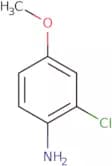

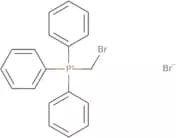
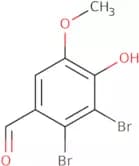
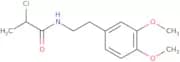
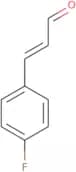
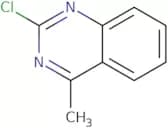
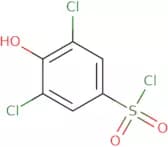
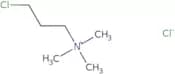
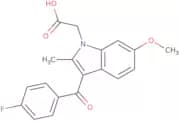
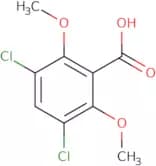
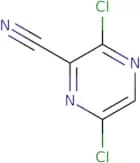
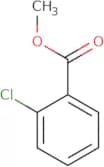
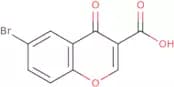
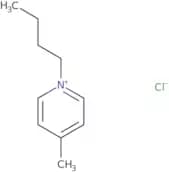
![[5-Methyl-3-(trifluoromethyl)-1H-pyrazol-1-yl]acetic acid](/_next/image/?url=https%3A%2Fstatic.cymitquimica.com%2Fproducts%2F3D%2Fthumb-webp%2FFM54360.webp&w=3840&q=75)
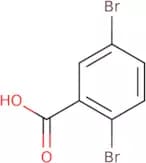
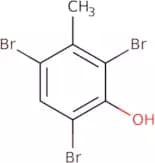
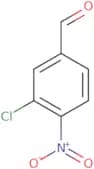
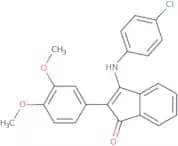
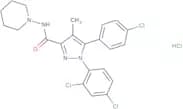
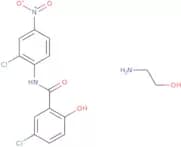
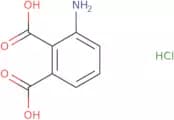
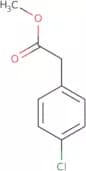
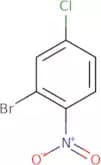
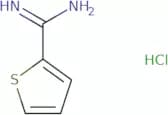
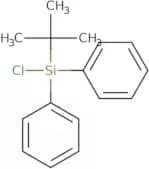
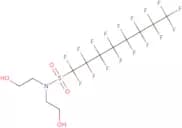
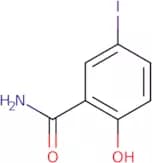
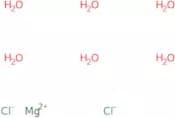
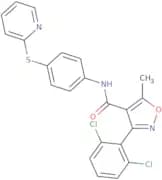
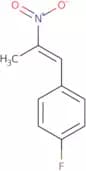
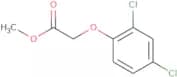
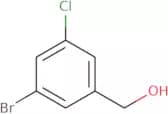
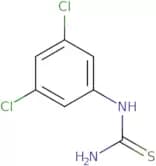
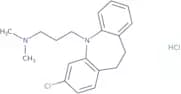
![N-[5-(Phenylamino)-2,4-pentadienylidene]aniline monohydrochloride](/_next/image/?url=https%3A%2Fstatic.cymitquimica.com%2Fproducts%2F3D%2Fthumb-webp%2FFP29019.webp&w=3840&q=75)

![4-Amino-5-chloro-2,3-dihydro-N-[1-(3-methoxypropyl)-4-piperidinyl]-7-benzofurancarboxamide](/_next/image/?url=https%3A%2Fstatic.cymitquimica.com%2Fproducts%2F3D%2Fthumb-webp%2FFA27248.webp&w=3840&q=75)
![4-(2- fluorophenyl)-6,8-dihydro-1,3,8-trimethyl-Pyrazolo[3,4-e][1,4]diazepin-7(1H)-one mixt. with …](/_next/image/?url=https%3A%2Fstatic.cymitquimica.com%2Fproducts%2F3D%2Fthumb-webp%2FFF104101.webp&w=3840&q=75)
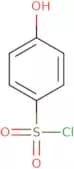
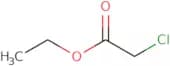
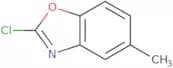
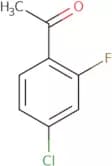
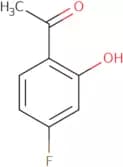
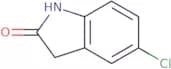
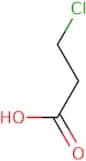
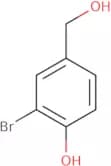
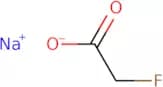
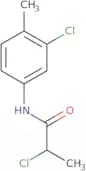
![1-[(5-Chloro-1-methyl-1H-indol-3-yl)methyl]piperidine-4-carboxylic acid](/_next/image/?url=https%3A%2Fstatic.cymitquimica.com%2Fproducts%2F3D%2Fthumb-webp%2FFC128187.webp&w=3840&q=75)
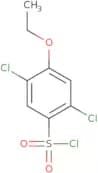
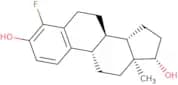
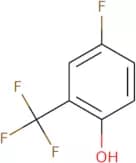
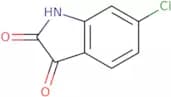
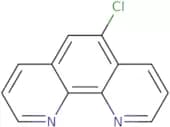
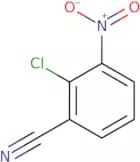

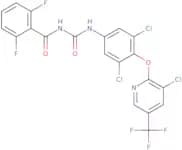
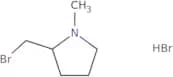
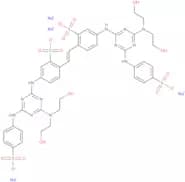
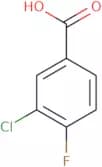
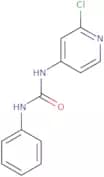
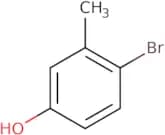
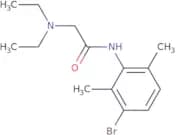
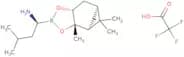
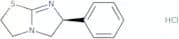
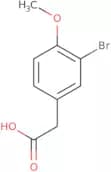

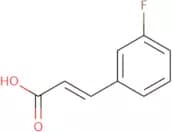
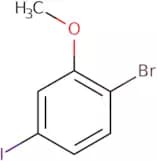
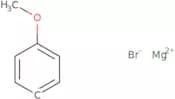
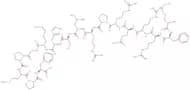

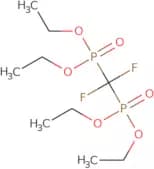
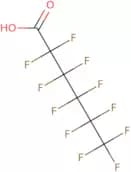
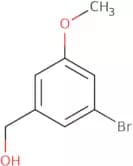
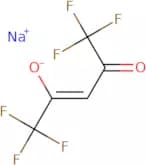
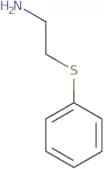
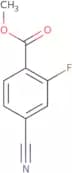
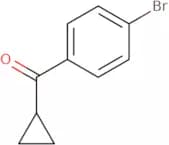
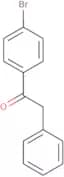
![[2-(1,3-Benzodioxol-5-yloxy)ethyl]amine hydrochloride](/_next/image/?url=https%3A%2Fstatic.cymitquimica.com%2Fproducts%2F3D%2Fthumb-webp%2FFB120300.webp&w=3840&q=75)
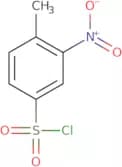
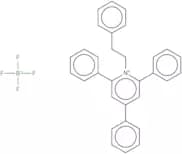
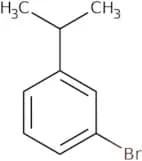
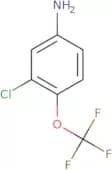
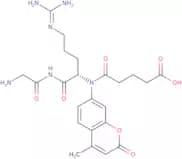
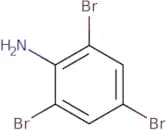
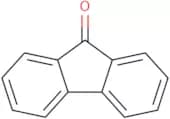
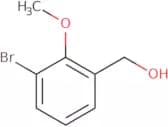
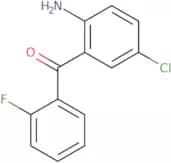
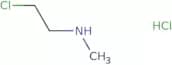
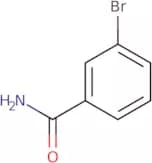

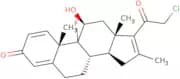
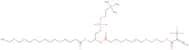
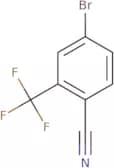
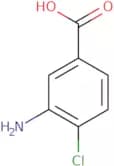

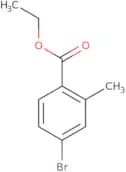
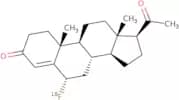
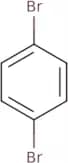
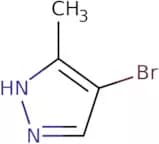
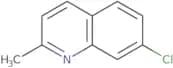
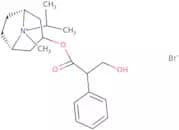
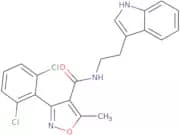
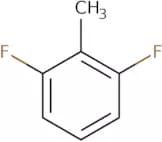
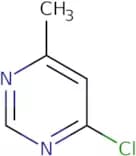
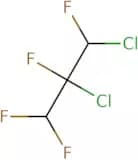
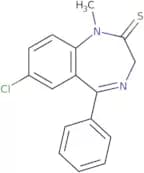
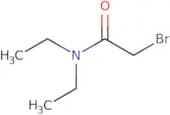
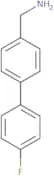
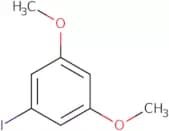
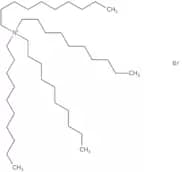
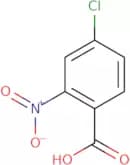
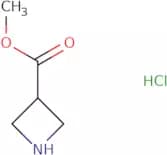
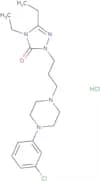


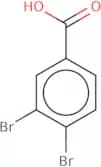
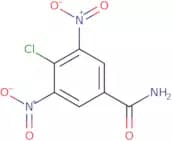
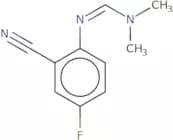

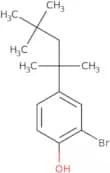
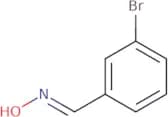
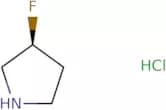
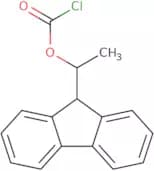
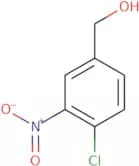
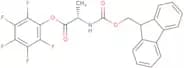
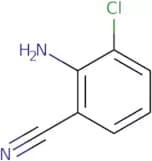
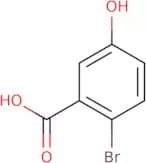
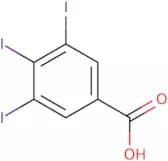
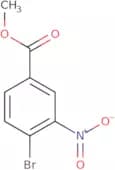
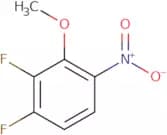
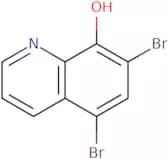
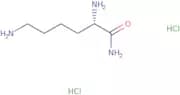
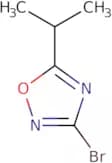
![N-(2,5-dimethylphenyl)(3-chlorobenzo[b]thiophen-2-yl)formamide](/_next/image/?url=https%3A%2Fstatic.cymitquimica.com%2Fproducts%2F3D%2Fthumb-webp%2FFD169538.webp&w=3840&q=75)
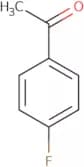

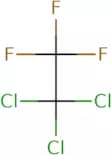
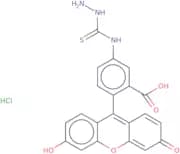
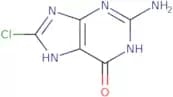
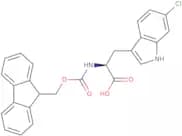
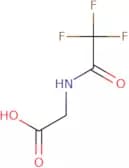
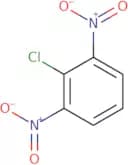
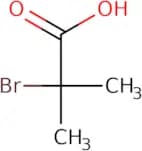


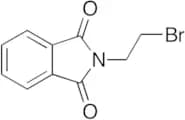
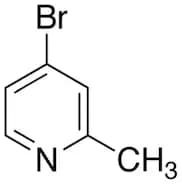
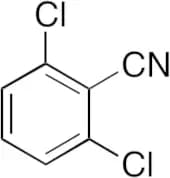
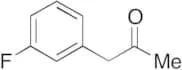
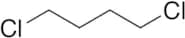
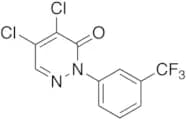



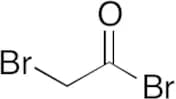
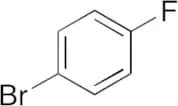
![[Bis(trifluoroacetoxy)iodo]benzene](/_next/image/?url=https%3A%2Fstatic.cymitquimica.com%2Fproducts%2FTR%2Fthumb-webp%2FB586600.webp&w=3840&q=75)
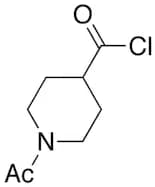
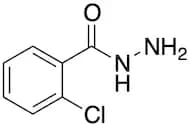
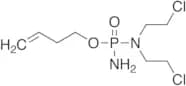
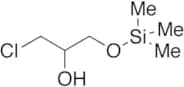

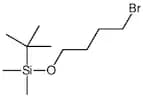

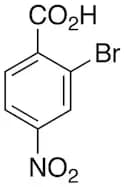
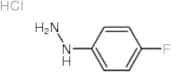

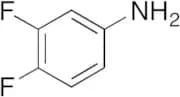
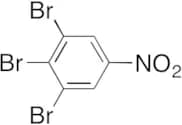
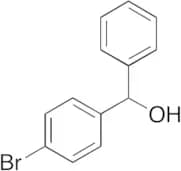

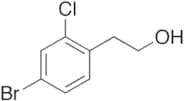

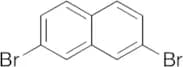
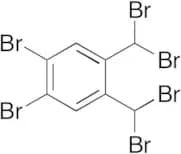


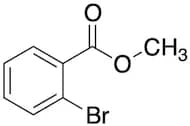
![4-(3-Bromopent-1-yn-1-yl)-6-chloro-4-(trifluoromethyl)-1H-benzo[d][1,3]oxazin-2(4H)-one](/_next/image/?url=https%3A%2Fstatic.cymitquimica.com%2Fproducts%2FTR%2Fthumb-webp%2FB143420.webp&w=3840&q=75)


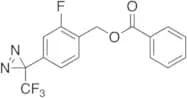

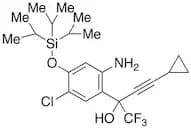
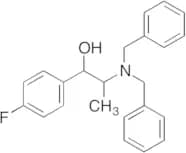
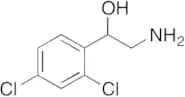
![2-[4-Chloro-3-(chlorosulfonyl)benzoyl]-benzoic Acid](/_next/image/?url=https%3A%2Fstatic.cymitquimica.com%2Fproducts%2FTR%2Fthumb-webp%2FC364350.webp&w=3840&q=75)
