Alcools
Sous-catégories appartenant à la catégorie "Alcools"
5814 produits trouvés pour "Alcools"
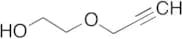
Propynol Ethoxylate (>80%)
CAS :Produit contrôléApplications Propynol Ethoxylate is an intermediate and it is shown to be used in the design and synthesis of a tag-free chemical probe for photoafiinity labeling.
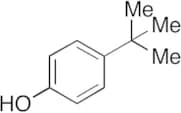
References Mayer, T., et al.: Eur. J. Org. Chem. 28, 4711 (2007)Formule :C5H8O2Degré de pureté :>80%Couleur et forme :NeatMasse moléculaire :100.124-tert-Butylphenol
CAS :Produit contrôléApplications 4-tert-Butylphenol is a reactant in the preparation of (2-bromocyclopent-2-en-1-yl)phenols.
Not a dangerous good if item is equal to or less than 1g/ml and there is less than 100g/ml in the package
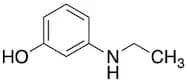
References Speck, K., et. al.: Org. Lett., 17, 1982 (2015)Formule :C10H14OCouleur et forme :NeatMasse moléculaire :150.223-(Ethylamino)phenol
CAS :Produit contrôléApplications 3-(ethylamino)phenol (cas# 621-31-8) is a useful research chemical.
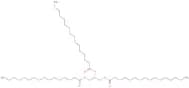
Formule :C8H11NOCouleur et forme :NeatMasse moléculaire :137.18Glycerol tripalmitate
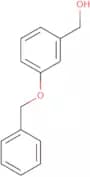
CAS :Glycerol tripalmitate is a triglyceride that is composed of three molecules of glycerol and one molecule of palmitic acid. It is used in the manufacture of sephadex g-100, a chromatographic material that separates proteins based on their size. Glycerol tripalmitate has been shown to have high chemical stability, which is important for its use as a pharmaceutical excipient. This substance also has a physiological function in the human body, including the production of lipids, such as fatty acids and triglycerides. Glycerol tripalmitate can be used to study phase transition temperature by using surface methodology. Carbonyl oxygens are present on the surface of this substance, which may have neurotrophic effects.Formule :C51H98O6Degré de pureté :Min. 85 Area-%Couleur et forme :PowderMasse moléculaire :807.32 g/mol3-Benzyloxybenzyl alcohol
CAS :3-Benzyloxybenzyl alcohol is a condensation product of benzaldehyde and acetone. Hydration leads to the formation of an intramolecular hydrogen bond between the carbonyl group and the hydroxyl group. The ammonium salt is formed by reaction with ammonium chloride in water, which then undergoes a cyclization to form bicyclic ring system. 3-Benzyloxybenzyl alcohol has been shown to have antihistamine properties, as it inhibits histamine release from mast cells.
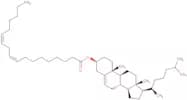
Formule :C14H14O2Degré de pureté :Min. 98 Area-%Couleur et forme :PowderMasse moléculaire :214.26 g/molCholesterol linoleate
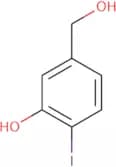
CAS :Produit contrôléCholesterol linoleate is a model system that is used to study the role of cholesterol in atherosclerosis. It consists of a cholesterol-based polymer and linoleic acid, which are chemically similar to the natural lipids found in human cells. In vitro studies have shown that this model system has an inhibitory effect on ATP binding cassette transporter A1 (ABCA1) and ABCG1. These proteins transport cholesterol from cellular membranes to other parts of the cell, where they are degraded by enzymes called lysosomes. Cholesterol linoleate also inhibits basic protein, an enzyme that breaks down cholesteryl, leading to reduced levels of cholesteryl esters in the atheromatous lesions. This model system has been shown to reduce disease activity in animals with atherosclerotic lesions.Formule :C45H76O2Couleur et forme :White PowderMasse moléculaire :649.08 g/mol3-Hydroxy-4-iodobenzyl alcohol
CAS :3-Hydroxy-4-iodobenzyl alcohol is a nucleophile that can be used as an affinity label for proteins and nucleic acids. 3-Hydoxy-4-iodobenzyl alcohol is capable of disrupting the linker between two molecules, which allows for analysis of protein/nucleic acid interactions. 3-Hydroxy-4-iodobenzyl alcohol can be used to label molecules, but it is not covalently bound to them. It has been shown to show tumor growth inhibition in glioma cells, which may be due to its ability to disrupt factor 1, a transcription factor that regulates cell proliferation and differentiation.
Formule :C7H7IO2Degré de pureté :Min. 95%Couleur et forme :PowderMasse moléculaire :250.03 g/molPhenol red
CAS :Phenol red is a pH indicator that finds broad applications from chemistry to microbiology. Colour varies from yellow at pH<6.8 (lmax 443nm) through to light red/pink at 6.8<pH<8.2 (lmax 570 nm) to vivid purple/red at pH>8.2. It is widely used in cell culture to monitor pH and for colorimetric titration. For example, phenol red can be used to quantify Br- content in sea or fresh water. It is added to VTM as pH indicator, at the concentration of 10mg/ml, maintaining a pink colour at neutral pH.
Formule :C19H14O5SCouleur et forme :PowderMasse moléculaire :354.38 g/mola-[2-(Methylamino)ethyl]benzyl alcohol
CAS :a-[2-(Methylamino)ethyl]benzyl alcohol is a zwitterion that forms an imine when reacted with piperazine. It has been shown to have antibacterial activity in subcritical water extraction and HPLC analysis. This compound also has a profile of impurities, including β-unsaturated aldehydes and pseudoephedrine.
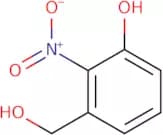
Formule :C10H15NODegré de pureté :Min. 95%Couleur et forme :PowderMasse moléculaire :165.23 g/mol3-Hydroxy-2-nitrobenzyl alcohol
CAS :3-Hydoxy-2-nitrobenzyl alcohol is a high quality reagent that can be used as a complex building block, useful scaffold, and versatile building block for the synthesis of speciality chemicals. It is also used as a reaction component in the preparation of 3-hydroxy-2-nitrobenzyl chloride, which is an intermediate for the production of various pharmaceuticals. This chemical has a CAS number of 34112-74-8 and is classified as a research chemical.
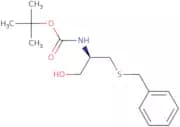
Formule :C7H7NO4Degré de pureté :Min. 95%Couleur et forme :PowderMasse moléculaire :169.13 g/molBoc-S-benzyl-L-cysteinol
CAS :Please enquire for more information about Boc-S-benzyl-L-cysteinol including the price, delivery time and more detailed product information at the technical inquiry form on this pageFormule :C15H23NO3SDegré de pureté :Min. 95%Couleur et forme :PowderMasse moléculaire :297.41 g/mol(6S)-5,6,7,8-Tetrahydro-6-[propyl[2-(2-thienyl)ethyl]amino]-1-naphthalenol
CAS :Produit contrôlé(6S)-5,6,7,8-Tetrahydro-6-[propyl[2-(2-thienyl)ethyl]amino]-1-naphthalenol is a potent and selective dopamine receptor agonist. It acts by binding to the dopamine receptors in the brain. This binding stimulates the release of dopamine and prevents it from being reabsorbed into the neurons, which in turn increases levels of extracellular dopamine in the synapse. (6S)-5,6,7,8-Tetrahydro-6-[propyl[2-(2-thienyl)ethyl]amino]-1-naphthalenol has been shown to have antidepressant effects in animal models of depression. It also has a long half life and can be administered as a transdermal patch for prolonged relief from depression symptoms.Formule :C19H25NOSDegré de pureté :Min. 95%Couleur et forme :White Off-White PowderMasse moléculaire :315.47 g/molPolycaprolactone diol - MW 525-575
CAS :Biodegradable polymer
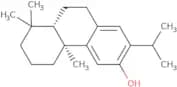
Formule :C4H8O3(C6H10O2)nCouleur et forme :Clear LiquidFerruginol
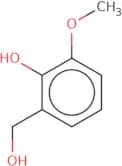
CAS :Ferruginol is a natural compound that can be found in the bark of the plant Phellodendron amurense. It has significant cytotoxicity against k562 cells and dextran sulfate, which may be due to its ability to inhibit mitochondrial membrane potential and cause apoptosis. Ferruginol also has anti-inflammatory properties and can inhibit the proliferation of colorectal adenocarcinoma cells by inducing pro-apoptotic protein expression. This compound binds to basic structures such as proteins, nucleic acids, lipids, and carbohydrates. Ferruginol is also known to be a potent inhibitor of disease activity for coronary heart diseases and other diseases such as Crohn's disease.Formule :C20H30ODegré de pureté :Min. 90 Area-%Couleur et forme :White PowderMasse moléculaire :286.45 g/mol2-Hydroxy-3-methoxybenzyl alcohol
CAS :2-Hydroxy-3-methoxybenzyl alcohol is a phenolic compound that belongs to the class of mandelonitrile. It is an envenomation agent that has been shown to have a molecular weight of 146, and is synthesized by reacting 2-hydroxy-4-methoxybenzaldehyde with formic acid. This drug also has been shown to have high binding affinity for the androgen receptor, which allows it to be used as an antihormone therapy. 2-Hydroxyl-3-methoxybenzyl alcohol binds to hormone receptors in cells and prevents them from binding with the hormones needed for transcription. The hydroxyl group on this molecule allows it to act as an acceptor for other molecules in reactions involving formylation and hydroxylation reactions.
Formule :C8H10O3Degré de pureté :Min. 95%Couleur et forme :PowderMasse moléculaire :154.16 g/mol2-[2-(2-t-Boc-aminoethoxy)ethoxy]ethanol
CAS :2-[2-(2-t-Boc-aminoethoxy)ethoxy]ethanol is a versatile chemical building block that can be used to synthesize a variety of compounds. It has been shown to be useful as a reaction component in the synthesis of pharmaceuticals and agrochemicals. The compound is also used as an intermediate for the preparation of other compounds. 2-[2-(2-t-Boc-aminoethoxy)ethoxy]ethanol is soluble in organic solvents, such as chloroform, ethanol, or acetone. It has a CAS number of 139115-92-7 and is relatively easy to purify by recrystallization from methanol.Formule :C11H23NO5Degré de pureté :Min. 95%Couleur et forme :Clear LiquidMasse moléculaire :249.3 g/molEstradiol 17-butyrate
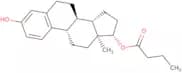
CAS :Estradiol 17-butyrate is a fine chemical that can be used as a versatile building block or in the synthesis of complex compounds. This product is a research chemical, but it can also be used as a reagent or a CAS No. 18069-79-9. It has many applications in the field of chemistry, including being useful as an intermediate in organic synthesis and as a reaction component. Estradiol 17-butyrate is also useful for use as a scaffold for the preparation of other chemicals with similar properties.
Formule :C22H30O3Degré de pureté :Min. 95%Couleur et forme :PowderMasse moléculaire :342.47 g/mol5-Methyl-4,5-dihydro-1,2,4-triazino[5,6-b]indole-3-thione
CAS :Please enquire for more information about 5-Methyl-4,5-dihydro-1,2,4-triazino[5,6-b]indole-3-thione including the price, delivery time and more detailed product information at the technical inquiry form on this pageFormule :C10H8N4SDegré de pureté :Min. 95%Couleur et forme :PowderMasse moléculaire :216.26 g/mol3-Nonanol
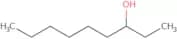
CAS :3-Nonanol is a chiral compound that is used as a catalyst in oil solutions. It has been shown to be effective at high concentrations, and the kinetic of this reaction has been studied under constant pressure. The catalytic activity of 3-nonanol is based on its ability to form an ion-pair with malonic acid and convert it into butanoic acid. 3-Nonanol can be detected in high concentrations by following the reaction with an infrared spectrophotometer, which detects the characteristic absorption bands for this compound. Symptoms of exposure to 3-nonanol include skin irritation, eye irritation, respiratory tract irritation, and central nervous system depression.Formule :C9H20ODegré de pureté :Min. 95%Couleur et forme :Clear LiquidMasse moléculaire :144.25 g/mol2-Bromo-2-nitroethanol
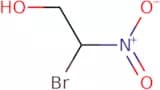
CAS :2-Bromo-2-nitroethanol is a chemical reagent that has the hydroxyl group. It is a site specific biocide, which is used to kill bacteria. 2-Bromo-2-nitroethanol has bactericidal activity against gram negative and gram positive bacteria. It can be used as a preservative in food and pharmaceutical products. This chemical is also effective for killing bacteria in water and wastewater treatment plants. 2-Bromo-2-nitroethanol is applied to surfaces by spraying or dipping, or it can be added to water at concentrations of 0.5 ppm or higher. 2-Bromo-2-nitroethanol can also be used to treat textiles, paper, leather, and rubber products by dipping or spraying these materials with the chemical solution containing 2% concentration of 2-bromo-2 nitroethanol in an aqueous solution of sodium hydroxide (0.5Formule :C2H4BrNO3Degré de pureté :Min. 95%Couleur et forme :Clear LiquidMasse moléculaire :169.96 g/molα,α,4-Trimethyl-3-cyclohexene-1-methanethiol
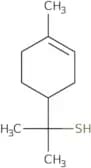
CAS :alpha,alpha,4-Trimethyl-3-cyclohexene-1-methanethiol is a volatile organic compound that is used as a flavouring agent in the food industry. It has been shown to be an effective solvent for various types of materials and can be used in the removal of odours from food containers. Alpha, alpha, 4-trimethyl-3-cyclohexene-1-methanethiol has been shown to have organoleptic properties when it is added to foods, such as pulegone and α-pinene. This compound is also used in the detection of chloride ions.
Formule :C10H18SDegré de pureté :Min. 95%Couleur et forme :Clear LiquidMasse moléculaire :170.32 g/mol2-Nitrobenzyl alcohol
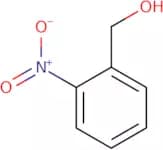
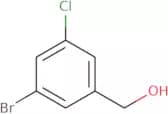
CAS :2-Nitrobenzyl alcohol is a molecule with photochemical properties. It has been used as a solid catalyst and in genotoxic studies. 2-Nitrobenzyl alcohol is also toxic to liver cells, although the mechanism behind this toxicity is not yet clear. The chemical biology of this molecule is being studied, which includes its receptor binding and interactions with human liver cells.Formule :C7H7NO3Degré de pureté :Min. 97%Couleur et forme :PowderMasse moléculaire :153.14 g/mol3-Bromo-5-chlorobenzyl alcohol
CAS :3-Bromo-5-chlorobenzyl alcohol is a useful building block for the synthesis of complex compounds. It reacts with metal chlorides to form bromochloromethane, which can be used in organic syntheses as a reaction component or reagent. 3-Bromo-5-chlorobenzyl alcohol is a versatile chemical that has been shown to have high quality and is useful in research.Formule :C7H6BrClODegré de pureté :Min. 95%Couleur et forme :PowderMasse moléculaire :221.48 g/mol1,3-Dipalmitoyl-glycero-2-phosphoethanolamine
CAS :Please enquire for more information about 1,3-Dipalmitoyl-glycero-2-phosphoethanolamine including the price, delivery time and more detailed product information at the technical inquiry form on this page
Formule :C37H74NO8PDegré de pureté :ReportedCouleur et forme :White/Off-White SolidMasse moléculaire :691.96 g/mol4-(1H-Imidazol-2-yl)phenol
CAS :Please enquire for more information about 4-(1H-Imidazol-2-yl)phenol including the price, delivery time and more detailed product information at the technical inquiry form on this pageFormule :C9H8N2ODegré de pureté :Min. 95%Masse moléculaire :160.17 g/mol2-Palmitoylglycerol
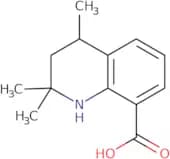
CAS :2-Palmitoylglycerol is a monoacylglycerol that is synthesized from the breakdown of dietary fats. It is also synthesized in tissues through the action of phospholipase A2 and diacylglycerol acyltransferase. 2-Palmitoylglycerol has been shown to bind to the cannabinoid receptor type 1 (CB1), which leads to activation of peroxisome proliferator-activated receptor α (PPARα). This activation induces gene expression changes that lead to increased fatty acid oxidation and decreased triglyceride synthesis in liver cells. 2-Palmitoylglycerol has been shown to reduce body weight gain and increase insulin sensitivity in mice models on high fat diets. 2-Palmitoylglycerol has also been shown to increase butyrate, a short chain fatty acid, levels in rats with metabolic disorders.Formule :C19H38O4Degré de pureté :Min. 95%Couleur et forme :PowderMasse moléculaire :330.5 g/mol2,2,4-Trimethyl-1,2,3,4-tetrahydroquinoline-8-carboxylic acid
CAS :2,2,4-Trimethyl-1,2,3,4-tetrahydroquinoline-8-carboxylic acid is a versatile building block that can be used as a reagent or speciality chemical in research and development. It is also an intermediate for the synthesis of complex compounds with various properties. This compound has been shown to be useful as a building block for the synthesis of new compounds with potential pharmaceutical applications.Formule :C13H17NO2Degré de pureté :Min. 95%Couleur et forme :White Off-White PowderMasse moléculaire :219.28 g/molCetearyl alcohol
CAS :Cetearyl alcohol is a type of fatty alcohol, which is derived from natural sources like coconut oil or palm kernel oil. It is a combination of cetyl and stearyl alcohols. This compound functions primarily through its emulsifying properties, allowing oil and water to mix effectively and form stable emulsions. It does this by reducing surface tension, thus facilitating the blending of disparate ingredients.
Formule :C18H38O·C16H34ODegré de pureté :Min. 95%Couleur et forme :White PowderMasse moléculaire :512.93 g/mol1,2-Distearoyl-sn-glycerol
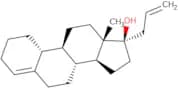
CAS :1,2-Distearoyl-sn-glycerol (DAG) is a lipid molecule that is found in the cell membrane and can be used as an antimicrobial agent. DAG has been shown to inhibit the growth of bacteria by binding to their fatty acid chains. It also has been shown to bind to the receptor P2Y6, which is involved in mediating inflammatory responses, and inhibits its activity. This drug may be useful for treating diseases such as atherosclerosis and diabetes mellitus type 2.Formule :C39H76O5Couleur et forme :PowderMasse moléculaire :625.02 g/molAllylestrenol
CAS :Produit contrôléAllylestrenol is a synthetic steroid hormone that is used as a contraceptive. It works by preventing ovulation and thickening the cervical mucus to prevent sperm from reaching the egg. Allylestrenol has been shown to have a statistically significant effect on infectious diseases of the ovary, such as endometritis, pelvic inflammatory disease, and salpingitis. Allylestrenol also inhibits ovarian enzyme activity, which may lead to autoimmune diseases. This drug has not been studied for its toxicity or pharmacokinetics in humans, but it has been found to be highly toxic in animals with levels of allylestrenol that are 100 times higher than those found in humans. A polymer composition was developed to control the release of allylestrenol in vivo.
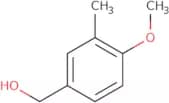
Formule :C21H32ODegré de pureté :Min. 95%Couleur et forme :White To Off-White SolidMasse moléculaire :300.48 g/mol4-Methoxy-3-methylbenzyl alcohol
CAS :4-Methoxy-3-methylbenzyl alcohol is a high quality and versatile chemical reagent. It is a complex compound with the CAS number 114787-91-6. 4-Methoxy-3-methylbenzyl alcohol is useful as an intermediate in the synthesis of other fine chemicals, such as pesticides, dyes, and pharmaceuticals. It is also used as a speciality chemical for research purposes or as a building block for more complicated compounds. This compound can be used in reactions to produce new products, such as reaction components that are versatile building blocks.Formule :C9H12O2Degré de pureté :Min. 95%Couleur et forme :Clear LiquidMasse moléculaire :152.19 g/mol5-Bromopentan-1-ol
CAS :5-Bromopentan-1-ol is a chemical that is used in the synthesis of other organic compounds. It has been found to be a good solvent for many organic substances, and it is also used as an intermediate in organic synthesis. 5-Bromopentan-1-ol can be acetylated with acetic anhydride, which leads to the formation of 1,5-diacetoxybutane. The reaction between 5-bromopentan-1-ol and copper oxide in chlorine gas leads to the formation of 1,5 dibromohexane. This reaction product can then be hydrolyzed to produce malonic acid.
The structural formula for 5-bromopentan-1-ol consists of two carbon atoms connected by a single bond and three hydrogen atoms bonded to one carbon atom. The other carbon atom is bonded to two oxygen atoms (one by a double bond) and one hydrogen atom. TheFormule :C5H11BrODegré de pureté :Min. 95%Couleur et forme :Clear LiquidMasse moléculaire :167.04 g/mol4-Azidobutanol
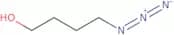
CAS :4-Azidobutanol is a nicotinic acetylcholine receptor antagonist that has been shown to inhibit tumor growth. It can be used as a cancer therapeutic and for the prevention of cancer. 4-Azidobutanol has been shown to inhibit the activity of growth factor receptors, such as insulin-like growth factor (IGF) or vascular endothelial growth factor (VEGF), which are involved in cell proliferation and angiogenesis. 4-Azidobutanol also inhibits glucose monitoring by interfering with the binding of glucose to monoclonal antibodies. The drug blocks the kinase domain of VEGFR2, thereby inhibiting the phosphorylation of VEGFR2 downstream signaling proteins that promote angiogenesis and cell migration. This can be used in treatments for leukemia cells or endothelial cells.Formule :C4H9N3ODegré de pureté :Min. 95%Couleur et forme :PowderMasse moléculaire :115.13 g/mol17α-Estradiol 17-valerate
CAS :Please enquire for more information about 17α-Estradiol 17-valerate including the price, delivery time and more detailed product information at the technical inquiry form on this pageFormule :C23H32O3Degré de pureté :Min. 95%Couleur et forme :PowderMasse moléculaire :356.5 g/mol1,3-Dipalmitoylglycerol
CAS :1,3-Dipalmitoylglycerol is a diacylglycerol, which is a type of fatty acid that is also known as a 1,2-diacylglycerol. It has been shown to exhibit hemolytic activity in the presence of hydroxyl groups. The optimum pH for 1,3-dipalmitoylglycerol is at around 7.5 and it can be used as a biocompatible polymer to form controlled-release preparations with neutral pH that are tumoricidal.Formule :C35H68O5Degré de pureté :Min. 95%Couleur et forme :PowderMasse moléculaire :568.91 g/mol3,4-Dihydro-7-hydroxy-2(1H)-quinolinone
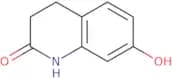
CAS :3,4-Dihydro-7-hydroxy-2(1H)-quinolinone is a synthetic compound that has been shown to have antidiabetic activity in vitro. It binds to the alpha2A receptor subtype and inhibits the uptake of chloride ions by cells. 3,4-Dihydro-7-hydroxy-2(1H)-quinolinone also inhibits the uptake of aluminium ions and has been shown to inhibit tumor growth in human nasopharyngeal carcinoma cells. The synthesis of 3,4-dihydro-7-hydroxy-2(1H)-quinolinone is accomplished by reacting aniline with acetophenone and hydrochloric acid in the presence of aluminium chloride and carbostyril. This reaction yields a 50% yield of the desired product.Formule :C9H9NO2Degré de pureté :Min. 98 Area-%Couleur et forme :PowderMasse moléculaire :163.17 g/mol2,4,5-Trimethylbenzyl alcohol
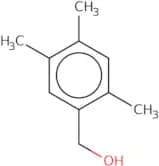
CAS :2,4,5-Trimethylbenzyl alcohol (2,4,5-TMB) is an organic solvent that has been used as a photocatalyst. It has been shown to be an efficient and selective radical oxidation catalyst for the conversion of toluene to benzaldehyde. 2,4,5-TMB can also be used in UV irradiation as a sensitizer for the production of oxiranes from ethylene oxide and oxygen. 2,4,5-TMB is soluble in many common solvents such as ethers and chlorinated hydrocarbons. The reaction product is not known with certainty because it has not been isolated. However, it is thought that it may form radical anion radicals when irradiated with UV light or other forms of radiation.
Formule :C10H14ODegré de pureté :Min. 95%Couleur et forme :PowderMasse moléculaire :150.22 g/mol4-tert-Butyl-2,6-dinitrophenol
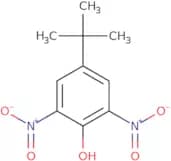
CAS :4-tert-Butyl-2,6-dinitrophenol is a yellowish solid that is soluble in organic solvents. It is used as an intermediate for the synthesis of dyes, pesticides and pharmaceuticals. 4-tert-Butyl-2,6-dinitrophenol has been shown to cause respiratory tract irritation and narcosis in animals. The toxic effects of 4-tert-Butyl-2,6-dinitrophenol are due to its high electrophilicity and nitro group (NO) which causes oxidative stress. The logistic regression analysis showed that the population growth of ciliates was negatively affected by the presence of halogens in the water.
Formule :C10H12N2O5Degré de pureté :Min. 98 Area-%Couleur et forme :White PowderMasse moléculaire :240.21 g/mol(R)-BoroLeu-(+)-pinanediol-trifluoroacetate
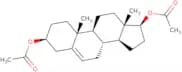
CAS :(R)-BoroLeu-(+)-pinanediol-trifluoroacetate is a complex compound with CAS No. 179324-87-9 and can be used as a reagent, useful intermediate, or fine chemical. It is a versatile building block that can be used in the synthesis of speciality chemicals, research chemicals, and reaction components. This compound has been reported to be a useful scaffold for the synthesis of novel compounds that could have applications in medicine, such as anti-cancer drugs and antibiotics.Formule :C17H29BF3NO4Couleur et forme :White Off-White PowderMasse moléculaire :379.22 g/molAndrostenediol diacetate
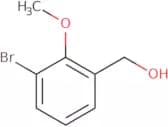
CAS :Produit contrôléAndrostenediol diacetate is a 3β-hydroxysteroid that is the product of the metabolism of androstenedione in the body. It has been observed in animal cells, human cells, and various tissues. Androstenediol diacetate is converted to testosterone by 3β-hydroxysteroid dehydrogenase, an enzyme that converts it to 5α-androstanediol. The conversion of androstenediol diacetate to testosterone may be responsible for the clinical chemistry test for testosterone levels. Testicular cells are known to produce androstenediol diacetate from cholesterol. This conversion may be related to the side-chain cleavage of cholesterol by cell enzymes.Formule :C23H34O4Degré de pureté :Min. 95%Couleur et forme :White PowderMasse moléculaire :374.51 g/mol3-Bromo-2-methoxybenzyl alcohol
CAS :3-Bromo-2-methoxybenzyl alcohol is a reaction component that is used in the synthesis of a number of chemical compounds. It has been shown to be a useful scaffold, with versatile building blocks and intermediates. 3-Bromo-2-methoxybenzyl alcohol is an intermediate for the synthesis of complex compounds such as antihypertensive drugs, anti-inflammatory agents, and immunosuppressant drugs. This compound also has a variety of uses in research including as a reagent for the determination of enzyme activity and as an analytical reference standard.Formule :C8H9BrO2Degré de pureté :Min. 95%Couleur et forme :PowderMasse moléculaire :217.06 g/molall-trans-Retinol
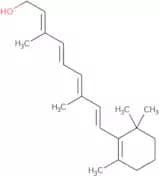
CAS :All-trans-retinol is a form of vitamin A that is an important component of the visual system and helps maintain healthy skin. Retinol is found in many animal products and can be taken as a dietary supplement. Retinol can react with other chemicals to form all-trans-retinoic acid, which has been shown to inhibit the growth of human carcinoma cells in culture by binding to the ATP binding cassette transporter. All-trans-retinol also inhibits the uptake of retinaldehyde and retinoic acid into cells, which may be due to its ability to bind to cell membranes or react with chemical inhibitors.Formule :C20H30ODegré de pureté :Min. 95 Area-%Couleur et forme :Yellow PowderMasse moléculaire :286.45 g/molTriadimenol
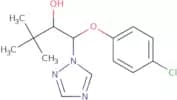
CAS :Triadimenol is a fungicide for cereals, beet and brassicas used to control a range of diseases including powdery mildew, rusts, bunts and smuts. It is a xenobiotic metabolite and an antifungal agrochemical.
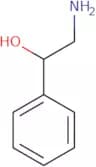
Formule :C14H18ClN3O2Degré de pureté :Min. 95%Couleur et forme :White PowderMasse moléculaire :295.76 g/molDL-Phenylethanolamine
CAS :DL-Phenylethanolamine is a hydroxy amine that is used in the synthesis of other chemicals. It is obtained by reacting phenylacetic acid with hydroxylamine. DL-Phenylethanolamine is an intermediate in the synthesis of the anti-inflammatory drug Indomethacin. This molecule contains a asymmetric carbon atom, which can be distinguished using infrared spectroscopy. The uptake of DL-phenylethanolamine into cells can be measured by detecting the release of amines from lysosomes and mitochondria. In addition, this molecule has conformational properties that can be detected by NMR spectroscopy, making it useful for detection sensitivity and identification purposes.Formule :C8H11NODegré de pureté :(%) Min. 90%Couleur et forme :PowderMasse moléculaire :137.18 g/mol(1-Methylpiperidin-2-yl)methanol
CAS :(1-Methylpiperidin-2-yl)methanol is a gaseous organic acid that belongs to the piperazine class of compounds. It is used as an intermediate in the synthesis of various pharmaceuticals, including antipsychotics and antidepressants. (1-Methylpiperidin-2-yl)methanol has been shown to be an agonist of ganglion cells and can be used for the treatment of glaucoma. This compound also has shown to have anti-inflammatory properties, which may be due to its ability to inhibit nitric oxide production. Furthermore, (1-methylpiperidin-2-yl)methanol has been shown to inhibit 13c nuclear magnetic resonance spectroscopy with epoxides and hydroxyl groups. The reaction product is a crystalline solid with a molecular formula of C6H14O3N2, which corresponds to the molecular formula of 2-(dimethylam
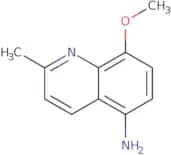
Formule :C7H15NODegré de pureté :Min. 95%Couleur et forme :Clear LiquidMasse moléculaire :129.2 g/mol8-Methoxy-2-methylquinolin-5-amine monohydrochloride
CAS :8-Methoxy-2-methylquinolin-5-amine monohydrochloride is a fine chemical that is used as a versatile building block in the synthesis of complex compounds. 8-Methoxy-2-methylquinolin-5-amine monohydrochloride is an intermediate for the production of research chemicals and pharmaceuticals. It can be used to synthesize speciality chemicals, useful scaffolds, and reagents. It also has a wide range of applications as a reaction component in synthetic organic chemistry. 8-Methoxy-2-methylquinolin-5-amine monohydrochloride has high purity and quality.Formule :C11H12N2O•HClDegré de pureté :Min. 95 Area-%Couleur et forme :PowderMasse moléculaire :224.73 g/mol(+)-Dehydrodiconiferyl alcohol
CAS :(+)-Dehydrodiconiferyl alcohol is a lignan, which is a type of phenolic compound naturally occurring in a variety of plant species, including those in the families Magnoliaceae, Lauraceae, and others. As a secondary metabolite derived from the oxidative coupling of coniferyl alcohol, it plays roles in plant defense and structural integrity.Formule :C20H22O6Degré de pureté :Min. 95%Masse moléculaire :358.39 g/molPhenol red sodium salt
CAS :Phenol red is a pH indicator that finds broad applications from chemistry to microbiology. Colour varies from yellow at pH<6.8 (lmax 443nm) through to light red/pink at 6.8<pH<8.2 (lmax 570 nm) to vivid purple/red at pH>8.2. It is widely used in cell culture to monitor pH and for colorimetric titration. For example, phenol red can be used to quantify Br- content in sea or fresh water. It is added to VTM as pH indicator, at the concentration of 10mg/ml, maintaining a pink colour at neutral pH.
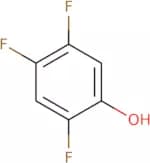
Formule :C19H13NaO5SCouleur et forme :Slightly Brown Red PowderMasse moléculaire :376.36 g/mol2,4,5-Trifluorophenol
CAS :2,4,5-Trifluorophenol is a chemical compound that is used in the production of plastics and synthetic fibers. It is also found as an environmental pollutant when released into the environment from industrial waste. Trichloroacetic acid reacts with 2,4,5-trifluorophenol to produce dibenzodioxins that are toxic and mutagenic. Trifluorophenol has been shown to activate rat hepatocytes by increasing the rate of synthesis of messenger RNA (mRNA) for proteins involved in drug metabolism. This activation may be due to its ability to induce oxidative stress or because it can react with DNA bases to form covalent adducts. The photoelectron spectrum includes bands at 1210 and 1240 cm-1 that correspond to chlorine atoms attached to arene rings.
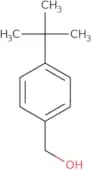
2,4,5-Trifluorophenol has been shown to inhibit the growth of primary cultures of rat hepatocytesFormule :C6H3F3ODegré de pureté :Min. 95%Couleur et forme :PowderMasse moléculaire :148.08 g/mol4-tert-Butylbenzyl alcohol
CAS :4-tert-Butylbenzyl alcohol is a chemical compound that binds to the acetyltransferase enzyme and blocks the conversion of acetate to acetyl-CoA. It is used as an inhibitor in biochemical research, where it is commonly used in control experiments. 4-tert-Butylbenzyl alcohol has a binding constant of 10 M, which is much higher than other inhibitors such as ethylene diamine (K = 3 x 10 M) and hydroxymethyl furfural (K = 1 x 10 M). This compound has been shown to inhibit wild type viruses by binding with the active site on their surface. The reaction mechanism for 4-tert-butylbenzyl alcohol involves forming an intermediate with chloride ions, which then reacts with ethylene diamine to form ethyl formate. The non-nucleoside inhibitors are thought to bind at the same site as nucleoside analogues, which inhibits reverse transcriptase activityFormule :C11H16ODegré de pureté :Min. 95%Couleur et forme :Colorless Clear LiquidMasse moléculaire :164.24 g/mol2-Amino-8-hydroxyquinoline
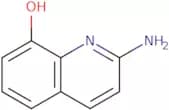
CAS :2-Amino-8-hydroxyquinoline is a molecule that has been shown to have optical properties. 2-Amino-8-hydroxyquinoline has also been shown to be reactive in vitro and inhibit the growth of cancer cells. It is thought that this inhibition may be due to its ability to bind to the active site of DNA polymerase, preventing DNA replication. 2-Amino-8-hydroxyquinoline has also been shown in vitro studies and vivo studies to have potent inhibition activity against human serum albumin (HSA). The molecules that are used as linkers to attach 2-amino 8 hydroxyquinoline to other molecules are thermodynamically stable. The isomers of 2 amino 8 hydroxyquinoline have also been studied by X-ray crystallography and nuclear magnetic resonance spectroscopy, which provides information about the structure of the molecule. Finally, 2 amino 8 hydroxyquinoline has been found to be an odorantFormule :C9H8N2ODegré de pureté :Min. 98%Couleur et forme :Off-White PowderMasse moléculaire :160.17 g/mol20a-Dihydro pregnenolone
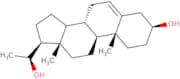
CAS :Produit contrôléPregnenolone is a steroid hormone that is synthesized in the adrenal cortex. It has been used as a diagnostic agent for detecting low levels of human chorionic gonadotropin (hCG). Pregnenolone interacts with the 3β-hydroxysteroid dehydrogenase, which is an enzyme involved in the conversion of pregnenolone to progesterone. The gene encoding this enzyme has been found to be mutated in patients with hydroxylase deficiency. Pregnenolone can also be converted into other hormones such as cortisol and androstenedione by various hydroxylases. This process may be inhibited by 20a-dihydroprogesterone, leading to increased concentrations of pregnenolone in the plasma.Formule :C21H34O2Degré de pureté :Min. 95%Couleur et forme :White PowderMasse moléculaire :318.49 g/mol(R)-(+)-3-Benzyloxy-1,2-propanediol
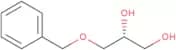
CAS :(R)-(+)-3-Benzyloxy-1,2-propanediol is a biologically active compound. It has been shown to have the ability to inhibit tumor growth and enhance the activity of certain anticancer drugs. (R)-(+)-3-Benzyloxy-1,2-propanediol is an enantiomer that has been found to be more potent than its counterpart. The biological function of (R)-(+)-3-Benzyloxy-1,2-propanediol is not entirely clear, but it may be involved in the metabolism of fatty acids and fatty acid esters. This compound can also increase levels of ATP in cells.
Formule :C10H14O3Degré de pureté :Min. 98%Couleur et forme :PowderMasse moléculaire :182.22 g/mol6-Amino-1-hexanethiol hydrochloride
CAS :6-Amino-1-hexanethiol hydrochloride is a monolayer with an affinity for basic proteins, such as theophylline. The binding of 6-aminohexanethiol hydrochloride to theophylline has been shown to be linear and specific in electrochemical methods. 6-Aminohexanethiol hydrochloride immobilized on a surface binds theophylline with high affinity. This compound was also found to bind phosphatidylcholine, which is a major component of biological membranes. It has been demonstrated that 6-aminohexanethiol hydrochloride can be used as a functional group for immobilizing biomolecules on surfaces.Formule :C6H15NS•HClDegré de pureté :Min. 95%Couleur et forme :PowderMasse moléculaire :169.72 g/mol2-Chloroquinoline-8-carboxylic acid
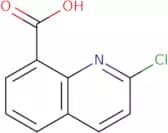
CAS :2-Chloroquinoline-8-carboxylic acid is a fine chemical that is useful as a scaffold for the synthesis of other compounds. It is a versatile building block and can be used in the production of the drug chloroquine. 2-Chloroquinoline-8-carboxylic acid has been used as an intermediate in research chemicals, reaction components in speciality chemical and complex compound. This compound has high quality and can be used as a reagent.Formule :C10H6ClNO2Degré de pureté :Min. 95 Area-%Couleur et forme :White Off-White PowderMasse moléculaire :207.61 g/molXylenol orange tetrasodium salt
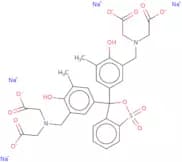
CAS :Xylenol orange tetrasodium salt is a fluorescent dye that can be used to measure the degree of mineralization in animal tissue. The dye is composed of xylenol, which is a fatty acid, and sodium chloride. Xylenol orange tetrasodium salt is used for measuring the rate of enzyme reactions by incubating it with the enzyme and measuring the formation rate. It has been shown to have damaging effects on mitochondria and tissues when exposed to an acidic environment. Xylenol orange tetrasodium salt binds to the membrane potential of cells in order to measure reactive oxygen species (ROS) production. This dye can also be used as a marker for autofluorescence of mitochondria and lipase activity.
Formule :C31H28Na4O13SN2Couleur et forme :PowderMasse moléculaire :760.58 g/mol4-Fluoroestradiol
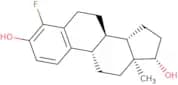
CAS :Produit contrôlé4-Fluoroestradiol is an estrogen with a molecular weight of 270.4 g/mol that has been shown to be carcinogenic in animal models. 4-Fluoroestradiol binds to the estrogen receptor and activates the gene product, which stimulates cell growth and proliferation. This drug has been shown to induce cancer in tissues such as the liver, biliary tract, and mammary glands when administered at doses higher than 0.3 mg/kg/day. 4-Fluoroestradiol also interacts with hydrogen bonds in enzymes such as retinol dehydrogenase, all-trans-retinoic acid (ATRA), and specific agents such as retinoic acid (RA). This interaction may inhibit the catalytic rate of these enzymes or alter their substrate specificity.Formule :C18H23FO2Degré de pureté :Min. 95%Couleur et forme :PowderMasse moléculaire :290.37 g/mol4-(tert-Butoxy)benzyl alcohol
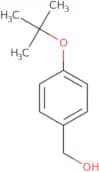
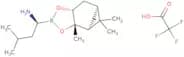
CAS :4-(tert-Butoxy)benzyl alcohol is a high quality reagent and a complex compound that can be used as an intermediate for the synthesis of other compounds. It is also a useful building block for the synthesis of speciality chemicals. This chemical has been extensively used in the synthesis of research chemicals and versatile building blocks, with applications in pharmaceuticals, agrochemicals, and materials science. 4-(tert-Butoxy)benzyl alcohol is one of the most widely used reaction components in organic synthesis due to its versatility. It has CAS number 51503-08-3.Formule :C11H16O2Degré de pureté :Min. 95%Couleur et forme :Clear LiquidMasse moléculaire :180.24 g/mol(S)-BoroLeu-(+)-pinanediol-trifluoroacetate
CAS :(S)-BoroLeu-(+)-pinanediol-trifluoroacetate is a useful scaffold, building block, and intermediate for the synthesis of complex compounds. It is a high quality reagent that can be used in research chemicals and speciality chemicals. (S)-BoroLeu-(+)-pinanediol-trifluoroacetate is a versatile building block because it can be used as a reaction component in the synthesis of fine chemicals and as an intermediate in the synthesis of other reagents. CAS No. 477254-69-6Formule :C15H28BNO2·C2HF3O2Degré de pureté :Min. 95%Couleur et forme :PowderMasse moléculaire :379.22 g/molPotassium phloroglucinol carboxylate
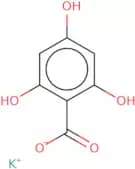
CAS :Potassium phloroglucinol carboxylate is a fine chemical that can be used as a versatile building block, complex compound, research chemical, reagent, speciality chemical and useful intermediate. It is also a useful scaffold for the synthesis of other compounds. Potassium phloroglucinol carboxylate has been shown to react with a wide variety of functional groups and has been used in the preparation of new compounds. The CAS number for potassium phloroglucinol carboxylate is 91313-55-2.
Formule :C7H5O5·KDegré de pureté :Min. 95%Couleur et forme :PowderMasse moléculaire :208.21 g/mol11-cis-Retinol
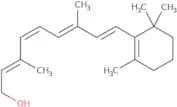
CAS :11-cis-Retinol is a retinoid that has been synthesized in the laboratory. 11-cis-Retinol has been shown to inhibit the activity of bacterial enzymes such as signal peptide, which is involved in protein synthesis. It also inhibits the growth of bacteria by inhibiting energy metabolism and atp-binding cassette transporter. Retinoids are active against infectious diseases, including HIV, and have shown anti-inflammatory properties that may be due to their ability to suppress cytokine production. 11-cis-Retinol is used as a vitamin supplement and is applied topically to treat eye disorders.Formule :C20H30ODegré de pureté :Min. 85%Couleur et forme :Yellow PowderMasse moléculaire :286.45 g/mol2-(2,4-Dinitrophenoxy)ethanol
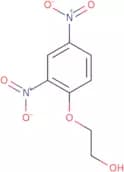
CAS :2-(2,4-Dinitrophenoxy)ethanol is a glycol ether that has been shown to be an effective nucleophile in nucleophilic substitution reactions. It is a colorless liquid with a boiling point of between 204°C and 205°C. 2-(2,4-Dinitrophenoxy)ethanol reacts with deionized water in the presence of ethylene to produce a crystalline precipitate. The product can be recrystallized from ethanol/water or purified by chromatography on silica gel. This chemical can also be used as an activated nucleophile in the synthesis of spirocyclic compounds and isomeric ketones. 2-(2,4-Dinitrophenoxy)ethanol is toxic and may cause severe skin burns if it comes into contact with unprotected skin. It is also environmentally hazardous when released into the environment because it breaks down slowly and may accumulate in soil or water systems.Formule :C8H8N2O6Degré de pureté :Min. 95%Couleur et forme :PowderMasse moléculaire :228.16 g/mol(S)-(+)-Prolinol
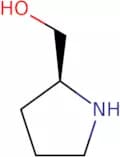
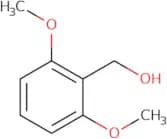
CAS :(S)-(+)-Prolinol is a chiral compound that belongs to the class of polymerase chain reaction (PCR) reagents. It is used as an antibacterial agent, which inhibits bacterial growth by interfering with DNA replication and transcription. The stereoselective nature of the compound has been shown by its differential activity against two different strains of subtilis. This molecule also interacts with diazepam and other drugs, as well as with environmental pollutants such as polychlorinated biphenyls (PCBs). The anti-inflammatory properties of this molecule may be due to its ability to inhibit prostaglandin synthesis through inhibition of cyclooxygenase or lipoxygenase enzymes.Formule :C5H11NODegré de pureté :Min. 95%Couleur et forme :Clear LiquidMasse moléculaire :101.15 g/mol2,6-Dimethoxybenzyl alcohol
CAS :2,6-Dimethoxybenzyl alcohol is a synthetic compound that is a peroxidase substrate. It is used as an alternative for papaverine in the synthesis of penicillin and cephalosporin antibiotics. 2,6-Dimethoxybenzyl alcohol reacts with Mn2+ ions to form hydronium and hydrogen peroxide. This reaction has been shown to be more efficient than the decomposition of hydrogen peroxide by catalases or superoxide dismutases. 2,6-Dimethoxybenzyl alcohol also forms a reactive congener with erythrocytes and plasma proteins that can cause vasoconstriction in the blood vessels. The dimethoxybenzyl group (DMB) is a monosubstituted phenol group that binds to the active site of enzymes such as cytochrome P450s and glutathione reductase.
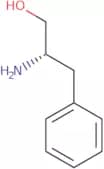
Formule :C9H12O3Degré de pureté :Min. 95%Masse moléculaire :168.19 g/molL-Phenylalaninol
CAS :L-Phenylalaninol is a β-amino acid with the molecular formula C9H11NO2. It is an organic compound that contains both a hydroxy methyl and a fatty acid group. L-Phenylalaninol has been shown to enhance the asymmetric synthesis of cycloleucine, which is an antibiotic with anti-inflammatory properties. The reaction mechanism for this process is not yet fully understood but it is hypothesized that the nitrogen atoms in l-phenylalaninol form intramolecular hydrogen bonds with the hydroxymethyl groups on the nitro group of cycloleucine, stabilizing it and allowing for more efficient reactions.
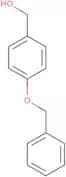
Formule :C9H13NOCouleur et forme :White PowderMasse moléculaire :151.21 g/mol4-Benzyloxybenzyl alcohol
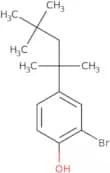
CAS :4-Benzyloxybenzyl alcohol is a potent inhibitor of CXCR4, a receptor for chemokines that is involved in the trafficking of immune cells. It binds to CXCR4 and blocks its activation by HIV-1 gp120. 4-Benzyloxybenzyl alcohol inhibits both CXCR4-dependent and -independent chemotaxis. This compound also has a hydroxy group which can be used for the synthesis of β-amino acids or p-hydroxybenzoic acid. 4-Benzyloxybenzyl alcohol also has a monoclonal antibody that recognizes it, which can be used as an immunogen to raise antibodies against this molecule. The disulfide bond in 4-Benzyloxybenzyl alcohol prevents oxidation, which makes it stable at high temperatures.Formule :C14H14O2Degré de pureté :Min. 95%Couleur et forme :PowderMasse moléculaire :214.26 g/mol2-Bromo-4-tert-octylphenol
CAS :2-Bromo-4-tert-octylphenol is a high quality chemical that can be used in research. It is an organic compound that reacts as a building block to create other complex compounds. 2-Bromo-4-tert-octylphenol is also a versatile building block, useful intermediate, and useful building block for the creation of speciality chemicals. This reagent has been shown to be effective as a reaction component in the synthesis of reagents, such as with the synthesis of 1,3-bis(2,4,6-trimethylbenzoyl)benzene.Formule :C14H21BrODegré de pureté :Min. 95 Area-%Couleur et forme :Clear LiquidMasse moléculaire :285.22 g/mol1-(3-Methylphenyl)ethanol
CAS :1-(3-Methylphenyl)ethanol is an organic compound that has a hydroxyl group, homochiral carbonyl group, and aromatic hydrocarbon. It is a product of the catalysed reaction between a hydroxyl compound and an alkyne molecule. The reaction mechanism begins with the formation of an imine intermediate. This intermediate then undergoes a double displacement to form the desired product and regenerate the catalyst. 1-(3-Methylphenyl)ethanol can be used as a building block for other organic compounds, such as epoxides or esters.
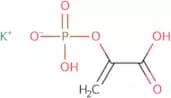
Formule :C9H12ODegré de pureté :Min. 95%Couleur et forme :Clear LiquidMasse moléculaire :136.19 g/molPhosphoenolpyruvate potassium salt
CAS :Emax (230 nm) = 3113
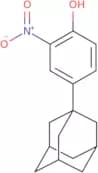
Formule :C3H4O6PKCouleur et forme :White PowderMasse moléculaire :206.13 g/mol4-(1-Adamantyl)-2-nitrophenol
CAS :4-(1-Adamantyl)-2-nitrophenol is a versatile building block that can be used to construct complex compounds. It is a research chemical that can be used as a reagent, as well as in the synthesis of pharmaceuticals and other chemicals. 4-(1-Adamantyl)-2-nitrophenol is soluble in water and ethanol, and has an odorless and colorless appearance. This chemical can be found under the CAS number 32599-84-1.
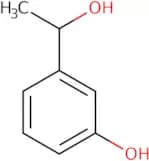
Formule :C16H19NO3Degré de pureté :Min. 95%Masse moléculaire :273.33 g/mol3-Hydroxyphenylmethylcarbinol
CAS :3-Hydroxyphenylmethylcarbinol is a phenolic compound that has been shown to increase the uptake of iron by cells. It has been shown to induce apoptotic signaling in cancer cells and to be cytotoxic. 3-Hydroxyphenylmethylcarbinol is synthesized from 2-hydroxyphenylacetic acid, which is found in many natural sources such as plants and animals. This compound can be extracted from hexane or other organic solvents. 3-Hydroxyphenylmethylcarbinol has two isomers: 3HPMC and 3HPMC-O-β-D-glucopyranoside. The latter form has a greater affinity for iron than the former.Formule :C8H10O2Degré de pureté :Min. 95%Couleur et forme :PowderMasse moléculaire :138.16 g/molMycophenolate mofetil
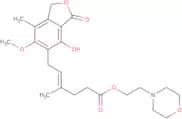
CAS :Inhibitor of inosine monophosphate dehydrogenase; immunosuppressant
Formule :C23H31NO7Degré de pureté :Min. 95%Couleur et forme :White PowderMasse moléculaire :433.49 g/mol2,5-Dimethylphenylmethyl carbinol
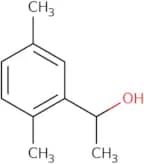
CAS :2,5-Dimethylphenylmethyl carbinol is a reagent that is used in the synthesis of aromatic hydrocarbons and alkenylated products. It reacts with an electron-deficient alkyl compound to form an alkenylated product. 2,5-Dimethylphenylmethyl carbinol is highly selective for electron-deficient alkyl compounds. The reaction rate of 2,5-dimethylphenylmethyl carbinol can be increased by increasing the temperature or adding a base catalyst, such as sodium methoxide or potassium tert-butoxide.Formule :C10H14ODegré de pureté :Min. 95%Couleur et forme :Clear LiquidMasse moléculaire :150.22 g/mol20-Deoxo-23-deoxy-5-O-[3,6-dideoxy-3-(dimethylamino)-β-D-glucopyranosyl]-20,23-di-1-piperidinyltylonolide
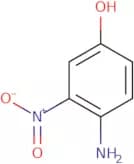
CAS :20-Deoxo-23-deoxy-5-O-[3,6-dideoxy-3-(dimethylamino)-beta-D-glucopyranosyl]-20,23-di-1-piperidinyltylonolide is an antimicrobial agent that belongs to the group of chemotherapeutic agents. It is a fluorinated analog of tilmicosin. The low dose group was treated with this drug for five days, and the high dose group received 20 times the amount of drug. Fluorescence spectrometry showed that there was no significant difference in the fluorescence intensity between these two groups after 24 hours. This drug has been shown to have pharmacokinetic properties in rats and mice, but further optimization may be required to improve its process.Formule :C41H71N3O8Degré de pureté :Min. 95%Couleur et forme :Off-White PowderMasse moléculaire :734.02 g/mol4-Amino-3-nitrophenol
CAS :4-Amino-3-nitrophenol is a reactive aminophenol that can be synthesized from hydrogen sulfate and diethyl ester. It is used in the synthesis of amines and other chemicals, as well as in analytical methods for determining the concentration of nitrates, nitrites, and aminophenols. 4-Amino-3-nitrophenol has been shown to have photocatalytic activity.
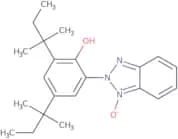
Formule :C6H6N2O3Degré de pureté :Min. 95%Couleur et forme :PowderMasse moléculaire :154.12 g/mol2-(2H-Benzotriazol-2-yl)-4,6-bis(tert-pentyl)phenol N-oxide
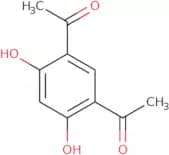
CAS :Please enquire for more information about 2-(2H-Benzotriazol-2-yl)-4,6-bis(tert-pentyl)phenol N-oxide including the price, delivery time and more detailed product information at the technical inquiry form on this pageFormule :C22H29N3O2Degré de pureté :Min. 95%Couleur et forme :PowderMasse moléculaire :367.48 g/mol4,6-Diacetylresorcinol
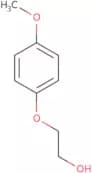
CAS :4,6-Diacetylresorcinol is a tetradentate ligand that can be used for the palladium-catalyzed hydrogenation of phenols. The compound has been shown to have anticancer activity and was found to be selective against cancer cell lines. It also inhibits the growth of staphylococcus bacteria in biological studies. 4,6-Diacetylresorcinol is thermodynamically stable and has a high binding affinity with nitrogen nucleophiles such as amines and anilines. Molecular modeling studies show that the nitrogen atoms are located near the center of the molecule, making them accessible for intramolecular hydrogen transfer reactions.Formule :C10H10O4Degré de pureté :Min. 95%Couleur et forme :PowderMasse moléculaire :194.18 g/mol2-(4-Methoxyphenoxy)ethanol
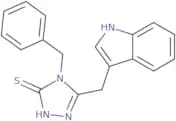
CAS :2-(4-Methoxyphenoxy)ethanol is a carboxylic acid. It has been used as a hydrogen peroxide donor in catalytic reactions, and as an ethylene glycol ether in the production of polyester resins. 2-(4-Methoxyphenoxy)ethanol has been shown to be useful in multilayer coatings with optimal reaction rates, and is a good oxidant for many organic compounds.Formule :C9H12O3Degré de pureté :Min. 95%Couleur et forme :PowderMasse moléculaire :168.19 g/mol5-(Indol-3-ylmethyl)-4-benzyl-1,2,4-triazole-3-thiol
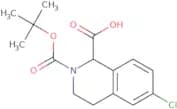
CAS :Please enquire for more information about 5-(Indol-3-ylmethyl)-4-benzyl-1,2,4-triazole-3-thiol including the price, delivery time and more detailed product information at the technical inquiry form on this pageFormule :C18H16N4SDegré de pureté :Min. 95%Couleur et forme :PowderMasse moléculaire :320.41 g/mol2-Boc-6-Chloro-3,4-dihydro-1H-isoquinoline-1-carboxylic acid
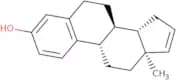
CAS :2-Boc-6-Chloro-3,4-dihydro-1H-isoquinoline-1-carboxylic acid is a useful scaffold for the production of various chemical compounds. It is a versatile building block that can be used as an intermediate in various chemical reactions or as a speciality chemical. 2-Boc-6-Chloro-3,4-dihydro-1H-isoquinoline-1 carboxylic acid has been shown to be a high quality and reliable reagent for use in research and development.Formule :C15H18ClNO4Degré de pureté :Min. 95%Couleur et forme :White PowderMasse moléculaire :311.76 g/molEstratetraenol
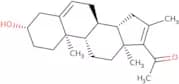
CAS :Estratetraenol is a synthetic estrogen that has the same structure as 17β-estradiol, but with three additional hydroxyl groups. It is used in research to study the effects of estrogens on humans and animals. Estratetraenol has been shown to activate the cell membrane receptors, which leads to a physiological response. This drug also causes an increase in oxygen consumption and inhibits ovulation. Estratetraenol binds to estrogen receptor cells and is metabolized by chemical substances in the liver into 17β-estradiol, which is then excreted by the kidneys. The drug does not bind to other types of receptor cells in humans or animals, such as those for progesterone or testosterone.Formule :C18H22ODegré de pureté :Min. 98 Area-%Couleur et forme :PowderMasse moléculaire :254.37 g/mol16-Methyl-16-dehydropregnenolone
CAS :Produit contrôlé16-Methyl-16-dehydropregnenolone is a steroid that is used as an intermediate in the synthesis of other steroids. It is synthesized by the oxidation of tetrahydropyran with an aldehyde, followed by the addition of chloride to give 16-methyl-16-dehydropregnenolone. The acetonedicarboxylate group of 16-methyl-16-dehydropregnenolone can be removed by treatment with tert-butyl or cyclopentanedione, which yields intermediates for elaboration into other biologically active compounds such as steroids.Formule :C22H32O2Degré de pureté :Min. 95%Couleur et forme :PowderMasse moléculaire :328.49 g/mol3,4-Dimethyl-1H-pyrazol-5-ol
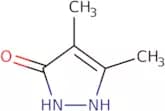
CAS :3,4-Dimethyl-1H-pyrazol-5-ol is a fine chemical that belongs to the category of research chemicals. It has many uses as a reagent and as a speciality chemical. 3,4-Dimethyl-1H-pyrazol-5-ol is also a versatile building block and can be used as an intermediate or scaffold in complex reactions. The CAS number for this compound is 4344-72-3.
Formule :C5H8N2ODegré de pureté :Min. 95%Couleur et forme :PowderMasse moléculaire :112.13 g/molDesmosterol
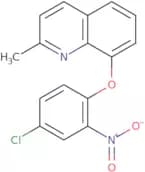
CAS :Produit contrôlé3b-Cholesta-5,24-dien-3-ol is a natural product that has been shown to be active against autoimmune diseases and infectious diseases. 3b-Cholesta-5,24-dien-3-ol inhibits the activity of the ATP binding cassette transporter (ABC) in human cells. ABC is a protein that transports molecules across cell membranes, which may play an important role in the development of autoimmune diseases and infectious diseases. 3b-Cholesta-5,24-dien-3-ol binds to cholesterol and phosphorus pentoxide to form an intermediate complex with ATP. This complex is then broken down into desmosterol and atp which can't bind to ABC anymore.Formule :C27H44ODegré de pureté :Min. 95%Couleur et forme :White PowderMasse moléculaire :384.64 g/mol4-Chloro-1-(2-methyl(8-quinolyloxy))-2-nitrobenzene
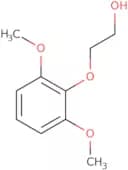
CAS :Please enquire for more information about 4-Chloro-1-(2-methyl(8-quinolyloxy))-2-nitrobenzene including the price, delivery time and more detailed product information at the technical inquiry form on this pageFormule :C16H11ClN2O3Degré de pureté :Min. 95%Couleur et forme :PowderMasse moléculaire :314.72 g/mol2-(2,6-Dimethoxyphenoxy)ethanol
CAS :2-(2,6-Dimethoxyphenoxy)ethanol is a cleavage agent that can be used for the synthesis of lignin model compounds. It is a benzylic ether that is catalyzed by laccase to produce 2,6-dimethoxybenzaldehyde. The compound can be used as a substrate for versicolor or peroxy cleavage reactions. Versicolor cleavage is performed with 1-hydroxybenzotriazole, while peroxy cleavage is performed with hydrogen peroxide. 2-(2,6-Dimethoxyphenoxy)ethanol has been shown to have radical properties and reacts with molecular oxygen and ethanone in the presence of deuterium gas to form 2,6-dimethoxyacetophenone.Formule :C10H14O4Degré de pureté :Min. 95%Couleur et forme :PowderMasse moléculaire :198.22 g/mol4-Ethoxyphenylethyl alcohol
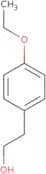
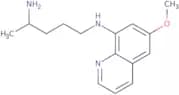
CAS :4-Ethoxyphenylethyl alcohol (4EPEA) is a non-invasive fluorescent probe that has been used in the study of nucleic acids. It is a small molecule that can be used to identify DNA and RNA sequences. 4EPEA terminates at a specific site on the DNA or RNA, where it forms a cavity with its hydroxyl group pointing outward. The cavity is then filled by the next base in the sequence, which reverses the orientation of 4EPEA and causes it to fluoresce. This process can be repeated to map the entire length of an RNA molecule or DNA strand. When 4EPEA is mixed with acetonitrile (ACN), it undergoes a transition from an amorphous state to a more crystalline state, which allows for better separation of 4EPEA from other compounds in ACN. The use of β-cyclodextrin as an additive further improves this separation as well as increasing the stability ofFormule :C10H14O2Degré de pureté :Min. 95%Couleur et forme :PowderMasse moléculaire :166.22 g/molN1-(6-Methoxy-8-quinolinyl)-1,4-pentanediamine
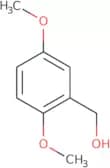
CAS :Impurity found in Primaquine diphosphateFormule :C15H21N3ODegré de pureté :Min. 95%Couleur et forme :Yellow PowderMasse moléculaire :259.35 g/mol2,5-Dimethoxybenzyl alcohol
CAS :2,5-Dimethoxybenzyl alcohol is a monoterpene compound that is chemically related to menthol and thymol. It has been shown to have cytotoxic effects against cancer cells in culture. The mechanism of action is not fully understood, but it has been proposed that 2,5-dimethoxybenzyl alcohol may be an allelopathic compound. This means that it inhibits the growth of plants by releasing substances into the soil that inhibit the growth of other plants nearby. 2,5-Dimethoxybenzyl alcohol has also been shown to reduce blood pressure in rats. This effect is due to its ability to inhibit angiotensin I-converting enzyme (ACE) as well as increase vasodilation through nitric oxide release. A kinetic study on human urine showed that 2,5-dimethoxybenzyl alcohol undergoes a stepwise reaction with carbinols and methoxy groups. Further research is needed to determineFormule :C9H12O3Degré de pureté :Min. 95%Couleur et forme :Clear LiquidMasse moléculaire :168.19 g/mol1,1,3,3,4,4,4a,5,5,6,6,7,7,8,8,8a-Hexadecafluoro-2-(trifluoromethyl)decahydroisoquinoline
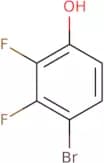
CAS :Produit contrôlé1,1,3,3,4,4,4a,5,5,6,6,7,7,8,8,8a-Hexadecafluoro-2-(trifluoromethyl)decahydroisoquinoline is an organic solvent that has a very low boiling point and high volatility. It can be used in dry powder inhalers or as a component of hydrogel compositions for oxygen delivery to the lungs. The uptake of 1HF-2TFI into human colon carcinoma cells was found to be significantly higher than uptake by mammary carcinomas. This may be due to the difference in cell types and/or the phosphate group on the molecule. The binding constants of this molecule are also higher than those of other organic solvents such as acetone and ethanol. The results from a questionnaire study also indicated that 1HF-2TFI can be used for perfusion with oxygenated gas mixtures forFormule :C10F19NDegré de pureté :Min. 95%Masse moléculaire :495.08 g/mol2,3-Difluoro-4-bromo phenol
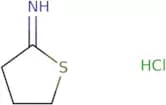
CAS :2,3-Difluoro-4-bromophenol (2,3-DFBP) is a phenolic compound that has been synthesized by a multistep process. It has been shown to have low birefringence, high optical anisotropy, and high yield of synthesis. 2,3-DFBP has also been shown to have mesomorphic properties and can be used in the development of devices such as microscopy.Formule :C6H3BrF2ODegré de pureté :Min. 95%Masse moléculaire :208.99 g/mol2-Iminothiolane hydrochloride
CAS :2-Iminothiolane hydrochloride is an amine that reacts with free thiol groups in proteins. It can be used to generate models of protein structures, as well as to study the effects of disulfide bonds on protein stability and function. 2-Iminothiolane hydrochloride has been shown to inhibit HIV infection by blocking the uptake of all-trans retinoic acid into cells. This drug also has minimal toxicity and can be used for cancer therapy. The drug was shown to have minimal toxicity in vitro, but it has not yet been tested in vivo.
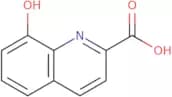
Formule :C4H8ClNSDegré de pureté :Min. 95%Couleur et forme :White Off-White PowderMasse moléculaire :137.63 g/mol8-Hydroxyquinoline-2-carboxylic acid
CAS :8-Hydroxyquinoline-2-carboxylic acid is a 3-hydroxyanthranilic acid derivative that is often used as a biomarker of urine. The 8OHQA can be synthesized from 3-hydroxyanthranilic acid by the action of xanthine oxidase and hydrogen peroxide, and it has been shown to be an inhibitor of protein synthesis. This inhibition may be due to its ability to form hydrogen bonds with the hydroxyl group on the ribose side chain and its ability to coordinate with metals. 8OHQA has been shown to have anti-inflammatory effects in bladder cancer cells, which may be due to its ability to inhibit prostaglandin synthesis.
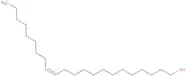
Formule :C10H7NO3Degré de pureté :Min. 95%Couleur et forme :PowderMasse moléculaire :189.17 g/molcis-13-Docosenol
CAS :cis-13-Docosenol is a fatty acid that is biodegradable and is used in the production of film-forming polymers. It has been shown to have disinfectant properties, which may be due to its ability to break down hydrogen chloride. The molecular formula for cis-13-docosenol is C18H38O2. cis-13-Docosenol has not been assigned an IUPAC name and has a viscosity of 0.3 mPa·s at 25°C.
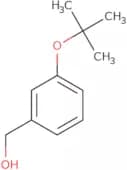
Formule :C22H44ODegré de pureté :Min. 95%Couleur et forme :PowderMasse moléculaire :324.58 g/mol3-(tert-Butoxy)benzyl alcohol
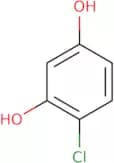
CAS :3-(tert-Butoxy)benzyl alcohol is a high quality reagent that can be used as an intermediate in the synthesis of complex compounds. It is also a useful intermediate for the production of fine chemicals, pharmaceuticals, and speciality chemicals. 3-(tert-Butoxy)benzyl alcohol is a versatile building block that can be used as a reactant in many chemical reactions. This compound has been used as a research chemical to study its properties and has potential uses as a starting point for the synthesis of other compounds.Formule :C11H16O2Degré de pureté :Min. 95%Masse moléculaire :180.24 g/mol4-Chlororesorcinol
CAS :4-Chlororesorcinol is a chemical compound that has been shown to have antimicrobial properties. It inhibits the growth of bacteria by reacting with tyrosinase and other enzymes that are important for the synthesis of melanin, the pigment responsible for skin, hair, and eye color. 4-Chlororesorcinol also reacts with protocatechuic acid to form chlorprotocatecholic acid and other products. This reaction is optimal at pH 3.4 and occurs at an increased rate in the presence of calcium ions. 4-Chlororesorcinol has been shown to inhibit root formation in plants, as well as inhibiting the growth of certain fungi such as Phytophthora infestans and Rhizoctonia solani.Formule :C6H5ClO2Degré de pureté :Min. 95%Couleur et forme :PowderMasse moléculaire :144.56 g/molUlifloxacin
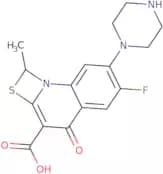
CAS :Extensive research has been conducted on the antimicrobial activity of 6-fluoro-1-methyl-4-oxo-7-(1-piperazinyl)-4H-(1,3)thiazeto(3,2a)quinoline-3-carboxylic acid (FPMT). FPMT is a levorotatory compound that is rapidly metabolized by esterases to 6FMT, which is also active against bacteria. FPMT inhibits bacterial growth, but does not inhibit mammalian cell growth. The main mechanism of action for FPMT is probably through its ability to inhibit the synthesis of bacterial DNA and RNA. This drug has been shown to be effective against sinusitis caused by bacterial rhinosinusitis and urinary tract infections caused by Escherichia coli and Pseudomonas aeruginosa. FPMT can be used as an alternative to prulifloxacin for the treatment of these types of infectionsFormule :C16H16FN3O3SDegré de pureté :Min. 98 Area-%Masse moléculaire :349.38 g/mol3-(Diethylamino)-1-propanol
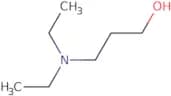
CAS :3-(Diethylamino)-1-propanol is a chemical species that has been shown to inhibit the growth of epidermal cells in a model system. 3-(Diethylamino)-1-propanol inhibits the production and release of epidermal growth factor, which is required for cell proliferation. The chemical binds to the receptor for epidermal growth factor, thereby inhibiting its activity. The low energy activation energies of this compound make it an excellent candidate for use in radiation therapy, as it can be easily activated by low levels of radiation and will not break down before reaching the target tissue. 3-(Diethylamino)-1-propanol also has inhibitory properties against other amines, such as histamine and acetylcholine.Formule :C7H17NODegré de pureté :Min. 95%Couleur et forme :Clear LiquidMasse moléculaire :131.22 g/mol2,3-Difluoro-4-(trifluoromethyl)phenol
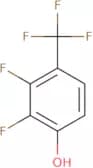
CAS :2,3-Difluoro-4-(trifluoromethyl)phenol is a useful scaffold for the synthesis of complex compounds. The compound is a useful intermediate in the synthesis of research chemicals and speciality chemicals. It is also used as a reaction component in chemical reactions to produce fine chemicals, such as pharmaceuticals.Formule :C7H3F5ODegré de pureté :Min. 95%Couleur et forme :PowderMasse moléculaire :198.09 g/molrac-Propranolol hydrochloride
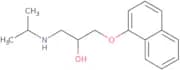
CAS :Produit contrôléPropranolol is a beta-adrenergic receptor antagonist that is used to treat high blood pressure, chest pain and heart failure. It also has been shown to be effective in the treatment of inflammatory bowel disease (IBD). Propranolol blocks the binding of proprotein convertase subtilisin/kexin type 9 (PCSK9) to its receptors, which inhibits the production of LDL cholesterol. In humans, propranolol is metabolized through hydrolysis by esterases or glucuronidases, oxidation by cytochrome P450 enzymes, reduction by glutathione reductase, or conjugation with glucuronic acid. The drug also has a synergic effect with other drugs such as erythromycin and phenobarbital. Propranolol binds to proteins in red blood cells and decreases diastolic pressure.
Formule :C16H22ClNO2Degré de pureté :Min. 98%Couleur et forme :White PowderMasse moléculaire :295.8 g/mol



![a-[2-(Methylamino)ethyl]benzyl alcohol](/_next/image/?url=https%3A%2Fstatic.cymitquimica.com%2Fproducts%2F3D%2Fthumb-webp%2FFM02610.webp&w=3840&q=75)
![(6S)-5,6,7,8-Tetrahydro-6-[propyl[2-(2-thienyl)ethyl]amino]-1-naphthalenol](/_next/image/?url=https%3A%2Fstatic.cymitquimica.com%2Fproducts%2F3D%2Fthumb-webp%2FFT76640.webp&w=3840&q=75)

![2-[2-(2-t-Boc-aminoethoxy)ethoxy]ethanol](/_next/image/?url=https%3A%2Fstatic.cymitquimica.com%2Fproducts%2F3D%2Fthumb-webp%2FFB18924.webp&w=3840&q=75)
![5-Methyl-4,5-dihydro-1,2,4-triazino[5,6-b]indole-3-thione](/_next/image/?url=https%3A%2Fstatic.cymitquimica.com%2Fproducts%2F3D%2Fthumb-webp%2FFM169526.webp&w=3840&q=75)














![20-Deoxo-23-deoxy-5-O-[3,6-dideoxy-3-(dimethylamino)-β-D-glucopyranosyl]-20,23-di-1-piperidinyltyl…](/_next/image/?url=https%3A%2Fstatic.cymitquimica.com%2Fproducts%2F3D%2Fthumb-webp%2FFT137728.webp&w=3840&q=75)