Alcools
Sous-catégories appartenant à la catégorie "Alcools"
5814 produits trouvés pour "Alcools"
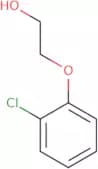
2-(2-Chlorophenoxy)ethanol
CAS :2-(2-Chlorophenoxy)ethanol is a versatile building block that can be used as a chemical reagent, speciality chemical, or useful intermediate. It is a high quality chemical with many uses in research and industrial chemistry. 2-(2-Chlorophenoxy)ethanol has been shown to be an efficient building block for the synthesis of complex compounds and has also been used as a reaction component in the synthesis of many other chemical compounds. This compound has been shown to have many applications and is worth consideration for any number of research or industrial endeavors.Formule :C8H9ClO2Degré de pureté :Min. 95%Couleur et forme :Clear LiquidMasse moléculaire :172.61 g/mol3-Aminobutan-1-ol
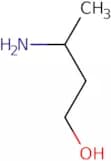
CAS :3-Aminobutan-1-ol is an amine that is synthesized industrially by the reduction of soybean trypsin with borohydride. This chemical has been used as a substrate in asymmetric synthesis and can be detected by high detection sensitivity. 3-Aminobutan-1-ol binds to the carbonyl group of amino acid residues and causes a reaction with chloride ions for detection. The product of this reaction is an enantiomer, which can be separated from other reaction products by purified chiral stationary phases. 3-Aminobutan-1-ol is also involved in the biosynthesis of proteins and enzymes. It reacts with hydrochloric acid to form a salt, which can then be used as an enzyme inhibitor.
Formule :C4H11NODegré de pureté :Min. 95%Couleur et forme :Clear LiquidMasse moléculaire :89.14 g/mol4,4-Dimethyl-1-[(3,4-methylenedioxy)phenyl]-1-penten-3-ol
CAS :4,4-Dimethyl-1-[(3,4-methylenedioxy)phenyl]-1-penten-3-ol is a drug that has been used in the treatment of Dravet syndrome. This drug is also known as 3,4-methylenedioxyphenylacetone. It is a competitive inhibitor of the enzyme citrate synthase and inhibits the conversion of acetate to citrate. The effect of 4,4-dimethyl-1-[(3,4-methylenedioxy)phenyl]-1-penten-3-ol on sodium citrate concentrations is concentration dependent and results in an increase in plasma sodium concentrations with prolonged administration. Other drugs that are metabolized by the cytochrome P450 system may interact with 4,4-dimethyl-1-[(3,4 methylenedioxy)phenyl]-1 penten 3 ol and lead to increased levels of these drugs in the blood.
Formule :C14H18O3Degré de pureté :Min. 95%Couleur et forme :White PowderMasse moléculaire :234.29 g/mol(R)-2-((4-Aminophenethyl)amino)-1-phenylethanol hydrochloride
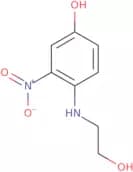
CAS :Intermediate in the synthesis of mirabegronFormule :C16H20N2O·HClDegré de pureté :Min. 95%Couleur et forme :PowderMasse moléculaire :292.8 g/mol4-(2-Hydroxyethylamino)-3-nitrophenol
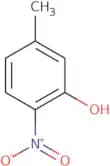
CAS :4-(2-Hydroxyethylamino)-3-nitrophenol is a nitrophenol that can cause toxicity in humans. It has been investigated for its potential use as a treatment for erectile dysfunction. The compound was found to have a long half-life of over 24 hours, which may be due to its slow metabolism by esterases and glucuronidases. 4-(2-Hydroxyethylamino)-3-nitrophenol has been shown to be an allergen and is toxic to the skin, lungs, and muscles. This chemical can cause cancer when it is irradiated or mixed with other chemicals such as 4-amino-2-nitrophenol (ANP).Formule :C8H10N2O4Degré de pureté :Min. 95%Couleur et forme :PowderMasse moléculaire :198.18 g/mol5-Methyl-2-nitrophenol
CAS :5-Methyl-2-nitrophenol is a phytotoxic chemical that is used as a synthetic intermediate in organic chemistry. It has been shown to have a high bioconcentration factor and can be found in wastewater. The major use of 5-methyl-2-nitrophenol is the synthesis of 2,4,6-trinitrophenylhydrazine (TNP) which is used as an analytical reagent for the determination of nitrates. The reaction mechanism of 5-methyl-2-nitrophenol involves intramolecular hydrogen transfer from the methylene group to the nitro group and subsequent elimination of HCl. This reaction product can be found by using analytical methods such as gas chromatography, mass spectrometry, or nuclear magnetic resonance spectroscopy. Functional groups on the reactant include phenols and nitro groups with the following endpoints: hydrochloric acid (HCl), kinetic method, and vapor pressure
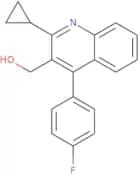
Formule :C7H7NO3Degré de pureté :Min. 95%Couleur et forme :PowderMasse moléculaire :153.14 g/mol2-Cyclopropyl-4-(4-fluorophenyl)-quinolyl-3-methanol
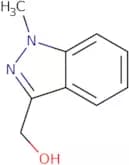
CAS :2-Cyclopropyl-4-(4-fluorophenyl)-quinolyl-3-methanol is a crystalline compound that has been obtained by reacting 3-methoxyquinoline with cyclopropyl bromide. It has the dihedral angle of about 120 degrees and is stabilized by hydrogen bonds. The compound crystallizes in an asymmetric unit cell with two molecules in the asymmetric unit and space group P2/n. The target compound can be obtained in high yield, and it is soluble in organic solvents such as benzene and triphenylphosphine. 2-Cyclopropyl-4-(4-fluorophenyl)-quinolyl-3-methanol can be used to suppress wastewater containing halogenated aromatic compounds, such as quinoline.Formule :C19H16FNODegré de pureté :Min. 95%Masse moléculaire :293.33 g/mol(1-Methyl-1H-indazol-3-yl)methanol
CAS :Produit contrôlé(1-Methyl-1H-indazol-3-yl)methanol is a heterocyclic compound with a chemical formula of CHN. It is a colorless liquid that reacts violently with water or alcohols. The compound has been shown to form lithium aluminum hydride and aluminum hydride, which react vigorously with water. (1-Methyl-1H-indazol-3-yl)methanol also forms acetylated amines in the presence of thionyl chloride. This reaction is used as an example of a translation reaction in chemistry, where one molecule is converted into another through the addition of other molecules.Formule :C9H10N2ODegré de pureté :Min. 95%Masse moléculaire :162.19 g/molBromophenol Red Free acid
CAS :Bromophenol Red Free Acid is a synthetic substrate used in microbial infection and wastewater treatment. It has a pH of 2.0-3.0, which is acidic enough to disrupt the integrity of cellular membranes and cause cell lysis. Bromophenol Red Free Acid can be used as a lysing agent for human serum or cells in culture. This product is not soluble in water, so it must be dissolved in an organic solvent before it can be used. Bromophenol Red Free Acid reacts with hydrochloric acid to produce chemiluminescence that can be measured by luminometry, which is a quantitative technique for measuring light emission from chemical reactions. The hydroxyl group on the molecule reacts with the bromophenol group to form a bromohydrin intermediate, which reacts with hydrogen peroxide to produce chemiluminescence.Formule :C19H12Br2O5SDegré de pureté :Min. 95%Masse moléculaire :512.17 g/mol(R)-(-)-3-Quinuclidinol
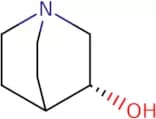
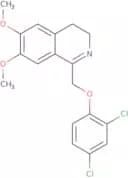
CAS :Produit contrôléSynthon for preparation of cholinergic receptor ligands; hypotensiveFormule :C7H13NODegré de pureté :Min. 95%Couleur et forme :White PowderMasse moléculaire :127.18 g/mol1-((6,7-dimethoxy(3,4-dihydroisoquinolyl))methoxy)-2,4-dichlorobenzene
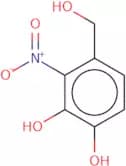
CAS :Please enquire for more information about 1-((6,7-dimethoxy(3,4-dihydroisoquinolyl))methoxy)-2,4-dichlorobenzene including the price, delivery time and more detailed product information at the technical inquiry form on this pageDegré de pureté :Min. 95%3,4-Dihydroxy-2-nitrobenzyl alcohol
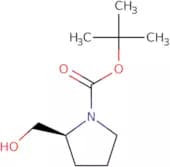
CAS :3,4-Dihydroxy-2-nitrobenzyl alcohol is a fine chemical that is useful as a scaffold and building block for organic synthesis. It is also an intermediate in the preparation of other chemicals such as reaction components. 3,4-Dihydroxy-2-nitrobenzyl alcohol has CAS No. 1017060-58-0 and belongs to the speciality chemical category. This compound can be used as a reagent or research chemical in biochemical assays and other applications. 3,4-Dihydroxy-2-nitrobenzyl alcohol is soluble in methanol, ethanol, acetone, dichloromethane, ethyl acetate, and chloroform. It is insoluble in water and ether. It is stable at pH values between 2 and 10 but decomposes when heated to 80°C or above.Formule :C7H7NO5Degré de pureté :Min. 95%Masse moléculaire :185.13 g/molN-Boc-L-prolinol
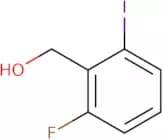
CAS :N-Boc-L-prolinol is a chiral proline derivative that has been modified with an allyl group. It is a potent nicotinic acetylcholine antagonist, and it has been shown to have immune functions in vitro. The synthesis of N-Boc-L-prolinol occurs through a three-step process involving the use of organocatalysts, asymmetric synthesis, and stereoselective reactions. This molecule is also useful for the study of apoptotic signaling pathways in cells.Formule :C10H19NO3Degré de pureté :Min. 95%Couleur et forme :White PowderMasse moléculaire :201.26 g/mol6-Fluoro-2-iodobenzyl alcohol
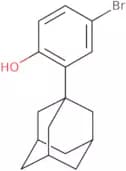
CAS :6-Fluoro-2-iodobenzyl Alcohol is a versatile building block for the synthesis of complex compounds. It is used in research and as a reagent for the synthesis of pharmaceuticals, pesticides and other organic compounds. 6-Fluoro-2-iodobenzyl alcohol has been shown to be useful in the formation of high quality and useful intermediates, reaction components, and scaffolds. The CAS number for this chemical is 911825-94-0.Formule :C7H6FIODegré de pureté :Min. 95%Masse moléculaire :252.02 g/mol2-(1-Adamantyl)-4-bromophenol
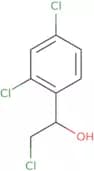
CAS :2-(1-Adamantyl)-4-bromophenol is a synthetic polymer that is used in the production of film. It has been used to produce chromatographic films, which are used for the separation and purification of organic compounds. 2-(1-Adamantyl)-4-bromophenol is also used to manufacture ion-exchange resins, which are used for the separation and purification of ions in water. 2-(1-Adamantyl)-4-bromophenol has been shown to be carcinogenic when administered orally to rats, causing human colon carcinoma. It also causes pleural mesothelioma when administered intrapleurally in rats. This chemical has been shown to have anti-inflammatory properties due to its ability to inhibit prostaglandin synthesis.Formule :C16H19BrODegré de pureté :Min. 95%Couleur et forme :PowderMasse moléculaire :307.23 g/mol2,4-Dichloro-α-(chloromethyl)benzyl alcohol
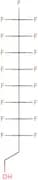
CAS :2,4-Dichloro-alpha-(chloromethyl)benzyl alcohol is an enantiopure compound that belongs to the class of acetylating agents. This drug is used in organic chemistry as a hydrophobic reagent to acetylate hydrophobic or electron-deficient carbon centers. It reacts with alcohols in the presence of aluminium and catalysts such as pyridine, 2,6-lutidine, or benzoyl chloride. The reaction time is dependent on the substrate binding and the kinetic effect. 2,4-Dichloro-alpha-(chloromethyl)benzyl alcohol has been shown to be an antifungal agent against Candida albicans. It has also been shown to be a chiral compound that can inhibit the growth of fungi by inhibiting the enzyme alcohol dehydrogenase which controls cellular levels of NADH2 and NAD+.Formule :C8H7Cl3ODegré de pureté :Min. 95%Couleur et forme :SolidMasse moléculaire :225.5 g/mol1H,1H,2H,2H-Heptadecafluoro-1-decanol
CAS :Produit contrôléHeptadecafluoro-1-decanol is a chemical substance that has been used in wastewater treatment and as an odorant. It is also found naturally in human liver, heart tissue, and adrenocortical carcinoma. Heptadecafluoro-1-decanol can be chemically synthesized by the reaction of 1H,1H,2H,2H-heptadecafluorodecane with hydrogen fluoride. This chemical substance is known for its ability to bind to fatty acids and other organic compounds on the surface of water droplets. The hydroxyl groups on this molecule are able to form hydrogen bonds with water molecules, which may lead to increased surface tension. Heptadecafluoro-1-decanol has been shown to have anti-inflammatory properties in humans.
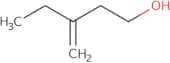
Formule :C10H5F17ODegré de pureté :Min. 95%Couleur et forme :White To Light (Or Pale) Yellow SolidMasse moléculaire :464.12 g/mol3-Buten-3-ethyl-1-ol
CAS :3-Buten-3-ethyl-1-ol is a versatile building block that can be used as a reagent for chemical synthesis. It is a complex compound that can be used as a reaction component or intermediate in organic synthesis. 3-Buten-3-ethyl-1-ol has been shown to have antiinflammatory properties, which may be due to the inhibition of prostaglandin synthesis.
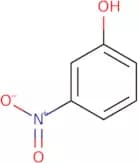
Formule :C6H12ODegré de pureté :Min. 95%Couleur et forme :Clear LiquidMasse moléculaire :100.16 g/mol3-Nitrophenol
CAS :3-Nitrophenol is an organic compound that is used in wastewater treatment, specifically to remove nitrogenous compounds from the water. It reacts with a hydroxyl group and a nitro group to form a molecule with three nitro groups. The presence of this molecule in wastewater can lead to population growth, which may be reduced by thermal expansion. 3-Nitrophenol is also used as an electrode for gravimetric analysis of metals and as a reagent for the detection of sodium ions. This compound has been shown to have a ph optimum of 7.5, but will react with hydrogen bonds at any ph value.
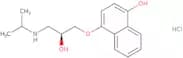
Formule :C6H5NO3Degré de pureté :Min. 95%Couleur et forme :PowderMasse moléculaire :139.11 g/mol(S)-4-Hydroxy propranolol hydrobromide
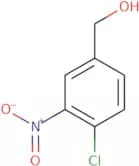
CAS :(S)-4-Hydroxy propranolol hydrobromide is an enantiomer of propranolol. It is a beta blocker that blocks the action of the neurotransmitter noradrenaline. The (S)-enantiomer of propranolol has been shown to be more potent in inhibiting the release of noradrenaline from nerve endings than the (R)-enantiomer and also to have a longer duration of action. This product is used as an antihypertensive agent and for beta-blockade during myocardial infarction. It can be used in assays to assess drug metabolism, quantify alprenolol, or assess the effects on carbon source, ionic environment, and fluorescence by measuring changes in pH.Formule :C16H22BrNO3Degré de pureté :Min. 95 Area-%Couleur et forme :PowderMasse moléculaire :356.25 g/mol4-Chloro-3-nitrobenzyl alcohol
CAS :4-Chloro-3-nitrobenzyl alcohol is a synthetic chemical that reacts with hydrochloric acid to form 4-chloro-3-nitrobenzyl chloride and hydrogen. It can be used in the preparation of other chemicals, such as divinylbenzene and chloride. This compound is insoluble in water and soluble in organic solvents, such as acetone and ether. 4-Chloro-3-nitrobenzyl alcohol has two stereoisomers, one of which is more reactive than the other.
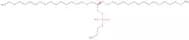
Formule :C7H6ClNO3Degré de pureté :Min. 95%Masse moléculaire :187.58 g/mol1,2-O-Dihexadecyl-sn-glycero-3-phosphoethanolamine
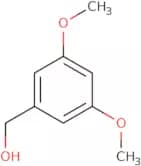
CAS :1,2-O-Dihexadecyl-sn-glycero-3-phosphoethanolamine (DHEPE) is a lipid used as a fluorescent probe for the detection of carbohydrates. It has been shown to bind to high-mannose type oligosaccharides and to be stable in complex with them. DHEPE has been shown to form complexes with cell nuclei, which may be due to hydrogen bonding interactions between the sugar and phosphate head groups on the glycerol backbone. These interactions are thought to be responsible for the selectivity of DHEPE for mannose residues in cells. DHEPE also forms complexes with x-ray diffraction data, which is indicative of intermolecular hydrogen bonding between this molecule and other hydrophobic molecules. DHEPE's reaction mechanism is not clear, but it has been proposed that it reacts with proteins by reacting with amino groups on these proteins.Formule :C37H78NO6PDegré de pureté :Min. 95%Couleur et forme :SolidMasse moléculaire :663.99 g/mol3,5-Dimethoxybenzyl alcohol
CAS :3,5-Dimethoxybenzyl alcohol is a synthetic compound that exhibits potent inhibitory activity against carcinoma cell lines. It prevents the growth of cancer cells by inhibiting the synthesis of RNA and DNA. The activation energy for this inhibitory activity is 40.6 kJ/mol, which was determined using analytical methods. 3,5-Dimethoxybenzyl alcohol inhibits the growth of cancer cells in vitro and in vivo at concentrations between 50 and 500 µM. Its inhibitory activities are reversible and competitive with respect to chloride ions at concentrations greater than 250 µM. 3,5-Dimethoxybenzyl alcohol has been shown to be an effective inhibitor of phosphatase enzymes in Chinese medicinal herbs such as Polygonum multiflorum Thunb., Phellodendron amurense Rupr., or Pyrus pyrifolia Nakai.
Formule :C9H12O3Degré de pureté :Min. 95%Couleur et forme :Off-White PowderMasse moléculaire :168.19 g/mol2,6-Dimethoxy-4-methylphenol
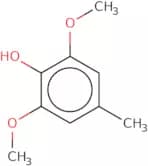
CAS :2,6-dimethoxy-4-methylphenol is a synthetic chemical with potential use as an insecticide. It is a cholinesterase inhibitor that inhibits the action of acetylcholinesterase, an enzyme that breaks down acetylcholine, which is a neurotransmitter important for cognitive function and muscle control. 2,6-dimethoxy-4-methylphenol has been shown to be toxic to insects in a sensitivity test and has also shown some toxicity to rats when administered orally at high doses. This chemical has been shown to inhibit the production of fatty acids in plants and can be used as a potential insecticide for human food crops.
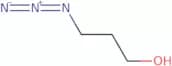
Formule :C9H12O3Degré de pureté :Min. 97.0%Couleur et forme :White Yellow PowderMasse moléculaire :168.19 g/mol1-Azidopropan-3-ol
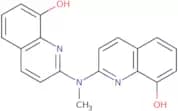
CAS :Azidopropan-3-ol is a reactive chemical that has functional groups such as hydroxyl, amino, and carboxylic acid. It can be used to synthesize polymers with azides. Azidopropan-3-ol is not toxic to cells in culture and does not affect the glycosidation process. Azidopropan-3-ol is also an excellent solvent for glycols, which are commonly used as solvents for organic synthesis. Azidopropan-3-ol can also be used as a transport agent in the lungs or kidneys because of its low viscosity and low surface tension. Azidopropan-3-ol has been shown to have anti-cancer properties by inducing apoptosis in cancer cells and inhibiting the growth of colorectal adenocarcinoma cells. This compound also has high solubility in water, which makes it suitable for use as a solvent forFormule :C3H7N3ODegré de pureté :Min. 95%Couleur et forme :Colorless Clear LiquidMasse moléculaire :101.11 g/mol2,2'-(Methylimino)diquinolin-8-ol
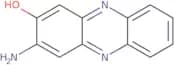
CAS :Please enquire for more information about 2,2'-(Methylimino)diquinolin-8-ol including the price, delivery time and more detailed product information at the technical inquiry form on this pageFormule :C19H15N3O2Degré de pureté :Min. 95%Masse moléculaire :317.34 g/mol3-Amino-phenazin-2-ol
CAS :3-Amino-phenazin-2-ol is a pesticide that has been shown to have genotoxic effects on human lymphocytes in vitro. 3-Amino-phenazin-2-ol inhibits the growth of triticum aestivum, a type of cereal plant, by binding to the aminoacids in the cell wall and disrupting its structure. This leads to cell death and inhibits the synthesis of proteins necessary for cellular growth. The herbicide has also been shown to inhibit the growth of typhimurium at high concentrations and may be used as an herbicide or pesticide. The mechanism by which 3-amino phenazin 2-ol exerts its toxicity is not fully understood, but it may be due to its ability to activate cells that are exposed to low energy levels.
Formule :C12H9N3ODegré de pureté :Min. 95%Couleur et forme :PowderMasse moléculaire :211.22 g/molIsostearylalcohol
CAS :18 carbon branched aliphatic alcohol mixture; component of cosmetic formulationsFormule :C18H38ODegré de pureté :Min 95%Couleur et forme :Clear LiquidMasse moléculaire :270.49 g/mol2-Tributyltin-allyl-1-ol
CAS :Produit contrôlé2-Tributyltin-allyl-1-ol is a research chemical that has shown potential in various areas of study. It has been found to interact with epidermal growth factor (EGF) and may have implications in the development of new therapies targeting EGF receptors. Additionally, 2-Tributyltin-allyl-1-ol has been studied for its potential interactions with drugs such as afatinib and paroxetine, indicating its possible role in drug metabolism and pharmacokinetics.
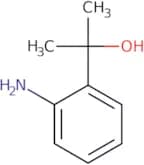
Formule :C15H32OSnDegré de pureté :Min. 95%Couleur et forme :Colorless Clear LiquidMasse moléculaire :347.12 g/mol2-Amino-α,α-dimethylbenzyl alcohol
CAS :2-Amino-α,α-dimethylbenzyl alcohol is a reagent that is useful in the synthesis of complex compounds. It is also a fine chemical and can be used as an intermediate for other compounds. 2-Amino-α,α-dimethylbenzyl alcohol has been shown to be reactive and can be used as a speciality chemical. This chemical is used as a reaction component for chemical reactions, such as Heck reactions, Suzuki couplings, and Sonogashira couplings. 2-Amino-α,α-dimethylbenzyl alcohol is versatile and can be used in many different reactions due to its high quality.
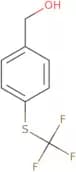
Formule :C9H13NODegré de pureté :Min. 95%Couleur et forme :Clear LiquidMasse moléculaire :151.21 g/mol4-(Trifluoromethylthio)benzyl alcohol
CAS :4-(Trifluoromethylthio)benzyl alcohol (4TFABA) is a chemical that is used as a reagent in organic synthesis. It can be used to synthesize a variety of compounds, including pharmaceuticals and agrochemicals. 4TFABA has been found to be an excellent building block for the synthesis of complex molecules. It is also widely used as a reaction component in high-quality research chemicals, such as chiral ligands and heteroaryl ligands.
Formule :C8H7F3OSDegré de pureté :Min. 95%Couleur et forme :PowderMasse moléculaire :208.2 g/mol1,2-Dimyristoyl-rac-glycerol
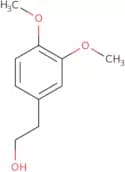
CAS :1,2-Dimyristoyl-rac-glycerol (1,2-DMG) is a monomolecular fatty acid that has been found to inhibit the replication of herpes simplex virus. It binds to the surface glycoprotein and inhibits the release of diacylglycerol from the lipid membrane. 1,2-DMG also inhibits the activity of acyl chain enzymes, which are necessary for the synthesis of fatty acids in trypanosomes. This inhibition prevents the growth and proliferation of lung fibroblasts and may be beneficial in treating cancer. The ionisation mass spectrum shows that 1,2-DMG has a molecular weight of 270 Da. The binding affinity between 1,2-DMG and water is 9 x 10 M at room temperature.Formule :C31H60O5Degré de pureté :Min. 90%Couleur et forme :White PowderMasse moléculaire :512.81 g/mol3,4-Dimethoxyphenyl ethanol
CAS :3,4-Dimethoxyphenyl ethanol is a product of the asymmetric synthesis of 3,4-dimethoxyphenylacetic acid. It has been shown to have high redox potentials and hydrochloric acid resistance. 3,4-Dimethoxyphenyl ethanol has been used in the delignification of cellulose fibers and has also been shown to have photophysical and photochemical properties. This compound binds with hydroxyl groups on proteins, which may be due to its ability to undergo acylation reactions. The binding of 3,4-dimethoxyphenyl ethanol with human liver microsomes was found to be rapid and reversible. Kinetic analysis showed that this binding can be explained by substrate binding or acylation reaction.Formule :C10H14O3Degré de pureté :Min. 95%Couleur et forme :White PowderMasse moléculaire :182.22 g/mol2-Fluoro-2-methyl-1-propanol
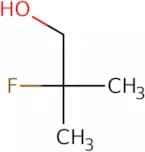
CAS :Please enquire for more information about 2-Fluoro-2-methyl-1-propanol including the price, delivery time and more detailed product information at the technical inquiry form on this page
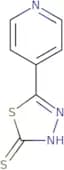
Formule :C4H9FODegré de pureté :Min. 95%Couleur et forme :Colorless PowderMasse moléculaire :92.11 g/mol5-Pyridin-4-yl-1,3,4-thiadiazole-2-thiol
CAS :5-Pyridin-4-yl-1,3,4-thiadiazole-2-thiol is a molecule that is used as an immunosuppressant. It inhibits the production of cytokines and chemokines by inhibiting the activation of nuclear factor kappa B (NF-κB). This leads to less inflammation and a decrease in the ability of immune cells to proliferate. 5-Pyridin-4-yl-1,3,4-thiadiazole-2-thiol has been shown to have synergistic effects with other drugs, such as antifungal agents.
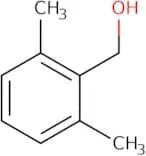
Formule :C7H5N3S2Degré de pureté :Min. 95%Couleur et forme :PowderMasse moléculaire :195.27 g/mol2,6-Dimethylbenzyl alcohol
CAS :2,6-Dimethylbenzyl alcohol is a carboxylic acid that can be found in nature. It is a synthetic compound that has been shown to have stereoselective properties. The mechanism of 2,6-Dimethylbenzyl alcohol is not well known, but it has been hypothesized to react with amines and form an imine intermediate. This mechanism is supported by the presence of an alkene and primary alcohol on its structure. Some functional groups include chloride and benzoate, which are both anions. This compound has been shown to have echolocation capabilities in bats.Formule :C9H12ODegré de pureté :Min. 95%Couleur et forme :SolidMasse moléculaire :136.19 g/molZinc ricinoleate
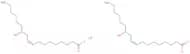
CAS :Zinc ricinoleate is a metal compound that is an absorber of hydrogen. It is primarily used as a deodorant for cosmetics and is often found in deodorant creams, powders, gels, and sticks. Zinc ricinoleate has been shown to be effective against lipases and chloride-containing compounds. The metal ion zinc in this compound reacts with the fatty acid esters in the skin and forms a protective layer that prevents the skin from becoming dry or irritated. Zinc ricinoleate also inhibits bacterial growth by preventing the synthesis of proteins needed for cell division.Formule :C36H66O6ZnDegré de pureté :Min. 95%Couleur et forme :PowderMasse moléculaire :660.29 g/mol(3,4,5-Trimethoxyphenyl)methyl carbinol
CAS :(3,4,5-Trimethoxyphenyl)methyl carbinol is a neuroprotective compound that belongs to the class of benzyl alcohols. It has been shown to have neuroprotective effects against daldinia-induced oxidative stress and biotoxicity. This compound has high electron transfer rates and can be used as an electron donor in enzymatic reactions. (3,4,5-Trimethoxyphenyl)methyl carbinol exhibits a high reactivity with alcohols and can be used in the synthesis of other compounds by transferring its alcohol group onto other molecules. The addition of deuterium atoms to this molecule has been shown to increase its reactivity with oxidants.
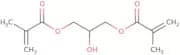
Formule :C11H16O4Degré de pureté :Min. 95%Couleur et forme :LiquidMasse moléculaire :212.24 g/molGlycerol Dimethacrylate (mixture of 1,2- and 1,3-form) (stabilized with MEHQ)
CAS :Glycerol Dimethacrylate is a monomer that is used in the preparation of polymeric materials. It is usually used as a cross-linking agent, but can also be used as a polymerization initiator. Glycerol Dimethacrylate is usually polymerized at temperatures from 60 to 100 °C, and it forms polymers with a wide range of properties.Formule :C11H16O5Degré de pureté :Min. 90.0 Area-%Couleur et forme :PowderMasse moléculaire :228.24 g/molAndrostenediol 3-acetate
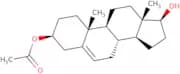
CAS :Produit contrôléAndrostenediol 3-acetate is an oxime that is used as a coupling agent in organic synthesis. It uncouples oxidative phosphorylation by forming a covalent bond to the enzyme cytochrome-c oxidase, which is involved in the electron transport chain of mitochondria. This inhibits ATP production and forces the cell to rely on anaerobic glycolysis for energy. The efficiency of this reaction was determined through nuclear magnetic resonance spectroscopy and found to be about 60%. Androstenediol 3-acetate has been shown to increase myocardial contractility and cause cardiac hypertrophy in rats.Formule :C21H32O3Degré de pureté :Min. 95%Couleur et forme :PowderMasse moléculaire :332.48 g/mol2-Methyl-2-adamantanol
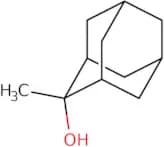
CAS :2-Methyl-2-adamantanol is a chemical compound with the molecular formula CH(CH)COOH. It is a colorless liquid that boils at 109°C and freezes at -78°C. This compound has been used as an additive to gasoline, in cosmetics, as a solvent for polymers, and as a fuel. 2-Methyl-2-adamantanol is synthesized by the reaction of 1-adamantanol with hydrogen chloride gas in the presence of dimethylformamide. The product can be purified by recrystallizing it from methanol or chloroform. The structure of this compound was determined using X-ray crystallography. 2-Methyl-2-adamantanol is an alicyclic molecule that contains two methyl groups (-CH3) on adjacent carbons (C). It also has a hydrogen bond between the two methyl groups on C1 and C2. This compound has been
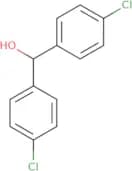
Formule :C11H18ODegré de pureté :Min. 95%Couleur et forme :PowderMasse moléculaire :166.1 g/molbis-(4-Chlorophenyl)-carbinol
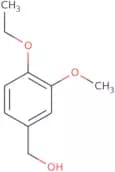
CAS :Bis-(4-chlorophenyl)-carbinol is a nonpolar compound with a linear plot. It is used as an intermediate in the synthesis of herbicides, insecticides, and pharmaceuticals. Bis-(4-chlorophenyl)-carbinol has been shown to bind to cylindrospermum, which is a type of marine algae that can be found in ecosystems such as the Great Barrier Reef. This binding reaction is the result of diphenylmethane, which is an aromatic compound that binds to bis-(4-chlorophenyl)-carbinol's electron-donating groups. The binding reaction was studied using dispersive solid-phase extraction (DSPE) and carbon source experiments on soil microorganisms. Cytochrome P450 enzymes are responsible for metabolizing bis-(4-chlorophenyl)-carbinol into unidentified metabolites.Formule :C13H10Cl2ODegré de pureté :Min. 95%Masse moléculaire :253.12 g/mol4-Ethoxy-3-methoxybenzyl alcohol
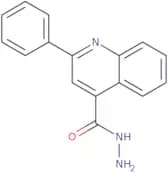
CAS :4-Ethoxy-3-methoxybenzyl alcohol is a metabolite of the drug benzocaine. It is formed by hydrolysis of the ester linkages in benzocaine and is then further metabolized to form 4-hydroxy-3-methoxybenzyl alcohol. 4-Ethoxy-3-methoxybenzyl alcohol has been shown to have antinociceptive effects in rats, which may be due to its ability to inhibit pain signals from the peripheral nerves.Formule :C10H14O3Degré de pureté :Min. 95%Couleur et forme :PowderMasse moléculaire :182.22 g/mol2-Phenylquinoline-4-carbohydrazide
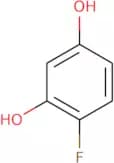
CAS :2-Phenylquinoline-4-carbohydrazide is an antibacterial agent that binds to bacterial DNA gyrase and topoisomerase, which are enzymes that maintain the integrity of bacterial DNA. It also has significant anti-inflammatory activity and can be used for the treatment of skin disorders, such as acne. 2-Phenylquinoline-4-carbohydrazide has been shown to induce apoptosis in human dermal fibroblast cells. This drug has been shown to have anticancer activity in vitro and in vivo. The anticancer activity of this drug may be due to its ability to inhibit cancer cell proliferation by binding to DNA gyrase and topoisomerase, which are enzymes that maintain the integrity of bacterial DNA.Formule :C16H13N3ODegré de pureté :Min. 95%Masse moléculaire :263.29 g/mol4-Fluororesorcinol
CAS :4-Fluororesorcinol is a sulfonation agent that is used to synthesize sulfones and sulfonamides. It has been shown to have anticancer activity in vitro, but its use in vivo has been limited by its high toxicity. 4-Fluororesorcinol has also been shown to inhibit the functional groups of tyrosinase, an enzyme that helps produce melanin. The oxidation products of 4-fluororesorcinol are less toxic and more photostable than the parent compound. This compound inhibits the production of melanin by tyrosinase, which may lead to potential skin care applications.Formule :C6H5FO2Degré de pureté :(%) Min. 98%Couleur et forme :White PowderMasse moléculaire :128.1 g/mol(4aS,6R,8aS)-4a,5,9,10,11,12-Hexahydro-3-methoxy-11-methyl-6H-benzofuro[3a,3,2-ef][2]benzazepin-6-ol
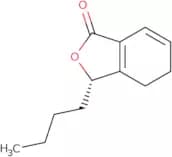
CAS :Produit contrôlé(4aS,6R,8aS)-4a,5,9,10,11,12-Hexahydro-3-methoxy-11-methyl-6H-benzofuro[3a,3,2-ef][2]benzazepin-6-ol is a natural compound that has been shown to be an effective treatment for oxidative injury. It has a cholinergic activity and is able to cross the blood brain barrier. (4aS,6R,8aS)-4a,5,9,10,11,12-Hexahydro-3-methoxy-11-methyl-6Hbenzofuro[3a. 3.2ef][2]benzazepin -6--ol was found to have protective effects in an experimental model of Alzheimer's disease where it significantly reduced neuronal death. The compound also has antiinflammatory properties which mayFormule :C17H21NO3Degré de pureté :Min. 95%Couleur et forme :PowderMasse moléculaire :287.35 g/molSenkyunolide A
CAS :Senkyunolide A is a bioactive compound, which is a type of phthalide derived from the roots of Ligusticum chuanxiong, a plant commonly used in traditional Chinese medicine. This compound is notable for its antioxidant and anti-inflammatory properties, which are believed to arise from its ability to scavenge free radicals and modulate inflammatory pathways.
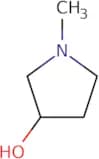
Formule :C12H16O2Degré de pureté :Min. 95%Couleur et forme :PowderMasse moléculaire :192.25 g/mol1-Methyl-3-pyrrolidinol
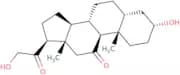
CAS :1-Methyl-3-pyrrolidinol is a synthetic, organic compound that is soluble in organic solvents. It has been shown to have potent inducers of systemic effect and receptor binding. The structural formula for 1-methyl-3-pyrrolidinol is CHNO. It has been shown to have anticholinergic properties, which may be due to its ability to bind to nicotinic acetylcholine receptors.Formule :C5H11NODegré de pureté :Min. 97 Area-%Couleur et forme :Colorless Clear LiquidMasse moléculaire :101.15 g/mol5beta-Pregnan-3alpha,21-diol-11,20-dione
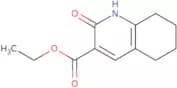
CAS :Produit contrôlé5beta-Pregnan-3alpha,21-diol-11,20-dione (5beta-pregnan) is a fine chemical used in research and development as a building block or intermediate. It has many uses, including as a useful scaffold for complex compounds. This chemical is also an excellent reagent for the synthesis of new organic compounds. It is a versatile building block that can be used in the production of high quality speciality chemicals. 5beta-pregnan may be used to synthesize many different types of building blocks and intermediates that are useful for the synthesis of other compounds.Formule :C21H32O4Degré de pureté :(Tlc) Min. 95.0%Couleur et forme :PowderMasse moléculaire :348.48 g/molEthyl 2-hydroxy-5,6,7,8-tetrahydroquinoline-3-carboxylate
CAS :Ethyl 2-hydroxy-5,6,7,8-tetrahydroquinoline-3-carboxylate is a fine chemical that is used as a building block in the manufacture of other compounds. It is also used as a reagent and speciality chemical. Ethyl 2-hydroxy-5,6,7,8-tetrahydroquinoline-3-carboxylate is an intermediate that can be used to produce other compounds. It can be used as a reaction component or useful scaffold for complex molecules.Formule :C12H15NO3Degré de pureté :Min. 95%Couleur et forme :PowderMasse moléculaire :221.25 g/molIngenol
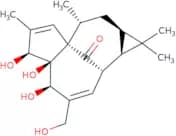
CAS :Ingenol is a natural product, which belongs to the group of ingenol esters. It has been shown to have significant cytotoxic effects on solid tumours in vitro and in vivo. Ingenol is metabolized by esterases and glucuronidases, or hydrolyzed by esterases or glucuronidases, leading to the release of methyl ethyl erythritol tetranitrate (MEETN). The MEETN molecule is then converted into a nitrate radical that causes cell death. Ingenol is also effective against skin cancers. Studies have shown that it inhibits the growth of skin cancer cells through mitochondrial membrane potential and cytosolic calcium levels. This drug has a chemical stability of less than one week at room temperature.Formule :C20H28O5Degré de pureté :Min. 95%Couleur et forme :SolidMasse moléculaire :348.43 g/mol4-Bromo-alpha-methylbenzyl alcohol
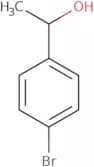
CAS :4-Bromo-alpha-methylbenzyl alcohol is a reactive compound, which can be synthesized in two different forms. The first form is an isomer with the bromine atom on the alpha position and the second form has the bromine atom on the beta position. 4-Bromo-alpha-methylbenzyl alcohol reacts with hydrogen peroxide in order to produce borohydride reduction products. It has also been shown to inhibit protein synthesis by binding to DNA and RNA molecules, such as primary alcohols and benzyl groups. 4-Bromo-alpha-methylbenzyl alcohol may have potential therapeutic uses in cancer treatment due its ability to inhibit cell growth in prostate cancer cells (Mcf7) and breast cancer cells (MCF7).Formule :C8H9BrODegré de pureté :Min. 95%Couleur et forme :White Clear LiquidMasse moléculaire :201.06 g/mol1,2-Dipalmitoyl-sn-glycero-3-phosphoethanolamine
CAS :1,2-Dipalmitoyl-sn-glycero-3-phosphoethanolamine is a phospholipid that plays an important role in many cellular processes. It is a major component of the lipid bilayer that surrounds cells and provides stability to the membrane. 1,2-Dipalmitoyl-sn-glycero-3-phosphoethanolamine can form hydrogen bonding interactions with other molecules in the cytoplasm. The redox potential of this compound is also high enough to allow it to participate in oxidation reactions. This phospholipid also has a phase transition temperature at which it changes from a liquid state to a solid state at room temperature. 1,2-Dipalmitoyl-sn-glycero-3-phosphoethanolamine can be used as a reaction mechanism for synthesizing glycosylated proteins or lipids. In vitro assays have been performed using this compound asFormule :C37H74NO8PMasse moléculaire :691.96 g/mol4-Propylresorcinol
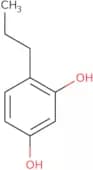
CAS :4-Propylresorcinol is a potent tyrosinase inhibitor that has been shown to inhibit the activity of this enzyme in a synergistic interaction with metal chelators. The binding of 4-propylresorcinol to the active site of the enzyme inhibits the hydroxylation of L-tyrosine, preventing melanin production. This drug also inhibits the production of melanin by other pathways, such as by modulating cellular transcription. The inhibition of tyrosinase activity by 4-propylresorcinol has been shown to be specific and reversible.Formule :C9H12O2Degré de pureté :Min. 95%Couleur et forme :Off-White PowderMasse moléculaire :152.19 g/mol1,4-Cyclohexanedimethanol diglycidyl ether
CAS :1,4-Cyclohexanedimethanol diglycidyl ether is a symmetrical molecule with cyclohexyl core and 2 terminal epoxide groups on ether linkers. 1,4-Cyclohexanedimethanol diglycidyl ether is an epoxy resin used with phenol or amine hardeners.Formule :C14H24O4Couleur et forme :Clear LiquidMasse moléculaire :256.34 g/mol4-Hydroxy-3-nitrobenzyl alcohol
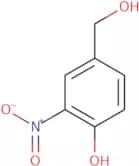
CAS :4-Hydroxy-3-nitrophenylacetic acid (4ONPA) is an organic compound that is the product of the reaction between hydroxylamine and nitrobenzaldehyde. It has been shown to have cytotoxicity in breast cancer cells and has been used as a probe for optical imaging studies. 4ONPA has also been shown to be able to inhibit the activity of enzymes such as catalase, peroxidase, and lipoxygenase. The uptake of 4ONPA into cells is dependent on its concentration and the cell type. This drug can be useful for treating degenerative diseases because it inhibits microglia activation by blocking the enzyme phospholipase A2. Clinical trials are currently being conducted for 4ONPA’s potential use in treating herpes simplex virus infections and cancerous lesions associated with Alzheimer's disease.
Formule :C7H7NO4Degré de pureté :Min. 95%Couleur et forme :PowderMasse moléculaire :169.13 g/mol1-Octacosanol, 90%
CAS :Octacosanol is a mixture of eight fatty alcohols that can be found in wheat germ oil. It has been shown to have hypoglycemic effects and may be useful for the treatment of bowel disease. Octacosanol has been shown to have anti-inflammatory properties, which may be due to its ability to prevent the release of prostaglandin E2 from macrophages, thereby inhibiting the production of inflammatory mediators. It also binds to 2-adrenergic receptors and is thought to regulate energy metabolism by increasing levels of ATP in cells. Octacosanol is commonly used for elderly patients with metabolic disorders such as type II diabetes or hyperlipidemia.
Formule :C28H58ODegré de pureté :Min. 90%Couleur et forme :PowderMasse moléculaire :410.76 g/molAlprenolol hydrochloride
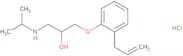
CAS :Produit contrôléAlprenolol hydrochloride is a beta-adrenergic receptor blocker that is used to treat high blood pressure, angina pectoris, and myocardial infarcts. It binds to the β1-adrenergic receptor in the myocardium and blocks the stimulation of adenylate cyclase. This prevents cAMP production, which leads to decreased calcium influx into the myocardium and an inhibition of contractility. Alprenolol hydrochloride has been shown to be effective in treating congestive heart failure (CHF). Alprenolol is metabolized by esterases in the liver and gut wall. The drug has been shown to have a low potency because it is rapidly metabolized by esterases in humans. It also has potential for drug interactions with other drugs that are metabolized by these enzymes. Alprenolol hydrochloride has structural similarity to guanine nucleotide-binding proteins, which may
Formule :C15H23NO2·HClDegré de pureté :Min. 98 Area-%Couleur et forme :PowderMasse moléculaire :285.81 g/mol3,4-Dihydroisoquinolin-1(2H)-one
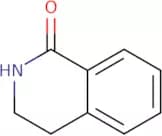
CAS :3,4-Dihydroisoquinolin-1(2H)-one is a potent antagonist of the histamine H1 receptor and has been shown to be safe in animal studies. 3,4-Dihydroisoquinolin-1(2H)-one has also shown efficacy in treating inflammatory diseases, such as asthma and arthritis. This compound was recently tested for its potential to diagnose cancer by targeting the tumor microenvironment. The compound was found to bind to trifluoromethanesulfonic acid (TFMS) with high affinity and selectivity. TFMS is an emerging therapeutic target for cancer therapy because it is highly expressed in the tumor microenvironment and can act as a proton donor for drug delivery systems. 3,4-Dihydroisoquinolin-1(2H)-one has also been observed to have low toxicity profiles in preclinical models, but more research is needed before it can be used clinically.
Formule :C9H9NODegré de pureté :Min. 95%Couleur et forme :PowderMasse moléculaire :147.17 g/mol4-Nitroquinoline-N-oxide
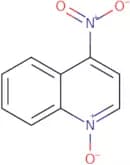
CAS :4-Nitroquinoline-N-oxide is a polymerase chain reaction (PCR) inhibitor that blocks the activity of methyltransferases, which are enzymes involved in DNA replication and repair. The mechanism of action has been shown to be due to the inhibition of the activities of these enzymes in cancer tissues. The efficacy of 4-Nitroquinoline-N-oxide has been demonstrated using an experimental model system composed of cells from Candida glabrata and other cancers, as well as a model system for carcinogenesis in vitro. This compound also shows antiinflammatory activity and can be used as a natural compound for chemotherapy. Chromatographic analysis has revealed that 4-Nitroquinoline-N-oxide is not toxic to wild type strains, but it is toxic to cancer cells with mutations in their DNA repair mechanisms.Formule :C9H6N2O3Degré de pureté :Min. 95%Couleur et forme :PowderMasse moléculaire :190.16 g/mol2,6-Dimethoxy-4-methylbenzyl alcohol
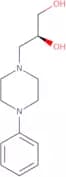
CAS :2,6-Dimethoxy-4-methylbenzyl alcohol is a high quality, versatile building block that is used as a reagent. The chemical has been shown to be a useful intermediate in the production of fine chemicals and speciality chemicals. 2,6-Dimethoxy-4-methylbenzyl alcohol can be used as a reaction component in the production of research chemicals and versatile building blocks. This compound can be found on CAS registry number 875664-51-0.Formule :C10H14O3Degré de pureté :Min. 95%Couleur et forme :PowderMasse moléculaire :182.22 g/mol(S)-3-(4-Phenyl-1-piperazinyl)-1,2-propanediol
CAS :(S)-3-(4-Phenyl-1-piperazinyl)-1,2-propanediol is a synthetic compound that has been shown to have antiinflammatory activity in rat urine and human bronchial tissue. The antiinflammatory effect of (S)-3-(4-Phenyl-1-piperazinyl)-1,2-propanediol may be due to its ability to inhibit the release of leukotrienes and prostaglandins. The drug is currently being tested as a treatment for chronic cough in children. This drug has not been approved by the FDA for use in children under 12 years old.Formule :C13H20N2O2Degré de pureté :Min. 95%Couleur et forme :White To Off-White SolidMasse moléculaire :236.31 g/mol3-O-Hexadecyl-sn-glycerol
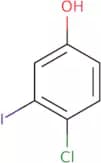
CAS :3-O-Hexadecyl-sn glycerol (3OHG) is a neutral, high molecular weight glycol ether that is used for the preparation of zirconium oxide. 3OHG has been shown to be a substrate for carbohydrate chemistry and as an inhibitor of enzymes, such as hexokinase and phosphoglycerate kinase. 3OHG has minimal toxicity when administered orally to rats and does not cause any hemolysis in human erythrocytes. This compound is also a monoclonal antibody that binds to the surface glycoprotein on the HL-60 cell line and inhibits its growth. 3OHG is not cytotoxic at concentrations up to 10 mM in cultured cells, but it can induce Ca2+ release from the cytosol in HL-60 cells with minimal toxicity. The structure of 3OHG appears closely related to benzalkonium chloride (BAC).Formule :C19H40O3Degré de pureté :Min. 95%Masse moléculaire :316.52 g/mol4-Chloro-3-iodophenol
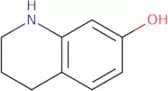
CAS :4-Chloro-3-iodophenol is a reactive chemical substance that can be used as a reagent in the synthesis of diagnostic agents, sunscreens and disinfectants. The reaction rate is increased by the presence of chlorine and other halogens such as iodine or bromine. 4-Chloro-3-iodophenol reacts with triclosan to form chlorinated trihalomethanes, which are more efficient disinfectants than their nonchlorinated counterparts. However, 4-chloro-3-iodophenol can also react with the oxidant hydrogen peroxide to form an unstable intermediate compound that degrades into toxic products like hypochlorous acid and chloramines. This instability makes this substance unsuitable for use in certain applications such as water purification.Formule :C6H4ClIODegré de pureté :Min. 98 Area-%Couleur et forme :PowderMasse moléculaire :254.45 g/mol7-Hydroxy-1,2,3,4-tetrahydroquinoline
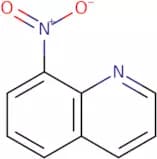
CAS :7-Hydroxy-1,2,3,4-tetrahydroquinoline (7OH-THQ) is a fluorophore that can be used to detect the presence of cancer cells. It is a linker and labile and can be synthesized from the lactam 7-hydroxypyrazolo-[4,3-a]pyridin-5(6H)-one. The synthesis of 7OH-THQ is possible by reacting 4-(dimethylamino)benzenesulfonyl chloride with 2,2'-dithiolethane in the presence of sodium hydroxide. 7OH-THQ has been shown to be effective as an anticancer drug in vitro assays for colon and breast cancer cells. It also has fluorescence properties that are sensitive to acidic conditions and pH levels.Formule :C9H11NODegré de pureté :Min. 96 Area-%Couleur et forme :PowderMasse moléculaire :149.19 g/mol8-Nitroquinoline
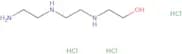
CAS :8-Nitroquinoline is a nitrogenous compound that has been used as an inhibitor of Leishmania, a parasite that causes leishmaniasis. 8-Nitroquinoline inhibits the growth of Leishmania by inhibiting the enzyme hepg2, which is involved in the synthesis of lipids and cholesterol. The inhibition of this enzyme leads to the accumulation of malonic acid, which inhibits the production of ATP. This inhibition may lead to cell death or inhibitory effects on other enzyme activities. 8-Nitroquinoline has been shown to be effective against Leishmania parasites in vivo.Formule :C9H6N2O2Degré de pureté :Min. 95%Couleur et forme :PowderMasse moléculaire :174.16 g/mol2-(2-(2-Aminoethylamino)ethylamino)ethanol trihydrochloride
CAS :2-(2-(2-Aminoethylamino)ethylamino)ethanol trihydrochloride is a chemical compound that is used as a reaction component and as a reagent in the synthesis of other chemicals. 2-(2-(2-Aminoethylamino)ethylamino)ethanol trihydrochloride is an intermediate for many organic compounds, including pharmaceuticals and pesticides. It has also been used to synthesize drugs for treating bacterial infections. 2-(2-(2-Aminoethylamino)ethylamino)ethanol trihydrochloride can be used in research or as a specialty chemical.Formule :C6H17N3O·3HClDegré de pureté :Min. 95%Couleur et forme :PowderMasse moléculaire :256.6 g/mol(3R,8S)-Falcarindiol
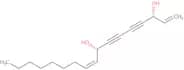
CAS :(3R,8S)-Falcarindiol is a glycol ether that is found in the bark of the Dichapetalum cymosum tree. It has been shown to have potent anti-infective properties and can be used as an adjuvant treatment for infectious diseases. (3R,8S)-Falcarindiol has been shown to exhibit significant cytotoxicity against HL-60 cells and dextran sulfate, which may be due to its ability to inhibit energy metabolism by blocking enzymes such as succinic dehydrogenase. The anti-inflammatory effects of (3R,8S)-falcarindiol are due to its inhibition of prostaglandin synthesis and production of nitric oxide. This compound also inhibits apoptosis in Hl-60 cells by acting as a substrate for abcg2, one of the proteins involved in apoptosis pathways. Analysis of this compound is done using preparative high performance liquid chromatography.Formule :C17H24O2Degré de pureté :Min. 98 Area-%Couleur et forme :Clear LiquidMasse moléculaire :260.37 g/mol(1S,4R)-cis-4-Acetoxy-2-cyclopenten-1-ol
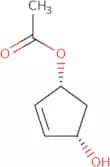
CAS :Chiral building block for synthesis of functionalised nucleosides
Formule :C7H10O3Degré de pureté :Min. 98 Area-%Couleur et forme :White PowderMasse moléculaire :142.15 g/mol21-(Acetyloxy) triamcinolone acetonide
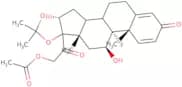
CAS :21-(Acetyloxy) triamcinolone acetonide is a fine chemical that can be used as a versatile building block for the synthesis of complex compounds. It is also an intermediate in the synthesis of pharmaceuticals, research chemicals, and other specialty chemicals. 21-(Acetyloxy) triamcinolone acetonide has been shown to have high quality, making it useful as a reagent in organic synthesis.Formule :C26H33FO7Degré de pureté :Min. 95%Couleur et forme :White PowderMasse moléculaire :476.53 g/mol6-Chloropyridazine-3-thiol
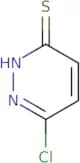
CAS :6-Chloropyridazine-3-thiol is a potent inhibitor of platelet aggregation. This drug binds to the active site of the enzyme ADP-thrombin, thereby blocking the conversion of ADP to thrombin. 6-Chloropyridazine-3-thiol has been shown to have a high affinity for human liver microsomes, and is metabolized by conjugation with glutathione or glucuronide. 6CpT also inhibits the activation of factor V and factor VIII, which are involved in blood clotting. It is hypothesized that this inhibition may be due to its ability to bind to reactive chlorine atoms found on these proteins. 6-Chloropyridazine-3-thiol is a potent inhibitor of platelet aggregation, but it does not show any antiplatelet activity when used at low doses.
Formule :C4H3ClN2SDegré de pureté :Min. 95%Couleur et forme :White PowderMasse moléculaire :146.6 g/mol4-[2-(4-Aminophenyl)ethyl]phenol
CAS :4-[2-(4-Aminophenyl)ethyl]phenol belongs to the class of organogelators. It is an organic compound that has been used in various studies on supramolecular chemistry and catalytic rate research. 4-[2-(4-Aminophenyl)ethyl]phenol has been shown to form gels with a variety of solvents, including water, ethanol, and acetone. The compounds have also been studied for their ability to act as heterogeneously catalysts in the synthesis of polymers. These compounds are polymorphs, meaning they can exist in different crystal structures. Structural studies have revealed that these polymorphs display different architectures and reactivities.
Formule :C14H15NODegré de pureté :Min. 95%Couleur et forme :PowderMasse moléculaire :213.28 g/mol4-Fluorophenol
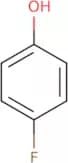
CAS :4-Fluorophenol is the organic compound with the formula CHFOH. It is a phenolic compound and has been used in the manufacture of other chemicals such as trifluoroacetic acid, sodium carbonate and creatinine sulfate. The hydroxyl group of 4-Fluorophenol is capable of donating a proton to hydrogen fluoride to form the intramolecular hydrogen bond, which is an important factor in its chemical reactivity. This reaction mechanism can be seen using electrochemical impedance spectroscopy on bacterial strains.
4-Fluorophenol has been shown to be effective for wastewater treatment due to its ability to react with oxygen nucleophiles such as creatinine sulfate and p-hydroxybenzoic acid.Formule :C6H5FODegré de pureté :Min. 95%Couleur et forme :White PowderMasse moléculaire :112.1 g/molResorcinol-o,o'-diacetic acid
CAS :Resorcinol-o,o'-diacetic acid is a copolymer that is used in the production of polyurethane, glyceride, or heptane. It has been shown to have a brittleness of less than 1% and can be used for the production of polyester. Resorcinol-o,o'-diacetic acid is also used as an intermediate in the synthesis of terephthalic acid and chromatographic detection method. Resorcinol-o,o'-diacetic acid is hydrophilic and can be used for packaging food and packaging materials.Formule :C10H10O6Degré de pureté :Min. 95%Couleur et forme :White PowderMasse moléculaire :226.18 g/molMethylandrostanediol
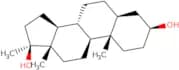
CAS :Produit contrôléMethylandrostenediol is a naturally occurring hormone that has been shown to have proteolytic, antigenic, and polymorphic properties. It is found in urine samples, and can be used as a supplement for the treatment of viruses or cancer. Methylandrostenediol also inhibits the growth of certain types of cancer cells by binding to specific receptors on their surfaces. It also binds to hydroxyl groups in proteins, which may inhibit the growth of bacteria. Methylandrostanediol has been shown to be an inhibitory compound against various types of cancer cells through various assays and sequences that have been performed on these cells.Formule :C20H34O2Degré de pureté :Min. 95%Couleur et forme :White Off-White PowderMasse moléculaire :306.48 g/molArotinolol hydrochloride
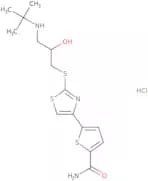
CAS :Arotinolol hydrochloride is a beta-blocker that, in contrast to propranolol, has a higher selectivity for the β1 receptor. It is used to treat hypertension and angina pectoris. Arotinolol hydrochloride lowers blood pressure by inhibiting the activity of α-adrenergic receptors, which are found in the heart and vascular smooth muscle. This inhibition reduces the release of norepinephrine and causes vasodilation. Arotinolol hydrochloride also has a positive effect on cardiac function as it decreases myocardial oxygen demand and increases coronary flow. Arotinolol hydrochloride has been shown to lower systolic pressure in anesthetized dogs with an intravenous dose of sodium citrate. The drug also lowers diastolic pressure in conscious dogs at doses of 0.5 mg/kg (0.2 mg/lb) or greater when given intravenously or subcutaneously.
Formule :C15H22ClN3O2S3Degré de pureté :Min. 98%Couleur et forme :PowderMasse moléculaire :408 g/mol5-Fluoro-2-methoxyphenol
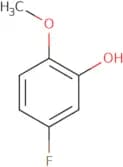
CAS :5-Fluoro-2-methoxyphenol is a heterodimeric natural product that consists of anisoles and acetanilides. It has been shown to induce liver microsomes in rats, as well as hypervalent organometallic complexes with methoxy groups. 5-Fluoro-2-methoxyphenol also exhibits vinylic shift and product synthesis abilities. This compound is useful for the synthesis of acetanilides and other compounds with a methoxy group. Reagents such as phenyllithium, butyllithium, and lithium diisopropylamide are used in this synthesis.Formule :C7H7FO2Degré de pureté :Min. 95%Couleur et forme :Clear LiquidMasse moléculaire :142.13 g/mol2-Methylphenethyl alcohol
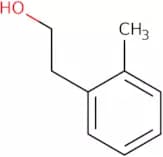
CAS :2-Methylphenethyl alcohol (2MPE) is an organic acid that is found in plants. It has been shown to have anti-inflammatory and anti-cancer properties. 2MPE inhibits the production of prostaglandins, which are a type of hormone that causes inflammation and pain. When 2MPE is combined with ferrocene, it forms a complex that can be used as a gas sensor. This complex absorbs light at certain wavelengths, which can then be detected by lasers to indicate the presence of various gases. The use of 2MPE as an organic solvent for coating plates has also been investigated. The process involves adding 2MPE to an organic solution, followed by the addition of ferrocene and argon gas. This process creates a thin film on the plate's surface that can be used for kinetic data collection.Formule :C9H12ODegré de pureté :Min. 95%Couleur et forme :Clear LiquidMasse moléculaire :136.19 g/mol4-(Phenylthio)benzyl alcohol
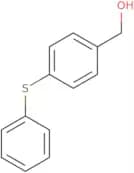
CAS :4-(Phenylthio)benzyl alcohol is a versatile building block used in the synthesis of complex compounds. It has been shown to be an effective reagent for the synthesis of polymers and other organic molecules. 4-(Phenylthio)benzyl alcohol is also a useful intermediate for the preparation of chemical compounds with high quality, such as fine chemicals, speciality chemicals, and research chemicals. This compound can be used as a reaction component in the synthesis of valuable scaffolds.
Formule :C13H12OSDegré de pureté :Min. 95%Couleur et forme :White To Yellow SolidMasse moléculaire :216.3 g/molMonolaurin
CAS :Monolaurin is a natural compound that has been shown to be effective against aurease, sephadex g-100, monolaurin, and monocytogenes. It is also an antimicrobial and can be used in the prevention of bacterial growth. Monolaurin has antibacterial efficacy against Gram-positive bacteria such as methicillin-resistant Staphylococcus aureus (MRSA) and Streptococcus pyogenes, which are difficult to treat with antibiotics. This agent is also active against Gram-negative bacteria such as Escherichia coli, Neisseria meningitides, and Pseudomonas aeruginosa. The anti-bacterial activity of monolaurin is due to its ability to disrupt the cell membrane by binding to the fatty acids on the surface of bacterial cells. This agent may have drug interactions with other drugs that are metabolized through cytochrome P450 enzymes or glucuronidFormule :C15H30O4Degré de pureté :Min. 95%Couleur et forme :PowderMasse moléculaire :274.4 g/mol5-Methylpyrimidin-2-ol
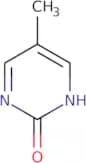
CAS :5-Methylpyrimidin-2-ol is a photophysical, hydroxy group, and hydroxyl group. It has been shown to have an inhibitory effect on DNA methylation by glycosidic bond with the sugar moiety of the nucleotide. 5-Methylpyrimidin-2-ol reacts with the base moiety of the nucleotide to form an analog that inhibits RNA synthesis and is competitive against pyrimidine nucleosides. 5-Methylpyrimidin-2-ol also has a hydrogen bonding property that can react with other molecules such as proteins or sugars to form hydrogen bonds. This reaction rate is increased by fluorescence resonance energy transfer (FRET).
Formule :C5H6N2ODegré de pureté :Min. 95%Couleur et forme :PowderMasse moléculaire :110.11 g/mol(Z)-retro-α-Ionol
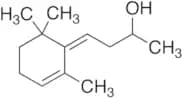
CAS :Produit contrôléApplications Intermediate for preparation of optically active theaspirane and β-Damascenone.
References Gertraut, S., et al.: J. Agric. Food Chem., 40, 1188 (1992), Campagnole, M., et al.: Syn. Comm., 37, 1077 (2007).Formule :C13H22OCouleur et forme :NeatMasse moléculaire :194.31(E)-2-Hexadecen-1-ol
CAS :Produit contrôléApplications (E)-2-Hexadecen-1-ol (cas# 26993-32-8) is a compound useful in organic synthesis.
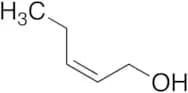
Formule :C16H32OCouleur et forme :NeatMasse moléculaire :240.42(2Z)-2-Penten-1-ol
CAS :Produit contrôléApplications (2Z)-2-Penten-1-ol is one of the aroma volatiles in basil and thyme leaves with antioxidant activity.
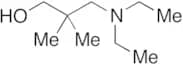
References Lee, S., et al.: Food Chem., 91 131 (2004);Formule :C5H10OCouleur et forme :NeatMasse moléculaire :86.133-(Diethylamino)-2,2-dimethylpropanol
CAS :Produit contrôléApplications 3-(Diethylamino)-2,2-dimethylpropanol is a reactant used in the preparation of herbicides, several local anesthetics and histamine H3 receptor antagonists.
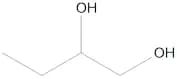
Formule :C9H21NOCouleur et forme :NeatMasse moléculaire :159.271,2-Butanediol
CAS :Produit contrôléApplications 1,2-Butanediol is a glycol in human serum.
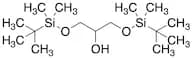
References Imbert, L., et al.: J. Anal. Toxicol., 38, 676 (2014)Formule :C4H10O2Couleur et forme :NeatMasse moléculaire :90.121,3-Bis(tert-Butyldimethylsiloxy)-2-propanol
CAS :Produit contrôléApplications 1,3-Bis(tert-Butyldimethylsiloxy)-2-propanol is an intermediate in the synthesis of 2-Linoleoyl-rac-glycerol (L467960), which is a atty acid monoglycerides in vegetable oils with medium unsaturation.
References Compton, D., et al.: J. Pharmacol. Exp. Ther., 277, 586 (1996), Devane, W., et al.: Science, 258, 1946 (1992),Formule :C15H36O3Si2Couleur et forme :NeatMasse moléculaire :320.622,3-Diaminophenol
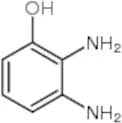
CAS :Produit contrôléApplications 2,3-Diaminophenol
Formule :C6H8N2OCouleur et forme :NeatMasse moléculaire :124.1410-Amino-1-decanol
CAS :Produit contrôléApplications 10-Amino-1-decanol (cas# 23160-46-5) is a compound useful in organic synthesis.
References Lee, T., et al.: J. Biol. Chem., 270, 5375 (1995),Formule :C10H23NOCouleur et forme :NeatMasse moléculaire :173.305-(4-Hydroxypentyl)-1,3-benzenediol
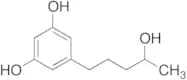
CAS :Produit contrôléApplications 5-(4-Hydroxypentyl)-1,3-benzenediol is an intermediate used in the synthesis of 4''-Hydroxycannabidiol (H824830), which is a metabolite of Canabidiol (C175300), a major constituents in marijuana. 4''-Hydroxycannabidiol be used to investigate canabidiol metabolism and human liver microsomes that metabolize Canabidiol into 6α-Hydroxycannabidiol.
References Jiang, R., et al.: Life Sci. 89, 165 (2011); Lander, N., et al.: Science 169, 611 (1970)Formule :C11H16O3Couleur et forme :NeatMasse moléculaire :196.249-(Benzyloxy)-3,7-dimethylnona-1,7-dien-4-ol
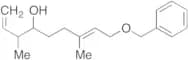
Produit contrôléApplications 9-(Benzyloxy)-3,7-dimethylnona-1,7-dien-4-ol is an intermediate in the synthesis of Menaquinone 6 (M218590). Menaquinones are isoprenoid quinones of the naphthalene series and belongs to the K2 Vitamin homologs. Menaquinones were originally discovered as the anti-hemorrhagic factor and now encompasses a variety of physiological processes. Menaquinone-6 were the major isoprenoid quinones found in membrane preparations of Campylobacter jejuni and Campylobacter fetus.
References Kiesel, B., et al.: Biodegradation, 19, 435 (2008), Suhara, Y., et al.: Bioorg. Med. Chem., 16, 3108 (2008), Gast, G., et al.: Nut., Metab., Cardiovas., Diseases, 19, 504 (2009); Carlone G.M., et al.: J. Gen. Microbiol., 129, 3385 (1983);Formule :C18H26O2Couleur et forme :NeatMasse moléculaire :274.43-(3-(3-(Benzyloxy)propoxy)propoxy)propan-1-ol
Produit contrôléApplications 3-(3-(3-(Benzyloxy)propoxy)propoxy)propan-1-ol is an intermediate in the synthesis of 3,3'-[Oxybis(3,1-propanediyloxy)]bis[1-propanol] (O870290). 3,3'-[Oxybis(3,1-propanediyloxy)]bis[1-propanol] is derived from 3-(Benzyloxy)propyl 4-Toluenesulfonate (B288830), which is used as a reagent in the synthesis of Silodosin (S465000); an antidysuria drug. 3-(Benzyloxy)propyl 4-Toluenesulfonate is also used as a reagent in the preparation of aryloxyalkyl derivatives of adenine which have antiviral activity.
References Calogero, F., et al.: Eur. J. Org. Chem., 2015, 6011 (2015); Petrov, V.I., et al.: Chem. Heterocyc. Compd., 39, 1218 (2003)Formule :C16H26O4Couleur et forme :NeatMasse moléculaire :282.375(4-(tert-Butyl)-1,2-phenylene)dimethanol
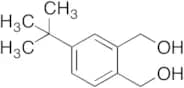
CAS :Produit contrôléApplications (4-(tert-Butyl)-1,2-phenylene)dimethanol is an intermediate in the synthesis of 4-tert-Butyl-1,2-bis(chloromethyl)benzene (B807070). 4-tert-Butyl-1,2-bis(chloromethyl)benzene is used as a reactant in the preparation of dihydronaphthalenes/naphthalenes via cobalt-catalyzed formal [4+2] cycloaddition of α,α'-dichloro-ortho-xylenes with alkynes.
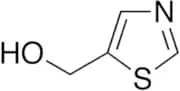
References Komeyama, K., et al.: Angew. Chem. Int. Ed., 53, 11325 (2014)Formule :C12H18O2Couleur et forme :NeatMasse moléculaire :194.275-Thiazolemethanol
CAS :Produit contrôléApplications 5-Thiazolemethanol (cas# 38585-74-9) is a compound useful in organic synthesis.
Formule :C4H5NOSCouleur et forme :NeatMasse moléculaire :115.153-Mercapto-1-propanol
CAS :Produit contrôléApplications 3-Mercapto-1-propanol has been reported to be used as a label-free capacitive DNA detection system due to it’s terminating thiol end.
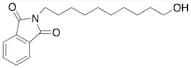
References Thipmanee O., et al.: Biosens Bioelectron., 38, 430-5 (2012);Formule :C3H8OSCouleur et forme :NeatMasse moléculaire :92.1610-Phthalamido-1-decanol
CAS :Produit contrôléApplications 10-Phthalamido-1-decanol is an intermediate used in the synthesis of 10-(t-Boc-amino)-1-decanol (B617785), which is a compound useful in organic synthesis.
Formule :C18H25NO3Couleur et forme :NeatMasse moléculaire :303.43-[[(1,1-Dimethylethyl)diphenylsilyl]oxy]-1,2-propanediol
CAS :Produit contrôléApplications 3-[[(1,1-Dimethylethyl)diphenylsilyl]oxy]-1,2-propanediol is an intermediate in the synthesis of 1,2-Dioleoyl-rac-glycerol (D482175), which is an analog of 1,3-Dioleoylglycerol (D484210) which is used in the synthesis of amphiphilic gadolinium complexes as MRI contrast agents.
References Accardo, A., et. al.: J. Mater. Chem. B., 1, 617 (2013)Formule :C19H26O3SiCouleur et forme :NeatMasse moléculaire :330.492-Heptyn-1-ol
CAS :Produit contrôléApplications 2-HEPTYN-1-OL (cas# 1002-36-4) is a useful research chemical.
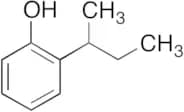
Formule :C7H12OCouleur et forme :NeatMasse moléculaire :112.172-sec-Butylphenol
CAS :Produit contrôléApplications 2-sec-Butylphenol is a substance used in checking the effect of different enhancers on transdermal permation of insulin. It also acts as one of the substances used as models, which are helpful for aiding screening and development of androgenic compounds.
Not a dangerous good if item is equal to or less than 1g/ml and there is less than 100g/ml in the package
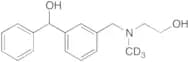
References Yerramsetty, K. M., et al.: Int. J. Pharm., 398, 83 (2010); Jia, Y., et al.: isuanji Yu Yingyong Huaxue, 24, 1469 (2007)Formule :C10H14OCouleur et forme :NeatMasse moléculaire :150.222-((3-Hydroxy(phenyl)methyl)benzyl)(methyl)amino)ethanol
Produit contrôléApplications (3-(((2-Hydroxyethyl)(methyl)amino)methyl)phenyl)(phenyl)methanone-d3 is an intermediate in the synthesis of Nefopam-d3 (N389402), a cyclized labelled analog of orphenadrine and diphenhydramine; representative of a new class of centrally acting skeletal muscle relaxants.
References Bassett, et al.: Br. J. Pharmacol., 37, 69 (1969), Klohs, et al.: Arzneim.-Forsch., 22, 132 (1972), Hell, et al.: Drugs, 19, 249 (1980),Formule :C17D3H18NO2Couleur et forme :NeatMasse moléculaire :274.373

![4,4-Dimethyl-1-[(3,4-methylenedioxy)phenyl]-1-penten-3-ol](/_next/image/?url=https%3A%2Fstatic.cymitquimica.com%2Fproducts%2F3D%2Fthumb-webp%2FFS27881.webp&w=3840&q=75)






![(4aS,6R,8aS)-4a,5,9,10,11,12-Hexahydro-3-methoxy-11-methyl-6H-benzofuro[3a,3,2-ef][2]benzazepin-6-…](/_next/image/?url=https%3A%2Fstatic.cymitquimica.com%2Fproducts%2F3D%2Fthumb-webp%2FFH15703.webp&w=3840&q=75)





![4-[2-(4-Aminophenyl)ethyl]phenol](/_next/image/?url=https%3A%2Fstatic.cymitquimica.com%2Fproducts%2F3D%2Fthumb-webp%2FFA66482.webp&w=3840&q=75)







![3-[[(1,1-Dimethylethyl)diphenylsilyl]oxy]-1,2-propanediol](/_next/image/?url=https%3A%2Fstatic.cymitquimica.com%2Fproducts%2FTR%2Fthumb-webp%2FD182005.webp&w=3840&q=75)