Alcools
Les alcools sont une large gamme de molécules organiques dérivées des hydrocarbures et contenant un ou plusieurs groupes hydroxyle (groupe OH). Ces composés sont essentiels dans diverses réactions chimiques et sont largement utilisés en laboratoire pour la synthèse, comme solvants et en chimie analytique. Chez CymitQuimica, nous proposons des alcools de haute qualité préparés pour une utilisation en laboratoire, soutenant vos recherches et applications industrielles avec des produits fiables et efficaces. Notre sélection garantit que vous disposez des alcools adaptés à vos besoins spécifiques, que ce soit pour des travaux de laboratoire de routine ou des projets de recherche spécialisés.
Sous-catégories appartenant à la catégorie "Alcools"
5814 produits trouvés pour "Alcools"
Trier par
Degré de pureté (%)
0
100
|
0
|
50
|
90
|
95
|
100
1-Aziridineethanol
CAS :1-Aziridineethanol is a chemical used in research to study the effects of radiation on cells. It has been shown that the presence of 1-aziridineethanol in cells increases their sensitivity to radiation. In addition, this compound can be used as a chelate ligand for potassium ions. This product is also hydrophilic, allowing it to be dissolved in water and other polar solvents. Moreover, this chemical contains one hydroxy group and can undergo dehydration reactions with acids such as hydrochloric acid. The patterning of this product is determined by the presence of hydroxyl groups, which are reactive with hydrogen bond formation. 1-Aziridineethanol is also able to react with aromatic hydrocarbons and proteins due to its nucleophilic property. This product can undergo a number of chemical reactions, including the formation of azo bonds with azides and amines, as well as epoxidation reactions with peroxyacids such as m-Formule :C4H9NODegré de pureté :Min. 95%Masse moléculaire :87.12 g/mol7-Methylquinoline
CAS :<p>7-Methylquinoline is an organic compound that can be used to synthesize antimalarial drugs. It is a quinoline derivative with a methyl group at the 7th position. The structure of 7-methylquinoline contains a nitrogen atom and hydrogen atoms, which are bonded to fluorine, chlorine, and bromine atoms. This molecule has been shown to be stable in the presence of Friedel-Crafts catalysts and chloride ions. The reaction mechanism for 7-methylquinoline is intramolecular hydrogen transfer from the chloroform molecule to the quinoline ring system. The formation rate for this compound is slow because it requires two steps: nucleophilic substitution and electrophilic addition reactions.</p>Formule :C10H9NDegré de pureté :Min. 95%Masse moléculaire :143.19 g/molAzacyclonol
CAS :Produit contrôléAzacyclonol is a cytotoxic drug that prevents the proliferation of cancer cells, by inhibiting DNA synthesis. This drug has shown to be effective in treating bowel diseases, and is also used as a pharmacological agent for the treatment of infectious diseases. Azacyclonol has been shown to inhibit the growth of bacteria such as Mycobacterium tuberculosis, Listeria monocytogenes, and Haemophilus influenzae. It is also used to treat infections caused by HIV. The mechanism of action for azacyclonol is unknown; however, it may be due to its ability to bind with cell factor or stem cell factor.Formule :C18H21NODegré de pureté :Min. 95%Masse moléculaire :267.37 g/mol4-(Decyloxy)butan-1-ol
CAS :Produit contrôléPlease enquire for more information about 4-(Decyloxy)butan-1-ol including the price, delivery time and more detailed product information at the technical inquiry form on this pageFormule :C14H30O2Degré de pureté :Min. 95%Masse moléculaire :230.39 g/molL-Prolinol 2-chlorotrityl resin
<p>Please enquire for more information about L-Prolinol 2-chlorotrityl resin including the price, delivery time and more detailed product information at the technical inquiry form on this page</p>Degré de pureté :Min. 95%3-Phenyl-1-propanol
CAS :<p>3-Phenyl-1-propanol is an organic compound that belongs to the class of trifluoroacetic acids. It has a molecular weight of 134.24 and a molecular formula of C8H12O2F3. 3-Phenyl-1-propanol is a reactive compound that reacts with germinating seeds, causing them to stop growing. The reaction products are fatty acid esters, which may be responsible for the inhibition of seed germination. 3-Phenyl-1-propanol can be prepared by reacting phenylacetaldehyde with trifluoroacetic acid in the presence of potassium hydroxide at high temperature and pressure. This method also produces 4-vinylbenzyl alcohol as a side product, which is used in the production of polymers and plastics.</p>Formule :C9H12ODegré de pureté :Min. 95%Masse moléculaire :136.19 g/mol1-(3',4'-Dimethoxyphenyl)-1-propanol
CAS :1-(3’,4’-Dimethoxyphenyl)-1-propanol is a naturally occurring chemical with the molecular formula C10H14O2. It has been found in the bark of Pinus pinaster and the rhizome of Piper auritum. This compound has been shown to have an antiinflammatory effect by inhibiting prostaglandin synthesis. It also inhibits nitrosation reactions and is being studied for its potential as a cancer chemopreventive agent. 1-(3’,4’-Dimethoxyphenyl)-1-propanol is an enantiomer of 2-(3',4'-dimethoxyphenyl)propane-1,3-diol.Formule :C11H16O3Degré de pureté :Min. 95%Masse moléculaire :196.24 g/mol2-Amino-1-(2,3-dihydro-benzofuran-5-yl)-ethanolHydrochloride
CAS :Produit contrôléPlease enquire for more information about 2-Amino-1-(2,3-dihydro-benzofuran-5-yl)-ethanolHydrochloride including the price, delivery time and more detailed product information at the technical inquiry form on this pageFormule :C10H14ClNO2Degré de pureté :Min. 95%Masse moléculaire :215.68 g/molCloprednol
CAS :Produit contrôlé<p>Cloprednol is an anti-infective agent that belongs to the group of aziridine derivatives. It is a synthetic analog of prednisolone, which has been shown to inhibit the inflammatory response in the intestine. Cloprednol has been shown to be highly biocompatible and its long-term efficacy against microbial infection has been demonstrated by kinetic data. This drug also inhibits choroidal neovascularization, which is a major cause of blindness in patients with age-related macular degeneration. Cloprednol is used for the treatment of bowel diseases such as Crohn’s disease and ulcerative colitis. It also has been shown to be effective in treating autoimmune diseases such as psoriasis, rheumatoid arthritis, and systemic lupus erythematosus.</p>Formule :C21H25ClO5Degré de pureté :Min. 95%Masse moléculaire :392.87 g/mol3-O-Benzyl estriol
CAS :Produit contrôlé3-O-Benzyl estriol is a synthetic estrogen that is used to treat menopausal symptoms. This drug has been shown to have a high affinity for the estrogen receptor, and it is also able to activate the estrogen receptor in cells. 3-O-Benzyl estriol has been shown to be more potent than other estrogens such as estrone or estriol and has been shown to increase the synthesis of proteins by increasing RNA synthesis. 3-O-Benzyl estriol is conjugated with glucuronic acid and excreted in the bile. It also has a number of metabolic transformations, including pyrolysis, which produces cyanamid and triethylamine.Formule :C25H30O3Degré de pureté :Min. 95%Masse moléculaire :378.5 g/molButynediol sulfopropyl ethersodium
CAS :Produit contrôlé<p>Please enquire for more information about Butynediol sulfopropyl ethersodium including the price, delivery time and more detailed product information at the technical inquiry form on this page</p>Formule :C7H11NaO5SDegré de pureté :Min. 95%Masse moléculaire :230.22 g/mol4-Cinnolinecarboxaldehyde
CAS :<p>4-Cinnolinecarboxaldehyde is an organic compound that belongs to the group of cinnoline. It is a colorless liquid that can be used as a precursor in the production of aluminum metal. 4-Cinnolinecarboxaldehyde reacts with lithium aluminum hydride to form a compound that can be used as a reducing agent in organic chemistry. 4-Cinnolinecarboxaldehyde is also used as a precursor for preparing other compounds, such as lithium aluminum hydride and lithium aluminum trihydride.</p>Formule :C9H6N2ODegré de pureté :Min. 95%Masse moléculaire :158.16 g/mol9-(Benzylamino)-1,2,3,4-tetrahydroacridin-1-ol maleate
CAS :9-(Benzylamino)-1,2,3,4-tetrahydroacridin-1-ol maleate is a cholinergic drug that is used for the treatment of inflammatory diseases. It inhibits phosphodiesterase activity and has been shown to be effective in clinical studies against a number of inflammatory diseases. This drug also has anti-inflammatory properties and can be used to treat acute inflammation. 9-(Benzylamino)-1,2,3,4-tetrahydroacridin-1-ol maleate is also conjugated with fatty acids and this formation helps to increase its bioavailability.Formule :C24H24N2O5Degré de pureté :Min. 95%Masse moléculaire :420.46 g/molPotassium trimethylsilanolate
CAS :<p>Potassium trimethylsilanolate is a chemical substance that has inhibitory properties. It is a trifluoroacetic acid derivative that inhibits the activity of certain enzymes, such as proteases and lipases. The compound's inhibitory properties are due to its ability to bind to cytochrome cb2 receptors by means of hydrogen bonding. The binding of potassium trimethylsilanolate to the receptor prevents the activation of apoptosis proteins and protein synthesis in cells. This substance also has an inhibitory effect on water vapor, inhibiting the formation of water molecules from hydrogen atoms and oxygen atoms. Potassium trimethylsilanolate can be used as an anti-cancer agent by preventing cell division in tumor cells and preventing cancer metastasis through inhibition of protease activity.</p>Formule :C3H9KOSiDegré de pureté :Min. 95%Masse moléculaire :128.29 g/mol2-Methyl-2-propanethiol
CAS :<p>2-Methyl-2-propanethiol is an electron acceptor and a reagent that can be used for the synthesis of organic compounds. It is soluble in polar solvents, but insoluble in nonpolar solvents. 2-Methyl-2-propanethiol has been shown to react with thiols at concentrations below its optimum concentration. The reaction mechanism is believed to involve adsorption and intramolecular hydrogen transfer. The adsorption process occurs on the surface of the substrate and the intramolecular hydrogen transfer occurs through an intermolecular hydrogen bond with the substrate's hydroxyl group or disulfide bond. When 2-methyl-2-propanethiol reacts with a thiol, it forms a mercaptan group called p2 that contains two substituents, one on each carbon atom. This reaction produces a disulfide bond as well as an electrochemical detector signal known as "activated."</p>Formule :C4H10SDegré de pureté :Min. 98%Couleur et forme :Clear LiquidMasse moléculaire :90.19 g/mol3-Acetoxyphenol
CAS :<p>3-Acetoxyphenol is a cholinergic. It can be used in analytical chemistry to measure the concentration of an alkanoic acid, such as hydrochloric acid, in a sample. It is also used in detergent compositions as an agent that helps break down fatty acids and proteins. 3-Acetoxyphenol has also been shown to have anti-inflammatory properties and can be used to treat skin cells for inflammatory diseases or other skin conditions.</p>Formule :C8H8O3Degré de pureté :Min. 95%Couleur et forme :Red Clear LiquidMasse moléculaire :152.15 g/mol6-Methoxy-2-methylquinolin-4(1H)-one
CAS :<p>6-Methoxy-2-methylquinolin-4(1H)-one is a heterocyclic molecule that has the ability to undergo oxidation reactions. It is an intermediate in the synthesis of other molecules, such as 4-hydroxyquinoline and 4-hydroxybenzaldehyde. The acidity of 6-methoxy-2-methylquinolin-4(1H)-one can be increased by adding alkali, which will cause it to react with hydroxyl and form a phenylhydrazine. When heated with hydrazine, 6-methoxy-2-methylquinolin-4(1H)-one undergoes tautomerism and forms 2-(phenylhydrazinyl) quinoline. The chemical structure of 6-methoxy-2 methylquinolin 4(1H)-one can be detected by analyzing its spectrum (i.e., absorption or emission spectra). This chemical shows bands</p>Formule :C11H11NO2Degré de pureté :Min. 95%Masse moléculaire :189.21 g/mol4-(4-Methylphenoxy)phenol
CAS :<p>Please enquire for more information about 4-(4-Methylphenoxy)phenol including the price, delivery time and more detailed product information at the technical inquiry form on this page</p>Formule :C13H12O2Degré de pureté :Min. 95%Masse moléculaire :200.23 g/mol17-Methyl-4-androstene-3a,17a-diol
CAS :Produit contrôléPlease enquire for more information about 17-Methyl-4-androstene-3a,17a-diol including the price, delivery time and more detailed product information at the technical inquiry form on this pageFormule :C20H32O2Degré de pureté :Min. 95%Masse moléculaire :304.47 g/molIsoeugenol methyl ether
CAS :<p>Isoeugenol methyl ether is a plant-derived natural compound that is used in vitro as an antioxidant. It has been shown to inhibit the activity of enzymes such as hydroxylase, glucuronidase, and cytochrome P450. Isoeugenol methyl ether has also been shown to have anti-inflammatory properties and may be useful for treatment of colorectal adenocarcinoma. The mechanism by which isoeugenol methyl ether inhibits the enzyme activity is not clear but it may be due to its ability to bind reversibly with free enzyme form.</p>Formule :C11H14O2Degré de pureté :Min. 95%Couleur et forme :LiquidMasse moléculaire :178.23 g/mol(1,5-Dimethyl-1H-benzimidazol-2-yl)methanol
CAS :Produit contrôléPlease enquire for more information about (1,5-Dimethyl-1H-benzimidazol-2-yl)methanol including the price, delivery time and more detailed product information at the technical inquiry form on this pageFormule :C10H12N2ODegré de pureté :Min. 95%Masse moléculaire :176.22 g/mol6-Amino-1,3,5-triazine-2,4-diol
CAS :6-Amino-1,3,5-triazine-2,4-diol is a chemical that is soluble in water and has been shown to be an effective inhibitor of cyanuric acid degradation. It has been used in wastewater treatment and as a model system for the study of melamine and cyanuric acid interactions. 6-Amino-1,3,5-triazine-2,4-diol binds to cyanuric acid by forming a complex with it. This prevents the formation of reactive intermediates that lead to the degradation of cyanuric acid. 6-Amino-1,3,5-triazine-2,4-diol also inhibits the oxidation catalyst activity of sodium carbonate at pH 8.5. The toxicity of this chemical has been studied in rats and was found to be low.Formule :C3H4N4O2Degré de pureté :Min. 95%Masse moléculaire :128.09 g/mol4-Bromoisoquinoline
CAS :4-Bromoisoquinoline is an aryl halide that can be used in the cross-coupling reaction with other aryl halides. It has been shown to have anticancer activity and to inhibit the growth of tumour cell lines in vitro. This compound is also efficient for inhibiting leukemia cells. 4-Bromoisoquinoline has been shown to have an inhibitory effect on cancer cells through the inhibition of DNA synthesis and RNA transcription, as well as by inducing apoptosis. The mechanism of action may be due to its ability to bind to aromatic hydrocarbons and halides, which leads to thermodynamic changes and vibrational energy transfer.Formule :C9H6BrNDegré de pureté :Min. 95%Masse moléculaire :208.05 g/molKushenol W
CAS :<p>Kushenol W is a flavonoid compound, which is derived from the root of the Sophora flavescens plant. This plant, commonly known as "Kushen," is an important component in traditional Chinese medicine. The mode of action of Kushenol W involves multiple biological pathways, primarily exerting its effects through anti-inflammatory and anti-tumor activities. It interacts with various molecular targets, modulating pathways associated with oxidative stress and cell proliferation.</p>Degré de pureté :Min. 95%1-Cyclopropyl-7-(2,8-diazabicyclo[4.3.0]non-8-yl)-6-fluoro-8-methoxy-4-oxoquinoline-3-carboxylic acid
CAS :<p>This is a broad-spectrum antibacterial agent that inhibits bacterial DNA gyrase. It is active against atypical bacterial species, such as Chlamydia and Mycoplasma, and has been shown to be effective against certain strains of the methicillin-resistant Staphylococcus aureus (MRSA) bacteria. This drug also inhibits the growth of other bacteria by binding to their DNA. The drug is used in combination with other antibiotics to treat infections caused by Clostridium difficile, Helicobacter pylori, Borrelia burgdorferi, and Salmonella enterica. However, this drug does not work against Pseudomonas aeruginosa or Enterobacteriaceae infections.</p>Formule :C21H24FN3O4Degré de pureté :Min. 95%Couleur et forme :PowderMasse moléculaire :401.43 g/molArjunolic acid
CAS :Produit contrôlé<p>Arjunolic acid is a hypoglycemic agent that belongs to the group of pharmacological agents. It is a reactive compound, which can be found in pueraria lobata and melaleuca alternifolia. Studies have shown that arjunolic acid has an effect on mitochondrial membrane potential, enzyme activities, and cardiac function. This compound also has anti-inflammatory activity and could be used for the treatment of inflammation. Arjunolic acid may have many other effects due to its ability to inhibit proinflammatory transcription factors such as NF-κB and AP-1.</p>Formule :C30H48O5Degré de pureté :(Hplc-Ms) Min. 95 Area-%Couleur et forme :PowderMasse moléculaire :488.7 g/mol1-Phenylcyclohexanol
CAS :Produit contrôlé<p>1-Phenylcyclohexanol (1-PC) is an organic compound that is used as a reagent in the synthesis of other compounds. It is a colorless liquid with a pleasant odor. 1-PC has been shown to have synergic effects when reacted with various types of oxidizing agents, such as magnesium and boron trichloride. The reaction products are cyclohexanol, dehydration, and modifiers. When 1-PC reacts with phenylcyclohexene, it forms the antigen hemiketal.</p>Formule :C12H16ODegré de pureté :Min. 95%Masse moléculaire :176.25 g/molR-(-)-1,2-Propanediol
CAS :<p>R-(-)-1,2-Propanediol is a diol that is used as an additive in pharmaceutical preparations. It has been shown to inhibit the growth of several genera of bacteria and fungi, including Actinomyces, Bacillus, Clostridium, Corynebacterium, Enterobacteriaceae (Escherichia coli), Lactobacillus, Micrococcus, Mycobacteria (M. tuberculosis), Nocardia, Pseudomonas aeruginosa. R-(-)-1,2-Propanediol also inhibits the production of carbon source from glucose by inhibiting the enzyme pyruvate dehydrogenase which catalyzes the conversion of pyruvate to acetyl coenzyme A. R-(-)-1,2-Propanediol does not show any significant effect on bacterial growth when it is used at concentrations below 100mM. It has been shown that optimal reaction with R-(-)-</p>Formule :C3H8O2Degré de pureté :Min. 98 Area-%Couleur et forme :Colorless Clear LiquidMasse moléculaire :76.09 g/mol(R)-(-)-2-Amino-1-butanol
CAS :(R)-(-)-2-Amino-1-butanol is an organic compound that is used as a reagent in the synthesis of pharmaceuticals. It has antimycobacterial properties and can be used to treat tuberculosis. The mechanism for its antimycobacterial activity is not fully understood, but it may involve copper complex formation with the mycobacteria. The chloride ion may also play a role in this process by binding to the copper complex and increasing its solubility in water. This compound may react with aminothiols from the host cell, leading to degradation of DNA, RNA, and proteins. (R)-(-)-2-Amino-1-butanol has been shown to have cytotoxic effects on colorectal adenocarcinoma cells and human lung cancer cells in culture. It also inhibits human colon carcinoma cells in culture through the production of organic acids such as formic acid and acetic acid.Formule :C4H11NODegré de pureté :Min. 95%Masse moléculaire :89.14 g/molL-Phenylalaninol 2-chlorotrityl resin
<p>Please enquire for more information about L-Phenylalaninol 2-chlorotrityl resin including the price, delivery time and more detailed product information at the technical inquiry form on this page</p>Degré de pureté :Min. 95%Cyclobutanemethanol
CAS :<p>Cyclobutanemethanol is a drug used to treat inflammatory diseases. It is an uptake inhibitor that blocks the transport of uridine into cells, preventing the activation of G-protein coupled receptors and the subsequent production of inflammatory mediators. Cyclobutanemethanol has been shown to have anti-inflammatory properties by inhibiting the CB2 receptor, which is found in large quantities in inflammatory tissues. Cyclobutanemethanol also prevents dehydration and increases blood flow to inflamed areas by acting on vascular endothelial cells. It can be synthesized from two molecules of hydrochloric acid and one molecule of cyclobutane. The synthesis pathway includes removal of a hydroxy group and addition of an alkynyl group via hydrogen bonding interactions with chloride ions. Cyclobutanemethanol has been shown to inhibit influenza virus replication in vitro, but not in vivo.</p>Formule :C5H10ODegré de pureté :Min. 95%Masse moléculaire :86.13 g/mol20-Epipregnantriol
CAS :Produit contrôlé20-Epipregnantriol is a natural metabolite of pregnancy, which is a mixture of 20-hydroxyprogesterone, 17-hydroxyprogesterone, and pregnanediol. This hormone has been shown to be produced in the testes and ovaries. It stimulates the production of estrogen by the ovaries and may have an effect on inhibiting testosterone production in the testes. 20-Epipregnantriol has been used as an analytical control in studies on steroidogenesis.Formule :C21H36O3Degré de pureté :Min. 95%Masse moléculaire :336.51 g/mol4-Phenoxy-1-butanol
CAS :Produit contrôlé4-Phenoxy-1-butanol is a reactive chemical that can be used as a macroinitiator in cationic polymerization. When 4-phenoxy-1-butanol is heated to about 200°C, it undergoes a ring opening reaction to form an alkoxybenzene. This reaction can be followed by kinetic and microscopy techniques. 4-Phenoxy-1-butanol also reacts with amines to produce haloalkyls, which are then alkylated by chloride or proton. Macroinitiators such as 4-phenoxy-1-butanol have been used for the synthesis of polyurethanes with different properties such as thermal stability, water resistance, and adhesion strength.Formule :C10H14O2Degré de pureté :Min. 95%Masse moléculaire :166.22 g/mol2,2-Dimethyl-1-propanol
CAS :<p>2,2-Dimethyl-1-propanol (DMPA) is an inorganic acid that can be used as a coagulant for wastewater treatment. It has been shown to be effective in removing malonic acid from water at pH 4.0 and below. The reaction mechanism of DMPA is not fully understood, but it is thought to involve the formation of a hydroxyl group on the methyl group of DMPA, which then reacts with the acid and releases hydrogen ions. The hydrogen ions react with sodium carbonate to form sodium bicarbonate and release water vapor. This process continues until all the DMPA has reacted or until there is no more acid present. Asymmetric synthesis of DMPA is possible using neopentyl alcohol and fatty acids as starting materials.</p>Formule :C5H12ODegré de pureté :Min. 95%Couleur et forme :White Clear LiquidMasse moléculaire :88.15 g/mol4-Pregnen-17a,20b-diol-3-one
CAS :Produit contrôlé<p>4-Pregnen-17a,20b-diol-3-one is a synthetic androgen with anabolic and androgenic activity. It has been shown in animal studies to increase maximal responses of the reproductive tract to gonadotropin stimulation. 4-Pregnen-17a,20b-diol-3-one binds to the activin receptor on the cell membrane, which leads to increased expression of a gene encoding for 3β-hydroxysteroid dehydrogenase (3βHSD), an enzyme involved in testosterone synthesis. This drug also increases the sensitivity of ovarian follicles to gonadotropins and decreases basal plasma levels of LH and FSH. 4-Pregnen-17a,20b-diol-3-one has not been found to be toxicologically significant at doses up to 10 mg/kg body weight per day.</p>Formule :C21H32O3Degré de pureté :Min. 95%Masse moléculaire :332.48 g/mol3-Propylphenol
CAS :3-Propylphenol is a naturally occurring fatty acid found in animals and plants. It is used as an industrial chemical and as a solvent for fats, oils, waxes, and resins. 3-Propylphenol has been shown to have a high affinity for caproic acid, which is a fatty acid that can be found in the urine of humans and animals. 3-Propylphenol also has the ability to inhibit methyl ketone formation by diptera during metathesis reactions. This compound is used in the production of industrial chemicals like phenols, acetates, and esters.Formule :C9H12ODegré de pureté :Min. 95%Masse moléculaire :136.19 g/molδ9,11-Dehydro-17b-estradiol 17-valerate
CAS :Produit contrôléPlease enquire for more information about Delta9,11-Dehydro-17b-estradiol 17-valerate including the price, delivery time and more detailed product information at the technical inquiry form on this pageFormule :C23H30O3Degré de pureté :Min. 96 Area-%Masse moléculaire :354.48 g/mol1,1,1-Trichloro-3-(1-methyl-1H-benzimidazol-2-yl)propan-2-ol
CAS :Produit contrôlé<p>Please enquire for more information about 1,1,1-Trichloro-3-(1-methyl-1H-benzimidazol-2-yl)propan-2-ol including the price, delivery time and more detailed product information at the technical inquiry form on this page</p>Formule :C11H11Cl3N2ODegré de pureté :Min. 95%Masse moléculaire :293.58 g/mol3-Dehydro retinol
CAS :<p>3-Dehydro retinol is a carotenoid that is found in the skin. It is derived from retinol, and has been shown to have antioxidant properties. 3-Dehydro retinol can be isolated from the fungus Monascus purpureus by chromatographic methods. The enzyme activities of 3-dehydroretinol are not well understood, but it has been hypothesized that chronic exposure to this compound may lead to an increase in cell proliferation or an increase in cell differentiation. 3-Dehydro retinol has also been shown to inhibit the oxidation of other molecules such as hydrogen chloride.</p>Formule :C20H28ODegré de pureté :90%MinMasse moléculaire :284.44 g/mol2-Amino-5-ethylphenol hydrochloride
CAS :Please enquire for more information about 2-Amino-5-ethylphenol hydrochloride including the price, delivery time and more detailed product information at the technical inquiry form on this pageFormule :C8H12ClNODegré de pureté :Min. 95%Masse moléculaire :173.64 g/molN-[1-(2,3-Dioleoyloxy)propyl]-n,n,n-trimethylammonium methyl-sulfate
CAS :Dioleoyloxypropyl-N,N,N-trimethylammonium methylsulfate (DOTAP) is an antibacterial agent that disrupts the bacterial membrane. It has been shown to inhibit the uptake of chlamydia by inhibiting the binding of chlamydia to cells and enhancing the detection of chlamydia in cells. DOTAP also has pharmacological properties that are related to its ability to interfere with cellular membranes. DOTAP can be used as a strategy for developing antibacterial agents because it inhibits bacterial growth by disrupting their cellular membranes. This results in a decrease in phosphatidylethanolamine levels, leading to increased cell death.Formule :C43H83NO7SDegré de pureté :Min. 95%Masse moléculaire :758.19 g/mol(20R)-Pregn-4-ene-3,17,20-triol
CAS :Produit contrôlé<p>Please enquire for more information about (20R)-Pregn-4-ene-3,17,20-triol including the price, delivery time and more detailed product information at the technical inquiry form on this page</p>Formule :C21H34O3Degré de pureté :Min. 95%Masse moléculaire :334.49 g/mol8-Hydroxyquinoline copper(II)
CAS :<p>8-Hydroxyquinoline copper(II) salt is a metal chelate that can be used as an analytical reagent. It is prepared by the reaction of ethylene diamine with 8-hydroxyquinoline and copper(II) chloride. The product has been found to emit light when irradiated with UV light. This product is also used as a substrate for methyl transferase, which is an enzyme involved in the metabolism of drugs. 8-Hydroxyquinoline copper(II) salt has been shown to inhibit the activity of P-glycoprotein (Pgp), which is a drug transporter protein found in mammalian cells that functions to pump xenobiotics from the inside of cells out into the bloodstream. When Pgp is inhibited, it causes cellular accumulation of certain drugs, such as cyclosporin A and tacrolimus.</p>Formule :C18H12CuN2O2Degré de pureté :Min. 95%Couleur et forme :PowderMasse moléculaire :351.85 g/mol2,4-Difluorobenzenethiol
CAS :<p>2,4-Difluorobenzenethiol is a chemical with the molecular formula CHClF2SH. It has a high yield and can be used in the production of medicines and chemicals. Industrially, 2,4-difluorobenzenethiol is used as a raw material for the manufacture of dyes, perfumes and other products. The synthesis of this chemical involves treating 2-fluoroaniline with sulfuric acid. This process produces 2,4-difluorobenzenethiol as a byproduct.</p>Formule :C6H4F2SDegré de pureté :Min. 95%Masse moléculaire :146.16 g/mol3-Keto petromyzonol
CAS :Produit contrôlé3-Keto petromyzonol is a natural product that is biosynthesized in the liver from taurocholic acid. It has been shown to inhibit the synthesis of estradiol and progesterone in both rat and human tissue. 3-Keto petromyzonol has also been shown to have anti-obesity effects in mice, with decreased hepatic steatosis, as well as beneficial effects on insulin resistance and genes expression. The structural elucidation of 3-keto petromyzonol was accomplished by NMR spectroscopy, which revealed its disulfate structure. This chemical compound can be synthesized from methyl 2-(2′-chloroacetyl)malonate or from 1,4-dibromobutane. 3-Keto petromyzonol has been shown to inhibit ATP binding cassette transporter (ABC) proteins that are involved in cholesterol transport across the membrane. It may also act as a pheromoneFormule :C24H40O4Degré de pureté :Min. 95%Masse moléculaire :392.57 g/molrac 1,2-dioleoyl-3-chloropropanediol
CAS :<p>Rac-1,2-dioleoyl-3-chloropropanediol is a fatty acid and can be used for the preparation of isotopically labelled fatty acids. Rac-1,2-dioleoyl-3-chloropropanediol has been used as an internal standard in the quantification of fatty acid esters in plant oils. The use of rac 1,2-dioleoyl-3-chloropropanediol was found to be appropriate for calibrating liquid chromatography with a quadrupole mass spectrometer.</p>Formule :C39H71ClO4Degré de pureté :Min. 95%Masse moléculaire :639.43 g/moltrans-Decahydroquinoline
CAS :<p>Trans-decahydroquinoline is a chiral compound that can be synthesized by an asymmetric synthesis. It is an amide with a carbonyl group and a dialkylamino group. Trans-decahydroquinoline can be used to synthesize different compounds, such as enantiopure drugs, pharmaceuticals, and agrochemicals. The synthesis of trans-decahydroquinoline can be accomplished through the aldol cyclization or the addition of an acid to the carbonyl group. The magnetic resonance spectroscopy (NMR) and molecular modeling techniques have been used to study its structure and properties.</p>Formule :C9H17NDegré de pureté :Min. 95%Masse moléculaire :139.24 g/mol(R,R)-(-)-2,3-Butanediol
CAS :<p>(R,R)-(-)-2,3-Butanediol is a chiral hydroxy alcohol that is a process optimization for the synthesis of β-hydroxy esters. It has been shown to have antimicrobial activity against Gram-positive bacteria and can inhibit the growth of Gram-negative bacteria in low concentrations. (R,R)-(-)-2,3-Butanediol also inhibits the production of phospolipase A2 by wild-type strains of Escherichia coli. This compound also has an effect on energy metabolism by inhibiting the formation of acetaldehyde from pyruvate.</p>Formule :C4H10O2Degré de pureté :Min. 95%Masse moléculaire :90.12 g/molBisphenol A
CAS :<p>Bisphenol A is a chemical compound used to make polycarbonate plastics and epoxy resins. It is also used in the production of some dental sealants and composites. Bisphenol A has been shown to have an adverse effect on human health, as it has been linked to various diseases such as coronary heart disease, type 2 diabetes, and breast cancer. The most sensitive route of exposure is through the maternal blood during pregnancy. This chemical can be found in some common food containers, including baby bottles and food cans. Bisphenol A binds to estrogen receptors and alters their activity levels by mimicking the natural hormone estradiol. The optimum concentration for binding varies depending on the cell type and receptor present. Bisphenol A can also increase or decrease certain enzyme activities in vitro depending on the concentrations used. Bisphenol A is also an analytical reagent that can be used for polymerase chain reactions (PCR) to identify genes from specific</p>Formule :C15H16O2Degré de pureté :Min. 95%Couleur et forme :PowderMasse moléculaire :228.29 g/mol(S)-(+)-5-Methyl-1-heptanol
CAS :(S)-(+)-5-Methyl-1-heptanol is a naturally occurring chemical compound that has been found to be effective against bacteria, fungi, and viruses. It is a volatile liquid that is soluble in water. The (S)-(+)-5-Methyl-1-heptanol molecule contains a hydroxyl group, which can bind to the bacterial cell wall and inhibit the synthesis of proteins necessary for cell division. This compound also has the ability to inhibit fungal growth by binding to ergosterol, which is an important component of fungal cell membranes. The (S)-(+)-5-Methyl-1-heptanol molecule inhibits microbial growth by inhibiting protein synthesis and DNA replication.Formule :C8H18ODegré de pureté :Min. 95%Masse moléculaire :130.23 g/mol3,7,11,15-Tetramethyl-1,2,3-hexadecane-triol
CAS :<p>3,7,11,15-Tetramethyl-1,2,3-hexadecane-triol is a fatty alcohol that is used in detergent compositions. It has been shown to be biocompatible with human skin cells and does not show any carcinogenic potential. 3,7,11,15-Tetramethyl-1,2,3-hexadecane-triol is chemically stable and can be used for sample preparation and light exposure. The particle size of this compound is about 1 micrometer. This substance does not have any toxic effects on skin cells or other cells when it is exposed to light.</p>Formule :C20H42O3Degré de pureté :Min. 95%Masse moléculaire :330.55 g/mol4-Propylphenol
CAS :Produces a fluorogenic signal in the presence of peroxidaseDegré de pureté :Min. 95%Tetrahydroabietyl alcohol
CAS :Produit contrôlé<p>Tetrahydroabietyl alcohol is a colorless liquid that is soluble in water and has a molecular weight of 150. It belongs to the group of hydroxy-substituted monomers. Tetrahydroabietyl alcohol can be used as a raw material for polyesters, polyurethanes, and other industrial chemicals. It can be produced by the reaction of an aromatic hydrocarbon with phosphite followed by hydrolysis. The product can also be synthesized from hexane fatty alcohols or acid catalysts, such as monocarboxylic acids. This compound is used for stabilizing ester compounds and terpene esters. Tetrahydroabietyl alcohol can also be obtained by hydrogenation of terpenes and their derivatives under high pressure and temperature conditions in the presence of metal catalysts, such as palladium or platinum.</p>Formule :C20H36ODegré de pureté :Min. 95%Masse moléculaire :292.5 g/molDiphenyl Phosphite (contains about 5% Phenol)
CAS :Diphenyl Phosphite is a white, crystalline solid that is soluble in organic solvents. It has a molecular weight of 226.17g/mol and a melting point of 176°C. The chemical formula for this compound is C6H5O2P. Its reactivity can be described as phenol-like, due to the presence of a hydroxyl group on one end of the molecule. This compound reacts with air and light exposure, which causes it to degrade over time. Diphenyl Phosphite's antimicrobial activity may be due to its ability to cause oxidative stress in bacteria. It also possesses antioxidative properties, which protect cells from damage that may lead to heart diseases or other health problems.Formule :C12H11O3PDegré de pureté :Min. 95%Couleur et forme :Clear LiquidMasse moléculaire :234.19 g/mol1-Docosahexaenoin-2-oleoyl 3-phosphocholine
CAS :1-Docosahexaenoin-2-oleoyl 3-phosphocholine is a phospholipid compound that has shown promising potential in cancer research. This compound belongs to the steroid family and has been studied for its diagnostic capabilities in detecting breast cancer. It has also been investigated for its antiviral properties, particularly against HIV-1. Additionally, 1-Docosahexaenoin-2-oleoyl 3-phosphocholine has been researched for its use in diabetes management, with studies exploring its effects on insulin secretion and glucose metabolism. This compound has also been evaluated as a potential therapeutic agent for certain types of tumors due to its ability to inhibit tumor growth.Formule :C48H82NO8PDegré de pureté :Min. 95%Masse moléculaire :832.14 g/molall-trans-Retro retinol
CAS :<p>All-trans-retinol is a form of vitamin A that is found in many animal tissues and some plant oils. It acts as a hormone, binding to the retinoic acid receptors (RARs) in the nucleus and activating gene transcription. All-trans-retinol has been shown to be effective against hyperproliferative diseases such as cancer, both by inducing apoptosis and by inhibiting cell growth. All-trans-retinol may also have therapeutic potential for other diseases, such as intestinal cancers and prostatic hypertrophy. This compound has been shown to induce messenger RNA (mRNA) production in cells that express RARs.</p>Formule :C20H30ODegré de pureté :Min. 95%Masse moléculaire :286.45 g/molMycophenolic acid carboxybutoxy ether
CAS :<p>Mycophenolic acid carboxybutoxy ether is an active form of mycophenolic acid. It has been shown to activate the immune system by increasing the production of lymphokines, including interleukin-2 and gamma-interferon. Mycophenolic acid carboxybutoxy ether has been shown to be effective in vivo in models for autoimmune diseases and cancer. This compound has a high affinity for glycoside derivatives, which are important for the formation of body tissues, such as collagen and elastin. The drug binds to monoclonal antibodies that are used in diagnostic tests for cervical cancer and other cancers. Mycophenolic acid carboxybutoxy ether also binds to x-ray diffraction data, which aids in the structural analysis of glycoside derivatives. This drug can be analyzed using surface methodology.</p>Formule :C22H28O8Degré de pureté :Min. 95%Masse moléculaire :420.45 g/mol3-Deoxy-3-oxo-20(S)-protopanaxatriol
CAS :Produit contrôlé<p>3-Deoxy-3-oxo-20(S)-protopanaxatriol is a compound that has been shown to have cardioprotective effects in vitro. This compound inhibits the production of malondialdehyde (MDA), an end product of lipid peroxidation, and increases the glutathione content of rat heart tissue. 3-Deoxy-3-oxo-20(S)-protopanaxatriol also protects against ischemic injury by lowering creatine kinase levels and preserving the myocardium during reperfusion. It has been shown to inhibit oxidative stress and reduce tissue damage in rats with induced myocardial infarction. 3-Deoxy-3-oxo-20(S)-protopanaxatriol is orally active, but must be injected for pharmacological studies due to its high molecular weight. This molecule has also been shown to have antioxidant properties in vitro, which may be due to its ability to</p>Formule :C30H50O4Degré de pureté :Min. 95%Masse moléculaire :474.72 g/molL-Phenylglycinol
CAS :<p>L-phenylglycinol is a chiral compound that is synthesized by the reaction of phenylglycinol with hydroxide solution in the presence of an asymmetric synthesis catalyst. It is used as a precursor to chiral amides and aziridines, which are important for addressing the need for enantiopure compounds. The reaction mechanism involves nucleophilic substitution at the amino function, which can be catalyzed by copper complexes in solution. This reaction can also be monitored using liquid chromatography methods.</p>Formule :C8H11NODegré de pureté :Min. 95%Couleur et forme :White PowderMasse moléculaire :137.18 g/mol2-Cyclopentyl-4-chlorophenol
CAS :<p>2-Cyclopentyl-4-chlorophenol is a synthetic fatty acid that is used as an antiviral agent. It inhibits the synthesis of fatty acids by inhibiting the conversion of 2,4-dienoyl CoA to 3-hydroxyacyl CoA. 2-Cyclopentyl-4-chlorophenol has been shown to be effective against a number of test organisms, including bacteria such as staphylococcus and virus such as herpes simplex virus. 2-Cyclopentyl-4-chlorophenol inhibits viral protein synthesis by blocking the action of host enzymes required for this process. The target cell for this drug is the host cell infected with a virus. This drug also has antihelminthic properties and can be used to treat parasitic infections caused by schistosoma haematobium and clonorchis sinensis worms. 2CPCP's structural formula is shown below:</p>Formule :C11H13ClODegré de pureté :Min. 95%Masse moléculaire :196.67 g/mol4-[(2,4-Dimethylbenzyl)oxy]butan-1-ol
CAS :Produit contrôlé<p>Please enquire for more information about 4-[(2,4-Dimethylbenzyl)oxy]butan-1-ol including the price, delivery time and more detailed product information at the technical inquiry form on this page</p>Formule :C13H20O2Degré de pureté :Min. 95%Masse moléculaire :208.3 g/mol5alpha-Androst-16-en-3alpha-ol
CAS :Produit contrôlé<p>5alpha-Androst-16-en-3alpha-ol is a pheromone that is produced by the human body. It has been shown to be a potent inducer of transcriptional activation in mammalian cells. 5alpha-Androst-16-en-3alpha-ol also has biological properties that are similar to those of androstenol, another pheromone produced by the human body. 5alpha-Androstenol binds to the androgen receptor, which then regulates gene transcription and protein synthesis in target cells. This process can lead to changes in cell metabolism, proliferation, or apoptosis. It has been shown that 5alpha-androstenol can increase testosterone levels in humans as well as other primates such as rhesus monkeys. The odorant binding site of 5alpha-androstenol is unknown; however, it may be able to bind with odorant receptors through hydrophobic interactions.</p>Formule :C19H30ODegré de pureté :Min. 98 Area-%Couleur et forme :White PowderMasse moléculaire :274.44 g/mol6b-Hydroxy triamcinolone acetonide
CAS :<p>Please enquire for more information about 6b-Hydroxy triamcinolone acetonide including the price, delivery time and more detailed product information at the technical inquiry form on this page</p>Formule :C24H31FO7Degré de pureté :(%) Min. 95%Couleur et forme :White Off-White PowderMasse moléculaire :450.5 g/mol2-Hydroxyquinoline-4-carboxylic acid
CAS :<p>2-Hydroxyquinoline-4-carboxylic acid is a carboxylate that is structurally classified as a multidrug. It has been shown to inhibit bacterial efflux pumps and target enzymes, such as cancer cells and multidrug resistant bacteria. 2-Hydroxyquinoline-4-carboxylic acid also has potent antibacterial activity against Streptococcus faecalis, an opportunistic pathogen that causes infections in the urinary tract and on skin wounds. The fluorescence properties of this compound can be used for fluorescent labeling of biomolecules or for sensing applications.</p>Formule :C10H7NO3Degré de pureté :Min. 95%Couleur et forme :PowderMasse moléculaire :189.17 g/molDoxorubicinol,mixture of diastereomers
CAS :<p>Doxorubicinol, a mixture of diastereomers, is an anthracycline antibiotic that inhibits the growth of cells by binding to DNA and preventing the production of RNA. Doxorubicinol has been shown to be effective in treating breast cancer and solid tumours, including those resistant to doxorubicin. This drug has also been shown to inhibit the production of matrix metalloproteinases that are involved in tumor invasion and metastasis. The concentration-time curve for doxorubicinol can be determined experimentally by blood sampling and measuring its metabolites. The ryanodine receptor is a calcium channel found on the surface membrane of cardiac muscle cells that regulates intracellular calcium levels. Doxorubicinol may bind to this receptor, which could account for its cardiotoxic effects.</p>Formule :C27H31NO11Degré de pureté :(%) Min. 90%Masse moléculaire :545.54 g/mol3-Bromo-2-nitrophenol
CAS :3-Bromo-2-nitrophenol (3-BNP) is a brominating agent that can be used in the synthesis of a variety of compounds. It is prepared by the refluxing of 3-bromo-2-nitrobenzene with lithium chloride, followed by treatment with trifluoromethanesulfonic anhydride to yield 3-bromo-2-(trifluoromethyl)phenoxyacetic acid. The product can also be obtained from 2,4,6-trinitrophenol and NBS. 3-BNP has shown chemoselectivity for chlorides relative to iodides or fluorides. The yields are higher when it is used in coupling reactions and permutations with lithium or magnesium.Formule :C6H4BrNO3Degré de pureté :Min. 95%Masse moléculaire :218 g/molbeta-Alaninol 2-chlorotrityl resin
<p>Please enquire for more information about beta-Alaninol 2-chlorotrityl resin including the price, delivery time and more detailed product information at the technical inquiry form on this page</p>Degré de pureté :Min. 95%(3,5-Dimethylpyridin-2-yl)methanol
CAS :<p>3,5-Dimethylpyridin-2-yl)methanol is a compound used in the synthesis of esomeprazole. It is not considered an impurity or a target compound and does not need to be analyzed. 3,5-Dimethylpyridin-2-yl)methanol is synthesized by reacting 3,5-dimethylpyridine with methanol.</p>Formule :C8H11NODegré de pureté :Min. 95%Masse moléculaire :137.18 g/mol4-Methyl estradiol
CAS :Produit contrôlé<p>4-Methyl estradiol is an estrogen that is a naturally occurring metabolite of estradiol. It has been shown to have weak estrogenic effects and may be used in low doses to treat breast cancer. 4-Methyl estradiol binds to the estrogen receptor with high affinity, which leads to its activation and subsequent translocation into the nucleus, where it binds to DNA and regulates gene transcription. The binding of 4-methyl estradiol to the receptor also stimulates the production of other hormones such as progesterone and estrone.</p>Formule :C19H26O2Degré de pureté :Min. 95 Area-%Couleur et forme :White PowderMasse moléculaire :286.41 g/molrac 2-palmitoyl-3-chloropropanediol
CAS :<p>Please enquire for more information about rac 2-palmitoyl-3-chloropropanediol including the price, delivery time and more detailed product information at the technical inquiry form on this page</p>Formule :C19H37ClO3Degré de pureté :Min. 95%Masse moléculaire :348.95 g/mol3b-Acetoxy-6a-chloroergosta-7,22-dien-5a-ol
CAS :Produit contrôléPlease enquire for more information about 3b-Acetoxy-6a-chloroergosta-7,22-dien-5a-ol including the price, delivery time and more detailed product information at the technical inquiry form on this pageFormule :C30H47ClO3Degré de pureté :Min. 95%Masse moléculaire :491.15 g/molrac-3-hexadecanamido-2-methoxypropan-1-ol phosphocholine monohydrate
CAS :Please enquire for more information about rac-3-hexadecanamido-2-methoxypropan-1-ol phosphocholine monohydrate including the price, delivery time and more detailed product information at the technical inquiry form on this pageFormule :C25H55N2O7PDegré de pureté :Min. 95%Masse moléculaire :526.69 g/mol(5-Amino-1H-1,2,4-triazol-3-yl)methanol
CAS :<p>Please enquire for more information about (5-Amino-1H-1,2,4-triazol-3-yl)methanol including the price, delivery time and more detailed product information at the technical inquiry form on this page</p>Formule :C3H6N4ODegré de pureté :Min. 95%Masse moléculaire :114.11 g/mol3-Methyl-1H-1,2,4-triazole-5-thiol
CAS :3-Methyl-1H-1,2,4-triazole-5-thiol is a coagulant agent that has been shown to be effective in the field of wastewater treatment. 3-Methyl-1H-1,2,4-triazole-5-thiol binds metal ions and prevents them from catalyzing reactions in the filtrate. It also has an inhibitory effect on polymerization reactions by binding to functional groups. 3MTH is used as a coagulant additive in many industries, such as papermaking, textile printing and dyeing, food processing and leather tanning. The use of 3MTH has been shown to reduce the amount of water needed during the production process. This product can also be used for coatings and other applications where it is necessary to prevent corrosion or environmental pollution by metal ions.Formule :C3H5N3SDegré de pureté :Min. 95%Masse moléculaire :115.16 g/mol5,6-trans-Calcitriol
CAS :Calcitriol is a vitamin D metabolite that has an important role in bone health. Calcitriol can be quantified by measuring the amount of calcium that is bound to the molecule. This is done using a detector, which detects the emission of light from the calcitriol. The average recovery value for calcitriol was found to be 98%. The diode array spectrometer and mass spectrometer are used to measure the amount of light emitted and identify specific peaks. A workstation is used to analyze data collected by the detector and chromatographic analysis, respectively. The stability tests were conducted to determine how long calcitriol stays stable at various temperatures.Formule :C27H44O3Degré de pureté :Min. 95%Couleur et forme :PowderMasse moléculaire :416.64 g/mol5-Chloropentanol
CAS :5-Chloropentanol is a reactive compound that can be used as an epidermal growth factor. It has been shown to have potentiating effects on the production of epidermal growth factor in a biological sample. 5-Chloropentanol has also been shown to increase the rate of cell proliferation, which could be due to its ability to generate reactive chloroform in cells. It is not known whether 5-Chloropentanol has any carcinogenic properties.Degré de pureté :Min. 95%a-Butylpiperonyl alcohol
CAS :Produit contrôlé<p>a-Butylpiperonyl alcohol is a chiral molecule that is used in the synthesis of esters. It can be produced by microbial fermentation and low-temperature chemical reactions. This compound has been shown to inhibit the growth of Gram-positive bacteria, such as Staphylococcus aureus and Streptococcus pneumoniae. The biosynthetic pathway for a-butylpiperonyl alcohol is not yet well understood, but it has been hypothesized that this compound is synthesized from an intermediate, acetic acid. The enzyme responsible for this conversion is unknown, but it may be catalysed by an acylase or acetate kinase. A study on the genome sequence of Coelicolor revealed that this organism produces a-butylpiperonyl alcohol from the intermediate 3-hydroxypropanoic acid.</p>Formule :C12H16O3Degré de pureté :Min. 95%Masse moléculaire :208.25 g/molChromagnol
CAS :<p>Chromagnol is a drug that inhibits the enzyme protein kinase C (PKC). It has been shown to have inhibitory properties on cardiac muscle cells and whole-cell recordings of heart cells. Chromagnol has also been shown to affect the function of bowel disease, including papillary muscle. Chromagnol has been shown to have effects on cardiac and atrial tissue. This drug may be a potential treatment for autoimmune diseases, such as multiple sclerosis, or other diseases that are caused by PKC overactivity. The mechanisms of action are not fully understood but it is believed that chromanol binds to the cytosolic Ca2+ ion channel, preventing it from opening and releasing Ca2+, which leads to an increase in intracellular Ca2+.</p>Formule :C15H20N2O4SDegré de pureté :Min. 95%Masse moléculaire :324.4 g/mol2-Chloroquinolin-8-ol
CAS :2-Chloroquinolin-8-ol is a chemical compound that binds to the human serum albumin and has cytotoxic effects on cancer cells. It has been shown to be an inhibitor of survivin, a protein that can promote cancer cell survival. 2-Chloroquinolin-8-ol has also been shown to inhibit the proliferation of human epidermoid carcinoma cells in vitro. This agent also inhibits the growth of Trichophyton mentagrophytes, a fungus that causes tinea versicolor, by binding to the ribosomal RNA. The binding constants for 2-chloroquinolin-8-ol were determined using atomic orbital calculations and vibrational spectroscopy. It has also been shown to bind with high affinity to hepg2 cells and cervical cancer cells.Formule :C9H6ClNODegré de pureté :Min. 95%Masse moléculaire :179.6 g/mol5-Hydroxyquinolin-2(1H)-one
CAS :<p>5-Hydroxyquinolin-2(1H)-one is a chalcone that can be synthesized from 2,5-dihydroxybenzaldehyde and quinoline. It is a bacteriostatic agent that inhibits bacterial growth by binding to the 50S ribosomal subunit, blocking the formation of an antibiotic-substrate complex with the enzyme cell wall synthesis that is required for cell wall biosynthesis, inhibiting protein synthesis and cell division. 5-Hydroxyquinolin-2(1H)-one has shown activity against methicillin resistant Staphylococcus aureus (MRSA) and methicillin resistant Enterococcus faecium. 5-Hydroxyquinolin-2(1H)-one also represses the expression of DNA topoisomerase II genes, which may be associated with its inhibitory effects on bacterial growth.</p>Formule :C9H7NO2Degré de pureté :Min. 95%Masse moléculaire :161.16 g/mol2,6-Dibromophenol
CAS :<p>2,6-Dibromophenol is a chemical compound that is used as an analytical reagent in the determination of bromide ion concentrations. It can be prepared by the debromination of 2-bromophenols using hydrochloric acid and heating to 150°C. This reaction mechanism is best described by kinetic data and a model system. The reaction product of this process is 2,6-dibromo-3-hydroxyphenol. This compound has been shown to have a higher dry weight in strains with high levels of hydroxy group activity.</p>Formule :C6H4Br2ODegré de pureté :Min. 95%Masse moléculaire :251.9 g/mol2-Chloro-5-iodophenol
CAS :<p>Please enquire for more information about 2-Chloro-5-iodophenol including the price, delivery time and more detailed product information at the technical inquiry form on this page</p>Formule :C6H4ClIODegré de pureté :Min. 95%Masse moléculaire :254.45 g/mol(16b,17a)-Estra-1,3,5(10)-triene-3,16,17-triol
CAS :Produit contrôlé(16b,17a)-Estra-1,3,5(10)-triene-3,16,17-triol is a molecule that belongs to the group of estrogens. Its structure is similar to 17β-estradiol and it has been shown to have inhibitory properties against bacterial growth. This compound has been found in human breast tissue and urine samples. 16b,17a)-Estra-1,3,5(10)-triene-3,16,17-triol has been shown to be active against colistin resistant bacteria. (16b,17a)-Estra-1,3,5(10)-triene-3,16,17-triol is also active against methicillin resistant staphylococcus aureus isolates. The optimum pH for this compound is 4.8 and it can be used for diagnostic purposes as it stains cells with a blue color in Gram's stain test.Formule :C18H24O3Degré de pureté :Min. 95%Masse moléculaire :288.38 g/mol4-Hydroxy-3-nitro-2(1H)-quinolinone
CAS :<p>4-Hydroxy-3-nitro-2(1H)-quinolinone is a quinoline derivative that has been shown to have anticancer activity against cancer cells. It can be used for the treatment of various types of cancer, including lung cancer, breast cancer, and colon cancer. This drug inhibits the growth of cancer cells by blocking the cycle at the G1 phase and inducing apoptosis. It also disrupts mitochondrial membrane potential, leading to an increase in reactive oxygen species and DNA damage. 4-Hydroxy-3-nitro-2(1H)-quinolinone is an epidermal growth factor receptor (EGFR) antagonist and blocks epidermal growth factor signaling through its inhibition of EGFR tyrosine kinase activity. It also downregulates TNFα expression in tumor cells by inhibiting NFκB activation.</p>Formule :C9H6N2O4Degré de pureté :Min. 95%Masse moléculaire :206.16 g/mol3-Methyl-1-butanethiol
CAS :<p>3-Methyl-1-butanethiol is a chemical compound that belongs to the class of sulfonic acids. It has been shown to be an effective inhibitor of the formation of sulfonated compounds in urine samples. 3-Methyl-1-butanethiol also possesses a hydroxyl group and chlorine atom, which are responsible for its inhibitory effects on the polymerization initiator. The hydroxyl group is involved in the synthesis of 3-methyl-1-butanol and 3,3′,5′-trimethylhexane by reacting with methanol and ethylene oxide respectively. The chlorine atom acts as a nucleophile in the reaction with sodium chloride to form chloroacetic acid. This chemical compound also contains a divalent magnesium ion that can act as a cocatalyst for polymerization reactions.</p>Formule :C5H12SDegré de pureté :Min. 95%Masse moléculaire :104.21 g/molrac-5,6,7,8-tetrahydro-6-(propylamino)-1-naphthalenol
CAS :Produit contrôléRotigotine is a substance that belongs to the class of active compounds. It has been shown to have optical activity, but this property is not well understood. Rotigotine is a racemic mixture with two enantiomers, which are mirror images of each other. The optical rotation of rac-5,6,7,8-tetrahydro-6-(propylamino)-1-naphthalenol is given as +28°. This property can be determined by measuring the angle of rotation when light passes through the substance in solution in contact with a polarizer and analyzer.Formule :C13H19NODegré de pureté :Min. 95%Masse moléculaire :205.3 g/molPentafluorobenzenethiol
CAS :Pentafluorobenzenethiol is an organosulfur compound that is synthesized by the nucleophilic attack of deuterium on a hydrogenated aliphatic hydrocarbon. It is a colorless liquid with a characteristic low boiling point and high volatility. Pentafluorobenzenethiol has been shown to react with chelate rings and to form irreversible oxidation products. This chemical has analytical applications in the determination of potassium, sodium, and lithium in water samples; it also has semiconductor properties. The diameter of pentafluorobenzenethiol is 6.2 Å, which makes it a low energy aromatic hydrocarbon that can be easily transported through porous media.Formule :C6HF5SDegré de pureté :Min. 95%Couleur et forme :Colorless Clear LiquidMasse moléculaire :200.13 g/mol2-Butanol
CAS :Produit contrôlé<p>2-Butanol is a colorless liquid that has inhibitory properties against the enzyme activities of hydroxylase, acetaldehyde dehydrogenase, and alpha-ketoglutarate decarboxylase. 2-Butanol is used as an active antiretroviral therapy for HIV patients. It also acts as a solid catalyst in the hydrogenation of carboxylic acids. The reactivity of 2-butanol is due to its ability to form stable complexes with enzymes by hydrogen bonding interactions. This chemical can be used in kinetic studies and analytical methods, such as gas chromatography and mass spectrometry, which are used to identify the structure of the enzyme complex and analyze the reaction mechanism.</p>Formule :C4H10ODegré de pureté :Min. 95%Couleur et forme :Clear LiquidMasse moléculaire :74.12 g/molEstradiol hemihydrate
CAS :Produit contrôlé<p>Estradiol hemihydrate is a synthetic estrogen. It binds to estrogen receptors, causing the activation of DNA transcription and synthesis of messenger RNA. Estradiol hemihydrate has been used for the treatment of various symptoms, such as menopause, osteoporosis, breast cancer, and metabolic disorders. The drug is most often administered by injection or in a polymeric matrix that dissolves slowly in the mouth. The recommended dose is between 0.5mg and 1mg per day. Estradiol hemihydrate can be detected in plasma using an analytical method called liquid chromatography-tandem mass spectrometry (LC-MS/MS).</p>Formule :(C18H24O2)2•H2ODegré de pureté :Min. 95%Couleur et forme :PowderMasse moléculaire :562.78 g/molp-Mentha-8-thiol-3-one
CAS :<p>p-Mentha-8-thiol-3-one is a stabilizer that can be used in the synthesis of agathosma and other terpenes. It is also used as a mass spectrometric standard for the identification of stereoisomers. p-Mentha-8-thiol-3-one has been shown to have antibacterial effects against gram positive bacteria, including methicillin resistant Staphylococcus aureus (MRSA). This compound can be used in vitro to study the interactions between cytochrome P450 enzymes, lipid matrix and terpene compounds. In addition, it has been shown to work as a gas sensor, where it reacts with sodium sulfide to produce hydrogen sulfide gas.</p>Formule :C10H18OSDegré de pureté :Min. 95%Couleur et forme :Clear LiquidMasse moléculaire :186.32 g/moltert-Butyl alcohol
CAS :Produit contrôlé<p>Tert-butyl alcohol is used in wastewater treatment as a biocide. It has been shown to inhibit the growth of bacteria by binding to their aminotransferase enzymes. Tert-butyl alcohol binds to the active site of an enzyme and inhibits its activity by forming a covalent bond with an amino acid residue. Tert-butyl alcohol also binds to human serum albumin, which may be due to its ability to react with hydroxyl groups on the protein surface. The reaction solution is analyzed using a kinetic method, which determines how much tert-butyl alcohol is consumed over time (k1/2). This information can be used to determine the reaction mechanism for tert-butyl alcohol.</p>Formule :C4H10ODegré de pureté :(Gc) Min. 99.0%Couleur et forme :Clear LiquidMasse moléculaire :74.12 g/mol17-Methylestra-3,5-diene-3,17b-diol diacetate
CAS :Produit contrôlé<p>Please enquire for more information about 17-Methylestra-3,5-diene-3,17b-diol diacetate including the price, delivery time and more detailed product information at the technical inquiry form on this page</p>Formule :C23H32O4Degré de pureté :Min. 95%Masse moléculaire :372.5 g/mol4-(2-Fluorophenyl)-4-piperidinol
CAS :<p>Please enquire for more information about 4-(2-Fluorophenyl)-4-piperidinol including the price, delivery time and more detailed product information at the technical inquiry form on this page</p>Formule :C11H14FNODegré de pureté :Min. 95%Masse moléculaire :195.23 g/mol1-Benzyl-3-piperidinol
CAS :<p>1-Benzyl-3-piperidinol is a synthetic chemical that has been used as a long-acting calcium antagonist. It is synthesized by the reaction of 1,2-dibromoethane with piperidine and benzaldehyde in the presence of an acid catalyst. The reaction yield is high, and impurities are low. This drug substance is soluble in organic solvents, such as chloroform, ethyl acetate, and ether. The synthesis process uses chiral catalysts to produce the desired enantiomeric form of the drug substance. The use of immobilized catalysts improves the conversion rate, kinetic parameters, and reaction yield of this process.</p>Formule :C12H17NODegré de pureté :Min. 95%Couleur et forme :PowderMasse moléculaire :191.27 g/mol2'-[(1H-Tetrazol-5-yl)biphenyl-4-yl]methanol
CAS :<p>Please enquire for more information about 2'-[(1H-Tetrazol-5-yl)biphenyl-4-yl]methanol including the price, delivery time and more detailed product information at the technical inquiry form on this page</p>Formule :C14H12N4ODegré de pureté :Min. 95%Masse moléculaire :252.27 g/mol9-Chloro triamcinolone acetonide
CAS :Please enquire for more information about 9-Chloro triamcinolone acetonide including the price, delivery time and more detailed product information at the technical inquiry form on this pageFormule :C24H31ClO6Degré de pureté :Min. 95%Masse moléculaire :450.95 g/mol4-Chloroquinoline-6-carboxylicacid
CAS :<p>Please enquire for more information about 4-Chloroquinoline-6-carboxylicacid including the price, delivery time and more detailed product information at the technical inquiry form on this page</p>Formule :C10H6ClNO2Degré de pureté :Min. 95%Masse moléculaire :207.61 g/mol(17a)-3-Ethynyl-19-norpregna-3,5-dien-20-yn-17-ol
CAS :Produit contrôlé<p>Please enquire for more information about (17a)-3-Ethynyl-19-norpregna-3,5-dien-20-yn-17-ol including the price, delivery time and more detailed product information at the technical inquiry form on this page</p>Formule :C22H26ODegré de pureté :Min. 95%Masse moléculaire :306.44 g/mol1,2-Dilinoleoyl-3-palmitoyl-rac-glycerol
CAS :<p>1,2-Dilinoleoyl-3-palmitoyl-rac-glycerol (DLPG) is a lipid molecule that is structurally similar to the sphingolipid ceramide. It has been shown to be an inhibitor of cellular uptake and growth rate and also has long-term toxicity effects. DLPG has been shown to inhibit the signal transduction pathway by binding to microprocessors in the cell membrane and changing their frequency. DLPG also has a profile that can be used as an analog for dextran sulfate, which is a chemical compound that inhibits the uptake of glucose in mammalian cells. The uptake of DLPG can be decoupled from its signaling activity by using constant magnetic fields, which can be generated with superparamagnetic iron oxides or iron particles.</p>Formule :C55H98O6Degré de pureté :Min. 95%Masse moléculaire :855.36 g/mol3b-Acetoxyergosta-7,22-dien-5a-ol
CAS :Produit contrôléPlease enquire for more information about 3b-Acetoxyergosta-7,22-dien-5a-ol including the price, delivery time and more detailed product information at the technical inquiry form on this pageFormule :C30H48O3Degré de pureté :Min. 95%Masse moléculaire :456.7 g/molAzetidin-3-ol
CAS :<p>Azetidin-3-ol is an amide. It can be synthesized by the acylation reaction of 3-hydroxypropanoic acid with an amine. Azetidin-3-ol is a chiral molecule and has two enantiomers. The maleate salt of azetidin-3-ol is used as a drug to treat Parkinson's disease. Azetidin-3-ol has been shown to have potent inhibition against the wild type strain of Clostridium botulinum, but not against its intermolecular hydrogen bonding mutant.</p>Formule :C3H7NODegré de pureté :Min. 95%Masse moléculaire :73.09 g/mol2,2,4-Trimethyl-1,2-dihydroquinolin-6-yl phenylacetate
CAS :Produit contrôlé<p>Please enquire for more information about 2,2,4-Trimethyl-1,2-dihydroquinolin-6-yl phenylacetate including the price, delivery time and more detailed product information at the technical inquiry form on this page</p>Formule :C20H21NO2Degré de pureté :Min. 95%Masse moléculaire :307.39 g/molDL-Panthenol
CAS :<p>DL-Panthenol is a form of pantothenic acid. It is used in combination with sodium citrate and calcium pantothenate to prevent cisplatin-induced nephrotoxicity. DL-Panthenol has been shown to protect against cisplatin-induced nephrotoxicity. DL-Panthenol has also been shown to be effective in solid tumours, where it exerts its anticancer effects by regulating signal pathways and inhibiting the growth of cancer cells via benzalkonium chloride. DL-Panthenol is an antimicrobial agent that can be used as an experimental model for bowel disease. This drug also exhibits anti-inflammatory properties, which are due to its ability to inhibit gsh-px activities and laser ablation in an experimental model.</p>Formule :C9H10NO4Degré de pureté :Min. 95%Masse moléculaire :196.18 g/mol(3β,5β,17α)-19-Norpregnane-3,17-diol
CAS :Produit contrôlé<p>Please enquire for more information about (3β,5β,17α)-19-Norpregnane-3,17-diol including the price, delivery time and more detailed product information at the technical inquiry form on this page</p>Formule :C20H34O2Degré de pureté :Min. 95%Couleur et forme :PowderMasse moléculaire :306.48 g/mol4-Fluorothiophenol
CAS :<p>4-Fluorothiophenol is a reactive chemical that can be used as a monomer for the synthesis of polymers. It has been shown to polymerize with acrylonitrile and methacrylate in the presence of an initiator to form polyacrylonitrile and polymethacrylate, respectively. 4-Fluorothiophenol reacts with unsaturated fatty acids to form thiolates, which are useful intermediates in organic synthesis. 4-Fluorothiophenol also reacts with sulfur transfer agents such as thiourea or mercaptoethanol, leading to S-sulfides that are useful intermediates in organic synthesis. These reactions can be followed by kinetic energy spectroscopy (photoelectron) and nuclear magnetic resonance spectroscopy (NMR). 4-Fluorothiophenol has been shown to undergo intramolecular hydrogen transfer reactions with second order rate constants ranging from</p>Formule :C6H5FSDegré de pureté :Min. 95%Masse moléculaire :128.17 g/mol9-cisRetinol
CAS :<p>9-cisRetinol is a form of vitamin A that plays an important role in the synthesis of lipids and proteins. It has been shown to inhibit acid formation in the liver and to stimulate growth in some types of cancer cells. 9-cisRetinol is converted to all-trans retinoic acid, which is a nuclear hormone receptor that regulates gene expression. It also has been shown to be effective in clinical studies for the treatment of congenital amaurosis and cancer. 9-cisRetinol can inhibit phospholipase A2, which prevents the release of arachidonic acid from membrane phospholipids, as well as inhibit prostaglandin synthesis. The optimum pH for 9-cisRetinol activity is between 7 and 8.</p>Formule :C20H30ODegré de pureté :Min. 95%Masse moléculaire :286.45 g/mol3,4-Dihydroisoquinolin-2(1H)-ylacetic acid
CAS :<p>3,4-Dihydroisoquinolin-2(1H)-ylacetic acid is a chemical compound with the molecular formula of C8H11NO2. It is a useful scaffold for the synthesis of complex compounds and research chemicals. 3,4-Dihydroisoquinolin-2(1H)-ylacetic acid is also a versatile building block for the preparation of fine chemicals. It is used as a reaction component in many organic reactions and can be used as a speciality chemical or reagent due to its high quality.</p>Formule :C11H13NO2Degré de pureté :Min. 95%Couleur et forme :PowderMasse moléculaire :191.23 g/mol1-(3,4-Dimethoxyphenyl)-2-(2-methoxyphenoxy)propane-1,3-diol
CAS :1,3-Dimethoxy-2-(2-methoxyphenoxy)propane-1,3-diol (DMMP) is a natural product with antioxidant properties. It has been shown to be a potent inhibitor of the epidermal growth factor receptor (EGFR), and also inhibits the activity of the response elements for EGFR. DMMP is also a potent inhibitor of proliferation in human cancer cells and can inhibit the growth of tumour cells that are resistant to methotrexate. DMMP is a precursor to protocatechuic acid, which has been shown to have anti-herpes virus effects. DMMP has been shown to decrease the rate of second order reactions through its ability to react with carbonyl groups on proteins. This reaction leads to an increase in stability and decreases the rate of protein degradation by proteases. A mutant strain was found that can produce this compound without any external stimulus, making it ideal for use as an antibiotic against bacterialFormule :C18H22O6Degré de pureté :Min. 95 Area-%Couleur et forme :PowderMasse moléculaire :334.36 g/mol3-O-Benzyl 17a-estradiol
CAS :Produit contrôlé<p>Please enquire for more information about 3-O-Benzyl 17a-estradiol including the price, delivery time and more detailed product information at the technical inquiry form on this page</p>Formule :C25H30O2Degré de pureté :Min. 95%Masse moléculaire :362.5 g/mol2-Ethynylphenol
CAS :<p>2-Ethynylphenol is an optical and fluorescence probe that is used in the determination of nucleophilic or electrophilic reactions. It has been shown to inhibit the ring-opening polymerization of benzofuran derivatives, and has potent inhibitory activity against trifluoroacetic acid. 2-Ethynylphenol does not react with amines, halides, or hydrogen bonds, but can be used as a chiral hydrogen bond donor. 2-Ethynylphenol reacts with nucleophiles to form reaction products that are useful for determining the presence of an amine or a halide. 2-Ethynylphenol reacts with nucleophiles to form reaction products that are useful for determining the presence of an amine or a halide.</p>Formule :C8H6ODegré de pureté :Min. 95%Masse moléculaire :118.13 g/molBoc-(3S)-1,2,3,4-tetrahydroisoquinoline-7-hydroxy-3-carboxylic acid
CAS :Boc-(3S)-1,2,3,4-tetrahydroisoquinoline-7-hydroxy-3-carboxylic acid is a synthetic opioid that is chemically related to morphine. It binds to the δ opioid receptor and has a clinical development in the treatment of pain. The drug has been shown to inhibit the binding of gtpγs, which leads to the suppression of neuronal activity. Boc-(3S)-1,2,3,4-tetrahydroisoquinoline-7-hydroxy-3-carboxylic acid also has low molecular weight and low toxicity.Formule :C15H19NO5Degré de pureté :Min. 95%Couleur et forme :PowderMasse moléculaire :293.32 g/mol2,3,5,6-Tetrafluorothiophenol
CAS :2,3,5,6-Tetrafluorothiophenol is a backup chemical that can be used in place of the more expensive 2,4,5-trichlorophenol. It is a chemical intermediate that has been shown to react with fatty acids to form chromatographic products. FTIR spectroscopy and sample preparation techniques have been developed for this application. The light emission from FTIR spectroscopy can also be used as a means of controlling a microcontroller in telecommunications devices. A telecommunication company has successfully downloaded this information on their website. 2,3,5,6-Tetrafluorothiophenol has also been shown to inhibit the growth of Pseudomonas aeruginosa and Staphylococcus epidermidis bacteria by interfering with the synthesis of fatty acids and increasing the production of hydroxyl groups.END> Rifapentine is an anti-tuberculosis drug thatFormule :C6H2F4SDegré de pureté :Min. 95%Couleur et forme :Clear LiquidMasse moléculaire :182.14 g/mol(S)-1,2-Butanediol
CAS :(S)-1,2-Butanediol is a chemical with formula C4H10O. It is a colorless liquid that is soluble in water and miscible with most organic solvents. The compound has been shown to be an effective solvent for the extraction of proteins, lipids, and other compounds from plants. (S)-1,2-Butanediol has also been used as a reagent in the synthesis of pharmaceuticals such as antibiotics and antihistamines.Formule :C4H10O2Degré de pureté :Min. 95%Masse moléculaire :90.12 g/mol2-Methyl-1-propanol
CAS :Produit contrôlé<p>2-Methyl-1-propanol is a small molecule that inhibits the activity of certain enzymes. It is an inhibitor of alcohol dehydrogenase, which converts ethanol to acetaldehyde. 2-Methyl-1-propanol also inhibits the enzyme pyruvate decarboxylase, which catalyzes the conversion of pyruvic acid to acetaldehyde. These two effects result in increased levels of acetaldehyde in the blood and reduced levels of acetate in the blood. The effect on alcohol dehydrogenase has been shown in recombinant cells and in yeast cells with a mutation that leads to decreased alcohol dehydrogenase activity. 2-Methyl-1-propanol has been shown to inhibit the growth of wild type strains but not mutant strains of Escherichia coli, suggesting that its physiological effects are due to inhibition of alcohol dehydrogenase and pyruvate decarboxylase activities.</p>Formule :C4H10ODegré de pureté :Min. 95%Couleur et forme :Clear LiquidMasse moléculaire :74.12 g/mol3-O-Methyl 17a-estradiol
CAS :Produit contrôléPlease enquire for more information about 3-O-Methyl 17a-estradiol including the price, delivery time and more detailed product information at the technical inquiry form on this pageFormule :C19H26O2Degré de pureté :Min. 95%Masse moléculaire :286.41 g/molGanodermanontriol
CAS :Produit contrôlé<p>Ganodermanontriol is a natural compound that is extracted from the roots of Ganderma applanatum. It has potent anticomplement activity and has been shown to have transcriptional regulation activity. Ganodermanontriol binds to DNA with high affinity, which leads to inhibition of transcription and replication. Ganodermanontriol also inhibits the activity of enzymes such as protein kinase C, phosphodiesterase, and phosphatases. This inhibitory effect on these enzymes may be due to its hydroxyl group, which can donate hydrogen bonds.</p>Formule :C30H48O4Degré de pureté :Min. 95%Masse moléculaire :472.7 g/mol5a-Pregnane-3a,20a-diol
CAS :Produit contrôlé5a-Pregnane-3a,20a-diol is a gamma-aminobutyric acid (GABA) analogue that is used in the treatment of women with variegated hyperpigmentation. It has inhibitory properties on mutant enzymes such as disulfate reductase and other enzymes involved in the synthesis of prostaglandins. The drug binds to the enzyme GABA transaminase and this binding prevents the formation of GABA from glutamate. 5a-Pregnane-3a,20a-diol also inhibits the synthesis of prostaglandin E2 by binding to cyclooxygenase 2, leading to decreased inflammation and pain. 5a-Pregnane-3a,20a-diol is metabolized by glucuronidation or sulfation and excreted into bile or urine. This drug can also be hydrolyzed by dehydrogenases or other enzymes such as esterases.Formule :C21H36O2Degré de pureté :Min. 95%Masse moléculaire :320.51 g/mol2-Methylaminoethanol
CAS :<p>2-Methylaminoethanol is a colorless, water-soluble liquid. It is an alkanolamine that has a dipole moment of 1.8 debye. 2-Methylaminoethanol can be synthesized by reacting potassium dichromate with ethanolamine in the presence of borohydride and ammonia. The reaction yield for this process is about 50%. 2-Methylaminoethanol reacts with maleic acid to form maleate salt. Maleate salt molecules have two amine groups attached to a carbonyl group, which are used as raw materials for the production of various other chemicals like nylon 11, nylon 12, and polyethylene terephthalate (PET). Maleates also serve as intermediates in the manufacture of esters and nitrites from alcohols and phenols. 2-Methylaminoethanol has been shown to cause blood pressure reduction in mammals due to its ability to inhibit vasoconstriction caused by</p>Formule :C3H9NODegré de pureté :Min. 95%Couleur et forme :Clear LiquidMasse moléculaire :75.11 g/mol(S)-(+)-2-Butanol
CAS :Produit contrôlé<p>The compound (S)-(+)-2-Butanol is a chiral molecule that is used in the synthesis of benzodiazepines. The (+) enantiomer of 2-butanol has been shown to bind to the GABA receptor and has an inhibitory effect on benzodiazepine binding. It is also a competitive inhibitor for the enzyme dehydrogenase, which converts 2-butanol to acetaldehyde. The (-) enantiomer of 2-butanol does not have any effect on the GABA receptor or dehydrogenase activity. This means that the (+) enantiomer is responsible for the activation energy and stereoselectivity of this reaction. The activation energy for this reaction can be calculated by measuring the amount of heat released during the reaction. This process can be done through vibrational spectroscopy or by running control experiments with a known concentration of reactants and products. There are many ways to determine whether this reaction follows an elimination or dehydration mechanism,</p>Formule :C4H10ODegré de pureté :Min. 95%Couleur et forme :Clear LiquidMasse moléculaire :74.12 g/mol(16α,17β)-16-Fluoroestra-1,3,5(10)-triene-3,17-diol
CAS :Produit contrôlé16alpha,17beta)-16-Fluoroestra-1,3,5(10)-triene-3,17-diol is a potent estrogen receptor modulator that has been shown to inhibit tumor growth in clinical oncology. It acts by binding to the estrogen receptor and blocking its ability to activate gene transcription. This compound can also be used as a pharmaceutical preparation in liquid chromatography. 16alpha,17beta)-16-Fluoroestra-1,3,5(10)-triene-3,17-diol is a liquid at room temperature and can be soluble in organic solvents such as chloroform or acetone. It does not react with hydrochloric acid.Formule :C18H23FO2Degré de pureté :Min. 95%Couleur et forme :PowderMasse moléculaire :290.37 g/mol5a-Estrane-3a,17a-diol
CAS :Produit contrôléPlease enquire for more information about 5a-Estrane-3a,17a-diol including the price, delivery time and more detailed product information at the technical inquiry form on this pageFormule :C18H30O2Degré de pureté :Min. 95%Masse moléculaire :278.43 g/mol2,3-Dimercapto-1-propanol
CAS :<p>2,3-Dimercapto-1-propanol (DMPC) is an antibiotic that has been shown to have a potent synergistic effect when used in combination with other antibiotics. DMPC inhibits the enzyme fatty acid synthase and prevents the synthesis of long-chain fatty acids. It also inhibits the uptake of long-chain fatty acids by tissues such as liver, muscle, and fat cells. DMPC is also a reactive chemical that reacts with oxygen from the air to form 2,3-dimercapto-1-propanol peroxyl radicals and hydrogen peroxide. These reactive species are toxic to cells exposed to DMPC in tissue culture or in vivo. This chemical is also a potent inducer of all-trans retinoic acid and dehydroascorbic acid production.</p>Formule :C3H8OS2Degré de pureté :Min. 95%Couleur et forme :Clear LiquidMasse moléculaire :124.23 g/mol1-(RS)-2-(Dibutylamino)-2-[2,7-dichloro-9-(4-chlorobenxylidene)]-9H-fluoren- 4-yl]ethanol - E/Z mixture
CAS :Please enquire for more information about 1-(RS)-2-(Dibutylamino)-2-[2,7-dichloro-9-(4-chlorobenxylidene)]-9H-fluoren- 4-yl]ethanol - E/Z mixture including the price, delivery time and more detailed product information at the technical inquiry form on this pageFormule :C30H32Cl3NODegré de pureté :Min. 95%Masse moléculaire :528.94 g/mol4-Amino-3-bromoisoquinoline
CAS :<p>4-Amino-3-bromoisoquinoline is an isocyanide that reacts with nucleophilic heteroatoms such as the amino group. It also reacts with bromine to form a bromopyridine. The nitrile group of 4-amino-3-bromoisoquinoline can be reduced with sodium borohydride to produce 4-aminoquinoline. This compound has shown potential for use in chemotherapy and treating bacterial infections.</p>Degré de pureté :Min. 95%Sodium benzyloxide solution - 1.0 M in benzyl alcohol
CAS :<p>Sodium benzyloxide is an alkanoic acid with the chemical formula CH3C6H2O2. It is used as a matrix metalloproteinase inhibitor in the synthesis of bicyclic heterocycles. It is also used in asymmetric synthesis and as a substrate for enzyme inhibitors. Sodium benzyloxide has been shown to be effective against herpes simplex virus by preventing viral replication and inducing apoptosis.</p>Formule :C6H5CH2ONaCouleur et forme :Clear LiquidMasse moléculaire :130.12 g/mol2,2,3,3,4,4,5,5-Octafluoro-1,6-hexanediol
CAS :Octafluoro-1,6-hexanediol is a cyclic diol with the chemical formula C6F14O2. The compound is produced by the reaction of hexafluoropropylene oxide and hydrogen fluoride in the presence of a catalyst. This process can be repeated to produce higher molecular weight compounds such as octafluoro-1,8-octanediol (C8F18O2) and octafluoro-1,10-decanediol (C10F22O2). Octafluoro-1,6-hexanediol has been studied using spectroscopies and x-ray crystallography techniques. X-ray crystallographic studies have shown that this molecule has an intramolecular conformation with one hydroxy group on each end of the molecule. Octafluoro-1,6-hexanediol forms crystals that are colorless or light yellow in color. Crystals are monoclinFormule :C6H6F8O2Degré de pureté :Min. 95%Couleur et forme :PowderMasse moléculaire :262.1 g/mol2-(Trimethylsily)ethanol
CAS :<p>2- (Trimethylsily)ethanol is a hdac inhibitor that is used in the synthesis of other chemical substances. It inhibits HDAC activity by binding to the hydroxyl group on the histone and prevents acetylation of lysine residues, preventing gene transcription. 2-(Trimethylsily)ethanol has been shown to inhibit oxidation reactions in biological systems, such as those caused by trifluoroacetic acid or trichloroacetic acid. In addition, this reagent can be used to prepare functional groups through a synthetic method with an activation energy of 15 kcal/mol and a reaction rate constant of 0.04 M-1 s-1. 2-(Trimethylsily)ethanol has also been used for preparative methods with cleavage products including sulfamoyl chloride.</p>Formule :C5H14OSiDegré de pureté :95%NmrCouleur et forme :PowderMasse moléculaire :118.25 g/mola,a-Diphenyl-2-pyridinemethanol hydrochloride
CAS :Produit contrôléPlease enquire for more information about a,a-Diphenyl-2-pyridinemethanol hydrochloride including the price, delivery time and more detailed product information at the technical inquiry form on this pageFormule :C18H16ClNODegré de pureté :Min. 95%Masse moléculaire :297.78 g/mol(3a,5a,17a)-19-Norpregnane-3,17-diol
CAS :Produit contrôléPlease enquire for more information about (3a,5a,17a)-19-Norpregnane-3,17-diol including the price, delivery time and more detailed product information at the technical inquiry form on this pageFormule :C20H34O2Degré de pureté :Min. 95%Masse moléculaire :306.48 g/mol(1-Isobutyl-1H-benzimidazol-2-yl)methanol
CAS :Produit contrôlé<p>Please enquire for more information about (1-Isobutyl-1H-benzimidazol-2-yl)methanol including the price, delivery time and more detailed product information at the technical inquiry form on this page</p>Formule :C12H16N2ODegré de pureté :Min. 95%Masse moléculaire :204.27 g/mol1-Methylcyclopropanol
CAS :1-Methylcyclopropanol is a multigram chemical that can be produced on a large scale. It is an organic compound with the molecular formula CH3CCH2OH. It can be synthesized from monomers such as cyclobutanone, amines, and hydrogen bond by ring-opening polymerization to produce polycyclohexane rings. 1-Methylcyclopropanol has been used in the synthesis of polymers such as poly(1-methylcyclopropane). This chemical has also been investigated for use in laser ablation techniques that remove material from surfaces and in laser cutting techniques that cut materials into shapes. 1-Methylcyclopropanol has been found to react with hypobromous acid to form a diol ether product.Formule :C4H8ODegré de pureté :80%MinCouleur et forme :Clear LiquidMasse moléculaire :72.11 g/mol(5-Methoxy-1-methyl-1H-benzimidazol-2-yl)methanol
CAS :Produit contrôléPlease enquire for more information about (5-Methoxy-1-methyl-1H-benzimidazol-2-yl)methanol including the price, delivery time and more detailed product information at the technical inquiry form on this pageFormule :C10H12N2O2Degré de pureté :Min. 95%Masse moléculaire :192.21 g/mol3-O-Acetyl 5,14-androstadiene-3b,17b-diol
CAS :Produit contrôléPlease enquire for more information about 3-O-Acetyl 5,14-androstadiene-3b,17b-diol including the price, delivery time and more detailed product information at the technical inquiry form on this pageFormule :C21H30O3Degré de pureté :Min. 95%Masse moléculaire :330.46 g/mol4-Amino-2-(1,3-benzoxazol-2-yl)phenol
CAS :<p>4-Amino-2-(1,3-benzoxazol-2-yl)phenol (4APB) is a fluorescent compound that has been used to study the fungal cell wall. It has shown to cause morphological changes in the conidia of some fungi, including transfer and swelling of the contents. 4APB has also been used to study the transfer mechanism of conidia by fluorescence microscopy and epifluorescence microscopy. This chemical can be stained with tosylates, which are reagents used for staining proteins and other molecules that contain sulfur atoms.</p>Formule :C13H10N2O2Degré de pureté :Min. 95%Masse moléculaire :226.23 g/mol2-Carboxy mestanolone methyl ester
CAS :Produit contrôlé<p>Please enquire for more information about 2-Carboxy mestanolone methyl ester including the price, delivery time and more detailed product information at the technical inquiry form on this page</p>Formule :C22H34O4Degré de pureté :Min. 95%Masse moléculaire :362.5 g/mol2-(Methyl-2-pyridylamino)ethanol
CAS :2-(Methyl-2-pyridylamino)ethanol (2MPE) is a small molecule that has been studied for its potential use as an inhibitor of the enzyme protein kinase C-alpha. The reaction mechanism of 2MPE with rosiglitazone, a drug used to treat type II diabetes mellitus, has been shown to be nucleophilic and proceeds through an addition-elimination mechanism. The kinetic parameters for this reaction have been determined by studying the effect of temperature on the reaction rate. Density measurements indicate that 2MPE is a low-molecular weight compound with a density of 1.08 g/mL at 25°C and 1 atm pressure. This study also found that microreactors are capable of producing high reaction yields in shorter amounts of time than larger reactors, making them well suited to the synthesis of small molecules such as 2MPE.Formule :C8H12N2ODegré de pureté :Min. 95%Masse moléculaire :152.19 g/molrac 1-oleoyl-3-linoleoylglycerol
CAS :<p>Rac-1-oleoyl-3-linoleoylglycerol is a synthetic compound that has been shown to have cytotoxic effects on leukemia cells. This drug induces apoptosis in leukemia cells by binding with the enzyme protein kinase C, which leads to the activation of caspases. Rac-1-oleoyl-3-linoleoylglycerol also inhibits the growth of murine leukemia cells by inducing apoptosis via an increase in reactive oxygen species and DNA damage. The cytotoxicity of rac 1-oleoyl-3-linoleoylglycerol may be due to its ability to inhibit glyceryl synthesis and accumulate stigmasterol within the cell.</p>Formule :C39H70O5Degré de pureté :Min. 95%Masse moléculaire :618.97 g/mol1-O-Octadecyl-rac-glycerol
CAS :<p>1-O-Octadecyl-rac-glycerol is a fatty acid that has been shown to have antiinflammatory properties. It is also known as 1,1'-dioctadecyl-rac-glycerol, or DOG. 1-O-Octadecyl-rac-glycerol has been shown to inhibit the production of inflammatory mediators such as prostaglandin E2 and monocyte chemotactic protein 1 (MCP1) in vitro and in vivo. It has also been shown to stimulate the production of colony stimulating factor (CSF), which stimulates the growth and differentiation of stem cells into macrophages, neutrophils, dendritic cells, erythrocytes, and lymphocytes. These cells are needed for wound healing and repair.</p>Formule :C21H44O3Degré de pureté :Min. 95%Masse moléculaire :344.57 g/mol3-(3'-Trifluoromethylphenyl)propanol
CAS :3-(3'-Trifluoromethylphenyl)propanol is a trifluoroacetic acid derivative that is used in acylation reactions to form esters. It can be obtained by the reaction of aluminium chloride, isopropyl alcohol, and phosphine with 3-trifluoromethylaniline. Impurities may include chloride and zirconium. The trifluoromethyl group on this molecule can react with the carbonyl group of an organic acid to form a trifluoroacetate ester.Degré de pureté :Min. 95%7-Amino-1(2h)-isoquinolinone
CAS :<p>Please enquire for more information about 7-Amino-1(2h)-isoquinolinone including the price, delivery time and more detailed product information at the technical inquiry form on this page</p>Formule :C9H8N2ODegré de pureté :Min. 95%Masse moléculaire :160.17 g/mol(S)-(-)-3-Chloro-1-phenyl-1-propanol
CAS :<p>(S)-(-)-3-Chloro-1-phenyl-1-propanol is an efficient method for the synthesis of chiral propiophenone. It is synthesized by reacting a mixture of borane and tetrahydrofuran with (S)-(-)-3-chloro-1-phenylpropanol. This reaction produces the desired compound in good yield and high diastereoselectivity. The synthesis of this compound has been shown to be useful for the production of antidepressant drugs, such as κ-opioid receptor ligands, which are used to treat depression, anxiety, and chronic pain.</p>Formule :C9H11ClODegré de pureté :Min. 95%Masse moléculaire :170.64 g/molXylenol orange
CAS :Xylenol orange is a dye used as a pH indicator. It is typically present as the monosodium salt of xylenol and has an optimum concentration of 0.2-0.5 mg/L. Xylenol orange is highly soluble in water and can be used in aqueous solutions, but it should not be used with strong acids or alkalis, as they will cause the dye to precipitate out of solution. Xylenol orange reacts with acidic substances and changes colour from orange to yellow at pH 7.0 or higher. The mechanism behind this reaction involves the deprotonation of xylenol by acid, followed by protonation of the conjugate base, which then undergoes electrophilic substitution by hydroxide ions (OH−). This reaction is shown below: XO+H+→XO−+H+ XO−+OH−→HO−+X The LangmuirFormule :C31H32N2O13SDegré de pureté :Min. 95%Masse moléculaire :672.66 g/molP38 MAP Kinase Inhibitor IV
CAS :<p>Phenol,2,2'-sulfonylbis[3,4,6-trichloro] is a sulfate-containing compound that has been shown to stimulate the immune system and activate mitogen-activated protein kinases (MAPKs) in mosquitoes. The inclusion of this substance in vaccines may lead to increased immunity against various diseases. Phenol,2,2'-sulfonylbis[3,4,6-trichloro] has also been shown to reduce cancer cell proliferation by modulating antigen-presenting cells and inducing apoptosis in ovarian cancer cells. This substance can be used as a cost-effective alternative to dextran sulfate for generating pluripotent stem cells from adult cells and can also be used as a scalable process for generating pluripotent cells from human amniotic fluid.</p>Formule :C12H4Cl6O4SDegré de pureté :Min. 95%Masse moléculaire :456.94 g/mol3-Piperidin-1-ylpropan-1-ol
CAS :3-Piperidin-1-ylpropan-1-ol is a substance that is structurally related to biperiden and has affinity for the H3 receptor. It has been shown to have a high affinity for the H3 receptor, which is found in high concentration in the rat brain. 3-Piperidin-1-ylpropan-1-ol has been shown to have antagonistic activity against neuropathic pain in rats, by inhibiting the release of norepinephrine from nerve endings. This substance also has antihistaminic properties, which may be due to its ability to inhibit histamine release. 3-Piperidin-1-ylpropan-1-ol is an enantiomer of piperidine, with a slightly higher affinity for the H3 receptor than its mirror image. The racemic mixture isomeric form (i.e., both enantiomers) inhibits the H3 receptor with an equal potency,Formule :C8H17NODegré de pureté :Min. 95%Couleur et forme :Colorless Clear LiquidMasse moléculaire :143.23 g/molUbiquinol
CAS :<p>Fully reduced form of coenzyme Q10</p>Formule :C59H92O4Degré de pureté :Min. 95%Couleur et forme :White Yellow PowderMasse moléculaire :865.36 g/mol2-Bromoethane-1-thiol
CAS :<p>2-Bromoethane-1-thiol (2BET) is a hydrogen bond sensitive sensor that can be used in the detection of reactive oxygen species. 2BET has been shown to have a high sensitivity and selectivity to hydrogen peroxide, with an observed response time of less than 1 second. This sensor has been found to be useful for detecting short-term changes in hydrogen peroxide concentrations and can also detect long term changes due to its stability in the membrane. 2BET is also highly selective for hydrogen peroxide and does not react with other compounds, such as nitric oxide or sulfur dioxide. 2BET is a cavity type sensor that consists of two gold electrodes with a polyelectrolyte membrane between them. When exposed to reactive oxygen species, the polyelectrolyte membrane becomes crosslinked and this change in permeability can be detected by measuring the current across the electrodes. 2BET sensors are able to distinguish between isotopomers</p>Formule :C2H5BrSDegré de pureté :Min. 95%Couleur et forme :Clear LiquidMasse moléculaire :141.03 g/molcis-Verbenol
CAS :Cis-Verbenol is a natural compound that has shown to be an inhibitor of the enzyme proton pump H+,K+-ATPase. It also has been shown to inhibit the growth of some cancer cells in vitro. Cis-Verbenol is a terpene alcohol, which is extracted from plants such as the leaves of rosemary and lavender. It is commonly used in food composition as a flavoring agent and preservative. Cis-Verbenol can be detected by gas chromatography with flame ionization detection (GC/FID) or gas chromatography with mass spectrometry (GC/MS).Formule :C10H16ODegré de pureté :85%MinMasse moléculaire :152.23 g/mol5-Bromoquinolin-8-amine
CAS :5-Bromoquinolin-8-amine is a topoisomerase inhibitor that can be used as an antitumor agent. It has been shown to inhibit the growth of tumor cell lines and suppress the growth of colon carcinoma cells in rats and human colon carcinomas in mice. 5-Bromoquinolin-8-amine interacts with DNA, specifically inhibiting the formation of supercoiled DNA. This interaction may lead to the inhibition of tumor cell growth. 5-Bromoquinolin-8-amine also inhibits protein synthesis by interacting with proteins at the ribosomal level, leading to inhibited cell growth.Formule :C9H7BrN2Degré de pureté :Min. 95%Masse moléculaire :223.07 g/molStigmast-7-enol
CAS :Produit contrôléStigmast-7-enol is a naturally occurring compound found in plants such as Oroxylum indicum and Carthamus tinctorius. It was first isolated from the plant Stigmasta crispa. The chemical composition of stigmast-7-enol includes a hydroxyl group, a carboxylic acid group, and an ester bond. It has been shown to have hypoglycemic effects in animal models. This compound is stable at acidic pH levels, but is unstable at physiological pH levels. Stigmast-7-enol also binds to the mitochondrial membrane potential and inhibits the synthesis of p-hydroxybenzoic acid in cells.Formule :C29H50ODegré de pureté :Min. 95%Masse moléculaire :414.71 g/mol2-Bromo-1-indanol
CAS :2-Bromo-1-indanol is an industrial solvent used in the production of dyes, pigments, perfumes, pharmaceuticals, and other organic compounds. It is a chiral compound with two stereoisomers (R and S) that have different properties. The R isomer has a hydroxyl group on the 2 position of the indane ring, while the S isomer does not. The industrial process involves recycling of 2-bromo-1-indanol from the reaction mixture. This process can be monitored using mass spectrometric detection for bromine and hydrogen ions released during hydrolysis. 2-Bromo-1-indanol can be used to synthesize methoxybenzaldehyde with high regioselectivity, which can then be used to make some drugs such as amphetamine and methamphetamine.Formule :C9H9BrODegré de pureté :Min. 95%Couleur et forme :PowderMasse moléculaire :213.07 g/mol2-(4-Methyl-2-phenyl-1-piperazinyl)-3-pyridinemethanol
CAS :2-(4-Methyl-2-phenyl-1-piperazinyl)-3-pyridinemethanol is an impurity in hexane that is generated during the reaction of pyridine with acetonitrile. The impurity is removed by crystallizing it from methanol. 2-(4-Methyl-2-phenyl-1-piperazinyl)-3-pyridinemethanol has a high efficiency, and can be used to synthesize hexamethyldisiloxane. This product can be used as a metal catalyst for reactions involving alkali metals or metal halides. It can also be used as an alcohol solvent, but not hydrogenated.Formule :C17H21N3ODegré de pureté :Min. 95%Couleur et forme :White to off white powderMasse moléculaire :283.37 g/mol4-[(4-Chlorophenyl)phenylmethyl]-1-piperazineethanol dihydrochloride
CAS :<p>Please enquire for more information about 4-[(4-Chlorophenyl)phenylmethyl]-1-piperazineethanol dihydrochloride including the price, delivery time and more detailed product information at the technical inquiry form on this page</p>Formule :C19H23ClN2O•(HCl)2Degré de pureté :Min. 95%Masse moléculaire :403.77 g/molBemotrizinol
CAS :<p>Bemotrizinol is a chemical compound that belongs to the group of organometallic compounds. It has been shown to be an effective photostabilizer for polymers, as well as an antioxidant for skin cells and tissues. This compound has been shown to have synergistic effects with malonic acid, which is also used in sunscreen products. Bemotrizinol has been shown to be carcinogenic in animal studies, but not in humans.</p>Formule :C38H49N3O5Degré de pureté :Min. 95%Couleur et forme :PowderMasse moléculaire :627.81 g/mol2-Bromo-6-chlorophenol
CAS :2-Bromo-6-chlorophenol is a reactive, thiourea-containing compound that undergoes catalytic reactions. 2-Bromo-6-chlorophenol reacts with sulfate in water to form chlorine radicals, which react with other organic compounds to produce chlorinated organic compounds. This reaction can be used for the oxidation of phenols and alcohols to yield chlorinated products. The yields of this process depend on the concentration of acetonitrile used in the reaction. Acetonitrile is also required for the conversion of dichlorinated benzenes to brominated products.Formule :C6H4BrClODegré de pureté :Min. 95%Masse moléculaire :207.45 g/mol3-Bromo-4-fluorophenol
CAS :<p>3-Bromo-4-fluorophenol is a synthetic, water soluble, and stable compound with a variety of applications. It yields white crystals that are soluble in water, acetone, ethanol, ether, benzene, chloroform, and carbon tetrachloride. 3-Bromo-4-fluorophenol has been shown to have a number of structural modifications that may be advantageous for therapeutic purposes. The most prominent modification is the methylation of the phenolic hydroxyl group (functionalisation). This modification prevents the drug from reacting with nucleophilic sites on proteins and other biological molecules. 3-Bromo-4-fluorophenol interacts with methyltransferase enzymes in cancer cells to inhibit their activity. These methyltransferase enzymes are involved in cellular proliferation and proliferation signalling pathways that may lead to cancer cell death.</p>Formule :C6H4BrFODegré de pureté :Min. 95%Couleur et forme :PowderMasse moléculaire :191 g/mol6-Keto cholestanol
CAS :Produit contrôlé6-Keto cholestanol is a chemical compound that is structurally similar to cholesterol. It has a phase transition temperature of -65°C, and the hydroxyl group on the side chain can be replaced with other functional groups to alter its properties. 6-Keto cholestanol has been shown to induce autophagy in cells by binding to mitochondria and increasing mitochondrial membrane potential. This compound also increases the level of fatty acid oxidation and decreases levels of glycerolipids in the cell, which may be due to its ability to bind fatty acids. 6-Keto cholestanol binds to the styryl dye, benzalkonium chloride, and inhibits its fluorescence emission. This compound also binds to adenine nucleotide, which may lead to decreased ATP production in cells.Formule :C27H46O2Degré de pureté :Min. 95%Masse moléculaire :402.65 g/mol2-Aminoresorcinol
CAS :<p>2-Aminoresorcinol is a synthetic chemical compound that inhibits the reaction of amines with chlorine atoms. It is used as an intermediate in the production of resorcinol and 2-aminophenol. The reaction mechanism involves the formation of a chloramine (chlorine atom attached to an amine) which, in turn, reacts with malonic acid to produce an intermediate that undergoes intramolecular hydrogen transfer. This reaction results in the formation of a chloroform molecule. A second step involves hydroxylation by hydrochloric acid, which leads to the formation of chloral hydrate. In this way, 2-aminoresorcinol can be used for the synthesis of both resorcinol and 2-aminophenol. 2-Aminoresorcinol is also known for its inhibitory effects on certain reactions involving amines and sulfur compounds such as thiourea and carbonyl compounds such as malonic acid.</p>Formule :C6H7NO2Degré de pureté :Min. 95%Couleur et forme :White To Dark Brown SolidMasse moléculaire :125.13 g/mol3-Chloro-2-nitrobenzyl alcohol
CAS :3-Chloro-2-nitrobenzyl alcohol is a chemical compound that has a molecular formula of C6H5ClNO2. This substance was synthesized by the reaction of 3-chloro-2-nitrobenzyl chloride with sodium hydroxide in methanol. The optimized geometry and vibrational frequencies were calculated using density functional theory (DFT) and theory of Raman scattering. The IR spectra were measured with Fourier transform infrared (FTIR) spectroscopy, which showed that the compound has a strong absorption in the region from 2,600 to 2,800 cm−1.Formule :C7H6ClNO3Degré de pureté :Min. 95%Couleur et forme :PowderMasse moléculaire :187.58 g/molGlycerol formal
CAS :<p>Glycerol formal is a glycol ether that contains two hydroxyl groups. It is a non-polymeric pharmacological agent with inhibitory properties against group P2 bacteria. The reaction mechanism of glycerol formal is the same as that of other glycol ethers and it is an antimicrobial agent. Glycerol formal has been shown to be effective against Escherichia coli, Staphylococcus aureus, and Salmonella typhi. This compound has also been used in injection solutions and as a solvent for fatty acids.</p>Formule :C4H8O3Degré de pureté :Min. 95%Couleur et forme :Clear LiquidMasse moléculaire :104.1 g/mol2-[2-[2-(2-Azidoethoxy)ethoxy]ethoxy]ethanol
CAS :<p>2-[2-[2-(2-Azidoethoxy)ethoxy]ethoxy]ethanol is a PEG polymer categorised as monofunctional (OH-PEG-X). Used as a linker, 2-[2-[2-(2-azidoethoxy)ethoxy]ethoxy]ethanol is used to attached PEG to proteins, peptides, oligonucleotides, nanoparticles and small molecules via pegylation, a bioconjugation technique.</p>Formule :C8H17N3O4Degré de pureté :Min. 95%Couleur et forme :Colorless PowderMasse moléculaire :219.24 g/molGarcinol
CAS :Polyisoprenylated benzophenone from Garcinia indica; HAT inhibitorFormule :C38H50O6Degré de pureté :Min. 97 Area-%Couleur et forme :Yellow PowderMasse moléculaire :602.8 g/mol5-Bromo-2-fluorophenol
CAS :5-Bromo-2-fluorophenol is an organic solvent that is used in hydrotalcite to extract biphenyl. 5-Bromo-2-fluorophenol has been shown to have a high affinity for the cavity of hydrotalcite, which is a desorption technique. It can also be used to extract supramolecular systems and biomolecules, such as proteins and nucleic acids. The nature of 5-bromo-2-fluorophenol is an aromatic compound with a density of 1.40 g/mL at 20°C and a boiling point of 221°C. 5-Bromo-2-fluorophenol can be eluted using isopropyl alcohol or ethyl acetate, and the transfer rate depends on the nature of the solvent used in elution.Formule :C6H4BrFODegré de pureté :Min. 95%Couleur et forme :PowderMasse moléculaire :191 g/molBoc-Thionoleu-1-(6-nitro)benzotriazolide
CAS :<p>Please enquire for more information about Boc-Thionoleu-1-(6-nitro)benzotriazolide including the price, delivery time and more detailed product information at the technical inquiry form on this page</p>Formule :C17H23N5O4SDegré de pureté :Min. 95%Masse moléculaire :393.46 g/mol6-Chloro-1,7-naphthyridin-4-ol
CAS :<p>Please enquire for more information about 6-Chloro-1,7-naphthyridin-4-ol including the price, delivery time and more detailed product information at the technical inquiry form on this page</p>Degré de pureté :Min. 95%Isoprenaline sulphate dihydrate
CAS :<p>4-[1-Hydroxy-2-[(1-methylethyl)amino]ethyl]-1,2-benzenediol sulfate dihydrate (benserazide) is a cholinergic agent that has been shown to increase the release of acetylcholine by acting as an agonist at nicotinic receptors. It increases the amount of acetylcholine released in the brain and can be used for the treatment of Alzheimer's disease. Benserazide has also been shown to have a depressant effect on the respiratory system, which can be beneficial for lung diseases. This drug also has anti-inflammatory properties and can inhibit growth factor synthesis.</p>Formule :C22H34N2O6·H2SO4·2H2ODegré de pureté :Min. 95%Couleur et forme :PowderMasse moléculaire :520.59 g/molGlycerol tristearate
CAS :<p>Glycerol tristearate is a triglyceride, which is derived from the esterification of glycerol with stearic acid, a saturated fatty acid. This compound is typically sourced from natural fats and oils through a process involving the hydrogenation of vegetable oils, which facilitates its pure and controlled production.The mode of action of glycerol tristearate involves its function as an effective emulsifier. It stabilizes mixtures of water and oil by reducing interfacial tension, thus enabling the formation of stable emulsions. Its solid form at room temperature also contributes to its ability to enhance texture and stability in various formulations.Glycerol tristearate is widely used in diverse applications including the food industry, where it acts as a texturizer and stabilizer in products like margarine, chocolate, and confectionery. Additionally, it plays a significant role in the cosmetics and personal care sectors, where it improves the texture and stability of creams and lotions. Its properties make it a valuable ingredient for controlling crystallization and improving consistency across multiple industry settings.</p>Formule :C57H110O6Degré de pureté :Min. 95%Masse moléculaire :891.48 g/mol2,2'-Biquinoline
CAS :<p>2,2'-Biquinoline is a coordination compound that has been used as an analytical reagent in the determination of copper and nitrogen. It has been shown to be stable in a variety of matrices, including human serum and copper chloride. 2,2'-Biquinoline is also used as an antimicrobial agent against Gram-positive bacteria, including Staphylococcus aureus. The redox potentials of this compound are dependent on the number of nitrogen atoms present.</p>Formule :C18H12N2Degré de pureté :Min. 95%Masse moléculaire :256.3 g/mol14-Azido-3,6,9,12-tetraoxatetradecanol
CAS :Please enquire for more information about 14-Azido-3,6,9,12-tetraoxatetradecanol including the price, delivery time and more detailed product information at the technical inquiry form on this pageFormule :C10H21N3O5Degré de pureté :Min. 95%Masse moléculaire :263.29 g/mol5α-Pregnan-3β,17α-diol-20-one
CAS :Produit contrôlé5alpha-Pregnan-3beta,17alpha-diol-20-one is a versatile building block that can be used in the synthesis of a wide range of chemical compounds. It has CAS number 570-54-7 and is useful as a reagent in organic chemistry. This compound is also an intermediate for the synthesis of other chemicals, such as steroids and hormones. 5alpha-Pregnan-3beta,17alpha-diol-20-one can be used to produce high quality products with diverse biological activities and molecular structures. The compound is also useful in the production of pharmaceuticals, pesticides, and herbicides.Formule :C21H34O3Degré de pureté :Min. 95%Couleur et forme :PowderMasse moléculaire :334.49 g/mol(R)-(+)-3-Chloro-1-phenyl-1-propanol
CAS :<p>(R)-(+)-3-Chloro-1-phenyl-1-propanol is a substrate for the lactamase of bacteria. The immobilized lipase catalyzes the hydrolysis reaction in which the lactam ring is broken, yielding a propiophenone intermediate. This intermediate can be converted to (S)-(+)-3-chloro-1-phenylpropanol by treatment with an alcohol oxidase or by hydrolysis with hydrogen peroxide. The product has been shown to have antidepressant activity and may modulate the dry weight of bacteria. In vivo studies show that this compound has a high concentration in rats and mice, but it is not active in humans.</p>Formule :C9H11ClODegré de pureté :Min. 95%Couleur et forme :White To Yellow SolidMasse moléculaire :170.64 g/molα-Zearalenol
CAS :a-Zearalenol is a steroidal compound that has been shown to be effective in the treatment of autoimmune diseases. It has been found to have a matrix effect on the transcription of genes and can be used in wastewater treatment. Further, it has been shown to inhibit the activity of complex enzymes such as lysyl oxidase and prolyl hydroxylase. The hybridoma cell line was developed for the production of monoclonal antibodies against zearalenone, and an analytical method using LC-MS/MS with fluorescence detection for a-zearalenol was also developed.Formule :C18H24O5Degré de pureté :Min. 95%Masse moléculaire :320.38 g/mol4-Aminophenyl ethyl carbinol
CAS :<p>Please enquire for more information about 4-Aminophenyl ethyl carbinol including the price, delivery time and more detailed product information at the technical inquiry form on this page</p>Formule :C9H13NODegré de pureté :Min. 95%Couleur et forme :PowderMasse moléculaire :151.21 g/molCloprostenol sodium
CAS :Cloprostenol sodium is a prostaglandin analogue that is used in veterinary medicine. It is administered intravenously to induce ovulation, improve estrus and fertility, or control luteal function in cows. Cloprostenol sodium has been shown to have a positive effect on the ovulatory process by stimulating the release of endogenous progesterone and estradiol benzoate from the follicle cells. This drug also increases luteal activity by increasing the production of progesterone and inhibiting its metabolism. Cloprostenol sodium has been shown to be effective in inducing ovulation in pregnant women who do not respond to clomiphene citrate (CC) alone. Cloprostenol sodium can also be used for induction of labour in pregnant women with an uncomplicated pregnancy at term, where it is given intravenously or intramuscularly, but intravaginally or orally are not recommended.Formule :C22H28ClNaO6Degré de pureté :Min. 95%Couleur et forme :White PowderMasse moléculaire :446.9 g/mol2-(3,4-Dichlorophenyl)ethanol
CAS :<p>2-(3,4-Dichlorophenyl)ethanol is a high quality reagent for the synthesis of complex compounds, useful as an intermediate in organic synthesis and as a building block for speciality chemicals. This chemical is also used as a research chemical in the synthesis of versatile building blocks. It can be used as a reaction component in various reactions such as Suzuki coupling, Negishi coupling, Heck reaction, and Sonogashira coupling.</p>Formule :C8H8Cl2ODegré de pureté :Min. 95%Masse moléculaire :191.05 g/mol8-Quinolinesulfonyl chloride
CAS :8-Quinolinesulfonyl chloride (8QSC) is a quinoline derivative that has been shown to have anticancer activity. 8QSC binds to the receptor site of cells and inhibits the production of amines, which are important for cell growth and proliferation. It also binds to hydrogen bonds, which may be involved in the cytotoxicity observed in pancreatic cancer cells. 8QSC shows significant cytotoxicity against Panc-1 cells, but not against NIH 3T3 cells. This may be due to its ability to form supramolecular aggregates with copper ions and quinoline derivatives.Degré de pureté :Min. 95%p-Xylene-α,α'-diol
CAS :<p>p-Xylene-α,α'-diol is a water-soluble polymer that can be prepared by the reaction of ethylene diamine with sodium citrate. The resulting product has a low molecular weight and high viscosity. The polymer is insoluble in water at pH values higher than 9.5 and soluble in acidic solutions. p-Xylene-α,α'-diol has been shown to exhibit good chemical stability and thermal expansion properties when exposed to temperatures of up to 300 °C. The polymer is soluble in organic solvents such as benzene, chloroform, acetone, ether, and carbon tetrachloride. The polymer has been shown to have transport properties for some drugs, such as ketoprofen and ibuprofen, with good kinetic data at various concentrations.</p>Formule :C8H10O2Degré de pureté :Min. 98 Area-%Couleur et forme :White PowderMasse moléculaire :138.16 g/mol1,6-Hexanediol
CAS :<p>1,6-Hexanediol is a diol that can be used as a control agent for radiation-sensitive polymeric matrices. It has been shown to bind to the hydroxyl groups of polymers and form hydrogen bonds with other molecules. 1,6-Hexanediol also reacts with trifluoroacetic acid in an electrochemical impedance spectroscopy study to produce low energy electrons. The kinetic data show that the optimum concentration of 1,6-hexanediol is between 0.1 and 0.2 M and the activation energies are in the range of 4.0 - 7.0 kcal/mol.</p>Formule :C6H14O2Degré de pureté :Min. 95%Couleur et forme :PowderMasse moléculaire :118.17 g/molLinoleic acid - powder
CAS :<p>Linoleic acid is a polyunsaturated fatty acid that is an important component of cell membranes. It has been shown to inhibit oxidative injury and improve mitochondrial functions. Linoleic acid also has a role in energy metabolism, as it is the precursor for biosynthesis of eicosanoids and arachidonic acid. The physiological effects of linoleic acid have been studied using a model system consisting of isolated rat adipose tissue and mitochondria. This model system has been used to investigate the inhibitory properties of linoleic acid on caproic acid-induced lipid peroxidation. Linoleic acid has also been shown to have anion radical scavenging activity when in the presence of iron. This compound can be analyzed using gas chromatography-mass spectrometry (GC-MS) based on its chemical composition, which consists mainly of linear 18-carbon chains with two double bonds at positions 9 and 12.</p>Formule :C18H32O2Degré de pureté :Min. 95%Couleur et forme :PowderMasse moléculaire :280.45 g/mol3-Bromobenzyl alcohol
CAS :3-Bromobenzyl alcohol (3BA) is a potent inhibitor of farnesyl diphosphate synthase, which is an enzyme that catalyzes the conversion of dimethylallyl diphosphate and 5,6,7,8-tetrahydrofolic acid to farnesyl diphosphate. It has been shown to be effective in the treatment of cancer. 3BA blocks the synthesis of farnesyl diphosphate and protein geranylgeranylation. It also inhibits tumor growth by inducing apoptosis. The efficacy of 3BA is limited by its toxicity at high concentrations. 3BA has also been found to inhibit nitrous oxide production in mice and rats.Formule :C7H7BrODegré de pureté :Min. 95%Couleur et forme :PowderMasse moléculaire :187.03 g/mol2-(5-Bromo-2-pyridylazo)-5-(diethylamino)phenol
CAS :<p>2-(5-Bromo-2-pyridylazo)-5-(diethylamino)phenol is a chemical that is used for the detection of hydrochloric acid in water vapor. It reacts with zirconium oxide, which generates a red fluorescing complex. The reaction can be detected by using a fluorescence spectrometer with a test sample. 2-(5-Bromo-2-pyridylazo)-5-(diethylamino)phenol is also used to detect the presence of nitrogen atoms and sodium citrate in samples by reacting with them. This chemical reacts with an acid complex to form stable complexes. The analytical method is based on measuring the redox potential of this reaction. The flow system of this technique allows for dehydration of dehydroascorbic acid (DHA).</p>Formule :C15H17BrN4ODegré de pureté :Min. 95%Couleur et forme :PowderMasse moléculaire :349.23 g/mol2-Chloromethyl-3,5-dimethylpyridin-4-ol
CAS :Please enquire for more information about 2-Chloromethyl-3,5-dimethylpyridin-4-ol including the price, delivery time and more detailed product information at the technical inquiry form on this pageFormule :C8H10ClNODegré de pureté :Min. 95%Masse moléculaire :171.62 g/molOctreotide trifluoroacetate salt (Dimer, Parallel) (
<p>Please enquire for more information about Octreotide trifluoroacetate salt (Dimer, Parallel) ( including the price, delivery time and more detailed product information at the technical inquiry form on this page</p>Formule :C98H132N20O20S4Degré de pureté :Min. 95%Masse moléculaire :2,038.48 g/molZ-His(Z)-OH ethanol solvate
Please enquire for more information about Z-His(Z)-OH ethanol solvate including the price, delivery time and more detailed product information at the technical inquiry form on this pageFormule :C22H21N3O6Degré de pureté :Min. 95%Masse moléculaire :423.42 g/mol(1R,3S)-3-Aminocyclopentanol hydrochloride
CAS :Intermediate in the synthesis of bictegravirFormule :C5H12ClNODegré de pureté :Min. 95%Masse moléculaire :137.61 g/mol2,4-Dimethoxyphenylmethylcarbinol
CAS :2,4-Dimethoxyphenylmethylcarbinol is a benzene derivative that can be synthesized from 2,4-dimethoxybenzaldehyde and formaldehyde. This compound is an efficient reductant for hydrazine and has been used as a screening agent for new drugs. It is also a pharmacological active substance with anti-inflammatory properties. 2,4-Dimethoxyphenylmethylcarbinol has shown activity against carrageenan-induced rat paw edema, as well as the vessel and ultrasonic effects of irradiation.Formule :C10H14O3Degré de pureté :Min. 95%Masse moléculaire :182.22 g/mol1H-Pyrazol-4-ylmethanol
CAS :1H-Pyrazol-4-ylmethanol is a dehydrogenase inhibitor that binds to the heme group of the enzyme and inhibits oxidative metabolism. It has been shown to be an effective inhibitor of human liver alcohol dehydrogenase (ADH) and also reduces the absorption rate constant of pyrazole derivatives. The catalytic mechanism is not yet known, but it has been found to inhibit other enzymes with a similar catalytic mechanism. Techniques such as kinetic studies and model systems have been used to study this enzyme's catalytic mechanism.Formule :C4H6N2ODegré de pureté :Min. 95%Masse moléculaire :98.1 g/molPolyglycerine - Polyglycerol-2,3,4
CAS :Naturally-derived multifunctional moisturizer; used in cosmetic formulationsFormule :(C3H8O3)nDegré de pureté :Min. 85%Couleur et forme :Colorless Powder8-Benzyloxy-5-((R)-2-bromo-1-hydroxyethyl)-1H-quinolinone
CAS :<p>8-Benzyloxy-5-((R)-2-bromo-1-hydroxyethyl)-1H-quinolinone is a potassium channel blocker. It binds to the central cavity of the channel pore and blocks potassium ion flux, inhibiting the function of potassium channels. 8-Benzyloxy-5-(2-(R)-bromo-1,3-dihydroxypropyl)quinolinone has been shown to inhibit voltage gated channels in a number of different tissues, including cardiomyocytes from rat hearts.</p>Formule :C18H16BrNO3Degré de pureté :Min. 95%Masse moléculaire :374.23 g/mol2-(Difluoromethoxy)Phenol
CAS :<p>2-(Difluoromethoxy)Phenol is a purine derivative and pyrimidine derivative. It has been shown to inhibit the growth of cancer cells in vitro and in vivo. 2-(Difluoromethoxy)phenol inhibits multidrug resistance by inhibiting the transport of drugs into cells and thereby preventing their accumulation. As a result, it suppresses inflammatory diseases and autoimmune diseases. The hydroxyl group in this compound can be replaced with fluorine or nitro groups to generate new derivatives with different properties. Piperidine can also be added to this molecule to create an analogue that is more potent than 2-(difluoromethoxy)phenol and has a longer duration of action.</p>Formule :C7H6F2O2Degré de pureté :Min. 95%Masse moléculaire :160.12 g/mol2-[3-(S)-[3-(2-(7-Chloro-2-quinolinyl)ethenyl)phenyl]-3-hydroxypropyl]benzoic acid methyl ester
CAS :2-[3-(S)-[3-(2-(7-Chloro-2-quinolinyl)ethenyl)phenyl]-3-hydroxypropyl]benzoic acid methyl ester is a synthetic compound that can be used as a reagent in the synthesis of polynucleotides and polypeptides. It can also be used as an inhibitor of ketoreductase, which is an enzyme involved in the synthesis of fatty acids and ketones. 2-[3-(S)-[3-(2-(7-Chloro-2-quinolinyl)ethenyl)phenyl]-3-hydroxypropyl]benzoic acid methyl ester has been shown to inhibit the growth of wild type and mutant strains of E. coli. The molecular weight of this compound is 439.Formule :C28H24ClNO3Degré de pureté :Min. 95%Masse moléculaire :457.95 g/mol2-Chloro-5-pyridylcarbinol
CAS :2-Chloro-5-pyridylcarbinol is an alkene that features a five-membered ring. It is a conformationally rigid molecule, which means it has no rotational or vibrational barriers. The molecule can be classified as a tricyclic heterocycle because the carbon atoms are arranged in three rings. The analogues of this compound feature six-membered carbocycles and intramolecular cycloadditions. 2-Chloro-5-pyridylcarbinol also constitutes one of the azomethine adducts of nicotine, which is a type of tricyclic heterocycle.Formule :C6H6ClNODegré de pureté :Min. 95%Masse moléculaire :143.57 g/mol6,7-Dihydro-5H-quinolin-8-one
CAS :<p>6,7-Dihydro-5H-quinolin-8-one is a quinoline derivative that can be used to treat cancer. It is an inhibitor of topoisomerase II, which is an enzyme that catalyzes the formation of single stranded breaks in DNA and then reseals them. The inhibition of topoisomerase II leads to the accumulation of single strand breaks, which causes cell death. 6,7-Dihydro-5H-quinolin-8-one has been shown to have inhibitory activity against cancer cells in laboratory tests and also inhibits the growth of breast cancer cells in mice. This compound also has a number of other biological effects including being a ligand for some receptors and amine oxidases as well as having antihistamine properties.</p>Formule :C9H9NODegré de pureté :Min. 95%Couleur et forme :White PowderMasse moléculaire :147.17 g/mol1-[(3,3-Diphenylpropyl)methylamino]-2-methyl-2-propanol
CAS :1-[(3,3-Diphenylpropyl)methylamino]-2-methyl-2-propanol is an epoxy that can be synthesized from benzene and lercanidipine. It has been used in the production of cinnamic acid and other molecules. This molecule can be prepared by reacting cinnamic acid with chloromethyl methyl ether in a ring-opening reaction. The chloride ion is utilized as a nucleophile to react with the amide nitrogen atom of the cinnamic acid molecule to form the amide bond. The large-scale production of 1-[(3,3-diphenylpropyl)methylamino]-2-methyl-2-propanol utilizes refluxing to remove water and other byproducts that are formed during the process.Formule :C20H27NODegré de pureté :Min. 95%Masse moléculaire :297.43 g/molcis,trans-2-Buten-1,4-diol
CAS :<p>Product FB158451, cis, trans-2-Buten-1,4-diol, is a versatile chemical compound with the CAS number 110-64-5. It is used a key building block in various chemical synthesis processes, making it an essential component for researchers and industrial applications. Its versatile nature allows it to be employed in the production of polymers, resins, and specialty chemicals, making it a valuable asset for a wide range of applications.</p>Formule :C4H8O2Degré de pureté :Min. 95%Couleur et forme :Clear LiquidMasse moléculaire :88.11 g/mol6-Aminoquinoline
CAS :<p>6-Aminoquinoline is a chemical compound that is used as an intermediate in the synthesis of other compounds. It has been found to be effective in inhibiting the growth of human cancer cells and cell lines by binding to amines, which are important for cell proliferation. 6-Aminoquinoline also inhibits epidermal growth factor (EGF) and its receptor, which may be due to its ability to inhibit the transfer of phosphate groups from ATP to EGF. 6-Nitroquinoline, which is derived from 6-aminoquinoline, has been shown to have antiinflammatory activity.</p>Formule :C9H8N2Degré de pureté :Min. 95%Couleur et forme :Yellow PowderMasse moléculaire :144.17 g/mol2-Chloro-4-Hydroxybenzyl alcohol
CAS :2-Chloro-4-hydroxybenzyl alcohol is an organic compound that has been shown to be soluble in aqueous alkali metal solutions, but insoluble in water. It is also insoluble in polymer solvents such as acetone and ethyl ether. 2-Chloro-4-hydroxybenzyl alcohol is a sugar alcohol with 3 hydroxyl groups. The molecule has a molecular weight of 150.17 g/mol, melting point of -123°C (-198°F), boiling point of 179°C (354°F), and refractive index of 1.5774 at 20°C (68°F). This chemical can be used in the synthesis of polyhydric alcohols such as glycerol or hexanol. 2-Chloro-4-hydroxybenzyl alcohol is not soluble in hydrochloric acid, benzene or chloroform, and does not react to form any esFormule :C7H7ClO2Degré de pureté :Min. 95%Masse moléculaire :158.58 g/mol2,3,6,7,10,11-Triphenylenehexathiol
CAS :<p>2,3,6,7,10,11-Triphenylenehexathiol is a drug that belongs to the class of disulfide bonds. It is used as a fluorescent probe in biochemical studies and has been shown to be an inhibitor of transcription-polymerase chain reaction (PCR) and protein synthesis. 2,3,6,7,10,11-Triphenylenehexathiol inhibits the activity of enzymes that maintain cellular homeostasis by binding with sulfur atoms in their active site. This drug also binds to nerve cells in the trigeminal nerve and may have anti-inflammatory properties.</p>Formule :C18H12S6Degré de pureté :Min. 92 Area-%Couleur et forme :Green PowderMasse moléculaire :420.68 g/mol(D-Thr6,D-Trp8·9,L-alaninol15)-Galanin (1-15)
CAS :Please enquire for more information about (D-Thr6,D-Trp8·9,L-alaninol15)-Galanin (1-15) including the price, delivery time and more detailed product information at the technical inquiry form on this pageFormule :C84H117N21O18Degré de pureté :Min. 95%Masse moléculaire :1,708.96 g/molPhenethyl glucosinolate potassium salt
CAS :Phenethyl glucosinolate potassium salt is a compound found in plants belonging to the Brassicaceae family. It has been shown to be highly toxic to larvae of the cabbage butterfly and other insects that feed on brassica plants. Phenethyl glucosinolate potassium salt has been shown to inhibit the development of these insects, probably by inhibiting protein synthesis in the insect's gut. The major sulfur-containing compound in this product is gluconasturtiin, which has been shown to inhibit growth of pekinensis at high temperatures. This compound also inhibits radiation-induced DNA damage and does not show significant effects on nonsignificant organisms such as yeast and mold.Formule :C15H20NO9S2KDegré de pureté :Min. 95%Couleur et forme :PowderMasse moléculaire :461.55 g/mol(3,5-Diiodo-Tyr1,D-Ala2,N-Me-Phe4,glycinol5)-Enkephalin acetate salt
CAS :Produit contrôlé<p>Please enquire for more information about (3,5-Diiodo-Tyr1,D-Ala2,N-Me-Phe4,glycinol5)-Enkephalin acetate salt including the price, delivery time and more detailed product information at the technical inquiry form on this page</p>Formule :C26H33I2N5O6Degré de pureté :Min. 95%Masse moléculaire :765.38 g/mol
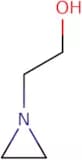

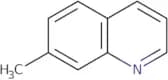
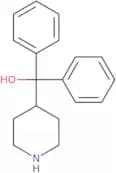

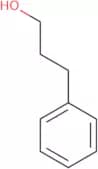
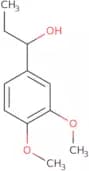
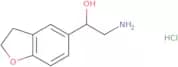
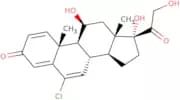
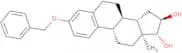

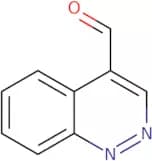
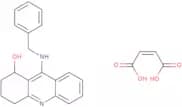
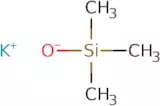
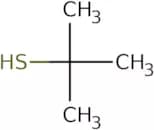
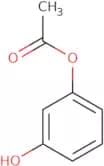
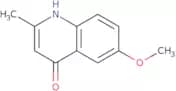
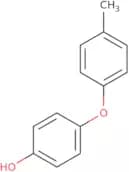
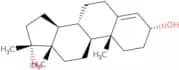
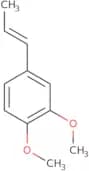
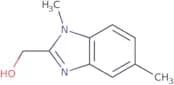
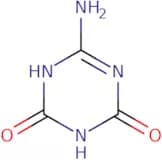

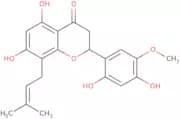
![1-Cyclopropyl-7-(2,8-diazabicyclo[4.3.0]non-8-yl)-6-fluoro-8-methoxy-4-oxoquinoline-3-carboxylic a…](/_next/image/?url=https%3A%2Fstatic.cymitquimica.com%2Fproducts%2F3D%2Fthumb-webp%2FFC102529.webp&w=3840&q=75)
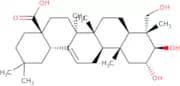

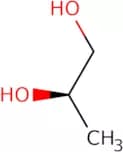
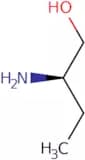
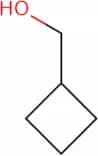
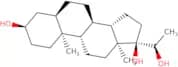
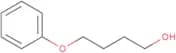
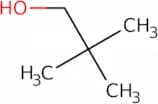

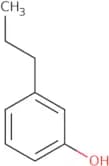

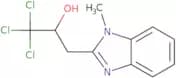

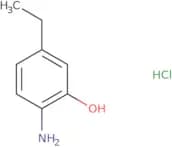
![N-[1-(2,3-Dioleoyloxy)propyl]-n,n,n-trimethylammonium methyl-sulfate](/_next/image/?url=https%3A%2Fstatic.cymitquimica.com%2Fproducts%2F3D%2Fthumb-webp%2FFD157467.webp&w=3840&q=75)

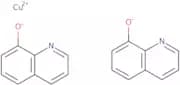
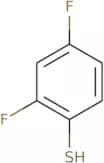
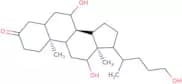

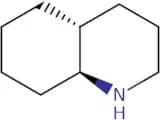
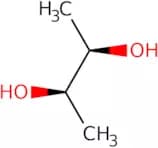
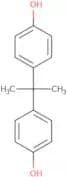
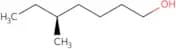
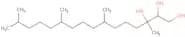
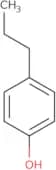
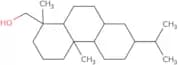
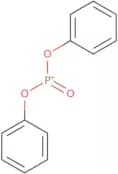
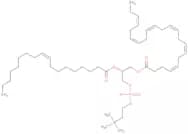
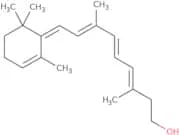
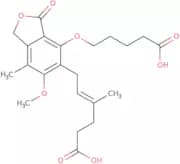
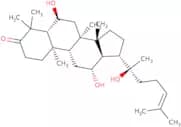
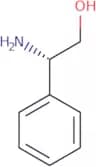
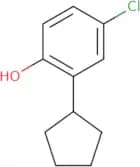
![4-[(2,4-Dimethylbenzyl)oxy]butan-1-ol](/_next/image/?url=https%3A%2Fstatic.cymitquimica.com%2Fproducts%2F3D%2Fthumb-webp%2FFD131280.webp&w=3840&q=75)
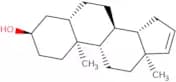
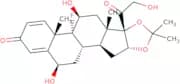
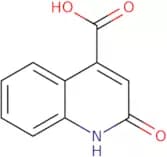
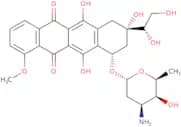
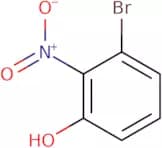

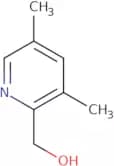
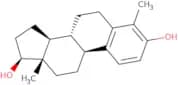

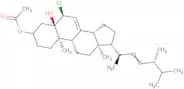

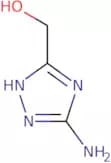
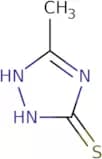
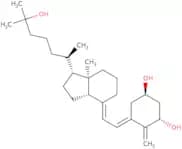

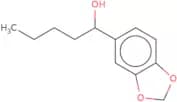
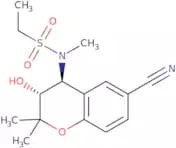
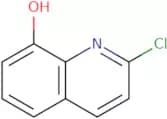
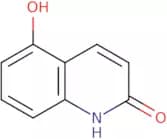
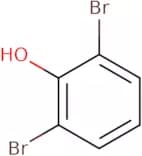
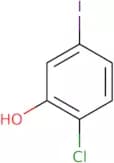

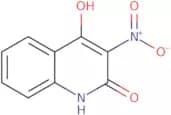
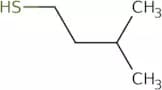
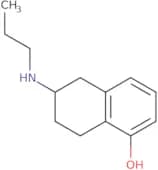
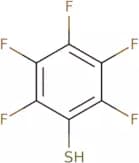
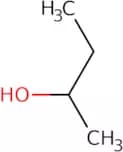
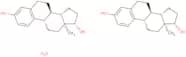
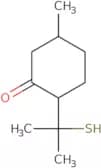

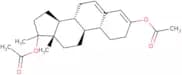
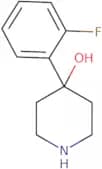
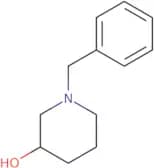
![2'-[(1H-Tetrazol-5-yl)biphenyl-4-yl]methanol](/_next/image/?url=https%3A%2Fstatic.cymitquimica.com%2Fproducts%2F3D%2Fthumb-webp%2FFT28188.webp&w=3840&q=75)
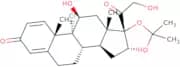
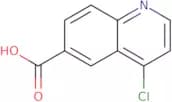
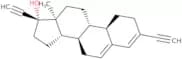

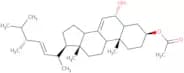
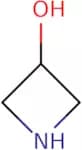

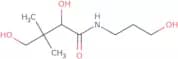
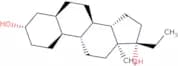
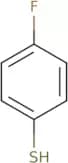
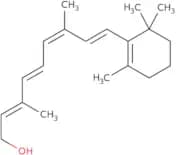

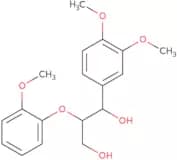
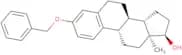
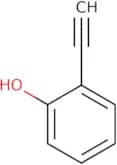
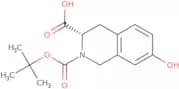
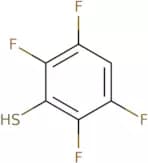
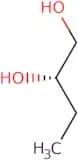
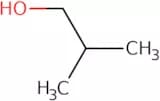
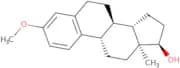
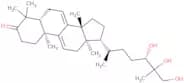
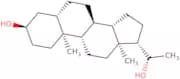

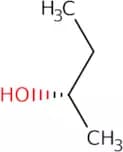
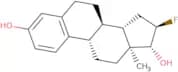
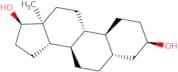
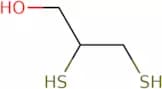
![1-(RS)-2-(Dibutylamino)-2-[2,7-dichloro-9-(4-chlorobenxylidene)]-9H-fluoren- 4-yl]ethanol - E/Z mi…](/_next/image/?url=https%3A%2Fstatic.cymitquimica.com%2Fproducts%2F3D%2Fthumb-webp%2FFD71423.webp&w=3840&q=75)
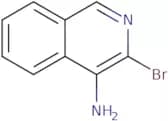
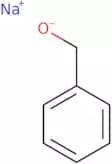
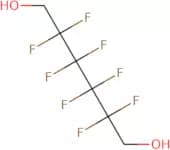
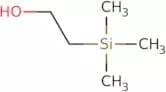
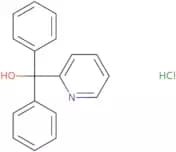
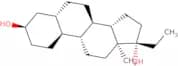
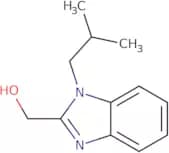
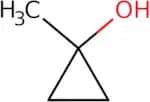

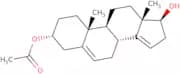

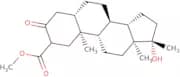
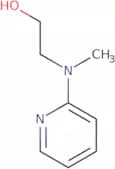



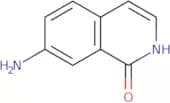

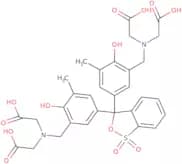
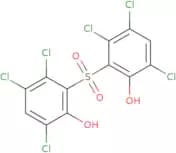
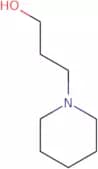


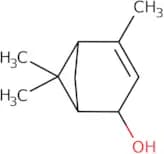
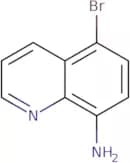
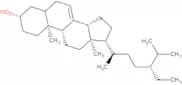


![4-[(4-Chlorophenyl)phenylmethyl]-1-piperazineethanol dihydrochloride](/_next/image/?url=https%3A%2Fstatic.cymitquimica.com%2Fproducts%2F3D%2Fthumb-webp%2FFC33627.webp&w=3840&q=75)
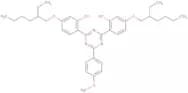

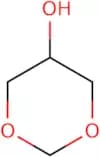
![2-[2-[2-(2-Azidoethoxy)ethoxy]ethoxy]ethanol](/_next/image/?url=https%3A%2Fstatic.cymitquimica.com%2Fproducts%2F3D%2Fthumb-webp%2FFA09300.webp&w=3840&q=75)
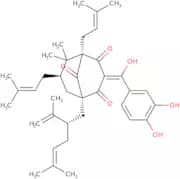

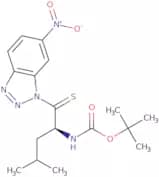

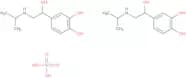
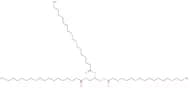
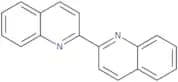

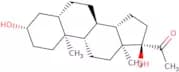


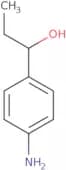
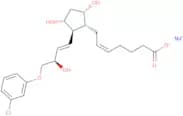
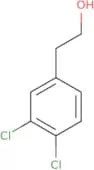

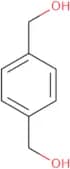

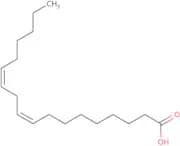
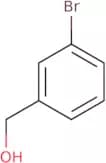
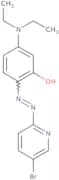
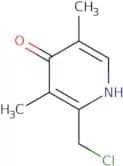


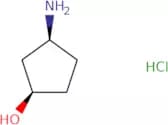
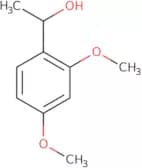
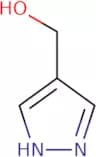
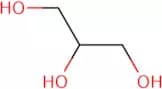
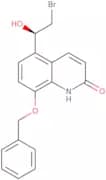
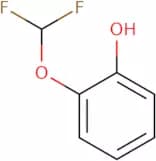
![2-[3-(S)-[3-(2-(7-Chloro-2-quinolinyl)ethenyl)phenyl]-3-hydroxypropyl]benzoic acid methyl ester](/_next/image/?url=https%3A%2Fstatic.cymitquimica.com%2Fproducts%2F3D%2Fthumb-webp%2FFC20038.webp&w=3840&q=75)
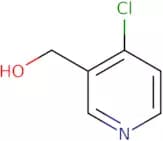
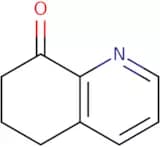
![1-[(3,3-Diphenylpropyl)methylamino]-2-methyl-2-propanol](/_next/image/?url=https%3A%2Fstatic.cymitquimica.com%2Fproducts%2F3D%2Fthumb-webp%2FFD22513.webp&w=3840&q=75)