Alcools
Sous-catégories appartenant à la catégorie "Alcools"
5814 produits trouvés pour "Alcools"
2-Dodecyltetradecanol
CAS :Produit contrôléFormule :C26H54OCouleur et forme :NeatMasse moléculaire :382.7063-(1-(Ethylamino)cyclohexyl)phenol
CAS :Produit contrôléApplications 3-(1-(Ethylamino)cyclohexyl)phenol is a useful synthesis intermediate.
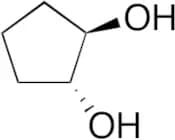
Formule :C14H21NOCouleur et forme :NeatMasse moléculaire :219.323(1R,2R)-trans-1,2-Cyclopentanediol
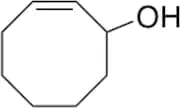
CAS :Produit contrôléFormule :C5H10O2Couleur et forme :NeatMasse moléculaire :102.132(Z)-Cyclooct-2-enol
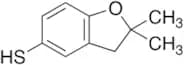
CAS :Produit contrôléFormule :C8H14OCouleur et forme :NeatMasse moléculaire :126.1962,2-Dimethyl-2,3-dihydro-1-benzofuran-5-thiol
CAS :Produit contrôléStability Air Sensitive, Unstable in DMSO
Applications 2,2-DIMETHYL-2,3-DIHYDRO-1-BENZOFURAN-5-THIOL (cas# 1248920-72-0) is a useful research chemical.Formule :C10H12OSCouleur et forme :NeatMasse moléculaire :180.27Glycerol Formal
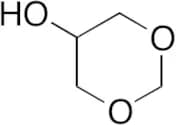
CAS :Produit contrôléApplications Glycerol formal is used as a dye emulsifier and as a cosolvent for drug delivery.
References Sun, M., et al.: Drug Devel. Ind. Pharm., 37, 986 (2011); Greenbaum, L., et al.: Cancer Res., 43, 2584 (1983)Formule :C4H8O3Couleur et forme :NeatMasse moléculaire :104.105-Hexen-1-ol
CAS :Produit contrôléApplications 5-Hexen-1-ol is a volatile organic compound that can be found in Brazilian chilli peppers (Capsicum spp.).
Not a dangerous good if item is equal to or less than 1g/ml and there is less than 100g/ml in the package
References Bogusz, S.Jr., et al.: Food Res. Int., 48, 98 (2012)Formule :C6H12OCouleur et forme :NeatMasse moléculaire :100.16(aR)-a-[[[2-(4-Nitrophenyl)ethyl]amino]methyl]benzenemethanol
CAS :(aR)-a-[[[2-(4-Nitrophenyl)ethyl]amino]methyl]benzenemethanol is a chiral, carbonyl compound that has been used in the synthesis of mirabegron. It is synthesized by reacting an amide with a hydrochloric acid salt. The product yield of (aR)-a-[[[2-(4-Nitrophenyl)ethyl]amino]methyl]benzenemethanol is high and it does not react with aluminium or amide impurities. This compound can be used for the industrial synthesis of mirabegron, which is a drug for the treatment of urinary incontinence. The reduction reaction and hydrolysis reactions are both important to this process.
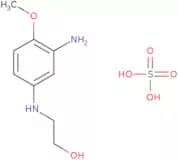
Degré de pureté :Min. 95%2-((3-Amino-4-methoxyphenyl)amino)ethanol sulfate
CAS :2-((3-Amino-4-methoxyphenyl)amino)ethanol sulfate is a potent antibacterial agent that inhibits the growth of bacteria by binding to the 50S ribosomal subunit. It is also used in dermatology, as an aminophenol, and as an ingredient in cosmetics. 2-((3-Amino-4-methoxyphenyl)amino)ethanol sulfate has been shown to be efficacious against bacterial infections caused by methicillin resistant Staphylococcus aureus (MRSA), Pseudomonas aeruginosa, Proteus mirabilis, and Klebsiella pneumoniae. This compound also has antihistamine properties.Formule :C9H16N2O6SDegré de pureté :Min. 95%Masse moléculaire :280.3 g/molAndrostanolone
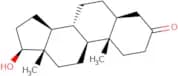
CAS :Produit contrôléDihydrotestosterone is a potent androgen that is used in hormone replacement therapy to treat conditions such as testosterone deficiency, delayed puberty, and impotence. It is also used to treat breast cancer in women and prostate cancer in men. Dihydrotestosterone binds to the androgen receptor, which alters the expression of genes by altering their nucleotide sequences. It has been shown to have anti-tumor effects on prostate cells in vitro, but not on breast or ovarian carcinoma cell lines. The drug has been shown to be active against HIV replication in cell culture models.
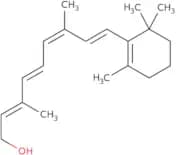
Formule :C19H30O2Degré de pureté :Min. 95%Couleur et forme :SolidMasse moléculaire :290.44 g/mol9-cisRetinol
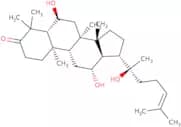
CAS :9-cisRetinol is a form of vitamin A that plays an important role in the synthesis of lipids and proteins. It has been shown to inhibit acid formation in the liver and to stimulate growth in some types of cancer cells. 9-cisRetinol is converted to all-trans retinoic acid, which is a nuclear hormone receptor that regulates gene expression. It also has been shown to be effective in clinical studies for the treatment of congenital amaurosis and cancer. 9-cisRetinol can inhibit phospholipase A2, which prevents the release of arachidonic acid from membrane phospholipids, as well as inhibit prostaglandin synthesis. The optimum pH for 9-cisRetinol activity is between 7 and 8.Formule :C20H30ODegré de pureté :Min. 95%Masse moléculaire :286.45 g/mol3-Deoxy-3-oxo-20(S)-protopanaxatriol
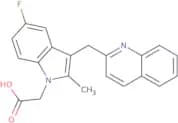
CAS :Produit contrôlé3-Deoxy-3-oxo-20(S)-protopanaxatriol is a compound that has been shown to have cardioprotective effects in vitro. This compound inhibits the production of malondialdehyde (MDA), an end product of lipid peroxidation, and increases the glutathione content of rat heart tissue. 3-Deoxy-3-oxo-20(S)-protopanaxatriol also protects against ischemic injury by lowering creatine kinase levels and preserving the myocardium during reperfusion. It has been shown to inhibit oxidative stress and reduce tissue damage in rats with induced myocardial infarction. 3-Deoxy-3-oxo-20(S)-protopanaxatriol is orally active, but must be injected for pharmacological studies due to its high molecular weight. This molecule has also been shown to have antioxidant properties in vitro, which may be due to its ability toFormule :C30H50O4Degré de pureté :Min. 95%Masse moléculaire :474.72 g/molTimapiprant
CAS :Produit contrôléTimapiprant is an amide that acts as a selective inhibitor of the prostanoid receptor CRTH2, which is involved in regulating the inflammatory response. Timapiprant inhibits skin eosinophilia, which is associated with inflammatory skin diseases such as atopic dermatitis and psoriasis. It has been shown to be safe in clinical trials and has a good safety profile. The drug's mechanism of action may be due to its ability to inhibit the production of IL-4 and IL-13 by Th2 cells and its ability to inhibit lung function. Timapiprant has shown efficacy in treating allergic rhinitis, asthma, chronic obstructive pulmonary disease, erythema multiforme, pyoderma gangrenosum, and other types of inflammatory skin diseases.Formule :C21H17FN2O2Degré de pureté :Min. 95%Masse moléculaire :348.37 g/molH-Leucinol-2-chlorotrityl resin
Please enquire for more information about H-Leucinol-2-chlorotrityl resin including the price, delivery time and more detailed product information at the technical inquiry form on this page
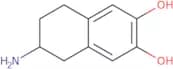
Degré de pureté :Min. 95%Couleur et forme :Light (Or Pale) Yellow To Brown Solid6-Amino-5,6,7,8-tetrahydronaphthalene-2,3-diol
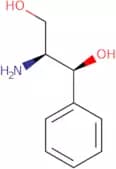
CAS :Produit contrôlé6-Amino-5,6,7,8-tetrahydronaphthalene-2,3-diol is a potent dopamine D2 receptor antagonist. It has been shown to inhibit the light emission of dopamine in vitro. This compound also has a high affinity for 5-HT receptors and has been shown to be a potent agonist at these sites. 6-Amino-5,6,7,8-tetrahydronaphthalene-2,3-diol has been found to induce pluripotent stem cells from human fibroblasts. These cells can differentiate into virtually any cell type in the body and may be used to study diseases such as Parkinson's disease and cancer.Formule :C10H13NO2Degré de pureté :Min. 95%Masse moléculaire :179.22 g/mol(1S,2S)-(+)-2-Amino-1-phenyl-1,3-propanediol
CAS :(1S,2S)-(+)-2-Amino-1-phenyl-1,3-propanediol is a synthetic compound that has been synthesized and studied as an amide. It has a hydroxy group on the skeleton of the molecule. The enantiomer of this compound is (1R,2R)-(-)-2-amino-1-phenyl-1,3-propanediol. This compound contains two chiral centers and four stereoisomers. These stereoisomers are not mirror images of each other. (1S,2S)-(+)-2-Amino-1-phenyl-1,3-propanediol has been shown to be effective against cryptococcus neoformans in cell culture experiments.
Formule :C9H13NO2Degré de pureté :Min. 95%Masse moléculaire :167.21 g/mol1,4-Bis[3,4-dihydro-2(1H)-quinolinon-7-oxy]butane
CAS :Produit contrôléPlease enquire for more information about 1,4-Bis[3,4-dihydro-2(1H)-quinolinon-7-oxy]butane including the price, delivery time and more detailed product information at the technical inquiry form on this pageFormule :C22H24N2O4Degré de pureté :Min. 95%Masse moléculaire :380.44 g/mol2-Octyldodecan-1-ol
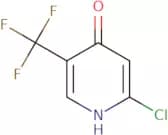
CAS :2-Octyldodecan-1-ol is a fatty alcohol that is used as a lubricant and surfactant in cosmetic products. It has been shown to have surface coating properties, which may be due to its ability to form hydrogen bonds with hydroxyl groups at the surface of the skin. 2-Octyldodecan-1-ol is also known for its biological effects, such as anti-inflammatory and anti-bacterial properties. This compound has been shown to inhibit bacterial growth by inhibiting membrane synthesis and by binding to fatty acids in the cell wall. It also has an effect on sodium carbonate, p-hydroxybenzoic acid, alcohol residue, hydroxyl group, glycol ether, particle, and inorganic acid.Formule :C20H42ODegré de pureté :Min. 95%Masse moléculaire :298.55 g/mol2-Chloro-5-(trifluoromethyl)pyridin-4-ol
CAS :Please enquire for more information about 2-Chloro-5-(trifluoromethyl)pyridin-4-ol including the price, delivery time and more detailed product information at the technical inquiry form on this page
Formule :C6H3ClF3NODegré de pureté :Min. 95%Masse moléculaire :197.54 g/mol(16b,17a)-Estra-1,3,5(10)-triene-3,16,17-triol
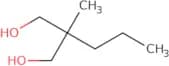
CAS :Produit contrôlé(16b,17a)-Estra-1,3,5(10)-triene-3,16,17-triol is a molecule that belongs to the group of estrogens. Its structure is similar to 17β-estradiol and it has been shown to have inhibitory properties against bacterial growth. This compound has been found in human breast tissue and urine samples. 16b,17a)-Estra-1,3,5(10)-triene-3,16,17-triol has been shown to be active against colistin resistant bacteria. (16b,17a)-Estra-1,3,5(10)-triene-3,16,17-triol is also active against methicillin resistant staphylococcus aureus isolates. The optimum pH for this compound is 4.8 and it can be used for diagnostic purposes as it stains cells with a blue color in Gram's stain test.Formule :C18H24O3Degré de pureté :Min. 95%Masse moléculaire :288.38 g/mol2-Methyl-2-propyl-1,3-propanediol
CAS :Propanediol is a chemical compound that is a diol, or a molecule containing two hydroxyl groups. The propanediol molecule contains two alcohol functional groups. It is an organic solvent with a sweet odor and a slightly viscous consistency. Propanediol can be found in cosmetics, pharmaceuticals, and food products as an inactive ingredient and solute. Propanediol has been shown to have anti-allergic properties in experimental studies. This drug also has the ability to modify the properties of other compounds that are mixed with it, such as glycol esters, which are used in pharmaceuticals and cosmetics. 2-Methyl-2-propyl-1,3-propanediol is soluble in water and readily dissolves in most organic solvents at room temperature. It has been shown to be reactive with oxalyl chloride, forming 2-(2-methylpropyl)oxirane chloride: CH3(CHOH)CH(Formule :C7H16O2Degré de pureté :Min. 95%Masse moléculaire :132.2 g/mol1-Pentadecanethiol
CAS :1-Pentadecanethiol is a monocarboxylic acid that has been used as a polymerization initiator for the production of polyethylene. It reacts with aliphatic hydrocarbons, such as n-hexane and caproic acid, to form polymers. 1-Pentadecanethiol is also used in the synthesis of contactors and chromatographic science. The surface of metals can be converted to hydrophilic by reacting with 1-pentadecanethiol. The optical properties of 1-pentadecanethiol are similar to those of water, which makes it useful in studying water surface structures.Degré de pureté :Min. 95%1-(2-Nitrophenyl)-1,2-ethanediol
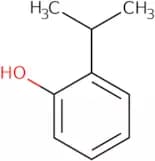
CAS :1-(2-Nitrophenyl)-1,2-ethanediol is a chemical that has been shown to inhibit the glutamate-induced increase in cytosolic Ca2+ concentration. It also prevents the loss of membrane integrity and protects against cell death by inhibiting apoptosis. 1-(2-Nitrophenyl)-1,2-ethanediol also inhibits amp-activated protein kinase activity and increases ATP production. These effects may be due to its ability to reduce intracellular Ca2+ levels and prevent Ca2+ overload in mitochondria. 1-(2-Nitrophenyl)-1,2-ethanediol has been shown to have a protective effect on isolated heart cells and ventricular myocytes from hypoxia/reoxygenation injury and is an effective model system for investigating biochemical properties of glutamate excitotoxicity.Formule :C8H9NO4Degré de pureté :Min. 95%Couleur et forme :PowderMasse moléculaire :183.16 g/mol2-Isopropylphenol
CAS :2-Isopropylphenol is a chemical compound that contains a hydroxy group and a benzene ring. It has been shown to have an inhibitory effect on the growth of plants by interfering with the synthesis of plant hormones like gibberellic acid, indoleacetic acid, and ethylene. 2-Isopropylphenol also inhibits the production of gamma-aminobutyric acid (GABA) in mammalian nervous tissue. The specific agonists for 2-isopropylphenol are esters, which are formed through the reaction of hydroxy groups with acids or alcohols. 2-Isopropylphenol can be used as an industrial chemical and is found in products such as adhesives, paints, and plastics.
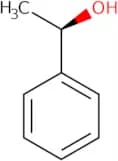
Formule :C9H12ODegré de pureté :98.0%Masse moléculaire :136.19 g/mol(R)-1-Phenylethanol
CAS :(R)-1-Phenylethanol is an organic compound that belongs to the class of aldehydes. It has an optimal redox potential and is used as a reactive intermediate in surface methodology. The kinetic data for this compound have been reported, including its reaction solution, kinetic, and stereoselective properties. (R)-1-Phenylethanol can be used to synthesize aromatic hydrocarbons with acyl chains or amines, using enzymatic reactions. It can also be used as an asymmetric synthesis reagent for the preparation of chiral alcohols and amines.
Formule :C8H10ODegré de pureté :Min. 95%Couleur et forme :Colourless To Yellow LiquidMasse moléculaire :122.16 g/mol2-Bromobenzo[d]thiazol-6-ol
CAS :2-Bromobenzo[d]thiazol-6-ol is a diagnostic agent that is used in positron emission tomography (PET) scans to detect Alzheimer's disease. 2-Bromobenzo[d]thiazol-6-ol binds to amyloid plaques and deposits of beta amyloid peptide, the hallmark of Alzheimer's disease. It can be synthesized by cross coupling nitro compounds with aminoacids or by alkylation of nitro compounds with alkenes. Other methods for its synthesis include the microwave irradiation of bromobenzene and thiourea in a nitric acid medium. This compound undergoes metabolism via cytochrome P450 enzymes to form benzo[d]thiazole-2,6(3H)-diol, which is then oxidized by NADPH to form benzo[e]thiazole-2,6(3H)-quinone.Formule :C7H4BrNOSDegré de pureté :Min. 95%Masse moléculaire :230.08 g/molKushenol Q
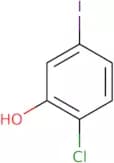
CAS :Kushenol Q is a flavonoid compound, which is derived from the roots of Sophora flavescens, a traditional medicinal plant. This compound exhibits a multifaceted mode of action characterized by its ability to modulate various cellular pathways. Kushenol Q interacts with specific signaling proteins and enzymes, thereby influencing cell proliferation, apoptosis, and inflammatory responses. Notably, its interaction at the molecular level can result in the inhibition of cancer cell growth and the reduction of inflammation.Degré de pureté :Min. 95%2-Chloro-5-iodophenol
CAS :Please enquire for more information about 2-Chloro-5-iodophenol including the price, delivery time and more detailed product information at the technical inquiry form on this page
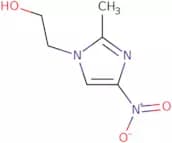
Formule :C6H4ClIODegré de pureté :Min. 95%Masse moléculaire :254.45 g/mol2-(2-Methyl-4-nitro-1H-imidazol-1-yl)ethanol
CAS :Please enquire for more information about 2-(2-Methyl-4-nitro-1H-imidazol-1-yl)ethanol including the price, delivery time and more detailed product information at the technical inquiry form on this page
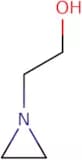
Formule :C6H9N3O3Degré de pureté :Min. 95%Masse moléculaire :171.15 g/mol1-Aziridineethanol
CAS :1-Aziridineethanol is a chemical used in research to study the effects of radiation on cells. It has been shown that the presence of 1-aziridineethanol in cells increases their sensitivity to radiation. In addition, this compound can be used as a chelate ligand for potassium ions. This product is also hydrophilic, allowing it to be dissolved in water and other polar solvents. Moreover, this chemical contains one hydroxy group and can undergo dehydration reactions with acids such as hydrochloric acid. The patterning of this product is determined by the presence of hydroxyl groups, which are reactive with hydrogen bond formation. 1-Aziridineethanol is also able to react with aromatic hydrocarbons and proteins due to its nucleophilic property. This product can undergo a number of chemical reactions, including the formation of azo bonds with azides and amines, as well as epoxidation reactions with peroxyacids such as m-Formule :C4H9NODegré de pureté :Min. 95%Masse moléculaire :87.12 g/moltrans-4-Aminocyclohexanol
CAS :Trans-4-aminocyclohexanol is a cell signaling molecule that belongs to the class of heterocyclic compounds. It has been shown to have an anti-inflammatory effect and inhibit the production of pro-inflammatory cytokines in vitro. Trans-4-aminocyclohexanol also inhibits cyclooxygenase (COX) activity, which is responsible for the conversion of arachidonic acid into prostaglandins. This inhibition leads to decreased inflammation and pain. Trans-4-aminocyclohexanol is orally bioavailable and can be detected in the blood plasma within one hour after administration. The compound has been shown to bind to the enzyme protein kinase C, which is involved in cell signaling pathways, and inhibit its activity.
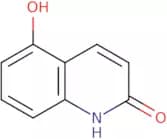
Formule :C6H13NODegré de pureté :Min. 95%Couleur et forme :PowderMasse moléculaire :115.17 g/mol5-Hydroxyquinolin-2(1H)-one
CAS :5-Hydroxyquinolin-2(1H)-one is a chalcone that can be synthesized from 2,5-dihydroxybenzaldehyde and quinoline. It is a bacteriostatic agent that inhibits bacterial growth by binding to the 50S ribosomal subunit, blocking the formation of an antibiotic-substrate complex with the enzyme cell wall synthesis that is required for cell wall biosynthesis, inhibiting protein synthesis and cell division. 5-Hydroxyquinolin-2(1H)-one has shown activity against methicillin resistant Staphylococcus aureus (MRSA) and methicillin resistant Enterococcus faecium. 5-Hydroxyquinolin-2(1H)-one also represses the expression of DNA topoisomerase II genes, which may be associated with its inhibitory effects on bacterial growth.
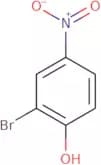
Formule :C9H7NO2Degré de pureté :Min. 95%Masse moléculaire :161.16 g/mol2-Bromo-4-nitrophenol
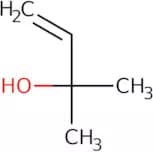
CAS :2-Bromo-4-nitrophenol is a byproduct of the reaction between hydrogen peroxide and sodium bromate. It can be detected in the presence of hydrochloric acid, which reacts with 2-bromo-4-nitrophenol to form an orange color that can be detected spectrophotometrically. 2-Bromo-4-nitrophenol has been shown to inhibit the growth of various strains of bacteria, including Escherichia coli, Bacillus subtilis, and Pseudomonas aeruginosa. This compound binds to flavin adenine dinucleotide (FAD) as well as other nucleophilic cofactors such as thioredoxin reductase. The binding affinity is increased when carbon sources are present. This property makes it a useful inhibitor for catalytic reduction reactions in biotechnology and synthetic chemistry applications.br>br> 2B4NP is a byFormule :C6H4BrNO3Degré de pureté :Min. 95%Couleur et forme :PowderMasse moléculaire :218 g/mol2-Methyl-3-buten-2-ol
CAS :2-Methyl-3-buten-2-ol is a reactive oxygenated compound that can be found in the environment. It is produced by the oxidation of glyoxal, glycolaldehyde, and other simple sugars. 2-Methyl-3-buten-2-ol has been found to have toxic effects on wild type strains of Escherichia coli, including inhibition of growth and induction of cell death. In addition, 2-methyl-3 buten 2 ol has been shown to react with other molecules in the environment to produce epoxides. This compound can also be found in some foods and beverages as a result of its presence as a natural component or from contamination during processing. !-- END-->
Formule :C5H10ODegré de pureté :Max. 98%Masse moléculaire :86.13 g/mol4-[2-(Cyclopropylmethoxy)ethyl]phenol
CAS :4-[2-(Cyclopropylmethoxy)ethyl]phenol is a potent beta-blocker that has been used as an antiglaucoma drug. This substance has been shown to have cardiovascular effects, such as vasodilation and peripheral vasoconstriction, that are mediated by its blockade of beta-adrenergic receptors. 4-[2-(Cyclopropylmethoxy)ethyl]phenol also reduces intraocular pressure in the eye, which may be due to its inhibition of prostaglandin synthesis.
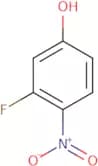
Formule :C12H16O2Degré de pureté :Min. 95%Masse moléculaire :192.25 g/mol3-Fluoro-4-nitrophenol
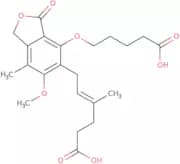
CAS :3-Fluoro-4-nitrophenol is an organic solvent that is used in the synthesis of a number of organic and inorganic compounds, including diazonium salts. 3-Fluoro-4-nitrophenol can be reacted with organometallic reagents to form tetraphenylmethane derivatives. It has been shown to have potential use as a precursor for the synthesis of a number of pharmaceuticals, such as regorafenib, which is an antiangiogenic drug. 3-Fluoro-4-nitrophenol reacts with chloride ions to form coelomic acid (3-fluoroaniline) and other organic acids. Reaction with magnesium and aluminium produces silicon nitride.Formule :C6H4FNO3Degré de pureté :Min. 95%Masse moléculaire :157.1 g/molMycophenolic acid carboxybutoxy ether
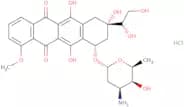
CAS :Mycophenolic acid carboxybutoxy ether is an active form of mycophenolic acid. It has been shown to activate the immune system by increasing the production of lymphokines, including interleukin-2 and gamma-interferon. Mycophenolic acid carboxybutoxy ether has been shown to be effective in vivo in models for autoimmune diseases and cancer. This compound has a high affinity for glycoside derivatives, which are important for the formation of body tissues, such as collagen and elastin. The drug binds to monoclonal antibodies that are used in diagnostic tests for cervical cancer and other cancers. Mycophenolic acid carboxybutoxy ether also binds to x-ray diffraction data, which aids in the structural analysis of glycoside derivatives. This drug can be analyzed using surface methodology.Formule :C22H28O8Degré de pureté :Min. 95%Masse moléculaire :420.45 g/molDoxorubicinol hydrochloride - Mixture of Diasteromers
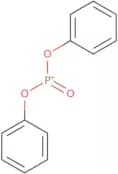
CAS :Please enquire for more information about Doxorubicinol hydrochloride - Mixture of Diasteromers including the price, delivery time and more detailed product information at the technical inquiry form on this pageFormule :C27H32ClNO11Degré de pureté :Min. 95%Masse moléculaire :582 g/molDiphenyl Phosphite (contains about 5% Phenol)
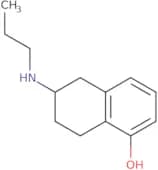
CAS :Diphenyl Phosphite is a white, crystalline solid that is soluble in organic solvents. It has a molecular weight of 226.17g/mol and a melting point of 176°C. The chemical formula for this compound is C6H5O2P. Its reactivity can be described as phenol-like, due to the presence of a hydroxyl group on one end of the molecule. This compound reacts with air and light exposure, which causes it to degrade over time. Diphenyl Phosphite's antimicrobial activity may be due to its ability to cause oxidative stress in bacteria. It also possesses antioxidative properties, which protect cells from damage that may lead to heart diseases or other health problems.Formule :C12H11O3PDegré de pureté :Min. 95%Couleur et forme :Clear LiquidMasse moléculaire :234.19 g/molrac-5,6,7,8-tetrahydro-6-(propylamino)-1-naphthalenol
CAS :Produit contrôléRotigotine is a substance that belongs to the class of active compounds. It has been shown to have optical activity, but this property is not well understood. Rotigotine is a racemic mixture with two enantiomers, which are mirror images of each other. The optical rotation of rac-5,6,7,8-tetrahydro-6-(propylamino)-1-naphthalenol is given as +28°. This property can be determined by measuring the angle of rotation when light passes through the substance in solution in contact with a polarizer and analyzer.Formule :C13H19NODegré de pureté :Min. 95%Masse moléculaire :205.3 g/mol5-[3-(Dimethylamino)propyl]-10,11-dihydro-5H-dibenzo[a,d]cyclohepten-5-ol
CAS :Please enquire for more information about 5-[3-(Dimethylamino)propyl]-10,11-dihydro-5H-dibenzo[a,d]cyclohepten-5-ol including the price, delivery time and more detailed product information at the technical inquiry form on this pageFormule :C20H25NODegré de pureté :Min. 95%Couleur et forme :Beige SolidMasse moléculaire :295.42 g/mol(S)-a,a-Diphenylmethylprolinol
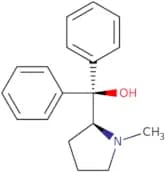
CAS :Produit contrôlé(S)-a,a-Diphenylmethylprolinol is a chiral ligand that is used in asymmetric synthesis. It has been shown to react with alkylating agents to form chiral methyl esters. The reaction product can be resolved into the desired enantiomer by the use of a chiral stationary phase or an experimental method called isotopic labeling. (S)-a,a-Diphenylmethylprolinol was prepared by a preparative method involving the reaction of cyanate, aldehyde and hexane.Formule :C18H21NODegré de pureté :Min. 95%Masse moléculaire :267.37 g/mol2-Phenylphenol
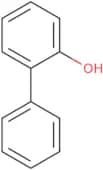
CAS :2-Phenylphenol is a ferrocenecarboxylic acid with an anhydrous sodium salt. It reacts with water vapor to produce ferric hydroxide and 2-phenylphenolsodium. 2-Phenylphenol is used as a long-term toxicity test for enzyme activities in liver cells, and has shown to cause liver lesions in rats. The hydrophobic effect of 2-Phenylphenol has been shown to be its inhibition of the binding of inhibitors to enzymes. This chemical is also used in analytical methods for determining the concentration of phenols in water samples.
Formule :C12H1ODegré de pureté :Min. 95%Masse moléculaire :161.14 g/molErgosta-5,24(28)-diene-3,7,16-triol
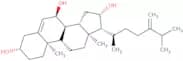
CAS :Produit contrôléPlease enquire for more information about Ergosta-5,24(28)-diene-3,7,16-triol including the price, delivery time and more detailed product information at the technical inquiry form on this pageFormule :C28H46O3Degré de pureté :Min. 95%Masse moléculaire :430.66 g/molIndole-7-methanol
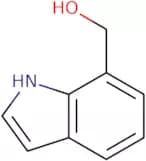
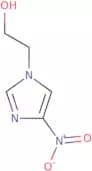
CAS :Indole-7-methanol is a flavin cofactor that catalyses the formylation of indole-7-carboxylic acid. Indole-7-methanol can be synthesized by the conversion of indole-7-carboxaldehyde with formaldehyde and ammonium acetate. The macrocyclic, isomeric, and formylated forms of indole-7-methanol have been shown to have utilisation activity in the synthesis of various compounds. These reactions are catalyzed by flavins such as FAD or FMN. Mutant, unsymmetrical derivatives of indole-7-methanol are also known to undergo these types of reactions. The most common derivative is indirubin, which has been shown to inhibit DNA polymerase III and IV in vitro.Formule :C9H9NODegré de pureté :Min. 95%Masse moléculaire :147.17 g/mol4-Nitro-1H-imidazole-1-ethanol
CAS :Please enquire for more information about 4-Nitro-1H-imidazole-1-ethanol including the price, delivery time and more detailed product information at the technical inquiry form on this page
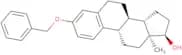
Formule :C5H7N3O3Degré de pureté :Min. 95%Couleur et forme :Beige PowderMasse moléculaire :157.13 g/mol3-O-Benzyl 17a-estradiol
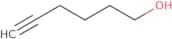
CAS :Produit contrôléPlease enquire for more information about 3-O-Benzyl 17a-estradiol including the price, delivery time and more detailed product information at the technical inquiry form on this pageFormule :C25H30O2Degré de pureté :Min. 95%Masse moléculaire :362.5 g/mol5-Hexyn-1-ol
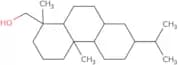
CAS :5-Hexyn-1-ol is a molecule that belongs to the group of organic compounds called fatty acids. It is a colorless liquid with an odor reminiscent of that of hexane. 5-Hexyn-1-ol has been shown to inhibit the proliferation of brain cells and tumor cells in culture. It also inhibits the growth of caco-2 cell lines, which are used as a model for human intestinal epithelial cells. The hydroxyl group in 5-hexyn-1-ol reacts with nitrogen nucleophiles such as picolinic acid and palladium chloride to form an intermediate compound, which can then be transformed into the desired product by addition of a second reactant.Formule :C6H10ODegré de pureté :Min. 95%Masse moléculaire :98.14 g/molTetrahydroabietyl alcohol
CAS :Produit contrôléTetrahydroabietyl alcohol is a colorless liquid that is soluble in water and has a molecular weight of 150. It belongs to the group of hydroxy-substituted monomers. Tetrahydroabietyl alcohol can be used as a raw material for polyesters, polyurethanes, and other industrial chemicals. It can be produced by the reaction of an aromatic hydrocarbon with phosphite followed by hydrolysis. The product can also be synthesized from hexane fatty alcohols or acid catalysts, such as monocarboxylic acids. This compound is used for stabilizing ester compounds and terpene esters. Tetrahydroabietyl alcohol can also be obtained by hydrogenation of terpenes and their derivatives under high pressure and temperature conditions in the presence of metal catalysts, such as palladium or platinum.
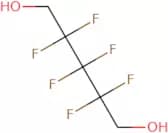
Formule :C20H36ODegré de pureté :Min. 95%Masse moléculaire :292.5 g/mol2,2,3,3,4,4-Hexafluoro-1,5-pentanediol
CAS :Produit contrôlé2,2,3,3,4,4-Hexafluoro-1,5-pentanediol is a colorless liquid with a boiling point of 155°C. It is soluble in water and has an odor similar to that of hexane. 2,2,3,3,4,4-Hexafluoro-1,5-pentanediol is used as a chemical intermediate for the production of sodium salts and quaternary ammonium compounds. This substance can be obtained by reacting butanediol with hydrofluoric acid or trifluoromethanesulfonic acid. The most common use of 2,2,3,3,4,4-hexafluoro-1,5-pentanediol is in the synthesis of amines. It also has been used as a solvent for electroplating metals and as a high boiling point solvent in organic reactions. This compound exhibits nucleophilic properties with amines and canFormule :C5H6F6O2Degré de pureté :Min. 95%Masse moléculaire :212.09 g/mol



![(aR)-a-[[[2-(4-Nitrophenyl)ethyl]amino]methyl]benzenemethanol](/_next/image/?url=https%3A%2Fstatic.cymitquimica.com%2Fproducts%2F3D%2Fthumb-webp%2FFN75044.webp&w=3840&q=75)

![1,4-Bis[3,4-dihydro-2(1H)-quinolinon-7-oxy]butane](/_next/image/?url=https%3A%2Fstatic.cymitquimica.com%2Fproducts%2F3D%2Fthumb-webp%2FFB18792.webp&w=3840&q=75)




![2-Bromobenzo[d]thiazol-6-ol](/_next/image/?url=https%3A%2Fstatic.cymitquimica.com%2Fproducts%2F3D%2Fthumb-webp%2FFB144121.webp&w=3840&q=75)

![4-[2-(Cyclopropylmethoxy)ethyl]phenol](/_next/image/?url=https%3A%2Fstatic.cymitquimica.com%2Fproducts%2F3D%2Fthumb-webp%2FFC20740.webp&w=3840&q=75)
![5-[3-(Dimethylamino)propyl]-10,11-dihydro-5H-dibenzo[a,d]cyclohepten-5-ol](/_next/image/?url=https%3A%2Fstatic.cymitquimica.com%2Fproducts%2F3D%2Fthumb-webp%2FFD22331.webp&w=3840&q=75)