Alcools
Sous-catégories appartenant à la catégorie "Alcools"
5814 produits trouvés pour "Alcools"
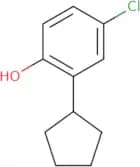
2-Cyclopentyl-4-chlorophenol
CAS :2-Cyclopentyl-4-chlorophenol is a synthetic fatty acid that is used as an antiviral agent. It inhibits the synthesis of fatty acids by inhibiting the conversion of 2,4-dienoyl CoA to 3-hydroxyacyl CoA. 2-Cyclopentyl-4-chlorophenol has been shown to be effective against a number of test organisms, including bacteria such as staphylococcus and virus such as herpes simplex virus. 2-Cyclopentyl-4-chlorophenol inhibits viral protein synthesis by blocking the action of host enzymes required for this process. The target cell for this drug is the host cell infected with a virus. This drug also has antihelminthic properties and can be used to treat parasitic infections caused by schistosoma haematobium and clonorchis sinensis worms. 2CPCP's structural formula is shown below:Formule :C11H13ClODegré de pureté :Min. 95%Masse moléculaire :196.67 g/molTriisopropanolamine Borate
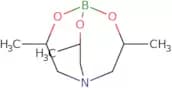
CAS :Triisopropanolamine borate is an organic compound with the formula (CH3)3N(CH2)3OH. It is a colorless liquid with a sweet, amine-like odor. Triisopropanolamine borate is widely used as a cross-linking agent in coatings, and as a reactive functional group in polycarboxylic acid synthesis and cationic polymerization. It also has been used as a blood pressure lowering agent and to treat high calcium levels in the blood. The chemical structure of triisopropanolamine borate can be seen below: Triisopropanolamine Borate, Chemical Structure The chemical formula for triisopropanolamine borate is CH3N(CH2)3OH. Triisopropanolamine borate has many applications due to its reactive functional groups, including cross-linking agents for coatings and polycarboxylic acid synthesis
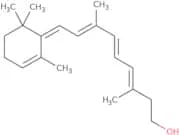
Formule :C9H18BNO3Degré de pureté :Min. 95%Masse moléculaire :199.06 g/mol3-Dehydro retinol
CAS :3-Dehydro retinol is a carotenoid that is found in the skin. It is derived from retinol, and has been shown to have antioxidant properties. 3-Dehydro retinol can be isolated from the fungus Monascus purpureus by chromatographic methods. The enzyme activities of 3-dehydroretinol are not well understood, but it has been hypothesized that chronic exposure to this compound may lead to an increase in cell proliferation or an increase in cell differentiation. 3-Dehydro retinol has also been shown to inhibit the oxidation of other molecules such as hydrogen chloride.
Formule :C20H28ODegré de pureté :90%MinMasse moléculaire :284.44 g/mol3-Buten-1-ol
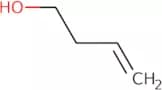
CAS :3-Buten-1-ol is a reactive, anhydrous alcohol that can be used as a model system for hydrogen bonding. It can also be used to demonstrate the uptake of hydrochloric acid and hydroxyl group substitution reactions. 3-Buten-1-ol is soluble in organic solvents such as benzene and chloroform, but insoluble in water. The structural analysis of 3-buten-1-ol has been performed using spectroscopic techniques such as laser ablation and x-ray diffraction to determine its molecular formula. The reaction solution of 3-buten-1-ol with zirconium oxide has been shown to produce intramolecular hydrogen bonds and solid catalysts.
Formule :C4H8ODegré de pureté :Min. 95%Couleur et forme :Clear LiquidMasse moléculaire :72.11 g/mol3-Nitro-benzene-1,2-diol
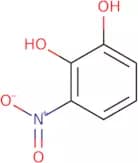
CAS :3-Nitro-benzene-1,2-diol is an inhibitor of catechol-o-methyltransferase (COMT), which catalyzes the transfer of a methyl group from S-adenosyl methionine to dopamine. This results in the formation of 3-O-(methylamino) catechol. COMT inhibitors are used as pharmaceutical preparations for the treatment of Parkinson's disease and other diseases involving dopamine. 3-Nitro-benzene-1,2-diol has been shown to inhibit COMT and prevent the breakdown of dopamine in the brain, which may be beneficial for treating Parkinson's disease and other nervous system diseases.Formule :C6H5NO4Degré de pureté :Min. 95%Masse moléculaire :155.11 g/mol4-Methylquinoline
CAS :4-Methylquinoline is a natural compound that is structurally related to coumarin. It serves as an enzyme substrate for various types of enzymes, and has been shown to inhibit the activity of enzymes such as N-acetyltransferase, indoleamine 2,3-dioxygenase, and tryptophan 2,3-dioxygenase. 4-Methylquinoline has also been shown to be effective against infectious diseases such as toxoplasmosis and leishmaniasis. Furthermore, 4-methylquinoline has been shown to have anti-inflammatory properties in autoimmune diseases such as multiple sclerosis. The mechanism of action of 4-methylquinoline is not fully understood but it may interfere with the production of nitric oxide by inhibiting the enzyme nitric oxide synthase.
Formule :C10H9NDegré de pureté :Min. 95%Masse moléculaire :143.19 g/mol2-Cyclohexyl-4,6-dinitrophenol
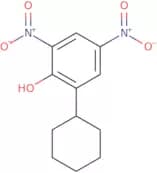
CAS :2-Cyclohexyl-4,6-dinitrophenol is a chemical that inhibits the synthesis of viral DNA. It has been shown to have minimal toxicity in animal models and may be used for the treatment of metabolic disorders, such as hepatic steatosis or hepatitis. 2-Cyclohexyl-4,6-dinitrophenol has also been shown to inhibit the toll-like receptor (TLR) pathway and induce an antiviral state in vitro. In addition, it was found to have an effect on mitochondrial membrane potential, which may explain its antiviral activity. 2-Cyclohexyl-4,6-dinitrophenol has also been shown to inhibit viral replication in cells infected with HIV and other viruses such as Hepatitis C virus.Formule :C12H14N2O5Degré de pureté :Min. 95%Masse moléculaire :266.25 g/mol2-(2-Methyl-1H-imidazol-1-yl)ethanol
CAS :2-(2-Methyl-1H-imidazol-1-yl)ethanol is a synthetic intermediate that has been used to synthesize antibiotics and antiviral agents. It has a terminal half-life of about 2 days and its pharmacokinetics are linear with an oral dose range from 10 to 100 mg/kg. The fruit extract of Camptotheca acuminata contains alkaloids, which can be converted into 2-(2-methyl-1H-imidazol-1-yl)ethanol by alkalization. 2-(2-Methyl-1H-imidazol-1-yl)ethanol is effective against hordeolum, acne, and infectious diseases caused by viruses such as herpes simplex. This drug has antibacterial properties and can be used in the treatment of bacterial infections such as staphylococcal skin infections, streptococcal throat infections, or gonorrhea. Dehydration is anFormule :C6H10N2ODegré de pureté :Min. 95%Masse moléculaire :126.16 g/molEltrombopag olamine
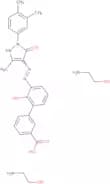
CAS :Eltrombopag olamine is an orally active drug that belongs to the class of thiazolidinones. It has been used for the treatment of thrombocytopenia in patients with chronic liver disease and myelodysplastic syndrome. Eltrombopag olamine inhibits platelet aggregation by binding to glycoprotein IIb/IIIa receptors on the surface of platelets. The drug is a prodrug that is metabolized in vivo to its active form, eltrombopag. This conversion is catalysed by CYP3A4 and CYP2D6 enzymes and can be inhibited by drugs that inhibit these enzymes, such as trifluoroacetic acid and hydroxyl group-containing compounds. Eltrombopag olamine binds to erythrocytes, which may be due to its ability to form intramolecular hydrogen bonds with nitrogen atoms. The synthesis of eltFormule :C25H22N4O4•(C2H7NO)2Degré de pureté :Min. 95%Couleur et forme :PowderMasse moléculaire :564.63 g/mol(aR)-a-[[[2-(4-Nitrophenyl)ethyl]amino]methyl]benzenemethanol
CAS :(aR)-a-[[[2-(4-Nitrophenyl)ethyl]amino]methyl]benzenemethanol is a chiral, carbonyl compound that has been used in the synthesis of mirabegron. It is synthesized by reacting an amide with a hydrochloric acid salt. The product yield of (aR)-a-[[[2-(4-Nitrophenyl)ethyl]amino]methyl]benzenemethanol is high and it does not react with aluminium or amide impurities. This compound can be used for the industrial synthesis of mirabegron, which is a drug for the treatment of urinary incontinence. The reduction reaction and hydrolysis reactions are both important to this process.
Degré de pureté :Min. 95%Quinoline-6-sulfonyl chloride
CAS :Please enquire for more information about Quinoline-6-sulfonyl chloride including the price, delivery time and more detailed product information at the technical inquiry form on this page
Formule :C9H6ClNO2SDegré de pureté :Min. 95%Masse moléculaire :227.67 g/mol(+)-cis-Abienol
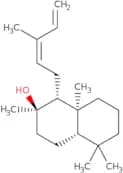
CAS :(+)-Cis-abienol is a diterpene that is found in the leaves of the tobacco plant. It has been suggested to be involved in the synthesis of abscisic acid, which is an important hormone related to plant responses to water and salt stress. (+)-Cis-abienol may also have insecticidal properties and may play a role in resistance to insects. (+)-Cis-abienol has shown activity as an analytical reagent for the detection of hydroxyl groups, due to its UV absorption at 275 nm. The signal peptide sequence for this compound has been determined by analysis of tobacco sequences. This molecule's phase behavior can be predicted from its X-ray crystal structures and it is soluble in organic solvents such as benzyl alcohols or ethers. The mechanism for the reaction between (+)-cis-abienol and dehydroabietic acid has not yet been elucidated but it is thought that benzyl
Formule :C20H34ODegré de pureté :Min. 95%Couleur et forme :PowderMasse moléculaire :290.48 g/mol1-[(2-Chlorophenyl)-N-(methylimino)methyl]cyclopentanol hydrochloride
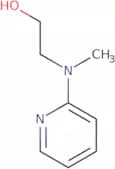
CAS :Produit contrôléPlease enquire for more information about 1-[(2-Chlorophenyl)-N-(methylimino)methyl]cyclopentanol hydrochloride including the price, delivery time and more detailed product information at the technical inquiry form on this pageFormule :C13H16ClNO•HClDegré de pureté :Min. 95%Masse moléculaire :274.19 g/mol2-(Methyl-2-pyridylamino)ethanol
CAS :2-(Methyl-2-pyridylamino)ethanol (2MPE) is a small molecule that has been studied for its potential use as an inhibitor of the enzyme protein kinase C-alpha. The reaction mechanism of 2MPE with rosiglitazone, a drug used to treat type II diabetes mellitus, has been shown to be nucleophilic and proceeds through an addition-elimination mechanism. The kinetic parameters for this reaction have been determined by studying the effect of temperature on the reaction rate. Density measurements indicate that 2MPE is a low-molecular weight compound with a density of 1.08 g/mL at 25°C and 1 atm pressure. This study also found that microreactors are capable of producing high reaction yields in shorter amounts of time than larger reactors, making them well suited to the synthesis of small molecules such as 2MPE.Formule :C8H12N2ODegré de pureté :Min. 95%Masse moléculaire :152.19 g/mol1,2-O-Dioctadecyl-sn-glycerol
CAS :1,2-O-Dioctadecyl-sn-glycerol is a hydrogenated glycerol that can be used as an advance in synthetic chemistry. It can be hydrogenolyzed to produce choline and cyclic phosphatidylglycerols. The catalytic properties of 1,2-O-dioctadecyl-sn-glycerol are due to its ability to react with chloride or cadmium chloride to form dialkyl glycerols. This product is also used in the synthesis of cadmium.Formule :C39H80O3Degré de pureté :Min. 95%Masse moléculaire :597.05 g/mol5-Nitrosoquinolin-8-ol
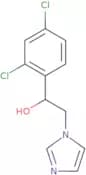
CAS :5-Nitrosoquinolin-8-ol is a chemical inhibitor that can be used in the study of enzyme function. It reacts with the active site of the enzymes and prevents them from carrying out their normal functions. 5-Nitrosoquinolin-8-ol has been shown to inhibit the growth of cancer cells and to have antiinflammatory properties. 5-Nitrosoquinolin-8-ol has been shown to bind to sephadex G-100 and potassium dichromate, which are both types of ion exchangers. The redox potential for this compound is -0.84 V. This means it will not react easily with other compounds, which makes it a good candidate for use as an inhibitor in biochemical studies. The nitrogen atoms in this compound are reactive, which means they can form covalent bonds with other molecules in a reaction called nitrosation. Structural biology is a branch of science that deals with studying the three dimensional structure of biological macFormule :C9H6N2O2Degré de pureté :Min. 95%Couleur et forme :Yellow To Green SolidMasse moléculaire :174.16 g/molα-(2,4-Dichlorophenyl)-1H-imidazole-1-ethanol
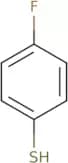
CAS :a-(2,4-Dichlorophenyl)-1H-imidazole-1-ethanol is an analytical reagent that is used to identify the presence of methylbenzene in a sample. It has been used as a drug target in schistosomiasis and interacting with imprinting genes. The synthetic method for this reagent includes sodium carbonate and methylbenzene, which are heated together at low energy to produce a-(2,4-Dichlorophenyl)-1H-imidazole-1-ethanol. The analytical method for this compound involves efficient methods such as high performance liquid chromatography and gas chromatography. Methylbenzene is dissolved in trifluoroacetic acid before being mixed with anhydrous potassium carbonate. This mixture is then heated to produce a-(2,4-Dichlorophenyl)-1H-imidazole-1-ethanol.Formule :C11H10Cl2N2ODegré de pureté :Min. 95%Couleur et forme :White To Beige SolidMasse moléculaire :257.12 g/mol4-Fluorothiophenol
CAS :4-Fluorothiophenol is a reactive chemical that can be used as a monomer for the synthesis of polymers. It has been shown to polymerize with acrylonitrile and methacrylate in the presence of an initiator to form polyacrylonitrile and polymethacrylate, respectively. 4-Fluorothiophenol reacts with unsaturated fatty acids to form thiolates, which are useful intermediates in organic synthesis. 4-Fluorothiophenol also reacts with sulfur transfer agents such as thiourea or mercaptoethanol, leading to S-sulfides that are useful intermediates in organic synthesis. These reactions can be followed by kinetic energy spectroscopy (photoelectron) and nuclear magnetic resonance spectroscopy (NMR). 4-Fluorothiophenol has been shown to undergo intramolecular hydrogen transfer reactions with second order rate constants ranging fromFormule :C6H5FSDegré de pureté :Min. 95%Masse moléculaire :128.17 g/mol8-Bromo-2-methylquinoline
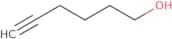
CAS :8-Bromo-2-methylquinoline is a naphthalene derivative that has an oxidant function. It can be used as a solvent for chlorobenzene and as a catalyst for the production of bipyridines and piperazine. 8-Bromo-2-methylquinoline is also used as a ligand in the preparation of metal complexes. This compound reacts with methyl groups, chlorine, and halides to form methyl quinolines and dichloromethanes. 8-Bromo-2-methylquinoline may react with fatty acids to form polyunsaturated acid esters or with polyunsaturated fatty acids to form polyethers.Formule :C10H8BrNDegré de pureté :Min. 95%Masse moléculaire :222.08 g/mol5-Hexyn-1-ol
CAS :5-Hexyn-1-ol is a molecule that belongs to the group of organic compounds called fatty acids. It is a colorless liquid with an odor reminiscent of that of hexane. 5-Hexyn-1-ol has been shown to inhibit the proliferation of brain cells and tumor cells in culture. It also inhibits the growth of caco-2 cell lines, which are used as a model for human intestinal epithelial cells. The hydroxyl group in 5-hexyn-1-ol reacts with nitrogen nucleophiles such as picolinic acid and palladium chloride to form an intermediate compound, which can then be transformed into the desired product by addition of a second reactant.Formule :C6H10ODegré de pureté :Min. 95%Masse moléculaire :98.14 g/molEstradiol 3-valerate
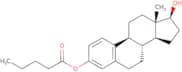
CAS :Produit contrôléPlease enquire for more information about Estradiol 3-valerate including the price, delivery time and more detailed product information at the technical inquiry form on this pageFormule :C23H32O3Degré de pureté :Min. 95%Couleur et forme :PowderMasse moléculaire :356.5 g/mol2-Indanol
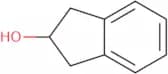
CAS :2-Indanol is a hydroxy compound that has a human immunodeficiency virus (HIV) replication inhibitor, antiviral activity, and structural formula. It has been shown to have anti-HIV activity in vitro at concentrations of 0.1 μM and 1 μM. 2-Indanol inhibits the process of reverse transcription by specifically binding to the hydroxyl group of the viral RNA polymerase and preventing it from making a hydrogen bond with the viral DNA template strand. 2-Indanol also slows down HIV replication by inhibiting protein synthesis. This inhibition is due to its ability to inhibit phosphorylation and dephosphorylation reactions in the host cell's ribosome machinery, which are required for protein synthesis. 2-Indanol has been shown to be active against covid-19 pandemic influenza viruses and has been used as an antiviral agent in mice infected with these viruses.
Formule :C9H10ODegré de pureté :Min. 95%Masse moléculaire :134.18 g/mol(3',5',7')-Cholane-3,7,24-triol
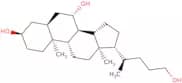
CAS :Produit contrôléPlease enquire for more information about (3',5',7')-Cholane-3,7,24-triol including the price, delivery time and more detailed product information at the technical inquiry form on this pageFormule :C24H42O3Degré de pureté :Min. 95%Masse moléculaire :378.59 g/molCyclobutanemethanol
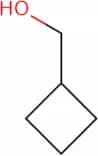
CAS :Cyclobutanemethanol is a drug used to treat inflammatory diseases. It is an uptake inhibitor that blocks the transport of uridine into cells, preventing the activation of G-protein coupled receptors and the subsequent production of inflammatory mediators. Cyclobutanemethanol has been shown to have anti-inflammatory properties by inhibiting the CB2 receptor, which is found in large quantities in inflammatory tissues. Cyclobutanemethanol also prevents dehydration and increases blood flow to inflamed areas by acting on vascular endothelial cells. It can be synthesized from two molecules of hydrochloric acid and one molecule of cyclobutane. The synthesis pathway includes removal of a hydroxy group and addition of an alkynyl group via hydrogen bonding interactions with chloride ions. Cyclobutanemethanol has been shown to inhibit influenza virus replication in vitro, but not in vivo.
Formule :C5H10ODegré de pureté :Min. 95%Masse moléculaire :86.13 g/molResorcinol
CAS :A phenolic compoundFormule :C6H6O2Degré de pureté :Min. 98 Area-%Couleur et forme :PowderMasse moléculaire :110.11 g/molBromadiolone
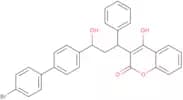
CAS :Bromadiolone NA is a rodenticide that is used in the treatment of rodents in wastewater treatment. Bromadiolone NA has been shown to inhibit the mitochondrial membrane potential, which leads to the release of cytochrome C and activation of caspase 3. Bromadiolone NA also has antioxidative properties that protect against oxidative injury and its metabolites have been found to inhibit human serum albumin. This compound has been used as an antimicrobial agent to control biofilm formation and prevent microbial growth. The mode of action for bromadiolone is through the inhibition of chitosan polymerization, which prevents bacterial attachment and biofilm formation on surfaces. Bromadiolone NA was also shown to bind with DNA, inhibiting replication and transcription.
Formule :C30H23BrO4Degré de pureté :Min. 95%Couleur et forme :PowderMasse moléculaire :527.41 g/mol3-Thiopheneethanol
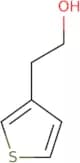
CAS :3-Thiopheneethanol is a synthetic polymer that can be used as an insoluble polymer. It has been shown to undergo chemical reactions with hydroxy groups, which form a polymer film. The untreated control group did not show any change in the film thickness, but the electrochemical methods group showed a significant increase in the film thickness. 3-Thiopheneethanol may have potential applications in medical devices and sensors. The detection time of 3-thiopheneethanol was found to be longer than that of other polymers, such as polystyrene sulfonic acid (PSSA).Formule :C6H8OSDegré de pureté :Min. 95%Masse moléculaire :128.19 g/mol(-)-3-Methoxy butorphanol
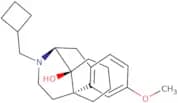
CAS :Produit contrôléPlease enquire for more information about (-)-3-Methoxy butorphanol including the price, delivery time and more detailed product information at the technical inquiry form on this pageFormule :C22H31NO2Degré de pureté :Min. 95%Masse moléculaire :341.49 g/mol4-Methyl estradiol
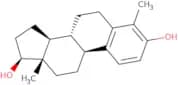
CAS :Produit contrôlé4-Methyl estradiol is an estrogen that is a naturally occurring metabolite of estradiol. It has been shown to have weak estrogenic effects and may be used in low doses to treat breast cancer. 4-Methyl estradiol binds to the estrogen receptor with high affinity, which leads to its activation and subsequent translocation into the nucleus, where it binds to DNA and regulates gene transcription. The binding of 4-methyl estradiol to the receptor also stimulates the production of other hormones such as progesterone and estrone.Formule :C19H26O2Degré de pureté :Min. 95 Area-%Couleur et forme :White PowderMasse moléculaire :286.41 g/mol3-Methyl-1-pentyn-3-ol
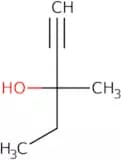
CAS :Produit contrôlé3-Methyl-1-pentyn-3-ol is a chemical that has been shown to have interactive effects on the metabolism of urea nitrogen and low light. 3-Methyl-1-pentyn-3-ol has been shown to produce a depressant effect in animals, which may be due to its ability to inhibit the production of acetylcholine by blocking the enzyme cholinesterase. This chemical has also been shown to react with hydroxyl groups, producing a pharmacological agent. The reaction mechanism for 3-methyl pentynol is via hydrolysis by hydrochloric acid or pentobarbital sodium.
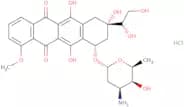
Formule :C6H10ODegré de pureté :Min. 95%Masse moléculaire :98.14 g/molDoxorubicinol hydrochloride - Mixture of Diasteromers
CAS :Please enquire for more information about Doxorubicinol hydrochloride - Mixture of Diasteromers including the price, delivery time and more detailed product information at the technical inquiry form on this pageFormule :C27H32ClNO11Degré de pureté :Min. 95%Masse moléculaire :582 g/mol(R)-4-Benzyloxy-1,3-butanediol
CAS :Please enquire for more information about (R)-4-Benzyloxy-1,3-butanediol including the price, delivery time and more detailed product information at the technical inquiry form on this pageFormule :C11H16O3Degré de pureté :Min. 95%Masse moléculaire :196.24 g/molTrimethylsilylmethanethiol
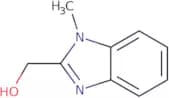
CAS :Trimethylsilylmethanethiol (TMSET) is a thiol that is used as a reagent in organic synthesis. It is soluble in water and it has a high boiling point, making it useful for reactions that require heat. TMSET has been shown to be an effective antiviral agent against hepatitis C virus (HCV) and influenza A virus by binding to the viral receptor on the cell surface and preventing its entry into the cell. TMSET also inhibits neuronal function by binding to the hydroxy group of proteins, thereby disrupting their structure and function.Formule :C4H12SSiDegré de pureté :Min. 95%Masse moléculaire :120.29 g/mol(1-Methyl-1H-benzimidazol-2-yl)methanol
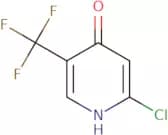
CAS :Produit contrôlé1-Methyl-1H-benzimidazol-2-yl)methanol is a mononuclear, ligand anion with a sulfate group. The compound has a molecular weight of 180.07 and its chemical formula is C6H5NOSO3S. It is soluble in water and alcohols, but insoluble in ethers and chloroform. 1-Methyl-1H-benzimidazol-2-yl)methanol reacts with oxygen to form the corresponding peroxide, which has a boiling point of 228°C at 760 mm Hg pressure. This compound also reacts with nitric acid to form the corresponding nitrate salt, which can be precipitated by adding sodium chloride or ammonium chloride.Formule :C9H10N2ODegré de pureté :Min. 95%Masse moléculaire :162.19 g/mol2-Chloro-5-(trifluoromethyl)pyridin-4-ol
CAS :Please enquire for more information about 2-Chloro-5-(trifluoromethyl)pyridin-4-ol including the price, delivery time and more detailed product information at the technical inquiry form on this page
Formule :C6H3ClF3NODegré de pureté :Min. 95%Masse moléculaire :197.54 g/mol1,3-Dioleoyl-2-palmitoylglycerol
CAS :Dipalmitoylglycerol is a fatty acid that is naturally found in catfish. The optimal conditions for the synthesis of dipalmitoylglycerol from tripalmitin have been determined by surface methodology to be at pH 5 and at 0°C. Dipalmitoylglycerol has been shown to bind to the enzyme acetyl-CoA carboxylase, which is involved in the synthesis of fatty acids, and prevent its activation. As a result, there is no production of malonyl CoA, which is an important precursor in the synthesis of fatty acids. This may be beneficial for infants because it prevents them from developing allergies and asthma.Formule :C55H102O6Degré de pureté :Min. 95%Masse moléculaire :859.39 g/mol2,2-Dimethyl-1-propanol
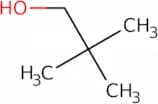
CAS :2,2-Dimethyl-1-propanol (DMPA) is an inorganic acid that can be used as a coagulant for wastewater treatment. It has been shown to be effective in removing malonic acid from water at pH 4.0 and below. The reaction mechanism of DMPA is not fully understood, but it is thought to involve the formation of a hydroxyl group on the methyl group of DMPA, which then reacts with the acid and releases hydrogen ions. The hydrogen ions react with sodium carbonate to form sodium bicarbonate and release water vapor. This process continues until all the DMPA has reacted or until there is no more acid present. Asymmetric synthesis of DMPA is possible using neopentyl alcohol and fatty acids as starting materials.
Formule :C5H12ODegré de pureté :Min. 95%Couleur et forme :White Clear LiquidMasse moléculaire :88.15 g/molAzetidin-3-ol
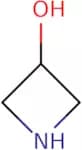
CAS :Azetidin-3-ol is an amide. It can be synthesized by the acylation reaction of 3-hydroxypropanoic acid with an amine. Azetidin-3-ol is a chiral molecule and has two enantiomers. The maleate salt of azetidin-3-ol is used as a drug to treat Parkinson's disease. Azetidin-3-ol has been shown to have potent inhibition against the wild type strain of Clostridium botulinum, but not against its intermolecular hydrogen bonding mutant.
Formule :C3H7NODegré de pureté :Min. 95%Masse moléculaire :73.09 g/mol(5-Methoxy-1-methyl-1H-benzimidazol-2-yl)methanol
CAS :Produit contrôléPlease enquire for more information about (5-Methoxy-1-methyl-1H-benzimidazol-2-yl)methanol including the price, delivery time and more detailed product information at the technical inquiry form on this pageFormule :C10H12N2O2Degré de pureté :Min. 95%Masse moléculaire :192.21 g/mol7-Bromo-3-O-acetyl pregnenolone
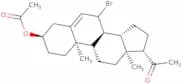
CAS :Produit contrôléPlease enquire for more information about 7-Bromo-3-O-acetyl pregnenolone including the price, delivery time and more detailed product information at the technical inquiry form on this page
Formule :C23H33BrO3Degré de pureté :Min. 95%Masse moléculaire :437.41 g/mol1,4-Pentanediol
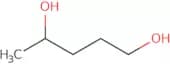
CAS :1,4-Pentanediol is a diol that is used in the manufacture of polyurethanes and other organic compounds. It is produced by the oxidation of benzene with oxygen in the presence of a catalyst such as manganese dioxide. 1,4-Pentanediol can also be prepared from levulinic acid or glycol ethers. 1,4-Pentanediol reacts with an aromatic hydrocarbon in the presence of a homogeneous catalyst to produce viscosity and polycarboxylic acids. The reaction mechanism for this process begins with the addition of water to form hydrogen peroxide and acetaldehyde. Hydrogen peroxide then reacts with an aromatic hydrocarbon to produce glycol ether and hydroxy group. The hydroxyl group then reacts with another aromatic hydrocarbon to produce viscosity and polycarboxylic acid. The reaction products are isolated by distillation or vacuum evaporation, after which they are purified by recrystall
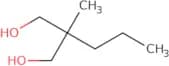
Formule :C5H12O2Degré de pureté :Min. 95%Couleur et forme :Colorless Clear LiquidMasse moléculaire :104.15 g/mol2-Methyl-2-propyl-1,3-propanediol
CAS :Propanediol is a chemical compound that is a diol, or a molecule containing two hydroxyl groups. The propanediol molecule contains two alcohol functional groups. It is an organic solvent with a sweet odor and a slightly viscous consistency. Propanediol can be found in cosmetics, pharmaceuticals, and food products as an inactive ingredient and solute. Propanediol has been shown to have anti-allergic properties in experimental studies. This drug also has the ability to modify the properties of other compounds that are mixed with it, such as glycol esters, which are used in pharmaceuticals and cosmetics. 2-Methyl-2-propyl-1,3-propanediol is soluble in water and readily dissolves in most organic solvents at room temperature. It has been shown to be reactive with oxalyl chloride, forming 2-(2-methylpropyl)oxirane chloride: CH3(CHOH)CH(Formule :C7H16O2Degré de pureté :Min. 95%Masse moléculaire :132.2 g/molIndole-7-methanol
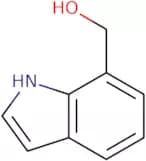
CAS :Indole-7-methanol is a flavin cofactor that catalyses the formylation of indole-7-carboxylic acid. Indole-7-methanol can be synthesized by the conversion of indole-7-carboxaldehyde with formaldehyde and ammonium acetate. The macrocyclic, isomeric, and formylated forms of indole-7-methanol have been shown to have utilisation activity in the synthesis of various compounds. These reactions are catalyzed by flavins such as FAD or FMN. Mutant, unsymmetrical derivatives of indole-7-methanol are also known to undergo these types of reactions. The most common derivative is indirubin, which has been shown to inhibit DNA polymerase III and IV in vitro.Formule :C9H9NODegré de pureté :Min. 95%Masse moléculaire :147.17 g/molKushenol R
CAS :Kushenol R is a bioactive flavonoid compound, which is extracted from the roots of the plant Sophora flavescens, commonly known as the shrubby sophora. Its chemical structure contributes to its role as a compound of interest in the realm of natural product chemistry and pharmacology. As a flavonoid, Kushenol R exhibits significant antioxidant activity, attributed to its ability to scavenge free radicals and mitigate oxidative stress at the cellular level. This mechanism of action is crucial as it offers potential therapeutic effects in combating diseases associated with oxidative damage, such as cancer and inflammatory disorders.Degré de pureté :Min. 95%2,3,4-Trifluorophenol
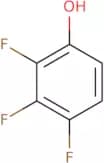
CAS :2,3,4-Trifluorophenol is a chemical control agent that is used as an intermediate in the synthesis of organic compounds. It reacts with hydroxyl groups to form 2,3,4-trifluoroacetophenone from a proton. The compound has low light and x-ray absorption properties and is typically used in liquid crystal compositions. Chemical ionization experiments have shown that 2,3,4-trifluorophenol binds to copper oxide and forms copper trifluoride. This compound also has been found to be conjugated with neutral ph phenols and chlorinated with chlorine atom.
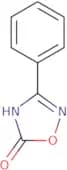
Formule :C6H3F3ODegré de pureté :Min. 95%Couleur et forme :PowderMasse moléculaire :148.08 g/mol3-Phenyl-1,2,4-oxadiazol-5-ol
CAS :3-Phenyl-1,2,4-oxadiazol-5-ol is a thione that has been shown to be conjugated with DNA and RNA. It is also able to form complexes with metal ions. This compound is spectroscopically active and can be used for the evaluation of biomolecules in vitro. 3-Phenyl-1,2,4-oxadiazol-5-ol can be used as an alternative to ethidium bromide for the detection of nucleic acids in agarose gel electrophoresis. It has been shown to inhibit protein synthesis in bacteria by binding to ribosomes and inhibiting protein synthesis.
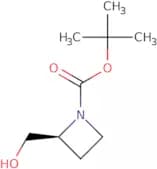
Formule :C8H6N2O2Degré de pureté :Min. 95%Masse moléculaire :162.15 g/mol(S)-1-(tert-Butoxycarbonyl)-2-azetidinemethanol
CAS :Please enquire for more information about (S)-1-(tert-Butoxycarbonyl)-2-azetidinemethanol including the price, delivery time and more detailed product information at the technical inquiry form on this page
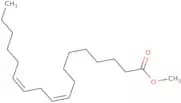
Formule :C9H17NO3Degré de pureté :Min. 95%Masse moléculaire :187.24 g/molMethyl linoleate
CAS :Methyl linoleate is a fatty acid that is naturally found in human and animal cells. It has been shown to inhibit the growth of bacteria through its antimicrobial properties. Methyl linoleate also has antioxidative properties, which may be due to its ability to chelate metal ions such as iron and copper. This fatty acid also has anti-inflammatory activity, which may be due to its ability to inhibit prostaglandin synthesis by blocking cyclooxygenase (COX) enzymes.
Formule :C19H34O2Degré de pureté :Min. 95%Couleur et forme :Colorless Clear LiquidMasse moléculaire :294.47 g/molall-trans-Retro retinol
CAS :All-trans-retinol is a form of vitamin A that is found in many animal tissues and some plant oils. It acts as a hormone, binding to the retinoic acid receptors (RARs) in the nucleus and activating gene transcription. All-trans-retinol has been shown to be effective against hyperproliferative diseases such as cancer, both by inducing apoptosis and by inhibiting cell growth. All-trans-retinol may also have therapeutic potential for other diseases, such as intestinal cancers and prostatic hypertrophy. This compound has been shown to induce messenger RNA (mRNA) production in cells that express RARs.
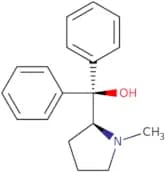
Formule :C20H30ODegré de pureté :Min. 95%Masse moléculaire :286.45 g/mol(S)-a,a-Diphenylmethylprolinol
CAS :Produit contrôlé(S)-a,a-Diphenylmethylprolinol is a chiral ligand that is used in asymmetric synthesis. It has been shown to react with alkylating agents to form chiral methyl esters. The reaction product can be resolved into the desired enantiomer by the use of a chiral stationary phase or an experimental method called isotopic labeling. (S)-a,a-Diphenylmethylprolinol was prepared by a preparative method involving the reaction of cyanate, aldehyde and hexane.Formule :C18H21NODegré de pureté :Min. 95%Masse moléculaire :267.37 g/mol




![(aR)-a-[[[2-(4-Nitrophenyl)ethyl]amino]methyl]benzenemethanol](/_next/image/?url=https%3A%2Fstatic.cymitquimica.com%2Fproducts%2F3D%2Fthumb-webp%2FFN75044.webp&w=3840&q=75)

![1-[(2-Chlorophenyl)-N-(methylimino)methyl]cyclopentanol hydrochloride](/_next/image/?url=https%3A%2Fstatic.cymitquimica.com%2Fproducts%2F3D%2Fthumb-webp%2FFC146990.webp&w=3840&q=75)