Alcools
Sous-catégories appartenant à la catégorie "Alcools"
5818 produits trouvés pour "Alcools"
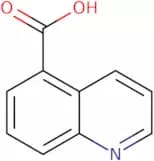
Quinoline-5-carboxylic acid
CAS :Quinoline-5-carboxylic acid is a peroxide that is produced by the oxidation of quinoline derivatives. Quinoline-5-carboxylic acid has been shown to have antibacterial activity, and it also has affinity values for chloride ions. The chemical isomers of quinoline-5-carboxylic acid are called quninolines, which are produced by the hydrolysis of quinoline-5-carboxylic acid. Quinolines can be obtained by the oxidation of aniline. Quinolines have been shown to catalyze reactions with carbonyl groups in organic molecules, such as the reaction between an alkoxycarbonyl group and a hydroxyl group to form an aldehyde or ketone. Kinetic data for this reaction was obtained using titration calorimetry.
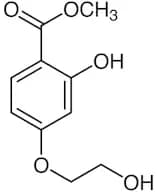
Formule :C10H7NO2Degré de pureté :Min. 95%Couleur et forme :White To Beige To Light Brown To Grey SolidMasse moléculaire :173.17 g/molMethyl 4-(2-Hydroxyethoxy)salicylate
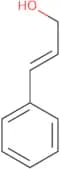
Formule :C10H12O5Degré de pureté :>98.0%(GC)Couleur et forme :White to Light yellow to Light orange powder to crystalMasse moléculaire :212.203-Phenyl-2-propen-1-ol
CAS :3-Phenyl-2-propen-1-ol is a cinnamyl compound that is found in plants, such as cinnamon and cassia. It has been shown to have an inhibitory effect on the enzyme activities of sorbitol dehydrogenase, which is involved in the synthesis of polysaccharides. 3-Phenyl-2-propen-1-ol also has a transcriptional regulatory effect on genes that encode enzymes involved in the synthesis of polymers. The reaction mechanism for this reaction has been proposed to be through an initial nucleophilic attack by the hydroxyl group on the electrophilic carbonyl carbon atom followed by protonation and elimination of water.
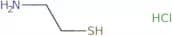
3-Phenyl-2-propen-1-ol has also been shown to be a signal peptide, which is used to identify proteins for transport within cells. This polymerase chain reaction (PCR) model system can be used to determineFormule :C9H10ODegré de pureté :Min. 95%Couleur et forme :PowderMasse moléculaire :134.18 g/mol2-Aminoethanethiol HCl
CAS :2-Aminoethanethiol HCl is an organosulfur compound used in the treatment of cystinosis. Cystinosis is a rare autosomal recessive metabolic disorder that leads to the accumulation of cysteine and other amino acids in the lysosomes of cells. 2-Aminoethanethiol HCl is also used for the treatment of enteritidis, a disease caused by infection with bacteria such as Salmonella typhi, Shigella dysenteriae, or Escherichia coli. It has been shown to inhibit protein synthesis in vitro and in experimental models. The mechanism of 2-aminoethanethiol HCl's inhibition may be due to its ability to reduce mitochondrial membrane potential, thereby inhibiting ATP production and inhibiting cellular respiration.
2-Aminoethanethiol HCl has been found to be effective against many strains of bacteria that are resistant to standard antibiotics (eFormule :C2H7NS·HClDegré de pureté :Min. 95%Couleur et forme :White PowderMasse moléculaire :113.61 g/mol2-Amino-4,5-dimethylphenol
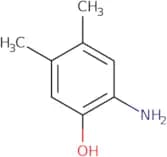
CAS :2-Amino-4,5-dimethylphenol is a compound that exhibits anticancer activity. It is an arylimine that has been shown to inhibit the proliferation of cancer cells in vitro and in vivo. The mechanism of action is not fully understood, but it is believed that 2-amino-4,5-dimethylphenol may act as a nucleophile in reverse Michael addition reactions with electrophiles. This compound also has been shown to be potent against some cancer cell lines and to induce apoptosis through caspase activation. 2-Amino-4,5-dimethylphenol interacts with aminophenols in vitro, forming supramolecular complexes that are cytotoxic to cancer cells.
Formule :C8H11NODegré de pureté :Min. 95%Couleur et forme :Brown SolidMasse moléculaire :137.18 g/mol2,4-Diaminophenoxyethanol 2HCl
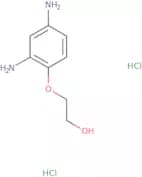
CAS :2,4-Diaminophenoxyethanol 2HCl is a cross-linking agent that is used in the production of emulsions. It has been shown to bind to fatty acids and form an insoluble precipitate with calcium ions. This product is also effective as an adsorbent for crystal violet, which can be used for the purification of fatty acids. The adsorption kinetics of this product have been studied using a diode at different wavelengths with a wavelength of 700 nm being the most suitable for this application. 2,4-Diaminophenoxyethanol 2HCl has shown to be able to reduce weight in animals by binding water molecules and forming crystals in the body, which may contribute to its anti-obesity effects.
Formule :C8H12N2O2•(HCl)2Degré de pureté :Min. 95%Couleur et forme :PowderMasse moléculaire :241.11 g/molQuinoline-2,8-diol
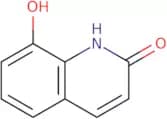
CAS :Quinoline-2,8-diol is a bacterial strain that can be used to remove fatty acids from wastewater. The recombinant cytochrome P450 in this strain can degrade fatty acids, which are carcinogenic and have been shown to cause hepatic steatosis. In addition, the quinoline-2,8-diol strain has shown an ability to inhibit xenograft tumor growth in mice by activating cytochrome P450 and inducing apoptosis. This bacterial strain also has the potential to produce xanthurenic acid from tyrosine. Xanthurenic acid is toxic and has been shown to inhibit polymerase chain reaction (PCR) amplification of DNA. Quinoline-2,8-diol may be used as a model for experimental studies of xanthurenic acid's effects on energy metabolism and DNA synthesis.
Formule :C9H7NO2Degré de pureté :Min. 95 Area-%Couleur et forme :PowderMasse moléculaire :161.16 g/mol2-Amino-5-bromophenol
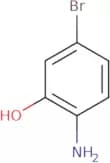
CAS :2-Amino-5-bromophenol is a chemical that is used as a substrate in the study of intracellular Ca2+ levels. 2-Amino-5-bromophenol can also be used to study the activity of microperoxidases, enzymes that are involved in the metabolism of hydrogen peroxide and organic hydroperoxides. 2-Amino-5-bromophenol has been shown to have anticancer activity against MCF7 cells, an estrogen receptor positive cell line. The anticancer activity may be due to the inhibition of protein synthesis by 2-amino-5-bromophenol binding to DNA. This binding prevents transcription and translation of genes that code for proteins involved in cancer cell proliferation and survival.Formule :C6H6BrNODegré de pureté :Min. 95%Couleur et forme :Off-White To Brown SolidMasse moléculaire :188.02 g/mol8-Hydroxy-5-nitroquinoline-2-carbaldehyde
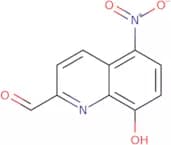
CAS :8-Hydroxy-5-nitroquinoline-2-carbaldehyde is a high quality, versatile building block that can be used as a reaction intermediate or to synthesize heterocycles. It is also a useful scaffold for the synthesis of complex compounds. The CAS number of this chemical is 884497-63-6.Formule :C10H6N2O4Degré de pureté :Min. 95%Couleur et forme :PowderMasse moléculaire :218.17 g/mol5-Hydroxy-3,4-dihydro-2(1H)-quinolinone
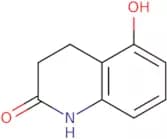
CAS :5-Hydroxy-3,4-dihydro-2(1H)-quinolinone is a high quality reagent with a CAS number of 30389-33-4. It has been shown to be a useful intermediate in the synthesis of complex compounds. This compound can also be used as an important building block for the synthesis of speciality chemicals and research chemicals. 5-Hydroxy-3,4-dihydro-2(1H)-quinolinone is versatile and can be used as a reaction component in many reactions that require the introduction of oxygen into molecules.Formule :C9H9NO2Degré de pureté :Min. 95%Couleur et forme :White PowderMasse moléculaire :163.17 g/mol17alpha-Hydroxypregnenolone
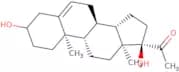
CAS :Produit contrôlé17alpha-Hydroxypregnenolone is a steroid hormone that has been shown to have effects on the metabolism of lipids, glucose and protein. This compound is synthesized from progesterone by the enzyme 17alpha-hydroxylase and is converted to 17beta-hydroxyprogesterone by the enzyme 17,20 lyase. It has been shown to have an effect on body mass index in humans and model organisms such as mice. The tissue culture studies showed that 17alpha-Hydroxypregnenolone led to an increase in serum bile acids. In adrenocortical carcinoma cell lines, this compound was found to inhibit the growth of cancer cells through inhibition of DNA synthesis and protein synthesis through inhibition of RNA polymerase II activity. It also inhibits infectious diseases by decreasing virus production and increasing the production of interferon alpha. When synthesized for use in experimental models, this compound can be used as a marker for metabolic disorders or cation
Formule :C21H32O3Degré de pureté :Min. 95%Couleur et forme :White PowderMasse moléculaire :332.48 g/molDeoxynivalenol
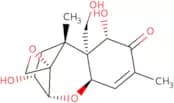
CAS :Deoxynivalenol is a mycotoxin that is produced by the fungi Fusarium graminearum and F. culmorum. It produces toxic effects in humans and animals, including human immunoglobulin E (IgE) production, acute toxicities, and cytotoxic effects on cultured human leukocytes. The analytical method for deoxynivalenol detection includes a variety of in vitro methods such as enzyme-linked immunosorbent assays (ELISA), competitive ELISA, fluorescent antibody staining assay, fluorescence polarization immunoassay (FPIA), competitive FPIA, and high performance liquid chromatography (HPLC). Deoxynivalenol binds to dna with high affinity and has been shown to have fusarial activity. The toxicity of deoxynivalenol can be confirmed by the mitochondrial membrane potential assay or by the assessment of vomitoxin levels. Colloidal gold can be used for identification of deox
Formule :C15H20O6Degré de pureté :Min. 95%Couleur et forme :White PowderMasse moléculaire :296.32 g/molPyridine-2-ethanol
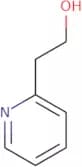
CAS :Pyridine-2-ethanol is a tetranuclear compound that is composed of four pyridine rings. It can be synthesized by reacting trifluoroacetic acid with an ethyl alcohol in the presence of a base. Pyridine-2-ethanol has been shown to have acidic properties and reacts with human serum, forming hydrogen bonds. The reaction mechanism for this compound is not fully understood, but it may involve transfer reactions and intramolecular hydrogen bonding interactions between the hydroxyl group and nitrogen atoms. Pyridine-2-ethanol also forms hydrogen bonds with other molecules due to its structural analysis.Formule :C7H9NODegré de pureté :Min. 99%Couleur et forme :Clear LiquidMasse moléculaire :123.15 g/mol2-(Hydroxymethyl)pyridin-4-ol
CAS :2-(Hydroxymethyl)pyridin-4-ol is a versatile building block that can be used in the synthesis of complex compounds and research chemicals. This fine chemical is a reagent, speciality chemical, and useful scaffold in organic synthesis. 2-(Hydroxymethyl)pyridin-4-ol is also an intermediate for the production of useful building blocks. It has high purity and can be used as a reaction component or a useful scaffold in organic synthesis.Formule :C6H7NO2Degré de pureté :Min. 95%Couleur et forme :White PowderMasse moléculaire :125.13 g/mol2-Nitrophenol
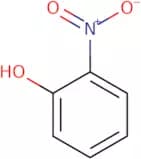
CAS :2-Nitrophenol has been used as an antimicrobial agent. 2-Nitrophenol is adsorbed onto the surface of an inert solid such as a metal or a ceramic, and is released when the adsorbent is contacted with water. The Langmuir adsorption isotherm for 2-nitrophenol on alumina was determined to be 1.4x10⁻³ mol/cm2. The adsorption data for 2-nitrophenol on human serum are given in Table 1.Formule :O2NC6H4OHDegré de pureté :Min. 95%Couleur et forme :PowderMasse moléculaire :139.11 g/mol(S)-Pyroglutaminol
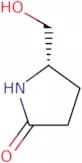
CAS :(S)-Pyroglutaminol is a chiral auxiliary that can be used to synthesize enantiopure amino acid derivatives. It is used in the synthesis of various drugs, such as antivirals and antifungals. The hydroxy group on one side of the molecule reacts with the enolate of an alpha-amino acid or a beta-keto acid to form an ester. The hydroxyl group on the other side of the molecule reacts with ethylene diamine to form an amide. Pyroglutaminol has been shown to reduce carbonyl groups in organic compounds, which may be due to its ability to act as an enantioselective catalyst for asymmetric synthesis.
Formule :C5H9NO2Degré de pureté :Min. 95%Couleur et forme :White PowderMasse moléculaire :115.13 g/mol4-Mercaptobenzyl alcohol, 90%
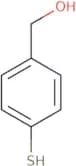
CAS :4-Mercaptobenzyl alcohol (MBBA) is a bifunctional molecule that can act as an electron donor and electron acceptor. It has been shown to have proapoptotic activity, which may be due to its ability to interact with cellular components and induce DNA damage. MBBA has also been shown to inhibit the growth of bacteria by attacking their cell walls and inhibiting their ability to synthesize proteins. The antibacterial activity of MBBA was found to be enhanced on metal surfaces, such as aluminum and copper, which are commonly used in cancer therapy equipment or for antimicrobial resistance. MBBA also has diagnostic properties, which can be used for the detection of cancer cells or bacterial infections.
MBBA is absorbed into cells through the carboxylate groups on the surface of the cell membrane. Electrons are then transferred from the molecule to the cell's electron transport chain, thereby increasing ATP production and inducing apoptosis in cancer cells.Formule :C7H8OSDegré de pureté :Min. 90%Couleur et forme :Off-White PowderMasse moléculaire :140.2 g/mol4-(Hydroxymethyl)cyclohexanol
CAS :4-(Hydroxymethyl)cyclohexanol is a versatile building block that can be used in the synthesis of complex compounds. This chemical has been shown to have a high degree of purity and is a useful intermediate or reaction component for many different reactions. It is also an excellent scaffold for synthesizing other organic molecules.Formule :C7H14O2Degré de pureté :Min. 95%Couleur et forme :Clear To White To Off-White SolidMasse moléculaire :130.18 g/mol(E)-5-(3-Hydroxyprop-1-en-1-yl)benzene-1,3-diol
(E)-5-(3-Hydroxyprop-1-en-1-yl)benzene-1,3-diol is a high quality reagent that has been used as an intermediate to synthesize other chemical compounds. It is one of the most useful scaffolds for complex compound synthesis, and a versatile building block for the production of research chemicals and speciality chemicals. The chemical can be used in reactions as a reaction component to prepare fine chemicals or useful intermediates. CAS No. is 7058-25-0.Formule :C9H10O3Degré de pureté :Min. 95%Couleur et forme :PowderMasse moléculaire :166.17 g/mol3-Heptanol
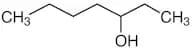
CAS :Formule :C7H16ODegré de pureté :>98.0%(GC)Couleur et forme :Colorless to Almost colorless clear liquidMasse moléculaire :116.20