Alcools
Les alcools sont une large gamme de molécules organiques dérivées des hydrocarbures et contenant un ou plusieurs groupes hydroxyle (groupe OH). Ces composés sont essentiels dans diverses réactions chimiques et sont largement utilisés en laboratoire pour la synthèse, comme solvants et en chimie analytique. Chez CymitQuimica, nous proposons des alcools de haute qualité préparés pour une utilisation en laboratoire, soutenant vos recherches et applications industrielles avec des produits fiables et efficaces. Notre sélection garantit que vous disposez des alcools adaptés à vos besoins spécifiques, que ce soit pour des travaux de laboratoire de routine ou des projets de recherche spécialisés.
Sous-catégories appartenant à la catégorie "Alcools"
5814 produits trouvés pour "Alcools"
Trier par
Degré de pureté (%)
0
100
|
0
|
50
|
90
|
95
|
100
9-Chloro triamcinolone acetonide
CAS :Please enquire for more information about 9-Chloro triamcinolone acetonide including the price, delivery time and more detailed product information at the technical inquiry form on this pageFormule :C24H31ClO6Degré de pureté :Min. 95%Masse moléculaire :450.95 g/mol1,2,3,4-Tetrahydro-4,6-dihydroxy-2-methyl-isoquinoline
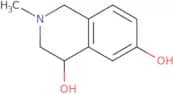
CAS :<p>1,2,3,4-Tetrahydro-4,6-dihydroxy-2-methyl-isoquinoline is a useful building block in the synthesis of various compounds such as pharmaceuticals and pesticides. It is an intermediate for the preparation of other valuable chemicals such as the antihistamine diphenhydramine, which is used to treat allergies. Tetrahydroisoquinoline can also be used as a reagent to synthesize other chemical compounds. This compound has been used in research as well as commercial applications. Tetrahydroisoquinoline is also a versatile scaffold that can be modified to produce different derivatives with different properties.</p>Formule :C10H13NO2Degré de pureté :Min. 95%Couleur et forme :White PowderMasse moléculaire :179.22 g/molKushenol W
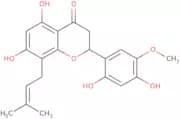
CAS :<p>Kushenol W is a flavonoid compound, which is derived from the root of the Sophora flavescens plant. This plant, commonly known as "Kushen," is an important component in traditional Chinese medicine. The mode of action of Kushenol W involves multiple biological pathways, primarily exerting its effects through anti-inflammatory and anti-tumor activities. It interacts with various molecular targets, modulating pathways associated with oxidative stress and cell proliferation.</p>Degré de pureté :Min. 95%(17a)-3-Ethynyl-19-norpregna-3,5-dien-20-yn-17-ol
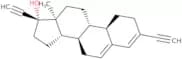
CAS :Produit contrôlé<p>Please enquire for more information about (17a)-3-Ethynyl-19-norpregna-3,5-dien-20-yn-17-ol including the price, delivery time and more detailed product information at the technical inquiry form on this page</p>Formule :C22H26ODegré de pureté :Min. 95%Masse moléculaire :306.44 g/mol3b-Acetoxyergosta-7,22-dien-5a-ol
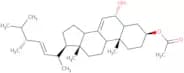
CAS :Produit contrôléPlease enquire for more information about 3b-Acetoxyergosta-7,22-dien-5a-ol including the price, delivery time and more detailed product information at the technical inquiry form on this pageFormule :C30H48O3Degré de pureté :Min. 95%Masse moléculaire :456.7 g/molKushenol R
CAS :Kushenol R is a bioactive flavonoid compound, which is extracted from the roots of the plant Sophora flavescens, commonly known as the shrubby sophora. Its chemical structure contributes to its role as a compound of interest in the realm of natural product chemistry and pharmacology. As a flavonoid, Kushenol R exhibits significant antioxidant activity, attributed to its ability to scavenge free radicals and mitigate oxidative stress at the cellular level. This mechanism of action is crucial as it offers potential therapeutic effects in combating diseases associated with oxidative damage, such as cancer and inflammatory disorders.Degré de pureté :Min. 95%Azetidin-3-ol
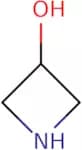
CAS :<p>Azetidin-3-ol is an amide. It can be synthesized by the acylation reaction of 3-hydroxypropanoic acid with an amine. Azetidin-3-ol is a chiral molecule and has two enantiomers. The maleate salt of azetidin-3-ol is used as a drug to treat Parkinson's disease. Azetidin-3-ol has been shown to have potent inhibition against the wild type strain of Clostridium botulinum, but not against its intermolecular hydrogen bonding mutant.</p>Formule :C3H7NODegré de pureté :Min. 95%Masse moléculaire :73.09 g/molDL-Panthenol
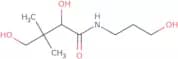
CAS :<p>DL-Panthenol is a form of pantothenic acid. It is used in combination with sodium citrate and calcium pantothenate to prevent cisplatin-induced nephrotoxicity. DL-Panthenol has been shown to protect against cisplatin-induced nephrotoxicity. DL-Panthenol has also been shown to be effective in solid tumours, where it exerts its anticancer effects by regulating signal pathways and inhibiting the growth of cancer cells via benzalkonium chloride. DL-Panthenol is an antimicrobial agent that can be used as an experimental model for bowel disease. This drug also exhibits anti-inflammatory properties, which are due to its ability to inhibit gsh-px activities and laser ablation in an experimental model.</p>Formule :C9H10NO4Degré de pureté :Min. 95%Masse moléculaire :196.18 g/mol3-Thiopheneethanol
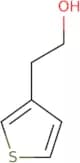
CAS :<p>3-Thiopheneethanol is a synthetic polymer that can be used as an insoluble polymer. It has been shown to undergo chemical reactions with hydroxy groups, which form a polymer film. The untreated control group did not show any change in the film thickness, but the electrochemical methods group showed a significant increase in the film thickness. 3-Thiopheneethanol may have potential applications in medical devices and sensors. The detection time of 3-thiopheneethanol was found to be longer than that of other polymers, such as polystyrene sulfonic acid (PSSA).</p>Formule :C6H8OSDegré de pureté :Min. 95%Masse moléculaire :128.19 g/molCyclobutanemethanol
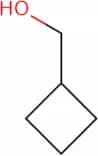
CAS :<p>Cyclobutanemethanol is a drug used to treat inflammatory diseases. It is an uptake inhibitor that blocks the transport of uridine into cells, preventing the activation of G-protein coupled receptors and the subsequent production of inflammatory mediators. Cyclobutanemethanol has been shown to have anti-inflammatory properties by inhibiting the CB2 receptor, which is found in large quantities in inflammatory tissues. Cyclobutanemethanol also prevents dehydration and increases blood flow to inflamed areas by acting on vascular endothelial cells. It can be synthesized from two molecules of hydrochloric acid and one molecule of cyclobutane. The synthesis pathway includes removal of a hydroxy group and addition of an alkynyl group via hydrogen bonding interactions with chloride ions. Cyclobutanemethanol has been shown to inhibit influenza virus replication in vitro, but not in vivo.</p>Formule :C5H10ODegré de pureté :Min. 95%Masse moléculaire :86.13 g/mol4-Fluorothiophenol
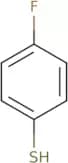
CAS :<p>4-Fluorothiophenol is a reactive chemical that can be used as a monomer for the synthesis of polymers. It has been shown to polymerize with acrylonitrile and methacrylate in the presence of an initiator to form polyacrylonitrile and polymethacrylate, respectively. 4-Fluorothiophenol reacts with unsaturated fatty acids to form thiolates, which are useful intermediates in organic synthesis. 4-Fluorothiophenol also reacts with sulfur transfer agents such as thiourea or mercaptoethanol, leading to S-sulfides that are useful intermediates in organic synthesis. These reactions can be followed by kinetic energy spectroscopy (photoelectron) and nuclear magnetic resonance spectroscopy (NMR). 4-Fluorothiophenol has been shown to undergo intramolecular hydrogen transfer reactions with second order rate constants ranging from</p>Formule :C6H5FSDegré de pureté :Min. 95%Masse moléculaire :128.17 g/mol[1-(2-Chlorobenzyl)-1H-benzimidazol-2-yl]methanol
CAS :Produit contrôléPlease enquire for more information about [1-(2-Chlorobenzyl)-1H-benzimidazol-2-yl]methanol including the price, delivery time and more detailed product information at the technical inquiry form on this pageFormule :C15H13ClN2ODegré de pureté :Min. 95%Masse moléculaire :272.73 g/mol(R)-2-Methylbutanol
CAS :(R)-2-Methylbutanol is a volatile pheromone that is produced by both sexes of the avocado tree. It is emitted from the flowers, fruits, and leaves of the plant as well as from wounds on the bark and branches. (R)-2-Methylbutanol has also been identified in other plants such as pine trees. This compound is synthesized in organisms through a cross-coupling reaction and an acetylation reaction. The acetylation reaction involves the addition of an acetyl group to an organic molecule, which may be accomplished using a host plant or synthetic reagents. The cross-coupling reaction involves two molecules that are coupled together by a metal catalyst such as palladium or nickel. In this process, one molecule donates a pair of electrons to another molecule, which accepts them and becomes reduced. This compound has been found to be important for microhabitat selection in some insects because it plays a role in pheromFormule :C5H12ODegré de pureté :Min. 95%Masse moléculaire :88.15 g/mol3,4-Dihydroisoquinolin-2(1H)-ylacetic acid
CAS :<p>3,4-Dihydroisoquinolin-2(1H)-ylacetic acid is a chemical compound with the molecular formula of C8H11NO2. It is a useful scaffold for the synthesis of complex compounds and research chemicals. 3,4-Dihydroisoquinolin-2(1H)-ylacetic acid is also a versatile building block for the preparation of fine chemicals. It is used as a reaction component in many organic reactions and can be used as a speciality chemical or reagent due to its high quality.</p>Formule :C11H13NO2Degré de pureté :Min. 95%Couleur et forme :PowderMasse moléculaire :191.23 g/mol3-Propylphenol
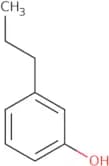
CAS :3-Propylphenol is a naturally occurring fatty acid found in animals and plants. It is used as an industrial chemical and as a solvent for fats, oils, waxes, and resins. 3-Propylphenol has been shown to have a high affinity for caproic acid, which is a fatty acid that can be found in the urine of humans and animals. 3-Propylphenol also has the ability to inhibit methyl ketone formation by diptera during metathesis reactions. This compound is used in the production of industrial chemicals like phenols, acetates, and esters.Formule :C9H12ODegré de pureté :Min. 95%Masse moléculaire :136.19 g/mol[1-(4-Chlorobenzyl)-1H-benzimidazol-2-yl]methanol
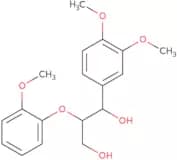
CAS :Produit contrôlé<p>Please enquire for more information about [1-(4-Chlorobenzyl)-1H-benzimidazol-2-yl]methanol including the price, delivery time and more detailed product information at the technical inquiry form on this page</p>Formule :C15H13ClN2ODegré de pureté :Min. 95%Masse moléculaire :272.73 g/mol1-(3,4-Dimethoxyphenyl)-2-(2-methoxyphenoxy)propane-1,3-diol
CAS :1,3-Dimethoxy-2-(2-methoxyphenoxy)propane-1,3-diol (DMMP) is a natural product with antioxidant properties. It has been shown to be a potent inhibitor of the epidermal growth factor receptor (EGFR), and also inhibits the activity of the response elements for EGFR. DMMP is also a potent inhibitor of proliferation in human cancer cells and can inhibit the growth of tumour cells that are resistant to methotrexate. DMMP is a precursor to protocatechuic acid, which has been shown to have anti-herpes virus effects. DMMP has been shown to decrease the rate of second order reactions through its ability to react with carbonyl groups on proteins. This reaction leads to an increase in stability and decreases the rate of protein degradation by proteases. A mutant strain was found that can produce this compound without any external stimulus, making it ideal for use as an antibiotic against bacterialFormule :C18H22O6Degré de pureté :Min. 95 Area-%Couleur et forme :PowderMasse moléculaire :334.36 g/mol(R)-1,2-Butanediol
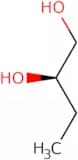
CAS :<p>(R)-1,2-Butanediol is a chemical compound that is classified as a diol. It has two hydroxyl groups and is an active substance. The (R)-1,2-Butanediol molecule consists of two asymmetric carbon atoms. In the presence of oxygen, it can form a ternary complex with copper and the hydroxyl group. This ternary complex catalyzes the conversion of various substrates such as L-xylulose to its corresponding ketones or L-arabinose to its corresponding acetals. The reaction proceeds via substrate binding to the active site on the ternary complex and subsequent functional group participation in the reaction.</p>Formule :C4H10O2Degré de pureté :Min. 95%Masse moléculaire :90.12 g/molDrostanolone acetate
CAS :Produit contrôléPlease enquire for more information about Drostanolone acetate including the price, delivery time and more detailed product information at the technical inquiry form on this pageFormule :C22H34O3Degré de pureté :Min. 95%Masse moléculaire :346.5 g/mol2-Hydroxy-4-methylquinoline
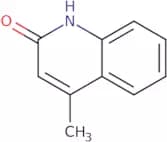
CAS :<p>2-Hydroxy-4-methylquinoline is an organic compound that has a chelate ring. It is soluble in deionized water and reacts with metal ions to form a fluorescent product. The molecule also has antibacterial activity, which may be due to its ability to inhibit the growth of bacteria by acting as a metal ion chelator. 2-Hydroxy-4-methylquinoline can react with halides and ammonium persulfate to form isomeric products, such as 4,5-dihydroxyquinoline, which have been shown to have antimicrobial properties. 2-Hydroxy-4-methylquinoline can also react with phosphorus oxychloride and alkylating agents such as chloroethane or chloroform to form substituted derivatives.</p>Formule :C10H9NODegré de pureté :Min. 95%Couleur et forme :PowderMasse moléculaire :159.18 g/mol

![[1-(2-Chlorobenzyl)-1H-benzimidazol-2-yl]methanol](/_next/image/?url=https%3A%2Fstatic.cymitquimica.com%2Fproducts%2F3D%2Fthumb-webp%2FFC135810.webp&w=3840&q=75)


![[1-(4-Chlorobenzyl)-1H-benzimidazol-2-yl]methanol](/_next/image/?url=https%3A%2Fstatic.cymitquimica.com%2Fproducts%2F3D%2Fthumb-webp%2FFC135813.webp&w=3840&q=75)