Amines
Les amines sont un ensemble de molécules contenant un groupe fonctionnel amino (dérivé de l'ammoniac). Cette catégorie inclut les amines à tous les niveaux de substitution : primaires, secondaires, tertiaires et sels d'ammonium. Les amines sont fondamentales dans la synthèse organique et sont largement utilisées dans les produits pharmaceutiques, les agrochimiques et les sciences des matériaux. Chez CymitQuimica, nous proposons une sélection complète d'amines pour répondre à vos besoins de recherche et industriels. Notre gamme assure l'accès à diverses amines pour divers processus chimiques et recherches innovantes.
Sous-catégories appartenant à la catégorie "Amines"
- Nitrosamines(2.606 produits)
- Amines primaires(30.947 produits)
- Cations d'ammonium quaternaire(1.098 produits)
- Amines secondaires(20.886 produits)
- Amines tertiaires(17.193 produits)
8780 produits trouvés pour "Amines"
Trier par
Degré de pureté (%)
0
100
|
0
|
50
|
90
|
95
|
100
rac 2-Aminothiazoline-4-carboxylic Acid
CAS :Produit contrôlé<p>Stability Hygroscopic<br>Applications Used in the manufacturing of L-tryptophan by enzymic reaction.<br>References Franke, L., et al.: J. Med. Chem., 48, 6997 (2005), Fox, T., et al.: Curr. Top Med. Chem., 6, 1579 (2006),<br></p>Formule :C4H6N2O2SCouleur et forme :NeatMasse moléculaire :146.17N,N-Dimethylbenzhydrylamine
CAS :<p>Applications N,N-Dimethylbenzhydrylamine is a useful research chemical for organic synthesis and other chemical processes.<br> Not a dangerous good if item is equal to or less than 1g/ml and there is less than 100g/ml in the package<br>References Protiva, M., et al.: Chemicke Listy pro Vedu a Prumysl, 47, 1621 (1953), Blicke, F. F., et al.: J. Am. Chem. Soc., 76, 3161 (1954), Estiu, G. L., et al.: Farmaco, 45, 889 (1990)<br></p>Formule :C15H17NCouleur et forme :NeatMasse moléculaire :211.302,4-Diaminotoluene
CAS :Produit contrôlé<p>Applications Aromatic amines likely to have high carcinogenic potency. QSARs of aromatic amines.<br> Not a dangerous good if item is equal to or less than 1g/ml and there is less than 100g/ml in the package<br>References Franke, R., et al.: Carcinogenesis, 22, 1561 (2001), Benigni, R., et al.: Chem. Rev., 105, 1767 (2005), Benigni, R., et al.: Environ. Mol. Mutagen., 50, 152 (2009),<br></p>Formule :C7H10N2Couleur et forme :Light BrownMasse moléculaire :122.171,3-Benzenedimethanamine
CAS :Produit contrôlé<p>Applications 1,3-Benzenedimethanamine (cas# 1477-55-0) is a useful research chemical.<br></p>Formule :C8H12N2Couleur et forme :Colourless LiquidMasse moléculaire :136.19Butyltrimethylammonium Chloride
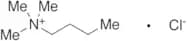
CAS :Produit contrôlé<p>Applications Butyltrimethylammonium Chloride is an antistatic agents that is used in surface application on polymers. Butyltrimethylammonium Chloride is also used as a co-pyrolisant in acetylcholine and choline pyrolysis gas chromatography.<br>References Vasilenok, Y.I. et al.: Vest. Akad. Nav. BSSR Ser. Khim. Nav., 5, 97 (1971); Vasilenok, Y.I. et al.: Dok. Akad. Nauk BSSR, 18, 1016 (1984): Khandelwal, J.K. et al.: Eur. J. Pharmacol., 76, 145 (1981);<br></p>Formule :C7H18ClNCouleur et forme :NeatMasse moléculaire :151.68Cyanomelamine
CAS :Produit contrôlé<p>Applications Cyanomelamine is an substituted Melamine (M208700), an compound that forms synthetic resins with formaldehyde.<br>References LaBrecque, G.C., et al.: J. Econ. Entomol., 61, 1621 (1968);<br></p>Formule :C4H5N7Couleur et forme :White To Off-WhiteMasse moléculaire :151.134-(3-Aminophenyl)-3-morpholinone
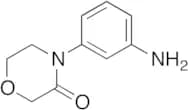
CAS :Produit contrôlé<p>Applications 4-(3-Aminophenyl)-3-morpholinone is an intermediate during the preparation of imidazothiazoles as protein kinase inhibitors for treating cancers.<br>References Bamaung, N., et al.: PCT Int. Appl. (2009), WO 2009070516 A1 20090604.<br></p>Formule :C10H12N2O2Couleur et forme :NeatMasse moléculaire :192.2142-(2-Aminoethoxy)anisole
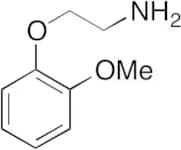
CAS :Produit contrôlé<p>Applications 2-(2-Aminoethoxy)anisole is used as an additive to vinylphosphonic acid esters and acrylonitrile forming compounds displaying hypotensive activity. An impurity from the process of Carvedilol (C184625)<br>References Reznik, V. et al.: Russ. Chem. Bull., 48, 979, (1999); Hirohashi, M., et al.: Arzneim.-Forsch., 40, 735 (1990), Packer, M., et al.: N. Engl. J. Med., 334, 1349 (1996),<br></p>Formule :C9H13NO2Couleur et forme :NeatMasse moléculaire :167.204-(N-Boc-aminomethyl)aniline
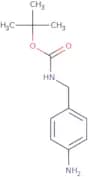
CAS :<p>4-(N-Boc-aminomethyl)aniline is a cavity-preventing agent that has been demonstrated to be neuroprotective in vitro. The drug also inhibits the growth of bacteria, fungi, and viruses in cell culture and animal models. 4-(N-Boc-aminomethyl)aniline is an innovative compound class that has shown potential for treating infectious diseases such as HIV, tuberculosis, and malaria. It has been shown to act by interfering with viral replication and inhibiting the production of inflammatory cytokines (e.g., tumor necrosis factor). Furthermore, 4-(N-Boc-aminomethyl)aniline can be used as a matrix effector or nucleophile to form hydrogen bonds with other molecules. It can also have an impact on nanomaterials when it is incorporated into their surface.</p>Formule :C12H18N2O2Degré de pureté :Min. 97 Area-%Couleur et forme :Yellow PowderMasse moléculaire :222.28 g/mol2-Fluoro-6-hydroxybenzylamine hydrochloride
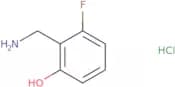
CAS :<p>2-Fluoro-6-hydroxybenzylamine hydrochloride is a chemical intermediate that can be used for the synthesis of more complex compounds. It reacts with acetic anhydride to produce 2-fluoro-6-acetoxybenzamide. It also reacts with chloroacetic acid to produce 2,6-dichloroquinoline. This compound has been shown to be useful in research and development as a versatile building block or a reagent for the synthesis of various complex compounds. CAS No. 2094868-94-5.</p>Formule :C7H8FNO•HClDegré de pureté :Min. 95%Couleur et forme :PowderMasse moléculaire :177.6 g/mol6-Amino-5-bromoquinoxaline
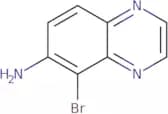
CAS :<p>6-Amino-5-bromoquinoxaline is an inhibitor of serine proteases that has been shown to be effective in cell culture and in wild-type mice. It inhibits the enzyme by binding to the catalytic site, blocking the formation of a covalent bond between polypeptide chain and amino acid substrate. 6-Amino-5-bromoquinoxaline has also been shown to have an inhibitory effect on fibrinogen and polyclonal antibodies and can be used as a buffer for other proteases. In addition, this compound also inhibits caproic acid production from fatty acids via an unknown mechanism.br><br>6-Amino-5-bromoquinoxaline is not active against synthetic substrates or monoclonal antibodies.</p>Formule :C8H6BrN3Degré de pureté :Min. 95%Couleur et forme :PowderMasse moléculaire :224.05 g/molα-Aminoisobutyric acid methyl ester hydrochloride
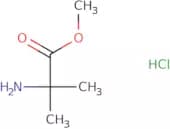
CAS :<p>Alpha-aminoisobutyric acid methyl ester hydrochloride (AABME) is an amino acid that is a metabolite of the neurotransmitter GABA. It has been shown to be transported across the blood-brain barrier by a carrier-mediated transport system and is taken up by neurons via a solute carrier family 38 member 2 transporter. AABME has been observed at physiological levels in maternal blood plasma, urine, cerebrospinal fluid, and brain tissue. It has also been studied in vitro using 3T3-L1 preadipocytes as a model for adipogenesis. In this context, it has been shown to increase cell proliferation and inhibit apoptosis.</p>Formule :C5H11NO2•HClCouleur et forme :PowderMasse moléculaire :153.61 g/mol4-Carbethoxyaminothiazole
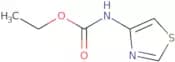
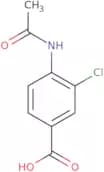
CAS :<p>4-Carbethoxyaminothiazole is a versatile building block for the synthesis of many fine chemicals and complex compounds. It is a reagent that can be used in research, as a speciality chemical, or as an intermediate to produce other useful compounds. 4-Carbethoxyaminothiazole is also a useful scaffold for the synthesis of organic molecules with interesting biological properties.</p>Formule :C6H8N2O2SDegré de pureté :Min. 95%Couleur et forme :White solid.Masse moléculaire :172.21 g/mol4-(Acetylamino)-3-chlorobenzoic acid
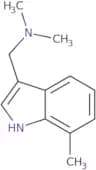
CAS :<p>4-(Acetylamino)-3-chlorobenzoic acid is a fine chemical that can be used as a building block in research, as a reagent in the synthesis of complex compounds, or as an intermediate for the synthesis of versatile scaffolds. This compound has been shown to be an effective starting material for the preparation of 4-aminomethylbenzoic acid derivatives. It is soluble in water and has a melting point of 215°C.</p>Formule :C9H8ClNO3Degré de pureté :Min. 95%Couleur et forme :Pale brown solid.Masse moléculaire :213.62 g/mol7-Methylgramine
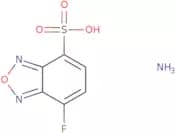
CAS :<p>Please enquire for more information about 7-Methylgramine including the price, delivery time and more detailed product information at the technical inquiry form on this page</p>Formule :C12H16N2Degré de pureté :Min. 95%Couleur et forme :PowderMasse moléculaire :188.27 g/mol7-Fluorobenzo-2-oxa-1,3-diazole-4-sulfonic acid ammonium
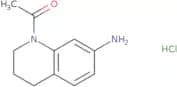
CAS :<p>7-Fluorobenzo-2-oxa-1,3-diazole-4-sulfonic acid ammonium is a fluorescent derivative that is used in clinical pathology to study human metabolism. The compound reacts with blood cells to form a fluorescent derivative that can be detected by use of a fluorescence detector. A sample preparation technique is required to prepare the blood samples before analysis. 7-Fluorobenzo-2-oxa-1,3-diazole-4-sulfonic acid ammonium has been shown to react with disulfide bonds and endogenous substances, such as glutathione, dopamine and serotonin. The detection sensitivity for this compound is approximately 10 pM.</p>Formule :C6H6FN3O4SDegré de pureté :Min. 95%Couleur et forme :White PowderMasse moléculaire :235.19 g/mol1-Acetyl-1,2,3,4-tetrahydroquinolin-7-amine hydrochloride
CAS :<p>1-Acetyl-1,2,3,4-tetrahydroquinolin-7-amine hydrochloride is a versatile building block that can be used in the synthesis of complex compounds with high quality and as a speciality chemical. This compound is useful as a reagent and reaction component in organic synthesis. It has been shown to be useful in the synthesis of new scaffolds for drug discovery.</p>Formule :C11H14N2O·HClDegré de pureté :Min. 95%Couleur et forme :Off-White PowderMasse moléculaire :226.7 g/molMitotenamine
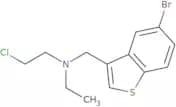
CAS :<p>Please enquire for more information about Mitotenamine including the price, delivery time and more detailed product information at the technical inquiry form on this page</p>Formule :C13H15BrClNSDegré de pureté :Min. 95%Masse moléculaire :332.69 g/mol4-Aminobenzaldehyde polymer
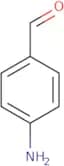
CAS :<p>4-Aminobenzaldehyde polymer is a crystalline solid that is soluble in organic solvents. It can be used as a reaction vessel for acylation reactions, such as the conversion of an acid chloride to the corresponding amide. 4-Aminobenzaldehyde polymer has been shown to react with diazonium salts to form the corresponding diazo compounds in high yields. The electron activity of the molecule was tested by measuring its oxidation potentials and reducing power. 4-Aminobenzaldehyde polymer is functionalized with both nucleophilic and electrophilic groups. This compound also has electrochemical properties, including optical properties and nmr spectra. The control experiments for this substance are sodium nitrate, which does not react with diazonium salts or react with 4-aminobenzaldehyde polymer at all.</p>Formule :(C7H7NO)xDegré de pureté :Min. 95%Couleur et forme :Powder3-Amino-4-carbomethoxybenzoic acid
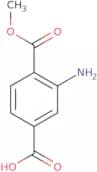
CAS :<p>3-Amino-4-carbomethoxybenzoic acid is a compound that has not yet been labeled with a function. It has been shown to be an intermediate in the synthesis of polymers, such as polyamides and polyesters. 3-Amino-4-carbomethoxybenzoic acid is involved in biological functions related to butyric acid, which is a metabolite of the amino acids phenylalanine and tyrosine, or from the degradation of proteins. It is also used as a precursor for amines and may be an intermediate in the synthesis of glycoconjugates. The compound was found to have anticancer properties when used in combination with other drugs, such as doxorubicin and etoposide. Furthermore, it was found to have anti-inflammatory activities by inhibiting prostaglandin synthesis.</p>Formule :C9H9NO4Degré de pureté :Min. 95%Couleur et forme :PowderMasse moléculaire :195.17 g/mol2-[[1-Methyl-2-[3-(Trifluoromethyl)Phenyl]Ethyl]Amino]Ethyl
CAS :Produit contrôlé2-[[1-Methyl-2-[3-(Trifluoromethyl)Phenyl]Ethyl]Amino]Ethyl (2ME2EAE) is a natriuretic drug that is used to treat congestive heart failure. It has been shown to reduce the production of brain natriuretic peptide (BNP) by the kidneys and to increase blood flow in the lungs. 2ME2EAE has also been shown to have positive effects on blood pressure, glycerides, and fatty acid levels in animals with congestive heart failure. 2ME2EAE can be taken orally or injected into the pleural cavity. It should not be given intravenously as it may cause kidney damage.Formule :C19H20ClF3N2O4SDegré de pureté :Min. 95%Masse moléculaire :464.89 g/molN-Benzylhydroxylamine hydrochloride
CAS :N-Benzylhydroxylamine HCl is a quinolizidine alkaloid with a hydroxamic acid group. It is used in the synthesis of various organic compounds and pharmaceuticals, such as hydroxamic acids, bisected tetrahydrofurans, and β-amino acids. N-Benzylhydroxylamine HCl is also a substrate for gelatinase. The reaction yield depends on the choice of solvent; methyl alcohol yields higher yields than does ethyl alcohol. The asymmetric synthesis of this compound is stereoselective and can be achieved through different methods, including bisection or tetrahydrofuran (THF) synthesis.Formule :C7H9NO•HClDegré de pureté :Min. 95%Masse moléculaire :159.61 g/mol2,3-Diaminopropionicacid
CAS :<p>2,3-Diaminopropionic acid is an antimicrobial peptide with significant cytotoxicity against cancer cells. This compound has two amine groups that are able to form hydrogen bonds with each other. The x-ray crystal structures of this molecule reveal that it forms a beta sheet structure and an alpha helix, which is essential for the stability of this compound. 2,3-Diaminopropionic acid has been shown to have strong antibacterial activity against Gram-positive bacteria and good activity against Gram-negative bacteria such as Escherichia coli and Salmonella enterica. This compound also inhibits the synthesis of proteins in bacterial cells by inhibiting the enzyme protein synthesis. 2,3-Diaminopropionic acid is stable under normal conditions but can be hydrolyzed in water vapor or ester hydrochloride. It reacts with nitrogen atoms on the surface of biological molecules to form amides.</p>Formule :C3H8N2O2Degré de pureté :Min. 95%Masse moléculaire :104.11 g/mol4-(3-Bromophenyl)-1,3-thiazol-2-amine
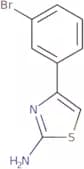
CAS :<p>4-(3-Bromophenyl)-1,3-thiazol-2-amine is an inhibitor of enzymes such as cholinesterase and covalent binding. It has been shown to inhibit the activity of cholinesterase in vitro. This drug is not active against erythromycin or lincomycin. 4-(3-Bromophenyl)-1,3-thiazol-2-amine also has a phenylthiazole linkage that can be conjugated with other molecules for use as a therapeutic agent.</p>Formule :C9H7BrN2SDegré de pureté :Min. 95%Couleur et forme :PowderMasse moléculaire :255.14 g/mol3-Aminopropyldiisopropylethoxysilane
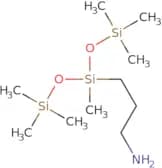
CAS :<p>3-Aminopropyldiisopropylethoxysilane (APDS) is a monolayer chemical that is used to modify the surface properties of a variety of substrates. This chemical can be used for patterning, functionalization, and immobilization of biomolecules. APDS has been shown to have a protective effect on cells in culture by preventing oxidation and denaturation of proteins. APDS also has been used for detection methods such as electron microscopy and photoelectron spectroscopy.</p>Formule :C10H29NO2Si3Degré de pureté :Min. 95%Couleur et forme :Clear LiquidMasse moléculaire :279.6 g/mol6-Aminouracil
CAS :<p>6-Aminouracil is a hydroxylated form of uracil. It has inhibitory properties against protein synthesis in bacteria, acting as an inhibitor of the enzyme dihydroorotase. 6-Aminouracil has been shown to be effective against PC3 cells and has high resistance to hydrolysis by acid or alkali. The reaction mechanism for the conversion of uracil to 6-aminouracil is unclear; however, it may involve a nucleophilic attack on the hydroxyl group.</p>Formule :C4H5N3O2Degré de pureté :Min. 95%Couleur et forme :PowderMasse moléculaire :127.1 g/mol3-Dansylaminophenylboronic acid
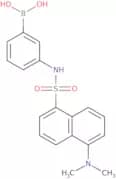
CAS :<p>3-Dansylaminophenylboronic acid is a boronic acid that forms reversible covalent bonds with dopamine. It can be used in the diagnosis of cancer, as it binds to histone lysine and magnetic particles. The fluorescence resonance of 3-Dansylaminophenylboronic acid can also be used in the diagnosis of cancer, as it produces a strong signal. This compound has been shown to have homogeneous assays for the detection of dopamine and lipoprotein lipase in urine samples. 3-Dansylaminophenylboronic acid has also been found to be effective against cancer cells in culture, although it is not active against polysialic-expressing cells.</p>Formule :C18H19BN2O4SDegré de pureté :Min. 95%Couleur et forme :PowderMasse moléculaire :370.23 g/molMethyl 2-amino-4-bromobenzoate
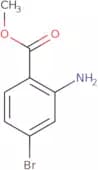
CAS :Methyl 2-amino-4-bromobenzoate is an amide that has a potential use as a cross-coupling agent in organic synthesis. It is labile and must be handled with care; it can also be used as an additive to polymerize natural polymers. Methyl 2-amino-4-bromobenzoate has been shown to enhance the efficiency of chemical reactions, including those between carboxylic acid and amines, and has been used in the synthesis of peptides. This chemical has functional groups that are compatible with a wide range of sequences, allowing for its use as a toolkit in synthetic chemistry. Methyl 2-amino-4-bromobenzoate is an analog of methyl 4-(aminomethyl)benzoate (MAMB).Formule :C8H8BrNO2Degré de pureté :Min. 95%Couleur et forme :PowderMasse moléculaire :230.06 g/mol2-[(2,6-Dibromo-4-methylphenyl)amino]acetohydrazide
CAS :2-[(2,6-Dibromo-4-methylphenyl)amino]acetohydrazide is a chemical compound that is used as a building block for the synthesis of diverse heterocyclic compounds. 2-[(2,6-Dibromo-4-methylphenyl)amino]acetohydrazide is prepared from 2,6-dibromo-4-methylbenzaldehyde and acetohydrazide in the presence of triethylamine. The compound has been reported to be a useful scaffold for the synthesis of various heterocycles. The following are some examples of its applications: 1. Fine chemical 2. Useful building block 3. Research chemicals 4. Reagent 5. CAS No. 882760-46-5 6. Speciality chemical 7. High quality 8. Complex compound 9. Versatile building blockFormule :C9H11Br2N3ODegré de pureté :Min. 95%Couleur et forme :White PowderMasse moléculaire :337.01 g/molIsopentylamine
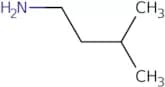
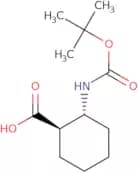
CAS :<p>Isopentylamine is a chemical compound that belongs to the class of amines. It has been shown to be an agonist of the nicotinic acetylcholine receptor, which is a type of neurotransmitter receptor found in the central and peripheral nervous systems. Isopentylamine has been shown to have clinical relevance for congestive heart failure. This drug binds to the hydroxyl group on the receptor and increases the rate of diffusion into cells by increasing membrane permeability. The basic structure of isopentylamine is shown below:</p>Formule :C5H13NDegré de pureté :Min. 98%Couleur et forme :Clear LiquidMasse moléculaire :87.16 g/mol(1R,2R)-Boc-aminocyclohexane carboxylic acid
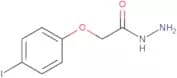
CAS :<p>Please enquire for more information about (1R,2R)-Boc-aminocyclohexane carboxylic acid including the price, delivery time and more detailed product information at the technical inquiry form on this page</p>Formule :C12H21NO4Degré de pureté :Min. 95%Couleur et forme :PowderMasse moléculaire :243.3 g/molN-Amino-2-(4-iodophenoxy)ethanamide
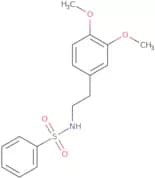
CAS :<p>Please enquire for more information about N-Amino-2-(4-iodophenoxy)ethanamide including the price, delivery time and more detailed product information at the technical inquiry form on this page</p>Formule :C8H9IN2O2Degré de pureté :Min. 95%Couleur et forme :PowderMasse moléculaire :292.07 g/mol(2-(3,4-dimethoxyphenyl)ethyl)(phenylsulfonyl)amine
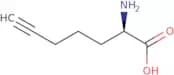
CAS :<p>Please enquire for more information about (2-(3,4-dimethoxyphenyl)ethyl)(phenylsulfonyl)amine including the price, delivery time and more detailed product information at the technical inquiry form on this page</p>Degré de pureté :Min. 95%(2R)-2-Aminohept-6-ynoic acid
CAS :<p>2-Aminohept-6-ynoic acid is a useful building block and can be used as a reagent in organic synthesis. It is a versatile building block, and can be used as an intermediate or scaffold in the preparation of complex compounds. CAS No. 211054-03-4</p>Formule :C7H11NO2Degré de pureté :Min. 95%Couleur et forme :PowderMasse moléculaire :141.17 g/mol4-Amino-2-nitrobenzoic acid
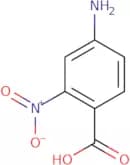
CAS :<p>4-Amino-2-nitrobenzoic acid is a chemical compound that can be found in human urine. It belongs to the group of amides and is an acidic substance. The pH optimum for 4-Amino-2-nitrobenzoic acid is between 1 and 2. This compound can be hydrolyzed by acidic conditions, forming an amide derivative. The uptake of 4-Amino-2-nitrobenzoic acid in humans and animals depends on the glomerular filtration rate, which influences how much of the compound will be excreted by the kidneys. The uptake also depends on the acetylation status of the compound, which is determined by its metabolism with phosphatase enzymes. Organic acids are also present in human urine, which may result in the formation of 4-Amino-2-nitrobenzoic acid as well as other compounds with similar structures.</p>Formule :C7H6N2O4Degré de pureté :Min. 95%Couleur et forme :SolidMasse moléculaire :182.13 g/molMonoethanolamine
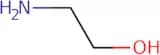
CAS :<p>Monoethanolamine is an organic compound that is the simplest type of amine. It is a colorless liquid with a mild, neutral odor. Monoethanolamine has been shown to be an effective antimicrobial agent, inhibiting bacterial growth by reacting with water vapor and nitrogen atoms in the environment. Monoethanolamine has also been shown to inhibit the production of nitric oxide and other reactive nitrogen species, which may account for its antimicrobial properties. The inhibition of nitric oxide synthesis may also account for monoethanolamine's ability to improve locomotor activity in mice. This chemical can be used as a reagent in analytical methods such as gas chromatography and solid phase microextraction.</p>Formule :C2H7NODegré de pureté :Min. 95%Couleur et forme :Colorless Clear LiquidMasse moléculaire :61.08 g/molCyclohexylamine
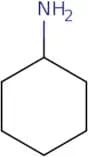
CAS :<p>Cyclohexylamine is a basic organic compound with the molecular formula CH(NH). It can be synthesized by the reaction of anhydrous sodium with p-nitrophenyl phosphate. Cyclohexylamine has been shown to have synergistic effects when combined with metal hydroxides and metal carbonyls, which may be due to its ability to reduce their potential for oxidation. Cyclohexylamine has been used as a model compound in an electrochemical impedance spectroscopy study of the interaction between enzyme activity and metal ions. In addition, cyclohexylamine has been found to have carcinogenic properties in cell line studies.</p>Formule :C6H13NDegré de pureté :Min. 98%Couleur et forme :Clear LiquidMasse moléculaire :99.17 g/molN-(1R,8S,9s)-Bicyclo[6.1.0]non-4-yn-9-ylmethyloxycarbonyl-1,8-diamino-3,6-dioxaoctane
CAS :<p>N-(1R,8S,9s)-Bicyclo[6.1.0]non-4-yn-9-ylmethyloxycarbonyl-1,8-diamino-3,6-dioxaoctane is a polymerase that has been developed for use in vaccines and as an agrochemical for the control of plant diseases. This enzyme has been shown to have high activity against cancer cells, including lung cancer cells and breast cancer cells. It is also autofluorescent and can be used as a cell marker in flow cytometry experiments. N-(1R,8S,9s)-Bicyclo[6.1.0]non-4-yn-9-ylmethyloxycarbonyl-1,8-diamino-3,6-dioxaoctane also has antiinflammatory effects on macrophages by inhibiting the production of proinflammatory cytokines such as IL 12p</p>Formule :C17H28N2O4Degré de pureté :Min. 95%Couleur et forme :Colorless Clear LiquidMasse moléculaire :324.42 g/molN-Hydroxy-4-aminobiphenyl
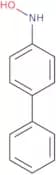
CAS :<p>N-Hydroxy-4-aminobiphenyl is a chemical compound that is metabolized by microbial enzymes. It has been shown to be effective against typhimurium and resistant mutants such as those found in the bladder. N-Hydroxy-4-aminobiphenyl can be synthesized from 4-aminobiphenyl, which is first hydrolyzed by HCl to form hydrochloride acid, then reacted with acetic anhydride and nitrobenzene. This product can also be synthesized from 4-aminophenol and sodium acetate. The product of this reaction is N-hydroxyacetanilide, which reacts with nitric acid to form N-hydroxyaminobenzonitrile. Nitration of the aminobenzonitrile leads to formation of the desired product, N-hydroxyphenylamine.</p>Formule :C12H11NODegré de pureté :Min. 95%Couleur et forme :Yellow PowderMasse moléculaire :185.22 g/molFurfurylamine
CAS :<p>Furfurylamine is a model system of fatty acid. It is an organic compound with the chemical formula C4H6O2, which belongs to the group of amines. Furfurylamine has been shown to have significant interactions with autoimmune diseases and infectious diseases. Furfurylamine has been shown to inhibit the production of prostaglandin E2 (PGE2) in animal models and may be effective at treating inflammatory diseases such as asthma and arthritis. Furfurylamine also displays anti-inflammatory properties that are independent of its effects on PGE2 production.</p>Formule :C5H7NODegré de pureté :Min. 99.0 Area-%Couleur et forme :Colorless Yellow Clear LiquidMasse moléculaire :97.12 g/mol2-Amino-5-iodobenzoic acid ethyl ester
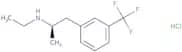
CAS :<p>2-Amino-5-iodobenzoic acid ethyl ester is a chemical reagent that is used to prepare 2-chloro-5-iodobenzoic acid. It can be prepared by the hydrolysis of 2,4,6-trinitrobenzene with an aqueous solution of sodium hydroxide. The iodination reaction proceeds in two steps: (1) chlorination of methyl anthranilate with chlorine and (2) addition of the resultant product to 2,4,6-trinitrobenzene. In the first step, methyl anthranilate reacts with chlorine to form 2-chloro-5-iodobenzoic acid ethyl ester and hydrogen chloride gas. In the second step, this product reacts with 2,4,6-trinitrobenzene to form 2-amino 5 -iodobenzoic acid ethyl ester and nitrogen gas</p>Formule :C9H10INO2Degré de pureté :Min. 95%Couleur et forme :PowderMasse moléculaire :291.09 g/mol(R)-(-)-Fenfluramine hydrochloride
CAS :Produit contrôlé<p>Serotonin reuptake inhibitor; anorectic</p>Formule :C12H17ClF3NDegré de pureté :Min. 95%Masse moléculaire :267.72 g/mol4-Amino-5-chloro-2,3-dihydro-N-[1-(3-methoxypropyl)-4-piperidinyl]-7-benzofurancarboxamide
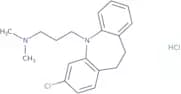
CAS :<p>The drug 4-Amino-5-chloro-2,3-dihydro-N-[1-(3-methoxypropyl)-4-piperidinyl]-7-benzofurancarboxamide (BZP) is a histamine H2 receptor antagonist. It binds to the histamine H2 receptor in the stomach and duodenum, thereby blocking stomach acid production. BZP has been shown to be effective for treating symptoms of constipation or diarrhoea caused by inflammatory bowel disease or abdominal surgery. BZP also reduces the risk of relapse after surgery but does not affect long term efficacy. This drug is not available in the United States and has significant interactions with other drugs and symptoms including constipation, bowel disease, long term efficacy, and analytical method.</p>Formule :C18H26ClN3O3Degré de pureté :Min. 95%Couleur et forme :White PowderMasse moléculaire :367.87 g/molClomipramine hydrochloride
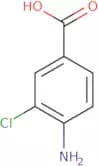
CAS :Produit contrôlé<p>Clomipramine hydrochloride is the hydrochloride salt form of clomipramine, an amphiphilic drug, derivative of dibenzazepine. It is presumed that this tricyclic compound affects serotonin uptake in the brain increasing thus the activity of serotonin. Also, clomipramine reduces the re-uptake of norepinephrine (active metabolite desmethylclomipramine) and binds to alpha-adrenergic, histaminergic, and cholinergic receptors (side effects). Clomipramine is antidepressant, used to treat obsessive compulsive disorder, panic disorders and cataplexy. Clomipramine is shown to modulate immune activation, shows constant anti-inflammatory properties at therapeutic concentrations by consistently decreasing pro- inflammatory cytokines. Clomipramine could be a good candidate to counteract SARS-CoV-2 infection worsening thanks to its high penetration in the brain and its anti-inflammatory effects.</p>Formule :C19H24Cl2N2Degré de pureté :Min. 95%Couleur et forme :SolidMasse moléculaire :351.31 g/mol4-Amino-3-chlorobenzoic acid
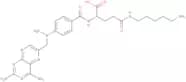
CAS :<p>4-Amino-3-chlorobenzoic acid is a white solid with a molecular weight of 170.1 g/mol, melting point of 158.5°C and boiling point of 267°C. It has the molecular formula C6H5ClNO2 and the IUPAC name 4-(aminomethyl)-3-chlorobenzoic acid. The chemical structure of this compound is shown in Figure 1.</p>Formule :C7H6ClNO2Degré de pureté :Min. 95%Couleur et forme :PowderMasse moléculaire :171.58 g/molN-(5-Aminopentyl) methotrexate amide
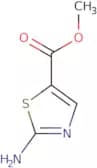
CAS :<p>N-(5-Aminopentyl) methotrexate amide is a fluorescent probe that is used to study the transport of drugs across cell membranes. It binds to the plasma membrane of cells and can be visualized with a fluorescence microscope. N-(5-Aminopentyl) methotrexate amide has been shown to bind to leukemia cells in murine leukemia models. It has a high affinity for drug-resistant cells, which makes it useful for studying drug resistance mechanisms. This probe can be used at nanomolar concentrations for imaging studies, as well as for measuring the uptake of drugs into cancer cells by flow cytometry.</p>Formule :C25H34N10O4Degré de pureté :Min. 95%Couleur et forme :Yellow PowderMasse moléculaire :538.6 g/molMethyl 2-aminothiazole-5-carboxylate
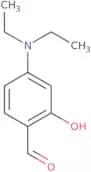
CAS :<p>Methyl 2-aminothiazole-5-carboxylate is a molecule that has been shown to have anticancer effects in vivo. It is an aromatic heterocycle with the chemical formula C6H4N2S. Methyl 2-aminothiazole-5-carboxylate has been found to inhibit the chloride channel ClC-2, which leads to decreased cell proliferation and cancer progression. This molecule also demonstrated synergistic effects when used with other anticancer therapeutics, such as chloroquinoxaline.<br>Methyl 2-aminothiazole-5-carboxylate is a synthetic compound that can be used as an anticancer drug for the treatment of cancer.</p>Formule :C5H6N2O2SDegré de pureté :Min. 95%Masse moléculaire :158.18 g/mol4-(N,N-Diethylamino)salicylaldehyde
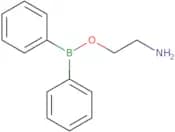
CAS :<p>4-(N,N-Diethylamino)salicylaldehyde is a coumarin derivative that has been shown to be a fluorescent probe for proton transfer. It emits light at around 400 nm when the probe is excited by light of wavelength greater than 300 nm. The emission spectrum changes from green to red as the pH increases. 4-(N,N-Diethylamino)salicylaldehyde also exhibits fluorescence enhancement in the presence of metal ions such as Fe3+, Cu2+, or Cr3+. This compound can be used as a fluorescent probe for hydrogen bonding interactions and metal hydroxides.</p>Formule :C11H15NO2Degré de pureté :Min. 95%Couleur et forme :PowderMasse moléculaire :193.24 g/mol2-Aminoethyl diphenylborinate
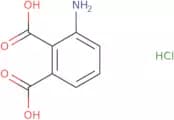
CAS :<p>2-Aminoethyl diphenylborinate (2-APB) is a pharmacological agent that has been shown to be an effective inhibitor of growth factor-β1. This compound also has minimal toxicity, and it is a natural product. 2-APB inhibits the activity of borate channels in cell membranes and blocks intracellular calcium channels, which prevents the influx of calcium into cells. This compound has been shown to act as an inhibitor molecule by blocking the channel or 2-aminoethoxydiphenyl borate, which is an intracellular inhibitor molecule.</p>Formule :C14H16BNODegré de pureté :(%) Min. 97%Couleur et forme :PowderMasse moléculaire :225.09 g/mol3-Aminophthalic acid hydrochloride
CAS :<p>3-Aminophthalic acid hydrochloride is a diazonium salt that emits light when it reacts with chloride. This compound has been shown to be photophysically active in the presence of human serum, tumor tissue, and micelles. 3-Aminophthalic acid hydrochloride has also been found to be cytotoxic in a number of cancer models. It may also cause death by chemiexcitation of tissues. Furthermore, 3-aminophthalate and acetyl derivatives have shown anticancer activity.</p>Formule :C8H7NO4HClDegré de pureté :80%Couleur et forme :PowderMasse moléculaire :217.61 g/molTetramethylammonium bisulfate hydrate
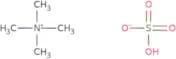
CAS :Tetramethylammonium bisulfate hydrate is an inorganic acid that is used as a reagent for analytical chemistry. It can be found in urine samples and has been used to determine the concentration of metal hydroxides in these samples. Tetramethylammonium bisulfate hydrate has been shown to inhibit the growth of bacteria, including polycarboxylic acid-producing strains, at concentrations of 100 mM. This property may be due to its ability to chelate metal ions required for bacterial growth. The magnesium salt of tetramethylammonium bisulfate hydrate is also used as a pharmaceutical dosage form. A chromatographic method involving co2 flow has been developed for the analysis of tetramethylammonium bisulfate hydrate.Formule :C4H12N•HSO4•(H2O)xDegré de pureté :Area-% Min. 95 Area-%Couleur et forme :PowderMasse moléculaire :171.22 g/molCCT 241533
CAS :<p>CCT 241533 is a Chinese herb that has been shown to have anti-cancer properties. It has been demonstrated to inhibit the growth of HL-60 cells and induce apoptosis in these cells. CCT 241533 also inhibits the proliferation of epidermal growth factor (EGF) and induces cell death in response to radiation. This drug also binds to toll-like receptors, which are proteins on the surface of cells that detect pathogens and initiate an immune response. CCT 241533 has been shown to inhibit polymerase chain reactions by competitive inhibition or by binding to DNA, preventing transcription or replication. CCT 241533 may be useful for the treatment of infectious diseases, such as tuberculosis, because it can bind to bacterial 16S ribosomal RNA and inhibit protein synthesis, leading to cell death by inhibiting the production of proteins vital for cell division.<br>CCT 241533 has been shown in animal studies to be effective against cervical cancer due to its ability to bind</p>Formule :C23H27FN4O4Degré de pureté :Min. 95%Masse moléculaire :442.48 g/molAncamine T
CAS :<p>Ancamine T is an amine curing agent, which is derived from synthetic chemical processes, specifically developed for use in epoxy systems. Its mode of action involves catalyzing the cross-linking reaction between epoxide groups in epoxy resins, leading to the formation of a highly cross-linked, thermoset polymer network. This curing process is essential for achieving the desired mechanical, thermal, and chemical resistance properties of the final product.</p>Degré de pureté :Min. 95%(3-Chloropropyl)-trimethylammonium chloride
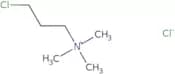
CAS :<p>Please enquire for more information about (3-Chloropropyl)-trimethylammonium chloride including the price, delivery time and more detailed product information at the technical inquiry form on this page</p>Formule :C6H15ClN•ClDegré de pureté :Min. 95%Masse moléculaire :172.1 g/mol1-(3-Fluorophenyl)propan-2-amine
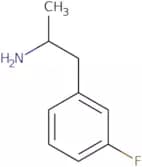
CAS :Produit contrôlé<p>3-Fluorophenylpropan-2-amine (3FPPA) is a synthetic, nonselective dopamine and serotonin reuptake inhibitor. 3FPPA has been shown to inhibit the growth of cancer cells in vitro, and enhances the release of growth factors from nerve endings in rat brain slices. 3FPPA can be used as a test compound for investigating the effects of psychostimulants on neural cell division.<br>3FPPA binds to fatty acids and can be used as a medication to treat obesity or cancer. 3FPPA is not selective for either dopamine or serotonin, but is an analog of both amines.</p>Formule :C9H12FNDegré de pureté :Min. 95%Masse moléculaire :153.2 g/mol3-Amino-3-(4-bromophenyl)propanoic acid
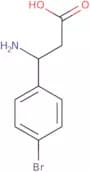
CAS :<p>3-Amino-3-(4-bromophenyl)propanoic acid is a versatile building block that is used in the synthesis of many different compounds. It is a reagent, useful as a research chemical and as a speciality chemical. 3-Amino-3-(4-bromophenyl)propanoic acid has been used in the synthesis of a number of complex compounds, including pharmaceuticals and pesticides. This compound is a good choice for use in organic synthesis because it reacts readily with an array of functional groups, such as carboxylic acids and amines.</p>Formule :C9H10BrNO2Degré de pureté :Min. 95%Couleur et forme :PowderMasse moléculaire :244.09 g/molDi-(1-adamantyl)amine hydrochloride
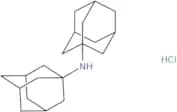
CAS :<p>Di-(1-adamantyl)amine hydrochloride is a fine chemical that is used as a building block in research. It has been shown to be an effective reagent for the preparation of polymers and as a speciality chemical. Di-(1-adamantyl)amine hydrochloride can be used as a reaction component for the synthesis of other compounds and is available in high quality. It is also versatile, being able to react with carboxylic acids, amines, alcohols, phosphorus halides, and thiols. This compound is not listed with CAS No., but it is available from many suppliers.</p>Formule :C20H32ClNDegré de pureté :Min. 95%Couleur et forme :PowderMasse moléculaire :321.93 g/mol5-Aminoisatoic anhydride
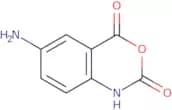
CAS :<p>5-Aminoisatoic anhydride is a versatile chemical that has been shown to be useful in the synthesis of complex compounds. It is also used as a reaction component and as a building block for research chemicals.</p>Formule :C8H6N2O3Degré de pureté :Min. 95%Couleur et forme :PowderMasse moléculaire :178.14 g/molethyl 4-(prop-2-enylamino)-3,5-thiazolecarboxylate
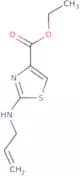
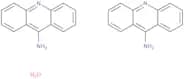
CAS :<p>Please enquire for more information about ethyl 4-(prop-2-enylamino)-3,5-thiazolecarboxylate including the price, delivery time and more detailed product information at the technical inquiry form on this page</p>Degré de pureté :Min. 95%Acridin-9-amine hemihydrate
CAS :Acridin-9-amine hemihydrate is an organic compound that belongs to the class of acridine dyes. It has an acetylcholine receptor blocking property and is used in the treatment of dyskinesia. Acridin-9-amine hemihydrate has been shown to be effective in animal models for Alzheimer's disease. The structure of this molecule consists of a dipole, which has two tautomers, one with a hydrogen atom on nitrogen and another without it. The tautomeric form without the hydrogen atom is more stable than the other form in acidic conditions, but both forms are present in neutral or basic conditions. Acridin-9-amine hemihydrate is also an antitumour agent with activity against breast cancer cells.Formule :C13H10N2•(H2O)0Degré de pureté :Min. 95%Masse moléculaire :203.23 g/mol4-[[(2-Amino-1,2-dicyanoethenyl)imino]methyl]benzoic acid
CAS :Please enquire for more information about 4-[[(2-Amino-1,2-dicyanoethenyl)imino]methyl]benzoic acid including the price, delivery time and more detailed product information at the technical inquiry form on this pageFormule :C12H8N4O2Degré de pureté :Min. 95%Couleur et forme :PowderMasse moléculaire :240.22 g/mol4-Amino-4H-pyrazolo[3,4-d]pyrimidine
CAS :<p>4-Amino-4H-pyrazolo[3,4-d]pyrimidine is an organic compound that is used as a building block in the synthesis of other compounds. It is a versatile chemical with many applications in research and industry. This compound can be used as a starting material for the synthesis of various other chemicals, such as pharmaceuticals, agrochemicals, and dyes. 4-Amino-4H-pyrazolo[3,4-d]pyrimidine has been shown to inhibit protein phosphatase 1 (PP1) activity and stimulate protein kinase C (PKC) activity.</p>Formule :C5H5N5Degré de pureté :Min. 95%Couleur et forme :PowderMasse moléculaire :135.13 g/molN-Boc-N, N-bis(2-bromoethyl)amine
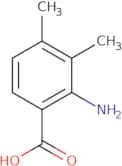
CAS :N-Boc-N, N-bis(2-bromoethyl)amine is a versatile building block which can be used to generate complex compounds. It has been used as a reagent in the synthesis of various research chemicals, and as a speciality chemical in the manufacture of herbicides. N-Boc-N, N-bis(2-bromoethyl)amine is also an intermediate for the production of certain pharmaceuticals and as a scaffold for organic syntheses. This compound is also useful as a reaction component in the synthesis of high quality pharmaceuticals with diverse metabolic profiles.Formule :C9H17O2NBr2Degré de pureté :Min. 95%Couleur et forme :PowderMasse moléculaire :331.04 g/mol2-Amino-3,4-dimethylbenzoic acid
CAS :<p>Protocatechuic acid is a phenolic compound that is found in the cell wall of plants. It has been shown to have radical scavenging activities and antioxidant properties. Protocatechuic acid binds to acetylcholine receptors, which are proteins that are involved in neurotransmission. Protocatechuic acid also inhibits the production of 4-hydroxy radicals, which are reactive oxygen species. This effect was observed when an ethanol extract was used as a source of protocatechuic acid in a study on rats with experimental myocardial infarction. The activity of the muscarinic acetylcholine receptor has been shown to be dose-dependent, with greater activity at lower concentrations and lower activity at higher concentrations. Higher doses can lead to allosteric modulation of this receptor by protocatechuic acid.</p>Formule :C9H11NO2Degré de pureté :Min. 95%Couleur et forme :PowderMasse moléculaire :165.19 g/mol[(3-Methylphenyl)amino]acetic acid
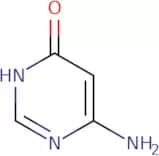
CAS :<p>[(3-Methylphenyl)amino]acetic acid is a high quality chemical that can be used as a reagent, intermediate, or building block in the synthesis of other compounds. It is useful for the synthesis of complex compounds and has been shown to have a wide range of applications. This compound can be used in research chemicals and as an intermediate in the production of fine chemicals. [(3-Methylphenyl)amino]acetic acid is a versatile building block that can be used to synthesize different types of molecules with diverse properties. It also has many potential uses in medicine as it has been shown to inhibit protein kinase C (PKC), which may provide therapeutic benefits for some diseases.</p>Formule :C9H11NO2Degré de pureté :Min. 95%Couleur et forme :PowderMasse moléculaire :165.19 g/mol6-Aminopyrimidin-4-ol
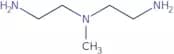
CAS :<p>6-Aminopyrimidin-4-ol is an intermediate in the synthesis of orotic acid. It is also a precursor to 6-chloropurine, which is used in the manufacture of orotic acid and 6-aminopurine. 6-Aminopyrimidin-4-ol can be prepared by benzannulation of phosphorus oxychloride with orotic acid or by hydrolysis of 6-chloropurine with thiourea. The latter method is preferred because it results in less waste.<br>6-Aminopyrimidin-4-ol is labile and must be stored under an inert gas at low temperature to prevent decomposition. It undergoes inactivating reactions with strong oxidizing agents, such as chlorine dioxide, peracetic acid, hydrogen peroxide, and potassium permanganate. <br>It also reacts with nucleophiles such as ammonia or amines to form stable taut</p>Formule :C4H5N3ODegré de pureté :Min. 95%Couleur et forme :PowderMasse moléculaire :111.1 g/molN1-(2-Aminoethyl)-N1-methylethane-1,2-diamine
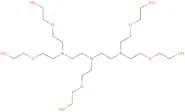
CAS :N1-(2-Aminoethyl)-N1-methylethane-1,2-diamine is a chromatographic cross-linking agent that is used in the preparation of monoclonal antibodies. It contains two amino groups and two ethyleneamine groups. N1-(2-Aminoethyl)-N1-methylethane-1,2-diamine binds to calcium carbonate and forms a chelate ring with the metal ion. The compound has been shown to have diagnostic properties, as it can be detected by nmr spectra and by the use of monoclonal antibody.Formule :C5H15N3Degré de pureté :Min. 95%Couleur et forme :Clear LiquidMasse moléculaire :117.19 g/mol3-Methyl-5-Isothiazolamine
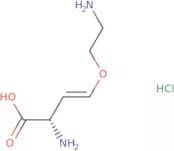
CAS :<p>3-Methyl-5-isothiazolamine is a linear molecule with a molecular weight of 122.1. 3-Methyl-5-isothiazolamine has an interaction with chloride and can be used as a reagent for the identification of disulfides. Disulfide bonds are formed by the oxidation of sulfhydryl groups in proteins, which are reduced by glutathione reductase to produce sulfhydryl groups. 3-Methyl-5-isothiazolamine has been shown to react with molecular ions that are characteristic of isothiazoles and isothiazole derivatives, as well as aromatic compounds such as 4-hydroxybenzoic acid. This product also reacts with dehydrogenase enzymes, such as alcohol dehydrogenase, which produces oxidized products from carbohydrates and other organic molecules that contain hydroxyl groups.</p>Formule :C4H6N2SDegré de pureté :Min. 95%Couleur et forme :PowderMasse moléculaire :114.17 g/mol(S)-trans-2-Amino-4-(2-aminoethoxy)-3-butenoic acid hydrochloride
CAS :<p>(S)-trans-2-Amino-4-(2-aminoethoxy)-3-butenoic acid hydrochloride is a chemical pesticide that inhibits the production of ethylene in plants. It is used to control growth and enhance the fruit quality of horticultural crops. It is also used as an inhibitor of serine proteases, which are enzymes that catalyze the hydrolysis of proteins. This product has been shown to act as a growth regulator by inhibiting the activity of serine proteases and blocking the biosynthesis of ethylene. (S)-trans-2-Amino-4-(2-aminoethoxy)-3-butenoic acid hydrochloride also blocks the biosynthesis of human chorionic gonadotropin, a hormone involved in reproduction and development.</p>Formule :C6H13ClN2O3Degré de pureté :Min. 97 Area-%Couleur et forme :Off-White PowderMasse moléculaire :196.63 g/mol[(3-Methylphenyl)(phenyl)methyl]amine hydrochloride
CAS :<p>[(3-Methylphenyl)(phenyl)methyl]amine hydrochloride is a useful building block in the synthesis of many organic compounds. It has been used extensively as a research chemical, and is often used as an intermediate to synthesize other chemicals. [(3-Methylphenyl)(phenyl)methyl]amine hydrochloride is also a versatile scaffold for drug design, and has shown anti-inflammatory properties.</p>Formule :C14H16ClNDegré de pureté :Min. 95 Area-%Couleur et forme :PowderMasse moléculaire :233.74 g/mol[2-(4-Chlorophenoxy)ethyl]amine hydrochloride
CAS :<p>2-(4-Chlorophenoxy)ethyl]amine hydrochloride is a chemical that can be used as a building block for the synthesis of pharmaceuticals. It is an intermediate in the production of fine chemicals and other reagents. 2-[2-(4-Chlorophenoxy)ethoxy]ethylamine hydrochloride has CAS number 28769-06-4 and can be used for research purposes.</p>Formule :C8H10ClNODegré de pureté :Min. 95 Area-%Couleur et forme :Clear LiquidMasse moléculaire :171.62 g/mol(+)-Biotin-(PEO)3-amine
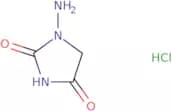
CAS :<p>(+)-Biotin-(PEO)3-amine is a PEG compound with two different functional groups (also known as heterobifunctional). Unlike homobifunctional PEG compounds (same functional group on both ends), this type of compounds are more versatile as have two different anchor points. (+)-Biotin-(PEO)3-amine is used as a linker and spacer to add a PEG moiety, via pegylation (a bioconjugation technique) to proteins, peptides, oligonucleotides, small molecules and nanoparticles.</p>Formule :C16H30N4SO4Degré de pureté :Min. 95 Area-%Couleur et forme :White Off-White PowderMasse moléculaire :374.5 g/mol1-Aminohydantoin hydrochloride
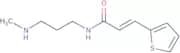
CAS :<p>1-Aminohydantoin hydrochloride is an intermediate in the synthesis of the aminohydantoins, a class of drugs used to treat epilepsy. It is also used as a reagent for preparing monoclonal antibodies. 1-Aminohydantoin hydrochloride is prepared by reacting hydrochloric acid with hydrazine and sodium citrate, followed by purification using distillation and recrystallization. 1-Aminohydantoin hydrochloride can be used to determine the presence of chloride ions in animal tissues by measuring its chemical shift on a mass spectrometer. This drug has been shown to inhibit oxidative DNA damage in rat kidneys, which may be due to its ability to suppress reactive oxygen species production.</p>Formule :C3H6ClN3O2Couleur et forme :PowderMasse moléculaire :151.55 g/mol(E)-N-(3-Methylaminopropyl)-2-thiopheneacrylamide
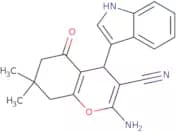
CAS :<p>(E)-N-(3-Methylaminopropyl)-2-thiopheneacrylamide is a high quality chemical that can be used as an intermediate in the synthesis of complex compounds. It is also a useful scaffold and building block for the synthesis of speciality chemicals with versatile reactions.</p>Formule :C11H16N2OSDegré de pureté :Min. 95%Couleur et forme :Colorless Clear LiquidMasse moléculaire :224.32 g/mol2-Amino-4-(1H-indol-3-yl)-7,7-dimethyl-5-oxo-5,6,7,8-tetrahydro-4H-chromene-3-carbonitrile
CAS :Please enquire for more information about 2-Amino-4-(1H-indol-3-yl)-7,7-dimethyl-5-oxo-5,6,7,8-tetrahydro-4H-chromene-3-carbonitrile including the price, delivery time and more detailed product information at the technical inquiry form on this pageFormule :C20H19N3O2Degré de pureté :Min. 95%Couleur et forme :PowderMasse moléculaire :333.38 g/molDodecylamine HCl
CAS :<p>Dodecylamine HCl is a chemical inhibitor of energy metabolism that inhibits the synthesis of fatty acids. It is used in the treatment of infectious diseases, such as malaria and tuberculosis. Dodecylamine HCl is a molecule consisting of 12 carbon atoms with an ethylene chain. This inhibitor binds to the enzyme acyl-CoA synthase, which catalyzes the production of fatty acids from acetyl-CoA and malonyl-CoA. The optimum pH for dodecylamine HCl is around 7.0, but it can be solubilized in water at higher pH levels due to its intramolecular hydrogen bonds. Dodecylamine HCl has been shown to have a particle size distribution between 10-200 nm in size and can be used as a nanoparticulate composition for drug delivery systems with thermodynamic data.!--END--></p>Formule :C12H27N·HClDegré de pureté :Min. 95%Couleur et forme :White PowderMasse moléculaire :221.81 g/mol2-Amino-5-[1-hydroxy-2-(isopropylamino)ethyl]benzonitrile
CAS :<p>2-Amino-5-[1-hydroxy-2-(isopropylamino)ethyl]benzonitrile is a hydrophilic compound that is used as a probe in enzyme activity assays. It can be used to measure the activities of many enzymes, such as those involved in protein synthesis and degradation. 2-Amino-5-[1-hydroxy-2-(isopropylamino)ethyl]benzonitrile is also an excellent substrate for the nitrite reductase enzyme, which catalyzes the reduction of nitrite to ammonia and water. This reaction occurs in two steps: first, the 2-amino group on the molecule is reduced to an amino radical; second, this amino radical reacts with another molecule of nitrite to form ammonia and water. The product of this reaction (ammonia) can be quantified by measuring absorbance at 340 nm. 2-Amino-5-[1-hydroxy--2</p>Formule :C12H17N3ODegré de pureté :Min. 95%Couleur et forme :White/Off-White SolidMasse moléculaire :219.28 g/mol(Asn(4-aminobutyl)1·7·23,Gln(4-aminobutyl)3·11·22)-Amyloid b-Protein (1-40) trifluoroacetate salt
Please enquire for more information about (Asn(4-aminobutyl)1·7·23,Gln(4-aminobutyl)3·11·22)-Amyloid b-Protein (1-40) trifluoroacetate salt including the price, delivery time and more detailed product information at the technical inquiry form on this pageFormule :C218H355N65O52SDegré de pureté :Min. 95%Masse moléculaire :4,750.62 g/mol6-Aminonicotinic acid
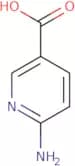
CAS :<p>6-Aminonicotinic acid is an inhibitor of bacterial DNA gyrase and topoisomerase IV. It has been shown to inhibit the growth of a number of bacteria, including E. coli K-12, with potent inhibitory activity against these enzymes. 6-Aminonicotinic acid binds to the active sites on these enzymes and prevents them from working. The detection time for 6-aminonicotinic acid is about 3 hours after exposure. 6-Aminonicotinic acid has been shown to be more potent than other inhibitors of bacterial DNA gyrase and topoisomerase IV such as 2,4-diaminopyrimidine (2,4DAP).</p>Formule :C6H6N2O2Degré de pureté :Min. 95%Couleur et forme :White PowderMasse moléculaire :138.12 g/mol3-Amino-2-bromo-4,6-dimethylpyridine
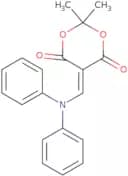
CAS :<p>3-Amino-2-bromo-4,6-dimethylpyridine is a fine chemical that can be used as a versatile building block in the synthesis of other compounds. It is also an intermediate for the production of organic compounds and research chemicals. 3-Amino-2-bromo-4,6-dimethylpyridine is listed on the Chemical Abstracts Service (CAS) registry with the number 104829-98-3. This compound has a complex structure and is high quality and stable.</p>Degré de pureté :Min. 95%Couleur et forme :PowderMasse moléculaire :201.06 g/mol5-((diphenylamino)methylene)-2,2-dimethyl-1,3-dioxane-4,6-dione
CAS :<p>Please enquire for more information about 5-((diphenylamino)methylene)-2,2-dimethyl-1,3-dioxane-4,6-dione including the price, delivery time and more detailed product information at the technical inquiry form on this page</p>Degré de pureté :Min. 95%3-Fluoro-Dopamine
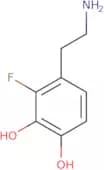
CAS :Produit contrôlé<p>3-Fluoro-Dopamine is a fluorinated catecholamine that is used in research as a radioligand and in animal models. It has been shown to be an agonist of β-adrenergic receptors and to have a safety profile similar to that of dopamine. 3-Fluoro-Dopamine has been shown to increase the uptake of dopamine in rat striatal membranes, which may be due to its affinity for β-adrenergic receptors.</p>Formule :C8H10FNO2Degré de pureté :Min. 95%Masse moléculaire :171.17 g/molMelamine polyphosphate
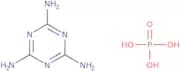
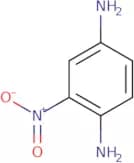
CAS :Produit contrôlé<p>Melamine polyphosphate is a coordination compound that has been used as an antimicrobial agent and polymer retardant. It has been shown to have a Langmuir adsorption isotherm, which is indicative of the ability to form a monolayer on the surface of water droplets. Melamine polyphosphate also has an electrochemical impedance spectroscopy (EIS) that can be used for determining the rate constant of its reaction with water vapor. The rate constants are determined by measuring the change in impedance over time and plotting it against frequency. This analytical method is used for determining the concentration and stability of melamine polyphosphate in solution and can be applied to other similar compounds.</p>Formule :C3H9N6O4PDegré de pureté :Min. 95%Couleur et forme :White PowderMasse moléculaire :224.12 g/mol2-Nitro-p-phenylenediamine
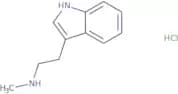
CAS :<p>2-Nitro-p-phenylenediamine is a chemical substance that can be used as a predictive biomarker for allergic reactions. It is an amine with the chemical formula C6H5CH2N2O2. It is soluble in water, ethanol, and ether, but insoluble in acetone and diethylether. 2-Nitro-p-phenylenediamine has been shown to cause cutaneous lesions in animal studies and has been classified as a possible human carcinogen by the International Agency for Research on Cancer (IARC). This compound was not mutagenic to bacteria or yeast strains tested, but it did cause chromosome aberrations in cultured human lymphocytes. The metabolite profile of 2-nitro-p-phenylenediamine has been studied in rats treated with this compound at different doses. When administered orally to rats at a dose of 50 mg/kg body weight per day, 2 nitro p phenylened</p>Formule :C6H7N3O2Degré de pureté :Min. 95%Couleur et forme :PowderMasse moléculaire :153.14 g/molN-Methyltryptamine hydrochloride
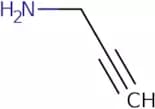
CAS :Produit contrôlé<p>N-Methyltryptamine hydrochloride is a chemical that has been shown to be an antagonist of the serotonin receptor 5-HT7 in vivo. This drug is also a potent inhibitor of acetylcholinesterase, which may be due to its ability to inhibit the methylation of serotonergic receptors. It has been shown to have clinical efficacy in treating depression, although it is not currently approved by the FDA for this use. N-Methyltryptamine hydrochloride has been shown to have an antidepressant effect in wild-type mice and in mouse models of depression. It inhibits the growth of cancer cells by inducing apoptosis and inhibiting cell proliferation.</p>Formule :C11H15ClN2Degré de pureté :Min. 95%Couleur et forme :PowderMasse moléculaire :210.7 g/molPropargylamine
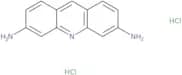
CAS :<p>Propargylamine is an irreversible inhibitor that binds to the active site of the enzyme acetylcholinesterase (AChE) and blocks the breakdown of acetylcholine. This leads to increased levels of acetylcholine in the synaptic cleft, which enhances neurotransmission and causes increased muscle contractions. Propargylamine has been shown to be a potent chemotherapy agent against cancer cells, causing neuronal death. It also inhibits epidermal growth factor receptor (EGFR) signaling pathways, leading to decreased tumor cell proliferation. The drug may also have neurotrophic effects by stimulating nerve growth factors or preventing neuronal apoptosis.</p>Formule :C3H5NDegré de pureté :Min. 95%Couleur et forme :Colorless Yellow Clear LiquidMasse moléculaire :55.08 g/molAcridine-3,6-diamine
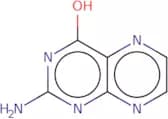
CAS :<p>Acridine-3,6-diamine is a fluorescent dye that is used in analytical chemistry to measure the concentration of DNA. The dye binds to the enzyme form of DNA and can be detected with a fluorescence microscope. Acridine-3,6-diamine is also used as a model system for studying multidrug efflux pumps found in cells, which are ATPases that pump out toxic substances from bacteria. This drug has shown antibacterial efficacy against various bacteria, including Staphylococcus aureus and Escherichia coli. The potential mechanism of action may be due to inhibition of the bacterial DNA replication processes by binding to the cell nuclei or through inhibition of energy metabolism or dinucleotide phosphate synthesis.</p>Formule :C13H11N3Degré de pureté :Min. 95%Couleur et forme :PowderMasse moléculaire :209.25 g/mol2-Amino-4-hydroxypteridine
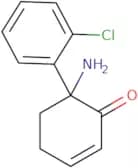
CAS :<p>2-Amino-4-hydroxypteridine is a chemical compound that is used in the synthesis of other organic compounds. 2-Amino-4-hydroxypteridine binds to molybdenum and coordinates with it through hydrogen bonding, which stabilizes the molecule. The binding between 2-amino-4-hydroxypteridine and molybdenum has been shown to be essential for its antimicrobial activity. This compound inhibits bacterial growth by inhibiting the biosynthesis of monoamine neurotransmitters, such as dopamine and serotonin.<br>2-Amino-4-hydroxypteridine also inhibits enzyme activities, such as those involved in energy metabolism, as well as structural analysis of nitrogen containing molecules. <br>The reaction mechanism of 2 amino 4 hydroxypteridine is not well understood, but it has been proposed that this compound reacts with electron acceptors such as oxygen or nitric oxide to form an excited state</p>Formule :C6H5N5ODegré de pureté :Min. 95%Couleur et forme :PowderMasse moléculaire :163.14 g/molDehydro norketamine
CAS :Produit contrôlé<p>Dehydro norketamine is a chiral compound that is used as a sample preparation for analytical methods. It has been shown to be the major metabolite of ketamine and can be detected in human serum, urine, and sweat. Dehydro norketamine has also been found to have similar pharmacological effects as ketamine, such as analgesia and hallucinogenic properties. The detection sensitivity of dehydro norketamine is lower than that of ketamine, as it cannot be detected in human serum at concentrations less than 0.5 ng/mL. The clinical relevance of dehydro norketamine is still being studied. The following product description should not exceed 150 words: Dehydro norketamine is a chiral compound that is used as a sample preparation for analytical methods. It has been shown to be the major metabolite of ketamine and can be detected in human serum, urine, and sweat. Dehydro nork</p>Formule :C12H12ClNODegré de pureté :90%MinCouleur et forme :PowderMasse moléculaire :221.68 g/mol2-Amino-5-chlorothiophenol
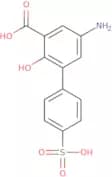
CAS :<p>2-Amino-5-chlorothiophenol is an aminothiophene derivative that has been shown to be an effective antibacterial agent. It is a substrate in the synthesis of polyesters and is used as a precursor in the synthesis of ciprofloxacin, a broad spectrum antibiotic. 2-Amino-5-chlorothiophenol has been shown to catalyze the reaction between phenyl groups and heterocycles, which is an important step in the synthesis of ciprofloxacin and fluconazole. The optimal reaction temperature for this process is between 150°C - 180°C. The irradiation time for this process varies depending on the intensity of light used, with optimal results obtained after 10 minutes at 25 kGy.</p>Formule :C6H6ClNSDegré de pureté :Min. 95 Area-%Couleur et forme :PowderMasse moléculaire :159.64 g/molMesalamine impurity P
CAS :<p>Please enquire for more information about Mesalamine impurity P including the price, delivery time and more detailed product information at the technical inquiry form on this page</p>Formule :C13H11NO6SDegré de pureté :Min. 95%Couleur et forme :Yellow SolidMasse moléculaire :309.3 g/mol2-Amino-N-[2-(2-chlorobenzoyl)-4-nitrophenyl]acetamide
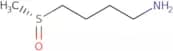
CAS :<p>2-Amino-N-[2-(2-chlorobenzoyl)-4-nitrophenyl]acetamide is a fine chemical that is used as a building block in organic synthesis. It is a versatile intermediate for the synthesis of other compounds and can be used to make a variety of useful scaffolds. 2-Amino-N-[2-(2-chlorobenzoyl)-4-nitrophenyl]acetamide has been used in research and development of pharmaceuticals, agrochemicals, herbicides, and other compounds.</p>Formule :C15H12ClN3O4Degré de pureté :Min. 95%Couleur et forme :Slightly Yellow PowderMasse moléculaire :333.73 g/mol(R)-4-(Methylsulfinyl)-1-butylamine
CAS :<p>(R)-4-(Methylsulfinyl)-1-butylamine is a chemical intermediate that is used in the synthesis of a number of useful compounds, such as pharmaceuticals and agrochemicals. It is also used as a reagent in the synthesis of other chemical compounds, such as fine chemicals, research chemicals, and speciality chemicals. (R)-4-(Methylsulfinyl)-1-butylamine is a versatile building block that can be used to synthesize complex compounds. This compound has been shown to be an effective intermediate for the production of drugs for treating malaria and cancer.</p>Formule :C5H13NOSDegré de pureté :Min. 95%Couleur et forme :PowderMasse moléculaire :135.23 g/mol2-(2-aza-1-(4-methoxyphenyl)-2-(amino)vinyl)indane-1,3-dione
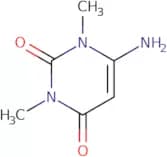
CAS :<p>Please enquire for more information about 2-(2-aza-1-(4-methoxyphenyl)-2-(amino)vinyl)indane-1,3-dione including the price, delivery time and more detailed product information at the technical inquiry form on this page</p>Formule :C17H14N2O3Degré de pureté :Min. 95%Couleur et forme :PowderMasse moléculaire :294.3 g/mol6-Amino-1,3-dimethyluracil
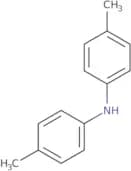
CAS :<p>6-Amino-1,3-dimethyluracil is a synthetic compound that has been shown to have antiinflammatory activity. This drug was synthesized from recycled methylene biphenyls and quinoline derivatives. 6-Amino-1,3-dimethyluracil inhibits the synthesis of proteins in cells by inhibiting the production of amino acids such as methionine through an attack on the amino group of methionine. 6-Amino-1,3-dimethyluracil also has apoptotic activity, which may be due to its ability to inhibit protein synthesis and increase the levels of active methylene.</p>Formule :C6H9N3O2Degré de pureté :Min. 95%Couleur et forme :PowderMasse moléculaire :155.15 g/mol4,4'-Dimethyldiphenylamine
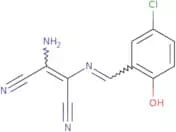
CAS :<p>4,4'-Dimethyldiphenylamine is an organic compound that has the chemical formula C9H12N2. It is a colorless liquid with a sweet smell. The molecule consists of two benzene rings joined by a methyl group and an amine group. 4,4'-Dimethyldiphenylamine is used in the production of dyes and plastics. It can react with other compounds to form different products depending on the reaction system, such as oxidation or reduction reactions. Kinetic analysis has shown that activation energies for these reactions are 13-14 kJ/mol. This product also has functional theory applications in the study of molecules with amines or nitro groups. Mass spectrometric analysis indicates that this product does not contain any chlorine atoms or ionic bonds. Deionized water can be added to this product during its production process to reduce oxidation products from forming during storage.</p>Formule :C14H15NDegré de pureté :Min. 95%Couleur et forme :White PowderMasse moléculaire :197.28 g/mol2-Amino-1-(1-aza-2-(5-chloro-2-hydroxyphenyl)vinyl)ethene-1,2-dicarbonitrile
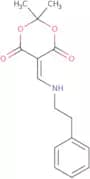
CAS :<p>Please enquire for more information about 2-Amino-1-(1-aza-2-(5-chloro-2-hydroxyphenyl)vinyl)ethene-1,2-dicarbonitrile including the price, delivery time and more detailed product information at the technical inquiry form on this page</p>Formule :C11H7ClN4ODegré de pureté :Min. 95%Couleur et forme :PowderMasse moléculaire :246.65 g/mol2,2-dimethyl-5-(((2-phenylethyl)amino)methylene)-1,3-dioxane-4,6-dione
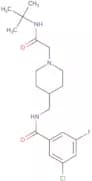
CAS :<p>Please enquire for more information about 2,2-dimethyl-5-(((2-phenylethyl)amino)methylene)-1,3-dioxane-4,6-dione including the price, delivery time and more detailed product information at the technical inquiry form on this page</p>Degré de pureté :Min. 95%N-((1-(2-(tert-Butylamino)-2-oxoethyl)piperidin-4-yl)methyl)-3-chloro-5-fluorobenzamide
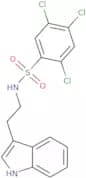
CAS :<p>N-((1-(2-(tert-Butylamino)-2-oxoethyl)piperidin-4-yl)methyl)-3-chloro-5-fluorobenzamide is a novel antiarrhythmic drug that inhibits the activation of cardiac cells. It was shown to inhibit proliferation and migration of human leukemia cells in vitro and to inhibit tumor growth in vivo. N-(1-(2-(tert-Butylamino)-2-oxoethyl)piperidin-4-yl)methyl)-3-chloro-5-fluorobenzamide has been shown to have cardioprotective effects in Sprague Dawley rats, reducing the incidence of ventricular tachycardia and fibrillation. The clinical studies conducted so far have not revealed any adverse effects on the heart or other organs.</p>Formule :C19H27ClFN3O2Degré de pureté :Min. 95%Couleur et forme :White SolidMasse moléculaire :383.89 g/mol(2-Indol-3-ylethyl)((2,4,5-trichlorophenyl)sulfonyl)amine
CAS :Please enquire for more information about (2-Indol-3-ylethyl)((2,4,5-trichlorophenyl)sulfonyl)amine including the price, delivery time and more detailed product information at the technical inquiry form on this pageFormule :C16H13Cl3N2O2SDegré de pureté :Min. 95%Couleur et forme :PowderMasse moléculaire :403.71 g/mol






![2-[[1-Methyl-2-[3-(Trifluoromethyl)Phenyl]Ethyl]Amino]Ethyl](/_next/image/?url=https%3A%2Fstatic.cymitquimica.com%2Fproducts%2F3D%2Fthumb-webp%2FFM101485.webp&w=3840&q=75)



![2-[(2,6-Dibromo-4-methylphenyl)amino]acetohydrazide](/_next/image/?url=https%3A%2Fstatic.cymitquimica.com%2Fproducts%2F3D%2Fthumb-webp%2FFD115486.webp&w=3840&q=75)
![N-(1R,8S,9s)-Bicyclo[6.1.0]non-4-yn-9-ylmethyloxycarbonyl-1,8-diamino-3,6-dioxaoctane](/_next/image/?url=https%3A%2Fstatic.cymitquimica.com%2Fproducts%2F3D%2Fthumb-webp%2FFB60339.webp&w=3840&q=75)


![4-Amino-5-chloro-2,3-dihydro-N-[1-(3-methoxypropyl)-4-piperidinyl]-7-benzofurancarboxamide](/_next/image/?url=https%3A%2Fstatic.cymitquimica.com%2Fproducts%2F3D%2Fthumb-webp%2FFA27248.webp&w=3840&q=75)

![4-[[(2-Amino-1,2-dicyanoethenyl)imino]methyl]benzoic acid](/_next/image/?url=https%3A%2Fstatic.cymitquimica.com%2Fproducts%2F3D%2Fthumb-webp%2FFA169005.webp&w=3840&q=75)
![4-Amino-4H-pyrazolo[3,4-d]pyrimidine](/_next/image/?url=https%3A%2Fstatic.cymitquimica.com%2Fproducts%2F3D%2Fthumb-webp%2FFA15519.webp&w=3840&q=75)

![[(3-Methylphenyl)amino]acetic acid](/_next/image/?url=https%3A%2Fstatic.cymitquimica.com%2Fproducts%2F3D%2Fthumb-webp%2FFM115478.webp&w=3840&q=75)

![[(3-Methylphenyl)(phenyl)methyl]amine hydrochloride](/_next/image/?url=https%3A%2Fstatic.cymitquimica.com%2Fproducts%2F3D%2Fthumb-webp%2FFM134405.webp&w=3840&q=75)
![[2-(4-Chlorophenoxy)ethyl]amine hydrochloride](/_next/image/?url=https%3A%2Fstatic.cymitquimica.com%2Fproducts%2F3D%2Fthumb-webp%2FFC133243.webp&w=3840&q=75)


![2-Amino-5-[1-hydroxy-2-(isopropylamino)ethyl]benzonitrile](/_next/image/?url=https%3A%2Fstatic.cymitquimica.com%2Fproducts%2F3D%2Fthumb-webp%2FFC20437.webp&w=3840&q=75)



![2-Amino-N-[2-(2-chlorobenzoyl)-4-nitrophenyl]acetamide](/_next/image/?url=https%3A%2Fstatic.cymitquimica.com%2Fproducts%2F3D%2Fthumb-webp%2FFA17795.webp&w=3840&q=75)