Acides carboxyliques
12457 produits trouvés pour "Acides carboxyliques"
1-[2-(Methoxycarbonyl)phenyl]-5-oxopyrrolidine-3-carboxylic acid
CAS :Please enquire for more information about 1-[2-(Methoxycarbonyl)phenyl]-5-oxopyrrolidine-3-carboxylic acid including the price, delivery time and more detailed product information at the technical inquiry form on this pageFormule :C13H13NO5Degré de pureté :Min. 95%Masse moléculaire :263.25 g/molThioacetic acid
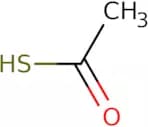
CAS :Thioacetic acid is a monoethyl ether of thioacetic acid. It is used in the synthesis of fatty acids and other organic compounds. Thioacetic acid can be used in the treatment of infectious diseases, such as malaria and cholera, by inhibiting the growth of pathogenic microorganisms. The reactive nature of thioacetic acid makes it ideal for wastewater treatment, where it reacts with ammonia to form ammonium sulfate, which can be easily removed from water.Formule :C2H4OSDegré de pureté :Min. 95%Couleur et forme :Colorless Clear LiquidMasse moléculaire :76.12 g/mol3-Cyanothiophene-4-boronic acid pinacol ester
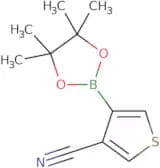
CAS :Please enquire for more information about 3-Cyanothiophene-4-boronic acid pinacol ester including the price, delivery time and more detailed product information at the technical inquiry form on this pageFormule :C11H14BNO2SDegré de pureté :Min. 95%Masse moléculaire :235.11 g/mol5-(4-Fluorophenyl)-3-isoxazolecarboxylic acid
CAS :5-(4-Fluorophenyl)-3-isoxazolecarboxylic acid is a high quality reagent with CAS No. 33282-24-5. It is a complex compound that is useful as an intermediate for the synthesis of various fine chemicals. 5-(4-Fluorophenyl)-3-isoxazolecarboxylic acid also has a number of uses in the synthesis of speciality chemicals, research chemicals, and versatile building blocks for organic chemistry. As a reaction component, it can be used to synthesize compounds with different functional groups on their molecules.Formule :C10H6FNO3Degré de pureté :Min. 95%Couleur et forme :White/Off-White SolidMasse moléculaire :207.16 g/mol(4-Chloro-3-(methoxycarbonyl)phenyl)boronic acid
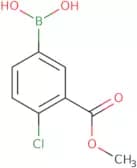
CAS :Please enquire for more information about (4-Chloro-3-(methoxycarbonyl)phenyl)boronic acid including the price, delivery time and more detailed product information at the technical inquiry form on this page
Formule :C8H8BClO4Degré de pureté :Min. 95%Masse moléculaire :214.41 g/mol5-Chloro-2-(ethylsulfonyl)pyrimidine-4-carboxylic acid
CAS :Please enquire for more information about 5-Chloro-2-(ethylsulfonyl)pyrimidine-4-carboxylic acid including the price, delivery time and more detailed product information at the technical inquiry form on this pageFormule :C7H7ClN2O4SDegré de pureté :Min. 95%Masse moléculaire :250.66 g/mol1-Aminobenzene-3,4,5-tricarboxylic acid
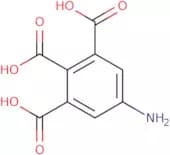
CAS :1-Aminobenzene-3,4,5-tricarboxylic acid is a transport inhibitor that is used to block the uptake of 1-aminobenzene by cells. It has been shown to have a diameter of 6 nm and chemical stability. This substance can be dissolved in water, alcohols, and polar organic solvents. The particles are spherical with an average size of 10 nm. This compound exhibits strong absorption in the ultraviolet region. It is fluorescent and has high fluorescence properties. 1-Aminobenzene-3,4,5-tricarboxylic acid can enter cells through passive diffusion or active transport mechanisms. It binds to metal ions and multi-walled carbon nanotubes which can be used for uv irradiation.Formule :C9H7NO6Degré de pureté :Min. 95%Couleur et forme :PowderMasse moléculaire :225.16 g/molDiethyl 4,4'-Biphenyldicarboxylate
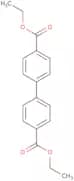
CAS :Diethyl 4,4'-biphenyldicarboxylate is an organic compound that has a chiral center, making it optically active. It is an ester of biphenyl and dicarboxylic acid with the chemical formula CH2=C(CH3)2. The compound has been shown to be a model for other aromatic compounds with similar structures such as phenyl benzoate, which can also form crystals. Diethyl 4,4'-biphenyldicarboxylate is also a mesogen, which means it has liquid crystalline properties and can form thin films. The molecule's conformations are centrosymmetric and its crystal structure is spacer-type centrosymmetric.Formule :C18H18O4Degré de pureté :Min. 95%Masse moléculaire :298.33 g/molMurideoxycholic acid
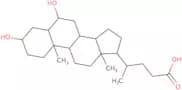
CAS :Produit contrôléMurideoxycholic acid is a bile acid that is used in combination with other antibiotics to treat infections caused by bacteria. Murideoxycholic acid inhibits the bacterial transport of bile acids, which are important for the digestion of fats and proteins. Murideoxycholic acid binds to the cytochrome P450 enzyme in humans and rats, inhibiting its activity. This binding prevents the production of bile acids from cholesterol in the liver, which prevents their normal excretion into the intestine and leads to an increased risk for gallstones. Murideoxycholic acid also has been shown to inhibit human CYP3A4 enzyme activity. The hydroxyl group on this molecule reacts with ferrous ions to produce hydroxyl radicals, which can lead to oxidative stress and lipid peroxidation.
Formule :C24H40O4Degré de pureté :Min. 95%Masse moléculaire :392.57 g/mol1-tert-Butyl 2-methyl 2-methylpyrrolidine-1,2-dicarboxylate
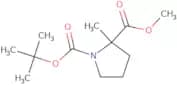
CAS :Please enquire for more information about 1-tert-Butyl 2-methyl 2-methylpyrrolidine-1,2-dicarboxylate including the price, delivery time and more detailed product information at the technical inquiry form on this pageFormule :C12H21NO4Degré de pureté :Min. 95%Couleur et forme :SolidMasse moléculaire :243.3 g/molPhenylacetic acid 2-phenylethyl ester
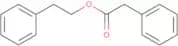
CAS :Produit contrôléPhenylacetic acid 2-phenylethyl ester is an ester of caproic acid and phenylethyl. It is used as a control agent in the manufacture of chemical substances, detergent compositions, and lemongrass oil. Phenylacetic acid 2-phenylethyl ester can be synthesized by reacting methyl anthranilate with benzoic acid in the presence of phosphotungstic acid. The required starting materials are available from commercial sources. The product has a structural formula that can be confirmed by nmr spectroscopy.Formule :C16H16O2Degré de pureté :Min. 95%Couleur et forme :Clear LiquidMasse moléculaire :240.3 g/molMethyl 4,5-dimethoxy-1-methyl-1H-indole-2-carboxylate
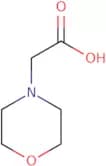
CAS :Produit contrôléPlease enquire for more information about Methyl 4,5-dimethoxy-1-methyl-1H-indole-2-carboxylate including the price, delivery time and more detailed product information at the technical inquiry form on this pageFormule :C13H15NO4Degré de pureté :Min. 95%Masse moléculaire :249.26 g/molMorpholin-4-yl-acetic acid
CAS :Morpholin-4-yl-acetic acid is a water-soluble drug that has been used for the treatment of infectious diseases, such as hepatitis and malaria. It can be detected using a number of analytical methods, including gas chromatography, mass spectroscopy, and nuclear magnetic resonance. Morpholin-4-yl-acetic acid has also been used in the treatment of autoimmune diseases and cancer. It is a pharmacological agent with a variety of biological effects, including antiinflammatory activities. Morpholin-4-yl-acetic acid binds to protein kinase C (PKC) receptors and inhibits the activity of PKC enzymes by interfering with their ability to bind to phospholipids on the outside of cells. This binding prevents the formation of an enzyme complex with the cell membrane that is required for signal transduction pathways. Morpholin-4-yl-acetic acid also has hydroxyl group that can react with inorganic acids to form salts or esters.Formule :C6H11NO3Degré de pureté :Min. 95%Couleur et forme :Off-White PowderMasse moléculaire :145.16 g/mol4-(Trifluoromethoxy)phenylboronic Acid (contains varying amounts of Anhydride)
CAS :4-(Trifluoromethoxy)phenylboronic acid is a boron-containing compound that has been shown to be a potent inhibitor of the histone deacetylase (HDAC) enzyme. It also has surfactant properties and can be used as a photochemical reagent. 4-(Trifluoromethoxy)phenylboronic acid is orally bioavailable and may have therapeutic potential for neurodegenerative diseases, such as Alzheimer's disease, Parkinson's disease, and Huntington's disease. It also has the ability to inhibit cancer cell growth by inhibiting HDAC activity. This drug has been found to cross-couple with organosilicon compounds in order to form new compounds with potent inhibitory activity against HDAC enzymes.
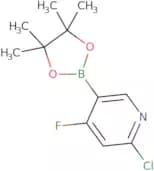
Formule :C7H6BF3O3Degré de pureté :Min. 95%Masse moléculaire :205.93 g/mol2-Chloro-4-fluoropyridine-5-boronic acid, pinacol ester
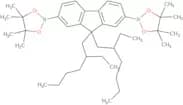
CAS :Please enquire for more information about 2-Chloro-4-fluoropyridine-5-boronic acid, pinacol ester including the price, delivery time and more detailed product information at the technical inquiry form on this pageFormule :C11H14BClFNO2Degré de pureté :Min. 95%Masse moléculaire :257.5 g/mol9,9-Bis(2-ethylhexyl)fluorene-2,7-bis(boronic acidpinacolester)
CAS :Please enquire for more information about 9,9-Bis(2-ethylhexyl)fluorene-2,7-bis(boronic acidpinacolester) including the price, delivery time and more detailed product information at the technical inquiry form on this page
Formule :C41H64B2O4Degré de pureté :Min. 95%Masse moléculaire :642.57 g/mol4-(Methoxycarbonyl)bicyclo[2.1.1]hexane-1-carboxylic acid
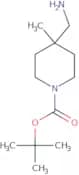
CAS :Please enquire for more information about 4-(Methoxycarbonyl)bicyclo[2.1.1]hexane-1-carboxylic acid including the price, delivery time and more detailed product information at the technical inquiry form on this pageFormule :C9H12O4Degré de pureté :Min. 95%Masse moléculaire :184.19 g/moltert-Butyl 4-(aminomethyl)-4-methylpiperidine-1-carboxylate
CAS :Please enquire for more information about tert-Butyl 4-(aminomethyl)-4-methylpiperidine-1-carboxylate including the price, delivery time and more detailed product information at the technical inquiry form on this pageFormule :C12H24N2O2Degré de pureté :Min. 95%Masse moléculaire :228.33 g/mol(2S,3S,5S)-5-[(N-Formyl-L-leucyl)oxy]-2-hexyl-3-hydroxyhexadecanoic acid
CAS :Please enquire for more information about (2S,3S,5S)-5-[(N-Formyl-L-leucyl)oxy]-2-hexyl-3-hydroxyhexadecanoic acid including the price, delivery time and more detailed product information at the technical inquiry form on this pageFormule :C29H55NO6Degré de pureté :Min. 95%Masse moléculaire :513.75 g/molAntimony(III) acetate
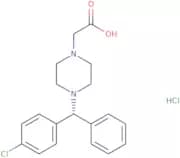
CAS :Antimony(III) acetate is a catalyst that is used in glycol esters and other organic reactions. It has been shown to have an activity index of 1.2-1.5, which means it can be used in place of antimony trioxide for many purposes. The chemical species is the film-forming polymer with particle size between 0.2-0.4 microns and a hydroxide solution of pH 3-6. Antimony(III) acetate can be used in the production of polymers with high viscosity, such as polyester, polyurethane, or polyethylene terephthalate (PET). This catalyst also reacts with hydrochloric acid or trifluoroacetic acid to produce a polymer film that is used in various applications such as coatings and adhesives.br>br> The following are some common uses for this product:Formule :C6H12O6•SbDegré de pureté :Min. 95%Couleur et forme :PowderMasse moléculaire :301.92 g/mol(R)-De(carboxymethoxy) cetirizine acetic acid hydrochloride
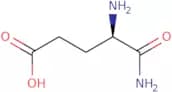
CAS :Please enquire for more information about (R)-De(carboxymethoxy) cetirizine acetic acid hydrochloride including the price, delivery time and more detailed product information at the technical inquiry form on this pageFormule :C19H22Cl2N2O2Degré de pureté :Min. 95%Masse moléculaire :381.3 g/molD-Glutamic acid alpha-amide
CAS :D-Glutamic acid alpha-amide is a carbohydrate that has been shown to have antibiotic properties. It can be produced by chemoenzymatic synthesis and is used as an animal feed additive. D-Glutamic acid alpha-amide is a conjugate of D-glutamic acid with either glycine or beta-alanine. The residue of this compound on red blood cells is measured in order to assess the amount of D-glutamic acid alpha-amide that has been ingested. This compound has also been shown to have antigenic properties, which can elicit immune responses when injected into animals. The meningococcal vaccine that contains D-glutamic acid alpha-amide was found to be effective at stimulating an immune response in mice against meningitis caused by gram negative species, such as Neisseria meningitidis.Formule :C5H10N2O3Degré de pureté :Min. 95%Couleur et forme :PowderMasse moléculaire :146.14 g/mol4-(Bromomethyl)benzeneboronic acid pinacol ester
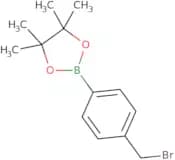
CAS :4-(Bromomethyl)benzeneboronic acid pinacol ester (BBBA) is a hypochlorous acid derivative with a structural formula of C6H5BrOCH2. It is used as a fluorophore and has been shown to have anticancer activity. 4-Bromomethylbenzeneboronic acid pinacol ester reacts with hydrophobic molecules in the cell membrane, leading to disruption of the membrane and ultimately cell death. This compound can be used as an active oxygen source in biological assays, such as functional assays, because it generates reactive oxygen species and can act as a fluorescence probe for detection of biological samples.Formule :C13H18BBrO2Degré de pureté :Min. 95 Area-%Couleur et forme :White PowderMasse moléculaire :297 g/mol4-Chloro-2-(methyl-phenyl-sulfamoyl)-benzoic acid methylester
CAS :4-Chloro-2-(methyl-phenyl-sulfamoyl)-benzoic acid methylester is an industrial chemical that is used in the production of other chemicals. It can be produced by the esterification of 4-chlorophenylacetic acid with methyl phenyl sulfonyl chloride, followed by diazotization and chlorination. This chemical also has the ability to form a condensation product with hydrazine.Formule :C15H14ClNO4SDegré de pureté :Min. 95%Masse moléculaire :339.79 g/mol4-Bromocrotonic acid - min 98%
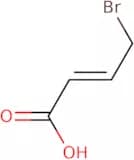
CAS :4-Bromocrotonic acid is a 3-mercaptopropionic acid (3-MPA) derivative. It inhibits the enzyme carnitine acyltransferase, which is involved in the uptake of fatty acids into mitochondria and their subsequent β-oxidation. This leads to an accumulation of fatty acids in the cytosol, which can inhibit insulin-stimulated glucose uptake and protein synthesis. 4-Bromocrotonic acid also inhibits glut1, an amp-activated protein kinase enzyme that plays a key role in cellular metabolism, leading to irreversible inhibition. 4-Bromocrotonic acid is used for analytical purposes as it is a good substrate for mitochondrial enzymes.Formule :C4H5BrO2Degré de pureté :Min. 98 Area-%Couleur et forme :White PowderMasse moléculaire :164.99 g/mol3-[(Dimethylamino)methyl]benzoic acid hydrochloride
CAS :Please enquire for more information about 3-[(Dimethylamino)methyl]benzoic acid hydrochloride including the price, delivery time and more detailed product information at the technical inquiry form on this pageFormule :C10H13NO2Degré de pureté :Min. 95%Masse moléculaire :179.22 g/mol1-tert-Butyl 3-methyl 1H-indole-1,3-dicarboxylate
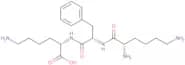
CAS :Produit contrôléPlease enquire for more information about 1-tert-Butyl 3-methyl 1H-indole-1,3-dicarboxylate including the price, delivery time and more detailed product information at the technical inquiry form on this pageFormule :C15H17NO4Degré de pureté :Min. 95%Masse moléculaire :275.3 g/molH-Lys-Phe-Lys-OH acetate salt
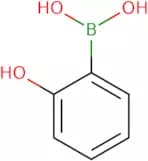
CAS :H-Lys-Phe-Lys-OH acetate salt is a dinucleotide that contains two molecules of the amino acids lysine and phenylalanine. The H-Lys-Phe-Lys-OH acetate salt interacts with the monoclonal antibody, which then binds to the tumor cells. This interaction can be measured by an oscilloscope and is used for molecular imaging. The constant value is determined by optimizing the concentration of tripeptides and tetrapeptides in order to produce a fluorescent signal from the fatty acids. The glycosidic bond between the H-Lys-Phe-Lys molecule and its acetate salt allows for fluorescence, which can be measured by a monoclonal antibody.Formule :C21H35N5O4Degré de pureté :Min. 95%Masse moléculaire :421.53 g/mol(2-Hydroxyphenyl)boronic acid
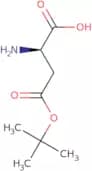
CAS :(2-Hydroxyphenyl)boronic acid is an organic compound that contains a boronate ester group and a hydroxyl group. It is used in the synthesis of lysine-containing peptides, proteins, and other compounds. (2-Hydroxyphenyl)boronic acid is synthesized by cross-coupling reactions using palladium-catalyzed coupling reactions. The most common type of reaction is the Suzuki coupling reaction, which involves the addition of an aryl halide to an aryl or vinyl boronate ester. This reaction is carried out at elevated temperature in organic solvents such as tetrahydrofuran or dioxane. The yield for this reaction can be improved by using catalytic amounts of palladium acetate, which speeds up the rate at which the reaction occurs. The use of catalysts also decreases the need for high temperatures, making it possible to perform this process atFormule :C6H7BO3Degré de pureté :Min. 95%Masse moléculaire :137.93 g/molD-Aspartic acid b tert-butyl ester
CAS :D-Aspartic acid b tert-butyl ester (DATB) is an antimicrobial agent that has been shown to inhibit the growth of drug-resistant bacteria. DATB has been shown to be active against both gram-positive and gram-negative bacteria, with a selectivity for those with a peptidoglycan cell wall. DATB inhibits the synthesis of amide and peptide bonds and has been shown to have a wide range of uses in the production of antibiotics, such as carbamates and natural products.
Formule :C8H15NO4Degré de pureté :Min. 95%Couleur et forme :PowderMasse moléculaire :189.21 g/molMethyl 1H-pyrrolo[2,3-b]pyridine-2-carboxylate
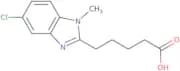
CAS :Please enquire for more information about Methyl 1H-pyrrolo[2,3-b]pyridine-2-carboxylate including the price, delivery time and more detailed product information at the technical inquiry form on this pageFormule :C9H8N2O2Degré de pureté :Min. 95%Masse moléculaire :176.17 g/mol5-(5-Chloro-1-methyl-1H-benzimidazol-2-yl)pentanoic acid
CAS :Produit contrôléPlease enquire for more information about 5-(5-Chloro-1-methyl-1H-benzimidazol-2-yl)pentanoic acid including the price, delivery time and more detailed product information at the technical inquiry form on this page
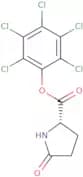
Formule :C13H15ClN2O2Degré de pureté :Min. 95%Masse moléculaire :266.72 g/molL-Pyroglutamic acid pentachlorophenyl ester
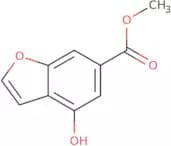
CAS :Produit contrôléPlease enquire for more information about L-Pyroglutamic acid pentachlorophenyl ester including the price, delivery time and more detailed product information at the technical inquiry form on this pageFormule :C11H6Cl5NO3Degré de pureté :Min. 95%Masse moléculaire :377.43 g/molMethyl 4-hydroxy-1-benzofuran-6-carboxylate
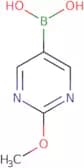
CAS :Please enquire for more information about Methyl 4-hydroxy-1-benzofuran-6-carboxylate including the price, delivery time and more detailed product information at the technical inquiry form on this pageFormule :C10H8O4Degré de pureté :Min. 95%Masse moléculaire :192.17 g/mol2-Methoxypyrimidine-5-boronic acid
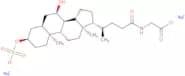
CAS :Please enquire for more information about 2-Methoxypyrimidine-5-boronic acid including the price, delivery time and more detailed product information at the technical inquiry form on this pageFormule :C5H7BN2O3Degré de pureté :Min. 95%Masse moléculaire :153.93 g/molGlycochenodeoxycholic acid 3-sulfate disodium salt
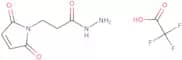
CAS :Please enquire for more information about Glycochenodeoxycholic acid 3-sulfate disodium salt including the price, delivery time and more detailed product information at the technical inquiry form on this pageFormule :C26H41NNa2O8SDegré de pureté :Min. 95%Couleur et forme :PowderMasse moléculaire :573.65 g/mol3-Maleimidopropionic acid hydrazonium trifluoroacetate
CAS :Please enquire for more information about 3-Maleimidopropionic acid hydrazonium trifluoroacetate including the price, delivery time and more detailed product information at the technical inquiry form on this pageFormule :C7H9N3O3·CHF3CO2Degré de pureté :Min. 95%Masse moléculaire :297.19 g/mol3-Amino-5-methoxybenzoic acid
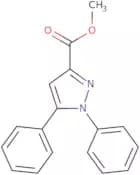
CAS :3-Amino-5-methoxybenzoic acid is a macrocyclist, which means that it can switch between two different forms. When the temperature is below 27 degrees Celsius, it exists as a mesomorphic phase and when the temperature increases above 27 degrees Celsius, it exists as an isotropic phase. 3-Amino-5-methoxybenzoic acid also has homologues that are also mesomorphic or isotropic depending on their temperatures. The chemoenzymatic parameters of the two phases are different and so are their lamellar morphologies. The fluorine atom in 3-amino-5-methoxybenzoic acid makes it act like a Lewis acid, decreasing its melting point and increasing its vapor pressure. There are two isomers of 3-amino-5-methoxybenzoic acid: dodecyl and octadecyl 3--amino--5--methoxybenFormule :C8H9NO3Degré de pureté :Min. 95%Couleur et forme :White To Yellow To Light Brown SolidMasse moléculaire :167.16 g/molMethyl 1,5-diphenyl-1H-pyrazole-3-carboxylate
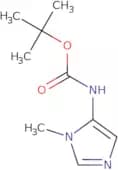
CAS :Produit contrôléPlease enquire for more information about Methyl 1,5-diphenyl-1H-pyrazole-3-carboxylate including the price, delivery time and more detailed product information at the technical inquiry form on this pageFormule :C17H14N2O2Degré de pureté :Min. 95%Masse moléculaire :278.31 g/moltert-Butyl (1-methyl-1H-imidazol-5-yl)carbamate
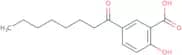
CAS :Please enquire for more information about tert-Butyl (1-methyl-1H-imidazol-5-yl)carbamate including the price, delivery time and more detailed product information at the technical inquiry form on this pageFormule :C9H15N3O2Degré de pureté :Min. 95%Masse moléculaire :197.23 g/mol5-Octanoylsalicylic acid
CAS :5-Octanoylsalicylic acid is an anti-inflammatory and antioxidant agent that has been shown to have skin-conditioning properties. It has been found to be effective in the treatment of skin diseases, such as erythema, scaling, and itching, due to its ability to inhibit tyrosinase activity. 5-Octanoylsalicylic acid has also been shown to increase cellular proliferation and lymphocyte transformation in vitro. This compound is a precursor of all-trans-retinoic acid (a form of vitamin A), which is used for the treatment of acne. 5-Octanoylsalicylic acid can be synthesized from methyl ethyl ketone and potassium dichromate by a Friedel-Crafts reaction. It is also found in fruits such as apples, bananas, peaches, and oranges. Animal studies have shown that chronic oral administration may lead to a decrease in dehydroascorbic acid levels and an increased risk
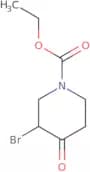
Formule :C15H20O4Degré de pureté :Min. 95%Masse moléculaire :264.32 g/mol3-Bromo-4-oxo-piperidine-1-carboxylic acid ethyl ester
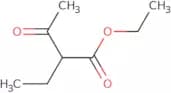
CAS :3-Bromo-4-oxo-piperidine-1-carboxylic acid ethyl ester is a monoclinic crystal of the salt of 3-bromo-4-oxo-piperidine and 1,2-ethanediol. It is used as an intermediate in the synthesis of cisapride, a medication that regulates gastrointestinal motility. 3BOCEP has been shown to hydrolyze in the stomach with a rate constant of 2 x 10 M s. The bromination product is cisapride, which has been shown to regulate gastrointestinal motility by stimulating GI smooth muscle contractions.Formule :C8H12BrNO3Degré de pureté :Min. 95%Masse moléculaire :250.09 g/molEthyl 2-ethylacetoacetate
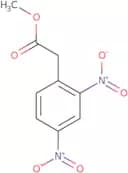
CAS :Ethyl 2-ethylacetoacetate is a carbonyl compound that belongs to the supramolecular class of chromenones. The molecule has an x-ray diffraction pattern that is characteristic of a ring structure. It can be synthesized by an efficient method involving the reaction of ethyl benzoylacetate with a halide in the presence of acid catalyst. The reactants are isolated in high yield and structural analysis shows the presence of a methylene group and an ethyl group on opposite sides of the ring, which are bonded to each other through an acetoacetate group. This chromenone also displays photochemical properties and can be used as a substrate for functional theory studies.Formule :C8H14O3Degré de pureté :Min. 95%Masse moléculaire :158.19 g/molMethyl (2,4-dinitrophenyl)acetate
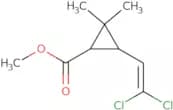
CAS :Please enquire for more information about Methyl (2,4-dinitrophenyl)acetate including the price, delivery time and more detailed product information at the technical inquiry form on this pageFormule :C9H8N2O6Degré de pureté :Min. 95%Masse moléculaire :240.17 g/molMethyl 3-(2,2-dichlorovinyl)-2,2-dimethylcyclopropanecarboxylate
CAS :Methyl 3-(2,2-dichlorovinyl)-2,2-dimethylcyclopropanecarboxylate is a pyrethroid insecticide. It is formulated as an emulsifiable concentrate and applied to the soil surface or injected into the root zone of plants. This insecticide is also used in combination with other pesticides to provide broad spectrum control of insect pests. Methyl 3-(2,2-dichlorovinyl)-2,2-dimethylcyclopropanecarboxylate is chemically synthesized from 2,3-dihydro-1,3-benzodioxole and chloroacetic acid. The mechanism of action for this pesticide is not well understood but may be due to its ability to inhibit hydrolase enzymes. This product also has a low toxicity on mammals and birds that are exposed orally or through inhalation at high concentrations.
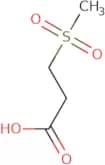
Formule :C9H12Cl2O2Degré de pureté :Min. 95%Couleur et forme :LiquidMasse moléculaire :223.1 g/mol3-(Methylsulfonyl)propanoic acid
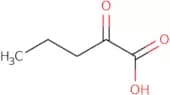
CAS :3-(Methylsulfonyl)propanoic acid is a polynucleotide that is used in sequencing reactions. It has been shown to bind to the protein Smegmatis and increase the rate of the polymer composition. 3-(Methylsulfonyl)propanoic acid has also been shown to have a structural similarity with porins, which are proteins that form pores in cell membranes for ion transport. 3-methylsulfanylpropanoic acid binds to porins by coordinating geometry, allowing it to be transported into cells. The 6-Fluoro-3-indoxyl-beta-D-galactopyranoside is an antituberculosis drug that belongs to the class of rifamycins. Rifapentine inhibits bacterial growth by binding to DNA-dependent RNA polymerase, thereby preventing transcription and replication. The high frequency of human activity has been shown using a patch-clamp technique on human eryFormule :C4H8O4SDegré de pureté :Min. 95%Masse moléculaire :152.17 g/mol2-Oxovaleric acid
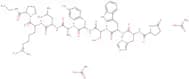
CAS :2-Oxovaleric acid is a monocarboxylic acid that is produced by the oxidation of 2-oxopentanoic acid. It was first discovered as an inhibitory compound for glutamate dehydrogenase, which catalyzes the conversion of glutamate to alpha-ketoglutarate. This inhibition leads to a buildup of glutamate in the cell, which can cause metabolic disorders. The importance of 2-oxovaleric acid was demonstrated using a chromatographic method on type strain cells. The electron microscopic images showed that 2-oxovaleric acid inhibited the growth of bacteria by binding to extracellular Ca2+, carbon source, and animals.Formule :C5H8O3Degré de pureté :Min. 95%Masse moléculaire :116.12 g/mol(Des-Gly10,D-Ala6,Pro-NHEt 9)-LHRH acetate salt
CAS :Produit contrôléDes-Gly10,D-Ala6,Pro-NHEt 9)-LHRH acetate salt Pyr-His-Trp-Ser-Tyr-D-Ala-Leu-Arg-Pro-NHEt acetate (DGPRP) is a drug that is used to treat endometriosis. It is an agonist of the LHRH receptor and inhibits body formation by preventing the release of gonadotropin hormones. DGPRP has been shown to inhibit cell proliferation in cancer tissues and may be useful for the treatment of leukemia. This drug has also been shown to be biocompatible with polymer scaffolds and can be synthesized using methods such as solid phase peptide synthesis.Formule :C56H78N16O12•xC2H4O2Degré de pureté :Min. 95%Masse moléculaire :1,167.32 g/mol1-Trifluoromethylcyclopropane-1-carboxylic acid
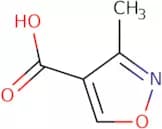
CAS :1-Trifluoromethylcyclopropane-1-carboxylic acid is a ketone that is used in research in organic chemistry for the preparation of imidazole. It can be prepared by the transformation of ethyl 2-(trifluoromethyl)acrylate, and is also obtained from 1,4-dichloroacetone. 1-Trifluoromethylcyclopropane carboxylic acid has been shown to have some medicinal properties. It has been used in research on cancer cells and as an anti-inflammatory agent. The compound has a steric effect on the body and can be used as a weight loss drug, with one kilogram of 1-Trifluoromethylcyclopropane carboxylic acid being equivalent to 3 kilograms of weight loss.Formule :C5H5F3O2Degré de pureté :Min. 95%Couleur et forme :PowderMasse moléculaire :154.09 g/molMethylisoxazole-4-carboxylic acid
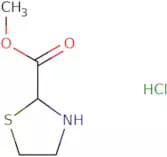
CAS :Methylisoxazole-4-carboxylic acid is an amide that is oxidized to form a hydroxycrotonic acid. It is found in food products, such as milk and eggs, which are rich in amino acids. Methylisoxazole-4-carboxylic acid can be converted to the corresponding hydroxycrotonic acid by deamination of alpha-ketoglutarate or by enamine formation with other amines. These processes are important for the metabolism of amino acids and the synthesis of proteins. Methylisoxazole-4-carboxylic acid has analgesic properties and has been shown to reduce cycloaddition reactions that lead to the formation of free radicals. The methyl group on this compound also allows it to act as a reducing agent, forming nitro compounds with nitrous oxide or nitric oxide and hydroxyl groups with alcohols, phenols, and pyridines.Formule :C5H5NO3Degré de pureté :Min. 95%Masse moléculaire :127.1 g/molMethyl thiazolidine-2-carboxylate hydrochloride
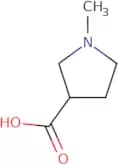
CAS :Please enquire for more information about Methyl thiazolidine-2-carboxylate hydrochloride including the price, delivery time and more detailed product information at the technical inquiry form on this pageFormule :C5H9NO2S•HClDegré de pureté :Min. 95%Couleur et forme :PowderMasse moléculaire :183.66 g/mol1-Methyl-pyrrolidine-3-carboxylic acid
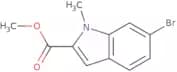
CAS :1-Methyl-pyrrolidine-3-carboxylic acid is a hepatoprotective agent that has been shown to inhibit the growth of cervical glands in animals. It also has anticarcinogenic and locomotor activity, as well as antidiabetic and depressant activities. The alkaloid 1-methyl-pyrrolidine-3-carboxylic acid can be found in many medicinal plants, including Ganoderma lucidum and Semen erythrophlei. In vitro assays show that this compound inhibits the enzyme lipase, which is involved in fat digestion and pancreatic function. The compound also has a depressant effect on the central nervous system, as shown by animal studies.Formule :C6H11NO2Degré de pureté :Min. 95%Couleur et forme :PowderMasse moléculaire :129.16 g/molMethyl 6-Bromo-1-Methyl-1H-Indole-2-Carboxylate
CAS :Produit contrôléPlease enquire for more information about Methyl 6-Bromo-1-Methyl-1H-Indole-2-Carboxylate including the price, delivery time and more detailed product information at the technical inquiry form on this pageFormule :C11H10BrNO2Degré de pureté :Min. 95%Masse moléculaire :268.11 g/molTetrakis[N-phthaloyl-(S)-phenylalaninato]dirhodium Ethyl Acetate Adduct
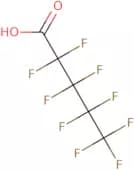
CAS :Please enquire for more information about Tetrakis[N-phthaloyl-(S)-phenylalaninato]dirhodium Ethyl Acetate Adduct including the price, delivery time and more detailed product information at the technical inquiry form on this pageFormule :C68H48N4O16Rh2·C4H8O2Degré de pureté :Min. 95%Masse moléculaire :1,471.04 g/molNonafluorovaleric acid
CAS :Nonafluorovaleric acid is a glycol ether that is used as a solvent and in the manufacture of fluoropolymers. Nonafluorovaleric acid is considered to be a potential biomarker for perfluoroalkyl substances, which are toxic chemicals found in many household products. It has been shown to inhibit matrix metalloproteinase activity and can be used to study autoimmune diseases. Nonafluorovaleric acid can also be used as a synchronous fluorescent probe for enzyme-linked immunosorbent assays. The toxicity of this chemical has been studied extensively and it is well known that nonafluorovaleric acid can induce enzyme induction, leading to increased production of enzymes such as cytochrome P450.
Formule :C5HF9O2Degré de pureté :Min. 95%Couleur et forme :Clear LiquidMasse moléculaire :264.05 g/mol3-Epikatonic acid
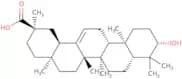
CAS :Produit contrôlé3-Epikatonic acid is a triterpenoid saponin that can be found in Tripterygium wilfordii. It has immunosuppressive activities and has been used in the treatment of cancer. 3-Epikatonic acid inhibits the production of proinflammatory cytokines such as tumor necrosis factor-α, IL-6, and IL-8. It also inhibits the proliferation of human breast cancer cells by inducing apoptosis. 3-Epikatonic acid is also a fertility agent because it can stimulate ovulation in rats.
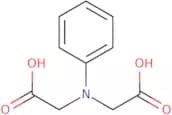
Formule :C30H48O3Degré de pureté :Min. 95%Masse moléculaire :456.7 g/molN-Phenyliminodiacetic acid
CAS :N-Phenyliminodiacetic acid (NPD) is an organic acid that functions as a monomer and polymerization initiator in polyanhydrides. It has been shown to function as a redox potential sensor, having a strong response to changes in the environment. NPD has been shown to be sensitive to reactive oxygen species, such as HCl, which can affect its fluorescence properties. This compound is also active against aneurysms and has been used in simulations of these lesions. NPD also chelates with metal ions and can be used in the treatment of heavy metal poisoning.Formule :C10H11NO4Degré de pureté :Min. 95%Masse moléculaire :209.2 g/mol4-(4-Nitrophenoxy)butanoic acid
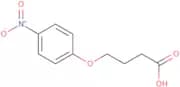
CAS :Produit contrôléPlease enquire for more information about 4-(4-Nitrophenoxy)butanoic acid including the price, delivery time and more detailed product information at the technical inquiry form on this page
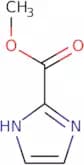
Formule :C10H11NO5Degré de pureté :Min. 95%Masse moléculaire :225.2 g/molMethyl 1H-imidazole-2-carboxylate
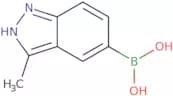
CAS :Please enquire for more information about Methyl 1H-imidazole-2-carboxylate including the price, delivery time and more detailed product information at the technical inquiry form on this pageFormule :C5H6N2O2Degré de pureté :Min. 95%Masse moléculaire :126.11 g/mol3-Methyl-1H-indazol-5-yl-5-boronic acid
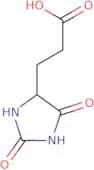
CAS :Please enquire for more information about 3-Methyl-1H-indazol-5-yl-5-boronic acid including the price, delivery time and more detailed product information at the technical inquiry form on this pageFormule :C8H9BN2O2Degré de pureté :Min. 95%Masse moléculaire :175.98 g/mol3-(2,5-Dioxoimidazolidin-4-yl)propanoic acid
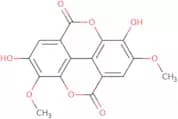
CAS :3-(2,5-Dioxoimidazolidin-4-yl)propanoic acid (3DAP) is a histidine analog that belongs to the group of fatty acid derivatives. It has been shown to be effective in the diagnosis of obesity and provides a new approach for the treatment of obesity. 3DAP binds to organic anion transporters, which are proteins that transport organic anions across cell membranes. This binding inhibits the transport of organic anion substrates and leads to increased concentrations of these substrates in blood plasma. 3DAP is a competitive inhibitor against estrone sulfate, which is one of its major metabolites. 3DAP has shown efficacy in animal models for obesity, diabetes, and hepatic steatosis.Formule :C6H8N2O4Degré de pureté :Min. 95%Couleur et forme :PowderMasse moléculaire :172.14 g/mol3,4’-O-dimethylellagic acid
CAS :3,4’-O-dimethylellagic acid is a phenolic compound, which is a type of ellagic acid derivative. It is derived from natural sources, typically found in various fruits, nuts, and vegetables, particularly in certain berries and pomegranates. The compound is formed through the methylation of ellagic acid, which amplifies its lipophilicity and enhances its bioavailability.
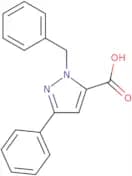
Degré de pureté :Min. 95%1-Benzyl-3-phenyl-1H-pyrazole-5-carboxylic acid
CAS :Produit contrôléPlease enquire for more information about 1-Benzyl-3-phenyl-1H-pyrazole-5-carboxylic acid including the price, delivery time and more detailed product information at the technical inquiry form on this pageFormule :C17H14N2O2Degré de pureté :Min. 95%Masse moléculaire :278.31 g/mol[(5-Methyl-4-phenyl-4H-1,2,4-triazol-3-yl)thio]acetic acid
CAS :Please enquire for more information about [(5-Methyl-4-phenyl-4H-1,2,4-triazol-3-yl)thio]acetic acid including the price, delivery time and more detailed product information at the technical inquiry form on this pageFormule :C11H11N3O2SDegré de pureté :Min. 95%Masse moléculaire :249.29 g/mol(R)-(-)-3-Hydroxybutyric acid methyl ester
CAS :(R)-(-)-3-Hydroxybutyric acid methyl ester is a monocarboxylic acid that is metabolized by phosphofructokinase and other enzymes to produce the corresponding 3-hydroxybutyrate. This compound is synthesized from tiglic acid, which can be obtained from corynebacterium. The production of (R)-(-)-3-Hydroxybutyric acid methyl ester can be optimized by using a biotransformation process. This process includes enzymatic reactions and chemical transformations, such as hydroxylation, carbonylation, and stereoselective synthesis. The metabolic pathway for this compound has been studied using a DNA microarray analysis.
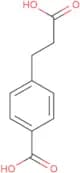
Formule :C5H10O3Degré de pureté :Min. 95%Masse moléculaire :118.13 g/mol4-(2-carboxyethyl)benzoic acid
CAS :4-(2-carboxyethyl)benzoic acid is a dihedral molecule that has been shown to exhibit processability at temperatures of up to 120°C. It can be prepared by the reaction of carboxylic acids with ethylene glycol in the presence of an inorganic base such as sodium hydroxide, sodium methoxide, or potassium tert-butoxide. 4-(2-Carboxyethyl)benzoic acid has nitrogen atoms and ft-ir spectroscopic properties that are consistent with its role in hydrogen bonding interactions and fluorescence properties. This compound has also been shown to have supramolecular properties.Formule :C10H10O4Degré de pureté :Min. 95%Masse moléculaire :194.18 g/molAG 1-X2 ion exchange resin 200-400 acetate
AG 1-X2 ion exchange resin 200-400 acetate is a resin for strong anion exchange. Use this chloride-form resin for gravity or low-pressure chromatography.MW limit: ca 2700Wet density : ≤ 0.74 g/mL
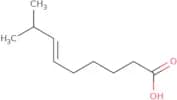
Degré de pureté :Min. 95%Couleur et forme :Powder(E)-8-Methyl-6-nonenoic acid - predominantly trans
CAS :(E)-8-Methyl-6-nonenoic acid is a fatty acid that is found in the acetate extract of Capsicum annuum. It is an analog of the natural compound (E)-8-methyl-6-nonenal, which has been shown to have anticancer properties. The synthesis of this compound has been achieved using a novel approach based on enzymatic reactions and chemical transformations. This compound has been shown to have potential anticancer activity against human prostate cancer cells in vitro and to inhibit the growth of triticum aestivum seeds.Formule :C10H18O2Degré de pureté :Min. 95%Masse moléculaire :170.25 g/mol5-Methyl-1H-pyrrole-3-carboxylic acid
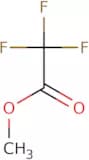
CAS :Please enquire for more information about 5-Methyl-1H-pyrrole-3-carboxylic acid including the price, delivery time and more detailed product information at the technical inquiry form on this pageFormule :C6H7NO2Degré de pureté :Min. 95%Masse moléculaire :125.13 g/molMethyl 2,2,2-trifluoroacetate
CAS :Methyl 2,2,2-trifluoroacetate is a reactive compound with the chemical formula CHF. It can be used as a glycol ether and reacts with acid to form an alkanoic acid. Methyl 2,2,2-trifluoroacetate also reacts with a hydroxyl group to produce a molecule with two carboxylic acid groups. The kinetic data of this reaction has been determined using gas chromatography. This compound can also be used as a solid catalyst in reactions that require kinetic energy. Methyl 2,2,2-trifluoroacetate is not toxic to humans and has been found to be safe for use in analytical techniques.Formule :C3H3F3O2Degré de pureté :Min. 95%Masse moléculaire :128.05 g/molMethyl3-iodothiophene-2-carboxylate
CAS :Methyl3-iodothiophene-2-carboxylate is a chemical compound that is involved in the biosynthesis of eicosanoids. It can be synthesized by the cyclization of the corresponding lactam to produce an intermediate, which is then converted to methyl3-iodothiophene-2-carboxylate by hydrolysis or reduction. This compound has been shown to inhibit malaria parasites such as Plasmodium falciparum and Plasmodium vivax. Methyl3-iodothiophene-2-carboxylate also inhibits the growth of bacteria such as Staphylococcus aureus and Bacillus subtilis. The mechanism of action is believed to be due to its ability to inhibit protein synthesis by binding with ribosomes in prokaryotic cells.END>Formule :C6H5IO2SDegré de pureté :Min. 95%Masse moléculaire :268.07 g/molValeric acid hydrazide
CAS :Valeric acid hydrazide (VAH) is a monoclonal antibody that binds to the receptor molecule. The binding of VAH to the receptor molecule leads to a change in the reaction mechanism and prevents the initiation of an immune response. This drug has been shown to have therapeutic properties in a number of autoimmune diseases, such as rheumatoid arthritis and multiple sclerosis, by blocking the production of TNF-α and other inflammatory cytokines. Valeric acid hydrazide also shows biological properties against cancerous cells. It inhibits the growth factor activity, which is believed to be responsible for tumor formation and growth. This agent may also inhibit angiogenesis by preventing endothelial cell proliferation and migration.Formule :C5H12N2ODegré de pureté :Min. 95%Masse moléculaire :116.16 g/mol3,6-Dichlorobenzo[b]thiophene-2-carboxylic acid
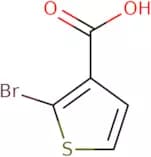
CAS :3,6-Dichlorobenzo[b]thiophene-2-carboxylic acid is an extracellular metabolite that is involved in the metabolism of muscle. It is produced as a byproduct of the reaction catalyzed by dehydrogenase, which converts 3,6-dichlorobenzo[b]thiophene to 2-carboxybenzothiophene. This compound has been shown to inhibit the enzyme histidine carboxylate synthetase, which is involved in branched-chain amino acid synthesis. The enzyme can be inhibited by either a wild type or an analog of 3,6-dichlorobenzo[b]thiophene-2-carboxylic acid.Formule :C9H4Cl2O2SDegré de pureté :Min. 95%Masse moléculaire :247.1 g/mol2-Bromo-3-thiophenecarboxylic acid
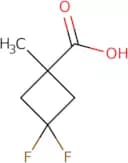
CAS :2-Bromo-3-thiophenecarboxylic acid (BTPC) is a synthetic drug that is used as an analog of sildenafil, which is a PDE5 inhibitor. BTPC has been shown to be a more potent and selective inhibitor of cGMP hydrolysis than sildenafil. It has also been shown to be capable of inhibiting the growth of human lung cancer cells in vitro. BTPC has not yet been tested in vivo, but may offer advantages over other PDE5 inhibitors due to its increased potency and selectivity.Formule :C5H3BrO2SDegré de pureté :Min. 97 Area-%Couleur et forme :PowderMasse moléculaire :207.05 g/mol3,3-Difluoro-1-methylcyclobutanecarboxylic acid
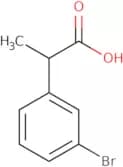
CAS :Please enquire for more information about 3,3-Difluoro-1-methylcyclobutanecarboxylic acid including the price, delivery time and more detailed product information at the technical inquiry form on this pageFormule :C6H8F2O2Degré de pureté :Min. 95%Masse moléculaire :150.12 g/mol2-(3-Bromophenyl)propanoic acid
CAS :Please enquire for more information about 2-(3-Bromophenyl)propanoic acid including the price, delivery time and more detailed product information at the technical inquiry form on this pageFormule :C9H9BrO2Degré de pureté :Min. 95%Masse moléculaire :229.07 g/molGlycodeoxycholic Acid monohydrate
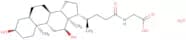
CAS :Produit contrôléGlycodeoxycholic acid is a bile acid that has been shown to inhibit bacterial translocation. It is used as an adjuvant therapy in the treatment of primary sclerosing cholangitis and other inflammatory conditions of the liver, such as pancreatitis, and it has also been studied for its effects on iron homeostasis. Glycodeoxycholic acid is produced by the human body and can be found in the serum. The biosynthesis of glycodeoxycholic acid is dependent on microbial metabolism, which may be inhibited by nonsteroidal anti-inflammatory drugs. This compound has been shown to inhibit cell signaling pathways and increase sodium ion uptake into cells through inhibition of sodium-potassium ATPase activity.Degré de pureté :Min. 95%6-Oxo norethindrone acetate
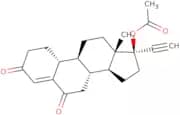
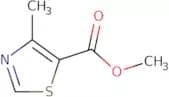
CAS :Please enquire for more information about 6-Oxo norethindrone acetate including the price, delivery time and more detailed product information at the technical inquiry form on this pageFormule :C22H26O4Degré de pureté :Min. 95%Masse moléculaire :354.44 g/molMethyl 4-methylthiazole-5-carboxylate
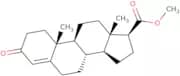
CAS :Methyl 4-methylthiazole-5-carboxylate (MTMC) is a compound with high chemical and biological activity. MTMC has been shown to inhibit the growth of S. aureus, and also exhibits cytotoxic effects on human cancer A549 cells in vitro. MTMC has been shown to be active against HIV in cell culture and also inhibits the replication of influenza virus. MTMC has significant activity against cancer, and is also effective against immunodeficiencies that are due to viral infection. It can be synthesized by a high-yielding process involving the reaction of methyl 4-nitrobenzoate with thiourea in an organic solvent under reflux conditions. The crystal structure of MTMC was determined by X-ray diffraction methods, revealing that it is centrosymmetric with four molecules present in the asymmetric unit.Degré de pureté :Min. 95%3-Keto-4-etiocholenic acid methylester
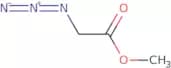
CAS :Produit contrôlé3-Keto-4-etiocholenic acid methylester is a chemical that has been shown to have insecticidal properties. 3-Keto-4-etiocholenic acid methylester binds to odorant receptors on the antennae of insects and causes an excitatory response. It can be used as a potential environmental pollutant, as well as an insecticide or repellent. 3-Keto-4-etiocholenic acid methylester binds with high affinity to olfactory receptors in the antennae of insects and has been shown to cause excitation when it comes into contact with these receptors. This compound can be used for screening for new materials with similar odorant binding properties, for research purposes, and also as a biosensor for pollution detection. 3-Keto-4-etiocholenic acid methylester has been shown to react with various substances such as oxygen, nitric oxide, nitrous oxide, sulfur dioxide andFormule :C21H30O3Degré de pureté :Min. 95%Masse moléculaire :330.46 g/molMethyl azido acetate
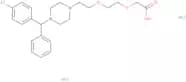
CAS :Methyl azido acetate is a chemical compound with the molecular formula CH3N3O. It is used in biological studies to study the effects of amides on inflammatory bowel disease and solid tumours. Methyl azido acetate has been shown to be cytotoxic against cells, which may be due to its ability to inhibit integrase enzyme activity.Formule :C3H5N3O2Degré de pureté :Min. 95%Couleur et forme :Clear LiquidMasse moléculaire :115.09 g/molHydroxyzine acetic acid dihydrochloride
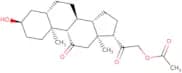
CAS :Produit contrôléPlease enquire for more information about Hydroxyzine acetic acid dihydrochloride including the price, delivery time and more detailed product information at the technical inquiry form on this pageFormule :C23H31Cl3N2O4Degré de pureté :Min. 95%Masse moléculaire :505.86 g/mol3a,21-Dihydroxy-5a-pregnane-11,20-dione 21-acetate
CAS :Produit contrôlé3a,21-Dihydroxy-5a-pregnane-11,20-dione 21-acetate is a short-acting intravenous anaesthetic that is used in surgical procedures. It has been shown to have antinociceptive properties and can be used as a potent analgesic. 3a,21-Dihydroxy-5a-pregnane-11,20-dione 21-acetate binds to the alpha1 adrenergic receptor and blocks the release of noradrenaline from nerve terminals in the brain. This prevents the activation of neurons in the spinal cord that transmit pain signals to the brain. The drug also inhibits the action of gamma aminobutyric acid on neurones and increases levels of cortisol concentration in blood plasma. The mechanism by which 3a,21 -dihydroxy 5a pregnane 11,20 dione 21 acetate produces its anaesthetic effects has not yet been elucidated.Formule :C23H34O5Degré de pureté :Min. 95%Masse moléculaire :390.51 g/molFmoc-trans-4-(aminomethyl)cyclohexane-1-carboxylic acid
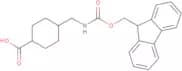
CAS :Fmoc-trans-4-(aminomethyl)cyclohexane-1-carboxylic acid is a synthetic amino acid that has been shown in vitro to inhibit the growth of prostate cancer cells. It is an analog of butyric acid, a naturally occurring fatty acid. Fmoc-trans-4-(aminomethyl)cyclohexane-1-carboxylic acid has been synthesized by solid phase methods and labeled with radiotracers such as indium 111 or technetium 99m. The use of Fmoc-trans-4-(aminomethyl)cyclohexane-1-carboxylic acid in vivo is limited by its short circulating half life, rapid metabolism, and high toxicity.Formule :C23H25NO4Degré de pureté :Min. 95%Couleur et forme :White SolidMasse moléculaire :379.45 g/molrac 5-Hydroxy valproic acid sodium
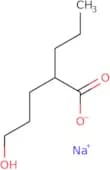
CAS :Please enquire for more information about rac 5-Hydroxy valproic acid sodium including the price, delivery time and more detailed product information at the technical inquiry form on this pageFormule :C8H16O3•NaDegré de pureté :Min. 95%Couleur et forme :PowderMasse moléculaire :183.2 g/mol4-[4-(3-Chlorophenyl)piperazin-1-yl]-4-oxobutanoic acid
CAS :Produit contrôléPlease enquire for more information about 4-[4-(3-Chlorophenyl)piperazin-1-yl]-4-oxobutanoic acid including the price, delivery time and more detailed product information at the technical inquiry form on this page
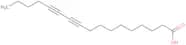
Formule :C14H17ClN2O3Degré de pureté :Min. 95%Masse moléculaire :296.75 g/mol10,12-Heptadecadiynoic Acid
CAS :10,12-Heptadecadiynoic Acid is a chiral compound that can be used in the treatment of cancer. It is an amphiphilic molecule that has been shown to interact with hydrophobic surfaces such as metal and polymer surfaces. 10,12-Heptadecadiynoic Acid also interacts with biomolecules such as DNA and RNA. This interaction leads to gelation or solvation depending on the solvent used. Irradiation of 10,12-Heptadecadiynoic Acid causes it to form a long-chain polymerized molecule.Degré de pureté :Min. 95%tert-Butyl diazoacetate
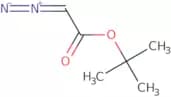
CAS :Tert-Butyl diazoacetate is an ethyl diazoacetate that undergoes a copper-catalyzed alkylation with 4-acetamidobenzene sulfonyl azide. The reaction rate is dependent on the concentration of chloride, which is the only byproduct. This compound has been used in asymmetric synthesis of 4-formylbenzenesulfonyl azide and has shown to be a useful tool for organic chemists due to its size-exclusion chromatography properties. Tert-Butyl diazoacetate also reacts with styrene to produce unsaturated ketones such as salicylaldehyde, which can be further modified. Tert-Butyl diazoacetate is also an important bioactive molecule because it can be isolated from natural sources like horseradish or soybean sprouts.Formule :C6H10N2O2Degré de pureté :Min. 95%Masse moléculaire :142.16 g/mol4-(Difluoromethoxy)phenylboronic acid
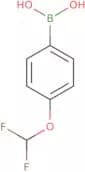
CAS :Please enquire for more information about 4-(Difluoromethoxy)phenylboronic acid including the price, delivery time and more detailed product information at the technical inquiry form on this pageFormule :C7H7BF2O3Degré de pureté :Min. 95%Masse moléculaire :187.94 g/mol2-(2-Propyl-1H-benzimidazol-1-yl)butanoic acid hydrochloride
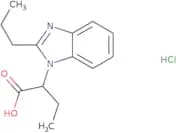
CAS :Produit contrôléPlease enquire for more information about 2-(2-Propyl-1H-benzimidazol-1-yl)butanoic acid hydrochloride including the price, delivery time and more detailed product information at the technical inquiry form on this pageFormule :C14H18N2O2Degré de pureté :Min. 95%Masse moléculaire :246.31 g/molBetamethasone 21-acetate
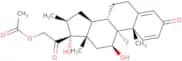
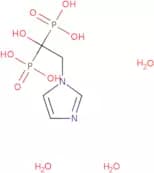
CAS :Betamethasone 21-acetate is a potent corticosteroid that is effective in the treatment of inflammatory conditions, such as asthma and arthritis. It also helps to reduce the symptoms of inflammatory skin diseases, including atopic dermatitis, contact dermatitis, and psoriasis. Betamethasone 21-acetate is used to treat perinatal complications such as preterm labor and neonatal respiratory distress syndrome. This drug has been shown to have a low cardiac effect when administered at a low dose (1 mg/kg). The stability of betamethasone 21-acetate in blood samples is increased by adding benzalkonium chloride or trifluoroacetic acid. Betamethasone 21-acetate has been shown to be absorbed rapidly from the gastrointestinal tract and distributed widely throughout the body. It binds to plasma proteins and has a short elimination half-life of 1.5 hours.Formule :C24H31FO6Degré de pureté :Min. 95%Couleur et forme :PowderMasse moléculaire :434.5 g/molZoledronic acid trihydrate
CAS :Farnesyl pyrophosphate synthase inhibitor; hepatic de novo lipogenesis inhibitor
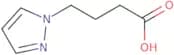
Formule :C5H16N2O10P2Degré de pureté :Min. 95%Masse moléculaire :326.14 g/mol4-(1H-Pyrazol-1-yl)butanoic acid
CAS :Please enquire for more information about 4-(1H-Pyrazol-1-yl)butanoic acid including the price, delivery time and more detailed product information at the technical inquiry form on this page
Formule :C7H10N2O2Degré de pureté :Min. 95%Masse moléculaire :154.17 g/mol2,5-Dichloro-4-methoxybenzoic acid
CAS :2,5-Dichloro-4-methoxybenzoic acid is a synthetic herbicide that inhibits the enzyme 5-enolpyruvylshikimate-3-phosphate synthase (EPSPS). This enzyme is necessary for the synthesis of aromatic amino acids. 2,5-Dichloro-4-methoxybenzoic acid is used as a selective herbicide in plants grown in vitro to eliminate weeds. It is also used to control populations of wild plants and grasses. 2,5-Dichloro-4-methoxybenzoic acid has been shown to inhibit the growth of glyphosate resistant weed species by inhibiting EPSPS activity.Degré de pureté :Min. 95%3-[1-(2-Methoxyethyl)-1H-indol-3-yl]propanoic acid
CAS :Produit contrôléPlease enquire for more information about 3-[1-(2-Methoxyethyl)-1H-indol-3-yl]propanoic acid including the price, delivery time and more detailed product information at the technical inquiry form on this pageFormule :C14H17NO3Degré de pureté :Min. 95%Masse moléculaire :247.29 g/molKisspeptin-54 (human) trifluoroacetate salt
CAS :Kisspeptin-54 is a mammalian peptide hormone that regulates the release of gonadotropin-releasing hormone (GnRH) from the hypothalamus. Kisspeptin-54 has been shown to be potently immunogenic in humans and can be used as an antigen for the production of monoclonal antibodies. It is also a candidate drug for the treatment of obesity and may have neuroprotective effects. Kisspeptin-54 has been shown to reduce body mass index, which may be due to its ability to stimulate the immune system and promote antibody production against tumors. This peptide also has potent on-line binding properties that are useful in polymerase chain reactions.Formule :C258H401N79O78Degré de pureté :Min. 95%Masse moléculaire :5,857.43 g/mol(R)-(-)-2-Methylglutaric Acid
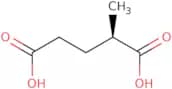
CAS :Please enquire for more information about (R)-(-)-2-Methylglutaric Acid including the price, delivery time and more detailed product information at the technical inquiry form on this page
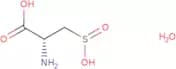
Formule :C6H10O4Degré de pureté :Min. 95%Masse moléculaire :146.14 g/molL-Cysteinesulfinic acid, monohydrate
CAS :Please enquire for more information about L-Cysteinesulfinic acid, monohydrate including the price, delivery time and more detailed product information at the technical inquiry form on this pageFormule :C3H7NO4S·H2ODegré de pureté :Min. 95%Masse moléculaire :171.17 g/molN-alpha-Trityl-Nbeta-Fmoc-L-2,3-diaminopropionic acid
CAS :Please enquire for more information about N-alpha-Trityl-Nbeta-Fmoc-L-2,3-diaminopropionic acid including the price, delivery time and more detailed product information at the technical inquiry form on this pageFormule :C37H32N2O4Degré de pureté :Min. 95%Masse moléculaire :568.66 g/mol(2S, 3S)-3-(Ethoxycarbonyl)-oxirane-2-carboxylic acid
CAS :Please enquire for more information about (2S, 3S)-3-(Ethoxycarbonyl)-oxirane-2-carboxylic acid including the price, delivery time and more detailed product information at the technical inquiry form on this page
Formule :C6H8O5Degré de pureté :Min. 95%Couleur et forme :Clear LiquidMasse moléculaire :160.12 g/mol
![1-[2-(Methoxycarbonyl)phenyl]-5-oxopyrrolidine-3-carboxylic acid](/_next/image/?url=https%3A%2Fstatic.cymitquimica.com%2Fproducts%2F3D%2Fthumb-webp%2FFM123736.webp&w=3840&q=75)





![4-(Methoxycarbonyl)bicyclo[2.1.1]hexane-1-carboxylic acid](/_next/image/?url=https%3A%2Fstatic.cymitquimica.com%2Fproducts%2F3D%2Fthumb-webp%2FFM76248.webp&w=3840&q=75)
![(2S,3S,5S)-5-[(N-Formyl-L-leucyl)oxy]-2-hexyl-3-hydroxyhexadecanoic acid](/_next/image/?url=https%3A%2Fstatic.cymitquimica.com%2Fproducts%2F3D%2Fthumb-webp%2FFF23586.webp&w=3840&q=75)


![3-[(Dimethylamino)methyl]benzoic acid hydrochloride](/_next/image/?url=https%3A%2Fstatic.cymitquimica.com%2Fproducts%2F3D%2Fthumb-webp%2FFD124093.webp&w=3840&q=75)

![Methyl 1H-pyrrolo[2,3-b]pyridine-2-carboxylate](/_next/image/?url=https%3A%2Fstatic.cymitquimica.com%2Fproducts%2F3D%2Fthumb-webp%2FFM142039.webp&w=3840&q=75)


![Tetrakis[N-phthaloyl-(S)-phenylalaninato]dirhodium Ethyl Acetate Adduct](/_next/image/?url=https%3A%2Fstatic.cymitquimica.com%2Fproducts%2F3D%2Fthumb-webp%2FFT60014.webp&w=3840&q=75)
![[(5-Methyl-4-phenyl-4H-1,2,4-triazol-3-yl)thio]acetic acid](/_next/image/?url=https%3A%2Fstatic.cymitquimica.com%2Fproducts%2F3D%2Fthumb-webp%2FFM132283.webp&w=3840&q=75)





![3,6-Dichlorobenzo[b]thiophene-2-carboxylic acid](/_next/image/?url=https%3A%2Fstatic.cymitquimica.com%2Fproducts%2F3D%2Fthumb-webp%2FFD57151.webp&w=3840&q=75)
![4-[4-(3-Chlorophenyl)piperazin-1-yl]-4-oxobutanoic acid](/_next/image/?url=https%3A%2Fstatic.cymitquimica.com%2Fproducts%2F3D%2Fthumb-webp%2FFC124815.webp&w=3840&q=75)

![3-[1-(2-Methoxyethyl)-1H-indol-3-yl]propanoic acid](/_next/image/?url=https%3A%2Fstatic.cymitquimica.com%2Fproducts%2F3D%2Fthumb-webp%2FFM135770.webp&w=3840&q=75)