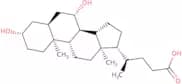
Acides carboxyliques
12458 produits trouvés pour "Acides carboxyliques"
C-Type Natriuretic Peptide (32-53) acetate salt
CAS :C-type Natriuretic peptide is a peptide hormone that causes vasodilation, diuresis, and natriuresis. It is secreted by the heart and kidneys in response to volume overload. C-type Natriuretic peptide has been shown to cause fibrosis of the kidney as well as other tissues in mice. The binding of C-type Natriuretic peptide to its receptor activates cyclase, which converts ATP into cAMP. This leads to increased levels of cGMP, which causes smooth muscle relaxation and vasodilation.Formule :C93H157N27O28S3Degré de pureté :Min. 95%Masse moléculaire :2,197.6 g/mol2-[(2,3-Dimethylphenyl)amino]nicotinic acid
CAS :2-[(2,3-Dimethylphenyl)amino]nicotinic acid is an arylpropionic acid that has been designed for the treatment of cancer. It is a neutral compound that can be crystallized or sterilized and then injected or implanted into tissues. The compound can be used as a diagnostic tool to target specific tissues in the body by using iontophoresis or organic solvents. 2-[(2,3-Dimethylphenyl)amino]nicotinic acid interacts with chlorine ions to form a chloride derivative, which is then transported through the tissue. This process can be reversed by adding an acid solution to the tissue, which will cause the chloride ions to break down into hydrogen and chloride ions.
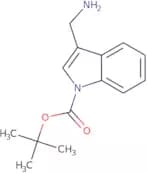
Formule :C14H14N2O2Degré de pureté :Min. 95%Masse moléculaire :242.27 g/moltert-Butyl 3-(aminomethyl)-1H-indole-1-carboxylate hydrochloride
CAS :Please enquire for more information about tert-Butyl 3-(aminomethyl)-1H-indole-1-carboxylate hydrochloride including the price, delivery time and more detailed product information at the technical inquiry form on this pageFormule :C14H18N2O2Degré de pureté :Min. 95%Masse moléculaire :246.31 g/mol5-[4-(1,2,4,5-Tetrazin-3-yl)benzylamino]-5-oxopentanoic acid
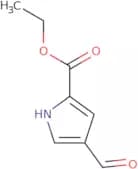
CAS :Please enquire for more information about 5-[4-(1,2,4,5-Tetrazin-3-yl)benzylamino]-5-oxopentanoic acid including the price, delivery time and more detailed product information at the technical inquiry form on this pageFormule :C14H15N5O3Degré de pureté :Min. 95%Couleur et forme :White To Yellow To Dark Red SolidMasse moléculaire :301.3 g/molEthyl 4-formylpyrrole-2-carboxylate
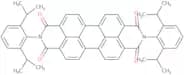
CAS :Ethyl 4-formylpyrrole-2-carboxylate is a chemical compound that is used as an intermediate in organic synthesis. The compound has been reported to have spectra at m/z (M+1) of 168, 156 and 140. It also has been reported to have yields of about 98% when synthesized from ethyl azidoacetate and ethyl bromoacetate. The mass spectra show the molecular ion peak at m/z of 168, 156 and 140 corresponding to the structure of ethyl 4-formylpyrrole-2-carboxylate. Furan, n-substituted furan, thiophene, acetamide and cyclization are other possible structures for this molecule.Formule :C8H9NO3Degré de pureté :Min. 95%Masse moléculaire :167.16 g/molN,N'-Bis(2,6-diisopropylphenyl)-3,4,9,10-perylenetetracarboxylic diimide
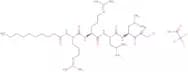
CAS :N,N'-Bis(2,6-diisopropylphenyl)-3,4,9,10-perylenetetracarboxylic diimide is a molecule that has an optimum concentration of 0.5 M. It has a hydrogen bond donor and acceptor and is optically active. This molecule displays fluorescence properties and is inorganic with a chloride acceptor group. N,N'-Bis(2,6-diisopropylphenyl)-3,4,9,10-perylenetetracarboxylic diimide has been shown to have high photostability and to be enhanced by light emission from a diode. This molecule also has carbonyl groups that are electron donors for the fluorescence process.Formule :C49H50N6O4Degré de pureté :Min. 95 Area-%Couleur et forme :PowderMasse moléculaire :786.96 g/molDecanoyl-Arg-Arg-Leu-Leu-chloromethylketone trifluoroacetate salt
CAS :Decanoyl-arginine-arginine-leucine-chloromethylketone trifluoroacetate salt is a prohormone that is biosynthesized from the amino acid decanoic acid. It has been shown to inhibit fatty acid synthesis and mineralization in tissue samples, as well as drug target enzymes such as human pathogens. Decanoyl-arginine-arginine-leucine-chloromethylketone trifluoroacetate salt has also been shown to have insulin resistance properties and may be used for the treatment of metabolic disorders.Formule :C35H67ClN10O5Degré de pureté :Min. 95%Masse moléculaire :743.42 g/mol7-[(2S,3R)-3-Amino-2-methyl-azetidin-1-yl]-1-(2,4-difluorophenyl)-6-fluoro-4-oxo-quinoline-3-carboxylic acid
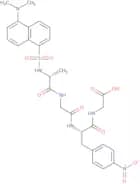
CAS :7-[(2S,3R)-3-Amino-2-methyl-azetidin-1-yl]-1-(2,4-difluorophenyl)-6-fluoro-4-oxo-quinoline-3-carboxylic acid (ABT) is a drug that binds to bacterial enzymes and inhibits their ability to synthesize proteins. ABT is a conjugate of fluoroquinolone and an amino acid. As the drug is degradable by hydrolysis, it has been shown to be less toxic in Sprague Dawley rats than other fluoroquinolones. This drug has been used in diagnostic tests as a ligand for affinity ligands, but has not been approved for human use. The drug also possesses functional groups that are important for binding to reconstituted enzymes.br>br>ABT's ester linkages are degradable by hydrolysis and can beFormule :C20H16F3N3O3Degré de pureté :Min. 95%Masse moléculaire :403.35 g/molDansyl-D-Ala-Gly-4-nitro-Phe-Gly-OH trifluoroacetate salt
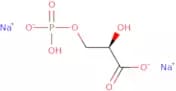
CAS :Dansyl-D-Ala-Gly-4-nitro-Phe-Gly-OH trifluoroacetate salt is a fluorescent marker that can be used in immunohistochemical staining. It binds to endogenous vasoactive intestinal peptide, calcitonin and other proteins in tissues and can be detected using immunostaining. Dansyl-D-Ala-Gly-4-nitro-Phe-Gly-OH trifluoroacetate salt is optimised for use as a substrate for neutral endopeptidase and metalloendopeptidase enzymes, which are responsible for the degradation of vasoactive intestinal peptide.Formule :C28H32N6O9S·C2HF3O2Degré de pureté :Min. 95%Couleur et forme :SolidMasse moléculaire :742.68 g/molD-(-)-3-Phosphoglyceric acid disodium
CAS :D-(-)-3-Phosphoglyceric acid disodium is a homologue of D-glyceric acid and is used in the synthesis of phosphatidylcholine. It binds to the active site of phosphatases and prevents them from hydrolyzing phosphate groups, which are critical for the production of adenosine triphosphate (ATP). The chemical stability and the availability make this compound an excellent candidate for biochemical studies. D-(-)-3-Phosphoglyceric acid disodium has been shown to be essential in biological function, as it functions as a substrate for many metabolic pathways such as glycolysis, gluconeogenesis, pentose phosphate pathway, and fatty acid biosynthesis. The molecule is also involved in a number of biochemical reactions that are catalyzed by enzymes. Mutational studies have shown that organisms without this compound will not survive.
Formule :C3H5O7PNa2Degré de pureté :Min. 93%Couleur et forme :White PowderMasse moléculaire :230.02 g/molMethyl 6-nitropyrido[1,2-a]benzimidazole-8-carboxylate
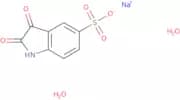
CAS :Please enquire for more information about Methyl 6-nitropyrido[1,2-a]benzimidazole-8-carboxylate including the price, delivery time and more detailed product information at the technical inquiry form on this pageFormule :C13H9N3O4Degré de pureté :Min. 95%Masse moléculaire :271.23 g/molIsatin-5-sulfonic acid sodium salt dihydrate
CAS :Isatin-5-sulfonic acid sodium salt dihydrate is a potent inhibitor of caspases. It has been shown to inhibit the activity of caspase-3 in vitro, thereby inhibiting apoptosis. Isatin-5-sulfonic acid sodium salt dihydrate has also been shown to increase survival rates in animal models of neurodegenerative diseases such as Parkinson's disease and Huntington's disease. Isatin-5-sulfonic acid sodium salt dihydrate may have neuroprotective effects by inhibiting the release of proinflammatory cytokines and nitric oxide, which are associated with neuronal death. This drug also inhibits monoamine oxidase A (MAO-A) and zymosterone B (ZVAD).Formule :C8H4NNaO5S·2H2ODegré de pureté :Min. 95%Couleur et forme :PowderMasse moléculaire :285.21 g/molKermesic acid
CAS :Kermesic acid is a hydroxybenzoic acid that is used as a food dye. It can be found in some red wines and it is also used to color the eggs of a particular breed of chicken. The most common use for kermesic acid is as an oxidizing agent in a chromatographic method, which separates molecules based on their size. The oxidation catalyst used can vary, but often trifluoroacetic acid (TFA) is used. TFA reacts with the kermesic acid to form an octaketide, which has the chemical formula C8H6O3. This octaketide then reacts with another molecule of TFA to form two esters.Formule :C16H10O8Degré de pureté :Min. 95%Masse moléculaire :330.25 g/molDomoic acid
CAS :Domoic acid is a neurotoxin that has been shown to induce neuronal death in vitro and in vivo. Domoic acid inhibits the activity of ligand-gated ion channels, which increases the cytosolic Ca2+ concentration. This toxin also induces mitochondrial membrane potential loss, causing apoptosis. Domoic acid binds to the NMDA receptor and blocks glutamate binding. It also inhibits ATP synthase by competing with ADP for binding sites on the enzyme's F1 portion. Domoic acid has low potency as a neurotoxin because it does not readily cross the blood-brain barrier or enter cells via passive diffusion.
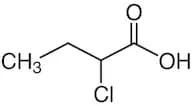
Formule :C15H21NO6Degré de pureté :Min. 90 Area-%Couleur et forme :Beige PowderMasse moléculaire :311.33 g/mol2-Chlorobutyric Acid
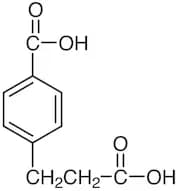
CAS :Formule :C4H7ClO2Degré de pureté :>90.0%(GC)Couleur et forme :Colorless to Light orange to Yellow clear liquidMasse moléculaire :122.553-(4-Carboxyphenyl)propionic Acid
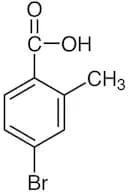
CAS :Formule :C10H10O4Degré de pureté :>98.0%(T)Couleur et forme :White to Light yellow powder to crystalMasse moléculaire :194.194-Bromo-2-methylbenzoic Acid
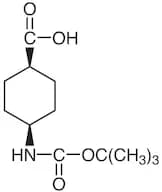
CAS :Formule :C8H7BrO2Degré de pureté :>98.0%(GC)(T)Couleur et forme :White to Almost white powder to crystalMasse moléculaire :215.05cis-4-(tert-Butoxycarbonylamino)cyclohexanecarboxylic Acid
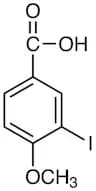
CAS :Formule :C12H21NO4Degré de pureté :>98.0%(GC)(T)Couleur et forme :White to Almost white powder to crystalMasse moléculaire :243.303-Iodo-4-methoxybenzoic Acid
CAS :Formule :C8H7IO3Degré de pureté :>97.0%(GC)(T)Couleur et forme :White to Light yellow to Light orange powder to crystalMasse moléculaire :278.052-(4-Hydroxyphenyl)propionic Acid
CAS :Formule :C9H10O3Degré de pureté :>98.0%(T)(HPLC)Couleur et forme :White to Light yellow to Light red powder to crystalMasse moléculaire :166.1816-Hydroxyhexadecanoic Acid
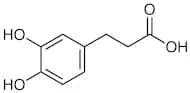
CAS :Formule :C16H32O3Degré de pureté :>98.0%(T)Couleur et forme :White to Light yellow to Light orange powder to crystalMasse moléculaire :272.433,4-Dihydroxyhydrocinnamic Acid
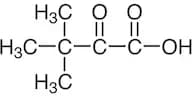
CAS :Formule :C9H10O4Degré de pureté :>98.0%(GC)(T)Couleur et forme :White to Brown powder to crystalMasse moléculaire :182.183,3-Dimethyl-2-oxobutyric Acid
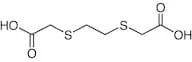
CAS :Formule :C6H10O3Degré de pureté :>98.0%(T)Couleur et forme :White or Colorless to Almost white or Almost colorless powder to lump to clear liquidMasse moléculaire :130.14(Ethylenedithio)diacetic Acid
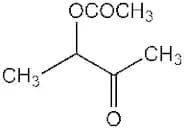
CAS :Formule :C6H10O4S2Degré de pureté :>98.0%(GC)(T)Couleur et forme :White to Almost white powder to crystalMasse moléculaire :210.263-Acetoxy-2-butanone, 98%
CAS :This Thermo Scientific Chemicals brand product was originally part of the Alfa Aesar product portfolio. Some documentation and label information may refer to the legacy brand. The original Alfa Aesar product / item code or SKU reference has not changed as a part of the brand transition to Thermo Sci
Formule :C6H10O3Degré de pureté :98%Couleur et forme :Liquid, Clear colorless to pale yellowMasse moléculaire :130.14Tricarballylic acid, 98%
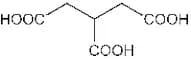
CAS :It is used as an alternative to DMDHEU (formaldehyde releasing cross- linking agent). This Thermo Scientific Chemicals brand product was originally part of the Alfa Aesar product portfolio. Some documentation and label information may refer to the legacy brand. The original Alfa Aesar product / item
Formule :C6H8O6Degré de pureté :98%Couleur et forme :White to cream to pale brown, Crystals or powder or crystalline powderMasse moléculaire :176.12Methyl cyclopentanecarboxylate, 97%
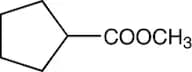
CAS :Methyl cyclopentanecarboxylate This Thermo Scientific Chemicals brand product was originally part of the Alfa Aesar product portfolio. Some documentation and label information may refer to the legacy brand. The original Alfa Aesar product / item code or SKU reference has not changed as a part of the
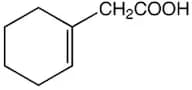
Formule :C7H12O2Degré de pureté :97%Couleur et forme :Clear colorless to pale yellow, LiquidMasse moléculaire :128.171-Cyclohexene-1-acetic acid
CAS :1-Cyclohexene-1-acetic acid used as pharmaceutical intermediate. This Thermo Scientific Chemicals brand product was originally part of the Alfa Aesar product portfolio. Some documentation and label information may refer to the legacy brand. The original Alfa Aesar product / item code or SKU referenc
Formule :C8H12O2Masse moléculaire :140.184-(Methoxycarbonyl)cyclohexane-1-carboxylic acid, 97%
CAS :4-(Methoxycarbonyl)cyclohexane-1-carboxylic acid is used as pharmaceutical intermediate. This Thermo Scientific Chemicals brand product was originally part of the Alfa Aesar product portfolio. Some documentation and label information may refer to the legacy brand. The original Alfa Aesar product / i
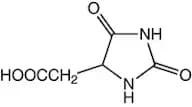
Formule :C9H14O4Degré de pureté :97%Masse moléculaire :186.21Hydantoin-5-acetic acid, 98%
CAS :This Thermo Scientific Chemicals brand product was originally part of the Alfa Aesar product portfolio. Some documentation and label information may refer to the legacy brand. The original Alfa Aesar product / item code or SKU reference has not changed as a part of the brand transition to Thermo Scientific Chemicals.
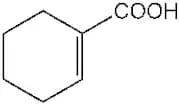
Formule :C5H6N2O4Degré de pureté :98%Couleur et forme :Crystalline powder, WhiteMasse moléculaire :158.111-Cyclohexene-1-carboxylic acid, 97%
CAS :1-Cyclohexene-1-carboxylic acid is an intermediate in benzoic acid anaerobic decomposition by methanogenic consortium. This Thermo Scientific Chemicals brand product was originally part of the Alfa Aesar product portfolio. Some documentation and label information may refer to the legacy brand. The o
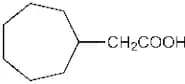
Formule :C7H10O2Degré de pureté :97%Couleur et forme :Powder or crystalline powder or fused solid or clear liquid as melt, Colorless or white to pale cream or pale yellowMasse moléculaire :126.16Cycloheptylacetic acid, 99%
CAS :This Thermo Scientific Chemicals brand product was originally part of the Alfa Aesar product portfolio. Some documentation and label information may refer to the legacy brand. The original Alfa Aesar product / item code or SKU reference has not changed as a part of the brand transition to Thermo Sci
Formule :C9H16O2Degré de pureté :99%Couleur et forme :Clear colorless, LiquidMasse moléculaire :156.23Ethyl tert-butylacetate, 98%
CAS :This Thermo Scientific Chemicals brand product was originally part of the Alfa Aesar product portfolio. Some documentation and label information may refer to the legacy brand. The original Alfa Aesar product / item code or SKU reference has not changed as a part of the brand transition to Thermo Sci
Formule :C8H16O2Degré de pureté :98%Couleur et forme :Clear colorless, LiquidMasse moléculaire :144.21Tungsten hydroxide oxide phosphate
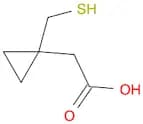
CAS :Formule :H146O78P2W24Degré de pureté :85%Couleur et forme :SolidMasse moléculaire :5869.22Cyclopropaneacetic acid, 1-(mercaptomethyl)-
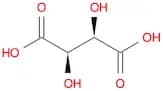
CAS :Formule :C6H10O2SDegré de pureté :95%Couleur et forme :SolidMasse moléculaire :146.2074L-(+)-Tartaric acid
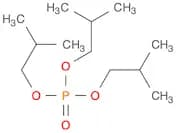
CAS :Formule :C4H6O6Degré de pureté :102.00%Couleur et forme :SolidMasse moléculaire :150.0868Phosphoric acid, tris(2-methylpropyl) ester
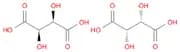
CAS :Formule :C12H27O4PDegré de pureté :98%Couleur et forme :LiquidMasse moléculaire :266.3141Butanedioic acid, 2,3-dihydroxy-, (2R,3R)-rel-
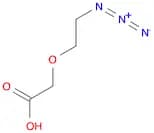
CAS :Formule :C8H12O12Degré de pureté :95%Couleur et forme :LiquidMasse moléculaire :300.17372-(2-Azidoethoxy)acetic acid
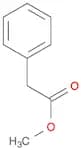
CAS :Formule :C4H7N3O3Degré de pureté :98%Couleur et forme :LiquidMasse moléculaire :145.1167Benzeneacetic acid, methyl ester
CAS :Formule :C9H10O2Degré de pureté :98%Couleur et forme :LiquidMasse moléculaire :150.1745ACETIC ACID-D
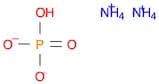
CAS :Formule :C2H3DO2Degré de pureté :98%Couleur et forme :LiquidMasse moléculaire :61.0581Diammonium hydrogenphosphate
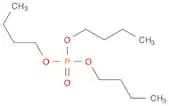
CAS :Formule :H9N2O4PDegré de pureté :99%Couleur et forme :SolidMasse moléculaire :132.056221Tributyl phosphate
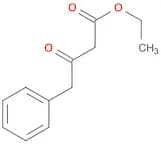
CAS :Formule :C12H27O4PDegré de pureté :98%Couleur et forme :LiquidMasse moléculaire :266.31413-OXO-4-PHENYL-BUTYRIC ACID ETHYL ESTER
CAS :Formule :C12H14O3Degré de pureté :95%Couleur et forme :LiquidMasse moléculaire :206.2378Ref: IN-DA00FC4H
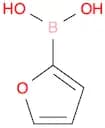
Produit arrêtéBoronic acid, B-2-furanyl-
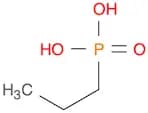
CAS :Formule :C4H5BO3Degré de pureté :97%Couleur et forme :SolidMasse moléculaire :111.8917Propylphosphonic acid
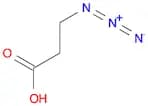
CAS :Formule :C3H9O3PDegré de pureté :95%Couleur et forme :SolidMasse moléculaire :124.0755Propanoic acid, 3-azido-
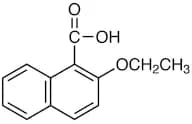
CAS :Formule :C3H5N3O2Degré de pureté :97%Couleur et forme :LiquidMasse moléculaire :115.09072-Ethoxy-1-naphthoic Acid
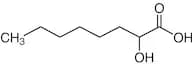
CAS :Formule :C13H12O3Degré de pureté :>99.0%(T)(HPLC)Couleur et forme :White to Almost white powder to crystalMasse moléculaire :216.242-Hydroxy-n-octanoic Acid
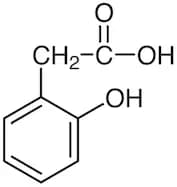
CAS :Formule :C8H16O3Degré de pureté :>98.0%(T)Couleur et forme :White to Almost white powder to crystalMasse moléculaire :160.212-Hydroxyphenylacetic Acid
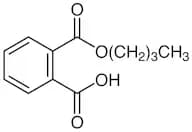
CAS :Formule :C8H8O3Degré de pureté :>98.0%(GC)(T)Couleur et forme :Light yellow to Yellow to Orange powder to crystalMasse moléculaire :152.15Monobutyl Phthalate
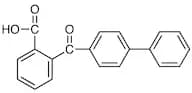
CAS :Formule :C12H14O4Degré de pureté :>95.0%(GC)(T)Couleur et forme :White to Almost white powder to crystalMasse moléculaire :222.242-(4-Biphenylylcarbonyl)benzoic Acid
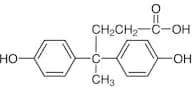
CAS :Formule :C20H14O3Degré de pureté :>97.0%(GC)(T)Couleur et forme :White to Almost white powder to crystalMasse moléculaire :302.33Diphenolic Acid
CAS :Formule :C17H18O4Degré de pureté :>98.0%(GC)(T)Couleur et forme :White to Light yellow powder to crystalMasse moléculaire :286.332-Pyridylacetic acid
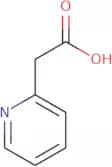
CAS :2-Pyridylacetic acid is an organic compound that is found in the urine of patients with inflammatory bowel disease. It is associated with a high risk of colorectal cancer and has been shown to inhibit tumor cell proliferation in a number of studies. 2-Pyridylacetic acid inhibits the reaction of picolinic acid with lactic acid, which is a mechanism for the synthesis of nicotinamide adenine dinucleotide (NAD). This compound also has inhibitory properties against the activity of phosphofructokinase. 2-Pyridylacetic acid can be quantified using liquid chromatography tandem mass spectrometry (LC-MS/MS) methods that are based on chemical ionization or electron impact ionization. It can also be detected by gas chromatography mass spectrometry. The sample preparation involves hydrochloric acid extraction followed by concentration and derivatization.
Formule :C7H7NO2Degré de pureté :Min. 95 Area-%Couleur et forme :White PowderMasse moléculaire :137.14 g/molMethyl 1-methylcyclopropane-1-carboxylate
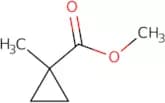
CAS :Please enquire for more information about Methyl 1-methylcyclopropane-1-carboxylate including the price, delivery time and more detailed product information at the technical inquiry form on this page
Formule :C6H10O2Degré de pureté :Min. 95%Masse moléculaire :114.14 g/molCyclosporin A acetate
CAS :Cyclosporin A is a cyclic non-hydrolyzable glycol ester that inhibits the production of cytokines and inflammatory mediators by binding to specific intracellular receptors. Cyclosporin A acetate is an inactive prodrug that is converted to active cyclosporine in the liver. Cyclosporin A acetate has been shown to be effective in treating autoimmune diseases such as rheumatoid arthritis and psoriasis, as well as atopic dermatitis. Cyclosporin A acetate is used orally and usually taken with food or milk to reduce gastrointestinal irritation. The oral dosage form of this drug contains saccharose as a diluent and surfactant, which reduces the risk of gastrointestinal irritation.
Formule :C64H113N11O13Degré de pureté :(%) Min. 95%Couleur et forme :PowderMasse moléculaire :1,244.65 g/molRef: 3D-FC20751
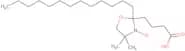
Produit arrêté5-Doxyl stearic acid
CAS :5-Doxyl stearic acid is an agonist of the G protein coupled receptor. It has been shown to activate energy metabolism in human neutrophils and HL-60 cells, as well as guanine nucleotide binding and transmembrane transport. 5-Doxyl stearic acid was found to have no significant effect on the regulation of cellular membrane fluidity or on the permeability of biological membranes. It also has no significant effects on human erythrocytes, human serum, or human plasma. This compound is a cyclic peptide with a magnesium salt that can be used for fluorescent probe studies and has been used to develop a model system for studying G protein coupled receptors.
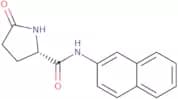
Formule :C22H42NO4Couleur et forme :Yellow PowderMasse moléculaire :384.57 g/molL-Pyroglutamic acid-beta-naphthylamide
CAS :L-Pyroglutamic acid-beta-naphthylamide is a cell nucleus pressor that has been shown to stimulate locomotor activity in rats. It is a highly selective agonist at the 5-HT2 receptor, which is involved in the regulation of energy metabolism and feeding behaviour. L-Pyroglutamic acid-beta-naphthylamide also stimulates cholinergic and serotonergic systems. This drug also inhibits bacterial growth by binding to the receptor site on bacterial cell nuclei, thereby preventing DNA synthesis and locomotor activity. L-Pyroglutamic acid-beta-naphthylamide is an antimicrobial agent that can be used to treat infections caused by bacteria resistant to erythromycin. The antimicrobial effect of this drug is due to its ability to bind to the receptor site on bacterial cell nuclei, thereby preventing DNA synthesis and locomotor activity.
Formule :C15H14N2O2Degré de pureté :Min. 98 Area-%Couleur et forme :White PowderMasse moléculaire :254.28 g/molRef: 3D-FP47257
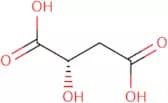
Produit arrêtéL-(-)-Malic acid
CAS :L-malic acid is a naturally occurring organic compound that can be found in many fruits and vegetables. It is an important intermediate in the citric acid cycle as well as a key component of the Krebs cycle. L-malic acid has been shown to have antiseizure and anti-inflammatory effects, and also inhibits the growth of bacteria such as Staphylococcus aureus. L-malic acid is synthesized from sodium carbonate and lactic acid by reacting with a mineral acid such as hydrochloric, sulfuric, or nitric acid. This reaction produces hydrogen gas, water, and l-malic acid. L-Malic Acid is also used for production of monoclonal antibodies against various targets, including human cells.
Formule :C4H6O5Couleur et forme :White Off-White PowderMasse moléculaire :134.09 g/molCholic acid sodium salt
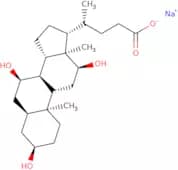
CAS :Produit contrôléCholic acid sodium salt is a bile acid sodium salt, which is primarily derived from the bile of mammals. It functions as a surfactant that facilitates the emulsification of fats and lipids, enhancing their subsequent absorption and digestion. This compound plays a critical role in the synthesis and regulation of cholesterol in the body.
Formule :C24H39NaO5Degré de pureté :Min. 95%Couleur et forme :PowderMasse moléculaire :430.55 g/mol5-Iodo-2,3-dimethoxybenzoic acid
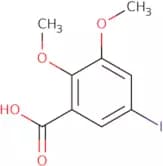
CAS :5-Iodo-2,3-dimethoxybenzoic acid (5IMB) is a synthetic chemical that is used as a radiolabeled substrate for the synthesis of dopamine. The 5IMB is a substrate for the enzyme monoamine oxidase, which converts it to 5-hydroxyindoleacetic acid (5HIAA). The intensity of the signal emitted by 5IMB increases with the increase in concentration of dopamine. It can be used as a positron emission tomography (PET) tracer for dopamine receptors in the brain. The kinetic and uptake properties of 5IMB are different in various regions of the brain, such as striatum and caudate putamen. This difference can be measured using high-performance liquid chromatography (HPLC) and flow rate.
5IMB has been shown to have anti-oxidant properties due to its ability to scavenge peroxide radicals.Formule :C9H9IO4Degré de pureté :Min. 98 Area-%Couleur et forme :PowderMasse moléculaire :308.07 g/mol3,4-Dimethylcinnamic acid
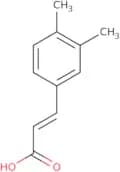
CAS :3,4-Dimethylcinnamic acid is a plant-derived compound that has been shown to have anti-inflammatory properties. It inhibits the production of prostaglandins by inhibiting cyclooxygenase activity and reducing the production of pro-inflammatory eicosanoids. 3,4-Dimethylcinnamic acid also blocks the synthesis of leukotrienes and thromboxanes, which are involved in inflammation as well as allergic reactions and asthma. 3,4-Dimethylcinnamic acid is used to treat skin conditions such as psoriasis, eczema, or dermatitis. This compound can be obtained from plants like Dracaena fragrans (also known as Madagascar dragon tree) or ethnomedicine sources such as the African shrub Anthranilic acid. 3,4-Dimethylcinnamic acid can be synthesized by cross coupling with alkyl halides, ultraviolet irradiation of anthranils with uv
Formule :C11H12O2Degré de pureté :Min. 95%Couleur et forme :White Off-White PowderMasse moléculaire :176.21 g/molLipoic acid, reduced
CAS :Lipoic acid, reduced (LAR) is a naturally occurring compound that is found in many living organisms. It has been used to study the mechanisms of DNA binding and protein oxidation. Lipoic acid, reduced has been shown to have anti-inflammatory properties by inhibiting the production of prostaglandins. The rate constant for LAR is 10-3 M-1s-1 at 25°C and pH 7.0, which can be measured using a polymer composition method. This compound also has an optical sensor and chemiluminescence method that are able to measure the rate constant and determine its concentration.
Formule :C8H16O2S2Degré de pureté :Min. 95%Couleur et forme :PowderMasse moléculaire :208.34 g/mol3-Phenyl-4-phthalazinone-1-acetic acid
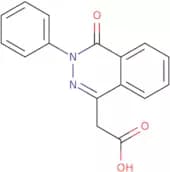
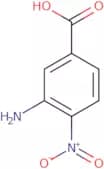
CAS :3-Phenyl-4-phthalazinone-1-acetic acid (3PPAA) is an organic compound that can be used to synthesize gold nanoparticles. Gold nanoparticles are ferroelectric and have a dipole moment. 3PPAA can be modeled using simulations with the panthera program, which is able to predict the effect of various parameters on the morphology of the particles. The shape of the gold nanoparticles can be controlled by changing the concentration of 3PPAA in water and by adding or removing a stabilizing agent such as sodium bicarbonate. 3PPAA has been shown to have a strong interaction with mitochondrial DNA, which could lead to death of cells by interfering with mitochondrial function.Formule :C16H12N2O3Degré de pureté :Min. 95%Couleur et forme :SolidMasse moléculaire :280.28 g/mol3-Amino-4-nitrobenzoic acid
CAS :3-Amino-4-nitrobenzoic acid is a synthetic compound, which has been shown to inhibit the activity of trypanothione reductase. This inhibition of the enzyme causes an increase in the level of intracellular trypanothione, which is then acetylated by ATP sulfurylase and converted to trypanothione. 3-Amino-4-nitrobenzoic acid is also a potent inhibitor of fxa, which is a coagulation factor necessary for blood clotting. The active site of 3-amino-4-nitrobenzoic acid contains two nitroarenes that are responsible for its antithrombotic properties.
Formule :C7H6N2O4Degré de pureté :Min. 95%Couleur et forme :PowderMasse moléculaire :182.13 g/molIralukast Na
CAS :Iralukast Na is a leukotriene receptor antagonist that prevents bronchoconstrictor response. It binds to the cystic fibrosis transmembrane conductance regulator (CFTR) and blocks the binding of leukotrienes, which are potent bronchoconstrictors. Iralukast Na also blocks the activity of inflammatory cells and reduces bowel inflammation. Iralukast Na has been shown to be effective in treating asthma, inflammatory bowel disease, and other autoimmune diseases.
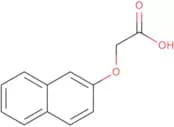
Formule :C38H36F3NaO8SDegré de pureté :Min. 95%Masse moléculaire :732.198072-Naphthoxyacetic acid
CAS :2-Naphthoxyacetic acid is a chemical compound that has been shown to be a matrix effect agent in the kidney bean extract. It is also used as a nutrient solution in synchronous fluorescence and hydroxyl group. 2-Naphthoxyacetic acid can be used as an analytical method for sodium citrate, dispersive solid-phase extraction, nitrogen atoms, and acid complex. The optical sensor can be used for low light surface methodology. Fluoroacetic acid is a chemical compound that has been shown to have analytical properties similar to 2-Naphthoxyacetic acid.
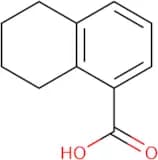
Formule :C12H10O3Degré de pureté :Min 98%Couleur et forme :PowderMasse moléculaire :202.21 g/mol5,6,7,8-Tetrahydro-1-naphthoic acid
CAS :5,6,7,8-Tetrahydro-1-naphthoic acid is a synthetic organic compound that is used to make dyes and paints. It has toxic properties and can cause irritation of the skin or lungs. The mechanism of its toxicity is not known, but it may be due to the formation of reactive oxygen species in the body or the inhibition of monoamine oxidase. 5,6,7,8-Tetrahydro-1-naphthoic acid exhibits dose-dependent toxicity with increasing doses resulting in more severe reactions. It also has a high potential for long term carcinogenicity.
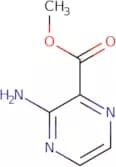
Formule :C11H12O2Degré de pureté :Min. 95%Masse moléculaire :176.21 g/mol3-Amino-2-pyrazinecarboxylic acid methyl ester
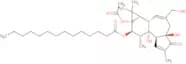
CAS :3-Amino-2-pyrazinecarboxylic acid methyl ester (3APCME) is a potent anti-mycobacterial agent that inhibits the growth of Mycobacterium tuberculosis by inhibiting the synthesis of amines, which are necessary for its survival. 3APCME has also been shown to have an inhibitory effect on other bacteria that require amines for their survival, such as Escherichia coli. This agent binds to the receptor and inhibits the enzyme pyrazinase in the reaction of phenoxy with dimethylformamide. The molecular modeling studies show that 3APCME is able to bind to a hydrophobic region on the enzyme's surface and form a covalent bond through nucleophilic attack. The asymmetric synthesis results in the production of one enantiomer of 3APCME and allows for greater efficacy against mycobacteria than other agents.Formule :C6H7N3O2Degré de pureté :Min. 95%Couleur et forme :PowderMasse moléculaire :153.14 g/molPhorbol-12-myristate-13-acetate
CAS :Phorbol-12-myristate-13-acetate is a phorbol ester that inhibits the activity of protein kinase C. It binds to the response element on DNA and blocks RNA synthesis, leading to cell death. Phorbol 12-myristate 13-acetate has been shown to inhibit the proliferation of human squamous cells in culture, which may be caused by its ability to inhibit the cell cycle. This drug also has been shown to inhibit the production of cytokines such as interleukin-1β and tumor necrosis factor α (TNFα) in human polymorphonuclear leukocytes (PMNLs).
Formule :C36H56O8Degré de pureté :Min. 98 Area-%Couleur et forme :White PowderMasse moléculaire :616.83 g/mol18-(Tert-butoxy)-18-oxooctadecanoic acid
CAS :18-(tert-butoxy)-18-oxooctadecanoic acid is a fatty acid-based linker providing hydrophobic anchoring. In standard biological conditions, it is non-cleavable.
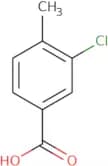
Formule :C22H42O4Degré de pureté :Min. 95%Couleur et forme :White Off-White PowderMasse moléculaire :370.57 g/mol3-Chloro-4-toluic acid
CAS :3-Chloro-4-toluic acid is a quinone, which is derived from 3,4-dichlorotoluene. It has been shown to bind to nuclear receptors and act as a retinoic acid linker. This compound is also used in the synthesis of organic compounds by desorption in an acidic environment, followed by methyl esterification with an alcohol. 3-Chloro-4-toluic acid can be converted into zirconium chloride or hydrotalcite through chlorination or hydrochlorination. The resulting product can be used for dispersive solid-phase extraction methods.
Formule :C8H7ClO2Degré de pureté :Min. 95%Couleur et forme :PowderMasse moléculaire :170.59 g/mol3-Chloro-4-hydroxyphenylacetic acid.
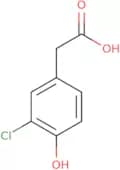
CAS :3-Chloro-4-hydroxyphenylacetic acid is an organic compound that has a chemical structure that includes a phenyl group substituted with a chlorine atom. 3-Chloro-4-hydroxyphenylacetic acid is an intermediate in the synthesis of many drugs, and it is used to make the monosodium salt, which is a common form of this drug. 3-Chloro-4-hydroxyphenylacetic acid is one of the chemicals that has been shown to have physiological effects on humans and other animals. The most notable effect for humans is that it can be converted into cancerous cells by radiation. In addition, 3-chloro-4-hydroxyphenylacetic acid has been shown to have chemotherapeutic properties against prostate cancer cells and infectious diseases such as HIV and herpes simplex virus type 1 (HSV1). This chemical also exhibits immunomodulatory properties when administered system
Formule :C8H7ClO3Degré de pureté :Min. 98%Couleur et forme :PowderMasse moléculaire :186.59 g/molDL-Indole-3-lactic acid
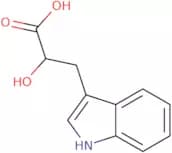
CAS :Indole-3-lactic acid is a plant hormone that is produced in the leaves of the plant when they are under stress. It has been shown to have activity against bowel diseases and metabolic disorders. Indole-3-lactic acid has been isolated from plants like Caproicum album, which is used in vitro to measure its effect on caproic acid production. This compound has also been detected in human serum and wastewater treatment. Indole-3-lactic acid inhibits tryptophan degradation by competing with indolecarboxylase for substrate. The effect of indole-3-lactic acid on dextran sulfate and glomerular filtration rate was studied using a rat model, where it was found that it had no significant effects.
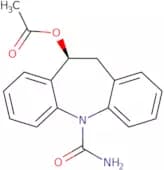
Formule :C11H11NO3Degré de pureté :Min. 95%Couleur et forme :PowderMasse moléculaire :205.21 g/molEslicarbazepine acetate
CAS :Eslicarbazepine acetate is an anticonvulsant drug that has been shown to be effective in reducing the frequency of seizures. It is a prodrug and is metabolized by esterases to form the active form, eslicarbazepin acetate. Eslicarbazepine acetate inhibits glutamate release by acting on the glutamate transporter, which prevents depolarization of the mitochondrial membrane potential, leading to inhibition of epileptic activity. Eslicarbazepine acetate also decreases brain levels of GABA and increases levels of polyamines such as spermidine and spermine, which are neuroprotective. There are some reports of hepatic impairment when eslicarbazepine acetate is used with other drugs that are metabolized through this organ (e.g., valproic acid).
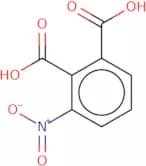
Eslicarbazepine acetate can cause chemical stability issues when exposed to light or air due to oxidation reactions. It may also reactFormule :C17H16N2O3Degré de pureté :Min. 95%Couleur et forme :PowderMasse moléculaire :296.32 g/mol3-Nitrophthalic acid
CAS :3-Nitrophthalic acid is an organic compound that has been used in biological studies. It has been shown to bind to DNA and RNA, which may be due to hydrogen bonding interactions with the nitrogen atoms. 3-Nitrophthalic acid is synthesized by reacting sodium carbonate with trifluoroacetic acid, resulting in a carboxylate group. This compound has photochemical properties and can be used as a photosensitizer for the treatment of certain forms of cancer. 3-Nitrophthalic acid reacts with oxygen and generates singlet oxygen, which results in cellular damage.
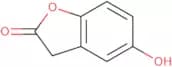
Formule :C8H5NO6Degré de pureté :Min. 95%Couleur et forme :PowderMasse moléculaire :211.13 g/molHomogentisic acid gamma-lactone
CAS :Homogentisic acid gamma-lactone is a synthetic compound that is an inhibitor of the enzyme cytochrome P450. It binds to cytochrome P450 in a competitive manner and inhibits the oxidation of other molecules, such as steroids and fatty acids. Homogentisic acid gamma-lactone has been shown to have an inhibitory effect on the growth of Pseudomonas aeruginosa in vitro. This compound is able to suppress the formation of reactive oxygen species by inhibiting the activity of cytochrome P450. Homogentisic acid gamma-lactone also possesses antifungal properties that may be due to its ability to inhibit the synthesis of ergosterol, which is an important component for fungal cell membranes.
Formule :C8H6O3Degré de pureté :Min. 98 Area-%Couleur et forme :PowderMasse moléculaire :150.13 g/molRef: 3D-FH23845
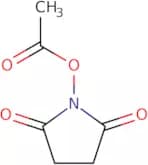
Produit arrêtéAcetic acid N-hydroxysuccinimide ester
CAS :Acetic acid N-hydroxysuccinimide ester is a reactive compound that reacts with lysine residues in proteins. It is used as an analytical reagent and chemical intermediate. Acetic acid N-hydroxysuccinimide ester reacts with carbonyl groups to form Schiff bases, which are then reacted with amino groups on the protein molecule to form acyl-amino adducts. This reaction can be followed by analysis using high performance liquid chromatography (HPLC) or mass spectroscopy.
Formule :C6H7NO4Degré de pureté :Min. 97.5 Area-%Couleur et forme :White PowderMasse moléculaire :157.12 g/molRef: 3D-FA33719
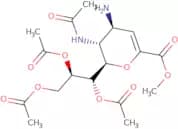
Produit arrêtéZanamivir amine triacetate methyl ester
CAS :Anti-viral; neuraminidase inhibitor; effective agains influenza A and B virusesFormule :C18H26N2O10Degré de pureté :Min. 95%Couleur et forme :Yellow PowderMasse moléculaire :430.41 g/molSaxalin acetate
CAS :Saxalin acetate is a noreugenin compound that has been isolated from the roots of Saxifraga sarmentosa. It has a chemical composition of C29H42O2 and a molecular weight of 412. It is an active component in the plant which can be used to investigate its pharmacological effects on human cells. Saxalin acetate has been shown to have potential as an anti-inflammatory drug and antioxidant, as it inhibits the production of prostaglandins and nitric oxide in leukocytes. This may be due to its ability to inhibit cyclooxygenase-2 and lipoxygenase activity, respectively.
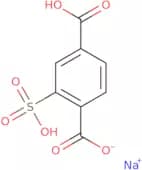
Degré de pureté :Min. 95%2-Sulphoterephthalic monosodium
CAS :2-Sulphoterephthalic monosodium (2-SPM) is a zirconium oxide that is synthesized by reacting 5-hydroxymethylfurfural with hydrochloric acid in the presence of 2-aminoterephthalic acid. It has been shown to be an efficient catalyst for the synthesis of 5-hmf from glucose in aqueous media. This product also exhibits strong protonation properties and can be used as a hydrogen bonding donor. The fluorescence properties of 2-SPM have also been studied, which may lead to its potential use as a supramolecular fluorescent probe.
Formule :C8H5NaO7SDegré de pureté :Min. 95%Couleur et forme :White PowderMasse moléculaire :268.18 g/molTaurocholic acid sodium salt hydrate
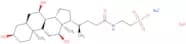
CAS :Taurocholic acid sodium salt hydrate is a potential biomarker for inflammatory bowel disease. It is a chemical that is produced by the liver and stored in the gallbladder. It can be found in the bile, which is made from cholesterol and secreted into the small intestine with fat-soluble substances. Taurocholic acid sodium salt hydrate has been shown to induce necrotic cell death in vitro, which may be due to its ability to activate nuclear factor κB (NF-κB), leading to increased production of cytokines such as tumor necrosis factor-α (TNF-α). The bioavailability of taurocholic acid sodium salt hydrate has been shown to be greater than that of other bile acids in vivo. This bile acid also has protective effects against bacterial translocation because it chaperones bacterial cells and prevents them from attaching to the epithelial cells lining the intestines. Taurocholic acid sodium salt hyd
Formule :C26H44NNaO7S·xH2ODegré de pureté :Min. 97 Area-%Couleur et forme :White Off-White PowderMasse moléculaire :537.69 g/molRef: 3D-FT167722
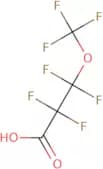
Produit arrêté2,2,3,3-Tetrafluoro-3-(trifluoromethoxy)propanoic acid
CAS :2,2,3,3-Tetrafluoro-3-(trifluoromethoxy)propanoic acid (TFMP) is a fluorine-containing monomer that can be synthesized in an efficient method. TFMP is a resistant strain and has been shown to react with amines, carbonyls, and carboxylic groups. It can be copolymerized with other monomers to form polymeric materials. TFMP is a fluoride monomer that exhibits properties similar to perfluoroalkyl methacrylate monomers.
Formule :C4HF7O3Degré de pureté :Min. 95%Couleur et forme :Clear LiquidMasse moléculaire :230.04 g/molN-Boc-(R)-Nipecotic acid
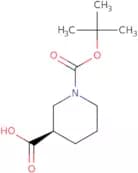
CAS :N-Boc-(R)-Nipecotic acid is a synthetic compound that is used in the treatment of lymphocytic leukemia, chronic lymphocytic leukemia, and other types of cancer. It is a dry powder that can be taken orally or subcutaneously. N-Boc-(R)-Nipecotic acid binds to p53 mutations and inhibits DNA synthesis. This drug has been shown to reduce the size of tumors in mice with subcutaneous tumors and has been found to be effective against leukemia cells in vitro. The development of this drug was rationalized on the basis of fluorescence profiles.
Formule :C11H19NO4Degré de pureté :Min. 95%Couleur et forme :PowderMasse moléculaire :229.27 g/mol4-Acetoxymethylbenzoic acid
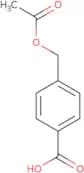
CAS :4-Acetoxymethylbenzoic acid is a chemical compound with the formula CH3CO2C6H4O2. It is a white solid that reacts with butyric acid to form 4-acetoxybutanoic acid. The reaction may be carried out in a sealed tube at room temperature, and the product precipitates as the reaction proceeds. This chemical can also be used in the synthesis of polystyrene through the nitration process. Nitrate, butanoic acid, terephthalic acid, and solvents are some of the reactants required for this process.
The following is an example of one possible product description:Formule :C10H10O4Degré de pureté :Min. 95%Couleur et forme :White/Off-White SolidMasse moléculaire :194.18 g/mol4-(Piperazin-1-yl)benzoic acid hydrochloride
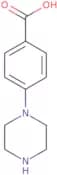
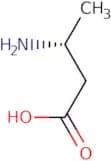
CAS :4-(Piperazin-1-yl)benzoic acid hydrochloride is a chemical intermediate that is used in the synthesis of pharmaceuticals. It has been shown to be a useful scaffold, and can be used as a reaction component and building block in the synthesis of complex compounds. 4-(Piperazin-1-yl)benzoic acid hydrochloride is also versatile, as it has been shown to be an intermediate for the synthesis of fine chemicals.Formule :C11H14N2O2•HClDegré de pureté :Min. 95%Couleur et forme :PowderMasse moléculaire :242.7 g/mol(R)-3-Aminobutanoic acid
CAS :(R)-3-Aminobutanoic acid is a β-amino acid that is involved in the biosynthesis of other amino acids. It has been shown to have inhibitory effects on lymphoblast cells and to be an intermediate in the synthesis of dioncophylline, a calcium-mobilizing agent. (R)-3-Aminobutanoic acid is also an intermediate in the formation of crotonic acid, which is involved in the synthesis of butyric acid. This compound has been shown to have catalytic activity with a variety of organic reactions because it can act as both a base and a nucleophile. The reaction system may be reversed phase high performance liquid chromatography, gas chromatography, or thin layer chromatography.
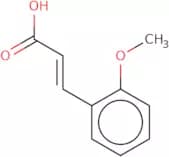
Formule :C4H9NO2Degré de pureté :Min. 95%Couleur et forme :PowderMasse moléculaire :103.12 g/mol2-Methoxycinnamic acid
CAS :2-Methoxycinnamic acid is a fine chemical that is used as a building block for research chemicals, pharmaceuticals, and other products. It is a versatile building block that can be used in the synthesis of complex compounds with diverse structures. 2-Methoxycinnamic acid is also an intermediate for the production of cinnamates, which are useful in the production of synthetic dyes.
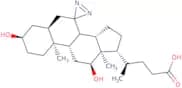
Formule :C10H10O3Degré de pureté :Min. 95%Couleur et forme :White PowderMasse moléculaire :178.18 g/mol7,7-Azo-3-α,12-α-dihydroxycholanic acid
CAS :Please enquire for more information about 7,7-Azo-3-α,12-α-dihydroxycholanic acid including the price, delivery time and more detailed product information at the technical inquiry form on this page
Formule :C24H38N2O4Degré de pureté :Min. 95%Couleur et forme :PowderMasse moléculaire :418.57 g/mol4-Pentenoic acid
CAS :4-Pentenoic acid is a fatty acid that is not found in the human body. It has been shown to have acute toxicities including liver lesions and zirconium oxide poisoning in rats. 4-Pentenoic acid has been used as a molecular probe in molecular docking analysis studies to explore protein-ligand interactions. 4-Pentenoic acid also inhibits the energy metabolism of cells by inhibiting ATP production, which can lead to cell death. The inhibition of ATP levels is irreversible due to the kinetic energy that 4-pentenoic acid releases when it binds with ATP, which prevents the binding of adenosine diphosphate (ADP) to ATP synthase. This process is reversible for other fatty acids because they do not release kinetic energy upon binding with ATP and ADP.
Formule :C5H8O2Degré de pureté :Min. 95%Couleur et forme :Clear LiquidMasse moléculaire :100.12 g/mol2-[4-(4-Chloro-a-phenylbenzyl)-1-piperazinyl]-ethoxyacetic acid hydrochloride
CAS :2-[4-(4-Chloro-a-phenylbenzyl)-1-piperazinyl]-ethoxyacetic acid hydrochloride is a chemical compound that has been used to investigate the possible neuroprotective effects of cetirizine, an antihistamine. This drug was developed as a prodrug of cetirizine, which is converted in vivo to its active form. The main mechanism of action for this drug is inhibition of histamine release from mast cells and basophils by blocking H1 receptors. 2-[4-(4-Chloro-a-phenylbenzyl)-1-piperazinyl]-ethoxyacetic acid hydrochloride has also been shown to have beneficial effects on allergic symptoms and bowel disease in experimental models and clinical properties.Formule :C21H25ClN2O3·HClDegré de pureté :Min. 95%Couleur et forme :PowderMasse moléculaire :425.35 g/molOleic acid
CAS :Oleic acid is a naturally occurring monounsaturated fatty acid (C18:1, cis-9-octadecenoic acid) widely used as an excipient in pharmaceutical formulations. Due to its amphiphilic and lipophilic properties, oleic acid is an important drug excipient primarily used to enhance the solubility and bioavailability of poorly water-soluble drugs. As a fatty acid, it is widely used in cosmeceuticals as it acts as a solubilizer in lipid-based systems, an emulsifier in creams and ointments, and a penetration enhancer in transdermal patches, aiding drug absorption through the skin.
Formule :C18H34O2Couleur et forme :Colorless Clear Liquid PowderMasse moléculaire :282.46 g/molRef: 3D-FO26545
Produit arrêté2-[4-(2,2-Dichlorocyclopropyl)phenoxy]-2-methylpropanoic acid
CAS :2-[4-(2,2-Dichlorocyclopropyl)phenoxy]-2-methylpropanoic acid (CGP) is a drug that blocks the nuclear receptor PPARγ. It has been shown to reduce cholesterol levels by inhibiting the synthesis of cholesterol, as well as reducing liver lesions in vivo. CGP also inhibits the growth of cancer cells through its ability to bind to DNA and regulate transcriptional activity. The response element for this compound is found in the promoter region of the gene encoding the growth factor-β1 (GF-β1), which is an important regulator of cell proliferation, differentiation, and apoptosis. CGP also inhibits peroxisome proliferator activator receptor α (PPARα) and γ (PPARγ). This inhibition leads to decreased expression of genes involved in lipid metabolism, such as acyl CoA synthase and fatty acid synthetase. CGP has also been shown to be carcinogenic in vivo
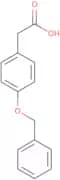
Formule :C13H14Cl2O3Degré de pureté :Min. 98 Area-%Couleur et forme :PowderMasse moléculaire :289.15 g/mol4-Benzyloxyphenylacetic acid
CAS :4-Benzyloxyphenylacetic acid is a synthetic, hydrogenated molecule. It has been shown to be an inhibitor of glutamate dehydrogenase and coumarin derivatives. 4-Benzyloxyphenylacetic acid also has functional groups such as benzyl groups and dihedral functionalities. These functional groups are responsible for its interactions with proteins in the cell and its ability to inhibit the metabolism of glutamate. 4-Benzyloxyphenylacetic acid is used in research as a chemical tool to study the role of glutamate in cellular processes.
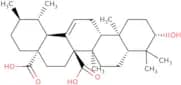
Formule :C15H14O3Degré de pureté :Min. 95%Couleur et forme :PowderMasse moléculaire :242.27 g/molQuinovic acid
CAS :Produit contrôléQuinovic acid is a natural compound that has been shown to have anti-cancer effects. It is an alkanoic acid glycoside derivative, which is extracted from the acetate extract of the genus Quinovic. Quinovic acid inhibits DPP-IV and may be used as an inhibitor of inflammatory reactions in autoimmune disorders. The pharmacokinetic properties of quinovic acid have been studied in mice, which showed that it was rapidly absorbed and eliminated through urine. There are also no known reports of toxicity associated with this substance.
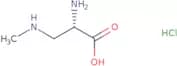
Formule :C30H46O5Degré de pureté :Min. 95%Couleur et forme :White to off-white solid.Masse moléculaire :486.68 g/mol(S)-2-Amino-3-(methylamino)propanoic acid hydrochloride
CAS :(S)-2-Amino-3-(methylamino)propanoic acid hydrochloride is a synthetic compound often used in scientific research. It is derived from non-proteinogenic amino acids and has important implications for the study of neurotoxicology. This compound mimics the structural properties of certain naturally occurring amino acids, which allows it to act as a significant tool for understanding biological pathways affected by neurotoxins.
Formule :C4H11ClN2O2Couleur et forme :Off-White PowderMasse moléculaire :154.6 g/mol3,7-Diketo-5beta-cholan-24-oic acid
CAS :Produit contrôlé3,7-Diketo-5beta-cholan-24-oic acid is a bile acid that is found in the body. It is one of the major bile acids in humans, and it circulates in the blood bound to albumin. 3,7-Diketo-5beta-cholan-24-oic acid has been shown to be synthesized by the liver and secreted into bile as a conjugate with taurine or glycine. 3,7-Diketo-5beta-cholan-24-oic acid is hydrated by water and micelles before it reaches the intestinal lumen. It can be absorbed by intestinal cells and reabsorbed into the bloodstream. The process of absorption starts when 3,7-diketo 5beta cholan 24 oic acid binds to an ileal receptor on intestinal cells. This binding causes a conformational change in the receptor that activates signaling pathways
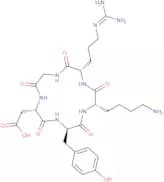
Formule :C24H36O4Degré de pureté :Min. 95%Couleur et forme :PowderMasse moléculaire :388.54 g/molCyclo(-Arg-Gly-Asp-D-Tyr-Lys) trifluoroacetate salt
CAS :Cyclo(-Arg-Gly-Asp-D-Tyr-Lys) trifluoroacetate salt is a reagent that is used in organic synthesis as a building block to create complex compounds. It is also useful for research purposes, as it can be used to produce high quality products. Cyclo(-Arg-Gly-Asp-D-Tyr-Lys) trifluoroacetate salt is a chemical with CAS No. 217099-14-4 and has the chemical formula C17H21N3O2F3.Formule :C27H41N9O8Degré de pureté :Min. 95%Couleur et forme :White SolidMasse moléculaire :619.67 g/mol3beta-Ursodeoxycholic acid
CAS :Produit contrôlé3beta-Ursodeoxycholic acid is a bile acid that is synthesized in the liver and secreted into the intestine. It is used as a treatment for congestive heart failure, HIV infection, bowel disease, and autoimmune diseases. 3beta-Ursodeoxycholic acid has been shown to be a potent inhibitor of hydroxylation of cholesterol in the liver. It also exhibits an ability to increase the transport rate of cholesterol from the liver to other tissues in the body. 3beta-Ursodeoxycholic acid inhibits monoethyl ether formation by competing with ethylene oxide for binding sites on microsomal proteins. This compound also protects against primary sclerosing cholangitis and ursodiol therapy by preventing enzymatic inactivation of bile acids.
Formule :C24H40O4Degré de pureté :Min. 98 Area-%Couleur et forme :White PowderMasse moléculaire :392.57 g/mol

![2-[(2,3-Dimethylphenyl)amino]nicotinic acid](/_next/image/?url=https%3A%2Fstatic.cymitquimica.com%2Fproducts%2F3D%2Fthumb-webp%2FFD136106.webp&w=3840&q=75)
![5-[4-(1,2,4,5-Tetrazin-3-yl)benzylamino]-5-oxopentanoic acid](/_next/image/?url=https%3A%2Fstatic.cymitquimica.com%2Fproducts%2F3D%2Fthumb-webp%2FFT170851.webp&w=3840&q=75)
![7-[(2S,3R)-3-Amino-2-methyl-azetidin-1-yl]-1-(2,4-difluorophenyl)-6-fluoro-4-oxo-quinoline-3-carbo…](/_next/image/?url=https%3A%2Fstatic.cymitquimica.com%2Fproducts%2F3D%2Fthumb-webp%2FFA30404.webp&w=3840&q=75)
![Methyl 6-nitropyrido[1,2-a]benzimidazole-8-carboxylate](/_next/image/?url=https%3A%2Fstatic.cymitquimica.com%2Fproducts%2F3D%2Fthumb-webp%2FFM132139.webp&w=3840&q=75)















![2-[4-(4-Chloro-a-phenylbenzyl)-1-piperazinyl]-ethoxyacetic acid hydrochloride](/_next/image/?url=https%3A%2Fstatic.cymitquimica.com%2Fproducts%2F3D%2Fthumb-webp%2FFC33467.webp&w=3840&q=75)

![2-[4-(2,2-Dichlorocyclopropyl)phenoxy]-2-methylpropanoic acid](/_next/image/?url=https%3A%2Fstatic.cymitquimica.com%2Fproducts%2F3D%2Fthumb-webp%2FFD11320.webp&w=3840&q=75)