Acides carboxyliques
12458 produits trouvés pour "Acides carboxyliques"
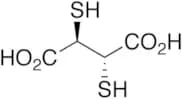
meso-2,3-Dimercaptosuccinic Acid
CAS :Applications meso-2,3-Dimercaptosuccinic Acid is used as a chelating agent and masking agent for cadmium in EDTA titration of zinc.
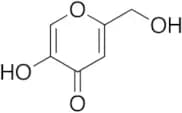
References Cavanillas, S., et al.: Anal. Chim. Acta., 746, 47 (2012); Liu, Y.X.,et al.: Adv. Materials. Res., 455, 1221 (2012); Banner, B., et al.: Clin. Toxicol., 50, 266 (2012);Formule :C4H6O4S2Couleur et forme :White Crystalline PowderMasse moléculaire :182.22Kojic Acid
CAS :Applications A naturally occurring chelation agent.
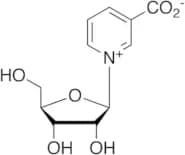
References Boonme, P., et al.: J. Biomed. Nanotechnol., 5, 373 (2009), Noh, J., et al.: Bioorg. Med. Chem., Lett., 19, 5586 (2009), Gohil, V., et al.: Nat. Biotechnol., 28, 249 (2010),Formule :C6H6O4Couleur et forme :NeatMasse moléculaire :142.11Nicotinic Acid Riboside
CAS :Produit contrôléApplications An effective agent for increasing nicotinamide adenine dinucleotide (NAD) concentrations in mammalian cells.
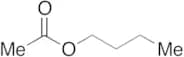
References Yang, T. et al.: J. Med. Chem., 50, 6458 (2007);Formule :C11H13NO6Couleur et forme :NeatMasse moléculaire :255.22Butyl Acetate
CAS :Produit contrôléApplications Butyl Acetate, can be used as a synthetic fruit flavoring in foods such as candy, ice cream, cheeses, and baked goods.
Not a dangerous good if item is equal to or less than 1g/ml and there is less than 100g/ml in the package
References Ullman's encyclopedia of industrial chemistry, 6th Ed., 1, 170 (2003);Formule :C6H12O2Couleur et forme :NeatMasse moléculaire :116.16Tauroursodeoxycholic Acid
CAS :Stability Hygroscopic
Applications TAUROURSODEOXYCHOLIC ACID (cas# 14605-22-2) is a useful research chemical.Formule :C26H45NO6SCouleur et forme :Off-WhiteMasse moléculaire :499.70Methane Disulfonic Acid
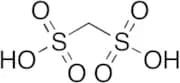
CAS :Produit contrôléStability Hygroscopic
Applications Methane disulfonic acid is used in esterification.Formule :CH4O6S2Couleur et forme :White To Off-WhiteMasse moléculaire :176.174-Nitrobenzoic Acid
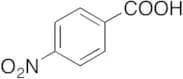
CAS :Produit contrôléStability Hygroscopic
Applications 4-Nitrobenzoic Acid is used in the synthesis of anti-Trypanosoma cruzi agents in the treatment of chagas disease.
References Palace-Berl, F. et al.: Bioorg, Med. Chem. Lett., 21, 5395 (2013); Zhou, L. et al.: J. Med. Chem., 56, 796 (2013);Formule :C7H5NO4Couleur et forme :NeatMasse moléculaire :167.122-(Carboxymethyldisulfanyl)acetic Acid
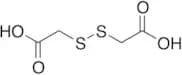
CAS :Produit contrôléApplications 2-(carboxymethyldisulfanyl)acetic acid (cas# 505-73-7) is a useful research chemical.
Formule :C4H6O4S2Couleur et forme :NeatMasse moléculaire :182.214-tert-Butylbenzoic Acid
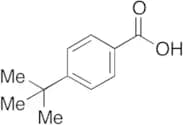
CAS :Applications 4-tert-Butylbenzoic Acid is a general chemical reactant/reagent used in the synthesis of Arylboronic Acids as dual-action FAAH and TRPV1 ligands. As well, used in the preparation of cellular chemical probes targetting PRC1 (polycomb repressive complex 1) for prostate cancer cells.
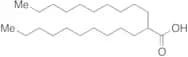
References Morera, E. et al.: Bioorg. Med. Chem. Lett., 26, 1401 (2016); Stuckey, J. et al.: Nat. Chem. Biol., 12, 180 (2016);Formule :C11H14O2Couleur et forme :NeatMasse moléculaire :178.232-Decyldodecanoic Acid
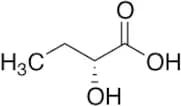
CAS :Produit contrôléFormule :C22H44O2Couleur et forme :NeatMasse moléculaire :340.584(R)-2-Hydroxybutanoic Acid
CAS :Produit contrôléApplications (R)-2-Hydroxybutanoic acid (cas# 20016-85-7) is a useful research chemical.
Formule :C4H8O3Couleur et forme :NeatMasse moléculaire :104.105[p-Terphenyl]-4,4''-dicarboxylic Acid
CAS :Produit contrôléApplications Used in the synthesis of substituted terphenyls.
References Strukelj, M., et al.: Science, 267, 1969 (1995), Burroughes, J., et al.: Nature, 347, 589 (1990),Formule :C20H14O4Couleur et forme :NeatMasse moléculaire :318.323,4-Dimethoxybenzoic Acid (Veratric Acid)
CAS :Produit contrôléApplications Veratric Acid is a derivative of Protocatechuic Acid. Veratric Acid is a reagent used in the production of antimicrobial agents, antifeedants, and a variety of other biologically active compounds.
References Alissandrakis, E., et al.: Eur. Food Res. Technol., 229, 365 (2009), Spaccini, R., et al.: Soil Biol. Biochem., 41, 1164 (2009), Narasimhan, B., et al.: Eur. J. Med. Chem., 44, 689 (2009), Pereira, L., et al.: J. Biotechnol., 139, 68 (2009),Formule :C9H10O4Couleur et forme :NeatMasse moléculaire :182.171,11-Undecanedicarboxylic Acid
CAS :Applications 1,11-Undecanedicarboxylic Acid is used in the synthesis of two Bis(tetrahydroisoquinoline) which were highly cytotoxic for cancer-cell cultures and less toxic to healthy cells and exhibited noticeable antimicrobial activity against Gram-positive and Gram-negative bacteria and fungal strain Candida albicans.
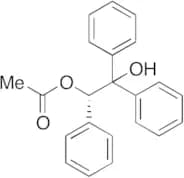
References Terent’eva, E. O., et al.: Chem. Nat. Compd., 53, 328-332 (2017)Formule :C13H24O4Couleur et forme :NeatMasse moléculaire :244.33(S)-2-Hydroxy-1,2,2-triphenylethyl Acetate
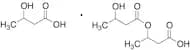
CAS :Produit contrôléFormule :C22H20O3Couleur et forme :NeatMasse moléculaire :332.3923-Hydroxybutanoic Acid + 3-(3-Hydroxybutyryloxy)butyric Acid (CAS:7565-79-9) (50:50 Mixture)
CAS :Produit contrôléApplications 3-hydroxybutanoic acid (cas# 300-85-6) is a useful research chemical.
Formule :MixturepleasevisitourwebisteformoreinformationCouleur et forme :MixtureMasse moléculaire :Mixture, please visit our webiste for more information1-Acetylisonipecotic Acid
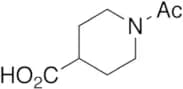
CAS :Produit contrôléApplications Metabolite fingerprinting in transgenic Nicotiana tabacum altered by the Escherichia coli glutamate dehydrogenase gene. A synthetic intermediate in the preparation of CNS depressants.
References Mungur, R., et al.: J. Biomed. Biotechnol., 2, 198 (2005), Young, J., et al.: Bioorg. Med. Chem. Lett., 17, 5310 (2007),Formule :C8H13NO3Couleur et forme :NeatMasse moléculaire :171.192-(Formylamino)benzoic Acid (>90%)
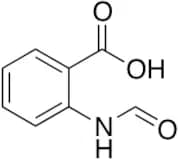
CAS :Produit contrôléApplications 2-(formylamino)benzoic acid (cas# 3342-77-6) is a useful research chemical.
Formule :C8H7NO3Degré de pureté :>90%Couleur et forme :NeatMasse moléculaire :165.15DL-p-Hydroxyphenyllactic Acid
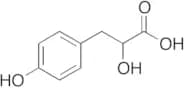
CAS :Produit contrôléApplications DL-p-Hydroxyphenyllactic Acid is used as a reagent in the synthesis of 2-O-(4-coumaroyl)-3-(4-hydroxyphenyl)lactic acid, an important intermediate of rosmarinic acid biosynthesis.
References Matsuno, M., et al.: Chem. Pharm. Bull., 49, 1644 (2001)Formule :C9H10O4Couleur et forme :Off-WhiteMasse moléculaire :182.17Phosphoric Acid Tributyl Ester
CAS :Produit contrôléStability Moisture Sensitive
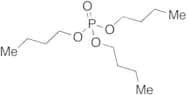
Applications Phosphoric Acid Tributyl Ester is used as a solvent in the solvent-detergent method for production of immunoglobulin for inactivation of viruses with lipid envelope on the model of duck hepatitis B virus. It is also used as a ligand in the extraction of lanthanide ions from solid and liquid materials by supercritical CO2.This compound is a contaminant of emerging concern (CECs).
References Zubkova, N., et al.: Bull. Exp. Biol. Med., 155, 821 (2013); Lin, Y., et al.: Anal. Chem., 66, 1971(1994)Formule :C12H27O4PCouleur et forme :ColourlessMasse moléculaire :266.31Pimelic Acid
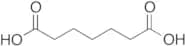
CAS :Produit contrôléApplications Pimelic Acid is a metabolite found in four biofluids from dairy cows that may be used as biomarkers of milk.
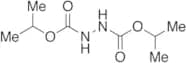
References Sun, H., et. al.: J. Proteome Res., 14, 1287 (2015)Formule :C7H12O4Couleur et forme :NeatMasse moléculaire :160.17Bicarbamic Acid Diisopropyl Ester
CAS :Produit contrôléImpurity Orlistat USP Related Compound B
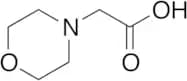
Applications Orlistat USP Related Compound BFormule :C8H16N2O4Couleur et forme :NeatMasse moléculaire :204.22Morpholin-4-yl Acetic Acid
CAS :Produit contrôléApplications Morpholin-4-yl Acetic Acid was used in preparation of pyrrolidine-fused fullerene multicarboxylates by photoreaction.
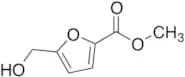
References Gan, L., et al.: J. Org. Chem., 63, 4240 (1998).Formule :C6H11NO3Couleur et forme :NeatMasse moléculaire :145.16methyl 5-(hydroxymethyl)furan-2-carboxylate
CAS :Produit contrôléApplications methyl 5-(hydroxymethyl)furan-2-carboxylate (cas# 36802-01-4) is a useful research chemical.
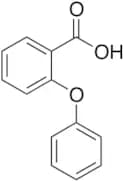
Formule :C7H8O4Couleur et forme :NeatMasse moléculaire :156.142-Phenoxybenzoic Acid
CAS :Produit contrôléApplications 2-PHENOXYBENZOIC ACID (cas# 2243-42-7) is a useful research chemical.
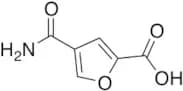
Formule :C13H10O3Couleur et forme :NeatMasse moléculaire :214.224-carbamoylfuran-2-carboxylic acid
CAS :Produit contrôléApplications 4-carbamoylfuran-2-carboxylic acid (cas# 1315367-95-3) is a useful research chemical.
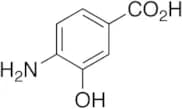
Formule :C6H5NO4Couleur et forme :NeatMasse moléculaire :155.114-Amino-3-hydroxybenzoic Acid
CAS :Produit contrôléApplications 4-Amino-3-hydroxybenzoic Acid is disubsituted benzoic acid used in the preparation of various pharmaceutical compounds such as sphingosine kinase inhibitors.
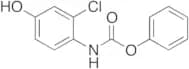
References Kono, K. et al.: J. Antibiot., 53, 759 (2000);Formule :C7H7NO3Couleur et forme :NeatMasse moléculaire :153.14Phenyl N-(2-Chloro-4-hydroxyphenyl)carbamate
CAS :Produit contrôléApplications Phenyl N-(2-Chloro-4-hydroxyphenyl)carbamate is a reagent used in the prepartion of quinoline-carboxamide compounds including Lenvatinib (L329400), an orally active inhibitor of multiple receptor tyrosine kinases including VEGF, FGF and SCF receptors.
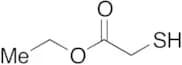
References Wang, N. et al.: Faming Zhuanli Shenqing (2017), CN 106632033 A 20170510.Formule :C13H10ClNO3Couleur et forme :NeatMasse moléculaire :263.68Ethyl 2-Mercaptoacetate
CAS :Produit contrôléApplications Ethyl 2-Mercaptoacetate is an off-odor compound in white wine and an eye irritant.
Not a dangerous good if item is equal to or less than 1g/ml and there is less than 100g/ml in the package
References Nikolantonaki, M., Darriet, P.: J. Agr. Food Chem., 59, 10191 (2011); Bagley, D.M., et. al.: Toxicol. in vitro, 13, 505 (1999)Formule :C4H8O2SCouleur et forme :NeatMasse moléculaire :120.17rac 3-Hydroxydecanoic Acid
CAS :Produit contrôléApplications rac 3-Hydroxydecanoic Acid (cas# 5561-87-5) is a compound useful in organic synthesis.
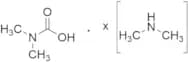
Formule :C10H20O3Couleur et forme :NeatMasse moléculaire :188.26Dimethylammonium Dimethylcarbamate
CAS :Applications Dimethylammonium Dimethylcarbamate is a reactant used in the synthesis of vanadium complex implantation on silica surfaces and may be studied for its use in phrmaceutical synthesis.
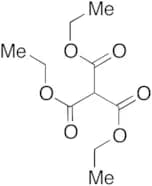
References Bresciani, G. et al.: Eur. J. Inorg. Chem., 10, 1176 (2018);Formule :C3H7NO2·xC2H7NCouleur et forme :NeatMasse moléculaire :134.18Triethyl Methanetricarboxylate
CAS :Produit contrôléApplications Triethyl Methanetricarboxylate is used in the synthesis of novel inhibitors of Hsp90. It is also used in the preparation of novel dihydroquinoline-3-carboxylic acids that function as HIV-1 integrase inhibitors.
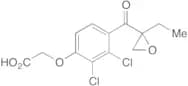
References Day, J. et al.: Chem. A Eur. J., 16, 2758 (2010); Sechi, M. et al.: Bioorg. Med. Chem., 17, 2925 (2009);Formule :C10H16O6Couleur et forme :NeatMasse moléculaire :232.23Ethacrynic Acid Epoxide
CAS :Produit contrôléApplications Ethacrynic Acid Epoxide is an intermediate in the synthesis of Ethacrynic Acid (E676000), a diuretic used to treat high blood pressure and swelling caused by congestive heart failure, liver failure and kidney failure.
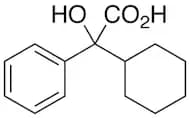
References Beyer, et al.: J. Pharmacol. Exp. Ther., 147, 1 (1965), Kim., et al.: Am. J. Cardiol., 27, 407 (1971), Williamson, H.E., et al.: J. Clin. Pharmacol., 17, 663 (1977),Formule :C13H12Cl2O5Couleur et forme :NeatMasse moléculaire :319.142-Cyclohexyl-2-hydroxy-phenylacetic Acid
CAS :Produit contrôléImpurity Oxybutynin USP Related Compound A
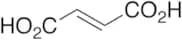
Applications An intermediate in the synthesis of oxybutynin (O868525). Oxybutynin USP Related Compound A.Formule :C14H18O3Couleur et forme :WhiteMasse moléculaire :234.29Fumaric Acid
CAS :Produit contrôléApplications Fumaric Acid is a compound that occurs in many plants. It is essential to vegetable and tissue respiration and also used as an antioxidant. Fumaric Acid is also a metabolite of Dimethyl Fumarate (D464965), a compound used as a treatment for the relapsing forms of multiple sclerosis and psoriasis.
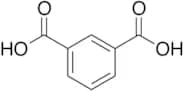
References Jelitto, T., et al.: Planta, 188, 238 (1992); Schimrigk, S., et al.: Eur. J. Neurol., 13, 604 (2006); Son, H., et al.: J. Agric. Food Chem., 56, 8007 (2008);Formule :C4H4O4Couleur et forme :NeatMasse moléculaire :116.07Isophthalic Acid
CAS :Applications Isophthalic Acid is a useful reagent for preparing semiconductor sealing materials, prepregs, build-up films, solder resists, dry films, and printed wiring boards.
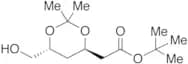
References Matsumura, Y., & Nakamura, A.: PCT Int. Appl. (2021), WO 2021006164 A1Formule :C8H6O4Couleur et forme :White To Off-WhiteMasse moléculaire :166.13(4R,6R)-6-Hydroxymethyl-2,2-dimethyl-1,3-dioxane-4-acetic Acid 1,1-Dimethylethyl Ester
CAS :Produit contrôléFormule :C13H24O5Couleur et forme :NeatMasse moléculaire :260.327tert-Butyl N-[3-(Chlorosulfonyl)propyl]carbamate
CAS :Produit contrôléApplications tert-butyl N-[3-(chlorosulfonyl)propyl]carbamate (cas# 1196153-59-9) is a useful research chemical.
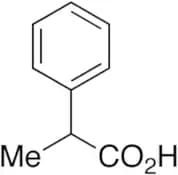
Formule :C8H16ClNO4SCouleur et forme :NeatMasse moléculaire :257.735(±)-2-Phenylpropanoic Acid
CAS :Applications Used in the preparation of ibuprofen derivatives for their anti-inflammatory activity. Also used in nucleation inhibitors in Dutch resolution of diastereomers.
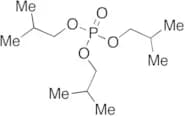
References Leeman, M. et al.: Angew. Chem. Int. Ed., 47, 1287 (2008); Eur. J. Med. Chem., 45, 3564 (2010);Formule :C9H10O2Couleur et forme :Light Yellow LiquidMasse moléculaire :150.17Phosphoric Acid Tris(2-methylpropyl) Ester
CAS :Produit contrôléApplications Phosphoric Acid Tris(2-methylpropyl) Ester is found in the groundwater downgradient of a landfill (Grindsted, Denmark). It is also a flame retardant and plasticizer.
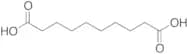
References Holm, J., et al.: Environ. Sci. Technol., 29, 1415 (1995); Rodil, R., et al.: J. Chrmoat. A, 1216, 2958 (2009); Carcia-Lopez, M., et al.: J. Chromat., A, 1166, 9 (2007)Formule :C12H27O4PCouleur et forme :ColourlessMasse moléculaire :266.31Sebacic Acid
CAS :Applications Sebacic Acid is a urinary metabolite that has been identified as an anti-fatigue biomarker.
References Ma, C. et. al.: J. Pharmaceut. Biomed. Anal. 105, 84 (2015)Formule :C10H18O4Couleur et forme :WhiteMasse moléculaire :202.253-(methylamino)-3-oxopropanoic acid
CAS :Produit contrôléApplications 3-(methylamino)-3-oxopropanoic acid (cas# 42105-98-6) is a useful research chemical.
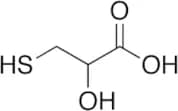
Formule :C4H7NO3Couleur et forme :NeatMasse moléculaire :117.13-Mercaptolactic Acid
CAS :Stability Air Sensitive, Hygroscopic
Applications 3-Mercaptolactic Acid is used in the phosphorylation and acetylation of histone H2B.
Not a dangerous good if item is equal to or less than 1g/ml and there is less than 100g/ml in the package
References Chiang, K. et al.: ChemBioChem., 10, 2182 (2009);Formule :C3H6O3SCouleur et forme :NeatMasse moléculaire :122.14p-Toluic Acid
CAS :Applications p-Toluic Acid is used as a reagent in the synthesis of several organic compounds including that of 2-aryl-1,3,4-oxadiazole derivatives which are potential antibacterial agents. Also used in the synthesis of 4-(bromomethyl) benzoic acid.
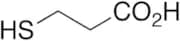
References Karimi, F., et al.: J. Chem. Pharm. Res., 7, 1028 (2015); Zheng, F., et al.: Guangdong Huagong, 42, 27 (2015);Formule :C8H8O2Couleur et forme :NeatMasse moléculaire :136.153-Mercaptopropionic Acid
CAS :Produit contrôléApplications 3-Mercaptopropionic Acid (cas# 107-96-0) is a compound useful in organic synthesis.
Not a dangerous good if item is equal to or less than 1g/ml and there is less than 100g/ml in the packageFormule :C3H6O2SCouleur et forme :NeatMasse moléculaire :106.14(2E)-3-Phenyl-2-propenoic Acid
CAS :Applications (2E)-3-Phenyl-2-propenoic Acid is used in the synthesis of amides and esters through coupling reactions involving carboxylic acids and amines. Also used in the N-methylation of amides and O-methylation of carboxylic acids.
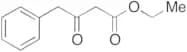
References Kunishima, M. et al.: Tetrahedron, 55, 13159 (1999); Xia, Q. et al.: Org. Lett., 15, 3326 (2013);Formule :C9H8O2Couleur et forme :NeatMasse moléculaire :148.16Ethyl 4-Phenylacetoacetate
CAS :Produit contrôléApplications Ethyl 4-Phenylacetoacetate is a useful synthetic intermediate. It is used to prepare pyrazolone derivatives as antiprion compounds. It is also used to prepare pyrrolinylaminopyrimidine analogs as inhibitors of AP-1 and NF-κB mediated gene expression.
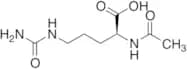
References Kimata, A., et al.: J. Med. Chem., 50, 5053 (2007); Palanki, M., et al.: Bioorg. Med. Chme. Lett., 12, 2573 (2002)Formule :C12H14O3Couleur et forme :NeatMasse moléculaire :206.23776(S)-2-Acetamido-5-ureidopentanoic Acid
CAS :Produit contrôléApplications (S)-2-Acetamido-5-ureidopentanoic Acid (cas# 33965-42-3) is a useful research chemical.
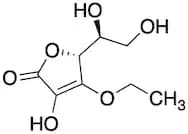
Formule :C8H15N3O4Couleur et forme :NeatMasse moléculaire :217.223-O-Ethyl-L-ascorbic Acid
CAS :Produit contrôléApplications 3-O-Ethyl-L-ascorbic Acid could be a useful stabilizing agent for a para-hydroxyacetophenone solution.
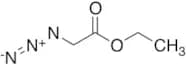
References Zhang, H., et al.: Faming Zhuanli Shenqing (2020), CN 111937874 AFormule :C8H12O6Couleur et forme :NeatMasse moléculaire :204.18Ethyl 2-Azidoacetate
CAS :Produit contrôléApplications ethyl 2-azidoacetate (cas# 637-81-0) is a useful research chemical.
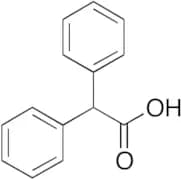
Formule :C4H7N3O2Couleur et forme :NeatMasse moléculaire :129.122-[(Diphenylmethyl)thio]acetic Acid
CAS :Produit contrôléApplications Intermediate in the preparation of Modafinil
References Stark, H., et al.: Eur. J. Med. Chem., 29, 695 (1994), Cass, Q., et al.: J. Pharm. Biomed. Anal., 46, 937 (2008),Formule :C15H14O2SCouleur et forme :NeatMasse moléculaire :258.34Bromochloroacetic Acid
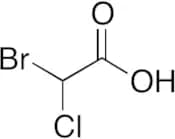
CAS :Applications Bromochloroacetic acid is a halogenated disinfection byproduct commonly found in drinking water, fruit juice, and cheese. Bromochloroacetic acid has been shown to cause mesothelioma, fibroadenomas, and adenomas in rats
Not a dangerous good if item is equal to or less than 1g/ml and there is less than 100g/ml in the package
References Hang, C., et al.: Sci Total Environ. 543, 425 (2016); Cardador, M. J. and Gallego, M.: Food Chem. 173, 685 (2015); Natl Toxicol Program Tech Rep Ser. 549, 1 (2009)Formule :C2H2BrClO2Couleur et forme :NeatMasse moléculaire :173.39(2-Iodocyclohexyl)carbamic acid ethyl ester
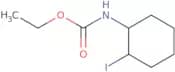
CAS :(2-Iodocyclohexyl)carbamic acid ethyl ester is a fine chemical that can be used as a building block, reagent, or speciality chemical in research. It is soluble in organic solvents and can be used as a reaction component, useful intermediate, or useful scaffold. This compound has been shown to react with various groups including amines, alcohols, phenols and thiols.Formule :C9H16INO2Degré de pureté :Min. 95%Couleur et forme :PowderMasse moléculaire :297.13 g/molcis-4,7,10,13,16,19-Docosahexaenoic acid ethyl ester - 90%
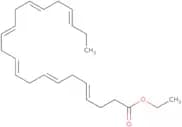
CAS :Cis-4,7,10,13,16,19-Docosahexaenoic acid ethyl ester (DHAEE) is a polyunsaturated fatty acid that belongs to the omega-3 family. It is used as an alternative feedstock for biodiesel production and has been shown to be a good candidate for hydrogenation reactions. The adsorption equilibrium of DHAEE has been studied using isotherms at different densities and pressures. At high pressures, the adsorption of DHAEE on silica gel was found to be reversible. This means that adsorbed DHAEE can be desorbed by heating the solid phase. This property could be useful in the recovery of this compound from spent catalysts or in other applications where it needs to be recovered from a solid phase.Formule :C24H36O2Degré de pureté :Min. 95%Couleur et forme :PowderMasse moléculaire :356.54 g/molFusidic acid sodium
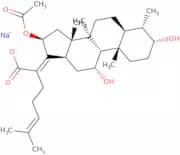
CAS :Inhibitor of protein synthesis; steroid antibioticFormule :C31H48O6•NaDegré de pureté :Min. 95%Couleur et forme :PowderMasse moléculaire :539.7 g/molMeconic acid
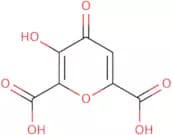
CAS :Meconic acid is a metal chelate that binds to metals such as zinc and copper, which are required for the synthesis of prostaglandins. Meconic acid has been shown to have significant interactions with other drugs, including sodium carbonate, acetylcholinesterase inhibitors, and antipsychotics. Meconic acid also inhibits the activity of pestivirus, which affects the nervous system in rats. Studies on long-term toxicity have not been conducted. Meconic acid has been used as a treatment for curcuma aromatica induced hepatitis and is toxic to animals at high doses.Formule :C7H4O7Degré de pureté :Min. 95 Area-%Couleur et forme :PowderMasse moléculaire :200.1 g/mol4-Bromo-2,6-difluorobenzoic acid
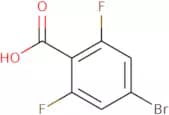
CAS :4-Bromo-2,6-difluorobenzoic acid is a liquid crystal that belongs to the class of fluorinated benzoic acids. It is an activated liquid crystal composed of chiral molecules with substituents on the 4- and 6-positions of the aromatic ring. The compound has been shown to have excellent fluoroarene solubilizing properties in a glycol matrix and can be used as an additive to produce liquid crystals with desired properties.Formule :C7H3BrF2O2Degré de pureté :Min. 95%Couleur et forme :PowderMasse moléculaire :237 g/mol3-Trifluoromethoxyphenylboronic acid
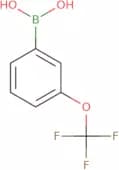
CAS :3-Trifluoromethoxyphenylboronic acid is a lead compound that has the potential to be an efficient and water-soluble inhibitor of protein kinases. It has been shown to have a significant inhibitory effect on vismodegib transport. This compound may also have anticancer properties. 3-Trifluoromethoxyphenylboronic acid binds to the active site of protein kinases, blocking their catalytic activity and inhibiting cell proliferation by interfering with the signaling pathway that regulates cancer cells.Formule :C7H6BF3O3Degré de pureté :Min. 90%Couleur et forme :PowderMasse moléculaire :205.93 g/mol1,3-Acetonedicarboxylic acid
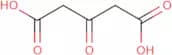
CAS :1,3-Acetonedicarboxylic acid is a crystalline solid that belongs to the group of carboxylic acids. 1,3-Acetonedicarboxylic acid interacts with its receptor by binding to a hydroxyl group and two hydrogen atoms. It has been shown that 1,3-acetonedicarboxylic acid can inhibit HIV infection in vitro by preventing the virus from attaching to cells. It also inhibits malonic acid oxidation and citric acid cycle enzymes in rat liver mitochondria. The synthesis of 1,3-acetonedicarboxylic acid can be achieved through different methods:
1) By reacting sodium carbonate with malonic acid
2) By reacting hydrogen fluoride with malonic acid
3) By reacting sodium carbonate with citric acid (malonic ester) and then hydrolyzing it
4) By reacting sodium carbonate with malonitrile and then hydroFormule :C5H6O5Degré de pureté :Min. 95%Couleur et forme :PowderMasse moléculaire :146.1 g/mol2-Oxo-2H-pyran-5-carboxylic acid methyl ester
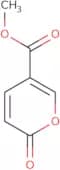
CAS :2-Oxo-2H-pyran-5-carboxylic acid methyl ester is an activated form of 2-oxopyran. It reacts with nucleophiles, such as malic acid, to form ethyl esters. This reaction is an example of the Friedel-Crafts reaction, which is a type of electrophilic aromatic substitution. The rate of this reaction depends on the activation energies and fluorescence properties of the reactants. The mechanism for this reaction is that the double bond in the carbonyl group is ruptured by attacking nucleophiles, resulting in a release of hydrogen gas and formation of carboxylic acid derivatives. The product can be isolated using a solvent extraction technique or purified using column chromatography.Formule :C7H6O4Degré de pureté :Min. 98 Area-%Couleur et forme :PowderMasse moléculaire :154.12 g/molAnthraquinone-2,7-disulfonic acid disodium salt - 80%
CAS :Anthraquinone-2,7-disulfonic acid disodium salt, 2,7-AQDS, is an anthraquinone sulfonate used for many different purposes, such as, desulfurizing agent for removing oil in refinery and as an intermediate for dyes or decolorization agent. In addition, anthraquinone-2,7-disulfonic salt or 2,7-AQDS is frequently used in electrochemistry, as a redox mediator. For example, in aqueous organic redox flow batteries (AORFB), anthraquinone-2,7-disulfonic acid disodium salt (2,7-AQDS) plays a role in increasing the capacity and the performance of these types of batteries.
Formule :C14H6O8S2·2NaDegré de pureté :Min. 80 Area-%Couleur et forme :Red Purple PowderMasse moléculaire :412.3 g/mol2,2-Dimethyl-3-phenylpropanoic acid
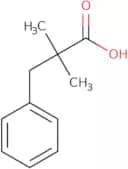
CAS :2,2-Dimethyl-3-phenylpropanoic acid is a luteolytic agent that belongs to the group of phenylacetic acids. It has been shown to inhibit progesterone synthesis and induce regression of the estrous cycle in rats. 2,2-Dimethyl-3-phenylpropanoic acid is also able to bind with cytochrome P450 enzymes, which are involved in the metabolism of many drugs. This binding may lead to increased plasma concentrations of other drugs that are metabolized by cytochrome P450 enzymes, such as erythromycin and methyldopa.Formule :C11H14O2Degré de pureté :Min. 95%Couleur et forme :SolidMasse moléculaire :178.23 g/mol3,4,5-Trimethoxybenzoic acid
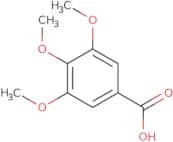
CAS :3,4,5-Trimethoxybenzoic acid is an experimental drug that has been shown to have significant cytotoxicity in a chronic oral model. It inhibits the activity of a number of enzymes including esterases, lipases, and proteases. This compound also showed significant cytotoxicity when tested in the water vapor chronic inhalation model. 3,4,5-Trimethoxybenzoic acid may be toxic to humans because it binds to calcium channels and inhibits the release of ryanodine from its storage sites on the sarcoplasmic reticulum. This inhibition may lead to muscle cramps and tetany as well as cardiac arrhythmias. The toxicity of 3,4,5-trimethoxybenzoic acid has been studied in rats using a number of methods including titration calorimetry and chlorogenic acids extraction from rat liver.Formule :C10H12O5Degré de pureté :Min. 95%Couleur et forme :PowderMasse moléculaire :212.2 g/mol(Asn(4-aminobutyl)1·7·23,Gln(4-aminobutyl)3·11·22)-Amyloid b-Protein (1-40) trifluoroacetate salt
Please enquire for more information about (Asn(4-aminobutyl)1·7·23,Gln(4-aminobutyl)3·11·22)-Amyloid b-Protein (1-40) trifluoroacetate salt including the price, delivery time and more detailed product information at the technical inquiry form on this pageFormule :C218H355N65O52SDegré de pureté :Min. 95%Masse moléculaire :4,750.62 g/molIodomesitylene Diacetate
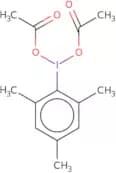
CAS :Iodomesitylene Diacetate is a chemical building block with versatile applications. This compound can react with a variety of reagents to form useful scaffolds for synthetic organic chemistry, or it can be used as a useful intermediate in the synthesis of more complicated molecules. Iodomesitylene Diacetate is also an excellent starting material for the production of complex compounds such as pharmaceuticals, polymers, and agrochemicals. It is stable at room temperature and has a high quality.Formule :C13H17IO4Degré de pureté :(Iodometric Titration) Min. 98%Couleur et forme :White To Off-White To Yellow SolidMasse moléculaire :364.18 g/mol6-Aminonicotinic acid
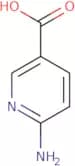
CAS :6-Aminonicotinic acid is an inhibitor of bacterial DNA gyrase and topoisomerase IV. It has been shown to inhibit the growth of a number of bacteria, including E. coli K-12, with potent inhibitory activity against these enzymes. 6-Aminonicotinic acid binds to the active sites on these enzymes and prevents them from working. The detection time for 6-aminonicotinic acid is about 3 hours after exposure. 6-Aminonicotinic acid has been shown to be more potent than other inhibitors of bacterial DNA gyrase and topoisomerase IV such as 2,4-diaminopyrimidine (2,4DAP).Formule :C6H6N2O2Degré de pureté :Min. 95%Couleur et forme :White PowderMasse moléculaire :138.12 g/mol4-(Trifluoromethoxy)phenylacetic acid
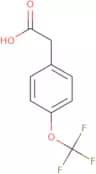
CAS :4-(Trifluoromethoxy)phenylacetic acid is a useful scaffold, versatile building block, and useful intermediate in organic synthesis. It is a speciality chemical that is used as a reaction component in the preparation of complex compounds. 4-(Trifluoromethoxy)phenylacetic acid is also a reagent for the synthesis of high-quality pharmaceuticals, such as antibiotics and antiviral agents. This compound has CAS No. 4315-07-5 and can be found at Chemicals Online.Formule :C9H7F3O3Degré de pureté :Min. 95%Couleur et forme :PowderMasse moléculaire :220.15 g/molrac cis-9,10-Epoxystearic acid
CAS :Rac cis-9,10-epoxystearic acid is a fatty acid that is used as a surfactant. It has been shown to have a kinetic effect on Saccharomyces cerevisiae and has been found to increase the activity of enzymes such as phospholipase A2, lipase, and esterase. Rac cis-9,10-epoxystearic acid also increases the rate of chemical ionization when exposed to sephadex g-100. This compound has been shown to be effective in vivo against human liver cells and has been found to have an epoxide group on each side of the molecule. The enantiomer of rac cis-9,10-epoxystearic acid is hydrated in water or ethanol and reacts with alcohols in the presence of an oxidizing agent to form epoxides. Rac cis-9,10-epoxystearic acid can catalyze reactions involving epoxides.Formule :C18H34O3Degré de pureté :Min. 98 Area-%Couleur et forme :White PowderMasse moléculaire :298.46 g/mol3-Amino-4-anisic acid
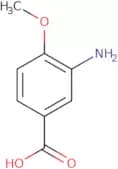
CAS :3-Amino-4-anisic acid is a conjugate of an aromatic carboxylic acid and an amino group. The vapor pressure of 3-amino-4-anisic acid is higher than that of the free 3-amino-4-anisic acid. Immunocompetent cells are the most sensitive to this compound, with metastasis and tumor growth being inhibited. This compound is also used in the treatment of cancer, although it has not been proven to be effective for all cancers. Sorafenib and other compounds that have similar structures may be used as substitutes for 3-amino-4-anisic acid in some cases. There are two isomers of 3-amino-4-anisic acid: cis and trans form. The cis form has better binding properties than the trans form, which can lead to decreased efficacy when a mixture of both forms is used. Hyaluronic acid and linkFormule :C8H9NO3Degré de pureté :Min. 95%Couleur et forme :PowderMasse moléculaire :167.16 g/molbeta-Naphthylacetate
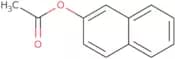
CAS :Beta-naphthylacetate is a chemical that is used in the synthesis of pharmaceuticals and pesticides. It is an ester of naphthalene and acetic acid. Beta-naphthylacetate has been shown to inhibit the enzyme activity of hydrogen fluoride, which is used in the production of polyester fibers. Beta-naphthylacetate has also been shown to have anti-inflammatory properties by inhibiting prostaglandin synthesis. This chemical also has epoxidase activity, which makes it useful in the conversion of dl-alpha-tocopherol to vitamin E. Beta-naphthylacetate is soluble in water and can be made into solid dispersions or cationic surfactant solutions with high concentrations of beta-naphthylacetate, making it useful for tissue culture. The optimum pH for beta-naphthylacetate is between 7 and 8, while the optimum temperature range is between 25
Formule :C12H10O2Degré de pureté :Min. 95%Couleur et forme :White PowderMasse moléculaire :186.21 g/mol4-Chloro-3-nitrobenzoic acid ethyl ester
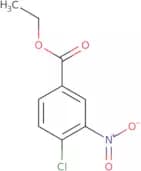
CAS :4-Chloro-3-nitrobenzoic acid ethyl ester is a six-membered, planar, hydrogen bond that has a crystal structure with a six-membered ring. It has hydrogen bonds and five-membered ring. The molecule is coplanar and oriented.Formule :C9H8ClNO4Degré de pureté :Min. 95%Couleur et forme :PowderMasse moléculaire :229.62 g/mol4-Fluoro-2-methoxybenzoic acid
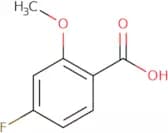
CAS :4-Fluoro-2-methoxybenzoic acid is a versatile building block that is used in the synthesis of many complex compounds. It is a reagent, which means it can be used as an intermediate in the synthesis of other compounds. 4-Fluoro-2-methoxybenzoic acid is also a useful scaffold for the preparation of new chemical entities with specific pharmaceutical properties. The CAS number for this compound is 395-82-4.Formule :C8H7FO3Degré de pureté :Min. 95%Couleur et forme :PowderMasse moléculaire :170.14 g/mol5-Bromo-2-ethoxybenzoic acid
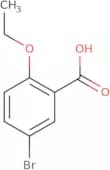
CAS :5-Bromo-2-ethoxybenzoic acid is a versatile building block that can be used as a reagent, speciality chemical, or a useful scaffold. It is used in the synthesis of complex compounds that include pharmaceuticals, agrochemicals, and research chemicals. 5-Bromo-2-ethoxybenzoic acid is also a useful intermediate and reaction component in organic synthesis. This compound has high quality and is listed on the Chemical Abstract Service (CAS) registry number 60783-90-6.Formule :C9H9BrO3Degré de pureté :Min. 95%Couleur et forme :SolidMasse moléculaire :245.07 g/mola-Ketoglutaric acid
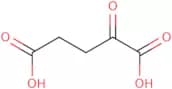
CAS :a-Ketoglutaric acid is a naturally occurring organic compound that is found in the body as well as in plants. It belongs to the group of organic acids and is produced from the breakdown of amino acids, such as leucine and valine. a-Ketoglutaric acid has been shown to have physiological effects on cells and tissues by inhibiting enzymes involved in energy metabolism. In vitro assays have shown that a-ketoglutaric acid has inhibitory properties against plant metabolism. This drug also inhibits the transcriptional regulation of genes for fatty acid synthesis in human erythrocytes. A-ketoglutaric acid has also been shown to inhibit glucose production in rat liver cells, which may be due to its ability to bind covalently with proteins or lipids, changing their structures and functions.Formule :C5H6O5Couleur et forme :White Off-White PowderMasse moléculaire :146.1 g/mol2-((4-(2-Furylcarbonyl)piperazinyl)carbonyl)cyclohexanecarboxylic acid
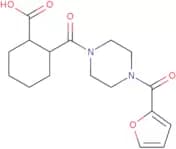
CAS :Please enquire for more information about 2-((4-(2-Furylcarbonyl)piperazinyl)carbonyl)cyclohexanecarboxylic acid including the price, delivery time and more detailed product information at the technical inquiry form on this pageFormule :C17H22N2O5Degré de pureté :Min. 95%Couleur et forme :PowderMasse moléculaire :334.37 g/mol5-Ethylindole-3-acetic acid
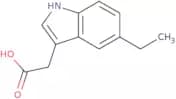
CAS :5-Ethylindole-3-acetic acid is a high quality chemical that is an intermediate in the synthesis of a variety of complex compounds. It is also a reagent for many reactions and can be used as a building block for more complex compounds. 5-Ethylindole-3-acetic acid has been shown to have antihistamine, analgesic, and antipyretic properties and is useful in treating allergic reactions.
Formule :C12H13NO2Degré de pureté :Min. 95%Masse moléculaire :203.24 g/mol3-Fluoro-5-methylbenzoic acid
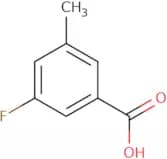
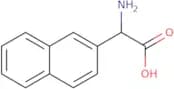
CAS :3-Fluoro-5-methylbenzoic acid is a sulfilimine that has been shown to have insecticidal, functional, and biological activities. 3-Fluoro-5-methylbenzoic acid binds to the enzyme diamide reductase in insects, which prevents the production of toxic amines in insects. 3-Fluoro-5-methylbenzoic acid also inhibits the synthesis of anthranilic acid and organosulfur compounds in plants. This sulfilimine is structurally similar to other insecticides such as DDT and carbofuran. It is soluble in water but insoluble in organic solvents.Formule :C8H7FO2Degré de pureté :Min. 95%Couleur et forme :PowderMasse moléculaire :154.14 g/molAmino(naphthalen-2-yl)acetic acid
CAS :Amino(naphthalen-2-yl)acetic acid is a versatile chemical building block that can be used in research, industry and as a high quality reagent. It is a useful scaffold for the synthesis of complex compounds. Amino(naphthalen-2-yl)acetic acid has been shown to be an excellent reactant for the production of fine chemicals and is high quality, with a purity of 99%. This product is also used as a speciality chemical for the production of pharmaceuticals, pesticides, and other chemical products.
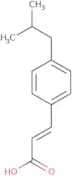
Formule :C12H11NO2Degré de pureté :Min. 95%Couleur et forme :PowderMasse moléculaire :201.22 g/mol4-Isobutylcinnamic acid
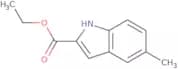
CAS :4-Isobutylcinnamic acid is an organic compound that is a derivative of the organic compound acrylic acid. It is an organic ester, which means it is formed by the reaction of an alcohol and an acid. Acrylic acid can be reacted with either ethyl alcohol or isobutyl alcohol to produce 4-isobutylcinnamic acid. The resulting product can be used in the production of polymers and plastics.Formule :C13H16O2Degré de pureté :Min. 95%Couleur et forme :PowderMasse moléculaire :204.26 g/molEthyl 5-methylindole-2-carboxylate
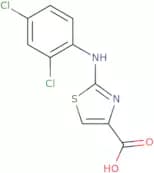
CAS :Ethyl 5-methylindole-2-carboxylate is an antioxidant that is used as a reagent in the synthesis of other compounds. It has been shown to inhibit cancer cell growth in vitro via its ability to inhibit the metabolic activity of human hepatoma cells. Ethyl 5-methylindole-2-carboxylate has also been shown to have cytotoxic activity against human hepatoma cells in vitro, and may be a potential anticancer drug candidate.Formule :C12H13NO2Degré de pureté :Min. 95%Couleur et forme :PowderMasse moléculaire :203.24 g/mol2-((2,4-Dichlorophenyl)amino)-1,3-thiazole-4-carboxylic acid
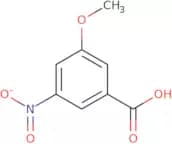
CAS :Please enquire for more information about 2-((2,4-Dichlorophenyl)amino)-1,3-thiazole-4-carboxylic acid including the price, delivery time and more detailed product information at the technical inquiry form on this pageDegré de pureté :Min. 95%3-Methoxy-5-nitrobenzoic acid
CAS :3-Methoxy-5-nitrobenzoic acid is an organic compound that has mesomorphic and switchable properties. It is a chalcone derivative, with homologues such as 3-hydroxybenzoic acid. It is synthesized from the reaction of nitrous acid and 3-methoxybenzoic acid. The synthesis of this compound can be achieved by two different routes: peroxide oxidation or fluorine substitution. Both routes produce the same product, but offer different advantages. The first route involves the addition of hydrogen peroxide to 3-methoxybenzoic acid, which produces a mixture of products containing 3-methoxy-5-nitrobenzoic acid. This route is advantageous in that it can be conducted at room temperature with high yields, but the disadvantage is that this method produces a mixture of products which may contain undesired byproducts. The second route involves the use of sodium hypofluorite and potassium
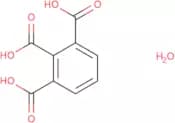
Formule :C8H7NO5Degré de pureté :Min. 95%Couleur et forme :PowderMasse moléculaire :197.14 g/mol1,2,3-Benzenetricarboxylic acid hydrate
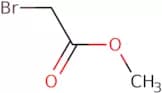
CAS :1,2,3-Benzenetricarboxylic acid hydrate (BTAH) is a molecule that has been studied as a potential photosensitizer for photodynamic therapy. This compound is an organic semiconductor with a wide absorption spectrum and a large quantum yield in the visible region. It also has high charge carrier mobility, which makes it suitable for use in electronic devices. BTAH is an additive that can be used to inhibit the formation of cancer cells and reduce inflammation. BTAH has been shown to have anti-inflammatory properties by inhibiting prostaglandin synthesis. The molecular structure of BTAH consists of three benzene rings joined together by two carboxyl groups. The central ring in this molecule is also known as 1,2,3-benzenetricarboxylic acid or 3,4-dihydroxybenzoic acid.Formule :C9H6O6·xH2ODegré de pureté :Min. 98 Area-%Couleur et forme :PowderMasse moléculaire :210.14 g/molMethyl bromoacetate
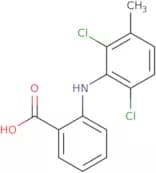
CAS :Produit contrôléMethyl bromoacetate is a chemical compound that is used in the acylation reaction to produce amides and esters. This chemical has been shown to be an activator of nitrogen atoms and can be used as an immunosuppressant. Methyl bromoacetate also has a number of other uses, such as the synthesis of alkanoic acids, which can then be converted into other compounds with different properties. The reaction mechanism for methyl bromoacetate is not yet known, but it may involve both asymmetric synthesis and hydroxyl group formation. Methyl bromoacetate also has a number of metabolic disorders associated with it, including myocardial infarct and hydrochloric acid-induced amine release. It also has antimicrobial resistance, making it useful for treating bacterial infections.Formule :C3H5BrO2Degré de pureté :Min. 96.5 Area-%Couleur et forme :Clear Colourless To Yellow LiquidMasse moléculaire :152.97 g/molMeclofenamic acid
CAS :Meclofenamic acid is a nonsteroidal anti-inflammatory drug (NSAID) that inhibits the activity of cyclooxygenase and lipoxygenase. It is used for the treatment of mild to moderate pain, dysmenorrhea, and menstrual cramps. Meclofenamic acid binds to polymerase chain reaction (PCR) substrate-binding site, inhibiting DNA synthesis in rat hippocampal neurons. This drug has also been shown to suppress disease activity in animals with experimental arthritis. Meclofenamic acid can be administered orally or intravenously without altering its effect on disease activity or blood sampling results. The drug is rapidly metabolized by hydroxylation and conjugation with glucuronic acid, followed by excretion in urine or feces. Meclofenamic acid significantly cytotoxic to human polymorphonuclear leukocytes at high concentrations, which may be due to its ability to modify RNA synthesis and protein synthesis.Formule :C14H11Cl2NO2Degré de pureté :Min. 95%Couleur et forme :White PowderMasse moléculaire :296.15 g/mol2-(1-Naphthoxy)-acetic acid
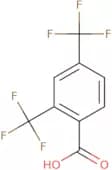
CAS :2-(1-Naphthoxy)-acetic acid is a natural product that is found in urine samples. It has been found to have various biological effects, such as inhibiting sugar transport and root formation. 2-(1-Naphthoxy)-acetic acid can also be used to inhibit the transcription of certain genes by interacting with the response elements for these genes. 2-(1-Naphthoxy)-acetic acid binds to monoclonal antibodies and can be used in immunoprecipitation experiments.Formule :C12H10O3Degré de pureté :Min. 95%Couleur et forme :PowderMasse moléculaire :202.21 g/mol2,4-Bis(trifluoromethyl)benzoic acid
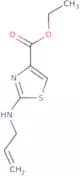
CAS :2,4-Bis(trifluoromethyl)benzoic acid (2,4-BTFBA) is a styrene derivative that can be used as a matrix in the preparation of polystyrene for MALDI mass spectrometry analysis. 2,4-BTFBA is a monomer that has been shown to lead to high yields and transfer in the production of polystyrene and poly(methyl methacrylate). It has also been found to be an effective inhibitor of 2,5-dihydroxybenzoic acid (DHBA) and other DHBA derivatives. The inhibition mechanism of 2,4-BTFBA on DHBA activity is not yet clear. The nature of this compound as well as its use in matrix-assisted laser desorption/ionization are still under investigation.Formule :C9H4F6O2Degré de pureté :Min. 95%Couleur et forme :PowderMasse moléculaire :258.12 g/molethyl 4-(prop-2-enylamino)-3,5-thiazolecarboxylate
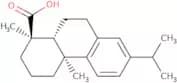
CAS :Please enquire for more information about ethyl 4-(prop-2-enylamino)-3,5-thiazolecarboxylate including the price, delivery time and more detailed product information at the technical inquiry form on this pageDegré de pureté :Min. 95%Dehydroabietic acid
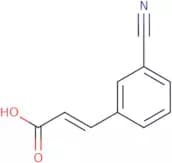
CAS :Dehydroabietic acid is a compound that belongs to the class of natural products. It has been shown to have anticancer activity in 3T3-L1 preadipocytes, which are cells that are used for research on obesity and diabetes. Dehydroabietic acid inhibits mitochondrial membrane potential and induces apoptosis in cancer cell lines, including carcinoma cells. This compound has also shown synergistic effects with other compounds in inhibiting the growth of tumor cells.Formule :C20H28O2Degré de pureté :Min. 90 Area-%Couleur et forme :White Off-White PowderMasse moléculaire :300.44 g/mol3-Cyanocinnamic acid
CAS :3-Cyanocinnamic acid is a reactive, unreactive, and stepwise cycloaddition compound. It can participate in photochemical reactions with other compounds to form photodimers. 3-Cyanocinnamic acid has an optimal reaction temperature of 100°C and a reaction time of 5 minutes. The diradical nature of 3-cyanocinnamic acid makes it sensitive to UV light, and the photochemical reactions are simulated by quantum mechanics calculations. Photodimerisation simulations show that 3-cyanocinnamic acid is capable of forming photodimers with 2-cyanocinnamic acid or 4-cyanocinnamic acid at room temperature.Formule :C10H7NO2Degré de pureté :Min. 95%Couleur et forme :PowderMasse moléculaire :173.17 g/mol3-(3-Hydroxyisoxazol-5-yl)propanoic acid
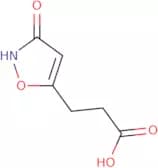
CAS :3-(3-Hydroxyisoxazol-5-yl)propanoic acid is a fine chemical used as a reagent, speciality chemical, and reaction component in the synthesis of complex compounds. It is also used as a building block or scaffold in the synthesis of other compounds. 3-(3-Hydroxyisoxazol-5-yl)propanoic acid is less reactive than other carboxylic acids due to its bulky group at one end. This makes it more stable and easier to handle. 3-(3-Hydroxyisoxazol-5-yl)propanoic acid can be used for research purposes and has been shown to be an effective inhibitor of HIV protease.Formule :C6H7NO4Degré de pureté :Min. 95 Area-%Couleur et forme :PowderMasse moléculaire :157.12 g/mol3-Maleimidopropionic acid
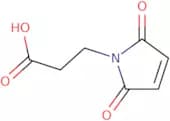
CAS :3-Maleimidopropionic acid, also abbreviated as 3MPA or BMPA, reacts with thiols to form stable conjugates. It is non-cleavable under standard biological conditions.Formule :C7H7NO4Degré de pureté :Min. 95%Couleur et forme :PowderMasse moléculaire :169.13 g/mol3,4-Dimethyl-6-nitrobenzoic acid
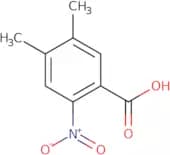
CAS :3,4-Dimethyl-6-nitrobenzoic acid is a nitrated aromatic compound that has been shown to have anticancer activity. It is used as an anticancer agent in the treatment of cancers such as leukemia, lymphoma, and lung cancer. 3,4-Dimethyl-6-nitrobenzoic acid has been shown to be effective against species diversity and diversity of tumor cells. This compound inhibits protein synthesis by binding to ribosomes and inhibiting the production of proteins vital for cell division. 3,4-Dimethyl-6-nitrobenzoic acid also binds to DNA and interferes with transcription and replication of DNA, causing cell death. This compound has been found in wetlands (e.g.,
the Yangtze River) but its function in these ecosystems is not known.Formule :C9H9NO4Degré de pureté :Min. 95%Couleur et forme :PowderMasse moléculaire :195.17 g/molOvalbumin (257-264) (chicken) acetate salt
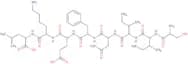
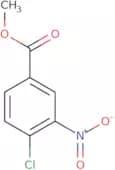
CAS :Ovalbumin (257-264) is an acetate salt of a fragment of the protein ovalbumin.Formule :C45H74N10O13Degré de pureté :Min. 95%Couleur et forme :SolidMasse moléculaire :963.13 g/mol4-Chloro-3-nitrobenzoic acid methyl ester
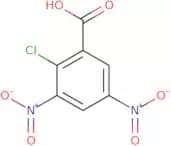
CAS :4-Chloro-3-nitrobenzoic acid methyl ester is a chemical compound that inhibits the synthesis of nucleic acids. It binds to the functional groups of DNA, preventing replication and transcription. 4-Chloro-3-nitrobenzoic acid methyl ester also inhibits protein synthesis by inhibiting ribosomal RNA which is required for translation. This agent has been shown to induce apoptotic cell death in leukemia cells, HL60 cells, and other types of cancer cells in vitro. 4-Chloro-3-nitrobenzoic acid methyl ester has a potent inhibitory activity against replicons in vitro and is a synthetic molecule with two sulfoxide functional groups.Formule :C8H6ClNO4Degré de pureté :Min. 95%Couleur et forme :PowderMasse moléculaire :215.59 g/mol2-Chloro-3,5-dinitrobenzoic acid
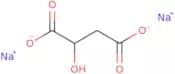
CAS :2-Chloro-3,5-dinitrobenzoic acid is a chemical reagent that belongs to the group of p2-substituted benzenes. It is used in organic synthesis as a synthon for dimethylnaphthalene, which is an intermediate in the production of polyester fibers and polyurethane. The compound has been shown to induce apoptosis in prostate cancer cells. This effect may be due to its ability to react with amines and form nitrosating species, which may cause DNA damage. 2-Chloro-3,5-dinitrobenzoic acid can also react with 5-nitrosalicylic acid to form a stepwise reaction product.Formule :C7H3ClN2O6Degré de pureté :Min. 95%Couleur et forme :PowderMasse moléculaire :246.56 g/molDL-Hydroxysuccinic acid sodium
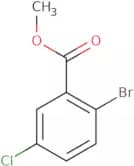
CAS :DL-Hydroxysuccinic acid sodium (DLS) is a metabolite of the enzyme succinic dehydrogenase, which is involved in the conversion of malic acid to acrylate. It is an inhibitor of malic enzyme and glycol ether hydrolase, with toxicity studies showing that DLS inhibits the activity of complex enzymes. DLS has been shown to have interactions with sunitinib and sodium salts. The potential for drug interactions should be considered when administering DLS with other drugs. DL-Hydroxysuccinic acid sodium also has effects on energy metabolism, as it may inhibit enzymes such as malate dehydrogenase and 2-oxoglutarate dehydrogenase.Formule :C4H4Na2O5Degré de pureté :Min. 95%Couleur et forme :PowderMasse moléculaire :178.05 g/mol2-Bromo-5-chlorobenzoic acid methyl ester
CAS :2-Bromo-5-chlorobenzoic acid methyl ester is a chemical compound that is a component of the perborate oxidant. This chemical reacts with hydrogen peroxide to produce water, oxygen, and 2-bromo-5-chlorobenzoic acid. It can also be used in cyclisation reactions to synthesise heterocyclic compounds. The reaction mechanism for this process involves the formation of an unstable intermediate that spontaneously breaks down into two bromine atoms and one carbon atom. This process is catalyzed by metal ions such as copper, silver, and zinc. 2-Bromo-5-chlorobenzoic acid methyl ester has been used as an intermediate in the synthesis of homologues of ribonucleotide reductase.Formule :C8H6BrClO2Degré de pureté :Min. 95%Couleur et forme :PowderMasse moléculaire :249.49 g/mol


![[p-Terphenyl]-4,4''-dicarboxylic Acid](/_next/image/?url=https%3A%2Fstatic.cymitquimica.com%2Fproducts%2FTR%2Fthumb-webp%2FT116700.webp&w=3840&q=75)



![tert-Butyl N-[3-(Chlorosulfonyl)propyl]carbamate](/_next/image/?url=https%3A%2Fstatic.cymitquimica.com%2Fproducts%2FTR%2Fthumb-webp%2FB811700.webp&w=3840&q=75)



![2-[(Diphenylmethyl)thio]acetic Acid](/_next/image/?url=https%3A%2Fstatic.cymitquimica.com%2Fproducts%2FTR%2Fthumb-webp%2FD491830.webp&w=3840&q=75)