Acides carboxyliques
12457 produits trouvés pour "Acides carboxyliques"
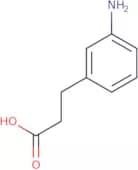
β-(3-Aminophenyl)propionic acid
CAS :Beta-(3-aminophenyl)propionic acid (BAPA) is a β-amino acid that inhibits the formation of nitric oxide and other reactive oxygen species by binding to a receptor on the surface of cells. BAPA also has inhibitory properties against certain enzymes, such as aminopyrine N-demethylase and carbonic anhydrase. It is used in analytical methods for amines, malonic acid, and hydrochloride salts. Carbon sources that are metabolized by fungi can be converted into BAPA through the process of asymmetric synthesis. This compound is also used as a precursor for gamma-aminobutyric acid (GABA), which is a neurotransmitter in the central nervous system.
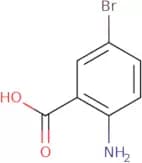
Formule :C9H11NO2Degré de pureté :Min. 95%Couleur et forme :PowderMasse moléculaire :165.19 g/mol2-Amino-5-bromobenzoic acid
CAS :2-Amino-5-bromobenzoic acid is a chemical compound that is used to synthesize other pharmaceuticals. It has been shown to have potent antiinflammatory activity and inhibit the growth of certain types of cancer cells. 2-Amino-5-bromobenzoic acid also has antiviral properties, and it inhibits the replication of human immunodeficiency virus type 1 (HIV-1) in cell culture. This drug has been shown to be effective against herpes simplex virus type 1 (HSV-1), varicella zoster virus (VZV), and cytomegalovirus (CMV). 2-Amino-5-bromobenzoic acid is poorly soluble in water; therefore, it can be administered intravenously as a prodrug. The absorption of this drug is dependent on pH levels, with higher concentrations found in acidic environments.
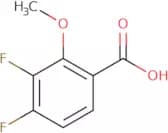
Formule :C7H6BrNO2Degré de pureté :Min. 95%Couleur et forme :PowderMasse moléculaire :216.03 g/mol3,4-Difluoro-2-methoxybenzoic acid
CAS :3,4-Difluoro-2-methoxybenzoic acid is a chemical compound that can be used as a reaction component or reagent. It is also a useful scaffold for organic synthesis of complex compounds and can be used as a building block to produce fine chemicals. 3,4-Difluoro-2-methoxybenzoic acid has the CAS number 875664-52-1 and is listed under the chemical name 3,4-difluoro-2-methoxybenzoic acid.
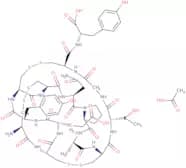
Formule :C8H6F2O3Degré de pureté :Min. 95%Couleur et forme :PowderMasse moléculaire :188.13 g/molLinaclotide acetate
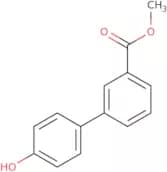
CAS :Produit contrôléLinaclotide acetate is a medication used for the treatment of chronic constipation and irritable bowel syndrome with constipation. It belongs to the class of drugs called guanylate cyclase C agonists, which are compounds that stimulate guanylate cyclase in cells and increase the levels of intracellular messenger cyclic guanosine monophosphate (cGMP). Linaclotide is a selective agonist for guanylate cyclase-C receptors on intestinal smooth muscle cells. It also has been shown to have an effect on mitochondrial membrane potential, as well as improve mitochondrial function. This drug has also been shown to be effective against long-term efficacy and pharmacological treatment in patients with bowel diseases.Formule :C59H79N15O21S6•C2H4O2Degré de pureté :Min. 95%Couleur et forme :PowderMasse moléculaire :1,586.8 g/molMethyl 3-(4-hydroxyphenyl)benzoate
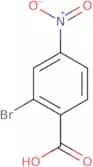
CAS :Please enquire for more information about Methyl 3-(4-hydroxyphenyl)benzoate including the price, delivery time and more detailed product information at the technical inquiry form on this pageFormule :C14H12O3Degré de pureté :Min. 95%Couleur et forme :PowderMasse moléculaire :228.24 g/mol2-Bromo-4-nitrobenzoic acid
CAS :2-Bromo-4-nitrobenzoic acid is a peptidomimetic that binds to farnesyltransferase and inhibits the enzyme activity. This drug is currently in preclinical development for the treatment of cancer. Preliminary studies have shown that 2-bromo-4-nitrobenzoic acid is able to inhibit tumor growth, which may be due to its inhibition of protein prenylation. This drug also has a low cell membrane permeability, which means it can only enter cells when they are actively taking up molecules from their surroundings. The lack of labelling on this drug means that it is not possible to detect its presence in vivo with positron emission tomography (PET) scans.Formule :C7H4BrNO4Degré de pureté :Min. 95%Couleur et forme :PowderMasse moléculaire :246.02 g/mol5-Acetamido-2-nitrobenzoic acid
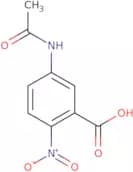
CAS :5-Acetamido-2-nitrobenzoic acid is a metabolic precursor of homarine, which is an important intermediate in the synthesis of pharmaceuticals. 5-Acetamido-2-nitrobenzoic acid is a white crystalline powder that is soluble in water and sparingly soluble in ethanol. It has a molecular weight of 176.1 g/mol and an empirical formula of C7H6NO4P. The compound exists as a zwitterion at neutral pH. The solubility can be increased by adding phosphoric acid or orthophosphoric acid to increase the pH to 3-5, although this may result in the formation of impurities such as orthophosphate or multicolour compounds. 5-Acetamido-2-nitrobenzoic acid is used for the quantitative determination of phosphate in pharmaceutical dosage formulations by regression analysis with multicolour photometry and chromatographic methods.Formule :C9H8N2O5Degré de pureté :Min. 95%Couleur et forme :SolidMasse moléculaire :224.17 g/molEthyl 4,5-dichloro-1H-indole-2-carboxylate
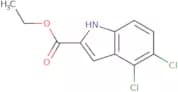
CAS :Ethyl 4,5-dichloro-1H-indole-2-carboxylate is an organic chemical compound that is a reaction component, reagent, and useful scaffold in the synthesis of pharmaceuticals. It has been shown to have high quality and be a versatile building block for the synthesis of complex compounds. This chemical can be used as a speciality chemical or research chemical.Formule :C11H9Cl2NO2Degré de pureté :Min. 95%Couleur et forme :White PowderMasse moléculaire :258.1 g/mol2-Methoxycinnamic acid methyl ester
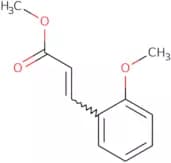
CAS :2-Methoxycinnamic acid methyl ester is a monomer that can be used in the synthesis of magnetic nanoparticles. It has been shown to have high activity and can be used at temperatures between 20°C and 40°C. This reagent is also soluble in organic solvents, making it easy to purify. The size of the particles can be controlled by changing the diameter of the monomer, which can be determined using various techniques such as magnetic separation, filtration, or centrifugation. 2-Methoxycinnamic acid methyl ester was found to have a mesoporous structure when synthesized using an organometallic technique. This reagent is suitable for use in analytical methods such as gas chromatography-mass spectrometry (GC-MS) or liquid chromatography-mass spectrometry (LC-MS).Formule :C11H12O3Degré de pureté :Min. 95%Couleur et forme :PowderMasse moléculaire :192.21 g/mol4-Acetamido-2-methylbenzoic acid
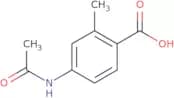
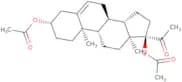
CAS :4-Acetamido-2-methylbenzoic acid is a chemical that can be used as a building block in the production of other chemicals, such as pharmaceuticals and pesticides. It has been shown to be useful in research for its ability to serve as a reagent, intermediate, or scaffold for synthesizing more complex compounds. 4-Acetamido-2-methylbenzoic acid is also known by CAS No. 103204-69-9.Formule :C10H11NO3Degré de pureté :Min. 95%Couleur et forme :PowderMasse moléculaire :193.2 g/mol17alpha-Hydroxypregnenolone 3,17-diacetate
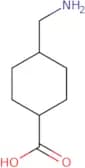
CAS :Produit contrôlé17alpha-Hydroxypregnenolone 3,17-diacetate is a fine chemical that can be used as a versatile building block in the synthesis of complex compounds. It is typically used as a reagent or speciality chemical for research purposes, but it also has applications in the production of pharmaceuticals, cosmetics, and other products. This compound has been shown to have high purity and is an excellent reaction component for the synthesis of new scaffolds.Formule :C25H36O5Degré de pureté :Min. 95%Couleur et forme :PowderMasse moléculaire :416.55 g/moltrans-Tranexamic acid
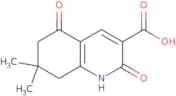
CAS :Trans-tranexamic acid is a drug that has been used in cardiac surgery and to control blood loss during childbirth. It is also used to treat people with bowel disease who have heavy or prolonged bleeding. Trans-tranexamic acid works by inhibiting the activity of plasminogen activators, which are enzymes that break down fibrin clots. Tranexamic acid has been shown to be effective for treating people with severe sepsis and meningitis, although it does not appear to be effective for treating malaria. Trans-tranexamic acid binds to plasminogen activator inhibitor type 1 (PAI-1), preventing its activation and, therefore, preventing the breakdown of fibrin clots. Tranexamic acid also prevents the release of histamine from mast cells and basophils, which may contribute to its anti-inflammatory effects.Formule :C8H15NO2Degré de pureté :Min. 98 Area-%Couleur et forme :White PowderMasse moléculaire :157.21 g/mol7,7-Dimethyl-2,5-dioxo-1,2,5,6,7,8-hexahydroquinoline-3-carboxylic acid
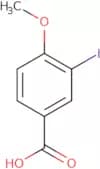
CAS :Please enquire for more information about 7,7-Dimethyl-2,5-dioxo-1,2,5,6,7,8-hexahydroquinoline-3-carboxylic acid including the price, delivery time and more detailed product information at the technical inquiry form on this pageFormule :C12H13NO4Degré de pureté :Min. 95%Couleur et forme :PowderMasse moléculaire :235.24 g/mol3-Iodo-4-methoxybenzoic acid
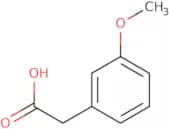
CAS :3-Iodo-4-methoxybenzoic acid is a biaryl compound that can be synthesized by the cross-coupling reaction of an aryl boronic acid and benzene. 3-Iodo-4-methoxybenzoic acid is a good substrate for Suzuki cross-coupling reactions. The optimisation of this reaction requires sterically unhindered substrates, high solvents, and refluxing conditions. 3-Iodo-4-methoxybenzoic acid is also suitable for the synthesis of esters by esterification with alcohols in the presence of a catalytic amount of acid.Formule :C8H7IO3Degré de pureté :Min. 95%Masse moléculaire :278.04 g/mol3-Methoxyphenylacetic acid
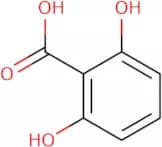
CAS :3-Methoxyphenylacetic acid is a molecule that belongs to the class of fatty acids. It can be synthesized by the Friedel-Crafts reaction between 3-methoxyphenol and acetic anhydride in an organic solvent. The molecule has been shown to inhibit the growth of k562 cells and subtilis, which are both bacteria, at low concentrations. 3-Methoxyphenylacetic acid is also used as a reagent for solid phase synthesis of organic molecules. Immobilization of this molecule is done by covalent linkage to silica gel, polystyrene, or other insoluble supports. This immobilization prevents the loss of 3-methoxyphenylacetic acid during reaction conditions such as heating, vacuum distillation, or exposure to air. 3-Methoxyphenylacetic acid has been shown to have a diameter of approximately 2 nm and hydrogen bonding capability with anhydFormule :C9H10O3Degré de pureté :Min. 95%Couleur et forme :PowderMasse moléculaire :166.17 g/mol2,6-Dihydroxybenzoic acid
CAS :2,6-Dihydroxybenzoic acid is a chemical compound with the molecular formula CH(COOH)CO. It has been shown to have high values in biological studies and is a naturally occurring metabolite of p-hydroxybenzoic acid. 2,6-Dihydroxybenzoic acid has been used as a model system for energy metabolism, and it's biological properties are being investigated as potential treatments for diabetes and obesity. This compound also exhibits hypoglycemic effects in humans and has high resistance against bacteria. The reaction mechanism of 2,6-dihydroxybenzoic acid is not well understood but may be due to hydrogen bonding interactions.Formule :C7H6O4Degré de pureté :Min. 98 Area-%Couleur et forme :PowderMasse moléculaire :154.12 g/mol1-[(5-Methoxy-1-methyl-1H-indol-3-yl)methyl]piperidine-4-carboxylic acid
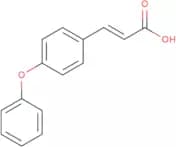
CAS :Produit contrôléPlease enquire for more information about 1-[(5-Methoxy-1-methyl-1H-indol-3-yl)methyl]piperidine-4-carboxylic acid including the price, delivery time and more detailed product information at the technical inquiry form on this pageFormule :C17H22N2O3Degré de pureté :Min. 95%Masse moléculaire :302.37 g/mol4-Phenoxycinnamic acid
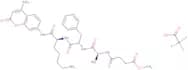
CAS :4-Phenoxycinnamic acid is a useful scaffold and building block in organic chemistry. It is a versatile chemical intermediate with a CAS number of 2215-83-0, often used in the synthesis of other molecules. 4-Phenoxycinnamic acid has recently been shown to be an effective reagent for the conversion of nitrobenzene to benzyl alcohols, which are useful in the production of pharmaceuticals. This compound can also be used as a high-quality research chemical and as a speciality chemical for use in laboratory experimentation.Formule :C15H12O3Degré de pureté :Min. 95%Couleur et forme :PowderMasse moléculaire :240.25 g/molMeOSuc-Ala-Phe-Lys-AMC trifluoroacetate salt
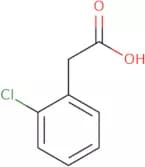
CAS :MeOSuc-Ala-Phe-Lys-AMC is a compound that has a destabilizing effect on the vascular wall, due to its ability to inhibit proteolytic activity. It is also able to reduce the level of angiogenic factors, and thus has an anti-angiogenic effect. MeOSuc-Ala-Phe-Lys-AMC has been shown to have a macroscopic effect on vessels in tissue culture, and this can be observed through leucocyte migration. MeOSuc-Ala-Phe-Lys-AMC has also been shown to cause haemorrhagic changes in microvessels and muscle cells. This compound is also able to inhibit placental growth factor and muscle cell proliferation, as well as reducing the number of microvessels in the placenta.Formule :C33H41N5O8•C2HF3O2Degré de pureté :Min. 95 Area-%Couleur et forme :PowderMasse moléculaire :749.73 g/mol2-Chlorophenylacetic acid
CAS :2-Chlorophenylacetic acid is a chemical compound that belongs to the group of phenylacetic acids. It is an intermediate in the synthesis of benzofuranone and other organic compounds. 2-Chlorophenylacetic acid reacts with hydroxyl groups on the surface of water molecules to form 2-chlorophenol, which can be used as a wastewater treatment agent. The chloride ion also has a strong affinity for fatty acids, so it has been used as a catalyst in the production of chlorinated fatty acids. This chemical also binds to 5-HT2A receptors in human liver cells, where it increases cellular levels of cyclic AMP (cAMP) and inhibits protein kinase A activity. The binding of 2-chlorophenylacetic acid to 5-HT2A receptors leads to increased gene expression in response to serotonin stimulation, which may be due to its ability to inhibit protein kinase A.
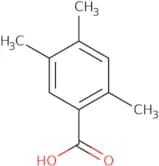
Formule :C8H7ClO2Degré de pureté :Min. 95%Couleur et forme :White PowderMasse moléculaire :170.59 g/mol2,4,5-Trimethylbenzoic acid
CAS :2,4,5-Trimethylbenzoic acid is a white crystalline solid that is soluble in water. It is used as an analytical reagent and oxidation catalyst. 2,4,5-Trimethylbenzoic acid can be found in polymer films and inorganic acids. The oxidation products of 2,4,5-Trimethylbenzoic acid are known to have antioxidant properties. The compound can be found as an oxidant or an activator in organic synthesis reactions. 2,4,5-Trimethylbenzoic acid has been used as a starting material for the synthesis of acyl halides and carboxylates. It also has been used to synthesize fatty acids from unsaturated hydrocarbons.Formule :C10H12O2Degré de pureté :Min. 95%Couleur et forme :PowderMasse moléculaire :164.2 g/molPleuromulin
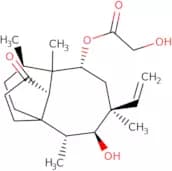
CAS :The compound 5-hydroxy-4,6,9,10-tetramethyl-1-oxo-6-vinyldecahydro-3a,9-propanocyclopenta[8]annulen-8-yl hydroxyacetate is an antimicrobial agent that inhibits bacterial growth by binding to the disulfide bond of bacterial peptidoglycan. It is effective against a wide range of microorganisms including MRSA and methicillin resistant Enterococcus faecalis. The compound has shown efficacy in an animal model of chronic bronchitis caused by Streptococcus pneumoniae. The compound has a short half life and can be administered orally or intravenously with a pharmacokinetic profile that depends on the dose. This drug also has high resistance to β lactamase enzymes, which are found in some bacteria such as E. coli.
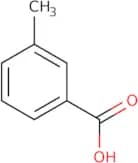
Formule :C22H34O5Degré de pureté :Min. 95%Couleur et forme :White PowderMasse moléculaire :378.5 g/mol3-Toluic acid
CAS :3-Toluic acid is a colorless liquid that is soluble in water and organic solvents. 3-Toluic acid is an inhibitor of bacterial growth that has been shown to be effective against certain strains of Escherichia coli, Klebsiella pneumoniae, and Pseudomonas aeruginosa. 3-Toluic acid inhibits the growth of bacteria by reacting with a hydrogen bond in their ribosomal RNA to block the production of proteins vital for cell division. It also disrupts the normal metabolic pathways of bacteria by inhibiting microbial metabolism.
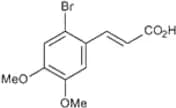
Formule :C8H8O2Degré de pureté :Min. 95%Couleur et forme :PowderMasse moléculaire :136.15 g/mol2-Bromo-4,5-dimethoxycinnamic acid
CAS :2-Bromo-4,5-dimethoxycinnamic acid is a dicarboxylic acid that belongs to the group of polysaccharides. It is a furan derivative with two methoxy groups on the cinnamic acid moiety. This compound can be found in plants and animals as well as in pyrolysis products from wood and other natural materials. 2-Bromo-4,5-dimethoxycinnamic acid has been analyzed by spectroscopy and pyrolysis to determine its chemical composition. The chemical composition was determined to contain caffeine and amines, as well as esters of fatty acids and alcohols.Formule :C11H11BrO4Degré de pureté :Min. 95%Couleur et forme :PowderMasse moléculaire :287.11 g/molHydroxycitric acid tripotassium monohydrate
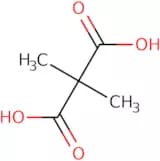
CAS :Hydroxycitric acid tripotassium salt monohydrate is a reagent that is used as a starting material in organic synthesis. It can be used as an intermediate in the preparation of complex compounds. Hydroxycitric acid tripotassium salt monohydrate has been shown to be useful for research purposes, as it has a versatile scaffold and can be used as a building block in the preparation of speciality chemicals. The compound also has a high quality and is considered to be a fine chemical. It is CAS No. 232281-44-6 and can be found on ChemSpider at http://www.chemspider.com/Chemical-Structure.232281-44-6.htmlFormule :C6H5K3O8•H2ODegré de pureté :Min. 95%Couleur et forme :PowderMasse moléculaire :340.41 g/molDimethyl malonic acid
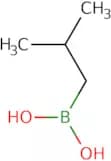
CAS :Dimethyl malonic acid is an inorganic acid that contains a methyl group and two hydroxyl groups. Dimethyl malonic acid has been shown to have high values in analytical methods, such as x-ray crystal structures and high performance liquid chromatography. It is also used as a reagent for the determination of amino acids, including methylamine and ethylamine. This compound can be used as an intermediate in organic synthesis reactions. Dimethyl malonic acid has been shown to inhibit enzymes involved in fatty acid metabolism, such as carboxylase and acetyl-CoA carboxylase, which are involved in the formation of fatty acids. The use of this compound may lead to the production of less fatty acids and lower cholesterol levels.Formule :C5H8O4Couleur et forme :White Off-White PowderMasse moléculaire :132.11 g/molIsobutylboronic acid
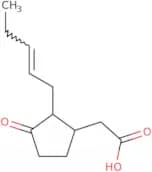
CAS :Isobutylboronic acid is a chemical compound that is used as an antimicrobial treatment for autoimmune diseases. This drug has a polyene structure and inhibits the production of proinflammatory cytokines such as IL-1, TNF-α, and IL-2. Isobutylboronic acid also inhibits the growth of cancer cells in vitro by inhibiting DNA synthesis. Isobutylboronic acid is also used to determine the mechanisms of organometallic compounds. It can be analyzed using liquid chromatography or gas chromatography techniques. The effective dose for this drug is not yet known.Formule :C4H11BO2Degré de pureté :Min. 95%Couleur et forme :PowderMasse moléculaire :101.94 g/mol(±)-Jasmonic acid
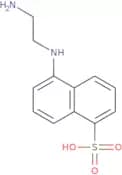
CAS :(±)-Jasmonic acid is a cyclopentane carboxylic acid that is found in plants, animals, and microorganisms. Jasmonic acid has been shown to have both biotic and abiotic effects on plants. It can act as an anti-biotic by inhibiting bacterial growth or as a hormone by stimulating plant defenses against herbivores or pathogens. Jasmonic acid also has a role in plant development by regulating cell division and differentiation.Formule :C12H18O3Degré de pureté :Min. 95%Couleur et forme :Clear LiquidMasse moléculaire :210.27 g/molN-(Aminoethyl)-5-naphthylamine-1-sulfonic acid
CAS :The Michaelis-Menten kinetics of N-(Aminoethyl)-5-naphthylamine-1-sulfonic acid (NENSA) have been determined by studying the reaction of NENSA with a variety of acceptors. Basic fibroblasts were found to be a good substrate for this compound and it was shown that proteolytic activity is required for the hydrolysis of NENSA. The toxin is also reactive with the enzyme polymerase chain, which inhibits bacterial growth. In the presence of epidermal growth factor, NENSA has been shown to inhibit proliferation in fetal bovine retinal cells and human epidermal keratinocytes.Formule :C12H14N2O3SDegré de pureté :Min. 97 Area-%Couleur et forme :Yellow PowderMasse moléculaire :266.32 g/molNeuropeptide W-23 (human)
CAS :Neuropeptide W-23 (human) is an antibody that recognizes the neuropeptide receptor, specifically the Neuropeptide Y receptor 1. The antibody binds to the Npy1 receptor and inhibits its activity. Neuropeptide W-23 (human) can be used as a research tool in cell biology and pharmacology studies.Formule :C119H183N35O28SDegré de pureté :Min. 95%Masse moléculaire :2,584.01 g/molCitric acid monohydrate
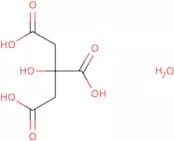
CAS :Citric acid monohydrate is an organic compound that is used in biochemical research. It can be converted to citrate, which is a potential drug for chronic coughs. It has been shown to bind to toll-like receptor 4 and 5 (TLR4 and TLR5), reducing the activation of these receptors. Citric acid monohydrate also has a high rate constant, which makes it a good candidate for use in control analysis. This compound has been shown to have disease-modifying properties by altering iron homeostasis and ameliorating symptoms of inflammatory bowel disease. Citric acid monohydrate is also used as an analytical reagent for benzalkonium chloride in water samples.
Formule :C6H8O7·H2ODegré de pureté :Min. 95%Couleur et forme :White Clear LiquidMasse moléculaire :210.14 g/mol2-Fluoro-4-nitrobenzoic acid
CAS :2-Fluoro-4-nitrobenzoic acid (2F4NBA) is an antibiotic that inhibits the growth of bacteria by blocking their amination reactions. 2F4NBA has been shown to be effective against multidrug-resistant pathogens, such as methicillin resistant Staphylococcus aureus and vancomycin resistant Enterococci. The drug has also been shown to inhibit the growth of cancer cells in vivo studies and can be used for the treatment of primary tumors. It is a benzoate analogue with a benzimidazole derivative structure, which is fluorescent and analytical chemistry compatible. 2F4NBA has good pharmacokinetic properties, with a half life time between 4 and 8 hours.Formule :C7H4FNO4Degré de pureté :Min. 95%Couleur et forme :PowderMasse moléculaire :185.11 g/mol4-Aminosalicylic acid hydrazide
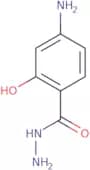
CAS :4-Aminosalicylic acid hydrazide is a reactive functional group that is used as an intermediate in organic synthesis. It has a structural formula of C6H7N3O2 and is a white solid. 4-Aminosalicylic acid hydrazide has been shown to be highly resistant to mycobacterium avium, and can be used for the treatment of tuberculosis. The reactivity of this compound was studied by gravimetric analysis. This reaction is also degradable due to the presence of chloride ions and amido groups.
Formule :C7H9N3O2Degré de pureté :Min. 95%Couleur et forme :PowderMasse moléculaire :167.17 g/mol1-[(5-Chloro-1-methyl-1H-indol-3-yl)methyl]piperidine-4-carboxylic acid
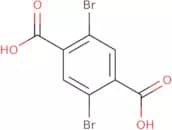
CAS :Produit contrôléPlease enquire for more information about 1-[(5-Chloro-1-methyl-1H-indol-3-yl)methyl]piperidine-4-carboxylic acid including the price, delivery time and more detailed product information at the technical inquiry form on this pageFormule :C16H19ClN2O2Degré de pureté :Min. 95%Masse moléculaire :306.79 g/mol2,5-Dibromoterephthalic acid
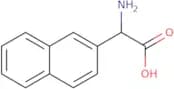
CAS :2,5-Dibromoterephthalic acid is a compound that belongs to the group of dibromoterephthalic acid. The molecule has a supramolecular structure and contains water molecules. 2,5-Dibromoterephthalic acid can be oxidized to form the redox potential and is soluble in water. It has been shown that 2,5-Dibromoterephthalic acid can be absorbed by plants and animals through the skin or through the respiratory system. This compound has been used as an element analysis reagent for chlorine and carboxylates. 2,5-Dibromoterephthalic acid reacts with trifluoroacetic acid to form diethyl ester and hydrogen bond.Formule :C8H4Br2O4Degré de pureté :Min. 95%Couleur et forme :PowderMasse moléculaire :323.92 g/molAmino(naphthalen-2-yl)acetic acid
CAS :Amino(naphthalen-2-yl)acetic acid is a versatile chemical building block that can be used in research, industry and as a high quality reagent. It is a useful scaffold for the synthesis of complex compounds. Amino(naphthalen-2-yl)acetic acid has been shown to be an excellent reactant for the production of fine chemicals and is high quality, with a purity of 99%. This product is also used as a speciality chemical for the production of pharmaceuticals, pesticides, and other chemical products.
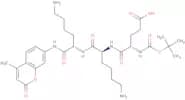
Formule :C12H11NO2Degré de pureté :Min. 95%Couleur et forme :PowderMasse moléculaire :201.22 g/molBoc-Glu-Lys-Lys-AMC acetate salt
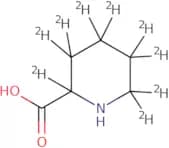
CAS :Boc-Glu-Lys-Lys-AMC acetate salt is a synthetic, potent inhibitor of trypsin and other serine proteases. It is a basic protein with a molecular weight of 9,000 Da that has been obtained by chemical synthesis. This inhibitor binds to the active site of the enzyme and prevents it from cleaving peptide bonds. Boc-Glu-Lys-Lys-AMC acetate salt is an activator of plasminogen in vitro, which may be due to its ability to bind to lysine residues on the surface of tissue plasminogen activator.Formule :C32H48N6O9•C2H4O2Degré de pureté :Min. 97 Area-%Couleur et forme :PowderMasse moléculaire :720.81 g/molDL-Pipecolic acid-d9
CAS :Produit contrôléDL-Pipecolic acid-d9 is a form of pipecolic acid that is used to prepare samples for analysis. It is analysed in the form of a nonresponsive interaction with bioanalysis, which is then profiled to provide population data. This compound has been validated for neonates and infants. The flow rate for DL-pipecolic acid-d9 is 3 mL/min.Formule :C6H2D9NO2Degré de pureté :Min. 95%Couleur et forme :PowderMasse moléculaire :138.21 g/molUracil-4-acetic acid
CAS :Uracil-4-acetic acid is a monocarboxylic acid that is synthesized in mammalian cells. It can also be obtained by hydrolysis of orotic acid, which was previously synthesized from uridine and phosphorolysis of sephadex g-100. Uracil-4-acetic acid is used to produce uridine through the action of an enzyme called uridine phosphorylase. This enzyme catalyzes the reaction between ATP and uracil, as well as the conversion of orotic acid to orotidine 5′-monophosphate decarboxylase. Uracil-4-acetic acid has been shown to inhibit the growth of toxoplasma, but it has not been determined whether this inhibition is due to its role in the synthesis of uridine or its toxic effects on the parasite.Formule :C6H6N2O4Degré de pureté :Min. 95%Couleur et forme :White SolidMasse moléculaire :170.12 g/molDesthiazoximic acid ceftiofur
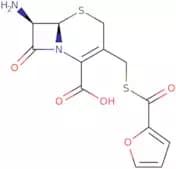
CAS :Desthiazoximic acid ceftiofur is a fine chemical that is a versatile building block for complex compounds. It is used in the research and development of new drugs as well as for the production of intermediates, reagents, and speciality chemicals. Desthiazoximic acid ceftiofur has been shown to be useful in the synthesis of high-quality, useful intermediate compounds and scaffolds for organic synthesis. The CAS number for desthiazoximic acid ceftiofur is 80370-59-8.Formule :C13H12N2O5S2Degré de pureté :Min. 98 Area-%Couleur et forme :PowderMasse moléculaire :340.38 g/mol2-(4-tert-Butylphenoxy)-2-methylpropanoic acid
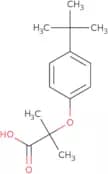
CAS :2-(4-tert-Butylphenoxy)-2-methylpropanoic acid is a versatile building block and reagent for the synthesis of complex compounds. It has been used in research as a possible treatment for inflammatory diseases, including asthma and rheumatoid arthritis. This product is also a useful scaffold for the development of new drugs. 2-(4-tert-Butylphenoxy)-2-methylpropanoic acid has been shown to have antiviral properties against human immunodeficiency virus (HIV) and hepatitis C virus (HCV).Formule :C14H20O3Degré de pureté :Min. 95%Couleur et forme :PowderMasse moléculaire :236.31 g/molFmoc-L-cysteic acid
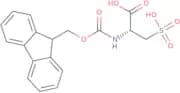
CAS :Fmoc-L-cysteic acid is a versatile building block that can be used as a reagent, speciality chemical, or useful scaffold in the synthesis of complex compounds. It is an intermediate to other organic compounds and has been reported to have high purity. Fmoc-L-cysteic acid reacts with amines in the presence of base to produce amides. This compound can also be used as a reaction component or as a scaffold in the synthesis of pharmaceuticals.Formule :C18H17NO7SDegré de pureté :Min. 95%Couleur et forme :PowderMasse moléculaire :391.4 g/molLead acetate trihydrate
CAS :Lead acetate trihydrate is a polymerase chain reaction (PCR) reagent. It is used in the detection of DNA sequences, typically for forensic or genealogical purposes. Lead acetate trihydrate has been shown to inhibit mitochondrial membrane potential and increase the growth factor-β1 level in experimental models. It also has been shown to cause toxicological effects such as enzyme activities and plasma mass spectrometry changes in animals, as well as physiological effects such as energy metabolism and structural analysis changes, which are related to oxidative injury. The biological sample can be analyzed using chemiluminescence methods.
Formule :C4H8O4•Pb•(H2O)3Degré de pureté :Min. 95%Couleur et forme :PowderMasse moléculaire :381.37 g/molLinolenic acid - 70%
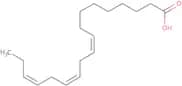
CAS :Linolenic acid is a polyunsaturated fatty acid that belongs to the omega-6 family. It has been shown to have apoptosis-inducing effects in various experimental models and has anti-oxidant properties. Linolenic acid also protects against UV radiation and skin cancer. In addition, linolenic acid may be beneficial for eye disorders such as dry eye syndrome and age-related macular degeneration. Clinical studies have shown that linolenic acid may help with weight loss, improve body mass index, and reduce inflammation.Formule :C18H30O2Degré de pureté :Min. 95%Couleur et forme :Brown Slightly Yellow Red Clear LiquidMasse moléculaire :278.43 g/molCAPSO
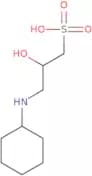
CAS :CAPSO, also known as 3-(Cyclohexylamino)-2-hydroxy-1-propanesulfonic acid, is a zwitterionic buffer chemical that has an optimal pH range of 8.9-10.3 and a pKa of 9.6. This buffering agent shows low metal ion binding and high solubility and is commonly used in protein transfer applications and during cell lysis for membrane protein extraction.Formule :C9H19NO4SDegré de pureté :Min. 95%Couleur et forme :White PowderMasse moléculaire :237.32 g/mol(R)-(+)-Methylsuccinic acid
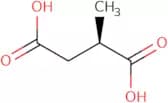
CAS :(R)-(+)-Methylsuccinic acid is a catalysed, synthetic, asymmetric synthesis of the methylsuccinic acid skeleton. It is a liquid crystal compound that has been shown to be spontaneously racemic and have enantiopure versions of itself. The stereoisomers are an important part of its biological activity. Methylsuccinic acid plays a role in the biosynthesis of butanol, which can be used as a biofuel or for industrial purposes.Formule :C5H8O4Degré de pureté :Min. 95%Couleur et forme :White PowderMasse moléculaire :132.11 g/molCyano-3-phenoxybenzyl 3-(2,2-dichloroethenyl)-2,2-dimethylcyclopropanecarboxylate
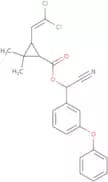
CAS :Cypermethrin is an insecticide that belongs to the family of chemical pesticides. It is used in agriculture and in public health to control malaria-transmitting mosquitoes, head lice, and scabies mites. Cypermethrin disrupts the insect nervous system by inhibiting the function of synapses between nerves, resulting in paralysis and death. The compound also affects signal pathways that regulate locomotor activity and enzyme activities. Cypermethrin has been shown to have a high resistance to degradation by glycol ethers such as ethylene glycol monomethyl ether acetate (EGMEA). It has an optimum concentration of 0.01 ppm for mosquito control and 0.1 ppm for lice control. The analytical method involves liquid chromatography with sodium citrate as an ion-pairing agent and a linear calibration curve using a standard curve generated from known concentrations of cypermethrin.Formule :C22H19Cl2NO3Degré de pureté :Min. 95%Couleur et forme :Colorless Clear LiquidMasse moléculaire :416.3 g/molEthylboronic acid
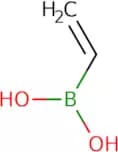
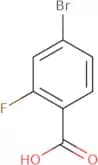
CAS :Ethylboronic acid is a β-amino acid with a serine protease inhibitory effect. It has been shown to inhibit the Toll-like receptor cascade, which is involved in the inflammatory response. Ethylboronic acid also inhibits the serine proteases that are responsible for cleaving peptides at their carboxy termini. This inhibition leads to an increase in the level of active peptides and a decrease in the level of inactive peptides, which can lead to an antimicrobial effect. Ethylboronic acid also inhibits chloride ion channels, which may lead to new treatments for asthma and cancer.Formule :C2H7BO2Degré de pureté :Min. 95%Couleur et forme :PowderMasse moléculaire :73.89 g/mol4-Bromo-2-fluorobenzoic acid
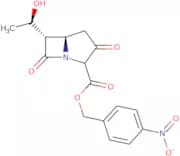
CAS :4-Bromo-2-fluorobenzoic acid is an organic solvent that is used in the introduction of 2-aminoisobutyric acid. The reaction solution is typically heated and contains a small amount of either chloride, sulfoxide, or both. Various analytical methods can be used to determine the yield of the acylation reaction. 4-Bromo-2-fluorobenzoic acid's ligand can be converted to an acid chloride with a Grignard reagent and then reacted with carboxylate to form an ester. This ester reacts with amines to form amides, which are used as pharmaceuticals and intermediates for various other reactions. 4-Bromo-2-fluorobenzoic acid inhibits bacterial growth by binding to glutamine synthetase, thereby inhibiting protein synthesis.Formule :C7H4BrFO2Degré de pureté :Min. 95%Couleur et forme :PowderMasse moléculaire :219.01 g/molp-Nitrobenzyl 6-(1'-hydroxyethyl)-azabicyclo(3.2.0)heptane-3,7-dione-2-carboxylate
CAS :p-Nitrobenzyl 6-(1'-hydroxyethyl)-azabicyclo(3.2.0)heptane-3,7-dione-2-carboxylate is a drug substance that is used in the manufacture of carbapenem antibiotics. It can be detected by a chloride ion chromatographic method, and the detection limit is 0.5 mg/L in the presence of zinc powder as a modifier. This material is used to prepare carbapenems using an analytical method that includes reaction monitoring by optical rotation, diastereomer chromatography, and transfer.Formule :C16H16N2O7Degré de pureté :Min. 95%Couleur et forme :PowderMasse moléculaire :348.31 g/mol3,5-Diiodo-4(4'-methoxyphenoxy)benzoic acid
CAS :3,5-Diiodo-4-(4'-methoxyphenoxy)benzoic acid is a chemical intermediate that has been used in the synthesis of pharmaceuticals and agricultural chemicals. It is a versatile building block that can be used to produce pharmaceuticals, such as diazepam and bromazepam, and other useful compounds. 3,5-Diiodo-4-(4'-methoxyphenoxy)benzoic acid is a fine chemical with high quality and speciality chemical. It has been extensively researched for its usefulness as a reagent for organic synthesis reactions.
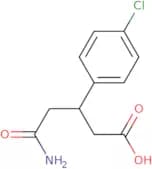
Formule :C14H10I2O4Degré de pureté :Min. 95%Couleur et forme :PowderMasse moléculaire :496.04 g/mol3-(4-Chlorophenyl)glutaramic acid
CAS :3-(4-Chlorophenyl)glutaramic acid (3-PGA) is a nucleophilic compound that has been used for the treatment of trigeminal neuralgia. 3-PGA reacts with monomers, such as butanol and alkene, to form condensation products, which are then degraded by imine or additives. This process can be reversed by adding magnesium to the reaction mixture. 3-PGA is also used in polymerization reactions to produce copolymers from monomers like vinyl chloride and ethylene. The polymerization inhibitor 3-PGA prevents the formation of high molecular weight polymers that cannot be degraded by enzymes.Formule :C11H12ClNO3Degré de pureté :Min. 95%Couleur et forme :PowderMasse moléculaire :241.67 g/molD-Malic acid
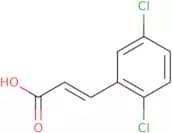
CAS :D-Malic acid is an inhibitor that binds to the dinucleotide phosphate and inhibits enzyme activities. It has been used in analytical methods for determining the concentration of malonic acid and other related compounds by measuring the change in chemical stability of the inhibitor. D-Malic acid is a chiral compound with a high degree of chemical stability, which makes it useful for microbial metabolism studies. D-Malic acid also has a high kinetic constant, making it useful for studying cell lysis in E. coli K-12.Formule :C4H6O5Degré de pureté :Min. 95%Couleur et forme :White Clear LiquidMasse moléculaire :134.09 g/mol2,5-Dichlorocinnamic acid
CAS :2,5-Dichlorocinnamic acid is a chemical compound with the formula CHClCOCHCl. It is typically used as a reagent or building block in organic synthesis. 2,5-Dichlorocinnamic acid is an alpha-hydroxycarboxylic acid that exists in two tautomeric forms: the enol form (2,5-dichloro-3-oxopentanoic acid) and the keto form (2,5-dichlorohexanedioic acid). The enol form predominates at pH 7 and above. The keto form predominates at pH 1 and below.Formule :C9H6Cl2O2Degré de pureté :Min. 95%Couleur et forme :PowderMasse moléculaire :217.05 g/molMeclofenamic acid sodium salt
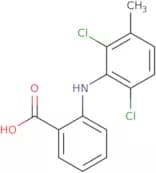
CAS :Meclofenamic acid is a non-steroidal anti-inflammatory drug that is used to treat pain and inflammation. It inhibits the production of prostaglandin, which is a natural chemical produced by the body that causes pain, fever, and inflammation. Meclofenamic acid sodium salt can be administered orally or topically. The drug has been shown to reduce disease activity in patients with rheumatoid arthritis and other inflammatory conditions. Meclofenamic acid sodium salt is also used for the treatment of gouty arthritis, osteoarthritis, ankylosing spondylitis, and dysmenorrhea. Meclofenamic acid sodium salt has been shown to have cardiac effects such as bradycardia and heart blockage when taken at high doses over a long period of time.
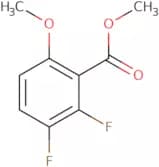
Formule :C14H10Cl2NNaO2Degré de pureté :Min. 95%Couleur et forme :White PowderMasse moléculaire :318.13 g/mol2,3-Difluoro-6-methoxybenzoic acid methyl ester
CAS :2,3-Difluoro-6-methoxybenzoic acid methyl ester is a versatile building block that can be used in the production of fine chemicals and research chemicals. It is an intermediate for the synthesis of complex compounds and can be used as a reagent or speciality chemical in research. 2,3-Difluoro-6-methoxybenzoic acid methyl ester is also a useful building block for the synthesis of drugs.Formule :C9H8F2O3Degré de pureté :Min. 95%Masse moléculaire :202.15 g/molPyruvic acid ethyl ester
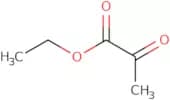
CAS :Ethyl pyruvate, also known as 2-oxo-propionic acid ethyl ester, is a colourless transparent liquid at room temperature with a fresh, sweet, floral aroma. Ethyl pyruvate is a novel anti-inflammatory agent for the treatment of critical inflammatory conditions as it has potent anti-inflammatory properties and tissue protection activity, in multiple animal models of disease including: pancreatitis, ischemia-reperfusion injury, sepsis, renal injury, and endotoxemia.Formule :C5H8O3Degré de pureté :Min. 95%Couleur et forme :Colorless Clear LiquidMasse moléculaire :116.12 g/molNorethindrone acetate
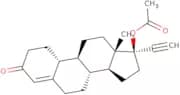
CAS :Norethindrone acetate is a synthetic estrogen with progestational activity. It is used in combination with an estrogen to treat symptoms of menopause such as hot flashes and vaginal dryness, or in the prevention of endometriosis. Norethindrone acetate is also used in combination with progestin for contraception. It binds to estrogen receptors and produces similar effects to other estrogens, including inhibition of gonadotropin secretion, increased breast size, reduced risk of uterine cancer, and prevention of osteoporosis. The addition of norethisterone acetate provides the benefits of progestogen without the side effect of menstrual bleeding. Norethindrone acetate has been shown to increase serum prolactin levels in women and can cause breast tenderness or enlargement. This drug has been approved by the FDA as a treatment for bowel disease in women when given together with erythromycin. Norethindrone acetate
Formule :C22H28O3Degré de pureté :Min. 95%Couleur et forme :PowderMasse moléculaire :340.46 g/mol4-Ethylbenzoic acid
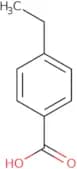
CAS :4-Ethylbenzoic acid is a fatty acid that can be found in human and animal cells. It is an important intermediate for the synthesis of phenolic acids and it has been shown to have physiological effects on yeast. 4-Ethylbenzoic acid binds to bacterial enzymes, such as acylation reactions, which are involved in energy production. This binding prevents the enzyme from completing its reaction and leads to a decrease in energy production. Acylation reactions are also used by bacteria to produce biofilms, which can lead to chronic infections. The redox potential of 4-ethylbenzoic acid makes it suitable for wastewater treatment because it reacts with hydroxyl ions and reduces their concentration, causing wastewater to become less toxic. The second order rate constant of 4-ethylbenzoic acid was measured using magnetic resonance spectroscopy and structural analysis techniques.
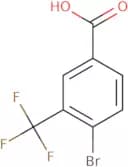
Formule :C9H10O2Degré de pureté :Min. 95%Couleur et forme :PowderMasse moléculaire :150.17 g/mol4-Bromo-3-(trifluoromethyl)benzoic acid
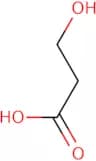
CAS :4-Bromo-3-(trifluoromethyl)benzoic acid is a synthetic molecule that has been used for the synthesis of polymers. It is used in the production of polyketones and polyphenylene, which are monomers for the polymerization process. 4-Bromo-3-(trifluoromethyl)benzoic acid is also used as an electrophile in the acylation step of polycondensation reactions. The biphenylene structure can be synthesized by sequential or simultaneous addition of bromine to phenol with sodium hydroxide or potassium tetrachloroplatinate. This chemical compound can be made into two isomers: 3,4-dibromobenzene dicarboxylic acid and 3,4-dichlorobenzene dicarboxylic acid.Formule :C8H4BrF3O2Degré de pureté :Min. 95%Couleur et forme :PowderMasse moléculaire :269.02 g/mol3-Hydroxypropanoic acid - 30% solution in water
CAS :3-Hydroxypropanoic acid is a fatty acid with a hydroxyl group. It can be found in synthetic pathways that produce glycerol, and is an intermediate in the production of antimicrobial peptides. 3-Hydroxypropanoic acid has been shown to inhibit the growth of bacteria and fungi in vitro assays. This compound also inhibits the activity of enzymes such as malonic acid decarboxylase, which catalyzes the conversion of malonic acid to succinic acid. 3-Hydroxypropanoic acid is used as a model system for congestive heart failure because it has been shown to mimic some aspects of this condition by inhibiting mitochondrial function. The reaction mechanism involves inhibition of oxidative phosphorylation, leading to an accumulation of reactive oxygen species (ROS) and reduced ATP production.Formule :C3H6O3Couleur et forme :Colorless Clear LiquidMasse moléculaire :90.08 g/molL-Aspartic acid potassium
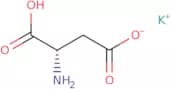
CAS :L-Aspartic acid potassium salt is a pyrazinoic acid derivative that is used for the treatment of bowel disease. L-Aspartic acid potassium salt prevents the formation of toxic metabolites by inhibiting the enzyme aspartate aminotransferase, which converts aspartate to oxaloacetate. This compound also has an inhibitory effect on cell factor and energy metabolism in cells. L-Aspartic acid potassium salt has been shown to have low potency against malignant cells in culture. !--END-->
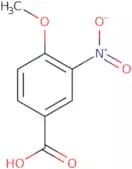
Formule :C4H7NO4•KDegré de pureté :Min. 95%Couleur et forme :PowderMasse moléculaire :172.2 g/mol4-Methoxy-3-nitrobenzoic acid
CAS :4-Methoxy-3-nitrobenzoic acid is a hydroxybenzoic acid, and belongs to the group of heterocyclic compounds. It is a preactivated hydroxybenzoate that can be used in the synthesis of griseoluteic acid with chloride as an electron donor. Griseoluteic acid has inhibitory activities on isolated yield. This compound also has potent antitumor activity, which may be due to its ability to inhibit DNA synthesis and protein synthesis by binding to DNA polymerase and ribosomes respectively. Preparative high performance liquid chromatography (HPLC) using this compound is possible with marine microorganisms as the stationary phase. The x-ray absorption spectrum shows that 4-methoxy-3-nitrobenzoic acid has potential for use as a contrast agent for x-rays in imaging tissues.
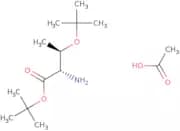
Formule :C8H7NO5Degré de pureté :Min. 98 Area-%Couleur et forme :PowderMasse moléculaire :197.14 g/molO-tert-Butyl-L-threonine tert-butyl ester acetate
CAS :Produit contrôléO-tert-Butyl-L-threonine tert-butyl ester acetate salt is a crystalline solid that can be prepared by reacting threonine with an acid catalyst in the presence of volatile solvents such as isobutylene. It can also be prepared by reacting threonine with an acid catalyst in the presence of organic solvents such as dioxane. The tert-butyl ester acetate salt can be synthesized from O-tert-butyl L-threonine and acetate using superacid catalysts such as sulfuric acid. This process is simplified by using solvents such as dioxane, which are less corrosive than water or ethanol.Formule :C14H29NO5Degré de pureté :Min. 95%Couleur et forme :PowderMasse moléculaire :291.38 g/molDiethyl 3,4-furandicarboxylate
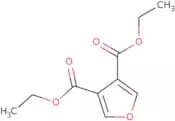
CAS :Diethyl 3,4-furandicarboxylate is a chemical compound that is used as an antiproliferative drug in cancer therapy. It is synthesized by the thermal isomerization of diethyl acetylenedicarboxylate. The product has been shown to inhibit the growth of human cancer cells and has antibacterial activity against Gram-positive bacteria. Diethyl 3,4-furandicarboxylate also inhibits the synthesis of DNA and RNA by binding to the enzyme ribonucleotide reductase. Its cytostatic effects are due to its ability to inhibit cellular proliferation by inhibiting protein synthesis.
Formule :C10H12O5Degré de pureté :Min. 95%Couleur et forme :Clear LiquidMasse moléculaire :212.2 g/molZ-Sulindac sulphide
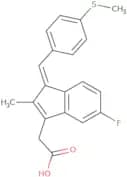
CAS :(Z)-5-Fluoro-2-methyl-1-[p-(methylthio)benzylidene]indene-3-acetic acid is a potent inhibitor of protein synthesis. It has been shown to inhibit the activity of sulindac sulfide, a cyclase inhibitor and nonsteroidal anti-inflammatory agent, in human polymorphonuclear leukocytes and cancer cells. (Z)-5-Fluoro-2-methyl-1-[p-(methylthio)benzylidene]indene-3-acetic acid also inhibits the mitochondrial membrane potential and reduces the growth of cancer cells by inhibiting proteins that are involved in cell proliferation.Formule :C20H17FO2SDegré de pureté :Min. 95%Couleur et forme :PowderMasse moléculaire :340.41 g/mol(2,5-Dichlorophenyl)acetic acid
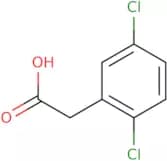
CAS :2,5-Dichlorophenylacetic acid is an electrophilic compound that reacts with nucleophiles such as alcohols, amines, and thiols. It is used in the synthesis of pharmaceuticals and other organic compounds. 2,5-Dichlorophenylacetic acid has been shown to be a substrate for oxidation by autoxidation. This substance also undergoes sequence reactions with nucleophiles.Formule :C8H6Cl2O2Degré de pureté :Min. 95%Couleur et forme :PowderMasse moléculaire :205.04 g/molFmoc-12-amino-4,7,10-trioxadodecanoic acid
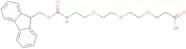
CAS :Fmoc-12-amino-4,7,10-trioxadodecanoic acid is a PEG compound with two different functional groups (also known as heterobifunctional). Unlike homobifunctional PEG compounds (same functional group on both ends), this type of compounds are more versatile as have two different anchor points. Fmoc-12-amino-4,7,10-trioxadodecanoic acid is used as a linker and spacer to add a PEG moiety, via pegylation (a bioconjugation technique) to proteins, peptides, oligonucleotides, small molecules and nanoparticles.Formule :C24H29NO7Degré de pureté :Min. 97 Area-%Couleur et forme :White Off-White Solidified MassMasse moléculaire :443.49 g/mol6-Chloro-7-methylchromone-2-carboxylic acid
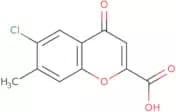
CAS :6-Chloro-7-methylchromone-2-carboxylic acid is a fine chemical that has been used as a versatile building block for the synthesis of complex compounds. It has been shown to be an effective reaction component in the synthesis of 1,4-benzoquinones and N'-acylhydrazones. 6-Chloro-7-methylchromone-2-carboxylic acid is also a useful intermediate in the preparation of other chemicals, such as pharmaceuticals and pesticides. This compound can be used as an additive to improve the quality of high purity reagents.Formule :C11H7ClO4Degré de pureté :Min. 95%Masse moléculaire :238.62 g/mol3,4-Dichlorobenzoic acid
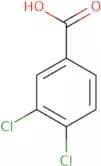
CAS :3,4-Dichlorobenzoic acid (3,4-DCBA) is a compound with the molecular formula C6H2Cl2O2. It is a white solid that has been shown to inhibit the growth of bacteria in tissue culture. 3,4-Dichlorobenzoic acid can be used as a biocide in wastewater treatment because it has a high solubility and low toxicity, and it inhibits the growth of bacteria by binding to hydrogen bonding interactions. 3,4-Dichlorobenzoic acid also inhibits the synthesis of 1-hydroxy-2-naphthoic acid, which is an intermediate in bacterial dioxygenases.Formule :C7H4Cl2O2Degré de pureté :Min. 98 Area-%Couleur et forme :PowderMasse moléculaire :191.01 g/mol3-Dansylaminophenylboronic acid
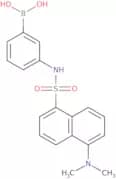
CAS :3-Dansylaminophenylboronic acid is a boronic acid that forms reversible covalent bonds with dopamine. It can be used in the diagnosis of cancer, as it binds to histone lysine and magnetic particles. The fluorescence resonance of 3-Dansylaminophenylboronic acid can also be used in the diagnosis of cancer, as it produces a strong signal. This compound has been shown to have homogeneous assays for the detection of dopamine and lipoprotein lipase in urine samples. 3-Dansylaminophenylboronic acid has also been found to be effective against cancer cells in culture, although it is not active against polysialic-expressing cells.Formule :C18H19BN2O4SDegré de pureté :Min. 95%Couleur et forme :PowderMasse moléculaire :370.23 g/mol5-Methoxyindole-2-carboxylic acid
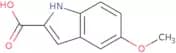
CAS :5-Methoxyindole-2-carboxylic acid is a molecule that belongs to the class of diazonium salts. It is a potent inhibitor of mitochondrial membrane potential and has been shown to have anti-diabetic effects in animal models. 5-Methoxyindole-2-carboxylic acid also inhibits sperm motility, which may be due to its ability to inhibit uv absorption. This compound has been shown to be an effective agent in the treatment of brain infarctions when administered chronically orally. The mechanism of action is not known, but it may involve inhibition of potassium ion uptake or hydrogen bond formation with fatty acids.Formule :C10H9NO3Couleur et forme :PowderMasse moléculaire :191.18 g/mol2,5-Dibromobenzoic acid
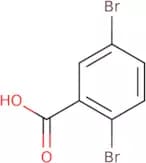
CAS :2,5-Dibromobenzoic acid is an organic compound with the formula HO2CCHBrO2. It is a white solid that dissolves in water and organic solvents. This compound has been shown to inhibit PTP1B (protein tyrosine phosphatase 1B), which is a protein kinase involved in insulin signal transduction. Inhibition of PTP1B by 2,5-dibromobenzoic acid has been shown to lead to decreased cancer cell growth and increased apoptosis without affecting normal cells. This compound also inhibits histone methylation, which may be useful for cancer diagnosis or treatment. In addition, 2,5-dibromobenzoic acid can be used in the synthesis of polymers due to its ability to react with methacrylates or acrylates under free radical polymerization conditions. 2,5-Dibromobenzoic acid is a monFormule :C7H4Br2O2Degré de pureté :Min. 95%Couleur et forme :PowderMasse moléculaire :279.91 g/mol2-Methyl-3-nitrophenylacetic acid
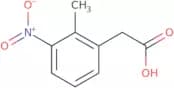
CAS :2-Methyl-3-nitrophenylacetic acid is an alkali metal, which is obtained by the condensation of 2-methylphenol and nitric acid. The synthesis of this compound can be achieved through catalytic reduction of the nitro group with hydrogen in the presence of a nickel catalyst. This method has been shown to produce high yields. 2-Methyl-3-nitrophenylacetic acid is mildly toxic to humans and animals. It is a dopaminergic agent that has been used as a precursor for the production of ropinirole hydrochloride, which is used in the treatment of Parkinson's disease.Formule :C9H9NO4Degré de pureté :Min. 95%Couleur et forme :PowderMasse moléculaire :195.17 g/mol4-Bromo-3-fluorocinnamic acid
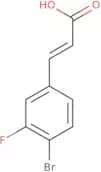
CAS :4-Bromo-3-fluorocinnamic acid is a brominated derivative of cinnamic acid. It is used as an alloying agent in steel production, and can be used to control the content of manganese, nickel, phosphorous, and sulfur in steels. The equation for the preparation of 4-bromo-3-fluorocinnamic acid from cinnamic acid is: 4C6H5CO2H + 3HBr → 4C6H5BrFO2 + 2H2OFormule :C9H6BrFO2Degré de pureté :Min. 95%Couleur et forme :PowderMasse moléculaire :245.05 g/molMeclofenamic acid
CAS :Meclofenamic acid is a nonsteroidal anti-inflammatory drug (NSAID) that inhibits the activity of cyclooxygenase and lipoxygenase. It is used for the treatment of mild to moderate pain, dysmenorrhea, and menstrual cramps. Meclofenamic acid binds to polymerase chain reaction (PCR) substrate-binding site, inhibiting DNA synthesis in rat hippocampal neurons. This drug has also been shown to suppress disease activity in animals with experimental arthritis. Meclofenamic acid can be administered orally or intravenously without altering its effect on disease activity or blood sampling results. The drug is rapidly metabolized by hydroxylation and conjugation with glucuronic acid, followed by excretion in urine or feces. Meclofenamic acid significantly cytotoxic to human polymorphonuclear leukocytes at high concentrations, which may be due to its ability to modify RNA synthesis and protein synthesis.Formule :C14H11Cl2NO2Degré de pureté :Min. 95%Couleur et forme :White PowderMasse moléculaire :296.15 g/mol6-Bromochromone-3-carboxylic acid
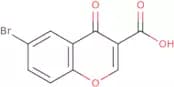
CAS :6-Bromochromone-3-carboxylic acid is a reactive building block that is used as a reagent. It is also a useful scaffold for the synthesis of complex compounds, due to its high quality and versatility. 6-Bromochromone-3-carboxylic acid can be used as a starting material for the synthesis of fine chemicals such as pharmaceuticals, pesticides, and dyes. This compound has CAS number 51085-91-7.br> 6-Bromochromone-3-carboxylic acid is an important intermediate in organic syntheses because it can be reacted with other molecules containing functional groups to produce new compounds.br> The 6-bromochromone carboxylic acid group reacts with alcohols and amines to form esters and amides respectively. The carboxylic acid group can also react with phenols to produce phenoxy acids.br> This compoundFormule :C10H5BrO4Degré de pureté :Min. 95%Couleur et forme :PowderMasse moléculaire :269.05 g/molDL-erythro Ritalinic acid
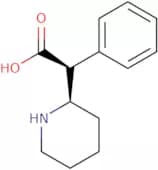
CAS :Produit contrôléDL-erythro Ritalinic acid is a fine chemical that is used as a versatile building block in the synthesis of complex compounds. It is also a useful intermediate in research chemicals and speciality chemicals production. DL-erythro Ritalinic acid can be used as a reaction component to form complex compounds. This chemical has high purity and quality, making it an excellent reagent for use in laboratory reactions.Formule :C13H17NO2Degré de pureté :Min. 90%Couleur et forme :PowderMasse moléculaire :219.28 g/molBenzyl carbamate
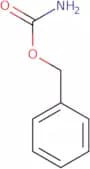
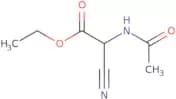
CAS :Benzyl carbamate is a reactive chemical that can form amides, fluorescence probes, and amines. It is a polymorphic compound with two different crystal forms, alpha and beta. The alpha form is more stable than the beta form under normal conditions. Benzyl carbamate has been shown to have antimicrobial properties against bacteria such as Salmonella typhi, Pseudomonas aeruginosa, and Escherichia coli. It also has anti-inflammatory effects in bowel disease models and carisoprodol-induced locomotor activity. Benzyl carbamate can also cause colon cancer in rats with colorectal adenocarcinoma by inhibiting fatty acid metabolism.Formule :C8H9NO2Degré de pureté :Min. 95%Couleur et forme :White PowderMasse moléculaire :151.16 g/molEthyl acetamidocyanoacetate
CAS :Ethyl acetamidocyanoacetate is an amide which inhibits the enzyme thrombin. It inhibits the conversion of fibrinogen to fibrin, and thus prevents blood clot formation. Ethyl acetamidocyanoacetate has been shown to inhibit serine protease, one of the most abundant enzymes in the human body. This inhibition causes a decrease in inflammatory diseases caused by these enzymes. Ethyl acetamidocyanoacetate also has analog properties that can be used for solid-phase synthesis.Formule :C7H10N2O3Degré de pureté :Min. 98 Area-%Masse moléculaire :170.17 g/molBiotin-PEG3-propionic acid
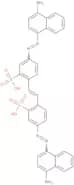
CAS :Biotin-PEG3-propionic acid is a PEG compound with two different functional groups (also known as heterobifunctional). Unlike homobifunctional PEG compounds (same functional group on both ends), this type of compounds are more versatile as have two different anchor points. Biotin-PEG3-propionic acid is used as a linker and spacer to add a PEG moiety, via pegylation (a bioconjugation technique) to proteins, peptides, oligonucleotides, small molecules and nanoparticles.Formule :C19H33N3O7SDegré de pureté :Min. 95%Couleur et forme :PowderMasse moléculaire :447.55 g/mol4,4'-Bis(4-amino-1-naphthylazo)-2,2'-stilbenedisulfonic acid - 70%
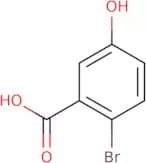
CAS :4,4'-Bis(4-amino-1-naphthylazo)-2,2'-stilbenedisulfonic acid - 70% (DABS) is a chemical compound that has been used in biochemical research. It is an azo dye and was originally synthesized by reacting 1-naphthol with 4-aminodiphenylamine. The color of DABS varies according to the pH. It can be obtained as either a red or blue compound at pH > 7 and as a yellow compound at pH 7. DABS interacts with human recombinant proteins, such as collagen and endoplasmic reticulum, and is capable of binding to the surface of cells. This dye also shows biological properties that are similar to those of phenothiazines when it is used in biochemical experiments involving recombinant human proteins.Formule :C34H26N6O6S2Degré de pureté :Min. 95%Couleur et forme :Purple PowderMasse moléculaire :678.74 g/mol2-Bromo-5-hydroxybenzoic acid
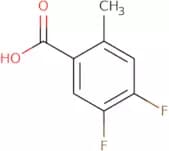
CAS :2-Bromo-5-hydroxybenzoic acid is a naturally occurring chemical that belongs to the group of phenols. It is an intermediate in the biosynthesis of the phorbol esters and is used as a nutrient for many bacteria. 2-Bromo-5-hydroxybenzoic acid has been shown to protect against microbial infections by inhibiting the growth of certain bacteria. It also inhibits production of inflammatory compounds, such as leukotrienes and prostaglandins, by modifying the enzyme activity of peroxidases and other enzymes involved in lipid metabolism. 2-Bromo-5-hydroxybenzoic acid has been shown to inhibit the enzyme lactoperoxidase and prevent oxidation of thiol groups in proteins, altering their functions. This compound also potently inhibits tissue inflammation induced by phorbol myristate acetate (PMA).Formule :C7H5BrO3Degré de pureté :Min. 95%Couleur et forme :PowderMasse moléculaire :217.02 g/mol4,5-Difluoro-2-methylbenzoic acid
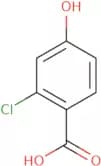
CAS :4,5-Difluoro-2-methylbenzoic acid is a versatile building block that can be used in research and industrial settings. It is a high quality chemical with a CAS number of 183237-86-7. 4,5-Difluoro-2-methylbenzoic acid can be used as a building block for the synthesis of complex compounds. This chemical is also useful as an intermediate or scaffold for organic reactions.Formule :C8H6F2O2Degré de pureté :Min. 95%Couleur et forme :PowderMasse moléculaire :172.13 g/mol2-Chloro-4-hydroxybenzoic acid monohydrate
CAS :2-Chloro-4-hydroxybenzoic acid monohydrate is a fine chemical that is used as a building block for research chemicals. It is an important reagent for the synthesis of complex compounds and can be used as a versatile building block for the synthesis of polymers and pharmaceuticals. 2-Chloro-4-hydroxybenzoic acid monohydrate has been used to synthesize a range of novel polymers with potential application in materials science, medicine, and electronics. This compound is also a useful intermediate in organic synthesis reactions and can be used as a scaffold to produce more complex molecules.Formule :C7H5ClO3·H2ODegré de pureté :Min. 95%Couleur et forme :White PowderMasse moléculaire :190.58 g/mol2-(2,4-Difluorophenoxy)-2-methylpropanoic acid
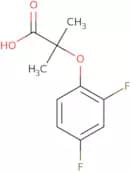
CAS :2-(2,4-Difluorophenoxy)-2-methylpropanoic acid is a versatile building block that can be used in research and development of complex compounds. It has CAS No. 667413-00-5 and is classified as a fine chemical. 2-(2,4-Difluorophenoxy)-2-methylpropanoic acid can be used in the synthesis of useful scaffolds and reaction components. It is also a reagent for use in the synthesis of speciality chemicals. This compound has high quality and is an important intermediate for the production of other compounds.Formule :C10H10F2O3Degré de pureté :Min. 95%Couleur et forme :PowderMasse moléculaire :216.18 g/molPimelic acid
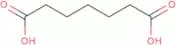
CAS :Pimelic acid is a dicarboxylic acid that has been found to be the precursor of malonic acid in bacteria. It has an acidic nature and significant cytotoxicity, as well as a hydroxyl group that coordinates with nitrogen atoms. Pimelic acid is stable in the presence of water vapor and air, making it difficult to synthesize. These properties have made pimelic acid a topic of interest for polymer compositions. X-ray crystal structures have shown that pimelic acid is composed of six carbons, three nitrogens, one oxygen, and one hydrogen atom.
Formule :C7H12O4Couleur et forme :PowderMasse moléculaire :160.17 g/molAnecortave acetate
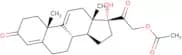
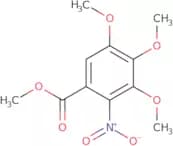
CAS :Produit contrôléAnecortave acetate is a steroid that has been shown to inhibit angiogenesis and has been approved for the treatment of proliferative diabetic retinopathy. It is a prodrug that undergoes enzymatic cleavage by esterases to release the active form, acetate. This drug is found in high concentrations in the sclera, which could be related to its ability to inhibit angiogenesis. Anecortave acetate inhibits viral replication and inflammation by binding to receptors on cells with these functions. Anecortave acetate also binds to monoclonal antibodies that are used as imaging agents for angiography and fluorescein angiography studies. The anti-angiogenic properties of this drug have been studied using pharmacokinetics studies, animal toxicity studies, and chemical biology approaches.Formule :C23H30O5Degré de pureté :Min. 96 Area-%Couleur et forme :White Off-White PowderMasse moléculaire :386.48 g/mol2-Nitro-3,4,5-trimethoxybenzoic acid methyl ester
CAS :2-Nitro-3,4,5-trimethoxybenzoic acid methyl ester is a potential anticancer agent. It has been shown to inhibit the growth of cancer cells in vitro and demonstrates anticancer activity against human tumor xenografts in mice. This compound binds to the epidermal growth factor receptor (EGFR) and inhibits its activity. This binding causes downstream signalling pathways to be suppressed, which ultimately prevents tumor cells from proliferating. 2-Nitro-3,4,5-trimethoxybenzoic acid methyl ester also has directional properties that may allow for selective targeting of cancerous cells. 2-Nitro-3,4,5-trimethoxybenzoic acid methyl ester is a white crystalline powder with an orthorhombic crystal system and an amine group on each end of the molecule.Formule :C11H13NO7Degré de pureté :Min. 95%Couleur et forme :PowderMasse moléculaire :271.22 g/molethyl 2-(6-bromo-2-naphthyloxy)acetate
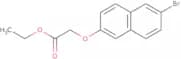
CAS :Please enquire for more information about ethyl 2-(6-bromo-2-naphthyloxy)acetate including the price, delivery time and more detailed product information at the technical inquiry form on this page
Degré de pureté :Min. 95%5-Bromothiophene-2-carboxylic acid methyl ester
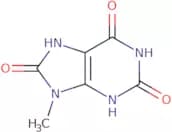
CAS :5-Bromothiophene-2-carboxylic acid methyl ester is an alkene that is used in the synthesis of molybdenum trioxide and other polyhalogenated compounds. It can be prepared by alkylation of 5-bromothiophene with ethyl bromoacetate in the presence of carbon tetrachloride and a halide, such as bromine. The use of photophysical optimization has been shown to significantly improve the yield of this reaction. The reactive nature of 5-bromothiophene-2-carboxylic acid methyl ester makes it suitable for use in organic synthesis. This compound has been shown to have a positive effect on bone mass, which may be due to its ability to inhibit osteoclasts, reducing the activity of these cells that break down bone tissue.Formule :C6H5BrO2SDegré de pureté :Min. 95%Couleur et forme :PowderMasse moléculaire :221.07 g/mol9-Methyluric acid
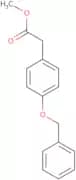
CAS :Produit contrôlé9-Methyluric acid is a purine derivative that is used as a diagnostic agent in clinical chemistry. The oxidation of methylxanthines by lipid peroxides produces 9-methyluric acid. This reaction can be detected using chromatographic methods, and the amount of 9-methyluric acid present can be quantified electrochemically. It has been shown that flavus bacteria produce methyluric acid when they are grown on agar plates containing methanol. The pH optimum for 9-methyluric acid production is pH 8.5, and it has been shown that the electrochemical method is sensitive to protonation.Formule :C6H6N4O3Degré de pureté :Min. 95%Couleur et forme :PowderMasse moléculaire :182.14 g/mol4-(Benzyloxyphenyl)acetic acid methyl ester
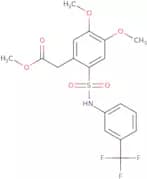
CAS :4-(Benzyloxyphenyl)acetic acid methyl ester is a synthetic, phenolic, tetronic, enolates, hydrophobic, tetrahydrofuran. It is used as a precursor to a variety of chemicals including pharmaceuticals and polymerase inhibitors. 4-(Benzyloxyphenyl)acetic acid methyl ester can be synthesized by reacting benzaldehyde with 4-nitrophenol in the presence of lithium enolates. It has been shown to have acidic properties and inhibits polymerase activity.Formule :C16H16O3Degré de pureté :Min. 95%Couleur et forme :PowderMasse moléculaire :256.3 g/molmethyl 2-(4,5-dimethoxy-2-(((3-(trifluoromethyl)phenyl)amino)sulfonyl)phenyl)acetate
CAS :Please enquire for more information about methyl 2-(4,5-dimethoxy-2-(((3-(trifluoromethyl)phenyl)amino)sulfonyl)phenyl)acetate including the price, delivery time and more detailed product information at the technical inquiry form on this page
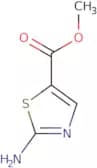
Degré de pureté :Min. 95%Methyl 2-aminothiazole-5-carboxylate
CAS :Methyl 2-aminothiazole-5-carboxylate is a molecule that has been shown to have anticancer effects in vivo. It is an aromatic heterocycle with the chemical formula C6H4N2S. Methyl 2-aminothiazole-5-carboxylate has been found to inhibit the chloride channel ClC-2, which leads to decreased cell proliferation and cancer progression. This molecule also demonstrated synergistic effects when used with other anticancer therapeutics, such as chloroquinoxaline. Methyl 2-aminothiazole-5-carboxylate is a synthetic compound that can be used as an anticancer drug for the treatment of cancer.Formule :C5H6N2O2SDegré de pureté :Min. 95%Masse moléculaire :158.18 g/mol2-Fluoro-6-methoxybenzoic acid
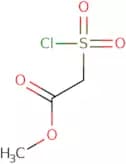
CAS :2-Fluoro-6-methoxybenzoic acid is a monocarboxylic acid that is synthesized from 2,6-dichlorobenzoic acid by a mediated, synthetic sequence. This compound can be used as a substrate for kinetic analyses of the transport of carboxylic acids across cellular membranes. The uptake of 2-fluoro-6-methoxybenzoic acid is expressed in the apical surface membrane of Caco2 cells. Kinetic studies indicate that this compound reacts rapidly with butyllithium to form an enamine intermediate. The enamine intermediate then reacts with either water or methanol to produce a final product, depending on the reaction time.Formule :C8H7FO3Degré de pureté :Min. 95%Couleur et forme :PowderMasse moléculaire :170.14 g/molMethyl 2-(chlorosulfonyl)acetate
CAS :Methyl 2-(chlorosulfonyl)acetate is a chemical compound that has been shown to reduce the number of ovarian cells in mice. It has also been shown to have anti-inflammatory properties, as it inhibits the production of prostaglandin, which is a hormone that causes inflammation. Methyl 2-(chlorosulfonyl)acetate also has the ability to induce cell apoptosis and is being studied for its potential use as an anti-cancer agent. This chemical compound binds to chloride ions and ammonium nitrate ions and forms a carbanion. The carbanion can then react with hydrogen bonds with other molecules, forming new compounds. X-ray diffraction studies have revealed that methyl 2-(chlorosulfonyl)acetate binds to cancer cells through hydrogen bonds and kills the cells by causing them to undergo apoptosis, or programmed cell death.
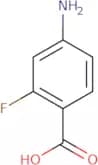
Formule :C3H5SO4ClDegré de pureté :Min. 95%Couleur et forme :Clear LiquidMasse moléculaire :172.59 g/mol4-Amino-2-fluorobenzoic acid
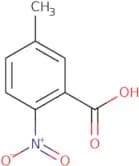
CAS :4-Amino-2-fluorobenzoic acid is a potent inhibitor of formylating enzymes, such as carbonyl reductase and amino acid formyltransferase. It has been shown to be an effective inhibitor of cancer cells in vivo and inhibits the growth of prostate cancer cells. This compound has also been shown to inhibit nitro reduction reactions, which are involved in the carcinogenic process. 4-Amino-2-fluorobenzoic acid reacts with chloride ions to produce a functional group that can react with carbon nanotubes, making it a candidate for use in cancer therapy.Formule :C7H6FNO2Degré de pureté :Min. 95%Couleur et forme :SolidMasse moléculaire :155.13 g/mol5-Methyl-2-nitrobenzoic acid
CAS :5-Methyl-2-nitrobenzoic acid is a nitro compound that has been shown to have potent cytotoxicity in vivo. 5-Methyl-2-nitrobenzoic acid inhibits the proliferation of cervical cancer cells in vitro, and induces apoptosis. The functional groups present on this molecule are nitro and methyl. The linear model used to describe the structure of 5-methyl-2-nitrobenzoic acid is an electron withdrawing group, which is why it has such potent cytotoxic effects. It also shows optical properties such as vibrational spectroscopy, which can be used to identify this moleculeFormule :C8H7NO4Degré de pureté :Min. 95%Couleur et forme :PowderMasse moléculaire :181.15 g/mol1,3-Acetonedicarboxylic acid
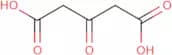
CAS :1,3-Acetonedicarboxylic acid is a crystalline solid that belongs to the group of carboxylic acids. 1,3-Acetonedicarboxylic acid interacts with its receptor by binding to a hydroxyl group and two hydrogen atoms. It has been shown that 1,3-acetonedicarboxylic acid can inhibit HIV infection in vitro by preventing the virus from attaching to cells. It also inhibits malonic acid oxidation and citric acid cycle enzymes in rat liver mitochondria. The synthesis of 1,3-acetonedicarboxylic acid can be achieved through different methods:
1) By reacting sodium carbonate with malonic acid
2) By reacting hydrogen fluoride with malonic acid
3) By reacting sodium carbonate with citric acid (malonic ester) and then hydrolyzing it
4) By reacting sodium carbonate with malonitrile and then hydroFormule :C5H6O5Degré de pureté :Min. 95%Couleur et forme :PowderMasse moléculaire :146.1 g/mol

![1-[(5-Methoxy-1-methyl-1H-indol-3-yl)methyl]piperidine-4-carboxylic acid](/_next/image/?url=https%3A%2Fstatic.cymitquimica.com%2Fproducts%2F3D%2Fthumb-webp%2FFM128176.webp&w=3840&q=75)


![1-[(5-Chloro-1-methyl-1H-indol-3-yl)methyl]piperidine-4-carboxylic acid](/_next/image/?url=https%3A%2Fstatic.cymitquimica.com%2Fproducts%2F3D%2Fthumb-webp%2FFC128187.webp&w=3840&q=75)