Acides carboxyliques
12457 produits trouvés pour "Acides carboxyliques"
1,3-Thiazole-4-carboxylic acid
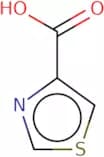
CAS :1,3-Thiazole-4-carboxylic acid is a chemical compound that has many applications in the research field. It is a reactant in organic chemistry and can be used as a building block for complex compounds. 1,3-Thiazole-4-carboxylic acid also serves as an intermediate for the production of pharmaceuticals and fine chemicals. This chemical is not listed on the Chemical Abstract Service (CAS) registry, but it is available for purchase from Chemical Solutions at low cost.Formule :C4H3NO2SDegré de pureté :Min. 95%Couleur et forme :PowderMasse moléculaire :129.14 g/molUlifloxacin
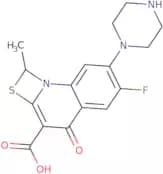
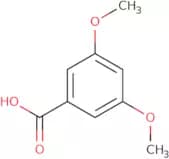
CAS :Extensive research has been conducted on the antimicrobial activity of 6-fluoro-1-methyl-4-oxo-7-(1-piperazinyl)-4H-(1,3)thiazeto(3,2a)quinoline-3-carboxylic acid (FPMT). FPMT is a levorotatory compound that is rapidly metabolized by esterases to 6FMT, which is also active against bacteria. FPMT inhibits bacterial growth, but does not inhibit mammalian cell growth. The main mechanism of action for FPMT is probably through its ability to inhibit the synthesis of bacterial DNA and RNA. This drug has been shown to be effective against sinusitis caused by bacterial rhinosinusitis and urinary tract infections caused by Escherichia coli and Pseudomonas aeruginosa. FPMT can be used as an alternative to prulifloxacin for the treatment of these types of infectionsFormule :C16H16FN3O3SDegré de pureté :Min. 98 Area-%Masse moléculaire :349.38 g/mol3,5-Dimethoxybenzoic acid
CAS :3,5-Dimethoxybenzoic acid is a chemical compound that belongs to the class of organic compounds known as phenols. This compound is used in the synthesis of 2,4-dichlorobenzoic acid from 2,4-dichloroaniline and sodium hydroxide solution. 3,5-Dimethoxybenzoic acid can also be used to synthesize 2,5-dimethoxybenzoic acid by reacting with sodium hydroxide solution. In addition to its use in organic synthesis, 3,5-dimethoxybenzoic acid has been shown to inhibit ventricular myocytes in a dose dependent manner. It is also used as a model system for studying phase equilibrium.Formule :C9H10O4Degré de pureté :Min. 95%Couleur et forme :White PowderMasse moléculaire :182.17 g/moltert-Butyl 4-cyanobenzylcarbamate
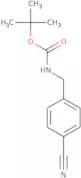
CAS :tert-Butyl 4-cyanobenzylcarbamate (tB4Cbz) is a high quality chemical that can be used as a reagent, complex compound, or useful intermediate in the production of fine chemicals. Tert-Butyl 4-cyanobenzylcarbamate is also a useful scaffold for the synthesis of speciality chemicals and research chemicals. It can be used as a versatile building block for reactions involving amides, nitriles, esters, and amines.
Formule :C13H16N2O2Degré de pureté :Min. 95%Couleur et forme :PowderMasse moléculaire :232.28 g/mol4-Bromophenylacetic acid ethyl ester
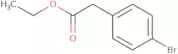
CAS :4-Bromophenylacetic acid ethyl ester is a synthetic compound that binds to the cytochrome P450 enzyme and inhibits its activity. This inhibition prevents the production of estrogen, which may be useful in the treatment of breast cancer. 4-Bromophenylacetic acid ethyl ester has also been shown to inhibit aromatase, an enzyme that catalyzes the conversion of androgens into estrogens. Inhibition of this enzyme by 4-bromophenylacetic acid ethyl ester may be useful in the treatment of prostate cancer. The chemical has also been shown to inhibit glycoprotein synthesis in herpes simplex virus and human plasma proteins involved in drug metabolism. This inhibition may be useful for treating patients with HIV.Formule :C10H11BrO2Degré de pureté :Min. 95%Couleur et forme :PowderMasse moléculaire :243.1 g/mol4-Methoxy-3-nitrobenzoic acid methyl ester
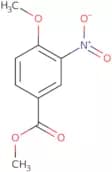
CAS :4-Methoxy-3-nitrobenzoic acid methyl ester (4MNBM) is a potent antitumor agent that inhibits tumor cell proliferation by interfering with DNA replication. 4MNBM selectively binds to the nuclear magnetic resonance and has been shown to inhibit tumor growth in animal models. This drug also shows potent antitumor activity against solid tumor cells, which is due to its ability to induce conformational changes in the DNA of these cells. 4MNBM has been shown to be selective for tumor cells, which may be due to its lack of effect on the metabolism of normal tissue and its ability to bind to proteins in tumor cell nuclei.Formule :C9H9NO5Degré de pureté :Min. 95%Couleur et forme :Clear LiquidMasse moléculaire :211.17 g/mol2-Chloroethanesulfonic acid sodium hydrate
CAS :2-Chloroethanesulfonic acid sodium hydrate is a chemical compound that belongs to the class of primary amines. It has a strong tendency to adsorb on surfaces, which can be seen in its FTIR spectra. 2-Chloroethanesulfonic acid sodium hydrate is a white crystalline solid and is insoluble in water. This compound has been found to have a high reactivity with metal ions, such as Na+, K+, Ca2+, and Mg2+. 2-Chloroethanesulfonic acid sodium hydrate reacts slowly with chloropropane, but more quickly with chloroacetic acid. The reaction time depends on the concentration of the reactants and the temperature at which it is heated.Formule :C2H4ClO3SNa·H2ODegré de pureté :Min. 98%Couleur et forme :White PowderMasse moléculaire :184.58 g/molEpi hydrocortisone 21-acetate
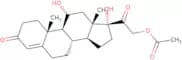
CAS :Produit contrôléEpi hydrocortisone 21-acetate is a high quality chemical. It is a reagent, which is used as a fine chemical, useful scaffold, and versatile building block in synthetic chemistry. Epi hydrocortisone 21-acetate has CAS No. 1250-97-1 and can be used in research chemicals or speciality chemicals. This compound is also a reaction component that can be used to synthesize other compounds with desirable properties.
Formule :C23H32O6Degré de pureté :Min. 95%Couleur et forme :PowderMasse moléculaire :404.5 g/mol3-Bromo-4-ethoxybenzoic acid
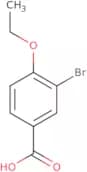
CAS :3-Bromo-4-ethoxybenzoic acid is an organic compound that has been shown to have biological activity against pathogens. 3-Bromo-4-ethoxybenzoic acid inhibits the growth of bacteria by binding to the enzyme chloride channel and regulating its function. It also has a regulatory effect on chloride channels and can be used as a catalyst for many reactions in organic synthesis.Formule :C9H9BrO3Degré de pureté :Min. 95%Masse moléculaire :245.07 g/mol5-Chlorovanillic acid
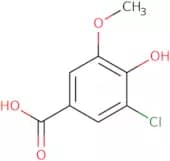
CAS :5-Chlorovanillic acid is a weight compound that belongs to the group of methoxylated compounds. It is a precursor in the catabolic pathway of vanillic acid, which is synthesized from p-hydroxybenzoic acid. This compound can be found as one of the major phenolic acids in many plants and fruits, such as strawberries and apples. 5-Chlorovanillic acid has been shown to be an inhibitor for the growth of bacterial strains in culture, including C. perfringens. It has also been shown to have anti-inflammatory properties by inhibiting prostaglandin synthesis.
Formule :C8H7ClO4Degré de pureté :80%Couleur et forme :PowderMasse moléculaire :202.59 g/molBis-(1,3-diethylthiobarbituric acid)trimethine oxonol
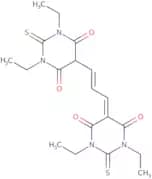
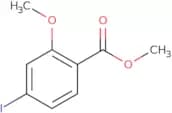
CAS :Bis-(1,3-diethylthiobarbituric acid)trimethine oxonol (BTTMO) is a compound class of drugs that inhibit the ATP-binding cassette transporter and block the transport of cellular metabolites across the mitochondrial membrane. This inhibition leads to a decrease in cellular ATP levels and an increase in cytosolic calcium. BTTMO has shown promising results in animal models for treatment of cervical cancer, which may be due to its ability to stimulate epidermal growth factor receptor signaling. BTTMO also inhibits energy metabolism by inhibiting mitochondrial membrane potential and blocking atp-sensitive potassium channels. It also induces gamma-aminobutyric acid release from neurons, leading to hyperpolarization of the cell membrane.Formule :C19H24N4O4S2Degré de pureté :Min. 95%Couleur et forme :Dark Purple SolidMasse moléculaire :436.55 g/mol4-Iodo-2-methoxybenzoic acid methyl ester
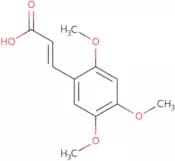
CAS :4-Iodo-2-methoxybenzoic acid methyl ester is a high quality chemical that can be used as a versatile building block in chemical synthesis. It is a complex compound that has been shown to be an effective reagent for research, which can be used in the synthesis of new complex compounds. 4-Iodo-2-methoxybenzoic acid methyl ester is also useful as an intermediate or reaction component in organic syntheses. This chemical is available for purchase at a CAS number of 148490-97-5.Formule :C9H9IO3Degré de pureté :Min. 95%Couleur et forme :PowderMasse moléculaire :292.07 g/mol2,4,5-Trimethoxycinnamic acid
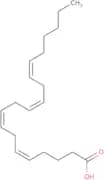
CAS :2,4,5-Trimethoxycinnamic acid is a phenolic acid that is found in plants. It is a precursor to many other compounds that are biologically active, such as the caffeic acids and their derivatives. 2,4,5-Trimethoxycinnamic acid has been shown to have anti-cancer effects on cervical cancer cells. It also exhibits biological properties and has been used as an ingredient in traditional Chinese medicine.Formule :C12H14O5Degré de pureté :Min. 95%Couleur et forme :PowderMasse moléculaire :238.24 g/molArachidonic acid - 40%
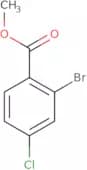
CAS :Arachidonic acid is a fatty acid that is found in the cell membrane of human polymorphonuclear leukocytes and also plays a role in the inflammatory response. Arachidonic acid can be converted to prostaglandins, which are involved in many physiological processes such as blood pressure regulation, pain transmission, and inflammation. The production of these compounds is inhibited by nonsteroidal anti-inflammatory drugs (NSAIDs). NSAIDs work by blocking the enzyme cyclooxygenase, which converts arachidonic acid to prostaglandin H2. Prostaglandin H2 causes inflammation and pain by stimulating the release of histamine from mast cells and thereby increasing vascular permeability. NSAIDs may also have anti-inflammatory properties by inhibiting other enzymes such as lipoxygenase or cyclooxygenase 2. br>br> Arachidonic acid has been shown to have an effect on bowel disease activity in humans with ulcerative colFormule :C20H32O2Couleur et forme :Clear LiquidMasse moléculaire :304.47 g/mol2-Bromo-4-chlorobenzoic acid methyl ester
CAS :2-Bromo-4-chlorobenzoic acid methyl ester is a versatile chemical that can be used as a building block in the synthesis of many complex chemical compounds. It is also a useful reagent, and can be used to synthesize speciality chemicals. 2-Bromo-4-chlorobenzoic acid methyl ester has a high quality that makes it useful for research purposes. It is also an important intermediate in the synthesis of other compounds and has been found to be an effective scaffold for drug discovery. This compound is also commercially available under CAS No. 57381-62-1.Formule :C8H6BrClO2Degré de pureté :Min. 95%Couleur et forme :Clear LiquidMasse moléculaire :249.49 g/mol2-(2,5-Dimethylbenzoyl)-acrylic acid
2-(2,5-Dimethylbenzoyl)-acrylic acid is an organic compound that is classified as a fine chemical. It is used as a building block for the synthesis of other compounds and has also been used in research to identify the structure of natural products. 2-(2,5-Dimethylbenzoyl)-acrylic acid has been identified as a useful intermediate in the synthesis of complex compounds. This product can be used in the production of pharmaceuticals and pesticides because it provides a versatile scaffold for synthetic chemistry.
Degré de pureté :Min. 95%L-α-Aminoadipic acid
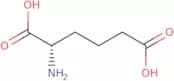
CAS :L-alpha-Aminoadipic acid is a metabolite of the amino acid L-lysine. It is an intermediate in the synthesis of polyamines, which are essential for cell growth and replication. L-alpha-Aminoadipic acid has been shown to be important in energy metabolism and has also been found to have neuroprotective properties, which may be due to its ability to inhibit glutamate excitotoxicity by blocking neuronal death pathways. This amino acid is not active against most bacteria, but it inhibits the growth of pathogenic strains such as Escherichia coli and Clostridium difficile.
Formule :C6H11NO4Degré de pureté :Min. 95%Couleur et forme :White PowderMasse moléculaire :161.16 g/mol2-Amino-4-methyl benzoic acid
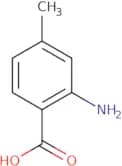
CAS :2-Amino-4-methyl benzoic acid (AMBA) is a methyltransferase inhibitor. It has been shown to inhibit the enzyme in the methyl group transfer process, which is important for the synthesis of anthranilic acid, an intermediate of choline. AMBA inhibits acetylcholine production by blocking the enzyme that converts choline to acetylcholine. In addition, this compound has been shown to be a potent anticancer agent and a chemical biology tool that can be used to study protein function.
Formule :C8H9NO2Degré de pureté :Min. 95%Couleur et forme :PowderMasse moléculaire :151.16 g/mol(S)-2-((Methoxycarbonyl)amino)-3-methylbutanoic acid
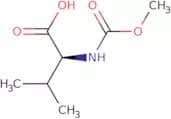
CAS :(S)-2-((Methoxycarbonyl)amino)-3-methylbutanoic acid is a synthetic molecule that has been studied for its antiviral activity against hepatitis C virus. The compound was found to inhibit the replication of the virus, with an IC50 of 0.5 mM in cell culture studies. It also inhibited the replicon and reaction yield of the virus in vitro. (S)-2-((Methoxycarbonyl)amino)-3-methylbutanoic acid is effective against genotype 1 and 2, but not against genotype 3. It is active against a broad range of HCV isolates, including those resistant to other drugs such as ribavirin or telaprevir. The drug has been shown to be well tolerated in animals and humans. END>
Formule :C7H13NO4Degré de pureté :Min. 95%Couleur et forme :White PowderMasse moléculaire :175.18 g/molN-Dihydrocinnamoylaminocaproic acid
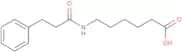
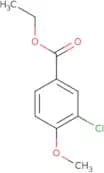
CAS :Please enquire for more information about N-Dihydrocinnamoylaminocaproic acid including the price, delivery time and more detailed product information at the technical inquiry form on this pageFormule :C15H21NO3Degré de pureté :Min. 95%Masse moléculaire :263.33 g/mol3-Chloro-4-methoxybenzoic acid ethyl ester
CAS :3-Chloro-4-methoxybenzoic acid ethyl ester is a chemical compound that is used as a reactant in organic synthesis. It has shown high quality and can be used for research. 3-Chloro-4-methoxybenzoic acid ethyl ester can be used as a scaffold to make fine chemicals, pharmaceuticals, and other products. It has been shown to be useful in the synthesis of many complex compounds and as an intermediate or building block for chemical reactions.Formule :C10H11ClO3Degré de pureté :Min. 95%Couleur et forme :PowderMasse moléculaire :214.65 g/molEndothelin-3 (human, mouse, rabbit, rat) acetate
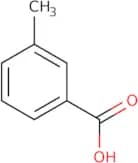
CAS :Acetate saltFormule :C121H168N26O33S4•(C2H4O2)xDegré de pureté :Min. 95%Masse moléculaire :2,643.05 g/mol3-Toluic acid
CAS :3-Toluic acid is a colorless liquid that is soluble in water and organic solvents. 3-Toluic acid is an inhibitor of bacterial growth that has been shown to be effective against certain strains of Escherichia coli, Klebsiella pneumoniae, and Pseudomonas aeruginosa. 3-Toluic acid inhibits the growth of bacteria by reacting with a hydrogen bond in their ribosomal RNA to block the production of proteins vital for cell division. It also disrupts the normal metabolic pathways of bacteria by inhibiting microbial metabolism.
Formule :C8H8O2Degré de pureté :Min. 95%Couleur et forme :PowderMasse moléculaire :136.15 g/mol2-Chloroinosine 3',4',6'-triacetate
CAS :2-Chloroinosine 3',4',6'-triacetate is a reagent, useful intermediate, fine chemical, and speciality chemical. It is used as an important building block in organic synthesis. 2-Chloroinosine 3',4',6'-triacetate can be used as a versatile building block for the synthesis of many other compounds. The high quality and usefulness of this compound make it a good choice for research chemicals.Formule :C16H17ClN4O8Degré de pureté :Min. 95%Couleur et forme :White to pale yellow solid.Masse moléculaire :428.78 g/molDesthiazoximic acid ceftiofur
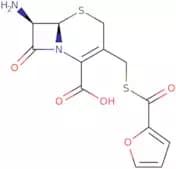
CAS :Desthiazoximic acid ceftiofur is a fine chemical that is a versatile building block for complex compounds. It is used in the research and development of new drugs as well as for the production of intermediates, reagents, and speciality chemicals. Desthiazoximic acid ceftiofur has been shown to be useful in the synthesis of high-quality, useful intermediate compounds and scaffolds for organic synthesis. The CAS number for desthiazoximic acid ceftiofur is 80370-59-8.Formule :C13H12N2O5S2Degré de pureté :Min. 98 Area-%Couleur et forme :PowderMasse moléculaire :340.38 g/molTrimethyl phosphonoacetate
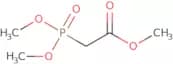
CAS :Trimethyl phosphonoacetate is an organic compound that is used as a reagent in the synthesis of other compounds. It can be prepared by a variety of methods including the reaction of trifluoroacetic acid with sodium carbonate and ammonia, or by the reaction of methyl chloride with trimethyl phosphite. Trimethyl phosphonoacetate is a precursor to many pharmaceuticals, including adenosine receptor antagonists and some anti-cancer drugs. Trimethyl phosphonoacetate has been shown to have beneficial effects on metabolic disorders such as chronic bronchitis and congestive heart failure.
Formule :C5H11O5PDegré de pureté :Min. 95%Couleur et forme :Clear LiquidMasse moléculaire :182.11 g/mol2-Fluorobenzoic acid
CAS :2-Fluorobenzoic acid is an organic compound that is used as a pharmaceutical intermediate. It has been shown to be effective in treating autoimmune diseases, such as lupus and rheumatoid arthritis, by inhibiting the production of inflammatory cytokines. 2-Fluorobenzoic acid is synthesized from hydrogen fluoride and sodium citrate in the presence of water vapor. X-ray diffraction data have shown that this reaction occurs in a complex with nitrogen atoms and group p2 water molecules. The product formed is an acid complex with benzoate. This compound inhibits wst-1 activity, which can lead to mitochondrial membrane potential loss.Formule :C7H5FO2Degré de pureté :Min. 95%Couleur et forme :PowderMasse moléculaire :140.11 g/mol7-Methylindole-3-acetic acid
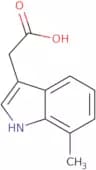
CAS :7-Methylindole-3-acetic acid is a metabolite of indomethacin. It is excreted in the urine and has been found to be present in the tissues of monkeys. 7-Methylindole-3-acetic acid is excreted by the kidneys and it is not known how much of this compound is reabsorbed into the body. 7-Methylindole-3-acetic acid can be metabolized to form other metabolites, including 2,4,5,6 tetrahydropyridine (2,4,5,6 THP), which has been shown to produce DNA damage in rats. The metabolites are then excreted from the body through urination and feces.Formule :C11H11NO2Degré de pureté :Min. 95%Masse moléculaire :189.21 g/mol2,2'-Dithiobisbenzoic acid
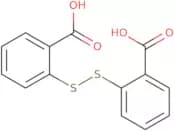
CAS :2,2'-Dithiobisbenzoic acid (DTBA) is a chemical compound that has been used as a cross-linking agent for proteins and nucleic acids. DTBA is an aromatic hydrocarbon that can be synthesized from the reaction of sodium carbonate and hydrogen chloride. DTBA's stability in organic solvents makes it a useful reagent for protein cross-linking studies. It can also be used to measure hydrogen bond strengths between two molecules.Formule :C14H10O4S2Degré de pureté :Min. 95%Masse moléculaire :306.36 g/molH-Tyr-Arg-Gly-Asp-Ser-OH trifluoroacetate
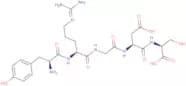
CAS :H-Tyr-Arg-Gly-Asp-Ser-OH trifluoroacetate salt is a peptide that belongs to the class of amides. It is an inhibitor of the growth factor, TGFβ1, and it has been shown to have a high affinity for human serum albumin. H-Tyr-Arg-Gly-Asp-Ser-OH trifluoroacetate salt has been shown to inhibit the growth of cells in culture; this may be due to its ability to bind to proteins, such as collagen and cell culture media. H-Tyr-Arg-Gly-Asp-Ser-OH trifluoroacetate salt has also been shown to have biological properties that are similar to those of human immunoglobulin.Formule :C24H36N8O10•C2HF3O2Degré de pureté :Min. 95%Couleur et forme :White/Off-White SolidMasse moléculaire :710.61 g/mol2-Chloromandelic acid
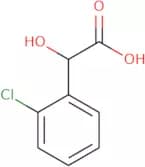
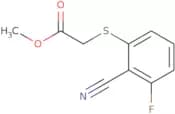
CAS :2-Chloromandelic acid is an organic compound that belongs to the class of compounds called chloroacetic acids. It has been shown to react with hydroxylamine and form a trifluoroacetamide, which is a useful building block in organic synthesis. 2-Chloromandelic acid can be synthesized from mandelic acid by reacting it with phosphorus pentachloride in the presence of carbon tetrachloride. 2-Chloromandelic acid has been shown to inhibit the growth of Pseudomonas aeruginosa, an opportunistic human pathogen in cystic fibrosis patients. 2-Chloromandelic acid crystallizes as one of two possible polymorphs: Form I or Form II. The solubility data for both forms are available, but only Form I is metastable at room temperature and pressure.Formule :C8H7ClO3Degré de pureté :Min. 95%Couleur et forme :PowderMasse moléculaire :186.59 g/molMethyl 2-(2-nitrilo-3-fluorophenylthio)acetate
CAS :Please enquire for more information about Methyl 2-(2-nitrilo-3-fluorophenylthio)acetate including the price, delivery time and more detailed product information at the technical inquiry form on this pageFormule :C10H8FNO2SDegré de pureté :Min. 95%Couleur et forme :PowderMasse moléculaire :225.24 g/mol2-Methoxy-4-nitrobenzoic acid
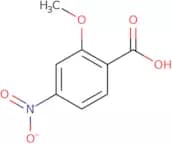
CAS :Please enquire for more information about 2-Methoxy-4-nitrobenzoic acid including the price, delivery time and more detailed product information at the technical inquiry form on this page
Formule :C8H7NO5Degré de pureté :Min. 95%Masse moléculaire :197.14 g/molEtomidate
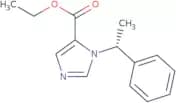
CAS :Produit contrôléEtomidate is a potent, non-competitive, centrally acting α-adrenergic receptor agonist that has been used as a diagnostic agent and anesthetic. It is also used in the treatment of diabetic neuropathy. Etomidate binds to the α-adrenergic receptors on the presynaptic membrane and blocks the release of norepinephrine. This prevents nerve impulses from being transmitted to the muscle cells, leading to relaxation of muscles. Etomidate also inhibits locomotor activity by inhibiting postsynaptic neurons in the spinal cord that are responsive to acetylcholine. Etomidate is not active against polymorphonuclear leucocytes or water vapor. The risk group for etomidate includes patients who have had intubations, those with systolic pressures greater than 120 mmHg, and those with heart rates greater than 100 beats per minute. The mechanism of action for etomidate is thought to be through formation of stable complexes with nitrogen atoms.Formule :C14H16N2O2Degré de pureté :Min. 95%Couleur et forme :PowderMasse moléculaire :244.29 g/mol3,6-Difluorophthalic acid
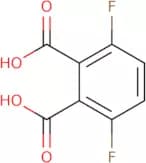
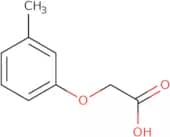
CAS :3,6-Difluorophthalic acid is a fine chemical with a CAS number of 651-97-8. It is used as an intermediate in the production of pesticides and pharmaceuticals and is also a useful building block for more complex compounds. 3,6-Difluorophthalic acid has been shown to be stable when heated to 190°C. This product can be used as a reagent and is available in high quality.Formule :C8H4F2O4Degré de pureté :Min. 95%Masse moléculaire :202.11 g/mol3-Methylphenoxyacetic acid
CAS :3-Methylphenoxyacetic acid is an organic compound that has a zirconium atom in its chemical structure. This molecule is acidic and can be found in the form of a hydrate. 3-Methylphenoxyacetic acid has been shown to be soluble in organic solvents such as benzene, chloroform, and methylene chloride. The molecular weight of this compound is not yet known, but the calculated density is 1.49 g/mL. 3-Methylphenoxyacetic acid has a planar molecular geometry and the intramolecular hydrogen bonds are formed by O1 and O3 with H1 and H2 respectively. The Lewis electron dot diagram for this molecule indicates that there are no lone pairs on any atoms.
Formule :C9H10O3Degré de pureté :Min. 95%Couleur et forme :White PowderMasse moléculaire :166.17 g/molLL-37 amide trifluoroacetate
CAS :Please enquire for more information about LL-37 amide trifluoroacetate including the price, delivery time and more detailed product information at the technical inquiry form on this pageFormule :C205H341N61O52•(C2HF3O2)xDegré de pureté :Min. 95%Couleur et forme :PowderMasse moléculaire :4,492.28 g/molPipemidic acid
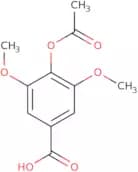
CAS :Pipemidic acid is an experimental drug that inhibits bacterial growth by binding to the gyrase enzyme. It has been shown to be effective against a wide range of Gram-positive and Gram-negative bacteria, as well as fungi and protozoa. Pipemidic acid has low toxicity in animal studies, but has not yet been tested in humans. Pipemidic acid is also an inhibitor molecule for other antimicrobial agents. The electrochemical impedance spectroscopy (EIS) method can be used to detect the presence of pipemidic acid in wastewater samples, which can help with wastewater treatment processes. Pipemidic acid may have potential use as a new analytical method for the detection of drugs or other molecules, since it can be detected using a matrix effect or chemiluminescence method. Pipemidic acid belongs to the coordination geometry class and its structure consists of two fused six-membered rings with carboxyl groups at each end. This drugFormule :C14H17N5O3Degré de pureté :(%) Min. 98%Couleur et forme :Off-White To Light (Or Pale) Yellow SolidMasse moléculaire :303.32 g/mol4-Acetoxy-3,5-dimethoxybenzoic acid
CAS :4-Acetoxy-3,5-dimethoxybenzoic acid (4ADOB) is a chemical substance that has been shown to have cancer chemotherapeutic properties. It is hydroxylated by the enzyme acetylase, which converts it into 4-acetoxy-3,5-dimethoxybenzoyl coenzyme A (4ADBCA). 4ADBCA inhibits the activity of amine oxidase, an enzyme that breaks down natural substances such as amino acids and neurotransmitters. Inhibition of amine oxidase leads to a decrease in the production of proinflammatory substances and cytokines that play a role in inflammatory diseases.Formule :C11H12O6Degré de pureté :Min. 95%Couleur et forme :PowderMasse moléculaire :240.21 g/molVapreotide acetate
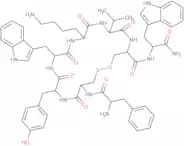
CAS :Vapreotide acetate is an anti-cancer compound that is derived from a peptide hormone. It inhibits the growth of cancer cells by binding to the neurokinin-1 receptor, which may be involved in the regulation of cell proliferation and apoptosis. Vapreotide acetate has been shown to inhibit IGF-I (insulin-like growth factor 1) and somatostatin release in vitro. The molecular docking analysis of vapreotide acetate with the neurokinin-1 receptor has been performed using a computer program. The potency of vapreotide acetate was found to be comparable to other analogs such as octreotide acetate and lanreotide acetate in inhibiting cell proliferation in human osteosarcoma cell lines. Vapreotide acetate has also been shown to have anti-inflammatory properties due to its ability to inhibit plasma mass spectrometry for cytokines such as IL-6, TNFα, IL-8,Formule :C57H70N12O9S2•C2H4O2Degré de pureté :Min. 98 Area-%Couleur et forme :PowderMasse moléculaire :1,191.43 g/molGlycerol triacetate
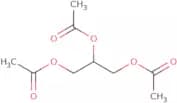
CAS :Glycerol triacetate is a triacetin compound that is used in the production of glycerol and glycerin. The water vapor-resistant nature of this compound makes it an excellent candidate for use in projects where water vapor may be present. Glycerol triacetate has been shown to have a high resistance to solid phase microextraction and can be used as a model system for studying the interactions of triacetates with other materials. The reaction solution containing glycerol triacetate is acidic, which may lead to problems with water permeability if not properly treated. This analytical method utilizes hydrogen bonding interactions between glycerol and glycerine molecules to measure the concentration of each component in the sample.Formule :C9H14O6Couleur et forme :Clear LiquidMasse moléculaire :218.2 g/molL-Dihydroorotic acid
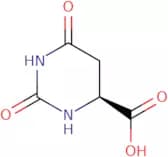
CAS :L-Dihydroorotic acid is a natural compound that can be found in plants, animals and humans. It has been shown to have an important role in mitochondrial functions, as it is involved in the synthesis of NADH and ATP. L-Dihydroorotic acid can also be used as a substrate for enzymatic reactions, such as dehydrogenase or dihydroorotate dehydrogenase. The rate constants for these reactions are high, which makes L-dihydroorotic acid a good model system for studying biochemical properties. L-dihydroorotic acid also inhibits cyclin D2/CDK4 protein kinases.Formule :C5H6N2O4Degré de pureté :Min. 95%Couleur et forme :White PowderMasse moléculaire :158.11 g/mol5-Fluoro-2-nitrophenylacetic acid
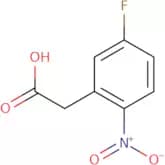
CAS :5-Fluoro-2-nitrophenylacetic acid is a high quality chemical that is used as an intermediate in the synthesis of other compounds. 5-Fluoro-2-nitrophenylacetic acid is a versatile building block that can be used as a starting material for the synthesis of complex compounds and speciality chemicals. This reagent is also useful as a research chemical and building block for pharmaceuticals. 5-Fluoro-2-nitrophenylacetic acid has CAS No. 29640-98-0, which identifies it as an important synthetic intermediate with many uses in the production of fine chemicals, pharmaceuticals, and other chemical products.Formule :C8H6FNO4Degré de pureté :Min. 95%Couleur et forme :Off-White PowderMasse moléculaire :199.14 g/mol2-Semicarbazideacetic acid
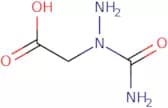
CAS :2-Semicarbazideacetic acid (2-SA) is a chemical that belongs to the group of research chemicals. It is a versatile building block, which can be used as a reagent or as an intermediate in the synthesis of various complex compounds. 2-SA is also used in the synthesis of pharmaceuticals and agrochemicals. CAS No. 138-07-8Formule :C3H7N3O3Degré de pureté :Min. 95%Masse moléculaire :133.11 g/molMethyl (1R,2S,3S,5S)-3-(4-Fluorophenyl)-8-[(E)-3-Iodoprop-2-Enyl]-8-Azabicyclo[3.2.1]Octane-2-Carboxylate
CAS :Produit contrôléMethyl (1R,2S,3S,5S)-3-(4-fluorophenyl)-8-[(E)-3-iodoprop-2-enyl]-8-azabicyclo[3.2.1]octane-2-carboxylate is an imaging agent that is used to diagnose and treat bowel diseases. It has pharmacokinetic properties that allow for a more accurate diagnosis of eye disorders and bowel disease. Methyl (1R,2S,3S,5S)-3-(4-fluorophenyl)-8-[(E)-3-iodoprop-2-enyl]-8-azabicyclo[3.2.1]octane-2-carboxylate is a DPPIV inhibitor that modulates the dopamine transporter in the brain by binding to its extracellular site of action on dopamine transporter proteins and blocking the reuptake of dopamine into the presFormule :C18H21FINO2Degré de pureté :Min. 95%Masse moléculaire :429.27 g/mol2,4,5-Trimethylcinnamic acid
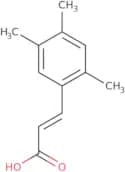
CAS :2,4,5-Trimethylcinnamic acid is a useful scaffold for the synthesis of complex compounds. It is also used as a reagent and reaction component in organic synthesis. This chemical has a CAS number of 205748-06-7 and is classified as a speciality chemical.Formule :C12H14O2Degré de pureté :Min. 95%Couleur et forme :PowderMasse moléculaire :190.24 g/mol4-Bromobutyric acid methyl ester
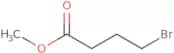
CAS :4-Bromobutyric acid methyl ester is a synthetic compound that can be used to inhibit the activity of the G1 phase cyclin-dependent kinases. It has been shown to inhibit protein synthesis by alkylating the amino groups of proteins and fatty acids. 4-Bromobutyric acid methyl ester also inhibits the growth of cancer cell lines, such as renal carcinoma cells. The mechanism of action for this drug is not well understood, but it may be due to its ability to bind with monoclonal antibodies and enter kidney cells by passive diffusion.Formule :C5H9BrO2Degré de pureté :Min. 95%Couleur et forme :Clear LiquidMasse moléculaire :181.03 g/mol3,5-Difluoro-4-hydroxybenzoic acid
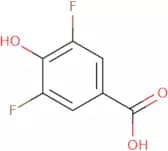
CAS :3,5-Difluoro-4-hydroxybenzoic acid is a fluorotyrosine analog that has been shown to be metabolized by tyrosinase and to inhibit the enzymatic synthesis of l-tyrosine. It has also been shown to react with the fluoride ion and to form difluorotyrosines. These reactions are catalyzed by an enzyme on the electrode surface. The fluorotyrosines can then undergo biochemical reactions, such as electron transfer and oxidation, leading to a change in pH or current. This process is similar to that of other protein synthesis inhibitors, such as ascorbic acid and tyrosine. 3,5-Difluoro-4-hydroxybenzoic acid may be used in the treatment of hyperpigmentation disorders or skin cancer caused by exposure to ultraviolet light.Formule :C7H4F2O3Degré de pureté :Min. 95%Couleur et forme :PowderMasse moléculaire :174.1 g/mol3-Ethoxycinnamic acid
CAS :3-Ethoxycinnamic acid is a polyhydric alcohol that has been shown to inhibit the growth of various microorganisms. 3-Ethoxycinnamic acid inhibits the growth of microorganisms by binding to the alkenyl groups in the cell membrane, thereby preventing them from synthesizing their own fatty acids. The binding of 3-ethoxycinnamic acid to alkali metal ions also prevents their uptake into the cell, which leads to an accumulation of these ions outside the cell and eventually results in cell death. 3-Ethoxycinnamic acid is soluble in water and may be used as a stain or quaternary ammonium compound.Formule :C11H12O3Degré de pureté :Min. 95%Couleur et forme :SolidMasse moléculaire :192.21 g/mol(E)-3-(4-Isopropylbenzoyl)acrylic acid
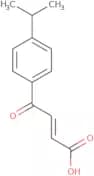
CAS :3-(4-Isopropylbenzoyl)acrylic acid is a versatile building block that can be used in the synthesis of complex compounds, such as pharmaceuticals. It has been shown to be an effective reagent for the preparation of complex compounds and speciality chemicals. 3-(4-Isopropylbenzoyl)acrylic acid is also a useful intermediate for fine chemicals, research chemicals, and reaction components. This compound can be used as a useful scaffold for the synthesis of new chemical compounds. CAS No. 29587-82-4Formule :C13H14O3Degré de pureté :90%Couleur et forme :PowderMasse moléculaire :218.25 g/molCocarboxylase tetrahydrate
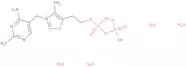
CAS :Cocarboxylase tetrahydrate is a coenzyme form of vitamin B1; cofactor for enzymes involved in carbohydrate catabolismFormule :C12H18N4O7P2S·4H2ODegré de pureté :Min 96%Couleur et forme :White PowderMasse moléculaire :496.37 g/mol2-Bromo-6-fluorobenzoic acid methyl ester
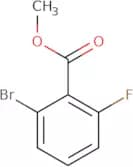
CAS :2-Bromo-6-fluorobenzoic acid methyl ester is a fine chemical that belongs to the family of brominated compounds. It is a useful building block in the synthesis of diverse organic molecules, as well as a reagent for research and speciality chemicals. 2-Bromo-6-fluorobenzoic acid methyl ester is used as a versatile building block in the synthesis of complex compounds, as well as an intermediate or scaffold in organic chemistry. This product can be used to synthesize many diverse products while maintaining high quality and purity.Formule :C8H6BrFO2Degré de pureté :Min. 95%Couleur et forme :PowderMasse moléculaire :233.03 g/molMoexipril tert-butyl ester maleic acid salt
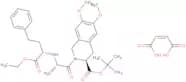
CAS :Moexipril tert-butyl ester maleic acid salt is a high quality reagent that is used as a useful intermediate in the synthesis of complex compounds. Moexipril tert-butyl ester maleic acid salt has been shown to be a useful scaffold in the synthesis of speciality chemicals, research chemicals, and versatile building blocks. It is also used as a reaction component in the production of fine chemicals and other useful substances.
Formule :C35H46N2O11Degré de pureté :Min. 95%Masse moléculaire :670.75 g/molPalladium(II) trifluoroacetate
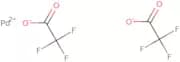
CAS :Palladium(II) trifluoroacetate is a palladium complex with the chemical formula PdCl(CF3CO2). It is soluble in water and reacts with hydroxide solution to form palladium oxide. Palladium complexes have been used as diagnostic agents for their ability to selectively bind to specific proteins. Palladium-catalyzed asymmetric syntheses of organic compounds, such as natural products and pharmaceuticals, are also possible. Palladium complexes often undergo metathesis reactions, which involve the transfer of one ligand from one metal complex to another. The use of deuterium isotopes can be used to differentiate between the two types of palladium complexes that undergo metathesis reactions.Formule :C4F6O4PdDegré de pureté :Min. 95%Couleur et forme :PowderMasse moléculaire :332.45 g/mol4-tert-Butylcalix[4]arene - contains 12% residual solvent (ethyl acetate and acetonitrile)
CAS :4-tert-Butylcalix[4]arene is a polymorphic compound with transport properties. It has been shown to have an activation energy of ˜30 kcal/mol, and can be characterized by its nmr spectra. The molecule can be found in n-hexane and zirconium. 4-tert-Butylcalix[4]arene is a coordination complex with a transfer mechanism that contains chloride or metal ion. It forms an acid complex with thermally stable molecules.Formule :C44H56O4Degré de pureté :Min. 95%Couleur et forme :PowderMasse moléculaire :648.91 g/molSmac-N7 Peptide trifluoroacetate salt
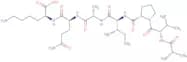
CAS :Smac-N7 is a peptide that binds to the mitochondrial pathway of apoptosis and inhibits the activation of caspase-3. This peptide has been shown to inhibit the death ligand, which would normally trigger the release of cytochrome c from mitochondria and activate other caspases. In addition, Smac-N7 has been shown to induce cleavage activity in cells. It also prevents the protein survivin from binding to cellular receptors, which may be responsible for its ability to inhibit cell proliferation.Formule :C33H59N9O9Degré de pureté :Min. 95%Masse moléculaire :725.88 g/molMethyl(triphenylphosphoranylidene)acetate
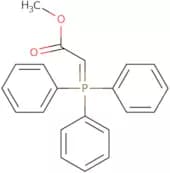
CAS :Methyl(triphenylphosphoranylidene)acetate is a bicyclic heterocycle with an amino acid sequence that has been determined by x-ray diffraction data. This compound has shown to be an inhibitor of the enzyme glutathione reductase, which converts oxidized glutathione (GSSG) back to the reduced form (GSH). Methyl(triphenylphosphoranylidene)acetate also inhibits other enzymes such as cytochrome p450 and mycobacterium tuberculosis esterases. The reaction mechanism for methyl(triphenylphosphoranylidene)acetate is not yet known but it may involve the formation of an intramolecular hydrogen bond between the NH group and the oxygen atom on C3. This compound has been shown to have anticancer properties in hl-60 cells, which is consistent with its ability to inhibit prostaglandin synthesis. It also has antioxidant properties dueFormule :C21H19O2PDegré de pureté :Min. 98 Area-%Couleur et forme :White Off-White PowderMasse moléculaire :334.35 g/molβ-(4-Acetoxyphenyl)propionic acid
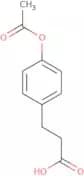
CAS :Beta-Propionic acid is an organic compound that belongs to the group of monocarboxylic acids. The chemical name for beta-propionic acid is 2-oxopropanoic acid. Beta-Propionic acid has a molecular weight of 88.06 grams per mole and a melting point of -79 degrees Celsius. This product is soluble in water, ethanol, ether, and ethyl acetate. It also reacts with dilute alkalis to form salts such as sodium bicarbonate and potassium propionate. Beta-Propionic acid is used in the manufacturing of polyurethane plastics, as well as in the production of resins for paints and varnishes.Formule :C11H12O4Degré de pureté :Min. 95%Couleur et forme :PowderMasse moléculaire :208.21 g/molPotassium dimethyldithiocarbamate - 50% aqueous solution
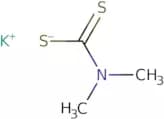
CAS :Potassium dimethyldithiocarbamate is a biocide that is used for the treatment of wastewater. It has been shown to inhibit the growth of bacteria and fungi through its antimicrobial activity. Potassium dimethyldithiocarbamate prevents bacterial attachment to surfaces, which may be due to its ability to bind covalently with proteins and form a protective layer on metal surfaces. This agent also has an inhibitory effect on complex enzyme reactions, such as transfer reactions, which are important in microbial metabolism.Formule :C3H7NS2·KDegré de pureté :Min. 95%Couleur et forme :Clear LiquidMasse moléculaire :160.32 g/molDiethylenetriaminepentaacetic acid dianhydride
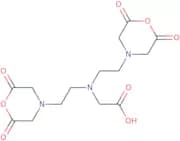
CAS :Diethylenetriaminepentaacetic acid dianhydride (DTPA) is a gadolinium chelate that can be used as a contrast agent. DTPA has been shown to have high affinity for the integrin receptor, which is expressed on the surface of many human cancer cells. This property makes DTPA an effective diagnostic tool for imaging and detecting tumor cells in vivo. DTPA is also useful for diagnosing myeloma cell lines and mouse tumors, due to its ability to bind to metal ions such as iron or copper.Formule :C14H19N3O8Degré de pureté :Min. 95%Couleur et forme :PowderMasse moléculaire :357.32 g/molS-Methyl-L-thiocitrulline acetate salt
CAS :Produit contrôléS-Methyl-L-thiocitrulline acetate salt (SMTSA) is an inhibitor of the enzyme cyclase that inhibits the production of 5-hydroxytryptamine (5-HT) in the gastrointestinal tract. SMTSA has been shown to reduce 5-HT concentrations in mesenteric vessels and inhibit the physiological effects of 5-HT in rats. This drug also inhibits dopamine release from synaptosomes, which may be due to its ability to act as a competitive inhibitor of ester hydrochloride, dinucleotide phosphate, and cyclase. In addition, this drug has been shown to have a cytotoxic effect on cardiac myocytes by causing calcium influx into the cytosol and inhibiting ryanodine receptor channels.Formule :C7H15N3O2SDegré de pureté :Min. 95%Couleur et forme :PowderMasse moléculaire :205.28 g/mol5,7-Dinitroindole-2-carboxylic acid
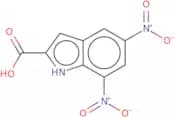
CAS :5,7-Dinitroindole-2-carboxylic acid is a versatile building block that has been used as a reagent in organic synthesis. It has also been shown to be an intermediate in the preparation of 5,7-dichloroindole and other complex compounds. This compound is a reaction component for the synthesis of many useful compounds, including research chemicals and speciality chemicals. 5,7-Dinitroindole-2-carboxylic acid is soluble in most solvents and can be purified by recrystallization or chromatography. The purity can be determined by elemental analysis or nuclear magnetic resonance spectroscopy.Formule :C9H5N3O6Degré de pureté :Min. 95%Couleur et forme :PowderMasse moléculaire :251.15 g/mol1,3,6,8-Pyrenetetrasulfonic acid tetrasodium salt - powder
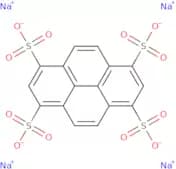
CAS :1,3,6,8-Pyrenetetrasulfonic acid tetrasodium salt is a fluorescent dye that belongs to the group of hydroxide salts. It has been shown to have an absorption maximum at 524 nm and emission maximum at 585 nm. The molecule has a constant pressure of 0.1 mmHg when dissolved in water. 1,3,6,8-Pyrenetetrasulfonic acid tetrasodium salt is soluble in water and hydrochloric acid and has been used as a microcapsule encapsulation agent for copper complexes. This substance also absorbs light due to its dipole moment and can be used as a control experiment for other substances with different optical properties.
Formule :C16H6Na4O12S4Degré de pureté :Min. 97 Area-%Couleur et forme :PowderMasse moléculaire :610.43 g/molFmoc-(S)-3-amino-3-(2-nitrophenyl)propionic acid
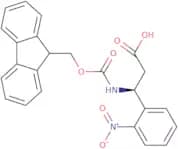
CAS :Please enquire for more information about Fmoc-(S)-3-amino-3-(2-nitrophenyl)propionic acid including the price, delivery time and more detailed product information at the technical inquiry form on this pageFormule :C24H20N2O6Degré de pureté :Min. 95%Couleur et forme :White PowderMasse moléculaire :432.43 g/mol3-(2,3,4-trimethoxyphenyl)propanoic acid
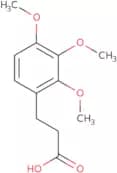
CAS :3-(2,3,4-Trimethoxyphenyl)propanoic acid is a high quality chemical that is used as a reagent and as a useful intermediate in the production of fine chemicals. CAS No. 33130-04-0 is a versatile building block with many applications in the research and development of compounds for use as pharmaceuticals, agrochemicals, or other chemicals. 3-(2,3,4-Trimethoxyphenyl)propanoic acid can be used to synthesize new chemical substances with different properties than those of the starting material. This compound has been shown to have many uses in organic synthesis due to its versatility and reactivity.Formule :C12H16O5Degré de pureté :Min. 98 Area-%Couleur et forme :PowderMasse moléculaire :240.25 g/mol(S)-(+)-4-Isobutyl-a-methylphenylacetic acid
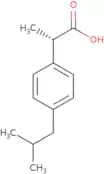
CAS :Ibuprofen is a non-steroidal anti-inflammatory drug (NSAID) that inhibits the production of prostaglandins and has been shown to be effective in the treatment of pain, fever, and inflammation. Ibuprofen binds to and blocks cyclooxygenase enzymes COX-1 and COX-2, which are responsible for the production of prostaglandins. It also inhibits leukocyte migration, which may reduce symptoms associated with infectious diseases. The molecular docking analysis has shown that ibuprofen interacts with crystalline cellulose through hydrogen bonding interactions. Ibuprofen can be used in conjunction with sodium citrate as an anticoagulant during blood sampling procedures to prevent clotting. This medication can cause side effects such as nausea, stomach upset, heartburn, dizziness, headache, or increased risk of bleeding.>Formule :C13H18O2Degré de pureté :Min. 95%Couleur et forme :White PowderMasse moléculaire :206.28 g/mol3,5-Dimethoxycinnamic acid
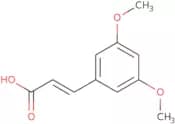
CAS :3,5-Dimethoxycinnamic acid is a compound that belongs to the class of cinnamic acid derivatives. It is a synthetic substance obtained by demethylation of 3,5-dimethoxybenzoic acid. This substance has been shown to have an antifungal activity in vitro against filamentous fungi and many other microorganisms. The antimicrobial effect can be explained by the presence of functional groups such as hydroxyl and methoxyl on the aromatic ring. Hydroxide solution can be used as an analytical reagent for determining the formation rate of this compound.Formule :C11H12O4Degré de pureté :Min. 95%Couleur et forme :PowderMasse moléculaire :208.21 g/molDiethylene glycol diacetate
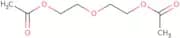
CAS :Diethylene glycol diacetate is a coagulating agent that is used in the production of polyester fibers. It reacts with fatty acids and forms ester compounds, which are then polymerized and cross-linked to form a film. The acetylation of the hydroxyl group on the molecule provides an additional degree of polymerization, thereby increasing the molecular weight of the product. The reaction vessel used for this process is typically heated at a temperature between 180°C and 220°C to promote polymerization. This polymer film can be made into filaments by extruding it through a spinnerette or die head. The filament may be cut into small particles before being placed in a section, which is then processed as desired.
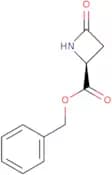
Formule :C8H14O5Degré de pureté :Min. 95%Couleur et forme :Colorless Clear LiquidMasse moléculaire :190.19 g/molBenzyl (S)-4-oxo-2-azetidinecarboxylate
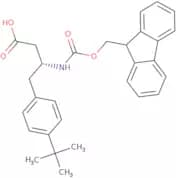
CAS :Benzyl (S)-4-oxo-2-azetidinecarboxylate is a reversible inhibitor of porcine pancreatic trypsin and chymotrypsin. It irreversibly inhibits the proteases, papain and bromelain. Benzyl (S)-4-oxo-2-azetidinecarboxylate is an alkylating agent that binds to the sulfhydryl group of enzymes, inactivating them by forming covalent bonds with cysteine residues. This irreversible inhibition leads to a decrease in protein synthesis and cell death.Formule :C11H11NO3Degré de pureté :Min. 98 Area-%Couleur et forme :White PowderMasse moléculaire :205.21 g/molFmoc-(R)-3-amino-4-(4-tert-butyl-phenyl)-butyric acid
CAS :Fmoc-3-Amino-4-(4-tertbutylphenyl)butyric acid is a versatile building block that can be used in the synthesis of complex compounds. Fmoc-3-Amino-4-(4-tertbutylphenyl)butyric acid is an intermediate for the production of speciality chemicals and reagents. It is also a useful scaffold in chemical reactions, as well as a reaction component. Fmoc-(R)-3-Amino-4-(4-tertbutylphenyl)butyric acid is soluble in ethanol and ether, but insoluble in water.Formule :C29H31NO4Degré de pureté :Min. 95%Couleur et forme :White To Off-White SolidMasse moléculaire :457.56 g/mol9-Fluoro-11β,17-Dihydroxy-16α-Methyl-3,20-Dioxopregna-1,4-Dien-21-Yl 2-[2-(2-Ethoxyethoxy)Ethoxy]Acetate
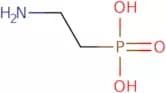
CAS :Produit contrôléMethylprednisolone is a corticosteroid that has been used for the treatment of many conditions, including asthma and arthritis. It is used to reduce inflammation and suppress the immune system. Methylprednisolone can be administered orally or as an injection. It is also used in the diagnosis of tumours, especially those that are difficult to diagnose by other means. Methylprednisolone may be given together with another drug called dexamethasone, which has synergistic effects. These drugs have been shown to cause death in animals with certain types of tumours. In humans, they can cause cutaneous lesions, such as follicle cysts and tnf-α expression in skin cells. This drug also causes a microsporum infection (a type of fungus) on the skin to grow more rapidly when it is applied topically, resulting in a larger diameter section than untreated areas.Formule :C30H43FO9Degré de pureté :Min. 95%Masse moléculaire :566.66 g/mol2-Aminoethanephosphonic acid
CAS :2-Aminoethanephosphonic acid (2AEP) is a phosphonic acid that is used as a fungicide. 2AEP binds to the target enzymes, such as bacterial RNA polymerase and bacterial DNA gyrase, by steric interactions with the hydroxyl groups of the enzyme. 2AEP also inhibits the synthesis of proteins in bacteria, which leads to cell death. The binding of 2AEP to bacterial RNA polymerase prevents the enzyme from interacting with ribonucleoside triphosphates, thus inhibiting transcription and translation of proteins. This compound has been shown to be effective against Caulobacter crescentus and Escherichia coli K-12 strains. A matrix effect was observed in this study for 2AEP when it was mixed with other compounds such as sodium azide or DMSO. In addition, there are some biochemical properties that are specific for 2AEP including its ability to inhibit fetal bovine serumFormule :C2H8NO3PDegré de pureté :Min. 95%Couleur et forme :PowderMasse moléculaire :125.06 g/mol1,2-Dipalmitoyl-sn-glycero-3-phosphatidic acid sodium
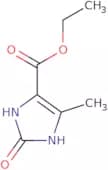
CAS :1,2-Dipalmitoyl-sn-glycero-3-phosphatidic acid sodium (DPPA) is a drug substance that has been used in primary culture to study the cell membrane of hepatocytes. This compound is a phospholipid with a cavity at one end and contains two hydroxy groups that can be conjugated to other molecules. It has been shown to be effective against Hepatitis B virus and mesenchymal stromal cells. DPPA has also been used as an adjuvant for gadolinium contrast agents for magnetic resonance imaging. Gadolinium may bind to the hydroxy groups on DPPA, which increases its birefringence and brightness on MRI scans.Formule :C35H69Na2O8PDegré de pureté :Min. 98 Area-%Couleur et forme :White PowderMasse moléculaire :694.87 g/molEthyl 5-Methyl-2-oxo-2,3-dihydro-1H-imidazole-4-carboxylate
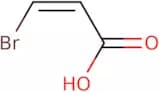
CAS :Please enquire for more information about Ethyl 5-Methyl-2-oxo-2,3-dihydro-1H-imidazole-4-carboxylate including the price, delivery time and more detailed product information at the technical inquiry form on this pageDegré de pureté :Min. 90%(Z)-3-Bromoacrylic acid
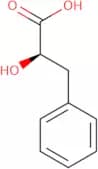
CAS :(Z)-3-Bromoacrylic acid is an organic compound that belongs to the class of terminal alkynes. It has been shown to be a potent irreversible inhibitor of enantiopure propargylation catalyzed by dehalogenases. (Z)-3-Bromoacrylic acid reacts with the active site residues of the enzyme and forms a covalent bond, which prevents the release of acetaldehyde from propargyl alcohol. This reaction is reversible, which may cause some problems in cases where it is necessary to regenerate the enzyme. (Z)-3-Bromoacrylic acid also reacts with phosphite and halides to form five-membered rings, which are not as stable as six-membered rings.Formule :C3H3BrO2Degré de pureté :Min. 95%Couleur et forme :SolidMasse moléculaire :150.96 g/molD-(+)-Phenyllactic acid
CAS :D-(+)-phenyllactic acid is a pharmaceutical drug that is used to catalyze the asymmetric synthesis of chiral compounds. It is an enantiomer of L-phenyllactic acid, and it has been shown to be effective in the treatment of patients with breast cancer. D-(+)-phenyllactic acid can also be used to catalyze the formation of taxol, a clinical drug which has been shown to inhibit tumor growth. D-(+)-phenyllactic acid binds to the active site of catalase, an enzyme that breaks down hydrogen peroxide in cells. The reaction mechanism for catalysis by D-(+)-phenyllactic acid is not well understood, but it may involve monocarboxylic acids such as formic or acetic acids.
Formule :C9H10O3Degré de pureté :Min. 95%Couleur et forme :White PowderMasse moléculaire :166.17 g/molTertiapin-Q trifluoroacetate salt
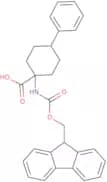
CAS :A peptide found in honey bee venom; Potassium channel inhibitorFormule :C106H175N35O24S4Degré de pureté :Min. 95%Masse moléculaire :2,452.01 g/molFmoc-cis-1-amino-4-phenyl-cyclohexane carboxylic acid
CAS :Fmoc-cis-1-amino-4-phenyl-cyclohexane carboxylic acid is a fine chemical, useful building block, and research chemical. It is a versatile building block that can be used in the synthesis of complex compounds such as pharmaceuticals and agrochemicals. Fmoc-cis-1-amino-4-phenyl-cyclohexane carboxylic acid has been shown to react with various other compounds to form useful intermediates, which can be used to produce more complex molecules. This compound has also been shown to have reagent properties.Formule :C28H27NO4Degré de pureté :Min. 95%Couleur et forme :PowderMasse moléculaire :441.52 g/mol3,4-Dimethoxy-2-methylcinnamic acid
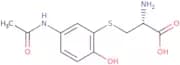
CAS :3,4-Dimethoxy-2-methylcinnamic acid is a fine chemical that can be used as a building block to produce complex compounds. It is also an intermediate in the synthesis of chemicals such as cinnamyl alcohol, cinnamaldehyde, and 2-methyl-3-(4'-methoxyphenyl)propanoic acid. This compound is useful for research purposes as it has been shown to be an effective reaction component in organic reactions. 3,4-Dimethoxy-2-methylcinnamic acid is a high quality reagent with CAS No. 868562-26-9.Formule :C12H14O4Degré de pureté :Min. 95%Couleur et forme :PowderMasse moléculaire :222.24 g/mol3-Cysteinylacetaminophen trifluoroacetic acid salt
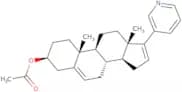
CAS :Acetaminophen is a common pain reliever and fever reducer. It is available over-the-counter in many countries. Acetaminophen is a member of the class of drugs known as analgesic, antipyretic, and anti-inflammatory drugs (APAP). The drug has been shown to be effective for acute pain relief, but not for chronic pain. Acetaminophen has also been found to be an effective analgesic when taken at high doses (above 1000 mg per day) for more than one week. In vivo studies have shown that acetaminophen inhibits mitochondrial membrane potential in hk-2 cells and cd-1 mice. This inhibition leads to apoptosis and cell death. Acetaminophen is not associated with serious side effects when used at the recommended dose, although it can lead to liver damage if taken in large quantities or on a prolonged basis.Formule :C11H14N2O4S·xC2HO2F3Degré de pureté :(%) Min. 95%Couleur et forme :Brown PowderMasse moléculaire :270.31 g/molAbiraterone acetate
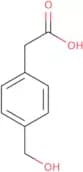
CAS :Produit contrôléCYP17 enzyme inhibitorFormule :C26H33NO2Degré de pureté :Min. 98 Area-%Couleur et forme :PowderMasse moléculaire :391.55 g/mol4-(Hydroxymethyl)phenylacetic acid
CAS :4-(Hydroxymethyl)phenylacetic acid is an intermediate in the biosynthetic pathway of phenylpropanoids. It is a metabolite of several flavonoids and is found in plants, animals, and humans. 4-(Hydroxymethyl)phenylacetic acid has been shown to have a high concentration in human serum and plasma with low toxicity. This metabolite has been shown to be stable when complexed with collagen or other proteins, which may be due to its insolubility. 4-(Hydroxymethyl)phenylacetic acid can also be biotransformed by microflora into other metabolites such as 4-hydroxybenzoic acid, which is a precursor of salicylic acid.
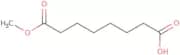
Formule :C9H10O3Degré de pureté :Min. 95%Couleur et forme :White PowderMasse moléculaire :166.17 g/molSuberic acid monomethyl ester
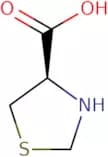
CAS :Suberic acid monomethyl ester is a fatty acid that has potent inhibitory activity against tumor formation. It is an inhibitor of histone deacetylase (HDAC) enzymes, which are important for the regulation of gene expression. Suberic acid monomethyl ester has been shown to have potent inhibitory effects on tumor growth and the development of cancerous cells in animal studies. This agent may be useful for inhibiting the production of acid in tumors and preventing cancer-induced cell death. Suberic acid monomethyl ester has been found to bind to hydroxyl groups and interacts with other molecules that contain hydroxy groups, such as proteins or DNA bases.Formule :C9H16O4Degré de pureté :Min. 95%Couleur et forme :PowderMasse moléculaire :188.22 g/molL(-)-Thiazolidine-4-carboxylic acid
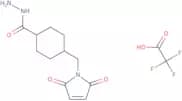
CAS :L(-)-Thiazolidine-4-carboxylic acid is a proline derivative that inhibits the enzyme cyclase, which is involved in the production of cAMP. It is also an antioxidant and has been shown to protect against oxidative damage induced by reactive oxygen species (ROS) in fetal bovine tissues. L(-)-Thiazolidine-4-carboxylic acid has been shown to inhibit the activity of other enzymes, such as α1 subunit, which are involved in energy metabolism. The enzyme activities of L(-)-thiazolidine-4-carboxylic acid have been shown to be high in E. coli K-12 cells and in plants. L(-)-Thiazolidine-4-carboxylic acid can also be used as a plant growth regulator and has been shown to inhibit the elongation of plant roots.Formule :C4H7NO2SDegré de pureté :Min. 95%Couleur et forme :PowderMasse moléculaire :133.17 g/mol4-(Maleimidomethyl)cyclohexane-1-carboxyl-hydrazide trifluoroacetic acid
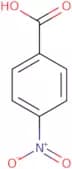
CAS :4-(Maleimidomethyl)cyclohexane-1-carboxyl-hydrazide trifluoroacetic acid is a versatile building block that is useful as a reagent and scaffold in many chemical reactions. It is used in the synthesis of complex compounds, research chemicals, and speciality chemicals. 4-(Maleimidomethyl)cyclohexane-1-carboxyl-hydrazide trifluoroacetic acid has been shown to be a high quality compound with uses as a reaction component and useful scaffold.Formule :C12H17N3O3·CF3CO2HDegré de pureté :Min. 95%Couleur et forme :White PowderMasse moléculaire :365.31 g/molP-Nitrobenzoic acid
CAS :P-Nitrobenzoic acid is a nitro compound that is used as an intermediate in the synthesis of various pharmaceuticals. It is also used in wastewater treatment to remove protocatechuic acid, which is produced during the oxidation of phenols by peroxidase. P-Nitrobenzoic acid can be synthesized by reacting sodium nitrite with p-hydroxybenzoic acid. The structure of this compound was determined through a series of experiments, and it was found that it has two nitrogen atoms that are incorporated into the benzene ring. This compound reacts with aziridine in an exothermic reaction mechanism to form an unstable five membered ring. This reaction proceeds through a series of steps and eventually forms p-nitrobenzoic acid.
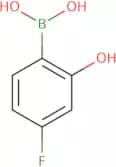
Formule :C7H5NO4Degré de pureté :Min. 95%Couleur et forme :PowderMasse moléculaire :167.12 g/molB-(4-Fluoro-2-hydroxyphenyl)-boronic acid
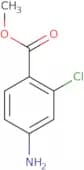
CAS :B-(4-Fluoro-2-hydroxyphenyl)-boronic acid is a fungicide that has been synthesized to inhibit the growth of fungi. This compound is an effective fungicide against a wide variety of plant pathogens. It has been shown to be highly efficient in catalyzing intramolecular cyclization reactions, which are sometimes difficult to perform with traditional methods. The regulatory nature of this compound makes it an excellent candidate for commercial applications in agroscience and industry.Formule :C6H6BFO3Degré de pureté :Min. 95%Couleur et forme :PowderMasse moléculaire :155.92 g/mol4-Amino-2-chlorobenzoic acid methyl ester
CAS :4-Amino-2-chlorobenzoic acid methyl ester (4ACBME) is a chemical compound that has been used in the treatment of autoimmune diseases. It acts as an immunoreceptor and regulatory molecule by binding to specific receptors on the surface of lymphocytes, which are cells that play a central role in the immune system. 4ACBME also inhibits the production of inflammatory molecules, such as TNF-α, IL-1β, IL-6 and IL-8. The regression of tissue inflammation was observed in animal models after 4ACBME treatment. This compound has been shown to have no genotoxic impurities in vitro studies and its molecular descriptors are consistent with those found for other immunoreceptors.Formule :C8H8ClNO2Degré de pureté :Min. 95%Couleur et forme :White PowderMasse moléculaire :185.61 g/mol(S)-(+)-Citramalic acid
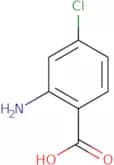
CAS :Citramalic acid is a high quality, fine chemical that can be used as a reagent or building block. It can also be used in the synthesis of complex compounds and is an important intermediate for pharmaceuticals, agrochemicals, and other specialty chemicals. Citramalic acid has many uses, including as a versatile building block for organic synthesis. Citramalic acid is a reaction component that can be used to produce research chemicals with various applications.Formule :C5H8O5Couleur et forme :PowderMasse moléculaire :148.11 g/mol4-Chloroanthranilic acid
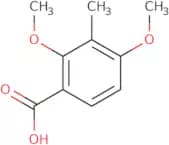
CAS :4-Chloroanthranilic acid is an inorganic acid that has antimicrobial properties. It is a bound form of anthranilic acid, which is not water soluble and can be easily absorbed by the skin. 4-Chloroanthranilic acid is used as an antibiotic in topical preparations because it has been shown to have inhibitory effects on the growth of P. aeruginosa, epidermal growth factor, and nitrogen atoms. 4-Chloroanthranilic acid also has coordination complex with copper and inhibits the growth of bacteria by inhibiting the production of bacterial cell wall synthesis enzymes.Formule :C7H6ClNO2Degré de pureté :Min. 95%Couleur et forme :Off-White PowderMasse moléculaire :171.58 g/mol2,4-Dimethoxy-3-methylbenzoic acid
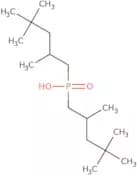
CAS :2,4-Dimethoxy-3-methylbenzoic acid is a fine chemical that is used as a versatile building block in the synthesis of other organic compounds. 2,4-Dimethoxy-3-methylbenzoic acid has been used in research to generate novel compounds with desired properties. It is also used as a reaction component and speciality chemical. The compound can be reacted with sodium methoxide in methanol to form 2,4-dimethoxybenzaldehyde, which is an intermediate for the synthesis of other chemicals. It also reacts with nitric acid to form 2,4-dimethylbenzoic acid and oleum. These reactions are useful for the production of certain drugs or for the synthesis of polymers.Formule :C10H12O4Degré de pureté :Min. 95%Masse moléculaire :196.2 g/molBis(2,4,4-trimethylpentyl)phosphinic acid
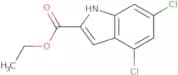
CAS :Bis(2,4,4-trimethylpentyl)phosphinic acid (diisooctylphosphinic acid) is a slightly water soluble compound which has a variety of applications based upon its metal ion chelating properties. Fe(III) and In(III) ions, for example, can be ligated by phosphinic acids allowing them to transfer from an aqueous into an organic phase, treatment of the organic soluble metal complexes with aqueous acid or base as appropriate selectively strips the phosphinic acid ligands and the metal ions re-enter the aqueous phase. Similarly, heavy metal contaminants can be removed from solid materials using diisooctylphosphinic acid as a ligand in super critical fluid extraction (SFE) processes. Bis(2,4,4-trimethylpentyl)phosphinic acid can also be used as an additive to create halogen-free flame retardant adhesives.Formule :C16H35O2PDegré de pureté :Min. 95%Couleur et forme :Colorless Clear LiquidMasse moléculaire :290.42 g/mol4,6-Dichloro-1H-indole-2-carboxylic acid ethyl ester
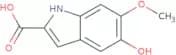
CAS :4,6-Dichloro-1H-indole-2-carboxylic acid ethyl ester is a synthetic compound that functions as an agonist of the indole 2 receptor. It has been shown to have affinity for cortical and brain membranes, with a greater affinity for acidic regions of the membrane. 4,6-Dichloro-1H-indole-2-carboxylic acid ethyl ester is also capable of binding to the indole 2 receptor and activating it. The carboxyl group in this compound is substituted with benzene rings, which are connected by a moiety containing two carboxylic groups. 4,6-Dichloro-1H-indole-2-carboxylic acid ethyl ester was synthesised from 1H -indole acetic acid and chloroethane in four steps.Formule :C11H9Cl2NO2Degré de pureté :Min. 95%Couleur et forme :SolidMasse moléculaire :258.1 g/mol5-Hydroxy-6-methoxyindole-carboxylic acid
CAS :5-Hydroxy-6-methoxyindole-carboxylic acid (5-HMICA) is a molecule that is found in the pericardium and urine of patients with cancer. 5-HMICA has been shown to suppress tumor growth and activate cell mediated cytotoxicity in vitro. It also induces T helper type 1 (Th1) immune responses, which are associated with the production of cytokines such as interferon gamma and tumor necrosis factor alpha.Formule :C10H9NO4Couleur et forme :PowderMasse moléculaire :207.18 g/molGlutathionesulfonic acid
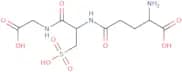
CAS :Glutathionesulfonic acid is a thiolate that can be synthesized by the reaction of iodoacetic acid with glutathione. This compound is used for the analysis of acids, using a liquid chromatography method and fluorescence analysis to detect the oxidation of aliphatic hydrocarbons. Glutathionesulfonic acid is also used as a target enzyme in biomimetic studies, where it reacts with metal surfaces to form an irreversible bond. It has been shown to have sublethal doses when combined with amino acids, which may be due to its ability to form disulfide bonds.
Formule :C10H17N3O9SDegré de pureté :Min. 95%Couleur et forme :PowderMasse moléculaire :355.32 g/mol2,3-Difluoro-4-methoxybenzoic acid
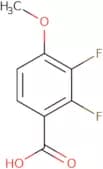
CAS :2,3-Difluoro-4-methoxybenzoic acid is a versatile building block that can be used to make complex compounds. This compound is a high quality, useful intermediate and reaction component that can be used in the synthesis of pharmaceuticals and other chemical products. 2,3-Difluoro-4-methoxybenzoic acid is a reagent that can be used for research purposes or as a speciality chemical. It has been shown to have many uses as a scaffold for making new compounds with different structures.Formule :C8H6F2O3Degré de pureté :Min. 95%Couleur et forme :PowderMasse moléculaire :188.13 g/mol3-(3-Methyl-3H-diazirine-3-yl)propionic acid
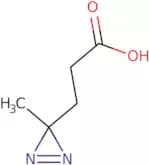
CAS :3-(3-Methyl-3H-diazirine-3-yl)propionic acid (3MDZ) is a fluorophore that can be used in cancer research. It has been shown to bind to the active site of human SIRT1 and inhibit its activity, which leads to cell death by deacylating histone H3. 3MDZ is also able to bind to carbenes, which are highly reactive molecules that have been implicated in aging and cancer. 3MDZ has shown chemopreventive effects against tumor formation and growth by binding to the carbenes and preventing them from forming reactive oxygen species. It can be used as a fluorescent probe for studying the interactions between carbenes and nucleic acids.Formule :C5H8N2O2Degré de pureté :Min. 95%Couleur et forme :Clear LiquidMasse moléculaire :128.13 g/mol3-Methoxy-4-nitrobenzoic acid methyl ester
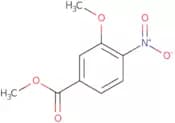
CAS :3-Methoxy-4-nitrobenzoic acid methyl ester is a dianellidin, a type of natural product. It is an ionizing acid that catalyzes the reaction between carboxylic acids and hydroxyl compounds. This compound is used to produce some drugs, such as methyldopate, which is an antiarrhythmic drug that slows heart rate. The catalytic rate of 3-methoxy-4-nitrobenzoic acid methyl ester can be increased by buffers and solvents (e.g., methanol). These compounds increase the concentration of the reactants in solution and reduce the activation energy required for the reaction to take place. Uncatalyzed reactions are slow because there are no molecules to act as intermediates in the process.
Formule :C9H9NO5Degré de pureté :95%NmrCouleur et forme :PowderMasse moléculaire :211.17 g/molModafinil carboxylate methyl ester
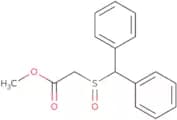
CAS :Modafinil is a wakefulness-promoting agent that has been approved for the treatment of excessive daytime sleepiness associated with narcolepsy. Modafinil carboxylate methyl ester (MCE) is an active pharmaceutical ingredient (API) that is synthesized from modafinil. MCE is a white to off-white powder that is soluble in water and acetonitrile. It has been shown to be identical to the API on the basis of analytical data, including analytical methods such as reversed-phase high-performance liquid chromatography (RP-HPLC), quantified by UV spectrophotometry at 230 nm, and validated by process development.
Formule :C16H16O3SDegré de pureté :Min. 95%Couleur et forme :PowderMasse moléculaire :288.36 g/mol4-Benzyloxyindole-2-carboxylic acid ethyl ester
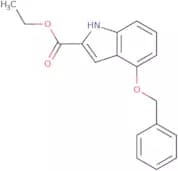
CAS :4-Benzyloxyindole-2-carboxylic acid ethyl ester is a cyclic compound that has been synthesized through an intramolecular carboxylate cyclization. This class of compounds are known for their ability to form propargylic analogues, which have the potential to be used as anticancer drugs. The compound was first reported in 1969 by Schardt and co-workers and was found to have activity against leukemia cells. It has been shown to undergo a series of cyclizations, which are triggered by the presence of oxygen or other electron acceptors.Formule :C18H17NO3Degré de pureté :Min. 95%Masse moléculaire :295.33 g/mol







![Methyl (1R,2S,3S,5S)-3-(4-Fluorophenyl)-8-[(E)-3-Iodoprop-2-Enyl]-8-Azabicyclo[3.2.1]Octane-2-Carb…](/_next/image/?url=https%3A%2Fstatic.cymitquimica.com%2Fproducts%2F3D%2Fthumb-webp%2FFM102777.webp&w=3840&q=75)

![4-tert-Butylcalix[4]arene - contains 12% residual solvent (ethyl acetate and acetonitrile)](/_next/image/?url=https%3A%2Fstatic.cymitquimica.com%2Fproducts%2F3D%2Fthumb-webp%2FFB59591.webp&w=3840&q=75)

![9-Fluoro-11β,17-Dihydroxy-16α-Methyl-3,20-Dioxopregna-1,4-Dien-21-Yl 2-[2-(2-Ethoxyethoxy)Ethoxy]A…](/_next/image/?url=https%3A%2Fstatic.cymitquimica.com%2Fproducts%2F3D%2Fthumb-webp%2FFF103016.webp&w=3840&q=75)