Aldéhydes
8576 produits trouvés pour "Aldéhydes"
Oct-7-enal
CAS :Produit contrôléStability Air Sensitive
Applications Oct-7-enal is a useful research chemical, an aliphatic aldehyde isolated from the roots of Cirsium Cipsacolepis.
References Takano, S., et al.: Phytochemistry, 26, 435 (1987); Halle, M. B., et al.: RSC Adv., 4, 63342 (2014)Formule :C8H14OCouleur et forme :NeatMasse moléculaire :126.25-Bromo-3-methoxybenzaldehyde
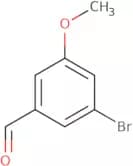
CAS :5-Bromo-3-methoxybenzaldehyde is a type of growth factor that is synthesized by cancer cells. It has been shown to have anticancer activity when used in conjunction with other drugs. 5-Bromo-3-methoxybenzaldehyde has been shown to inhibit tumor growth in mice, which may be due to its ability to prevent the activation of PD-L1. This compound interacts with a tetranuclear ligand and can be activated by light.Formule :C8H7BrO2Degré de pureté :Min. 95%Couleur et forme :PowderMasse moléculaire :215.04 g/mol4-Bromo-2-hydroxybenzaldehyde
CAS :4-Bromo-2-hydroxybenzaldehyde is a versatile building block that can be used as a reaction component to synthesize other compounds. 4-Bromo-2-hydroxybenzaldehyde is a useful intermediate in the manufacture of pharmaceuticals, pesticides, and herbicides. This chemical also has various applications in research and industry. It is an important reagent for the production of polymers and resins, as well as being an essential raw material for the synthesis of pharmaceuticals and agrochemicals.
Formule :C7H5BrO2Masse moléculaire :201.02 g/molRef: 3D-W-201939
25gÀ demander50gÀ demander100gÀ demander250gÀ demander500gÀ demander-Unit-ggÀ demander2-(1H-Pyrazol-1-yl)benzaldehyde
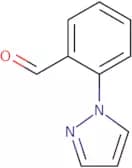
CAS :2-(1H-Pyrazol-1-yl)benzaldehyde is a synthetic chemical compound that is used in the preparation of coupling reactions. It has been shown to be an efficient reagent for the synthesis of 2-bromobenzaldehyde and pyrazole. The molecule has a hydrazone attack, which can be coupled with 2-bromobenzaldehyde, with or without the use of an additional base such as sodium methoxide. This reaction can be carried out at room temperature and does not require any harsh conditions. 2-(1H-Pyrazol-1-yl)benzaldehyde also belongs to the family of aldehydes, which are molecules containing a carbon group that is connected to two hydrogen groups (i.e., RCH=O). Hydrogenation of this type of molecule gives rise to alcohols (RCHOH).Formule :C10H8N2ODegré de pureté :Min. 95%Masse moléculaire :172.18 g/mol4-Nitro lenalidomide
CAS :4-Nitro lenalidomide is an organic compound that is a derivative of the drug lenalidomide. It is synthesized by reacting 2-nitrobenzaldehyde with amines, yielding 4-nitro-N-(2-chloroethyl)-N-(2,3-dihydroxypropyl)benzamide or 4-nitrolenalidomide. This reaction occurs in tetrahydrofuran (THF) as a solvent and in the presence of sodium borohydride (NaBH4). The four nitro groups are used to control the enantiomeric purity of the product. The chemical formula for 4-nitro lenalidomide is C12H14ClNO2.Formule :C13H11N3O5Degré de pureté :Min. 95%Masse moléculaire :289.24 g/molHeptaldehyde
CAS :Heptaldehyde is a colorless liquid with a pleasant, sweet odor. It is used in the production of polyvinyl chloride and other chemicals. In addition, it can be an important biomarker in environmental studies. Heptaldehyde is produced by the reaction of ethyl decanoate with water vapor or methyl ethyl ketone. It is also an inhibitor of acetylcholinesterase, which may be due to its hydroxyl group and acetyl group. Furthermore, heptaldehyde has been shown to react with p-nitrophenyl phosphate to form p-nitrophenol. The following table outlines the chemical properties of heptaldehyde: Molecular formula: C7H8O Molecular weight: 112.14 g/mol Boiling point (°C): 212 °C Melting point (°C): -78 °C Density (g/cm3): 1.096
Formule :C7H14ODegré de pureté :Min. 95%Couleur et forme :Clear LiquidMasse moléculaire :114.19 g/mol5-(4-Methoxyphenyl)isoxazole-3-carboxaldehyde
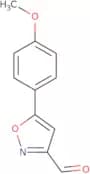
CAS :5-(4-Methoxyphenyl)isoxazole-3-carboxaldehyde (5MI) is a broad-spectrum antimicrobial agent that exhibits activity against bacteria and fungi. It has been shown to be active against gram-positive bacteria, including Staphylococcus aureus, as well as Candida albicans and other pathogenic fungi. 5MI is active in the presence of ethanol, but not in the absence of alcohol. In vitro studies show that 5MI inhibits the growth of gram-negative bacteria such as Escherichia coli and Salmonella enterica serovar Typhimurium. 5MI also exhibits antifungal activity against Aspergillus niger and Saccharomyces cerevisiae.Formule :C11H9NO3Degré de pureté :Min. 95%Masse moléculaire :203.19 g/mol3,5-Dichloro-4-pyridinecarboxaldehyde
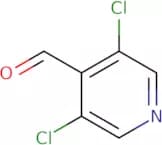
CAS :3,5-Dichloro-4-pyridinecarboxaldehyde is a synthetic heterocycle that has been studied for its pharmacokinetic properties. The compound has the ability to bind to the active site of metalloporphyrin and inhibit the enzyme's activity. This inhibition leads to an increase in the levels of homologous aldehydes, which are oxidized by hydrogen peroxide to produce electrosprays. 3,5-Dichloro-4-pyridinecarboxaldehyde also has a number of oxidation products that have been found in experiments using purines as substrates.
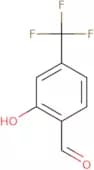
Formule :C6H3Cl2NODegré de pureté :Min. 95%Masse moléculaire :176 g/mol2-Hydroxy-4-(trifluoromethyl)benzaldehyde
CAS :2-Hydroxy-4-(trifluoromethyl)benzaldehyde is an analgesic and anti-inflammatory agent that belongs to the pyrazole family. It has shown analgesic and anti-inflammatory effects in animal studies. 2-Hydroxy-4-(trifluoromethyl)benzaldehyde has been shown to be a potent inhibitor of cyclooxygenase (COX), which is responsible for prostaglandin synthesis, and as such, may have potential as a treatment for inflammatory conditions such as rheumatoid arthritis. This drug also inhibits the production of nitric oxide, which is involved in vasodilation and increased blood flow. 2-Hydroxy-4-(trifluoromethyl)benzaldehyde has been demonstrated to inhibit COX enzymes by forming a covalent bond with active site serine residues on the enzyme. The docked complex shows hydrogen bonding interactions between the hydroxyl group of 2
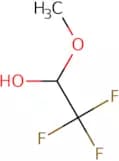
Formule :C8H5F3O2Degré de pureté :Min. 95%Masse moléculaire :190.12 g/molTrifluoroacetaldehyde methyl hemiacetal
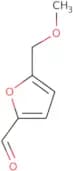
CAS :Trifluoroacetaldehyde methyl hemiacetal is a chemical compound that inhibits protein synthesis by binding to the ribosomal RNA in microsomes isolated from rat liver. Trifluoroacetaldehyde methyl hemiacetal has been shown to be a bifunctional inhibitor of progesterone receptor, which is an important component of the cell membrane and has been implicated in cancer and bone resorption. Trifluoroacetaldehyde methyl hemiacetal is also effective at inhibiting desflurane-induced anesthesia in rats.Formule :C3H5F3O2Degré de pureté :Min. 95%Couleur et forme :Clear LiquidMasse moléculaire :130.07 g/mol5-(Methoxymethyl)-2-furancarboxaldehyde
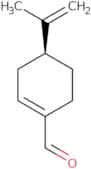
CAS :5-hydroxymethylfurfural (5-hmf) is an organic compound that is produced when a carbohydrate or sugar undergoes oxidation. It is used as an additive in animal feed and as an industrial chemical. 5-hmf is a solid catalyst that can be used at high temperatures, making it suitable for use in the production of 2,6-dihydroxybenzoic acid. The reaction mechanism of 5-hmf involves the dehydration of furfural to form 5-hydroxymethylfurfural. This process occurs when a molecule of water reacts with furfural to produce two molecules of 5-hmf. The reaction may be accelerated by introducing heat, which breaks down the hydrogen bonds between the molecules of furfural and water.Formule :C7H8O3Degré de pureté :Min. 95%Couleur et forme :Clear LiquidMasse moléculaire :140.14 g/mol(R)-Perillaldehyde
CAS :(R)-Perillaldehyde is an activated cardenolide that binds to flavoproteins and inhibits the oxygenation of 4-hydroxycoumarin. It is a stereoselective, substrate binding, and oxygenated flavoenzyme inhibitor. The orientation of perillaldehyde with respect to the flavin may be important for its activity in the enzyme's active site.Formule :C10H14ODegré de pureté :Min. 95%Masse moléculaire :150.22 g/mol1-Allyl-1H-benzimidazole-2-carbaldehyde
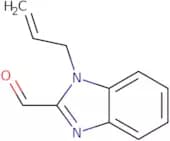
CAS :1-Allyl-1H-benzimidazole-2-carbaldehyde is a dipolar compound that can be synthesized from the reaction of 1,3-diphenylazomethine and allyl bromide. It is an orange solid that has been shown to form cycloadducts with alkenes. The selectivity of this reaction depends on the substituents on both reactants, with electron withdrawing groups increasing the rate of substitution. Dipolar cycloaddition theory predicts that 1-allyl-1H-benzimidazole-2-carbaldehyde undergoes intramolecular cycloaddition to form a six membered ring in which one carbon atom is shared between two adjacent atoms.Formule :C11H10N2ODegré de pureté :Min. 95%Couleur et forme :SolidMasse moléculaire :186.21 g/mol1-Naphthalenylsulfonyl-Ile-Trp-aldehyde
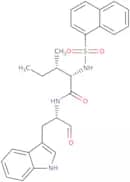
CAS :1-Naphthalenylsulfonyl-Ile-Trp-aldehyde is a recombinant protein that has protease activity. It is a serine protease that cleaves proteins at the amino acid sequence Ser-Xaa-Gly or Ser-Xaa. The recombinant protein has been shown to have proteolytic activity and can be used in assays to measure the amount of β-catenin, collagen, and growth factor in cells. 1-Naphthalenylsulfonyl-Ile-Trp-aldehyde also binds to monoclonal antibodies and can be used as a neutralizing agent for these proteins. This recombinant protein also has been shown to inhibit the growth of lung fibroblasts.Formule :C27H29N3O4SDegré de pureté :Min. 95%Couleur et forme :PowderMasse moléculaire :491.6 g/mol2-Furaldehyde diethylacetal
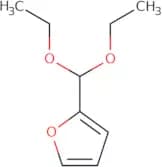
CAS :2-Furaldehyde diethylacetal is a synthetic compound that has been used in the synthesis of calcium carbonate. It is also a potent inhibitor of p. aeruginosa and other bacteria, as well as organic acids and halogen compounds. It reacts with hydroxy groups to form aldehydes, which are then oxidized to form carboxylic acid derivatives. The reaction mechanism for this compound is not well understood, but it is thought that the activation energy for the reaction may be low due to the presence of a furfural functional group.Formule :C9H14O3Degré de pureté :Min. 95%Masse moléculaire :170.21 g/molSuccinaldehyde bis(dimethyl acetal)
CAS :Please enquire for more information about Succinaldehyde bis(dimethyl acetal) including the price, delivery time and more detailed product information at the technical inquiry form on this pageFormule :C8H18O4Degré de pureté :Min. 95%Couleur et forme :Clear LiquidMasse moléculaire :178.23 g/mol2-Chloromalonaldehyde
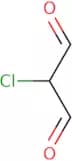
CAS :2-Chloromalonaldehyde is a reactive chemical that can be used as a pharmaceutical intermediate. It has been shown to have anti-inflammatory properties and is often used in pharmaceutical preparations. 2-Chloromalonaldehyde has shown an ability to bind with integrin receptors and inhibit the production of pro-inflammatory molecules, such as prostaglandins. This compound has also been shown to have a photoelectron spectrum that includes an intramolecular hydrogen bond, which contributes to its biological activity.Formule :C3H3ClO2Degré de pureté :(%) Min. 90%Couleur et forme :PowderMasse moléculaire :106.51 g/molParaformaldehyde
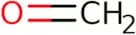
CAS :Paraformaldehyde is a carcinogenic substance that belongs to the family of heterocyclic compounds. It reacts with water vapor in the air to form formaldehyde, which is responsible for its fluorescence properties. Paraformaldehyde has been used as a probe for DNA and RNA and can be used as an indicator for nonsteroidal anti-inflammatory drugs. The reaction mechanism of paraformaldehyde is not well understood and it has been shown that it reacts with p-hydroxybenzoic acid, polymerase chain, and water vapor. This compound can be found in soybean extract or fetal bovine serum. Paraformaldehyde is usually detected using a plate test or analytical methods such as high performance liquid chromatography (HPLC).
Formule :(CH2O)nDegré de pureté :90%MinCouleur et forme :White Clear Liquid5-Ethyl-2-furaldehyde
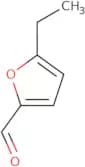
CAS :Furfural is a five-carbon aldehyde produced by the hydrolysis of pentoses. It has been used as an industrial solvent, plasticizer, and fuel. Furfural is also used to produce butanol and biofuels. Furfural can be oxidized in the redox cycle to produce active oxygen species that are reactive with other biological molecules. Furfural is also used as an inhibitor of acetaldehyde formation in beer production. This molecule has two forms: the cis form (C3H4O) and the trans form (C3H3O). The cis form has a chemical structure of CH2=CH-CH2OH, whereas the trans form is CH=CH-CH2OH.Formule :C7H8O2Degré de pureté :Min. 95%Masse moléculaire :124.14 g/molp-Anisaldehyde dimethyl acetal
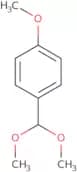
CAS :p-Anisaldehyde dimethyl acetal is a broad-spectrum antimicrobial that can be synthesized from anisaldehyde and dimethoxyacetal. It has been shown to have anticancer properties in vitro. p-Anisaldehyde dimethyl acetal has also been shown to inhibit the growth of HL60 cells, which are specialized white blood cells. This compound was found to increase neuronal death and induce cachexia in mice. The molecular weight of p-Anisaldehyde dimethyl acetal is 244.24 g/mol, with a melting point of -14 °C and a boiling point of 156 °C. The molecule contains one asymmetric center, one hydrogen bond, one non-bonding electron pair, and no double bonds. This compound has acidic properties and it reacts with vitamin D3 in a cationic polymerization process at alkaline pH levels.
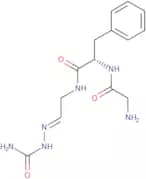
Formule :C10H14O3Degré de pureté :Min. 95%Couleur et forme :Colourless To Pale Yellow Clear LiquidMasse moléculaire :182.22 g/molH-Gly-Phe-Gly-aldehyde semicarbazone acetate salt
CAS :Please enquire for more information about H-Gly-Phe-Gly-aldehyde semicarbazone acetate salt including the price, delivery time and more detailed product information at the technical inquiry form on this pageFormule :C14H20N6O3Degré de pureté :Min. 95%Masse moléculaire :320.35 g/molBenalaxyl
CAS :Benalaxyl is an insecticide that belongs to the group of organochlorine compounds. It is a chiral compound that has been used in analytical methods for wastewater treatment and as an anti-fouling agent. Benalaxyl has been shown to possess acute toxicity, based on the results of redox cycle experiments, cell nuclei studies, enzyme activities, and rat liver microsomes. Toxicological studies have also shown that benalaxyl can cause high levels of resistance in nutrient solutions, energy metabolism, and synthesis methods.
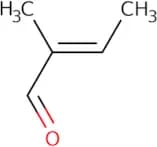
Formule :C20H23NO3Degré de pureté :Min. 95%Masse moléculaire :325.4 g/mol2-Methylbut-2-enal
CAS :2-Methylbut-2-enal is an aldehyde that belongs to the class of fatty acid. It has been shown that 2-methylbut-2-enal inhibits the growth of bacteria by binding to the anhydrous sodium and tiglic acid in the bacterial cell wall. This binding prevents the formation of an antibiotic-inhibitor complex with the enzyme cell wall synthesis that is required for cell wall biosynthesis, inhibiting protein synthesis and cell division. 2-Methylbut-2-enal also inhibits locomotor activity in mice, which may be due to its ability to inhibit acetylcholinesterase.
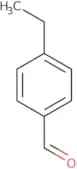
Formule :C5H8ODegré de pureté :Min. 95%Masse moléculaire :84.12 g/mol4-Ethylbenzaldehyde
CAS :4-Ethylbenzaldehyde is a chemical compound that belongs to the group of fatty acids. It has been shown to have biological properties, such as antiviral potency and genotoxic effects. This chemical compound also has a gas sensor property and is used as an exothermic reactant in organic synthesis reactions. 4-Ethylbenzaldehyde has been shown to inhibit the growth of bacteria, fungi, and viruses by blocking the synthesis of viral nucleic acid or inhibiting viral protein synthesis. The magnetic resonance spectroscopy (NMR) spectral data for 4-ethylbenzaldehyde show that this chemical compound contains two methyl groups, one on each side of the benzene ring, with a hydroxyl group on one end. The carbon atoms are bonded together in an alternating pattern of single and double bonds. The molecular formula for 4-ethylbenzaldehyde is C9H10O2.Formule :C9H10ODegré de pureté :Min. 96.0%Couleur et forme :PowderMasse moléculaire :134.18 g/mol2-Hydroxy-1-naphthaldehyde
CAS :2-Hydroxy-1-naphthaldehyde is a redox potential chemical that has been shown to have anticancer activity in vitro and in vivo. It inhibits the growth of cells by binding to iron, which is important for many biological processes including DNA synthesis. 2-Hydroxy-1-naphthaldehyde has also been shown to have metal carbonyl reactivity and fluorescence properties that may be useful as a fluorescent probe. 2-Hydroxy-1-naphthaldehyde binds to iron ions through hydrogen bonding interactions, forming an octahedral complex with six ligands. The compound also has coordination geometry that can be described as either trigonal bipyramidal or square planar, depending on the solvent used. This data was obtained by x-ray diffraction studies of crystalline solids. The compound's Langmuir adsorption isotherm was found to be linear at low concentrations and shifted to nonlinear behavior at higher concentrations. TheFormule :C11H8O2Degré de pureté :Min. 95%Couleur et forme :SolidMasse moléculaire :172.18 g/mol4-Cinnolinecarboxaldehyde
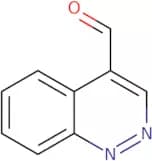
CAS :4-Cinnolinecarboxaldehyde is an organic compound that belongs to the group of cinnoline. It is a colorless liquid that can be used as a precursor in the production of aluminum metal. 4-Cinnolinecarboxaldehyde reacts with lithium aluminum hydride to form a compound that can be used as a reducing agent in organic chemistry. 4-Cinnolinecarboxaldehyde is also used as a precursor for preparing other compounds, such as lithium aluminum hydride and lithium aluminum trihydride.
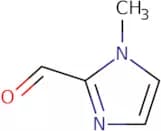
Formule :C9H6N2ODegré de pureté :Min. 95%Masse moléculaire :158.16 g/mol1-Methyl-2-imidazolecarboxaldehyde
CAS :1-Methyl-2-imidazolecarboxaldehyde is a compound that has been studied for its redox potential, which is the measure of the tendency of a molecule to gain or lose electrons. 1-Methyl-2-imidazolecarboxaldehyde has shown to be an excellent candidate as an electrochemical probe. The molecule has also been shown to bind chloride ions in water, forming a tetradentate chelate ring. This type of chelate ring is formed between two nitrogen atoms and four oxygen atoms from the water molecule. The compound forms hydrogen bonds with other molecules in its vicinity, including hepg2 cells and chloride ions.Formule :C5H6N2ODegré de pureté :Min. 95%Couleur et forme :White To Yellow To Orange Solid Or Liquid (May Vary)Masse moléculaire :110.11 g/mol4-(Benzyloxy)-5-methoxy-2-nitrobenzaldehyde
CAS :4-(Benzyloxy)-5-methoxy-2-nitrobenzaldehyde (BOMBA) is an amide with affinity for microtubules. It has been shown to interact with the microtubule lattice and inhibit the polymerization of tubulin. This leads to a decrease in cell viability and cytotoxicity, as well as a decrease in tumor size. In vivo studies have demonstrated that BOMBA inhibits tumor growth by inducing thrombosis and coagulation, which results in reduced blood flow to the tumor. The mechanism of action of BOMBA is thought to be due to its ability to form sulfamates, which are known for their anti-coagulant activity.Formule :C15H13NO5Degré de pureté :Min. 95%Masse moléculaire :287.27 g/mol1-(3-Methoxybenzyl)-1H-indole-3-carbaldehyde
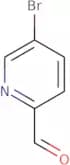
CAS :Produit contrôléPlease enquire for more information about 1-(3-Methoxybenzyl)-1H-indole-3-carbaldehyde including the price, delivery time and more detailed product information at the technical inquiry form on this pageFormule :C17H15NO2Degré de pureté :Min. 95%Masse moléculaire :265.31 g/mol5-Bromopyridine-2-carbaldehyde
CAS :5-Bromopyridine-2-carbaldehyde is a water soluble organic molecule that has been shown to inhibit the mitochondrial respiratory chain. It is a structural analog of the natural substrate for mitochondrial cytochrome c oxidase, 5-aminolevulinic acid. This compound has been shown to be selective against cancer cells and has anti-viral properties. The photophysical properties of 5-bromopyridine-2-carbaldehyde have been studied extensively. The fluorescence quantum yield of this molecule in aqueous solution is 0.06%.
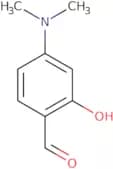
Formule :C6H4BrNODegré de pureté :Min. 95%Couleur et forme :White PowderMasse moléculaire :186.01 g/mol4-(Dimethylamino)-2-hydroxybenzaldehyde
CAS :4-(Dimethylamino)-2-hydroxybenzaldehyde (DMAA) is an anticancer agent that has been shown to enhance the antitumor effect of sodium succinate. DMAA binds to the tetradentate site of the DNA and prevents it from binding with a transcription factor, which may lead to cancer cell death. DMAA has low detection in urine and blood, making it difficult to detect its presence in patients. DMAA also has no known complexation partners, making it difficult for the body to excrete this drug. DMAA is not carcinogenic or mutagenic. It is used as a fluorescent probe for detecting hydroxy groups in organic compounds and as an environmental pollutant when mixed with other chemicals such as benzene and methylene chloride.Degré de pureté :Min. 95%Adrenalone
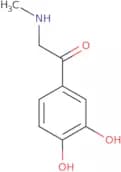
CAS :Produit contrôléAdrenalone is a caffeic acid derivative that contains a hydroxyl group. It is used in the treatment of infectious diseases, bowel disease, and autoimmune diseases. Adrenalone inhibits bacterial growth by interfering with cell wall synthesis, which prevents the formation of new cell walls and leads to bacterial death. It also inhibits the production of dopamine by acting on an amine oxidase enzyme. This drug has been shown to be effective in treating inflammatory bowel disease (IBD) in both mice and humans due to its ability to inhibit pro-inflammatory cytokines such as TNF-α, IL-1β, and IL-6.
Formule :C9H11NO3Degré de pureté :Min. 95%Couleur et forme :Colourless To Pale Yellow SolidMasse moléculaire :181.19 g/mol4-tert-Butylbenzaldehyde
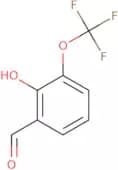
CAS :4-tert-Butylbenzaldehyde is an organic compound with the molecular formula CH3COCH2C6H5. It is a viscous liquid that is insoluble in water and has a boiling point of 146 °C. 4-tert-Butylbenzaldehyde reacts with cationic surfactants to form polymeric micelles, which are spherical structures composed of many small spherical subunits. These polymeric micelles are used as model systems for studying the properties of surfactant aggregates in solution. The reaction mechanism for this polymerization process involves the oxidation of 4-tert-butylbenzaldehyde by hydrogen peroxide and the subsequent condensation of 4-tert-butylbenzoic acid with malonic acid or other cinnamic acid derivatives to form the corresponding esters. The oxidized product, 4-tert-butylbenzoic acid, can be regenerated by boiling a mixture containing itFormule :C11H14ODegré de pureté :Min. 96.5%Couleur et forme :Colorless Clear LiquidMasse moléculaire :162.23 g/mol2-Hydroxy-3-(Trifluoromethoxy)Benzaldehyde
CAS :2-Hydroxy-3-(trifluoromethoxy)benzaldehyde is a coordination compound that is used as a ligand. It has two-dimensional and crystal structures. The ligated molecule is usually coordinated to the metal ion, forming a dimer.Formule :C8H5F3O3Degré de pureté :Min. 95%Masse moléculaire :206.12 g/molSuccinicsemialdehyde
CAS :Succinicsemialdehyde is a semialdehyde that is formed by the oxidative degradation of succinic acid. Succinicsemialdehyde has been shown to have high affinity for 5-HT3 receptors, which are found in the gastrointestinal tract and are involved in intestinal motility and bowel disease. The 5-HT3 receptor has been shown to be an important target for the treatment of irritable bowel syndrome. This semialdehyde also inhibits polymerase chain reaction (PCR) activity, which may be due to its ability to inhibit DNA synthesis. Succinicsemialdehyde has been shown to inhibit enzymes involved in energy metabolism, such as glutamate dehydrogenase and pyruvate formate lyase. The structural analysis of this molecule shows a keto group at C2, which indicates that it is a keto acid.
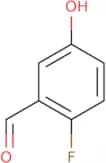
Formule :C4H6O3Degré de pureté :Min. 95%Couleur et forme :PowderMasse moléculaire :102.09 g/mol2-fluoro-5-hydroxybenzaldehyde
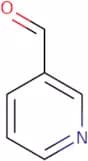
CAS :2-Fluoro-5-hydroxybenzaldehyde (2FHBA) is an olefinic compound that is synthesized from 2,5-dihydroxybenzaldehyde by reductive amination with formaldehyde. The configuration of 2FHBA is dependent on the dihedral angle between the two olefinic groups. Liquid chromatography has been used to analyze the metabolic pathway of 2FHBA in rats and humans. This study showed that tyramine and aligned are metabolites of 2FHBA in rats, while crystallized and emission are metabolites in humans. The positron emission studies also showed that 2FHBA was metabolized by erythrocytes in vitro to produce positron emission.Formule :C7H5FO2Degré de pureté :Min. 95%Masse moléculaire :140.11 g/molPyridine-3-carboxaldehyde
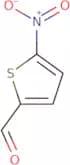
CAS :Pyridine-3-carboxaldehyde is a heterocyclic compound that is structurally related to nicotinic acid and picolinic acid. It has been shown to have anti-tumor activity, with hl-60 cells as the model system. Pyridine-3-carboxaldehyde has also been shown to be toxic to bacteria in biological studies. The chemical stability of this compound was studied by Langmuir adsorption isotherm and electrochemical impedance spectroscopy. It was found that pyridine-3-carboxaldehyde is stable at a pH range of 7 to 8 and at temperatures up to 60 degrees Celsius.Formule :C6H5NODegré de pureté :Min. 95%Couleur et forme :Clear LiquidMasse moléculaire :107.11 g/mol5-Nitrothiophene-2-carboxaldehyde
CAS :5-Nitrothiophene-2-carboxaldehyde (5NT) is a chemical compound that belongs to the class of dihedral molecules. It is commonly used as an antimicrobial agent and has been shown to have amoebicidal activity in tissue culture. 5NT also inhibits cell growth and proliferation in certain bacteria, such as Staphylococcus aureus strains, by interfering with DNA replication and protein synthesis. Although 5NT is not active against other types of bacteria, it has been shown to be effective against MRSA in laboratory studies. The biological properties of 5NT are still being studied.
Formule :C5H3NO3SDegré de pureté :Min. 95%Masse moléculaire :157.15 g/mol3-(Difluoromethoxy)benzaldehyde
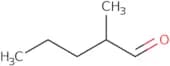
CAS :Please enquire for more information about 3-(Difluoromethoxy)benzaldehyde including the price, delivery time and more detailed product information at the technical inquiry form on this pageFormule :C8H6F2O2Degré de pureté :Min. 95%Masse moléculaire :172.13 g/mol2-Methylvaleraldehyde
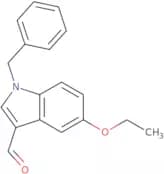
CAS :2-Methylvaleraldehyde is a colorless liquid with a pleasant odor. It is soluble in water and has an acidity of about 8.2%. The chemical formula for 2-methylvaleraldehyde is C6H12O2, and it has a molecular weight of 108.18 g/mol. 2-Methylvaleraldehyde can be obtained by the oxidation of cinnamic acid or by reduction of acetone with sodium borohydride or lithium aluminum hydride. 2-Methylvaleraldehyde can react with sodium carbonate or calcium carbonate to form sodium methoxyethoxide or calcium methoxyethoxide, respectively. The reaction intermediates are methyl ethyl ketone (MEK) and dimethyl ether (DME). These compounds are used in the synthesis of various other chemicals, including pentane, butadiene, and chloroprene. Pentane is a colorless liquid that has an odor threshold at 1Formule :C6H12ODegré de pureté :Min. 95%Masse moléculaire :100.16 g/mol1-Benzyl-5-ethoxy-1H-indole-3-carbaldehyde
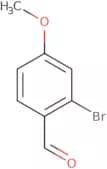
CAS :Produit contrôléPlease enquire for more information about 1-Benzyl-5-ethoxy-1H-indole-3-carbaldehyde including the price, delivery time and more detailed product information at the technical inquiry form on this pageFormule :C18H17NO2Degré de pureté :Min. 95%Masse moléculaire :279.33 g/mol2-Bromo-4-methoxybenzaldehyde
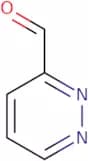
CAS :2-Bromo-4-methoxybenzaldehyde is a cyclic, stereoselectively eliminable, acrylate that can be used in the asymmetric synthesis of sulfamidate and lactam. It can also be used to synthesize quinoline derivatives with aluminium chloride. This product has been shown to yield good yields when reacted with functional groups such as halides and nature. 2-Bromo-4-methoxybenzaldehyde is found in biomolecular reactions.Formule :C8H7BrO2Couleur et forme :PowderMasse moléculaire :215.04 g/molPyridazine 3-carbaldehyde
CAS :Pyridazine 3-carbaldehyde is a potential antiviral agent that has shown to be effective against herpes simplex virus type 1. It is a methylene compound that binds to the active site of the enzyme ribonucleotide reductase, which is required for DNA synthesis. This compound also exhibits synergistic effects with other antiviral agents and has cytotoxic properties. Pyridazine 3-carbaldehyde can be synthesized from pyridine-3-carboxaldehyde via a two-step process involving thermal decarboxylation followed by an oxidation reaction.Formule :C5H4N2ODegré de pureté :Min. 95%Masse moléculaire :108.1 g/mol6-Chloro-1,3-dimethyl-1H-pyrazolo[3,4-b]pyridine-5-carboxaldehyde
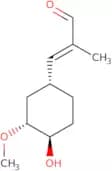
CAS :Please enquire for more information about 6-Chloro-1,3-dimethyl-1H-pyrazolo[3,4-b]pyridine-5-carboxaldehyde including the price, delivery time and more detailed product information at the technical inquiry form on this pageFormule :C9H8ClN3ODegré de pureté :Min. 95%Masse moléculaire :209.63 g/molTacrolimus methyl acryl aldehyde
CAS :Please enquire for more information about Tacrolimus methyl acryl aldehyde including the price, delivery time and more detailed product information at the technical inquiry form on this pageFormule :C11H18O3Degré de pureté :Min. 95%Masse moléculaire :198.26 g/mol4,4-difluorocyclohexane-1-carbaldehyde
CAS :Please enquire for more information about 4,4-difluorocyclohexane-1-carbaldehyde including the price, delivery time and more detailed product information at the technical inquiry form on this page
Formule :C7H10F2ODegré de pureté :Min. 95%Couleur et forme :Colorless PowderMasse moléculaire :148.15 g/mol5-Bromo-2-furaldehyde
CAS :5-Bromo-2-furaldehyde is a chemical compound that belongs to the class of heterocycles. It is used in industry as a precursor for the synthesis of other organic compounds. 5-Bromo-2-furaldehyde has been shown to have anti-inflammatory properties, which may be due to its ability to inhibit prostaglandin synthesis. The use of this chemical has been linked with autoimmune diseases and cancer development in animal models. 5-Bromo-2-furaldehyde is an environmental pollutant that can enter the body by ingestion or inhalation, and it can cause irritation of the skin, eyes, nose, throat, and lungs. This chemical is also known as amide or suzuki coupling reaction (SCR).
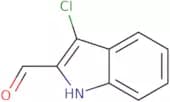
Formule :C5H3BrO2Degré de pureté :Min. 98%Couleur et forme :Off-White To Yellow To Light Brown SolidMasse moléculaire :174.98 g/mol3-Chloro-1H-indole-2-carbaldehyde
CAS :3-Chloro-1H-indole-2-carbaldehyde is a bifunctional reagent that can be used to form amides. It reacts with primary and secondary amines, as well as dialkyl and methylene amines, to produce the corresponding chloro-, phenylhydrazine-, or nitrosoaminoureas. This reaction is intramolecular and yields the desired product in high yield. The reactant can also be used as a chloride source. 3-Chloro-1H-indole-2-carbaldehyde is manufactured by reacting phenylhydrazine with chloroacetic acid in an organic solvent at room temperature (25°C).
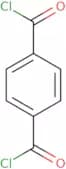
Formule :C9H6ClNODegré de pureté :Min. 95%Masse moléculaire :179.6 g/molTerephthaloyl chloride
CAS :Terephthalaldehyde chloride is a water-insoluble, white solid that is soluble in organic solvents. It forms a protective layer on metal surfaces and plastics, preventing corrosion and microbial growth. Terephthalaldehyde chloride has been shown to be effective against Escherichia coli, Klebsiella pneumoniae, Bacillus subtilis, Pseudomonas aeruginosa, Staphylococcus aureus, and Salmonella enterica. Terephthalaldehyde chloride's antimicrobial activity is attributed to its acid complex with phosphorus pentoxide and electrochemical impedance spectroscopy data indicate that it reacts with the anionic sites of bacterial cell walls. Terephthalaldehyde chloride does not react with human serum proteins or ester linkages; however, it has toxic effects on mice at high doses.
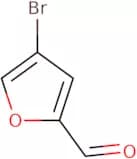
Formule :C8H4Cl2O2Degré de pureté :Min. 95%Couleur et forme :PowderMasse moléculaire :203.02 g/mol4-Bromofuran-2-carbaldehyde
CAS :4-Bromofuran-2-carbaldehyde is a synthetic compound that has been shown to have antioxidant properties. It contains an electron-donating carbonyl group and an electron-withdrawing bromine atom. 4-Bromofuran-2-carbaldehyde is useful in the treatment of endophytic fungi infections, as it inhibits the synthesis of ergosterol, which is an important component of the fungal cell membrane. The molecule's conformational properties are also important for its biological activity, as they enable it to act as a chiral ligand by binding to proteins in a way that will inhibit their function. In addition, 4-bromofuran-2-carbaldehyde has been shown to be effective against cancer cells in vitro, particularly against MMCF7 cells. This may be due to its ability to bind to DNA and prevent transcription or replication of DNA strands.
Formule :C5H3BrO2Degré de pureté :Min. 95%Masse moléculaire :174.98 g/mol













![6-Chloro-1,3-dimethyl-1H-pyrazolo[3,4-b]pyridine-5-carboxaldehyde](/_next/image/?url=https%3A%2Fstatic.cymitquimica.com%2Fproducts%2F3D%2Fthumb-webp%2FFC30642.webp&w=3840&q=75)