Glycosciences
Sous-catégories appartenant à la catégorie "Glycosciences"
- Aminosucres(108 produits)
- Anticorps Glyco-Related(284 produits)
- Glycolipides(46 produits)
- Glycosaminoglycanes (GAGs)(55 produits)
- Glycosides(419 produits)
- Monosaccharides(6.622 produits)
- Oligosaccharides(3.699 produits)
- Polysaccharides(506 produits)
11035 produits trouvés pour "Glycosciences"
1,6-Anhydro-N,N’-diacetylchitobiose
CAS :1,6-Anhydro-N,N’-diacetylchitobiose is an anhydrosugar that can be used in the synthesis of oligosaccharides
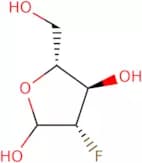
Formule :C16H26N2O10Degré de pureté :Min. 95%Couleur et forme :PowderMasse moléculaire :406.39 g/mol2-Deoxy-2-fluoro-D-galactose
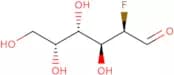
CAS :2-Deoxy-2-fluoro-D-galactose, also called 3-fluoro-6-hydroxymethyl-tetrahydro-pyran-2,4,5-triol, can be added to the medium of primary cultured rat hepatocytes to inhibit N-glycosylation of proteins. Immunoglobulin G (IgG) is the most common antibody found in blood and 2-deoxy-2-fluoro-D-galactose modifies the galactosylation of the N-linked glycan in the IgG-Fc receptor. We also have this product from a non-animal origin, MD71984.
Formule :C6H11FO5Degré de pureté :Min. 97 Area-%Couleur et forme :White PowderMasse moléculaire :182.15 g/molMethyl β-D-fructopyranoside
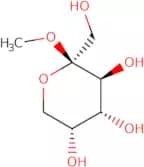
CAS :Methyl β-D-fructopyranoside is a glycoside that is made up of a pyranose ring and the sugar d-fructose. This molecule is stable because of its hydrogen bonds, which are formed between the oxygen atom of the hydroxyl group and the hydrogen atom of the methyl group. Methyl β-D-fructopyranoside has two chiral centers, so it can exist as two enantiomers. The most common form is D-(+)-methyl β-d-fructopyranoside, which has a configuration of R (right) and S (left).
Formule :C7H14O6Degré de pureté :One SpotCouleur et forme :PowderMasse moléculaire :194.18 g/molBenzyl 3,4-O-(2',3'-dimethoxybutane-2',3'-diyl)-a-D-mannopyanoside
CAS :Benzyl 3,4-O-(2',3'-dimethoxybutane-2',3'-diyl)-a-D-mannopyanoside is a modification of an oligosaccharide. It is a complex carbohydrate that has been synthesized from a monosaccharide and methylated on the 3' hydroxyl group. This product is available as a custom synthesis and is offered in high purity. The CAS number for this compound is 1423035-45-3.
br>
Benzyl 3,4-O-(2',3'-dimethoxybutane-2',3'-diyl)-a-D-mannopyanoside can be used as a sugar or fluorinated saccharide in glycosylation reactions with other molecules. It can also be used to produce polysaccharides by glycosylation with other molecules such as glucose, mannose, or sucrose.Formule :C19H28O8Degré de pureté :Min. 95%Masse moléculaire :384.42 g/molParacetamol glucoside
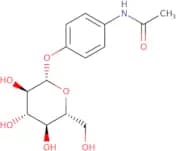
CAS :Paracetamol glucoside is a prodrug that is hydrolyzed in vivo to paracetamol. It has an inhibitory effect on the uptake of photosynthetic pigments, and has been shown to have a chronic exposure inhibitory effect on the activity of enzymes such as catalase, peroxidase, and glutathione reductase. The uptake and toxic effects of paracetamol glucoside have been studied in vitro and also in vivo. In vitro studies have shown that animals are less sensitive to the toxicity of this compound than humans.
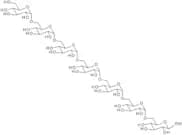
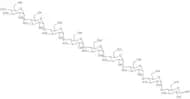
Formule :C14H19NO7Degré de pureté :Min. 95%Couleur et forme :PowderMasse moléculaire :313.3 g/molMaltodecaose - min 90%
CAS :α 1,4-glucodecasaccharide derived from starch by hydrolysis and chromatography
Formule :C60H102O51Couleur et forme :White PowderMasse moléculaire :1,639.42 g/molMethyl β-D-arabinopyranoside
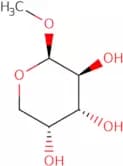
CAS :Methyl b-D-arabinopyranoside is a fluorine containing molecule that has been shown to be an excellent marker for suberin. It is insoluble in water, and can be detected by resonator diffraction. The chemical composition of methyl b-D-arabinopyranoside was determined using liquid crystal composition and plates. A polymer particle with a macroscopic size was used to determine the fluorescence of methyl b-D-arabinopyranoside. Fluorescence analysis showed that methyl b-D-arabinopyranoside is a green fluorescent material with a maximum emission wavelength of 514 nm. Hydroalcoholic extraction was used to isolate this compound from the plant Ricinus communis L., where it was found in constant proportions.Formule :C6H12O5Degré de pureté :Min. 95%Couleur et forme :PowderMasse moléculaire :164.16 g/mol3-C-Methyl- 5, 6- O- isopropylidene)-D- mannonic acid g- lactone
3-C-Methyl- 5, 6- O- isopropylidene)-D- mannonic acid g- lactone is a modification of the natural sugar D-mannonic acid. It can be used as an intermediate for the synthesis of oligosaccharides and complex carbohydrates. 3-C-Methyl-5,6 -O-isopropylidene)-D -mannonic acid g -lactone is synthesized by methylation and glycosylation. This product is available in high purity and CAS No.
Degré de pureté :Min. 95%Octyl-b-D-glucuronide methyl ester
Octyl-b-D-glucuronide methyl ester is a synthetic molecule that can be used for a variety of purposes, including modification, fluorination, methylation and monosaccharide synthesis. This product is also available in various concentrations. Click modification, oligosaccharides and polysaccharides are all possible uses for this product. Octyl-b-D-glucuronide methyl ester has been shown to have many applications, such as glycosylation and sugar synthesis. This product has been shown to be useful in the production of complex carbohydrates.
Degré de pureté :Min. 95%D-Altrose
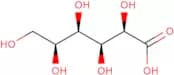
CAS :D-Altrose is an alpha-hydroxy acid that is synthesized from D-arabinose and trifluoroacetic acid. It has been shown to be a substrate for the synthesis of oligosaccharides, which are important in carbohydrate chemistry. This molecule can also be used as a reagent in the preparation of carbohydrates with a specific configuration at C2. One use of this product is in generating analytical methods that can distinguish between D-altrose and D-arabinose by monitoring the ratio of hydrogen fluoride to carbonyl group signals. D-Altrose may also be used in asymmetric synthesis, where it is a useful chiral building block for the construction of galacturonic acid derivatives.
Formule :C6H12O6Degré de pureté :Min. 98 Area-%Couleur et forme :White PowderMasse moléculaire :180.16 g/molColchicoside
CAS :Colchicoside is a natural compound that belongs to the chemical family of phenylpropanoids. It is used in the treatment of gout and pseudogout, and has been shown to be effective against demecolcine-induced hemolytic activity. Colchicoside has also shown to be an analog for other compounds with toxicological studies, such as hydrochloric acid and potassium dichromate. The toxicity studies performed on colchicoside have shown that it can cause damage to cells in culture by inhibiting DNA repair mechanisms.
Formule :C27H33NO11Degré de pureté :Min. 95%Couleur et forme :PowderMasse moléculaire :547.55 g/molCyclohexyl b-D-glucopyranoside
Cyclohexyl b-D-glucopyranoside is a synthetic sugar that is modified with fluorine. Cyclohexyl b-D-glucopyranoside can be custom synthesized to meet your specific needs. This product has a high purity and is methylated and glycosylated. Cyclohexyl b-D-glucopyranoside's CAS number is 113488-25-8.
Degré de pureté :Min. 95%2-Deoxy-2-fluoro-D-galactose
CAS :Please enquire for more information about 2-Deoxy-2-fluoro-D-galactose including the price, delivery time and more detailed product information at the technical inquiry form on this page
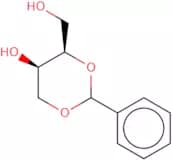
Formule :C6H11FO5Degré de pureté :Min. 97 Area-%Masse moléculaire :182.15 g/mol1,3-O-Benzylidene-4-O-trityl-D-threitol
CAS :1,3-O-Benzylidene-4-O-trityl-D-threitol is a carbohydrate that is modified with fluorine and contains a trityl group. It is used as a reagent in oligosaccharide synthesis, sugar modification, and glycosylation reactions. The compound can be custom synthesized to meet the desired specifications, such as high purity and low cost. The compound can also be methylated or glycosylated for custom synthesis.
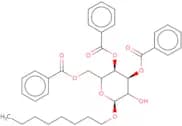
Formule :C30H28O4Degré de pureté :Min. 95%Masse moléculaire :452.54 g/molOctyl 3,4,6-tri-O-benzoyl-a-D-mannopyranoside
CAS :Octyl 3,4,6-tri-O-benzoyl-a-D-mannopyranoside is a carbohydrate that has been custom synthesized. It has a molecular weight of 614.4 g/mol and the chemical formula C30H50O8. This compound is an oligosaccharide with a polysaccharide backbone. Octyl 3,4,6-tri-O-benzoyl-a-D-mannopyranoside is soluble in water and ethanol, but insoluble in hexane or ether. It has CAS No. 19308-45-3 and can be modified by methylation or glycosylation. The molecule contains three sugar residues that have been linked through glycosidic bonds to form a triose sugar (a sugar containing three carbon atoms). The molecule also contains an acetal group at the C1 position of the mannose moiety that can be fluorinated with b
Formule :C35H40O9Degré de pureté :Min. 95%Masse moléculaire :604.69 g/molGDP-L-fucose disodium
CAS :Please enquire for more information about GDP-L-fucose disodium including the price, delivery time and more detailed product information at the technical inquiry form on this page
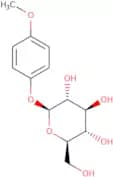
Formule :C16H23N5O15P2Na2Degré de pureté :Min. 90 Area-%Masse moléculaire :633.31 g/mol4-Methoxyphenyl β-D-glucopyranoside
CAS :Bearberry has been used for centuries to treat various disorders of the urinary tract and prostate. The active ingredient in bearberry is a flavonol glycoside called arbutin, which is converted to hydroquinone during metabolism. As an antioxidant, hydroquinone inhibits the oxidation of LDL cholesterol and may reduce the risk of atherosclerosis. Hydroquinone has also been shown to have anti-inflammatory properties in rat liver microsomes and tissue culture, inhibiting prostaglandin synthesis by blocking cyclooxygenase activity. In vitro, bearberry extracts have been shown to inhibit bacterial growth on agar plates with pH levels from 4-7 and at concentrations between 0.1-1%. It was found that bearberry extracts were most effective against Pseudomonas aeruginosa strains, with MIC values ranging from 2-4 mg/mL. Bearberry extract was observed to be more effective than ampicillin against these strains in a chromatographic assay.
Formule :C13H18O7Degré de pureté :Min. 95%Couleur et forme :PowderMasse moléculaire :286.28 g/molGM1b-Oligosaccharide
GM1b pentasaccharide (sodium salt) has a core tetrasaccharide structure (Galβ1,3GalNAcβ1,4Galβ1,4Glc) with a single sialic acid residue linked α2,3 to the terminal galactose residue (Ledeen, 2009). GM1b oligosaccaharide is the carbohydrate moiety in GM1b ganglioside, which is a minor component of human brain monosialoganglioside fraction. GM1b ganglioside and especially anti-GM1b IgG antibodies are associated with axonal Guillain-Barré syndrome, which develops followingâ¯C. jejuniâ¯infection (Yuki, 1999).
Formule :C37H61N2O29NaDegré de pureté :Min. 90 Area-%Couleur et forme :PowderMasse moléculaire :1,020.87 g/mol(4αS,6S,7R,8S,8αR)-8-(Benzyloxy)-2-phenyl-6-(phenylthio)hexahydropyrano[3,2-d][1,3]dioxin-7-yl benzoate
CAS :Please enquire for more information about (4αS,6S,7R,8S,8αR)-8-(Benzyloxy)-2-phenyl-6-(phenylthio)hexahydropyrano[3,2-d][1,3]dioxin-7-yl benzoate including the price, delivery time and more detailed product information at the technical inquiry form on this page
Formule :C33H30O6SMasse moléculaire :554.66 g/mol2-Azido-2-deoxy-2-C-methyl-3,5-di-O-tert.butyldimethylsilyl-D-ribono-1.4-lactone
2-Azido-2-deoxy-2-C-methyl-3,5-di-O-tert.butyldimethylsilyl-D-ribono-1.4-lactone is a custom synthesis that has been modified with a click chemistry reaction and fluorination. It is an oligosaccharide and polysaccharide, which are carbohydrates that contain multiple saccharides. This product also contains high purity, which means it's of the highest grade available on the market. The modification of this product is done through the use of a monosaccharide or sugar, which can be synthesized in the laboratory.
Degré de pureté :Min. 95%D-Maltose monohydrate
CAS :Please enquire for more information about D-Maltose monohydrate including the price, delivery time and more detailed product information at the technical inquiry form on this page
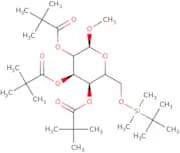
Formule :C12H24O12Degré de pureté :Min. 98 Area-%Masse moléculaire :360.31 g/molMethyl 6-O-tert-butyldimethylsilyl-2,3,4-tri-O-pivaloyl-a-D-mannopyranoside
Methyl 6-O-tert-butyldimethylsilyl-2,3,4-tri-O-pivaloyl-a-D-mannopyranoside is a synthetic glycosylation agent that can be used for the synthesis of complex carbohydrates. This product has been fluorinated and saccharide modified. Methyl 6-O-tert-butyldimethylsilyl-2,3,4-tri-O-pivaloyl-aDmannopyranoside is available in CAS number: 5756782.
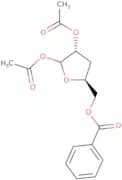
Formule :C28H52O9SiDegré de pureté :Min. 95%Masse moléculaire :560.81 g/mol1,2-O-Di-O-acetyl-5-O-benzoyl-3-deoxy-D-ribofuranose
CAS :1,2-O-Di-O-acetyl-5-O-benzoyl-3-deoxy-D-ribofuranose is a carbohydrate that is used as a building block in the synthesis of oligosaccharides and polysaccharides. The compound is also used to modify glycoproteins to increase their stability and to improve their solubility. 1,2-O-Di-O-acetyl-5-O-benzoyl--3 -deoxy--D--ribofuranose has been modified with fluorination, saccharide methylation, glycosylation and polysaccharide synthesis.Formule :C16H18O7Degré de pureté :Min. 90%Couleur et forme :PowderMasse moléculaire :322.31 g/molPropofol-4-Hydroxy-1-D-glucuronide
Propofol-4-Hydroxy-1-D-glucuronide is a modification of propofol, which is commonly used as an intravenous anesthetic. It is a synthetic compound that can be custom synthesized by adding the sugar group to propofol. Propofol-4-Hydroxy-1-D-glucuronide has been shown to be a high purity and pure oligosaccharide with a CAS number. It also contains methylated and glycosylated saccharides.
Formule :C18H26O8Degré de pureté :Min. 95%Masse moléculaire :370.39 g/molGlycyl-Oligosaccharidesmannose 3(a)
Glycyl-Oligosaccharidesmannose 3(a) (GL3(a)) is a complex carbohydrate that is composed of mannose and glycyl chains. It has been modified with methyl, click, fluorination, and saccharide modifications. GL3(a) has been synthesized using custom synthesis methods that yield high purity.
Formule :C36H62N4O26Degré de pureté :Min. 95%Masse moléculaire :966.89 g/mol2,5-Anhydro-D-mannitol
CAS :2,5-Anhydro-D-mannitol is a glucose analogue that is metabolized by the body to produce energy. It has been shown to inhibit the proliferation of HL-60 cells in vitro, and also inhibits glucose uptake and utilization in liver cells. 2,5-Anhydro-D-mannitol has been shown to have a direct effect on cellular metabolism and ATP levels. This molecule interacts with cell surface glycoproteins and nitrous oxide (NO) through hydrogen bonding interactions. 2,5-Anhydro-D-mannitol also appears to regulate peptide hormone production in the liver. The hydroxyl group on this molecule is responsible for its redox potential. In addition, 2,5-Anhydro-D-mannitol can induce cell lysis by interfering with protein synthesis due to its enzyme activities.
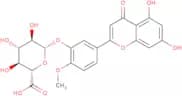
Formule :C6H12O5Degré de pureté :Min. 98 Area-%Couleur et forme :PowderMasse moléculaire :164.16 g/molDiosmetin-3'-O-b-D-glucuronide
CAS :Diosmetin-3'-O-b-D-glucuronide is a custom synthesis, complex carbohydrate, Oligosaccharide, Polysaccharide. It has been modified by Methylation and Glycosylation. This compound is a sugar (CAS No. 152503-50-9) that is a carbohydrate with a high purity and fluoroination. The modification of this compound includes Click chemistry.
Formule :C22H20O12Degré de pureté :Min. 95%Couleur et forme :PowderMasse moléculaire :476.39 g/mol2,5-Di-O-acetyl-3-C-methyl-D-lyxono-1,4-lactone
2,5-Di-O-acetyl-3-C-methyl-D-lyxono-1,4-lactone is a hydrogen bonded lactone. The crystal structure of the compound has been determined by X-ray crystallography and found to be a hydrogen bonded dimer with two molecules of water located between the two monomers. This compound is also known as 3,6,9,12,15,18,21 hexaoxahexacontane 1,4-lactone or DAL.
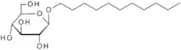
Formule :C10H14O7Degré de pureté :Min. 95%Masse moléculaire :246.21 g/molUndecyl b-D-glucopyranoside
CAS :Undecyl b-D-glucopyranoside is a potentiometer that can be used in fields such as modification and implementation. This compound has been shown to be stable and efficient, with a result that is implemented.
Formule :C17H34O6Degré de pureté :Min. 95%Couleur et forme :White to off-white solid.Masse moléculaire :334.45 g/mol1,2:3,5-Di-O-isopropylidene-b-L-apiose
CAS :1,2:3,5-Di-O-isopropylidene-b-L-apiose is a sugar that is used in the production of glycosylation and methylation. It is an oligosaccharide of the monosaccharide apiose and has a molecular weight of 432.06 g/mol. 1,2:3,5-Di-O-isopropylidene-b-L-apiose can be synthesized by the modification of natural apiose with chloromethyl groups at C3 and C5 positions. It is also possible to modify 1,2:3,5-Di-O-isopropylidene apiose with other functional groups such as fluorine or glycosylation. This compound can be used in the synthesis of complex carbohydrates such as heparin, hyaluronic acid, and chitin.
Formule :C11H18O5Degré de pureté :Min. 95%Masse moléculaire :230.26 g/molFleetamine
Fleetamine is a piperidine compound that has been shown to be an inhibitor of the enzyme glycosylation. Inhibitors of glycosylation are useful for treating diseases such as diabetes and Alzheimer's disease. It is thought that Fleetamine may inhibit human glycosylating enzymes, such as glucosyl transferase, which catalyzes the addition of a glucose molecule to a protein. This inhibition prevents the formation of oligosaccharides and glycoconjugates, which are necessary for proper functioning of cells.
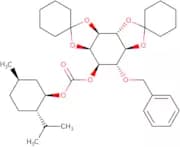
Degré de pureté :Min. 95%6-O-Benzyl-1-(-)-carboxymenthyl-2,3:4,5-di-O-cyclohexylidene-L-myo-inositol
CAS :6-O-Benzyl-1-(-)-carboxymenthyl-2,3:4,5-di-O-cyclohexylidene-L-myo-inositol is a synthetic oligosaccharide with the chemical formula C9H14FNO5. It is a monosaccharide composed of a single sugar unit, inositol, which has been modified with benzyl groups on the 6th and 1st positions of the inositol ring. This compound is used as an intermediate in the synthesis of other saccharides.
Formule :C36H52O8Degré de pureté :Min. 95%Masse moléculaire :612.79 g/mol2-Acetamido-2-deoxy-a-D-thiogalactopyranose
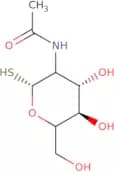
Please enquire for more information about 2-Acetamido-2-deoxy-a-D-thiogalactopyranose including the price, delivery time and more detailed product information at the technical inquiry form on this page
Formule :C8H15NO5SDegré de pureté :Min. 95%Couleur et forme :PowderMasse moléculaire :237.27 g/molHeparin derived dp26 saccharide ammonium salt
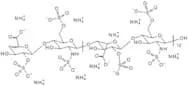
Heparin derived dp26 saccharide ammonium salt (HDA) is a glycosylation product of heparin. It is a complex carbohydrate polymer with a molecular weight of over 10,000 Da and consists of repeating disaccharides. The first sugar in the repeating disaccharide is N-acetyl-D-glucosamine, which is then methylated on the 6 position. HDA has been modified by fluorination to give it improved stability and prolonged half life. This product has been custom synthesized for use in biotechnology research and has high purity.
Formule :C156H207N13O247S39Na52Degré de pureté :Min. 95%Masse moléculaire :8,662.29 g/mol(3R, 4R, 5S) -3, 4-Dihydroxy- 5- (hydroxymethyl) - 2- pyrrolidinone
3, 4-Dihydroxy-5-(hydroxymethyl)pyrrolidinone (3R,4R,5S) is a custom synthesis of a fluorinated compound that has been modified through methylation and monosaccharide substitution. This product has been designed for use in Click chemistry applications. The CAS number for this product is 100906-64-6.
Degré de pureté :Min. 95%Globopentaose
CAS :Carbohydrate moiety of globopentaosylceramide
Formule :C32H55NO26Degré de pureté :Min. 95%Couleur et forme :White PowderMasse moléculaire :869.77 g/mol(3R,4R)-2-Methyl-2,3,4,5-tetrahydroxypentane
(3R,4R)-2-Methyl-2,3,4,5-tetrahydroxypentane is a synthetic compound. It is a glycosylation reagent that can be used to modify the sugar moiety in oligosaccharides and complex carbohydrates. (3R,4R)-2-Methyl-2,3,4,5-tetrahydroxypentane is also used for fluorination reactions and click chemistry modifications. This product has been shown to have high purity and can be custom synthesized. The CAS number for this compound is 36610-02-6.
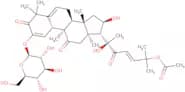
Degré de pureté :Min. 95%2-O-b-D-Glucopyranosylcucurbitacin E
CAS :2-O-b-D-glucopyranosylcucurbitacin E is a natural product that has been isolated from the roots of Cucurbita maxima. This compound has been shown to have bioactive properties, including antioxidant and antimicrobial activity. The extract was tested on chronic cough patients with type 2 diabetes mellitus. The treatment group showed significant improvements in symptoms and bioactive phytochemical levels compared to the control group.
2-O-b-D-glucopyranosylcucurbitacin E is a white powder that is soluble in methanol and water but not in chloroform or ether. It can be analyzed by liquid chromatography, which separates the different components of a sample by passing it through a column filled with an adsorbent material that retains some components more than others.Formule :C38H54O13Degré de pureté :Min. 95%Masse moléculaire :718.83 g/molVarenicline N-glucoside
CAS :Varenicline N-glucoside is a modification of varenicline, which is an antagonist of the nicotinic acetylcholine receptor. This compound has been synthesized using custom synthesis and glycosylation to obtain high purity. It has been methylated and fluorinated in order to remove any impurities. Varenicline N-glucoside is a carbohydrate with a molecular weight of 581.5 g/mol, consisting of one monosaccharide and one disaccharide. It also contains a complex carbohydrate with an oligosaccharide chain that is composed of glycosylation and saccharide units. The CAS number for this compound is 873302-31-9.
Formule :C19H23N3O5Degré de pureté :Min. 95%Couleur et forme :PowderMasse moléculaire :373.4 g/mol2-Azido-2-deoxy-L-xylonic acid
2-Azido-2-deoxy-L-xylonic acid is a synthetic monosaccharide and a member of the xylonic acid family. It is used in the synthesis of glycosides and oligosaccharides, as well as being used to modify proteins. 2-Azido-2-deoxy-L-xylonic acid has been fluorinated and then glycosylated with a variety of saccharides including maltose, cellobiose, and sucrose. This compound is also methylated at the hydroxyl group to give an azidomethyl ester derivative. The chemical name for this compound is 2-[(2S)-2-(diethylamino)ethylamino]pentanedioic acid, 2-[1-(diethylamino)ethyl]azide].
Degré de pureté :Min. 95%a-Maltotetraosyl-a,a-trehalose
CAS :a-Maltotetraosyl-a,a-trehalose is a carbohydrate that is modified with fluorine. It is a complex carbohydrate with four maltotriose units linked by alpha,alpha-trehalose units. This compound can be custom synthesized and has high purity. It can also be methylated and glycosylated. Click modification can be done to the sugar in order to modify its properties.
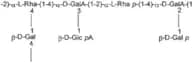
Formule :C36H62O31Degré de pureté :Min. 95%Masse moléculaire :990.86 g/molGlcA[3S]b(1-3)Galb(1-4)GlcNAcb(1-2)Mana-Ethylazide
GlcA[3S]b(1-3)Galb(1-4)GlcNAcb(1-2)Mana-Ethylazide is an oligosaccharide used in glycosylation and esterification reactions. It is a complex carbohydrate that consists of a methylated mannosamine backbone, with alpha-D-glucose and alpha-D-galactose units attached to the mannosamine. GlcA[3S]b(1-3)Galb(1-4)GlcNAcb(1-2)Mana-Ethylazide has a fluorinated ethyl group at the 3 position of the mannosamine, which can be modified with other reactive groups. The CAS number for this compound is 84726-43-7.
Formule :C28H44N4Na20O25SDegré de pureté :Min. 95%Masse moléculaire :1,328.52 g/mol1,3,4,6-Tetra-O-acetyl-b-D-mannopyranose
CAS :1,3,4,6-Tetra-O-acetyl-b-D-mannopyranose is a radiopharmaceutical that is used to diagnose and evaluate malignant tumors. It is a diagnostic agent for the detection of cancerous cells in patients with suspected cancer. The molecule emits gamma radiation when it decays. This product has been tested in experimental studies on animals and humans with tumors. There are no known side effects or interactions with other drugs. 1,3,4,6-Tetra-O-acetyl-b-D-mannopyranose can be administered intravenously or orally and can be used to detect cancerous cells in the stomach and small intestine.
Formule :C14H20O10Degré de pureté :Min. 95%Couleur et forme :White PowderMasse moléculaire :348.3 g/molTopiramate D-galactopyranose
Topiramate D-galactopyranose is a custom synthesis, modification, fluorination, methylation and monosaccharide. It is synthesized by clicking modification and oligosaccharide. Topiramate D-galactopyranose has CAS No. and polysaccharide. This product has sugar and complex carbohydrate. It can be used as a fluoroquinolone antibiotic for the treatment of bacterial infections such as tuberculosis, leprosy, mycobacterium avium complex, or staphylococcus aureus infection.
!--Formule :C18H31NO13SDegré de pureté :Min. 95%Masse moléculaire :501.5 g/molD-Glucose - anhydrous
CAS :D-Glucose is a monosaccharide that is used as an energy source. D-glucose is transported across the cell membrane by a sodium-dependent transporter. It has been shown to have antibacterial activity against Escherichia coli and staphylococcus in rat liver microsomes, as well as an inhibiting effect on the growth of squamous carcinoma cells in rats. D-glucose has also been shown to have hypoglycemic effects in diabetic rats, which may be due to its ability to stimulate insulin release from the pancreas.
Formule :C6H12O6Masse moléculaire :180.16 g/molGum karaya
CAS :Gum karaya is exuded from Sterculia urens, a bushy tree found in dry regions of North India. Due to its extensive swelling capacity in water it is used as a laxative and as a denture adhesive. The structure consists of D-galactose, D-glucuronic acid and L-rhamnose but the detailed molecular structure is still incompletely known.
Degré de pureté :Min. 95%Couleur et forme :PowderButyl α-D-glucopyranoside
CAS :Butyl a-D-glucopyranoside is an antimicrobial agent that inhibits the growth of photosynthetic organisms. It has been shown to have high cytotoxicity against Gram-positive bacteria, including Enterobacter and Bacillus. Butyl a-D-glucopyranoside also exhibits strong antimicrobial activity against Gram-negative bacteria such as Escherichia coli, Salmonella enterica, Klebsiella pneumoniae, and Pseudomonas aeruginosa. This compound also has potent activity against fungi and yeast. The mechanism of action is not known but may involve the inhibition of tyrosol synthesis or the disruption of microbial membranes.
Formule :C10H20O6Degré de pureté :Min. 95%Couleur et forme :PowderMasse moléculaire :236.26 g/mol(1S) -1- [(2S, 3S,4R) -N-Benzyl-4-hydroxymethyl-3- hydroxy- 1- azetidinyl] -1, 2- ethanediol
The synthesis of 1,2-ethanediol is accomplished by the reaction of benzaldehyde with ethanol. This product is a synthetic sugar that is used in the modification of polysaccharides and glycosylation. The molecular weight of this product ranges from 200 to 400 Daltons. It has a CAS number of 730-25-6.
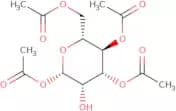
Degré de pureté :Min. 95%2,3,4,6-Tetra-O-acetyl-D-mannopyranose
CAS :2,3,4,6-Tetra-O-acetyl-D-mannopyranose is a glycosylated polysaccharide. It is a complex carbohydrate with a methylated D-mannopyranose backbone and an acetylated 2,3,4,6-tetraose sidechain. This product can be fluorinated or saccharified to make it more reactive for click chemistry. 2,3,4,6-Tetra-O-acetyl-D-mannopyranose has been custom synthesized in a high purity form that is suitable for use in various applications including polymeric materials and pharmaceuticals.
Formule :C14H20O10Degré de pureté :Min. 95%Masse moléculaire :348.3 g/mol1-Deoxy-D-psicose
1-deoxy-D-psicose is a deoxy sugar that can be used as a reagent for the conversion of 1-deoxy-d-fructose to d-psicose. It is useful in the synthesis of rhamnose, which is a precursor to pharmaceuticals and agrochemicals. 1-Deoxy-D-psicose can be used in the synthesis of l-rhamnose from d-psicose or vice versa. This process of converting one epimer to another isomerization is very efficient, with an 88% yield.
Degré de pureté :Min. 95%2-Deoxy-2-fluoro-D-arabinofuranose
CAS :2-Deoxy-2-fluoro-D-arabinofuranose is a purine nucleoside that is used in the diagnosis and treatment of herpes simplex virus infection. It inhibits viral replication by competitively inhibiting acycloguanosine, an enzyme that catalyzes the conversion of 2’-deoxyguanosine to deoxyadenosine. 2-Deoxy-2-fluoro-D-arabinofuranose has been shown to be active against cancer cells and can be used as chemotherapeutic agent. This drug may also be used for the diagnosis of cancer by detecting the presence of activated T cells in patients with tumor necrosis factor α (TNFα) receptor gene polymorphism.
Formule :C5H9FO4Degré de pureté :Min. 95%Couleur et forme :PowderMasse moléculaire :152.12 g/molLactose oleate
CAS :Lactose oleate is a fatty acid ester that can be used as an absorption enhancer. It has been shown to increase the absorption of drugs in both inorganic and organic forms. Lactose oleate can be used in assays to determine the profile and nucleophilic attack of fatty acids. Lactose oleate is lipophilic and biodegradable, making it suitable for use as an edible coating or as a membrane for cell culture. Lactose oleate can also be used as a substrate for immobilization studies, where it is immobilized on silica gel particles. This allows for its use in thermodynamic studies. Lastly, lactose oleate has been shown to have potential anti-inflammatory properties in caco-2 cells.
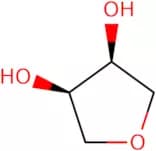
Formule :C18H34O2•(C12H22O11)xDegré de pureté :Min. 95%Couleur et forme :PowderMasse moléculaire :624.76 g/mol1,4-Anhydro-D-erythritol
CAS :1,4-Anhydro-D-erythritol is a sugar alcohol that can be found in various plants and fruits. It is a reaction product of D-erythrose and glycerol, with an average formation rate of 10%. The hydroxyl group on the 1,4-anhydro-D-erythritol molecule reacts with methyl glycosides to produce an ester. Trifluoromethanesulfonic acid is used as a catalyst in this process, which activates the hydroxyl group on the molecule. The reaction mechanism for this process involves three steps: elimination of water, dehydration of the hydroxyl group, and addition of methyl glycoside. This process results in a new molecule called 1,4-anhydro-D-erythritol methyl ester (AEME). AEME has been shown to have conformational properties that are different from those of its parent compound. The conformational
Formule :C4H8O3Degré de pureté :Min. 95%Couleur et forme :Clear LiquidMasse moléculaire :104.1 g/molL-Idonic acid sodium
CAS :L-Idonic acid sodium is a plant hormone that regulates carbohydrate metabolism. It has been shown to regulate the synthesis of galacturonic acid and malic acid, which are important for the production of glucose. L-Idonic acid sodium also regulates the synthesis of fatty acids, which are important for cell membrane formation. L-Idonic acid sodium is an intermediate in the biosynthesis of l-tartaric acid, which is an enzyme substrate. The gene product that encodes this molecule has been characterized as a protein with a molecular weight of approximately 9,000 daltons and a hydroxyl group on C-3.
Formule :C6H11O7NaDegré de pureté :Min. 95%Couleur et forme :PowderMasse moléculaire :218.15 g/mol1-Deoxy-3,4-O-isopropylidene-6-O-tert.butyldimethylsilyl-D-tagatose
1-Deoxy-3,4-O-isopropylidene-6-O-tert.butyldimethylsilyl-D-tagatose (1DOP) is a carbohydrate that can be used in the synthesis of oligosaccharides and polysaccharides. It is a synthetic monosaccharide that has been modified with fluorine and methyl groups to increase its stability. 1DOP can be reacted with other sugars like glucose or mannose to form glycosidic linkages. The resulting product is called an oligosaccharide, which can then be further modified by adding more sugar residues to form a polysaccharide.
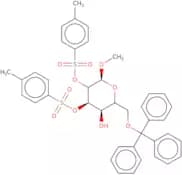
Degré de pureté :Min. 95%Methyl 2,3-di-O-p-toluenesulfonyl-6-O-trityl-a-D-glucopyranoside
CAS :Methyl 2,3-di-O-p-toluenesulfonyl-6-O-trityl-a-D-glucopyranoside is a custom synthesis of a natural product. It is an analogue of the disaccharide sucrose (CAS No. 69649-64-5). Methyl 2,3-di-O-p-toluenesulfonyl 6-[(trityloxy)methyl]-a-(1,2:4,5)-D glucopyranoside reacts with fluoride ion to form methyl 2,3 di -O - p - toluenesulfonyl 6-[(trityloxy)methyl]-a-(1,2:4,5)-D glucopyranoside fluoride ion. The monosaccharides are linked by glycosyl bonds and can be modified by different reactions such as oxidation or reduction. The saccharide can be modified
Formule :C40H40O10S2Degré de pureté :Min. 95%Masse moléculaire :744.87 g/molL-g-Ethylidene glutanic acid
L-g-Ethylidene glutamic acid is an organic compound that is used in the production of pharmaceuticals, agrochemicals, and other chemicals. It can be synthesized by the methylation of L-glutamic acid with formaldehyde and sodium cyanoborohydride. L-g-Ethylidene glutamic acid has also been modified by a click reaction to create a fluorinated derivative. This product is a white crystalline solid that has a CAS number. The product is available at high purity and can be ordered as either monosaccharide or polysaccharide.
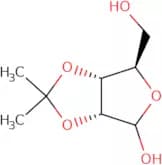
L-g-Ethylidene glutamic acid is a sugar that belongs to the carbohydrate family and can be classified as complex carbohydrates because it comprises two or more sugars linked together. This product may also be referred to as an oligosaccharide or polysaccharide, depending on its molecular size.Degré de pureté :Min. 95%2,3-O-Isopropylidene-D-ribofuranose
CAS :Pharmaceutical intermediate
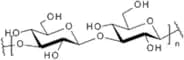
Formule :C8H14O5Degré de pureté :Min. 95%Couleur et forme :PowderMasse moléculaire :190.19 g/molb-D-glucan-from oat
CAS :Oat β-glucans are water-soluble β-glucans derived from the endosperm of oat kernels, which contain β-1,3 and β-1,4 linkages. They are known for cholesterol lowering and hypoglycemic properties, as well as their use in various cosmetic applications. Recent research has shown their potential application in immunomodulation and wound healing.
Degré de pureté :Min. 90%Couleur et forme :White PowderDermatan sulphate tetrasaccharide ammonium salt
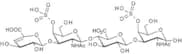
Dermatan sulphate tetrasaccharide ammonium salt is a synthetic, high purity oligosaccharide that is also known as Dermatan sulfate. Dermatan sulfate is a complex carbohydrate that is composed of a repeating sequence of three monosaccharides: glucuronic acid, N-acetylgalactosamine and N-acetylglucosamine. Dermatan sulfate has been shown to have an inhibitory effect on the growth of bacteria such as Staphylococcus aureus and Mycobacterium tuberculosis. This molecule can be modified to include fluorination or methylation for custom synthesis.
Degré de pureté :Min. 95%(2S, 3S, 4S) -4- (Hydroxymethyl) - N- methyl- 3- (phenylmethoxy) - 1- (phenylmethyl) -2- azetidinecarboxamide
CAS :(2S, 3S, 4S) -4- (Hydroxymethyl) - N- methyl- 3- (phenylmethoxy) - 1- (phenylmethyl) -2- azetidinecarboxamide is a synthetic glycosylinase inhibitor. It is an Oligosaccharide which contains a sugar and a saccharide. The synthesis of this product can be customized according to the customer's needs. This product has been fluorinated and custom synthesized. It is a high purity, complex carbohydrate with click modification.
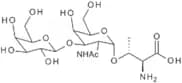
Formule :C20H24N2O3Degré de pureté :Min. 95%Masse moléculaire :340.42 g/mol2-Acetamido-2-deoxy-3-O-(β-D-galactopyranosyl)-α-D-galactopyranosyl-1-O-L-threonine
CAS :2-Acetamido-2-deoxy-3-O-(b-D-galactopyranosyl)-a-D-galactopyranosyl-1-O-L-threonine is a fluorinated monosaccharide that is used as a building block for the synthesis of complex carbohydrates. This compound can be used to synthesize glycoproteins, glycolipids, and other glycoconjugates. 2-Acetamido-2-deoxy -3 -O-(b -D -galactopyranosyl) -a -D -galactopyranosyl 1 O L threonine has been modified with methylation and click chemistry reactions.
Formule :C18H32N2O13Degré de pureté :Min. 95%Couleur et forme :White to light yellow solid.Masse moléculaire :484.45 g/molD-Xylose
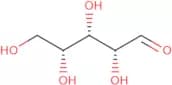
CAS :Xylose (Xyl) is an aldopentose also known as wood sugar (Collins, 2006). The main sources of xylose are hemicelluloses found in hardwood and perennial plants, such as, grasses, cereals, and herbs (Petzold-Welcke, 2014) and some algae. Xylose is used in the production of xylitol, a low calory sugar substitute. Xylose is used in glycosaminoglycan (GAG) biosynthesis, which is initiated by peptide O-xylosyltransferases, which transfer xylose onto selected serine residues in the core proteins. The first enzyme in the pathway, peptide O-xylosyltransferase, catalyzes the transfer of xylose from uridine diphosphate (UDP)-α-D-xylose onto serine and thus determines the site(s) of GAG attachment on the core protein (Briggs, 2018).
Formule :C5H10O5Degré de pureté :Min. 98.0 Area-%Couleur et forme :White PowderMasse moléculaire :150.13 g/mol6-Deoxy-L-allitol
6-Deoxy-L-allitol is a white crystalline solid that melts at 122°C. It has an amorphous character and may be present as a mixture of rotations, form, and crystalline polymorphs. 6-Deoxy-L-allitol can be oxidized to its diol derivative by hydrogen peroxide or sodium periodate. This compound is soluble in water, methanol, and acetone. The molecular weight of this compound is 179.06 g/mol.
Degré de pureté :Min. 95%D-Galactosamine hydrochloride
CAS :D-Galactosamine (GalN) is an aldohexose (2-Amino-2-deoxygalactose) in which the hydroxyl group at position 2 is replaced by an amino group (Collins, 2006). Galactosamine (as the N-Acetyl derivative) forms a key part of both N- and O-linked glycoproteins, glycolipids and glycosaminoglycans. Treatment of experimental animals with D-galactosamine / lipopolysaccharide causes lethal liver injury characterized by apoptosis of the hepatocyte and it is used as a laboratory model to study the effect of therapeutic agents (Hirono, 2001).
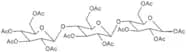
Formule :C6H14ClNO5Masse moléculaire :215.63 g/molD-Cellotriose undecaacetate
CAS :D-Cellotriose undecaacetate is a glycosylation product of cellobiose and erythritol. It is a methylated polysaccharide, which is an oligosaccharide that contains a single sugar unit. This compound can be custom synthesized and has high purity. D-Cellotriose undecaacetate is used in the synthesis of polysaccharides in the food industry and for medical purposes as a drug delivery system.
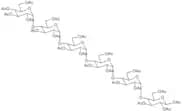
Formule :C40H54O27Degré de pureté :Min. 95%Couleur et forme :White To Off-White SolidMasse moléculaire :966.84 g/molMaltohexaose eicosaacetate
CAS :CO2-philic compound; used in pharmaceuticals and CO2-based processes
Formule :C76H102O51Degré de pureté :Min. 90.0 Area-%Couleur et forme :White PowderMasse moléculaire :1,831.59 g/molD-Mannosaminuronic acid
D-Mannosaminuronic acid is a monosaccharide that has been isolated from the seed of the African plant, Acacia drepanolobium. It is found to be an antigenic component of shigella and related enterobacteria and plays an important role in the biosynthesis of glycolipids. D-Mannosaminuronic acid can be hydrolyzed by acidic enzymes such as lipases, esterases, phosphatases, or proteases. This process may lead to the liberation of fatty acids and sugars. The purified enzyme preparations have been shown to catalyze the synthesis of D-mannosaminuronic acid from mannose and fructose.
Degré de pureté :Min. 95%2-Keto-D-gluconic acid hemicalcium monohydrate
CAS :Enhances dissolution of soil minerals; intermediate in L-ascorbic acid syntheses
Formule :C6H9O7•(Ca)•H2ODegré de pureté :Min. 99 Area-%Couleur et forme :White PowderMasse moléculaire :231.19 g/molL-Fucose
CAS :L-Fucose is a monosaccharide that is an important component of glycoproteins and glycolipids. L-Fucose is also found in the cell wall of bacteria. The most abundant sources of L-fucose are from the hydrolysis of lactose or sucrose by bacteria, or as a result of intestinal microbial fermentation. L-Fucose has been shown to be involved in the regulation of many metabolic processes, including the glomerular filtration rate and sephadex g-100 binding capacity in the kidney. It has also been shown to improve growth in infant rats with protein malnutrition. The enzyme that catalyzes the conversion of D-arabinose to L-fucose is known as fucokinase.
Formule :C6H12O5Degré de pureté :Min. 98.0 Area-%Masse moléculaire :164.16 g/molRef: 3D-F-8060
Produit arrêté2-Deoxy-D-ribose
CAS :Used in synthetic organic chemistry and natural product synthesis. Induces apoptosis by inhibiting the synthesis and increasing the efflux of glutathione. It is used for synthesis of optically active dipyrrolyl alkanols from pyrroles on the surface of montmorillonite KSF clay.
Formule :C5H10O4Degré de pureté :Min. 99.0 Area-%Masse moléculaire :134.13 g/molDisialyl-TF
CAS :Disialyl-TF is a monoclonal antibody that binds to the CD33 antigen on the surface of all types of cancer cells, including breast cancer cells. Disialyl-TF has been shown to reduce the growth and spread of prostate cancer cells in mice, reducing tumor size and weight. Disialyl-TF is also active against infectious diseases such as HIV, which may be due to its ability to inhibit the expression of glycan receptors. The mechanism by which it works is not yet known. Disialyl-TF has been shown to bind with high affinity to erythrocytes bearing A or B blood group antigens, making it an excellent diagnostic tool for detecting these antigens in patients with acute myeloid leukemia or other cancers.
Formule :C36H59N3O27Degré de pureté :Min. 95%Masse moléculaire :965.86 g/molN-(3-Hydroxypropropyl phthalimido 2,3,4,6-tetra-O-acetyl-α-D-mannopyranoside
N-(3-Hydroxypropropyl phthalimido 2,3,4,6-tetra-O-acetyl-a-D-mannopyranoside is a custom synthesis of an oligosaccharide. This product contains 3 hydroxyl groups and is modified with fluorine. It has a CAS number and can be used in the synthesis of polysaccharides or saccharides.Degré de pureté :Min. 95%Maltononaose
CAS :α 1,4-glucononasaccharide derived from starch by hydrolysis and chromatography
Formule :C54H92O46Couleur et forme :White PowderMasse moléculaire :1,477.28 g/mol5-O-tert-Butyldimethylsilyl-2,3-O-isopropylidene-L-ribono-1,4-lactone
CAS :5-O-tert-Butyldimethylsilyl-2,3-O-isopropylidene-L-ribono-1,4-lactone is a high purity custom synthesis and custom synthesis of complex carbohydrates. 5-O-tert-Butyldimethylsilyl-2,3-O-isopropylidene-L-ribono--1,4--lactone is a fluorination and an oligosaccharide that contains methylated sugar. It is a polysaccharide with a click modification that can be used for glycosylation and methylation. This product has been shown to be effective in the synthesis of oligosaccharides.
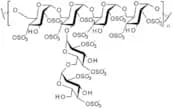
Formule :C15H28O5SiDegré de pureté :Min. 95%Masse moléculaire :316.47 g/molDextran sulfate sodium - MW 8,000
CAS :Dextran sulphate is a dextran derivative whose ulcer (colitis) -causing properties were first reported in hamsters and extrapolated a few years later to mice and rats. The exact mechanisms through which dextran sulphate induces intestinal inflammation are unclear but may be the result of direct damage of the monolayer of epithelial cells in the colon, leading to the crossing of intestinal contents (for e.g. commensal bacteria and their products) into underlying tissue and therefore induction of inflammation. The dextran sulphate sodium induced ulceration model in laboratory animals has some advantages, when compared to other animal models of colitis, due to its simplicity and similarities to human inflammatory bowel disease.
Couleur et forme :White PowderMasse moléculaire :8000.0Xylitol - BP/EP
CAS :Xylitol is a sugar alcohol that has been shown to have antimicrobial properties. It has been found to be effective in inhibiting the growth of bacteria, yeast, and fungi by disrupting their cell membranes. In addition, xylitol appears to have the ability to reduce plasma glucose levels in animals and humans. Xylitol has also been shown to inhibit the growth of bacteria in acidic environments by binding with proteins on the bacterial cell membrane. This binding prevents the transport of nutrients into the cell and results in cell death. Xylitol is not metabolized by human cells because it cannot be broken down into acetaldehyde or acetate. However, xylitol can be metabolized by certain types of liver cells.
Xylitol BP/EP is a drug that belongs to the class of antidiabetic agents used for lowering blood sugar levels in patients with diabetes mellitus type II (insulin-dependent diabetes). It is an exogenous insulin secretagogue that stimulates insulin secretion from pancreaticFormule :C5H12O5Degré de pureté :Min. 95%Masse moléculaire :152.15 g/molUDP-a-D-galactose disodium salt
CAS :UDP-a-D-galactose disodium salt is a nucleotide sugar that is used in the synthesis of oligosaccharides. It is also used to identify mammalian cells that express UDP-galactose:quinone oxidoreductase, which are responsible for synthesizing the sugar. It is a building block of the influenza virus and has been shown to inhibit viral growth by interfering with RNA synthesis. This compound can be synthesized using solid-phase synthesis or multienzyme strategy.
Formule :C15H22N2O17P2·2NaDegré de pureté :Min. 95 Area-%Masse moléculaire :610.27 g/mol1,2,3,4-Tetra-O-benzyl-6-O-tert-butyldimethylsilyl-b-D-galactopyranose
1,2,3,4-Tetra-O-benzyl-6-O-tert-butyldimethylsilyl-b-D-galactopyranose is a glycosylation product of 1,2,3,4 tetra O benzyl 6 O tert butyldimethylsilyl b D galactopyranose. It is a member of the class of complex carbohydrates and has a molecular weight of 582. The compound is soluble in methanol and acetone. It has been shown to be effective for methylation, click modification and fluorination reactions as well as other modifications such as polysaccharide synthesis and saccharide modification. This compound is custom synthesized by our company with high purity.
Formule :C40H50O6SiDegré de pureté :Min. 95%Masse moléculaire :654.93 g/mol2-Acetamido-1,6-anhydro-2-deoxy-β-D-glucopyranose
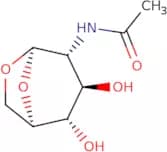
CAS :2-Acetamido-1,6-anhydro-2-deoxy-b-D-glucopyranose is widely used in carbohydrate chemistry. It is used as reagent for the synthesis of oligosaccharides and also as a precursor in the synthesis of oligopeptides. 2-Acetamido-1,6-anhydro-2-deoxy-b-D-glucopyranose is an analog of levoglucosan, a compound that is often used to trace for biomass burning in enviromental chemistry studies.
Formule :C8H13NO5Degré de pureté :Min. 95%Couleur et forme :PowderMasse moléculaire :203.19 g/mol(3aS, 7S, 9S, 9aR, 9bR) -9- [[(1, 1- Dimethylethyl) dimethylsilyl] oxy] - 2, 2- diethylhexahydro- 7- methyl-1, 3- dioxolo[4, 5- a] i ndolizin- 6(4H) - one
(3aS, 7S, 9S, 9aR, 9bR) -9- [[(1, 1- Dimethylethyl) dimethylsilyl] oxy] - 2, 2- diethylhexahydro- 7- methyl-1, 3- dioxolo[4, 5- a] i ndolizin- 6(4H) - one is an oligosaccharide made of sugar and saccharide. This compound is synthesized in the laboratory by clicking modification. It has a high purity and is custom synthesis. The CAS No. for this compound is 251788-72-8.
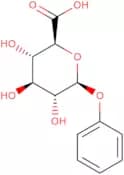
Degré de pureté :Min. 95%Phenyl-beta-D-glucuronic acid monohydrate
CAS :Phenyl-beta-D-glucuronic acid monohydrate is a genotoxic agent that is metabolized to S-phenylmercapturic acid. This metabolite can be detected in urine as an indicator of exposure to the compound. Phenyl-beta-D-glucuronic acid monohydrate has been shown to have toxic effects on humans, such as decreasing the glomerular filtration rate and increasing reactive oxygen species levels. It also decreases antioxidant vitamin levels and causes blood disorders, including hemolytic anemia. Phenyl-beta-D-glucuronic acid monohydrate may also be used for the treatment of autoimmune diseases by inhibiting certain enzymes involved in inflammation and immune response.Formule :C12H16O8Degré de pureté :Min. 98 Area-%Couleur et forme :White PowderMasse moléculaire :288.26 g/molLewis X trisaccharide
CAS :Milk oligosaccharide; antigen; expressed on gastric mucosa and cancer cells
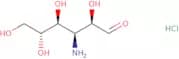
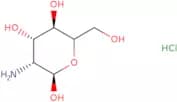
Formule :C20H35NO15Degré de pureté :Min. 90 Area-%Couleur et forme :PowderMasse moléculaire :529.49 g/mol3-Amino-3-deoxy-D-glucose HCl
CAS :3-Amino-3-deoxy-D-glucose HCl is a synthetic compound that inhibits the efflux of glucose from cells. It has been shown to inhibit growth in Saccharomyces cerevisiae, which may be due to its ability to inhibit the function of an efflux pump. 3-Amino-3-deoxy-D-glucose HCl has also shown antifungal activity against Candida albicans and Aspergillus fumigatus.
Formule :C6H13NO5·HClDegré de pureté :Min. 98 Area-%Couleur et forme :Slightly Yellow PowderMasse moléculaire :215.63 g/molIsomaltoheptaose
CAS :Produced from high maltose syrup by treatment with transglucosidase
Formule :C42H72O36Degré de pureté :Min. 90 Area-%Couleur et forme :White PowderMasse moléculaire :1,153 g/molMaltotetraose
CAS :Maltotetraose is the shortest chain oligosaccharide that can be classified as a maltodextrin. It’s a component of liquid glucose (a commercial sweetener composed of glucose, maltose, maltotriose and maltotetraose), used in bread-making industry.
Formule :C24H42O21Degré de pureté :Min. 95 Area-%Couleur et forme :White PowderMasse moléculaire :666.58 g/molN-Acetylmuramyl-L-alanyl-D-isoglutamine hydrate
CAS :Muramyl dipeptide is a component of the bacterial cell wall and is found in mycobacteria, mycoplasmas, spirochetes, and gram-positive bacteria. Muramyl dipeptide has been shown to induce the activation of macrophages and other cells by stimulating toll-like receptor 4. It also has significant cytotoxicity against various cancer cells, as well as potent inducers of ubiquitin ligases. The use of muramyl dipeptide in vitro was shown to inhibit replication of HIV-1 virus in human lymphocytes. This agent has also been used for the treatment of bowel disease.Formule :C19H32N4O11·xH2ODegré de pureté :Min. 96 Area-%Couleur et forme :PowderMasse moléculaire :492.48 g/molDextran 5 - MW 4,000 to 6,000
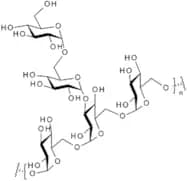
CAS :Dextran is α-(1,6)-linked α-D-glucan with α-(1,3)-linked glucose branch points produced by fermentation of Leuconostoc mesenteroides via the action of the enzyme dextransucrase on sucrose. The main use for native dextran is as an extender in blood transfusions and products having a range of sharp cut-off molecular weights are produced commercially for this and other applications. A complex of iron with dextran, known as iron dextran, is used as a source of iron for baby piglets which are often anaemic at birth.
Couleur et forme :White Powder6-Deoxy-6-fluoro-D-lactose
Used for studies of the D-lactose pathway by non-invasive techniques using ¹â¹F-NMR spectroscopy or positron emission from the ¹âžF-labeled compound.
Formule :C12H21O10FDegré de pureté :Min. 95%Couleur et forme :PowderMasse moléculaire :344.29 g/molAcidic Sophorolipids non-acetylated
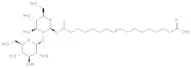
Acidic Sophorolipids non-acetylated is a disaccharide consisting of β-1,2′ linked glucose residues with an unsaturated (cis-9) 18 carbon fatty acid chain. Acidic Sophorolipids are produced by various yeast species, notably Starmerella bombicola. Acidic Sophorolipids are amphiphilic molecules and therefore possess the attributes of surfactants; however as bio-surfactants they have several advantages over synthetic surfactants including low toxicity, biodegradability and the potential for low cost manufacture. The mixed acetylated version is also available.
Formule :C30H54O13Couleur et forme :White PowderMasse moléculaire :622.74 g/mol6-O-Malonyldaidzin free acid
CAS :6-O-Malonyldaidzin is a metabolite of the soybean isoflavone daidzein. It is an isoflavonoid that has been shown to activate estrogen receptors in vitro and in vivo. 6-O-Malonyldaidzin has been found to have a protective effect on hepatic steatosis, as well as an anti-inflammatory effect. This compound also appears to have matrix effects on plasma lipoproteins and vascular endothelial cells. 6-O-Malonyldaidzin is absorbed efficiently from the gastrointestinal tract, with its bioavailability being 70% or higher when taken orally. The chemical reaction for the synthesis of 6-O-Malonyldaidzin free acid can be carried out using acetylgenistin as a starting material. The sample preparation for this reaction solution may include distillation, recrystallization, or column chromatography. The analytical method for measuring the concentration of this compound includes UV spectrosc
Formule :C24H22O12Degré de pureté :Min. 95%Couleur et forme :White PowderMasse moléculaire :502.42 g/molGlucosylceramide
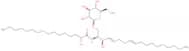
CAS :Glucosylceramide (Glc-Cer) is the common precursor in the biosynthesis of most glycosphingolipids, with exception of some Gal-Cer derivatives, such as, GM4. Glucosylceramide consists of a glucosyl moiety which is β-O-glycosydically linked to ceramide, which itself, consists of the long-chain aminoalcohol sphingosine and a fatty acid. Glucosylceramide (also called glucocerebroside) is synthesised enzymatically, by the glucosylceramide synthase-catalysed with the addition of a glucose residue to ceramide. Glucosylceramide is involved in the regulation of various cellular events and also serves as a main constituent in liposome formulations.
Formule :C40H75NO9Degré de pureté :Min. 98 Area-%Couleur et forme :White Off-White PowderMasse moléculaire :714.02 g/molb-D-Thiogalactose
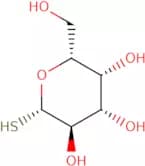
CAS :Thiogalactose is a naturally occurring disaccharide that has been shown to have anti-inflammatory properties. It inhibits the production of inflammatory cytokines, such as tumor necrosis factor-α (TNF-α), and suppresses the growth of experimental colitis in mice. Thiogalactose also denatures fatty acids and prevents 3t3-l1 preadipocytes from undergoing cellular transformation. This compound also inhibits the uptake of bovine serum albumin by macrophages, which may be due to its alkylthio group. Thiogalactose has been shown to inhibit proliferation of cultured human cells, including monocytic leukemia cells, when used at concentrations less than 10 mM.
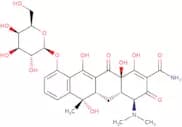
Formule :C6H12O5SDegré de pureté :Min. 95%Couleur et forme :PowderMasse moléculaire :196.22 g/molTetracycline 10-O-β-D-galactopyranoside
CAS :Tetracycline 10-O-b-D-galactopyranoside is a tetracycline antibiotic that has been modified with a fluorinating agent to increase its water solubility. Tetracycline 10-O-b-D-galactopyranoside is the most active of the tetracyclines for the treatment of infections caused by mycoplasmas, rickettsias, and chlamydiae. It inhibits protein synthesis in these bacteria by binding to ribosomes. This drug also has an inhibitory effect on the growth of Mycobacterium tuberculosis and Mycobacterium avium complex.Formule :C28H34N2O13Degré de pureté :Min. 95%Couleur et forme :Dark red solid.Masse moléculaire :606.58 g/molCarboxymethyl curdlan
CAS :Carboxymethyl curdlan is widely used in the preparation of nanoparticles for biomedical applications. Following the synthesis of superparamagnetic iron oxide nanoparticles (SPIN) capped with carboxymethyl curdlan for use in cellular and in vivo imaging applications, the stability and dispersibility of SPIN in water were greatly improved with the introduction of the carboxymethyl curdlan moiety. Recently, a green and simple route was proposed to synthesize Ag nanoparticles using carboxymethylcurdlan under UV irradiation.
Couleur et forme :PowderMaltotriitol
CAS :Bulk sweetener; viscosity/bodying agent; humectant; cryoprotectant
Formule :C18H34O16Degré de pureté :(%) Min. 95%Couleur et forme :White PowderMasse moléculaire :506.45 g/molDextran sulfate sodium salt - MW 9,000-16,000
CAS :Dextran sulfate sodium salt is a water-soluble polymer that is used as a drug carrier and has many applications in the pharmaceutical industry. It is an oligosaccharide with an average molecular weight of 9,000 to 16,000 Daltons. Dextran sulfate sodium salt can be used for the treatment of cavities, especially those that are infected or in which there is a risk of infection. It can also be used for intubation and has been shown to be effective at reducing allergic reactions by blocking the release of histamine by mast cells. Dextran sulfate sodium salt also has kinetic properties and can be used to study enzymatic reactions. This polymer is not toxic because it cannot be absorbed through the skin or gastrointestinal tract.
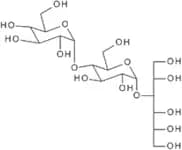
Formule :(C6H7Na3O14S3)n6'-Fucosyllactose
CAS :6'-Fucosyllactose is a fucosylated form of lactose, which is a complex carbohydrate. It is a custom synthesis and has been synthesized in high purity. 6'-Fucosyllactose has CAS No. 80756-86-1 and can be found as an oligosaccharide or polysaccharide. 6'-Fucosyllactose is a monosaccharide that has been methylated and glycosylated to increase its stability. The saccharides are modified with fluorination to make it more soluble in water and to improve its solubility in organic solvents.
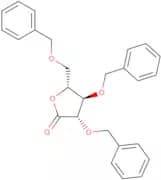
Formule :C18H32O15Degré de pureté :Min. 95%Couleur et forme :PowderMasse moléculaire :488.44 g/mol2,3,5-Tri-O-benzyl-D-arabino-1,4-lactone
CAS :2,3,5-Tri-O-benzyl-D-arabino-1,4-lactone is a carbonyl compound that has been used to synthesize carbonyl compounds. It has been shown to catalyze the formation of benzaldehyde from acetoacetic ester in the presence of hydrochloric acid. The melting point of 2,3,5-tri-O-benzyl-D-arabino-1,4--lactone is reported to be between 138° and 141°C.Formule :C26H26O5Degré de pureté :Min. 95%Couleur et forme :PowderMasse moléculaire :418.48 g/mol2,3-Di-O-allyl-a-cyclodextrin
CAS :Alpha-cyclodextrin (α-CD) derivative with a hydrophilic exterior and lipophilic cavity (smaller than β-CDs and γ-CDs) to allocate certain guest molecules. This structural characteristic enables applications in molecular encapsulation, solubility enhancement, and stabilization across multiple industries. In pharmaceuticals, it serves as a drug delivery vehicle, enhancing the bioavailability and stability of active ingredients. The food industry utilizes it as a stabilizer for flavors, colors, and nutrients, as well as a functional ingredient for its effects on lipid metabolism. In cosmetics, it acts as a complex agent for fragrances and active components. Its applications extend to analytical chemistry for chiral separation and to materials science for developing smart materials and nanosystems.
Formule :C72H108O30Degré de pureté :Min. 95%Masse moléculaire :1,453.61 g/mol






![(4αS,6S,7R,8S,8αR)-8-(Benzyloxy)-2-phenyl-6-(phenylthio)hexahydropyrano[3,2-d][1,3]dioxin-7-yl ben…](/_next/image/?url=https%3A%2Fstatic.cymitquimica.com%2Fproducts%2F3D%2Fthumb-webp%2FMB184552.webp&w=3840&q=75)







![GlcA[3S]b(1-3)Galb(1-4)GlcNAcb(1-2)Mana-Ethylazide](/_next/image/?url=https%3A%2Fstatic.cymitquimica.com%2Fproducts%2F3D%2Fthumb-webp%2FOG44930.webp&w=3840&q=75)


![(1S) -1- [(2S, 3S,4R) -N-Benzyl-4-hydroxymethyl-3- hydroxy- 1- azetidinyl] -1, 2- ethanediol](/_next/image/?url=https%3A%2Fstatic.cymitquimica.com%2Fproducts%2F3D%2Fthumb-webp%2FMB163383.webp&w=3840&q=75)








![(3aS, 7S, 9S, 9aR, 9bR) -9- [[(1, 1- Dimethylethyl) dimethylsilyl] oxy] - 2, 2- diethylhexahydro- …](/_next/image/?url=https%3A%2Fstatic.cymitquimica.com%2Fproducts%2F3D%2Fthumb-webp%2FMD168732.webp&w=3840&q=75)