Glycosciences
La glycosciences est l'étude des glucides et de leurs dérivés, ainsi que des interactions et des fonctions biologiques auxquelles ils participent. Ce domaine de recherche est crucial pour comprendre une grande variété de processus biologiques, y compris la reconnaissance cellulaire, la signalisation, la réponse immunitaire et le développement des maladies. La glycosciences a des applications importantes en biotechnologie, en médecine et dans le développement de nouveaux médicaments et thérapies. Chez CymitQuimica, nous proposons une large sélection de produits de haute qualité et pureté pour la recherche en glycosciences. Notre catalogue comprend des monosaccharides, des oligosaccharides, des polysaccharides, des glyconjugués et des réactifs spécifiques, conçus pour soutenir les chercheurs dans leurs études sur la structure, la fonction et les applications des glucides dans les systèmes biologiques. Ces ressources sont destinées à faciliter les découvertes scientifiques et les applications pratiques dans divers domaines des biosciences et de la médecine.
Sous-catégories appartenant à la catégorie "Glycosciences"
- Aminosucres(108 produits)
- Anticorps Glyco-Related(282 produits)
- Glycolipides(46 produits)
- Glycosaminoglycanes (GAGs)(55 produits)
- Glycosides(419 produits)
- Monosaccharides(6.621 produits)
- Oligosaccharides(3.681 produits)
- Polysaccharides(503 produits)
11041 produits trouvés pour "Glycosciences"
Trier par
Degré de pureté (%)
0
100
|
0
|
50
|
90
|
95
|
100
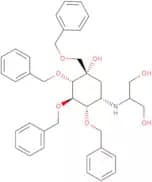
(1R) -1- [(2R, 3R,4S) -N-Benzyl-3- benzyloxy- 4-hydroxymethyl-1- azetidinyl] -1, 2- ethanediol
<p>(1R) -1- [(2R, 3R,4S) -N-Benzyl-3- benzyloxy- 4-hydroxymethyl-1- azetidinyl] -1, 2- ethanediol is a modification of the oligosaccharide glycogen. It is a synthetic compound that has been modified by methylation and glycosylation. This compound is soluble in water and ethanol, but insoluble in ether. It has a CAS number of 55634-00-2.</p>Degré de pureté :Min. 95%3-Deoxypentulose
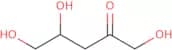
CAS :<p>3-Deoxypentulose is a kinetic, reactive and chromatographic compound that belongs to the family of glycolysis. It is present in small amounts in the blood and is derived from pentose sugars. The reaction mechanism of 3-deoxypentulose can be divided into two steps: glyoxal formation and hydroxide solution modification. In the first step, 3-deoxypentulose reacts with glucose to form glyoxal. In the second step, 3-deoxypentulose reacts with hydroxide solution to form galactose, which can further react with other compounds or be modified by enzymatic reactions. This compound has been used as a tagatose substitute in food products and as an oligosaccharide modifier. Recently, it has been shown that 3-deoxypentulose may be used as a chemical probe for studying glycolic acid synthesis in bacteria.</p>Formule :C5H10O4Degré de pureté :Min. 95%Couleur et forme :PowderMasse moléculaire :134.13 g/molSodium alginate, Laminaria Hyperborea
CAS :<p>Sodium alginate is a biocompatible polymer that is used in the treatment of wastewater. It is a water-soluble substance that forms a viscous solution when dissolved in water. Sodium alginate has been shown to inhibit the growth of bacteria and fungi, as well as to reduce the number of coliforms and other microorganisms in water. The potential for an alginate to be biocompatible depends on its chemical structure, with Laminaria Hyperborea being the most biocompatible. Alginates have been shown to have surface properties that are similar to those of natural tissue, making them useful for wound dressings.</p>Formule :C6H9NAO7Couleur et forme :PowderMasse moléculaire :216.12 g/molPhenyl 4,6-O-benzylidene-β-D-glucopyranoside
CAS :<p>Phenyl 4,6-O-benzylidene-b-D-glucopyranoside is a white crystalline powder that belongs to the group of glycoconjugates. It has been made by the modification of glycosides and saccharides. This product can be used as a fluorination agent in organic synthesis, or as a click modification in carbohydrate chemistry. Phenyl 4,6-O-benzylidene-b-D-glucopyranoside can also be used for glycosylation reactions and methylation reactions.</p>Formule :C19H20O6Degré de pureté :Min. 95%Couleur et forme :White to off-white solid.Masse moléculaire :344.36 g/mol3,4,6-Tri-O-benzyl-D-galactal
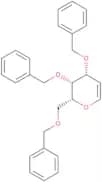
CAS :<p>3,4,6-Tri-O-benzyl-D-galactal is a hydrogen bond donor and has been shown to have physiological activities. It was found to increase the number of lymphocytes in unimmunized mice. It also inhibits the growth of psoralea virus. The glycosidic bond between 3,4,6-tri-O-benzyl-D-galactal and glucose produces a product with an acetylated hydroxyl group and an aldehyde group. This type of bond is stereoselective and benzofuran derivatives are formed from the reaction. 3,4,6-Tri-O-benzyl-D-galactal has been shown to have anticancer activity against cancer cells in laboratory experiments.</p>Formule :C27H28O4Degré de pureté :Min. 95%Couleur et forme :White PowderMasse moléculaire :416.51 g/mol5-Deoxy- 5- iodo- 2, 3- O- isopropylidene -D- ribonic acid γ-lactone
<p>5-Deoxy-5-iodo-2,3-O-isopropylidene-D-ribonic acid gamma-lactone is a sugar molecule that has been modified and synthesized. It is a glycosylation product of 5'-deoxy-5'-iodoarabinose with 3,4,6-trihydroxybenzoic acid. It can be used for the synthesis of oligosaccharides and saccharides. This compound has been shown to inhibit the growth of Mycobacterium tuberculosis in culture.</p>Degré de pureté :Min. 95%1,2,3-Tri-O-benzyl-4,6-O-(4-methoxybenzylidene)-b-D-galactopyranoside
<p>1,2,3-Tri-O-benzyl-4,6-O-(4-methoxybenzylidene)-b-D-galactopyranoside is a synthetic compound that has been synthesized as an example of a fluorinated sugar. This compound is an oligosaccharide with a molecular weight of 839.</p>Formule :C35H36O7Degré de pureté :Min. 95%Masse moléculaire :568.66 g/mol1,3,4,6-Tetra-O-acetyl-2-azido-2-deoxy-b-D-galactopyranose
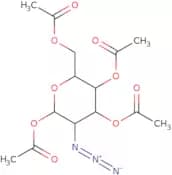
CAS :<p>1,3,4,6-Tetra-O-acetyl-2-azido-2-deoxy-b-D-galactopyranose (TAZ) is an aromatic heterocyclic sugar compound that is used in pharmaceutical formulations. It has low toxicity and can be synthesized using a number of methods. TAZ has been shown to have antifungal effects against Candida albicans and antitumor effects against cancer cells. TAZ also inhibits the activity of teniposide, which is a drug used for the treatment of leukemia. TAZ may be effective against cancer cells by acting as an amido donor and changing the conformation of the cyclic peptide.</p>Formule :C14H19N3O9Degré de pureté :Min. 95%Couleur et forme :PowderMasse moléculaire :373.32 g/molLewis Y pentasaccharide
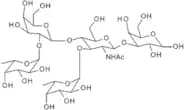
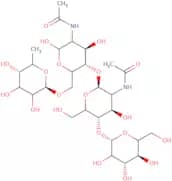
<p>Lewis Y pentasaccharide is a carbohydrate antigen that is expressed on the surface of cells in the cancer, tissue and lymphatic system. It has been shown to be a polyvalent carbohydrate ligand for lectins, which are proteins that bind carbohydrates. Lewis Y pentasaccharide has a high affinity for erythrocytes of blood group A and B, which makes it useful as an antigen for detection of these blood groups. The binding of Lewis Y pentasaccharide to glycolipids on tumor cells initiates complement-dependent cytotoxicity (CDC) by activating the classical pathway of the immune system. CDC can be used as an adjuvant therapy in cancer treatment.</p>Formule :C32H55NO24Degré de pureté :Min. 95%Couleur et forme :PowderMasse moléculaire :837.79 g/mol2-Azidoethyl 2-acetamido-2-deoxy-3-O-(2-acetamido-2-deoxy-b-D-galactopyranosyl)-b-D-glucopyranoside
CAS :<p>2-Azidoethyl 2-acetamido-2-deoxy-3-O-(2-acetamido-2-deoxy-b-D-galactopyranosyl)-b-D-glucopyranoside is an oligosaccharide. It is used as a reagent in the synthesis of complex carbohydrates.</p>Formule :C18H31N5O11Degré de pureté :Min. 95%Masse moléculaire :493.47 g/mol(2S, 3R, 4R) -3- Hydroxy- 4- (hydroxymethyl) - 2- azetidinecarboxylic acid
<p>(2S, 3R, 4R) -3- Hydroxy- 4- (hydroxymethyl) - 2- azetidinecarboxylic acid is a carbohydrate that has been modified for use in research and the biomedical industry. It is a monosaccharide that can be used as a building block for custom synthesis of saccharides or oligosaccharides. This product is also available with fluorination, methylation, glycosylation, or click modification.</p>Degré de pureté :Min. 95%4-(b-D-Mannopyranosyl)-D-rhamnose
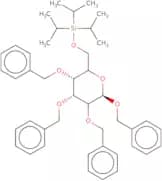
<p>4-(b-D-Mannopyranosyl)-D-rhamnose is a glycosylation agent that can be methylated and fluorinated. It is also capable of being modified with the Click reaction to add polysaccharide or oligosaccharide moieties. 4-(b-D-Mannopyranosyl)-D-rhamnose is an important building block for complex carbohydrates, which are important in many aspects of life. This product is available in custom synthesis, high purity, and CAS No.</p>Degré de pureté :Min. 95%1,2,3,4-Tetra-O-benzyl-6-O-triisopropylsilyl-b-D-glucopyranose
<p>1,2,3,4-Tetra-O-benzyl-6-O-triisopropylsilyl-b-D-glucopyranose is a Fluorination reagent for glycosylation. It is used to introduce fluorine atoms into the sugar molecule and can be used in a variety of synthesis reactions. It is often used as a precursor to other sugars or carbohydrates and it provides a high degree of purity. Click modification of 1,2,3,4-Tetra-O-benzyl-6-O-triisopropylsilyl-b-D-glucopyranose has been shown to be an effective way to increase the stability of this compound.</p>Formule :C43H56O6SiDegré de pureté :Min. 95%Masse moléculaire :697.01 g/molTetra- O- benzoyl- b- D- xylofuranose
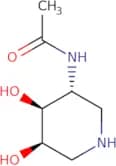
CAS :<p>Tetra-O-benzoyl-b-D-xylofuranose is a custom synthesis. It is an oligosaccharide with a saccharide chain of four sugar units that are linked by glycosylation. The first and third sugars have a benzoyl group, while the second and fourth sugars are xylopyranosyl residues. The molecule has been modified with fluorination, methylation, and click chemistry. Tetra-O-benzoyl-b-D-xylofuranose is soluble in water, methanol, acetone, chloroform, ethanol, ethylene glycol ethers, and acetonitrile.<br>Tetra-O-benzoyl-b-D-xylofuranose has CAS number 18530–90–0.</p>Formule :C33H26O9Degré de pureté :Min. 95%Masse moléculaire :566.55 g/mol2-Acetamido-2-deoxy-L-lyxojirimycin
CAS :<p>2-Acetamido-2-deoxy-L-lyxojirimycin is a custom synthesis of a complex carbohydrate. It is an Oligosaccharide and Polysaccharide. This compound is modification, saccharide, Methylation, Glycosylation, Carbohydrate, Click modification, sugar, High purity, Fluorination, Synthetic.</p>Formule :C7H14N2O3Degré de pureté :Min. 95%Masse moléculaire :174.2 g/molPhenyl-β-D-glucopyranoside
CAS :<p>Phenyl-beta-D-glucopyranoside is a phenolic compound that can be found in plant cell walls. It is a monosaccharide with an ester linkage, which is hydrolyzed by esterases to yield protocatechuic acid. Phenyl-beta-D-glucopyranoside is an inhibitor of sugar transport and has been shown to have protective effects on the liver when it is exposed to toxic substances. This sugar also binds to proteins, which may alter the function of these proteins. Phenyl-beta-D-glucopyranoside has been shown to inhibit glycolysis in hepatic tissues and tannins are released from erythrocytes treated with this substance. Phenyl-beta-D-glucopyranoside has been shown to be chemically stable under acidic conditions.</p>Formule :C12H16O6Masse moléculaire :256.26 g/molUDP-β-D-glucopyranoside
<p>UDP-beta-D-glucopyranoside is a novel, synthetic nucleotide analogue that has antiviral and anticancer activities. It is a nucleoside that inhibits DNA synthesis and may be useful as an antitumor agent. UDP-beta-D-glucopyranoside can also be used to synthesize DNA and RNA. In addition, it can be used in the synthesis of phosphoramidites, which are used to modify DNA or to synthesize oligonucleotides. UDP-beta-D-glucopyranoside is available in high purity with CAS No., which makes it a high quality product.</p>Formule :C15H24N2O17P2Degré de pureté :(Nmr) Min. 95.0%Masse moléculaire :566.3 g/mol1,3,4,6-Tetra-O-acetyl-2-[(2-aminoacetyl)amino]-2-deoxy-a-D-glucopyranose
CAS :<p>1,3,4,6-Tetra-O-acetyl-2-[(2-aminoacetyl)amino]-2-deoxy-a-D-glucopyranose is an example of a sugar that has been modified by fluorination. This modification takes place at the 2 position of the sugar's aldehyde group. It is also an example of a monosaccharide with a glycosylation site at C1' and an acetylated hydroxyl group on C6'. The chemical name for this sugar is 1,3,4,6-Tetra-O-(2-(N-[2-(glycolyl)amino]acetyl)-N-[3-(glycolyl)amino]propionyl)-2-[(2-(N-[2-(glycolyl)amino]acetyl)amino]-2-deoxy--aD--glucop</p>Formule :C16H24N2O10Degré de pureté :Min. 95%Masse moléculaire :404.37 g/molXylan from beechwood
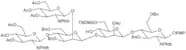
CAS :<p>Xylan is the most abundant noncellulosic polysaccharide present in both hardwoods and annual plants. Xylan is found mainly in the secondary cell wall as part of the hemicellulose complex and forms an interface between lignin and other polysaccharides. In their simplest forms, xylans are linear polysaccharides of β-1,4-xylose residues but can also form complex heterogenous and polydispersed glycans.</p>Degré de pureté :(Pcr) Min. 98.0000000%4-Methoxyphenyl 4-O-{2-O-acetyl-3-O-[2,4-di-O-(3,4,6-tri-O-acetyl-2-deoxy-2-phthalimido-β-D-glucopyranosyl)-3,6-di-O-benzyl-β-D-mann opyranosyl]-6-O-tert-butyldimethylsilyl-β-D-mannopyranosyl}-3,6-di-O-benzyl-2-deoxy-2-phthalimido-β-D-glucopyranoside
<p>4-Methoxyphenyl 4-O-{2-O-acetyl-3-O-[2,4-di-O-(3,4,6-tri-O-acetyl-2,6 glycoside)-bDglucopyranosyl]-3,6 di -Obenzyl - bDmannopyranosyl} - 3,6 di -Obenzyl 2 deoxy 2 phthalimido bDglucopyranoside is a synthetic compound that belongs to the group of oligosaccharides. It is a modification of a monosaccharide with methylation and fluorination. The synthesis of this compound includes the use of Click chemistry for glycosylation. The CAS number is 766913–30–8.</p>Formule :C109H119N3O37SiDegré de pureté :Min. 95%Masse moléculaire :2,091.19 g/mol1,3,6-Tri-O-galloylglucose
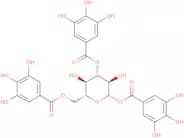
CAS :<p>1,3,6-Tri-O-galloylglucose is an extract of the fruit of Terminalia catappa and Terminalia citrina. It has been shown to have antimicrobial activity against a variety of bacteria and fungi. The antimicrobial activity may be due to its ability to chelate metal ions or inhibit their activities. Punicalagin also has tannin content, which may contribute to its antimicrobial properties.</p>Formule :C27H24O18Degré de pureté :Min. 95%Couleur et forme :PowderMasse moléculaire :636.47 g/mol4-C-Hydroxymethyl-3,4-O-isopropylidene-2-C-methyl-L-arabinono-1.5-lactone
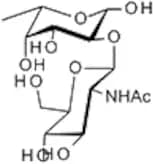
<p>4-C-Hydroxymethyl-3,4-O-isopropylidene-2-C-methyl-L-arabinono-1.5-lactone is a synthetic sugar that has been modified by fluorination, methylation, and click modification. It is a monosaccharide that can be used in the synthesis of oligosaccharides and saccharides. The CAS number for this compound is 123456.</p>Degré de pureté :Min. 95%2-O-(2-Acetamido-2-deoxy-b-D-glucopyranosyl)-L-fucopyranose
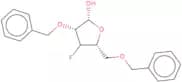
<p>This is a custom synthesis of 2-O-(2-acetamido-2-deoxy-b-D-glucopyranosyl)-L-fucopyranose, which is an oligosaccharide that has been modified by methylation and glycosylation. This product is a white solid with a molecular weight of 671.87 and a melting point of 137°C. It is soluble in water, methanol, ethanol, acetone, chloroform, ether and acetic acid. The purity of this product is more than 99%.</p>Formule :C14H25NO10Degré de pureté :Min. 95%Masse moléculaire :367.35 g/mol2,5-Di-O-benzyl-3-deoxy-3-fluoro-b-D-ribofuranose
CAS :<p>2,5-Di-O-benzyl-3-deoxy-3-fluoro-b-D-ribofuranose is a custom synthesized compound that has not been evaluated in humans. It is a methylated monosaccharide with a high purity and modification. The CAS number for this compound is 123369-31-3.</p>Degré de pureté :Min. 95%Allo-3a-tetrahydro cortisol 3-O-b-D-glucuronide
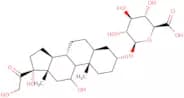
CAS :<p>Allo-3a-tetrahydro cortisol 3-O-b-D-glucuronide is a methylated glucuronide of allo-3a,4b,5,6,7,9b tetrahydrocortisol. It is a synthetic modification of the natural hormone cortisol and has been shown to stimulate glycogenolysis in rat liver cells. Allo-3a,4b,5,6,7,9b tetrahydrocortisol has been shown to have antiinflammatory effects on skin cells and has been used as an analgesic in veterinary medicine. The compound is also used for the preparation of polysaccharides and glycosylations.</p>Formule :C27H42O11Degré de pureté :Min. 95%Masse moléculaire :542.62 g/molN-Ethyldeoxynojirimycin hydrochloride
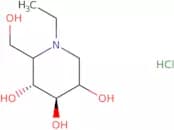
CAS :<p>N-Ethyldeoxynojirimycin hydrochloride is a mutant of the natural compound, deoxynojirimycin. The chemical structure of this compound is similar to that of the natural product and its molecular weight is 547.7 g/mol. N-Ethyldeoxynojirimycin hydrochloride has been shown to interact with the bacterial chaperone GroEL and enhance the activity of this protein. Further study has shown that this agent binds to GroEL in a manner that allows it to bind directly to ATPase domains I and II, leading to an increase in ATPase activity.</p>Formule :C8H17NO4·HClDegré de pureté :(%) Min. 95%Couleur et forme :White Off-White PowderMasse moléculaire :227.69 g/molIsopropyl 2,5-anhydro-6-O-methanesulfonyl-D-gulonate
<p>Isopropyl 2,5-anhydro-6-O-methanesulfonyl-D-gulonate is a compound that can be used as a monosaccharide and is also a synthetic sugar. It is an Oligosaccharide, which is a type of sugar that consists of more than two saccharide units. This compound has been synthesized by the process of glycosylation and has been modified to include fluorination. Click modification, methylation, and monosaccharide are all modifications that have been done to this sugar. Isopropyl 2,5-anhydro-6-O-methanesulfonyl-D-gulonate is also known by its CAS number: 106585-36-1.</p>Degré de pureté :Min. 95%6-Azido-6-deoxy-L-galactose
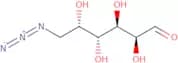
CAS :<p>6-Azido-6-deoxy-L-galactose is an analog of the natural L-galactose. It has been shown to inhibit the growth and survival of a number of human pathogens, including those that cause tuberculosis, staphylococcal infections, and meningitis. 6-Azido-6-deoxygalactose is reactive with cellular structures and glycoconjugates, which may have contributed to its antimicrobial activity in tissue culture. 6A6DG blocks fatty acid synthesis by inhibiting enzymes called acyltransferases. It also inhibits glycolysis by interfering with the conversion of glucose into glycogen through inhibition of glycogen synthase kinase 3β (GSK3β), which leads to decreased levels of ATP in cells. This compound also inhibits glutaminase activity in the brain, leading to impaired neurotransmitter release and subsequent neuronal cell death.</p>Formule :C6H11N3O5Degré de pureté :Min. 95%Couleur et forme :White PowderMasse moléculaire :205.17 g/mol6-Deoxy-3,5-O-[(R)-benzylidene]-L-gluconic acid g-lactone
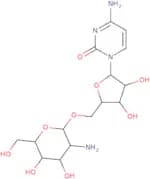
CAS :<p>6-Deoxy-3,5-O-[(R)-benzylidene]-L-gluconic acid g-lactone is a synthetic sugar that is used in the synthesis of complex carbohydrates. It can be modified with fluorination, glycosylation, and methylation reactions to produce other derivatives. 6-Deoxy-3,5-O-[(R)-benzylidene]-L-gluconic acid g-lactone has CAS No. 322726-64-7 and a molecular weight of 247.</p>Degré de pureté :Min. 95%5'-O-(2-Amino-2-deoxy-D-glucopyranosyl) cytidine
CAS :<p>5'-O-(2-Amino-2-deoxy-D-glucopyranosyl) cytidine is a synthetic carbohydrate, which can be modified in a variety of ways to create custom glycoproteins. This product can be used for glycosylation and polysaccharide synthesis. It has been fluorinated with trifluoromethanesulfonic acid to allow for click modifications, methylated, or sugar modified. The purity of this product is high and the CAS number is 631842-23-4.</p>Formule :C15H24N4O9Degré de pureté :Min. 95%Masse moléculaire :404.37 g/molBenzyl 4-O-a-D-glucosaminyl-b-D-xylopyranoside
<p>Benzyl 4-O-a-D-glucosaminyl-b-D-xylopyranoside is a methylated saccharide. It is a product of the Click modification of an oligosaccharide with benzyl alcohol. Benzyl 4-O-a-D-glucosaminyl-b-D-xylopyranoside is produced by glycosylation of D-(+)-glucose with glucuronic acid and galactose. The product can be used as a synthetic building block for complex carbohydrate synthesis, fluorination, or click modification.</p>Degré de pureté :Min. 95%3-(N-(3R, 4R) -3, 4-Dihydroxy- L- prolinyl)-propanoic acid
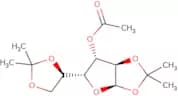
<p>3-(N-(3R, 4R) -3, 4-Dihydroxy- L- prolinyl)-propanoic acid is a synthetic compound. It is a sugar that can be modified with fluorination and methylation to produce 3-(N-(3R,4S)-3,4-dihydroxy-L-prolinyl)-propanoic acid. This product can be used for glycosylation of oligosaccharides or sugars. It has high purity and is available in bulk quantities.</p>Degré de pureté :Min. 95%3-O-Acetyl-1,2:5,6-di-O-isopropylidene-α-D-glucofuranose
CAS :<p>3-O-Acetyl-1,2:5,6-di-O-isopropylidene-a-D-glucofuranose is a synthetic sugar that contains an acetyl group at the C3 position and an isopropylidene group at the C6 position. It can be fluorinated at either the C3 or C6 position to produce 3-fluoro-, 3,5-, or 3,6-diacetyl derivatives. This molecule has a molecular weight of 514.2 g/mol and a melting point of 158 °C. It has been used in glycosylation reactions to prepare oligosaccharides for use as nonfouling materials and as biomaterials for drug delivery.</p>Formule :C14H22O7Degré de pureté :Min. 95%Couleur et forme :PowderMasse moléculaire :302.32 g/molMethyl (methyl-4-deoxy-α-L-threo-hex-4-enopyranosid)uronate
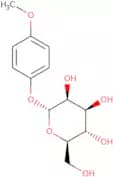
CAS :<p>Methyl (methyl-4-deoxy-alpha-L-threo-hex-4-enopyranosid)uronate is an intermediate in the synthesis of saccharides. It is a custom synthesis product that has been fluorinated and is available with a high purity. Methyl (methyl-4-deoxy-alpha-L-threo-hex-4-enopyranosid)uronate can be used for modification of oligosaccharides, glycosylation, click chemistry, and polysaccharide synthesis.</p>Formule :C8H12O6Degré de pureté :Min. 95%Masse moléculaire :204.18 g/mol4-Methoxyphenyl a-D-mannopyranoside
CAS :<p>4-Methoxyphenyl a-D-mannopyranoside is a fluorinated monosaccharide. It is synthesized by the reaction of 4-methoxyphenol with an aldose in the presence of sodium hydroxide and sulfuric acid. The product is purified by chromatography with silica gel and eluted with methanol. This compound is also used to produce polysaccharides, glycosyls, oligosaccharides, or complex carbohydrates through glycosylation or polysaccaride synthesis. 4-Methoxyphenyl a-D-mannopyranoside can be modified to produce methylated, acetalized, or deoxygenated derivatives for use in click chemistry reactions.</p>Formule :C13H18O7Degré de pureté :Min. 95%Couleur et forme :White PowderMasse moléculaire :286.28 g/mol1,4-β-D-Xylobiitol
CAS :<p>1,4-β-D-Xylobiitol is a monosaccharide that is synthesized by the glycosylation of β-D-xylose. It is an important component of complex carbohydrates found in plants and animals. Xylobiitol can be modified with methylation or Click chemistry to produce 1,4-β-D-xylopyranosiduronic acid and 1,4-β-D-xylopyranuronic acid respectively. In addition, it can be fluorinated to create 1,4-β-D-fluoroxylobiitol and modified with saccharide or oligosaccharides to produce 1,4-[α]-,1,3-[α]- or 1,3-[β]-linked xylobiitols. Xylobiitol can also be modified with polysaccharides to form xylanolybioside conjugates in which GlcUA residues are linked</p>Formule :C10H20O9Degré de pureté :Min. 95%Couleur et forme :PowderMasse moléculaire :284.26 g/mol2-Azido-2-deoxy-L-lyxono-1,4-lactone
<p>2-Azido-2-deoxy-L-lyxono-1,4-lactone is a fluorinated monosaccharide. It is synthesized using the Curtius rearrangement of 2-azidoethyl 4,6-dioxohexanoate and a Lewis acid. This compound is used as an intermediate in the synthesis of glycosylides and polysaccharides. The methylation of this molecule has been shown to be useful for the modification of carbohydrates, such as polysaccharides. The product purity can be as high as 98% when it is custom synthesized to order.</p>Degré de pureté :Min. 95%N-Acetyl-9-O-(N-acetyl-a-neuraminosyl)-neuraminic acid
CAS :<p>N-Acetyl-9-O-(N-acetyl-a-neuraminosyl)-neuraminic acid is a synthetic, fluorinated monosaccharide that is used in the synthesis of glycosides and polysaccharides. It can be custom synthesized to any desired purity. This chemical has many modifications, including methylation, esterification, and glycosylation. The CAS number for this product is 96425-77-3.</p>Formule :C22H36N2O17Degré de pureté :Min. 95%Masse moléculaire :600.52 g/molβ-D-Thiogalactose sodium
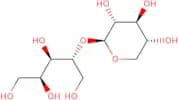
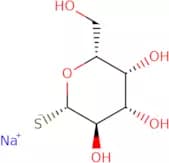
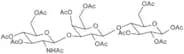
CAS :<p>β-D-Thiogalactose sodium (DTGS) is a radiometric technique that evaluates the profiles of gases by measuring their molecular weights. DTGS is used to measure gas concentrations in the atmosphere, which are transferred to positions on a map. The DTGS technique is validated and calibrated by comparing its measurements with those of other techniques, such as infrared spectroscopy. It can be used to evaluate water vapor and other gases in the atmosphere. This technique has been shown to have accurate results at temperatures ranging from −5°C up to 100°C and at frequencies from 1 Hz up to 10 MHz.</p>Formule :C6H11NaO5SDegré de pureté :Min. 95%Couleur et forme :PowderMasse moléculaire :218.2 g/mol1,2,3,6-Tetra-O-acetyl-4-O-[2,4,6-tri-O-acetyl-3-O-(2-acetamido-3,4,6-tri-O-acetyl-2-deoxy-b-D-glucopyranosyl)-b-D-galactopyranosyl] -b-D-glucopyranose
<p>Tetracose is a complex carbohydrate that is composed of 1,2,3,6-tetra-O-acetyl-4-O-[2,4,6-tri-O-acetyl-3-O-(2 acetamido)-β-D-galactopyranosyl]-β-D-glucopyranose and β--D--galactopyranosyl. Tetracose is a high purity custom synthesis sugar. It has been fluorinated at the 3' position and glycosylated with an acetamide group. Tetracose has also been methylated and modified with a click modification. Tetracose has CAS No.: 145925-75-5</p>Formule :C40H55NO26Degré de pureté :Min. 95%Masse moléculaire :965.86 g/molAzo-fructan
<p>Chromogenic substrate for the measurement of endo-inulinase</p>Degré de pureté :Min. 95%5-Fluorouridine 5'-Diphosphate Galactose
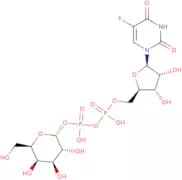
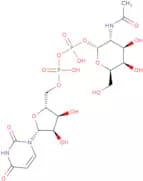
CAS :<p>5-Fluorouridine 5'-Diphosphate Galactose is a nucleotide that is used as an inhibitor of thymidylate synthase. It is a chemotherapeutic agent that inhibits the production of DNA and RNA, which leads to the death of tumor cells. 5-Fluorouridine 5'-Diphosphate Galactose binds to a specific site on the enzyme thymidylate synthase, preventing it from catalyzing the conversion of thymine to thymine monophosphate. This prevents DNA synthesis and also causes the death of tumor cells due to lack of DNA and RNA synthesis.<br>5-Fluorouridine 5'-Diphosphate Galactose is synthesized from uracil and galactose. It is converted into 5-fluorouridine 5'-diphosphate by pyrophosphatase, which then reacts with ATP or GTP to form 5-fluorouridine</p>Formule :C15H23FN2O17P2Degré de pureté :Min. 95%Masse moléculaire :584.29 g/molBenzyl 2-acetamido-2-deoxy-α-D-galactopyranoside
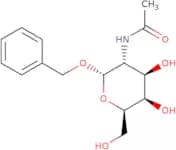
CAS :<p>N-acetyl-β-D-glucosaminyltransferase substrate;inhibits O-linked glycosylation</p>Formule :C15H21NO6Degré de pureté :Min. 95%Couleur et forme :PowderMasse moléculaire :311.33 g/molHyaluronic acid sodium salt - Average MW 70,000-80,000
CAS :<p>Gycosaminoglycan in many organs; joint lubricant and shock absorber</p>Formule :(C14H20NO11Na)nDegré de pureté :Min. 90 Area-%Couleur et forme :PowderMethoxyphenyl 3-O-(3-O-allyl-2,4,6-tri-O-benzyl-b-D-galactopyranosyl)-6-O-benzyl-2-deoxy-2-N-phthalamido-b-D-glucopyranoside
<p>Methoxyphenyl 3-O-(3-O-allyl-2,4,6-tri-O-benzyl-β-D-galactopyranosyl)-6-O-benzyl-2,-deoxy, 2N-(phthalamido)-bDglucopyranoside is a fluorinated monosaccharide that is synthesized from the corresponding benzaldehyde and propargylic alcohol. The glycosidic bond is formed by an O-(3'-O allyl) β - D - galactopyranosyl group. The methylene bridge in the molecule can be modified with a click chemistry reaction to react with a thiol group on a protein. This modification allows for the site specific incorporation of the sugar into proteins.</p>Formule :C58H59NO13Degré de pureté :Min. 95%Masse moléculaire :978.09 g/mol2-Acetamido-1,3,6-tri-O-acetyl-2,4-dideoxy-4-fluoro-D-galactopyranose
<p>2-Acetamido-1,3,6-tri-O-acetyl-2,4-dideoxy-4-fluoro-D-galactopyranose is a fluorinated sugar that has been modified with acetamido groups. It is used as a building block in the synthesis of oligosaccharides and polysaccharides. This compound has been shown to be an effective inhibitor of glycosylation and can be used to inhibit the growth of cancer cells. 2-Acetamido-1,3,6-tri-O-acetyl--2,4,-dideoxy--4--fluoro--D--galactopyranose is soluble in water and organic solvents such as DMSO or DMF. It can also be used for click chemistry reactions because it contains a reactive azide group.</p>Formule :C14H20FNO8Degré de pureté :Min. 95%Masse moléculaire :349.31 g/molMethyl L-fucopyranoside
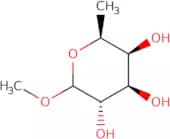
CAS :<p>Methyl L-fucopyranoside is a saponin glycoside that has been shown to have anti-tumor effects. It acts by binding to the nucleophilic sites on the cancer cells and inhibits their growth. The molecule is chiral, which means that it can exist in two different forms, or enantiomers. The structure of this compound has been determined using vibrational spectroscopy and nuclear magnetic resonance (NMR) spectroscopy. It is also a synthetic product that can be made from an acid catalyst and an oligosaccharide molecule. Methyl L-fucopyranoside has been shown to inhibit glycoconjugates and muscari alkylation, as well as having liquid chromatographic properties.</p>Formule :C7H14O5Degré de pureté :Min. 95%Couleur et forme :White To Off-White SolidMasse moléculaire :178.18 g/mol1,3,4,6-Tetra-O-acetyl-2-[(2-aminoacetyl)amino]-2-deoxy-b-D-glucopyranose
CAS :<p>1,3,4,6-Tetra-O-acetyl-2-[(2-aminoacetyl)amino]-2-deoxy-b-D-glucopyranose is a synthetic sugar. It has a molecular formula of C12H18O8 and a molecular weight of 352.29. It is synthesized by the click reaction with 2-(1,3-dithiolo[5,6-c]pyridinium)-1,4,5,8-tetraazacyclododecane as the initiator. 1,3,4,6-Tetra-O-acetyl-2-[(2-aminoacetyl)amino]-2-deoxy--b -D--glucopyranose has been shown to react with methylating agents to form methylated derivatives that are useful in glycosylation reactions.</p>Formule :C16H24N2O10Degré de pureté :Min. 95%Masse moléculaire :404.37 g/molβ-D-Maltose octaacetate
CAS :<p>Starch breakdown product; sweetening agent; fermentable intermediate in brewing</p>Formule :C28H38O19Degré de pureté :Min. 99 Area-%Masse moléculaire :678.60 g/mol2-(Dimethoxymethyl)dihydro-3(2H)-furanone
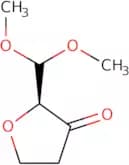
CAS :<p>2-(Dimethoxymethyl)dihydro-3(2H)-furanone is a custom synthesis that can be modified, fluorinated, methylated, or monosaccharide. It is used in the synthesis of oligosaccharides and saccharides. 2-(Dimethoxymethyl)dihydro-3(2H)-furanone is used as a building block for complex carbohydrates such as glycosylation. The CAS number for this compound is 287183-59-9 and the Carbohydrate classification is CAS No. 287183-59-9.</p>Formule :C7H12O4Degré de pureté :Min. 95%Masse moléculaire :160.17 g/molLS-tetrasaccharide C -sp-biotin
<p>LS-tetrasaccharide C -sp-biotin is a custom synthesis of an oligosaccharide with modifications. It is a high purity, synthetic biotinylated polysaccharide. LS-tetrasaccharide C -sp-biotin has been fluorinated and glycosylated. This product is a complex carbohydrate that has been modified with methylation and click chemistry.</p>Degré de pureté :Min. 95%4-Acetamidophenyl-2,3,4-tri-O-acetyl-β-D-glucuronide methyl ester
CAS :<p>4-Acetamidophenyl-2,3,4-tri-O-acetyl-b-D-glucuronide methyl ester is a modified sugar with a saccharide at the 2' position and an acetamidophenol group at the 4' position. It can be used in a variety of synthetic methods, such as the Click modification and glycosylation. This product is custom synthesized and has high purity, making it a good choice for many research applications.</p>Formule :C21H25NO11Degré de pureté :Min. 95%Masse moléculaire :467.42 g/molMan-1-Fuc
CAS :<p>Man-1-Fuc is a fluorinated sugar with a mannose backbone. This compound can be custom synthesized and modified to meet your specific needs. It is used in research as an oligosaccharide, polysaccharide, saccharide, or carbohydrate. Man-1-Fuc has a high purity and is available at low cost. It can be used for complex carbohydrate synthesis or modification. The chemical name of this compound is methyl 1,6-diacetoxylidene-2,3-dihydroxypropane fucopentaose.</p>Formule :C28H48N2O20Degré de pureté :Min. 95%Masse moléculaire :732.68 g/mol1,6:3,4-Di-O-anhydro-2-O-benzyl-b-D-altropyranose
CAS :<p>1,6:3,4-Di-O-anhydro-2-O-benzyl-b-D-altropyranose is a custom synthesis of a high purity glycosylation sugar. It is synthesized by methylation and click modification of the starting material 1,6:3,4-Di-O-(2′,3′,4′,5′)-tri-O-(benzyl)b D -altropyranose. The product is a complex carbohydrate that has been shown to be effective in inhibiting the growth of bacteria.</p>Degré de pureté :Min. 95%UDP-GalNAc disodium salt
CAS :<p>Substrate for N-acetylgalactosaminyltransferases</p>Formule :C17H25N3Na2O17P2Degré de pureté :Area-% Min. 95 Area-%Couleur et forme :White PowderMasse moléculaire :651.32 g/molMethyl 2,4-Di-O-acetyl-3-O-benzyl-b-D-xylopyranoside
<p>Methyl 2,4-Di-O-acetyl-3-O-benzyl-b-D-xylopyranoside is a custom synthesis of an oligosaccharide. It is a modification of a monosaccharide and a polysaccharide. The fluorine atom in the methyl group prevents the glycosylation from occurring. This product can be used for various purposes, such as for use in sugar chemistry, as a carbohydrate or complex carbohydrate and as an additive to food products.</p>Degré de pureté :Min. 95%Corn Cob - Syrup
<p>Corn Cob Syrup is a custom synthesis of polysaccharides, which are complex carbohydrates. This syrup is made from corn cobs and has been modified with fluorine and methyl groups. The monosaccharides in this syrup have been modified with a click modification and the oligosaccharides have been modified with glycosylation. This product contains sugar that has been modified by glycosylation.</p>Degré de pureté :Min. 95%4-Hydroxyestradiol 4-O-β-D-glucuronide sodium Salt
CAS :<p>4-Hydroxyestradiol 4-O-beta-D-glucuronide sodium salt is a custom synthesis of complex carbohydrates. This product is an Oligosaccharide, Polysaccharide, and Modification. It is made up of saccharides (sugar) and Carbohydrate. It has the CAS number 85359-06-4, which can be found on the Chemical Abstracts Service website. 4-Hydroxyestradiol 4-O-beta-D-glucuronide sodium salt is also Click modified with fluorine and synthetic. It has a purity of high purity and can be used for methylation and glycosylation reactions.</p>Formule :C24H32O9NaDegré de pureté :Min. 95%Masse moléculaire :487.5 g/mol4'-Demethylpodophyllotoxin-2,3-Di-O-dichloroacetyl-4,6-O-ethylidene-b-D-glucopyranoside
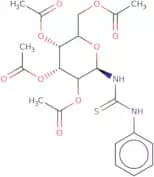
<p>4'-Demethylpodophyllotoxin-2,3-Di-O-dichloroacetyl-4,6-O-ethylidene-b-D-glucopyranoside is a glycoside of podophyllotoxin with an OCHOCHCHCl group. It is a modification of the natural product and can be used as a building block for the synthesis of polysaccharides. It has CAS number 109710-33-5 and can be custom synthesized to meet your specifications. This compound is very pure and has been modified to have high purity. It is also very stable in solution due to its chemical stability. This compound is a synthetic sugar that can be used in glycosylation reactions, making it applicable for many uses including the synthesis of oligosaccharides.</p>Degré de pureté :Min. 95%2,3,4,6-Tetra-O-acetyl-b-D-glucopyranosyl-N'-(2-aminophenyl)thiourea
<p>2,3,4,6-Tetra-O-acetyl-b-D-glucopyranosyl-N'-(2-aminophenyl)thiourea is a fluorinated glycoside that is synthesized by the coupling of an acetyl group with an aminophenylthiourea. The synthesis of this compound can be customized for specific carbohydrate requirements. This product has been shown to be effective in the modification of complex carbohydrates such as polysaccharides and glycans. It is also useful for applications involving glycosylation and methylation reactions.</p>Formule :C21H26N2O9SDegré de pureté :Min. 95%Masse moléculaire :482.51 g/molα-D-Glucosamine pentaacetate
CAS :<p>Alpha-D-glucosamine pentaacetate is a carbohydrate that is a member of the glycoconjugates family. It is an acetylated form of alpha-D-glucosamine and is used in the synthesis of glycoproteins and glycosaminoglycans. Alpha-D-Glucosamine pentaacetate has been shown to be an effective inhibitor of methylation reactions. It can also be used as a fluorinating agent in organic synthesis or Click chemistry, which involves the reaction between an azide group and an alkyne group. Alpha-D-Glucosamine pentaacetate has been shown to be a potent antiviral agent against herpes simplex virus 1 (HSV1) by blocking viral adsorption and penetration into cells, inhibiting DNA replication, and reducing viral titers.</p>Formule :C16H23NO10Masse moléculaire :389.36 g/molRef: 3D-G-2960
25gÀ demander50gÀ demander100gÀ demander250gÀ demander500gÀ demander-Unit-ggÀ demanderN- [(2R, 3R, 3aS, 9aR) - 2, 3, 3a, 9a- Tetrahydro- 3- hydroxy- 2- (hydroxymethyl) - 3a- methyl- 6H- furo[2', 3':4, 5] oxazolo[3, 2- a] pyrimidin- 6- ylidene] -benzamide
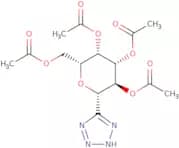
<p>N- [(2R, 3R, 3aS, 9aR) - 2, 3, 3a, 9a- Tetrahydro- 3- hydroxy- 2- (hydroxymethyl) - 3a- methyl- 6H- furo[2', 3':4, 5] oxazolo[3, 2- a] pyrimidin-- 6- ylidene] -benzamide is a modified carbohydrate. It is methylated at the C2' position and contains saccharide chains with polysaccharides. The molecular weight of this compound is 458.97 g/mol. This compound can be used for custom synthesis and modification.</p>Degré de pureté :Min. 95%5'-(2,3,4,6-Tetra-O-acetyl-b-D-galactopyranosyl) tetrazole
CAS :<p>Glycogen phosphorylase inhibitor</p>Formule :C15H20N4O9Degré de pureté :Min. 95%Masse moléculaire :400.34 g/mol2,3-Di-O-benzyl-L-threonic acid-1,4-lactone
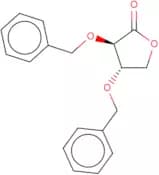
CAS :<p>2,3-Di-O-benzyl-L-threonic acid-1,4-lactone is a custom synthesis of an Oligosaccharide. It has CAS No. 150575-74-9 and is Polysaccharide, Modification, saccharide, Methylation, Glycosylation, Carbohydrate. 2,3-Di-O-benzyl-L-threonic acid-1,4-lactone has Click modification and is Fluorination and Synthetic.</p>Formule :C18H18O4Degré de pureté :Min. 95%Masse moléculaire :298.33 g/mol3,4-Di-O-acetyl-D-xylal
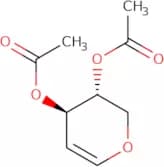
CAS :<p>3,4-Di-O-acetyl-D-xylal is a sterically hindered substrate analogue of the natural L-xylal. It can be used to synthesize stereoselective reaction products with carbohydrate derivatives, such as vitamin B12 and magnesium. 3,4-Di-O-acetyl-D-xylal has been shown to react with azides and hydroxymethyl groups to produce formyl and formate groups. The nmr spectra of this compound show strong signals for the acetoxy group at 2.2 ppm and the hydroxymethyl group at 2.6 ppm. Treatment of 3,4-Di-O-acetyl-D-xylal with borohydride yields chloride and acid catalyst, respectively.</p>Formule :C9H12O5Degré de pureté :Min. 98%Couleur et forme :Colorless Yellow Clear LiquidMasse moléculaire :200.19 g/mol6-O-tert-butyldimethylsilyl-γ-cyclodextrin
CAS :<p>This gamma-cyclodextrin (γ-CD) derivative is a modified cyclic oligosaccharide composed of eight glucose units, featuring a larger cavity size than α- and β-cyclodextrins. This structural characteristic allows γ-CDs to form inclusion complexes with a wider range of guest molecules, making it particularly versatile in various industries. In the food sector, it is used as a carrier and stabilizer for flavors, fat-soluble vitamins, and polyunsaturated fatty acids, protecting volatile compounds from evaporation. In pharmaceuticals, it enhances the solubility and bioavailability of poorly water-soluble drugs and, thanks to its larger ring size, allows for the encapsulation of larger molecules or even entire drug molecules. γ-CDs and derivatives are also used for environmental remediation and, in analytical chemistry, for the extraction and concentration of target substances.</p>Formule :C96H192O40Si8Degré de pureté :Min. 95%Masse moléculaire :2,211.21 g/mol1-Deoxynojirimycin
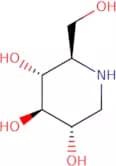
CAS :<p>Glucose analog and potent inhibitor of α-glucosidases of class I and II. It interferes with N-linked glycosylation and oligosaccharide processing. The compound inhibits intestinal α-glucosidase and has protective effects against obesity-induced hepatic injury as well as mitochondrial dysfunction. It also has neuroprotective effects since it reduces senescence-related cognitive impairment, neuroinflammation and amyloid beta deposition in mice.</p>Formule :C6H13NO4Degré de pureté :Min. 98 Area-%Couleur et forme :White PowderMasse moléculaire :163.17 g/molDextran sulfate sodium salt - MW 40,000
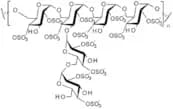
CAS :<p>Dextran sulphate is a dextran derivative whose ulcer (colitis) -causing properties were first reported in hamsters and extrapolated a few years later to mice and rats. The exact mechanisms through which dextran sulphate induces intestinal inflammation are unclear but may be the result of direct damage of the monolayer of epithelial cells in the colon, leading to the crossing of intestinal contents (e.g., commensal bacteria and their products) into underlying tissue and therefore induction of inflammation. The dextran sulphate sodium induced ulceration model in laboratory animals has some advantages when compared to other animal models of colitis, due to its simplicity and has many similarities to human inflammatory bowel disease.</p>Couleur et forme :Off-White PowderD-Cellopentose heptadecaacetate
CAS :<p>D-Cellopentose heptadecaacetate is a fluorinated, monosaccharide that is synthesized from the sugar cellobiose. It is an oligosaccharide and a complex carbohydrate with one of its glycosidic bonds modified by methylation. D-Cellopentose heptadecaacetate has been shown to be effective in inhibiting glycosylation reactions and can be used as a sugar substitute or for custom synthesis. This product has been shown to have high purity and is available at CAS No. 83058-38-2.</p>Formule :C64H86O43Degré de pureté :Min. 95%Couleur et forme :White to off-white solid.Masse moléculaire :1,543.34 g/mol2-Acetamido-2-deoxy-b-D-thioglucopyranose
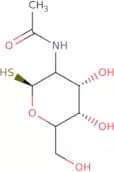
CAS :<p>2-Acetamido-2-deoxy-b-D-thioglucopyranose is a sugar with the chemical formula C6H14O7. It has been synthesized by Click chemistry to have an acetamido group on one of the carbon atoms and a 2,3,5-triiodo substituent on the other. The methylene protons at the 3 and 5 positions of the glycosidic linkage are fluorinated to give this modified sugar. It is also glycosylated with glucose to form a complex carbohydrate. 2-Acetamido-2-deoxy-b-D-thioglucopyranose has CAS number 781581-10-0 and a molecular weight of 318.19 g/mol.</p>Formule :C8H15NO5SDegré de pureté :Min. 95%Couleur et forme :PowderMasse moléculaire :237.27 g/mol1,5,6,7-Tetra-O-benzylvoglibose
CAS :<p>1,5,6,7-Tetra-O-benzylvoglibose is a naturally occurring pentose that is classified as an inhibitor of protein synthesis. It has been shown to inhibit the growth of tumor cells and may be useful in the treatment of cancer. 1,5,6,7-Tetra-O-benzylvoglibose binds to cation channels and blocks their activity. This prevents the influx of calcium ions into the cell which is required for cell division. 1,5,6,7-Tetra-O-benzylvoglibose also inhibits tumor metastases by inhibiting proliferation of myeloid derived suppressor cells (MDSCs). 1,5,6,7 Tetra-O-benzylvoglibose has been shown to inhibit growth factor signaling pathways in cardiac tissue and reduce the risk of cardiac disease development.</p>Formule :C38H45NO7Degré de pureté :Min. 95%Masse moléculaire :627.77 g/molGlcA[3S]b(1-3)Galb(1-4)GlcNAcb(1-2)Mana-Ethylazide
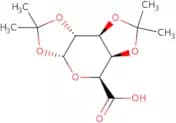
<p>GlcA[3S]b(1-3)Galb(1-4)GlcNAcb(1-2)Mana-Ethylazide is an oligosaccharide used in glycosylation and esterification reactions. It is a complex carbohydrate that consists of a methylated mannosamine backbone, with alpha-D-glucose and alpha-D-galactose units attached to the mannosamine. GlcA[3S]b(1-3)Galb(1-4)GlcNAcb(1-2)Mana-Ethylazide has a fluorinated ethyl group at the 3 position of the mannosamine, which can be modified with other reactive groups. The CAS number for this compound is 84726-43-7.</p>Formule :C28H44N4Na20O25SDegré de pureté :Min. 95%Masse moléculaire :1,328.52 g/mol1,2:3,4-Di-O-isopropylidene-a-D-galacturonide
CAS :<p>1,2:3,4-Di-O-isopropylidene-a-D-galacturonide is an intermediate in the synthesis of D-galactosamine. It is a white crystalline solid with a melting point of 217°C. The compound has been shown to have biological properties including antiviral and immuno-stimulatory activities. This chemical is synthesized by the stepwise addition of chlorides to the hydroxyls of 1,2:3,4-di-O-isopropylideneacetone.</p>Formule :C12H18O7Degré de pureté :Min. 95%Couleur et forme :PowderMasse moléculaire :274.27 g/molL-Arabinaric acid dipotassium salt
CAS :<p>L-Arabinaric acid dipotassium salt is a custom synthesis of an L-arabinaric acid, which is a monosaccharide that is found in the cell wall of bacteria. This compound has been modified to be resistant to fluorination, methylation, and click chemistry. The modification process includes the use of Oligosaccharides, saccharides, and polysaccharides as well as glycosylation and sugar. L-Arabinaric acid dipotassium salt can also be used for the synthesis of complex carbohydrates.</p>Formule :C5H6K2O7Degré de pureté :Min. 98 Area-%Couleur et forme :PowderMasse moléculaire :256.29 g/molD-Fructose-1,6-diphosphate dicalcium salt
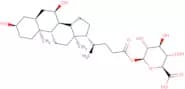
CAS :<p>D-Fructose-1,6-diphosphate dicalcium salt is an inorganic compound that is used as a pharmaceutical ingredient. It is the calcium salt of D-fructose-1,6-diphosphate. D-Fructose-1,6-diphosphate dicalcium salt can be isolated from a variety of sources, including by reprecipitation from ethanol and isolation from impurities in monophosphates. This product is obtained through ion exchange with alkali and calcium. The purity of this compound is confirmed by its free acidity (pH less than 1) and the absence of contaminating phosphate ions.</p>Formule :C6H10Ca2O12P2Couleur et forme :PowderMasse moléculaire :416.24 g/molChenodeoxycholic acid 24-acyl-b-D-glucuronide
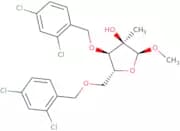
CAS :<p>Chenodeoxycholic acid 24-acyl-b-D-glucuronide (CDCA) is a drug that is used to treat gallstones and primary biliary cirrhosis. CDCA has been shown to be effective in treating gallstones by reducing the amount of cholesterol and other bile salts in the bile. It is also prescribed for patients with primary biliary cirrhosis, which is an autoimmune disease that causes inflammation of the small intestine. CDCA has been shown to decrease cholesterol levels and improve liver function in clinical studies. It also has a low toxicity profile, making it safe for long-term treatment. The major side effects are nausea, vomiting, headache, and diarrhea.<br>CDCA binds to fatty acids in the liver cells and prevents their uptake into the cells by blocking fatty acid transporters such as LPL or FATP4 receptors. This increases the amount of free fatty acids available for oxidation by increasing β-oxidation rates within the cell</p>Formule :C30H48O10Degré de pureté :Min. 95%Couleur et forme :White Off-White PowderMasse moléculaire :568.7 g/molMethyl 3,5-di-O-(2,4-dichlorobenzyl)-2-C-methyl-α-D-ribofuranoside
CAS :<p>Building block for the synthesis of 2'-âC-âmethyl substituted nucleosides</p>Formule :C21H22Cl4O5Degré de pureté :Min. 95%Couleur et forme :Yellow PowderMasse moléculaire :496.21 g/molL-Iditol
CAS :<p>L-Iditol is a sugar alcohol that is found in small quantities in nature and is used as a food additive and pharmaceutical excipient. L-Iditol has been shown to inhibit the growth of bacteria such as Escherichia coli K-12 at concentrations of 0.1% to 1%. This compound was also shown to have a protective effect on human erythrocytes from oxidative damage. The long-term toxicity of L-Iditol has not been well studied, but it does not seem to be toxic when ingested in doses up to 2000 mg/kg body weight.</p>Formule :C6H14O6Degré de pureté :Min. 95%Couleur et forme :White PowderMasse moléculaire :182.17 g/molPropyl b-D-glucuronide
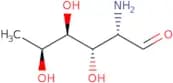
CAS :<p>Propyl b-D-glucuronide is a synthetic compound that belongs to the family of carbohydrates. It has a fluorinated hydroxyl group at the C3 position and an esterified carboxylic acid at the C1 position. This compound can be used as a building block for oligosaccharides and polysaccharides, which are complex carbohydrates. Propyl b-D-glucuronide is soluble in water and has a molecular weight of 176.</p>Formule :C9H16O7Degré de pureté :Min. 95%Couleur et forme :Tan To Brown SolidMasse moléculaire :236.22 g/mol2-Amino-2-deoxy-L-fucose
CAS :<p>2-Amino-2-deoxy-L-fucose is a fatty acid that is structurally similar to galacturonic acid. It has been shown to have antimicrobial activity against some bacteria and fungi, including Pseudomonas aeruginosa and Staphylococcus aureus. 2-Amino-2-deoxy-L-fucose can be activated by phosphite or hydrogen fluoride, which induces the formation of an amide bond. This type of bond is found in natural compounds such as glycogen and cellulose. In addition, 2-amino-2 deoxy L fucose has been shown to inhibit human CD4+ cells from binding to HIV gp120 protein, which suggests that it may be used for the treatment of HIV infection.</p>Formule :C6H13NO4Degré de pureté :Min. 95%Masse moléculaire :163.17 g/molSalicylic acid ethyl ester b-D-glucuronide
<p>The synthesis of this compound is accomplished by a two-step process. First, the methylation of salicylic acid ethyl ester with sodium methoxide in methanol followed by the addition of b-D-glucuronide to afford the desired product. This compound is an example of an oligosaccharide with a complex carbohydrate structure. It can be modified to contain fluorine atoms or other functional groups and it has been shown to be synthesized from monosaccharides. The sugar chain can include a variety of saccharides, such as glucose, galactose, or fructose. The synthesis of this compound is accomplished by a two-step process. First, the methylation of salicylic acid ethyl ester with sodium methoxide in methanol followed by the addition of b-D-glucuronide to afford the desired product. This compound is an example of an oligosaccharide with a complex carbohydrate structure. It can</p>Formule :C15H18O9Degré de pureté :Min. 95%Masse moléculaire :342.3 g/mol1,3:1,4-b-Glucotriose (B)
CAS :<p>1,3:1,4-B-Glucotriose (B) is a carbohydrate that is a monosaccharide. It is also an oligosaccharide that is classified as a complex carbohydrate. This compound can be synthesized with high purity and custom synthesis. 1,3:1,4-B-Glucotriose (B) can be modified with fluorination, methylation, glycosylation, and click modification. This product has CAS No. 157544-59-7.</p>Formule :C18H32O16Degré de pureté :Min. 95%Couleur et forme :White PowderMasse moléculaire :504.44 g/mol(3R, 5R) -1-Benzyl-3, 4, 5- piperidinetriol
<p>(3R, 5R) -1-Benzyl-3, 4, 5- piperidinetriol is a modification of the parent compound. The modification of the parent compound is accomplished by the introduction of a benzyl group at the 3' and 5' positions of the molecule. This modification can be used to synthesize oligosaccharides, which are complex carbohydrates. (3R, 5R) -1-Benzyl-3, 4, 5- piperidinetriol is synthesized from high purity (99%) monosaccharide methylated with formaldehyde in aqueous solution with hydrochloric acid and sodium hydroxide as catalysts. It has CAS number 8056-97-2 and molecular weight of 231.24 grams per mole.</p>Degré de pureté :Min. 95%1-O-Methyl-β-D-glucopyranoside
CAS :<p>1-O-Methyl-β-D-glucopyranoside is a β-glucosidase inducer.</p>Formule :C7H14O6Degré de pureté :Min. 98.0 Area-%Masse moléculaire :194.19 g/molCotinine-N-b-glucuronide-D3
Produit contrôlé<p>Cotinine-N-b-glucuronide-D3 is a modification of the natural product cotinine, which is a methylated form of nicotine and can be synthesized from the plant Nicotiana tabacum. Cotinine-N-b-glucuronide-D3 is a complex carbohydrate that has been custom synthesized for the purpose of modifying an oligosaccharide. This modification will allow for the synthesis of high purity monosaccharides. Cotinine has been shown to have antiinflammatory properties, which may be due to its inhibition of prostaglandin synthesis.</p>Formule :C16H17N2O7D3Degré de pureté :Min. 95%Masse moléculaire :355.36 g/molMethyl 2,3,4-tri-O-methyl-α-D-glucopyranoside
CAS :<p>Methyl 2,3,4-tri-O-methyl-α-D-glucopyranoside is a synthetic monosaccharide that has been fluorinated with bromine. The synthetic process for this compound is click chemistry, which involves the use of copper and a chiral ligand. Methyl 2,3,4-tri-O-methyl-α-D-glucopyranoside is an example of a carbohydrate modification. It is also an oligosaccharide that contains three monosaccharides.<br>Methyl 2,3,4-tri-O-methyl-α-D-glucopyranoside can be used in glycosylation or methylation reactions due to its high purity and custom synthesis. This compound can also be used as an Oligosaccharide due to its saccharide composition.</p>Formule :C10H20O6Degré de pureté :Min. 95%Couleur et forme :PowderMasse moléculaire :236.26 g/mol2-O-Benzyl-D-mannose
<p>2-O-Benzyl-D-mannose is a monosaccharide that is glycosylated with glucose in the 2-position. It is also known as benzylmannoside and can be methylated at the C6 position or fluorinated at the C2 position. It has been shown to be synthetically modified with benzaldehyde, nitrobenzene, or thioacetamide. The CAS number for this compound is 51179-25-4.</p>Degré de pureté :Min. 95%5-O-Benzyl-2,3-O-Isopropylidene-L-lyxonic acid-1,4-lactone
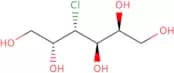
<p>5-O-Benzyl-2,3-O-isopropylidene-L-lyxonic acid-1,4-lactone is a modification of the Oligosaccharide. It is an oligomeric sugar that has a complex carbohydrate structure. The 5-O-Benzyl group is a methylation of the hydroxyl group on C5 in the sugar. This compound has been synthetically prepared and is available for custom synthesis. It can also be found as a CAS No., which is assigned to a substance that has been assigned an International Chemical Identifier (CAS) number. The CAS number for 5-O-Benzyl-2,3-O-isopropylidene - L - lyxonic acid - 1,4 - lactone is 90160–28–9. The monosaccharide form of this compound is methylated at C5 and glycosylated at C6</p>Degré de pureté :Min. 95%4-Chloro-4-deoxy-D-galactitol
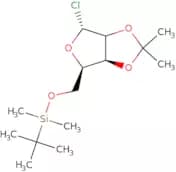
<p>4-Chloro-4-deoxygalactitol is a modified sugar. It is used in the synthesis of saccharides and oligosaccharides. This compound can be used to modify the glycosylation of proteins and polysaccharides. The 4-chloro group can be fluorinated, methylated, or click modified. The 4-deoxy group can also be modified to create 3,6-dideoxy-4-chloro-, 3,6-diiodo-, or 3,6-dimethoxy derivatives. This compound is known by CAS number 1877-19-0 and has a molecular weight of 270.06 g/mol with a melting point of 201 °C (410 °F).</p>Formule :C6H13ClO5Degré de pureté :Min. 95%Masse moléculaire :200.62 g/mol5-O-tert-Butyldimethylsilyl-1-chloro-2,3-O-isopropylidene-b-D-ribofuranose
CAS :<p>5-O-tert-Butyldimethylsilyl-1-chloro-2,3-O-isopropylidene-b-D-ribofuranose is a synthetic saccharide that can be used as a custom synthesis. It is an intermediate for the synthesis of glycosides and has been shown to be useful for the methylation of saccharides. This product is also known as 5,5'-dithiobis(2,4,6 trimethylphenyl) disulfide.</p>Formule :C14H27ClO4SiDegré de pureté :Min. 95%Masse moléculaire :322.9 g/molD-Glucose - anhydrous
CAS :<p>D-Glucose is a monosaccharide that is used as an energy source. D-glucose is transported across the cell membrane by a sodium-dependent transporter. It has been shown to have antibacterial activity against Escherichia coli and staphylococcus in rat liver microsomes, as well as an inhibiting effect on the growth of squamous carcinoma cells in rats. D-glucose has also been shown to have hypoglycemic effects in diabetic rats, which may be due to its ability to stimulate insulin release from the pancreas.</p>Formule :C6H12O6Masse moléculaire :180.16 g/mol2,3,5-Tri-O-benzyl-β-D-arabinofuranose
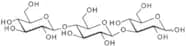
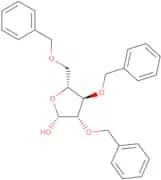
CAS :<p>2,3,5-Tri-O-benzyl-b-D-arabinofuranose is a stereoselective analog that inhibits human maltase glucoamylase and acetylation. It is also a potent nucleophile that reacts with the hydroxyl group of dimethyl fumarate to form an acetal linkage. This compound is used in the stereoselective synthesis of oligosaccharides and carbohydrates.</p>Formule :C26H28O5Degré de pureté :Min. 99 Area-%Couleur et forme :White PowderMasse moléculaire :420.5 g/mola1-3[a1-6]a1-6[a1-3]Mannopentaose
CAS :<p>Found in glycoproteins including ovalbumin and human immunoglobulin M</p>Formule :C30H52O26Degré de pureté :Min. 95 Area-%Couleur et forme :White PowderMasse moléculaire :828.72 g/mol2,3-Dimethyl-γ-cyclodextrin
<p>This gamma-cyclodextrin (γ-CD) derivative is a modified cyclic oligosaccharide composed of eight glucose units, featuring a larger cavity size than α- and β-cyclodextrins. This structural characteristic allows γ-CDs to form inclusion complexes with a wider range of guest molecules, making it particularly versatile in various industries. In the food sector, it is used as a carrier and stabilizer for flavors, fat-soluble vitamins, and polyunsaturated fatty acids, protecting volatile compounds from evaporation. In pharmaceuticals, it enhances the solubility and bioavailability of poorly water-soluble drugs and, thanks to its larger ring size, allows for the encapsulation of larger molecules or even entire drug molecules. γ-CDs and derivatives are also used for environmental remediation and, in analytical chemistry, for the extraction and concentration of target substances.</p>Formule :C64H112O40Degré de pureté :Min. 95%Masse moléculaire :1,521.55 g/mol2,3,4,6-Tetra-O-benzyl-a-D-glucopyranosyl trichloroacetimidate
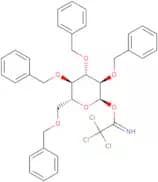
CAS :<p>2,3,4,6-Tetra-O-benzyl-a-D-glucopyranosyl trichloroacetimidate is a supernucleophile that reacts with saccharides to form glycosides. It is a reactive compound that can be used in syntheses to create new disaccharides. 2,3,4,6-Tetra-O-benzyl-a-D-glucopyranosyl trichloroacetimidate was used in the synthesis of a glycoside analogue of glucopyranose. This compound has also been shown to react with imidates.</p>Formule :C36H36Cl3NO6Degré de pureté :Min. 95%Couleur et forme :White PowderMasse moléculaire :685.03 g/molα1,3-Galactobiosyl β-methyl glycoside
<p>a1,3-Galactobiosyl b-methyl glycoside is a fluorinated saccharide that possesses the same chemical structure as N-acetylgalactosamine. It has been synthesized by click modification with methyl iodide and methyl bromoacetate. The synthesis of this compound was achieved by glycosylation of galactose with 1,3-diiodo-2,2'-bithiopropane followed by methylation of the resulting glycosylation product with methyl bromoacetate to form the desired compound. This carbohydrate can be used in a variety of applications including anti-inflammatory drugs, antibiotics, and cancer treatments.</p>Formule :C13H24O11Degré de pureté :Min. 95%Couleur et forme :White/Off-White SolidMasse moléculaire :356.32 g/mol2,3,5-Tri-O-benzyl-D-arabino-1,4-lactone
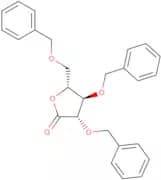
CAS :<p>2,3,5-Tri-O-benzyl-D-arabino-1,4-lactone is a carbonyl compound that has been used to synthesize carbonyl compounds. It has been shown to catalyze the formation of benzaldehyde from acetoacetic ester in the presence of hydrochloric acid. The melting point of 2,3,5-tri-O-benzyl-D-arabino-1,4--lactone is reported to be between 138° and 141°C.</p>Formule :C26H26O5Degré de pureté :Min. 95%Couleur et forme :PowderMasse moléculaire :418.48 g/molDextran 10 - MW 9,000 to 11,000
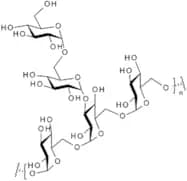
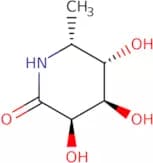
CAS :<p>Dextran is α-(1,6)-linked α-D-glucan with α-(1,3)-linked glucose branch points produced by fermentation of Leuconostoc mesenteroides via the action of the enzyme dextransucrase on sucrose. The main use for native dextran is as an extender in blood transfusions and products having a range of sharp cutoff molecular weights are produced commercially for this and other applications. A complex of iron with dextran, known as iron dextran, is used as a source of iron for baby piglets which are often anaemic at birth.</p>Couleur et forme :White Powder(3R, 4R, 5S, 6R) - 6- Methyl-3, 4, 5- trihydroxy-2- piperidinone
CAS :<p>(3R, 4R, 5S, 6R) - 6- Methyl-3, 4, 5- trihydroxy-2- piperidinone is an Oligosaccharide. It's a Custom synthesis that has a high purity and CAS No. 185741-53-1. This product is synthesized by Monosaccharide, Methylation, Glycosylation and Polysaccharide. (3R, 4R, 5S, 6R) - 6- Methyl-3, 4, 5- trihydroxy-2- piperidinone is a Fluorination that has the saccharides of sugar and Carbohydrate.</p>Degré de pureté :Min. 95%NA2F Glycan, 2-AB labelled
<p>NA2F Glycan is a custom synthesis that is used in the identification and quantification of methylated polysaccharides. It is a synthetic modification of a natural glycosylation reaction. The NA2F Glycan is synthesized by 2-AB labelled Methylation, saccharide, Polysaccharide, CAS No., Click modification, Modification, Oligosaccharide, Custom synthesis, Glycosylation, High purity, Carbohydrate, sugar, Synthetic, Fluorination with high purity and complex carbohydrate. This product can be used in glycobiology research as a methylation-sensitive probe for the detection of methylated polysaccharides such as glycoproteins and glycolipids.</p>Degré de pureté :Min. 95%
![(1R) -1- [(2R, 3R,4S) -N-Benzyl-3- benzyloxy- 4-hydroxymethyl-1- azetidinyl] -1, 2- ethanediol](/_next/image/?url=https%3A%2Fstatic.cymitquimica.com%2Fproducts%2F3D%2Fthumb-webp%2FMB163369.webp&w=3840&q=75)







![1,3,4,6-Tetra-O-acetyl-2-[(2-aminoacetyl)amino]-2-deoxy-a-D-glucopyranose](/_next/image/?url=https%3A%2Fstatic.cymitquimica.com%2Fproducts%2F3D%2Fthumb-webp%2FMT145108.webp&w=3840&q=75)

![6-Deoxy-3,5-O-[(R)-benzylidene]-L-gluconic acid g-lactone](/_next/image/?url=https%3A%2Fstatic.cymitquimica.com%2Fproducts%2F3D%2Fthumb-webp%2FMD163973.webp&w=3840&q=75)



![1,3,4,6-Tetra-O-acetyl-2-[(2-aminoacetyl)amino]-2-deoxy-b-D-glucopyranose](/_next/image/?url=https%3A%2Fstatic.cymitquimica.com%2Fproducts%2F3D%2Fthumb-webp%2FMT145107.webp&w=3840&q=75)





![GlcA[3S]b(1-3)Galb(1-4)GlcNAcb(1-2)Mana-Ethylazide](/_next/image/?url=https%3A%2Fstatic.cymitquimica.com%2Fproducts%2F3D%2Fthumb-webp%2FOG44930.webp&w=3840&q=75)






![a1-3[a1-6]a1-6[a1-3]Mannopentaose](/_next/image/?url=https%3A%2Fstatic.cymitquimica.com%2Fproducts%2F3D%2Fthumb-webp%2FOM05332.webp&w=3840&q=75)