Glycosciences
La glycosciences est l'étude des glucides et de leurs dérivés, ainsi que des interactions et des fonctions biologiques auxquelles ils participent. Ce domaine de recherche est crucial pour comprendre une grande variété de processus biologiques, y compris la reconnaissance cellulaire, la signalisation, la réponse immunitaire et le développement des maladies. La glycosciences a des applications importantes en biotechnologie, en médecine et dans le développement de nouveaux médicaments et thérapies. Chez CymitQuimica, nous proposons une large sélection de produits de haute qualité et pureté pour la recherche en glycosciences. Notre catalogue comprend des monosaccharides, des oligosaccharides, des polysaccharides, des glyconjugués et des réactifs spécifiques, conçus pour soutenir les chercheurs dans leurs études sur la structure, la fonction et les applications des glucides dans les systèmes biologiques. Ces ressources sont destinées à faciliter les découvertes scientifiques et les applications pratiques dans divers domaines des biosciences et de la médecine.
Sous-catégories appartenant à la catégorie "Glycosciences"
- Aminosucres(108 produits)
- Anticorps Glyco-Related(282 produits)
- Glycolipides(46 produits)
- Glycosaminoglycanes (GAGs)(55 produits)
- Glycosides(419 produits)
- Monosaccharides(6.624 produits)
- Oligosaccharides(3.682 produits)
- Polysaccharides(503 produits)
11046 produits trouvés pour "Glycosciences"
Trier par
Degré de pureté (%)
0
100
|
0
|
50
|
90
|
95
|
100
Octyl glucose neopentyl glycol
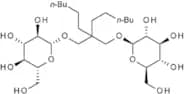
CAS :<p>Octyl glucose neopentyl glycol is a ubiquitin ligase inhibitor that prevents the ubiquitination and degradation of target proteins. It has been shown to inhibit protein synthesis in bacteria. Octyl glucose neopentyl glycol has been used to study the role of cytosolic proteins in emphysema. It was found that octyl glucose neopentyl glycol inhibits the production of these proteins by preventing the interaction between an ubiquitin-like protein and its substrate, thereby inhibiting protein synthesis. Octyl glucose neopentyl glycol also inhibits cancer cells by blocking fatty acid synthase, which is necessary for cell proliferation. This inhibitor can be used as a structural probe to determine enzyme-substrate interactions, such as those that occur with bacterial strain and protein synthesis. It can also be used to study the structure of proteins by exposing them to light or using inhibitors drugs.</p>Formule :C27H52O12Degré de pureté :Min. 98 Area-%Couleur et forme :PowderMasse moléculaire :568.69 g/mol3-O-(2-Acetamido-2-deoxy-a-D-galactopyranosyl)-D-galactopyranose
CAS :<p>3-O-(2-Acetamido-2-deoxy-a-D-galactopyranosyl)-D-galactopyranose is an endothelial cell growth factor that is generated by the enzymatic activity of galactosyltransferase. It binds to lectin, glycan, and monoclonal antibodies. This molecule has been shown to have biological properties that are related to cancer and immunology. 3-O-(2-Acetamido-2-deoxy-a-D-galactopyranosyl)-D-galactopyranose may be used as a glycolipid marker in blood group typing and in the detection of cervical cancer cells.</p>Formule :C14H25NO11Degré de pureté :Min. 95%Couleur et forme :White PowderMasse moléculaire :383.33 g/molErlose
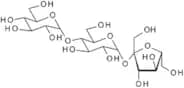
CAS :<p>Erlose is a trisaccharide (b-D-fructofuranosyl-a-D-glucopyranosyl-(1,4)-a-D-glucopyranoside) found in royal jelly and honeys. Erlose has the same sweetening power as sucrose but is less cariogenic.</p>Formule :C18H32O16Degré de pureté :Min. 95 Area-%Couleur et forme :White PowderMasse moléculaire :504.44 g/molGlycyl-asialo, galactosylated biantennary
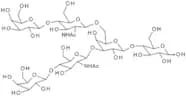
Glycyl-asialo, galactosylated biantennary is a high purity custom synthesis of sugar. Glycyl-asialo, galactosylated biantennary is custom synthesized by the click modification of glycosylation and fluorination with methylation and modification. The CAS number for glycyl-asialo, galactosylated biantennary is **********.Formule :C64H108N6O46Degré de pureté :Min. 95%Masse moléculaire :1,697.56 g/molFluorescein-b-cyclodextrin
<p>This beta-cyclodextrin (β-CD) derivative is a functionalized cyclic oligosaccharide composed of seven glucose units, characterized by a hydrophilic exterior and a lipophilic cavity (bigger than α-CD and smaller than γ-CDs), which allows it to encapsulate various guest molecules. This structural feature facilitates its use in multiple applications, including pharmaceuticals, food enhancement, and cosmetics. In the pharmaceutical industry, it enhances the solubility and stability of poorly water-soluble drugs, improving their bioavailability and efficacy while also masking unpleasant tastes. The food sector utilizes it as a stabilizer for flavors, colors, and nutrients, extending shelf life by protecting sensitive ingredients from degradation. In cosmetics, it serves as a complexing agent for fragrances and active components, ensuring their stability and controlled release. Its use expands to many other fields, including nanotechnology for drug delivery systems, environmental remediation for extracting organic pollutants, textiles for slow-release fragrances, and analytical chemistry for chiral separation.</p>Formule :C42H71nNO34•(C21N12NO5S)nDegré de pureté :Min. 95%Couleur et forme :PowderMethyl cellulose - USP (viscosity ca 1500cP)
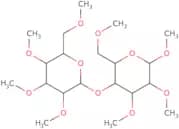
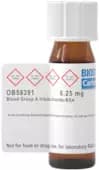
CAS :Cellulose derivative, food thickener and emulsifier, bulk forming laxativeCouleur et forme :PowderBlood Group A trisaccharide-BSA
<p>Core antigen ABO trisaccharide conjugated to BSA</p>Degré de pureté :Min. 95%Couleur et forme :SolidBlood group A-BSA
<p>A-BSA is an antibody that competes with the blood group antigen for binding to erythrocytes. The A-BSA is immobilized on a microtitre plate and incubated with the blood group antigen and human blood group antiserum. The concentration of A-BSA in the solution is determined by measuring the enzyme-linked immunosorbent assay (ELISA) signal using a spectrophotometer. This measurement is used to determine the concentration of blood group antigen in the sample.</p>Degré de pureté :Min. 95%Couleur et forme :PowderD-Glucosamine-2-N, 3-O, 6-O-trisulfate sodium salt
<p>D-Glucosamine-2-N, 3-O, 6-O-trisulfate sodium salt is a high purity oligosaccharide that can be custom synthesized. This product is composed of sugar, Click modification, fluorination, glycosylation, and methylation. It has CAS No. and Oligosaccharide. This product is used in the production of complex carbohydrates due to its saccharide composition.</p>Formule :C6H10NNa3O14S3Degré de pureté :Min. 95%Couleur et forme :White/Off-White SolidMasse moléculaire :485.31 g/molp-Lacto-N-neohexaose
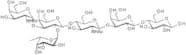
CAS :<p>Neutral hexasasaccharide naturally present in human breast milk</p>Formule :C40H68N2O31Degré de pureté :(%) Min. 90%Couleur et forme :PowderMasse moléculaire :1,072.96 g/molSialyllacto-N-fucopentaose I
<p>Sialyllacto-N-fucopentaose I is a high purity, custom synthesis, fluorinated carbohydrate that has been modified by methylation and click chemistry. This oligosaccharide is composed of a saccharide with a molecular weight of 908.5 g/mol and an enantiomeric purity of 99%. Sialyllacto-N-fucopentaose I is an Oligosaccharide with a CAS number of 61497-04-8. It is used in the synthesis of polysaccharides or as a monosaccharide or sugar substitute to produce high purity products.</p>Formule :C43H72N2O33Degré de pureté :Min. 95%Masse moléculaire :1,145.03 g/molIsorhamnetin 3-glucoside-7-rhamnoside
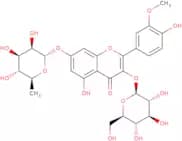
CAS :<p>Isorhamnetin 3-glucoside-7-rhamnoside is a type of flavonoid that is found in plants and has the chemical formula C14H12O5. It is a glycoside that is converted to its aglycone, rhamnetin, in the body. Isorhamnetin 3-glucoside-7-rhamnoside has shown potential as an antiinflammatory agent by inhibiting the ubiquitin proteasome pathway and Cox2 inhibitory activity. It also inhibits protease activity and can be used to treat inflammatory diseases such as arthritis. Isorhamnetin 3-glucoside-7-rhamnoside is synergistic with other molecules, so it can be used to prevent or treat inflammation when combined with other drugs.</p>Formule :C28H32O16Degré de pureté :Min. 95%Couleur et forme :White PowderMasse moléculaire :624.54 g/molKifunensine
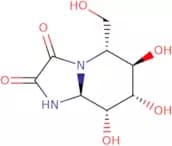
CAS :<p>Kifunensine is a potent and specific inhibitor of plant and animal α-mannosidase I with IC50 in nanomolar range. It inhibits the enzyme isoforms in Golgi apparatus (GMI) and endoplasmatic reticulum (ERMI). The compound prevents mannose trimming on glycoproteins and shifts the glycoform content from complex to oligomannose type. It's used for the production of recombinant therapeutic glycoproteins with mannose rich N-linked glycans.</p>Formule :C8H12N2O6Degré de pureté :Min. 99 Area-%Couleur et forme :PowderMasse moléculaire :232.19 g/molSedoheptulose anhydride monohydrate
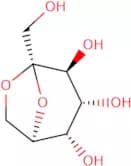
CAS :<p>Sedoheptulose anhydride is a derivative of sedoheptulose, a seven-carbon atoms carbohydrate.</p>Formule :C7H12O6·H2ODegré de pureté :Min. 90 Area-%Couleur et forme :White PowderMasse moléculaire :210.18 g/mol6'-O-Sulfated Lewis X
<p>6'-O-Sulfated Lewis X is a synthetic, sulfated, monosaccharide that is modified with fluorine and methyl groups. It is used in the synthesis of oligosaccharides and polysaccharides. 6'-O-Sulfated Lewis X has been found to be effective in the prevention of glycosylation and sugar formation. This compound can also be used for click modification, as well as for modifying proteins or DNA. The CAS number is 59037-07-4.</p>Formule :C20H35NO18SDegré de pureté :Min. 95%Couleur et forme :PowderMasse moléculaire :609.55 g/molXylitol
CAS :<p>Xylitol is a sugar alcohol that can be found in some plants, including berries and corn husks. It is also produced by the body during normal metabolism. Xylitol has been shown to have antimicrobial properties against aerobacter aerogenes, a bacterium that inhabits the human gastrointestinal tract. Xylitol inhibits bacterial growth by binding to glucose-6-phosphate dehydrogenase, which prevents the conversion of glucose into energy for cell growth and reproduction. Xylitol also affects the water balance of cells by inhibiting their ability to extract water vapor from their environment. Xylitol is metabolized by a number of bacteria strains, which leads to the production of hydrogen peroxide or xylose as an end product. The biochemical properties of xylitol are still being researched and it is not yet known how this compound interacts with other biological compounds.</p>Formule :C5H12O5Degré de pureté :Min. 98.5 Area-%Masse moléculaire :152.15 g/mol2,3-O-Isopropylidene-L-ribonic acid-1,4-lactone
CAS :2,3-O-Isopropylidene-L-ribonic acid-1,4-lactone is a fluorinated glycoside that can be used as a monosaccharide or modified to form an oligosaccharide. It is synthesized by the addition of fluorine to an alpha position of D-ribose, followed by lactonization. This product has been shown to have high purity and can be used as a sugar substitute in foods. This compound has been used for the synthesis of saccharides with click modification and oligosaccharides with polymerization.Formule :C8H12O5Degré de pureté :Min. 95%Couleur et forme :PowderMasse moléculaire :188.18 g/molMaltotriose
CAS :<p>Used to differentiate microorganisms based on their metabolic properties.</p>Formule :C18H32O16Degré de pureté :Min. 95 Area-%Masse moléculaire :504.44 g/mol2-Deoxy-D-ribose
CAS :<p>High purity grade. Used in synthetic organic chemistry and natural product synthesis. Induces apoptosis by inhibiting the synthesis and increasing the efflux of glutathione. It is used for synthesis of optically active dipyrrolyl alkanols from pyrroles on the surface of montmorillonite KSF clay.Due to its integral role in the formation of DNA, 2-Deoxy-D-ribose is critical in studies of genetic expression, DNA repair mechanisms, and the synthesis of nucleotides. Researchers utilize it extensively in molecular biology and biochemistry to understand cell replication and gene function, and it serves as a standard in research pertaining to oxidative stress, where its degradation may indicate the presence of reactive oxygen species. Additionally, it is involved in the development of various pharmacological agents, particularly those targeting cancer and viral infections, where the synthesis and function of DNA are pivotal aspects of pathogenesis and treatment response.</p>Formule :C5H10O4Degré de pureté :Min. 99.0 Area-%Masse moléculaire :134.13 g/mol2,3-O-Isopropylidene-L-ribofuranose
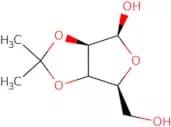
CAS :<p>2,3-O-Isopropylidene-L-ribofuranose is a chiral building block for the synthesis of α-amino acids. This compound can be obtained from l-arabinose and l-rhamnose by kinetic resolution reactions with reagents such as (R)-1,2,3,4,5,6-hexahydrobenzo[b]thiophene or (S)-1,2,3,4,5,6-hexahydrobenzo[b]thiophene. The product is an enantiospecifically pure mixture of 2,3-O-isopropylidene L-ribofuranose and its antipode. The use of acid catalysts such as sulfuric acid or hydrochloric acid will yield a higher yield of the desired product.</p>Formule :C8H14O5Degré de pureté :Min. 95 Area-%Couleur et forme :PowderMasse moléculaire :190.19 g/mol2,3,5-Tri-O-benzoyl-a-D-arabinofuranosyl bromide
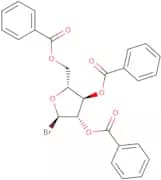
CAS :2,3,5-Tri-O-benzoyl-a-D-arabinofuranosyl bromide is a glycosylation reagent that can be used in the synthesis of polysaccharides and oligosaccharides. It is also used to modify sugars with methyl and fluorination reagents. 2,3,5-Tri-O-benzoyl-a-D-arabinofuranosyl bromide has CAS number 434868 9.Formule :C26H21BrO7Degré de pureté :Min. 95%Couleur et forme :PowderMasse moléculaire :525.34 g/mol4'-Sulfated Lewis X methyl glycoside sodium
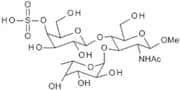
CAS :4'-Sulfated Lewis X methyl glycoside sodium is a synthetic monosaccharide. It is used in the synthesis of oligosaccharides and polysaccharides. This compound can be fluorinated to produce 4'-fluoro-4'-sulfated Lewis X methyl glycoside sodium. The sulfate group on this compound can be replaced with other groups such as carboxyl, cyano, nitro, and acetyl.Formule :C21H36NO18SNaDegré de pureté :Min. 95%Couleur et forme :PowderMasse moléculaire :645.58 g/molPropofol-4-Hydroxy-4-D-glucuronide
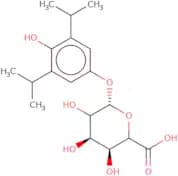
<p>Propofol-4-Hydroxy-4-D-glucuronide is a fluorinated monosaccharide that has been synthesized using the glycosylation, polysaccharide and modification methods. This compound is a custom synthesis that has been modified with methylation and click chemistry. The CAS number for this product is 54910-87-6. This product is a complex carbohydrate with high purity.</p>Formule :C18H26O8Degré de pureté :Min. 95%Masse moléculaire :370.39 g/molPullulan
CAS :<p>Pullulan is a glucan elaborated by the fungus Aureobasidium pullulans. The chemical structure is essentially repeating units of maltotriose joined by α-1,6 linkages. Pullulan dissolves readily in water to form stable, viscous solutions that do not gel. The polysaccharide can be moulded, made into fibres and forms clear soluble films. Applications are in foods as a low calorie ingredient and the polysaccharide forms water soluble films that have been used as seed coatings and to coat fruit. Pullulan can also be used in industrial applications as a binder, film former and in pharmaceutical applications. Average MW is typically 100-200kDa. Viscosity is ca 120 mm2/s.<br>The image was kindly provided by Dr. Chris Lawson.</p>Couleur et forme :White Powder2,3,4,6-Tetra-O-benzoyl-D-galactopyranose
CAS :2,3,4,6-Tetra-O-benzoyl-D-galactopyranose is a glycoside. It is synthesized by the glycosylation of galactose with benzoic acid chloride in the presence of sodium carbonate. This compound is a natural product that can be found in plants and animals. 2,3,4,6-Tetra-O-benzoyl-D-galactopyranose has been shown to inhibit topoisomerase I and II activity in mammalian cells and induce the uptake of galactose into human adenocarcinoma cells. The yields of this compound are low and it has not been studied extensively due to its limited availability.Formule :C34H28O10Degré de pureté :Min. 95%Couleur et forme :White PowderMasse moléculaire :596.58 g/mol1,6-Anhydro-3-O-b-D-glucopyranosyl-b-D-glucopyranose
<p>1,6-Anhydro-3-O-b-D-glucopyranosyl-b-D-glucopyranose is a glycosylation agent that is used in the synthesis of complex carbohydrates. It has been modified by methylation, click modification, and fluorination to produce 1,6 anhydro-3-[2-(N′-[1-(4-chlorophenyl)ethylidene]amino)-2-(N′-[1-(4-chlorophenyl)ethylidene]amino)]ethylidene]-b -D glucopyranoside. This product is CAS No. 60932-82-7 and can be custom synthesized to produce high purity and low impurities.</p>Degré de pureté :Min. 95%Octyl 3,6-di-O-(a-D-mannopyranosyl)-b-D-mannopyranoside
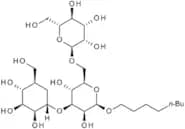
CAS :Octyl 3,6-di-O-(a-D-mannopyranosyl)-b-D-mannopyranoside is an anti-infective agent that belongs to the functional group of mannosides. It is used as a model system for investigating the inhibitory effects of chemical structures on enzymatic activity. Octyl 3,6-di-O-(a-D-mannopyranosyl)-b-D-mannopyranoside has been shown to have inhibitory effects on alzheimer's disease and other neurodegenerative diseases. The octyl 3,6 di O-(a D mannopyranosyl) b D mannopyranoside molecule can be broken down into two parts: octyl 3,6 di O-(a D mannopyranosyl) b D mannose and octyl 6 b D manno pyranose. The octyl 6 b D manno pyrFormule :C26H48O16Degré de pureté :Min. 95%Couleur et forme :White To Off-White SolidMasse moléculaire :616.65 g/mol4-Aminobutyl 6-O-(a-D-mannopyranosyl)-a-D-mannopyranoside
<p>4-Aminobutyl 6-O-(a-D-mannopyranosyl)-a-D-mannopyranoside is a synthetic saccharide that can be used as a substituent in the synthesis of complex carbohydrates. It is an aminobutyric acid methyl ester derivative of D-mannose with a pyranose ring. 4-Aminobutyl 6-O-(a-D-mannopyranosyl)-a-D-mannopyranoside has been shown to react with acetic anhydride and diazomethane to yield methylated derivatives of D-glucal, D-sorbitol, and DMPG. It is also used for the synthesis of oligosaccharides, glycosylations, and fluorinations.</p>Degré de pureté :Min. 95%Methyl mandelate glucoside
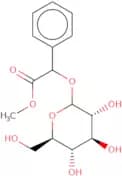
<p>Methyl mandelate glucoside is a glycosylation product that is custom synthesized for its fluorination and methylation. The molecule has a complex structure, consisting of monosaccharides and polysaccharides. Methyl mandelate glucoside is a high-purity compound with a CAS number. This chemical is also modified by click chemistry to create an oligosaccharide.</p>Formule :C15H20O8Degré de pureté :Min. 95%Masse moléculaire :328.31 g/molBlood group A trisaccharide-APE-HSA
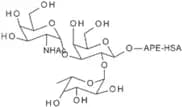
<p>Core antigen ABO trisaccharide conjugated to HSA via an aminophenyl ethyl spacer</p>Degré de pureté :Min. 95%3,6-Di-O-acetyl-a-cyclodextrin
<p>Alpha-cyclodextrin (α-CD) derivative with a hydrophilic exterior and lipophilic cavity (smaller than β-CDs and γ-CDs) to allocate certain guest molecules. This structural characteristic enables applications in molecular encapsulation, solubility enhancement, and stabilization across multiple industries. In pharmaceuticals, it serves as a drug delivery vehicle, enhancing the bioavailability and stability of active ingredients. The food industry utilizes it as a stabilizer for flavors, colors, and nutrients, as well as a functional ingredient for its effects on lipid metabolism. In cosmetics, it acts as a complex agent for fragrances and active components. Its applications extend to analytical chemistry for chiral separation and to materials science for developing smart materials and nanosystems.</p>Formule :C60H84O42Degré de pureté :Min. 95%Masse moléculaire :1,477.28 g/mol4-Methylphenyl 2-O-acetyl-3-O-benzyl-b-D-thioglucuronide
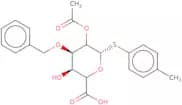
4-Methylphenyl 2-O-acetyl-3-O-benzyl-β-D-thioglucuronide is a modification of the oligosaccharide, carbohydrate complex carbohydrate. It is synthesized by custom synthesis. This product has CAS No. and is a monosaccharide, methylation and glycosylation. The molecular weight of this product is 676.4 Da and it contains no other functional groups except for a fluorine atom in its structure.Formule :C22H24O7SDegré de pureté :Min. 95%Masse moléculaire :432.49 g/molMethyl 2,3-di-O-benzyl-4,6-O-(4-methoxybenzylidene)-a-D-mannopyranoside
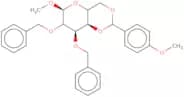
CAS :<p>Methyl 2,3-di-O-benzyl-4,6-O-(4-methoxybenzylidene)-a-D-mannopyranoside is a custom synthesis of a complex carbohydrate. It has been modified to include an Oligosaccharide and Polysaccharide, which are saccharides. This product can be used for the synthesis of glycosylation and carbonylation reactions. Methyl 2,3-di-O-benzyl-4,6-O-(4-methoxybenzylidene)-a-D-mannopyranoside is high purity with a fluorination process that ensures the highest quality.</p>Formule :C29H32O7Degré de pureté :Min. 95%Masse moléculaire :492.57 g/mol1,2,3,4-Tetra-O-pivaloyl-6-O-(tert-butyldiphenylsilyl)-b-D-galactopyranose
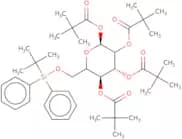
CAS :1,2,3,4-Tetra-O-pivaloyl-6-O-(tert-butyldiphenylsilyl)-b-D-galactopyranose is a high purity custom synthesis of a sugar. It is a fluorinated tetra saccharide with an unusual 1,2,3,4 linkage that has been modified with methyl groups at the 2 and 6 positions. The modification of this compound with silylation has made it resistant to enzymatic degradation. This compound has shown anti-inflammatory activities in animal models and can be used as an adjuvant therapy for inflammatory bowel disease.Formule :C42H62O10SiDegré de pureté :Min. 95%Masse moléculaire :755.04 g/molLacto-N-neohexaose
CAS :<p>Neutral hexasasaccharide naturally present in human breast milk</p>Formule :C40H68N2O31Degré de pureté :Min. 90 Area-%Couleur et forme :White PowderMasse moléculaire :1,072.96 g/mol5-S-Methyl-5-thio-D-xylose
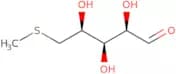
CAS :5-S-Methyl-5-thio-D-xylose is a carbohydrate that can be synthesized from 5,5’ -dithiobis(2-nitrobenzoic acid) and D-xylose. It is a high purity, custom synthesis product. This carbohydrate has been modified with fluorination at the 5 position of the sugar ring and methylation of the alpha carbon to form a methylated xylose. The molecular weight is 488.1 g/mol and it has a CAS number of 53458-58-5. This product can be used to modify saccharides and oligosaccharides with fluorination and methylation reactions.Formule :C6H12O4SDegré de pureté :Min. 95%Masse moléculaire :180.22 g/mol(3S, 4R) -3, 4- Dihydroxy- 2- methyl-D- proline
<p>(3S, 4R) -3, 4-Dihydroxy-2-methyl-D-proline is a synthetic monosaccharide. It is an intermediate in the synthesis of (3S, 4R)-3,4-dihydroxy-2-methyl-D-proline and can be used for the production of glycosylated products. This carbohydrate has been synthesized by fluorination followed by methylation and glycosylation. This is a high purity product that can be custom synthesized to meet your needs.</p>Degré de pureté :Min. 95%GA2-Ganglioside
CAS :GA2-ganglioside is a ganglioside that is found in the membranes of cells. GA2-Ganglioside has been shown to inhibit the growth of tumors by binding to macrophages and T cells, which are two types of white blood cells. It has also been shown that GA2-Ganglioside can be used as a target for an antibody response against human HL-60 tumor cells. The antibody response induces cell lysis and reduces the size of the tumor. GA2-Ganglioside has also been shown to have anti-inflammatory properties, which may be due to its ability to bind to α subunits on bowel disease and infectious diseases, such as murine sarcoma virus, causing an antibody response that causes cell lysis and prevents replication of these viruses.Formule :C56H104N2O18Degré de pureté :Min. 95%Couleur et forme :PowderMasse moléculaire :1,093.43 g/molL(+)-Ascorbic acid sodium salt
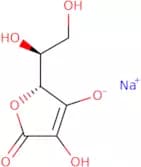
CAS :<p>L(+)-Ascorbic acid sodium salt is the L-isomer of ascorbic acid. It is an essential nutrient for humans and animals, and a cofactor for many enzymes involved in cellular metabolism. Ascorbic acid is an effective metal chelator, which can be used to treat infectious diseases such as tuberculosis. L(+)-Ascorbic acid sodium salt has been shown to have antioxidant properties. It also has antineoplastic activity against skin tumors when used at optimum concentration.</p>Formule :C6H7NaO6Degré de pureté :Min. 97 Area-%Couleur et forme :White PowderMasse moléculaire :198.11 g/molBenzyl 2-acetamido-2-deoxy-6-O-trityl-a-D-glucopyranoside
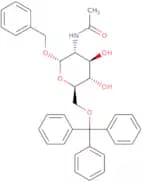
CAS :<p>Benzyl 2-acetamido-2-deoxy-6-O-trityl-a-D-glucopyranoside is a glycosylation of benzyl 2,3,4,6-tetraacetamido-2,3,4,6-tetra deoxyglucopyranoside. It is a complex carbohydrate that can be modified with methyl groups or fluorine atoms. This product is often used in Click chemistry and as a building block for oligosaccharides and polysaccharides. Benzyl 2-acetamido-2-deoxy 6O trityl a D glucopyranoside has CAS number 33493 71 9 and can be custom synthesized to meet individual requirements.</p>Formule :C34H35NO6Degré de pureté :Min. 95%Couleur et forme :White PowderMasse moléculaire :553.64 g/molEthyl 4,6-O-benzylidene-β-D-thioglucopyranoside
CAS :<p>A protected thioglucose sugar</p>Formule :C15H20O5SDegré de pureté :Min. 95%Couleur et forme :PowderMasse moléculaire :312.38 g/mol2,3,5-Tri-O-benzoyl-β-D-ribofuranosyl cyanide
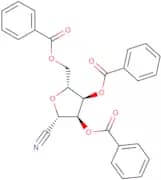
CAS :Building block for C-nucleoside synthesisFormule :C27H21NO7Degré de pureté :Min. 98 Area-%Couleur et forme :White PowderMasse moléculaire :471.46 g/mol2-Acetamido-2-deoxy-a-D-galactopyranosyl serine
CAS :2-Acetamido-2-deoxy-a-D-galactopyranosyl serine (2AGPS) is a naturally occurring glycosaminoglycan. It has been shown to inhibit the growth of cancer cells and to reduce the size of mouse tumors in vivo. This compound also inhibits viral replication in vitro, and its antiviral properties have been shown to work on several different types of viruses, including herpes simplex virus type 1, human cytomegalovirus, and influenza A virus. 2AGPS is also a potent inducer of toll-like receptor 4 signaling pathways in macrophages and dendritic cells. 2AGPS can be synthesized by using a polymerase chain reaction (PCR) technique with synthetic oligosaccharides as a template.Formule :C11H20N2O8Degré de pureté :Min. 90 Area-%Couleur et forme :Off-White Yellow PowderMasse moléculaire :308.29 g/mol(2R,2'R,3S,3'S,4R,4'R,5S,5'S)-6,6'-(1,4-Phenylenebis(ethyne-2,1-diyl))bis(2-(hydroxymethyl)tetrahydro-2H-pyran-3,4,5-triol
CAS :Please enquire for more information about (2R,2'R,3S,3'S,4R,4'R,5S,5'S)-6,6'-(1,4-Phenylenebis(ethyne-2,1-diyl))bis(2-(hydroxymethyl)tetrahydro-2H-pyran-3,4,5-triol including the price, delivery time and more detailed product information at the technical inquiry form on this pageFormule :C22H26O10Masse moléculaire :450.44 g/mol2,4,6-Tri-O-acetyl-3-O-benzyl-b-D-glucopyranosylamine
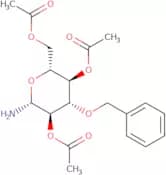
CAS :Building block for 3-O-modified glucosylamide-linked glyconconjugatesFormule :C19H25NO8Degré de pureté :Min. 95%Couleur et forme :PowderMasse moléculaire :395.4 g/molD-Arabinose
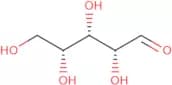
CAS :<p>D-Arabinose is a dinucleotide phosphate that is an important metabolic intermediate in the pentose phosphate pathway. It has been shown to have pharmacological effects, such as enzyme inhibition and binding to DNA. D-Arabinose has been used in biochemical studies of energy metabolism and related areas. D-Arabinose is converted to ribitol by ribitol dehydrogenase, which can be oxidized to ribulose 5-phosphate by ribulose 5-phosphate dehydrogenase. The conversion of D-arabinose to ribitol requires NAD(P)H, which provides the reducing power for this reaction. The conversion of ribitol to ribulose 5-phosphate also requires NAD(P)H, but does not produce any reducing power. A redox potential measurement was used to determine the relative reduction potentials of the two reactions and found that they are equal at -0.5 volts (V).</p>Formule :C5H10O5Masse moléculaire :150.13 g/molRef: 3D-A-8200
1kgÀ demander5kgÀ demander10kgÀ demander25kgÀ demander2500gÀ demander-Unit-kgkgÀ demanderBlood group A hexasaccharide type II
CAS :A antigen hexasaccharide Type II, possible use in antiviral developmentFormule :C40H68N2O30Degré de pureté :Min. 90 Area-%Couleur et forme :White PowderMasse moléculaire :1,056.96 g/molMethyl 2,3:4,5:6,7-Tri-O-isopropylidene-D-glycero-D-talo-heptonate
CAS :Methyl 2,3:4,5:6,7-Tri-O-isopropylidene-D-glycero-D-talo-heptonate is a methyl glycoside that can be used for the modification of saccharides and oligosaccharides. This product is also useful as an intermediate in the synthesis of complex carbohydrates.Formule :C17H28O8Degré de pureté :Min. 95%Masse moléculaire :360.4 g/molD-Xylose
CAS :<p>Xylose (Xyl) is an aldopentose also known as wood sugar (Collins, 2006). The main sources of xylose are hemicelluloses found in hardwood and perennial plants, such as, grasses, cereals, and herbs (Petzold-Welcke, 2014) and some algae. Xylose is used in the production of xylitol, a low calory sugar substitute. Xylose is used in glycosaminoglycan (GAG) biosynthesis, which is initiated by peptide O-xylosyltransferases, which transfer xylose onto selected serine residues in the core proteins. The first enzyme in the pathway, peptide O-xylosyltransferase, catalyzes the transfer of xylose from uridine diphosphate (UDP)-α-D-xylose onto serine and thus determines the site(s) of GAG attachment on the core protein (Briggs, 2018).</p>Formule :C5H10O5Degré de pureté :Min. 98.0 Area-%Couleur et forme :White PowderMasse moléculaire :150.13 g/moltert-Amyl 2-acetamido-3,4,6-tri-O-acetyl-2-deoxy-b-D-glucopyranoside
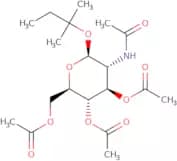
CAS :<p>Tert-Amyl 2-acetamido-3,4,6-tri-O-acetyl-2-deoxy-b-D-glucopyranoside is a custom synthesis that has not been reported in the literature or commercialized. The compound is an oligosaccharide with a fluorinated saccharide unit. It is synthesized by methylation of glycosylation and click modification of the sugar. Tert-Amyl 2-acetamido-3,4,6-tri-O-acetyl-2DGPA has been shown to be resistant to enzymatic digestion and hydrolysis by esterases. The compound can also be used as a fluorescent probe for studying carbohydrate metabolism.</p>Formule :C19H31NO9Degré de pureté :Min. 95%Masse moléculaire :417.45 g/mol