Glycosciences
La glycosciences est l'étude des glucides et de leurs dérivés, ainsi que des interactions et des fonctions biologiques auxquelles ils participent. Ce domaine de recherche est crucial pour comprendre une grande variété de processus biologiques, y compris la reconnaissance cellulaire, la signalisation, la réponse immunitaire et le développement des maladies. La glycosciences a des applications importantes en biotechnologie, en médecine et dans le développement de nouveaux médicaments et thérapies. Chez CymitQuimica, nous proposons une large sélection de produits de haute qualité et pureté pour la recherche en glycosciences. Notre catalogue comprend des monosaccharides, des oligosaccharides, des polysaccharides, des glyconjugués et des réactifs spécifiques, conçus pour soutenir les chercheurs dans leurs études sur la structure, la fonction et les applications des glucides dans les systèmes biologiques. Ces ressources sont destinées à faciliter les découvertes scientifiques et les applications pratiques dans divers domaines des biosciences et de la médecine.
Sous-catégories appartenant à la catégorie "Glycosciences"
- Aminosucres(108 produits)
- Anticorps Glyco-Related(282 produits)
- Glycolipides(46 produits)
- Glycosaminoglycanes (GAGs)(55 produits)
- Glycosides(419 produits)
- Monosaccharides(6.624 produits)
- Oligosaccharides(3.682 produits)
- Polysaccharides(503 produits)
11046 produits trouvés pour "Glycosciences"
Trier par
Degré de pureté (%)
0
100
|
0
|
50
|
90
|
95
|
100
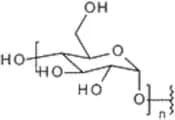
Maltodecaose, min 98%
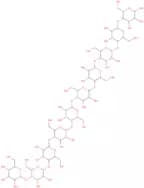
CAS :<p>α 1,4-glucodecasaccharide derived from starch by hydrolysis and chromatography</p>Formule :C60H102O51Degré de pureté :Min. 98 Area-%Couleur et forme :White PowderMasse moléculaire :1,639.42 g/mol2,3,4,6-Tetra-O-benzoyl-b-D-glucopyranosyl trichloroacetimidate
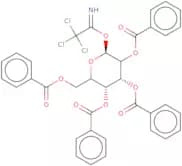
CAS :<p>2,3,4,6-Tetra-O-benzoyl-b-D-glucopyranosyl trichloroacetimidate is a chemical compound that has been shown to be an effective anti-inflammatory agent. It is a pharmaceutical formulation that can be fabricated into tablets or capsules and is used for the treatment of acute phase response. 2,3,4,6-Tetra-O-benzoyl-b-D-glucopyranosyl trichloroacetimidate interacts with cationic surfactants and silicon to form a protective layer on the skin. The frequency shift of light in the optical system indicates that there are no acid molecules in this formulation. Acute phase response occurs when there is an inflammatory disease or infection where the body produces proteins such as fibrinogen and C reactive protein (CRP). These proteins are released by cells in order to stop bleeding and fight infection.</p>Formule :C36H28Cl3NO10Degré de pureté :Min. 95%Masse moléculaire :740.97 g/molD-Mannurono-6,3-lactone
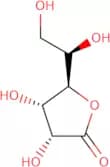
CAS :<p>D-Mannurono-6,3-lactone is a carbohydrate that can be found in plants. The compound is a monosaccharide and an isomer of D-mannose. It consists of 6 carbon atoms, 3 oxygen atoms, and 1 nitrogen atom. D-Mannurono-6,3-lactone has been shown to have kinetic properties that are different from other carbohydrates. The chromatographic method used to isolate the compound was based on its acidic properties. This acid hydrolysis allowed for the separation of the molecule into two components: one with a pK value of 4.5 and another with a pK value of 2.5. These components were then separated using a fluorimetric method due to their differing fluorescence intensities at 490 nm and 530 nm wavelengths. <br>D-Mannurono-6,3-lactone has been shown to interact with fulvellum (an antibiotic). This interaction</p>Formule :C6H8O6Degré de pureté :Min. 95%Couleur et forme :PowderMasse moléculaire :176.12 g/molCarboxymethyl-b-cyclodextrin sodium salt
<p>This beta-cyclodextrin (β-CD) derivative is a functionalized cyclic oligosaccharide composed of seven glucose units, characterized by a hydrophilic exterior and a lipophilic cavity (bigger than α-CD and smaller than γ-CDs), which allows it to encapsulate various guest molecules. This structural feature facilitates its use in multiple applications, including pharmaceuticals, food enhancement, and cosmetics. In the pharmaceutical industry, it enhances the solubility and stability of poorly water-soluble drugs, improving their bioavailability and efficacy while also masking unpleasant tastes. The food sector utilizes it as a stabilizer for flavors, colors, and nutrients, extending shelf life by protecting sensitive ingredients from degradation. In cosmetics, it serves as a complexing agent for fragrances and active components, ensuring their stability and controlled release. Its use expands to many other fields, including nanotechnology for drug delivery systems, environmental remediation for extracting organic pollutants, textiles for slow-release fragrances, and analytical chemistry for chiral separation.</p>Formule :C49H74O42·xNaDegré de pureté :Min. 95%Couleur et forme :White PowderMasse moléculaire :1,335.09 g/molD-Allono-1,4-lactone
CAS :<p>D-Allono-1,4-lactone is a biochemical compound that has been shown to have immunosuppressant properties. D-Allono-1,4-lactone is an inhibitor of maltase, an enzyme involved in the digestion of starch and glycogen. D-Allono-1,4-lactone also inhibits transglucosylase, an enzyme involved in the conversion of sucrose into glucose. It binds to sulfur transfer proteins and has been shown to be effective against mutants with altered biochemical properties.</p>Formule :C6H10O6Degré de pureté :Min. 95%Couleur et forme :PowderMasse moléculaire :178.14 g/mol4-Azido-4,6-dideoxy-2,3-O-isopropylidene-L-talono(L-gulono)-1.5-lactone
<p>4-Azido-4,6-dideoxy-2,3-O-isopropylidene-L-talono(L-gulono)-1.5 lactone is a high purity synthetic carbohydrate. It is a custom synthesis and can be fluorinated, glycosylated, methylated or modified to meet your specifications. It has CAS number 1263289-75-9. This product is an oligosaccharide with a saccharide repeating unit of 3 to 7 units. The monosaccharides are D and L glucose and the oligosaccharides are D and L maltose. The complex carbohydrate is composed of one or more glycans linked by glycosidic bonds. This product is a sugar that consists of one or more monosaccharides with at least one hexose (D or L) and at least one pentose (D or L).</p>Degré de pureté :Min. 95%D-Mannono-1,5-lactone
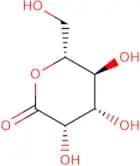
CAS :<p>D-Mannono-1,5-lactone is a custom synthesis. It is fluorinated to give 1,5-difluoro-D-mannono-1,4,6-lactone. The methylation of the C2 hydroxyl group and the C3 keto group gives 1,5-difluoro-D-mannono-1,4,6-(methylenedioxy)lactone. Click modification of this product with azide or acetylene gives 1,5-[(azido)-(acetylenyl)] D-mannono lactone or 1,5-[(acetylene)-(azido)] D manno lactone respectively. Monosaccharides can be synthesized from these products by glycosylation with a sugar donor. Polysaccharides can be synthesized from these products by glycosylation with a sugar donor and subsequent glycosidic linkage via an olig</p>Formule :C6H10O6Degré de pureté :Min. 95 Area-%Couleur et forme :PowderMasse moléculaire :178.14 g/molMethyl 2,3,4-tri-O-benzoyl-6-O-trityl-a-D-glucopyranoside
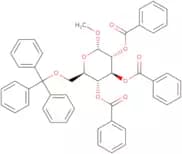
CAS :Methyl 2,3,4-tri-O-benzoyl-6-O-trityl-a-D-glucopyranoside is a synthetic compound that has been modified. This modification includes the addition of fluorine at the 6th carbon on the right side of the molecule. The methylation and tritylation of the molecule have also been performed to create a new product with a better stability. Methyl 2,3,4-tri-O-benzoyl-6-O-trityl-aDglucopyranoside can be used as a monosaccharide or oligosaccharide in glycosylation reactions. It can also be used as an intermediate in the synthesis of complex carbohydrate molecules.Formule :C47H40O9Degré de pureté :Min. 95%Masse moléculaire :748.84 g/molMethyl 2,4-Di-O-acetyl-3-O-benzyl-b-D-xylopyranoside
<p>Methyl 2,4-Di-O-acetyl-3-O-benzyl-b-D-xylopyranoside is a custom synthesis of an oligosaccharide. It is a modification of a monosaccharide and a polysaccharide. The fluorine atom in the methyl group prevents the glycosylation from occurring. This product can be used for various purposes, such as for use in sugar chemistry, as a carbohydrate or complex carbohydrate and as an additive to food products.</p>Degré de pureté :Min. 95%Methyl 2-deoxy-3,5-di-O-toluoyl-L-ribofuranoside
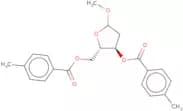
CAS :<p>Methyl 2-deoxy-3,5-di-O-toluoyl-L-ribofuranoside is a custom synthesis that is a complex carbohydrate that is used in the modification of saccharides. It has been shown to be able to methylate and glycosylate carbohydrates and can be fluorinated for use in click chemistry experiments. Methyl 2-deoxy-3,5-di-O-toluoyl-L-ribofuranoside is highly pure and can be synthesized with high yield.</p>Formule :C22H24O6Degré de pureté :Min. 95%Couleur et forme :Brown oil.Masse moléculaire :384.43 g/molPolydextrose
CAS :<p>Polydextrose is a synthetic polymer of glucose. It is a food ingredient classified as soluble fibre by the U.S. Food and Drug Administration (FDA) as well as Health Canada, as of April 2013. It is frequently used to increase the non-dietary fibre content of food, to replace sugar, and to reduce calories and fat content. It is a multi-purpose food ingredient synthesized from dextrose (glucose), plus about 10 percent sorbitol and 1 percent citric acid. Its E number is E1200. It was approved by FDA in 1981.</p>Degré de pureté :Min. 95%Couleur et forme :Powder1,4-Dideoxy-1,4-imino-D-mannitol HCl
CAS :1,4-Dideoxy-1,4-imino-D-mannitol HCl is a custom synthesis, modification and fluorination of mannitol. This compound is synthesized by the click modification of a monosaccharide and oligosaccharide. It is a saccharide with an average molecular weight of 584.45 g/mol. 1,4-Dideoxy-1,4-imino-D-mannitol HCl has been used to study glycosylation and sugar binding in carbohydrate research. CAS No.: 114976-76-0Formule :C6H13NO4·HClDegré de pureté :Min. 95%Couleur et forme :PowderMasse moléculaire :199.63 g/mola-D-Arabinopyranosyl azide
CAS :<p>a-D-Arabinopyranosyl azide is a new modified sugar that has been synthesized by the Click chemistry method. It is a complex carbohydrate with different substituents at the C2, C4, and C6 positions. This compound can be used for methylation, saccharide, polysaccharide, glycosylation or other custom synthesis. The CAS No. for this product is 138892-04-3, and it has a purity of >99%.</p>Formule :C5H9N3O4Degré de pureté :Min. 95%Masse moléculaire :175.14 g/mol(2S, 3S, 4S) -1-Butyl-4- (hydroxymethyl) - 3- (phenylmethoxy) - 2- azetidinecarboxylic acid, methyl ester
(2S, 3S, 4S) -1-Butyl-4- (hydroxymethyl) - 3- (phenylmethoxy) - 2- azetidinecarboxylic acid, methyl ester is a product that can be custom synthesized. It can be used for the modification of complex carbohydrates, for example oligosaccharides and polysaccharides. This product has been fluorinated to improve its stability and modify saccharide linkages. The hydroxy methyl group at C2 position in this product is capable of being modified with Click chemistry.Degré de pureté :Min. 95%Monosialyllacto-N-hexaose
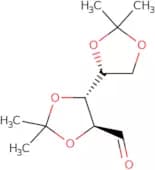
<p>Monosialyllacto-N-hexaose is a high purity, custom synthesis sugar that belongs to the group of oligosaccharides. This carbohydrate is modified with fluorination and glycosylation, which are Click modifications. Monosialyllacto-N-hexaose has a CAS number of 68638-04-3. This product is available for purchase in bulk quantities.</p>Formule :C51H85N3O39Degré de pureté :Min. 95%Masse moléculaire :1,364.22 g/mol2,3:4,5-Di-O-isopropylidene-D-arabinose
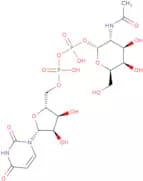
CAS :<p>Synthetic building block</p>Formule :C11H18O5Degré de pureté :Min. 95%Couleur et forme :Colorless PowderMasse moléculaire :230.26 g/molUDP-GalNAc disodium salt
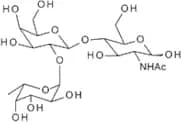
CAS :Substrate for N-acetylgalactosaminyltransferasesFormule :C17H25N3Na2O17P2Degré de pureté :Area-% Min. 95 Area-%Couleur et forme :White PowderMasse moléculaire :651.32 g/molBlood group H type II trisaccharide
CAS :Core antigen fragment in ABO blood group systemFormule :C20H35NO15Degré de pureté :Min. 95%Couleur et forme :White PowderMasse moléculaire :529.5 g/mol1,6:3,4-Di-O-anhydro-2-O-benzyl-b-D-altropyranose
CAS :<p>1,6:3,4-Di-O-anhydro-2-O-benzyl-b-D-altropyranose is a custom synthesis of a high purity glycosylation sugar. It is synthesized by methylation and click modification of the starting material 1,6:3,4-Di-O-(2′,3′,4′,5′)-tri-O-(benzyl)b D -altropyranose. The product is a complex carbohydrate that has been shown to be effective in inhibiting the growth of bacteria.</p>Degré de pureté :Min. 95%Blood Group H type III trisaccharide-PAA-biotin
<p>Blood group antigen conjugated to spacer and biotin</p>Degré de pureté :Min. 95%Couleur et forme :White Off-White PowderMasse moléculaire :586.6 g/molUrsodeoxycholic acid acyl-β-D-glucuronide
CAS :<p>Ursodeoxycholic acid acyl-b-D-glucuronide (UDCA) is a synthetic bile acid that is used to treat liver diseases such as cirrhosis, primary biliary cirrhosis and cholelithiasis. UDCA inhibits the enzyme 7α-hydroxylase in the liver, which converts cholesterol into bile acids. This prevents the formation of lithocholic acid from cholesterol and the accumulation of lipids in the liver. UDCA also suppresses inflammatory cytokines and oxidative stress by inhibiting NF-κB activation.Supplied as the sodium salt</p>Formule :C30H48O10Degré de pureté :Min. 95%Couleur et forme :PowderMasse moléculaire :568.7 g/molMaltodextrin, dextrose equivalent 10-15
CAS :<p>Ex starch-partial hydrolysis,food ingredient, moderatly sweet, easily digested</p>Couleur et forme :Powder2-Chloro-4-nitrophenyl 2-azido-2-deoxy-b-D-galactopyranoside
CAS :<p>2-Chloro-4-nitrophenyl 2-azido-2-deoxy-b-D-galactopyranoside is a synthetic compound. It has been shown to be an inhibitor of glycosylation by blocking the terminal step of glycosylation, which is the formation of a covalent bond between a sugar and an amino acid. The compound has been used in click chemistry to methylate saccharides.</p>Formule :C12H13ClN4O7Degré de pureté :Min. 95%Masse moléculaire :360.71 g/molNAcDGJ
<p>NAcDGJ is a glycosylation-derived, synthetic, complex carbohydrate with methylation, click modification, fluorination, saccharide and sugar modifications. NAcDGJ has shown to have anticancer activity in vitro and in vivo. This compound can be custom synthesized with high purity and CAS number.</p>Degré de pureté :Min. 95%Kinetin-9-glucoside
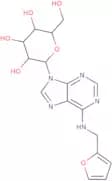
CAS :<p>Kinetin-9-glucoside is a conjugate of kinetin and glucose. It has been shown to inhibit the growth of several types of bacteria, including Pseudomonas aeruginosa, Staphylococcus aureus, and Streptococcus pyogenes. Kinetin-9-glucoside also has anti-inflammatory properties that may be due to its ability to inhibit prostaglandin synthesis. Kinetin-9-glucoside is used in tissue culture for the induction of plant regeneration from callus tissue or from excised root tissues. Kinetin-9-glucoside has been shown to stimulate the formation of apical roots in plantlets and promote cell division in neuronal cells.</p>Formule :C16H19N5O6Degré de pureté :Min. 95 Area-%Couleur et forme :PowderMasse moléculaire :377.35 g/mol3-Azido-3-deoxy-1,2:5,6-di-O-isopropylidene-a-D-glucofuranose
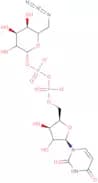
CAS :<p>3-Azido-3-deoxy-1,2:5,6-di-O-isopropylidene-a-D-glucofuranose is a synthetic sugar that has been modified by Fluorination, Monosaccharide, Synthetic, Oligosaccharide, complex carbohydrate, CAS No. 13964-23-3 and Glycosylation. It is also a Polysaccharide with modifications of Click modification and Methylation. 3A3DG can be used to modify the sugar content of glycoproteins and glycolipids in order to study their role in cellular processes such as transcriptional regulation and apoptosis. This product is available for custom synthesis in quantities from milligrams to kilograms.</p>Formule :C12H19N3O5Degré de pureté :Min. 95%Couleur et forme :Yellow PowderMasse moléculaire :285.3 g/molUDP-6-azido-6-deoxy-D-galactose triethylammonium
CAS :<p>UDP-6-azido-6-deoxy-D-galactose triethylammonium salt (UDP-6AzGal) is an analogue of UDP-Galactose, where the primary hydroxyl group is replaced with an azide. UDP-6AzGal was confirmed to act as a galactotransferase substrate after it was used in an in vitro glycosylation reaction on lysates from HEK 293TH cells overexpressing ceramide galactosyltransferase. UDP-6AzGal was also used as a label to visualise glycosylation patterns in developing zebrafish embryos.</p>Formule :C15H21N5O16P2•(C6H16N)2Degré de pureté :Min. 95%Couleur et forme :Clear LiquidMasse moléculaire :793.69 g/molMaltodextrin - dextrose equivalent 13.0-17.0
CAS :<p>Produced from starch; white hygroscopic spray-dried powder; easily digestible</p>Degré de pureté :Min. 95%Couleur et forme :White Powder1,2,3,4-Tetra-O-acetyl-6-deoxy-6-fluoro-D-galactopyranose
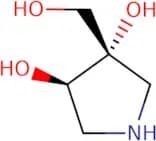
CAS :<p>1,2,3,4-Tetra-O-acetyl-6-deoxy-6-fluoro-D-galactopyranose is a synthetic sugar that is used in glycosylation reactions. It is a monosaccharide that was fluorinated to form a glycoside with the 6′ position of the hexose ring. This product has been shown to be useful for click modification of proteins and other complex carbohydrates. It can be used in methylation and monosaccharide synthesis.</p>Formule :C14H19FO9Degré de pureté :Min. 95%Masse moléculaire :350.29 g/mol(3S, 4R) -3- (Hydroxymethyl) - 3, 4- pyrrolidinediol
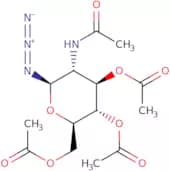
CAS :<p>(3S, 4R) -3- (Hydroxymethyl) - 3, 4- pyrrolidinediol is a synthetic sugar molecule that is used in the synthesis of polysaccharides and oligosaccharides. It can be modified with fluorination, methylation, or glycosylation. This product has a purity of 99% or higher.</p>Formule :C5H11NO3Degré de pureté :Min. 95%Masse moléculaire :133.15 g/mol2-Acetamido-3,4,6-tri-O-acetyl-2-deoxy-β-D-glucopyranosyl azide
CAS :2-Acetamido-3,4,6-tri-O-acetyl-2-deoxy-β-D-glucopyranosyl azide is a custom synthesis that is a complex carbohydrate. It is a glycosylation product of 2,3,4,6-tetraacetyl α--D--glucose and 2,3,6 -tri--O--acetyl--2--deoxy--β--D--glucopyranose. This compound has been modified by Click chemistry with 4-(dimethylamino)pyridine (DMAP). The modification has produced an acetamido group at the C2 position of the glucopyranoside moiety. The compound is available in high purity for research purposes.Formule :C14H20N4O8Degré de pureté :Min. 95%Couleur et forme :White PowderMasse moléculaire :372.33 g/mol(2R, 3R, 4R, 5R) -3, 4-Dihydroxy- 2, 5- bis(hydroxymethyl) -1- pyrrolidinepropanoic acid tert butyl ester
<p>This is a custom synthesis. It can be used as a sugar, click modification, fluorination, glycosylation, and synthetic. This product is CAS No. 634-74-8 with many modifications to make it work for your needs. We have oligosaccharides and monosaccharides that can be modified to create complex carbohydrates.</p>Degré de pureté :Min. 95%2,5-Deoxyfructosazine
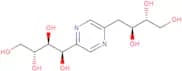
CAS :<p>2,5-Deoxyfructosazine is a physiological agent that inhibits the growth of bacteria and fungi. 2,5-Deoxyfructosazine is active against Gram-positive and Gram-negative bacteria, as well as Candida albicans and other yeasts. This drug is effective in inhibiting water vapor loss in the lungs and has been shown to be an effective antimicrobial agent for the treatment of acute lung infections. 2,5-Deoxyfructosazine has been shown to reduce the development of antibiotic resistance in bacteria by preventing cell wall synthesis. The mechanism of action is thought to involve a matrix effect with cationic compounds, which are deposited on the surface of bacterial cells and destroy them by osmotic lysis. 2,5-Deoxyfructosazine also has antidiabetic effects due to its ability to inhibit glucose uptake into cells by binding to glucose transporters on the cell membrane. A reaction mechanism for this process involves hydrogen</p>Formule :C12H20N2O7Degré de pureté :Min. 98 Area-%Couleur et forme :PowderMasse moléculaire :304.3 g/molGD1a-Ganglioside sodium
CAS :<p>GD1a (shown as sodium salt) is one of the major gangliosides in neuronal and glial membranes. It has a core tetrasaccharide structure (Galβ1,3GalNAcβ1,4Galβ1,4Glc) with sialic acids linked α2,3/α2,8 to the inner galactose residue, α2,3 to the outer galactose residue and ceramide linked β to position 1 on the reducing terminal glucose residue (Ledeen, 2009). It interacts with myelin-associated glycoprotein (MAG) and is essential for long-term axon-myelin stability. It plays a role in viral infection as it is a receptor for viral glycoproteins in rotavirus and paramyxovirus 1. The hexasaccharide GD1a moiety was also found on a glycoprotein that acts as a receptor for adenovirus type 37. GD1a ganglioside also interacts with botulinum neurotoxin and is crucial for its entry into cells (Kolter, 2012).</p>Formule :C84H148N4O39·xNaDegré de pureté :Min. 95%Couleur et forme :White PowderMasse moléculaire :1,838.08 g/molColominic acid sodium salt
CAS :<p>Colominic acid (polysialic acid) is a linear small polysaccharide containing α-2,8-linked sialic acid (neurominic acid) with (n = 8 to >100) residues. Polysialic acid is an unusual post translational modification polysaccharide that is widely expressed in nature in bacterial capsules, fish, sea urchin eggs, embryonic tissues, amphibians, animal and human brains, and in a various cancers. The major carrier of polysialic acids in mammals is the neural cell adhesion molecule (a glycoprotein that belongs to the immunoglobulin superfamily).Average molecular weight for this product is :50000-60000</p>Degré de pureté :Min. 98 Area-%Couleur et forme :White Off-White PowderMethyl β-L-arabinopyranoside
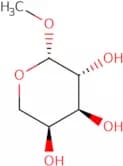
CAS :<p>Methyl β-L-arabinopyranoside is a stereochemically pure monosaccharide that has been used to calibrate and quantify the conformational, stereochemical, and spectrometric methods. Methyl β-L-arabinopyranoside has a conformation that is restricted by the presence of an α-hydroxyl group at C2. The chloride ion can be used to monitor this conformation. The diameter of methyl β-L-arabinopyranoside can be measured with a micropipette and monitored using an aerosol detector. Methyl β-L-arabinopyranoside can also be quantified by mass spectrometry or spectrophotometry. The conformational, stereochemical, and spectrometric methods have been calibrated using methyl β-L-arabinopyranoside as a standard to determine their accuracy in measuring the size of other molecules.</p>Formule :C6H12O5Degré de pureté :Min. 95%Couleur et forme :White Off-White PowderMasse moléculaire :164.16 g/mol3,4:5,6-Di-O-Isopropylidene-7-deoxy-D- glycero- L- gulo- heptitol
<p>3,4:5,6-Di-O-Isopropylidene-7-deoxy-D-glycero-L-guloheptitol is a carbohydrate that is a modification of the sugar glucose. It is also an oligosaccharide composed of three monosaccharides and one disaccharide. 3,4:5,6-Di-O-Isopropylidene-7-deoxy-Dglycero--Lguloheptitol has CAS No. 58418–92–1. This product can be custom synthesized to meet your needs and is available in high purity. The methylation and glycosylation are two click modifications that can be done to this product.</p>Degré de pureté :Min. 95%(3R,4R)-2-Methyl-2,3,4,5-tetrahydroxypentane
<p>(3R,4R)-2-Methyl-2,3,4,5-tetrahydroxypentane is a synthetic compound. It is a glycosylation reagent that can be used to modify the sugar moiety in oligosaccharides and complex carbohydrates. (3R,4R)-2-Methyl-2,3,4,5-tetrahydroxypentane is also used for fluorination reactions and click chemistry modifications. This product has been shown to have high purity and can be custom synthesized. The CAS number for this compound is 36610-02-6.</p>Degré de pureté :Min. 95%N-Acetylneuraminic acid dimer disodium salt
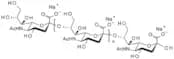
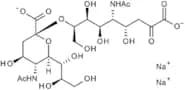
CAS :<p>Intermediate in synthesis of ganglioside GD2</p>Formule :C22H34N2O17·2NaDegré de pureté :Min. 95 Area-%Couleur et forme :White PowderMasse moléculaire :644.49 g/molMethyl 2-acetamido-2-deoxy-a-D-galactopyranoside
CAS :<p>Methyl 2-acetamido-2-deoxy-a-D-galactopyranoside is a metabolite of the drug 6-fluoro-3-indoxyl-beta-D-galactopyranoside. It has been shown to induce apoptosis in cells, which is mediated by the activation of caspase 3 and cleavage of poly(ADP)ribose polymerase (PARP). Methyl 2-acetamido-2-deoxy-a-D-galactopyranoside also induces transcriptional regulation and decreases the expression of proteins that are involved in cell proliferation. These effects have been seen in clinical pathology, including cancer and infectious diseases. This metabolite binds to mouse monoclonal antibodies, which are used as a diagnostic tool for several types of cancer. The electrochemical impedance spectroscopy technique has demonstrated that methyl 2 acetamido 2 deoxy a D galactopyranoside inhibits</p>Formule :C9H17NO6Degré de pureté :Min. 98 Area-%Couleur et forme :White PowderMasse moléculaire :235.23 g/molMethyl 2,3,4,6-tetra-O-benzyl-b-D-thiogalactopyranoside
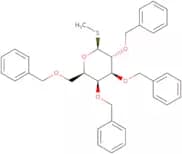
CAS :<p>Methyl 2,3,4,6-tetra-O-benzyl-b-D-thiogalactopyranoside is a synthetic monosaccharide that has been modified with fluorination and glycosylation. It is a product of the click reaction, which is a chemical modification that involves the formation of an aziridine and an alkene in one step. This product has been used for the synthesis of oligosaccharides and complex carbohydrates.</p>Formule :C35H38O5SDegré de pureté :Min. 95%Couleur et forme :PowderMasse moléculaire :570.74 g/molD-Tagatose
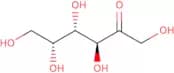
CAS :<p>Low-calorie sweetener; additive in detergents, cosmetics, and pharmaceuticals</p>Formule :C6H12O6Degré de pureté :Min. 99 Area-%Couleur et forme :PowderMasse moléculaire :180.16 g/mol2-Azidomethyl-2-deoxy-3,4-O-isopropylidene-4-C-methyl-L-ribono-1.5-lactone
<p>2-Azidomethyl-2-deoxy-3,4-O-isopropylidene-4-C-methyl-L-ribono-1.5-lactone is a modification of the sugar molecule ribose. It is synthesized by the methylation of 2,6 anhydroglucose with formaldehyde and sodium azide in methanol. This modification prevents the formation of cyclic hemiacetals and epimerization reactions that may occur during glycosylation or polysaccharide formation. 2A diol has been used as a model for oligosaccharides, carbohydrates, and complex carbohydrates. It is highly purified, has a CAS number, and can be used in custom synthesis projects.</p>Degré de pureté :Min. 95%N-(4-Methylbenzyliden)imino-2,3,4,6-tetra-O-pivaloyl-D-glucopyranoside
N-(4-Methylbenzyliden)imino-2,3,4,6-tetra-O-pivaloyl-D-glucopyranoside is a synthetic monosaccharide with a complex carbohydrate structure. It can be used in custom synthesis and glycosylation reactions. This product is not found in nature and has not been reported to be found in any natural products. The CAS number for this compound is 51492-04-3.Formule :C34H51NO9Degré de pureté :Min. 95%Masse moléculaire :617.77 g/mol2,3,4,6-Tetra-O-acetyl-a-D-galactopyranosyl bromide - 2% CaCO3
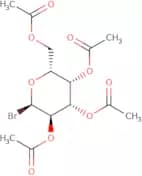
CAS :<p>Donor for Koenigs-Knorr type galactosylation and other anomeric substitutions</p>Formule :C14H19BrO9Degré de pureté :One SpotCouleur et forme :PowderMasse moléculaire :411.2 g/mol6-Hydroxyestradiol-6-O-b-D-glucuronide
6-Hydroxyestradiol-6-O-b-D-glucuronide is a synthetic, 6-hydroxyestradiol derivative that is useful for the study of estrogen metabolism and the development of progesterone agonists. The compound has been shown to have high purity, and is custom synthesized in accordance with customer specifications. 6-Hydroxyestradiol-6-O-b-D-glucuronide can be modified by glycosylation, methylation, or fluorination. This product also has a number of applications in the biomedical field due to its ability to act as an intermediate in the synthesis of oligosaccharides and saccharides.Degré de pureté :Min. 95%GM2-Oligosaccharide
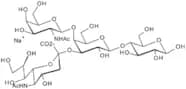
GM2-oligosaccharide (sodium salt) is a trisaccharide (GalNAcβ1,4Galβ1,4Glc) with sialic acid linked α2,3 to the central galactose residue (Ledeen, 2009). The parent GM2 ganglioside is present on neuronal cells and plays a key role in the regulation of dendritogenesis in cortical pyramidal neurons. In lysosomal storage disorders, such as, Tay-Sachs and Sandhoff disease, where hexosaminases A and B are deficient, GM2 ganglioside accumulates in the nervous system (Cachon-Gonzalez, 2018). GM2 ganglioside is also overexpressed in melanomas and other tumours of neuro-ecto origin (Yoshida, 2020). Moreover, the sugar moiety of GM2 ganglioside is a receptor allowing viral infection of cells with reovirus and rotavirus (Zhu, 2018).Formule :C31H51N2O24NaDegré de pureté :Min. 95%Couleur et forme :PowderMasse moléculaire :858.73 g/molSucrose palmitate
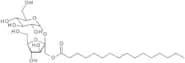
CAS :<p>The ‘tallowate’ esters are probably the best known derivatives of sucrose and many attempts have been made to commercialise them in order to exploit their excellent surfactant functionalities. The most functional products are the mono- and diesters of the tallow acids (stearic, palmitic, oleic) with hydrophile-lipophile balance (HLB) values that lend themselves to surfactant applications in foods and cosmetics. They also have other uses, for example in coating fruits with a semipermeable membrane that acts as a preservative. Manufacturing economics have prevented these products from mass production and they remain in niche applications.</p>Formule :C28H52O12Degré de pureté :(%) Min. 90.0%Couleur et forme :White PowderMasse moléculaire :508.72 g/mol2-Amino-4-hydroxy-1,4-butanedioic acid
<p>2-Amino-4-hydroxy-1,4-butanedioic acid is a synthetic monosaccharide with the chemical formula HOOCCH(NH)COH. It has an empirical formula of CHNO and a molecular weight of 146.14 g mol−1. 2-Amino-4-hydroxy-1,4-butanedioic acid is soluble in water and has no odor or taste. This product can be used for Glycosylation, Oligosaccharide, sugar, Synthetic, Fluorination, Custom synthesis, Methylation, Monosaccharide, Polysaccharide and saccharide modification. 2-Amino-4 hydroxy butanedioic acid can also be used as a building block in Click modification reactions.</p>Formule :C4H7NO5Degré de pureté :Min. 95%Masse moléculaire :149.1 g/mol2'-O-Fucosyllactulose
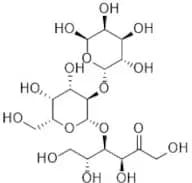
CAS :<p>2'-O-Fucosyllactulose is a modified carbohydrate that has been synthesized from a natural source. It is an oligosaccharide that contains the monosaccharide, fucose. This product can be used in the synthesis of polysaccharides and glycosylation reactions. 2'-O-Fucosyllactulose has been methylated, fluorinated, and glycosylated, which makes it suitable for use as a sugar in biotechnology applications.</p>Formule :C18H32O15Degré de pureté :Min. 90 Area-%Couleur et forme :PowderMasse moléculaire :488.44 g/mol