Composés apparentés aux enzymes, aux peptides et aux protéines
Les composés liés aux enzymes, peptides et protéines sont essentiels pour étudier et manipuler les voies biochimiques. Ces composés incluent des enzymes qui catalysent les réactions biochimiques, des peptides qui servent d'hormones et de molécules de signalisation, et des protéines qui accomplissent une vaste gamme de fonctions au sein des organismes. Cette catégorie comprend des inhibiteurs, activateurs, substrats et autres réactifs indispensables pour l'enzymologie, la protéomique et la recherche sur les peptides. Chez CymitQuimica, nous proposons une sélection variée de composés de haute qualité pour faciliter vos recherches en cinétique enzymatique, fonction des protéines et synthèse des peptides, garantissant des résultats précis et fiables.
Sous-catégories appartenant à la catégorie "Composés apparentés aux enzymes, aux peptides et aux protéines"
- Acides aminés (AA)(40.509 produits)
- Enzymes(3.560 produits)
- Peptides(30.719 produits)
- Protéines(15.022 produits)
1312 produits trouvés pour "Composés apparentés aux enzymes, aux peptides et aux protéines"
Trier par
Degré de pureté (%)
0
100
|
0
|
50
|
90
|
95
|
100
2-Ethylhexyl stearate
CAS :<p>2-Ethylhexyl stearate is a cationic polymerization that is used in the production of polyvinyl chloride. It has been shown to be an effective additive for hydrophobic effects, and it has very high values for surface methodology. 2-Ethylhexyl stearate is also clinically proven to have skin cell penetration properties and can be used as a carrier agent for other ingredients. The fatty acid portion of this molecule provides hydroxyl groups, which may help with the function of dimethyl fumarate. This compound also contains a potassium hexafluorophosphate group in its structure, which can be used as an emulsifier or dispersant.</p>Formule :C26H52O2Degré de pureté :Min. 95%Couleur et forme :Clear LiquidMasse moléculaire :396.7 g/molTrisodium phosphonoformate hexahydrate
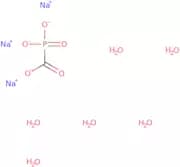
CAS :<p>Trisodium phosphonoformate hexahydrate is a cytotoxic drug that is used to treat cytomegalovirus infections. It acts by inhibiting viral DNA polymerase and RNA synthesis, leading to cell death. Trisodium phosphonoformate hexahydrate can be used in combination with other antiviral drugs such as ganciclovir or foscarnet sodium for the treatment of HIV-1 infection. Trisodium phosphonoformate hexahydrate can also be used for prophylactic treatment against cytomegalovirus infection in immunosuppressed patients. This drug has been shown to be effective in reducing the incidence of CMV disease and mortality in transplant recipients who were undergoing low-dose chemotherapy. Trisodium phosphonoformate hexahydrate has been shown to be more effective than foscarnet sodium alone in preventing CMV disease and mortality during low-dose chemotherapy.</p>Formule :CH12O11Na3PDegré de pureté :Min. 95%Couleur et forme :PowderMasse moléculaire :300.04 g/molResveratrol triacetate
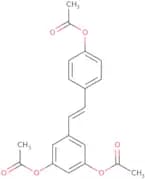
CAS :<p>Resveratrol is a natural phenol that has been shown to have anticancer and anti-inflammatory properties. Resveratrol triacetate is an acetylated form of resveratrol that has a greater stability than resveratrol and may be more bioavailable. Resveratrol triacetate has been shown to inhibit the proliferation of skin cells, muscle cells, and bronchial cells in vitro. Resveratrol triacetate also decreases the production of pro-inflammatory cytokines in macrophages, which are white blood cells involved in the inflammatory response. Resveratrol triacetate inhibits the expression of genes that lead to inflammation and cancer development by binding to nuclear receptors, which are proteins found on the surface of cells that bind specific molecules such as hormones or drugs.</p>Formule :C20H18O6Degré de pureté :Min. 95%Couleur et forme :PowderMasse moléculaire :354.35 g/molChromotropic acid disodium salt dihydrate - ACS reagent
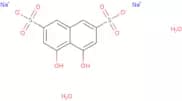
CAS :<p>Chromotropic acid is a reactive compound that has been shown to be adsorbed on the surface of activated carbon. The adsorption mechanism and the kinetic constants for this reaction have been studied in detail. Chromotropic acid decomposes at high temperatures, releasing hydrogen chloride gas and water vapor. This chemical is also used in pharmaceutical preparations as an additive to inhibit oxidation reactions. It may also serve as a photoreceptor, reacting with tyramine hydrochloride and other compounds to produce a color change.</p>Formule :C10H6O8S2Na2·2H2OCouleur et forme :PowderMasse moléculaire :400.29 g/molAntimony potassium tartrate trihydrate
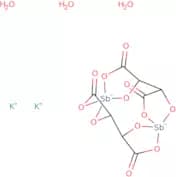
CAS :<p>Antimony potassium tartrate trihydrate is a compound that contains antimony, potassium, and tartaric acid. It is used in the treatment of bladder cancer. Antimony potassium tartrate trihydrate has been shown to have cytotoxic and genotoxic properties in humans. This compound has lysing effects on the cells of the bladder and can lead to cell death by inhibiting enzymes in the cell's metabolic pathway. The mechanism of action for this drug is not completely understood but it may be due to its ability to reduce adenine nucleotide levels or through cell lysis caused by kinetic or cytotoxicity studies. Antimony potassium tartrate trihydrate also has toxic effects on cardiac tissue and liver lesions, which may be due to its ability to inhibit atp levels or transport properties.</p>Formule :C8H4K2O12Sb2·3H2ODegré de pureté :Min. 95%Couleur et forme :White/Off-White SolidMasse moléculaire :667.87 g/mol(1R,2R)-(+)-1,2-Diaminocyclohexane L-tartrate
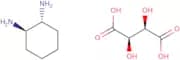
CAS :<p>(1R,2R)-(+)-1,2-Diaminocyclohexane L-tartrate is a synthetic compound that is soluble in methanol, ethanol and 2-propanol. It has been shown to be soluble in other solvents with low boiling points. The solubility data for this compound are available in the experimental section below. The apelblat equation has been used to calculate the parameters of this compound based on experimental solubility data. For more information about the apelblat equation, please see the "Solubility Parameters" section below.</p>Formule :C10H20N2O6Degré de pureté :Min. 95%Masse moléculaire :264.28 g/molHydrocortisone 17-butyrate 21-propionate
CAS :Produit contrôlé<p>Hydrocortisone 17-butyrate 21-propionate is a synthetic glucocorticoid with anti-inflammatory and immunosuppressive properties. This drug is a prodrug that is hydrolyzed in the liver to hydrocortisone, its active form, by esterases. Hydrocortisone 17-butyrate 21-propionate has been used to treat inflammatory bowel disease and various skin disorders. It also has been shown to inhibit the production of malonic acid, which may be due to inhibition of fatty acid synthase and/or enhanced absorption of hydrocortisone from the gastrointestinal tract. The drug also interacts with other drugs such as dimethyl fumarate, which inhibits the metabolism of hydrocortisone by cytochrome P450 enzymes. This can lead to increased blood concentrations of hydrocortisone and serious side effects such as metabolic disorders or high blood pressure.</p>Formule :C28H40O7Degré de pureté :Min. 95%Couleur et forme :White/Off-White SolidMasse moléculaire :488.61 g/molS-(-)-Carbidopa monohydrate
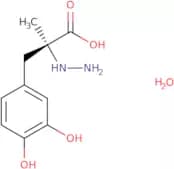
CAS :Produit contrôlé<p>Inhibitor of peripheral decarboxylase</p>Formule :C10H14N2O4·H2ODegré de pureté :Min. 95%Couleur et forme :White PowderMasse moléculaire :244.24 g/molN-Ethyl-3,3'-diphenyldipropylamine citrate
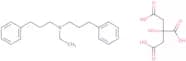
CAS :<p>N-Ethyl-3,3'-diphenyldipropylamine citrate is a nonsteroidal anti-inflammatory drug (NSAID) that inhibits the activity of cyclooxygenase and lipoxygenase. It reduces pain, fever, and inflammation. The drug has been shown to be effective in the treatment of inflammatory bowel disease and colitis. N-Ethyl-3,3'-diphenyldipropylamine citrate is used for the relief of chronic and acute pain associated with osteoarthritis, rheumatoid arthritis, ankylosing spondylitis, or other forms of joint inflammation; as well as for temporary relief from the symptoms of minor aches or pains due to headache, toothache, muscular aches, backache, or menstrual cramps. N-Ethyl-3,3'-diphenyldipropylamine citrate also has been found to be effective in reducing symptoms associated with leukemia</p>Formule :C26H35NO7Degré de pureté :Min. 95%Couleur et forme :White Off-White PowderMasse moléculaire :473.56 g/molKetanserin tartrate
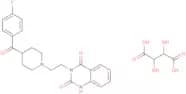
CAS :<p>5-HT2A serotonin receptor antagonist</p>Formule :C22H22FN3O3•C4H6O6Degré de pureté :Min. 95%Couleur et forme :White Off-White PowderMasse moléculaire :545.51 g/molSulfaclozine sodium monohydrate
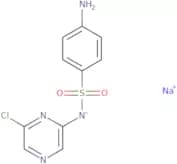
CAS :<p>Sulfaclozine sodium monohydrate is an extractant that is used in sample preparation. It has a molecular weight of 273.5 daltons and can be used to separate and purify proteins, which are often found in the extracellular matrix. Sulfaclozine sodium monohydrate binds to the protein matrix, which prevents other substances from binding to it and causing interference with the results of the experiment. This extractant is commonly used in research involving coccidiosis, collagen, lectins, and animal cells. Sulfaclozine sodium monohydrate also has been shown to be effective against human serum proteins when it is used as an extractant for sample preparation.</p>Formule :C10H8ClN4O2SNa·H2ODegré de pureté :Min. 95%Couleur et forme :PowderMasse moléculaire :324.72 g/molCopeptin (human) trifluoroacetate salt
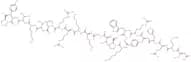
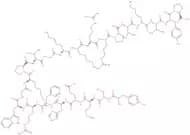
CAS :<p>Copeptin is a human protein that is found in the blood and urine. It functions as a competitive inhibitor of lysine-specific proteases, such as cathepsin D, elastase, and trypsin. Copeptin binds to the active site of these enzymes and prevents them from cleaving their substrates. Copeptin is also an antigen used in immunohistochemistry with an antibody against it for use in detection of various cancers. The biotinylated form of copeptin can be used for binding to avidin or streptavidin coated plates or antibodies (e.g., peroxidase-conjugated antibody) for use in enzyme-linked immunosorbent assays (ELISA). Copeptin binds to primary antibodies raised against it by the immune system, which are then detected using fluorescent secondary antibodies or peroxidase-conjugated antibodies.</p>Formule :C177H279N49O58•xC2HO2F3Degré de pureté :Min. 95%Masse moléculaire :4,021.4 g/molCamphorquinone-10-sulfonic acid hydrate
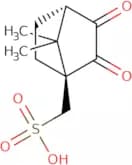
CAS :<p>Camphorquinone-10-sulfonic acid hydrate is a soybean trypsin inhibitor that is used as a preparative agent in organic synthesis. It reacts with histidine, lysine residues, and other molecules to form a light-chain kinase that inhibits the action of the enzyme trypsin. Camphorquinone-10-sulfonic acid hydrate has been shown to be resistant to proteolysis by gastrointestinal enzymes. This agent also has diabetogenic properties by inhibiting the activity of membrane potential and chloride channels in pancreatic β cells. Camphorquinone-10-sulfonic acid hydrate forms an ion pair with choline, which can inhibit the enzyme acetylcholinesterase, leading to accumulation of acetylcholine at nerve endings.</p>Formule :C10H16O6SDegré de pureté :Min. 95 Area-%Couleur et forme :Yellow PowderMasse moléculaire :264.3 g/molVeratraldoxime
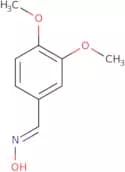
CAS :<p>Veratraldoxime is a synthetic compound that is the diacetate ester of oxime and has been used in the treatment of inflammatory bowel disease. It has been shown to be effective in some patients, but not all, with ulcerative colitis. Veratraldoxime inhibits the production of inflammatory mediators by inhibiting the activity of cyclooxygenase-2 and lipoxygenase. This drug also has anti-inflammatory properties by inhibiting prostaglandin synthesis at the level of phospholipase A2 and cyclooxygenase-1. The mechanism of action for this drug is similar to that of other nonsteroidal anti-inflammatory drugs (NSAIDs). Veratraldoxime also inhibits protein synthesis by blocking the formation of amide bonds, thereby inhibiting bacterial growth. The oxidation products are responsible for its antibiotic properties. Veratraldoxime binds to copper chromite to form a coordination complex, which is</p>Formule :C9H11NO3Degré de pureté :Min. 95%Couleur et forme :PowderMasse moléculaire :181.19 g/molOchratoxin A
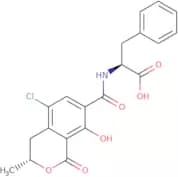
CAS :Produit contrôlé<p>Ochratoxin A is a mycotoxin that is found in cereals and cereal products. It can be detected by an analytical method that utilizes high performance liquid chromatography with fluorescence detection. Ochratoxin A has been implicated in the development of bowel diseases and has also been shown to inhibit catalase, peroxidase, and glucose-6-phosphate dehydrogenase activities. It also inhibits DNA polymerase, RNA polymerase, and mitochondrial enzymes involved in energy production. There is evidence that ochratoxin A may be genotoxic by inhibiting the repair of DNA damage caused by reactive oxygen species. The optimum concentration for ochratoxin A is between 0.1 and 1 micrograms per liter.br><br>Ochratoxin A is metabolized in plants via the phenylalanine pathway. This leads to increased levels of phenylalanine and p-hydroxybenzoic acid in the plant's tissues.br></p>Formule :C20H18ClNO6Degré de pureté :(%) Min. 95%Couleur et forme :White PowderMasse moléculaire :403.81 g/molTributyl Citrate
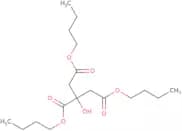
CAS :<p>Tributyl Citrate is a catalyst used in organic synthesis. It is typically used as a reaction solvent and to increase the rate of reactions. Tributyl Citrate reacts with water to produce citric acid, which can then be used as an acidic catalyst. In addition, Tributyl Citrate has been shown to have anticancer properties and is being studied for use in bowel disease and autoimmune diseases. The mechanism of this drug's anticancer properties is not fully understood, but it may have something to do with the ability of Tributyl Citrate to bind water molecules and alter their permeability through cell membranes.</p>Formule :C18H32O7Degré de pureté :Min. 95%Masse moléculaire :360.44 g/molIron bis(tetrafluoroborate) hexahydrate
CAS :<p>Iron bis(tetrafluoroborate) hexahydrate is a ferrimagnetic, thermally stable coordination compound that has been shown to interact with bidentate ligands. Iron bis(tetrafluoroborate) hexahydrate can be used as a mononuclear section in analogy to the octahedral section of nickel bis(tetrafluoroborate) hexahydrate. The ligands are methyl groups, which are diffracted at 2θ values of 12.8° and 18.3°. The compound is stable in solvents such as dimethylsulfoxide and tetrahydrofuran. It also has chelate ligand transfer properties, which are due to the presence of two hydroxyl groups on each iron atom.</p>Formule :Fe(BF4)2•(H2O)6Degré de pureté :Min. 95%Couleur et forme :SolidMasse moléculaire :337.55 g/molOchratoxin B
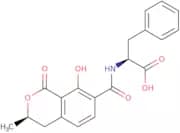
CAS :<p>Ochratoxin B is a mycotoxin that belongs to the group of toxic substances produced by fungi. It is found in animal feed and can contaminate food and water. Ochratoxin B has been shown to be genotoxic, inducing DNA damage in human serum, ochratoxin, tubule cells, and liver cells. It also inhibits the activity of complex enzymes such as DNA gyrase and topoisomerase II. The LC-MS/MS method for detecting ochratoxin B was developed based on its ability to react with an optical sensor that changes color when it binds to the substrate molecule. The hybridoma cell line was used to detect monoclonal antibodies against Ochratoxin B using a sample preparation technique with a detection sensitivity of 0.01 ng/mL.</p>Formule :C20H19NO6Degré de pureté :Min. 95%Masse moléculaire :369.37 g/molTin(II) chloride dihydrate
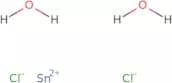
CAS :<p>Tin(II) chloride dihydrate is a white or pale yellow crystalline solid. It is soluble in water and has a relatively low melting point. Tin(II) chloride dihydrate is used as an acid catalyst for the preparation of esters from ethyl trifluoroacetate, and as an intermediate for synthesizing quinoline derivatives. Tin(II) chloride dihydrate can also be used to deactivate fatty acids by reacting with them in the presence of water. The reaction vessel is heated to about 300°C to evaporate the solvent and leave a residue of tin chloride, which can then be recovered by distillation. Tin(II) chloride dihydrate has been shown to have transport properties that are similar to those of other metal chlorides at comparable concentrations.</p>Formule :SnCl2•(H2O)2Degré de pureté :Min. 95%Couleur et forme :Colorless Clear LiquidMasse moléculaire :225.65 g/molSilver tetrafluoroborate
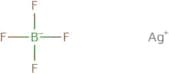
CAS :<p>Silver tetrafluoroborate (AgBF) is a chemical reagent that is used in analytical chemistry and structural analysis. It has shown to be a stable complex with organic molecules, such as fatty acids, and has been used to study the properties of these compounds. AgBF is an inorganic salt that can be synthesized by reacting silver nitrate and barium fluoride in the presence of trifluoroacetic acid. This compound has also been found to form stable complexes with organic molecules containing a hydroxyl group or nitrogen atom. The structure of AgBF has been determined through X-ray crystal structures and electron diffraction patterns. The molecule consists of two symmetric chains joined by a central disulfide bond.</p>Formule :AgBF4Degré de pureté :Min. 95%Couleur et forme :PowderMasse moléculaire :194.67 g/molFmoc-L-Ala-OH monohydrate
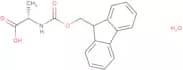
CAS :<p>Please enquire for more information about Fmoc-L-Ala-OH monohydrate including the price, delivery time and more detailed product information at the technical inquiry form on this page</p>Formule :C18H17NO4·H2ODegré de pureté :Min. 95%Couleur et forme :White To Off-White SolidMasse moléculaire :329.35 g/molDimethyl (2R,3R)-2,3-O-(1-Phenylethylidene)-L-tartrate
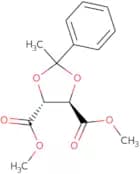
CAS :<p>Please enquire for more information about Dimethyl (2R,3R)-2,3-O-(1-Phenylethylidene)-L-tartrate including the price, delivery time and more detailed product information at the technical inquiry form on this page</p>Formule :C14H16O6Degré de pureté :Min. 95%Masse moléculaire :280.27 g/molSodium taurodeoxycholate monohydrate
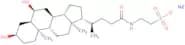
CAS :<p>Sodium taurodeoxycholate monohydrate is a bile salt, which is a biochemical compound derived from the conjugation of bile acids with taurine. This compound is sourced from bovine bile, where it functions as a surfactant in the digestive system by emulsifying fats, thereby facilitating their absorption in the intestine.</p>Formule :C26H44NO6S·H2O·NaDegré de pureté :Min. 95%Masse moléculaire :539.7 g/molδ9,11-Dehydro-17b-estradiol 17-valerate
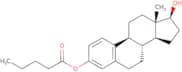
CAS :Produit contrôlé<p>Please enquire for more information about Delta9,11-Dehydro-17b-estradiol 17-valerate including the price, delivery time and more detailed product information at the technical inquiry form on this page</p>Formule :C23H30O3Degré de pureté :Min. 96 Area-%Masse moléculaire :354.48 g/molBis (1,5-Cyclooctadiene) rhodium(I)tetrafluoroborate
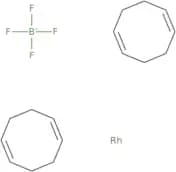
CAS :<p>Bis (1,5-Cyclooctadiene) rhodium(I)tetrafluoroborate (BODIPY) is a catalyst that enhances the rate of hydrosilylation reactions. This catalyst has been shown to be effective in the synthesis of aryl chlorides from amines and aldehydes with high enantioselectivity. BODIPY is also immobilized on silica gel to create an active catalyst for asymmetric synthesis. The immobilization process on silica gel is done by reacting BODIPY with ammonium formate and amines. The resulting catalyst can be used for the synthesis of functionalized organic compounds, such as pyrrolidines, tetrahydrofurans, and thiophenes.</p>Formule :C16H24BF4RhDegré de pureté :Min. 95%Masse moléculaire :406.07 g/molPenetratin trifluoroacetate
CAS :<p>Cell-penetrating peptide derived from the third helix of the Antennapedia protein homeodomain. Penetratin also shows antimicrobial and antifungal activity.</p>Formule :C104H169N35O19S•(C2HF3O2)xDegré de pureté :Min. 95%Masse moléculaire :2,245.75 g/mol15-Tritylmercapto-4,7,10,13-tetraoxapentadecanoic acid monohydrate
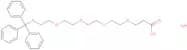
CAS :<p>Please enquire for more information about 15-Tritylmercapto-4,7,10,13-tetraoxapentadecanoic acid monohydrate including the price, delivery time and more detailed product information at the technical inquiry form on this page</p>Formule :C30H36O6S•H2ODegré de pureté :Min. 95%Couleur et forme :PowderMasse moléculaire :542.68 g/molPotassium tetracyanoaurate(III)
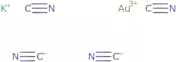
CAS :Produit contrôlé<p>Potassium tetracyanoaurate(III) (K[AuCl4]) is a crystalline, intermetallic compound that has been used in the production of coatings, spherical particles, and electrochemical materials. The pentahydrate form has a diameter of 4.8-5.2 Å and a melting point of ~115°C. K[AuCl4] is stable in air and water but reacts with strong acids to form potassium chloride and potassium tetracyanocuprate(II). This substance also has an optimal pH range of 6-7 and an average solubility range of 0.05-0.1g/100mL at 20°C. The microstructure of K[AuCl4] is not well understood because it is difficult to isolate from other compounds during synthesis.</p>Formule :C4AuN4KDegré de pureté :Min. 95%Couleur et forme :PowderMasse moléculaire :340.13 g/molAcetyl-ACTH (3-24) (human, bovine, rat) trifluoroacetate salt
CAS :<p>Please enquire for more information about Acetyl-ACTH (3-24) (human, bovine, rat) trifluoroacetate salt including the price, delivery time and more detailed product information at the technical inquiry form on this page</p>Formule :C126H198N38O28SDegré de pureté :Min. 95%Masse moléculaire :2,725.23 g/molMercurous(I) nitrate diydrate
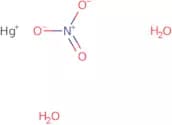
CAS :Produit contrôlé<p>Please enquire for more information about Mercurous(I) nitrate diydrate including the price, delivery time and more detailed product information at the technical inquiry form on this page</p>Formule :Hg•HNO3•(H2O)2Degré de pureté :Min. 95%Couleur et forme :PowderMasse moléculaire :599.28 g/molPotassium vinyltrifluoroborate
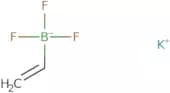
CAS :<p>Potassium vinyltrifluoroborate is a salt that contains the inorganic anion potassium and the organic ligand vinyltrifluoroborate. It is used as an electrolyte in electrochemical cells, such as fuel cells, to increase power output by increasing the conductivity of the electrolyte. This compound has been shown to be effective against chronic kidney disease and infectious diseases such as HIV and malaria. Potassium vinyltrifluoroborate also has anti-cancer properties due to its ability to inhibit cellular proliferation and induce apoptosis in cancer cells. The mechanism of action of this drug is still unclear but may be due to its ability to inhibit proteases, such as ns3 protease found in human erythrocytes.</p>Formule :C2H3BF3KDegré de pureté :Min. 95%Couleur et forme :PowderMasse moléculaire :133.95 g/molDibutyltin dilaurate
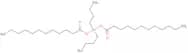
CAS :<p>Dibutyltin dilaurate is a chemical substance that is used as a stabilizer in polyvinyl chloride (PVC) and polyurethane. It has been shown to react with potassium dichromate, methyl ethyl ketone, and plasma mass spectrometry. Dibutyltin dilaurate is not acutely toxic, but can be hazardous when exposed to high levels of it over a long period of time. The main route of exposure is through inhalation of the vapor or skin contact with the liquid form. In animal studies, dibutyltin dilaurate has been shown to cause liver damage and kidney toxicity.</p>Formule :C32H64O4SnDegré de pureté :Min. 95 Vol-%Masse moléculaire :631.56 g/molReinecke salt monohydrate
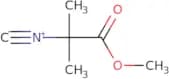
CAS :<p>Reinecke salt monohydrate is a potentiometric titrant for use in automated titration. It consists of a mixture of choline chloride and polyvinyl chloride and is used in the analysis of polyvinyl chloride. Reinecke salt monohydrate has been optimized for injection analysis and has a response time of less than one minute.</p>Formule :NH4•Cr•(SCN)4•(NH3)2•H2ODegré de pureté :Min. 95%Masse moléculaire :354.44 g/molMethyl-2-isocyanoisobutyrate
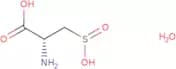
CAS :<p>Please enquire for more information about Methyl-2-isocyanoisobutyrate including the price, delivery time and more detailed product information at the technical inquiry form on this page</p>Formule :C9H9NO2Degré de pureté :Min. 95%Masse moléculaire :127.14 g/molL-Cysteinesulfinic acid, monohydrate
CAS :<p>Please enquire for more information about L-Cysteinesulfinic acid, monohydrate including the price, delivery time and more detailed product information at the technical inquiry form on this page</p>Formule :C3H7NO4S·H2ODegré de pureté :Min. 95%Masse moléculaire :171.17 g/molKisspeptin-54 (human) trifluoroacetate salt
CAS :<p>Kisspeptin-54 is a mammalian peptide hormone that regulates the release of gonadotropin-releasing hormone (GnRH) from the hypothalamus. Kisspeptin-54 has been shown to be potently immunogenic in humans and can be used as an antigen for the production of monoclonal antibodies. It is also a candidate drug for the treatment of obesity and may have neuroprotective effects. Kisspeptin-54 has been shown to reduce body mass index, which may be due to its ability to stimulate the immune system and promote antibody production against tumors. This peptide also has potent on-line binding properties that are useful in polymerase chain reactions.</p>Formule :C258H401N79O78Degré de pureté :Min. 95%Masse moléculaire :5,857.43 g/molEstradiol 3-valerate
CAS :Produit contrôlé<p>Please enquire for more information about Estradiol 3-valerate including the price, delivery time and more detailed product information at the technical inquiry form on this page</p>Formule :C23H32O3Degré de pureté :Min. 95%Couleur et forme :PowderMasse moléculaire :356.5 g/molACTH (2-24) (human, bovine, rat) trifluoroacetate salt
CAS :<p>Please enquire for more information about ACTH (2-24) (human, bovine, rat) trifluoroacetate salt including the price, delivery time and more detailed product information at the technical inquiry form on this page</p>Formule :C133H205N39O29SDegré de pureté :Min. 95%Masse moléculaire :2,846.36 g/molTriethyl Orthovalerate
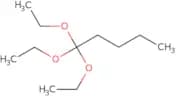
CAS :<p>Triethyl orthovalerate is an amide with a cyclic structure. It is used as a model protein for the study of the effects of structural modifications on protein stability and function. Triethyl orthovalerate has been shown to be an inhibitor of prostaglandin synthesis in human cells, which may be due to its ability to inhibit the enzyme amidase.</p>Formule :C11H24O3Degré de pureté :Min. 95%Masse moléculaire :204.31 g/molSulconazole Nitrate
CAS :<p>Sulconazole Nitrate is a broad-spectrum antimicrobial agent that inhibits the growth of fungi by interfering with the synthesis of ergosterol, an important component of fungal cell membranes. Sulconazole Nitrate has been shown to possess in vitro antifungal activity against dimorphic fungi such as Candida albicans and Cryptococcus neoformans. It also has been shown to inhibit the growth of bacteria and other microbes through inhibition of fatty acid synthesis. This drug may be used as an adjuvant therapy for autoimmune diseases or infections caused by resistant strains of bacteria. Sulconazole Nitrate binds to fatty acids in the plasma membrane and prevents their incorporation into the phospholipid bilayer. The disruption of this process results in decreased cell membrane fluidity, which leads to a loss of structural integrity and cell permeability.</p>Formule :C18H15Cl3N2S·HNO3Degré de pureté :Min. 95%Masse moléculaire :460.76 g/molrec Human Growth Hormone (expressed in E.coli)
<p>Please enquire for more information about rec Human Growth Hormone (expressed in E.coli) including the price, delivery time and more detailed product information at the technical inquiry form on this page</p>Degré de pureté :Min. 95%Spectinomycin sulfate tetrahydrate
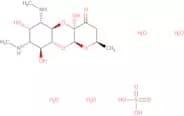
CAS :<p>Inhibitor of protein synthesis; aminocyclitol class</p>Formule :C14H34N2O15SDegré de pureté :Min. 95%Couleur et forme :White PowderMasse moléculaire :502.49 g/molHydroxymethanesulfinic acid monosodium salt dihydrate
CAS :<p>Hydroxymethanesulfinic acid monosodium salt dihydrate (HMSD) is a chemical that can be used to remove sulfoxylate and formaldehyde in wastewater. It can also be used as a polymerization catalyst, an activator for epoxy resins, and as a stabilizer of glycol ethers. HMSD is formed by the reaction of methyl ethyl sulfoxide with copper chloride. This chemical has been shown to have thermal expansion properties and high chemical stability, making it useful for industrial processes involving polymerization or glycol esters.</p>Formule :CH3NaO3S·2H2ODegré de pureté :Min. 95%Couleur et forme :White/Off-White SolidMasse moléculaire :154.12 g/molMagnesium perchlorate
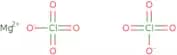
CAS :<p>Magnesium perchlorate is a magnesium salt of perchloric acid. It is a metal chelate that has been reported to be used for detecting water vapor in the atmosphere, and as an electrolyte in electrochemical impedance spectroscopy. Magnesium perchlorate has also been used as a catalyst in chemical reactions. It has a redox potential of -2.8 V and can be used as an oxidizing agent at lower temperatures. In addition, it is sensitive to hydrogen bonding with amines, which can be used for detection purposes.</p>Formule :Cl2MgO8Degré de pureté :Min. 95%Masse moléculaire :223.21 g/molCobalt(II) acetate tetrahydrate
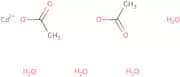
CAS :<p>Cobalt(II) acetate tetrahydrate is a model system that can be used to study the structures of coordination complexes. The cobalt ion has a coordination geometry with two water molecules, two oxygen atoms from the acetate anion, and one proton from the hydroxide anion. The crystal structure is composed of six-membered rings of alternating metal ions and oxygen atoms. The reaction solution contains excess sodium hydroxide and water vapor. It was determined that cobalt(II) acetate tetrahydrate reacts electrochemically at low frequencies as well as with 5-hmf, an oxidizing agent, in the presence of sodium citrate as an oxidation catalyst.</p>Formule :C4H6CoO4·4H2ODegré de pureté :Min. 95%Couleur et forme :Pink To Red SolidMasse moléculaire :249.08 g/molQuinine hydrochloride dihydrate
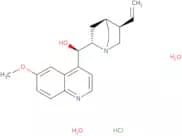
CAS :<p>Quinine hydrochloride dihydrate is a natural compound that has been used for centuries as a treatment for malaria. It is an effective anti-malarial agent and is also used to treat nocturnal leg cramps, although it has a low potency. Quinine hydrochloride dihydrate is active against the parasite Plasmodium falciparum in vitro. It binds to hemozoin, which is the pigment that the malaria parasites produce during digestion of hemoglobin from red blood cells. This binding inhibits the growth of the parasite and causes cell death by inhibiting protein synthesis. Quinine hydrochloride dihydrate has been shown to be genotoxic in vivo, but not in vitro. The genotoxic effects may be due to its ability to create reactive oxygen species (ROS) through photochemical reactions with light exposure and other chemical reactions, such as thermal expansion or matrix effects.</p>Formule :C20H24N2O2·HCl·2H2OCouleur et forme :PowderMasse moléculaire :396.91 g/molCalcium nitrate tetrahydrate
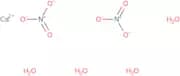
CAS :Produit contrôlé<p>Calcium nitrate tetrahydrate (CNT) is a calcium salt of nitric acid that has been used in the past to control insects. It is an oxidizing agent and is used as a fertilizer. CNT reacts with water to produce heat and water vapor, which can be used for heating or cooking. When heated, CNT decomposes into calcium nitrite and nitrogen dioxide. The structural analysis of CNT was carried out by X-ray diffraction and thermodynamic data were obtained by differential scanning calorimetry. The thermal expansion coefficient of CNT was determined by DTA experiments.</p>Formule :Ca(NO3)2•(H2O)4Degré de pureté :Min. 95%Masse moléculaire :236.15 g/molEstradiol hemihydrate
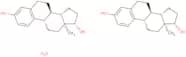
CAS :Produit contrôlé<p>Estradiol hemihydrate is a synthetic estrogen. It binds to estrogen receptors, causing the activation of DNA transcription and synthesis of messenger RNA. Estradiol hemihydrate has been used for the treatment of various symptoms, such as menopause, osteoporosis, breast cancer, and metabolic disorders. The drug is most often administered by injection or in a polymeric matrix that dissolves slowly in the mouth. The recommended dose is between 0.5mg and 1mg per day. Estradiol hemihydrate can be detected in plasma using an analytical method called liquid chromatography-tandem mass spectrometry (LC-MS/MS).</p>Formule :(C18H24O2)2•H2ODegré de pureté :Min. 95%Couleur et forme :PowderMasse moléculaire :562.78 g/mol1,1'-Dimethyl-4,4'-bipyridinium dichloride hydrate
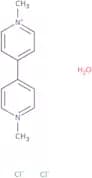
CAS :<p>1,1'-Dimethyl-4,4'-bipyridinium dichloride hydrate is a bipyridine with a divalent chloride. It has been shown to have synergic effects in the presence of dextran sulfate and paraquat. This compound has good photochemical properties, which are used for wastewater treatment and surface methodology. 1,1'-Dimethyl-4,4'-bipyridinium dichloride hydrate also has toxicological studies that show it does not cause any cellular toxicity or mitochondrial membrane potential changes. It also reduces potassium dichromate toxicity in glomerular filtration rate studies. This compound can be used as an analytical method for other bipyridines.</p>Formule :C12H14Cl2N2•(H2O)xDegré de pureté :Min. 95%Couleur et forme :PowderMasse moléculaire :257.16 g/molPeptide YY (canine, mouse, porcine, rat)
CAS :<p>Peptide YY (PYY) is a peptide hormone that inhibits gastric emptying and increases intestinal transit time. This peptide can be given as an intubation, perfusion, or intravenous infusion to increase the absorption of nutrients. It also has the potential to reduce body weight in obese people. PYY is a potent activator of protein synthesis and it has been shown to stimulate lipolysis in adipocytes. PYY is found in the ileum and colon, where it may have its effects on appetite suppression and regulation of gastrointestinal motility.</p>Formule :C190H288N54O57Degré de pureté :Min. 95%Couleur et forme :PowderMasse moléculaire :4,240.65 g/mol