Flavonoïdes
Les flavonoïdes sont un groupe de métabolites végétaux dotés de propriétés antioxydantes qui contribuent à la couleur des fruits et des fleurs. Ils jouent un rôle important dans la protection des plantes contre les rayons UV et les pathogènes. Les flavonoïdes sont étudiés pour leurs potentiels bienfaits pour la santé, notamment des propriétés anti-inflammatoires, antivirales et anticancéreuses. Ils font l'objet de nombreuses recherches dans les domaines de la pharmacologie, de la nutrition et de la biologie moléculaire.
Sous-catégories appartenant à la catégorie "Flavonoïdes"
- Anthocyanidines(46 produits)
- Anthocyanine(46 produits)
- Catéchine(88 produits)
- Chalcones(237 produits)
- Pterocarpans(28 produits)
2408 produits trouvés pour "Flavonoïdes"
Trier par
Degré de pureté (%)
0
100
|
0
|
50
|
90
|
95
|
100
8-prenylnaringenin
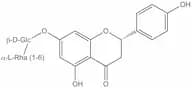
CAS :Oxygen-heterocyclic compoundFormule :C20H20O5Degré de pureté :≥ 95.0 % (HPLC)Couleur et forme :PowderMasse moléculaire :340.38Malvidin chloride
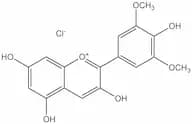
CAS :Oxygen-heterocyclic compoundFormule :C17H15O7ClDegré de pureté :≥ 95.0 % (HPLC)Couleur et forme :PowderMasse moléculaire :366.76Narirutin
CAS :Natural glycosideFormule :C27H32O14Degré de pureté :≥ 95.0 % (HPLC)Couleur et forme :PowderMasse moléculaire :580.54Liquiritin apioside
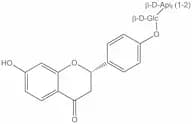
CAS :Natural glycosideFormule :C26H30O13Degré de pureté :≥ 85.0 % (HPLC)Masse moléculaire :550.51Scutellarein
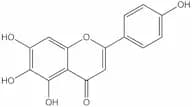
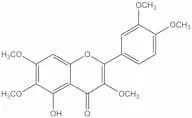
CAS :Oxygen-heterocyclic compoundFormule :C15H10O6Degré de pureté :≥ 95.0 % (HPLC)Couleur et forme :PowderMasse moléculaire :286.24Artemetin
CAS :Oxygen-heterocyclic compoundFormule :C20H20O8Degré de pureté :≥ 95.0 % (HPLC)Couleur et forme :PowderMasse moléculaire :388.373',4',5,7-tetrahydroxy 3,6,8-trimethoxyflavone
CAS :Oxygen-heterocyclic compoundFormule :C18H16O9Degré de pureté :≥ 95.0 % (HPLC)Couleur et forme :PowderMasse moléculaire :376.32Cyanidin 3-sophoroside chloride
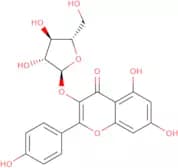
CAS :Natural glycosideFormule :C27H31O16ClDegré de pureté :≥ 95.0 % (HPLC)Couleur et forme :PowderMasse moléculaire :646.99Kaempferol 3-sambubioside
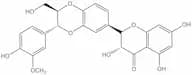
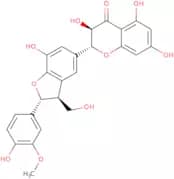
CAS :Natural glycosideFormule :C26H28O15Degré de pureté :≥ 90.0 % (HPLC)Couleur et forme :PowderMasse moléculaire :580.5Silybin a
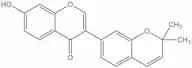
CAS :Oxygen-heterocyclic compoundFormule :C25H22O10Degré de pureté :≥ 95.0 % (HPLC)Couleur et forme :PowderMasse moléculaire :482.44Corylin
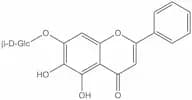
CAS :Oxygen-heterocyclic compoundFormule :C20H16O4Degré de pureté :≥ 95.0 % (HPLC)Couleur et forme :PowderMasse moléculaire :320.35Baicalein 7-glucoside
CAS :Natural glycosideFormule :C21H20O10Degré de pureté :≥ 98.0 % (HPLC)Couleur et forme :PowderMasse moléculaire :432.38Isoginkgetin
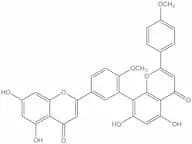
CAS :Oxygen-heterocyclic compoundFormule :C32H22O10Degré de pureté :≥ 90.0 % (HPLC)Couleur et forme :PowderMasse moléculaire :566.52Neohesperidin dihydrochalcone
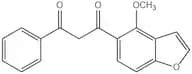
CAS :Natural glycosideFormule :C28H36O15Degré de pureté :≥ 95.0 % (HPLC)Couleur et forme :PowderMasse moléculaire :612.59Pongamol
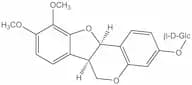
CAS :Oxygen-heterocyclic compoundFormule :C18H14O4Degré de pureté :≥ 90.0 % (HPLC)Masse moléculaire :294.39-o-methylnissolin 3-o-glucoside
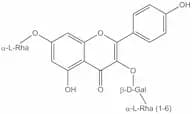
CAS :Natural glycosideFormule :C23H26O10Degré de pureté :≥ 95.0 % (HPLC)Masse moléculaire :462.45Robinin
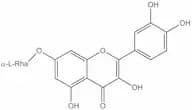
CAS :Natural glycosideFormule :C33H40O19Degré de pureté :≥ 90.0 % (HPLC)Couleur et forme :PowderMasse moléculaire :740.67Quercetin 7-rhamnoside
CAS :Natural glycosideFormule :C21H20O11Degré de pureté :≥ 95.0 % (HPLC)Couleur et forme :PowderMasse moléculaire :448.38Casanthranol (A mixture of Casanthranol A, Casanthranol B, Cascaroside A and Cascaroside B) (Technical Grade)
CAS :<p>Applications Casanthranol (cas# 8024-48-4) is a useful research chemical.<br></p>Formule :C21H22O10Couleur et forme :NeatMasse moléculaire :434.4Biochanin A
CAS :Produit contrôlé<p>Applications An isoflavone with anticancer proliferation, differentiation and chemopreventitive properties. Inhibits metabolic activation of benzo[a]pyrene.<br>References Chae, Y.H., et al.: Chem. Biol. Interactions, 82, 181 (1992), Jing, Y. and Waxman, S.: Anticancer Res., 15(4), 1147 (1995)<br></p>Formule :C16H12O5Couleur et forme :Off-WhiteMasse moléculaire :284.263-O-Methylfisetin
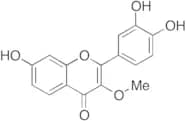
CAS :Produit contrôlé<p>Applications 3-O-Methylfisetin is a flavonoid with antimalarial activity.<br>References Abdalla, M.A., Laatsch, H.: Afr. J. Traditional Complementary Alternative Med., 9, 56 (2012)<br></p>Formule :C16H12O6Couleur et forme :Light YellowMasse moléculaire :300.263Diosmetin 7-O-β-D-Glucuronide Sodium Salt
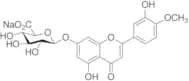
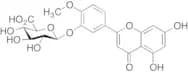
CAS :Produit contrôlé<p>Applications A metabolite of Diosmetin (D485000) isolated and identified from Chrysanthemum morifolium L. v. Ramat leaves.<br>References Porra, R., et al.: Biochem. Biophys Acta, 975, 384 (1989), Watanabe, M., et al.: J. Agric. Food Chem., 47, 4500 (1999),<br></p>Formule :C22H19NaO12Degré de pureté :>85%Couleur et forme :NeatMasse moléculaire :498.37Spinosin
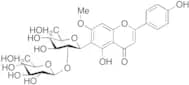
CAS :Produit contrôlé<p>Applications Spinosin is a C-glycoside flavonoid extracted from Zizhiphi Spinozae, improved pentobarbital-induced sleep.<br>References Wang, Li. et al.: Pharm. Biochem. Behav., 90, 399 (2008);<br></p>Formule :C28H32O15Couleur et forme :NeatMasse moléculaire :608.544-O-b-D-Glucosyl-5-O-methyllvisamminol
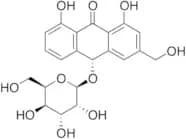
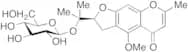
CAS :Produit contrôlé<p>Applications 4-O-β-D-Glucosyl-5-O-methyllvisamminol is a novel epigenetic suppressor of histone H3 phosphorylation. Potent anti-inflammatory and anti-carcinogenic agent.<br>References Kang, J. et al.: Bioorg. Med. Chem. Lett., 24, 4763 (2014); Kong, X. et al.: J. Ethnopharm., 148, 842 (2013);<br></p>Formule :C22H28O10Couleur et forme :NeatMasse moléculaire :452.45Cirsiliol
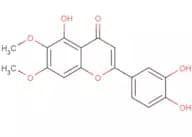
CAS :Cirsiliol is a 5-LOX inhibitor that inhibits cell proliferation and promotes apoptosis in OS cells.Formule :C17H14O7Degré de pureté :97.33% - 99.24%Couleur et forme :SolidMasse moléculaire :330.29Limetol
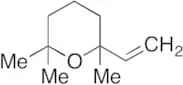
CAS :Produit contrôlé<p>Applications Limetol, is the cyclized derivative of linalool (L465950), melanol, and other unsaturated alcohols, that was shown to give a product mixture that can be used in fragrance and perfumery industry.<br>References Klimánková, E., et al.: Food Chem., 107, 464 (2008); Nakamura, A., et al.: J. Agric. Food Chem., 57, 5480 (2009); Soni, A. et al.: Synth. Comm., 40, 74 (2010);<br></p>Formule :C10H18OCouleur et forme :NeatMasse moléculaire :154.257,8-Benzoflavone
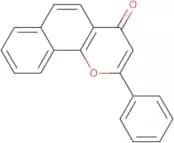
CAS :7,8-Benzoflavone is a synthetic flavonoid compound, which is derived from the structural modification of naturally occurring flavones. It possesses significant biochemical activity attributed to its ability to act as a potent inhibitor of certain cytochrome P450 enzymes, particularly CYP1A1 and CYP1B1. By inhibiting these enzymes, 7,8-Benzoflavone modulates the metabolism of various xenobiotics, impacting the bioactivation or detoxification of potential carcinogens.Formule :C19H12O2Degré de pureté :Min. 95%Couleur et forme :White PowderMasse moléculaire :272.3 g/mol6,8-Diprenylnaringenin
CAS :<p>6,8-Diprenylnaringenin is a prenylated flavonoid, which is an organic compound predominantly derived from the hops plant, Humulus lupulus. This compound exhibits a unique mode of action owing to its interaction with estrogen receptors, where it acts as a phytoestrogen. Its chemical structure, characterized by the presence of prenyl groups, enhances its bioavailability and affinity for these receptors, suggesting its potential role in modulating estrogenic activity in biological systems.</p>Formule :C25H28O5Degré de pureté :Min. 95%Masse moléculaire :408.49 g/molVestitol
CAS :<p>Vestitol is a naturally occurring flavonoid, which is a bioactive compound derived from various plant species. As a flavonoid, vestitol is synthesized by plants during their metabolic processes and is found predominantly in legumes such as red clover. Its biochemical mode of action includes modulation of reactive oxygen species (ROS) and interactions with cellular signaling pathways that regulate oxidative stress. By scavenging free radicals, vestitol contributes to the protection of cellular structures and biomolecules from oxidative damage.</p>Formule :C16H16O4Degré de pureté :Min. 95%Couleur et forme :White Off-White PowderMasse moléculaire :272.3 g/molSigmoidin A
CAS :Sigmoidin A is a diterpenoid compound, which is a plant-derived natural product. It originates from the Alpinia genus, a group of plants known for their diverse bioactive compounds. With its intricate molecular structure, Sigmoidin A is identified primarily for its potential anti-inflammatory properties. The mode of action involves modulation of signaling pathways and inhibition of pro-inflammatory mediators, which suggests its potential utility in therapeutic contexts.Formule :C25H28O6Degré de pureté :Min. 95%Masse moléculaire :424.49 g/mol5-O-Methyl quercetin
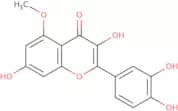
CAS :5-O-Methyl quercetin is a flavonoid compound, which is derived from various plant sources, particularly found in certain fruits, vegetables, and medicinal herbs. It is a methylated form of quercetin, a well-known polyphenolic antioxidant. As a natural derivative, its mode of action includes modulation of various signaling pathways, exhibiting both anti-inflammatory and antioxidant properties through its interaction with intracellular signaling molecules and enzymes such as kinases and transcription factors.Formule :C16H12O7Degré de pureté :Min. 95%Couleur et forme :Off-White PowderMasse moléculaire :316.26 g/molKaempferol-3,4'-diglucoside
CAS :<p>Kaempferol-3,4'-diglucoside is a glycosylated flavonoid, which is a type of chemical compound found abundantly in various plants. This product is derived from natural sources, particularly from several edible and medicinal plants known for their health benefits. Kaempferol-3,4'-diglucoside functions through mechanisms related to its antioxidant properties, scavenging free radicals and reducing oxidative stress within biological systems.</p>Formule :C27H30O16Degré de pureté :Min. 95%Masse moléculaire :610.52 g/mol7,3',4',5'-Tetrahydroxyflavone
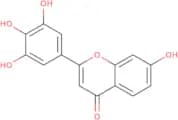
CAS :7,3',4',5'-Tetrahydroxyflavone is a bioactive flavonoid, which is a type of polyphenolic compound. It is derived from natural sources such as plants, where flavonoids are abundant and play crucial roles in plant physiology, including pigmentation and UV filtration. The mode of action of 7,3',4',5'-Tetrahydroxyflavone involves scavenging free radicals and inhibiting pathways that lead to oxidative stress and inflammation. This compound can modulate cellular signaling pathways and gene expression, contributing to its potential therapeutic effects.Formule :C15H10O6Degré de pureté :Min. 95%Couleur et forme :PowderMasse moléculaire :286.24 g/molSilicristin
CAS :<p>Silicristin is a flavonolignan compound, which is derived from the seeds of the milk thistle plant, Silybum marianum. This compound is one of the key constituents of silymarin, a complex group of flavonolignans used extensively in herbal medicine. Silicristin is isolated through advanced chromatographic techniques, ensuring high purity and specificity for research applications.</p>Formule :C25H22O10Degré de pureté :Min. 95%Couleur et forme :White PowderMasse moléculaire :482.44 g/mol3',4',5'-Trimethoxyflavanone
<p>3',4',5'-Trimethoxyflavanone is a specialized flavonoid compound, which is synthesized from natural sources, such as plants belonging to the flavonoid family. This compound is characterized by its distinctive methoxy group modifications on the flavanone backbone, enhancing its bioactive potential. Its mode of action involves modulation of various biochemical pathways, including antioxidant systems and inflammatory mediators. By stabilizing free radicals and inhibiting pro-inflammatory enzymes, 3',4',5'-Trimethoxyflavanone plays a crucial role in cellular protection and homeostasis.</p>Formule :C18H16O5Degré de pureté :Min. 95%Masse moléculaire :312.3 g/mol3,5,6,2'-Tetrahydroxyflavone
CAS :3,5,6,2'-Tetrahydroxyflavone is a hydroxylated flavone compound, which is a type of polyphenolic compound widely recognized for its potential antioxidant properties. Naturally occurring in various plant sources, it can be isolated from species commonly known for their medicinal or nutritional benefits.Formule :C15H10O6Degré de pureté :Min. 95%Masse moléculaire :286.24 g/mol4',6,7-Trihydroxyisoflavone
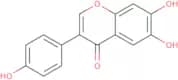
CAS :<p>4',6,7-Trihydroxyisoflavone is a naturally occurring isoflavone, which is a type of phytochemical commonly found in plants. It is primarily derived from legumes and soy products and is known for its presence in various plant-based foods. Isoflavones like 4',6,7-Trihydroxyisoflavone possess a polyphenolic structure, endowing them with significant biological activity, such as antioxidant properties.</p>Formule :C15H10O5Degré de pureté :Min. 95%Couleur et forme :PowderMasse moléculaire :270.24 g/molJuglanin
CAS :<p>Juglanin is a flavonoid glycoside, which is a naturally occurring compound found in plants, specifically from the genus Juglans, commonly known as walnut. Its mode of action involves antioxidant and anti-inflammatory activities, wherein it scavenges free radicals and inhibits inflammatory pathways. Juglanin achieves this by modulating various cellular signaling pathways, including those related to oxidative stress and inflammation.</p>Formule :C20H18O10Degré de pureté :Min. 95%Couleur et forme :PowderMasse moléculaire :418.35 g/mol3-Hydroxy-7,2'-dimethoxyflavone
CAS :3-Hydroxy-7,2'-dimethoxyflavone is a specialized flavonoid, which is a type of polyphenolic compound commonly found in various plants. Flavonoids are known for their diverse roles in plant defense and pigmentation. This compound is sourced from natural plant materials, where it's synthesized as a secondary metabolite. Its mode of action involves acting as an antioxidant, offering protection against oxidative stress by neutralizing free radicals. Such activity is essential in preserving cellular integrity and preventing damage to biomolecules such as DNA, lipids, and proteins.Formule :C17H14O5Degré de pureté :Min. 95%Masse moléculaire :298.29 g/mol3',4'-Dihydroxyflavone
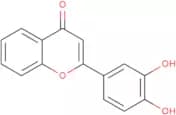
CAS :3',4'-Dihydroxyflavone is a type of flavonoid compound, which is naturally found in various plants. These secondary metabolites are crucial for plant health and defense mechanisms. Known for their antioxidative and anti-inflammatory properties, flavonoids play a significant role in moderating oxidative stress and inflammation.Formule :C15H10O4Degré de pureté :Min. 95%Couleur et forme :PowderMasse moléculaire :254.24 g/molKaranjin
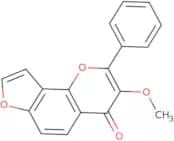
CAS :<p>From seeds of Karanja tree; insecticidal, acaricidal & fungicidal properties</p>Formule :C18H12O4Degré de pureté :Min. 95%Couleur et forme :White PowderMasse moléculaire :292.29 g/mol7,8-Dimethoxy-4'-hydroxyisoflavone
CAS :<p>7,8-Dimethoxy-4'-hydroxyisoflavone is an isoflavone compound, which is a type of phytoestrogen commonly found in various plants. Isoflavones like this one are often derived from legumes and other plant sources. These compounds are characterized by their chemical structure, which is similar to that of estrogen, allowing them to exert estrogen-like effects in biological systems.</p>Formule :C17H14O5Degré de pureté :Min. 95%Masse moléculaire :298.29 g/mol(-)-Epiafzelechin 3-O-gallate(4b-6)
CAS :<p>(-)-Epiafzelechin 3-O-gallate(4b-6) is a catechin derivative, which is a type of flavonoid known for its potential bioactive properties. It is sourced primarily from plant materials, particularly those belonging to the family Theaceae, which includes tea plants. This compound is a part of the polyphenolic group, often extracted from natural sources using solvent extraction methods followed by chromatographic techniques for purification.</p>Formule :C44H34O20Degré de pureté :Min. 95%Masse moléculaire :882.73 g/molOrobol 7,4'-dimethyl ether
CAS :<p>Orobol 7,4'-dimethyl ether is a methylated flavonoid compound, which is synthesized from natural flavonoid precursors derived from plant sources such as legumes and soy. This compound acts primarily through its antioxidant properties, where it can scavenge free radicals and stabilize reactive oxygen species, thus protecting cellular components from oxidative damage.</p>Formule :C17H14O6Degré de pureté :Min. 95%Couleur et forme :White/Off-White SolidMasse moléculaire :314.29 g/mol5,7,3'-Trimethoxyflavone
CAS :5,7,3'-Trimethoxyflavone is a naturally occurring flavonoid compound, which is primarily sourced from certain plant species. As a member of the flavone category, this compound is characterized by its distinctive chemical structure featuring multiple methoxy groups. It is extracted from plants known for their medicinal properties, where it exists as a minor component contributing to the plant’s bioactive profile.Formule :C18H16O5Degré de pureté :Min. 95%Masse moléculaire :312.32 g/mol3-Hydroxy-6,2'-dimethoxyflavone
CAS :<p>3-Hydroxy-6,2'-dimethoxyflavone is a flavonoid compound, which is a type of polyphenolic secondary metabolite. It is found in certain plants and is derived from natural sources known for their diverse pharmacological profiles. Flavonoids like 3-Hydroxy-6,2'-dimethoxyflavone often play crucial roles in plant defense mechanisms and pigmentation.</p>Formule :C17H14O5Degré de pureté :Min. 95%Masse moléculaire :298.29 g/molLuteolin
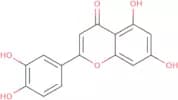
CAS :<p>Luteolin is a flavonoid compound, which is a naturally occurring substance found predominantly in various fruits, vegetables, and medicinal herbs. Its sources are diverse, including parsley, artichokes, celery, and chamomile tea, where it is accumulated as a secondary metabolite. The mode of action of luteolin primarily involves the inhibition of key enzymes and pathways that lead to oxidative stress and inflammation, including but not limited to the cyclooxygenase and lipoxygenase pathways. This inhibition results in its strong antioxidant and anti-inflammatory properties.</p>Formule :C15H10O6Degré de pureté :Min. 95 Area-%Couleur et forme :White Yellow Green PowderMasse moléculaire :286.24 g/molFisetin
CAS :<p>Fisetin is a flavonoid compound, which is a type of polyphenol found in various fruits and vegetables. It is primarily sourced from strawberries, apples, persimmons, onions, and cucumbers. This flavonoid exhibits a range of biological activities due to its involvement in modulating cellular processes.</p>Formule :C15H10O6·xH2ODegré de pureté :Min. 90 Area-%Couleur et forme :Yellow PowderMasse moléculaire :286.24 g/molCalycosin-7-O-β-D-glucoside
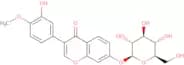
CAS :<p>Calycosin-7-O-β-D-glucoside is a flavonoid glycoside, which is primarily derived from the root of Astragalus membranaceus, a plant widely used in traditional Chinese medicine. This compound is characterized by its antioxidative and anti-inflammatory activities, mediated through modulation of various signaling pathways in the body, such as the MAPK and NF-κB pathways. It plays a significant role in scavenging free radicals and inhibiting inflammatory mediators, thus contributing to cellular protection and reducing oxidative stress.</p>Formule :C22H22O10Degré de pureté :Min. 95%Couleur et forme :White PowderMasse moléculaire :446.4 g/mol