Nucléosides
Les nucléosides sont des building blocks fondamentaux des acides nucléiques, composés d'une base azotée attachée à une molécule de sucre. Dans cette section, vous trouverez une large gamme de nucléosides essentiels pour la recherche en biologie moléculaire, biochimie et pharmacologie. Ces composés jouent des rôles cruciaux dans la synthèse de l'ADN et de l'ARN, et sont également vitaux dans divers processus métaboliques. Les nucléosides sont utilisés pour étudier le matériel génétique, développer des thérapies antivirales et anticancéreuses, et comprendre les mécanismes cellulaires. Chez CymitQuimica, nous proposons des nucléosides de haute qualité pour soutenir vos besoins en recherche et développement, garantissant pureté et fiabilité pour vos applications expérimentales.
3569 produits trouvés pour "Nucléosides"
Trier par
Degré de pureté (%)
0
100
|
0
|
50
|
90
|
95
|
100
5'-O-DMT-a-thymidine
<p>5'-O-DMT-a-thymidine is a modified nucleoside that is used in the synthesis of DNA and RNA. This product is a high quality and pure monophosphate, which has been modified to reduce its potential for activation by phosphatases. It is suitable for use in anticancer drugs and antiviral agents.</p>Formule :C31H32N2O7Degré de pureté :Min. 95%Masse moléculaire :544.6 g/mol2',3'-Dideoxy-6-thio-inosine
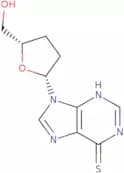
CAS :<p>2',3'-Dideoxy-6-thio-inosine is a nucleoside analog that is used in vitro for the investigation of viral replication. 2',3'-Dideoxy-6-thio-inosine is a potent inhibitor of human immunodeficiency virus type 1 (HIV-1) infection, and has been shown to inhibit the synthesis of viral dna. The in vitro activity of this drug against HIV has been shown to be greater than 200 times more potent than zidovudine or didanosine. 2',3'-Dideoxy-6-thio-inosine also inhibits the growth of some cell lines, including those derived from infected T cells, indicating that it may have cytocidal effects.</p>Formule :C10H12N4O2SDegré de pureté :Min. 95%Masse moléculaire :252.29 g/molCytidine based prodrug with gemcitabine
<p>Cytidine based prodrug with gemcitabine is a nucleoside analog that has antiviral and anticancer properties. It is a modified cytidine-based prodrug with gemcitabine which is an anticancer drug. Cytidine based prodrug with gemcitabine inhibits viral DNA synthesis by competitively inhibiting the incorporation of deoxycytidine monophosphate into the viral DNA chain. The prodrug also inhibits the proliferation of cancer cells by interfering with DNA synthesis, which leads to cell death.</p>Degré de pureté :Min. 95%Cladribine
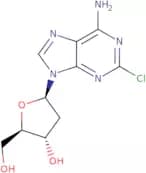
CAS :<p>Deoxyadenosine analog resistant to adenosine deaminase</p>Formule :C10H12ClN5O3Degré de pureté :Min. 97 Area-%Couleur et forme :PowderMasse moléculaire :285.69 g/molRef: 3D-NC06337
Produit arrêtéN6-Benzoyl-8-hydroxy-2'-O-methyladenosine
<p>N6-Benzoyl-8-hydroxy-2'-O-methyladenosine is a nucleoside analogue that inhibits the replication of RNA and DNA. It is a monophosphate, which can be converted to a diphosphate through phosphorylation. N6-Benzoyl-8-hydroxy-2'-O-methyladenosine has been shown to inhibit cancer cells and may have potential for use in antiviral therapy. This compound was synthesized from 2,4,5,6 tetrahydrobenzyl alcohol and 2'-deoxyadenosine. The CAS number for this compound is 79430-89-1.</p>Degré de pureté :Min. 95%5'-ODMT-thymidine 3'-Sp-oxazaphospholidine
<p>5'-ODMT-thymidine 3'-Sp-oxazaphospholidine is a modified nucleoside that can be used as an anticancer drug. It is a high purity, diphosphate, Anticancer, Modified, Phosphoramidites. 5'-ODMT-thymidine 3'-Sp-oxazaphospholidine is synthesized by the phosphorylation of thymidine with oxazaphospholidine. It has been shown to inhibit DNA and RNA synthesis in cancer cells.</p>Degré de pureté :Min. 95%N6-Benzyladenosine 5'-monophosphate sodium salt monohydrate
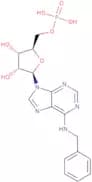
CAS :<p>N6-Benzyladenosine 5'-monophosphate sodium salt is a nucleoside that is not identified. It has been shown to be metabolized by adenosine deaminase and may have antitumor activity. N6-Benzyladenosine 5'-monophosphate sodium salt is also a radioactively labeled adenine analog that has been used in the study of metabolic pathways.</p>Formule :C17H18N5Na2O7P·H2ODegré de pureté :Min. 97 Area-%Couleur et forme :PowderMasse moléculaire :499.32 g/molCoenzyme A trilithium salt
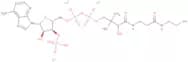
CAS :<p>Coenzyme A trilithium salt is a synthetic cofactor that is used in the synthesis of long-chain fatty acids. It is membrane permeable and has minimal toxicity, making it an attractive candidate for treating hepatic steatosis. Coenzyme A trilithium salt also activates human mitochondrial beta-oxidation by increasing the availability of substrate and enhancing the expression of genes involved in beta-oxidation. This molecule has been shown to be effective in improving the symptoms of X-linked adrenoleukodystrophy (X-ALD) by stimulating creatine kinase activity and suppressing lysosomal accumulation of long chain fatty acids.</p>Formule :C21H33Li3N7O16P3SDegré de pureté :Min. 80%Couleur et forme :White Off-White PowderMasse moléculaire :785.33 g/mol3'-Deoxy-3'-fluoro-5'-O-toluoylcytidine
CAS :<p>3'-Deoxy-3'-fluoro-5'-O-toluoylcytidine is a monophosphate nucleoside of cytidine. It is a phosphoramidite building block for the synthesis of DNA, an antiviral and anticancer agent. 3'-Deoxy-3'-fluoro-5'-O-toluoylcytidine has been shown to inhibit the replication of HIV and herpes simplex virus (HSV) in cell cultures and to induce apoptosis in cancer cells by inhibiting protein synthesis and inducing oxidative stress. This nucleoside is synthesized from deoxythymidine 5' phosphate using phosphorus pentoxide as oxidizing agent, followed by a reaction with toluene. The novel 3'-deoxy-3'-fluoro-5'-O-toluoylcytidine can be used as an activator for other modified nucleotides in DNA synthesis or as scaffold for the</p>Degré de pureté :Min. 95%2,2'-Anhydro-5'-O-toluoyluridine
<p>2,2'-Anhydro-5'-O-toluoyluridine is a synthetic nucleoside analog that is used as an antiviral agent for the treatment of herpes simplex virus. It activates ribonucleotide reductase and inhibits DNA synthesis by inhibiting the enzyme DNA polymerase. 2,2'-Anhydro-5'-O-toluoyluridine has been shown to be active against colon cancer cells in vitro and in vivo. This drug has also been shown to inhibit the growth of certain types of leukemia cells and may be useful in treating patients with chronic myeloid leukemia.</p>Formule :C17H16N2O6Degré de pureté :Min. 95%Masse moléculaire :344.32 g/mol2'-Deoxy-2'-fluoro-5-iodouridine
CAS :<p>2'-Deoxy-2'-fluoro-5-iodouridine is a nucleoside analog that is a modified version of uridine, where the 2'-fluoro modification is added to the sugar (deoxyribose), and an iodine atom is attached at the 5' position of the uracil base. This combination of modifications provides unique properties that may be useful for research and therapeutic applications.</p>Formule :C9H10FIN2O5Degré de pureté :Min. 95%Couleur et forme :White PowderMasse moléculaire :372.09 g/mol5-(Azidomethyl)-2’-deoxyuridine
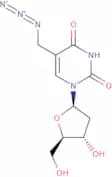
CAS :<p>5-azidomethyl-2-deoxyuridine (AmdU) is a nucleoside that contains an azide group. The structure of the nucleoside is similar to thymidine, and it is incorporated into nascent DNA by cellular polymerases, similarly to EdU (NE08701). Unlike EdU that needs to be further modified with azides in the presence of copper catalyst, AmdU can also react in the absence of copper catalyst using spAAC Click Chemistry with strained cycloalkynes, such as cyclooctynes. This enables detection of nascent DNA in benign, copper free conditions.</p>Formule :C10H13N5O5Degré de pureté :Min. 95%Couleur et forme :PowderMasse moléculaire :283.24 g/mol3-Cyanovinyl-9-(5’-O-DMT-2’-deoxyribofuranosyl)carbazole
CAS :<p>3-Cyanovinyl-9-(5’-O-DMT-2’-deoxyribofuranosyl)carbazole is a nucleoside analog that is an antiviral and anticancer agent. It is a monophosphate, which has been shown to inhibit the replication of DNA by binding to the enzyme DNA polymerase. 3-Cyanovinyl-9-(5’-O-DMT-2’-deoxyribofuranosyl)carbazole also inhibits protein synthesis and cell division by preventing the production of proteins vital for cell division. This drug has shown high purity and quality, as well as novel properties.</p>Formule :C41H36N2O5Degré de pureté :Min. 95%Masse moléculaire :636.74 g/molPolyinosinic-polycytidylic acid sodium salt
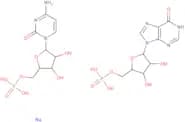
CAS :<p>Polyinosinic acid-polycytidylic acid (Poly I:C), an agonist of TLR3 toll-like receptors, is a synthetic double-stranded RNA analog, consisting of polyinosinic acid (poly I) paired with polycytidylic acid (poly C), forming a stable duplex structure. PolyI:C stimulates the secretion of pro-inflammatory cytokines and type I interferon through its interaction with endosomal Toll-like receptor 3 (TLR-3) and the cytoplasmic receptors melanoma differentiation-associated gene 5 (MDA-5) and retinoic acid-inducible gene I (RIG-I). This immunostimulant activity makes Poly I:C a useful vaccine adjuvant and is used in vaccine formulations. Poly I:C and its stabilized analogs (e.g., poly-ICLC) are also being actively researched for their dual role in oncology: directly targeting tumors and acting as immune potentiators. For example Poly I:C can induce apoptosis in tumor cells and stimulate immunogenic cell death and is therefore being explored alongside chemotherapy, radiotherapy, and checkpoint inhibitors, helping to overcome resistance mechanisms and strengthen treatment outcomes. We can supply PolyI:C to all stages of your project - from R&D and preclinical phases right up to GMP commercial manufacture. Contact our team for custom Poly I:C products.<br>For more on poly I:C read out blog 'Poly I:C: A Vaccine Adjuvant With Oncological Potential.'</p>Formule :(C10H13N4O8P)x•(C9H14N3O8P)x•NaxCouleur et forme :White Powder5-Methylcytidine
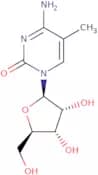
CAS :<p>5-Methylcytidine is a nucleoside that is found in DNA and RNA. It is used in structural biology to probe the structure of DNA. 5-Methylcytidine binds to the enzyme methyl transferase, which catalyzes the transfer of a methyl group from S-adenosylmethionine to produce 5-methyluridine. This reaction occurs in long-term toxicity studies using primary cells, such as lymphocytes and fibroblasts. 5-Methylcytidine has been shown to inhibit tumour growth in mice by binding to nuclear dna polymerase and blocking transcription. The binding site for this drug on the polymerase is located at the same site as that for nucleoside analogues like azidothymidine (AZT) and zidovudine (AZT).</p>Formule :C10H15N3O5Degré de pureté :Min. 95%Couleur et forme :White PowderMasse moléculaire :257.24 g/mol3'-Amino-3'-deoxy-5'-O-DMT-thymidine
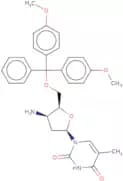
CAS :<p>3'-Amino-3'-deoxy-5'-O-DMT-thymidine is a specifically designed building block for introducing a 3'-amino group into oligonucleotides, primarily at the 3' terminus. The DMT protecting group facilitates incorporation during standard solid-phase synthesis, and the 3'-amino group provides a versatile handle for post-synthetic modifications and conjugations.</p>Formule :C31H33N3O6Degré de pureté :Min. 95%Couleur et forme :PowderMasse moléculaire :543.61 g/mol3'-O-Amino-2'-deoxycytidine
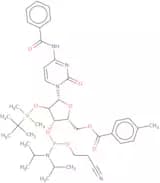
CAS :<p>3'-O-Amino-2'-deoxycytidine (3'-AAC) is an activator nucleoside that has antiviral and anticancer properties. It can be used with other anticancer agents such as doxorubicin, methotrexate, and 5-fluorouracil to increase the efficacy of these compounds. 3'-AAC is a phosphoramidite monophosphate that can be used in the synthesis of oligodeoxynucleotides. This product is also a novel chemical entity that has not been previously described in any publication or patent application.</p>Formule :C9H14N4O4Degré de pureté :Min. 95%Masse moléculaire :242.23 g/molN4-Benzoyl-2'-O-tert-butyldimethylsilyl-5'-O-toluoylcytidine 3'-CE phosphoramidite
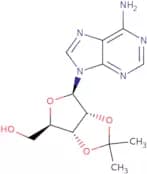
<p>N4-Benzoyl-2'-O-tert-butyldimethylsilyl-5'-O-toluoylcytidine 3'-CE phosphoramidite is an anticancer agent that acts by inhibiting the formation of DNA and RNA. It is a nucleoside analogue that has been modified to contain a benzoyl group at the 2' carbon atom, which leads to increased cytotoxicity. N4-Benzoyl-2'-O-tert-butyldimethylsilyl-5'-O-toluoylcytidine 3'-CE phosphoramidite is a synthetic nucleoside analogue with novel properties. It inhibits the synthesis of DNA and RNA in cells, which may be due to its ability to inhibit DNA polymerases and ribonucleases.</p>Formule :C39H54N5O8PSiDegré de pureté :Min. 95%Masse moléculaire :779.95 g/mol2',3'-O-Isopropylideneadenosine
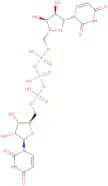
CAS :<p>2',3'-O-Isopropylideneadenosine is a nucleoside that has a possible usage as an organic chemical synthesis intermediate</p>Formule :C13H17N5O4Degré de pureté :Min. 98 Area-%Couleur et forme :White PowderMasse moléculaire :307.31 g/molDiquafosol Impurity 2
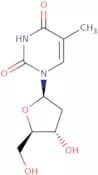
CAS :<p>Diquafosol Impurity 2 is a high-purity phosphoramidite that can be used for the synthesis of DNA, RNA, and deoxyribonucleosides. This product is also a novel activator for phosphoramidites. Diquafosol Impurity 2 has CAS No. 63785-59-1 and a molecular weight of 228.24 g/mol. It is insoluble in water, but soluble in most organic solvents.</p>Formule :C18H25N4O20P3Degré de pureté :Min. 95%Masse moléculaire :710.33 g/molThymidine
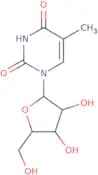
CAS :<p>Thymidine, also known as deoxythymidine (dT), is a pyrimidine deoxynucleoside that pairs with deoxyadenosine (dA) in a double stranded DNA. It’s used as a biochemical modulator of antimetabolites such as 5-fluorouracil (5-FU), 1-beta-D-arabinofuranosylcytosine (Cytarabine) and methotrexate (MTX) in cancer therapy. It’s also the enantiomer of telbivudine, an antiviral drug used to treat hepatitis B virus (HBV) infection.</p>Formule :C10H14N2O5Degré de pureté :Min. 99.0 Area-%Couleur et forme :White PowderMasse moléculaire :242.23 g/mol7-Cyano-7-deaza-2'-deoxyadenosine
CAS :<p>7-Cyano-7-deaza-2'-deoxyadenosine is a nucleoside analog that inhibits the growth of virus by competing with deoxyadenosine for incorporation into DNA and RNA. 7-Cyano-7-deaza-2'-deoxyadenosine also stabilizes dna duplexes and prevents them from breaking down. It has been shown to be effective against herpes simplex virus, which causes painful blisters on the skin or genitals. This drug has been used in clinical trials as an antiviral agent. 7-Cyano-7-deaza-2'-deoxyadenosine is synthesized from 2',3'-didehydrocytidine under the following conditions:</p>Formule :C12H13N5O3Degré de pureté :Min. 95%Couleur et forme :PowderMasse moléculaire :275.26 g/mol5-Iodocytidine
CAS :<p>5-Iodocytidine is a nucleoside analogue that has been shown to possess potent antitumor activity. It is also used as a fluorescent probe for detection of uridine in biological samples. 5-Iodocytidine is structurally similar to uridine, which allows it to be taken up by cells and incorporated into RNA. This analog can also be detected with antibody response, as well as with the use of a fluorescence microscope. 5-Iodocytidine may have the potential to treat infectious diseases and autoimmune diseases because it binds to response elements on DNA and activates gene transcription.</p>Formule :C9H12IN3O5Degré de pureté :Min. 98 Area-%Couleur et forme :White PowderMasse moléculaire :369.11 g/mol2'-O-Methylcytidine
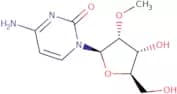
CAS :<p>2'-O-Methylcytidine is a nucleoside with a hydroxyl group on the 2' carbon. The hydroxyl group makes it an effective inhibitor of viral replication, and it has been shown to be active against HIV-1 in cell culture. 2'-O-Methylcytidine is also metabolized by nucleotide salvage pathways, and the metabolic response can be studied using proton nuclear magnetic resonance (NMR) spectroscopy and x-ray diffraction data. It has been found that 2'-O-Methylcytidine inhibits protein synthesis in cancer cells, and this may be due to its ability to bind to the response element on DNA.</p>Formule :C10H15N3O5Degré de pureté :Min. 95%Couleur et forme :White PowderMasse moléculaire :257.24 g/molCytidine 5'-triphosphate disodium salt
CAS :<p>Please enquire for more information about Cytidine 5'-triphosphate disodium salt including the price, delivery time and more detailed product information at the technical inquiry form on this page</p>Formule :C9H14N3Na2O14P3Degré de pureté :Min. 97 Area-%Masse moléculaire :527.12 g/molN6-Benzoyl-5'-O-trityl-adenosine
<p>N6-Benzoyl-5'-O-trityl-adenosine is a novel nucleoside, which has been synthesized to be a phosphoramidite. It is an anticancer drug that inhibits the growth of tumor cells by competitively inhibiting the synthesis of DNA and RNA. In addition, N6-Benzoyl-5'-O-trityl-adenosine has antiviral properties, which may be due to its ability to inhibit viral DNA polymerase. This compound also shows high purity and quality.</p>Formule :C36H31N5O5Degré de pureté :Min. 95%Masse moléculaire :613.66 g/mol2'-Deoxy-4'-thiouridine
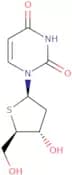
CAS :<p>2'-Deoxy-4'-thiouridine (2dT) is a synthetic purine nucleoside analogue that has antiviral activity against herpes simplex virus and hepatitis B virus. It is a lead compound for the development of therapeutic agents for human immunodeficiency virus type 1 and varicella, and it has potential applications in the treatment of renal toxicity. 2dT inhibits viral replication by inhibiting viral thymidine kinase, which converts 2dT to 2'-deoxy-4'-thioguanosine monophosphate (2'TGMP). The 2'TGMP inhibits intracellular phosphorylation reactions necessary for DNA synthesis and cell division. This inhibition leads to death of the infected cells.</p>Formule :C9H12N2O4SDegré de pureté :Min. 95%Masse moléculaire :244.27 g/mol3'-O-Methyluridine
CAS :<p>3'-O-Methyluridine is a nucleoside that is used in the preparation of oligonucleotides and as a substrate for uridine phosphorylase. It is used to study the termination of RNA synthesis, which occurs when there are no more ribose residues in the RNA template strand. When this happens, an adenosine residue is added by polyphosphate kinase to the 3' end of the RNA strand. This addition causes a release of pyrophosphate and leads to end of DNA synthesis. The acid hydrolysis technique can be used to separate 3'-O-methyluridine from other nucleotides. This reaction produces guanosine, which can be detected using polymerase chain reaction (PCR) techniques such as polyacrylamide gel electrophoresis (PAGE).</p>Formule :C10H14N2O6Degré de pureté :Min. 95%Couleur et forme :White PowderMasse moléculaire :258.23 g/molGlycinamide ribonucleotide
CAS :<p>Glycinamide ribonucleotide (GAR) is a reactive metabolite that is formed from glycinamide, which is an intermediate in the synthesis of purines. GAR has been shown to bind to intracellular targets and inhibit their enzyme activities. GAR has been shown to inhibit the activity of enzymes that are involved in the synthesis of purines, such as ribonucleotides and nucleoside phosphates. These enzymes have been found in human tissues. GAR also inhibits the polymerase chain reaction (PCR) by binding to DNA and inhibiting its replication. This drug has also been shown to be effective against bowel disease by binding to bacterial dna gyrase, dna topoisomerase, and rna synthesis.</p>Formule :C7H15N2O8PDegré de pureté :Min. 80 Area-%Couleur et forme :PowderMasse moléculaire :286.18 g/molN6-Benzoyl-2',3'-isopropylideneadenosine
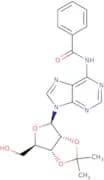
CAS :<p>N6-Benzoyl-2',3'-isopropylideneadenosine is a nucleoside that is structurally related to the natural nucleosides adenosine, deoxyadenosine, and deoxyguanosine. It is an antiviral agent that has been shown to be an activator of the enzyme ribonucleotide reductase. N6-Benzoyl-2',3'-isopropylideneadenosine is a modified nucleoside with high purity and high quality. The CAS number for this compound is 39947-04-1. This compound has not been found in nature, but it can be synthesized by modifying nucleosides or by using phosphoramidites.</p>Formule :C20H21N5O5Degré de pureté :Min. 95%Couleur et forme :PowderMasse moléculaire :411.41 g/mol2',3'-O-Isopropylidenecytidine
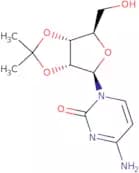
CAS :<p>2',3'-O-Isopropylidenecytidine is a nucleoside for use in research applications</p>Formule :C12H17N3O5Degré de pureté :Min. 95%Couleur et forme :PowderMasse moléculaire :283.28 g/molPolyinosinic acid tripotassium salt
CAS :<p>Polyinosinic acid is a single stranded RNA analog which is combined with polycytidylic acid (poly C) to form a stable duplex structure known as Polyinosinic acid-polycytidylic acid (Poly I:C). PolyI:C stimulates the secretion of pro-inflammatory cytokines and type I interferon through its interaction with endosomal Toll-like receptor 3 (TLR-3) and the cytoplasmic receptors melanoma differentiation-associated gene 5 (MDA-5) and retinoic acid-inducible gene I (RIG-I). This immunostimulant activity makes Poly I:C a useful vaccine adjuvant and is used in vaccine formulations. Poly I:C and its stabilized analogs (e.g., poly-ICLC) are also being actively researched for their dual role in oncology: directly targeting tumors and acting as immune potentiators. For example Poly I:C can induce apoptosis in tumor cells and stimulate immunogenic cell death and is therefore being explored alongside chemotherapy, radiotherapy, and checkpoint inhibitors, helping to overcome resistance mechanisms and strengthen treatment outcomes. We can supply PolyI:C to all stages of your project - from R&D and preclinical phases right up to GMP commercial manufacture. Contact our team for custom Poly I:C products.<br>For more on poly I:C read out blog 'Poly I:C: A Vaccine Adjuvant With Oncological Potential.'</p>Degré de pureté :Min. 95%5-(Aminomethyl)-2-thiouridine
CAS :<p>5-(Aminomethyl)-2-thiouridine is a bifunctional molecule that can be used in chromatography and as a precursor for the epigenetic modifications of DNA. 5-(Aminomethyl)-2-thiouridine has been shown to have an effect on the methyltransferase pathway, which is involved in the epigenome. This molecule has also been shown to affect the growth rate of bacteria in vitro.</p>Formule :C10H15N3O5SDegré de pureté :Min. 95%Masse moléculaire :289.31 g/mol2-Hydrazinoadenosine
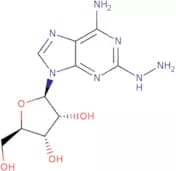
CAS :<p>2-Hydrazinoadenosine is an active analogue of adenosine. It is a potent agonist for the adenosine receptor subtypes A1 and A2A with high affinity. 2-Hydrazinoadenosine has been shown to inhibit cardiac contractility in animal models, as well as to produce hypotension, bradycardia, and bronchodilation in humans. This drug also has a functional effect on the heart by binding to adenosine receptors, which leads to the inhibition of catecholamine release. This drug is used clinically as an antiarrhythmic agent and a vasodilator in coronary artery disease.</p>Formule :C10H15N7O4Degré de pureté :Min. 95%Couleur et forme :PowderMasse moléculaire :297.27 g/mol2'-Phosphoadenosine 5'-phosphosulfate tetralithium salt (mixture with 3'-isomer)
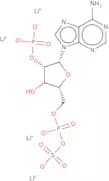
CAS :<p>2'-Phosphoadenosine 5'-phosphosulfate tetralithium salt (mixture with 3'-isomer) is a novel, modified nucleoside. It has antiviral properties and can be used for the treatment of cancer. 2'-Phosphoadenosine 5'-phosphosulfate tetralithium salt (mixture with 3'-isomer) inhibits viral replication by inhibiting the synthesis of viral DNA and RNA. This compound also inhibits cancer cell proliferation by inhibiting deoxyribonucleic acid (DNA) and ribonucleic acid (RNA) synthesis.</p>Formule :C10H11N5O13P2S·4LiDegré de pureté :Min. 95%Couleur et forme :SolidMasse moléculaire :531 g/mol2-(Butylthio)pyrimidine-5-carbaldehyde
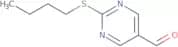
CAS :<p>2-(Butylthio)pyrimidine-5-carbaldehyde (BTPCA) is a neutralizing agent that inhibits the proliferation of cancer cells by binding to their cell membranes. It binds to the membrane and blocks the cyclic AMP receptor, thereby inhibiting the growth of cells. BTPCA has been shown to be effective in killing CD4+ T cells and may have therapeutic potential for autoimmune diseases. BTPCA also has diagnostic potential, as it can be used to detect epidermal growth factor receptors on cell membranes.</p>Formule :C9H12N2OSDegré de pureté :Min. 95%Masse moléculaire :196.27 g/mol2'-Deoxy-5'-O-p-toluenesulfonyluridine
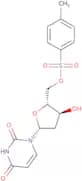
CAS :<p>2'-Deoxy-5'-O-p-toluenesulfonyluridine is a nucleoside that is modified with a p-toluenesulfonyl group on the 2' position. This compound has been shown to be an activator of phosphoramidites. It is also used as an anticancer drug, antiviral agent, and in the synthesis of ribonucleosides and deoxyribonucleosides. 2'-Deoxy-5'-O-p-toluenesulfonyluridine is typically used as a building block for RNA or DNA synthesis. This compound can also be used in the preparation of aminoglycoside antibiotics, as well as for the treatment of cancerous tumors.</p>Formule :C16H18N2O7SDegré de pureté :Min. 95%Masse moléculaire :382.4 g/molN4-Acetyl-2'-deoxy-5'-O-DMT-cytidine 3'-succinyl CPG 1400 Å
<p>N4-Acetyl-2'-deoxy-5'-O-DMT-cytidine 3'-succinyl CPG 1400 Å is a novel antiviral agent that inhibits the synthesis of viral RNA. This compound has been shown to be effective against influenza A and B, human cytomegalovirus, and herpes simplex virus type 1. N4-Acetyl-2'-deoxy-5'-O-DMT-cytidine 3'-succinyl CPG 1400 Å also has anticancer activity in vitro and in vivo. It has been shown to inhibit the proliferation of tumor cells by interfering with DNA replication, RNA synthesis, and protein synthesis.</p>Degré de pureté :Min. 95%1-(2'-Deoxy-3',5'-di-O-toluoyl-D-ribofuranosyl)-4-amino-1,3-dihydro-2-oxo-1,3,5-triazine
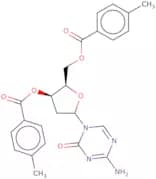
<p>1-(2'-Deoxy-3',5'-di-O-toluoyl-D-ribofuranosyl)-4-amino-1,3-dihydro-2-oxo-1,3,5-triazine is a nucleoside that is used as an anticancer drug. It is a modified nucleotide with a 2'-deoxyribofuranosyl group attached to the 3' carbon of the sugar moiety. It has been shown to be active against viruses and cancer cells. 1-(2'-Deoxy-3',5'-di-O-toluoyl-D-ribofuranosyl)-4-amino -1,3 -dihydro -2 -oxo -1,3,5 -triazine inhibits the replication of DNA by inhibiting DNA polymerase. This in turn prevents RNA synthesis and protein synthesis.</p>Formule :C24H24N4O6Degré de pureté :Min. 95%Masse moléculaire :464.48 g/mol8,5’(R)-Cycloadenosine
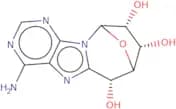
CAS :<p>Please enquire for more information about 8,5’(R)-Cycloadenosine including the price, delivery time and more detailed product information at the technical inquiry form on this page</p>Formule :C10H11N5O4Degré de pureté :Min. 95%Masse moléculaire :265.23 g/molCholesteryl-TEG Phosphoramidite
CAS :<p>Cholesteryl-TEG Phosphoramidite is a phosphoramidite that is used in the synthesis of DNA. It is also known as cholesterol-1,2,3,4,5-pentaethyleneglutamate phosphoramidite. Cholesteryl-TEG Phosphoramidite has been shown to have antiviral and anticancer activity. The novel properties of this compound make it an interesting candidate for further study. This chemical is synthesized by reacting cholesteryl chloride with triethylene glycol monophosphate. It is also a modified nucleoside that contains a deoxyribonucleoside and an activated ribonucleoside.</p>Formule :C70H106N3O11PDegré de pureté :Min. 95%Masse moléculaire :1,196.6 g/mol2'-Deoxy-2'-fluoro-2-methoxy-b-D-arabinoadenosine
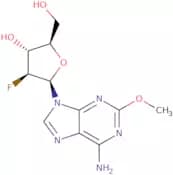
CAS :<p>2'-Deoxy-2'-fluoro-2-methoxy-b-D-arabinoadenosine (FMA) is an antiviral nucleoside that has been shown to inhibit the growth of human T lymphocytes, human hepatoma cells and mouse lymphoma L5178Y cells. It also inhibits the replication of HIV in vitro and has been shown to be effective against other viruses such as herpes simplex virus type 1 and 2, cytomegalovirus, Epstein Barr virus, varicella zoster virus and vaccinia. FMA is a phosphoramidite compound that can be used in DNA synthesis. It is also a monophosphate analog of arabinoadenosine that can be used as an activator of deoxyribonucleosides. This novel compound can be modified to synthesize diphosphates or phosphoramidites.</p>Formule :C11H14FN5O4Degré de pureté :Min. 95%Masse moléculaire :299.26 g/molGuanosine hydrate
CAS :<p>Please enquire for more information about Guanosine hydrate including the price, delivery time and more detailed product information at the technical inquiry form on this page</p>Formule :C10H13N5O5·xH2ODegré de pureté :Min. 98 Area-%Masse moléculaire :283.24 g/molL-Cystine dihydrochloride
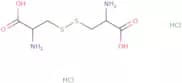
CAS :<p>L-Cystine dihydrochloride is a white crystalline powder that is used to treat acute radiation syndrome. It is an amino acid that contains two cysteine residues linked by a disulfide bond. Cysteine is necessary for the formation of proteins and peptides, which are important in antibody production. L-Cystine dihydrochloride has been shown to increase the uptake of radioactive substances in cells. This drug also increases the amount of bioactive molecules such as glutathione, which protects cells from oxidative damage caused by radiation. The effects of L-cystine dihydrochloride are dose dependent, with higher doses leading to greater cellular death.<br>The unpaired cysteines in L-cystine dihydrochloride can react with each other, forming a new molecule called S-thiolactone. This reaction is catalyzed by porcine pancreatic lipase (PPLL), a membrane protein found in pancreat</p>Formule :C6H14Cl2N2O4S2Degré de pureté :Min. 95%Masse moléculaire :313.2 g/mol3'-Azido-3'-deoxythymidine 5'-triphosphate triethylammonium salt
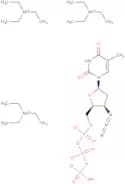
CAS :<p>3'-Azido-3'-deoxythymidine 5'-triphosphate triethylammonium salt is a nucleoside analogue of 3'-azido-3'-deoxythymidine. It is an antiviral agent that inhibits the synthesis of viral DNA and RNA by inhibiting the activity of DNA polymerase, which has been shown to be effective against HIV and herpes simplex virus type 1. The phosphoramidites are synthesized from the corresponding phosphonate, 3'-azido-3'-deoxythymidine 5'-triphosphate, by treatment with a base (e.g., sodium methoxide). This novel nucleoside analogue has been shown to have anticancer properties in animal models.</p>Formule :C10H16N5O13P3·3C6H15NDegré de pureté :Min. 95%Masse moléculaire :810.75 g/mol2'-Deoxy-5'-O-DMT-guanosine-(iBu)-3'-succinyl CPG 2000 Å
<p>2'-Deoxy-5'-O-DMT-guanosine-(iBu)-3'-succinyl CPG 2000 Å is a novel, high quality, and modified nucleoside that can be used in the synthesis of DNA and RNA. It is a phosphoramidite monophosphate that has antiviral and anticancer properties. It can also be used as an activator for the synthesis of oligonucleotides.</p>Degré de pureté :Min. 95%LDA
CAS :<p>LDA is a technique for extracting spectral features from a set of spectra. It uses the probabilistic model of discriminant analysis to discriminate between groups of spectra. LDA has been shown to outperform other techniques, such as PCA and MDA, in analyzing datasets with a small number of variables. The algorithm is incrementally updated with new data points and parameters, which makes it an attractive choice for real-time applications.</p>Degré de pureté :Min. 95%3'-Azido-2',3'-dideoxyuridine
CAS :<p>3'-Azido-2',3'-dideoxyuridine is an analog of the nucleoside dideoxyuridine that inhibits HIV replication. It has a high inhibitory dose and low toxicity. 3'-Azido-2',3'-dideoxyuridine is converted to its active form, 3'-azido-2',3'-dideoxythymidine (AZT), by dephosphorylation in human serum. AZT inhibits HIV replication by competing with the natural substrate for viral DNA polymerase, thereby inhibiting synthesis of viral DNA. 3'-Azido-2',3'-dideoxyuridine has been shown to be effective against hepatitis B virus and hepatitis C virus in cell cultures.</p>Formule :C9H11N5O4Degré de pureté :Min. 95%Couleur et forme :Off-White PowderMasse moléculaire :253.21 g/molBiotin-18-cytidine-5'-triphosphate triethylammonium salt - 5mM aqeous solution
<p>Biotin-18-cytidine-5'-triphosphate triethylammonium salt - 5mM aqeous solution is an activator of DNA synthesis. It is a cytidine nucleoside with a biotin label at the 5' position that is used as a substrate in DNA synthesis reactions. Biotin-18-cytidine-5'-triphosphate triethylammonium salt - 5mM aqeous solution is also used to make phosphoramidites, which are building blocks for oligonucleotide synthesis. This product can be used in anticancer and antiviral research.</p>Formule :C34H55N8O18P3SDegré de pureté :Min. 95%Masse moléculaire :988.83 g/mol5-Chloro-2',3'-O-isopropylidenecytidine
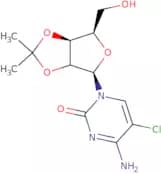
<p>5-Chloro-2',3'-O-isopropylidenecytidine is a synthetic nucleoside that is activated by phosphorylation to form the corresponding nucleotide. It has antiviral and anticancer properties, and can be used as a building block for synthesis of other nucleosides. 5-Chloro-2',3'-O-isopropylidenecytidine is synthesized from 2,4-dichlorophenoxyacetic acid (DCA) and 2,5-dichloroaniline in the presence of sodium cyanide. The compound was first synthesized in 1972 and its chemical structure was determined in 1974. 5-Chloro-2',3'-O-isopropylidenecytidine has been shown to inhibit DNA synthesis by binding to viral diphosphate and deoxyribonucleosides. This compound also inhibits the activity of bacterial DNA gyrase and DNA top</p>Formule :C12H16ClN3O5Degré de pureté :Min. 95%Masse moléculaire :317.73 g/molThymidine 5’-triphosphate sodium hydrate
<p>Thymidine 5’-triphosphate (dTTP) sodium hydrate is a fundamental building block in chemical biology. As one of the four natural deoxynucleotides, it plays a crucial role in DNA replication and repair, where dTTP is incorporated into growing DNA strands by DNA polymerases, ensuring fidelity during genetic duplication. The use of dTTP spans various applications, including PCR, DNA sequencing, and site-directed mutagenesis.</p>Degré de pureté :Min. 95%2'-Deoxy-5'-O-DMT-5-methylcytidine
CAS :<p>2'-Deoxy-5'-O-DMT-5-methylcytidine is a nucleoside analog that can be used to treat cancer. This compound is synthesized by the conversion of 5′-O-dimethoxytrityl (DMT)-2'-deoxycytidine to its 5′-O-DMT phosphoramidite. The phosphoramidite is then reacted with methylene chloride, methanol, and ammonia to form the monophosphate. 2'-Deoxy-5'-O-DMT-5-methylcytidine has been shown to be an effective anticancer drug in vitro and in vivo. It targets DNA synthesis, which prevents the duplication of genetic material necessary for cell division.</p>Formule :C31H33N3O6Degré de pureté :Min. 95%Couleur et forme :White to off-white solid.Masse moléculaire :543.63 g/mol4-Methyl-2-(methylsulfanyl)-5-pyrimidinecarboxylic acid
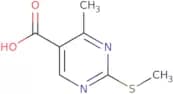
CAS :<p>Ribonucleosides, deoxyribonucleosides, and their activated forms (e.g., 4-methyl-2-(methylsulfanyl)-5-pyrimidinecarboxylic acid) are all important intermediates for the synthesis of DNA and RNA. Ribonucleosides are the key building blocks for the synthesis of DNA. They can be converted to nucleosides by removal of the ribose moiety. Deoxyribonucleosides are synthesized from ribonucleosides by removal of the hydroxyl group from carbon 2' position of ribose. The activated forms (e.g., 4-methyl-2-(methylsulfanyl)-5-pyrimidinecarboxylic acid) are useful in phosphoramidite chemistry as they have a free amine group on one side and a free sulfonyl group on the other side that can be used to react with a growing oligo or polyphosph</p>Formule :C7H8N2O2SDegré de pureté :Min. 95%Masse moléculaire :184.22 g/molCytidine 5'-monophosphate sodium salt
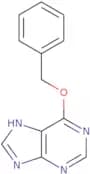
CAS :<p>Cytidine 5'-monophosphate sodium salt is a nucleotide that is found in RNA and DNA. Cytidine 5'-monophosphate sodium salt is an intermediate in the biosynthesis of uridine, choline, and saccharose. It also plays an important role in the immune system as it can be a precursor for immunoglobulins. The reaction rate of cytidine 5'-monophosphate sodium salt with lipase has been shown to be constant at pH 7.5-8.0 and 37°C. This product has been shown to have emulsifying properties by forming micelles with water-immiscible solvents such as hexane or heptane, which may be due to its ability to form hydrogen bonds with other molecules such as saccharose or guanosine. Cytidine 5'-monophosphate sodium salt can also be used as a chromatographic material for separating saccharose from other sugars</p>Formule :C9H14N3O8P·xNaDegré de pureté :Min. 95 Area-%Couleur et forme :White Off-White PowderMasse moléculaire :323.2 g/mol6-Benzyloxypurine
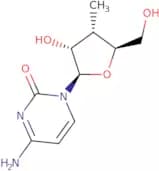
CAS :<p>6-Benzyloxypurine is a fluorescent compound that can be used to measure the concentration of aqueous solutions. It is used in molecular modeling and as a tracer in bioassays. The binding constants for 6-benzyloxypurine have been determined by fluorescence spectrometry, and it has been shown to inhibit the growth of aerobacter aerogenes at concentrations greater than 0.5 mM. This inhibitor also has an inhibitory effect on the growth of tissue culture cells and wastewater treatment bacteria, such as enterococcus faecalis and pseudomonas aeruginosa. The optimum concentration of 6-benzyloxypurine to inhibit bacterial growth is 1 mM, which corresponds to a pH of ~8.2.</p>Formule :C12H10N4ODegré de pureté :Min. 95%Masse moléculaire :226.23 g/mol3'-Deoxy-3'-C-methylcytidine
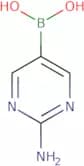
CAS :<p>3'-Deoxy-3'-C-methylcytidine is a monophosphate nucleotide that is used as an activator for DNA synthesis. It is a novel, synthetic nucleoside with high purity and high quality. 3'-Deoxy-3'-C-methylcytidine has been shown to inhibit viral replication, including human immunodeficiency virus type 1 (HIV-1), herpes simplex virus type 1 (HSV-1) and Epstein Barr virus (EBV) in cell culture. It also inhibits the growth of cancer cells in vitro by inhibiting the synthesis of DNA, RNA, and protein.</p>Formule :C10H15N3O4Degré de pureté :Min. 95%Masse moléculaire :241.24 g/mol2-Aminopyrimidine-5-boronic acid
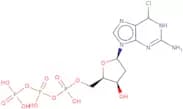
CAS :<p>2-Aminopyrimidine-5-boronic acid is a synthetic compound that has been shown to inhibit the activity of cellulase enzymes in vitro. It also has neuroprotective effects and potent inhibition against cancer cells. 2-Aminopyrimidine-5-boronic acid's mechanism of action is reversible covalent, meaning that it reacts with DNA by forming an N2-(2'-aminopyrimidine) adduct with guanine at position 6 in the purine ring. This reaction inhibits DNA synthesis, leading to cell death. 2-Aminopyrimidine-5-boronic acid is not currently being used as a cancer therapy, but it is being researched for its potential use in cancer treatments.</p>Formule :C4H6BN3O2Degré de pureté :Min. 95%Masse moléculaire :138.92 g/mol2-Amino-6-chloro-9-(2'-deoxy-b-D-ribofuranosyl)purine-5'-triphosphate
<p>2-Amino-6-chloro-9-(2'-deoxy-b-D-ribofuranosyl)purine-5'-triphosphate is a novel synthetic nucleoside analog with antiviral and anticancer properties. It is an activator of ribonucleotide reductase, which converts ribonucleotides to deoxyribonucleotides. 2-Amino-6-chloro-9-(2'-deoxy-b-D-ribofuranosyl)purine has been shown to be effective against human leukemia cells in vitro and in vivo.</p>Formule :C10H17ClN5O12P3Degré de pureté :Min. 95%Masse moléculaire :527.64 g/mol2'-Methyl-cytidine-(Bz)-succinyl-CPG; 500 Å (RNA)
<p>2-Methyl-cytidine-(Bz)-succinyl-CPG; 500 Å (RNA) is a nucleoside analog that is modified with a 2'-methyl group. It is synthesized by the phosphoramidite method, which is performed in a high purity and high quality environment. This product can be used as an activator for DNA synthesis and has been shown to have anti-cancer and antiviral properties.</p>Degré de pureté :Min. 95%L-5-methyluridine
CAS :<p>L-5-methyluridine is a nucleoside that is used as a building block in the synthesis of oligonucleotides. It contains one ribose sugar and one deoxyribose sugar, linked to the base adenine by a phosphate group. L-5-methyluridine can be synthesized from 5-chloro-2'-deoxyadenosine, hypoxanthine, and ammonium chloride. The synthesis starts with condensation reactions between the two sugar molecules to form an intermediate called a nucleoside. This is followed by alkylation of the base and then oxidation of the sugar group to form anomeric esters. The last step involves hydrolysis of the acyloxy ester, which yields L-5-methyluridine after acidification.</p>Formule :C10H14N2ODegré de pureté :Min. 95%Masse moléculaire :178.23 g/mol5'-O-DMT-2'-ethylfluoro-5-methyluridine 3'-CE phophoramidite
<p>5'-O-DMT-2'-ethylfluoro-5-methyluridine 3'-CE phophoramidite is an antiviral agent that has been shown to inhibit the replication of HIV in cell culture and to prevent the synthesis of the virus. 5'-O-DMT-2'-ethylfluoro-5-methyluridine 3'-CE phophoramidite inhibits viral replication by acting as a competitive inhibitor of HIV reverse transcriptase and blocking viral DNA synthesis from viral RNA. It has also been shown to have anticancer properties, which may be due to its ability to suppress tumor growth through inhibition of protein synthesis.</p>Degré de pureté :Min. 95%3'-O-Aminoacetoxythymidine 5'-O-triphosphate triethylammonium salt
<p>Please enquire for more information about 3'-O-Aminoacetoxythymidine 5'-O-triphosphate triethylammonium salt including the price, delivery time and more detailed product information at the technical inquiry form on this page</p>Formule :C13H22N3O14P3•(C6H15N)xDegré de pureté :Min. 99 Area-%Couleur et forme :PowderMasse moléculaire :537.25 g/mol3'-Deoxy-N6-lauroyladenosine
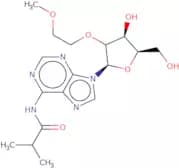
CAS :<p>3'-Deoxy-N6-lauroyladenosine is a nucleoside analog that is used to treat cancer. It is a phosphoramidite compound and it has been shown to be highly active against cancer cells. 3'-Deoxy-N6-lauroyladenosine is an antiviral agent that inhibits viral DNA synthesis by competing with the natural substrate, deoxyribonucleosides, for incorporation into the growing DNA chain. It also prevents the replication of RNA viruses by inhibiting their transcription and translation processes. 3'-Deoxy-N6-lauroyladenosine also inhibits inflammation in the body and may act as a chemotherapeutic agent in other diseases such as diabetes, Alzheimer's disease, and Parkinson's disease.</p>Formule :C22H35N5O4Degré de pureté :Min. 95%Masse moléculaire :433.54 g/molN2-Isobutyryl-2'-(2-methoxyethyl)guanosine
CAS :<p>N2-Isobutyryl-2'-(2-methoxyethyl)guanosine is a nucleoside that is structurally related to guanosine. It is used as an activator for RNA synthesis and as a novel antiviral agent. This compound has been shown to have high purity, high quality, and excellent solubility. N2-Isobutyryl-2'-(2-methoxyethyl)guanosine has also been found to be active against HIV in vitro by inhibiting reverse transcriptase activity.</p>Degré de pureté :Min. 95%N2-Acetyl-5'-O-DMT-guanosine
CAS :<p>N2-Acetyl-5'-O-DMT-guanosine is a novel anticancer nucleoside that has been synthesized to mimic the natural nucleotides found in DNA. It is phosphorylated to N2-acetyl-5'-O-DMT-guanosine monophosphate, which can be converted back to the active form of N2-acetyl-5'-O-DMT guanosine by phosphatases. This agent activates DNA synthesis and inhibits viral replication, including HIV and herpes simplex virus. The antiviral activity is due to its inhibition of viral DNA polymerase and diphosphate kinase.</p>Degré de pureté :Min. 95%Uridine-3',5'-cyclic monophosphate sodium salt
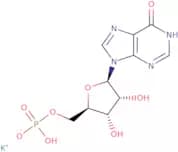
CAS :<p>Uridine-3',5'-cyclic monophosphate sodium salt is a phosphotriester that is an intermediate in the biosynthesis of nucleosides. It is also a phosphodiesterase inhibitor, which means it inhibits the breakdown of cyclic nucleotides and allows them to accumulate. This drug has been shown to increase platelet production and has anti-inflammatory effects. Uridine-3',5'-cyclic monophosphate sodium salt is a human metabolite that can be synthesized from uridine, which is present in DNA, RNA, and food sources such as meat, eggs, and milk. The synthesis of uridine-3',5'-cyclic monophosphate sodium salt requires phosphoramidite as a precursor.</p>Formule :C9H10N2O8P·NaDegré de pureté :Min. 98 Area-%Couleur et forme :White PowderMasse moléculaire :328.2 g/molPolyadenylic acid potassium
CAS :<p>Please enquire for more information about Polyadenylic acid potassium including the price, delivery time and more detailed product information at the technical inquiry form on this page</p>Formule :(C10H14N5O7P)x•KxDegré de pureté :85% Min3'-Deoxycytidine-5'-triphosphate
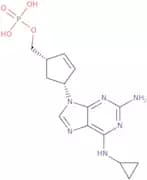
CAS :<p>3'-Deoxycytidine-5'-triphosphate is a modified nucleoside that is the precursor for DNA synthesis. It is an activator of deoxyribonucleoside triphosphates, which are needed in the production of DNA. 3'-Deoxycytidine-5'-triphosphate has been shown to be active against cancer cells and antiviral agents. This chemical also inhibits viral RNA synthesis by blocking the conversion of ribonucleotides to deoxyribonucleotides. 3'-Deoxycytidine-5'-triphosphate is novel and high purity, with a CAS number 69383-05-7.</p>Degré de pureté :Min. 95%Masse moléculaire :467.1 g/molAbacavir 5'-phosphate
CAS :<p>Abacavir 5'-phosphate is a nucleoside analog that inhibits the replication of the herpes virus by covalently binding to the viral DNA polymerase and blocking its ability to polymerize dNTPs. Abacavir 5'-phosphate's anti-viral potency has been shown in vivo using a model with herpes simplex virus, and it has been shown to inhibit viral replication in cell culture. The drug also reacts with cellular components such as proteins, lipids, and nucleic acids, which may lead to drug reactions. Abacavir 5'-phosphate is chemically stable, so it can be subjected to analytical methods without degradation. It is an analog of zidovudine (AZT).</p>Formule :C14H19N6O4PDegré de pureté :Min. 95%Masse moléculaire :366.31 g/mol