Nucléosides
Les nucléosides sont des building blocks fondamentaux des acides nucléiques, composés d'une base azotée attachée à une molécule de sucre. Dans cette section, vous trouverez une large gamme de nucléosides essentiels pour la recherche en biologie moléculaire, biochimie et pharmacologie. Ces composés jouent des rôles cruciaux dans la synthèse de l'ADN et de l'ARN, et sont également vitaux dans divers processus métaboliques. Les nucléosides sont utilisés pour étudier le matériel génétique, développer des thérapies antivirales et anticancéreuses, et comprendre les mécanismes cellulaires. Chez CymitQuimica, nous proposons des nucléosides de haute qualité pour soutenir vos besoins en recherche et développement, garantissant pureté et fiabilité pour vos applications expérimentales.
3567 produits trouvés pour "Nucléosides"
Trier par
Degré de pureté (%)
0
100
|
0
|
50
|
90
|
95
|
100
N4-Benzoyl-5-bromo-2'-deoxy-5'-O-DMT-cytidine 3'-CE phosphoramidite
CAS :<p>N4-Benzoyl-5-bromo-2'-deoxy-5'-O-DMT-cytidine 3'-CE phosphoramidite is a novel modified cytosine derivative. It has anticancer activity and can be used in the treatment of cancer cells that are resistant to other anticancer drugs. This product has a high purity and quality, which allows it to be widely used in the synthesis of DNA, RNA, and ribonucleosides. In addition, N4-Benzoyl-5-bromo-2'-deoxy-5'-O-DMT-cytidine 3'-CE phosphoramidite is an activator for diphosphate formation as well as a nucleotide analogue with antiviral effects. This product is also an inhibitor of DNA polymerase α and β, which are enzymes involved in DNA replication.</p>Formule :C46H51BrN5O8PDegré de pureté :Min. 95%Masse moléculaire :912.8 g/molLutonarin
CAS :<p>Lutonarin is a naturally occurring compound in the plant Pueraria lobata. It has been shown to have anti-cancer properties and can be used as an alternative to radiation therapy for cancer treatment. Lutonarin is a membrane-hyperpolarizing agent that is able to pass through the cell membrane, leading to membrane hyperpolarization. Lutonarin also inhibits the production of gamma-aminobutyric acid (GABA), which leads to increased cell proliferation and inhibition of root formation. Lutonarin has been found to inhibit enzyme activities, such as glucose monitoring and protocatechuic acid, phenolic acid, and crystalline cellulose degradation. This leads to reduced glucose levels in blood plasma and reduced degradation of polysaccharides in roots.</p>Formule :C27H30O16Degré de pureté :Min. 95%Masse moléculaire :610.5 g/mol2'-Deoxycytidine-5'-carboxylic acid
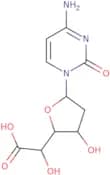
CAS :<p>2'-Deoxycytidine-5'-carboxylic acid (2'-DC) is a modified nucleoside that has been used as an anticancer, antiviral, and synthetic agent. 2'-DC inhibits the synthesis of DNA by binding to the enzyme DNA polymerase. It also inhibits viral replication by inhibiting the activity of reverse transcriptase and can be used as a potential anti-HIV drug. In addition, 2'-DC has been shown to have cytotoxic effects against cancer cells in vitro. This compound is synthesized from cytidine 5-monophosphate and phosphoramidite reagents in high purity and quantity. The CAS number for this compound is 4603-72-9.</p>Formule :C9H11N3O5Degré de pureté :Min. 95%Masse moléculaire :241.2 g/mol5'-Fluoro-5'-deoxy-adenosine
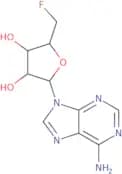
CAS :<p>5'-Fluoro-5'-deoxy-adenosine (FDA) is a fluorinated adenosine derivative that has been shown to regulate glucose levels in plasma. It has been shown to increase the uptake of glucose in cells and improve insulin sensitivity, which may be due to its ability to increase the production of nitric oxide. FDA is also thought to act as an antioxidant and may be useful for treating autoimmune diseases such as insulin resistance and type II diabetes.</p>Formule :C10H12FN5O3Degré de pureté :Min. 95%Couleur et forme :PowderMasse moléculaire :269.23 g/mol5-Fluoro-2'-O-methyluridine
CAS :<p>5-Fluoro-2'-O-methyluridine is a nucleotide that can be used in the treatment of colorectal adenocarcinoma and other types of cancer. It inhibits the synthesis of DNA by blocking the activity of ribonucleotide reductase, an enzyme that converts ribonucleotides to deoxyribonucleotides. 5-Fluoro-2'-O-methyluridine has been shown to decrease the growth of human glioblastoma cells in cell culture and animal models. The effect is dose dependent and occurs through inhibition of RNA synthesis and protein synthesis, leading to cell death.</p>Formule :C10H13FN2O6Degré de pureté :Min. 95%Masse moléculaire :276.22 g/mol2'-Deoxy-2'-iodo-adenosine-5'-[(β,γ)-imido]triphosphate sodium salt - 10mM aqueous solution
CAS :<p>2'-Deoxy-2'-iodo-adenosine-5'-[(beta,gamma)-imido]triphosphate sodium salt - 10mM aqueous solution is a nucleoside that has antiviral activity. It is also used as an anticancer agent and can be used as a monophosphate, diphosphate or activator of deoxyribonucleosides. 2'-Deoxy-2'-iodo-adenosine-5'-[(beta,gamma)-imido]triphosphate sodium salt - 10mM aqueous solution has been modified for use in DNA synthesis. This nucleoside is used to produce phosphoramidites for the synthesis of oligonucleotides and other modified nucleic acid derivatives.</p>Formule :C10H16N6O11P3IDegré de pureté :Min. 95%Masse moléculaire :616.09 g/mol2'-Deoxyguanosine-5'-monophosphate disodium salt hydrate
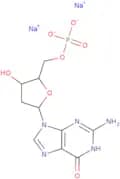
CAS :<p>2'-Deoxyguanosine-5'-monophosphate disodium salt hydrate is a novel nucleoside diphosphate that has antiviral and anticancer effects. It inhibits the synthesis of viral DNA, RNA, and proteins, which can lead to cell death by apoptosis. 2'-Deoxyguanosine-5'-monophosphate disodium salt hydrate also inhibits the proliferation of cancer cells and other malignant cells.</p>Formule :C10H12N5Na2O7PDegré de pureté :Min. 95%Masse moléculaire :391.19 g/molEmtricitabine-d2,15N
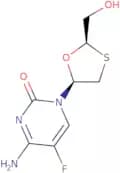
CAS :<p>Emtricitabine-d2,15N is a labelled version of emtricitabine. It is a nucleoside reverse transcriptase inhibitor that inhibits the HIV-1 virus by blocking the activity of the enzyme needed to convert RNA into DNA. This drug also offers long-term efficacy and can be used in combination with other antiretroviral agents including tenofovir alafenamide hemifumarate (TAF) and tenofovir disoproxil fumarate (TDF). The addition of TAF or TDF to emtricitabine-d2,15N provides an active antiretroviral therapy for HIV/AIDS patients. Emtricitabine-d2,15N has shown to reduce viral load significantly in people taking it as part of their treatment regimen.</p>Formule :C8D10FN3O3SDegré de pureté :Min. 95%Masse moléculaire :257.3 g/molN6-Benzoyl-5'-O-(4,4'-dimethoxytrityl) -2'-deoxyadenosine
CAS :<p>N6-Benzoyl-5'-O-(4,4'-dimethoxytrityl)-2'-deoxyadenosine is a versatile nucleoside building block.</p>Formule :C38H35N5O6Degré de pureté :Min. 98 Area-%Masse moléculaire :657.71 g/molRef: 3D-W-104850
25gÀ demander50gÀ demander100gÀ demander250gÀ demander500gÀ demander-Unit-ggÀ demanderPyrimidine-5-carboxamidine hydrochloride
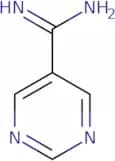
CAS :<p>Pyrimidine-5-carboxamidine hydrochloride (GC) is a guanosine analog that inhibits bacterial growth by binding to the anticodon region of ribosomes. GC has been shown to bind to the replicons of many organisms, including bacteria, and inhibit the formation of mRNA from DNA. This drug also inhibits methyltransferase, which prevents transfer RNA from being modified with methionine. GC may be used in research for eukaryotes and deamination reactions in trna modification.</p>Formule :C5H6N4·HClDegré de pureté :Min. 95%Masse moléculaire :158.59 g/mol2',3',5'-Tri-O-benzoyl-4'-C-fluoroadenosine
CAS :<p>2',3',5'-Tri-O-benzoyl-4'-C-fluoroadenosine is a novel nucleoside analogue that inhibits the proliferation of cancer cells. It is an activator of ribonucleotide reductase, which converts ribonucleosides to deoxyribonucleosides and thereby prevents viral replication. 2',3',5'-Tri-O-benzoyl-4'-C-fluoroadenosine has antiviral activity against influenza A virus and herpes simplex virus type 1 (HSV-1) in cell culture. This drug also has an inhibitory effect on the DNA polymerases and other enzymes involved in DNA synthesis. 2',3',5'-Tri-O-benzoyl-4'-C-fluoroadenosine is a high quality product with high purity, CAS No. 1000203-40-6.</p>Degré de pureté :Min. 95%2',3',5'-Triacetyl -azacytidine
CAS :<p>2',3',5'-Triacetyl-azacytidine is a transcription factor that has dose-dependent effects on the production of melanin. It inhibits the synthesis of melanin by binding to two specific transcription factors, the microphthalmia-associated transcription factor and the histone methyltransferases. This drug also inhibits tyrosinase, which is an enzyme involved in the production of melanin. 2',3',5'-Triacetyl-azacytidine has been shown to inhibit the growth of murine melanoma cells and may be useful for treating skin cancer.</p>Formule :C14H18N4O8Degré de pureté :Min. 95%Masse moléculaire :370.31 g/mol2-Amino-6-chloro-7-methyl-9-(b-D-ribofuranosyl)purine
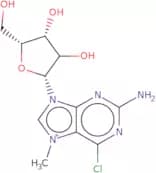
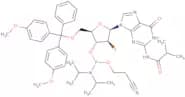
CAS :<p>2-Amino-6-chloro-7-methyl-9-(b-D-ribofuranosyl)purine is a nucleoside which is the structural analog of adenosine and is used in the synthesis of DNA, RNA, and other nucleosides. It has antiviral activity against herpes simplex virus type 1 and 2, Epstein Barr virus, poliovirus types 1, 2, and 3, and vesicular stomatitis virus. This compound also has anticancer activity.<br>2-Amino-6-chloro-7-methyl-9-(b-D ribofuranosyl) purine can be used to synthesize deoxyribonucleosides or monophosphate nucleotides. It can also be used as an intermediate for phosphoramidites in the synthesis of DNA or RNA.</p>Formule :C11H16ClN5O4Degré de pureté :Min. 95%Masse moléculaire :317.73 g/mol9-(2'-Deoxy-5'-O-DMT-2'-fluoro-b-D-arabinofuranosyl)-N2-isobutyrylguanine 3'-CE phosphoramidite
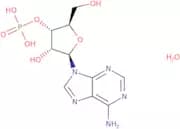
CAS :<p>9-(2'-Deoxy-5'-O-DMT-2'-fluoro-b-D-arabinofuranosyl)-N2-isobutyrylguanine 3'-CE phosphoramidite is a novel nucleoside analogue that has shown to be effective against cancer. This product can also be used as an antiviral and antifungal agent. It is synthesized from 2,3,4,5,6-pentaacetoxybenzaldehyde and chloroacetamide. 9-(2'-Deoxy-5'-O-DMT-2'-fluoro-b-D-arabinofuranosyl)-N2-isobutyrylguanine 3'-CE phosphoramidite is a high quality product that is made of Ribonuclesides, Synthetic Monophosphate Nucleosides Diphosphate Modified Deoxyribonucleosides Activator.</p>Formule :C44H53FN7O8PDegré de pureté :Min. 95%Couleur et forme :White to off-white solid.Masse moléculaire :857.93 g/mol(-)-Adenosine 3'-monophosphate hydrate
CAS :<p>Adenosine 3'-monophosphate hydrate is a nucleoside that is an important intermediate in the biosynthesis of DNA and RNA. It is a phosphodiesterase inhibitor, which prevents the breakdown of adenosine 3'-monophosphate (cAMP). This compound also has a role in various other metabolic pathways, such as the synthesis of purines. Adenosine 3'-monophosphate hydrate is used for preparing adenosylcobalamin and for studies on phosphodiesterases. The nature of this compound is determined by its chemical structure, including functional groups and sequences. Its modification includes the addition of phosphate groups to its ribose sugar moiety. Adenosine 3'-monophosphate hydrate has a molecular weight of 372.4 g/mol and optimum pH of 7-8.<br>The hybridization behavior and ph optimum are characteristic properties of this compound.</p>Formule :C10H16N5O8PDegré de pureté :Min. 95%Masse moléculaire :365.24 g/mol5-Carboxymethylaminomethyl- 2'-O-methyluridine
CAS :<p>5-Carboxymethylaminomethyl- 2'-O-methyluridine (5CmAMU) is a modified nucleobase that is categorized as a modified base. It is an analog of uridine, which has been shown to be effective against tuberculosis in mice. 5CmAMU inhibits the methylation of rRNA and DNA by binding to the enzyme RNA methyltransferase, thereby inhibiting transcription and replication. This modification has also been shown to inhibit cellular proliferation and promote apoptosis. 5CmAMU binds to guanine with a stoichiometry of 1:1, which provides evidence for its role in DNA synthesis and repair. The structural modifications on this molecule may lead to diagnostic applications or treatments for diseases such as tuberculosis.</p>Formule :C13H19N3O8Degré de pureté :Min. 95%Couleur et forme :PowderMasse moléculaire :345.31 g/mol2'-Deoxy-5-iodo-3',5'-di-O-p-toluoyluridine
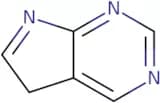
CAS :<p>2'-Deoxy-5-iodo-3',5'-di-O-p-toluoyluridine is a nucleoside that has antiviral and anticancer effects. It can be used as an activator for phosphoramidites and as a precursor for the synthesis of other nucleosides. 2'-Deoxy-5-iodo-3',5'-di-O-p-toluoyluridine is synthesized from 2,4,6-triisopropylbenzenesulfonyl chloride and 5-(N,N-dimethylamino)valeronitrile in the presence of triethylamine and potassium carbonate in acetonitrile with subsequent purification by silica gel chromatography. The resulting compound is then converted to its diphosphate form by treatment with dithiothreitol in dimethylformamide. This product has been shown to inhibit DNA replication and</p>Formule :C25H23IN2O7Degré de pureté :Min. 95%Masse moléculaire :590.36 g/mol7-Deazapurine
CAS :<p>7-Deazapurine is a cytostatic agent that inhibits the polymerase chain reaction by competitive inhibition of the incorporation of nucleotides into DNA. It has potent antitumor activity and significant cytotoxicity, which are due to its ability to inhibit DNA synthesis and cell division. 7-Deazapurine is also a nucleophilic compound that reacts with hydroxyl groups in DNA. The hydrolysis of 7-deazapurine by hydroxylases can be prevented by addition of high salt or trifluoroacetic acid, but this does not seem to affect its cytotoxic effects.<br>7-Deazapurine has been shown to have significant cytotoxicity against miapaca-2 cells and other cancer cell lines.</p>Formule :C6H5N3Degré de pureté :Min. 95%Masse moléculaire :119.12 g/molm-Topolin riboside-5'-monophosphate salt
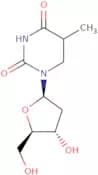
CAS :<p>m-Topolin riboside-5'-monophosphate salt is a novel nucleoside that has been modified with a nitrogenous base and a phosphate group. It is an antiviral and anticancer agent, which may be due to its ability to inhibit the synthesis of DNA. m-Topolin riboside-5'-monophosphate salt inhibits viral replication by inhibiting viral diphosphate kinase or deoxyribonucleotide triphosphate reductase, preventing the production of DNA. This product is also an inhibitor of cellular proliferation, which may be due to its ability to inhibit DNA synthesis and repair.</p>Formule :C17H18N5Na2O8P·H2ODegré de pureté :Min. 95%Masse moléculaire :515.32 g/mol5,6-Dihydrothymidine
CAS :<p>5,6-Dihydrothymidine is a hydroxylated thymidine analogue. It binds to the leukocyte antigen, which is found on many different types of cells. 5,6-Dihydrothymidine inhibits the replication of herpes simplex virus and can be used for diagnostic purposes. 5,6-Dihydrothymidine has been shown to have conformational properties that are similar to those of thymine, which allows it to bind to the template strand in DNA. This binding prevents the synthesis of messenger RNA from DNA. 5,6-Dihydrothymidine is also able to inhibit cell growth in culture and can be used as a cell culture medium supplement.</p>Formule :C10H16N2O5Degré de pureté :Min. 95%Couleur et forme :PowderMasse moléculaire :244.24 g/molN4-Benzoyl-1-(2'-deoxy-5'-O-DMT-2'-fluoro-b-D-arabinofuranosyl)cytosine-3'-O-succinate triethylammonium salt
<p>N4-Benzoyl-1-(2'-deoxy-5'-O-DMT-2'-fluoro-b-D-arabinofuranosyl)cytosine is a novel nucleoside that is synthesized from the corresponding deoxyribonucleoside and succinic acid. N4-Benzoyl-1-(2'-deoxy-5'-O-DMT-2'-fluoro-b-D-arabinofuranosyl)cytosine has antiviral activity against DNA viruses and anticancer activity against tumor cells. It has been shown to inhibit the replication of HIV, influenza A virus, and herpes simplex virus type 1 (HSV1).</p>Degré de pureté :Min. 95%N4-Acetyl-1-(2'-O-acetyl-5'-O-DMT-b-D-arabinofuranosyl)cytosine 3'-CE phosphoramidite
<p>N4-Acetyl-1-(2'-O-acetyl-5'-O-DMT-b-D-arabinofuranosyl)cytosine 3'-CE phosphoramidite is a novel nucleoside designed for DNA activation. It has high quality and high purity, which are essential for pharmaceutical and analytical applications. This product is used in the synthesis of DNA, antiviral drugs, and anti-cancer agents. N4-Acetyl-1-(2'-O-acetyl-5'-O-DMT b -D -arabinofuranosyl)cytosine 3'-CE phosphoramidite can be used as an activator in the synthesis of deoxyribonucleosides and ribonucleosides.</p>Formule :C22H34N5O8PDegré de pureté :Min. 95%Masse moléculaire :527.51 g/molN4-Benzoyl-1-(a-D-mannopyranosyl)cytosine
<p>N4-Benzoyl-1-(a-D-mannopyranosyl)cytosine is a modified deoxyribonucleoside that has antiviral and anticancer activities. It is a phosphoramidite, which can be converted to nucleosides using standard methods. N4-Benzoyl-1-(a-D-mannopyranosyl)cytosine is also an activator of the DNA polymerase enzyme and a high quality, novel anti-cancer drug.</p>Formule :C17H19N3O7Degré de pureté :Min. 95%Couleur et forme :White to off-white powder.Masse moléculaire :377.35 g/mol2-Amino-6-chloro-4-methoxypyrimidine
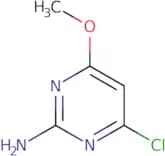
CAS :<p>2-Amino-6-chloro-4-methoxypyrimidine (2ACMP) is a molecule that has been synthesized by the process of asymmetric synthesis. It is soluble in ethyl formate and has shown to be a strong inhibitor of the enzyme uv absorption, with an inhibition constant of 1.0 x 10 M. 2ACMP has been shown to inhibit molecular processes such as vibrational excitation, molecular modeling, and surface methodology. This molecule also binds to metal hydroxides and can be used for process optimization when combined with solubility data and nutrient solutions.</p>Formule :C5H6ClN3ODegré de pureté :Min. 95%Masse moléculaire :159.57 g/molRSPACER CEP
CAS :<p>RSPACER CEP is a novel synthetic oligonucleotide with anti-cancer and antiviral activity. The product has been shown to inhibit the proliferation of tumor cells in vitro and reduce the production of pro-inflammatory cytokines in macrophages. The product is phosphoramidite, which is an intermediate for the chemical synthesis of DNA. It is synthesized from deoxyribonucleosides, modified nucleosides, and monophosphate nucleotides. RSPACER CEP also has antiviral properties that are mediated by inhibiting viral RNA replication in infected cells through inhibition of viral polymerase.</p>Formule :C41H59N2O7PSiDegré de pureté :Min. 95%Masse moléculaire :751 g/mol4-Bromo-2-methoxypyrimidine
CAS :<p>4-Bromo-2-methoxypyrimidine is a synthetic compound that is used in the synthesis of other compounds. It reacts with alcohols, boronic acids, and benzyl halides to form heterocycles or pyrimidine compounds. The reaction system is catalytic and chemoselectively. 4-Bromo-2-methoxypyrimidine has been shown to have anticancer activity against various cell lines in vitro. It also possesses an ability to react with aryl boronic acids, such as those found in 2-pyridinones, to form new compounds. This reaction is catalyzed by palladium on carbon or copper chloride in the presence of a base. The new compounds have shown anti-inflammatory and cytotoxic activities against cancer cells.</p>Degré de pureté :Min. 95%5-Aminoallylcytidine 5'-triphosphate lithium salt - 100mM aqueous solution
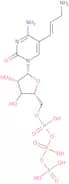
<p>5-Aminoallylcytidine 5'-triphosphate lithium salt - 100mM aqueous solution is a DNA nucleoside analog that is used as an antiviral, anticancer and activator. It has the chemical formula C10H14N2O6P3Li. The CAS number is 182700-18-0. 5-Aminoallylcytidine 5'-triphosphate lithium salt - 100mM aqueous solution is also known by the following synonyms: (5-Amino)allylcytidinium chloride trihydrate; (5-Amino)allylcytidinium chloride, lithium salt; 5-(Amino)allyl cytidylic acid triphosphate lithium salt; 5-[(3-aminopropoxy)propyl]uracil triphosphate lithium salt; 5-[(3-aminopropoxy</p>Formule :C12H21N4O14P3·xLiDegré de pureté :Min. 95%Masse moléculaire :538.23 g/molcis-Zeatin-o-glucoside riboside
CAS :<p>Cis-Zeatin-o-glucoside riboside is a plant metabolite that belongs to the class of phenylpropanoids. It is the product of the conversion of zeatin by a polyphenol oxidase. Cis-Zeatin-o-glucoside riboside has been found in plants, such as Eucomis and Alnifolia, at levels ranging from 0.2 to 1%. This metabolite is also present in animal tissues, such as rat brain and bovine mammary gland. The metabolic pathway for cis-Zeatin-o-glucoside riboside has been elucidated through tissue culture experiments with Eucomis and 24-epibrassinolide. The biosynthesis of this metabolite involves a two step process: first, an oxidative cleavage of zeatin to indole-3-acetyl l -aspartic acid and then conversion to</p>Formule :C21H31N5O10Degré de pureté :Min. 95%Masse moléculaire :513.5 g/molO6-Chlorophenyl-I ce-phosphoramidite
CAS :<p>Please enquire for more information about O6-Chlorophenyl-I ce-phosphoramidite including the price, delivery time and more detailed product information at the technical inquiry form on this page</p>Formule :C52H64ClN6O8PSiDegré de pureté :Min. 95%Masse moléculaire :995.6 g/mol3'-deoxy-3',4'-didehydrouridine
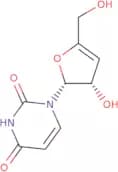
CAS :<p>3'-deoxy-3',4'-didehydrouridine is a synthetic nucleoside that inhibits viral replication. It is an antiviral agent that has been shown to be effective against DNA and RNA viruses. The synthesis of this compound has been described in the literature. This product is available in high purity and high quality, and CAS No. 2166167-51-5. 3'-deoxy-3',4'-didehydrouridine has also been shown to have anticancer activity, and is a novel synthetic nucleoside.</p>Formule :C9H10N2O5Degré de pureté :Min. 95%Masse moléculaire :226.19 g/mol5-Aza-3-deaza-N4-DMF-5'-O-DMT-2'-O-methylcytidine 3'-CE phosphoramidite
<p>5-Aza-3-deaza-N4-DMF-5'-O-DMT-2'-O-methylcytidine 3'-CE phosphoramidite is a novel modified nucleoside that is synthesized by the reaction of 5-Aza-3,8-(N4,N4)-dimethyl-1,2:5,6:8:10,11:12,-tetradeoxyribonucleosides with 2'-O,O'-Dimethoxytrityl Chloride. This product has been shown to be an activator and to have antiviral and anticancer activities. It also has a high purity and quality.</p>Formule :C43H55N6O8PDegré de pureté :Min. 95%Masse moléculaire :814.91 g/mol5-Methylcytidine-5'-triphosphate lithium salt - 100mM aqueous solution
<p>5-Methylcytidine-5'-triphosphate lithium salt is a nucleotide analog that inhibits thrombin by binding to the active site and blocking the catalytic activity. This compound is useful for the study of cellular function and viral life. 5-Methylcytidine-5'-triphosphate lithium salt has been shown to inhibit intracellular levels of thrombin, which can be used for anticoagulation in vitro. In addition, this compound has been shown to have regenerative properties in vivo and may be used for tissue engineering purposes. 5-Methylcytidine-5'-triphosphate lithium salt has also been shown to inhibit viral replication in mammalian cells.</p>Formule :C10H18N3O14P3·xLiDegré de pureté :Min. 95%Masse moléculaire :497.18 g/mol3'-Deoxy-3'-fluoroinosine
CAS :<p>3'-Deoxy-3'-fluoroinosine is a nucleoside analog that has been shown to have cytotoxic effects. It inhibits the growth of nematodes and other parasites by blocking the deacetylation of lipids in the cell membrane, which leads to their death. 3'-Deoxy-3'-fluoroinosine has also been shown to inhibit trypanosomiasis and leishmania infections by preventing the synthesis of purines and pyrimidines. This drug binds to 6-chloropurine ribonucleotide reductase, thereby inhibiting the production of nucleic acids. 3'-Deoxy-3'-fluoroinosine is not active against mammalian cells, which may be due to its inability to penetrate cell membranes efficiently.</p>Degré de pureté :Min. 95%N-Benzoyl-5'-O-(bis(4-methoxyphenyl)phenylmethyl)-2'-O-(2-methoxyethyl)adenosine
CAS :<p>N-Benzoyl-5'-O-(bis(4-methoxyphenyl)phenylmethyl)-2'-O-(2-methoxyethyl)adenosine is a synthetic nucleoside that is an activator of DNA polymerase and has antiviral activities. It is also used in the synthesis of deoxyribonucleosides, phosphoramidites, and ribonucleosides.</p>Formule :C41H41N5O8Degré de pureté :Min. 95%Couleur et forme :White PowderMasse moléculaire :731.79 g/mol6-Chloro-N4-methyl-4,5-pyrimidinediamine
CAS :<p>6-Chloro-N4-methyl-4,5-pyrimidinediamine is a monophosphate nucleotide. It is a synthetic compound that is used as an antiviral agent and as an anticancer drug. The compound has been shown to inhibit the replication of DNA by inhibiting the activity of DNA polymerase. 6-Chloro-N4-methyl-4,5-pyrimidinediamine also inhibits the synthesis of RNA by inhibiting the enzyme RNA polymerase. As a result, this compound is toxic to cells because it prevents protein production and replication. This product has high purity and high quality. It can be used in phosphoramidites, which are necessary for the production of DNA and RNA in cells.</p>Degré de pureté :Min. 95%6-Chloropurine-9-b-D-glucoside
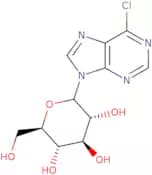
CAS :<p>6-Chloropurine-9-b-D-glucoside is a nucleoside that belongs to the family of modified nucleosides. It is used as an activator and a phosphoramidate in the synthesis of oligonucleotides. 6-Chloropurine-9-b-D-glucoside is also used in anticancer therapy because it inhibits DNA, RNA, and protein synthesis. 6CPG has antiviral activity against herpes virus and other viruses. This compound has been shown to have antiinflammatory activities by inhibiting the production of prostaglandins. 6CPG is also classified as a carcinogen by the International Agency for Research on Cancer (IARC).</p>Formule :C11H13CIN4O5Degré de pureté :Min. 95%Masse moléculaire :420.16 g/mol5'-O-DMTr-2'-O,4'-C-methyleneuridine 3'-CE-phosphoramidite
CAS :<p>5'-O-DMTr-2'-O,4'-C-methyleneuridine 3'-CE-phosphoramidite is a novel nucleoside phosphoramidite. It is an activator of DNA polymerase for the synthesis of diphosphate analogues of ribonucleosides and deoxyribonucleosides. This compound has been used in the synthesis of antiviral and anticancer agents, as well as in research on the development of new antiviral drugs.</p>Degré de pureté :Min. 95%4-(2-Cyanoethylthio)-5'-O-DMT-thymidine 3'-CE phosphoramidite
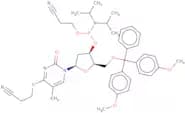
<p>4-(2-Cyanoethylthio)-5'-O-DMT-thymidine 3'-CE phosphoramidite is a novel, modified nucleoside with antiviral activity. It is activated by the addition of a DMT group to its 5' end and has an anticancer effect. The monophosphate form of 4-(2-Cyanoethylthio)-5'-O-DMT-thymidine 3'-CE phosphoramidite has been shown to inhibit viral DNA synthesis in vitro and to be cytotoxic against human cancer cell lines. 4-(2-Cyanoethylthio)-5'-O-DMT- thymidine 3'-CE phosphoramidite is a high quality, high purity product that can be used as a nucleoside or nucleotide in anticancer drugs.</p>Formule :C43H52N5O7PSDegré de pureté :Min. 95%Masse moléculaire :813.96 g/molN6-Acetyl-2'-deoxy-5'-O-DMT-adenosine 3'-CE phosphoramidite
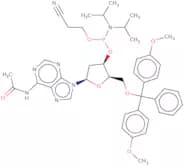
CAS :<p>N6-Acetyl-2'-deoxy-5'-O-DMT-adenosine 3'-CE phosphoramidite is a novel, modified, activator with antiviral and anticancer properties. It is the monophosphate of the acetylated 2'-deoxyadenosine 3'-cyanoethylphosphoramidite and has been shown to be effective in inhibiting DNA synthesis in cell cultures. This product is synthesized using high purity reagents and purification techniques.</p>Formule :C42H50N7O7PDegré de pureté :Min. 95%Couleur et forme :SolidMasse moléculaire :795.86 g/molMyristoyl coenzyme A lithium salt
CAS :<p>Myristoyl coenzyme A lithium salt is an activator that can be used in the synthesis of Ribonucleosides and Deoxyribonucleosides. It has a high purity, which ensures high quality synthesis. Myristoyl coenzyme A lithium salt is a novel nucleotide precursor that can be used to synthesize DNA or RNA for use in anti-cancer or antiviral treatments.</p>Formule :C35H62N7O17P3S·xLiDegré de pureté :Min. 95%Masse moléculaire :977.89 g/mol1-(2-Deoxy-b-D-ribofuranosyl)-5-nitroindole
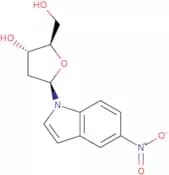
CAS :<p>1-(2-Deoxy-b-D-ribofuranosyl)-5-nitroindole is an important compound in the field of nucleotide chemistry and has potential applications in research</p>Formule :C13H14N2O5Degré de pureté :Min. 95%Couleur et forme :Yellow PowderMasse moléculaire :278.26 g/mol2’-Chloro-2’-deoxyadenosine
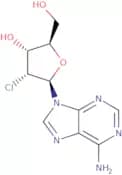
CAS :<p>2’-Chloro-2’-deoxyadenosine (2CDA) is a synthetic nucleoside analogue that is used as an antineoplastic agent for the treatment of non-Hodgkin lymphoma and histiocytic lymphoma. It is typically used in combination with other cytotoxic drugs. 2CDA has been shown to be effective against resistant tumor cell lines and has been used to treat patients with metastatic breast cancer, Hodgkin lymphoma, and multiple myeloma. The drug can cause thrombocytopenia, which may be due to its effects on platelets or bone marrow cells. Other toxicities include bone marrow suppression, nausea, vomiting, diarrhea, anorexia, and liver damage. Patients who are at risk for these toxicities should be closely monitored.</p>Formule :C10H12ClN5O3Degré de pureté :Min. 95%Couleur et forme :PowderMasse moléculaire :285.69 g/mol6-Aminothymine
CAS :<p>6-Aminothymine is a polyamine that exerts its inhibitory activity by hydrogen bonding to the enzyme's active site. It has been shown to inhibit protein synthesis and growth factor synthesis in HL-60 cells. 6-Aminothymine also has cancer inhibiting properties, which may be due to its ability to bind DNA and interfere with replication or transcription.</p>Formule :C5H7N3O2Degré de pureté :Min. 95%Masse moléculaire :141.13 g/mol6-Azathymidine
CAS :<p>6-Azathymidine is an antiviral agent that prevents the synthesis of viral DNA. It is a nucleoside analogue that contains a hydroxyl group at the 6 position on a pyrimidine ring. This compound has been shown to be effective in treating HIV infection and cancer, as well as herpes simplex virus and influenza virus. 6-Azathymidine inhibits the enzyme ribonucleotide reductase, which is responsible for converting ribonucleotides into deoxyribonucleotides, thereby blocking DNA synthesis. The phosphate derivatives of this drug have been shown to inhibit the biosynthesis of human immunodeficiency virus (HIV) by interfering with intermolecular hydrogen bonding between guanine and adenine.</p>Formule :C9H13N3O5Degré de pureté :Min. 95%Masse moléculaire :243.22 g/mol5'-O-Benzoyl-2'-deoxyuridine
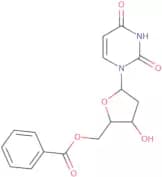
CAS :<p>5'-O-Benzoyl-2'-deoxyuridine is a synthetic nucleoside that is a component of DNA. 5'-O-Benzoyl-2'-deoxyuridine is used as an antiviral agent and for the treatment of some cancers, including lymphomas, leukemia, and certain types of solid tumors. It has also been shown to be effective in the treatment of hepatitis B virus infection. This compound inhibits viral replication by competing with natural nucleosides for incorporation into DNA and RNA. 5'-O-Benzoyl-2'-deoxyuridine binds to double helix DNA at the groove between adenine and thymine bases and prevents further binding of nucleotides to this site. It also inhibits viral DNA synthesis by preventing conversion of ribonucleotides to deoxynucleosides. This drug is not active against bacteria or fungi; however, it can cause serious side effects such as pancreatitis and liver toxicity.</p>Formule :C16H16N2O6Degré de pureté :Min. 95%Masse moléculaire :332.32 g/mol6-(Trifluoromethyl)uracil
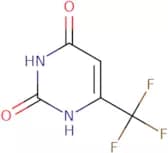
CAS :<p>6-(Trifluoromethyl)uracil is a synthetic analog of uracil, which is a nucleobase that is found in RNA. It can be synthesized by reacting phosphorus oxychloride and trifluoromethyl chloride to form the corresponding chloroformate ester, followed by hydrolysis with anhydrous potassium carbonate. The compound has been shown to inhibit bacterial growth in bioassays and also has the ability to react with amines. 6-Trifluoromethyluracil has a constant chlorine atom that forms hydrogen bonds with other molecules, such as ammonia or amines, which may have antibacterial properties.</p>Formule :C5H3F3N2O2Degré de pureté :Min. 95%Masse moléculaire :180.08 g/mol2-(Aminomethyl)pyrimidine oxalate
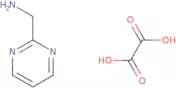
CAS :<p>2-(Aminomethyl)pyrimidine oxalate is a substance that can be found in cicer arietinum. This compound has been shown to be tumorigenic, and it is hypothesized that the tumorigenicity of this compound is due to its ability to recombine with DNA and expressed genes, which may lead to the development of tumors. 2-(Aminomethyl)pyrimidine oxalate has been shown to activate translation of genes that are involved in tumorigenesis. The gene product which has been identified as being activated by 2-(aminomethyl)pyrimidine oxalate is called rhizogenes. Rhizogenes have been shown to have virulent phenotypes when exposed to cicer arietinum. With all these properties, it is believed that 2-(aminomethyl)pyrimidine oxalate may cause cancer or other harmful effects on organisms.br><br>br></p>Formule :C5H7N3·C2H2O4Degré de pureté :Min. 95%Masse moléculaire :199.16 g/mol5'-O-tert-Butyldimethylsilyluridine
CAS :<p>5'-O-tert-Butyldimethylsilyluridine (5'-O-TBDMSU) is a nucleoside that is used in the synthesis of nucleic acid probes. It is selective for the uridine residues in RNA and DNA, which are found at the 5' position. Sodium hydride reacts with this compound to form the corresponding hydroxyl group. This allows for further nucleobase additions or halogen substitutions to be made to the molecule, as well as desilylation reactions. 5'-O-TBDMSU can also be used to synthesize heteroaromatic nucleic acids and nucleotide derivatives.</p>Formule :C15H26N2O6SiDegré de pureté :Min. 98 Area-%Couleur et forme :PowderMasse moléculaire :358.46 g/molGDP-D-mannose disodium salt from saccharomyces cerevisiae
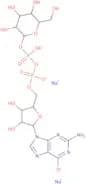
CAS :<p>GDP-D-mannose disodium salt from Saccharomyces Cerevisiae is a nucleoside that is synthetically modified. It has antiviral and anticancer activities, as well as the ability to activate DNA synthesis. This product is suitable for use as a novel activator of DNA and RNA synthesis, in the treatment of viral infections, or cancer.</p>Formule :C16H23N5Na2O16P2Degré de pureté :Min. 95%Masse moléculaire :649.3 g/molBis(2-cyanoethyl)-N,N-diisopropyl phosphoramidite
CAS :<p>Bis(2-cyanoethyl)-N,N-diisopropyl phosphoramidite is a potent inhibitor that targets human immunodeficiency virus (HIV) and cancer. It acts as an analog of substrates for human plasma membrane kinases, which are essential for the replication of HIV. Bis(2-cyanoethyl)-N,N-diisopropyl phosphoramidite has been shown to inhibit lung metastasis in mice, indicating its potential therapeutic use against cancer. This compound also exhibits inhibitory activities against Escherichia coli alkaline phosphatase and other enzymes, suggesting its pharmacological activity may extend beyond HIV and cancer treatment. Overall, Bis(2-cyanoethyl)-N,N-diisopropyl phosphoramidite is a promising inhibitor with potential applications in multiple fields.</p>Formule :C12H22N3O2PDegré de pureté :Min. 90 Area-%Couleur et forme :Slightly Yellow Clear LiquidMasse moléculaire :271.3 g/mol



![2'-Deoxy-2'-iodo-adenosine-5'-[(β,γ)-imido]triphosphate sodium salt - 10mM aqueous solution](/_next/image/?url=https%3A%2Fstatic.cymitquimica.com%2Fproducts%2F3D%2Fthumb-webp%2FND166258.webp&w=3840&q=75)