Toxines
134 produits trouvés pour "Toxines"
Isopimaric acid
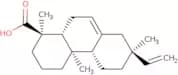
CAS :Isopimaric acid is a natural diterpene resin acid, which is derived primarily from the oleoresin of coniferous trees, specifically from the genus Pinus. It is a constituent of the resin exuded by pine trees and is often obtained through the distillation or extraction of pine resin.Formule :C20H30O2Degré de pureté :(%) Min. 98%Couleur et forme :PowderMasse moléculaire :302.45 g/molDestruxin A
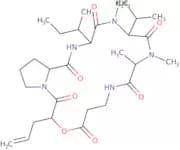
CAS :Destruxin A is a cyclodepsipeptide, which is a specialized secondary metabolite originating from the entomopathogenic fungus, Metarhizium anisopliae. This bioactive compound exerts its effects through a multifaceted mode of action, primarily disrupting ion channels and perturbing cellular homeostasis within insect hosts. The interference with calcium and potassium ion fluxes leads to paralysis and ultimately death of the targeted pests, making it an effective biocontrol agent. Destruxin A holds significant potential in integrated pest management programs, particularly in agriculture, where it offers a sustainable alternative to synthetic chemical pesticides. Its specificity to insect physiology ensures minimal impacts on non-target organisms, promoting ecological balance. Studies continue to explore its application spectrum and effectiveness, seeking to optimize its deployment in various pest-infested environments, including crops and stored products.
Formule :C29H47N5O7Degré de pureté :Min. 95%Couleur et forme :PowderMasse moléculaire :577.71 g/molPicrotoxin
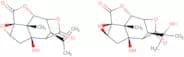
CAS :GABA(A) channel blockerFormule :C15H18O7•C15H16O6Degré de pureté :Min. 95%Couleur et forme :PowderMasse moléculaire :602.58 g/molFusarenon X
CAS :Fusarenon X is a mycotoxin, which is a secondary metabolite produced by certain species of the Fusarium fungi. This compound is primarily derived from Fusarium graminearum and Fusarium crookwellense, which are fungi commonly found in various cereal grains, particularly in temperate regions.Degré de pureté :Min. 95%T2Tetraol
CAS :T2Tetraol is a sesquiterpene derivative, which is a natural antifungal compound originating from wood-decay fungi. This compound is particularly isolated from species that predominantly break down lignin and cellulose in decaying wood. The mode of action of T2Tetraol involves the disruption of fungal cell membranes, subsequently inhibiting essential biological processes within the fungal cells and leading to cell death.Degré de pureté :Min. 95%Moniliformin
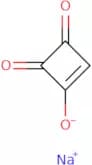
CAS :Moniliformin is a mycotoxin, which is produced by certain Fusarium species, primarily Fusarium moniliforme and Fusarium proliferatum. This compound is a secondary metabolite, with a unique chemical structure characterized by a low-molecular-weight organic acid, having a cyclobutane ring. Moniliformin's mode of action involves the inhibition of key enzymes in cellular respiration, such as pyruvate dehydrogenase, which disrupts carbohydrate metabolism and affects energy production in cells. The toxin predominantly impacts cardiac muscle cells, leading to cardiotoxic effects, which may cause severe health issues in animals.
Degré de pureté :Min. 95%3-Acetyl-DON
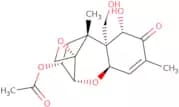
CAS :3-Acetyl-DON is a mycotoxin, specifically a trichothecene, which is primarily produced by Fusarium species. This compound is an acetylated derivative of deoxynivalenol (DON), often encountered in contaminated cereals and grains. Its source, Fusarium fungi, is prevalent in agricultural crops, especially during humid weather conditions.Degré de pureté :Min. 95%Helvolic acid
CAS :Helvolic acid is a fungal metabolite, which is derived from various species of the Aspergillus and Penicillium genera. It functions as an antifungal antibiotic, disrupting the cell membranes of target fungal cells. This action is primarily attributed to its ability to interfere with sterol synthesis—key components of fungal cell membranes—leading to compromised membrane integrity and subsequent cell death.Degré de pureté :Min. 95%Fumonisin B3
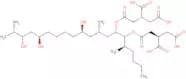
CAS :Fumonisin B3 is a mycotoxin compound, which is a secondary metabolite produced by molds, particularly those belonging to the Fusarium species. It is primarily found in cereal grains such as maize, where these fungi commonly thrive in specific environmental conditions. With a structure related to sphingoid bases, Fumonisin B3 interferes with sphingolipid metabolism by inhibiting the ceramide synthase enzyme. This disruption leads to the accumulation of sphinganine and a reduction in complex sphingolipids, affecting cell membrane integrity and signaling pathways.Formule :C34H59NO14Degré de pureté :Min. 95%Couleur et forme :PowderMasse moléculaire :705.83 g/molFumonisin B2
CAS :Fumonisin B2 is a mycotoxin, which is a naturally occurring toxin produced by certain species of fungi. Specifically, it is produced by Fusarium species, such as Fusarium verticillioides and Fusarium proliferatum, commonly found in cereal crops like corn. This mycotoxin disrupts cellular lipid metabolism, particularly the sphingolipid pathway, by inhibiting the enzyme ceramide synthase. This disruption can lead to cell dysfunction and contributes to the pathogenesis of animal diseases.Degré de pureté :Min. 95%Citreoviridin
CAS :Citreoviridin is a mycotoxin, which is derived from specific strains of the mold genera Penicillium and Aspergillus. This compound is classified as a yellow crystalline toxin and is known for its potent biological activity, particularly its role as an inhibitor of ATP synthase. Citreoviridin functions by interfering with ATP synthesis, a critical process in cellular energy metabolism. It binds to the F0 component of ATP synthase, disrupting proton translocation and thus inhibiting ATP production. This mode of action makes Citreoviridin a subject of interest in biochemical and physiological studies concerning energy metabolism and mitochondrial function.Degré de pureté :Min. 95%Andromedotoxin
CAS :Andromedotoxin is a naturally occurring toxin derived from the plants of the genus Rhododendron, known for its potent effects on ion channels within biological systems. This compound, primarily sourced from certain species within the Ericaceae family, functions by binding to sodium channels in nerve cells. By altering the permeability of these channels, it disrupts normal neuronal activity, leading to potential neurotoxic outcomes.
Formule :C22H36O7Degré de pureté :Min. 95%Couleur et forme :PowderMasse moléculaire :412.52 g/molGliotoxin
CAS :Gliotoxin is a bioactive mycotoxin and antibiotic compound, which is primarily derived from various species of Aspergillus and Penicillium fungi. This epipolythiodioxopiperazine (ETP) toxin possesses a unique disulfide bridge that plays a pivotal role in its biological activity. Gliotoxin exerts its effects through the induction of oxidative stress by generating reactive oxygen species (ROS) and disrupting cellular redox balance. Additionally, it can inhibit the activation of crucial transcription factors like NF-κB, thereby modulating immune responses.Formule :C13H14N2O4S2Degré de pureté :Min. 95%Masse moléculaire :326.0395Penicillic Acid
CAS :Penicillic Acid is a mycotoxin, which is derived primarily from molds of the Penicillium and Aspergillus species. This secondary metabolite is a concern due to its toxicological properties. The mode of action of Penicillic Acid involves the inhibition of key enzymes, affecting cellular metabolic processes which can result in cytotoxic effects observed in various biological systems.Degré de pureté :Min. 95%Roquefortine C
CAS :Roquefortine C is a mycotoxin, which is a secondary metabolite produced by certain fungal species. It primarily originates from Penicillium fungi, notably within the species used in the production of blue cheeses like Roquefort. As a neurotoxic compound, Roquefortine C functions by inhibiting certain neurotransmitter receptors and ion channels, potentially interfering with normal neuronal communication.
Degré de pureté :Min. 95%Verruculogen
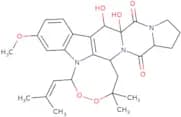
CAS :Verruculogen is a mycotoxin, which is derived from certain species of fungi, primarily those in the genera Aspergillus and Penicillium. It is synthesized by these fungi during their secondary metabolic processes. As a chemical compound, verruculogen acts by inhibiting calcium channels in nerve cells, disrupts neurotransmitter release, and affects neuronal activity. This mode of action is crucial in understanding its role in toxicology and pharmacology.Degré de pureté :Min. 95%Penitrem A
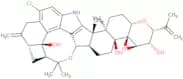
CAS :Penitrem A is a potent mycotoxin, which is a secondary metabolite produced predominantly by the fungi of the genus *Penicillium*, particularly *Penicillium crustosum*. It operates primarily as a tremorgenic compound, affecting the neuromuscular systems through interference with neurotransmitter release mechanisms. Penitrem A achieves this by blocking calcium channels and modulating the function of neurotransmitter release sites at nerve terminals, leading to its characteristic effects on the nervous system.Degré de pureté :Min. 95%Zearalanone
CAS :Zearalanone is a mycotoxin that is produced by certain species of the Fusarium fungi. This compound is structurally related to the known mycotoxin zearalenone, and it exhibits similar functionalities. It is primarily found in grains such as maize, barley, oats, wheat, and rice that have been contaminated by these fungi. The mode of action of zearalanone involves its mimicry of estrogenic activity. It binds to estrogen receptors in various tissues, disrupting normal endocrine functions. This disruption can have significant implications in both human and animal health, leading to reproductive issues and developmental anomalies.
Degré de pureté :Min. 95%Fumonisin B1
CAS :Inhibitor of ceramide synthaseFormule :C34H59NO15Degré de pureté :Min. 95%Couleur et forme :PowderMasse moléculaire :721.83 g/molNeosolaniol
CAS :Neosolaniol is a type of trichothecene mycotoxin, which is a fungal metabolite primarily produced by certain Fusarium species. These fungi are prolific contaminants found in a variety of cereal grains and other crops worldwide. The mode of action of neosolaniol involves the inhibition of protein synthesis within eukaryotic cells by binding to ribosomes, thereby disrupting normal cellular function and leading to cytotoxic effects.Degré de pureté :Min. 95%