Autres
6270 produits trouvés pour "Autres"
Trier par
Degré de pureté (%)
0
100
|
0
|
50
|
90
|
95
|
100
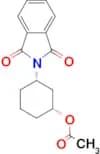
(1R,3S)-3-(1,3-DIOXOISOINDOLIN-2-YL)CYCLOHEXYL ACETATE
CAS :Degré de pureté :95.0%Masse moléculaire :287.31500244140625Zaleplon Formamide
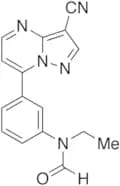
CAS :Produit contrôlé<p>Applications Zaleplon Formide is an impurity of Zaleplon (Z145000), a selective non-benzodiazepine GABAA receptor agonist.<br>References Radl, S., et al.: J. Heterocycl. Chem, 47, 276 (2010); Allen, D., et al.: Eur. J. Clin. Pharmacol., 45, 313 (1993); Beer, B., et al.: J. Clin. Pharmacol., 34, 335 (1994); Rosen, A.S., et al.: Biopharm. Drug Dispos., 20, 171 (1999)<br></p>Formule :C16H13N5OCouleur et forme :NeatMasse moléculaire :291.31Bimatoprost
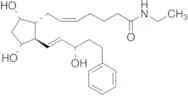
CAS :<p>Stability Light Sensitive<br>Applications Bimatoprost is an antiglaucoma agent. Bimatoprost is an synthetic prostamide; structurally related to prostaglandin F2α.<br>References Brandt, J.D., et al.: Ophthalmology, 108, 1023 (2001), Woodward, D.F., et al.: J. Pharmacol. Exp. Ther., 305, 772 (2003), Quinones, R., et al.: J. Ocul. Pharmacol. Ther., 20, 115 (2004),<br></p>Formule :C25H37NO4Couleur et forme :WhiteMasse moléculaire :415.57Memantine Hydrochloride
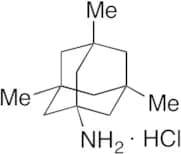
CAS :Produit contrôlé<p>Stability Hygroscopic<br>Applications Used as an antiparkinsonian and antispasmodic.<br>References Rohde, H., et al.: Fortschr. Med., 100, 2023 (1982), Kornhuber, J., et al.: Eur. J. Pharmacol., 166, 589 (1989), Gortelmeyer, R. and Erbler, H.: Arzneimittel-Forsch., 42, 904 (1992)<br></p>Formule :C12H21N·ClHCouleur et forme :White To Off-WhiteMasse moléculaire :215.76N-(1-CYCLOHEXYLETHYL)CYCLOPROPANAMINE
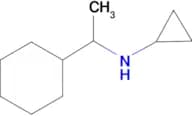
CAS :Degré de pureté :95.0%Masse moléculaire :167.296005249023441,4-Cyclohexanedione
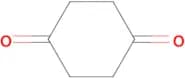
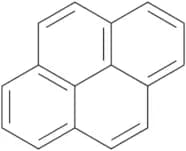
CAS :Formule :C6H8O2Degré de pureté :98%Couleur et forme :CrystallineMasse moléculaire :112.128Pyrene
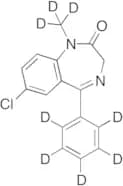
CAS :Produit contrôlé<p>Applications Pyrene occurs in coal tar. Also obtained by the destructive hydrogenation of hard coal. Found in wastewater in aquatic environments, and possesses genotoxic characteristics relating to estrogenic/androgenic, antiestrogenic and antiandrogenic activity. This compound is a contaminant of emerging concern (CECs).<br> Not a dangerous good if item is equal to or less than 1g/ml and there is less than 100g/ml in the package<br>References Winterstein, et al.: Z. Physiol. Chem., 230, 162 (1934), Fang, Y. et al.: Env. Toxicol. Chem., 31, 1273 (2012);<br></p>Formule :C16H10Couleur et forme :Light Brown To Dark BrownMasse moléculaire :202.25Diazepam-d8
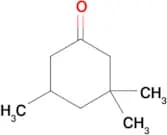
CAS :Produit contrôléFormule :C162H8H5ClN2OCouleur et forme :NeatMasse moléculaire :292.793,3,5-Trimethylcyclohexanone
CAS :Formule :C9H16ODegré de pureté :98%Couleur et forme :LiquidMasse moléculaire :140.226cis-Entacapone
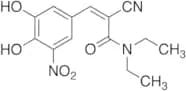
CAS :Produit contrôlé<p>Impurity Entacapone EP Impurity A<br>Applications cis-Entacapone (Entacapone EP Impurity A) is the (Z)-Isomer of Entacapone polymorphic form B. Antiparkinsonian.<br>References Karlsson, M., et al.: J. Pharm. Biomed. Anal., 10, 593 (1992), Nissinen, E., et al.: Arch. Pharmacol., 346, 262 (1992), Wikberg, T., et al.: Eur. J. Drug Metab. Pharmacokinet., 18, 359 (1993),<br></p>Formule :C14H15N3O5Couleur et forme :NeatMasse moléculaire :305.29Entacapone 3-b-D-Glucuronide Disodium Salt
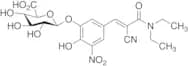
CAS :Produit contrôlé<p>Applications The main metabolite of Entacapone and Tolcapone.<br>References Mannisto, P., et al.: Prog. Drug Res., 39, 291(1992), Nishi, H., et al.: J. Pharm. Biomed. Anal., 11, 1277 (1993), Wikberg, T., et al.: Eur. J. Drug Metab. Pharmacokinet., 18, 359 (1993),<br></p>Formule :C20H21N3Na2O11Couleur et forme :NeatMasse moléculaire :525.37Memantine Glycine
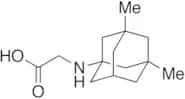
CAS :Produit contrôlé<p>Stability Hygroscopic<br>Applications An impurity of the antiparkinsonian and antispasmodic agent Memantine (M218000).<br>References Rystov, L. et al.: J. Pharmac. Biomed. Anal., 56, 887 (2011);<br></p>Formule :C14H23NO2Couleur et forme :NeatMasse moléculaire :237.347-Methyl Memantine Hydrochloride
CAS :<p>Stability Hygroscopic<br>Applications 7-Methyl Memantine is an impurity of Memantine (HCl salt, M218000) which is used as an antiparkinsonian and antispasmodic.<br>References Rohde, H., et al.: Fortschr. Med., 100, 2023 (1982), Kornhuber, J., et al.: Eur. J. Pharmacol., 166, 589 (1989), Gortelmeyer, R. and Erbler, H.: Arzneimittel-Forsch., 42, 904 (1992)<br></p>Formule :C13H23N·ClHCouleur et forme :White SolidMasse moléculaire :229.79Zafirlukast-d7
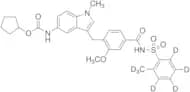
CAS :Produit contrôlé<p>Applications A potent, selective and orally active labelled cysteinyl leukotriene type 1 receptor antagonist. Used as an antiasthmatic.<br>References Matassa, V.G., et al.: J. Med. Chem., 33, 1781 (1990), Findlay, S.R., et al.: J. Allergy Clin. Immunol., 89, 1040 (1992), Krell, R.D., et al.: Am. Rev. Respir. Dis., 141, 978 (1990), Dunn, C.J., Drugs, 61, 285 (2001),<br></p>Formule :C31H26D7N3O6SCouleur et forme :NeatMasse moléculaire :582.72Hydroxyatenolol
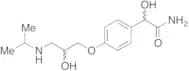
CAS :Produit contrôlé<p>Impurity Atenolol 2-Hydroxy Impurity<br>Applications Hydroxyatenolol is a metabolite of Atenolol (A790075); a cardioselective β-adrenergic blocker, antihypertensive, antianginal, and antiarrhythmic (class II). Atenolol 2-Hydroxy Impurity<br>References Escher, B., et al.: Environ. Sci. Technol., 40, 7402 (2006); Caplar, V., et al.: Anal. Profiles Drug Subs., 13, 1 (1984)<br></p>Formule :C14H22N2O4Couleur et forme :NeatMasse moléculaire :282.34Decyl Methyl Ether
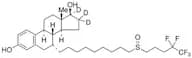
CAS :<p>Applications Fragrance/Aroma compound with a fresh scent. Decyl Methyl Ether is a fatty ether used as a possible diesel fuel extender.<br>References Douros, T., et al.: Erdoel, 103, 228 (1987); Vila, A., et al.: Cnd. J. Chem., 78, 1535 (2000);<br></p>Formule :C11H24OCouleur et forme :NeatMasse moléculaire :172.31Fulvestrant-d3
CAS :Produit contrôléFormule :C32H44D3F5O3SCouleur et forme :White To Off-WhiteMasse moléculaire :609.79Zeaxanthin, 65%
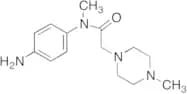
CAS :<p>Stability Light Sensitive, Temperature Sensitive<br>Applications It is one of the two carotenoids contained within the retina.<br>References Karrer, et al.: Helv. Chim. Acta, 13, 268 (1930), Hlubucek, et al.: J. Chem. Soc. Perkin Trans., 1, 848 (1974), Maoka, T., et al.: Comp. Biochem. Physiol., 83B, 121 (1986),<br></p>Formule :C40H56O2Degré de pureté :65%Couleur et forme :NeatMasse moléculaire :568.87N-(4-Aminophenyl)-N-methyl-2-(4-methylpiperazin-1-yl)acetamide
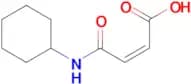
CAS :Formule :C14H22N4OCouleur et forme :Off-White To BeigeMasse moléculaire :262.35(Z)-4-(cyclohexylamino)-4-oxobut-2-enoic acid
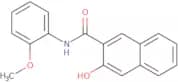
CAS :Degré de pureté :97%Masse moléculaire :197.23399353027344Naphthol AS-OL
CAS :<p>Naphthol AS-OL is a widely used chromogenic enzyme substrate that forms a colored product upon reaction with specific enzymes. It is commonly employed in histochemical and cytochemical staining techniques to visualize enzyme activity in cells and tissues. Naphthol AS-OL is particularly useful for detecting the presence of enzymes such as alkaline phosphatase, acid phosphatase, and esterases. The resulting colored product can be easily observed under a microscope, allowing researchers to study the distribution and localization of these enzymes in various biological samples.</p>Formule :C18H15NO3Degré de pureté :Min. 95%Couleur et forme :PowderMasse moléculaire :293.32 g/molAldol® 518 ammonium myo-inositol-1-phosphate, Biosynth Patent: EP 2427431 and US 8940909
CAS :<p>Aldol® 518 myo-inositol phosphate is a chromogenic and fluorogenic enzyme substrate used for detection of phosphatidylinositol specific phospholipase C (PI-PLC, EC 4.6.1.13) activity. The colorless enzyme substrate is cleaved by PI-PLC positive microorganisms grown in liquid or solid media, yielding intense red color. In combination with Aldol® 355 fluorescence enhancer, red fluorescence can also be obtained. Aldol® 518 myo-inositol phosphate thus enables the detection and identification of various bacteria, such as, pathogenic strains of Listeria, Clostridium, Bacillus, and Staphylococcus species. Aldol® 518 myo-inositol phosphate is suitable for use under aerobic and anaerobic conditions.</p>Formule :C29H33ClN3O10PDegré de pureté :Min. 95.0 Area-%Masse moléculaire :650.02 g/molp-Nitrophenylphosphorylcholine
CAS :<p>p-Nitrophenylphosphorylcholine is a substrate molecule for enzymes that catalyze phospholipid biosynthesis. It is the most common substrate used to study the enzyme activity of phosphatidylcholine synthase and phospholipase A2 in human serum. The reaction mechanism is not well understood, but it appears to involve autocatalysis and an initial nucleophilic attack by p-nitrophenolate on the carbonyl carbon atom of the choline moiety. p-Nitrophenylphosphorylcholine has been shown to exhibit receptor activity on cells, which may be due to its ability to bind with basic proteins. This compound can also inhibit meiosis in Drosophila melanogaster and increase levels of natriuretic peptides in rats, as well as cause cell lysis and polymerase chain reactions in mammalian cells.</p>Formule :C11H17N2O6PMasse moléculaire :304.24 g/mol3,3'-Diaminobenzidine tetrahydrochloride hydrate
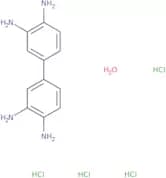
CAS :<p>3,3'-Diaminobenzidine (DAB) is an organic compound derived from benzidine. DAB is water-soluble as the tetrahydrochloride salt and is used in immunohistochemical staining of nucleic acids and proteins. Within research in Alzheimer's disease, Aβ protein amyloid plaques are targeted by a primary antibody, and subsequently by a secondary antibody, which is conjugated with a peroxidase enzyme. This will bind DAB as a substrate and oxidize it, producing an easily observable brown colour. 3,3’-Diaminobenzidine tetrahydrochloride hydrate is also available as the tetrahydrochloride salt and as the free base.</p>Formule :C12H14N4·4HCl·xH2ODegré de pureté :Min. 97 Area-%Couleur et forme :PowderMasse moléculaire :360.11 g/molN-(3-Sulfopropyl)-3,3',5,5'-tetramethylbenzidine sodium salt
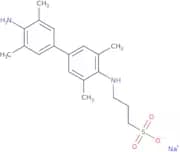
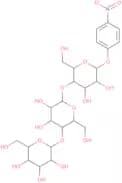
CAS :<p>N-(3-Sulfopropyl)-3,3',5,5'-tetramethylbenzidine (TMB) sodium salt is a highly sensitive chromogenic substrate used for the detection and quantification of peroxidase enzyme activity. This water-soluble substrate undergoes a color change from colorless to blue upon oxidation by peroxidase enzymes in the presence of hydrogen peroxide. The reaction can be stopped by adding an acid, resulting in a yellow color that can be measured spectrophotometrically. TMB sodium salt is widely used in various applications, including enzyme-linked immunosorbent assays (ELISA), immunohistochemistry, and other diagnostic tests, due to its high sensitivity, low background signal, and excellent stability.</p>Degré de pureté :Min. 95%Couleur et forme :PowderMasse moléculaire :384.47 g/mol4-Nitrophenyl 2-acetamido-6-O-(2-acetamido-2-deoxy-b-D-glucopyranosyl)-3-O-(b-D-galactopyranosyl)-2-deoxy-a-D-galactopyranoside
CAS :<p>4-Nitrophenyl 2-acetamido-6-O-(2-acetamido-2-deoxy-b-D-glucopyranosyl)-3-O-(b-D-galactopyranosyl)-2-deoxy-a-D-galactopyranoside is a specific chromogenic substrate designed for the highly sensitive and accurate detection of glycosidase enzyme activity. Glycosidases are responsible for the cleavage of glycosidic bonds between saccharide units in various carbohydrates. The hydrolysis of this substrate by glycosidase enzymes produces 4-nitrophenol, a yellow-colored compound that can be easily monitored through spectrophotometric measurements due to its strong absorbance at 405 nm. This chromogenic substrate is widely used in the analysis of glycosidase activity in various biological samples, including bacterial, fungal, and plant tissues, as well as in environmental samples and biotechnological applications.</p>Formule :C28H41N3O18Degré de pureté :Min. 95 Area-%Couleur et forme :White PowderMasse moléculaire :707.63 g/mol2-Naphthyl b-D-galactopyranoside
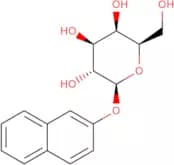
CAS :<p>2-Naphthyl beta-D-galactopyranoside is a glycoside that is found in the flowers of the plant Eschscholzia californica. It is used as a localizer for bacterial strains and can be hydrolyzed by enzymes to release naphthalene. 2-Naphthyl beta-D-galactopyranoside has been shown to inhibit the growth of corynebacterium and diazonium salt, which may be due to its ability to bind to DNA and disrupt protein synthesis. The potential use of this molecule is for its insolubility, which prevents it from being absorbed by skin cells.</p>Formule :C16H18O6Degré de pureté :Min. 99 Area-%Couleur et forme :PowderMasse moléculaire :306.31 g/mol6-Bromo-2-naphthyl β-D-galactopyranoside
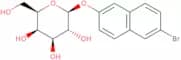
CAS :<p>6-Bromo-2-naphthyl β-D-galactopyranoside is a chromogenic substrate commonly used for the detection of the enzymatic activity of β-galactosidase. It can produce a yellow precipitate upon hydrolysis by β-galactosidase, indicating the presence of the enzyme. It is often used in molecular biology applications to detect gene expression or to monitor cloning efficiency.</p>Formule :C16H17BrO6Degré de pureté :Min. 98 Area-%Couleur et forme :PowderMasse moléculaire :385.21 g/mol4-Nitrophenyl 3-O-(β-D-glucopyranosyl)-α-D-glucopyranoside
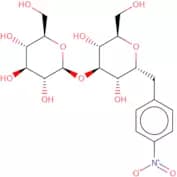
<p>4-Nitrophenyl 3-O-(beta-D-glucopyranosyl)-alpha-D-glucopyranoside is a chromogenic substrate for alpha-glucosidase. Upon hydrolysis, para-nitrophenol is released yielding a yellowish colour. 4-Nitrophenyl 3-O-(beta-D-glucopyranosyl)-alpha-D-glucopyranoside is used in different applications such as the Gaucher disease screening, carbohydrate metabolism studies</p>Formule :C18H25NO13Degré de pureté :Min. 95%Masse moléculaire :463.39 g/mol6-Bromo-2-naphthyl-α-D-galactopyranoside
CAS :<p>6-Bromo-2-naphthyl-alpha-D-galactopyranoside is a bioluminescent substrate for the enzyme luciferase that has been shown to be useful in detection of phenazines, antibiotics and other compounds in environmental testing. 6-Bromo-2-naphthyl-alpha-D-galactopyranoside can also be used for measurements of total microbial counts and for the measurement of the activity of enzymes such as beta galactosidase. It is also a ligand for the peroxidase enzyme, which makes it useful in staining techniques. 6BARG can be used as a fluorogenic substrate or as an indicator in chromogenic substrates. It is an important reagent for chemiluminescence and can also be used to measure the concentration of various substances.</p>Formule :C16H17BrO6Degré de pureté :Min. 98 Area-%Masse moléculaire :385.22 g/mol4-Nitrophenyl b-D-thiogalactopyranoside
CAS :<p>4-Nitrophenyl b-D-thiogalactopyranoside is a specialized chromogenic substrate designed for measuring the activity of thio-β-galactosidase enzymes. Upon cleavage by thio-β-galactosidase, it releases the intensely colored 4-nitrophenolate ion, providing a straightforward, sensitive, and quantitative detection method. This substrate is easily incorporated into enzyme-coupled assays, making it a reliable and convenient choice for research and diagnostic applications. With its rapid color development and high signal-to-background ratio, 4-Nitrophenyl b-D-thiogalactopyranoside is ideal for monitoring enzyme kinetics, substrate specificity evaluation, and inhibitor screening in a range of scientific and biotechnological settings.</p>Formule :C12H15NO7SDegré de pureté :Min. 98 Area-%Couleur et forme :PowderMasse moléculaire :317.32 g/molLipase substrate
CAS :<p>Synthetic chromogenic substrate for detection of lipase enzyme activity that produces a red coloured product, Suitable for use in serum of plasma matrices. This lipase substrate is commonly used in veterinary diagnostics for monitoring and detecting canine pancreatitis,</p>Formule :C45H69NO8Masse moléculaire :752.03 g/mol4-Nitrophenyl 2-O-(β-D-glucopyranosyl)-β-D-glucopyranoside
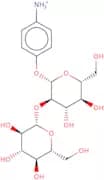
CAS :<p>4-Nitrophenyl 2-O-(beta-D-glucopyranosyl)-beta-D-glucopyranoside is a chromogenic substrate for beta-glucosidase. Upon hydrolysis, para-nitrophenol is released yielding a yellowish colour. 4-Nitrophenyl 2-O-(beta-D-glucopyranosyl)-beta-D-glucopyranoside is used in different applications such as the Cellulose degradation studies, biofuel research</p>Formule :C18H25NO13Degré de pureté :Min. 95%Couleur et forme :White solid.Masse moléculaire :463.39 g/mol6-Chloro-3-indolyl 2-acetamido-2-deoxy-β-D-glucopyranoside
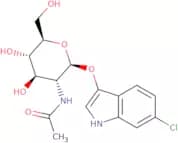
CAS :<p>6-Chloro-3-indolyl 2-acetamido-2-deoxy-b-D-glucopyranoside is a pink enzyme substrate commonly used in biochemical research and diagnostic applications. This compound is a derivative of indolyl glucopyranoside, which is known for its ability to produce a colored product upon enzymatic hydrolysis. 6-Chloro-3-indolyl 2-acetamido-2-deoxy-b-D-glucopyranoside is particularly useful for studying glycosidases, enzymes that cleave glycosidic bonds in complex carbohydrates. Its pink coloration makes it an ideal choice for colorimetric assays, enabling researchers to monitor enzyme activity in real-time and facilitating the development of new diagnostic tools and therapeutic strategies.</p>Formule :C16H19ClN2O6Degré de pureté :Min. 95%Couleur et forme :White to off-white solid.Masse moléculaire :370.78 g/molAldol® 518 acetate, Biosynth Patent: EP 2427431 and US 8940909
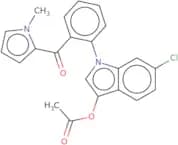
CAS :<p>Aldol® 518 acetate is a fluorogenic substrate for the enzyme aldolase. It is used in diagnostic kits for detecting aldolase in blood and other body fluids, and as an indicator of liver function. Aldol® 518 acetate can be used to detect the presence of aldolase in foods and beverages. The compound has also been shown to be an excellent substrate for bioluminescence and chemiluminescence reactions, which are widely used in research laboratories.</p>Formule :C25H21ClN2O3Degré de pureté :Min. 95.0 Area-%Masse moléculaire :432.9 g/molSalmon-pal
CAS :<p>6-Chloro-1H-indol-3-yl hexadecanoate is a chromogenic substrate for an enzyme that oxidizes it to produce a blue color. It can be used in the diagnosis of bacterial infections, such as tuberculosis and leprosy. 6CHIH is a ligand for various enzymes, including lactate dehydrogenase, which catalyzes the conversion of pyruvate to lactic acid. This compound reacts with oxygen to produce light in the presence of a catalyst. 6CHIH is also used as a fluorescent tag for protein labeling and detection.<br>6CHIH has been shown to be effective in detecting bacteria in food products and water samples using bioluminescence techniques. The high purity and quality of this compound make it suitable for use in diagnostics, culture media, and environmental testing.</p>Degré de pureté :Min. 95%Masse moléculaire :406 g/mol4-Nitrophenyl 2-acetamido-4-O-(2-acetamido-2-deoxy-b-D-glucopyranosyl)-2-deoxy-a-D-galactopyranoside
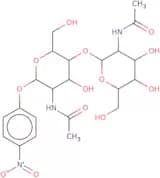
<p>4-Nitrophenyl 2-acetamido-4-O-(2-acetamido-2-deoxy-b-D-glucopyranosyl)-2-deoxy-a-D-galactopyranoside is an enzyme substrate that is used in the detection of phenylalanine, tyrosine, and tryptophan. It is also used for environmental testing, bioluminescence, culture media, chemiluminescence, fluorogenic substrate, food testing, diagnostics and other applications.</p>Degré de pureté :Min. 95%Couleur et forme :Off-White PowderMasse moléculaire :545.49 g/mol5-Bromo-4-chloro-3-indoxyl sulfate, potassium salt
CAS :<p>Chromogenic substrate for aryl-sulfatase. Yields a blue precipitate upon cleavage.</p>Formule :C8H4BrClKNO4SDegré de pureté :Min. 98.0 Area-%Masse moléculaire :364.65 g/mol4-Nitrophenyl 4,6-ethylidene-a-D-maltoheptaoside
CAS :<p>4-Nitrophenyl 4,6-ethylidene-?-D-maltoheptaoside is a substrate used in a reference measurement method for ?-amylase activity in the diagnosis of acute pancreatitis, approved by the International Federation of Clinical Chemistry (IFCC). The substrate is hydrolysed by serum ?-amylase into shorter 4-nitrophenylated oligosaccharides and their free counterparts. These reaction products are channeled into an indicator reaction with ?-glucosidase and are degraded into glucose and the chromophore, 4-nitrophenol.</p>Formule :C50H77NO38Degré de pureté :Min. 90%Couleur et forme :Off-White Yellow PowderMasse moléculaire :1,300.13 g/mol5-Bromo-3-indolyl-β-D-galactopyranoside-6-sulfate sodium salt
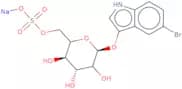
CAS :<p>5-Bromo-3-indolyl-beta-D-galactopyranoside-6-sulfate sodium salt is a lapis substrate, a chromogenic substrate that yields a deep blue color after cleavage. It is used in sulfatase activity assays and for the diagnosis of Mucopolysaccharidosis IVA (Morquio A).</p>Formule :C14H15BrNNaO9SDegré de pureté :Min. 95%Couleur et forme :PowderMasse moléculaire :476.23 g/mol5-Bromo-6-chloro-3-indoxyl-β-D-glucuronic acid, cyclohexylammonium salt
CAS :<p>Chromogenic substrate for β-D-glucuronidase (GUS) yielding a magenta precipitate. It is used fordetection of GUS+ bacterial colonies as analternative to 5-bromo-4-chloro-3-indoxyl-β-D-glucuronide (X-GlcA).</p>Formule :C20H26BrClN2O7Degré de pureté :Min. 99 Area-%Masse moléculaire :521.80 g/mol2-Chloro-4-nitrophenyl-β-D-cellotetraoside
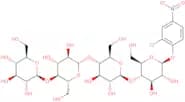
CAS :<p>2-chloro-4-nitrophenyl-beta-D-cellotetraoside is a chromogenic substrate for measuring cellulase activity and other glycosyl hydrolases. The release of 2-chloro-4-nitrophenol can be detected at 405 nm.</p>Formule :C30H44ClNO23Degré de pureté :Min. 95%Couleur et forme :PowderMasse moléculaire :822.12 g/mol5-Bromo-4-chloro-3-indoxyl phosphate p-toluidine, micronized
CAS :<p>A substrate for alkaline phosphatase yielding a blue insoluble product upon cleavage. Colour can be further enhanced when used together with Nitroblue tetrazolium. The substrate system is versatile and has functions in a variety of applications, including Northern, Southern, and Western blotting, in situ hybridization, ELISAs, microarray and immunohistochemistry. The micronized structure enhances solubility.</p>Formule :C8H6BrClNO4P•C7H9NDegré de pureté :Min. 95%Couleur et forme :PowderMasse moléculaire :433.63 g/mol5-Bromo-4-chloro-3-indolyl b-D-glucuronide sodium salt
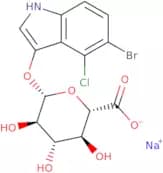
CAS :<p>Chromogenic substrate for beta-glucuronidase</p>Formule :C14H12BrClNNaO7Degré de pureté :Min. 98 Area-%Couleur et forme :White Off-White PowderMasse moléculaire :444.59 g/mol5-Bromo-4-chloro-3-indoxyl oleate
CAS :<p>5-Bromo-4-chloro-3-indoxyl oleate is a fluorescent substrate that is used for staining and enzyme substrate. It is a conjugate that is used in environmental testing, food testing, and diagnostics. 5-Bromo-4-chloro-3-indoxyl oleate has a CAS number of 341972-97-2 and its molecular weight is 229.5 g/mol. It's purity is > 98%, with a specific optical rotation of +147° (c=1, CHCl3). This compound can be used as a chromogenic or fluorogenic substrate in bioluminescence assays. 5BRIO3 has been shown to be an excellent ligand for the detection of DNA polymerase I activity.</p>Formule :C26H37BrClNO2Degré de pureté :Min. 98 Area-%Masse moléculaire :510.95 g/mol5-Bromo-4-chloro-3-indoxyl phosphate, p-toluidine salt, high grade
CAS :<p>A substrate for visualising alkaline phosphatase activity. It produces a purple insoluble end product that is detected visually, when used together with nitroblue tetrazolium. The substrate system is versatile and has functions in a variety of applications, including Northern, Southern, and Western blotting, in situ hybridization, ELISAs, microarray and immunohistochemistry. DMF soluble.</p>Formule :C15H15BrClN2O4PDegré de pureté :Min. 98.0 Area-%Masse moléculaire :433.63 g/mol5-Bromo-6-chloro-3-indoxyl butyrate
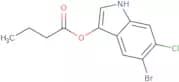
CAS :<p>5-Bromo-6-chloro-3-indoxyl butyrate is a chromogenic substrate that yields a magenta-colored product after cleavage. The chromophore 5-bromo-6-chloro-indoxyl is released, generating the observable color. It is used in lipid digestion assays.</p>Formule :C12H11BrClNO2Degré de pureté :Min. 95%Couleur et forme :PowderMasse moléculaire :316.58 g/molNaphthol AS-BI β-D-galactopyranoside
CAS :<p>Substrate for beta-galactosidase</p>Formule :C24H24BrNO8Degré de pureté :Min. 95%Couleur et forme :PowderMasse moléculaire :534.35 g/molBronze-Gal
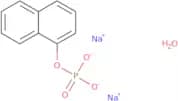
<p>Bronze-Gal (Bronze-beta-D-galactopyranoside) is a chromogenic indicator for beta-galactosidase activity. The colorless product is cleaved by lactose-utilizing bacteria in liquid media or on agar plates and yields a bronze colored precipitate. Bronze-Gal can also be used as detecting agent for beta-galactosidase activity in reporter gene assays or for identification of positive transformants on agar plates when using the α-complementation approach. Read more in the Application Notes.</p>Masse moléculaire :443.57 g/mola-Naphthyl phosphate disodium salt hydrate
CAS :<p>a-Naphthyl phosphate disodium salt hydrate is a highly water-soluble chromogenic substrate used to determine phosphatase activity in research and analytical applications, particularly for staining and differentiating acid and alkaline phosphatases.</p>Degré de pureté :Min. 95%Couleur et forme :White PowderMasse moléculaire :268.11 g/mol5-Bromo-4-chloro-3-indoxyl-α-L-arabinopyranoside
<p>5-Bromo-4-chloro-3-indoxyl-alpha-L-arabinopyranoside is a fluorogenic substrate that can be used in enzyme and chromogenic assays. It is a high purity, stable product with a CAS number of 53673-61-7. This product has been shown to have fluorescence properties under acidic conditions, as well as chemiluminescence properties when exposed to an oxidizing agent. This compound can be used for the detection of bacterial activity in culture media and for the detection of pathogens in environmental samples. The conjugate can also be used for food testing.</p>Formule :C13H13BrClNO5Masse moléculaire :378.61 g/mol4-Nitrophenyl β-D-xylobioside
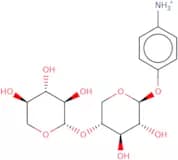
CAS :<p>4-Nitrophenyl beta-D-xylobioside is a chromogenic substrate for xylanase. Upon hydrolysis, para-nitrophenol is released yielding a yellowish colour. 4-Nitrophenyl beta-D-xylobioside is used in different applications such as the Xylan degradation studies, paper/pulp industry applications</p>Formule :C16H21NO11Degré de pureté :Min. 95%Couleur et forme :White PowderMasse moléculaire :403.34 g/mol5-Bromo-4-chloro-3-indoxyl oleate
CAS :<p>5-Bromo-4-chloro-3-indoxyl oleate is a chromogenic substrate used to detect the specific enzymatic activity of lipase. After cleavage, 5-bromo-4-chloro-indoxyl is released, resulting in a blue to blue-green color change in bacterial colonies or media. 5-Bromo-4-chloro-3-indoxyl oleate is used in lipid metabolism disorder screening.</p>Formule :C26H37BrClNO2Degré de pureté :Min. 95%Couleur et forme :PowderMasse moléculaire :510.93 g/molAldol® 515 caprylate hydrochloride
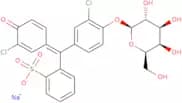
CAS :<p>Aldol 515 caprylate hydrochloride is a high-quality fluorogenic substrate that is used for the detection of enzymes in culture media and enzyme substrates. The product has a CAS number of 2484873-14-3 and can be used for food testing, diagnostics, and environmental testing. Aldol 515 caprylate hydrochloride can also be used as a ligand or chromogenic substrate to measure bioluminescence.</p>Formule :C31H35ClN2O3Degré de pureté :Min. 95 Area-%Masse moléculaire :519.08 g/molChlorophenol red-b-D-galactopyranoside sodium salt
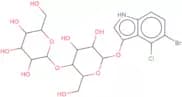
CAS :<p>Chlorophenol red-b-D-galactopyranoside sodium salt is the salt from of CPRG (chlorophenol red-b-D-galactopyranoside), that has a higher solubility. It is a chromogenic substrate for beta-galactosidases that, after enzymatic cleavage, releases chlorophenol red, a dark red compound quantified by absorbance at 570 nm.</p>Formule :C25H21Cl2O10SNaDegré de pureté :Min. 96 Area-%Couleur et forme :PowderMasse moléculaire :607.4 g/mol5-Bromo-4-chloro-3-indolyl β-D-lactopyranoside
CAS :<p>5-Bromo-4-chloro-3-indolyl b-D-lactopyranoside is a chromogenic substrate used to detect the specific enzymatic activity of beta-galactosidase. After cleavage, 5-bromo-4-chloro-indoxyl is released, resulting in a blue to blue-green color change in bacterial colonies or media. 5-Bromo-4-chloro-3-indolyl b-D-lactopyranoside is used in lactose intolerance screening.</p>Formule :C20H25BrClNO11Degré de pureté :Min. 95%Couleur et forme :PowderMasse moléculaire :570.77 g/mol5-Bromo-6-chloro-3-indoxyl-3-acetate
CAS :<p>Chromogenic substrate for carboxylesterase yielding a magenta precipitate upon cleavage. Mainly used in histochemistry.</p>Formule :C10H7BrClNO2Degré de pureté :Min. 98.0 Area-%Masse moléculaire :288.53 g/molRef: 3D-B-6304
1gÀ demander5gÀ demander10gÀ demander500mgÀ demander2500mgÀ demander-Unit-ggÀ demanderAldol® 515 palmitate, Biosynth Patent: EP 2427431 and US 8940909
CAS :<p>Aldol® 515 palmitate is a chromogenic substrate that is used in food testing, diagnostics, and other applications. It has a high purity and is conjugated to various ligands for specific applications. Aldol® 515 palmitate is an excellent chemiluminescent substrate for the detection of ATP and other nucleotides. It also has high bioluminescence activity for the detection of adenosine-5'-triphosphate (ATP) or luciferin as well as enzyme substrates to measure β-galactosidase or β-glucuronidase activity.</p>Formule :C39H50N2O3Degré de pureté :Min. 95.0 Area-%Masse moléculaire :594.83 g/molβ-Naphthyl stearate
CAS :<p>Beta-naphthyl stearate is a chromogenic substrate for measuring enzymatic activity.</p>Degré de pureté :Min. 95%Couleur et forme :PowderMasse moléculaire :410.63 g/mol1-Naphthyl b-D-glucuronide sodium salt
CAS :<p>1-Naphthyl b-D-glucuronide sodium salt is a chromogenic substrate commonly used to assay the activity of beta-glucuronidase enzymes. It is hydrolyzed by beta-glucuronidase to yield a yellow-colored product, 1-naphthol, which can be quantified spectrophotometrically. This substrate is widely used in diagnostic tests for detection of beta-glucuronidase activity, particularly in clinical microbiology for the identification of E. coli and other enteric bacteria. With its sodium salt form, it boasts increased solubility in aqueous solutions, ensuring seamless integration into various experimental settings.</p>Formule :C16H15NaO7Degré de pureté :Min. 95%Couleur et forme :PowderMasse moléculaire :342.28 g/mol3,4-Cyclohexenoesculetine phosphate disodium
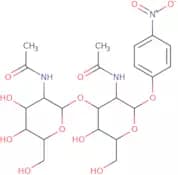
<p>Chromogenic substrate for phosphatase</p>Degré de pureté :Min. 95%4-Nitrophenyl 2-acetamido-3-O-(2-acetamido-2-deoxy-b-D-glucopyranosyl)-2-deoxy-a-D-galactopyranoside
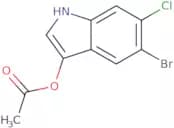
CAS :<p>4-Nitrophenyl 2-acetamido-3-O-(2-acetamido-2-deoxy-beta-D-glucopyranosyl)-2-deoxy-alpha-D-galactopyranoside is a chromogenic substrate for alpha-galactosidase. Upon hydrolysis, para-nitrophenol is released yielding a yellowish colour. 4-Nitrophenyl 2-acetamido-3-O-(2-acetamido-2-deoxy-beta-D-glucopyranosyl)-2-deoxy-alpha-D-galactopyranoside is used in different applications such as the Fabry disease diagnosis, glycolipid metabolism studies</p>Degré de pureté :Min. 98 Area-%Couleur et forme :White PowderMasse moléculaire :545.49 g/mol5-Bromo-6-chloro-3-indolyl acetate
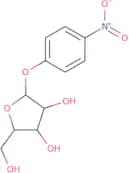
CAS :<p>5-Bromo-6-chloro-3-indolyl acetate is a chromogenic substrate that yields a magenta-colored product after cleavage. The chromophore 5-bromo-6-chloro-indoxyl is released, generating the observable color. It is used in bacterial esterase detection (e.g. Staphylococcus spp.).</p>Formule :C10H7BrClNO2Degré de pureté :Min. 98 Area-%Couleur et forme :PowderMasse moléculaire :288.52 g/mol4-Nitrophenyl b-L-arabinofuranoside
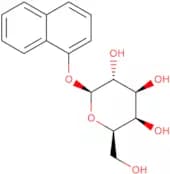
CAS :<p>Chromogenic substrate targeting alpha-L-arabinofuranosidase</p>Degré de pureté :Min. 95%Couleur et forme :White/Off-White SolidMasse moléculaire :271.22 g/mol1-Naphthyl β-D-galactopyranoside
CAS :<p>1-Naphthyl b-D-galactopyranoside is a chromogenic substrate used to detect the presence of beta-galactosidase enzymes. The enzyme cleaves the substrate to produce a colored product that can be quantified and visualized. This substrate is commonly used in applications such as the detection of lacZ gene expression in bacterial colonies or in histochemical staining of tissues to identify beta-galactosidase activity.</p>Formule :C16H18O6Degré de pureté :Min. 95%Couleur et forme :PowderMasse moléculaire :306.32 g/molAldol® 484 α-D-glucopyranoside, Biosynth Patent: EP 2427431 and US 8940909
CAS :<p>Aldol® 484 alpha-D-glucopyranoside is a chromogenic and fluorogenic enzyme substrate for ?-glucosidase activity (EC 3.2.1.20, ?-1,4-glucosidase, also known as maltase). The colorless enzyme substrate is cleaved by bacteria producing this enzyme in liquid or solid media, yielding orange color. Green fluorescence is also generated if a suitable matrix is present such as: cellulose acetate filters, polypropylene tubes or microplates and polyethylene vials. Aldol® 484 alpha-D-glucopyranoside can be used under aerobic and anaerobic conditions.</p>Formule :C26H24ClFN2O7Degré de pureté :Min. 95.0 Area-%Masse moléculaire :530.93 g/mol4-Nitrophenyl 6-O-(a-D-mannopyranosyl)-a-D-mannopyranoside
CAS :<p>4-Nitrophenyl 6-O-(alpha-D-mannopyranosyl)-alpha-D-mannopyranoside is a chromogenic substrate for alpha-mannosidase. Upon hydrolysis, para-nitrophenol is released yielding a yellowish colour. 4-Nitrophenyl 6-O-(alpha-D-mannopyranosyl)-alpha-D-mannopyranoside is used in different applications such as the Lysosomal storage disorder diagnosis (e.g., alpha-mannosidosis)</p>Degré de pureté :Min. 95%Couleur et forme :PowderMasse moléculaire :463.39 g/molOstazin brilliant red H-3B starch
<p>Ostazin Brilliant Red H-3B is a water soluble, non-toxic, and non-hazardous substrate for enzymes that catalyze reactions involving the cleavage of β-D-glucosides. It is used as a chromogenic or fluorogenic substrate in diagnostic tests. Ostazin Brilliant Red H-3B can also be used in bioluminescence reaction with luciferase to measure ATP levels in living cells.</p>Degré de pureté :Min. 95%4-Nitrophenyl-β-D-glucuronic acid
CAS :<p>Chromogenic β-glucuronidase substrate yielding a yellow solution upon cleavage. Used to detect E. coli contamination in food and drinking water due to their β-glucuronidase activity.</p>Formule :C12H13NO9Degré de pureté :Min. 98.0 Area-%Masse moléculaire :315.24 g/mol5-Bromo-4-chloro-3-indoxyl-1-acetate
CAS :<p>5-Bromo-4-chloro-3-indoxyl-1-acetate is a chromogenic substrate used to detect the specific enzymatic activity of esterase. After cleavage, 5-bromo-4-chloro-indoxyl is released, resulting in a blue to blue-green color change in bacterial colonies or media. 5-Bromo-4-chloro-3-indoxyl-1-acetate is used in bacterial esterase activity assays (e.g. Pseudomonas spp.).</p>Degré de pureté :Min. 95%Couleur et forme :PowderMasse moléculaire :288.52 g/mol6-Chloro-3-indolyl b-D-glucuronide sodium salt
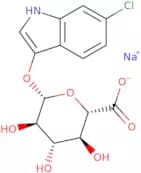
CAS :<p>6-Chloro-3-indolyl b-D-glucuronide sodium salt is a chromogenic substrate for beta-glucuronidase, a reporter gene used to monitor gene expression by detecting the enzyme's activity. It yields a salmon colored precipitate upon cleavage.</p>Degré de pureté :Min. 95%Couleur et forme :PowderMasse moléculaire :365.7 g/mol6-Chloro-3-indoxyl-3-acetate
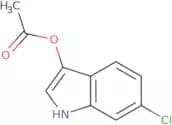
CAS :<p>6-Chloro-3-indoxyl-3-acetate is a chromogenic substrate for carboxylesterase yielding a salmon colored precipitate upon cleavage. Mainly used in histochemistry.</p>Degré de pureté :Min. 95%Couleur et forme :White PowderMasse moléculaire :209.63 g/molAldol® 484 α-D-glucopyranoside, Biosynth Patent: EP 2427431 and US 8940909
CAS :<p>Aldol® 484 alpha-D-glucopyranoside is a chromogenic and fluorogenic enzyme substrate for alpha-glucosidase activity (EC 3.2.1.20, alpha-1,4-glucosidase, also known as maltase). The colorless enzyme substrate is cleaved by bacteria producing this enzyme in liquid or solid media, yielding orange color. Green fluorescence is also generated if a suitable matrix is present such as: cellulose acetate filters, polypropylene tubes or microplates and polyethylene vials. Aldol® 484 alpha-D-glucopyranoside can be used under aerobic and anaerobic conditions.</p>Formule :C26H24ClFN2O7Degré de pureté :Min. 95%Couleur et forme :PowderMasse moléculaire :530.93 g/mol2-Nitrophenyl 2-acetamido-2-deoxy-a-D-glucopyranoside
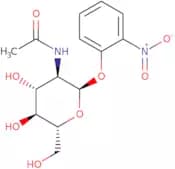
CAS :<p>2-Nitrophenyl 2-acetamido-2-deoxy-alpha-D-glucopyranoside is a chromogenic substrate used to assay the activity of enzymes that cleave N-acetyl-alpha-D-glucosaminide, such as chitinases and lysozymes. Upon cleavage by the enzyme of interest, the substrate releases a yellow-colored 2-nitrophenol that can be measured spectrophotometrically. This substrate is widely used in the food industry to monitor the activity of lysozyme in cheese, as well as in biomedical research for studying cellular and molecular mechanisms involved in conditions such as inflammation and cancer.</p>Degré de pureté :Min. 95%Couleur et forme :PowderMasse moléculaire :342.3 g/molAldol® 495 nonanoate, Biosynth Patent: EP 2427431 and US 8940909
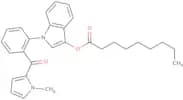
CAS :Produit contrôlé<p>Aldol 495 nonanoate is a bioluminescent substrate that can be used to measure the activity of Aldolase, which is an enzyme that catalyzes the conversion of glyceraldehyde-3-phosphate and dihydroxyacetone phosphate to D-glyceraldehyde. This substrate is used in various diagnostic assays, including food testing and staining. Aldol 495 nonanoate was developed by Cymit Quimica Pharmaceuticals and has been patented by EP 2427431 and US 8940909.</p>Formule :C29H31ClN2O3Degré de pureté :Min. 95.0 Area-%Masse moléculaire :491.02 g/mol2-Nitrophenyl α-D-glucopyranoside
CAS :<p>2-Nitrophenyl a-D-glucopyranoside is a chromogenic substrate commonly used to assay the activity of glucosidases. Upon cleavage of the glycosidic bond by glucosidases, the released 2-nitrophenyl group yields a yellow color detectable by spectrophotometry. This substrate has high sensitivity and is widely used in a variety of applications, including drug discovery and enzyme kinetics studies.</p>Formule :C12H15NO8Degré de pureté :Min. 95%Couleur et forme :White to off-white solid.Masse moléculaire :301.25 g/molAldol® 495 acetate, Biosynth Patent: EP 2427431 and US 8940909
CAS :Produit contrôlé<p>Aldol 495 is a chemiluminescent substrate for the detection of aldehyde reductase (ALR) activity. It is an acetate ester that reacts with ALR to form an aldehyde product, which then reacts with luminol in the presence of hydrogen peroxide to produce light. Aldol 495 is used in the diagnosis of ALR deficiency, which can cause acute intermittent porphyria and other diseases. Aldol 495 has been shown to be non-toxic and non-mutagenic.</p>Formule :C22H17ClN2O3Degré de pureté :Min. 95%Couleur et forme :PowderMasse moléculaire :392.83 g/mol5-Bromo-4-chloro-3-indoxyl-N-acetyl-β-D-glucosaminide
CAS :<p>Chromogenic substrate for N-acetyl-β-D-glucosaminidase yielding a blue precipitate. Contained in certain mycological culture media. Used in histochemistry.</p>Formule :C16H18BrClN2O6Degré de pureté :Min. 99.5 Area-%Masse moléculaire :449.69 g/mol5-Bromo-4-chloro-3-indoxyl myristate
CAS :<p>5-Bromo-4-chloro-3-indoxyl myristate is a chemiluminescent substrate that can be used in the detection of peroxide. It reacts with hydrogen peroxide to emit light, which can be detected using a luminometer. 5-Bromo-4-chloro-3-indoxyl myristate is also used for the detection of bacteria, such as Staphylococcus aureus and Escherichia coli, by staining. The compound is also used for diagnostic tests to identify diseases such as tuberculosis. 5-Bromo-4-chloro-3 indoxyl myristate is soluble in organic solvents and water, not toxic, and has a high purity level.</p>Formule :C22H31BrClNO2Degré de pureté :Min. 98 Area-%Masse moléculaire :456.86 g/mol2-Naphthyl-β-D-Glucuronide Sodium Salt
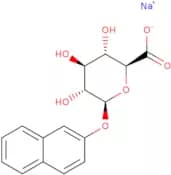
CAS :<p>2-Naphthyl-beta-D-glucuronide sodium salt is an enzyme substrate to detect beta-glucuronidase. The enzyme cleaves the glycosidic bond in 2-naphthyl-beta-D-glucuronide to release 2-naphtol and glucuronic acid. Beta-glucuronidase activity assays are important in many fields such as cancer research, as the enzyme is expressed in some tumors and its activity can be targeted for cancer therapy. The enzyme has also an important role in drug metabolism as it recognizes and binds to drug glucuronide conjugate (as 2-naphthyl-beta-D-glucuronide) facilitating its hydrolysis to release the active part. 2-Naphthyl-beta-D-glucuronide sodium salt has a higher solubility as it is in its salt form.</p>Formule :C16H15NaO7Degré de pureté :Min. 95%Couleur et forme :PowderMasse moléculaire :342.28 g/mol5-Bromo-6-chloro-3-indoxyl phosphate, disodium salt monohydrate
CAS :<p>5-Bromo-6-chloro-3-indoxyl phosphate, disodium salt monohydrate is a substrate used to visualize phosphatase activity via showing magenta colored end product when used with Nitroblue Tetrazolium.</p>Formule :C8H6BrClNNa2O5PDegré de pureté :Min. 99.0 Area-%Masse moléculaire :388.45 g/mol5-Bromo-3-indoxyl phosphate, disodium salt
CAS :<p>5-Bromo-3-indoxyl phosphate, disodium salt is an enzyme substrate that is used for environmental testing, bioluminescence, culture media, chemiluminescence, fluorogenic substrate and food testing. It is also used as a ligand for diagnostic purposes. 5-Bromo-3-indoxyl phosphate, disodium salt has CAS number 16036-59-2 and it is soluble in water. This product has high quality and purity with a conjugate of 5% phenol red. 5-Bromo-3-indoxyl phosphate, disodium salt reacts with the enzyme horseradish peroxidase to produce a red color. This product can be used to detect hydrogen peroxide in the presence of an oxidizing agent such as hydrogen peroxide or potassium permanganate. The reaction produces a blue color when the solution is viewed in daylight or under ultraviolet light.</p>Formule :C8H5BrNNa2O4PDegré de pureté :98.0 To 100.0 Area-%Masse moléculaire :335.99 g/molIPTG
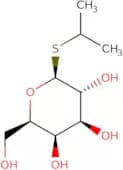
CAS :<p>Isopropyl-beta-D-thiogalactopyranoside (IPTG) is a non-metabolizable allolactose analogue, widely used in molecular biology for overexpression of recombinant proteins from inducible systems under the control of lac promoter. IPTG binds to the LacI repressor and causes its release from the lac operator, allowing gene expression of lac operon to take place. IPTG is present in vectors of pGEX, pGEM-T, pET, pRSET, pMAL class and others.</p>Formule :C9H18O5SDegré de pureté :Min. 99 Area-%Couleur et forme :White PowderMasse moléculaire :238.3 g/mol6-Chloro-3-indoxyl-α-D-glucopyranoside
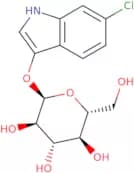
CAS :<p>Chromogenic substrate for α-glucosidase yielding a salmon-colored precipitate.</p>Formule :C14H16ClNO6Degré de pureté :Min. 98 Area-%Masse moléculaire :329.74 g/mol5-Bromo-4-chloro-3-indoxyl-α-D-mannopyranoside
CAS :<p>Chromogenic substrate specific for α-D-mannosidase. Yields a blue precipitate upon cleavage. Identification of Listeria species.</p>Formule :C14H15BrClNO6Degré de pureté :Min. 99 Area-%Masse moléculaire :408.64 g/mol5-Bromo-4-chloro-3-indoxyl butyrate
CAS :<p>Chromogenic substrate for carboxylesterase yielding a blue precipitate upon cleavage. It has been proposed for the rapid detection of Branhamella catarrhalis in a strip test because unlike most other members of the family Neisseriaceae, Branhamella catarrhalis produces a butyrateesterase.</p>Formule :C12H11BrClNO2Degré de pureté :Min. 98.0 Area-%Masse moléculaire :316.59 g/mol5-Bromo-4-chloro-3-indoxyl-β-D-glucuronic acid, sodium salt anhydrous
CAS :<p>5-Bromo-4-chloro-3-indoxyl-beta-D-glucuronic acid, sodium salt anhydrous is a potent inhibitor of histidine decarboxylase (HDC). It is used in the histochemical staining of dehydrogenase and effector proteins in urine samples. This compound has been shown to inhibit the growth of macroalgae and can be used as a selective agent for phylogenetic tree construction. 5BDG,Sr with its high specificity for HDC, also inhibits cell proliferation in plant cells and ovules.</p>Formule :C14H12BrClNNaO7Degré de pureté :Min. 98.0 Area-%Masse moléculaire :444.60 g/mol5-Bromo-3-indoxyl caprylate
CAS :<p>5-Bromo-3-indoxyl caprylate is a fluorogenic substrate that can be used for the detection of β-galactosidase. It is an enzyme substrate that can be used to measure β-galactosidase activity in cell culture media. It has a high purity and high quality. 5-Bromo-3-indoxyl caprylate is also used as a chromogenic substrate for the detection of β-galactosidase. This product has a CAS number of 133950-69-3.</p>Formule :C16H20BrNO2Degré de pureté :Min. 99 Area-%Masse moléculaire :338.24 g/molBCM® O157:H7(+)
<p>BIOSYNTH Culture Medium for the isolation andidentification of Escherichia coli O157:H7</p>4-Nitrophenyl b-D-cellotrioside
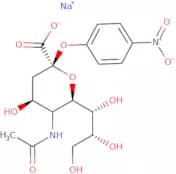
CAS :<p>4-Nitrophenyl beta-D-cellotrioside is a chromogenic substrate for cellulase. Upon hydrolysis, para-nitrophenol is released yielding a yellowish colour. 4-Nitrophenyl beta-D-cellotrioside is used in different applications such as the Biomass conversion research, paper industry applications</p>Formule :C24H35NO18Degré de pureté :Min. 95%Couleur et forme :PowderMasse moléculaire :625.53 g/mol2-O-(4-Nitrophenyl)-a-D-N-acetylneuraminic acid sodium salt
CAS :<p>2-O-(4-Nitrophenyl)-alpha-D-N-acetylneuraminic acid sodium salt is a chromogenic substrate used to detect the enzymatic activity of neuraminidase or sialidase. After cleavage, the nitrophenyl moiety is released exhibiting a light yellowish color. 2-O-(4-Nitrophenyl)-alpha-D-N-acetylneuraminic acid sodium salt is used in bacterial neuraminidase activity assays.</p>Degré de pureté :Min. 95%Couleur et forme :Yellow PowderMasse moléculaire :452.35 g/mol2-Nitrophenyl-N-acetyl-β-D-glucosaminide
CAS :<p>Chromogenic β-Glucosaminidase substrate yielding a yellow absorbent solution upon cleavage.</p>Formule :C14H18N2O8Degré de pureté :Min. 99 Area-%Masse moléculaire :342.31 g/mol4-Nitrophenyl b-D-thioglucopyranoside
CAS :<p>4-Nitrophenyl b-D-thioglucopyranoside is a highly sensitive chromogenic substrate designed for the colorimetric detection and quantification of thioglucosidase enzymes. Upon enzymatic cleavage, it releases a highly absorbing 4-nitrophenyl moiety, generating a yellow color that can be readily measured spectrophotometrically. This substrate is widely utilized in the study of enzyme kinetics, substrate specificity, and inhibitor screening for thioglucosidases involved in various metabolic pathways and biological processes.</p>Formule :C12H15NO7SDegré de pureté :Min. 95%Couleur et forme :White PowderMasse moléculaire :317.32 g/mol5-Bromo-4-chloro-3-indolyl 5-O-feruloyl a-L-arabinofuranoside
<p>5-Bromo-4-chloro-3-indolyl 5-O-feruloyl a-L-arabinofuranoside is a chemiluminescent ligand that is used in the detection of DNA, RNA, and proteins. It has been shown to be an efficient fluorescence substrate for DNA and RNA polymerases. 5-Bromo-4-chloro-3-indolyl 5-O-feruloyl a-L-arabinofuranoside is suitable for use in diagnostic tests for bacteria, fungi, viruses, parasites, and toxins. This compound has been extensively tested for toxicity and carcinogenicity.</p>Degré de pureté :Min. 95%