Monosaccharides
Sous-catégories appartenant à la catégorie "Monosaccharides"
- Alloses(11 produits)
- Arabinoses(21 produits)
- Erythroses(11 produits)
- Fructoses(9 produits)
- Fucoses(36 produits)
- Galactosamine(41 produits)
- Galactoses(261 produits)
- Glucoses(365 produits)
- Acides glucuroniques(52 produits)
- Glyco-substrats pour l'enzyme(78 produits)
- Guloses(6 produits)
- Idoses(4 produits)
- Inositols(15 produits)
- Lyxoses(4 produits)
- Mannoses(65 produits)
- O-Glycanes(48 produits)
- Psicoses(3 produits)
- Rhamnoses(10 produits)
- Ribos(61 produits)
- Acides sialiques(100 produits)
- Sorboses(4 produits)
- Sucres(173 produits)
- Tagatoses(4 produits)
- Taloses(8 produits)
- Xyloses(20 produits)
6088 produits trouvés pour "Monosaccharides"
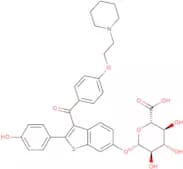
Raloxifene 6-D-glucuronide
CAS :Raloxifene 6-D-glucuronide is a synthetic compound that consists of the sugar raloxifene and the sugar glucuronic acid. It is a complex carbohydrate with a molecular weight of 569. Raloxifene 6-D-glucuronide is soluble in water and insoluble in most organic solvents. The compound has been modified by fluorination, which increases its stability in water, and by click modification. This compound has been shown to inhibit the activity of bacterial enzymes that are responsible for the synthesis of saccharides, such as oligosaccharides and polysaccharides.Formule :C34H35NO10SDegré de pureté :Min. 95%Couleur et forme :SolidMasse moléculaire :649.71 g/mol2,3,4,6-Tetra-O-acetyl-D-glucopyranose
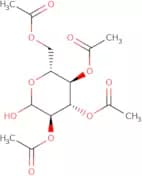
CAS :2,3,4,6-Tetra-O-acetyl-D-glucopyranose is a carbohydrate that is used in the synthesis of besifloxacin. This compound has been studied as an analog for many other natural compounds and its derivatives have shown to be effective against bacteria such as Staphylococcus aureus and Clostridium perfringens. The acetyl groups on this molecule allow it to be easily converted into other compounds with desired properties. This compound has been found to be acidic and can be used as a medicinal preparation or analytical chemistry reagent. The hydroxyl group on the 2 carbon atom allows the molecule to form glycoside derivatives. The halides on this molecule are also important for making new molecules by replacing one of the hydrogen atoms with another halogen atom. The phenylpropanoid glycosides are found in plants and may contain an enantiomeric form of 2,3,4
Formule :C14H20O10Degré de pureté :Min. 95%Couleur et forme :White PowderMasse moléculaire :348.3 g/mol3,4,6-Tri-O-acetyl-D-glucal
CAS :3,4,6-Tri-O-acetyl-D-glucal, also called 1,5-anhydro-2-deoxy-D-arabino-hex-1-enitol triacetate, is the acetate protected cyclic enol-ether (glycal) of D-glucose. 3,4,6-Tri-O-acetyl-D-glucal is a building block useful in the synthesis of a range of carbohydrates with the glucal double bond allowing other functional groups to be introduced. As an alkene, a glycal can undergo electrophilic addition across the double bond to introduce halogens and epoxides or be used to generate deoxy monosaccharides. 3,4,6-Tri-O-acetyl-D-glucal can undergo a Ferrier rearrangement with an alcohol and Lewis acid to give a 2,3-unsaturated product.
Formule :C12H16O7Degré de pureté :Min. 98 Area-%Couleur et forme :White Off-White PowderMasse moléculaire :272.25 g/molN-Acetyl-2,3-dehydro-2-deoxyneuraminic acid
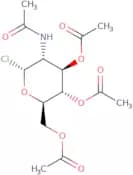
CAS :Inhibitor of viral, bacterial and animal sialidaseFormule :C11H17NO8Degré de pureté :Min. 94 Area-%Couleur et forme :White PowderMasse moléculaire :291.25 g/mol2-Acetamido-3,4,6-tri-O-acetyl-2-deoxy-a-D-glucopyranosyl chloride - Stabilised with 2.5% CaCO3
CAS :2-Acetamido-3,4,6-tri-O-acetyl-2-deoxy-a-D-glucopyranosyl chloride - Stabilised with 2.5% CaCO3 is a crystalline compound that is synthesized from acetobromosugars and has the ability to inhibit virus activity. The compound binds to the reactive sulfhydryl groups on the surface of the virus, inhibiting its infectivity. This compound can be used in biomedical research for the treatment of hepatitis.Formule :C14H20ClNO8Degré de pureté :Min. 95%Couleur et forme :White PowderMasse moléculaire :365.76 g/molD-Glucono-1,4-lactone
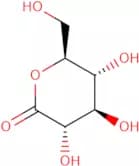
CAS :D-Glucono-1,4-lactone is a sugar that is produced by the action of glucoamylase on starch or cellulose. It can be used as a source of food for yeast, in the production of polyesters and plastics, and as a precursor to vitamin C. The pH optimum for D-glucono-1,4-lactone production is between 3.5 and 4.5. X-ray crystal structures have shown that the enzyme binds to crystalline cellulose via hydrogen bonding interactions, which are formed by hydroxyl groups on the enzyme and carboxyl groups on crystalline cellulose. These interactions are important for the cleavage of glucose from crystalline cellulose by D-glucono-1,4-lactone. D-glucono-1,4-lactone has been shown to reduce blood glucose levels in rats with metabolic disorders when administered orally at doses
Formule :C6H10O6Degré de pureté :Min. 95%Couleur et forme :White PowderMasse moléculaire :178.14 g/molMethyl 2,3,4-tri-O-methyl-α-D-glucopyranoside
CAS :Methyl 2,3,4-tri-O-methyl-α-D-glucopyranoside is a synthetic monosaccharide that has been fluorinated with bromine. The synthetic process for this compound is click chemistry, which involves the use of copper and a chiral ligand. Methyl 2,3,4-tri-O-methyl-α-D-glucopyranoside is an example of a carbohydrate modification. It is also an oligosaccharide that contains three monosaccharides.
Methyl 2,3,4-tri-O-methyl-α-D-glucopyranoside can be used in glycosylation or methylation reactions due to its high purity and custom synthesis. This compound can also be used as an Oligosaccharide due to its saccharide composition.Formule :C10H20O6Degré de pureté :Min. 95%Couleur et forme :PowderMasse moléculaire :236.26 g/molD-Mannitol
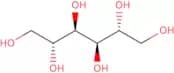
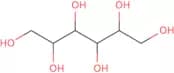
CAS :Mannitol is a sugar alcohol occurring widely in plants and they are exudates, for example, in olive and plane trees (Collins, 2006). It is produced commercially by the catalytic hydrogenation of fructose (Zelin, 2019). Mannitol is used extensively in food and pharmaceutical industries because of its unique functional properties. It is about 50% as sweet as sucrose and has a desirable cooling effect often used to mask bitter tastes. Mannitol is non-cariogenic and has a low caloric content. Mannitol is an osmotic diuretic that is metabolically inert in humans and is used for: the promotion of diuresis before irreversible renal failure becomes established, the promotion of urinary excretion of toxic substances, as an Antiglaucoma agent, and as a renal function diagnostic aid (OâNeil, 2013). Additonally, in 2020, mannitol was approved by the FDA as add-on maintenance therapy for the control of pulmonary symptoms associated with cystic fibrosis in adult patients (McKenna, 2020).Formule :C6H14O6Degré de pureté :Min. 95%Couleur et forme :White PowderMasse moléculaire :182.17 g/molMucic acid
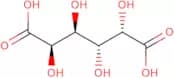
CAS :Mucic acid is a metal chelate that stimulates the metabolism of carbohydrates, fats and proteins. It also plays a role in the production of energy in the body. Mucic acid has been shown to have a protective effect against infectious diseases, as it activates toll-like receptor 2 (TLR2) and TLR4, which are molecules involved in innate immunity. Mucic acid has been shown to protect against influenza virus infection by increasing the expression of interferon-gamma (IFN-γ) and IL-12, which are cytokines that inhibit viral replication. Mucic acid can be used as a fluorescence probe for detection of polymorphonuclear leucocytes in blood samples.Formule :C6H10O8Degré de pureté :Min. 95%Couleur et forme :White PowderMasse moléculaire :210.14 g/molIsofagomine D-tartrate
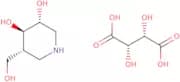
CAS :Inhibitor of lysosomal acid β-glucosidase (GlcCerase/glucocerebrosidase) with IC50 in nanomolar range for wildtype and mutant enzyme. It behaves as pharmacological chaperon by binding to instable GlcCerase active site at neutral pH values and facilitating the protein folding. In acidic lysosomes, isofagomine gets release from the enzyme active site. This results in increased levels of functional glucocerebrosidase and brings therapeutic benefits to patients with Gaucher disease.
Formule :C10H19NO9Degré de pureté :Min. 95%Couleur et forme :White PowderMasse moléculaire :297.26 g/molAtractyloside dipotassium salt
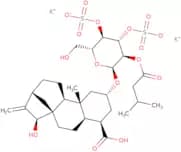
CAS :Atractyloside is a natural compound that can be extracted from plants. It has been shown to have pluripotent activity, which means it can differentiate into different types of cells. Atractyloside also exhibits antioxidant and anti-apoptotic properties, which are believed to be due to its ability to increase mitochondrial membrane potential and reduce reactive oxygen species production. Atractyloside has also been shown to protect against neuronal death in vitro and in vivo by inhibiting the activation of caspase-dependent cell death pathways. Atractyloside has been shown to have a cardioprotective effect in animal models of myocardial infarcts, although it is unclear if this effect is due to the drug or due to the atractyloside contained in traditional Chinese medicine.Formule :C30H44K2O16S2Degré de pureté :Min. 90 Area-%Couleur et forme :White/Off-White SolidMasse moléculaire :802.99 g/molCMP-Neu5Ac sodium salt
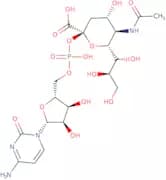
CAS :CMP-Neu5Ac sodium salt (CMP-sialic acid) is a compound of the monosaccharide N-acetylneuraminic acid (Neu5Ac) O-linked with the nucleotide cytidine-5’-monophosphate (CMP). CMP-sialic acid is a substrate for sialyltransferases, which attach sialic acid to a growing oligosaccharide chain. This sugar nucleotide is produced in cytoplasm and then transported into Golgi lumen by a nucleotide-sugar transporter, where it is used in sialylation reactions on glycoproteins and glycolipids.Formule :C20H30NaN4O16PDegré de pureté :(%) Min. 85.0%Couleur et forme :White Off-White PowderMasse moléculaire :636.43 g/molPhenyl 2,3,4,6-tetra-O-acetyl-β-D-thioglucopyranoside
CAS :Phenyl 2,3,4,6-tetra-O-acetyl-β-D-thioglucopyranoside (PTATG) is a synthetic sugar that is used as a building block in the synthesis of complex carbohydrates. It can be fluorinated to form phenyl 2,3,4,6-tetrafluoro-β-D-thioglucopyranoside (PTFFTG). PTATG and PTFFTG are potential anticancer drugs.
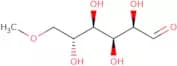
Formule :C20H24O9SDegré de pureté :Min. 95%Couleur et forme :PowderMasse moléculaire :440.47 g/mol6-O-Methyl-D-glucose
CAS :6-O-Methyl-D-glucose is a non-carbohydrate that can be found in Mycobacterium tuberculosis. It is an electron microscopic study of proton and fatty acid molecules, which has shown that the cell membrane of mycobacterial cells are susceptible to inhibition by fatty acids. 6-O-Methyl-D-glucose is a nucleophilic attack on cellular fatty acids, which may inhibit their synthesis and lead to cell death. 6-O-Methyl-D-glucose has been shown to be synthesized from glucose and glycosylated with hydroxyl groups during biosynthesis. This chemical is also used in the synthesis of oligosaccharides because it has a molecular weight of 180, making it more easily scalable than other carbohydrates.
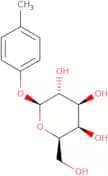
Formule :C7H14O6Degré de pureté :Min. 95%Couleur et forme :White Off-White PowderMasse moléculaire :194.18 g/mol4-Methylphenyl b-D-galactopyranoside
CAS :4-Methylphenyl b-D-galactopyranoside is a custom synthesis, modification, fluorination, methylation and monosaccharide. It is also an oligosaccharide and polysaccharide. The CAS number for this compound is 3150-22-9. 4-Methylphenyl b-D-galactopyranoside has a molecular weight of 534.37 g/mol and a chemical formula of C14H14O6. This compound is used in the production of complex carbohydrates with saccharides.Formule :C13H18O6Degré de pureté :Min. 95%Couleur et forme :PowderMasse moléculaire :270.28 g/molL-Fucose - mycoplasma free, suitable for cell culture
CAS :L-fucose is used in cell culture to supplement the cell culture medium and provide a building block for cellular processes like fucosylation. When cells take up L-fucose they convert it to GDP-L-fucose MG01912 which is then used for adding fucose residues to glycoproteins. This is useful for studying metabolic pathways, correcting fucosylation deficiencies, or enhancing cellular functions.Our material is extensively purified in our Swiss manufacturing site to ensure it is mycoplasma free and low endotoxin.Formule :C6H12O5Degré de pureté :Min. 98 Area-%Masse moléculaire :164.16 g/molTrichloroethyl b-D-glucuronide potassium salt
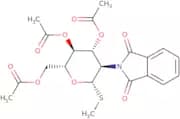
CAS :Trichloroethyl b-D-glucuronide potassium salt (TCEBG) is a chloral compound that is metabolized to trichloroacetic acid. It has been shown to be carcinogenic in rats, but not in mice. Trichloroethyl b-D-glucuronide potassium salt has been used as an experimental agent for the synthesis of monoclonal antibodies. TCEBG binds to rat liver microsomes and CD1 mouse liver microsomes, which may be due to its high lipophilicity. TCEBG also disrupts cell membranes and induces cell death by inhibiting protein synthesis at the ribosome level.Formule :C8H10Cl3KO7Degré de pureté :Min. 98 Area-%Couleur et forme :PowderMasse moléculaire :363.62 g/molMethyl 3,4,6-tri-O-acetyl-2-deoxy-2-phthalimido-b-D-thioglucopyranoside
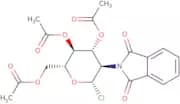
CAS :Methyl 3,4,6-tri-O-acetyl-2-deoxy-2-phthalimido-b-D-thioglucopyranoside (MTATP) is a drug that has been shown to be effective in treating pancreatitis and colitis. It has also shown promise as an anticancer agent. MTATP is a small molecule that inhibits the growth of cancer cells by inhibiting the enzyme phosphodiesterase 4B. This enzyme plays a role in the regulation of intracellular signaling pathways and is involved in cell proliferation and differentiation. MTATP has been shown to inhibit the activity of this enzyme, preventing cancer cells from proliferating and promoting their differentiation instead.Formule :C21H23NO9SDegré de pureté :Min. 95%Couleur et forme :White Off-White PowderMasse moléculaire :465.47 g/molb-Chloralose
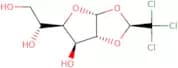
CAS :b-Chloralose is a general anesthetic that is used to induce and maintain anesthesia. It has been shown to decrease the heart rate, respiratory rate, and blood pressure in patients. It also causes a reduction of the glomerular filtration rate and delays the recovery of consciousness. Although b-chloralose has been shown to have negative effects on the cardiovascular system, it can be administered safely in combination with other anesthetics because it does not alter their effects. The use of b-chloralose is limited by its short duration of action and by adverse reactions such as nausea, vomiting, and convulsions.Formule :C8H11Cl3O6Degré de pureté :Min. 95%Couleur et forme :PowderMasse moléculaire :309.53 g/molMethyl 3,5-di-O-(2,4-dichlorobenzyl)-a-D-ribofuranoside
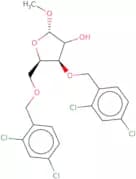
CAS :Methyl 3,5-di-O-(2,4-dichlorobenzyl)-a-D-ribofuranoside is a custom synthesis that has been fluorinated and methylated. This compound is a monosaccharide with an aldehyde group at the C3 position. It is synthetically made and can be modified to form oligosaccharides or polysaccharides. The CAS number for this compound is 168427-35-8.Formule :C20H20Cl4O5Degré de pureté :Min. 90 Area-%Couleur et forme :Yellow PowderMasse moléculaire :482.18 g/molD-Altro-Amide
D-Altro-Amide is a custom synthesis that has been modified by fluorination, methylation, and monosaccharide. The synthesis of D-Altro-Amide is done through modification, click modification, and oligosaccharides. It's CAS number is 69092-57-5. D-Altro-Amide is a polysaccharide made from glycosylation and sugar. Carbohydrates are complex carbohydrates with many saccharides connected together in an ordered manner.
Degré de pureté :Min. 95%6-Phospho-D-glucono-1,5-lactone
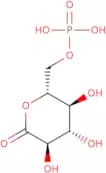
CAS :6-Phospho-D-glucono-1,5-lactone is a metabolite of D-gluconic acid that is formed by the action of a phosphoglucoisomerase. 6PGL has been shown to inhibit the growth of colorectal adenocarcinoma cells and to be effective against infectious diseases such as malaria. It is also involved in energy metabolism and cell division in plants. 6PGL may also have anticancer effects, as it inhibits prostate cancer cells and induces apoptosis through activation of epidermal growth factor receptor (EGFR) and inhibition of EGFR tyrosine kinase activity. It has been shown to act on redox potential, enzyme activities, and oxidative injury in liver cells.Formule :C6H11O9PDegré de pureté :Min. 95%Masse moléculaire :258.12 g/mol2-Deoxystreptamine dihydrobromide
CAS :Streptamine derivative; antibiotic agent
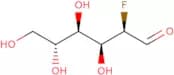
Formule :C6H14N2O3·2HBrDegré de pureté :Min. 95%Couleur et forme :PowderMasse moléculaire :324.01 g/mol2-Deoxy-2-fluoro-D-glucose
CAS :Inhibitor of hexokinase isozymes and cellular glycosylation
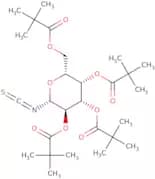
Formule :C6H11FO5Degré de pureté :Min. 95%Couleur et forme :White PowderMasse moléculaire :182.15 g/mol2,3,4,6-Tetra-O-pivaloyl-b-D-galactopyranosyl isothiocyanate
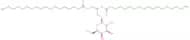
CAS :2,3,4,6-Tetra-O-pivaloyl-b-D-galactopyranosyl isothiocyanate is a custom synthesis that has complex carbohydrate as its main component. It is a modified saccharide with chemical modifications such as methylation, glycosylation, and fluorination. It also contains one or more sugars. The CAS number for this product is 147948-52-5. This product has high purity and can be synthesized according to customer specifications.Formule :C27H43NO9SDegré de pureté :Min. 95%Couleur et forme :White PowderMasse moléculaire :557.7 g/molGalactosyl diglyceride - 10 mg/ml solution in chloroform/methanol
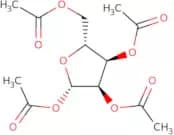
CAS :The galactosyl diglyceride (GalDG) is a lipid molecule that is found naturally in plants. The chemical formula for GalDG is C22H44O8 and it has a molecular weight of 464.36 g/mol. This lipid molecule is composed of two fatty acid chains, one glycerol molecule and one galactose molecule. It can be synthesized with the help of a transition metal catalyst and an oxidizing agent such as hydrogen peroxide or sodium hypochlorite. When heated to a temperature of about 200-250 degrees Celsius, the transformation process takes place which results in the conversion of the lamellar phase to the crystalline phase. The diffraction method was used to determine its crystal structure and it was found that this lipid molecule has a lamellar phase at room temperature but transforms into a crystalline phase when heated to 250 degrees Celsius. The diffraction pattern obtained from x-ray diffraction analysis indicated that thisFormule :C45H86O10Degré de pureté :Min. 95%Couleur et forme :Colourless to yellow liquid.Masse moléculaire :787.16 g/mol1,2,3,5-Tetra-O-acetyl-β-D-ribofuranose
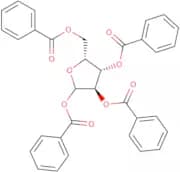
CAS :Important resource for RNA- and DNA-related syntheses including ribosylationFormule :C13H18O9Degré de pureté :Min. 95%Couleur et forme :White PowderMasse moléculaire :318.28 g/molIsorhamnetin 3-O-galactoside
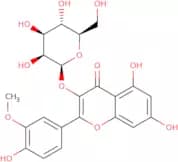
CAS :Isorhamnetin 3-O-galactoside is a flavonoid derivative that is found in plant tissue. It has antioxidant properties and has been shown to inhibit leucaena seed germination, growth, and the production of reactive oxygen species (ROS). Isorhamnetin 3-O-galactoside can be extracted from fruit by using an aqueous solution of potassium hydroxide. It is also used as a dietary supplement for its potent inhibitory activity on ROS. Isorhamnetin 3-O-galactoside is found in plants with other flavonoids such as quercetin and kaempferol. The chemical structure of this compound consists of a hydroxyl group at the C3 position and an O-glycosidic linkage to galactose at the C2 position. This compound can be detected by mass spectrometric methods such as electron ionization or electrospray ionization because it
Formule :C22H22O12Degré de pureté :Min. 95%Masse moléculaire :478.4 g/molD-Rhamnose
CAS :Chiral-pool sugar used to mirror syntheses based on natural L-RhaFormule :C6H12O5Degré de pureté :Min. 97 Area-%Couleur et forme :White PowderMasse moléculaire :164.16 g/mol1,2,3,4,6-Penta-O-acetyl-a-D-galactopyranose
CAS :1,2,3,4,6-Penta-O-acetyl-a-D-galactopyranose is a pentaacetate of glucose. This compound is transported in the blood and extracellular fluids and has been shown to be a substrate for hexaacetate transport. The transport of this compound by hexaacetate has been shown to bypass the intracellular k+ concentration gradient. It has also been shown to have anti-diabetic effects in animals and humans. 1,2,3,4,6-Penta-O-acetyl-a-D-galactopyranose can also be found in foods that contain beta d glucopyranoside (e.g., bananas). This compound is resistant to digestion and can be found in the stomach or intestines where it postulated to have an inhibitory effect on bacterial growth. 1,2,3,4,6-Penta-O-Formule :C16H22O11Degré de pureté :Min. 95%Couleur et forme :White PowderMasse moléculaire :390.34 g/mol2,3,4,6-Tetra-O-benzyl-1-deoxynojirimycin hydrochloric acid salt
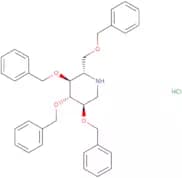
CAS :2,3,4,6-Tetra-O-benzyl-1-deoxynojirimycin hydrochloric acid salt is a synthetic monosaccharide. It was originally synthesized by the methylation of a native oligosaccharide before being subjected to click chemistry. The resulting product is a complex carbohydrate with an aromatic ring in place of the sugar alcohol moiety. 2,3,4,6-Tetra-O-benzyl-1-deoxynojirimycin hydrochloric acid salt has CAS number 72983-76-7 and is soluble in water. This product is also available as a custom synthesis service and can be modified to meet your needs.Formule :C34H38ClNO4Degré de pureté :Min. 95 Area-%Couleur et forme :PowderMasse moléculaire :560.12 g/molL-Ribonic acid-1,4-lactone
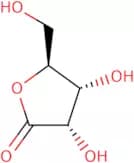
CAS :L-Ribonic acid-1,4-lactone is a synthetic process that is used as an antiviral agent. It is a sugar reactant in the production of riboflavin. L-Ribonic acid-1,4-lactone has been shown to inhibit the synthesis of viral RNA and DNA, which prevents replication of the virus. The mechanism of L-ribonic acid lactone's antiviral activity is not currently known.
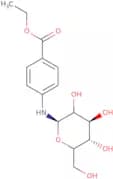
Formule :C5H8O5Degré de pureté :(%) Min. 90%Couleur et forme :PowderMasse moléculaire :148.12 g/molBenzocaine N-b-D-glucoside
CAS :Benzocaine N-b-D-glucoside is an adjuvant that is used in pharmaceutical products. It has been shown to increase the stability of drugs and prolong their effects. Benzocaine N-b-D-glucoside also enhances the absorption, distribution, and elimination of drugs. This adjuvant has a number of functionalities including being a carbonyl scavenger and having mottling effects on drug particles. Benzocaine N-b-D-glucoside is often used as a pharmaceutical product adjuvant to stabilize formulations and extend the shelf life of medications.Formule :C15H21NO7Degré de pureté :Min. 95%Couleur et forme :PowderMasse moléculaire :327.33 g/molL-Gluconic acid calcium
CAS :L-Gluconic acid calcium salt is a white crystalline powder. It is soluble in water and slightly soluble in alcohol. The structure of this compound has not been fully elucidated, but it is known to be a modification of L-gluconic acid, which is a monosaccharide. This product can be used as a biochemical reagent for the synthesis of oligosaccharides and polysaccharides.
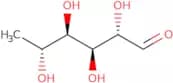
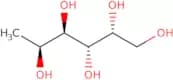
Formule :(C6H12O7)2•CaDegré de pureté :Min. 95%Couleur et forme :PowderMasse moléculaire :432.39 g/molL-Fucitol
CAS :L-Fucitol is a sugar that is found in the form of D-arabinose and D-xylitol. It is used in flow systems for the detection of herpes simplex virus type 1 (HSV1) glycoproteins and can be used to measure xylitol dehydrogenase activity. L-Fucitol has been shown to inhibit the growth of bacteria that are resistant to penicillin, ampicillin, and erythromycin. L-Fucitol also inhibits enzymes such as galactocerebrosidase, which breaks down galactocerebroside, a myelin constituent. This inhibition leads to accumulation of galactitol, an inhibitor of oligosaccharide synthesis. L-Fucitol also inhibits enzyme activities such as glycosidases and glycosyltransferases, which affect metabolic profiles by inhibiting the breakdown or synthesis of sugars. L-Fucitol is a monosac
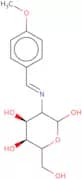
Formule :C6H14O5Degré de pureté :Min. 95%Couleur et forme :White Off-White PowderMasse moléculaire :166.17 g/mol2-Deoxy-2-(4-methoxybenzyliden)imino-D-glucose
CAS :2-Deoxy-2-(4-methoxybenzyliden)imino-D-glucose is a modified carbohydrate that is used for the synthesis of oligosaccharides, polysaccharides, and glycosaminoglycans. This compound is also used as a substrate for methylation reactions. It can be synthesized from D-glucose by the addition of a 2-(4-methoxybenzylidene) group to the 2′ position of the carbon atom on the anomeric carbon. The structure of this compound has been determined by X-ray crystallography.Formule :C14H19NO6Degré de pureté :Min. 95%Couleur et forme :White to off-white solid.Masse moléculaire :297.3 g/molβ-D-Galactopyranosyl amine
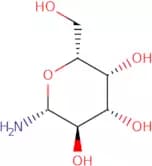
CAS :Inhibitor of β-galactosidase
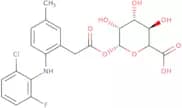
Formule :C6H13NO5Degré de pureté :(¹H-Nmr) Min. 95 Area-%Couleur et forme :White PowderMasse moléculaire :179.17 g/molLumiracoxib acyl-β-D-glucuronide
CAS :Produit contrôléLumiracoxib acyl-b-D-glucuronide is a synthetic compound that is a derivative of the nonsteroidal anti-inflammatory drug lumiracoxib. It has been shown to be effective as an inhibitor of inflammation and pain in animal models, with no significant toxic effects on the liver or kidney. Lumiracoxib acyl-b-D-glucuronide is a white powder that can be synthesized by glycosylation and modification of lumiracoxib. This compound is soluble in water and ethanol, but insoluble in ether.Formule :C21H21ClFNO8Degré de pureté :Min. 95%Couleur et forme :White To Yellow SolidMasse moléculaire :469.84 g/molMethyl 2-acetamido-2-deoxy-b-D-glucopyranoside
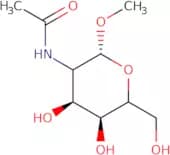
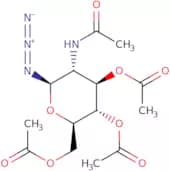
CAS :Methyl 2-acetamido-2-deoxy-b-D-glucopyranoside is a xylose sugar that is found in the leaves of Nepeta cataria. It has shown to inhibit bacterial growth by binding to DNA and RNA, as well as inhibit transcription, translation, and replication. Methyl 2-acetamido-2-deoxy-b-D-glucopyranoside also binds to cardiac channels and inhibits their activity. This compound has been shown to have anti cancer effects on prostate cancer cells in mice. Furthermore, it inhibits microbial metabolism in vitro by inhibiting the enzyme acetolactate synthase. Methyl 2-acetamido-2-deoxy-b-D -glucopyranoside has also been shown to be an effective treatment for autoimmune diseases such as multiple sclerosis and rheumatoid arthritis in mice.Formule :C9H17NO6Degré de pureté :Min. 95%Couleur et forme :White Off-White PowderMasse moléculaire :235.24 g/mol2-Acetamido-3,4,6-tri-O-acetyl-2-deoxy-β-D-glucopyranosyl azide
CAS :2-Acetamido-3,4,6-tri-O-acetyl-2-deoxy-β-D-glucopyranosyl azide is a custom synthesis that is a complex carbohydrate. It is a glycosylation product of 2,3,4,6-tetraacetyl α--D--glucose and 2,3,6 -tri--O--acetyl--2--deoxy--β--D--glucopyranose. This compound has been modified by Click chemistry with 4-(dimethylamino)pyridine (DMAP). The modification has produced an acetamido group at the C2 position of the glucopyranoside moiety. The compound is available in high purity for research purposes.Formule :C14H20N4O8Degré de pureté :Min. 95%Couleur et forme :White PowderMasse moléculaire :372.33 g/molN-Acetyl-2,3-dehydro-2-deoxyneuraminic acid methyl ester
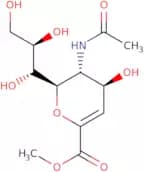
CAS :N-Acetyl-2,3-dehydro-2-deoxyneuraminic acid methyl ester (NAD) is a natural product that is produced by the human body. NAD has been shown to induce apoptosis in cancer cells and modulate gene expression. This compound also plays a role in the development of stem cells, which are important for tissue regeneration. NAD has been shown to have therapeutic effects on paraplegia and angiogenesis. It also has anti-inflammatory properties that may be related to its ability to regulate mesenchymal stem cells.Formule :C12H19NO8Degré de pureté :Min. 95%Couleur et forme :PowderMasse moléculaire :305.29 g/mol3-O-Benzyl-2-deoxy-D-arabinopyranose
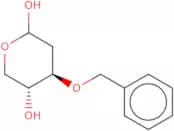
3-O-Benzyl-2-deoxy-D-arabinopyranose is a modified sugar that can be used in the synthesis of oligosaccharides. It is a white powder that has a purity level of more than 99%. The CAS number for 3-O-Benzyl-2-deoxy-D-arabinopyranose is 52397-07-8. This product can be custom synthesized to meet your specific needs. It can also be methylated, glycosylated, or modified with a click chemistry reaction.
Formule :C12H16O4Degré de pureté :Min. 95%Masse moléculaire :224.25 g/mol1,3,5-Tri-O-benzoyl-2-deoxy-2-bromo-alpha-L-arabinofuranose
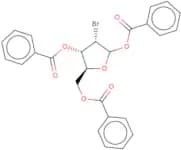
1,3,5-Tri-O-benzoyl-2-deoxy-2-bromo-alpha-L-arabinofuranose is a complex monosaccharide that can be used as a building block in the synthesis of various compounds. It is a derivative of the sugar arabinose, with the addition of benzoyl and bromo groups at specific positions. The compound has potential applications in the fields of organic chemistry and medicinal chemistry and is available for research.Formule :C26H21BrO7Degré de pureté :Min. 95%Masse moléculaire :524.04 g/mol1,2,3,6-Tetra-O-benzyl-β-D-glucopyranoside
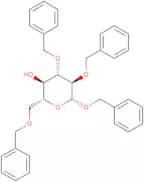
CAS :1,2,3,6-Tetra-O-benzyl-β-D-glucopyranoside is a synthetic compound that is produced by the modification of natural sugars. It was first synthesized by a team of chemists led by Professor Robert Burns Woodward. This molecule has been modified with methyl groups and fluorine atoms to improve its stability and to provide a more convenient method for its analysis. 1,2,3,6-Tetra-O-benzyl-β-D-glucopyranoside can be used in the synthesis of oligosaccharides and polysaccharides.Formule :C34H36O6Degré de pureté :Min. 95%Couleur et forme :PowderMasse moléculaire :540.65 g/mol2,3,5-Tri-O-benzoyl-β-D-ribofuranosyl cyanide
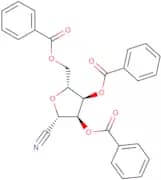
CAS :Building block for C-nucleoside synthesisFormule :C27H21NO7Degré de pureté :Min. 98 Area-%Couleur et forme :White PowderMasse moléculaire :471.46 g/mola-Homonojirimycin
CAS :a-Homonojirimycin is a chaperone that is effective in inhibiting HIV infection. It has been shown to inhibit the activity of chymotrypsin, carboxypeptidase A, and aminopeptidase B. The model system used for this compound was the human liver, which showed that a-homonojirimycin had a potent inhibitory activity against these enzymes. This drug also has a dry weight of 1,520 g/mol and an effective dose of 0.01 mg/mL. In vitro studies have shown that a-homonojirimycin inhibits influenza virus by binding to the hemagglutinin protein on the surface of the virus and preventing its attachment to host cells.Formule :C7H15NO5Degré de pureté :Min. 98 Area-%Couleur et forme :White PowderMasse moléculaire :193.2 g/molL-Glucono-1,5-lactone
CAS :L-Glucono-1,5-lactone is a crystalline compound that is used in structural biology and as a growth factor. It has been shown to inhibit the transfer of phosphate from ATP to protein substrates, binding to receptor sites and inhibiting the activity of enzymes such as protein kinase C. L-Glucono-1,5-lactone has also been shown to bind to an aluminum ion with a constant of 0.5 M. This binding inhibits the enzymatic activity of phosphatases that hydrolyze phosphate esters which are important for cellular metabolism.Formule :C6H10O6Degré de pureté :Min. 85 Area-%Couleur et forme :White Off-White PowderMasse moléculaire :178.14 g/molD-Xylulose - Aqueous solution
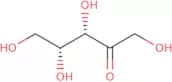
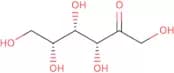
CAS :D-Xylulose is a sugar monomer found in the cell walls of bacteria. It is also present in human blood, where it is converted to xylitol. D-Xylulose has been shown to be an important component of bacterial cell wall synthesis and can be used as a probiotic for humans. The enzyme xylitol dehydrogenase catalyses the conversion of D-xylulose to xylitol. The reaction mechanism is thought to be similar to that of other enzymes in the glycolysis pathway, such as ribitol dehydrogenase, which converts ribitol to ribose 5-phosphate. This conversion can be achieved through two different methods: hydrogen fluoride or sodium hydroxide. D-Xylulose can also be used for analytical purposes, such as in the detection of trifluoroacetic acid (TFA) by gas chromatography and mass spectrometry.Formule :C5H10O5Degré de pureté :Min. 99 Area-%Couleur et forme :Clear LiquidMasse moléculaire :150.13 g/mol1,2,3,4,6-Penta-O-benzoyl-D-glucopyranoside
CAS :Penta-O-benzoyl-D-glucopyranoside is a carbohydrate that has been prepared in a preparative scale. It is an organic compound and the structural formula is C12H22O11. The diameter of this molecule is around 1.5 nm, which makes it mesoporous. Penta-O-benzoyl-D-glucopyranoside has been analysed by high performance liquid chromatography (HPLC) and mass spectrometry (MS). The tree ring processability of this product is good and can be processed thermally.Formule :C41H32O11Degré de pureté :Min. 95%Masse moléculaire :700.69 g/molD-Glucosamine sulfate sodium chloride
CAS :D-Glucosamine sulfate is a sugar that belongs to the group of polysaccharides. It is a natural compound that is found in the human body and is important for the synthesis of glycosaminoglycans, which are found in cartilage and synovial fluid. D-Glucosamine sulfate can also be used as a raw material for the production of methylated compounds or saccharides. This product can be custom synthesized in different forms (D-glucosamine sulfate sodium chloride, D-glucosamine sulfate potassium salt, D-glucosamine sulfate calcium salt) and with different purity levels depending on your requirements.Formule :C6H13NO5xNaClxH2SO4Degré de pureté :Min. 98 Area-%Couleur et forme :White PowderMasse moléculaire :179.17 g/molMethyl 3,5-di-O-benzyl-D-xylofuranoside
CAS :Methyl 3,5-di-O-benzyl-D-xylofuranoside can also be used as an intermediate in the synthesis of other xylo or oligo related compounds.Formule :C20H24O5Degré de pureté :Min. 95%Couleur et forme :PowderMasse moléculaire :344.4 g/molD-Fructose
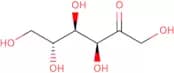
CAS :D-Fructose (Fru) is the most common reducing keto-hexose and is often known as levulose, arabino-hexulose, fruit sugar (Collins, 2006). In an aqueous solution, fructose exhibits mutarotation (approx., 70-75% β-pyranose, 20-23% β-furanose, 5% α-furanose, 2% α-pyranose, 0.7% open chain) (Angyal, 1984). Sucrose from sugar cane and sugar beet is made up of 50% fructose and is found in many fruits and vegetables; it is the predominant sugar in apples, grapes, oranges and watermelon, as well as comprising of up to half of the total sugars in honey. High fructose corn syrup (HFCS) containing around 50% fructose is an important food ingredient produced from glucose syrup by the action of the enzyme glucose isomerase (Hanover, 1993). However, dietary sugars including fructose, have long been implicated in the epidemic of obesity. Evidence to link the relation of foods and beverages containing fructose with overweight or obesity has recently been obtained (Zurbau, 2020).Formule :C6H12O6Degré de pureté :Min. 99 Area-%Couleur et forme :White PowderMasse moléculaire :180.16 g/mol1,2,3,5-Tetra-O-benzoyl-a-D-xylofuranose
CAS :1,2,3,5-Tetra-O-benzoyl-a-D-xylofuranose is a glycosylated oligosaccharide with a tetra-O-benzoyl group at the nonreducing end. It can be synthesized by reacting benzaldehyde with 1,2,3,5-tetraacetyl xylose in the presence of sodium methoxide and acetic acid. The product can be fluorinated or methylated to produce other derivatives. This product is soluble in water and methanol and has a CAS number of 5432-87-1. It is available as a custom synthesis from catalog number SYN0000011. !-- -->!-- -->!-- -->!-- --> !-- -->!-- -->!-- -->!-- --> !-- -->!-- -->!--Formule :C33H26O9Degré de pureté :Min. 95%Couleur et forme :White PowderMasse moléculaire :566.55 g/molGDP-L-fucose disodium salt
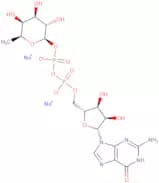
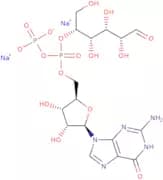
CAS :GDP-L-fucose is a natural fucosyl donor and substrate for fucosyltransferases (FUT) that catalyses the fucosylation of, for example, human milk oligosaccharides or glycoproteins. GDP-L-fucose is widely used in (chemo)enzymatic synthesis of glycans. Cymit Quimicaesis of GDP-L-fucose, a nucleotide sugar consisting of an L-fucose that is β-glycosidically linked to the nucleotide guanosine diphosphate (GDP), is achieved either through de novo synthesis via GDP-mannose or through a salvage pathway from free fucose. Fucosylation is catalysed by fucosyltransferases (~ 13 FUT genes have been identified in the human genome to date) to generate α-1,2, α-1,3, α-1-4 and α-1-6 linkages of fucose to other sugars, as well as direct linkages to peptides, with release of GDP (Lairson, 2008).Formule :C16H23N5O15P2Na2Degré de pureté :Min. 90 Area-%Couleur et forme :White Off-White PowderMasse moléculaire :633.31 g/molMycophenolic acid acyl-b-D-glucuronide
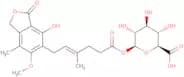
CAS :Mycophenolic acid acyl-b-D-glucuronide is a prodrug of mycophenolic acid that is metabolized by esterases to its active form. This compound has been shown to inhibit the activity of drug receptors, including those for immunosuppressants and anticonvulsants. Mycophenolic acid acyl-b-D-glucuronide has also been found to have a matrix effect on the concentration–time curve of other drugs in human serum. This drug is used for the treatment of bowel disease, autoimmune diseases, and for the prevention of organ transplant rejection. It can be administered orally or intravenously and has been shown to be well tolerated with few adverse effects.Formule :C23H28O12Degré de pureté :Min. 90%Couleur et forme :PowderMasse moléculaire :496.47 g/molD-Xylose-1-phosphate triethylammonium
CAS :D-Xylose-1-phosphate triethylammonium is a synthetic compound that is used as an intermediate in the synthesis of oligosaccharides and polysaccharides. It has been shown to be a substrate for glycosylation reactions, with the potential to form glycosidic bonds with a variety of monosaccharides and polysaccharides. This product can also be fluorinated or methylated, and can undergo click modification or other modifications to make it suitable for use in various applications. D-Xylose-1-phosphate triethylammonium is available in high purity and can be custom synthesized according to customer specifications.Formule :C5H11O8PDegré de pureté :Min. 95%Couleur et forme :PowderMasse moléculaire :230.11 g/molD-Gulonic acid-1,4-lactone
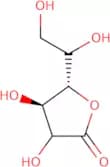
CAS :D-Gulonic acid-1,4-lactone is a naturally occurring compound that is formed from L-gulonic acid and a 1,4-lactone ring. It has been shown to have inhibitory properties against the matrix metalloproteinases MMP-2 and MMP-9. It also has an effect on dehydroascorbic acid, which plays an important role in the regulation of bioavailability of vitamin C. D-Gulonic acid-1,4-lactone has been found to stimulate collagen synthesis in human skin cells, which may be due to its ability to increase the activity of enzymes such as pyruvate kinase and lactate dehydrogenase. The structural analysis of this compound reveals a pyrazole ring with two hydroxyl groups (OH).Formule :C6H10O6Degré de pureté :Min. 98 Area-%Couleur et forme :White PowderMasse moléculaire :178.14 g/mol3-Deoxy-D-glucosone
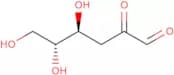
CAS :3-Deoxy-D-glucosone is a compound that belongs to the group of monosaccharides and has a basic structure. It can be found in many types of biological samples, including blood. The x-ray diffraction data for 3-deoxy-D-glucosone shows an asymmetric unit of two molecules with a coordination geometry of 2.3. This compound is known to have high protein oxidation rates, which are caused by dna binding activity. 3-Deoxyglucosone has been shown to be involved in the pathogenic mechanism of many types of cancers.Formule :C6H10O5Degré de pureté :Min. 95%Couleur et forme :PowderMasse moléculaire :162.14 g/mol3-Deoxy-3-fluoro-D-xylopyranose
3-Deoxy-3-fluoro-D-xylopyranose is a carbohydrate, modification, saccharide and oligosaccharide. It is an Oligosaccharide sugar that has a CAS number of 104863-98-2. 3DFX can be custom synthesized in high purity with methylation and glycosylation. This product can be used for click modification with the desired molecule.Degré de pureté :Min. 95%Ethyl 4,6-O-benzylidene-2-O-levulinoyl-b-D-thioglucopyranoside
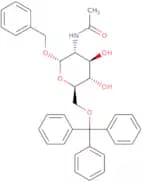
Ethyl 4,6-O-benzylidene-2-O-levulinoyl-b-D-thioglucopyranoside is a highly functionalized glycoside that is synthesized from levulinic acid as the starting material. It is an important chemical intermediate for various applications in biotechnology and medicine. Ethyl 4,6-O-benzylidene-2-O-levulinoyl-b-D-thioglucopyranoside can be used to modify saccharides, oligosaccharides, and polysaccharides with fluorine or methyl groups. This product has been custom synthesized to specifications and is of high purity.Formule :C20H26O7SDegré de pureté :Min. 95%Masse moléculaire :410.48 g/molBenzyl 2-acetamido-2-deoxy-6-O-trityl-a-D-glucopyranoside
CAS :Benzyl 2-acetamido-2-deoxy-6-O-trityl-a-D-glucopyranoside is a glycosylation of benzyl 2,3,4,6-tetraacetamido-2,3,4,6-tetra deoxyglucopyranoside. It is a complex carbohydrate that can be modified with methyl groups or fluorine atoms. This product is often used in Click chemistry and as a building block for oligosaccharides and polysaccharides. Benzyl 2-acetamido-2-deoxy 6O trityl a D glucopyranoside has CAS number 33493 71 9 and can be custom synthesized to meet individual requirements.
Formule :C34H35NO6Degré de pureté :Min. 95%Couleur et forme :White PowderMasse moléculaire :553.64 g/molN-Acetyl-D-glucosamine-6-phosphate disodium
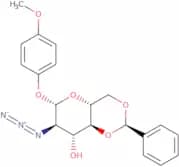
CAS :Intracellular form of GlcNAc; substrate for GlcNAc-phosphate deacetylaseFormule :C8H16NO9P•Na2Degré de pureté :Min. 98 Area-%Couleur et forme :White Off-White PowderMasse moléculaire :347.17 g/mol4-Methoxyphenyl 2-azido-4,6-O-benzylidene-2-deoxy-β-D-glucopyranoside
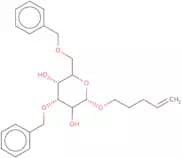
CAS :The objective of this study is to investigate the efficacy of 4-methoxyphenyl 2-azido-4,6-O-benzylidene-2-deoxy-b-D-glucopyranoside (MPAB) as a vaccine adjuvant for the prevention of esophageal candidiasis. MPAB was shown to induce antigen specific immune responses in vitro and in vivo. In addition, MPAB enhanced the protective efficacy of Covid® 19 pandemic influenza vaccine against gastrointestinal infection by Candida albicans. The results from this study provide proof of concept that MPAB can be used as a vaccine adjuvant for the prevention of esophageal candidiasis.Formule :C20H21N3O6Degré de pureté :Min. 95%Couleur et forme :PowderMasse moléculaire :399.41 g/mol4-Pentenyl 3,6-di-O-benzyl-a-D-mannopyranoside
CAS :4-Pentenyl 3,6-di-O-benzyl-a-D-mannopyranoside is a synthetic oligosaccharide containing a single monosaccharide. It is fluorinated at the C4 position and methylated at the C6 position. This product is available for custom synthesis and modification to meet specific customer needs. It has not been evaluated by the FDA and should be used only in research settings.Formule :C25H32O6Degré de pureté :Min. 95%Masse moléculaire :428.52 g/mol1,2,3,4-Tetra-O-acetyl-β-D-mannopyranose
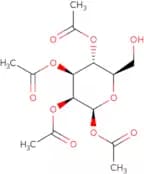
CAS :1,2,3,4-Tetra-O-acetyl-β-D-mannopyranose is a fluorinated monosaccharide that has been synthesized. It is a complex carbohydrate with the molecular formula C12H24O8 and a molecular weight of 256.24 g/mol. 1,2,3,4-Tetra-O-acetyl-β-D-mannopyranose has been modified with glycosylation and polysaccharides to create a click modification. It can be used in custom synthesis and provides high purity.Formule :C14H20O10Degré de pureté :Min. 95%Couleur et forme :White Off-White PowderMasse moléculaire :348.3 g/mol5,6-O-Isopropylidene-L-gulonic acid-1,4-lactone
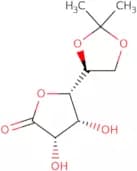
CAS :5,6-O-Isopropylidene-L-gulonic acid-1,4-lactone is a synthetic monosaccharide with the molecular formula C8H14O5. It has a CAS number of 94697-68-4 and is available for custom synthesis. The chemical structure of 5,6-O-Isopropylidene-L-gulonic acid-1,4-lactone consists of a methyl group attached to the hydroxyl at position 1 and a fluoro group attached to the hydroxyl at position 4. 5,6--O--Isopropylidene--L--gulonic acid--1,4--lactone is not naturally occurring and is made by modification of glycosides. This compound can be used in click chemistry or complex carbohydrate reactions.
Formule :C9H14O6Degré de pureté :Min. 99 Area-%Couleur et forme :White PowderMasse moléculaire :218.2 g/molD-Mannose-6-O-sulphate sodium salt
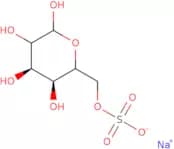
CAS :D-Mannose-6-O-sulphate sodium salt (DMS) is a synthetic sugar that is used in the preparation of biopolymers. It is a complex carbohydrate that is composed of both saccharide and phosphate groups. DMS has been modified to contain methyl groups, which can be used for click chemistry reactions. The CAS number for this compound is 204575-08-6. DMS has been shown to be useful as a fluorination reagent. It has also been synthesized using click chemistry, which allows it to be incorporated into polymers and other organic compounds.Formule :C6H11O9SNaDegré de pureté :Min. 95%Couleur et forme :PowderMasse moléculaire :282.2 g/molD-Idose, Aqueous solution
CAS :D-Idose is a single-enantiomer sugar with a pyranose ring and an enantiomeric configuration. It is used in the treatment of bacterial infections and has been shown to be effective at inhibiting the growth of bacteria that are resistant to beta-lactam antibiotics, such as methicillin-resistant Staphylococcus aureus (MRSA). D-Idose is active against bacteria that do not produce beta-lactamase enzymes, such as Mycobacterium tuberculosis or Mycobacterium avium complex.
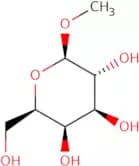
Formule :C6H12O6Degré de pureté :Min. 99 Area-%Couleur et forme :Clear LiquidMasse moléculaire :180.16 g/mol1-O-Methyl-beta-D-galactopyranoside
CAS :Inhibitor of Gal-dependent lectin binding; used in synthesis of galactosesFormule :C7H14O6Couleur et forme :White PowderMasse moléculaire :194.18 g/molGDP-D-glucose sodium salt
CAS :Substrate for glucosyltransferaseFormule :C16H25N5O16P2·2NaDegré de pureté :Min. 95 Area-%Couleur et forme :White Off-White PowderMasse moléculaire :651.34 g/mol2,5-Anhydro-1-O-trityl-D-mannitol
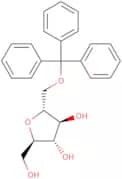
CAS :2,5-Anhydro-1-O-trityl-D-mannitol is a complex carbohydrate with the molecular formula C6H14O6 that has been modified for use in glycosylation reactions. It is a type of sugar that can be modified to create desired properties and can be used as an alternative to other sugars such as glucose. 2,5-Anhydro-1-O-trityl-D-mannitol can be used in the synthesis of oligosaccharides and monosaccharides. This product is available in high purity and has a CAS number of 68774-48-1.
Formule :C25H26O5Degré de pureté :Min. 95%Masse moléculaire :406.48 g/molTriclosan-beta-D-glucopyranoside
Triclosan-beta-D-glucopyranoside is a synthetic sugar that can be used as a building block for the preparation of complex carbohydrates. Triclosan-beta-D-glucopyranoside is not known to have any commercial applications.Formule :C18H17Cl3O7Degré de pureté :Min. 95%Couleur et forme :PowderMasse moléculaire :451.68 g/molL-Mannitol
CAS :L-Mannitol is a sugar alcohol that is an important component of pharmaceutical preparations. It is used as a preservative, diluent, and sweetener in many pharmaceutical products. L-Mannitol has been shown to have anti-inflammatory properties and may help prevent allergic reactions by inhibiting the production of prostaglandin D2. L-Mannitol also inhibits the activity of xylitol dehydrogenase, which prevents the conversion of xylitol to DHA, an intermediate metabolite that can cause tissue damage in animals and humans. L-Mannitol has been shown to have a laxative effect when taken orally or injected as an intravenous solution. This property may be due to its ability to stimulate chloride secretion from intestinal cells and increase water reabsorption from the colon. L-Mannitol is also used as a chromatographic matrix for saponins and conjugates with other amino acids.Formule :C6H14O6Degré de pureté :Min. 95%Couleur et forme :PowderMasse moléculaire :181.6 g/molMethyl 4-deoxy-4-fluoro-a-D-glucose
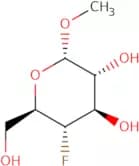
CAS :Methyl 4-deoxy-4-fluoro-a-D-glucose is a synthetic and custom synthesis monosaccharide for use in glycosylation, polysaccharide modification, and click chemistry. It is a fluorinated sugar that can be used in the synthesis of oligosaccharides and complex carbohydrates. Methyl 4-deoxy-4-fluoro-a-D-glucose has CAS number 56926-53-5.Formule :C7H13FO5Degré de pureté :Min. 98 Area-%Couleur et forme :PowderMasse moléculaire :196.17 g/molQuercetin 3-b-galactoside-2'-O-gallate
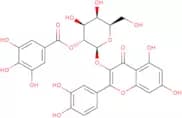
CAS :Quercetin 3-b-galactoside-2'-O-gallate is a compound that has been shown to have hepatoprotective effects, inhibiting the mitochondrial membrane potential and microbial infection. Quercetin 3-b-galactoside-2'-O-gallate also has anti-inflammatory properties and reduces the production of inflammatory cells, such as hepg2 cells. The mechanism of action for its protective effect is due to the inhibition of mapk activation, which leads to decreased necrosis factor and interleukin (IL) production. Quercetin 3-b-galactoside-2'-O-gallate can be used in the treatment of acute liver injury induced by LPS.Formule :C28H24O16Degré de pureté :Min. 95%Couleur et forme :Yellow PowderMasse moléculaire :616.48 g/mol2,3,5-Tri-O-benzyl-β-D-arabinofuranose
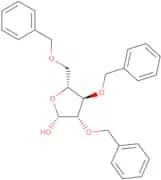
CAS :2,3,5-Tri-O-benzyl-b-D-arabinofuranose is a stereoselective analog that inhibits human maltase glucoamylase and acetylation. It is also a potent nucleophile that reacts with the hydroxyl group of dimethyl fumarate to form an acetal linkage. This compound is used in the stereoselective synthesis of oligosaccharides and carbohydrates.Formule :C26H28O5Degré de pureté :Min. 99 Area-%Couleur et forme :White PowderMasse moléculaire :420.5 g/molMethyl 4,6-O-benzylidene-β-D-glucopyranoside
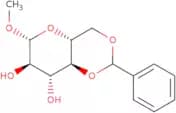
CAS :Methyl 4,6-O-benzylidene-b-D-glucopyranoside is a nitro derivative of methyl b-D-glucopyranoside. The anomeric proton and the nitro group are in the same plane and on opposite sides of the molecule. This compound has been shown to be both a receptor binding agent and a gelation agent. It is used to study biological membranes because it binds to phospholipids in the cell membrane, which alters its physical properties. Methyl 4,6-O-benzylidene-b-D-glucopyranoside is also known for its ability to form hydrogen bonds with water molecules. This is due to its cavity that can accommodate one water molecule per monomer unit. The crystal structure of this compound has been determined by x ray crystallography and shows that it forms dimers through hydrogen bonding between two molecules in each dimer. These interactions are
Formule :C14H18O6Degré de pureté :Min. 95%Couleur et forme :PowderMasse moléculaire :282.29 g/molSuberoylanilide-D5 hydroxamic acid b-D-glucuronide
Produit contrôléSuberoylanilide-D5 hydroxamic acid b-D-glucuronide is a modification of sucrose. It is a complex carbohydrate that has been modified with an Oligosaccharide and Carbohydrate. This compound is synthesized with Custom synthesis, Synthetic, High purity, CAS No., Monosaccharide, Methylation, Glycosylation, Polysaccharide, sugar and Fluorination. Suberoylanilide-D5 hydroxamic acid b-D-glucuronide is a fluorinated saccharide that can be used as a sugar for glycosylation or methylation.Formule :C20H23N2O9D5Degré de pureté :Min. 95%Couleur et forme :White to off-white solid.Masse moléculaire :445.47 g/mol3-O-Acetyl-4-O-methyl-D-glucuronic acid
3-O-Acetyl-4-O-methyl-D-glucuronic acid is a custom synthesis that is used in the preparation of oligosaccharides and polysaccharides. It has been modified by fluorination, which increases its stability. 3-O-Acetyl-4-O-methylglucuronic acid can be used to synthesize saccharides and carbohydrates as well as to modify monosaccharides and sugars. This product is available at high purity with a CAS number.Formule :C9H14O8Degré de pureté :Min. 95%Couleur et forme :White SolidMasse moléculaire :250.2 g/molPhenyl 2-acetamido-3,4,6-tri-O-acetyl-2-deoxy-β-D-glucopyranoside
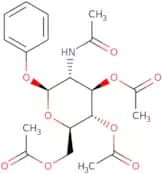
CAS :Phenyl 2-acetamido-3,4,6-tri-O-acetyl-2-deoxy-b-D-glucopyranoside is a custom synthesis of the sugar phenyl 2-acetamido-3,4,6-tri-O-acetyl--2 deoxy--b D glucopyranoside. It is a modification of the monosaccharide and glycosylation. This synthetic compound has a CAS number of 1308921 9 and is used as an intermediate in the production of saccharides. Phenyl 2 acetamido 3,4,6 tri O acetyl 2 deoxy b D glucopyranoside is also classified as an oligosaccharide or complex carbohydrate.Formule :C20H25NO9Degré de pureté :Min. 95%Couleur et forme :White solid.Masse moléculaire :423.41 g/mol2,4,7,8-Tetra-O-acetyl-9-azido-9-deoxy-N-acetylneuraminic acid methyl ester
CAS :2,4,7,8-Tetra-O-acetyl-9-azido-9-deoxy-N-acetylneuraminic acid methyl ester is a high purity synthetic compound that has been modified for use in Click chemistry. It is a monosaccharide with an acetyl group on the 2' position and an azido group on the 9' position of the sugar. This compound is used in fluoroination reactions to modify sugars and oligosaccharides. It can also be used in glycosylation reactions to attach monosaccharides and saccharides to proteins or other molecules.Formule :C20H28N4O12Degré de pureté :One SpotCouleur et forme :White PowderMasse moléculaire :516.46 g/molD-Sorbose
CAS :D-Sorbose is a monosaccharide that belongs to the group of sugar alcohols. It is a reducing sugar that can be used as an alternative for sugar in food and pharmaceutical industries. D-Sorbose has been shown to have potential industrial applications due to its high solubility, low melting point, and resistance to crystallization. The enzyme ribitol dehydrogenase from Escherichia coli was found to be active with D-sorbitol, but not with l-sorbitol. This indicates that D-sorbitol is a better substrate for this enzyme than L-sorbitol.Formule :C6H12O6Degré de pureté :Min. 95%Couleur et forme :White PowderMasse moléculaire :180.16 g/molN-Propanoyl mannosamine
CAS :N-Propanoyl mannosamine is a biochemical that belongs to the group of glycoconjugates. It is an intracellular messenger that modulates the concentration of intracellular calcium and controls the release of gamma-aminobutyric acid (GABA). N-Propanoyl mannosamine has been shown to stimulate axonal growth in cell culture, which is mediated by the polysialic acid receptor. This molecule also has a role in human osteoblast differentiation and bone formation.
N-Propanoyl mannosamine can be synthesized from dopamine and erythrose via a series of reactions involving acidification, oxidation, reduction, and decarboxylation. The synthesis of this molecule requires blood group O as an acceptor.Formule :C9H17NO6Degré de pureté :Min. 95%Couleur et forme :White To Off-White SolidMasse moléculaire :235.23 g/molL-Arabinaric acid dipotassium salt
CAS :L-Arabinaric acid dipotassium salt is a custom synthesis of an L-arabinaric acid, which is a monosaccharide that is found in the cell wall of bacteria. This compound has been modified to be resistant to fluorination, methylation, and click chemistry. The modification process includes the use of Oligosaccharides, saccharides, and polysaccharides as well as glycosylation and sugar. L-Arabinaric acid dipotassium salt can also be used for the synthesis of complex carbohydrates.
Formule :C5H6K2O7Degré de pureté :Min. 98 Area-%Couleur et forme :PowderMasse moléculaire :256.29 g/mol2,4,7,8,9-Penta-O-acetyl N-acetylneuraminic acid
CAS :2,4,7,8,9-Penta-O-acetyl N-acetylneuraminic acid is a modification of the carbohydrate 2,4,7,8,9-penta-O-acetyl N-acetylneuraminic acid. It is a complex carbohydrate that is custom synthesized to meet the needs of specific customers. This product can be used for the synthesis of oligosaccharides and polysaccharides in glycosylation reactions. It can also be modified with methylation and fluorination. 2,4,7,8,9-Penta-O-acetyl N-acetylneuraminic acid has high purity and is monosaccharide. It also has an acetate group on its sugar chain at position 9. This product can be used as a sugar or in click chemistry reactions because it contains an amine group at position 8.Formule :C21H29NO14Degré de pureté :Min. 95%Couleur et forme :PowderMasse moléculaire :519.45 g/mol2,3,5-Tri-O-p-chlorobenzoyl-a-D-ribofuranosyl chloride
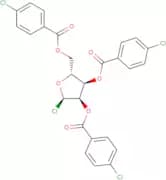
CAS :2,3,5-Tri-O-p-chlorobenzoyl-a-D-ribofuranosyl chloride is a sugar derivatized with chlorine. It is a high purity product that can be custom synthesized to meet your needs. This compound has been used in the synthesis of saccharides and oligosaccharides with click modification, fluorination, glycosylation, methylation, and modification.
2,3,5-Tri-O-p-chlorobenzoyl-a-D-ribofuranosyl chloride is an important intermediate for the synthesis of complex carbohydrates. The chemical structure of this molecule consists of three parts: an aromatic ring (benzene), a glycosylation site (glycine), and a carboxylic acid group (carboxylic acid). The aromatic ring allows 2,3,5-Tri-O-p-chlorobenzoyl-a-DFormule :C26H18Cl4O7Degré de pureté :Min. 95%Couleur et forme :PowderMasse moléculaire :584.23 g/molD-Sedoheptulose 7-phosphate lithium
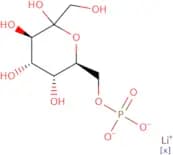
CAS :D-Sedoheptulose 7-phosphate lithium (DSDP) is a substance that is used in the synthesis of ribulose. It provides the carbonyl group for the synthesis of acetyl-CoA and plays an important role in energy metabolism. DSDP has been shown to be effective against streptococcus faecalis, which may be due to its ability to inhibit protein synthesis by binding to ribulose phosphates, thereby preventing the production of ATP. DSDP also inhibits cellular transformation, which may be due to its ability to bind with DNA and block RNA synthesis. In vitro studies have shown that DSDP can inhibit both Streptococcus faecalis and Escherichia coli at concentrations below 10 mM. These effects are likely mediated by enzymatic activities that are involved in bacterial cell physiology.Formule :C7H15O10P•(Li)xDegré de pureté :Min. 95%Couleur et forme :PowderMasse moléculaire :290.16 g/mol3,4,6-Tri-O-acetyl-2-deoxy-2-fluoro-D-mannopyranosyl fluoride
CAS :3,4,6-Tri-O-acetyl-2-deoxy-2-fluoro-D-mannopyranosyl fluoride is an Oligosaccharide that can be used for Glycosylation. It's a sugar that is Synthetic and Fluorinated. This product has Custom synthesis and Methylation. It is a Monosaccharide and Polysaccharide. It is a saccharide that has been Click modified and it has a high purity of 99%. 3,4,6-Tri-O-acetyl-2-deoxy-2-fluoro-D-mannopyranosyl fluoride is CAS No. 29209981.Formule :C12H16F2O7Degré de pureté :Min. 95%Couleur et forme :PowderMasse moléculaire :310.25 g/mol2,3,4,6-Tetra-O-benzyl-D-mannopyranose
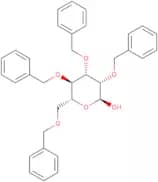
CAS :2,3,4,6-Tetra-O-benzyl-D-mannopyranose is a trisaccharide that consists of two covalently linked glycosyl acceptors and one galacto moiety. This molecule is synthesized by chemoenzymatic synthesis and can be found in the biosynthesis of trehalose. 2,3,4,6-Tetra-O-benzyl-D-mannopyranose is an anomeric form of D-glucopyranose. The anomeric form is determined by the orientation of the hydroxyl group at C1' with respect to the anomeric carbon atom at C2'. This molecule has been isotopically labelled with 13C and 15N for use in studies on carbohydrate metabolism.Formule :C34H36O6Degré de pureté :90%Couleur et forme :Yellow PowderMasse moléculaire :540.65 g/molN-Benzyl-D-glucamine
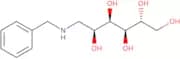
CAS :N-Benzyl-D-glucamine is a metal chelate that binds to lead and other heavy metals. It is used as a transport inhibitor for the elimination of lead from the body. N-Benzyl-D-glucamine has been shown to be effective in lowering blood levels of lead, with an elimination rate of 50% within 4 hours. When administered orally, this drug also has inhibitory effects on the absorption of lead from gastrointestinal tissues, which may be due to its inhibition of urea nitrogen and gastrointestinal toxicities. This drug can also reduce the excretion of cadmium and aromatic hydrocarbons in urine samples.Degré de pureté :Min. 95%Phenyl 2-acetamido-2-deoxy-α-D-glucopyranoside
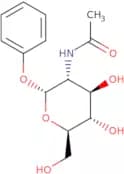
CAS :Phenyl 2-acetamido-2-deoxy-a-D-glucopyranoside is a fluorinated sugar that was synthesized by chemical modification of a natural sugar. It is a white, crystalline powder and has an odorless taste. This product is custom synthesized and can be used as an intermediate in the production of other saccharides. Phenyl 2-acetamido-2-deoxy-a-D-glucopyranoside has been modified to include methyl groups and glycosyl groups, which are not present in the natural product.Formule :C14H19NO6Degré de pureté :Min. 95%Couleur et forme :SolidMasse moléculaire :297.3 g/molUDP-GalNAc disodium salt
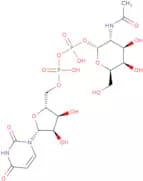
CAS :Substrate for N-acetylgalactosaminyltransferasesFormule :C17H25N3Na2O17P2Degré de pureté :Area-% Min. 95 Area-%Couleur et forme :White PowderMasse moléculaire :651.32 g/molPotassium D-erythronate
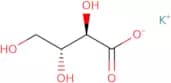
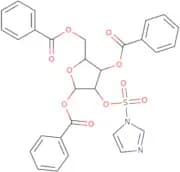
CAS :Versatile resource for organic synthesis, e.g. of the inhibitor swainsonineFormule :C4H7KO5Degré de pureté :Min. 95%Couleur et forme :White PowderMasse moléculaire :174.19 g/mol1,3,5-Tri-O-benzoyl-2-O-(1H-imidazole-1-sulfonate) a-L-arabinofuranose
CAS :1,3,5-Tri-O-benzoyl-2-O-(1H-imidazole-1-sulfonate) a-L-arabinofuranose is a methylated and modified arabinofuranose. It is one of the most common monosaccharides in nature. This compound is an important component of polysaccharides such as cellulose and starch. 1,3,5-Tri-O-benzoyl-2-O-(1H-imidazole-1-sulfonate) aL arabinofuranose is used to create saccharide derivatives that are widely used in the pharmaceutical industry.
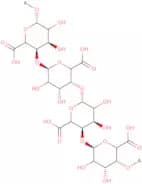
Degré de pureté :Min. 95%Couleur et forme :PowderPoly-D-galacturonic acid methyl ester
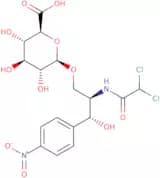
CAS :Poly-D-galacturonic acid methyl ester (PDGME) is a natural compound that has been shown to possess anti-inflammatory and anti-diabetic properties. PDGME has been shown to increase the expression of pro-apoptotic proteins in mouse macrophages, as well as inhibit the activity of toll-like receptor 4, which may be due to its ability to induce caspase-independent cell death. PDGME also inhibits the growth of Clostridium difficile and other bacteria by inhibiting their enzyme activities. PDGME is water soluble and can be used as a reagent for biochemical studies.Degré de pureté :Min. 98 Area-%Couleur et forme :White Off-White PowderChloramphenicol glucuronide
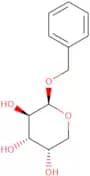
CAS :Chloramphenicol glucuronide is an active metabolite of chloramphenicol. It can be detected in human serum and urine, as well as rat liver microsomes. Chloramphenicol glucuronide binds to the cytosolic protein, cytochrome b5 reductase, which inhibits protein synthesis and cell growth. This compound has been shown to be effective for treating infectious diseases such as typhoid fever, pelvic inflammatory disease, and pneumonia. The chloramphenicol glucuronide group also includes a number of other metabolites that are formed from chloramphenicol by conjugation with glucuronic acid.Formule :C17H20Cl2N2O11Degré de pureté :Min. 95 Area-%Couleur et forme :PowderMasse moléculaire :499.26 g/molBenzyl β-L-arabinopyranoside
CAS :Benzyl β-L-arabinopyranoside is a Glycosylation, complex carbohydrate, Methylation, Click modification, Polysaccharide, Fluorination, CAS No. 7473-38-3 that can be synthesized in the lab and is available for custom synthesis. It is used in the synthesis of saccharides and other glycosylated natural products.Formule :C12H16O5Degré de pureté :(%) Min. 98%Couleur et forme :White Off-White PowderMasse moléculaire :240.25 g/mol3,4-Di-O-methyl-D-glucose
CAS :3,4-Di-O-methyl-D-glucose is a partially protected glucose .It is found in the exudates of certain plants.Formule :C8H16O6Degré de pureté :Min. 95%Couleur et forme :PowderMasse moléculaire :208.21 g/molMethyl L-fucopyranoside
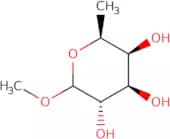
CAS :Methyl L-fucopyranoside is a saponin glycoside that has been shown to have anti-tumor effects. It acts by binding to the nucleophilic sites on the cancer cells and inhibits their growth. The molecule is chiral, which means that it can exist in two different forms, or enantiomers. The structure of this compound has been determined using vibrational spectroscopy and nuclear magnetic resonance (NMR) spectroscopy. It is also a synthetic product that can be made from an acid catalyst and an oligosaccharide molecule. Methyl L-fucopyranoside has been shown to inhibit glycoconjugates and muscari alkylation, as well as having liquid chromatographic properties.
Formule :C7H14O5Degré de pureté :Min. 95%Couleur et forme :White To Off-White SolidMasse moléculaire :178.18 g/molD-Ribopyranosyl amine
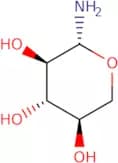
CAS :D-Ribopyranosyl amine is a heterocyclic compound that can be synthesized from ethyl formate and thiourea. The synthesis of this compound has been studied using techniques such as hydrogen bonding, high yield, and optical rotation. D-Ribopyranosyl amine is an aminoimidazole derivative with a decarboxylation reaction to produce uridine. This process can be carried out in acetone or dimethylformamide solvent, which produces the α-form of the molecule. The 1H NMR spectra of D-ribopyranosyl amine have peaks at 3.8 ppm, 2.5 ppm, and 2.0 ppm, while the 13C NMR spectrum peaks are found at 79.2 ppm and 131.9 ppmFormule :C5H11NO4Degré de pureté :Min. 95%Couleur et forme :PowderMasse moléculaire :149.15 g/mol