Monosaccharides
Les monosaccharides sont la forme la plus simple des glucides et servent de building blocks fondamentaux pour les sucres plus complexes et les polysaccharides. Ces molécules de sucre unique jouent des rôles critiques dans le métabolisme énergétique, la communication cellulaire et les composants structuraux des cellules. Dans cette section, vous trouverez une large gamme de monosaccharides essentiels pour la recherche en biochimie, biologie moléculaire et glycosciences. Ces composés sont cruciaux pour étudier les voies métaboliques, les processus de glycosylation et le développement d'agents thérapeutiques. Chez CymitQuimica, nous proposons des monosaccharides de haute qualité pour répondre à vos besoins de recherche, garantissant précision et fiabilité dans vos investigations scientifiques.
Sous-catégories appartenant à la catégorie "Monosaccharides"
- Alloses(11 produits)
- Arabinoses(21 produits)
- Erythroses(11 produits)
- Fructoses(9 produits)
- Fucoses(36 produits)
- Galactosamine(41 produits)
- Galactoses(261 produits)
- Glucoses(365 produits)
- Acides glucuroniques(51 produits)
- Glyco-substrats pour l'enzyme(77 produits)
- Guloses(6 produits)
- Idoses(4 produits)
- Inositols(15 produits)
- Lyxoses(4 produits)
- Mannoses(65 produits)
- O-Glycanes(48 produits)
- Psicoses(3 produits)
- Rhamnoses(10 produits)
- Ribos(61 produits)
- Acides sialiques(100 produits)
- Sorboses(4 produits)
- Sucres(173 produits)
- Tagatoses(4 produits)
- Taloses(8 produits)
- Xyloses(20 produits)
Affichez 17 plus de sous-catégories
6090 produits trouvés pour "Monosaccharides"
Trier par
Degré de pureté (%)
0
100
|
0
|
50
|
90
|
95
|
100
1,2,3,4-Tetra-O-acetyl-D-mannopyranose
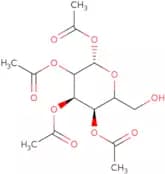
CAS :<p>1,2,3,4-Tetra-O-acetyl-D-mannopyranose is a modified monosaccharide that is synthesized by the Click reaction. This compound has been shown to be useful in the synthesis of oligosaccharides and polysaccharides. It can also be used for protein modification or the fluorination of saccharides. It is also a high purity product that can be used as an intermediate for custom synthesis.</p>Formule :C14H20O10Degré de pureté :Min. 95%Masse moléculaire :348.3 g/molD-Glucosamine-2-N,3-O-disulphate disodium salt
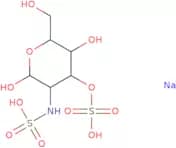
CAS :D-Glucosamine-2-N,3-O-disulphate disodium salt is a carbohydrate that is a modification of the saccharide D-glucosamine. It can be synthesized by modification and fluorination of the saccharide. The complex carbohydrate is a methylated glycosylated oligosaccharide that is custom synthesized and has high purity. This product contains no detectable impurities, such as other sugars or amino acids. This carbohydrate also undergoes methylation and glycosylation to provide stability to the molecule in the presence of water or heat.Formule :C6H11NO11S2Na2Degré de pureté :Min. 95%Couleur et forme :White PowderMasse moléculaire :383.25 g/mol3,4-O-Benzylidene-D- ribonic acid γ-lactone
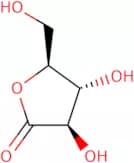
3,4-O-Benzylidene-D-ribonic acid gamma-lactone is a synthetic sugar that has been modified with fluorination and methylation. It is a complex carbohydrate that has been shown to have antiviral activity against influenza A virus. 3,4-O-Benzylidene-D- ribonic acid gamma-lactone has been synthesized using custom synthesis and high purity. The chemical structure of this product is O-(1,2:3,4:6,7:8,9) benzylidene D-ribonolactone.Degré de pureté :Min. 95%N-Acetyl-D-glucosamine - plant source
CAS :<p>Please enquire for more information about N-Acetyl-D-glucosamine - plant source including the price, delivery time and more detailed product information at the technical inquiry form on this page</p>Formule :C8H15NO6Degré de pureté :Min. 98 Area-%Masse moléculaire :221.21 g/molL-Arabitol
CAS :<p>Used as source of carbon in culture medium.</p>Formule :C5H12O5Degré de pureté :Min. 98.0 Area-%Masse moléculaire :152.15 g/molXylitol - BP/EP
CAS :<p>Xylitol is a sugar alcohol that has been shown to have antimicrobial properties. It has been found to be effective in inhibiting the growth of bacteria, yeast, and fungi by disrupting their cell membranes. In addition, xylitol appears to have the ability to reduce plasma glucose levels in animals and humans. Xylitol has also been shown to inhibit the growth of bacteria in acidic environments by binding with proteins on the bacterial cell membrane. This binding prevents the transport of nutrients into the cell and results in cell death. Xylitol is not metabolized by human cells because it cannot be broken down into acetaldehyde or acetate. However, xylitol can be metabolized by certain types of liver cells.<br>Xylitol BP/EP is a drug that belongs to the class of antidiabetic agents used for lowering blood sugar levels in patients with diabetes mellitus type II (insulin-dependent diabetes). It is an exogenous insulin secretagogue that stimulates insulin secretion from pancreatic</p>Formule :C5H12O5Degré de pureté :Min. 95%Masse moléculaire :152.15 g/mol1,3-O-Benzylidene-D-arabitol
CAS :<p>1,3-O-Benzylidene-D-arabitol is a methylated sugar that is used in the synthesis of complex carbohydrates. It is produced by the modification of a 1,3-O-benzylidene-D-ribitol. It has a CAS number of 70831-50-4 and can be custom synthesized to meet your needs. This product is available in high purity with a 99% yield.</p>Formule :C12H16O5Degré de pureté :Min. 95%Couleur et forme :White/Off-White SolidMasse moléculaire :240.25 g/mola-Homonojirimycin
CAS :<p>a-Homonojirimycin is a chaperone that is effective in inhibiting HIV infection. It has been shown to inhibit the activity of chymotrypsin, carboxypeptidase A, and aminopeptidase B. The model system used for this compound was the human liver, which showed that a-homonojirimycin had a potent inhibitory activity against these enzymes. This drug also has a dry weight of 1,520 g/mol and an effective dose of 0.01 mg/mL. In vitro studies have shown that a-homonojirimycin inhibits influenza virus by binding to the hemagglutinin protein on the surface of the virus and preventing its attachment to host cells.</p>Formule :C7H15NO5Degré de pureté :Min. 98 Area-%Couleur et forme :White PowderMasse moléculaire :193.2 g/molD-Glucuronic acid
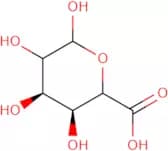
CAS :<p>D-Glucuronic acid (GlcA) is D-glucose with position six oxidised to a carboxyl group (Collins, 2006). It is a common component of a number of gums and mucilages structurally related to pectins, where it is can be present as a terminal non reducing end residue (Renard, 1999). Glucuronic acid is also found in bacterial polysaccharides, such as, xanthan gum produced by Xanthomonas campestris (Faria, 2011), and in glycosaminoglycans, such as, heparan sulfate (Casale, 2020).</p>Formule :C6H10O7Degré de pureté :Min. 98%Couleur et forme :White Off-White PowderMasse moléculaire :194.14 g/molAcetobromo-D-glucose - 2% CaCO3
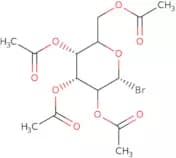
CAS :<p>Intermediate for β-glucosides; potential PET surface modification reagent</p>Formule :C14H19BrO9Degré de pureté :Min. 95%Couleur et forme :White PowderMasse moléculaire :411.2 g/molD-Xylonic-1,4-lactone
CAS :<p>D-Xylonic acid-1,4-lactone is a substrate that participates in the synthesis of glyceric acid. It has been shown to be a synthetic substrate for benzyl groups and leukemia HL-60 cells. D-Xylonic acid-1,4-lactone can react with chloride ions to form D-xylose. The product of this reaction is an epimerization reaction that occurs when the hydroxyl group on the carbon atom adjacent to the carbonyl group (C1) reacts with a proton from water to form a double bond at C2. This conversion produces xylonic acid and lactone.</p>Formule :C5H8O5Degré de pureté :Min. 97 Area-%Couleur et forme :White PowderMasse moléculaire :148.11 g/molL-Iduronic acid sodium salt
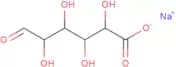
CAS :<p>L-iduronic acid (IdoA) (Collins, 2006) is the major uronic acid component of the glycosaminoglycans dermatan sulfate, chondroitin sulfate and heparin. Iduronic acid is also present in heparan sulfate, although in a minor amount relative to glucuronic acid. Glycosaminoglycans represent a physiologically important group of molecules involved in a variety of biological functions, such as, cell proliferation, cell-to-cell communication, wound healing, coagulation, morphogenesis, and pathogenesis. Glycosaminoglycans present an intriguing target for the design of new approaches for diagnostic and therapeutic agents against various infectious diseases (Kamhi, 2013).</p>Formule :C6H9NaO7Degré de pureté :Min. 95%Couleur et forme :Slightly Yellow PowderMasse moléculaire :216.12 g/molUDP-α-D-galacturonic acid
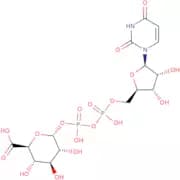
CAS :<p>UDP-α-D-galacturonic acid is a biochemical precursor for the synthesis of UDP-glucuronic acid. It is an intermediate in the biosynthesis of glycosaminoglycans, proteoglycans and lipopolysaccharides. This compound has been shown to inhibit the growth of cancer cells by inducing apoptosis in vitro. The presence of this compound may be detected by its ability to act as a substrate for glucuronidation reactions.</p>Formule :C15H22N2O18P2Degré de pureté :Min. 95%Couleur et forme :White Off-White PowderMasse moléculaire :580.29 g/molPropargyl a-D-mannopyranoside
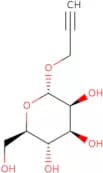
CAS :Propargyl a-D-mannopyranoside is a custom synthesis chemical. It is an intermediate in the synthesis of oligosaccharides and polysaccharides. It is also used as an inhibitor of methylation reactions, which are important in DNA replication. The chemical has been modified with fluorine groups at its 3' position to provide high purity. This modification also allows the synthesis of complex carbohydrates that contain multiple saccharide units. Propargyl a-D-mannopyranoside is synthesized by reacting mannose with propargyl bromide under basic conditions, followed by hydrolysis of the ester group to give propargyl a-D-mannopyranoside.Formule :C9H14O6Degré de pureté :One SpotCouleur et forme :PowderMasse moléculaire :218.2 g/molb-D-Allopyranose
CAS :<p>b-D-Allopyranose is a monosaccharide that has been modified with fluorine. It is used as a substrate for the production of oligosaccharides and polysaccharides, which are important biomolecules in cell walls and membranes. b-D-Allopyranose can be customized to suit your needs with Click chemistry, Methylation, or other modifications. We offer high purity b-D-Allopyranose at competitive prices.</p>Formule :C6H12O6Degré de pureté :Min. 97 Area-%Couleur et forme :PowderMasse moléculaire :180.16 g/molPhenyl 2,3,4,6-tetra-O-acetyl-b-D-thiogalactopyranoside
CAS :<p>Phenyl 2,3,4,6-tetra-O-acetyl-b-D-thiogalactopyranoside is a sugar that belongs to the class of glycosides. It is a white crystalline powder and has a molecular weight of 459.8. The chemical formula for this compound is C 12 H 18 O 9 . Phenyl 2,3,4,6-tetra-O-acetyl-b-D-thiogalactopyranoside is used in the synthesis of oligosaccharides and polysaccharides. It can be used to modify the structure of saccharides and sugar molecules by methylation or fluorination. This product also has CAS No. 24404-53-3 and can be custom synthesized according to your specifications.</p>Formule :C20H24O9SDegré de pureté :Min. 95%Couleur et forme :PowderMasse moléculaire :440.47 g/molscyllo-Inositol
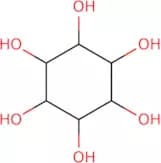
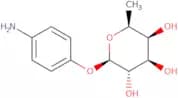
CAS :<p>Scyllo-inositol is a sugar alcohol that is an effective inhibitor of inositol monophosphatase and phosphatidylinositol-4,5-bisphosphate 3-kinase. It has been shown to inhibit the activity of these enzymes in a model system, which may be due to its structural similarity to inositol. Scyllo-inositol has also been shown to have physiological effects on cell lysis and metabolic disorders. The inhibitory properties of scyllo-inositol have been evaluated using microdialysis probes and x-ray crystal structures.</p>Formule :C6H12O6Degré de pureté :Min. 98 Area-%Couleur et forme :White Off-White PowderMasse moléculaire :180.16 g/mol4-Aminophenyl-α-D-glucopyranoside
CAS :4-Aminophenyl-alpha-D-glucopyranoside is a natural product that has been found to be an antigen. The compound has been shown to have anticancer activity, which may be due to its ability to inhibit the growth of cells and induce apoptosis. 4-Aminophenyl-alpha-D-glucopyranoside also possesses magnetic properties. The chemical structure of this compound is characterized by an acrylate group, which is a small organic molecule with two carbon atoms and one oxygen atom. This compound is synthesized in a preparative manner using methoxy, ethyl bromoacetate, and mesitylene in the presence of irradiation. NMR spectroscopy can be used for the characterization of this compound as well as other compounds with similar structures that are catalytic in nature.Formule :C12H17NO6Degré de pureté :Min. 98.0 Area-%Masse moléculaire :271.27 g/molD-Glucal
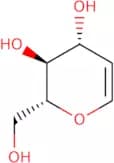
CAS :<p>D-Glucal is a protonated d-glucal, which is a simple sugar. It reacts with the electron acceptor oxygen to form an oxidized product. This product can be reduced back to the original molecule by using a reducing agent, such as sodium borohydride or sodium dithionite. D-Glucal has been shown to inhibit the growth of tumor cells in mice that are resistant to other anticancer drugs. D-Glucal inhibits transcription and replication of DNA by binding to the DNA-dependent RNA polymerase and blocking its ability to transcribe messenger RNA (mRNA). The enzyme is also inhibited by glycosidic bond architectures that prevent it from binding to the DNA template strand. D-Glucal also has an effect on protein synthesis because it binds to proteins and prevents them from performing their normal functions.<br>D-Glucal has been used as a model system for studying cellular processes in mammalian cells, such as oxidation</p>Formule :C6H10O4Degré de pureté :Min. 98 Area-%Couleur et forme :White Off-White PowderMasse moléculaire :146.14 g/mol6-O-Methyl-D-galactopyranose
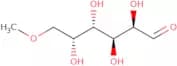
CAS :<p>6-O-Methyl-D-galactopyranose is a monosaccharide that is an important component of the glycosidic linkage in the plant galactomannans. 6-O-Methyl-D-galactopyranose has been shown to be a good substrate for immobilized lectin, which can be used in ionization techniques as well as to characterize glycoproteins and glycopeptides. 6-O-Methyl-D-galactopyranose has also been used in the identification of blood groups and amino acid analysis.</p>Formule :C7H14O6Degré de pureté :Min. 97 Area-%Couleur et forme :White Off-White PowderMasse moléculaire :194.18 g/mol2C-Hydroxymethyl-2,3:5,6-di-O-isopropylidene-L-gulono-1,4-lactone
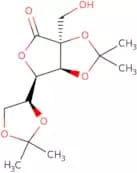
CAS :2C-Hydroxymethyl-2,3:5,6-di-O-isopropylidene-L-gulono-1,4-lactone is a synthetic compound with the molecular formula C8H11O7. It is a sugar derivative that is used as an intermediate in the synthesis of saccharides and oligosaccharides. 2C-Hydroxymethyl-2,3:5,6-di-O-isopropylidene-L-gulono-1,4 -lactone has been shown to be a good candidate for Click chemistry modification.Formule :C13H20O7Degré de pureté :Min. 95%Masse moléculaire :288.29 g/molSimvastatin acyl-b-D-glucuronide
CAS :<p>Simvastatin acyl-b-D-glucuronide is a modification of simvastatin that has been synthesized and modified to provide high purity. It is a white, crystalline solid with a melting point of about 200°C. This compound can be used as an intermediate in the synthesis of oligosaccharides, polysaccharides, or other carbohydrate derivatives.</p>Formule :C31H48O12Degré de pureté :Min. 97 Area-%Couleur et forme :White Off-White PowderMasse moléculaire :612.71 g/mol4-Methylphenyl 2,3,4,6-tetra-O-acetyl-β-D-thioglucopyranoside
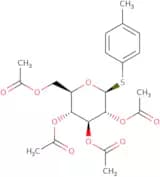
CAS :<p>4-Methylphenyl 2,3,4,6-tetra-O-acetyl-b-D-thioglucopyranoside is an antibiotic that is used to treat infections caused by a wide range of pathogens. This drug is active against Gram-negative and Gram-positive bacteria, including some resistant strains. 4MPTGA inhibits the growth of bacteria by binding to their ribosomes and preventing protein synthesis. It has been shown to have antimicrobial activity against E. coli and other Enterobacteriaceae species as well as other Gram negative bacteria such as Salmonella typhi and Proteus mirabilis. 4MPTGA has also been shown to be effective against the common animal health pathogen Staphylococcus aureus</p>Formule :C21H26O9SDegré de pureté :Min. 95%Couleur et forme :White PowderMasse moléculaire :454.49 g/mol1,3,4,6-Tetra-O-acetyl-N-propanoyl-D-mannosamine
CAS :<p>1,3,4,6-Tetra-O-acetyl-N-propanoyl-D-mannosamine is a sugar that is used for the synthesis of novel glycosides. It is prepared by the methylation of D-mannose with acetic anhydride in the presence of sodium methoxide. This reaction can also be carried out on a variety of other sugars and carbohydrates, such as D-galactose, D-xylose, or L-arabinose. 1,3,4,6-Tetra-O-acetyl-N-propanoyl-D-mannosamine has been shown to react with 4-(pyridinium)butanoic acid to produce 4-(pyridinium)butanal (1), which reacts with glycine to produce 1-(pyridinium)butanediamide (2). The carbonyl group in 2 can</p>Formule :C17H25NO10Degré de pureté :Min. 95%Masse moléculaire :403.38 g/molD-Arabinose
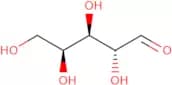
CAS :<p>D-Arabinose is a dinucleotide phosphate that is an important metabolic intermediate in the pentose phosphate pathway. It has been shown to have pharmacological effects, such as enzyme inhibition and binding to DNA. D-Arabinose has been used in biochemical studies of energy metabolism and related areas. D-Arabinose is converted to ribitol by ribitol dehydrogenase, which can be oxidized to ribulose 5-phosphate by ribulose 5-phosphate dehydrogenase. The conversion of D-arabinose to ribitol requires NAD(P)H, which provides the reducing power for this reaction. The conversion of ribitol to ribulose 5-phosphate also requires NAD(P)H, but does not produce any reducing power. A redox potential measurement was used to determine the relative reduction potentials of the two reactions and found that they are equal at -0.5 volts (V).</p>Formule :C5H10O5Masse moléculaire :150.13 g/molRef: 3D-A-8200
1kgÀ demander5kgÀ demander10kgÀ demander25kgÀ demander2500gÀ demander-Unit-kgkgÀ demanderD-Mannojirimycin hydrogensulfite
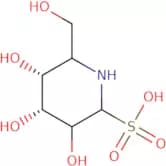
<p>D-Mannojirimycin hydrogensulfite, an iminosugar analogue of Mannose, is a potent inhibitor of alpha-mannosidase.</p>Formule :C6H13NO7SDegré de pureté :Min. 95%Couleur et forme :PowderMasse moléculaire :243.24 g/molα-Chloralose (max. 20% β-anomer)
CAS :<p>Alpha-Chloralose (max. 20% beta-anomer) is a chemical compound primarily used as a sedative and for rodent control. It is synthesized through a chemical reaction involving glucose and chloral, creating a substance with unique physiological properties. Its mode of action primarily involves depressing the central nervous system, leading to reduced responsiveness and hypothermia in targeted organisms. Alpha-Chloralose induces symptoms that facilitate its application as a tranquilizer, particularly in small mammals and birds during scientific research. Additionally, due to its efficacy in lowering metabolic rates, it is utilized as a rodenticide. Within this context, it serves to humanely control rodent populations by inducing hypothermic conditions, leading to a humane death. Its dual functionality—both as a sedative and a rodenticide—makes it a versatile tool in scientific research and pest management. The specification of a maximum 20% beta-anomer content ensures a standardized formulation, enhancing its reliability and consistency for experimental and practical applications.</p>Formule :C8H11Cl3O6Masse moléculaire :309.53 g/molRef: 3D-C-3305
1kgÀ demander5kgÀ demander10kgÀ demander25kgÀ demander2500gÀ demander-Unit-kgkgÀ demander(3S, 4R) -3, 4- Dihydroxy- 2- methyl-D- proline
<p>(3S, 4R) -3, 4-Dihydroxy-2-methyl-D-proline is a synthetic monosaccharide. It is an intermediate in the synthesis of (3S, 4R)-3,4-dihydroxy-2-methyl-D-proline and can be used for the production of glycosylated products. This carbohydrate has been synthesized by fluorination followed by methylation and glycosylation. This is a high purity product that can be custom synthesized to meet your needs.</p>Degré de pureté :Min. 95%D-Mannosamine HCl
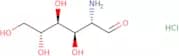
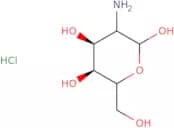
CAS :Resource for synthesis of non-natural ManNAc analogs and mannosaminyl donorsFormule :C6H13NO5·HClDegré de pureté :Min. 98 Area-%Couleur et forme :White PowderMasse moléculaire :215.63 g/mol2-Deoxy-2-fluoro-D-galactose
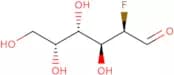
CAS :<p>2-Deoxy-2-fluoro-D-galactose, also called 3-fluoro-6-hydroxymethyl-tetrahydro-pyran-2,4,5-triol, can be added to the medium of primary cultured rat hepatocytes to inhibit N-glycosylation of proteins. Immunoglobulin G (IgG) is the most common antibody found in blood and 2-deoxy-2-fluoro-D-galactose modifies the galactosylation of the N-linked glycan in the IgG-Fc receptor. We also have this product from a non-animal origin, MD71984.</p>Formule :C6H11FO5Degré de pureté :Min. 97 Area-%Couleur et forme :White PowderMasse moléculaire :182.15 g/mol1,2-O-Cyclohexylidene-myo-inositol
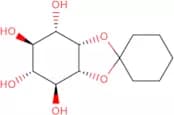
CAS :1,2-O-Cyclohexylidene-myo-inositol (CIM) is a fatty acid that has a 6-hydroxyl group. This compound is used in the diagnosis of chemical biology, immunocomplexes and phosphate derivatives. CIM has been shown to bind to iron and form an immunocomplex with it. CIM also binds to phosphate derivatives, which are found in carbohydrate chemistry. The hydroxyl group on CIM can react with chloride ions and form asymmetric synthesis. Growth factors like insulin and other hormones can be synthesized from this compound through the addition of an amine group or phosphate group. CIM also reacts with monoclonal antibodies for use in diagnostic tests for pancreatic lipase.Formule :C12H20O6Degré de pureté :Min. 95%Couleur et forme :PowderMasse moléculaire :260.28 g/moltert-Butyl β-D-glucopyranoside
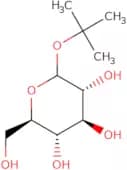
CAS :<p>tert-Butyl b-D-glucopyranoside is a monomer that belongs to the class of acrylic acid ester. It is used in polymer synthesis, as a photoinitiator and as a light stabilizer for polymers. The compound is resistant to heat and has a high degree of light transmittance. Tert-butyl b-D-glucopyranoside is soluble in chloroform and can be found in carbon tetrachloride solution with a transmittance of up to 83%. This compound can be used as an indexing agent for silicon wafers because it produces protrusions when immersed in chloroform.</p>Formule :C10H20O6Degré de pureté :Min. 95%Couleur et forme :PowderMasse moléculaire :236.26 g/mol11-Dehydroxygrevilloside B
CAS :<p>11-Dehydroxygrevilloside B is a natural glycoside compound, which is primarily isolated from the plant genus Grevillea. This genus is known for its rich diversity of secondary metabolites with various biological activities. The mode of action of 11-Dehydroxygrevilloside B involves interactions with specific molecular targets, potentially influencing biochemical pathways associated with inflammation, oxidative stress, or other cellular processes. Its exact mechanism is still under research, aiming to unravel its potential therapeutic or protective effects. Applications of 11-Dehydroxygrevilloside B are mainly within the realm of biochemical and pharmacological research, where it serves as a subject for in vitro or in vivo experiments to explore its efficacy and safety profile. Its study contributes to understanding how plant-derived compounds can be harnessed for medicinal purposes and augments the exploration of novel drug candidates from natural sources.</p>Formule :C17H26O7Degré de pureté :Min. 95 Area-%Couleur et forme :PowderMasse moléculaire :342.38 g/molGlucosylceramide
CAS :<p>Glucosylceramide (Glc-Cer) is the common precursor in the biosynthesis of most glycosphingolipids, with exception of some Gal-Cer derivatives, such as, GM4. Glucosylceramide consists of a glucosyl moiety which is β-O-glycosydically linked to ceramide, which itself, consists of the long-chain aminoalcohol sphingosine and a fatty acid. Glucosylceramide (also called glucocerebroside) is synthesised enzymatically, by the glucosylceramide synthase-catalysed with the addition of a glucose residue to ceramide. Glucosylceramide is involved in the regulation of various cellular events and also serves as a main constituent in liposome formulations.</p>Formule :C40H75NO9Degré de pureté :Min. 98 Area-%Couleur et forme :White Off-White PowderMasse moléculaire :714.02 g/molPeonidin-3-O-galactoside chloride
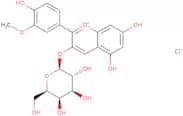
CAS :Peonidin-3-O-galactoside chloride is a natural product that can be found in many plants, such as the genus Peonia, and is also commonly found in wine. It has been shown to inhibit pancreatic lipase in vitro and may have potential as a dietary supplement. The surface methodology used to study the interaction of protocatechuic acid with caco-2 cells was efficient and showed the ability of this compound to interact with fatty acids. This interaction could be related to its health effects, which have been studied using cell culture methods. The dietary intake of protocatechuic acid has been shown to reduce blood pressure in rats, but it is unclear if this effect would occur in humans because of the lack of a suitable animal model for human studies.Formule :C22H23O11·ClDegré de pureté :Min. 95%Couleur et forme :PowderMasse moléculaire :498.86 g/molMethyl 2,4-di-O-methyl-β-D-glucopyranoside
CAS :Methyl 2,4-di-O-methyl-b-D-glucopyranoside is a selectively protected glucose glycosideFormule :C9H18O6Degré de pureté :Min. 95%Masse moléculaire :222.24 g/mol1,3,5-O-Methylidyne-myo-inositol
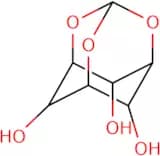
CAS :<p>1,3,5-O-Methylidyne-myo-inositol is a cyclic sugar alcohol, which is naturally derived from various plant sources, including certain fruits and grains. As a stereoisomer of inositol, it represents a specific structural form that contributes to its unique properties and potential biological activities. The compound operates through modulating cellular signaling pathways, particularly those related to phosphoinositide metabolism, influencing intracellular calcium levels, and affecting lipid signaling cascades.This compound is primarily explored for its potential role in neurological health and its capacity to influence insulin signaling pathways. It has been investigated for applications in managing conditions such as polycystic ovary syndrome (PCOS), mood disorders, and neurodegenerative diseases. Due to its intricate involvement in cellular signaling networks, 1,3,5-O-Methylidyne-myo-inositol holds promise in furthering understanding of complex biological processes and for therapeutic development in metabolic and neurological disorders. Research continues to explore its efficacy and mechanisms of action to better establish its role in health and disease.</p>Formule :C7H10O6Degré de pureté :Min. 95%Couleur et forme :PowderMasse moléculaire :190.15 g/molD-Arabonic acid-1,4-lactone
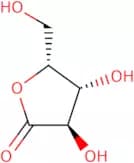
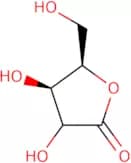
CAS :<p>D-Arabonic acid-1,4-lactone is a synthetic sugar that is modified to produce a variety of carbohydrates. This product can be used in the synthesis of oligosaccharides and monosaccharides. It is also used as a carbohydrate in the production of saccharide-based polymers, such as polysaccharides or polyols. This product has CAS number 2782-09-4 and a purity level of ≥99%.</p>Formule :C5H8O5Degré de pureté :Min. 95 Area-%Couleur et forme :PowderMasse moléculaire :148.11 g/molL-Glucose
CAS :L-glucose is a monosaccharide that is an important source of energy for the human body. The glucose molecule consists of 6 carbon atoms, 12 hydrogen atoms and 6 oxygen atoms. Glucose enters cells with the help of insulin and ATP-sensitive potassium channels. It has been shown that L-glucose can inhibit viral replication in vitro, such as HIV and herpes simplex virus type 1 (HSV-1). L-Glucose may be used to treat squamous carcinoma by reducing the redox potential in cancer cells. L-Glucose inhibits the growth of c. glabrata by inhibiting transcription activators and enzymes involved in glycolysis. L-Glucose also has hypoglycemic effects on humans by reducing cortisol concentrations in human serum.Formule :C6H12O6Degré de pureté :Min. 98 Area-%Couleur et forme :White Clear LiquidMasse moléculaire :180.16 g/mol6-Methyldiosgenin Acetate
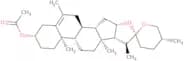
CAS :<p>6-Methyldiosgenin acetate is a saponin that is found in the plant Balanites aegyptiaca. It has been shown to have anti-inflammatory and anti-tumor effects, as well as antioxidant properties. 6-Methyldiosgenin acetate also has been shown to stimulate the production of nitric oxide (NO) in endothelial cells, which may contribute to its anti-inflammatory effects. The chemical structure of 6-methyldiosgenin acetate is similar to that of furostanol and spirostanol, which are both saponins found in plants that can be used for the treatment of cancer. In addition, sapogenols are known to have a variety of therapeutic activities including antidiabetic, antiviral and anticancer activity.</p>Formule :C30H46O4Degré de pureté :Min. 95%Masse moléculaire :470.68 g/molPregnanediol 3α-O-β-D-glucuronide
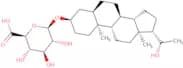
CAS :<p>Pregnanediol 3α-O-β-D-glucuronide is a glucuronide metabolite of progesterone, which is a key steroid hormone in the reproductive system. This compound is derived from the metabolic conversion of progesterone, primarily within the liver, where it undergoes glucuronidation. This process involves the addition of glucuronic acid, mediated by the enzyme UDP-glucuronosyltransferase, enhancing the compound’s solubility for renal excretion.</p>Formule :C27H44O8Degré de pureté :Min. 95%Couleur et forme :PowderMasse moléculaire :496.63 g/mol3, 5- O-Isopropylidene - D- lyxonic acid γ-lactone
3,5-O-Isopropylidene-D-lyxonic acid gamma-lactone is a sugar that belongs to the group of carbohydrates. It is synthesized by the chemical modification of D-lyxonic acid and has been shown to inhibit the growth of bacteria. 3,5-O-Isopropylidene - D-lyxonic acid gamma-lactone inhibits bacterial growth by binding to the enzyme beta - galactosidase, which is involved in glycosylation and glycosyltransferase activity. This compound also inhibits protein synthesis in bacteria and has been shown to have antiinflammatory properties. 3,5-O-Isopropylidene - D-lyxonic acid gamma-lactone may be used as an alternative sweetener or food additive.Degré de pureté :Min. 95%3,6-Anhydro-D-galactose
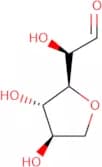
CAS :<p>3,6-Anhydro-D-galactose is a monosaccharide of D-galactose where the 3 and 6 positions are cyclised in an ether link. 3,6-Anhydro-D-galactose is found naturally occurring in Rhodophyta (Red Algae) and is a constituent of the sulphated polysaccharide PLS, which has shown anti-inflammation activity and anti-nociceptive effects. In addition, sulphated polysaccharide is capable of inhibiting the in vitro replication of Herpes simplex virus type 1 (HSV-1) and HIV-1.<br>We also offer this product in 10% aqueous solution (MA07897).</p>Formule :C6H10O5Degré de pureté :Min. 95%Couleur et forme :White PowderMasse moléculaire :162.14 g/mol2,3,5-Tri-O-benzoyl-a-D-arabinofuranosyl bromide
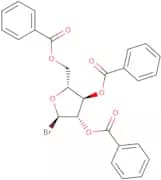
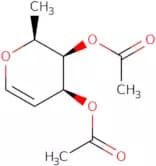
CAS :2,3,5-Tri-O-benzoyl-a-D-arabinofuranosyl bromide is a glycosylation reagent that can be used in the synthesis of polysaccharides and oligosaccharides. It is also used to modify sugars with methyl and fluorination reagents. 2,3,5-Tri-O-benzoyl-a-D-arabinofuranosyl bromide has CAS number 434868 9.Formule :C26H21BrO7Degré de pureté :Min. 95%Couleur et forme :PowderMasse moléculaire :525.34 g/mol3,4-Di-O-acetyl-L-fucal
CAS :<p>3,4-Di-O-acetyl-L-fucal is a phosphate derivative that is synthetically derived from ethyl diazoacetate. It has cytotoxic properties and is readily activated by phosphorylation to form the active form. 3,4-Di-O-acetyl-L-fucal has been shown to be effective against leukemia cells in vitro and may be useful as an adjuvant treatment for lymphocytic leukemia. 3,4-Di-O-acetyl-L-fucal also inhibits the growth of staphylococci in vitro, but it is not active against other bacteria such as Escherichia coli or Pseudomonas aeruginosa. The enantiomer of 3,4 Di O acetyl - L - fucal is inactive because it cannot be phosphorylated.</p>Formule :C10H14O5Degré de pureté :Min. 95%Couleur et forme :White PowderMasse moléculaire :214.22 g/molD-Galactose non-animal origin
CAS :<p>Galactose from plant origin, animal free production</p>Formule :C6H12O6Degré de pureté :Min. 99.0 Area-%Couleur et forme :White PowderMasse moléculaire :180.16 g/mol4'-Hydroxypropanolol D-glucuronide D5
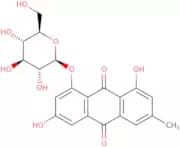
Produit contrôlé<p>4'-Hydroxypropanolol D-glucuronide D5 is a custom synthesis.</p>Formule :C22H24NO9D5Degré de pureté :Min. 95%Masse moléculaire :456.51 g/molEmodin 8-O-b-D-glucopyranoside
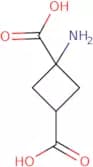
CAS :<p>Emodin is a natural product that can be extracted from the rhizome of Curcuma aromatica, a chinese herb. It has been shown to have neuroprotective effects in animal studies and has been used as an adjuvant in the treatment of cervical cancer. Emodin also inhibits the replication of human immunodeficiency virus type 1 (HIV-1) and herpes simplex virus type 1 (HSV-1). Emodin is also active against microbial infection, including bacterial infections, such as those caused by Staphylococcus aureus, and viral infections, such as influenza A virus. The main mechanism of action of emodin is its inhibition of DNA synthesis by binding to viral dna or bacterial rna polymerase. Emodin has also been found to inhibit protein synthesis by binding to ribosomes. This drug binds to urea nitrogen molecules in bacteria and disrupts their growth by inhibiting protein synthesis.</p>Formule :C21H20O10Degré de pureté :Min. 95%Couleur et forme :PowderMasse moléculaire :432.38 g/mol2,4-Methanoglutamic acid
CAS :<p>2,4-Methanoglutamic acid is an amino acid that has been shown to have neuroprotective effects in animal models of excitotoxicity. It has been shown to reduce neuronal death at low concentrations and inhibit the uptake of glutamate into the brain cells. 2,4-Methanoglutamic acid binds to calcium ions and prevents the release of calcium from intracellular stores, thereby protecting against neuronal death. This compound has also been shown to be toxic in mammalian cell culture, but it is not yet known if this toxicity will occur in humans.</p>Formule :C6H9NO4Degré de pureté :Min. 95%Masse moléculaire :159.14 g/moln-Dodecyl-β-D-maltoside
CAS :<p>Dodecyl maltoside (DDM) is a non-ionic detergent that consists of a hydrophilic maltose head and a hydrophobic long chain alkyl tail. It has a relatively low critical micelle concentration of 0.17 mM and is considered a gentle but powerful detergent. DDM is often the best tool for solubilising/crystallising membrane proteins. Membrane proteins usually have α-helical structures that are easily destroyed when the protein is released from its membrane environment. DDM can often preserve these structures during the solubilisation. In addition, membrane proteins can often be renatured when isolated with DDM.</p>Formule :C24H46O11Masse moléculaire :510.63 g/mol2,3,4,6-Tetra-O-acetyl-a-D-galactopyranosyl azide
CAS :<p>Please enquire for more information about 2,3,4,6-Tetra-O-acetyl-a-D-galactopyranosyl azide including the price, delivery time and more detailed product information at the technical inquiry form on this page</p>Formule :C14H19N3O9Degré de pureté :Min. 98 Area-%Couleur et forme :PowderMasse moléculaire :373.32 g/mol1-O-Methyl-β-D-glucuronic acid, sodium salt
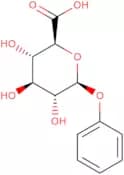
CAS :1-O-Methyl-β-D-glucuronic acid is a β-glucuronidase inducer.Formule :C7H11NaO7Masse moléculaire :230.15 g/molPhenyl-β-D-glucuronic acid monohydrate
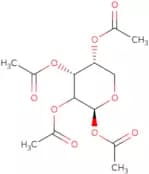
CAS :Phenyl-beta-D-glucuronic acid monohydrate is a genotoxic agent that is metabolized to S-phenylmercapturic acid. This metabolite can be detected in urine as an indicator of exposure to the compound. Phenyl-beta-D-glucuronic acid monohydrate has been shown to have toxic effects on humans, such as decreasing the glomerular filtration rate and increasing reactive oxygen species levels. It also decreases antioxidant vitamin levels and causes blood disorders, including hemolytic anemia. Phenyl-beta-D-glucuronic acid monohydrate may also be used for the treatment of autoimmune diseases by inhibiting certain enzymes involved in inflammation and immune response.Formule :C12H16O8Degré de pureté :Min. 98 Area-%Couleur et forme :White PowderMasse moléculaire :288.26 g/mol1,2,3,4-Tetra-O-acetyl-D-lyxopyranose
CAS :<p>1,2,3,4-Tetra-O-acetyl-D-lyxopyranose (LXT) is a human lymphocyte growth factor that stimulates the proliferation of human lymphocytes. It also exhibits antiviral activity against murine leukemia and murine viruses in cell culture. LXT has been shown to inhibit the replication of the virus that causes human breast carcinoma. This compound also exhibits anti-inflammatory effects on murine leukemia cells and can stimulate the production of interferon from mouse spleen cells.</p>Formule :C13H18O9Degré de pureté :Min. 95%Masse moléculaire :318.3 g/molL-Lyxose
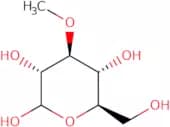
CAS :<p>Starting material for chiral-pool based organic synthesis</p>Formule :C5H10O5Degré de pureté :Min. 98 Area-%Couleur et forme :White PowderMasse moléculaire :150.13 g/mol3-O-Methyl-α-D-glucopyranose
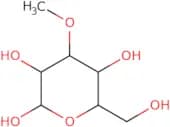
CAS :3-O-Methyl-α-D-glucopyranose is a synthetic, fluorinated monosaccharide. This compound is a custom synthesis, and it can be used as an intermediate in glycosylation reactions. 3-O-Methyl-α-D-glucopyranose is typically used for the modification of polysaccharides by methylation or fluorination. It also has potential applications in the production of high purity sugar compounds.Formule :C7H14O6Degré de pureté :Min. 95%Masse moléculaire :194.18 g/molEthyl β-D-glucuronide
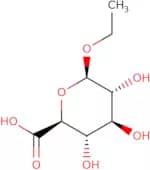
CAS :<p>Ethyl β-D-glucuronide (EBG) is a metabolite of ethanol that is formed by the conjugation of glucuronic acid to ethanol in the liver. EBG has been shown to be a potential biomarker for alcohol consumption, as it can be detected in urine and blood. The presence of this molecule has also been associated with an increased risk of developing type 2 diabetes mellitus, cardiovascular disease, and cancer. EBG may also have pharmacological effects as it has been shown to inhibit lipid oxidation and increase insulin sensitivity. This molecule can be extracted from human serum using solid phase microextraction</p>Formule :C8H14O7Degré de pureté :Min. 98 Area-%Couleur et forme :Slightly Brown PowderMasse moléculaire :222.19 g/mol3-Cyano-(1H)-1,2,4-triazine
<p>3-Cyano-(1H)-1,2,4-triazine is a synthetic compound that belongs to the group of complex carbohydrates. It is a monosaccharide and an oligosaccharide that can be custom synthesized and modified. 3-Cyano-(1H)-1,2,4-triazine is used as a glycosylation or polysaccharide modification agent in the synthesis of sugar molecules. It has been shown to have high purity and low toxicity.</p>Degré de pureté :Min. 95%D-glycero-D-galacto-Heptose
CAS :D-Glycero-D-galacto-heptose is a sugar that has been shown to have antimicrobial properties and inhibit the growth of oral pathogens. It inhibits the enzyme glycosyltransferase, which is responsible for synthesizing D-galactosyl sugars. This inhibition prevents the formation of a substrate for the enzyme β-1,4-N acetylglucosaminyltransferase, which is necessary for bacterial cell wall synthesis. This leads to cell death as a result of impaired membrane integrity. D-Glycero-D-galacto-heptose has been shown to have inhibitory properties against both Gram negative and Gram positive bacteria in vitro assays. The mechanism of action is through target enzymes such as glycosyltransferases, which are necessary for bacterial cell wall synthesis. Inhibition of these enzymes leads to cell death by impairing membrane integrity.Formule :C7H14O7Degré de pureté :Min. 98 Area-%Couleur et forme :PowderMasse moléculaire :210.18 g/molN-(2,4-Dinitrophenyl-deoxygalactonojirimycin
<p>N-(2,4-Dinitrophenyl-deoxygalactonojirimycin is a complex carbohydrate that has been modified with methylation, glycosylation, and click modification. It has an Oligosaccharide chain and a CAS number of 888315-21-2. N-(2,4-Dinitrophenyl-deoxygalactonojirimycin is a high purity product that is available in the form of a white solid.</p>Degré de pureté :Min. 95%3-O-Methyl-D-glucopyranoside
CAS :<p>Resource for synthesis of natural products with a 3-O-Me-glucosyl element</p>Formule :C7H14O6Degré de pureté :Min. 98 Area-%Couleur et forme :White Off-White PowderMasse moléculaire :194.18 g/mol2,3,4-Trichloro-2,3,4-trideoxy-D-fructose
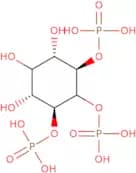
<p>2,3,4-Trichloro-2,3,4-trideoxy-D-fructose is a custom synthesis that is a complex carbohydrate. It has been modified with glycosylation and methylation to produce the desired product. This compound has shown potential for use as a therapeutic agent in cancer treatment.</p>Formule :C6H9Cl3O3Degré de pureté :Min. 95%Masse moléculaire :235.5 g/molD-myo-Inositol 1,2,3-triphosphate
CAS :<p>D-myo-Inositol 1,2,3-triphosphate is a polyphosphate that is involved in phosphatidylinositol signaling. It has been shown to be involved in the regulation of cellular proliferation and differentiation. The biological function of this molecule is not well understood, but it has been shown to have a high redox potential and can have protonation at high concentrations. D-myo-Inositol 1,2,3-triphosphate binds to metal ions such as iron. This molecule has been found in mammalian cells and is believed to be a structural component of these cells.</p>Formule :C6H15O15P3Degré de pureté :Min. 95%Masse moléculaire :420.1 g/mol1,4-Dideoxy-1,4-imino-D-arabinitol
CAS :1,4-Dideoxy-1,4-imino-D-arabinitol (1,4DA) is an inhibitor of glycolysis that has potent inhibitory activity against the enzyme phosphofructokinase. It has been shown to decrease cellular ATP levels in rat liver and kidney tissues. 1,4DA also inhibits urine production by inhibiting the conversion of fructose to glucose in the kidney. This compound is a racemic mixture with two enantiomers: R and S. The pharmacokinetics of 1,4DA have been studied in rats and humans using a model system. In rats, 1,4DA was absorbed rapidly and excreted unchanged in the urine. In humans, this drug was well absorbed after oral administration and metabolized mainly by hydrolysis to form 1,4-dideoxyfructose (Fru).Formule :C5H11NO3Degré de pureté :Min. 95%Masse moléculaire :133.15 g/molL-Arabonic acid-1,4-lactone
CAS :<p>L-Arabonic acid-1,4-lactone (LL) is the product of the reaction between L-arabinose and trifluoroacetic acid. LL is an enantiomer of D-arabinose and has a pK a of 6.5, which makes it a weak base. This compound has been shown to be a hydroxyl group donor in human liver and is also used as a chaperone for protein folding.</p>Formule :C5H8O5Degré de pureté :Min. 95%Couleur et forme :White PowderMasse moléculaire :148.11 g/molD-Glucosamine HCl - sea shell origin
CAS :<p>D-Glucosamine (GlcN) is an aldohexose (2-Amino-2-deoxyglucose) in which the hydroxyl group at position 2 is replaced by an amino group (Collins, 2006). D-Glucosamine is found in chitosan as the N-Acetylated derivative in chitin (Rudrapatnam, 2003), glycoproteins, glycolipids and the glycosaminoglycan hyaluronic acid (Fallacara, 2018). Glucosamine, as its sulfate salt, often in combination with the polydisaccharide chondroitin, is marketed over-the-counter as a treatment for osteoarthritis inflammation and its accompanying pain. Only the D-enantiomer of glucosamine exists in nature.</p>Formule :C6H13NO5·HClDegré de pureté :(Titration) Min. 98%Couleur et forme :White PowderMasse moléculaire :215.63 g/molD-Glucamine
CAS :<p>D-Glucamine, also known as glycamine, 1-Amino-1-deoxy-D-glucitol and 1-Amino-1-deoxy-L-sorbitol, is a naturally occurring amino sugar, precursor for glycosylated proteins and lipids. It is used as an excipient in pharmaceutical formulations, where it can act as a stabilizer, pH adjuster, or osmotic agent. D-Glucamine is also used, together with iodinated organic compounds, in X-ray contrast media. In cosmetics, it is used as moisturizer and smoother.</p>Formule :C6H15NO5Degré de pureté :Area-% Min. 95 Area-%Couleur et forme :White Off-White PowderMasse moléculaire :181.19 g/molGalNAc benzyloxy β-pentanoic acid
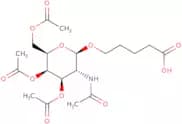
CAS :Trivalent GalNAc precursorFormule :C19H29NO11Degré de pureté :Min. 95%Couleur et forme :PowderMasse moléculaire :447.43 g/mol1,2,3,4-Tetra-O-benzoyl-6-O-tert-butyldiphenylsilyl-b-D-galactopyranose
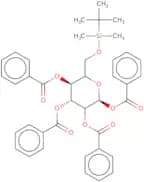
CAS :1,2,3,4-Tetra-O-benzoyl-6-O-tert-butyldiphenylsilyl-b-D-galactopyranose is a modified oligosaccharide that is synthesized and offered at high purity. The chemical name of this compound is 1,2,3,4 tetra O benzoyl 6 O tert butyldiphenylsilyl b D galactopyranose. This compound is fluorinated at the 2 position of the sugar molecule with a silyl group on the 3 position. It has CAS number 1222709-87 6.Formule :C40H42O10SiDegré de pureté :Min. 95%Masse moléculaire :710.86 g/molPyridoxine galactoside
CAS :<p>Pyridoxine galactoside is an oligosaccharide that is used as a methyl donor in the synthesis of other compounds. Pyridoxine galactoside is a synthetic compound that has been modified by fluorination and has a saccharide chain consisting of a monosaccharide, sugar, or carbohydrate. It is synthesized from pyridoxine and galactose.</p>Formule :C14H21NO8Degré de pureté :Min. 95%Couleur et forme :PowderMasse moléculaire :331.3 g/molConduritol D
CAS :<p>Conduritol D (CD) is a natural product that has been isolated from the pancreas of rats. It is homochiral, and it has been shown to be active in the treatment of diabetic patients. CD has a hydroxy group at C-4' and an alcohol group at C-5'. The functional groups are acetylated at C-3', which may make this compound more potent than other similar compounds with different functional groups. It is also synthesized stereoselectively, making it a selective molecule. CD has been shown to have pharmacokinetic properties that may be beneficial for treating diabetes.</p>Formule :C6H10O4Degré de pureté :Min. 95 Area-%Couleur et forme :Clear LiquidMasse moléculaire :146.14 g/mol5-Keto-D-gluconic acid
CAS :<p>5-Keto-D-gluconic acid is an intermediate in the synthetic pathway of glucose. The enzyme 5-keto-D-gluconate dehydrogenase catalyzes the conversion of 5-keto-D-gluconate to D-glucono-1,5-lactone. This reaction is important for plant physiology and is used industrially for the production of citric acid. In order to synthesize 5-keto-D-gluconic acid, a p. pastoris strain was engineered with an increased expression of 5KGDH, which led to an increase in the production of this compound. This synthesis took place through a dinucleotide phosphate intermediate that was formed by two molecules of malonic acid. Citric acid was also synthesized from this intermediate. <br>The enzyme activity levels were measured using a bacterial strain that contained a wild type gene sequence (WT) and a mutant gene sequence (</p>Formule :C6H10O7Degré de pureté :Min. 98 Area-%Couleur et forme :Clear LiquidMasse moléculaire :194.14 g/mol1,2-O-Isopropylidene - 5- O- (tert.butyldimethylsilyl) -β- D- glucofuranuronic acid γ-lactone
<p>1,2-O-Isopropylidene - 5- O- (tert.butyldimethylsilyl) -beta- D- glucofuranuronic acid gamma-lactone is a synthetic compound that is used in the preparation of complex carbohydrates. This product can be methylated, glycosylated, or click modified to produce a wide range of products for use in the food and beverage industry. 1,2-O-Isopropylidene - 5- O- (tert.butyl dimethylsilyl) -beta- D- glucofuranuronic acid gamma lactone is also used in the production of polysaccharides and oligosaccharides with CAS No. 70690–05–4 and 70690–06–5 respectively. It has been shown to be fluorinated at various positions on the sugar ring with high purity and precision.</p>Degré de pureté :Min. 95%Mycophenolic acid b-D-glucuronide
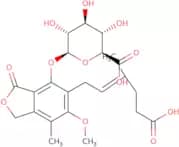
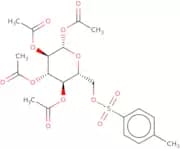
CAS :<p>Mycophenolic acid b-D-glucuronide is a metabolite of mycophenolic acid, which is an immunosuppressant drug. The glucuronide form of mycophenolic acid is the main form found in human serum. Mycophenolic acid b-D-glucuronide has been shown to have a concentration–time curve that has a higher peak at about 3 hours and lower troughs than those for mycophenolic acid. It has also been shown to have similar effects on autoimmune diseases as its parent compound, but with fewer side effects. Mycophenolic acid b-D-glucuronide can be detected by high performance liquid chromatography (HPLC). The analytical method for this compound was developed using HPLC methods with detection by fluorescence at 254 nm and has been validated for use in human serum samples.END></p>Formule :C23H28O12Degré de pureté :Min. 96 Area-%Couleur et forme :PowderMasse moléculaire :496.46 g/mol1,2,3,4-Tetra-O-acetyl-6-O-tosyl-b-D-glucopyranose
CAS :The tetra-acetyl-6-tosyl-b-D-glucopyranose is a modification of the natural 1,2,3,4-tetra-O-acetyl-6-O-tosyl--D glucopyranose. It is synthesized by reacting the 1,2,3,4 tetra acetyl b glucopyranose with tosyl chloride and anhydrous pyridine in dry dichloromethane. The product is purified by column chromatography on silica gel using a solvent system consisting of ethyl acetate and methanol. The yield of this reaction is about 60%. The molecular weight of this compound is 876.7 g/mol and its melting point is 253°C. The CAS No. for this compound is 661910-9 and its IUPAC name is (1R*, 2S*, 4R*)-1,2,Formule :C21H26O12SDegré de pureté :Min. 95%Couleur et forme :White PowderMasse moléculaire :502.49 g/mol1,2-O-Isopropylidene-3-deoxy-3-fluoro-a-D-xylofuranose
CAS :1,2-O-Isopropylidene-3-deoxy-3-fluoro-a-D-xylofuranose is a synthetic compound that has been modified by methylation, saccharide and glycosylation. It is a fluorinated sugar that can be used for Click modification, such as for oligosaccharide synthesis or other modifications. 1,2-O-Isopropylidene-3-deoxy-3-fluoro-a-D-xylofuranose is a high purity compound that can be custom synthesized to your specifications. It has CAS No. 1853084 2 and is listed under the Glycosylation section in the Carbohydrate database.Formule :C8H13FO4Degré de pureté :Min. 95%Masse moléculaire :192.18 g/molN-Hexanoyl-D-glucosamine
CAS :N-Hexanoyl-D-glucosamine is a hexose sugar that is a component of the glycosaminoglycan heparin. It is structurally related to acetylglucosamine and n-acetylglucosamine, which are also components of heparin. N-Hexanoyl-D-glucosamine can be synthesized by the injection of propionylated D-glucose into animal tissues. The biosynthesis of this compound is impaired in animals with diabetes mellitus.Formule :C12H23NO6Degré de pureté :(%) Min. 98%Couleur et forme :White PowderMasse moléculaire :277.31 g/mol2-Deoxy-2-fluoro-β-D-glucopyranosyl azide
CAS :2-Deoxy-2-fluoro-b-D-glucopyranosyl azide is a fluorinated carbohydrate that can be used for custom synthesis of saccharides and polysaccharides. It is a methylated derivative of 2,3,4,6-tetrafluorobenzoyl azide which can be used to synthesize glycosylations using an oxazaborolidine (e.g., BOP) activation method or click modification. The compound has been shown to react with glycosylations in the presence of copper ions.Formule :C6H10FN3O4Degré de pureté :Min. 95%Couleur et forme :PowderMasse moléculaire :207.16 g/mol2,3,4,6-Tetra-O-acetyl-b-D-glucopyranosyl chloride
CAS :2,3,4,6-Tetra-O-acetyl-b-D-glucopyranosyl chloride is a fluorescent probe for nuclei and quadrupole resonance spectroscopy. It has been used to study the nuclear quadrupole resonance of anions in aqueous solution. The fluorescence intensity of 2,3,4,6-Tetra-O-acetyl-b-D-glucopyranosyl chloride is proportional to the concentration of anions in water. Fluorescence properties were evaluated by measuring the emission spectrum at various excitation wavelengths. The absorption spectrum was also measured to determine the fluorescence quantum yield and fluorescence lifetime.Formule :C14H19ClO9Degré de pureté :Min. 95 Area-%Couleur et forme :White Off-White PowderMasse moléculaire :366.8 g/mol4-Aminophenyl b-L-fucopyranoside
CAS :<p>4-Aminophenyl b-L-fucopyranoside is a synthetic, fluorinated carbohydrate with the CAS number 69936-58-9. It can be used in the synthesis of glycosides and oligosaccharides. This product is available for custom synthesis and modification.</p>Formule :C12H17NO5Degré de pureté :Min. 97 Area-%Couleur et forme :White Beige PowderMasse moléculaire :255.27 g/mol(2R, 3R, 4R, 5R) -3, 4- Dihydroxy- 2, 5- bis(hydroxymethyl) -1- pyrrolidinepropanoic acid
CAS :<p>2, 5-Bis(hydroxymethyl)-1-pyrrolidinepropanoic acid is a sugar that has the chemical formula HOCCH(OH)CHCOH. It is synthesized by the Click modification of 2, 5-dihydroxy-1-pyrrolidinepropanoic acid. The most common use of this compound is in glycosylation reactions, which are used to modify complex carbohydrates.</p>Degré de pureté :Min. 95%3,4,5,7-Tetra-O-acetyl-2,6-anhydro-D-lyxo-hept-2-enononitrile
CAS :3,4,5,7-Tetra-O-acetyl-2,6-anhydro-D-lyxo-hept-2-enononitrile is a synthetic compound that is used in the synthesis of glycosylation and oligosaccharide. This product has been modified with fluorine and methyl groups. The purity of this product is greater than 99%. 3,4,5,7-Tetra-O-acetyl-2,6-anhydro-D-lyxo-hept-2 -enononitrile is also known as CAS No. 120085–67–8.Formule :C15H17NO9Degré de pureté :Min. 95%Couleur et forme :PowderMasse moléculaire :355.3 g/molN-(Succinyl)-O-b-D-lactosylhydroxylamine
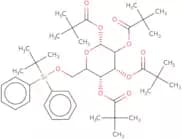
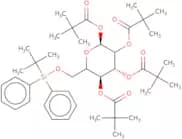
<p>N-(Succinyl)-O-b-D-lactosylhydroxylamine is a methylation product of b-D-lactosylhydroxylamine. It has a CAS number and can be modified with Click chemistry, which is a method of chemical modification using copper (II) ions. N-(Succinyl)-O-b-D-lactosylhydroxylamine can also be modified with other chemicals, such as an amine or carboxylic acid, to create an oligosaccharide. This product is synthesized in high purity and has a high glycosylation yield. It is used for research purposes and can be custom synthesized for any desired sugar.</p>Degré de pureté :Min. 95%1,2,3,4-Tetra-O-pivaloyl-6-O-(tert-butyldiphenylsilyl)-a-D-mannopyranose
1,2,3,4-Tetra-O-pivaloyl-6-O-(tert-butyldiphenylsilyl)-a-D-mannopyranose is a glycosylated sugar that can be methylated and fluorinated. It has high purity and is custom synthesized for the synthesis of oligosaccharides. This sugar has CAS number 29091-01-9 and is used in the synthesis of polysaccharides.Formule :C42H62O10SiDegré de pureté :Min. 95%Masse moléculaire :755.02 g/mol3-O-Benzyl-1,2,4-tri-O-acetyl-D-xylopyranoside
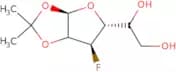
<p>3-O-Benzyl-1,2,4-tri-O-acetyl-D-xylopyranoside is a methylated saccharide that has been modified with the click chemistry. This product can be used for the synthesis of complex carbohydrates and glycosylations. This product is available in high purity and custom synthesis. It is soluble in water or aqueous solutions, making it ideal for use in biological applications. 3-O-Benzyl-1,2,4-tri-O-acetyl-D-xylopyranoside can be used as an intermediate for the synthesis of oligosaccharides and glycoconjugates. It has CAS number 69936–76–5.</p>Degré de pureté :Min. 95%1,2-O-Isopropylidene-3-deoxy-3-fluoro-a-D-glucofuranose
CAS :1,2-O-Isopropylidene-3-deoxy-3-fluoro-a-D-glucofuranose is a synthetic sugar that is used in the preparation of glycoproteins. It is an oligosaccharide and a monosaccharide, which means it consists of many saccharides linked together. It has a molecular weight of 568.8 g/mol and belongs to the class of carbohydrates. 1,2-O-Isopropylidene-3-deoxy-3-fluoro-a -D -glucofuranose can be synthesized from 3,4,5,6 tetraacetyl glucose by a click modification reaction with N-(9H-[1,2]dithiolanyl)sulfenamide and then fluorination with N-[(9H-[1,2]dithiolanyl)sulfonyl]trifluFormule :C9H15FO5Degré de pureté :Min. 95%Masse moléculaire :222.21 g/molD-Glucose 6-phosphate, barium salt
CAS :D-Glucose 6-phosphate is a high purity, custom synthesis sugar. It is a synthetic glycoside that is used in the production of fluorinated saccharides and oligosaccharides. D-Glucose 6-phosphate can be modified with methyl groups, fluorine atoms, and/or glycosylation. This compound has been shown to have properties as an antiviral agent against herpes simplex virus type 1 (HSV1) and cytomegalovirus (CMV).Formule :C6H11BaO9PMasse moléculaire :395.46 g/molRef: 3D-G-3300
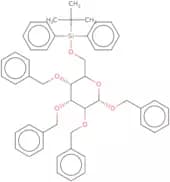
25gÀ demander50gÀ demander100gÀ demander250gÀ demander500gÀ demander-Unit-ggÀ demander1,2,3,4-Tetra-O-benzyl-6-O-tert-butyldiphenylsilyl-a-D-mannopyranose
CAS :<p>1,2,3,4-Tetra-O-benzyl-6-O-tert-butyldiphenylsilyl-a-D-mannopyranose is a synthetic glycoside that can be used as a building block for the synthesis of complex carbohydrates. It is a fluorinated sugar that can be modified with methyl groups and other functional groups. This product is available in high purity and can be custom synthesized to meet your specific needs.</p>Formule :C50H54O6SiDegré de pureté :Min. 95%Masse moléculaire :779.07 g/mol1,2,3,4-Tetra-O-pivaloyl-6-O-(tert-butyldiphenylsilyl)-b-D-galactopyranose
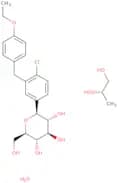
CAS :1,2,3,4-Tetra-O-pivaloyl-6-O-(tert-butyldiphenylsilyl)-b-D-galactopyranose is a high purity custom synthesis of a sugar. It is a fluorinated tetra saccharide with an unusual 1,2,3,4 linkage that has been modified with methyl groups at the 2 and 6 positions. The modification of this compound with silylation has made it resistant to enzymatic degradation. This compound has shown anti-inflammatory activities in animal models and can be used as an adjuvant therapy for inflammatory bowel disease.Formule :C42H62O10SiDegré de pureté :Min. 95%Masse moléculaire :755.04 g/molDapagliflozin propanediol monohydrate - Bio-X ™
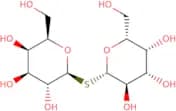
CAS :Dapagliflozin is a sodium-glucose cotransporter subtype 2 (SGLT2) inhibitor that can be used in the treatment of diabetes mellitus type 2. It inhibits glucose reabsorption in the proximal tubule of the nephron and results in glycosuria, which helps to improve glycaemic control. Also, Dapagliflozin is used to lower the risk of sustained eGFR decline, end-stage renal disease, cardiovascular death, and hospitalization for heart failure in patients with chronic kidney disease who are at risk of progression.Formule :C21H25ClO6•C3H8O2•H2ODegré de pureté :Min. 95%Couleur et forme :PowderMasse moléculaire :502.98 g/molThiodigalactoside - Bio-X ™
CAS :This product is part of our Bio-X ™ Range. These products are aimed at life science researchers who need high quality ready-to-use products for assay development, screening or other R&D work. With a solubility datasheet and convenient vials, all of our Bio-X ™ products are in stock across our global warehouses for rapid delivery and ease of use.Formule :C12H22O10SDegré de pureté :Min. 95%Couleur et forme :PowderMasse moléculaire :358.36 g/molMuramic acid hydrate
CAS :<p>Muramic acid hydrate as an amino sugar with a carboxylic acid group. It occurs in nature as N-acetylmuramic acid which is typically found in cell wall of bacterial.</p>Formule :C9H17NO7•(H2O)xDegré de pureté :Min. 95%Couleur et forme :White PowderMasse moléculaire :269.25 g/molPentagalloylglucose - Bio-X ™
CAS :A gallotannin found in plants, with various biological activities. Its anti-cancer effect has been demonstrated in several cancer cell lines, mediated by inhibition of DNA replication, proliferation and angiogenesis. Elicits anti-inflammatory, antioxidative and anti-diabetic effects. Recently, it has been identified as an inhibitor of c-Myc in hepatocellular carcinoma and multiple myeloma cells.Formule :C41H32O26Degré de pureté :Min. 98 Area-%Couleur et forme :PowderMasse moléculaire :940.68 g/mol1-Deoxy-D-sorbose
<p>D-sorbose is a diastereomer of D-xylose. It inhibits the glycolysis pathway, which stops the production of energy and leads to cell death. D-sorbose is synthesized from D-xylose by enzymatic conversion with 1,4-dihydroxybenzene. The crystalline form of D-sorbose is polymorphic and can be identified using X-ray diffraction. It has been shown to have cytotoxic effects on C. elegans and A. actinomycetes, but not on E. coli or other Gram negative bacteria. The imbalance in the ratio of these organisms may lead to an increased risk for cancer in humans.</p>Degré de pureté :Min. 95%2-Deoxy-2-fluoro-D-glucose 6-phosphate dipotassium
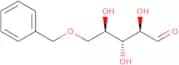
CAS :2-Deoxy-2-fluoro-D-glucose 6-phosphate dipotassium is a fluorinated sugar that is used as a building block in the synthesis of complex carbohydrates. 2-Deoxy-2-fluoro-D-glucose 6-phosphate dipotassium can be modified to produce glycosylations, methylations, and click chemistry modifications. This product is sold as a custom synthesis and can be used for any desired modification.Formule :C6H10FK2O8PDegré de pureté :Min. 95 Area-%Couleur et forme :PowderMasse moléculaire :338.31 g/mol5-O-Benzyl-D-ribose
CAS :<p>5-O-Benzyl-D-ribose is an enantiomer of D-ribose. It has been used as an antiperspirant, although it does not stop the formation of sweat, but rather reduces the amount of perspiration. 5-O-Benzyl-D-ribose is also used in the synthesis of deodorants and enantiomers for optically active pharmaceuticals. The configurations are determined by the configuration of the substituents on the benzene ring and can be either R or S. The configurations can be separated into two groups:</p>Formule :C12H16O5Degré de pureté :Min. 95%Couleur et forme :PowderMasse moléculaire :240.25 g/mol2-Acetamido-2,6-dideoxy-L-galactose
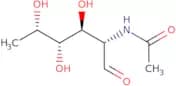
CAS :2-Acetamido-2,6-dideoxy-L-galactose (ADG) is a sugar that belongs to the group of monosaccharides. It is produced by the enzyme synthase and is found in bacteria such as type strain S. mutans and P. aeruginosa. ADG has been shown to be an inhibitor of cell lysis and can be used for the treatment of staphylococcus infections. In addition, it has shown to have anti-inflammatory properties due to its ability to inhibit hydrogen fluoride induced inflammation in mice.Formule :C8H15NO5Degré de pureté :Min. 98 Area-%Couleur et forme :PowderMasse moléculaire :205.21 g/mol1-13C-D-Rhamnose
CAS :<p>1-13C-D-Rhamnose is a monosaccharide that belongs to the group of pentoses. It is an inhibitor of bacterial growth and has been shown to inhibit the growth of P. aeruginosa strains. The mechanism of action for 1-13C-D-Rhamnose is not yet known, but it may be due to its ability to inhibit bacterial DNA polymerase, which prevents chain reactions from occurring and leads to cell death. 1-13C-D-Rhamnose has a homologous structure to GDP-D-mannose and can interact with hydrogen bonding interactions. It is found in papillae on the tongue and inhibits taste receptor cells by binding to the sweet taste receptors on the surface of these cells. The optimal pH for 1-13C-D-Rhamnose's inhibitory properties is 5.5</p>Formule :C6H12O5Degré de pureté :Min. 95%Masse moléculaire :164.16 g/molGlucosylsphingosine
CAS :Glucosylsphingosine is a modified carbohydrate that belongs to the group of complex carbohydrates. It is a custom synthesis and has high purity with no detectable impurities. Glucosylsphingosine is an oligosaccharide, which is a polysaccharide composed of three or more monosaccharides. This compound can be methylated, glycosylated, or fluorinated in order to change its properties. Glucosylsphingosine has been synthesized from glucose and sphinganine, which are both monosaccharides. Glucose can be synthesized by the reduction of glucose-6-phosphate using glucose-6-phosphate dehydrogenase or it can be obtained from hydrolysis of starch. Sphinganine can be obtained by hydrolysis of sphingomyelin, which is a phospholipid found in cell membranes or by deacylation of N-acetylFormule :C24H47NO7Degré de pureté :Min. 95%Masse moléculaire :461.63 g/molN-(Succinyl)-O-b-D-maltosylhydroxylamine
<p>N-Succinyl-O-b-D-maltosylhydroxylamine is a glycosylation reagent used in the synthesis of complex carbohydrates. Its CAS number is 87217-14-5.<br>N-Succinyl-O-b-D-maltosylhydroxylamine is a white to off-white crystalline powder with the molecular formula C4H8N2O6S and a molecular weight of 244.22. It has a melting point of 189°C. This product is soluble in water, ethanol, and chloroform. It does not dissolve in ether or hexane.</p>Degré de pureté :Min. 95%