Monosaccharides
Les monosaccharides sont la forme la plus simple des glucides et servent de building blocks fondamentaux pour les sucres plus complexes et les polysaccharides. Ces molécules de sucre unique jouent des rôles critiques dans le métabolisme énergétique, la communication cellulaire et les composants structuraux des cellules. Dans cette section, vous trouverez une large gamme de monosaccharides essentiels pour la recherche en biochimie, biologie moléculaire et glycosciences. Ces composés sont cruciaux pour étudier les voies métaboliques, les processus de glycosylation et le développement d'agents thérapeutiques. Chez CymitQuimica, nous proposons des monosaccharides de haute qualité pour répondre à vos besoins de recherche, garantissant précision et fiabilité dans vos investigations scientifiques.
Sous-catégories appartenant à la catégorie "Monosaccharides"
- Alloses(11 produits)
- Arabinoses(21 produits)
- Erythroses(11 produits)
- Fructoses(9 produits)
- Fucoses(36 produits)
- Galactosamine(41 produits)
- Galactoses(260 produits)
- Glucoses(365 produits)
- Acides glucuroniques(51 produits)
- Glyco-substrats pour l'enzyme(77 produits)
- Guloses(6 produits)
- Idoses(4 produits)
- Inositols(15 produits)
- Lyxoses(4 produits)
- Mannoses(65 produits)
- O-Glycanes(48 produits)
- Psicoses(3 produits)
- Rhamnoses(10 produits)
- Ribos(61 produits)
- Acides sialiques(100 produits)
- Sorboses(4 produits)
- Sucres(173 produits)
- Tagatoses(4 produits)
- Taloses(8 produits)
- Xyloses(20 produits)
Affichez 17 plus de sous-catégories
6088 produits trouvés pour "Monosaccharides"
Trier par
Degré de pureté (%)
0
100
|
0
|
50
|
90
|
95
|
100
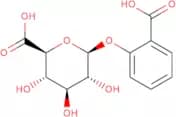
Salicylic acid D-glucuronide
CAS :<p>Salicylic acid D-glucuronide is the major metabolite of aspirin, which is formed by hydrolysis of acetylsalicylic acid. It has been demonstrated to have anti-inflammatory and analgesic effects. Salicylic acid D-glucuronide is excreted in urine and can be detected in human serum. The formation rate of this metabolite varies with the individual's age, sex, and kidney function.<br>Salicylic acid D-glucuronide can be formed in vitro using hydrochloric acid and acetylsalicylic acid as substrates. This reaction is catalyzed by the enzyme uridine diphosphate glucuronyltransferase (UGT). Salicylic acid D-glucuronide has been shown to form covalent adducts with hydroxyl groups from other molecules in vivo and in vitro, including proteins (e.g., albumin) and DNA bases (e.g.,</p>Formule :C13H14O9Degré de pureté :Min. 95%Couleur et forme :PowderMasse moléculaire :314.24 g/mol1L-Epi-2-inosose
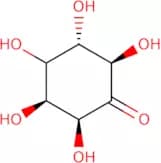
CAS :<p>1-L-Epi-2-inosose is a natural compound that has been found to have broad-spectrum antimicrobial activity. This substance is a product of the hemocyte's enzymatic conversion of L-epinephrine into 1,2,3,4,5,6-hexahydroxyisoquinoline (1L-Epi). 1L-Epi is also synthesized in vitro from epinephrine by the enzyme dehydrogenase. In addition to its antimicrobial activity, 1L-Epi has been shown to be a potent proliferation inhibitor for human cells and to be effective against gram negative bacteria.</p>Formule :C6H10O6Degré de pureté :Min. 95%Couleur et forme :PowderMasse moléculaire :178.14 g/molMethyl mandelate glucoside
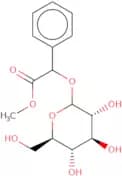
<p>Methyl mandelate glucoside is a glycosylation product that is custom synthesized for its fluorination and methylation. The molecule has a complex structure, consisting of monosaccharides and polysaccharides. Methyl mandelate glucoside is a high-purity compound with a CAS number. This chemical is also modified by click chemistry to create an oligosaccharide.</p>Formule :C15H20O8Degré de pureté :Min. 95%Masse moléculaire :328.31 g/mol1,5-Anhydro-2,3,4-tri-O-benzoyl-D-threo-pent-1-enitol
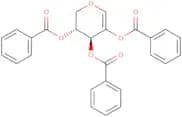
CAS :<p>1,5-Anhydro-2,3,4-tri-O-benzoyl-D-threo-pent-1-enitol is a high purity compound that is synthesized from D-threo pent 1 enitol. It is a sugar that belongs to the category of complex carbohydrates. This product can be custom synthesized and modified according to customer requirements.</p>Formule :C26H207Degré de pureté :Min. 95%Couleur et forme :PowderMasse moléculaire :444.43 g/molD-Ribose-5-phosphate disodium salt hydrate
CAS :<p>Precursor for the synthesis of nucleotides;</p>Formule :C5H9Na2O8PCouleur et forme :White Yellow PowderMasse moléculaire :274.07 g/mol(3S, 4R) - 2- [(1S) - 1, 2- Dihydroxyethyl] - 3, 4- pyrrolidinediol
<p>(3S, 4R) - 2- [(1S) - 1, 2- Dihydroxyethyl] - 3, 4- pyrrolidinediol is a Custom synthesis of an Oligosaccharide. It is a Polysaccharide and Modification of a saccharide with Methylation and Glycosylation. This Carbohydrate has been Fluorinated and Synthetically created to be High purity.</p>Degré de pureté :Min. 95%1-(Piperidine-2,6-dione-4-yl) - 4-([2-nitro] phenyl)-3- buten- 2- one
<p>Piperidine-2,6-dione-4-yl) - 4-[2-nitrophenyl]-3-buten-2-one is a custom synthesis of a high purity, methylated, glycosylated, and click modified carbohydrate. It is an oligosaccharide with a complex structure that includes saccharide units linked by glycosidic bonds. The saccharide units are made up of monosaccharides that are modified with fluorine atoms. This product is available through Custom Synthesis and can be ordered in bulk quantities.</p>Degré de pureté :Min. 95%4-Methylphenyl 3-O-[(4-methoxyphenyl)methyl]-4,6-O-[(R)-phenylmethylene]-1-thio-α-D-mannopyranoside
CAS :<p>4-Methylphenyl 3-O-[(4-methoxyphenyl)methyl]-4,6-O-[(R)-phenylmethylene]-1-thio-α-D-mannopyranoside is a synthetic glycosaminoglycan. It is a complex carbohydrate that contains a saccharide and an oligosaccharide bound to each other by an aminosugar link. 4-Methylphenyl 3-O-[(4-methoxyphenyl)methyl]-4,6-O-[(R)-phenylmethylene]-1-thio-α-D mannopyranoside has been synthesized with the use of Click chemistry and fluorination. The CAS number for this compound is 1071226–24–8. This compound was custom synthesized in high purity.</p>Formule :C28H30O6SDegré de pureté :Min. 95%Masse moléculaire :494.6 g/mol2,3,4,6-Tetra-O-acetyl-a-D-glucopyranosyl trichloroacetimidate
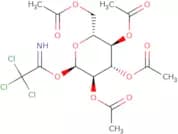
CAS :<p>2,3,4,6-Tetra-O-acetyl-a-D-glucopyranosyl trichloroacetimidate (2TG) is a mannose targeting agent that can be used to target specific cells in the body. This compound has been shown to inhibit the growth of cancer cells and induce photodynamic therapy. 2TG is a conjugate that consists of a 6-phosphate group attached to an acetylated mannose molecule. The 6-phosphate group is an important feature for tumor targeting, as it allows for the attachment of other molecules such as monoclonal antibodies and drugs. 2TG functions by binding with high affinity to glycoproteins on the surface of cancer cells and animal tissues. These glycoproteins are found in large quantities on the surface of cancer cells and animal tissue, which makes them good targets for anti-cancer drug development.</p>Formule :C16H20Cl3NO10Degré de pureté :Min. 95%Couleur et forme :PowderMasse moléculaire :492.69 g/mol(2S, 3S, 4R) -3- Azido- 4- [[[(1, 1- dimethylethyl) dimethylsilyl] oxy] methyl] - 1- (phenylmethyl) -2- azetidinecarboxylic acid met hyl ester
CAS :<p>(2S, 3S, 4R) -3- Azido-4-[[[(1,1-dimethylethyl) dimethylsilyl]oxy]methyl]-1-(phenylmethyl)-2-azetidinecarboxylic acid methyl ester is a fluorinated monosaccharide that is synthesized by the reaction of an aldehyde and 2-azidoethanol. It is a white crystalline powder that has the molecular formula C14H18N2O6 and molecular weight of 290.38. This compound has been shown to be an efficient glycosylation agent for the synthesis of complex carbohydrates. It has also been shown to be useful as a click modification reagent in the synthesis of oligosaccharides and polysaccharides.</p>Formule :C19H30N4O3SDegré de pureté :Min. 95%Masse moléculaire :394.53 g/molTetracycline 10-O-β-D-galactopyranoside
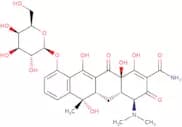
CAS :<p>Tetracycline 10-O-b-D-galactopyranoside is a tetracycline antibiotic that has been modified with a fluorinating agent to increase its water solubility. Tetracycline 10-O-b-D-galactopyranoside is the most active of the tetracyclines for the treatment of infections caused by mycoplasmas, rickettsias, and chlamydiae. It inhibits protein synthesis in these bacteria by binding to ribosomes. This drug also has an inhibitory effect on the growth of Mycobacterium tuberculosis and Mycobacterium avium complex.</p>Formule :C28H34N2O13Degré de pureté :Min. 95%Couleur et forme :Dark red solid.Masse moléculaire :606.58 g/mol(2R, 3R, 3aS, 9aR) -2, 3, 3a, 9a-Tetrahydro- 3- hydroxy- 2- (hydroxymethyl) - 3a- methyl- 6H- Furo[2', 3':4, 5] oxazolo[3, 2- a] pyr imidin- 6- one,
<p>This compound is a custom synthesis. It is an oligosaccharide that has a CAS number. The molecular weight of this compound is 5,871. This product is a sugar that contains glycosylation and methylation modifications, as well as click chemistry modifications. The purity of this product is high, with a purity level of 99%. This product also contains fluorination on the alpha-carbon atom in the 2 position.</p>Degré de pureté :Min. 95%6-O-Malonylglycitin
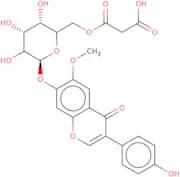
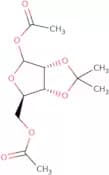
CAS :<p>6-O-Malonylglycitin is a glycosylated flavonoid that belongs to the group of isoflavones. It is found in a variety of plants, including soybeans and fava beans. 6-O-Malonylglycitin has been shown to be an effective inhibitor of β-glucosidase activity at temperatures below 37°C, which overlaps with the range of temperatures where it inhibits glycitein production. This inhibition may be due to its pleiotropic effects on various treatments, such as its ability to inhibit cancer cell growth by inhibiting protein synthesis and inducing apoptosis. 6-O-Malonylglycitin also has synergistic effects when used concomitantly with chromatographic markers, such as high performance liquid chromatography (HPLC), which can be used to analyze the levels of endogenous compounds in human blood samples.</p>Formule :C25H24O13Degré de pureté :Min. 95%Couleur et forme :PowderMasse moléculaire :532.45 g/mol1,5-Di-O-acetyl-2,3-O-isopropylidene-D-ribofuranose
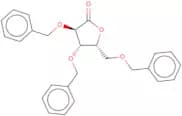
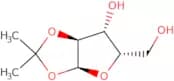
CAS :<p>1,5-Di-O-acetyl-2,3-O-isopropylidene-D-ribofuranose is a sugar that can be modified for various purposes. It is a synthetic sugar with a CAS number of 141979-56-8. The compound has fluoroquinolone resistance and is used in the synthesis of oligosaccharides and polysaccharides. This product can be custom synthesized. It has high purity and a modification of methylation or monosaccharide click modification. It also has complex carbohydrate properties.</p>Formule :C12H18O7Degré de pureté :(%) Min. 95%Couleur et forme :PowderMasse moléculaire :274.27 g/mol2,3,5-Tri-O-benzyl-D-xylonic acid-1,4-lactone
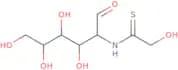
CAS :<p>2,3,5-Tri-O-benzyl-D-xylonic acid-1,4-lactone is a complex carbohydrate that has been synthesized from saccharides. This compound is fluorinated and methylated at the 2, 3, and 5 positions of the xylan backbone. The lactone ring has been modified with a click chemistry reaction to introduce an alkyne group for glycosylation. This product can be custom synthesized to include any modification of your choice.</p>Formule :C26H26O5Degré de pureté :Min. 98 Area-%Couleur et forme :PowderMasse moléculaire :418.48 g/molN-Thioglycolyl-D-galactosamine
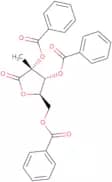
CAS :<p>D-Galactosamine is a glycosaminoglycan (GAG) that is found in the mammalian cell. N-Thioglycolyl-D-galactosamine is a synthetic analog of D-galactosamine that was developed to study the biosynthesis of GAGs and glycoconjugates in cells. This molecule can be activated by hematopoietic cells, which leads to an increase in o-glycosylation and galnac synthesis.</p>Formule :C8H15NO6SDegré de pureté :Min. 95%Masse moléculaire :253.27 g/mol2,3,5-Tri-O-benzoyl-2-C-methyl-D-ribonic acid-1,4-lactone
CAS :<p>2,3,5-Tri-O-benzoyl-2-C-methyl-D-ribonic acid-1,4-lactone is a glutamate receptor agonist that has been shown to have pharmacological properties. It binds to the GluR2/3 family of glutamate receptors and is an agonist at these receptors. The experiments with this drug have been conducted on both animals and humans. 2,3,5-Tri-O-benzoyl-2-C-methyl D ribonic acid lactone has also been shown to be an effective probe for the identification of glutamate receptor sequences in the brain and spinal cord.</p>Formule :C27H22O8Degré de pureté :Min. 95%Couleur et forme :White PowderMasse moléculaire :474.46 g/mol2,3:5,6-Di-O-isopropylidene-α-D-mannofuranose
CAS :<p>2,3:5,6-Di-O-isopropylidene-a-D-mannofuranose is a nutrient solution that can be used in tissue culture. It is a complex sugar with an active hydroxyl group and a hydrogen bond. This compound has been shown to have antiviral activity against HIV in the laboratory. 2,3:5,6-Di-O-isopropylidene-a-D-mannofuranose is also able to inhibit the growth of liver cells and can be used for diagnostic purposes.</p>Formule :C12H20O6Degré de pureté :Min. 95%Couleur et forme :PowderMasse moléculaire :260.28 g/mol4-Methylphenyl 4,6-O-[bis(1,1-dimethylethyl)silylene]-1-thio-β-D-galactopyranoside
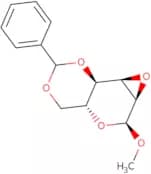
CAS :<p>4-Methylphenyl 4,6-O-[bis(1,1-dimethylethyl)silylene]-1-thio-β-D-galactopyranoside is a synthetic sugar that is used in the glycosylation of proteins. It is synthesized from 4-methylphenol and 1,1'-dimethylethylsilylene in the presence of trichlorosilane, followed by silylation with trimethylchlorosilane. The fluorinated site can be modified to suit your needs by following a Click chemistry protocol. This product has CAS No. 1242144-05-3 and is available for custom synthesis upon request.</p>Formule :C21H34O5SSiDegré de pureté :Min. 95%Masse moléculaire :426.64 g/molMethyl 2,3-anhydro-4,6-O-benzylidene-α-D-allopyranose
CAS :<p>The device is a leafed, solid-state, responsive device that connects with the user's skin. It measures the user's skin conductance and then produces a signal corresponding to the degree of deliquescence based on a theory that links biophilia to evolutionary circuitry. The device has been shown to be effective in combination with other devices.</p>Formule :C14H16O5Degré de pureté :Min. 95%Couleur et forme :PowderMasse moléculaire :264.27 g/mol3,4-O-Isopropylidene-2,3-di-C-mehtyl-6-O-tert.butyldimethylsilyl-D-allopyranose
<p>3,4-O-Isopropylidene-2,3-di-C-methyl-6-O-tert.butyldimethylsilyl-D-allopyranose is a fluorinated sugar that is synthesized by the reaction of 3,4-O-isopropylidene D-glucal with tert.butyldimethylsilyl chloride and allyl bromide in the presence of tetrapropylammonium perruthenate. This compound has been shown to be useful for glycosylation reactions and as an intermediate for the synthesis of oligosaccharides. It has also been used to introduce click modifications to sugars for applications such as immunoassays and molecular electronics. The compound is available to order from Sigma Aldrich in a custom synthesis or in stock form.</p>Degré de pureté :Min. 95%Methyl 5-Azido-3-O-benzyl-5-deoxy-1,2-O-isopropylidene-D-galactofuranoside
<p>Methyl 5-Azido-3-O-benzyl-5-deoxy-1,2-O-isopropylidene-D-galactofuranoside is a custom synthesis of a monosaccharide that can be fluorinated, methylated and modified with the click reaction. It is an oligosaccharide that can be saccharified by glycosylation or polysaccharided by glycosylation. It is a carbohydrate that contains a complex carbohydrate.<br>Methyl 5-Azido-3-O-benzyl-5-deoxy-1,2--O--isopropylidene--D--galactofuranoside has CAS No.</p>Degré de pureté :Min. 95%1-O-Galloyl-b-D-glucose
CAS :<p>1-O-Galloyl-b-D-glucose is a molecule that is found in plants and has been used as an inhibitor of p-hydroxybenzoic acid (PHBA) enzyme activities. 1OGG inhibits the growth of viruses by inhibiting the enzymatic activity of their RNA polymerases. It also inhibits mitochondrial membrane potential, which is vital for cellular respiration. 1OGG has shown to be active against urinary infections and opportunistic fungal infections such as Candida glabrata. In vitro assays have shown that it may have anti-inflammatory properties.</p>Formule :C13H16O10Degré de pureté :Min. 98 Area-%Couleur et forme :White PowderMasse moléculaire :332.26 g/molMethyl 2,3-di-O-acetyl-4,6-O-benzylidene-a-D-mannopyranoside
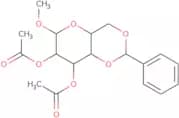
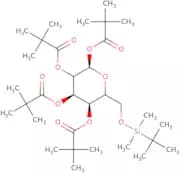
CAS :<p>Methyl 2,3-di-O-acetyl-4,6-O-benzylidene-a-D-mannopyranoside is a synthetic compound that has not been studied in vivo or in vitro. Methyl 2,3-di-O-acetyl-4,6-O-benzylidene-aDmannopyranoside is an oligosaccharide that can be modified with fluorination and methylation. It is synthesized by glycosylation of a Dmannopyranose using an acetate as the acyl donor. The acetate is then selectively benzylated to form the desired product.</p>Formule :C18H22O8Degré de pureté :Min. 95%Masse moléculaire :366.37 g/mol1,2,3,4-Tetra-O-pivaloyl-6-O-(tert-butyldimethylsilyl)-a-D-mannopyranose
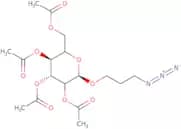
<p>1,2,3,4-Tetra-O-pivaloyl-6-O-(tert-butyldimethylsilyl)-a-D-mannopyranose is a synthetic compound that can be used as a fluorinated monosaccharide. It is synthesized from 1,2,3,4-tetra-O-pivaloyl-6-[(tert-butyldimethylsilyl)oxy]-aD mannopyranose. This product is also known as Tetra O Pivalate Mannose (TPM). This product has been shown to be effective in the synthesis of carbohydrates and complex carbohydrates.</p>Formule :C32H58O10SiDegré de pureté :Min. 95%Masse moléculaire :630.88 g/mol3-Azidopropyl 2,3,4,6-tetra-O-acetyl-b-D-galactopyranoside
CAS :<p>3-Azidopropyl 2,3,4,6-tetra-O-acetyl-b-D-galactopyranoside is a Custom synthesis of the monosaccharide galactose. It is modified with fluorine at the 3 and 4 positions on the carbon chain and also has an acetyl group at the 6 position. 3-Azidopropyl 2,3,4,6-tetra-O-acetyl-b-D-galactopyranoside is synthesized from the sugar glucose by methylation of the hydroxyl groups on C1 and C2. The chemical formula for this compound is C8H14N2O5. This molecule has a molecular weight of 204.22 g/mol and its CAS number is 819053-49-1.</p>Formule :C17H25N3O10Degré de pureté :Min. 95%Couleur et forme :Colorless PowderMasse moléculaire :431.39 g/molD-Sedoheptulose-7-phosphate barium salt-2,3,4,5,6,7-13C6
<p>D-Sedoheptulose-7-phosphate barium salt-2,3,4,5,6,7-13C6 is a high purity synthetic sugar. It is a custom synthesis that has been modified with fluorination and glycosylation. This product can be used in the production of complex carbohydrates such as oligosaccharides and monosaccharides.</p>Degré de pureté :Min. 95%Kifunensine
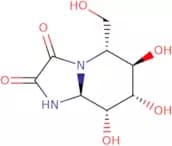
CAS :<p>Kifunensine is a potent and specific inhibitor of plant and animal α-mannosidase I with IC50 in nanomolar range. It inhibits the enzyme isoforms in Golgi apparatus (GMI) and endoplasmatic reticulum (ERMI). The compound prevents mannose trimming on glycoproteins and shifts the glycoform content from complex to oligomannose type. It's used for the production of recombinant therapeutic glycoproteins with mannose rich N-linked glycans.</p>Formule :C8H12N2O6Degré de pureté :Min. 99 Area-%Couleur et forme :PowderMasse moléculaire :232.19 g/molMethyl 2,3,4,6-tetra-O-benzyl-D-galactopyranoside
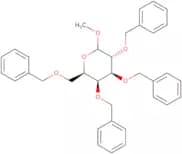
CAS :<p>Methyl 2,3,4,6-tetra-O-benzyl-D-galactopyranoside is a trisaccharide that binds to the fluorescent chromophore. It has been shown to have strong binding activity and can be used for the labeling of carbohydrates. Methyl 2,3,4,6-tetra-O-benzyl-D-galactopyranoside is also used in assays to detect toxins or as a fluorescent label for polymers. This compound can be synthesized by reacting methyl 4,6-dibenzyloxybenzoate with glucose in methanol.</p>Formule :C35H38O6Degré de pureté :Min. 95%Couleur et forme :PowderMasse moléculaire :554.67 g/mol4,6-O-Benzylidene-1,2,3-tri-O-pivaloyl-b-D-glucopyranose
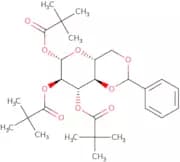
CAS :<p>4,6-O-Benzylidene-1,2,3-tri-O-pivaloyl-b-D-glucopyranose is a carbohydrate that belongs to the group of saccharides. It is a simple sugar that has been modified with fluorination. This compound has been synthesized by custom synthesis and has high purity and can be used in research. 4,6-O-Benzylidene-1,2,3-tri-O-pivaloyl-b-D-glucopyranose is not currently available on the market.</p>Formule :C28H40O9Degré de pureté :Min. 95%Masse moléculaire :520.63 g/mol6-Deoxy-2,3:4,5-di-O-isopropylidene-D-gulonic acid methyl ester
<p>6-Deoxy-2,3:4,5-di-O-isopropylidene-D-gulonic acid methyl ester is a monosaccharide that can be used as a glycosylation and methylation reagent. It's also an important building block in the synthesis of complex carbohydrate polymers. This product is custom synthesized to meet your requirements.</p>Degré de pureté :Min. 95%Methyl 2-deoxy-2-fluoro-L-arabinofuranoside
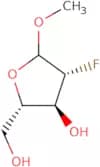
CAS :<p>Methyl 2-deoxy-2-fluoro-L-arabinofuranoside is a synthetic monosaccharide that can be used as a building block for the synthesis of oligosaccharides and polysaccharides. It has been shown to have high purity, and it can be custom synthesized. Methyl 2-deoxy-2-fluoro-L-arabinofuranoside is an excellent source of fluorine atoms, which are commonly used in glycosylation reactions. This product is also useful for click chemistry reactions with methyl groups, as well as other modifications such as oxidation, reduction, esterification, and acetylation.</p>Formule :C6H11FO4Degré de pureté :Min. 95%Couleur et forme :PowderMasse moléculaire :166.15 g/mol1,2-O-Isopropylidene-a-L-xylofuranose
CAS :<p>1,2-O-Isopropylidene-a-L-xylofuranose is a sulfate transport molecule that is present in the blood plasma. It binds to sulfate anions which are then transported by the sodium/sulfate co-transporter from the blood and into cells. This process is called equilibrative or facilitated transport. 1,2-O-Isopropylidene-a-L-xylofuranose also binds to adenosine and transports it across membranes. This process is regulated by surface receptors and uptake transporters that regulate the rate of adenosine uptake at different parts of the body.</p>Formule :C8H14O5Degré de pureté :Min. 98 Area-%Couleur et forme :White PowderMasse moléculaire :190.2 g/mol7,9-Di-O-acetyl-N-glycolyl-8-O-methylneuraminic acid
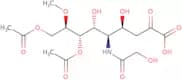
CAS :<p>7,9-Di-O-acetyl-N-glycolyl-8-O-methylneuraminic acid is a synthetic glycolylneuraminic acid analogue that can be used in the treatment of bacterial infections. It is a prodrug that is converted to glycolylneuraminic acid by monoclonal antibody and other enzymes. 7,9-Di-O-acetyl-N-glycolyl-8-O-methylneuraminic acid inhibits the activity of necrosis factor (TNF) by binding to its receptor, thereby preventing TNF from binding to cells and stimulating inflammation. This compound has been shown to be effective against many bacteria including methicillin resistant Staphylococcus aureus (MRSA). Techniques used for the synthesis include high performance liquid chromatography with mass spectrometry detection and cavity ring down spectroscopy.</p>Formule :C16H25NO12Degré de pureté :Min. 95%Masse moléculaire :423.37 g/mol(1S) -1- [(2R, 3S) -N-Benzyl-3-hydroxy- 1- azetidinyl] -1, 2- ethanediol
<p>This product is a custom-synthesized, complex carbohydrate with the CAS number of 12078-03-7. This product is an Oligosaccharide that has been modified with saccharides and methylated. It has been glycosylated and click modified. The product is a sugar that has been fluorinated and synthesized. It has high purity and is synthetic.</p>Degré de pureté :Min. 95%2-C-(tert.Butylmethylsilyloxy)methyl-2,3:5,6-di-O-isopropylidene-D-mannono-1.4-lactone
<p>2-C-(tert.Butylmethylsilyloxy)methyl-2,3:5,6-di-O-isopropylidene-D-mannono-1.4-lactone is a custom synthesis of a complex carbohydrate with Oligosaccharide, CAS No., Polysaccharide and Modification properties. It is a saccharide that is Methylation and Glycosylation modified. This product has Click modification and Carbohydrate properties. 2C-(tert.Butylmethylsilyloxy)methyl-2,3:5,6-di-O-isopropylidene-D-mannono 1,4 lactone is a high purity product with Fluorination and Synthetic properties.</p>Degré de pureté :Min. 95%6-Amino-6-deoxy-D-glucose hydrochloride
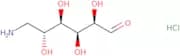
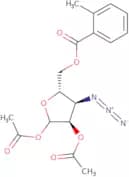
CAS :<p>6-Amino-6-deoxy-D-glucose hydrochloride is a chromatographic agent that is used to detect and identify viruses. It is also used to study antiviral drugs and the virus life cycle. 6-Amino-6-deoxy-D-glucose hydrochloride has been shown to inhibit protein synthesis in animal cells infected with paramyxoviruses, which may be due to its ability to inhibit acetylation of proteins. This drug has also been shown to inhibit influenza virus replication in cell culture. 6-Amino-6-deoxy--D--glucose hydrochloride binds to the viral ribonucleic acid (RNA) and inhibits the replication of the virus by binding competitively to the RNA polymerase enzyme.</p>Formule :C6H13NO5·(HCl)Degré de pureté :Min. 95%Couleur et forme :White PowderMasse moléculaire :215.63 g/mol1,2-Di-O-acetyl-3-azido-3-deoxy-5-O-toluoyl-D-ribofuranose
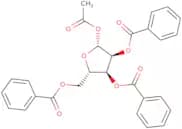
CAS :<p>1,2-Di-O-acetyl-3-azido-3-deoxy-5-O-toluoyl-D-ribofuranose is a synthetic sugar that can be modified to produce oligosaccharides or polysaccharides. It has a CAS number of 120143-22-8 and is composed of a sugar molecule with an acetyl group on the 2' position and toluene sulfonyl group on the 3' position. This modification can be used for glycosylation or methylation reactions. 1,2-Di-O-acetyl -3,4,6,-triaminopyrimidine is also known as fluorinated ribofuranose.</p>Formule :C17H19N3O7Degré de pureté :Min. 95%Masse moléculaire :377.35 g/mol1-O-Acetyl-2,3,5-tri-O-benzoyl-b-L-ribofuranose
CAS :<p>1-O-Acetyl-2,3,5-tri-O-benzoyl-b-L-ribofuranose is a reactive proton that has been shown in kinetic studies to be able to react with chloride ions. It is a stereoselective molecule that can be used to produce xanthosine (X), guanosine (G), and 2-aminoadenosine (A) from the corresponding ribofuranosides. 1-O-Acetyl-2,3,5-tri-O-benzoyl ribofuranose has been shown to inhibit viral replication in the case of hepatitis B and C viruses. This compound also inhibits cross coupling reactions with anions such as chloride ions and can be used as a potential antiviral agent or drug candidate for treatment of chronic hepatitis C infections.</p>Formule :C28H24O9Degré de pureté :Min. 95%Couleur et forme :White PowderMasse moléculaire :504.48 g/molEstriol 3-O-b-D-glucuronide sodium salt
CAS :<p>Estriol 3-O-b-D-glucuronide sodium salt is an estrogenic compound that is metabolized to 17β-estradiol, the most potent endogenous estrogen. Estriol 3-O-b-D-glucuronide sodium salt is found in wastewater and has been detected in effluent from various sources. The presence of estriol 3-O-b-D glucuronide sodium salt in wastewater indicates that it may be discharged from pharmaceutical manufacturing plants. It has been shown to be present at high concentrations in the effluent of a pharmaceutical plant that manufactures estrogens, which may have resulted from incomplete recovery during production. Estriol 3-O-b glucuronide sodium salt can be readily recovered by liquid chromatography with a reversed phase column and eluted with acetonitrile containing 0.1% trifluoroacetic acid (TFA). Recoveries are typically greater than 90%. Estrogen conjugates such</p>Formule :C24H31NaO9Degré de pureté :Min. 95%Couleur et forme :PowderMasse moléculaire :486.49 g/mol(2S,3R,4R,5S)-5-Acetylamino-3,4-dihydroxy-2-formylpiperidine
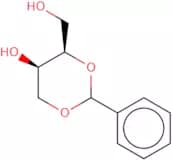
<p>(2S,3R,4R,5S)-5-Acetylamino-3,4-dihydroxy-2-formylpiperidine is a custom synthesis that can be modified to meet your needs. It is a fluorinated complex carbohydrate and has been shown to have high purity. The modification process of this chemical is simple and can be done in either the lab or in the field. (2S,3R,4R,5S)-5-Acetylamino-3,4-dihydroxy-2-formylpiperidine is synthesized by methylation of 5-(acetylamino)piperidinone with diazomethane followed by protection of the amine group with an acetyl group. This chemical also has Oligosaccharide and Polysaccharide properties.</p>Degré de pureté :Min. 95%1,3-O-Benzylidene-4-O-trityl-D-threitol
CAS :<p>1,3-O-Benzylidene-4-O-trityl-D-threitol is a carbohydrate that is modified with fluorine and contains a trityl group. It is used as a reagent in oligosaccharide synthesis, sugar modification, and glycosylation reactions. The compound can be custom synthesized to meet the desired specifications, such as high purity and low cost. The compound can also be methylated or glycosylated for custom synthesis.</p>Formule :C30H28O4Degré de pureté :Min. 95%Masse moléculaire :452.54 g/mol(2S,3S,4S)-N-Ethyl-2-hydroxymethyl-3,4-pyrrolidinediol
<p>(2S,3S,4S)-N-Ethyl-2-hydroxymethyl-3,4-pyrrolidinediol is a synthetic sugar that is commonly used in the synthesis of polysaccharides. It can also be used as a reagent for methylation and glycosylation reactions. This compound is available as a pure white powder with a melting point of 130°C to 135°C. (2S,3S,4S)-N-Ethyl-2-hydroxymethyl-3,4-pyrrolidinediol has been shown to be reactive with saccharide and polysaccharide substrates. Click modification can be performed on this product to make it reactive with other molecules or compounds. The purity of this compound exceeds 99%.</p>Degré de pureté :Min. 95%a-L-Galactose-1-phosphate dipotassium salt
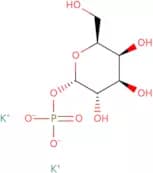
CAS :<p>a-L-Galactose-1-phosphate dipotassium salt is an oligosaccharide that can be prepared by the methylation of a galactose molecule. It is a synthetic compound that has been shown to have antiviral properties. The modification of the sugar structure with fluorine atoms increases the stability of the molecule and prevents its degradation. This product is soluble in water and can be used as a pharmaceutical intermediate for other compounds.</p>Formule :C6H11K2O9PDegré de pureté :Min. 95%Couleur et forme :PowderMasse moléculaire :336.33 g/mol4-Methoxyphenyl β-D-glucopyranoside
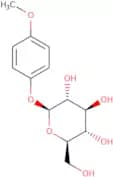
CAS :<p>Bearberry has been used for centuries to treat various disorders of the urinary tract and prostate. The active ingredient in bearberry is a flavonol glycoside called arbutin, which is converted to hydroquinone during metabolism. As an antioxidant, hydroquinone inhibits the oxidation of LDL cholesterol and may reduce the risk of atherosclerosis. Hydroquinone has also been shown to have anti-inflammatory properties in rat liver microsomes and tissue culture, inhibiting prostaglandin synthesis by blocking cyclooxygenase activity. In vitro, bearberry extracts have been shown to inhibit bacterial growth on agar plates with pH levels from 4-7 and at concentrations between 0.1-1%. It was found that bearberry extracts were most effective against Pseudomonas aeruginosa strains, with MIC values ranging from 2-4 mg/mL. Bearberry extract was observed to be more effective than ampicillin against these strains in a chromatographic assay.</p>Formule :C13H18O7Degré de pureté :Min. 95%Couleur et forme :PowderMasse moléculaire :286.28 g/mol(1R) -1- [(2S, 3R,4S) -4-(Acetylamino)methyl-3- hydroxy- 1- azetidinyl] -1, 2- ethanediol
<p>(1R) -1- [(2S, 3R,4S) -4-(Acetylamino)methyl-3- hydroxy- 1- azetidinyl] -1, 2- ethanediol is a custom synthesis. It is a complex carbohydrate that consists of an oligosaccharide with the CAS No. 6056-89-2. This product has been modified by methylation and glycosylation and has been fluorinated in order to improve its stability. The purity of this product is high and it contains a saccharide or sugar which is a polysaccharide as well as a carbonyl group.</p>Degré de pureté :Min. 95%Raspberry ketone glucoside
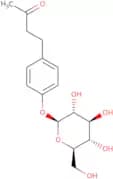
CAS :<p>Raspberry ketone glucoside is a hydrogenated, isopropyl palmitate fatty acid. It is a dietary supplement that has been shown to inhibit the activity of matrix metalloproteinases, which are enzymes that break down collagen in the skin and lead to wrinkles. Raspberry ketone glucoside also inhibits tyrosinase, an enzyme involved in the production of melanin. As a result, raspberry ketone glucoside has been shown to reduce pigmentation and inhibit UV-induced skin damage. Raspberry ketone glucoside may have an inhibitory effect on fatty acids by inhibiting the synthesis of fatty acids and reducing the number of fat cells in adipose tissue. This compound is also used as a crystallization aid for cellulose and as an organic solvent for food composition.</p>Formule :C16H22O7Degré de pureté :Min. 95%Couleur et forme :White PowderMasse moléculaire :326.34 g/mol3,4,6-Tri-O-acetyl-2-azido-2-deoxy-a-D-glucopyranosyl trichloroacetimidate
CAS :<p>3,4,6-Tri-O-acetyl-2-azido-2-deoxy-a-D-glucopyranosyl trichloroacetimidate is a custom synthesis of complex carbohydrates. This compound has CAS number 94715-56-7 and can be used for the modification of saccharides or carbohydrates. 3,4,6-Tri-O-acetyl-2-azido-2-deoxy -aD glucopyranosyl trichloroacetimidate can be modified with methylation, glycosylation, or fluorination. It is also a synthetic compound and has high purity.</p>Formule :C14H17Cl3N4O8Degré de pureté :Min. 95%Masse moléculaire :475.67 g/molN- [(3R, 4R, 5R) - 4- Hydroxy- 5- (hydroxymethyl) - 3- pyrrolidinyl] -acetamide
CAS :<p>N- [(3R, 4R, 5R) - 4- Hydroxy- 5- (hydroxymethyl) - 3- pyrrolidinyl] -acetamide is a synthetic compound that is composed of two molecules of acetamide linked to each other by an ester linkage. The acetamide group is attached to the nitrogen atom of the heterocycle. The N-COOH carbonyl group is attached to the oxygen atom of the heterocycle. N-[(3R,4R,5R)-4-hydroxy-5-(hydroxymethyl)-3-(pyrrolidin-1-yl)pyrrolidinium]acetamide has not been studied in humans or animals.</p>Degré de pureté :Min. 95%(4S,9R)-4-Benzyloxy-N-benzyloxycarbonyl-8-oxo-9-methoxy-octahydro-pyrano[4,3-b]pyrrole
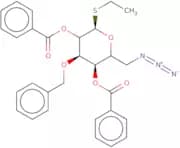
<p>The compound is a fluorinated, glycosylated, polysaccharide-linked, custom-synthesized and modified natural product. The compound is of high purity and has been shown to have a range of biological activities including:<br>1) Antibacterial activity against Gram (+) bacteria such as Staphylococcus aureus and Streptococcus pyogenes.<br>2) Anti-inflammatory activity in the carrageenan-induced paw edema model of inflammation in rats.<br>3) Antifungal activity against Candida albicans.<br>4) Inhibition of bacterial biofilm formation and cellular adhesion to surfaces.<br>5) Inhibition of HIV replication in vitro and inhibition of HIV integrase function in vitro.<br>6) Inhibition of TNF-α production by LPS activated macrophages. <br>7) Protection from phototoxicity induced by UVB irradiation in human skin cells.<br>8) Protection from</p>Degré de pureté :Min. 95%Ethyl 6-azido-2,4-di-O-benzoyl-3-O-benzyl-6-deoxy-a-D-thiomannopyranoside
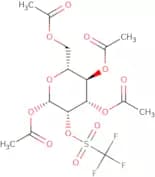
<p>Ethyl 6-azido-2,4-di-O-benzoyl-3-O-benzyl-6-deoxy-a-D-thiomannopyranoside is a custom synthesis of a highly purified compound that has been modified to include fluorination. It is an oligosaccharide with a complex carbohydrate structure and high purity. The modification includes Click chemistry and the monosaccharides are sugar, which may be useful for pharmaceutical or biomedical applications.</p>Formule :C29H29N3O6SDegré de pureté :Min. 95%Masse moléculaire :547.62 g/mol1,3,4,6-Tetra-O-acetyl-2-O-trifluoromethanesulfonyl-b-D-mannopyranose
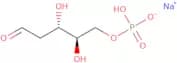
CAS :<p>1,3,4,6-Tetra-O-acetyl-2-O-trifluoromethanesulfonyl-b-D-mannopyranose is a chemical compound that belongs to the group of fatty acids. It is a product of chemical reactions and has been shown to be able to react with positrons in an organic solution. This compound can also react with potassium ions in water vapor. The reaction solution is suitable for testing samples and cell culture.</p>Formule :C15H19F3O12SDegré de pureté :Min. 98 Area-%Couleur et forme :PowderMasse moléculaire :480.37 g/mol2-Deoxy-D-ribose 5-phosphate sodium salt
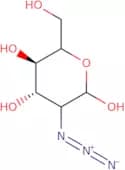
CAS :<p>2-Deoxy-D-ribose 5-phosphate sodium salt is a mutant of ribose 5-phosphate. It is an intermediate in the pentose phosphate pathway, which generates ribose 5-phosphate and NADPH. The 2nd step of this pathway is catalyzed by deacetylase, which converts acetaldehyde to acetyl CoA. 2-deoxy-D-ribose 5-phosphate sodium salt is also an oxidant that can react with hydrogen peroxide to form hydroxyl radicals. This intermediate has been shown to inhibit the growth of E. coli by causing mutations in the DNA and protein synthesis machinery, as well as by catalase activation.</p>Formule :C5H11O7P·xNaDegré de pureté :Min. 95%Couleur et forme :PowderMasse moléculaire :214.11 g/mol2-Azido-2-deoxy-D-galactose
CAS :<p>2-Azido-2-deoxy-D-galactose is a disaccharide that is synthesized by the enzymatic addition of galactose to 2-azido-2-deoxyglucose. It has been shown to be antigenic in the test tube and is reactive with hydroxy groups. 2-Azido-2-deoxygalactose can be glycosylated by glycopeptides, which are glycoproteins containing one or more oligosaccharide chains covalently linked to a protein core. The hydrophilic nature of this sugar makes it an ideal candidate for conjugation with hydrophobic drugs such as antibiotics. This disaccharide was used in the synthesis of glycoconjugates, which are carbohydrate molecules attached to proteins or lipids, and can be found in bacteria such as Corynebacterium glutamicum. 2-Azido-2-deoxygalactose</p>Formule :C6H11N3O5Degré de pureté :Min. 98 Area-%Couleur et forme :White PowderMasse moléculaire :205.17 g/mol2,5-Anhydro-D-glucitol
CAS :<p>2,5-Anhydro-D-glucitol is a sugar alcohol that is found naturally in the human body. It can be produced from D-glucose by the enzyme aldose reductase. This reaction involves an initial dehydration of D-glucose to form 2,5-anhydro-D-glucose, followed by a nucleophilic attack on the hydroxyl group of 2,5-anhydro-D-glucose by the phosphate group of ATP to form 2,5-anhydro-D-glucitol and ADP. The reaction mechanism for this process has been studied using kinetic and model studies. It has also been shown that metal ions are required for cationic polymerization reactions. A solid catalyst was used in this study because it could be easily removed after completion of the reaction. The 2,5-anhydro form of D-glucitol can undergo dehydration reactions to yield</p>Formule :C6H12O5Degré de pureté :Min. 95%Couleur et forme :Clear LiquidMasse moléculaire :164.16 g/mol6-O-Desmethyl donepezil glucuronide sodium (Mixture of Diastereomers)
CAS :<p>Please enquire for more information about 6-O-Desmethyl donepezil glucuronide sodium (Mixture of Diastereomers) including the price, delivery time and more detailed product information at the technical inquiry form on this page</p>Formule :C29H35NO9•NaDegré de pureté :Min. 95%Masse moléculaire :540.59 g/mol(5R, 6R, 7R, 8S) -5, 7-Dihydroxy- 8- (hydroxymethyl) - 1- azabicyclo[4.2.0] octan- 2- one
CAS :<p>This is a custom synthesis of (5R, 6R, 7R, 8S) -5, 7-dihydroxy-8- (hydroxymethyl) -1-azabicyclo[4.2.0]octan-2-one. This compound has been fluorinated and methylated and has a monosaccharide modification.</p>Degré de pureté :Min. 95%1,5-Anhydro-2,3,4-tri-O-benzoyl-6-deoxy-D-arabino-hex-1-enitol
CAS :<p>1,5-Anhydro-2,3,4-tri-O-benzoyl-6-deoxy-D-arabino-hex-1-enitol is a high purity sugar with a click modification. It is a synthetic monosaccharide that is an important building block for complex carbohydrates. This compound can be modified through methylation, glycosylation, and custom synthesis to produce desired compounds. The 1,5 Anhydro 2,3,4 tri O benzoyl 6 deoxy D arabino hex 1 enitol has shown activity against the fluoroquinolone resistant bacteria Staphylococcus aureus and Mycobacterium tuberculosis. It has also been shown to inhibit the growth of cancer cells in vitro and in vivo.</p>Formule :C27H22O7Degré de pureté :Min. 95%Couleur et forme :PowderMasse moléculaire :458.46 g/molPhenyl 4,6-O-benzylidene-2-O-levulinoyl-3-O-(2-naphthylmethyl)-b-D-thioglucopyranoside
<p>Phenyl 4,6-O-benzylidene-2-O-levulinoyl-3-O-(2-naphthylmethyl)-b-D-thioglucopyranoside is a fluorinated monosaccharide. It can be synthesized in a custom synthesis and is available with high purity. This product is an oligosaccharide, which has glycosylation and polysaccharide properties. Phenyl 4,6-O-benzylidene-2-O-levulinoyl-3-O-(2-naphthylmethyl)-b-D -thioglucopyranoside is also a complex carbohydrate that has been modified by methylation and acetalization.</p>Degré de pureté :Min. 95%Methyl b-D-thiogalactopyranoside
CAS :<p>Methyl b-D-thiogalactopyranoside (MTGP) is a cell lysis agent that can be used for diagnostic purposes to measure enzyme activities in cells. It is also used to determine the kinetic of an enzyme reaction, as well as its acid formation. MTGP has been shown to inhibit sugar transport and metabolism by binding to the sugar molecule and preventing it from passing through cellular membranes. This inhibition prevents the accumulation of proton gradients across the membrane, which disrupts ATP production and leads to cell death. MTGP is also an inhibitor of glucose-6-phosphate dehydrogenase (G6PDH), which converts glucose into sorbitol. Sorbitol accumulates intracellularly and leads to cell death by osmotic lysis.</p>Formule :C7H14O5SDegré de pureté :Min. 98 Area-%Couleur et forme :PowderMasse moléculaire :210.25 g/mol1-13C-D-Rhamnose
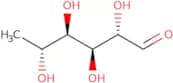
CAS :<p>1-13C-D-Rhamnose is a monosaccharide that belongs to the group of pentoses. It is an inhibitor of bacterial growth and has been shown to inhibit the growth of P. aeruginosa strains. The mechanism of action for 1-13C-D-Rhamnose is not yet known, but it may be due to its ability to inhibit bacterial DNA polymerase, which prevents chain reactions from occurring and leads to cell death. 1-13C-D-Rhamnose has a homologous structure to GDP-D-mannose and can interact with hydrogen bonding interactions. It is found in papillae on the tongue and inhibits taste receptor cells by binding to the sweet taste receptors on the surface of these cells. The optimal pH for 1-13C-D-Rhamnose's inhibitory properties is 5.5</p>Formule :C6H12O5Degré de pureté :Min. 95%Masse moléculaire :164.16 g/molRaloxifene 6-D-glucuronide
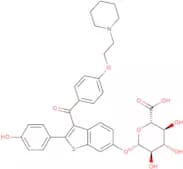
CAS :<p>Raloxifene 6-D-glucuronide is a synthetic compound that consists of the sugar raloxifene and the sugar glucuronic acid. It is a complex carbohydrate with a molecular weight of 569. Raloxifene 6-D-glucuronide is soluble in water and insoluble in most organic solvents. The compound has been modified by fluorination, which increases its stability in water, and by click modification. This compound has been shown to inhibit the activity of bacterial enzymes that are responsible for the synthesis of saccharides, such as oligosaccharides and polysaccharides.</p>Formule :C34H35NO10SDegré de pureté :Min. 95%Couleur et forme :SolidMasse moléculaire :649.71 g/molD-Xylulose 5-phosphate sodium
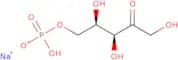
CAS :<p>D-Xylulose 5-phosphate sodium is a phosphorylated sugar derivative, which is a crucial intermediate in the pentose phosphate pathway, a metabolic pathway parallel to glycolysis. It is naturally sourced from biochemical processes within organisms where it plays a pivotal role in carbohydrate metabolism.The mode of action involves its function as a substrate in the non-oxidative phase of the pentose phosphate pathway, where it facilitates the interconversion of sugars necessary for nucleotide and amino acid biosynthesis. This intermediary step is vital for the production of ribose-5-phosphate and NADPH, which are essential for anabolic reactions and antioxidant defense mechanisms.D-Xylulose 5-phosphate sodium is predominantly used in biochemical research to study metabolic pathways. It helps researchers investigate cellular processes, understand disease mechanisms where metabolism is disrupted, and explore metabolic engineering applications. By examining its role and transformations, scientists gain insights into energy production, redox balance, and cellular growth, providing foundational knowledge crucial for the development of therapies targeting metabolic disorders and cancer.</p>Formule :C5H11O8P·xNaDegré de pureté :Min. 80 Area-%Couleur et forme :PowderMasse moléculaire :230.11 g/molD-Mannono-1,5-lactone
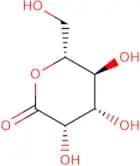
CAS :<p>D-Mannono-1,5-lactone is a custom synthesis. It is fluorinated to give 1,5-difluoro-D-mannono-1,4,6-lactone. The methylation of the C2 hydroxyl group and the C3 keto group gives 1,5-difluoro-D-mannono-1,4,6-(methylenedioxy)lactone. Click modification of this product with azide or acetylene gives 1,5-[(azido)-(acetylenyl)] D-mannono lactone or 1,5-[(acetylene)-(azido)] D manno lactone respectively. Monosaccharides can be synthesized from these products by glycosylation with a sugar donor. Polysaccharides can be synthesized from these products by glycosylation with a sugar donor and subsequent glycosidic linkage via an olig</p>Formule :C6H10O6Degré de pureté :Min. 95 Area-%Couleur et forme :PowderMasse moléculaire :178.14 g/molD-Lyxonic acid potassium
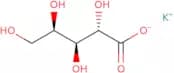
CAS :<p>D-Lyxonic acid potassium salt is a pentitol that is a stereospecific, aldonic, and nature D-glycosylamine. It can be synthesized by reacting phenylhydrazine with glycolic acid chloride in the presence of catalytic amounts of sodium hydroxide. The yield is about 98%. This compound has been shown to have anti-inflammatory properties when it reacts with hydrogen chloride to form D-lyxonic acid chloride. It also has been shown to inhibit the growth of bacteria and fungi by binding to the cell wall and inhibiting protein synthesis.</p>Formule :C5H9KO6Degré de pureté :Min. 95%Couleur et forme :PowderMasse moléculaire :204.22 g/molD-Galacturonic acid monohydrate
CAS :<p>D-Galacturonic acid (GalA) is a hexuronic acid with the CH2OH at C5 of galactose replaced by a carboxyl group (Collins, 2006). D-galacturonic acid is abundant in pectic polysaccharides which are characterized by a high α-1,4 linked galacturonic acid content and include pectic acid (polygalacturonic acid), rhamnogalacturonan I (Oomen, 2002), rhamnogalacturonan (RG) II (Vidal, 2000), xylogalacturonan, and homogalacturonan. These polymers play roles in strengthening cell walls, cell adhesion and are established as part of signaling cascades that detect cell wall degradation upon pathogen attack.</p>Formule :C6H10O7·H2ODegré de pureté :(Titration) Min. 97%Couleur et forme :White Off-White PowderMasse moléculaire :212.15 g/mola-D-Glucopyranosyl fluoride
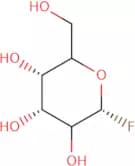
CAS :<p>a-D-Glucopyranosyl fluoride is an irreversible inhibitor of the enzyme glycosidase. This product has been used to study the kinetic and mechanism of human serum alpha-glucosidase, which is a key enzyme in the digestion of carbohydrates. Kinetic studies have shown that 4-hydroxycinnamic acid and glucose are competitive inhibitors of the enzyme. The reaction mechanism for this product involves hydrogen fluoride cleavage of the glycosidic bond. The optimum pH for this product is 7.</p>Formule :C6H11FO5Degré de pureté :Min. 95%Couleur et forme :White PowderMasse moléculaire :182.15 g/molOctyl b-D-glucuronic acid
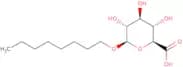
CAS :<p>Octyl b-D-glucuronic acid is a custom synthesis of an oligosaccharide with a high purity. It is a modification of a carbohydrate, which is a complex carbohydrate. This product has been synthesized by methylation and glycosylation. Octyl b-D-glucuronic acid has many applications in the chemical industry due to its fluoroquinolone resistance and its high purity. This product is used as an excipient in pharmaceuticals, foods, and cosmetics.</p>Formule :C14H26O7Degré de pureté :Min. 95%Couleur et forme :PowderMasse moléculaire :306.36 g/molD-Glucose - anhydrous
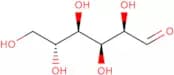
CAS :<p>Glucose (Glu) is the most common carbohydrate on the planet, found in all living organisms and is the major source of metabolic energy for plants and animals. Glucose is a building block in numerous oligosaccharides and polysaccharides. It is present in blood and milk, in gangliosides and in N- and O-linked glycans (Collins, 2006). Glucose is wrongly called a simple sugar because in solution it exists in five forms: two six membered rings (α/β), two five membered rings (α/β) and a straight chain form, a system known as mutarotation (Robyt, 2012). The proportions of different glucose forms are dictated by temperature and pH. D-Glucose is optically active (dextrorotary) and L-Glucose is its enantiomer (Levorotary). Its hydroxyl groups are all equatorial, providing maximum stability, according to Hudsons rules (Hudson, 1948).</p>Formule :C6H12O6Degré de pureté :Min. 96 Area-%Couleur et forme :White PowderMasse moléculaire :180.16 g/molmyo-Inositol trispyrophosphate hexasodium salt
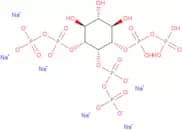
CAS :<p>Myo-Inositol trispyrophosphate (ITPP) hexasodium salt is a drug with anti-cancer properties. It is an allosteric effector that interact with hemoglobin, releasing oxygen into the target tissues to avoid hypoxia. Several studies has shown an increase on the affinity of hemoglobin to oxygen when using ITPP, fact that demonstrated it can be a good strategy for the treatment of several cardiovascular diseases.</p>Formule :C6H6Na6O21P6Degré de pureté :Min. 95%Couleur et forme :White Off-White PowderMasse moléculaire :737.88 g/mol2,3,5-Tri-O-benzyl-L-xylofuranose
CAS :<p>2,3,5-Tri-O-benzyl-L-xylofuranose is a sugar molecule that has been modified to inhibit glycosidases. 2,3,5-Tri-O-benzyl-L-xylofuranose is an iminosugar that inhibits the enzyme β-glucosidase and α-galactosidase. The compound is not metabolized and it binds to the enzyme's active site. 2,3,5-Tri-O-benzyl L xylofuranose has been shown to be effective at inhibiting all of the glycosidases tested in this study with inhibition potencies ranging from 0.1 mM to 10 mM. This compound also inhibits epoxides and cyclic enzymes such as azido reductase and dihydropyrimidine dehydrogenase.</p>Formule :C26H28O5Degré de pureté :Min. 95%Couleur et forme :PowderMasse moléculaire :420.5 g/mol6-Deoxy-1,2:3,4-di-O-isopropylidene-6-iodo-α-D-galactopyranose
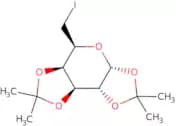
CAS :<p>This is a carbohydrate compound with the CAS number 4026-28-2. It is a modification of the sugar galactose, which has been modified by a process called fluorination. This modification has increased its stability and resistance to hydrolysis.</p>Formule :C12H19IO5Degré de pureté :Min. 95%Couleur et forme :White to off-white solid.Masse moléculaire :370.18 g/mol2-Deoxy-2-fluoro-3,4:5,6-di-O-isopropylidene-L-idonic acid methyl ester
<p>2-Deoxy-2-fluoro-3,4:5,6-di-O-isopropylidene-L-idonic acid methyl ester is a synthetic compound that has been used as an intermediate in the synthesis of saccharides and oligosaccharides. It can also be used to modify carbohydrate structures. 2DFFDLIEME is a white crystalline solid with a melting point of 190°C. This product is soluble in water and ethanol.</p>Degré de pureté :Min. 95%1,2-Di-O-benzyl-4,6-O-benzylidene-a-D-mannopyranoside
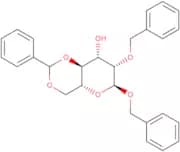
CAS :<p>1,2-Di-O-benzyl-4,6-O-benzylidene-a-D-mannopyranoside is a custom synthesis that belongs to the class of polysaccharides. It is a synthetic modification of D-mannose. The 1,2 position on the glucose moiety has been fluorinated and the 6 position on the mannose moiety has been methylated. This sugar is a monosaccharide with a molecular weight of 587. The glycosylation pattern includes saccharide units linked by glycosidic bonds between the 1 and 2 positions on adjacent sugars in linear or branched chains. This product can be used as an intermediate for other syntheses or as a pharmaceutical drug.</p>Formule :C27H28O6Degré de pureté :Min. 95%Masse moléculaire :448.51 g/molN-Acetyl-3-fluoro-neuraminic acid sodium
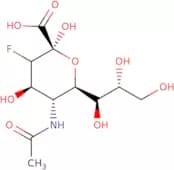
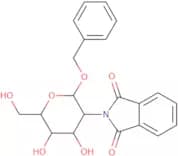
CAS :<p>N-Acetyl-3-fluoro-neuraminic acid sodium (AFNA) is an inhibitor that binds to the terminal sialic acid residue of the glycoprotein neuraminidase in influenza viruses, preventing the virus from attaching to cells. AFNA is a fluorinated derivative of mannosamine and is synthesized by reacting an aldolase with sulfur trifluoride. AFNA has been shown to inhibit sialidases and utilising enzymes, which are necessary for viral replication. AFNA also inhibits bacterial sialidases, which are required for the synthesis of cell wall components.</p>Formule :C11H18FNO9•Nax327Degré de pureté :Min. 95%Couleur et forme :PowderMasse moléculaire :326.25 g/molBenzyl 2-deoxy-2-phthalimido-β-D-glucopyranoside
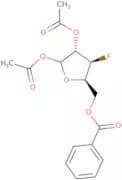
CAS :<p>Benzyl 2-deoxy-2-phthalimido-b-D-glucopyranoside is a custom synthesis that belongs to the group of complex carbohydrates. It is an oligosaccharide or polysaccharide that is modified with methylation, glycosylation, and carbamylation, and has a CAS number of 80035-32-1. This compound has been used in the synthesis of saccharides for the preparation of an antibody drug conjugate. Benzyl 2-deoxy-2-phthalimido-b-D-glucopyranoside is also known as 6Fluoro 3 indoxyl beta D galactopyranoside.</p>Formule :C21H21NO7Degré de pureté :Min. 95%Masse moléculaire :399.39 g/mol1,2-Di-O-acetyl-5-O-benzoyl-3-deoxy-3-fluoro-D-ribofuranose
CAS :<p>1,2-Di-O-acetyl-5-O-benzoyl-3-deoxy-3-fluoro-D-ribofuranose is a methylated saccharide. It has been modified with a click modification and has been synthesized using glycosylation and Oligosaccharides. This product can be used for custom synthesis and is available in high purity and with a CAS No. 159099-24-8. The molecular weight of this compound is 386.14 g/mol.</p>Degré de pureté :Min. 95%1,2,3,4-Tetra-O-pivaloyl-6-O-trityl-b-D-galactopyranose
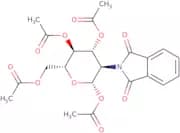
<p>Tetra-O-pivaloyl-6-O-trityl-b-D-galactopyranose is a sugar that can be used in the synthesis of glycosylation, complex carbohydrate, methylation, click modification, polysaccharide, fluorination, saccharide and modification. Tetra-O-pivaloyl-6-O-trityl-b-D-galactopyranose is a white or colorless crystalline powder that has a melting point of about 160°C. The chemical formula for this compound is C24H34N2O4 and its molecular weight is 432.53 g/mol. Tetra -O -pivaloyl -6 - O -trityl -b - D -galactopyranose has CAS No. 15892–06–8 (EINECS No. 259–737–3) and it can be custom</p>Formule :C45H58O10Degré de pureté :Min. 95%Masse moléculaire :758.94 g/mol1,3,4,6-Tetra-O-acetyl-2-deoxy-2-phthalimido-b-D-glucopyranoside
CAS :<p>The interaction of 1,3,4,6-tetra-O-acetyl-2-deoxy-2-phthalimido-b-D-glucopyranoside with DNA is selective for the hydroxyl group and for the stacking of its glycosidic bonds. The data obtained from the spectra show that this compound interacts with the sugar moiety of nucleosides to yield a product with a lower melting point. The binding constants are high and the yields are low.</p>Formule :C22H23NO11Degré de pureté :Min. 95%Couleur et forme :White PowderMasse moléculaire :477.42 g/mol(+)-syringaresinol-4,4'-bis-O-b-D-glucopyranoside
<p>(+)-syringaresinol-4,4'-bis-O-b-D-glucopyranoside is a synthetic compound that is fluorinated with (2,2,2-trifluoroethyl)trimethylsilane. It is a sugar molecule that is an oligosaccharide. This compound has been synthesized from syringic acid and (+)-syringaresinol by glycosylation and methylation. It is insoluble in water and has a melting point of 129°C. The CAS number for this compound is 73987-07-8.</p>Degré de pureté :Min. 95%2,3-O-Isopropylidene-D-erythronolactone
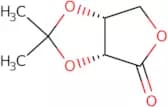
CAS :<p>2,3-O-Isopropylidene-D-erythronolactone is a chromophore that has been synthesised. It is a chiral heterocycle with an anion linker and a boron trifluoride etherate group. The carbon chain of 2,3-O-isopropylidene-D-erythronolactone has been found to be essential for its antibacterial activity against tuberculosis. This compound binds to the adenosine receptor in the bacterial cell membrane and inhibits bacterial growth.</p>Formule :C7H10O4Degré de pureté :Area-% Min. 95 Area-%Couleur et forme :PowderMasse moléculaire :158.15 g/mol3,4-Dihydro-5-hydroxy-2-(3-hydroxy-4-methoxyphenyl)-4-oxo-2H-1-benzopyran-7-yl β-D-glucopyranosiduronic acid
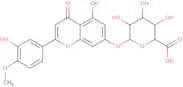
CAS :<p>Hesperetin 7-O-b-D-glucuronide is a metabolite of hesperetin, a flavonoid primarily sourced from citrus fruits. This compound is formed through the glucuronidation process, a metabolic pathway that modifies hesperetin to enhance its solubility and facilitate its excretion from the human body. Hesperetin 7-O-b-D-glucuronide exerts biological effects through various modes of action, including antioxidant and anti-inflammatory mechanisms. It is thought to scavenge free radicals and modulate inflammatory pathways by inhibiting specific enzymes and cytokines.In scientific research, Hesperetin 7-O-b-D-glucuronide is studied for its potential therapeutic applications, particularly its role in reducing oxidative stress and inflammation-related diseases. It has garnered attention in the context of cardiovascular health, neuroprotection, and metabolic disorders. The exploration of its bioavailability and specific interactions at the molecular level continues to provide insights into its promising applications in nutraceuticals and pharmaceuticals. Researchers investigate its efficacy and safety to better understand its potential role in disease prevention and therapy.</p>Formule :C22H22O12Degré de pureté :Min. 95%Couleur et forme :PowderMasse moléculaire :478.4 g/molPhenyl 2,3,6-tri-O-acetyl-2-deoxy-2-trichloroacetamido-b-D-thioglucopyranoside
<p>Phenyl 2,3,6-tri-O-acetyl-2-deoxy-2-trichloroacetamido-b-D-thioglucopyranoside is a monosaccharide with a molecular weight of 594.5. It is derived from the reaction of methyl acetate and benzene in the presence of sulfuric acid. Phenyl 2,3,6-tri-O-acetyl-2-deoxy-2-trichloroacetamido b D thioglucopyranoside is an intermediate in the synthesis of saccharides that are modified by click chemistry or modification. <br>This product has been shown to be synthesized with high purity and good yield. The product can be used for custom synthesis as well as glycosylation reactions. This product also has a CAS number and can be used for Click chemistry or modification reactions.</p>Formule :C20H22Cl3NO8SDegré de pureté :Min. 95%Couleur et forme :White to off-white solid.Masse moléculaire :542.81 g/molPhenyl 4,6-O-benzylidene-2-deoxy-2-phthalimido-b-D-thioglucopyranoside
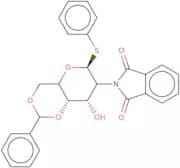
CAS :<p>Phenyl 4,6-O-benzylidene-2-deoxy-2-phthalimido-b-D-thioglucopyranoside is a custom synthesis sugar that has been modified with fluorination, glycosylation, and carbamoylation. It is an oligosaccharide that contains a saccharide at the reducing end of the molecule. The CAS number for this compound is 79528-51-1.</p>Formule :C27H23NO6SDegré de pureté :Min. 95%Couleur et forme :White PowderMasse moléculaire :489.54 g/mol2-Acetamido-3,4,6-tri-O-benzyl-2-deoxy-D-glucono-1,5-lactone
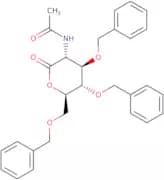
CAS :<p>2-Acetamido-3,4,6-tri-O-benzyl-2-deoxy-D-glucono-1,5-lactone is a methylated saccharide with a modified sugar. This compound can be used as a building block for the synthesis of glycosides and oligosaccharides. 2AATGL has been shown to be compatible with click chemistry and is available in high purity. It can also be custom synthesized to meet your needs.</p>Formule :C29H31NO6Degré de pureté :Min. 90%Couleur et forme :PowderMasse moléculaire :489.56 g/mol1-Deoxy-1-nitro-D-mannitol
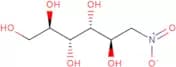
CAS :<p>1-Deoxy-1-nitro-D-mannitol is an inorganic molecule that has a proton and a voltammetry. It is used to monitor the transport of d-arabinose across the blood vessels in the femoral vein. This compound is synthesized by the reaction of sodium nitrite with mannitol in the presence of hydrochloric acid. It can be detected using optical techniques, such as UV/VIS spectroscopy, fluorescence spectroscopy, and absorption spectroscopy. 1-Deoxy-1-nitro-D-mannitol has been shown to have a cotton effect on neurotransmitters in the frontoparietal cortex.</p>Formule :C6H13NO7Degré de pureté :Min. 95%Masse moléculaire :211.17 g/molUDP-D-glucose disodium salt
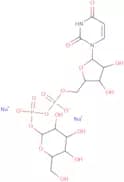
CAS :<p>UDP-D-glucose disodium salt is a sugar-nucleotide substrate of glucosyltransferases. It’s used as the donor of glucose in the biosyntheses of glycoproteins, glycolipids and polysaccharides. It’s also used with its membrane receptor, P2RY14, to investigate innate mucosal immune responses in preventing infection in the female reproductive tract (FRT).</p>Formule :C15H22N2Na2O17P2Degré de pureté :Min. 85 Area-%Couleur et forme :White PowderMasse moléculaire :610.27 g/mol1,5-Anhydro-4,6-O-benzylidene-D-glucitol
CAS :<p>1,5-Anhydro-4,6-O-benzylidene-D-glucitol is a type of d-mannitol that is used as an intermediate in organic chemistry. It can be converted to a number of other compounds such as epoxides and nucleophilic agents. 1,5-Anhydro-4,6-O-benzylidene-D-glucitol is also an inhibitor of thrombin. It has been shown to inhibit the activity of trypsin and epoxide by forming hydrogen bonds with the enzyme's active sites. This molecule has been studied using molecular modeling and simulations with axial hydrogens found on the purine ring. In addition, 1,5-Anhydro-4,6-O-benzylidene -D -glucitol can be synthesized in organic chemistry through different routes. One method starts from dibenzoylmethane and 3-(</p>Formule :C13H16O5Degré de pureté :Min. 95%Couleur et forme :PowderMasse moléculaire :252.26 g/molD-Galactosamine-1-phosphate
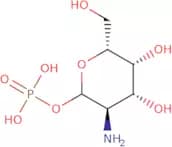
CAS :<p>D-Galactosamine-1-phosphate is a precursor of UDP-glucose and is used in the synthesis of fatty acids. D-Galactosamine-1-phosphate is synthesized by the enzyme UDP-glucose pyrophosphorylase, which catalyzes the reaction between UDP and D-galactose. It is expressed in strains that have been engineered to produce recombinant proteins. This product can be produced in vitro by a number of methods, including enzymatic or chemical synthesis. The enzyme activity of D-galactosamine 1 phosphate synthase is temperature dependent, with optimal activity at 40°C. This product has been shown to inhibit hepatitis virus production and lipid formation in vitro.</p>Formule :C6H14NO8PDegré de pureté :Min. 95%Couleur et forme :PowderMasse moléculaire :259.15 g/mol2-Amino-2-N-carbobenzoxy-2-deoxy-D-mannose
CAS :<p>2-Amino-2-N-carbobenzoxy-2-deoxy-D-mannose is a custom synthesis product that can be produced with high purity. It has a CAS number of 137157-50-7 and is an oligosaccharide, polysaccharide, and carbohydrate. 2-Amino-2-N-carbobenzoxy-2-deoxy-D-mannose is synthesized by the methylation of 2,3,4,6 tetraaminopyrimidine with formaldehyde to give 1,4 diaminocyclohexane. This compound is then reacted with carbonyl chloride to give carbamoyl chloride. The last step in the synthesis process is reacting this compound with 2,3,4,6 tetraaminopyrimidine to give the final product.</p>Formule :C14H19NO7Degré de pureté :Min. 95%Couleur et forme :White PowderMasse moléculaire :313.3 g/molMethyl 2,3,6-tri-O-benzoyl-α-D-galactopyranoside
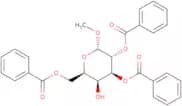
CAS :<p>Methyl 2,3,6-tri-O-benzoyl-α-D-galactopyranoside is a water soluble white powder. It has a molecular weight of 370.62 and a melting point of 199°C. This product is used as an intermediate in the synthesis of complex carbohydrates and is also used in the production of glycosylations and polysaccharides. The purity of this product is >98%.</p>Formule :C28H26O9Degré de pureté :Min. 95%Couleur et forme :White PowderMasse moléculaire :506.5 g/mol1,4-Dideoxy-1,4-imino-D-arabinitol
CAS :<p>1,4-Dideoxy-1,4-imino-D-arabinitol (1,4DA) is an inhibitor of glycolysis that has potent inhibitory activity against the enzyme phosphofructokinase. It has been shown to decrease cellular ATP levels in rat liver and kidney tissues. 1,4DA also inhibits urine production by inhibiting the conversion of fructose to glucose in the kidney. This compound is a racemic mixture with two enantiomers: R and S. The pharmacokinetics of 1,4DA have been studied in rats and humans using a model system. In rats, 1,4DA was absorbed rapidly and excreted unchanged in the urine. In humans, this drug was well absorbed after oral administration and metabolized mainly by hydrolysis to form 1,4-dideoxyfructose (Fru).</p>Formule :C5H11NO3Degré de pureté :Min. 95%Masse moléculaire :133.15 g/mol4-Toluoyl 2,3-di-O-benzyl-4,6-O-benzylidene-b-D-thioglucopyranoside
<p>4-Toluoyl 2,3-di-O-benzyl-4,6-O-benzylidene-b-D-thioglucopyranoside is a modified carbohydrate. It is an oligosaccharide that can be synthesized through the chemical modification of a saccharide molecule. The synthesis of this compound may involve methylation, saccharide, and click modification. This product has CAS No. 627072 and its molecular weight is 574.5. This product is available for custom synthesis in order to meet your needs.</p>Degré de pureté :Min. 95%2,3,4,6-Tetra-O-acetyl-1-S-acetyl-b-D-thiogalactopyranose
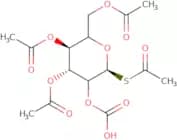
<p>2,3,4,6-Tetra-O-acetyl-1-S-acetyl-b-D-thiogalactopyranose is a synthetic sugar that is used in the synthesis of complex carbohydrates. It has been modified with methylation and acetylation reactions. The CAS number for this compound is 112724-71-8.</p>Formule :C15H20O11SDegré de pureté :Min. 95%Masse moléculaire :408.38 g/mol3b-[(a-L-arabinopyranosyl)oxy] urs-12,18-dien-28-oic acid 28-b-D-glucopyranosyl ester (12)
<p>3b-[(a-L-arabinopyranosyl)oxy] urs-12,18-dien-28-oic acid 28-b-D-glucopyranosyl ester (12) is a methylated, saccharide, Polysaccharide. It has CAS No., Click modification, Modification, Oligosaccharide, Custom synthesis, Glycosylation, High purity, Carbohydrate and sugar. This product is Synthetic and Fluorination. It is also complex carbohydrate.</p>Degré de pureté :Min. 95%Daidzein 7-β-D-glucuronide potassium salt
CAS :<p>Daidzein 7-β-D-glucuronide potassium salt is a synthetic compound with a sugar moiety. The sugar moiety can be any type of sugar, including monosaccharides, disaccharides, and polysaccharides. Daidzein 7-β-D-glucuronide potassium salt has been modified with fluorination, glycosylation, methylation, or polysaccharide modification. It has been used in the synthesis of saccharide complexes and is typically combined with other saccharides to form oligosaccharides or polysaccharides.</p>Formule :C21H17KO10Degré de pureté :Min. 95%Couleur et forme :PowderMasse moléculaire :430.36 g/mol1,6-Anhydro-b-D-mannopyranose
CAS :<p>Organic tracer generated by burning cellulose; used for ageing wines and spirits</p>Formule :C6H10O5Degré de pureté :Min. 90 Area-%Couleur et forme :White Off-White PowderMasse moléculaire :162.14 g/mol5-Aldo-1,2-O-isopropylidene-b-D-arabinofuranose
CAS :<p>5-Aldo-1,2-O-isopropylidene-b-D-arabinofuranose is a sugar that is synthesized from D-glucose. It has been modified with fluorine to produce an analogue of 5-fluoroarabinofuranose. The methylation and glycosylation of this compound have also been investigated. This chemical can be used for the synthesis of complex carbohydrates.</p>Formule :C8H12O5Degré de pureté :Min. 95%Couleur et forme :PowderMasse moléculaire :188.18 g/mol1,2-O-Isopropylidene-α-D-glucofuranurono-6,3-lactone
CAS :<p>1,2-O-Isopropylidene-a-D-glucofuranurono-6,3-lactone is a compound with hepatocyte growth factor activity that is used in the diagnosis of liver diseases. It can also be used as a reagent for the detection of lactones and as an industrial chemical. 1,2-O-Isopropylidene-a-D-glucofuranurono-6,3-lactone has been shown to activate the hepatocyte growth factor receptor (HGFR) and induce cell proliferation in human hepatocytes. This compound is not toxic to cells at concentrations up to 100 mM.</p>Formule :C9H12O6Degré de pureté :Min. 98%Couleur et forme :PowderMasse moléculaire :216.19 g/molMethyl 2,3,5-tri-O-(p-chlorobenzoyl)-β-D-ribofuranoside
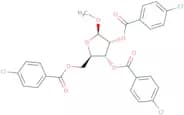
CAS :<p>Methyl 2,3,5-tri-O-(p-chlorobenzoyl)-b-D-ribofuranoside is a custom synthesis that has been modified with fluorination and methylation. It is a monosaccharide that can be synthesized by the reaction of 3,5-di-O-(p-chlorobenzoyl)ribose with formaldehyde. Methyl 2,3,5-tri-O-(p-chlorobenzoyl)-b-D-ribofuranoside can be used in saccharide or glycosylation reactions to produce oligosaccharides or polysaccharides. This chemical is also useful for click chemistry modifications.</p>Formule :C27H21Cl3O8Degré de pureté :Min. 95%Couleur et forme :White to off-white solid.Masse moléculaire :579.81 g/mol


![(3S, 4R) - 2- [(1S) - 1, 2- Dihydroxyethyl] - 3, 4- pyrrolidinediol](/_next/image/?url=https%3A%2Fstatic.cymitquimica.com%2Fproducts%2F3D%2Fthumb-webp%2FMD163525.webp&w=3840&q=75)
![1-(Piperidine-2,6-dione-4-yl) - 4-([2-nitro] phenyl)-3- buten- 2- one](/_next/image/?url=https%3A%2Fstatic.cymitquimica.com%2Fproducts%2F3D%2Fthumb-webp%2FMP170734.webp&w=3840&q=75)
![4-Methylphenyl 3-O-[(4-methoxyphenyl)methyl]-4,6-O-[(R)-phenylmethylene]-1-thio-α-D-mannopyranoside](/_next/image/?url=https%3A%2Fstatic.cymitquimica.com%2Fproducts%2F3D%2Fthumb-webp%2FMM182805.webp&w=3840&q=75)
![(2S, 3S, 4R) -3- Azido- 4- [[[(1, 1- dimethylethyl) dimethylsilyl] oxy] methyl] - 1- (phenylmethyl…](/_next/image/?url=https%3A%2Fstatic.cymitquimica.com%2Fproducts%2F3D%2Fthumb-webp%2FMA163461.webp&w=3840&q=75)

![4-Methylphenyl 4,6-O-[bis(1,1-dimethylethyl)silylene]-1-thio-β-D-galactopyranoside](/_next/image/?url=https%3A%2Fstatic.cymitquimica.com%2Fproducts%2F3D%2Fthumb-webp%2FMM182806.webp&w=3840&q=75)

![(1S) -1- [(2R, 3S) -N-Benzyl-3-hydroxy- 1- azetidinyl] -1, 2- ethanediol](/_next/image/?url=https%3A%2Fstatic.cymitquimica.com%2Fproducts%2F3D%2Fthumb-webp%2FMB163377.webp&w=3840&q=75)

![(1R) -1- [(2S, 3R,4S) -4-(Acetylamino)methyl-3- hydroxy- 1- azetidinyl] -1, 2- ethanediol](/_next/image/?url=https%3A%2Fstatic.cymitquimica.com%2Fproducts%2F3D%2Fthumb-webp%2FMA163403.webp&w=3840&q=75)

![N- [(3R, 4R, 5R) - 4- Hydroxy- 5- (hydroxymethyl) - 3- pyrrolidinyl] -acetamide](/_next/image/?url=https%3A%2Fstatic.cymitquimica.com%2Fproducts%2F3D%2Fthumb-webp%2FMH163543.webp&w=3840&q=75)
![(4S,9R)-4-Benzyloxy-N-benzyloxycarbonyl-8-oxo-9-methoxy-octahydro-pyrano[4,3-b]pyrrole](/_next/image/?url=https%3A%2Fstatic.cymitquimica.com%2Fproducts%2F3D%2Fthumb-webp%2FMB164009.webp&w=3840&q=75)
![(5R, 6R, 7R, 8S) -5, 7-Dihydroxy- 8- (hydroxymethyl) - 1- azabicyclo[4.2.0] octan- 2- one](/_next/image/?url=https%3A%2Fstatic.cymitquimica.com%2Fproducts%2F3D%2Fthumb-webp%2FMD163385.webp&w=3840&q=75)









![3b-[(a-L-arabinopyranosyl)oxy] urs-12,18-dien-28-oic acid 28-b-D-glucopyranosyl ester (12)](/_next/image/?url=https%3A%2Fstatic.cymitquimica.com%2Fproducts%2F3D%2Fthumb-webp%2FMA74562.webp&w=3840&q=75)