Monosaccharides
Les monosaccharides sont la forme la plus simple des glucides et servent de building blocks fondamentaux pour les sucres plus complexes et les polysaccharides. Ces molécules de sucre unique jouent des rôles critiques dans le métabolisme énergétique, la communication cellulaire et les composants structuraux des cellules. Dans cette section, vous trouverez une large gamme de monosaccharides essentiels pour la recherche en biochimie, biologie moléculaire et glycosciences. Ces composés sont cruciaux pour étudier les voies métaboliques, les processus de glycosylation et le développement d'agents thérapeutiques. Chez CymitQuimica, nous proposons des monosaccharides de haute qualité pour répondre à vos besoins de recherche, garantissant précision et fiabilité dans vos investigations scientifiques.
Sous-catégories appartenant à la catégorie "Monosaccharides"
- Alloses(11 produits)
- Arabinoses(21 produits)
- Erythroses(11 produits)
- Fructoses(9 produits)
- Fucoses(36 produits)
- Galactosamine(41 produits)
- Galactoses(260 produits)
- Glucoses(365 produits)
- Acides glucuroniques(51 produits)
- Glyco-substrats pour l'enzyme(77 produits)
- Guloses(6 produits)
- Idoses(4 produits)
- Inositols(15 produits)
- Lyxoses(4 produits)
- Mannoses(65 produits)
- O-Glycanes(48 produits)
- Psicoses(3 produits)
- Rhamnoses(10 produits)
- Ribos(61 produits)
- Acides sialiques(100 produits)
- Sorboses(4 produits)
- Sucres(173 produits)
- Tagatoses(4 produits)
- Taloses(8 produits)
- Xyloses(20 produits)
Affichez 17 plus de sous-catégories
6088 produits trouvés pour "Monosaccharides"
Trier par
Degré de pureté (%)
0
100
|
0
|
50
|
90
|
95
|
100
(3S, 4R) -Dihydro- 3-hydroxy- 3- methyl-4-tert butyldimethylsilyloxy- 2(3H) - furanone
<p>(3S,4R) -Dihydro-3-hydroxy-3-methyl-4-tert butyldimethylsilyloxy-2(3H) -furanone is a fluorinated glycosylated monosaccharide. This compound is used as a synthetic intermediate in the custom synthesis of saccharides and oligosaccharides.</p>Degré de pureté :Min. 95%6- Azido- 6- deoxy- 1, 2:3, 5- bis- isopropylidene-D- glycero- L- gulo- heptitol
CAS :<p>6-Azido-6-deoxy-1,2:3,5-bisisopropylidene-D-glycero-L-guloheptitol is a synthetic monosaccharide that can be used for the synthesis of oligosaccharides and complex carbohydrates. It is prepared by the fluorination of 6,6'-azido-1,2:3,5 bisisopropylidene D-glycero L guloheptitol. The chemical name of 6,6'-azido 1,2:3,5 bisisopropylidene D glycero L guloheptitol is 2-(6'-Amino)-2-(6'-deoxy)-1-(isopropylidene)ethanol. This compound has been shown to react with carbonyl groups in sugar molecules to form new compounds called glycosides. 6,6'-Amino 1,</p>Formule :C13H23N3O6Degré de pureté :Min. 95%Masse moléculaire :317.34 g/mol6-Methyl-2-pyridyl 2-acetamido-2-deoxy-b-D-thioglucopyranoside
CAS :<p>The 6-Methyl-2-pyridyl 2-acetamido-2-deoxy-b-D-thioglucopyranoside is a chloride salt that has been used in the laboratory to develop an analytical method for the determination of glucose in urine samples. The bioavailability of 6MP is low and it is excreted by renal filtration, so this compound has been used as a marker for renal transplantation. Glomerular filtration rate (GFR) is reduced in diabetic patients, leading to a decrease in the amount of 6MP excreted. This drug can be administered orally or intravenously and has shown efficacy at low dose levels. Low doses have also been associated with decreased detection sensitivity due to its low level of excretion, which makes it an ideal candidate for use as a biomarker for chronic kidney disease. A chronic kidney disease animal model was used to study the effects on GFR and creatinine clearance rates</p>Degré de pureté :Min. 95%Couleur et forme :White PowderMasse moléculaire :328.39 g/molMethyl 2,3,4-tri-O-pivaloyl-6-O-triisopropylsilyl-a-D-glucopyranoside
<p>Methyl 2,3,4-tri-O-pivaloyl-6-O-triisopropylsilyl-a-D-glucopyranoside is a synthetic, fluorinated monosaccharide that belongs to the group of oligosaccharides. It is used in the synthesis of complex carbohydrates. Methyl 2,3,4-tri-O-pivaloyl-6-O-triisopropylsilyl-a-D-glucopyranoside is a custom synthesis and can be modified with methylation or click chemistry. Methyl 2,3,4 - tri - O - pivaloyl - 6 - O - triisopropylsilyl - a - D - glucopyranoside has CAS number <br>Methyl 2,3,4 – tri – O – pivaloyl – 6 – O – triisopropylsily</p>Formule :C31H58O9SiDegré de pureté :Min. 95%Masse moléculaire :602.89 g/mol1,2,3,4-Tetra-O-acetyl-D-[6-13C]glucuronide methyl ester
<p>1,2,3,4-Tetra-O-acetyl-D-[6-13C]glucuronide methyl ester is a custom synthesis that can be used for the methylation of saccharides and polysaccharides. It is also used to modify glycosides and oligosaccharides. This compound has a CAS number and can be modified with click chemistry. It is a high purity product that can be synthesized with fluorination or complex carbohydrates.</p>Degré de pureté :Min. 95%Masse moléculaire :376.31 g/molMethyl 2,6-di-O-p-toluenesulfonyl-D-glucopyranoside
CAS :<p>Fluorination is a process that has been used to synthesize various types of chemical compounds. Fluorination is usually achieved by reacting an organic compound with elemental fluorine gas, or dissolved fluoric acid. Fluorination may also be carried out with silicon tetrachloride, sulfur tetrafluoride, or other fluorinating agents. The term fluorination refers to the substitution of hydrogen atoms in an organic molecule with fluorine atoms. This reaction is most often done on unsaturated carbon-carbon bonds, because these are more reactive than others. Monosaccharides are sugar molecules that consist of one sugar unit and two hydroxyl groups (CAS No. 54497-89-1). They are classified as simple sugars because they can be hydrolyzed into their component parts by hydrolysis or oxidation. Polysaccharides are carbohydrates consisting of long chains of monosaccharides (sugar molecules) bonded together by glycosidic linkages</p>Formule :C21H26O10S2Degré de pureté :Min. 95%Masse moléculaire :502.56 g/mol1,2:3,4-Di-O-isopropylidene-a-D-galactopyranose
CAS :<p>1,2:3,4-Di-O-isopropylidene-a-D-galactopyranose, also known as diacetone-D-galactose and galactose diacetonide, is a partially protected monosaccharide building block with isopropylidene groups on the 1,2 and 3,4 hydroxyls. The 6-hydroxyl is unprotected and able to undergo a variety of chemical transformations, such as glycosylation acting as a glycosyl acceptor to form 1,6-linked disaccharides.</p>Formule :C12H20O6Degré de pureté :Min. 96.5 Area-%Couleur et forme :Clear Viscous LiquidMasse moléculaire :260.28 g/molN-(5-Carboxypentyl)-deoxymannojirimycin hydrochloride
CAS :<p>N-(5-Carboxypentyl)-deoxymannojirimycin hydrochloride is a high purity, custom synthesis, CAS No. 104154-10-1. It is a sugar that contains the Click modification, fluorination, glycosylation, and synthetic modifications. It contains methylation, modification and oligosaccharide or monosaccharide saccharides. This compound has been modified by Carbohydrate Complex.</p>Formule :C12H23NO6·HClDegré de pureté :Min. 95%Couleur et forme :PowderMasse moléculaire :313.77 g/mol3,5-Dideoxy-3,5-imino-1,2-O-isopropylidene-N-methyl-L-xylofuranose
<p>3,5-Dideoxy-3,5-imino-1,2-O-isopropylidene-N-methyl-L-xylofuranose (3,5DDIMX) is a custom synthesis that belongs to the group of oligosaccharides. It is a fluorinated saccharide and has a high purity. 3,5DDIMX is a monosaccharide sugar with an O-methylation at the C6 position. This modification leads to high reactivity and selectivity in chemical reactions. The methylation also increases the stability of the molecule and prevents unwanted side reactions from occurring.</p>Degré de pureté :Min. 95%(1S) -1- [(2S, 3R) - 3- Hydroxy- 1- ((4-methoxyphenyl)methyl) - 2- azetidinyl] -1, 2- ethanediol
<p>(1S) -1- [(2S, 3R) - 3- Hydroxy- 1- ((4-methoxyphenyl)methyl) - 2- azetidinyl] -1, 2- ethanediol is a synthetic monosaccharide. It can be used in the synthesis of oligosaccharides and glycosylations. Click modification, methylation, and fluorination are all possible modifications for this product. The CAS number for this item is 52634-73-0.</p>Degré de pureté :Min. 95%2, 4- Anhydro-3,5-O-[(R)-benzylidene]- 6- deoxy- L- mannonic acid benzamide
<p>2, 4-Anhydro-3,5-O-[(R)-benzylidene]-6-deoxy-L-mannonic acid benzamide is a synthetic sugar that is fluorinated and methylated. It has been custom synthesized and can be modified to have any desired modification. This product is in high purity and has a CAS No.</p>Degré de pureté :Min. 95%2,3:4,5-Di-O-isopropylidene-D-gulonic acid methyl ester
<p>2,3:4,5-Di-O-isopropylidene-D-gulonic acid methyl ester is a custom synthesis that has been modified with fluorination and methylation. It is a monosaccharide, which is synthesized by the click modification of an oligosaccharide. The CAS number for this compound is 7791-54-2. This chemical can be used to produce polysaccharides and complex carbohydrates.</p>Degré de pureté :Min. 95%5-Deoxy- 5- iodo- 2, 3- O- isopropylidene -D- ribonic acid γ-lactone
<p>5-Deoxy-5-iodo-2,3-O-isopropylidene-D-ribonic acid gamma-lactone is a sugar molecule that has been modified and synthesized. It is a glycosylation product of 5'-deoxy-5'-iodoarabinose with 3,4,6-trihydroxybenzoic acid. It can be used for the synthesis of oligosaccharides and saccharides. This compound has been shown to inhibit the growth of Mycobacterium tuberculosis in culture.</p>Degré de pureté :Min. 95%3,4:5,6-Di-O-isopropylidene-L-gulonic acid methyl ester
<p>3,4:5,6-Di-O-isopropylidene-L-gulonic acid methyl ester is a synthetic monosaccharide. It is fluorinated at the hydroxyl group on C2 and also has a methoxy group on C3. The compound is an Oligosaccharide with a sugar unit of D-gulonic acid at the reducing end of the molecule. This product can be custom synthesized for your specific needs. 3,4:5,6-Di-O-isopropylidene-L-gulonic acid methyl ester has been shown to have Click modification and also complex carbohydrate modifications.</p>Degré de pureté :Min. 95%(2S,3R)-3,4-Bis-benzoyloxy-4-azidomethyl-pyrrolidin-2-one
<p>(2S,3R)-3,4-Bis-benzoyloxy-4-azidomethyl-pyrrolidin-2-one is a custom synthesis product. It is a fluorinated pyrrolidinone that has been modified with an azide group. This product can be used as an intermediate in the synthesis of glycoconjugates and saccharides. It can also be used to modify other molecules such as proteins, polymers, and oligosaccharides.<br>(2S,3R)-3,4-Bis-benzoyloxy-4-azidomethyl-pyrrolidin-2-one is a white solid that is insoluble in water. This compound has a molecular weight of 216.26 g/mol and a molecular formula of C11H14N6O5. The CAS number for this compound is 538113–92–1.</p>Degré de pureté :Min. 95%2,4,7,8,9-Penta-O-acetyl-N-azidoacetyl-b-neuraminic acid methyl ester
CAS :<p>2,4,7,8,9-Penta-O-acetyl-N-azidoacetyl-b-neuraminic acid methyl ester is a custom synthesis of a monosaccharide. It is modified with fluorine and methyl groups to give it a higher degree of reactivity. This product can be used for the synthesis of oligosaccharides and polysaccharides. 2,4,7,8,9-Penta-O-acetyl-N-azidoacetyl-b-neuraminic acid methyl ester is also used for click modification reactions on saccharide molecules. The CAS number for this product is 1357804-21-7.</p>Formule :C22H30N4O1Degré de pureté :Min. 95%Masse moléculaire :366.5 g/molMethyl 2,3,6-tri-O-benzoyl-4-deoxy-4-chloro-α-D-glucopyranoside
CAS :<p>Methyl 2,3,6-tri-O-benzoyl-4-deoxy-4-chloro-a-D-glucopyranoside is a modification of the sugar monosaccharide. It is an Oligosaccharide with Carbohydrate and Complex carbohydrate. Methyl 2,3,6-tri-O-benzoyl-4-deoxy-4-chloro--a D glucopyranoside is a Custom synthesis that is Synthetic and High purity. It has CAS No. 41881 07 6 and Polysaccharide as its sugar type. This Modification has Fluorination and saccharide as its modification type.</p>Formule :C28H25ClO8Degré de pureté :Min. 95%Couleur et forme :PowderMasse moléculaire :524.96 g/mol2-Deoxy-3,4,6-tri-O-pivaloyl-D-glucopyranosyl amine
CAS :<p>2-Deoxy-3,4,6-tri-O-pivaloyl-D-glucopyranosyl amine is a custom synthesis that has been fluorinated and modified. It has been synthesized for use in the production of oligosaccharides and polysaccharides. This compound is a monosaccharide with a CAS number of 1338226-07-5. It can be used to produce complex carbohydrates. 2DGPA can be used as an intermediate in the synthesis of saccharides or sugars.</p>Formule :C21H37NO7Degré de pureté :Min. 95%Masse moléculaire :415.53 g/mol(2R, 3S, 4S) -3, 4-Dihydroxy- N- methyl- 2- pyrrolidinecarboxami de
CAS :<p>(2R, 3S, 4S) -3, 4-Dihydroxy-N-methyl-2-pyrrolidinecarboxamide is a custom synthesis that has been modified with fluorination and methylation. This compound is a monosaccharide that can be used to synthesize oligosaccharides and polysaccharides. The chemical formula of this compound is C4H8N4O3 and the molecular weight is 192.17 g/mol. This compound belongs to the category of saccharide, which is a carbohydrate made up of sugar molecules linked by glycosylations. This glycosylated carbohydrate can be found in complex carbohydrates such as starch or glycogen.</p>Degré de pureté :Min. 95%O-(2-Acetamido-3,4,6-tri-O-acetyl-2-deoxy-b-D-glucopyranosyl)-N-hydroxysuccinimide
CAS :<p>O-(2-Acetamido-3,4,6-tri-O-acetyl-2-deoxy-b-D-glucopyranosyl)-N-hydroxysuccinimide is a glycosylation agent that can be used in the synthesis of glycoproteins and polysaccharides. It has been shown to be effective for the synthesis of oligosaccharides, polysaccharides and complex carbohydrates. The compound has a CAS number of 170590-84-8 and is classified as an intermediate organic chemical. O-(2-Acetamido-3,4,6-tri-O-acetyl-2 -deoxy--b--D--glucopyranosyl)-N--hydroxysuccinimide reacts with primary alcohols to form acetal derivatives. This reaction can also be used for Click chemistry and fluorination in order to modify saccharide structures.</p>Formule :C18H23NO12Degré de pureté :Min. 95%Masse moléculaire :445.37 g/molEthyl 2,3,4,6-tetra-O-acetyl-b-D-thiogalactopyranoside
CAS :<p>Ethyl 2,3,4,6-tetra-O-acetyl-b-D-thiogalactopyranoside is a natural sugar that is used in the food industry as a flavoring agent.</p>Formule :C16H24O9SDegré de pureté :Min. 95%Couleur et forme :PowderMasse moléculaire :392.42 g/mol(2S,3R,4S)-3-O-Benzoyl-2-(Tert.butyldimethylsilyloxy)methyl-5-methyl-4-O-tert.butyldimethylsilyl-pyrrolidine-3,4-diol
<p>Custom synthesis, Modification, Fluorination, Methylation, Monosaccharide, Synthetic, Click modification, Oligosaccharide, saccharide, CAS No., Polysaccharide. Glycosylation. Sugar. Carbohydrate. Complex carbohydrate.</p>Degré de pureté :Min. 95%1,2:3,4-Di-O-isopropylidene-α-D-fucopyranose
CAS :<p>1,2:3,4-Di-O-isopropylidene-a-D-fucopyranose is a tailored drug that was developed to have the same chemical structure as endogenous natural fucopyranosides. It has been shown to be a potent inhibitor of bacterial growth in vitro. The drug has been shown to have anti-inflammatory effects in vivo and may be useful for the treatment of autoimmune diseases. 1,2:3,4-Di-O-isopropylidene-a-D-fucopyranose has been observed to inhibit the production of inflammatory cytokines such as IL1β and TNFα by macrophages at concentrations of 10 μM or less. It has also been shown to inhibit NFκB activation by inhibiting IκB kinase activity.</p>Formule :C12H20O5Degré de pureté :Min. 95%Couleur et forme :Clear colourless to yellow oil.Masse moléculaire :244.28 g/mol6-O-Benzhydryloxybis(trimethylsilyloxy)silyl-1,2:4,5-di-O-isopropylidene-D-glycero-D-manno-heptitol
<p>6-O-Benzhydryloxybis(trimethylsilyloxy)silyl-1,2:4,5-di-O-isopropylidene-D-glycero-D-mannoheptitol is a custom synthetic oligosaccharide. It is a complex carbohydrate that can be found in the human body. It is an Oligosaccharide with CAS No. and has been modified with Methylation and Glycosylation. The saccharide content is high purity and it has been fluorinated to increase its stability. This product has been synthesized using Click chemistry for ease of use.</p>Degré de pureté :Min. 95%N-Acetylneuraminic acid methyl ester
CAS :<p>Biologically relevant in neurotransmission and carbohydrate-protein recognition</p>Formule :C12H21NO9Degré de pureté :Min. 97 Area-%Couleur et forme :White PowderMasse moléculaire :323.3 g/mol1,2:5,6-Di-O-isopropylidene-a-L-glucofuranose
CAS :<p>1,2:5,6-Di-O-isopropylidene-a-L-glucofuranose is a monosaccharide that is a component of the fatty acid biosynthesis pathway. It has been shown to be important in clinical relevance, because it can inhibit viral replication by binding to the virus as a nucleophile and attacking the glycosidic bond. This monosaccharide also inhibits the growth of liver cells by binding to a receptor on the cell surface. 1,2:5,6-Di-O-isopropylidene-a-L-glucofuranose binds specifically to nucleophilic sites on proteins and has been shown to have antiinflammatory properties through its inhibition of prostaglandin synthesis.</p>Formule :C12H20O6Degré de pureté :Min. 95%Couleur et forme :White PowderMasse moléculaire :260.28 g/mol4-Azido-4,6-dideoxy-2,3-O-isopropylidene-D-talono-1,5-lactone
<p>4-Azido-4,6-dideoxy-2,3-O-isopropylidene-D-talono-1,5-lactone is an oligosaccharide that is synthesized using the Click chemistry. It is a modification of the natural product methylated L -rhamnosyl-(1→2)-D -talonolactone. 4-Azido-4,6-dideoxy-2,3-O-isopropylidene D -talono 1,5 lactone has been shown to inhibit the growth of Mycobacterium tuberculosis and Mycobacterium avium complex bacteria.</p>Degré de pureté :Min. 95%Methyl 2,3,4-tri-O-acetyl-6-O-triisopropylsilyl-a-D-galactopyranoside
CAS :<p>Methyl 2,3,4-tri-O-acetyl-6-O-triisopropylsilyl-a-D-galactopyranoside is a synthetic glycoside. It is used as a building block for the synthesis of complex carbohydrates. This compound has been shown to have high purity with a purity of 99% by mass. It has not been evaluated by the Food and Drug Administration (FDA) and therefore cannot be sold in the United States.</p>Formule :C22H40O9SiDegré de pureté :Min. 95%Masse moléculaire :476.64 g/mol4,6-O-(4-Methoxybenzylidene)-1,2,3-tri-O-pivaloyl-b-D-galactopyranose
<p>4,6-O-(4-Methoxybenzylidene)-1,2,3-tri-O-pivaloyl-b-D-galactopyranose is a custom synthesis of a complex carbohydrate. It is an oligosaccharide that has been modified with methylation and glycosylation. The CAS number for this compound is 123097-29-2. This compound has a high purity and has been fluorinated with the click reaction. It is a synthetic sugar that is also a polysaccharide.</p>Formule :C29H42O10Degré de pureté :Min. 95%Masse moléculaire :550.65 g/mol5-Azido-5-deoxy-1-C-butyl-2,3-O-isopropylidene-D-ribofuranose
<p>5-Azido-5-deoxy-1-C-butyl-2,3-O-isopropylidene-D-ribofuranose is a custom synthesis of an oligosaccharide that is modified by methylation and glycosylation. It has a CAS number of 533881-00-6.</p>Degré de pureté :Min. 95%6- Deoxy- 1, 2:3, 5- bis- isopropylidene-D- ido-heptitol
<p>6- Deoxy- 1, 2:3, 5- bis- isopropylidene-D- ido-heptitol is a modified oligosaccharide that is used as a reagent in the synthesis of complex carbohydrates. It has been shown to inhibit bacterial growth by binding to ribose and other sugars. 6-Deoxy-1,2:3,5-bis-isopropylidene-D-idoheptitol can be used to produce glycosides or methylated saccharides. This compound has been shown to have high purity and the CAS number for this product is 107738-94 -7.</p>Degré de pureté :Min. 95%N- [(3R, 4R, 5R) - 4- (Acetyloxy) - 5- [(acetyloxy) methyl] - 1- benzyl- 3- pyrrolidinyl] -acetamide
<p>N- [(3R, 4R, 5R) - 4- (Acetyloxy) - 5- [(acetyloxy) methyl] -1- benzyl- 3- pyrrolidinyl] -acetamide is a custom synthesis of our company. It can be used to synthesize oligosaccharides and polysaccharides by click modification. It is also used for fluorination of complex carbohydrates, saccharide and sugar.</p>Degré de pureté :Min. 95%Methyl 3- Deoxy- 3- fluoro-b- D- xylopyranoside
CAS :<p>Methyl 3-Deoxy-3-fluoro-b-D-xylopyranoside is a modification of the natural monosaccharide D-xylose. It is a synthetic molecule that has been modified with fluorine substituents. Methyl 3-Deoxy-3-fluoro-b-D-xylopyranoside can be used as a saccharide in the synthesis of complex carbohydrates. This reagent is supplied as a white powder and can be used in glycosylation reactions to modify the carbohydrate moiety.</p>Formule :C6H11FO4Degré de pureté :Min. 95%Masse moléculaire :166.15 g/molMethyl 2,3-dideoxy-3-fluoro-5-O-pivaloyl-L-ribofuroside
<p>Methyl 2,3-dideoxy-3-fluoro-5-O-pivaloyl-L-ribofuroside is a custom synthesis that is a complex carbohydrate. It has CAS No. and is Polysaccharide, Modification, saccharide, Methylation, Glycosylation and Click modification. Methyl 2,3-dideoxy-3-fluoro-5-O-pivaloyl--L--ribofuroside is available in high purity and with high quality. This product can be used for the synthesis of other products such as sugar or carbohydrates. The fluorination process on this product makes it more stable to hydrolysis and oxidation reactions.</p>Degré de pureté :Min. 95%Ethyl 3-O-benzyl-4,6-O-benzylidene-D-thiomannopyranoside
CAS :<p>Ethyl 3-O-benzyl-4,6-O-benzylidene-D-thiomannopyranoside is a custom synthetic glycosylated compound that is used in the synthesis of oligosaccharides and polysaccharides. This product has a high purity and is modified with fluorine to increase its stability. The CAS number for this product is 173935-67-6.</p>Formule :C22H26O5SDegré de pureté :Min. 95%Couleur et forme :PowderMasse moléculaire :402.5 g/mol(2R, 3S, 4R, 5S) -Methyl- 1- nonyl-3, 4, 5- piperidinetriol
<p>(2R, 3S, 4R, 5S) -Methyl- 1- nonyl-3, 4, 5- piperidinetriol is a custom synthesis that has been modified with fluorination and methylation. This product is a monosaccharide or a synthetic oligosaccharide that is glycosylated with sugar. Carbohydrates are made up of complex carbohydrates.</p>Degré de pureté :Min. 95%D-Gluco-2,4-O-Isopropylidene-2,3,4,5-tetrahydroxy-1,6-dicarboxylic acid 3,6-lactone methyl ester
<p>D-Gluco-2,4-O-Isopropylidene-2,3,4,5-tetrahydroxy-1,6-dicarboxylic acid 3,6-lactone methyl ester is a custom synthesis of D-glucose with a methyl group at the 2 position. The compound has been fluorinated to increase its hydrophobicity and is used as an intermediate in the synthesis of oligosaccharides and polysaccharides. It has also been used in the modification of saccharides such as glycosides. This product is offered in high purity and can be modified according to customer specifications.</p>Degré de pureté :Min. 95%1-O-Benzyl-2N, 3-O-carbonyl-β-D-fructofuranosylamine
CAS :<p>The molecule is a complex carbohydrate with a glycosylation site and the following modifications: methylation, click modification, fluorination, saccharide and modification. The molecule was synthesized using custom synthesis methods. The 1-O-benzyl-2N, 3-O-carbonyl-b-D-fructofuranosylamine is available in high purity and CAS No. of 98996-97-3.</p>Formule :C14H17NO6Degré de pureté :Min. 95%Couleur et forme :White To Off-White Viscous LiquidMasse moléculaire :295.29 g/mol5'-O-(2-Amino-2-deoxy-D-glucopyranosyl)-thymidine
CAS :<p>5'-O-(2-Amino-2-deoxy-D-glucopyranosyl)-thymidine is a custom synthesis of saccharide that is fluorinated, methylated, and monosaccharide. This compound has been modified with a click modification and an oligosaccharide. The saccharide is glycosylated with sugar and Carbohydrate. 5'-O-(2-Amino-2-deoxy-D-glucopyranosyl)-thymidine has CAS No. 631842-24-5</p>Formule :C16H25N3O9Degré de pureté :Min. 95%Masse moléculaire :403.38 g/mol2-Azido-2-deoxy-(S)-3,4-O-phenylmethylene-D-Arabinonic acid 1,5-lactone
<p>2-Azido-2-deoxy-(S)-3,4-O-phenylmethylene-D-arabinonic acid 1,5-lactone is a custom synthesis. It is a modification of the natural sugar arabinose. The chemical structure has been modified by fluorination and methylation. This product can be used in the synthesis of monosaccharide and saccharide oligosaccharides. 2-Azido-2-deoxy-(S)-3,4-O-phenylmethylene-D-arabinonic acid 1,5 -lactone is an organic compound that belongs to the group of carbohydrates and polysaccharides.</p>Degré de pureté :Min. 95%D-Glucosamine hydrochloride - non-animal origin
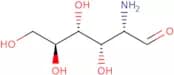
CAS :<p>D-Glucosamine (GlcN) is an aldohexose (2-Amino-2-deoxyglucose) in which the hydroxyl group at position 2 is replaced by an amino group (Collins, 2006). D-Glucosamine is found in chitosan as the N-Acetylated derivative in chitin (Rudrapatnam, 2003), glycoproteins, glycolipids and the glycosaminoglycan hyaluronic acid (Fallacara, 2018). Glucosamine, as its sulfate salt, often in combination with the polydisaccharide chondroitin, is marketed over-the-counter as a treatment for osteoarthritis inflammation and its accompanying pain. Only the D-enantiomer of glucosamine exists in nature.</p>Formule :C6H13NO5·HClDegré de pureté :(Hplc) 98.00 To 102.00%Couleur et forme :White PowderMasse moléculaire :215.63 g/molMethylphenyl 2-O-benzyl-b-D-thiogalactopyranoside
<p>Methylphenyl 2-O-benzyl-b-D-thiogalactopyranoside (MPBGT) is a modification of the natural disaccharide, galactose. It is synthesized by the glycosylation and methylation of galactose with methyl phenyl b-D-thioglucopyranoside. MPBGT is typically used as a building block for oligosaccharides or polysaccharides. The MPBGT can be modified by fluorination or saccharide substitution to produce diverse products.</p>Formule :C20H24O5SDegré de pureté :Min. 95%Masse moléculaire :376.47 g/molD-Ribose-5-phosphate disodium salt hydrate
CAS :<p>Precursor for the synthesis of nucleotides;</p>Formule :C5H9Na2O8PCouleur et forme :White Yellow PowderMasse moléculaire :274.07 g/mol2,3-O-Isopropylidene-1,4-di-C-methyl-L-erythrofuranose
<p>2,3-O-Isopropylidene-1,4-di-C-methyl-L-erythrofuranose is a fluorinated monosaccharide. It is synthesized by the reaction of 2,3-O-isopropylidene L-erythroascorbic acid with sodium difluoromethanesulfinate in toluene under refluxing conditions. It can be used as an intermediate for the preparation of oligosaccharides and polysaccharides. This product has been shown to be resistant to degradation by enzymes such as glycosidases and esterases. It also has a high purity level and can be used for custom synthesis projects.</p>Degré de pureté :Min. 95%1-O-Acetyl-3,5-di-O-benzoyl-2-deoxy-2-fluoro-b-D-ribofuranoside
CAS :<p>1-O-Acetyl-3,5-di-O-benzoyl-2-deoxy-2-fluoro-betaDribofuranoside is a synthetic sugar that is used as a building block for the synthesis of oligosaccharides and glycosylations. It can be modified by click chemistry with other molecules to produce glycosides. This compound has CAS number 149623-91-6 and is also known as methyl 1, 3, 5 di O benzoyl beta D ribofuranoside.</p>Degré de pureté :Min. 95%Methyl 2,3,4-tri-O-benzoyl-6-O-triisopropylsilyl-a-D-mannopyranoside
<p>Methyl 2,3,4-tri-O-benzoyl-6-O-triisopropylsilyl-a-D-mannopyranoside is a synthetic glycosylation agent with high purity and custom synthesis. The product is used to modify saccharides and oligosaccharides with the addition of the methyl group at C2 of the sugar. It can be used for modification of complex carbohydrates, fluorination, and saccharide. Methyl 2,3,4-tri-O-benzoyl-6-O-triisopropylsilyl-a -D -mannopyranoside has CAS No. 617069–91–8. The product can be synthesized in various configurations to meet customer needs.</p>Formule :C37H46O9SiDegré de pureté :Min. 95%Masse moléculaire :662.86 g/mol2-Azidomethyl-2-deoxy-3,4-O-isopropylidene-4-C-methyl-L-ribono-1.5-lactone
<p>2-Azidomethyl-2-deoxy-3,4-O-isopropylidene-4-C-methyl-L-ribono-1.5-lactone is a modification of the sugar molecule ribose. It is synthesized by the methylation of 2,6 anhydroglucose with formaldehyde and sodium azide in methanol. This modification prevents the formation of cyclic hemiacetals and epimerization reactions that may occur during glycosylation or polysaccharide formation. 2A diol has been used as a model for oligosaccharides, carbohydrates, and complex carbohydrates. It is highly purified, has a CAS number, and can be used in custom synthesis projects.</p>Degré de pureté :Min. 95%7,9-Di-O-acetyl-N-glycolyl-8-O-methylneuraminic acid
CAS :<p>7,9-Di-O-acetyl-N-glycolyl-8-O-methylneuraminic acid is a synthetic glycolylneuraminic acid analogue that can be used in the treatment of bacterial infections. It is a prodrug that is converted to glycolylneuraminic acid by monoclonal antibody and other enzymes. 7,9-Di-O-acetyl-N-glycolyl-8-O-methylneuraminic acid inhibits the activity of necrosis factor (TNF) by binding to its receptor, thereby preventing TNF from binding to cells and stimulating inflammation. This compound has been shown to be effective against many bacteria including methicillin resistant Staphylococcus aureus (MRSA). Techniques used for the synthesis include high performance liquid chromatography with mass spectrometry detection and cavity ring down spectroscopy.</p>Formule :C16H25NO12Degré de pureté :Min. 95%Masse moléculaire :423.37 g/mol(1S) -1- [(2R, 3S) -N-Benzyl-3-hydroxy- 1- azetidinyl] -1, 2- ethanediol
<p>This product is a custom-synthesized, complex carbohydrate with the CAS number of 12078-03-7. This product is an Oligosaccharide that has been modified with saccharides and methylated. It has been glycosylated and click modified. The product is a sugar that has been fluorinated and synthesized. It has high purity and is synthetic.</p>Degré de pureté :Min. 95%2-C-(tert.Butylmethylsilyloxy)methyl-2,3:5,6-di-O-isopropylidene-D-mannono-1.4-lactone
<p>2-C-(tert.Butylmethylsilyloxy)methyl-2,3:5,6-di-O-isopropylidene-D-mannono-1.4-lactone is a custom synthesis of a complex carbohydrate with Oligosaccharide, CAS No., Polysaccharide and Modification properties. It is a saccharide that is Methylation and Glycosylation modified. This product has Click modification and Carbohydrate properties. 2C-(tert.Butylmethylsilyloxy)methyl-2,3:5,6-di-O-isopropylidene-D-mannono 1,4 lactone is a high purity product with Fluorination and Synthetic properties.</p>Degré de pureté :Min. 95%6-Amino-6-deoxy-D-glucose hydrochloride
CAS :<p>6-Amino-6-deoxy-D-glucose hydrochloride is a chromatographic agent that is used to detect and identify viruses. It is also used to study antiviral drugs and the virus life cycle. 6-Amino-6-deoxy-D-glucose hydrochloride has been shown to inhibit protein synthesis in animal cells infected with paramyxoviruses, which may be due to its ability to inhibit acetylation of proteins. This drug has also been shown to inhibit influenza virus replication in cell culture. 6-Amino-6-deoxy--D--glucose hydrochloride binds to the viral ribonucleic acid (RNA) and inhibits the replication of the virus by binding competitively to the RNA polymerase enzyme.</p>Formule :C6H13NO5·(HCl)Degré de pureté :Min. 95%Couleur et forme :White PowderMasse moléculaire :215.63 g/mol1-O-Acetyl-2,3,5-tri-O-benzoyl-b-L-ribofuranose
CAS :<p>1-O-Acetyl-2,3,5-tri-O-benzoyl-b-L-ribofuranose is a reactive proton that has been shown in kinetic studies to be able to react with chloride ions. It is a stereoselective molecule that can be used to produce xanthosine (X), guanosine (G), and 2-aminoadenosine (A) from the corresponding ribofuranosides. 1-O-Acetyl-2,3,5-tri-O-benzoyl ribofuranose has been shown to inhibit viral replication in the case of hepatitis B and C viruses. This compound also inhibits cross coupling reactions with anions such as chloride ions and can be used as a potential antiviral agent or drug candidate for treatment of chronic hepatitis C infections.</p>Formule :C28H24O9Degré de pureté :Min. 95%Couleur et forme :White PowderMasse moléculaire :504.48 g/molEstriol 3-O-b-D-glucuronide sodium salt
CAS :<p>Estriol 3-O-b-D-glucuronide sodium salt is an estrogenic compound that is metabolized to 17β-estradiol, the most potent endogenous estrogen. Estriol 3-O-b-D-glucuronide sodium salt is found in wastewater and has been detected in effluent from various sources. The presence of estriol 3-O-b-D glucuronide sodium salt in wastewater indicates that it may be discharged from pharmaceutical manufacturing plants. It has been shown to be present at high concentrations in the effluent of a pharmaceutical plant that manufactures estrogens, which may have resulted from incomplete recovery during production. Estriol 3-O-b glucuronide sodium salt can be readily recovered by liquid chromatography with a reversed phase column and eluted with acetonitrile containing 0.1% trifluoroacetic acid (TFA). Recoveries are typically greater than 90%. Estrogen conjugates such</p>Formule :C24H31NaO9Degré de pureté :Min. 95%Couleur et forme :PowderMasse moléculaire :486.49 g/mol(2S,3R,4R,5S)-5-Acetylamino-3,4-dihydroxy-2-formylpiperidine
<p>(2S,3R,4R,5S)-5-Acetylamino-3,4-dihydroxy-2-formylpiperidine is a custom synthesis that can be modified to meet your needs. It is a fluorinated complex carbohydrate and has been shown to have high purity. The modification process of this chemical is simple and can be done in either the lab or in the field. (2S,3R,4R,5S)-5-Acetylamino-3,4-dihydroxy-2-formylpiperidine is synthesized by methylation of 5-(acetylamino)piperidinone with diazomethane followed by protection of the amine group with an acetyl group. This chemical also has Oligosaccharide and Polysaccharide properties.</p>Degré de pureté :Min. 95%1,3-O-Benzylidene-4-O-trityl-D-threitol
CAS :<p>1,3-O-Benzylidene-4-O-trityl-D-threitol is a carbohydrate that is modified with fluorine and contains a trityl group. It is used as a reagent in oligosaccharide synthesis, sugar modification, and glycosylation reactions. The compound can be custom synthesized to meet the desired specifications, such as high purity and low cost. The compound can also be methylated or glycosylated for custom synthesis.</p>Formule :C30H28O4Degré de pureté :Min. 95%Masse moléculaire :452.54 g/mol(2S,3S,4S)-N-Ethyl-2-hydroxymethyl-3,4-pyrrolidinediol
<p>(2S,3S,4S)-N-Ethyl-2-hydroxymethyl-3,4-pyrrolidinediol is a synthetic sugar that is commonly used in the synthesis of polysaccharides. It can also be used as a reagent for methylation and glycosylation reactions. This compound is available as a pure white powder with a melting point of 130°C to 135°C. (2S,3S,4S)-N-Ethyl-2-hydroxymethyl-3,4-pyrrolidinediol has been shown to be reactive with saccharide and polysaccharide substrates. Click modification can be performed on this product to make it reactive with other molecules or compounds. The purity of this compound exceeds 99%.</p>Degré de pureté :Min. 95%a-L-Galactose-1-phosphate dipotassium salt
CAS :<p>a-L-Galactose-1-phosphate dipotassium salt is an oligosaccharide that can be prepared by the methylation of a galactose molecule. It is a synthetic compound that has been shown to have antiviral properties. The modification of the sugar structure with fluorine atoms increases the stability of the molecule and prevents its degradation. This product is soluble in water and can be used as a pharmaceutical intermediate for other compounds.</p>Formule :C6H11K2O9PDegré de pureté :Min. 95%Couleur et forme :PowderMasse moléculaire :336.33 g/mol(1R) -1- [(2S, 3R,4S) -4-(Acetylamino)methyl-3- hydroxy- 1- azetidinyl] -1, 2- ethanediol
<p>(1R) -1- [(2S, 3R,4S) -4-(Acetylamino)methyl-3- hydroxy- 1- azetidinyl] -1, 2- ethanediol is a custom synthesis. It is a complex carbohydrate that consists of an oligosaccharide with the CAS No. 6056-89-2. This product has been modified by methylation and glycosylation and has been fluorinated in order to improve its stability. The purity of this product is high and it contains a saccharide or sugar which is a polysaccharide as well as a carbonyl group.</p>Degré de pureté :Min. 95%3,4,6-Tri-O-acetyl-2-azido-2-deoxy-a-D-glucopyranosyl trichloroacetimidate
CAS :<p>3,4,6-Tri-O-acetyl-2-azido-2-deoxy-a-D-glucopyranosyl trichloroacetimidate is a custom synthesis of complex carbohydrates. This compound has CAS number 94715-56-7 and can be used for the modification of saccharides or carbohydrates. 3,4,6-Tri-O-acetyl-2-azido-2-deoxy -aD glucopyranosyl trichloroacetimidate can be modified with methylation, glycosylation, or fluorination. It is also a synthetic compound and has high purity.</p>Formule :C14H17Cl3N4O8Degré de pureté :Min. 95%Masse moléculaire :475.67 g/molN- [(3R, 4R, 5R) - 4- Hydroxy- 5- (hydroxymethyl) - 3- pyrrolidinyl] -acetamide
CAS :<p>N- [(3R, 4R, 5R) - 4- Hydroxy- 5- (hydroxymethyl) - 3- pyrrolidinyl] -acetamide is a synthetic compound that is composed of two molecules of acetamide linked to each other by an ester linkage. The acetamide group is attached to the nitrogen atom of the heterocycle. The N-COOH carbonyl group is attached to the oxygen atom of the heterocycle. N-[(3R,4R,5R)-4-hydroxy-5-(hydroxymethyl)-3-(pyrrolidin-1-yl)pyrrolidinium]acetamide has not been studied in humans or animals.</p>Degré de pureté :Min. 95%(4S,9R)-4-Benzyloxy-N-benzyloxycarbonyl-8-oxo-9-methoxy-octahydro-pyrano[4,3-b]pyrrole
<p>The compound is a fluorinated, glycosylated, polysaccharide-linked, custom-synthesized and modified natural product. The compound is of high purity and has been shown to have a range of biological activities including:<br>1) Antibacterial activity against Gram (+) bacteria such as Staphylococcus aureus and Streptococcus pyogenes.<br>2) Anti-inflammatory activity in the carrageenan-induced paw edema model of inflammation in rats.<br>3) Antifungal activity against Candida albicans.<br>4) Inhibition of bacterial biofilm formation and cellular adhesion to surfaces.<br>5) Inhibition of HIV replication in vitro and inhibition of HIV integrase function in vitro.<br>6) Inhibition of TNF-α production by LPS activated macrophages. <br>7) Protection from phototoxicity induced by UVB irradiation in human skin cells.<br>8) Protection from</p>Degré de pureté :Min. 95%Ethyl 6-azido-2,4-di-O-benzoyl-3-O-benzyl-6-deoxy-a-D-thiomannopyranoside
<p>Ethyl 6-azido-2,4-di-O-benzoyl-3-O-benzyl-6-deoxy-a-D-thiomannopyranoside is a custom synthesis of a highly purified compound that has been modified to include fluorination. It is an oligosaccharide with a complex carbohydrate structure and high purity. The modification includes Click chemistry and the monosaccharides are sugar, which may be useful for pharmaceutical or biomedical applications.</p>Formule :C29H29N3O6SDegré de pureté :Min. 95%Masse moléculaire :547.62 g/mol1,3,4,6-Tetra-O-acetyl-2-O-trifluoromethanesulfonyl-b-D-mannopyranose
CAS :<p>1,3,4,6-Tetra-O-acetyl-2-O-trifluoromethanesulfonyl-b-D-mannopyranose is a chemical compound that belongs to the group of fatty acids. It is a product of chemical reactions and has been shown to be able to react with positrons in an organic solution. This compound can also react with potassium ions in water vapor. The reaction solution is suitable for testing samples and cell culture.</p>Formule :C15H19F3O12SDegré de pureté :Min. 98 Area-%Couleur et forme :PowderMasse moléculaire :480.37 g/mol2-Deoxy-D-ribose 5-phosphate sodium salt
CAS :<p>2-Deoxy-D-ribose 5-phosphate sodium salt is a mutant of ribose 5-phosphate. It is an intermediate in the pentose phosphate pathway, which generates ribose 5-phosphate and NADPH. The 2nd step of this pathway is catalyzed by deacetylase, which converts acetaldehyde to acetyl CoA. 2-deoxy-D-ribose 5-phosphate sodium salt is also an oxidant that can react with hydrogen peroxide to form hydroxyl radicals. This intermediate has been shown to inhibit the growth of E. coli by causing mutations in the DNA and protein synthesis machinery, as well as by catalase activation.</p>Formule :C5H11O7P·xNaDegré de pureté :Min. 95%Couleur et forme :PowderMasse moléculaire :214.11 g/mol2-Azido-2-deoxy-D-galactose
CAS :<p>2-Azido-2-deoxy-D-galactose is a disaccharide that is synthesized by the enzymatic addition of galactose to 2-azido-2-deoxyglucose. It has been shown to be antigenic in the test tube and is reactive with hydroxy groups. 2-Azido-2-deoxygalactose can be glycosylated by glycopeptides, which are glycoproteins containing one or more oligosaccharide chains covalently linked to a protein core. The hydrophilic nature of this sugar makes it an ideal candidate for conjugation with hydrophobic drugs such as antibiotics. This disaccharide was used in the synthesis of glycoconjugates, which are carbohydrate molecules attached to proteins or lipids, and can be found in bacteria such as Corynebacterium glutamicum. 2-Azido-2-deoxygalactose</p>Formule :C6H11N3O5Degré de pureté :Min. 98 Area-%Couleur et forme :White PowderMasse moléculaire :205.17 g/mol2,5-Anhydro-D-glucitol
CAS :<p>2,5-Anhydro-D-glucitol is a sugar alcohol that is found naturally in the human body. It can be produced from D-glucose by the enzyme aldose reductase. This reaction involves an initial dehydration of D-glucose to form 2,5-anhydro-D-glucose, followed by a nucleophilic attack on the hydroxyl group of 2,5-anhydro-D-glucose by the phosphate group of ATP to form 2,5-anhydro-D-glucitol and ADP. The reaction mechanism for this process has been studied using kinetic and model studies. It has also been shown that metal ions are required for cationic polymerization reactions. A solid catalyst was used in this study because it could be easily removed after completion of the reaction. The 2,5-anhydro form of D-glucitol can undergo dehydration reactions to yield</p>Formule :C6H12O5Degré de pureté :Min. 95%Couleur et forme :Clear LiquidMasse moléculaire :164.16 g/mol(5R, 6R, 7R, 8S) -5, 7-Dihydroxy- 8- (hydroxymethyl) - 1- azabicyclo[4.2.0] octan- 2- one
CAS :<p>This is a custom synthesis of (5R, 6R, 7R, 8S) -5, 7-dihydroxy-8- (hydroxymethyl) -1-azabicyclo[4.2.0]octan-2-one. This compound has been fluorinated and methylated and has a monosaccharide modification.</p>Degré de pureté :Min. 95%Phenyl 4,6-O-benzylidene-2-O-levulinoyl-3-O-(2-naphthylmethyl)-b-D-thioglucopyranoside
<p>Phenyl 4,6-O-benzylidene-2-O-levulinoyl-3-O-(2-naphthylmethyl)-b-D-thioglucopyranoside is a fluorinated monosaccharide. It can be synthesized in a custom synthesis and is available with high purity. This product is an oligosaccharide, which has glycosylation and polysaccharide properties. Phenyl 4,6-O-benzylidene-2-O-levulinoyl-3-O-(2-naphthylmethyl)-b-D -thioglucopyranoside is also a complex carbohydrate that has been modified by methylation and acetalization.</p>Degré de pureté :Min. 95%2-Acetamido-2,6-dideoxy-L-galactose
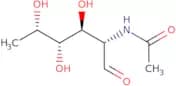
CAS :<p>2-Acetamido-2,6-dideoxy-L-galactose (ADG) is a sugar that belongs to the group of monosaccharides. It is produced by the enzyme synthase and is found in bacteria such as type strain S. mutans and P. aeruginosa. ADG has been shown to be an inhibitor of cell lysis and can be used for the treatment of staphylococcus infections. In addition, it has shown to have anti-inflammatory properties due to its ability to inhibit hydrogen fluoride induced inflammation in mice.</p>Formule :C8H15NO5Degré de pureté :Min. 98 Area-%Couleur et forme :PowderMasse moléculaire :205.21 g/mol5-O-Benzyl-D-ribose
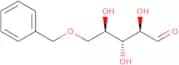
CAS :<p>5-O-Benzyl-D-ribose is an enantiomer of D-ribose. It has been used as an antiperspirant, although it does not stop the formation of sweat, but rather reduces the amount of perspiration. 5-O-Benzyl-D-ribose is also used in the synthesis of deodorants and enantiomers for optically active pharmaceuticals. The configurations are determined by the configuration of the substituents on the benzene ring and can be either R or S. The configurations can be separated into two groups:</p>Formule :C12H16O5Degré de pureté :Min. 95%Couleur et forme :PowderMasse moléculaire :240.25 g/mol1-Deoxy-D-sorbose
<p>D-sorbose is a diastereomer of D-xylose. It inhibits the glycolysis pathway, which stops the production of energy and leads to cell death. D-sorbose is synthesized from D-xylose by enzymatic conversion with 1,4-dihydroxybenzene. The crystalline form of D-sorbose is polymorphic and can be identified using X-ray diffraction. It has been shown to have cytotoxic effects on C. elegans and A. actinomycetes, but not on E. coli or other Gram negative bacteria. The imbalance in the ratio of these organisms may lead to an increased risk for cancer in humans.</p>Degré de pureté :Min. 95%Muramic acid hydrate
CAS :<p>Muramic acid hydrate as an amino sugar with a carboxylic acid group. It occurs in nature as N-acetylmuramic acid which is typically found in cell wall of bacterial.</p>Formule :C9H17NO7•(H2O)xDegré de pureté :Min. 95%Couleur et forme :White PowderMasse moléculaire :269.25 g/molD-Glucose 6-phosphate, barium salt
CAS :<p>D-Glucose 6-phosphate is a high purity, custom synthesis sugar. It is a synthetic glycoside that is used in the production of fluorinated saccharides and oligosaccharides. D-Glucose 6-phosphate can be modified with methyl groups, fluorine atoms, and/or glycosylation. This compound has been shown to have properties as an antiviral agent against herpes simplex virus type 1 (HSV1) and cytomegalovirus (CMV).</p>Formule :C6H11BaO9PMasse moléculaire :395.46 g/molRef: 3D-G-3300
25gÀ demander50gÀ demander100gÀ demander250gÀ demander500gÀ demander-Unit-ggÀ demander3-O-Benzyl-1,2,4-tri-O-acetyl-D-xylopyranoside
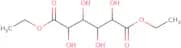
<p>3-O-Benzyl-1,2,4-tri-O-acetyl-D-xylopyranoside is a methylated saccharide that has been modified with the click chemistry. This product can be used for the synthesis of complex carbohydrates and glycosylations. This product is available in high purity and custom synthesis. It is soluble in water or aqueous solutions, making it ideal for use in biological applications. 3-O-Benzyl-1,2,4-tri-O-acetyl-D-xylopyranoside can be used as an intermediate for the synthesis of oligosaccharides and glycoconjugates. It has CAS number 69936–76–5.</p>Degré de pureté :Min. 95%Diethylgalactarate
CAS :<p>Diethylgalactarate is a polymer that is solid at room temperature. It has a yield value of 10%. Diethylgalactarate is soluble in organic solvents, but insoluble in water. This polymer has been shown to have good thermal stability and microstructure when used as a monomer with other polymers. Diethylgalactarate has also been shown to have high permeability, which makes it an ideal candidate for use in drug delivery systems.</p>Formule :C10H18O8Degré de pureté :Min. 95%Masse moléculaire :266.25 g/mol(3S,5S) -1-Nonyl-3, 4, 5- piperidinetriol
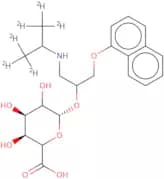
<p>This is a high purity, custom synthesis of (3S,5S) -1-Nonyl-3, 4, 5- piperidinetriol. The starting material is an oligosaccharide and the product has been synthesized by a click modification reaction. It is a complex carbohydrate that has been fluorinated at the 3 position of the sugar moiety. This compound has been glycosylated and methylated with a high degree of purity.</p>Degré de pureté :Min. 95%Propranolol D-glucuronide D6
Produit contrôlé<p>Propranolol D-glucuronide D6 is a synthetic, fluorinated, saccharide that is a modification of propranolol. It has high purity and can be custom synthesized to meet specific requirements. Propranolol D-glucuronide D6 has been shown to inhibit the growth of bacteria by binding to the 50S ribosomal subunit. It is used in veterinary medicine to treat respiratory infections caused by Clostridium perfringens and other bacteria. The drug also has a toxic effect on respiratory system cells, which may be due to its ability to induce apoptosis.</p>Formule :C22H23NO8D6Degré de pureté :Min. 95%Masse moléculaire :441.5 g/mol2-(Piperidine-2,6-dione-4-yl)-acetic acid
<p>2-(Piperidine-2,6-dione-4-yl)-acetic acid is a modification of an oligosaccharide. It is a monosaccharide that has been methylated and glycosylated. 2-(Piperidine-2,6-dione-4-yl)-acetic acid can be used as a building block for the synthesis of complex carbohydrates. This compound has been synthesized by fluorination and saccharide.</p>Degré de pureté :Min. 95%UDP-N-Lev-galactosamine
CAS :<p>UDP-N-Lev-galactosamine is a glycosylation agent that is used in the synthesis of complex carbohydrates, such as methylated and fluorinated saccharides. It can be used to modify saccharides, oligosaccharides, and sugars. This compound can also be used for the synthesis of monosaccharides. UDP-N-Lev-galactosamine is a custom synthesis that has been shown to have a high purity.</p>Degré de pureté :Min. 95%D-Talitol-1,6-diphosphate
<p>D-Talitol-1,6-diphosphate is a modified sugar. It is an oligosaccharide and polysaccharide composed of D-talitol and 1,6-diphosphate. This product can be used in the synthesis of complex carbohydrates or as a reagent for fluorination reactions. D-Talitol phosphates are also used to modify monosaccharides by methylation, click modification, or other modifications.</p>Degré de pureté :Min. 95%4,6-Dichloro-4,6-dideoxy-D-galactose
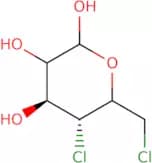
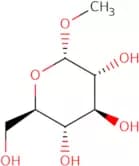
<p>4,6-Dichloro-4,6-dideoxy-D-galactose (4,6DDG) is a chlorinated sugar that is used as a precursor for the synthesis of glycosides. It has been shown to react with cellulose to form 4,6-dichloro-4,6-dideoxycellulose. Chlorination of 4,6DDG at the hydroxyl group leads to the formation of 4,6-dichloro-4,6-dideoxyhydroxyl chloride (4,6DDH). The chlorination process can be done in two ways: nonreducing and reducing. The nonreducing chlorination process occurs by reacting 4,6DDG with chlorine and dimethylformamide. The reducing chlorination process occurs by reacting 4,6DDG with hydrogen chloride and sodium borohydride or lithium aluminum hydride. An excess of hydrogen chloride</p>Formule :C6H10Cl2O4Degré de pureté :Min. 95%Masse moléculaire :217.05 g/molMethyl a-D-glucopyranoside
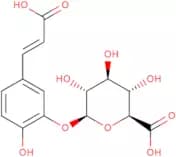
CAS :<p>Methyl α-D- glucopyranoside is a methylated sugar used as an inhibitor of lectin-conjugate binding. Methyl α-D- glucopyranoside is commonly used in protein purification for eluting glycoproteins and other glycoconjugates from affinity chromatography columns of agarose lectin. Methyl α-D- glucopyranoside is also known as Methyl alpha-D-glucoside or alpha-Methyl-glucoside.</p>Formule :C7H14O6Degré de pureté :Min. 98 Area-%Couleur et forme :PowderMasse moléculaire :194.18 g/molCaffeic acid 3-O-β-D-glucuronide
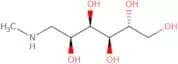
CAS :<p>Caffeic acid 3-O-b-D-glucuronide (3BGA) is a phenolic compound that is found in plants. It has been shown to inhibit the growth of viruses, including influenza virus, and chlorogenic acid isomers have been shown to inhibit the growth of bacteria. The highest concentration of 3BGA was found in the heartwood of the plant. Recent pharmacokinetic studies have shown that caffeic acid 3-O-b-D-glucuronide is metabolized by gut bacteria and excreted in human urine.</p>Formule :C15H16O10Degré de pureté :Min. 95%Couleur et forme :PowderMasse moléculaire :356.28 g/molN-Methyl-D-glucamine
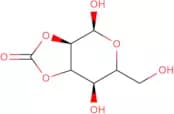
CAS :<p>N-Methyl-D-glucamine is a gadolinium chelate that has been used as a contrast agent in magnetic resonance imaging. It is also an antimicrobial agent that binds to DNA and RNA, inhibiting their synthesis. N-Methyl-D-glucamine has been shown to have strong antitumor activity against carcinoma cell lines in vitro. This drug also inhibits the growth of bacteria such as Leishmania, which causes cutaneous leishmaniasis. N-Methyl-D-glucamine can be used for the treatment of infections caused by methicillin resistant Staphylococcus aureus (MRSA) or Mycobacterium tuberculosis due to its ability to inhibit protein synthesis and bacterial growth. MEGLUMINE is an experimental model for human serum with high water solubility and low toxicity. It belongs to the class of nonsteroidal anti-inflammatory drugs (NSAIDs). The MEGLUM</p>Formule :C7H17NO5Degré de pureté :Min. 95%Couleur et forme :White PowderMasse moléculaire :195.21 g/mol2,3-O-Carbonyl-a-D-mannopyranose
CAS :<p>2,3-O-Carbonyl-a-D-mannopyranose is a modified sugar that can be synthesized from D-mannose. It is used to produce oligosaccharides and polysaccharides. This compound has been shown to be useful for the fluorination of proteins and for click modification reactions. 2,3-O-Carbonyl-a-D-mannopyranose has high purity and can be custom synthesized for quality assurance purposes.</p>Formule :C7H10O7Degré de pureté :Min. 95%Couleur et forme :PowderMasse moléculaire :206.15 g/molD-Fructose-¹³C6
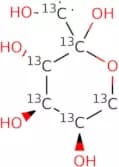
CAS :<p>D-Fructose-¹³C6 is a liquid chromatograph that can be used for the analysis of alditols. It can also be used as a cavity, dissolvable, or quadrupole mass spectrometer. The chemical diversity of D-fructose-¹³C6 makes it an important research tool that can be used to study different products. Its use in tobacco and humectant production is also quite common. The quadrupole mass spectrometer has been shown to have a global reach in its applications.</p>Formule :C6H12O6Degré de pureté :Min. 95%Couleur et forme :White PowderMasse moléculaire :186.11 g/molL-Glucosamine hydrochloride
CAS :<p>L-Glucosamine hydrochloride is a fluorescent derivative of L-glucosamine, which is an amino sugar that occurs naturally in the human body. L-glucosamine hydrochloride can be used to measure the uptake of glucose by cells and tissues. The hydroxyl group on the glucosamine molecule is responsible for this activity. L-glucosamine hydrochloride has been shown to have anticancer activity against leukemia cells in tissue cultures and it may be useful as a cancer treatment. It is also capable of inducing cytokine responses when it binds to antigen sites on T cells, which may lead to its use as an immunotherapy agent.</p>Formule :C6H13NO5•HClDegré de pureté :Min. 95%Couleur et forme :PowderMasse moléculaire :215.63 g/mol2,3,4-Trichloro-2,3,4-trideoxy-D-fructose
<p>2,3,4-Trichloro-2,3,4-trideoxy-D-fructose is a custom synthesis that is a complex carbohydrate. It has been modified with glycosylation and methylation to produce the desired product. This compound has shown potential for use as a therapeutic agent in cancer treatment.</p>Formule :C6H9Cl3O3Degré de pureté :Min. 95%Masse moléculaire :235.5 g/mol3-O-Methyl-D-glucopyranoside
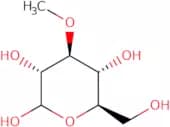
CAS :<p>Resource for synthesis of natural products with a 3-O-Me-glucosyl element</p>Formule :C7H14O6Degré de pureté :Min. 98 Area-%Couleur et forme :White Off-White PowderMasse moléculaire :194.18 g/molD-glycero-D-galacto-Heptose
CAS :<p>D-Glycero-D-galacto-heptose is a sugar that has been shown to have antimicrobial properties and inhibit the growth of oral pathogens. It inhibits the enzyme glycosyltransferase, which is responsible for synthesizing D-galactosyl sugars. This inhibition prevents the formation of a substrate for the enzyme β-1,4-N acetylglucosaminyltransferase, which is necessary for bacterial cell wall synthesis. This leads to cell death as a result of impaired membrane integrity. D-Glycero-D-galacto-heptose has been shown to have inhibitory properties against both Gram negative and Gram positive bacteria in vitro assays. The mechanism of action is through target enzymes such as glycosyltransferases, which are necessary for bacterial cell wall synthesis. Inhibition of these enzymes leads to cell death by impairing membrane integrity.</p>Formule :C7H14O7Degré de pureté :Min. 98 Area-%Couleur et forme :PowderMasse moléculaire :210.18 g/mol1,2,3,4-Tetra-O-acetyl-6-O-(tert-butyldiphenylsilyl)-a-D-mannopyranose
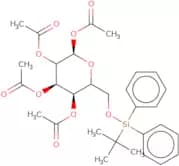
CAS :<p>1,2,3,4-Tetra-O-acetyl-6-O-(tert-butyldiphenylsilyl)-a-D-mannopyranose is a custom synthesis that is a complex carbohydrate. It is an Oligosaccharide that is Polysaccharide and can be modified with Methylation and Glycosylation. It has a saccharide with a CAS No. 815589-29-8 and has been fluorinated. This product has high purity and can be synthesized to order.</p>Formule :C30H38O10SiDegré de pureté :Min. 95%Masse moléculaire :586.72 g/molD-Gluconic acid manganese salt - USP
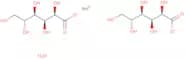
CAS :<p>D-Gluconic acid manganese salt is a wild-type strain that is used to treat infectious diseases. The mechanism of action is not yet fully understood, but it has been shown to inhibit the growth of bacteria by binding to the cell wall and disrupting bacterial enzymes. It also has been shown to bind to calcium ions, which can lead to cardiac problems. The drug can be used in combination with other antimicrobial agents, such as malonic acid, for the treatment of infections caused by methicillin resistant Staphylococcus aureus (MRSA).</p>Formule :C12H22MnO14Degré de pureté :Min. 95%Masse moléculaire :445.23 g/mol2'-Azidoethyl a-mannopyranoside
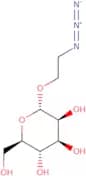
CAS :<p>2'-Azidoethyl a-mannopyranoside is a synthetic monosaccharide that is used as a building block for the synthesis of oligosaccharides and polysaccharides. This product has been custom synthesized for your specific needs. It is an off-white powder with purity greater than 99%. The methylation of this compound can be achieved by reacting it with sodium methoxide in methanol, followed by hydrolysis with sodium hydroxide. The azido group can also be converted to an acetyl group by reaction with acetic anhydride in pyridine.</p>Formule :C8H15N3O6Degré de pureté :Min. 95%Couleur et forme :White PowderMasse moléculaire :249.22 g/molChrysin-7-glucuronide
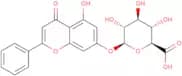
CAS :<p>Chrysin-7-glucuronide is a metabolite of chrysin, which is found in the roots of Oroxylum indicum. This compound has been shown to inhibit the enzyme activity for multidrug resistance (MDR) and cancer resistance (CDR). It has been found that chrysin-7-glucuronide inhibits MDR and CDR in vitro by binding to the ATP binding site on these enzymes. Chrysin-7-glucuronide also inhibits the production of acid in vivo and in vitro, which may be due to its ability to inhibit cellular proliferation. Chrysin-7-glucuronide may be an effective anti-cancer agent when used as a dietary supplement.</p>Formule :C21H18O10Degré de pureté :Min. 95%Couleur et forme :Off-White PowderMasse moléculaire :430.36 g/molD-Iditol
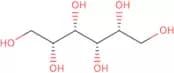
CAS :<p>D-Iditol is a chromatographic stationary phase that is used for hydrophilic interaction chromatography. It is a polymer of 1,2-diols and long-chain fatty acids. D-Iditol has been shown to have long-term toxicity in rats and has been shown to be carcinogenic in mice. This substance binds to calcium stearate and forms ternary complexes with glutamate dehydrogenase and calcium stearate. The kinetic data on the formation of these complexes can be obtained using light signal detectors. D-Iditol also has an affinity for hydroxyl groups found in proteins, giving it the ability to bind to proteins such as glutathione reductase, cytochrome p450, mycobacterium, and erythrocytes.</p>Formule :C6H14O6Degré de pureté :Min. 98 Area-%Couleur et forme :White PowderMasse moléculaire :182.17 g/molN-Acetylglucosamine-BSA (14 atom spacer)
<p>N-Acetylglucosamine-BSA is a modified form of N-acetylglucosamine that is used as a carrier protein in the production of monoclonal antibodies. It binds to sugar residues and enhances antibody response. N-Acetylglucosamine-BSA binds to receptor molecules on liver cells and facilitates uptake into these cells, which then process it into glucose. This molecule has been shown to increase hematopoietic cell proliferation in vitro and stimulate the release of spermatozoa from the testes in vivo. Lectins can be used to detect this molecule by binding to its carbohydrate binding sites.</p>Degré de pureté :Min. 95%Couleur et forme :White Powder2-Acetamido-2-deoxy-a-D-thiogalactopyranose
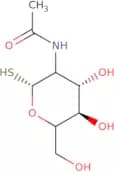
<p>Please enquire for more information about 2-Acetamido-2-deoxy-a-D-thiogalactopyranose including the price, delivery time and more detailed product information at the technical inquiry form on this page</p>Formule :C8H15NO5SDegré de pureté :Min. 95%Couleur et forme :PowderMasse moléculaire :237.27 g/mol3-Epialexine
CAS :<p>3-Epialexine is a novel small molecule that inhibits sucrase, the enzyme responsible for cleaving glucose from sucrose. 3-Epialexine binds to the active site of this enzyme, preventing d-glucose from binding and being broken down. This leads to an accumulation of d-glucose in the intestinal lumen and could be used as a lead compound for the development of drugs to treat diabetes. The diversity of microorganisms can be screened for sucrase activity by using 3-epialexine as a lead compound.</p>Degré de pureté :Min. 95%3,6-Anhydro-D-galactose
CAS :<p>3,6-Anhydro-D-galactose is a monosaccharide of D-galactose where the 3 and 6 positions are cyclised in an ether link. 3,6-Anhydro-D-galactose is found naturally occurring in Rhodophyta (Red Algae) and is a constituent of the sulphated polysaccharide PLS, which has shown anti-inflammation activity and anti-nociceptive effects. In addition, sulphated polysaccharide is capable of inhibiting the in vitro replication of Herpes simplex virus type 1 (HSV-1) and HIV-1.<br>We also offer this product in 10% aqueous solution (MA07897).</p>Formule :C6H10O5Degré de pureté :Min. 95%Couleur et forme :White PowderMasse moléculaire :162.14 g/mol4-Deoxy-4-fluoro-D-glucosamine
<p>4-Deoxy-4-fluoro-D-glucosamine is a carbohydrate that is used as an inhibitor of the enzyme l1210. This enzyme is required for the biosynthesis of the glycoprotein on the surface of some types of leukemia cells. 4-Deoxy-4-fluoro-D-glucosamine has been shown to be effective in inhibiting leukemia cell growth, and in some cases it has been shown to induce tumor regression. It inhibits protein synthesis by binding to the enzymes responsible for this process.</p>Degré de pureté :Min. 95%2-Keto-D-glucose
CAS :<p>2-Keto-D-glucose is a substrate molecule that is used in the study of plant physiology, enzyme kinetics, and metabolic regulation. It has been shown to be an important factor in redox potential and the activation of detoxification enzymes. 2-Keto-D-glucose has also been found to be an important factor in energy metabolism, as it can be converted into pyruvate and acetyl CoA. 2-Keto-D-glucose is a common substrate molecule for many enzymes, including glycolytic enzymes, hexokinase, alcohol dehydrogenase, lactate dehydrogenase, and phosphofructokinase. 2-Keto-D-glucose has also been found to play a role in human blood serum biochemistry by acting as a substrate for erythrocyte D glucose transporter protein and glycerol kinase.</p>Formule :C6H10O6Degré de pureté :Min. 98 Area-%Couleur et forme :White Beige Yellow PowderMasse moléculaire :178.14 g/mol1-Deoxyfuconojirimycin HCl
CAS :<p>Specific, potent and competitive inhibitor of α-L-fucosidase with Ki of 10 nM. In human breast cancer cells, it causes increase of fucosylation on cell surface molecules such as Lewis X antigen (CD15) and CD44 glycoprotein. The 1-deoxyfuconojirimycin treatment increases invasiveness of cancer cells.</p>Formule :C6H13NO3·HClDegré de pureté :Min. 95%Couleur et forme :Off-White PowderMasse moléculaire :183.63 g/mol4,6-O-Benzylidene-D-galactose
CAS :<p>4,6-O-Benzylidene-D-galactose is an anomer of D-galactose. It is a lectin that has been shown to inhibit the binding of amyloid beta to the cerebroside in the brain tissue. This activity may be due to its ability to form an amide bond with galactose, which is present in amyloid beta. 4,6-O-Benzylidene-D-galactose also has a coronary heart disease prevention effect and can help reduce cholesterol levels. Furthermore, it has been found to have anti-cancer properties and can help prevent the growth of cancerous cells by inhibiting protein synthesis. In addition, 4,6-O-Benzylidene-D-galactose can be used as a cationic surfactant or detergent composition for cleaning or treating surfaces.</p>Formule :C13H16O6Degré de pureté :Min. 95%Couleur et forme :White To Off-White SolidMasse moléculaire :268.26 g/molSedoheptulose-1-phosphate
CAS :<p>Sedoheptulose-1-phosphate is a ribosomal metabolite that is produced by marine microorganisms. It is catabolized by sedoheptulose-7-phosphate kinase and converted to the pentose phosphate pathway. The metabolic profile of sedoheptulose-1-phosphate has been shown to be altered in response to environmental stress, such as changes in pH, oxygen levels, and temperature. Sedoheptulose-1-phosphate has also been shown to have structural properties similar to those of ATP and ADP, which may make it an important target for the development of antibiotics.</p>Formule :C7H15O10PDegré de pureté :Min. 95%Masse moléculaire :290.16 g/molEpilactose
CAS :<p>Epilactose is a monosaccharide with biological properties. It is the 2-epimer of lactulose, and can be synthesized from cellobiose by epimerase. Epilactose has been shown to have beneficial effects on bowel disease in mice, which may be related to its ability to stimulate intestinal motility and improve the intestinal microflora. Epilactose has also been shown to have anti-inflammatory activity in rats with colitis. Epilactose can be used as a structural probe for oligosaccharides, due to its ability to form hydrogen bonds with sugars. In addition, epilactose has been found in marine microalgae such as Chlorella pyrenoidosa, but not in higher plants or animals.</p>Formule :C12H22O11Degré de pureté :Min. 95%Couleur et forme :PowderMasse moléculaire :342.3 g/molN-Acetyl-D-glucosamine
CAS :<p>N-acetyl D-glucosamine (GlcNAc) is an aldohexose (2-acetamido-2-deoxyglucose) in which the hydroxyl group at position 2 is replaced by NHAc (Collins, 2006). N-acetyl D-glucosamine forms the exoskeletons of molluscs and insects as the building block of the polysaccharide chitin (Rudrapatnam, 2003). N-acetyl D-glucosamine is a key component of N- and O-linked glycans, present in glycolipids and the glycosaminoglycan hyaluronic acid (Fallacara, 2018). A recent study has suggested that N-acetyl D-glucosamine may have therapeutic potential for COVID-19 as it affects the spike protein-ACE2 receptor interaction during the infection with SARS-CoV-2 virus (Baysal, 2021).</p>Formule :C8H15NO6Degré de pureté :Min. 98.0 Area-%Masse moléculaire :221.21 g/molRef: 3D-A-1200
5gÀ demander1kgÀ demander5kgÀ demander100gÀ demander2500gÀ demander-Unit-kgkgÀ demanderL-Arabinose
CAS :<p>The aldopentose L-arabinose (Ara) is, after xylose, the second most abundant pentose in nature. It is found in plant cell walls as a component of polysaccharides, including: hemicelluloses, pectin, arabinogalactan-protein complexes and in exudate plant gums, such as: Gum Arabic (Fehér, 2018). L-arabinose is an important component of the mycobacterial cell wall and is involved in the synthesis of arabinogalactan and lipoarabinomannan, which suggests that it can modulate cell wall permeability and drug resistance. Mycobacterium smegmatis is a useful tool for research into Mycobacteria due to it being a "fast grower" and non-pathogenic (Zhou, 2019).</p>Formule :C5H10O5Degré de pureté :Min. 99 Area-%Masse moléculaire :150.13 g/molRef: 3D-A-8240
1kgÀ demander25gÀ demander250gÀ demander500gÀ demander2500gÀ demander-Unit-kgkgÀ demanderN-Acetyl-D-glucosamine - plant source
CAS :<p>Please enquire for more information about N-Acetyl-D-glucosamine - plant source including the price, delivery time and more detailed product information at the technical inquiry form on this page</p>Formule :C8H15NO6Degré de pureté :Min. 98 Area-%Masse moléculaire :221.21 g/molUDP-2-deoxy-2-fluoro-D-mannose
CAS :<p>UDP-2-deoxy-2-fluoro-D-mannose is a modified monosaccharide that is synthesized from D-mannose. It can be used for the synthesis of glycosyls and polysaccharides as well as for the modification of complex carbohydrates. UDP-2-deoxy-2-fluoro-D-mannose has been shown to be an excellent substrate for methylation, glycosylation, and fluorination reactions. This compound can also be used to modify high purity oligosaccharides with a high degree of substitution.</p>Formule :C15H23FN2O16P2Degré de pureté :Min. 95%Masse moléculaire :568.29 g/molN-Acetyl-D-galactosamine-PAP-HSA
CAS :<p>N-Acetyl-D-galactosamine-PAP-HSA is a complex carbohydrate that consists of a sugar, an acetyl group and a phosphate. This product is available in custom synthesis and modification. N-Acetyl-D-galactosamine-PAP-HSA can be used for the treatment of cancer, diabetes, liver disease, kidney disease and other diseases. It has been modified with fluorine groups to create new derivatives with improved properties.</p>Degré de pureté :Min. 95%b-D-Galactosylceramide
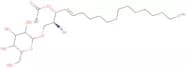
CAS :<p>Inducer of cytochine and chemochine production in blood cells</p>Degré de pureté :Min. 95%UDP-6-deoxy-6-fluoro-D-glucose
CAS :<p>UDP-6-deoxy-6-fluoro-D-glucose is a chemical compound that is an intermediate in glucosyltransferase and 4 epimerase reactions. UDP-6-deoxy-6-fluoro-D-glucose is used in the enzymatic synthesis of oligosaccharides, which are important to the biology of E. coli. The structure of this compound has been determined by X ray crystallography, revealing that it is a beta anomer. UDP-6 deoxy 6 fluoro D glucose also shows promiscuity with other enzymes, such as kinases, and can be used as a substrate for profiling.</p>Degré de pureté :Min. 95%1,2,3,4-Tetra-O-acetyl-D-mannopyranose
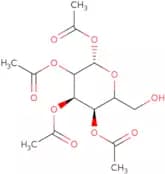
CAS :<p>1,2,3,4-Tetra-O-acetyl-D-mannopyranose is a modified monosaccharide that is synthesized by the Click reaction. This compound has been shown to be useful in the synthesis of oligosaccharides and polysaccharides. It can also be used for protein modification or the fluorination of saccharides. It is also a high purity product that can be used as an intermediate for custom synthesis.</p>Formule :C14H20O10Degré de pureté :Min. 95%Masse moléculaire :348.3 g/molUDP-3-O-(R-3-hydroxymyristoyl)-GlcNAc disodium
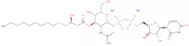
<p>Substrate for UDP-3-O-acyl-N-acetylglucosamine deacetylase (LpxC)</p>Formule :C31H53N3O19P2•Na2Degré de pureté :Min. 95%Couleur et forme :White PowderMasse moléculaire :879.67 g/molD-myo-Inositol-2,4,5-triphosphate sodium salt
<p>D-myo-Inositol-2,4,5-triphosphate sodium salt is a phosphoinositide that is involved in the process of cell signaling. It mediates the release of intracellular calcium ions from the endoplasmic reticulum and is involved in a number of processes including protein synthesis and efflux. D-myo-Inositol-2,4,5-triphosphate sodium salt can be found in many cells and tissues, including the brain and gastrointestinal tract. The concentration of calcium ions affects the activity of this compound by enhancing or terminating its effects. In cells that are not stimulated by an agonist such as ionomycin, divalent cations can enhance the activity of this compound. When stimulated by an agonist like ionomycin, divalent cations will terminate its effects by binding to it more strongly than to guanosine residues. This dual effect on divalent cations enhances the specificity for D</p>Formule :C6H12O15P3·xNaDegré de pureté :Min. 95%Masse moléculaire :417.07 g/mol3,4,6-Tri-O-acetyl-2-deoxy-2-phthalimido-b-D-glucopyranosyl trichloroacetimidate
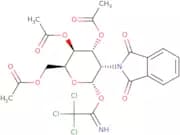
CAS :<p>3,4,6-Tri-O-acetyl-2-deoxy-2-phthalimido-b-D-glucopyranosyl trichloroacetimidate is a custom synthesis that has been modified with fluorine. It is a white powder and is soluble in water. 3,4,6-Tri-O-acetyl-2-deoxy-2-phthalimido-b-D--glucopyranosyl trichloroacetimidate is used for the production of saccharide and carbohydrate derivatives. This product has a CAS number of 871906788 and an ACD/IEC number of P077G10.</p>Formule :C22H21Cl3N2O10Couleur et forme :PowderMasse moléculaire :579.77 g/mol4-Aminophenyl β-D-galactopyranoside
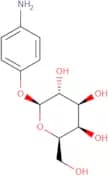
CAS :<p>4-Aminophenyl-beta-D-galactopyranoside is a substrate for beta-galactosidase. 4-aminophenol is released upon cleavage by beta-galactosidase. 4-aminophenol can be assayed by electro-oxidation to 4-imino quinone while recording changes in potential or current of a galvanic system. 4-Aminophenyl-beta-D-galactopyranoside can be used in affinity chromatography for the isolation of galactose-binding lectins.</p>Formule :C12H17NO6Degré de pureté :Min. 95%Couleur et forme :PowderMasse moléculaire :271.27 g/mol6-Deoxy-L-glucitol
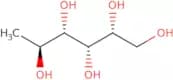
CAS :<p>6-Deoxy-L-glucitol is a sugar alcohol that is found in the body and has been used as a substitute for sucrose. 6-Deoxy-L-glucitol is metabolized by deamination and reduction to produce lactobionic acid. This reaction can be catalyzed by either an enzyme or by chemical means. 6-Deoxy-L-glucitol can also be partially reduced to form 6-phospho--erythritol, which can be further reduced to form erythritol. Muscle cells contain hexokinases and phosphofructokinase, which are required for the final step in glucose metabolism. These enzymes are important in the regulation of blood sugar levels and energy production. In addition, these enzymes play a role in the metabolism of other sugars such as fructose and galactose.</p>Formule :C6H14O5Degré de pureté :Min. 95%Masse moléculaire :166.17 g/molDi-O-isopropylidene psicose
<p>Di-O-isopropylidene psicose is a synthetic sugar that is a modification of the natural compound, psicose. It can be used for the synthesis of oligosaccharides, polysaccharides and other complex carbohydrates. Di-O-isopropylidene psicose can be methylated and glycosylated to form other sugar derivatives or fluorinated to form fluoroquinolones. This sugar has been shown to have high purity and stability under a wide range of conditions.</p>Degré de pureté :Min. 95%2,3-O-Isopropylidene-hamamelono-1,4-lactone
<p>2,3-O-Isopropylidene-hamamelono-1,4-lactone is an Oligosaccharide with a Glycosylation that is Synthetic and Fluorinated. It has a Custom synthesis and Methylation. This product is Monosaccharide and Polysaccharide. It has a Click modification, a complex carbohydrate, and is High purity. The CAS number for this product is 62968-07-1.</p>Degré de pureté :Min. 95%2-Azido-2-deoxy-L-lyxono-1,4-lactone
<p>2-Azido-2-deoxy-L-lyxono-1,4-lactone is a fluorinated monosaccharide. It is synthesized using the Curtius rearrangement of 2-azidoethyl 4,6-dioxohexanoate and a Lewis acid. This compound is used as an intermediate in the synthesis of glycosylides and polysaccharides. The methylation of this molecule has been shown to be useful for the modification of carbohydrates, such as polysaccharides. The product purity can be as high as 98% when it is custom synthesized to order.</p>Degré de pureté :Min. 95%Daunorubicinol-D3
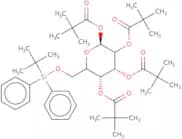
<p>Daunorubicinol-D3 is a synthetic drug that is a fluorinated analogue of daunorubicin. It has been designed to be more stable and resistant to degradation in the body, as well as being resistant to the drug's own metabolism. Daunorubicinol-D3 is used in the treatment of leukemia, lymphoma, and other cancers. This drug is a large molecule that contains many sugars or saccharides including an oligosaccharide and polysaccharide. The modification of this molecule includes methylation, click chemistry modifications, and fluorination. Daunorubicinol-D3 has high purity with a low level of impurities such as monosaccharides, sugars, or synthetic compounds.</p>Degré de pureté :Min. 95%1,2,3,4-Tetra-O-pivaloyl-6-O-(tert-butyldiphenylsilyl)-b-D-glucopyranose
<p>1,2,3,4-Tetra-O-pivaloyl-6-O-(tert-butyldiphenylsilyl)-b-D-glucopyranose is a custom synthesis of an oligosaccharide with a polysaccharide. The carbohydrate is modified with fluorination and methylation. This product has high purity and is synthesized using click chemistry. Monosaccharides are attached to the sugar backbone in order to form complex carbohydrates. This product can be used as a synthetic sugar or in the production of other oligosaccharides.</p>Formule :C42H62O10SiDegré de pureté :Min. 95%Masse moléculaire :755.04 g/mol6-O-Tert.butyldimethylsilyl - 2, 3- O- isopropylidene- 5-O tolenesulfonyl-L- gulonic acid γ-lactone
<p>6-O-Tert.butyldimethylsilyl - 2, 3- O- isopropylidene- 5-O tolenesulfonyl-L- gulonic acid gamma-lactone is a Carbohydrate, Modification, saccharide, Oligosaccharide, sugar. It has CAS number 713891–07–4. This product is a synthetic monosaccharide and has been custom synthesized for the customer’s specific need. The purity of this product is >98% with a methylation level of >99%. This product can be used in glycosylation reactions or click chemistry reactions as it contains an amino group at the C6 position.</p>Degré de pureté :Min. 95%Tetra-O-acetyl-L-rhamnopyranose
CAS :<p>Tetra-O-acetyl-L-rhamnopyranose is a custom synthesis, complex carbohydrate. It is an Oligosaccharide, Polysaccharide, Modification, saccharide with Methylation, Glycosylation, Carbohydrate that has CAS No. 7404-35-5. Tetra-O-acetyl-L-rhamnopyranose has High purity and Fluorination properties. This product can be Synthetic or Custom synthesis for industrial applications.</p>Formule :C14H20O9Degré de pureté :Min. 95%Masse moléculaire :332.3 g/molPropofol-4-Hydroxy-1-D-glucuronide
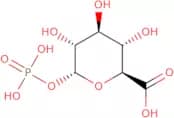
<p>Propofol-4-Hydroxy-1-D-glucuronide is a modification of propofol, which is commonly used as an intravenous anesthetic. It is a synthetic compound that can be custom synthesized by adding the sugar group to propofol. Propofol-4-Hydroxy-1-D-glucuronide has been shown to be a high purity and pure oligosaccharide with a CAS number. It also contains methylated and glycosylated saccharides.</p>Formule :C18H26O8Degré de pureté :Min. 95%Masse moléculaire :370.39 g/mola-D-Glucuronic acid-1-phosphate
CAS :<p>a-D-Glucuronic acid-1-phosphate is a substrate for alkaline phosphatase. It hydrolyzes phosphate esters and modifies inorganic phosphate, including pyrophosphate. It also catalyzes the hydrolysis of nucleotide monophosphates such as NADPH and UDPglucose to their respective diphosphates. This enzyme is not inhibited by inorganic phosphate, phosphatase, NADP+, or UDP-.</p>Formule :C6H11O10PDegré de pureté :Min. 95%Couleur et forme :PowderMasse moléculaire :274.12 g/molb-D-Glucose - 95%
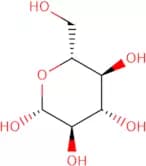
CAS :<p>B-D-glucose is a monosaccharide with the molecular formula C6H12O6. It is the major form of glucose in plants, and is one of the simplest carbohydrates. B-D-glucose is synthesized by photosynthesis in plants and used as an energy source for cellular respiration. The hydroxyl group of b-D-glucose reacts with p-hydroxybenzoic acid to form a new compound called glucopyranosiduronic acid. The hydroxyl group also reacts with sodium citrate to form sodium hydrogen citrate. This reaction can be used to measure the concentration of b-D-glucose in an unknown solution using high performance liquid chromatography (HPLC). B-D-glucose has been shown to have antidiabetic activity, as it improves insulin sensitivity, reduces blood glucose levels, and decrease body mass index (BMI) in animal models. A model system</p>Formule :C6H12O6Degré de pureté :Min. 95 Area-%Couleur et forme :PowderMasse moléculaire :180.16 g/molAstragalus polysaccharide
CAS :<p>The chemical structure of Astragalus polysaccharide is complex and consists of an α-D-(1,4)-Glc and (1,6)-α-D-Glcp backbone, and a branch point at O-6. The molecular weight is approximately 3.01 × 10⁵ Da from Mongolian Astragalus using low concentration of ethanol for precipitation and gel chromatography for purification. Spectral analysis results of 1H NMR and 13C NMR showed that the polysaccharide backbone has a 1,3-linked β-D-Gal residue and the branched portion has β-Glc, 1,6-linked α-Gal; 1,5-linked β-Xyl; 1,4-linked β-Gal; β-D-Gal, 1,2-linked α-Rha; and 1,2,4-linked α-Rha residues.</p>Formule :C10H7ClN2O2SDegré de pureté :Min. 95%Couleur et forme :Brown PowderMasse moléculaire :254.69 g/molFructosazine
CAS :<p>Fructosazine is a natural compound that is found in the bark of the fructus quinquefoliae tree. It has been shown to have antimicrobial properties when it reacts with hydrochloric acid. Fructosazine inhibits the growth of bacteria by reacting with their cell walls and interfering with their metabolism. Fructosazine may also have physiological effects, such as reducing blood pressure and body weight gain, which are not fully understood. The reaction mechanism for fructosazine is not yet known, but it may be due to its reactive nature. More research needs to be done on this compound before we can understand its full potential.</p>Formule :C12H20N2O8Degré de pureté :Min. 96 Area-%Couleur et forme :PowderMasse moléculaire :320.3 g/molGDP-L-galactose sodium salt
CAS :<p>GDP-L-galactose is a sugar molecule that is an intermediate in the biosynthesis of ascorbate. GDP-L-galactose is synthesized from GDP-D-mannose and GDP-L-glucose by the enzyme GDP-mannose 4,6 dehydratase. The enzyme GDP-L-galactose dehydrogenase then converts GDP-L-galactose to ascorbic acid (vitamin C). Ascorbate is essential for many biological functions such as synthesis of collagen and neurotransmitters, regulation of gene expression, and protection against oxidative stress. The biosynthesis of ascorbate occurs in a light dependent reaction involving L -galactono 1,4 diphosphate synthase and UDP glucose 6 phosphate uridylyl transferase. This process is regulated by transcriptional factors such as MYB and NAC2/NAC4.</p>Formule :C16H23N5O16P2Na2Degré de pureté :(Hplc-Ms) Min. 95 Area-%Couleur et forme :White Off-White PowderMasse moléculaire :649.3 g/mol1,5-Anhydro-D-mannitol
CAS :<p>1,5-Anhydro-D-mannitol is a monosaccharide that is used as an active ingredient in many pharmaceuticals. It is synthesized by the reaction of benzyl chloride with galactose. The compound has been shown to have radical scavenging activities and to inhibit the formation of carbonyl groups and hydroxyl radicals. 1,5-Anhydro-D-mannitol has also been shown to be effective against dendrobium candidum. This substance is tasteless and has a sweet taste at high concentrations.br><br>1,5-Anhydro-D-mannitol is a molecule that consists of two hydroxyl groups and one deuterium atom. The molecule has a basic ph and can exist in six different forms depending on the orientation of the hydrogen atoms on the hydroxyl group. In addition, it contains one acidic ph because it contains a carboxylic acid group on one side.</p>Formule :C6H12O5Degré de pureté :Min. 97 Area-%Couleur et forme :PowderMasse moléculaire :164.16 g/mol1-Deoxy-D-psicose
<p>1-deoxy-D-psicose is a deoxy sugar that can be used as a reagent for the conversion of 1-deoxy-d-fructose to d-psicose. It is useful in the synthesis of rhamnose, which is a precursor to pharmaceuticals and agrochemicals. 1-Deoxy-D-psicose can be used in the synthesis of l-rhamnose from d-psicose or vice versa. This process of converting one epimer to another isomerization is very efficient, with an 88% yield.</p>Degré de pureté :Min. 95%3-C-Methyl-allonolactone
<p>3-C-Methyl-allonolactone is an oligosaccharide that is modified by methylation, glycosylation, and polysaccharide. It is a custom synthesis and has a high purity. 3-C-Methyl-allonolactone may be used as a precursor to 3-carbon sugars.</p>Degré de pureté :Min. 95%4-Aminophenyl b-D-lactopyranoside
CAS :<p>4-Aminophenyl b-D-lactopyranoside is a chemical compound that has been used to optimize the production of human immunoglobulin. It has been shown to have diagnostic value for several viruses, including Epstein-Barr virus and cytomegalovirus. Electron microscopic studies have revealed organisms agglutinated by 4-aminophenyl b-D-lactopyranoside. The receptor binding properties and antigen concentration of this compound have been determined using agglutinin and lectin techniques. This molecule also has inhibitory potency on the synthesis of polypeptides, which are essential for the growth of certain organisms.</p>Formule :C18H27NO11Degré de pureté :Min. 95%Couleur et forme :Off-White PowderMasse moléculaire :433.41 g/mol6'-O-Acetylpaniculoside II
<p>6'-O-Acetylpaniculoside II is an oligosaccharide that contains a methylated saccharide. It has CAS No. 836-50-4 and Click modification, which is a chemical reaction between the glycone of a saccharide and an electrophile. 6'-O-Acetylpaniculoside II is also a glycosylation product of a polysaccharide and it can be custom synthesized to produce high purity carbohydrates. This compound is fluorinated for complex carbohydrate chemistry.</p>Degré de pureté :Min. 95%6-Cyclohexylhexyl-4-O-(a-D-glucopyranosyl)-b-D-glucopyranoside
CAS :<p>The 6-cyclohexylhexyl-4-O-(a-D-glucopyranosyl)-b-D-glucopyranoside is a monoclonal antibody that targets acetylcholine. It binds to nicotinic acetylcholine receptors in the nervous system, preventing the binding of acetylcholine and thereby inhibiting the transmission of nerve impulses. The antibody has been shown to inhibit multidrug resistance in cell culture. This may be due to its ability to bind hydroxyl groups on molecules that are known inhibitors of multidrug resistance. This drug also has an amphipathic nature, which allows it to penetrate lipid bilayers and membranes.</p>Formule :C24H44O11Masse moléculaire :508.60 g/molRef: 3D-W-201950
1gÀ demander5gÀ demander10gÀ demander500mgÀ demander2500mgÀ demander-Unit-ggÀ demander1-Epi-adenophorine
<p>1-Epi-adenophorine is a synthetic molecule that can inhibit the activity of enzymes. It is an epoxide that forms from the 1,2-epoxidation of cinnamic acid and has been shown to have many effects on various enzymes, including inhibiting enzyme activities. This drug has been used in the synthesis of miglustat, a macrocyclic molecule that inhibits a number of enzymes involved in protein folding and cell proliferation. 1-Epi-adenophorine is also effective as a cancer therapeutic agent by inhibiting glycosidases and cellular glycosylation.</p>Degré de pureté :Min. 95%Hyacinthacine A2
CAS :<p>Hyacinthacine A2 (HA2) is a diastereomer of hyacinthacine A3. It is a radical coupling compound that has been shown to be stereoselective. HA2 selectively reacts with d-arabinose and other sugar molecules, but not with L-arabinose or other sugar molecules, which makes it useful in the synthesis of polyhydroxylated compounds. HA2 has been found to inhibit the growth of bacteria such as Staphylococcus aureus and Clostridium perfringens, making it an antibacterial agent. HA2 also inhibits protein synthesis and cell division by binding to DNA-dependent RNA polymerase, preventing transcription and replication. This inhibition is due to conformational changes in the molecule as well as radical mechanisms.</p>Formule :C8H15NO3Degré de pureté :Min. 95%Masse moléculaire :173.21 g/mol5,6-O-Isopropylidene-phlorigidoside B
<p>5,6-O-Isopropylidene-phlorigidoside B is a glycosylation inhibitor that belongs to the class of oligosaccharides and synthetic compounds. This compound has been shown to inhibit the synthesis of complex carbohydrates by reacting with a phosphoryl group on an activated sugar. The 5,6-O-isopropylidene group on the molecule is fluorinated and methylated, which may be used for custom synthesis or modification. 5,6-O-Isopropylidene-phlorigidoside B can also be used as a fluorescent probe in fluorescence microscopy.</p>Degré de pureté :Min. 95%1,4-Dideoxy-1,4-imino-L-altritol
<p>The compound 1,4-dideoxy-1,4-imino-L-altritol is a synthetic carbohydrate that is made of a monosaccharide and an oligosaccharide. The monosaccharide is a simple sugar with the chemical formula C5H10O5. The oligosaccharide has the chemical formula C2n+1(C3H3O3)n. The monosaccharide has four carbons and one oxygen molecule. The oligosaccharide also has five carbon atoms, but it also has three oxygen molecules. The two sugars are linked by a glycosidic linkage. <br>The compound was created to be used in the synthesis of complex carbohydrates. It can be modified to have fluorine atoms added to it, methyl groups added to it, or both. It can also be modified to make it into an ester or an amide. It is soluble in water and alcohol</p>Degré de pureté :Min. 95%4-(b-D-Mannopyranosyl)-D-rhamnose
<p>4-(b-D-Mannopyranosyl)-D-rhamnose is a glycosylation agent that can be methylated and fluorinated. It is also capable of being modified with the Click reaction to add polysaccharide or oligosaccharide moieties. 4-(b-D-Mannopyranosyl)-D-rhamnose is an important building block for complex carbohydrates, which are important in many aspects of life. This product is available in custom synthesis, high purity, and CAS No.</p>Degré de pureté :Min. 95%3-Amino-3-deoxy-D-glucose HCl
CAS :<p>3-Amino-3-deoxy-D-glucose HCl is a synthetic compound that inhibits the efflux of glucose from cells. It has been shown to inhibit growth in Saccharomyces cerevisiae, which may be due to its ability to inhibit the function of an efflux pump. 3-Amino-3-deoxy-D-glucose HCl has also shown antifungal activity against Candida albicans and Aspergillus fumigatus.</p>Formule :C6H13NO5·HClDegré de pureté :Min. 98 Area-%Couleur et forme :Slightly Yellow PowderMasse moléculaire :215.63 g/mol2,5-Anhydro- 3- deoxy-D- ribo- hexonic acid
<p>2,5-Anhydro-3-deoxy-D-ribohexonic acid is a fluorinated monosaccharide. It is synthesized by the modification of 2,5-anhydro-3-deoxyglucose with N-(2'-fluoroethyl)trimethoxysilane (FETS). This synthetic compound can be used as a glycosylation or polysaccharide building block in the synthesis of complex carbohydrates. The FETS modification allows for the introduction of various functional groups on C1 and C2 while maintaining the high purity.</p>Degré de pureté :Min. 95%Chloramphenicol-β-D-galactopyranoside
CAS :<p>Chloramphenicol-beta-D-galactopyranoside is a carbohydrate that can be used in the synthesis of various carbohydrates. This product is fluorinated at the beta-position and has a saccharide modification. It is also an oligosaccharide with a high purity, methylated, glycosylated, and click modified.</p>Formule :C17H22Cl2N2O10Masse moléculaire :485.27 g/mol3,5-Di-O-lauryl-D-xylofuranose
CAS :<p>3,5-Di-O-lauryl-D-xylofuranose is a custom synthesized monosaccharide that is used as a raw material for the synthesis of complex carbohydrates. It has been modified with fluorine and methyl groups to produce 3,5-di-O-lauryl-D-xylofuranose. This compound can be used in the production of polysaccharides or saccharides. The chemical name for this compound is 3,5-di-O-[(9Z)-hexadecenyl]-2-(1E,3E)-dioxaheptalene.</p>Formule :C29H54O7Degré de pureté :Min. 95%Masse moléculaire :514.73 g/molCalcium lactobionate dihydrate
CAS :<p>Food additive; stabilizer</p>Formule :C12H22O12•Ca0•H2ODegré de pureté :Min. 96.0%Couleur et forme :White PowderMasse moléculaire :754.66 g/mol6-Deoxy-L-psicose
CAS :<p>6-Deoxy-L-psicose is a d-arabinose analog that can be used as a substrate in the enzymatic synthesis of L-arabinose. It has been shown to inhibit the activity of phosphatase and glutamicum enzymes in vitro. 6-Deoxy-L-psicose binds to the active site of the enzyme through its phosphate group, which prevents access by an incoming substrate. The phosphate group also acts as an electron donor for the enzyme, stabilizing it through hydrogen bonding interactions. X-ray structures of 6-deoxy-L-psicose bound to corynebacterium glutamicum have revealed a ternary complex with two molecules of corynebacterium glutamicum and one molecule of 6-deoxy-L-psicose.</p>Formule :C6H12O5Degré de pureté :Min. 95%Masse moléculaire :164.16 g/molCyanidin-3-O-lathyroside chloride
CAS :<p>Cyanidin-3-O-lathyroside chloride is a synthetic compound with antioxidant and anti-inflammatory effects. It is activated by the chloride ion, leading to increased bioavailability of the molecule. Cyanidin-3-O-lathyroside chloride has been shown to have anticancer properties, as well as an ability to activate calcium metabolism in cells. This compound also has a low bioavailability, which may be due to its hydrophobic nature and the fact that it is not orally active. This compound has been shown to be beneficial for cancer therapy because of its ability to inhibit cancer growth, induce apoptosis in cancer cells, and reduce tumor size. Cyanidin-3-O-lathyroside chloride has also been shown to have positive effects on fertility when taken at high doses orally.</p>Formule :C26H29O15•ClDegré de pureté :Min. 95%Couleur et forme :PowderMasse moléculaire :616.95 g/molD-Erythrulose - 1M Aqueous solution
CAS :<p>D-erythrulose is a monosaccharide with the chemical structure of erythrose. It is structurally related to glycolaldehyde, which is a precursor in the biosynthesis of ribose. D-Erythrulose has been used for diagnosis and identification of various bacteria, such as C. glutamicum and Brucella species, by serological tests, as well as for the detection of gene products in E. coli K-12 cells. The determination of ATP levels in Brucella species has also been performed using magnetic resonance spectroscopy (MRS) after incubation with D-erythrulose.</p>Formule :C4H8O4Degré de pureté :Min. 90 Area-%Couleur et forme :Clear LiquidMasse moléculaire :120.1 g/molCerebrosides - Phrenosin
CAS :<p>Cerebrosides are a type of complex carbohydrate that consists of a sugar molecule attached to a fatty acid. The sugar molecule is either glucose or galactose and the fatty acid is usually a long chain fatty acid. Cerebrosides are found in the brain and spinal cord and their function is not yet fully understood. Phrenosin (Cerebrosides-Phrenosin) is a high purity, custom synthesis, sugar-based glycoconjugate with Click modification, fluorination, glycosylation, synthetic, methylation, modification, oligosaccharide, monosaccharide and saccharide as its main components. It has been shown to have strong anti-inflammatory activities in animal models.</p>Formule :C42H81NO9Degré de pureté :Min. 95%Couleur et forme :White PowderMasse moléculaire :744.09 g/molb-D-Thiogalactose
CAS :<p>Thiogalactose is a naturally occurring disaccharide that has been shown to have anti-inflammatory properties. It inhibits the production of inflammatory cytokines, such as tumor necrosis factor-α (TNF-α), and suppresses the growth of experimental colitis in mice. Thiogalactose also denatures fatty acids and prevents 3t3-l1 preadipocytes from undergoing cellular transformation. This compound also inhibits the uptake of bovine serum albumin by macrophages, which may be due to its alkylthio group. Thiogalactose has been shown to inhibit proliferation of cultured human cells, including monocytic leukemia cells, when used at concentrations less than 10 mM.</p>Formule :C6H12O5SDegré de pureté :Min. 95%Couleur et forme :PowderMasse moléculaire :196.22 g/molMethyl 2-deoxy-a-D-ribopyranoside
CAS :<p>Methyl 2-deoxy-a-D-ribopyranoside is a sugar molecule that is used in the synthesis of glycosides, saccharides, oligosaccharides, and polysaccharides. It has been shown to be an effective reagent for the fluorination of saccharides and sugars. Methyl 2-deoxy-a-D-ribopyranoside is also used for modification of complex carbohydrates and other organic molecules.</p>Formule :C6H12O4Degré de pureté :Min. 95%Masse moléculaire :148.16 g/mol(3S, 5S) -1-Benzyl-3, 4, 5- piperidinetriol
<p>(3S, 5S) -1-Benzyl-3, 4, 5- piperidinetriol is a custom synthesis that belongs to the group of methylated and fluorinated triols. It is a high purity compound with a monosaccharide sugar. This product can be used as an intermediate for the synthesis of complex carbohydrate compounds such as oligosaccharides and polysaccharides.</p>Degré de pureté :Min. 95%Calcium-D-arabonate
CAS :<p>Calcium-D-arabonate is a fatty acid that is used as a functional ingredient in the food industry. It has been shown to increase the rate of reactions, such as glycosidic bond cleavage and polymerization, by acting as an oxidation catalyst. This product also has a high molecular weight and can be used to modify the structure of polymers. Calcium-D-arabonate is often used in model systems because it reacts with other substances at a pH optimum of 6.0-7.5.</p>Formule :C5H9O6CaDegré de pureté :Min. 98%Couleur et forme :White PowderMasse moléculaire :185.16 g/molEthyl b-D-fructopyranoside
CAS :<p>Salidroside is a phenylpropanoid, a type of secondary metabolite. It is found in the plant family Ranunculaceae and can be extracted from the roots of Rhodiola rosea (golden root) and other plants in this family. Salidroside has been shown to have anti-inflammatory properties, which may be due to its inhibition of prostaglandin synthesis. Salidroside also has strong antioxidant properties, which may be due to its ability to scavenge free radicals. Salidroside can be used as an additive for foods such as breads and pastries because it inhibits the formation of phthalic acid that is produced by baking.</p>Formule :C8H16O6Degré de pureté :Min. 95%Masse moléculaire :208.21 g/molN-Methyl-D-glucosamine
CAS :<p>N-Methyl-D-glucosamine is a nucleotide that is found in the adenine nucleotide pool. It can be synthesized from glucose, which is converted to glucosamine-6-phosphate by the enzyme glucosamine synthetase. This compound can also be obtained from dietary sources. N-Methyl-D-glucosamine has been shown to have cytotoxic activity against mouse tumor cells and inhibit skin cancer in mice. It binds with DNA and inhibits cell growth through a glycosidic bond with terminal residues of DNA, preventing transcription and replication. N-Methyl-D-glucosamine has also been shown to inhibit the growth of resistant microorganisms such as C. glabrata, including antibiotic resistant strains, and bacteria such as E. coli and P. aeruginosa when used in combination with an experimental model of biocompatible polymers.<br>NMTG has been shown to</p>Formule :C7H15NO5Degré de pureté :Min. 95%Couleur et forme :PowderMasse moléculaire :193.2 g/mol3,4-O-Isopropylidene-D-arabinose
CAS :<p>3,4-O-Isopropylidene-D-arabinose is a synthetic compound that has been used as an active analogue for the study of nucleophile reactions. 3,4-O-Isopropylidene-D-arabinose undergoes nucleophilic addition with potassium azide to form a thiazolidine intermediate. The stereospecificity of this reaction was shown by the chemists and biochemists who synthesized it. It has also been shown to react with an anion in a similar manner. This chemical is used in the synthesis of d-arabinose, which can be used for the production of other compounds.</p>Formule :C8H14O5Degré de pureté :Min. 95%Masse moléculaire :190.2 g/mol2,5-Anhydro-D-mannitol
CAS :<p>2,5-Anhydro-D-mannitol is a glucose analogue that is metabolized by the body to produce energy. It has been shown to inhibit the proliferation of HL-60 cells in vitro, and also inhibits glucose uptake and utilization in liver cells. 2,5-Anhydro-D-mannitol has been shown to have a direct effect on cellular metabolism and ATP levels. This molecule interacts with cell surface glycoproteins and nitrous oxide (NO) through hydrogen bonding interactions. 2,5-Anhydro-D-mannitol also appears to regulate peptide hormone production in the liver. The hydroxyl group on this molecule is responsible for its redox potential. In addition, 2,5-Anhydro-D-mannitol can induce cell lysis by interfering with protein synthesis due to its enzyme activities.</p>Formule :C6H12O5Degré de pureté :Min. 98 Area-%Couleur et forme :PowderMasse moléculaire :164.16 g/mol5-Alkynyl-L-fucose
CAS :<p>Inhibits GDP-4-keto-6-deoxymannose 3,5-epimerase-4-reductase (FX), which is required for the synthesis of GDP-Fuc. 5-alkynylfucose is also incorporated into the core glycan structures of the antibody. Thus, reduced concentration of endogenous substrates of fucosyltransferase 8 (FUT8) leads to reduced fucosylation of antibodies and increased therapeutic efficacy.</p>Formule :C7H10O5Degré de pureté :Min. 95%Couleur et forme :PowderMasse moléculaire :174.15 g/mol4-Aminophenyl b-D-cellobioside
CAS :<p>4-Aminophenyl b-D-cellobioside is a cyclopentadienyl cellobioside. The ocean and the timings of polymerization, as well as the use of catalysts, are crucial for the production of this compound. 4-Aminophenyl b-D-cellobioside is an important chemical intermediate used in the production of pharmaceuticals and other products with applications in various industries such as textiles, plastics, coatings, dyes and pigments. Metal complexes are widely used catalysts for olefin polymerization reactions. Indian chemists have developed a new catalyst that has shown high activity in olefin polymerization. The indian scientists have also found a new way to recycle cyclopentadiene.</p>Formule :C18H27NO11Degré de pureté :Min. 95%Couleur et forme :Off-White PowderMasse moléculaire :433.41 g/molMyristoyl-DL-carnitine chloride
CAS :<p>Myristoyl-DL-carnitine chloride (MC) is a prodrug that is hydrolyzed to form L-carnitine and myristic acid. The drug has been shown to be absorbed intranasally, and its absorption kinetics are enhanced by the presence of lipids. MC was found to increase the level of human growth hormone in Sprague-Dawley rats. It also decreased the amount of chloride excreted in the urine by inhibiting intestinal epithelial cells from absorbing chloride ions. This drug may be used as a nasal spray for treatment of gastrointestinal disorders such as chronic constipation.</p>Formule :C21H42ClNO4Degré de pureté :Min. 95%Couleur et forme :PowderMasse moléculaire :408.02 g/molMethyl 2-deoxy-D-ribofuranoside
CAS :<p>Methyl 2-deoxy-D-ribofuranoside is a methylglucoside that is synthesized by the reaction of thiourea with chloroacetic acid. The anomers of this compound are atypical and the product can be obtained in high yield (70%) by the use of chromatographic purification. This chemical has been used to produce a variety of compounds including carbamates, chloroacetamides, sulfonamides and others. Methyl 2-deoxy-D-ribofuranoside is also an intermediate for asymmetric synthesis. It can act as a catalyst for reactions involving alkali metals and nucleophiles such as chloride, hydantoin and dimethylformamide. The structure of this molecule has been determined by nmr spectroscopy and its 1H NMR spectrum is consistent with that predicted from its molecular formula.</p>Formule :C6H12O4Degré de pureté :Min. 95%Couleur et forme :Slightly Yellow Clear LiquidMasse moléculaire :148.16 g/molN-Benzyl-3,5-dideoxy-3,5-imino-D-lyxofuranose
<p>N-Benzyl-3,5-dideoxy-3,5-imino-D-lyxofuranose is a fluorinated sugar with a complex carbohydrate. It is synthesized by glycosylation of N-benzylglycine and D-lyxofuranose. This compound can be used for the synthesis of glycoproteins, polysaccharides and other complex carbohydrates. It has been modified using methylation and click chemistry to produce a wide range of derivatives. The compound can be used for research purposes in glycobiology, biochemistry, and materials science.</p>Degré de pureté :Min. 95%Deoxygalactonojirimycin acetonide
<p>Deoxygalactonojirimycin acetonide is a custom-synthesized, complex carbohydrate that belongs to the group of Oligosaccharides. It is a modified saccharide with methylation and glycosylation. Deoxygalactonojirimycin acetonide is an active ingredient that has been synthesized for use in cancer research. This compound is a high-purity, fluorinated sugar with Click modification that can be used to study the structure-activity relationships of carbohydrate-based drugs.</p>Degré de pureté :Min. 95%6-Epi-castanospermine
CAS :<p>6-Epi-castanospermine is a nitro compound that is synthesized by the allylic oxidation of castanospermine. It has been shown to inhibit glycosidases and glycosidase inhibitors in vitro, including those from the families of α-amylase, α-L-arabinofuranosidases, β-hexosaminidases, α-glucuronidases, and phytases. 6-Epi-castanospermine has also been used as an intermediate for the synthesis of chiral polyhydroxylated compounds. The 13C NMR spectrum of this compound was found to be diagnostic for its structural assignment.</p>Formule :C8H15NO4Degré de pureté :Min. 95 Area-%Couleur et forme :White Off-White PowderMasse moléculaire :189.21 g/molβ-Xylobiose hexa-O-acetate
CAS :<p>β-Xylobiose hexa-O-acetate is an acetyl protected xylobiose</p>Formule :C22H30O15Degré de pureté :Min. 95%Couleur et forme :PowderMasse moléculaire :534.46 g/molD-myo-Inositol-1,3,5-triphosphate sodium salt
<p>D-myo-Inositol-1,3,5-triphosphate sodium salt is a Glycosylation, complex carbohydrate. It can be Methylated, Click modified, Polysaccharide, Fluorinated and Saccharide. D-myo-Inositol-1,3,5-triphosphate sodium salt can be Modified by Modification and Sugar. D-myo-Inositol-1,3,5-triphosphate sodium salt is Synthetic. It has CAS No. and Monosaccharide Custom synthesis. D-myo-Inositol-1,3,5-triphosphate sodium salt is High purity.</p>Formule :C6H12O15P3·xNaDegré de pureté :Min. 95%Masse moléculaire :417.07 g/mol1-Octen-3-ol glucoside
CAS :<p>1-Octen-3-ol glucoside is a synthetic, fluorinated sugar that is modified with glycosylation, methylation, and click chemistry. It contains a high degree of purity and is custom synthesized to order. This product can be used as a substitute for other sugars in the production of oligosaccharides, saccharides, and polysaccharides.<br>1-Octen-3-ol glucoside has been shown to have various modifications including glycosylation, methylation, and click chemistry. It is often used when there are restrictions on the types of sugars that can be used in the synthesis of complex carbohydrates.</p>Formule :C14H26O6Degré de pureté :Min. 95%Couleur et forme :PowderMasse moléculaire :290.35 g/molEthylmaltol glucoside
CAS :<p>Ethyl maltol glucoside is a methylated and fluorinated sugar that is used as an intermediate in the synthesis of oligosaccharides or polysaccharides. It has been shown to be an efficient and selective substrate for glycosyltransferases. Ethyl maltol glucoside has been modified with click chemistry, which enables it to be incorporated into complex carbohydrates. This modification also allows for the synthesis of monosaccharides, which are common building blocks of many other types of sugars. Ethyl maltol glucoside is soluble in water and can be purified by recrystallization. It is also available in high purity, with a CAS number of 1838567-35-3.</p>Formule :C13H18O8Degré de pureté :Min. 95%Couleur et forme :PowderMasse moléculaire :302.28 g/mol(Piperidine-2,6-dione-4-yl) b-D-ribofuranoside
<p>Methylation of a saccharide is the covalent addition of a methyl group to one of the hydroxyl groups. This process may be achieved through an electrophilic substitution reaction with a methylating agent such as dimethyl sulfate. In the case of polysaccharides, this process can be carried out in vitro using enzymes called glycosyltransferases. The mechanism for glycosyltransferase-mediated methylation was elucidated by Michaelis and Menten in 1913.</p>Degré de pureté :Min. 95%Allyl 4,6-O-benzylidene-L-glucopyranoside
<p>Allyl 4,6-O-benzylidene-L-glucopyranoside is a modification of the carbohydrate allyl 4,6-O-benzylidene-D-glucopyranoside. This modification can be synthesized from benzyl alcohol and sodium hydroxide in the presence of sodium borohydride. Allyl 4,6-O-benzylidene-L-glucopyranoside is a monosaccharide with a CAS number of 159430-38-3. It is an important component of many polysaccharides and glycosides. This compound has been fluorinated to produce allyl 4,6-(difluoroacetoxy)-L glucopyranoside (CAS No. 160105). <br>Allyl 4,6 - O - benzyldene - L - glucopyranoside has high purity and is available for custom</p>Formule :C16H20O6Degré de pureté :Min. 95%Couleur et forme :White to off-white solid.Masse moléculaire :308.33 g/mol2-Azidomethyl-2-deoxy-D-ribono-1.5-lactone
<p>2-Azidomethyl-2-deoxy-D-ribono-1.5-lactone is a custom synthesis of an oligosaccharide with a carbohydrate chain that has been modified by methylation and glycosylation. It is a high purity product that can be used in the synthesis of complex carbohydrates, such as polysaccharides, and has been fluorinated to create a click modification. This compound has an CAS number and can be used in the synthesis of saccharides or sugars. It can also be used for the preparation of complex carbohydrates, such as polysaccharides, and has been fluorinated to create a click modification.</p>Degré de pureté :Min. 95%Isopropyl 2,3,4,6-tetra-O-acetyl-b-D-thiogalactopyranoside
CAS :<p>Isopropyl 2,3,4,6-tetra-O-acetyl-b-D-thiogalactopyranoside is a carbohydrate that is a modification of the sugar galactose. It is a synthetic monosaccharide with a high purity and custom synthesis. The chemical modification includes fluorination and methylation. This compound has been shown to be effective in inhibiting bacterial growth and is used in the treatment of tuberculosis.</p>Degré de pureté :Min. 95%(3R,4R)-2-Methyl-2,3,4,5-tetrahydroxypentane
<p>(3R,4R)-2-Methyl-2,3,4,5-tetrahydroxypentane is a synthetic compound. It is a glycosylation reagent that can be used to modify the sugar moiety in oligosaccharides and complex carbohydrates. (3R,4R)-2-Methyl-2,3,4,5-tetrahydroxypentane is also used for fluorination reactions and click chemistry modifications. This product has been shown to have high purity and can be custom synthesized. The CAS number for this compound is 36610-02-6.</p>Degré de pureté :Min. 95%Lactonamycin
CAS :<p>Lactonamycin is a linker that contains an oxygenated functional group. It can be found in some active natural products and has been synthesized in the laboratory. Lactonamycin is used as a model system for biosynthesis, where it was shown to efficiently produce glycosidic bonds when supplied with carbon sources such as glucose. The biological properties of Lactonamycin include its ability to inhibit microbial infection and inflammation, which may be due to its hydroxy group.</p>Formule :C28H27NO12Degré de pureté :Min. 95%Masse moléculaire :569.51 g/molTiazofurin
CAS :<p>Tiazofurin is a novel anticancer agent that inhibits the activity of various enzymes, including dehydrogenase and acetyl-CoA carboxylase. Tiazofurin shows significant cytotoxicity against human leukemia cells in vitro. It also has an anti-infectious effect on hl-60 cells and k562 cells, which are carcinoma cell lines. Tiazofurin has been shown to have a higher inhibitory effect on dextran sulfate than on basic protein in vitro, suggesting that it may be more effective as an anticancer compound against cancerous tumors with high levels of glycolipids.</p>Formule :C9H12N2O5SDegré de pureté :Min. 95%Couleur et forme :Off-White Slightly Brown PowderMasse moléculaire :260.27 g/molMethyl 6-deoxy-α-D-glucopyranoside
CAS :<p>Methyl 6-deoxy-α-D-glucopyranoside is a synthetic monosaccharide. It is an important building block in the synthesis of glycosides, polysaccharides, and oligosaccharides. The product also has many applications in click chemistry, fluorination, and polysaccharide modification. Methyl 6-deoxy-α-D-glucopyranoside is available for custom synthesis to suit your specifications.</p>Formule :C7H14O5Degré de pureté :Min. 98 Area-%Couleur et forme :White PowderMasse moléculaire :178.18 g/molMethyl 3-O-benzyl-b-D-xylopyranoside
<p>Methyl 3-O-benzyl-b-D-xylopyranoside is a modified oligosaccharide that is used in the synthesis of complex carbohydrate structures. It has been shown to be a good substrate for glycosylation. Methyl 3-O-benzyl-b-D-xylopyranoside is also a monosaccharide, and can be fluorinated to produce a saccharide with potential antiholistic properties.</p>Degré de pureté :Min. 95%1-Amino-1-deoxy-D-galactitol hydrochloride
CAS :<p>1-Amino-1-deoxy-D-galactitol hydrochloride is a natural polymer that is found in many organisms, including bacteria and fungi. It can be obtained by enzymatic conversion of galactose, which is an epimer of glucose. 1-Amino-1-deoxy-D-galactitol hydrochloride has been shown to have viscosity properties that are similar to those of natural polymers. This compound also has the ability to form hydrogen bonds with other molecules. 1-Amino-1-deoxy-D-galactitol hydrochloride is produced by chemoenzymatic reactions and can be used as a substitute for natural polymers in certain applications (e.g., food industry).</p>Formule :C6H15NO5·HClDegré de pureté :Min. 95%Couleur et forme :PowderMasse moléculaire :217.65 g/mol4'-O-(β-D-Glucopyranosyl)-L-DOPA
Produit contrôlé<p>4'-O-(b-D-Glucopyranosyl)-L-DOPA is a custom synthesis, modification, fluorination, methylation, monosaccharide, synthetic, click modification, oligosaccharide saccharide. 4'-O-(b-D-Glucopyranosyl)-L-DOPA may be used in the treatment of certain cancers and for other conditions as determined by your doctor. 4'-O-(b-D-Glucopyranosyl)-L-DOPA may also be used for purposes not listed in this medication guide.</p>Formule :C15H21NO9Degré de pureté :Min. 95%Couleur et forme :White to off-white solid.Masse moléculaire :359.33 g/mol4-Methoxyphenyl 2,3,4,6-tetra-O-acetyl-β-D-galactopyranoside
CAS :<p>4-Methoxyphenyl 2,3,4,6-tetra-O-acetyl-b-D-galactopyranoside is a white crystalline powder. It is soluble in water and ethanol. This chemical has been used as a reagent for the methylation of saccharides and oligosaccharides with 4-methoxybenzene sulfonate. It is also an excellent substrate for click chemistry reactions.</p>Formule :C21H26O11Degré de pureté :Min. 95%Couleur et forme :White to off-white solid.Masse moléculaire :454.42 g/molD-Lyxose
CAS :<p>Starting material for chiral-pool based synthesis of modified nucleosides</p>Formule :C5H10O5Degré de pureté :Min. 99 Area-%Couleur et forme :White PowderMasse moléculaire :150.13 g/molMethyl 4-azido-2,3-di-O-benzoyl-4-deoxy-6-O-trityl-α-D-glucopyranoside
CAS :<p>Methyl 4-azido-2,3-di-O-benzoyl-4-deoxy-6-O-trityl-a-Dglucopyranoside is a synthetic carbohydrate. It is used in the synthesis of complex carbohydrates. Methyl 4-azido-2,3-diObenzoyl4deoxy6OtritylAglucopyranoside is an intermediate in the chemical synthesis of oligosaccharides and polysaccharides. This product is custom synthesized to meet customer specifications.</p>Formule :C40H35N3O7Degré de pureté :Min. 95%Couleur et forme :White to off-white solid.Masse moléculaire :669.72 g/mol1,5-Anhydro-D-fructose
CAS :<p>Antioxidant; antibacterial; suppresses LPS-induced inflammatory response</p>Formule :C6H10O5Degré de pureté :Min. 95%Couleur et forme :PowderMasse moléculaire :162.14 g/molZiyuglycoside I
CAS :<p>Ziyuglycoside I is a naturally occurring compound that has been shown to have physiological effects on skin cells. It has been found to bind to collagen and the matrix of skin cells, which may be its mechanism of action. Ziyuglycoside I also has an anti-inflammatory effect, which may be due to its ability to inhibit transcription-polymerase chain reactions (PCR). It has been shown to have antimicrobial activity against some strains of bacteria that are resistant to antibiotics such as erythromycin and tetracycline. Ziyuglycoside I has potential applications in the treatment of infectious diseases and inflammatory skin diseases.</p>Formule :C41H66O13Degré de pureté :Min. 95%Couleur et forme :White PowderMasse moléculaire :766.95 g/molGlupentaacetate
<p>Glupentaacetate is a synthetic, fluorinated sugar that is used in the synthesis of complex carbohydrates. It has been shown to be a useful tool for the modification of glycosylations, polysaccharides and saccharides. Glupentaacetate has been modified with a methyl group at the C-2 position. This modification leads to increased reactivity and stability, in addition to being useful for click chemistry. Glupentaacetate is also stable under acidic conditions, making it an excellent choice for use in organic synthesis.</p>Degré de pureté :Min. 95%D-Mannurono-6,3-lactone
CAS :<p>D-Mannurono-6,3-lactone is a carbohydrate that can be found in plants. The compound is a monosaccharide and an isomer of D-mannose. It consists of 6 carbon atoms, 3 oxygen atoms, and 1 nitrogen atom. D-Mannurono-6,3-lactone has been shown to have kinetic properties that are different from other carbohydrates. The chromatographic method used to isolate the compound was based on its acidic properties. This acid hydrolysis allowed for the separation of the molecule into two components: one with a pK value of 4.5 and another with a pK value of 2.5. These components were then separated using a fluorimetric method due to their differing fluorescence intensities at 490 nm and 530 nm wavelengths. <br>D-Mannurono-6,3-lactone has been shown to interact with fulvellum (an antibiotic). This interaction</p>Formule :C6H8O6Degré de pureté :Min. 95%Couleur et forme :PowderMasse moléculaire :176.12 g/molL-Talitol
CAS :<p>L-Talitol is a naturally occurring sugar alcohol that is found in the human body and in many vegetables, fruits, and grains. It has been shown to be a potent inhibitor of the bacterium Klebsiella aerogenes. L-talitol has been used as a model system to study the effect of matrix on the growth of cells. It has also been shown to have chronic pulmonary effects and to be effective for treating selenium deficiency. L-talitol can inhibit b-raf by binding to the hydroxyl group on its kinase domain and inhibiting downstream signaling pathways. This inhibition leads to reduced levels of transcriptional regulation in cells, which may be due to decreased protein synthesis or increased degradation of mRNA. L-Talitol also inhibits d-talitol dehydrogenase, which results in an increase in d-talitol concentrations in cells.</p>Formule :C6H14O6Degré de pureté :Min. 95%Couleur et forme :PowderMasse moléculaire :182.17 g/molUDP-GlcNAc disodium salt
CAS :<p>Substrate for N-acetylglucosaminyltransferases</p>Formule :C17H25N3O17P2Na2Degré de pureté :Min. 98 Area-%Couleur et forme :White PowderMasse moléculaire :651.32 g/molMethyl 4,6-O-benzylidene-β-D-glucopyranoside
CAS :<p>Methyl 4,6-O-benzylidene-b-D-glucopyranoside is a nitro derivative of methyl b-D-glucopyranoside. The anomeric proton and the nitro group are in the same plane and on opposite sides of the molecule. This compound has been shown to be both a receptor binding agent and a gelation agent. It is used to study biological membranes because it binds to phospholipids in the cell membrane, which alters its physical properties. Methyl 4,6-O-benzylidene-b-D-glucopyranoside is also known for its ability to form hydrogen bonds with water molecules. This is due to its cavity that can accommodate one water molecule per monomer unit. The crystal structure of this compound has been determined by x ray crystallography and shows that it forms dimers through hydrogen bonding between two molecules in each dimer. These interactions are</p>Formule :C14H18O6Degré de pureté :Min. 95%Couleur et forme :PowderMasse moléculaire :282.29 g/molD-Mannose-6-O-sulphate sodium salt
CAS :<p>D-Mannose-6-O-sulphate sodium salt (DMS) is a synthetic sugar that is used in the preparation of biopolymers. It is a complex carbohydrate that is composed of both saccharide and phosphate groups. DMS has been modified to contain methyl groups, which can be used for click chemistry reactions. The CAS number for this compound is 204575-08-6. DMS has been shown to be useful as a fluorination reagent. It has also been synthesized using click chemistry, which allows it to be incorporated into polymers and other organic compounds.</p>Formule :C6H11O9SNaDegré de pureté :Min. 95%Couleur et forme :PowderMasse moléculaire :282.2 g/molD-Glucose-13C6
CAS :<p>D-Glucose-13C6 is a complex carbohydrate, which is composed of a glucose molecule with one carbon atom labeled as C6. It is used to study the structure of carbohydrates and their interactions with proteins. D-Glucose-13C6 also has applications in the study of diseases such as Alzheimer's disease, Parkinson's disease, diabetes mellitus type 2, and cancer. In addition, this molecule can be used to measure plasma glucose concentrations in humans or animals. D-Glucose-13C6 is not active against bacteria such as Pseudomonas aeruginosa or Escherichia coli. The synthesis of D-glucose-13C6 requires anhydrous dextrose and unlabeled glucose.</p>Formule :C6H12O6Degré de pureté :Min. 98 Area-%Couleur et forme :White PowderMasse moléculaire :186.11 g/mol6-Deoxy-L-talose
CAS :<p>6-Deoxy-L-talose is a sugar that is found in the cell walls of bacteria. It is a component of glycan, which are long chains of sugar molecules linked together. Glycans are important for the structural integrity and function of bacterial cell walls. 6-Deoxy-L-talose is a monosaccharide that has been detected in the type strain of Bacillus subtilis and in wild-type strains of Pseudomonas aeruginosa. This sugar can be chemically analyzed using gas chromatography and mass spectrometry to determine its structure and chemical composition. 6-Deoxy-L-talose can be used to detect specific monoclonal antibodies against it, which could be useful for detecting bacterial infections or determining how antibiotics affect bacteria.</p>Formule :C6H12O5Degré de pureté :Min. 98 Area-%Couleur et forme :White PowderMasse moléculaire :164.16 g/molBlue dextran (MW 2000000) - from Leuconostoc spp
CAS :<p>Blue dextran is a high molecular weight (MW 2000000) polymer that has been used as a model compound in experimental studies of transport and control. It is an oxidant, which can be used to make hydroquinone in the presence of other chemicals. Blue dextran has also been used to study the environment, for mathematical modeling and chromatographic experiments. This polymer has been shown to have antimicrobial activity against some microorganisms. Experiments with blue dextran have shown that it can inhibit the growth of Lactobacillus acidophilus and other bacteria.</p>Couleur et forme :PowderL-Daunosamine hydrochloride
CAS :<p>L-Daunosamine hydrochloride is a fluorinated sugar that is synthesized in the laboratory. It has been used for the modification of polysaccharides and other saccharides. L-Daunosamine hydrochloride is a monosaccharide that can be found in several complex carbohydrates. The CAS number for this chemical is 19196-51-1. This chemical has a high purity level, which makes it valuable for use as a synthetic material.</p>Formule :C6H14NClO3Degré de pureté :Min. 95 Area-%Couleur et forme :PowderMasse moléculaire :183.63 g/mol2-Acetamido-2-deoxy-b-D-glucopyranosyl L-asparagine
CAS :<p>Acetamido-2-deoxy-b-D-glucopyranosyl L-asparagine is used in studies of Aspartylglycosaminuria (AGU) which is a rare, inherited lysosomal storage disease caused by a deficiency in the enzyme aspartylglucosaminidase.</p>Formule :C12H21N3O8Degré de pureté :Min. 98 Area-%Couleur et forme :White PowderMasse moléculaire :335.31 g/mol1-Deoxynojirimycin hydrochloride
CAS :<p>Glucose analog and potent inhibitor of α-glucosidases of class I and II. It interferes with N-linked glycosylation and oligosaccharide processing. The compound inhibits intestinal α-glucosidase and has protective effects against obesity-induced hepatic injury as well as mitochondrial dysfunction. It also has neuroprotective effects since it reduces senescence-related cognitive impairment, neuroinflammation and amyloid beta deposition in mice.</p>Formule :C6H13NO4•HClCouleur et forme :PowderMasse moléculaire :199.63 g/molMethyl 7-chloro-7-deoxy-1-thiolincosaminide
CAS :<p>Methyl 7-chloro-7-deoxy-1-thiolincosaminide is a modification of the monosaccharide D-glucose. It has a CAS number of 22965-79-3 and is a white powder. Methyl 7-chloro-7-deoxy-1-thiolincosaminide can be used in the production of various carbohydrates, such as oligosaccharides and polysaccharides. This compound is also useful for the synthesis of sugar related products, including saccharides, glycosylation, and fluorination. Methyl 7-chloro-7-deoxy 1 -thiolincosaminide has been shown to be highly pure and synthetic, making it suitable for use in research or industrial settings.</p>Formule :C9H18ClNO4SDegré de pureté :Min. 95%Couleur et forme :PowderMasse moléculaire :271.76 g/mol4-Methoxyphenyl 2,4,6-tri-O-benzyl-b-D-galactopyranoside
CAS :<p>4-Methoxyphenyl 2,4,6-tri-O-benzyl-b-D-galactopyranoside is a custom synthesis that belongs to the group of complex carbohydrates. It is an Oligosaccharide with CAS No. 247027-79-8 and Polysaccharide. 4MPG has been modified by Methylation, Glycosylation, Carbohydrate, Click modification, sugar, High purity, Fluorination and Synthetic methods. This product is available in high purity and can be used for research purposes.</p>Formule :C34H36O7Degré de pureté :Min. 97 Area-%Couleur et forme :PowderMasse moléculaire :556.65 g/mol


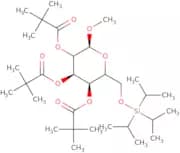
![1,2,3,4-Tetra-O-acetyl-D-[6-13C]glucuronide methyl ester](/_next/image/?url=https%3A%2Fstatic.cymitquimica.com%2Fproducts%2F3D%2Fthumb-webp%2FMT08063.webp&w=3840&q=75)

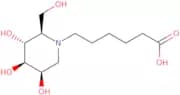
![(1S) -1- [(2S, 3R) - 3- Hydroxy- 1- ((4-methoxyphenyl)methyl) - 2- azetidinyl] -1, 2- ethanediol](/_next/image/?url=https%3A%2Fstatic.cymitquimica.com%2Fproducts%2F3D%2Fthumb-webp%2FMM163533.webp&w=3840&q=75)
![2, 4- Anhydro-3,5-O-[(R)-benzylidene]- 6- deoxy- L- mannonic acid benzamide](/_next/image/?url=https%3A%2Fstatic.cymitquimica.com%2Fproducts%2F3D%2Fthumb-webp%2FMA163989.webp&w=3840&q=75)

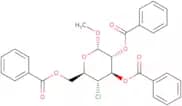
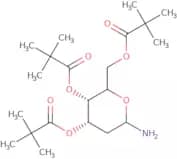
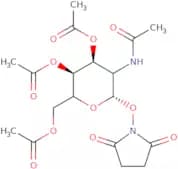
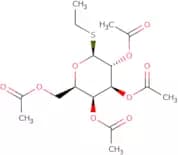

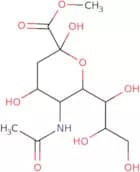
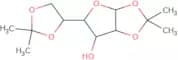
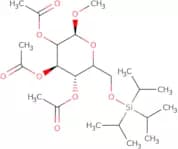
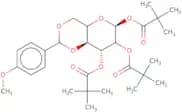
![N- [(3R, 4R, 5R) - 4- (Acetyloxy) - 5- [(acetyloxy) methyl] - 1- benzyl- 3- pyrrolidinyl] -acetami…](/_next/image/?url=https%3A%2Fstatic.cymitquimica.com%2Fproducts%2F3D%2Fthumb-webp%2FMA170395.webp&w=3840&q=75)
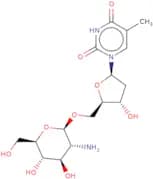
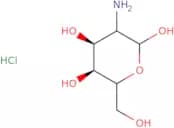

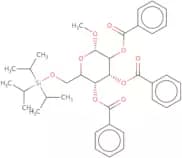
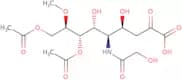
![(1S) -1- [(2R, 3S) -N-Benzyl-3-hydroxy- 1- azetidinyl] -1, 2- ethanediol](/_next/image/?url=https%3A%2Fstatic.cymitquimica.com%2Fproducts%2F3D%2Fthumb-webp%2FMB163377.webp&w=3840&q=75)
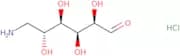
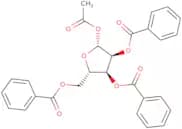

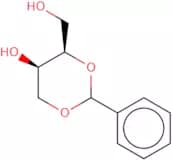
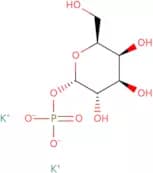
![(1R) -1- [(2S, 3R,4S) -4-(Acetylamino)methyl-3- hydroxy- 1- azetidinyl] -1, 2- ethanediol](/_next/image/?url=https%3A%2Fstatic.cymitquimica.com%2Fproducts%2F3D%2Fthumb-webp%2FMA163403.webp&w=3840&q=75)

![N- [(3R, 4R, 5R) - 4- Hydroxy- 5- (hydroxymethyl) - 3- pyrrolidinyl] -acetamide](/_next/image/?url=https%3A%2Fstatic.cymitquimica.com%2Fproducts%2F3D%2Fthumb-webp%2FMH163543.webp&w=3840&q=75)
![(4S,9R)-4-Benzyloxy-N-benzyloxycarbonyl-8-oxo-9-methoxy-octahydro-pyrano[4,3-b]pyrrole](/_next/image/?url=https%3A%2Fstatic.cymitquimica.com%2Fproducts%2F3D%2Fthumb-webp%2FMB164009.webp&w=3840&q=75)
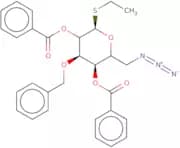
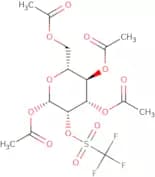
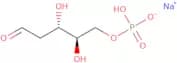
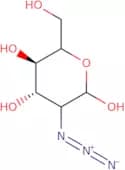
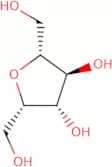
![(5R, 6R, 7R, 8S) -5, 7-Dihydroxy- 8- (hydroxymethyl) - 1- azabicyclo[4.2.0] octan- 2- one](/_next/image/?url=https%3A%2Fstatic.cymitquimica.com%2Fproducts%2F3D%2Fthumb-webp%2FMD163385.webp&w=3840&q=75)