Sels métalliques
2872 produits trouvés pour "Sels métalliques"
Potassium methoxide, 25% w/w in methanol
CAS :Potassium methoxide is a strong base that reacts with methanol to produce potassium metal and methanol. It has been used as a model system for studying the reaction mechanism of metal carbonyls. The reaction solution is heated to produce glycol esters, which are catalyzed by the potassium metal. This process can be used to synthesize biologically active molecules, such as anti-inflammatory drugs, which are difficult to make using conventional methods. Potassium methoxide has also been shown to have protective effects against metabolic disorders in mice and has biological properties that may be useful in the treatment of infectious diseases.Formule :CH3OKDegré de pureté :Min. 95%Couleur et forme :Clear LiquidMasse moléculaire :70.13 g/molCarbonylbis(triphenylphosphine)rhodium(I) Chloride
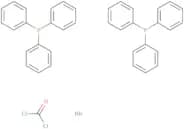
CAS :Produit contrôléCarbonylbis(triphenylphosphine)rhodium(I) Chloride is a carbonyl compound that is prepared by reacting alcohols with diethyl ether in the presence of rhodium chloride. It is used as a reagent for alkylation, recrystallization, and purification of organic compounds. Carbonylbis(triphenylphosphine)rhodium(I) Chloride has been used to synthesize formaldehyde from ethylene glycol and formaldehyde-based resins. It also has been used as a catalyst in the conversion of aliphatic hydrocarbons to alcohols. This compound is insoluble in water and crystallizes yellow when dried.
Formule :C37H30ClOP2RhDegré de pureté :Min. 95%Masse moléculaire :690.94 g/molDipotassium glycyrrhizinate
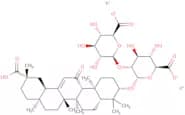
CAS :Dipotassium glycyrrhizinate is a compound that is soluble in water and is found in the roots of Glycyrrhiza glabra, an herb that has been used for centuries to treat a variety of inflammatory conditions. The main component of this extract is glycyrrhizinic acid, a triterpene that has been shown to have anti-inflammatory effects. This compound binds to toll-like receptor 4 (TLR4), which is involved in the innate immune response. Dipotassium glycyrrhizinate can inhibit the production of pro-inflammatory cytokines such as tumor necrosis factor alpha and interleukin-8. It also inhibits the release of histamine from mast cells, which are implicated in allergic reactions.
Formule :C42H60K2O16Degré de pureté :75%Masse moléculaire :899.11 g/molButynediol sulfopropyl ethersodium
CAS :Produit contrôléPlease enquire for more information about Butynediol sulfopropyl ethersodium including the price, delivery time and more detailed product information at the technical inquiry form on this page
Formule :C7H11NaO5SDegré de pureté :Min. 95%Masse moléculaire :230.22 g/molSodium pyrophosphate decahydrate
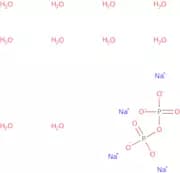
CAS :Sodium pyrophosphate decanhydrate is a methyltransferase inhibitor that blocks the enzyme form of the DNA methyltransferase, which is responsible for maintaining DNA methylation patterns. It has been shown to inhibit the enzymatic activity of this enzyme in a model system. Sodium pyrophosphate decanhydrate inhibits the growth of bacteria by binding to water molecules and preventing them from binding to other molecules, causing dehydration. This drug also has potential as a natriuretic peptide levels inhibitor, with electrochemical impedance spectroscopy studies showing that it may have a high affinity for sodium ions. Studies have also shown that sodium pyrophosphate decanhydrate has no toxicity in mice.
Formule :H4O7P2•Na4•(H2O)10Degré de pureté :Min. 95%Couleur et forme :PowderMasse moléculaire :450.09 g/molD-Lactic acid lithium
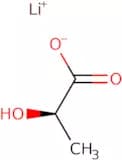
CAS :D(+)-Lactic acid lithium salt is a dipolar molecule with an activation energy of about 44 kJ/mol. It has been studied by NMR techniques and found to have a resonance in the range of 1.8-2.0 ppm, which is characteristic of protons on the oxygen atom. The proton magnetic resonance (PMR) study showed that the d-lactate resonances were very broad and shifted to higher frequencies, whereas the l-lactate resonances were sharp and shifted to lower frequencies. This may be due to the different number of protons on each type of lactate molecule. The magnetic resonance (NMR) study showed that lithium salt was a radical with a spin density distribution around 2.6 ppm in the nmr spectrum.
Formule :C3H6O3•LiDegré de pureté :Min. 95%Couleur et forme :PowderMasse moléculaire :97.02 g/molFerrocenecarboxaldehyde
CAS :Ferrocenecarboxaldehyde is a fatty acid with a ferrocene carboxylic acid group. It has been shown to have antimicrobial activity against bacteria, fungi, and yeast when it was mixed with nitric acid. Ferrocenecarboxaldehyde can be synthesized by reacting ferrocene with glycerol in the presence of sulfuric acid. The reaction mechanism of this synthesis is as follows: The structural analysis of ferrocenecarboxaldehyde has been studied using FT-IR spectroscopy and NMR spectroscopy. The chemical structure of ferrocenecarboxaldehyde is as follows: The asymmetric synthesis of ferrocenecarboxaldehyde is shown below:
Formule :C11H10FeODegré de pureté :Min. 95%Couleur et forme :PowderMasse moléculaire :214.04 g/molZincphosphinate
CAS :Produit contrôléPlease enquire for more information about Zincphosphinate including the price, delivery time and more detailed product information at the technical inquiry form on this page
Formule :O4P2ZnDegré de pureté :Min. 95%Masse moléculaire :191.33 g/molcis-Dichloro(N,N,N',N'-tetramethylethylenediamine)palladium(II)
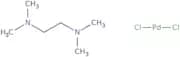
CAS :Produit contrôléPlease enquire for more information about cis-Dichloro(N,N,N',N'-tetramethylethylenediamine)palladium(II) including the price, delivery time and more detailed product information at the technical inquiry form on this pageFormule :C6H16Cl2N2PdDegré de pureté :Min. 95%Masse moléculaire :293.53 g/molSodium oxalate
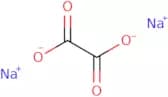
CAS :Sodium oxalate is a salt of oxalic acid and sodium. It can be used as an inhibitor in electrochemical impedance spectroscopy, which is a method for measuring the mass transport of ions in a solution. Sodium oxalate has been shown to inhibit the reaction solution by hydrogen bonding interactions with the citric acid that is present in wastewater. This inhibition leads to the formation of the salt citrate, which is insoluble and can be removed by filtration. The surface methodology was used to measure the kinetic energy of sodium oxalate crystals on surfaces. The x-ray diffraction data was collected from anhydrous sodium oxalate crystals at room temperature.
Formule :C2O4Na2Degré de pureté :Min. 95%Couleur et forme :PowderMasse moléculaire :134 g/molTrisodium citrate dihydrate
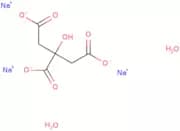
CAS :Trisodium citrate dihydrate is a chemical compound that is used as a buffer and to maintain the pH of solutions. It is often used as an acidity regulator in pharmaceutical formulations and food products. Trisodium citrate dihydrate has been shown to be effective at reducing the matrix effect and increasing the concentration response, which can lead to better analytical results. This compound has also been shown to have anti-inflammatory properties, which may be due to its ability to prevent fatty acid production by inhibiting the enzyme lipase.
Formule :C6H5Na3O7·2H2ODegré de pureté :(Titration) Min. 98%Couleur et forme :White Off-White PowderMasse moléculaire :294.1 g/molRuthenium(III) nitrosyl nitrate, soluble in 10% dilute nitric acid
CAS :Please enquire for more information about Ruthenium(III) nitrosyl nitrate, soluble in 10% dilute nitric acid including the price, delivery time and more detailed product information at the technical inquiry form on this page
Formule :RuN4O10Degré de pureté :Min. 95%Couleur et forme :Clear LiquidMasse moléculaire :317.09 g/molTin(II) chloride dihydrate
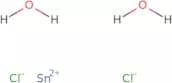
CAS :Tin(II) chloride dihydrate is a white or pale yellow crystalline solid. It is soluble in water and has a relatively low melting point. Tin(II) chloride dihydrate is used as an acid catalyst for the preparation of esters from ethyl trifluoroacetate, and as an intermediate for synthesizing quinoline derivatives. Tin(II) chloride dihydrate can also be used to deactivate fatty acids by reacting with them in the presence of water. The reaction vessel is heated to about 300°C to evaporate the solvent and leave a residue of tin chloride, which can then be recovered by distillation. Tin(II) chloride dihydrate has been shown to have transport properties that are similar to those of other metal chlorides at comparable concentrations.
Formule :SnCl2•(H2O)2Degré de pureté :Min. 95%Couleur et forme :Colorless Clear LiquidMasse moléculaire :225.65 g/molCadmium chloride
CAS :Cadmium chloride is a compound that belongs to the group of inorganic compounds. Cadmium chloride inhibits the activity of c-jun, an important transcription factor involved in cell growth and differentiation. It also affects the activity of other transcription factors, such as NF-κB, and has been shown to induce cell death by inhibiting DNA synthesis. The cytotoxicity of cadmium chloride is related to its ability to interact with hydrogen bonding sites on proteins. In vitro studies have shown that it has significant cytotoxicity against tumor cells with a cell specific response. Cadmium chloride has also been used in therapy groups for patients with inflammatory bowel disease and rheumatoid arthritis.
Formule :CdCl2Degré de pureté :Min. 95%Masse moléculaire :183.32 g/molRef: 3D-FC19623
Produit arrêtéIndium(III) nitrate hydrate
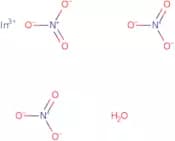
CAS :Indium(III) nitrate hydrate is an inorganic compound that reacts with aqueous solutions of potassium dichromate or malonic acid to produce a precipitate. The chemical stability of this compound has been demonstrated by reacting it with nitric acid, which produced a white solid. A structural analysis of this compound has shown that the reaction mechanism may involve the formation of InO particles and oxide anions. The particle size is between 1-2 microns and the morphology is spherical.
Formule :In(NO3)3•(H2O)xDegré de pureté :Min. 95%Masse moléculaire :300.83 g/molSodium chlorite
CAS :Sodium chlorite is a disinfectant that is used to reduce the number of bacteria in the air, water, and surfaces. It is acidic and has been shown to be effective against infectious diseases such as tuberculosis, cholera, and malaria. Sodium chlorite can be produced through the oxidation of sodium chloride by chlorite ion at high temperatures. The optimum concentration for sodium chlorite is 10-15%. This agent can also be used as an analytical method for determining the presence of organic compounds that are difficult to measure by other methods. Laser ablation coupled with mass spectrometry is one example of this technique. Sodium chlorite can also be used to treat wastewater and inhibits oxidative injury in cells.
Formule :NaClO2Degré de pureté :Min. 95%Couleur et forme :White To Yellow SolidMasse moléculaire :90.44 g/molSamarium(II) Iodide (ca. 0.1mol/L in Tetrahydrofuran)
CAS :Samarium(II) iodide is a synthetic carbonyl, soluble in acetonitrile, dioxolane and formyl. It is used as a reactant in preparative methods to produce alkyl halides. Samarium(II) iodide reacts with an aldehyde or ketone in the presence of acetic acid to produce an alkyl halide. This compound has chemoselectivity for the production of secondary alcohols and can be used to prepare coupling products. Samarium(II) iodide can also be used to prepare alkene and ketone compounds by reacting with formaldehyde and acetone respectively.
Formule :SmI2Degré de pureté :Min. 95%Masse moléculaire :404.17 g/molIron nickel oxide
CAS :Produit contrôléIron nickel oxide is a corrosion inhibitor that is used in the architectural industry. It has been shown to have photoelectrochemical properties and has been used as an electrode for the conversion of solar energy into electrical energy. This material can be activated by either dry weight or particle size, with activation energies varying from 150 to 300 mV. Iron nickel oxide also has a high chemical reactivity and can be used as a catalyst for reaction temperatures between 100-300°C.
Iron nickel oxide is an electrochemically active material that exhibits a high resistance to corrosion, which makes it an ideal candidate for use in the production of membranes for water purification systems. The particles of this material are not very large, so the general equation for calculating its resistance to corrosion is R=1/2RIO2t, where I is current intensity, R is resistance to corrosion, I0 is initial value of current intensity, and t is time.Formule :Fe2NiO4Degré de pureté :Min. 95%Masse moléculaire :234.38 g/molSodium sulphate decahydrate
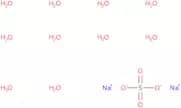
CAS :Produit contrôléSodium sulphate decahydrate is an inorganic salt that is a salt of sodium and sulfuric acid. It is used as a food additive, preservative, and to control the pH of water. Sodium sulfate decahydrate has been shown to be effective for the treatment of diarrhoea caused by infectious diseases such as rotavirus and enterotoxigenic Escherichia coli. This drug also has inhibitory effects on bacterial growth and may be useful for the prevention or treatment of bowel diseases such as Crohn's disease and ulcerative colitis. The intermolecular hydrogen bonding between the anions in this compound make it highly reactive, which can result in toxic side effects. However, this drug has not exhibited any toxic side effects at concentrations below 0.5%.
Formule :H22Na2O14SDegré de pureté :Min. 95%Couleur et forme :PowderMasse moléculaire :324.21 g/molSilver hexafluorophosphate
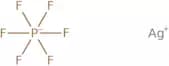
CAS :Silver hexafluorophosphate (AgPF) is a silver salt of the inorganic acid hexafluoro-phosphoric acid. It has been shown to have a high reactivity with organic compounds and is insoluble in water. Silver hexafluorophosphate is used as an additive for certain polymers, such as PVC, to improve their insulating properties. In addition, AgPF has shown biological properties that may be due to its ability to act as a chelate ligand and bind metal ions. The reaction mechanism of AgPF involves the formation of hydrogen bonding interactions with nitrogen atoms, which are found in biological molecules such as proteins and nucleic acids.
Formule :AgPF6Degré de pureté :Min. 95%Masse moléculaire :252.83 g/molRef: 3D-FS78234
Produit arrêtéAmmonium iron(III) sulfate dodecahydrate
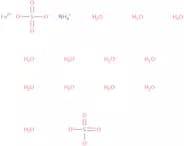
CAS :Ammonium iron(III) sulfate dodecahydrate is a water-soluble inorganic salt that can be used as an oxidizing agent to reduce the color of stains. It has been shown to have good growth kinetics and is easy to use. Ammonium iron(III) sulfate dodecahydrate is an inorganic acid that can be used as a reagent for extractions. It has been found to have good extraction yield and particle size, which makes it ideal for use in polymer films. Ammonium iron(III) sulfate dodecahydrate reacts with hydroxyl groups and forms p-hydroxybenzoic acid, which can be used in clinical pathology tests.
Formule :NH4Fe(SO4)2•(H2O)12Degré de pureté :Min. 95%Couleur et forme :PowderMasse moléculaire :482.19 g/molDiacetato[(R)-(+)-2,2'-bis(diphenylphosphino)-1,1'-binaphthyl]ruthenium(II)
CAS :Please enquire for more information about Diacetato[(R)-(+)-2,2'-bis(diphenylphosphino)-1,1'-binaphthyl]ruthenium(II) including the price, delivery time and more detailed product information at the technical inquiry form on this page
Formule :C48H38O4P2RuDegré de pureté :Min. 95%Masse moléculaire :841.83 g/molFerroceneacetic acid
CAS :Produit contrôléFerroceneacetic acid is a compound that has been shown to have chemiluminescent properties. It is a potent reductant and oxidant, which means that it can reduce or oxidize other compounds. Ferroceneacetic acid is also an active enzyme, and its redox potential changes depending on the concentration of ferrocene in the solution. Ferroceneacetic acid can be used as a model system for analytical chemistry and electrochemistry.
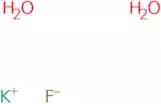
Formule :C12H12FeO2Degré de pureté :Min. 95%Couleur et forme :PowderMasse moléculaire :244.07 g/molPotassium fluoride dihydrate
CAS :Produit contrôléPotassium fluoride is an inorganic chemical that is used in the water fluoridation process. It is also used as a source of fluoride ions for the synthesis of hydroxyapatite, a mineral found in teeth and bones. Fluoride ions are also used to treat certain infectious diseases, such as malaria. The asymmetric synthesis of potassium fluoride was first reported by M. S. Kharasch and J. A. Fink in 1943 using plasma mass spectrometry. This method has been widely adopted for commercial production of potassium fluoride because it can be scaled up easily and does not require specialized equipment.
Potassium fluoride has been shown to inhibit viral replication by hydrogen bonding with the guanine-cytosine base pairs on the viral dsDNA, which prevents the DNA from uncoiling and copying its genetic information into new viral particles. Potassium fluoride has also been shown to be effective against hepatitis B virus (HBV) and mammalian cells infected by HBFormule :KF·2H2ODegré de pureté :Min. 95%Masse moléculaire :94.13 g/molTin(II) oxalate
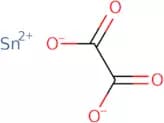
CAS :Tin(II) oxalate is a chemical compound with the formula (CH3COO)2SnO. It is a white crystalline solid that is soluble in water and alcohol but not ether. Tin(II) oxalate has been shown to be an effective inhibitor of epidermal growth factor (EGF). This compound also inhibits the formation of dibutyltin oxide, which is a component of some paints. The following are the high-quality product descriptions for eCommerce: Rifapentine Rifapentine is an anti-tuberculosis drug that belongs to the class of rifamycins. It is the most active of the rifamycins for the treatment of tuberculosis. Rifapentine inhibits bacterial growth by binding to DNA-dependent RNA polymerase, thereby preventing transcription and replication. The high frequency of human activity has been shown using a patch-clamp technique on human ery
Formule :C2O4SnDegré de pureté :Min. 95%Masse moléculaire :206.73 g/molCobalt(II) acetate tetrahydrate
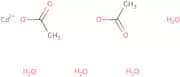
CAS :Cobalt(II) acetate tetrahydrate is a model system that can be used to study the structures of coordination complexes. The cobalt ion has a coordination geometry with two water molecules, two oxygen atoms from the acetate anion, and one proton from the hydroxide anion. The crystal structure is composed of six-membered rings of alternating metal ions and oxygen atoms. The reaction solution contains excess sodium hydroxide and water vapor. It was determined that cobalt(II) acetate tetrahydrate reacts electrochemically at low frequencies as well as with 5-hmf, an oxidizing agent, in the presence of sodium citrate as an oxidation catalyst.
Formule :C4H6CoO4·4H2ODegré de pureté :Min. 95%Couleur et forme :Pink To Red SolidMasse moléculaire :249.08 g/molPotassium bis(fluorosulfonyl)imide
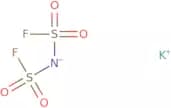
CAS :Potassium bis(fluorosulfonyl)imide (K2FSI) is a reactive chemical that can be used to remove sulfur from petroleum products. It is also used in the manufacturing of ethylene and perovskite solar cells. K2FSI reacts with potassium ions to form potassium hexafluorophosphate (KHF2). This reaction reduces the vapor pressure of KHF2 and increases its solubility in water. The use of K2FSI can reduce the amount of energy needed for desulfurization, as it does not require heating. The following are some uses for potassium bis(fluorosulfonyl)imide: - As a catalyst for production of ethylene - In organic solvent to produce perovskite solar cells - To remove sulfur from petroleum products - To make hydrogen fluoride - For desulfurization
Formule :F2NO4S2•KDegré de pureté :Min. 95%Couleur et forme :White PowderMasse moléculaire :219.23 g/molCalcium-Like Peptide
CAS :Please enquire for more information about Calcium-Like Peptide including the price, delivery time and more detailed product information at the technical inquiry form on this page
Formule :C40H75N9O10Degré de pureté :Min. 95%Masse moléculaire :842.08 g/molL-α-Phosphatidylserine sodium, porcine brain
CAS :L-alpha-Phosphatidylserine sodium salt, derived from porcine brain, is a research chemical that has shown promising potential in various fields. It has been studied for its role in HIV-1 infection, where it has been found to inhibit the fusion of the virus with host cells. Additionally, L-alpha-Phosphatidylserine sodium salt has shown positive effects on spermatozoa motility and fertility. In cancer research, L-alpha-Phosphatidylserine sodium salt has been investigated for its ability to enhance the efficacy of certain anti-cancer drugs. It is believed to work by increasing the uptake of these drugs into cancer cells, thereby improving their effectiveness. This compound also plays a role in neurological health. It is involved in the synthesis of steroidal hormones and neurotransmitters such as dopamine. Studies have suggested that L-alpha-Phosphatidylserine sodium salt may support cognitive function and memory. Furthermore, L-alpha-Ph
Degré de pureté :Min. 95%Ref: 3D-FP161254
Produit arrêtéPalladium hydroxide on carbon - 20 wt. % loading (dry basis)
CAS :Palladium hydroxide on carbon is a metal oxide with antimicrobial activity. Palladium hydroxide on carbon has been shown to have significant receptor activity against bacteria and fungi, as well as other microorganisms. It has also been shown to inhibit the growth of Helicobacter pylori, which is associated with ulcers and stomach cancer. Palladium hydroxide on carbon is used in the treatment of bowel disease and infections caused by bacteria such as Escherichia coli, Salmonella typhi, Staphylococcus aureus, Streptococcus pyogenes, Mycobacterium tuberculosis, and Helicobacter pylori. Palladium hydroxide on carbon has also been shown to be effective in the treatment of autoimmune diseases such as rheumatoid arthritis and multiple sclerosis.
Formule :H2O2PdDegré de pureté :Min. 95%Masse moléculaire :140.43 g/molRef: 3D-FP15914
Produit arrêtéSodium dibutylnaphthalenesulphonate
CAS :Sodium dibutylnaphthalenesulphonate is a stabilizer that reacts with fatty acids, dialkyl phosphates, and growth regulators to form insoluble particles. It has been found to be particularly effective in the treatment of plant diseases caused by fungi. Sodium dibutylnaphthalenesulphonate has been shown to stabilize active substances and bioactive substances, such as organic acids and oxime derivatives. These compounds are used in a variety of applications, such as pharmaceuticals, pesticides, herbicides, food additives, and cosmetics.
Formule :C18H24O3S•NaDegré de pureté :60 To 65%Couleur et forme :PowderMasse moléculaire :343.43 g/molRef: 3D-FS159428
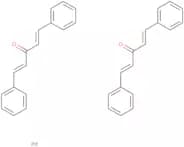
Produit arrêtéBis(dibenzylideneacetone)palladium(0)
CAS :Bis(dibenzylideneacetone)palladium(0) (Pd 2 (dba)) is a reactive metal complex that can be used to synthesize allyl compounds. The Pd 2 (dba) complex has been shown to have potential as an anti-infective agent for the treatment of infectious diseases. It has been reported that Pd 2 (dba) has a high resistance to halides, hydrochloric acid, and electrochemical impedance spectroscopy.
Formule :C34H28O2PdDegré de pureté :Min. 95%Masse moléculaire :575 g/molRef: 3D-FB45307
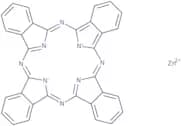
Produit arrêtéZinc phthalocyanine
CAS :Zinc phthalocyanine is a blue dye that is used in the manufacture of paints, plastics, and rubber. It has been shown to be a potential cancer treatment for skin cancer because it absorbs ultraviolet light. Zinc phthalocyanine can also be used in wastewater treatment as a coagulant and disinfectant. In addition, zinc phthalocyanine has been shown to have anti-microbial properties against opportunistic fungal and bacterial infections. This compound is also an antioxidant that can protect cells from damage caused by reactive oxygen species. Zinc phthalocyanine's photophysical properties are characterized by its absorption spectrum, which includes the visible region of the electromagnetic spectrum between 400 nm and 700 nm. It is a strong electron acceptor with a redox potential of -0.4 V at pH 7 and 0°C. This molecule also inhibits cytochrome P450 activity in model systems.
Formule :C32H16N8ZnDegré de pureté :90%MinMasse moléculaire :577.9 g/molRef: 3D-FZ36686
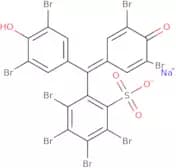
Produit arrêtéTetrabromophenol blue sodium salt
CAS :Tetrabromophenol blue sodium salt is a dye that is used as an additive in the production of vinyl alcohol polymer films. Tetrabromophenol blue sodium salt can be used to measure albumin concentration and postexposure by adding phenyl groups to the molecule. The color of tetrabromophenol blue sodium salt changes upon exposure to radiation, which makes it useful for diagnostic purposes. It also has a hydrocarbon group that transforms into an insoluble form when exposed to evaporation, making it useful for titration methods. Tetrabromophenol blue sodium salt is relatively stable and labile in nature, making it susceptible to techniques such as pyrolysis, oxidation, or reduction.
Formule :C19H5Br8NaO5SDegré de pureté :Min. 95%Masse moléculaire :1,007.53 g/molPhacolysine sodium salt
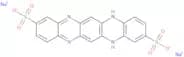
CAS :Phacolysine sodium salt is a drug that activates the choroidal neovascularization receptor. It has been shown to inhibit the growth of tumors by synchronous fluorescence and disulfide bond binding. Phacolysine sodium salt has shown clinical efficacy in the treatment of choroidal neovascularization, with an average success rate of 75%. It has also been shown to be effective in treating other types of cancer, such as prostate cancer. In addition, it has antioxidative properties and can inhibit prostaglandin synthesis. This medicine is sometimes used in combination with ondansetron hydrochloride and benzalkonium chloride for pharmacological treatment.
Formule :C18H10N4Na2O6S2Degré de pureté :Min. 95%Couleur et forme :Red PowderMasse moléculaire :488.41 g/molPalladium on activated carbon - 10% Pd
CAS :Palladium on activated carbon - 10% Pd is a palladium-containing chemical product. It can be used as a catalyst, reagent, or scaffold in chemical synthesis. Palladium on activated carbon - 10% Pd is useful as a reaction component, useful for research and development of new products, and has high quality. This product can be used as an intermediate in organic synthesis to create complex compounds that are often used as speciality chemicals or fine chemicals. Palladium on activated carbon - 10% Pd has CAS No. 7440-05-3.
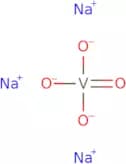
Formule :PdDegré de pureté :(As Pd) 9 To 11%Couleur et forme :PowderMasse moléculaire :106.42 g/molSodium orthovanadate
CAS :Sodium orthovanadate is a vanadium compound that is often used as a model system for studying the properties of other transition metal compounds. It has been shown to have hypoglycemic effects in mice, and has also been shown to have synergic effects with other drugs such as clofibrate, troglitazone, and metformin. The coordination geometry of sodium orthovanadate is octahedral, with one vanadium atom at the center and six oxygen atoms around it. It is an ionic compound that dissolves well in water. Sodium orthovanadate can be found in nature as a mineral called meta-vanadinite or vanadic acid. The crystal structure of sodium orthovanadate has been studied using x-ray diffraction data, which revealed that its structure changes from cubic to hexagonal when heated to temperatures above its phase transition temperature (approximately 300°C).
Formule :Na3VO4Degré de pureté :Min. 95%Couleur et forme :White Off-White PowderMasse moléculaire :183.91 g/molPotassium acrylate
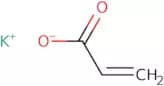
CAS :Potassium acrylate is a diamine tetraacetic acid that functions as a control agent. It is used in analytical methods to measure the effectiveness of other agents. It can be used to produce carboxylate, coordination complex, and hydroxide solution. It has been shown to be effective at doses of 3-5 mM. Potassium acrylate is soluble in water and is stable in air. The FTIR spectrum shows an absorption band at 1657 cm-1, which corresponds to the C=O stretching vibration of the carboxylate group.
Formule :C3H3KO2Degré de pureté :Min. 95%Masse moléculaire :110.15 g/molZinc pivalate
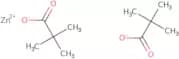
CAS :Zinc pivalate is a coordination complex that has been shown to be an effective metal-based catalyst for amine-mediated cross-coupling reactions. It has also been used as a ligand in the synthesis of metal complexes. Zinc pivalate is soluble in water and its molecular weight is 198.2 daltons. It has two functional groups, carboxylate and formyl group, and can be synthesized by reacting zinc chloride with pivalic acid. The molecule contains a water molecule that acts as a base to deprotonate the carboxylate group on the zinc atom, forming an alcohol group which reacts with amines to produce an aminoglycoside. Zinc pivalate is also capable of forming coordination complexes with palladium, which catalyzes cross-coupling reactions with chlorides under mild conditions.
Formule :C5H9O2ZnDegré de pureté :Min. 95%Masse moléculaire :166.5 g/molSodium 3-nitrobenzenesulphonate
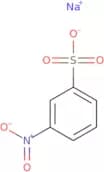
CAS :Sodium 3-nitrobenzenesulphonate is a reactive chemical that can be used in the treatment of wastewater. It reacts with sulfonic acid to form a cross-link between two molecules, which lowers the solubility of the organic compound. This reaction product can then be removed from solution by adding sodium carbonate or sodium citrate to form insoluble salts that are removed from the water by filtration. Sodium 3-nitrobenzenesulphonate is an alternative to chlorine for water treatment because it does not react with ammonia and other nitrogenous compounds.
Formule :O2NC6H4SO3NaDegré de pureté :Min. 95%Couleur et forme :White To Yellow SolidMasse moléculaire :225.16 g/molCopper(II) stearate
CAS :Copper(II) stearate is an inorganic compound that consists of copper chloride and stearic acid. It has a reactive functional group, a copper complex, and a metal-metal bond. Copper(II) stearate is used as an ingredient in cosmetics to enhance the color stability of pigments, such as iron oxides, titanium dioxide, and zinc oxide. The particle size of the compound can be adjusted by controlling the ratio of copper chloride to stearic acid. Copper(II) stearate has been shown to have good chemical stability at high temperatures and is not affected by boron nitride or calcium stearate. Activation energies for the formation of copper(II) stearate are found at about -4.8 kJ/mol for copper chloride and about -5.6 kJ/mol for stearic acid. It also exhibits electrochemical impedance spectroscopy properties with a higher resistance than other metal salts with similar functional groups
Formule :C36H70CuO4Degré de pureté :Min. 95%Masse moléculaire :630.48 g/molSodium phosphate
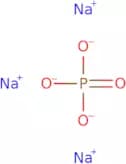
CAS :Sodium phosphate is a solution of sodium ions and phosphate ions in water. It is used as an electrolyte, as an additive to processed food, and in the treatment of infectious diseases. Sodium phosphate is also used to produce polyphosphates that are used in many industrial applications. The dissolution of sodium phosphate starts with the release of hydrogen fluoride (HF). This reaction can be monitored using microdialysis probes inserted into the reaction solution. The dissociation of this compound can be studied using electrochemical impedance spectroscopy. In human serum, sodium phosphate inhibits the growth of bacteria by forming a complex with the sodium ion and preventing their absorption in the bloodstream.
Formule :Na·PO4Degré de pureté :Min. 95%Couleur et forme :White PowderMasse moléculaire :163.94 g/molSodium dicyanamide
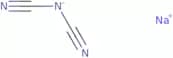
CAS :Sodium dicyanamide is a diphenyl ether that has been shown to be effective in the treatment of polycystic ovarian syndrome. It binds to picolinic acid, which is a cofactor for the enzyme phenylalanine hydroxylase, and inhibits the production of tyrosine. This leads to an increase in the levels of luteinizing hormone and follicle-stimulating hormone, which helps ovulation. Sodium dicyanamide also interacts with hydrogen bond interactions and chelate ligands. The reaction mechanism of this compound is not well understood, but it is known that it can react with oxygen at high temperatures.
Formule :C2N3NaDegré de pureté :Min. 95%Couleur et forme :White PowderMasse moléculaire :89.03 g/molSodium 1-naphthalenesulfonate
CAS :Sodium 1-naphthalenesulfonate is a zirconium oxide that is used to remove particles from water. It has been shown that the adsorption mechanism of this compound is based on its crystalline polymorphs. Sodium 1-naphthalenesulfonate has been used in the treatment of fatty acid and hydrochloric acid in urine samples, with sodium carbonate as a buffer. This compound also has film-forming properties, which are beneficial for wastewater treatment and can be used in the formation of polymer films. Sodium 1-naphthalenesulfonate also shows toxicity at high concentrations, but does not cause any toxic effects at low concentrations.
Formule :C10H7NaO3SDegré de pureté :Min. 95%Couleur et forme :White Off-White PowderMasse moléculaire :230.22 g/molRef: 3D-FS34431
Produit arrêtéIndium - 99.999% trace metals basis
CAS :Indium-99.999% trace metals basis is a radioactive metal whose atomic number is 49, and it is the heaviest element in Group 3 of the periodic table. Indium-99.999% trace metals basis can be used in the treatment of bowel disease, such as inflammatory bowel disease (IBD) and Crohn's disease. It may also be used to diagnose other diseases that are not visible through medical imaging techniques, such as cancer or inflammatory diseases of the bowel. It can be used to measure cell nuclei and nuclear DNA for disease activity, or identify response elements for autologous stem-cell transplantation. It has been shown that this metal can cause long-term toxicity to cells when combined with injury models. This toxicity may be due to its coordination geometry, which causes a disruption in electron flow during oxidation reactions.
Formule :InDegré de pureté :Min. 95%Masse moléculaire :114.82 g/molLithium ionophore VI
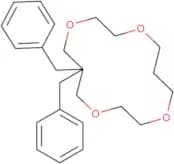
CAS :Lithium ionophore VI is a polyvinyl chloride that contains valinomycin, a metal ion, and an organic solvent. It is used in pharmaceutical formulations as an ionophore. Lithium ionophore VI has been shown to have membrane potential-dependent transfer reactions in human serum and with the use of hydrophobic organic solvents such as chloroform and acetone. This compound can be used for calibration of analytical chemistry instruments by using it as a standard for the pH value of solutions.
Formule :C24H32O4Degré de pureté :Min. 95%Masse moléculaire :384.51 g/molRef: 3D-FL159293
Produit arrêtéIron oxide black
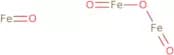
CAS :Produit contrôléIron oxide black is a reactive dye that is used in wastewater treatment. It is an oxide of iron that can be synthesized from sodium carbonate and langmuir adsorption isotherm. Iron oxide black has been shown to have a colloidal gold-like color, chemical stability, and constant pressure. The particle size of this compound ranges from 10-1000 nm and it reacts with a solution containing anhydrous sodium carbonate to form magnetite nanoparticles. Iron oxide black also has an asymmetric synthesis reaction with ferric chloride and nitric acid, which produces magnetic nanoparticles.
Formule :Fe3O4Degré de pureté :Min. 95%Couleur et forme :PowderMasse moléculaire :231.53 g/mol5,5-Diphenylhydantoin sodium
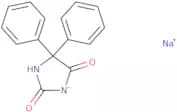
CAS :Produit contrôlé5,5-Diphenylhydantoin sodium salt is an anticonvulsant drug that belongs to the class of diphenylhydantoins. This drug has been shown to have a number of clinical effects, including cardiac effects, hypersensitivity syndrome, and eosinophilic fasciitis. It also has been shown to be associated with drug interactions and toxic epidermal necrolysis. 5,5-Diphenylhydantoin sodium salt is used in the treatment of epilepsy and neuropathic pain. The mechanism of action for this drug has been shown to be due to its ability to inhibit the release of acetylcholine from nerve terminals by blocking voltage-sensitive sodium channels. 5,5-Diphenylhydantoin sodium salt can also cause fetal bovine serum disease when administered intravenously or intramuscularly in pregnant animals. It also causes experimental carcinogenic potential in laboratory animals.br>
Formule :C15H12N2O2•NaDegré de pureté :Min. 95%Couleur et forme :PowderMasse moléculaire :275.26 g/molRef: 3D-FD161078
Produit arrêtéGold(III) hydroxide
CAS :Gold(III) hydroxide is a yellow solid that is soluble in acidic and alkaline solutions. It can be prepared by the reaction of gold(III) nitrate with sodium hydroxide, or by the reaction of hydrochloric acid with sodium chloride and ferrous sulfate. Gold hydroxide can be used in a number of techniques such as nature, hydrolysis, synthons, and high yield. Gold hydroxide has been shown to have luminescent properties when mixed with nitrate. The synthesis of gold nanoparticles is also possible using gold hydroxide at temperatures below 100°C. The yields for this process are variable depending on the conditions used, but it has been shown to produce approximately 10% of the theoretical yield. Gold hydroxide will react with deionized water to form a gel-like substance, which is due to its interaction with water molecules. This compound also has nucleation properties that allow it to act as an initiator for
Formule :AuH3O3Degré de pureté :Min. 95%Masse moléculaire :247.99 g/molSodium methylarsonate - 50% aqueous solution
CAS :Sodium methylarsonate is a monosodium salt of the hydroxypicolinic acid. It is an experimental model for studies on polymerase chain reaction (PCR) and has been shown to have significant cytotoxicity in vitro. The toxicological profile of this substance has been studied in rodents, where it was found to have a low toxicity level. Sodium methylarsonate was found to be carcinogenic in mice and rats, but not in hamsters. Picolinic acid, which is produced by the metabolic activation of sodium methylarsonate, may be responsible for its carcinogenic properties. The analytical method used for this substance is high-pressure liquid chromatography with mass spectrometry detection.
Formule :CH4AsNaO3Degré de pureté :Min. 95%Couleur et forme :Clear LiquidMasse moléculaire :161.95 g/molRef: 3D-FS148830
Produit arrêté








![Diacetato[(R)-(+)-2,2'-bis(diphenylphosphino)-1,1'-binaphthyl]ruthenium(II)](/_next/image/?url=https%3A%2Fstatic.cymitquimica.com%2Fproducts%2F3D%2Fthumb-webp%2FFD162446.webp&w=3840&q=75)