Acides aminés (AA)
Sous-catégories appartenant à la catégorie "Acides aminés (AA)"
- Dérivés d'acides aminés(4.017 produits)
- Acide aminé et composés apparentés aux acides aminés(3.491 produits)
- Acides aminés avec de l'oxygène ou du soufre(168 produits)
- Boc- Acides aminés(351 produits)
- Acides aminés avec groupes protecteurs(1.710 produits)
38385 produits trouvés pour "Acides aminés (AA)"
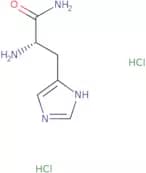
L-Histidine amide dihydrochloride
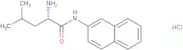
CAS :Please enquire for more information about L-Histidine amide dihydrochloride including the price, delivery time and more detailed product information at the technical inquiry form on this pageFormule :C6H10N4O•(HCl)2Degré de pureté :Min. 95%Couleur et forme :PowderMasse moléculaire :227.09 g/molL-Leucine b-naphthylamide hydrochloride
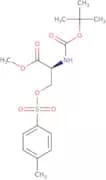
CAS :Please enquire for more information about L-Leucine b-naphthylamide hydrochloride including the price, delivery time and more detailed product information at the technical inquiry form on this pageFormule :C16H20N2O·HClDegré de pureté :Min. 95%Couleur et forme :PowderMasse moléculaire :292.8 g/molBoc-Ser(Tos)-OMe
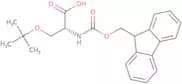
CAS :Boc-Ser(Tos)-OMe is a c6 alkyl, electrophilic and methyl ester. It has been used as an intermediate in the synthesis of drugs such as cefuroxime and tetracycline. This compound is also used to produce organic fluorine compounds that are important in the manufacture of plastics, insecticides, perfumes and pharmaceuticals. Boc-Ser(Tos)-OMe is an inorganic compound with a fluoro group, which is an important component for the production of polymers. The chloro group also plays an important role in this process by introducing chlorine into the polymer chain. The ammonium group can be replaced by other functional groups like alkoxy or alkyl groups to produce different derivatives. Boc-Ser(Tos)-OMe undergoes oxidative reactions when exposed to air or light to form a carboxylic acid derivative, which can be removed by treatment with acids.Formule :C16H23NO7SDegré de pureté :Min. 95%Couleur et forme :PowderMasse moléculaire :373.42 g/molFmoc-O-tert-butyl-D-serine
CAS :Fmoc-O-tert-butyl-D-serine is a synthetic, serine protease inhibitor. It has been shown to have antibacterial activity against gram-negative pathogens, such as Proteus vulgaris and Escherichia coli. Fmoc-O-tert-butyl-D-serine inhibits the influenza virus by blocking the cleavage of the M1 protein from the viral RNA strand. The molecule also has a matrix assisted laser desorption/ionization (MALDI) mass spectrometry detection method that can be used for identification of homologous proteins.
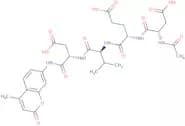
Formule :C22H25NO5Degré de pureté :Min. 95%Couleur et forme :PowderMasse moléculaire :383.44 g/molAc-Asp-Glu-Val-Asp-AMC ammonium salt
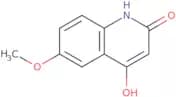
CAS :Ac-Asp-Glu-Val-Asp-AMC ammonium salt is a small molecule that is used as a tool to study apoptosis in vitro. Ac-Asp-Glu-Val-Asp-AMC ammonium salt induces apoptosis by blocking the mitochondrial membrane potential and inducing the release of cytochrome c from mitochondria into the cytoplasm. This drug also induces activation of caspase 3, which initiates the cascade of events leading to cell death. Ac-Asp-Glu-Val-Asp-AMC ammonium salt has been shown to have an antiangiogenic effect on hl60 cells. This effect may be due to its ability to inhibit expression of survivin, a protein that protects cells from apoptosis. The efficacy of this drug in an experimental model has been shown to be dependent on toll like receptor (TLR) signaling pathways and mitochondrial function.br>Formule :C30H37N5O13•NH3Degré de pureté :Min. 97 Area-%Couleur et forme :PowderMasse moléculaire :692.67 g/mol2,4-Dihydroxy-6-methoxyquinoline
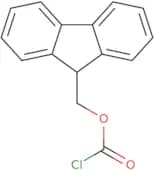
CAS :2,4-Dihydroxy-6-methoxyquinoline is a compound that exhibits antifungal properties. It has been shown to have activity against Aspergillus flavus, Aspergillus fumigatus, Candida albicans and other fungi. 2,4-Dihydroxy-6-methoxyquinoline also inhibits the growth of E. coli and A. aureus in vitro. Elemental analysis showed that this compound possesses antibacterial properties and can inhibit the growth of Staphylococcus aureus.Formule :C10H9NO3Degré de pureté :Min. 95%Couleur et forme :PowderMasse moléculaire :191.18 g/molFmoc-Cl
CAS :Fmoc-Cl is a fluorescent derivative that can be used as an analytical method for amino acids in human serum. This reagent is synthesized from chloroformate and derivatization of the amino acid with polymyxin B. Fmoc-Cl reacts with amino acids, producing a fluorescent molecule. The reaction solution can be applied to human serum to determine the concentration of various types of amino acids in the sample. The main matrix effect comes from the presence of human serum proteins, which have been shown to interfere with the measurement of some amino acid concentrations. Fmoc-Cl has also been studied as a potential therapeutic agent for autoimmune diseases, such as multiple sclerosis, lupus erythematosus, and rheumatoid arthritis. It has been shown that Fmoc-Cl inhibits complex enzymes and can reduce levels of certain inflammatory markers in animal models.
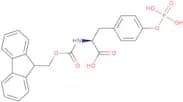
Formule :C15H11ClO2Degré de pureté :Min. 95%Couleur et forme :White PowderMasse moléculaire :258.7 g/molFmoc-O-phospho-L-tyrosine
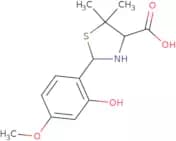
CAS :Fmoc-O-phospho-L-tyrosine is a synthetic compound that belongs to the class of phosphatase inhibitors. It is a potent inhibitor of tyrosine phosphatases, which are enzymes that regulate cellular signaling. Fmoc-O-phospho-L-tyrosine has been shown to inhibit phosphorylation of the insulin receptor and may have an inhibitory effect on other tyrosine kinases. Inhibition of these enzymes results in increased levels of intracellular tyrosine, which can lead to inhibition of protein synthesis and cell proliferation. Fmoc-O-phospho-L-tyrosine has been shown to be effective against growth in cell culture, although more research is needed.Formule :C24H22NO8PDegré de pureté :Min. 95%Couleur et forme :White PowderMasse moléculaire :483.41 g/mol2-(2-Hydroxy-4-methoxyphenyl)-5,5-dimethyl-4-thiazolidinecarboxylic acid
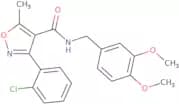
CAS :Please enquire for more information about 2-(2-Hydroxy-4-methoxyphenyl)-5,5-dimethyl-4-thiazolidinecarboxylic acid including the price, delivery time and more detailed product information at the technical inquiry form on this pageFormule :C13H17NO4SDegré de pureté :Min. 95%Couleur et forme :PowderMasse moléculaire :283.34 g/molN-((3,4-dimethoxyphenyl)methyl)(3-(2-chlorophenyl)-5-methylisoxazol-4-yl)formamide
CAS :Please enquire for more information about N-((3,4-dimethoxyphenyl)methyl)(3-(2-chlorophenyl)-5-methylisoxazol-4-yl)formamide including the price, delivery time and more detailed product information at the technical inquiry form on this pageDegré de pureté :Min. 95%2-(2-(2-Chloro-3-(2-(1,3 ,3-trimethylindolin-2-ylidene)ethylidene)cyclopent-1-enyl)vinyl)-1,3 ,3-trimethyl-3H-indolium4-methylbenzenesulfonate
CAS :2-(2-(2-Chloro-3-(2-(1,3,3-trimethylindolin-2-ylidene)ethylidene)cyclopent-1-enyl)vinyl)-1,3,3-trimethyl-3H-indolium4-methylbenzenesulfonate is a fine chemical that belongs to the class of indole derivatives. It is a versatile building block for the synthesis of various compounds. 2-(2-(2-Chloro-3-(2-(1,3,3-trimethylindolin-2-ylidene)ethylidene)cyclopent-1 -enyl)vinyl)-1,3,3 -trimethyl - 3H - indolium4 - methylbenzenesulfonate can be used in the synthesis of organic compounds and other heterocyclic compounds. This compound can also be used as a reagent or specialFormule :C38H41ClN2O3SDegré de pureté :Min. 98 Area-%Couleur et forme :PowderMasse moléculaire :641.26 g/molH-Thr-Phe-Leu-Leu-Arg-NH2
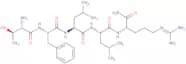
CAS :H-Thr-Phe-Leu-Leu-Arg-NH2 is a peptide that has been shown to reduce the severity of lung inflammation and injury in rats with pulmonary hypertension. It also prevents the release of proinflammatory cytokines such as tumor necrosis factor alpha (TNFα) and interleukin 6 (IL6). This peptide also induces an antibody response against collagen gel, which is used to treat fibrotic diseases and wounds. The peptide binds to the soybean trypsin inhibitor, preventing it from inhibiting protease enzymes, thereby allowing for protein synthesis. H-Thr-Phe-Leu-Leu-Arg-NH2 has been shown to have antiapoptotic effects by restoring mitochondrial membrane potential in cancer cells. This peptide can be used as a therapeutic agent for various diseases including primary pulmonary hypertension, cancer tissues, and mitochondrial disorders.Formule :C31H53N9O6Degré de pureté :Min. 95%Couleur et forme :White PowderMasse moléculaire :647.81 g/molCyclo(-Leu-Trp)
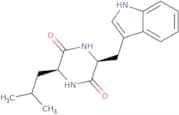
CAS :Cyclo(-Leu-Trp) is a sweetener that has been used in the food industry for many years. Cyclo(-Leu-Trp) is able to bind with quinine and form a complex that can be detected using analytical methods. Cyclo(-Leu-Trp) has been investigated as a ligand that may be able to bind to receptors on cancer cells, which could lead to new treatments for cancer. Cyclo(-Leu-Trp) also has amphipathic properties and can form liposomes at high concentrations. This molecule has also been studied for its ability to induce transduction of DNA into bacterial cells and cellular thermogenesis.Formule :C17H21N3O2Degré de pureté :Min. 98 Area-%Couleur et forme :PowderMasse moléculaire :299.37 g/mol2-Hydroxy-4'-(2-hydroxyethoxy) -2-methylpropiophenone
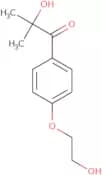
CAS :2-Hydroxy-4'-(2-hydroxyethoxy)-2-methylpropiophenone is a reactive chemical substance that has been shown to have significant cytotoxicity and biological properties. It is used in the treatment of cervical cancer and has been shown to inhibit the growth of cancer cells. This compound is found in a number of commercial products, including sunscreens and hair dyes, but its use may be limited due to its photochemical reactivity. The structure of 2HEPP was determined using nuclear magnetic resonance (NMR) spectroscopy and mass spectrometry. The chemical formula for 2HEPP is C10H14O3. It has a molecular weight of 192.22 g/mol and an empirical formula of C10H14O3. 2HEPP is soluble in methanol, acetone, ether, chloroform, benzene, ethanol, ethyl acetate, diethyl ether, and acetonFormule :C12H16O4Degré de pureté :Min. 95%Couleur et forme :White PowderMasse moléculaire :224.25 g/molDisopyramid
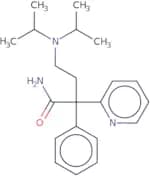
CAS :Produit contrôléa-[2-(Diisopropylamino)ethyl]-a-phenyl-2-pyridineacetamide is a hydrogen bond donor. It has been shown to have cytotoxicity in vitro, with parameters that can be used for accurate prediction of descriptors. These descriptors are informative and insightful, which can be used for regression analyses and linear regression methods. The pharmacokinetic properties of a-[2-(Diisopropylamino)ethyl]-a-phenyl-2-pyridineacetamide have been studied in humans and have shown linearity between dose and plasma concentration.
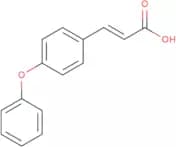
Formule :C21H29N3OCouleur et forme :White PowderMasse moléculaire :339.47 g/mol4-Phenoxycinnamic acid
CAS :4-Phenoxycinnamic acid is a useful scaffold and building block in organic chemistry. It is a versatile chemical intermediate with a CAS number of 2215-83-0, often used in the synthesis of other molecules. 4-Phenoxycinnamic acid has recently been shown to be an effective reagent for the conversion of nitrobenzene to benzyl alcohols, which are useful in the production of pharmaceuticals. This compound can also be used as a high-quality research chemical and as a speciality chemical for use in laboratory experimentation.Formule :C15H12O3Degré de pureté :Min. 95%Couleur et forme :PowderMasse moléculaire :240.25 g/mol1-Fluoro-3-methoxy-2-nitrobenzene
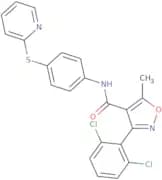
CAS :1-Fluoro-3-methoxy-2-nitrobenzene is a versatile building block that can be used as a scaffold for the synthesis of complex compounds. It is also used as a reaction component in research and development, especially in the production of pharmaceuticals, pesticides and other chemicals. 1-Fluoro-3-methoxy-2-nitrobenzene has many uses in the production of high quality reagents, such as pharmaceutical intermediates, dyes, and explosives.Formule :C7H6FNO3Degré de pureté :Min. 95%Masse moléculaire :171.13 g/mol(3-(2,6-dichlorophenyl)-5-methylisoxazol-4-yl)-N-(4-(2-pyridylthio)phenyl)formamide
CAS :Please enquire for more information about (3-(2,6-dichlorophenyl)-5-methylisoxazol-4-yl)-N-(4-(2-pyridylthio)phenyl)formamide including the price, delivery time and more detailed product information at the technical inquiry form on this pageDegré de pureté :Min. 95%Fmoc-Phe(4-NO2)-Wang resin
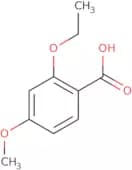
Fmoc-Phe(4-NO2)-Wang resin is a versatile and useful building block, which can be used as a reagent, speciality chemical, and useful scaffold. This compound has been shown to be a useful building block in the synthesis of complex compounds with high quality. Fmoc-Phe(4-NO2)-Wang resin is also a useful intermediate in the synthesis of research chemicals.Couleur et forme :White Powder2-Ethoxy-4-methoxybenzoic acid
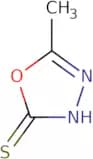
CAS :2-Ethoxy-4-methoxybenzoic acid is a versatile chemical compound that can be used as a building block in the synthesis of complex compounds. It has been used as an intermediate in the production of other chemicals and has been shown to be useful as a scaffold for drug design. 2-Ethoxy-4-methoxybenzoic acid is also used in research to study bacterial resistance to antibiotics and its ability to inhibit DNA replication. CAS No. 55085-15-9Formule :C10H12O4Degré de pureté :Min. 95%Couleur et forme :PowderMasse moléculaire :196.2 g/mol5-Methyl-1,3,4-oxadiazole-2-thiol
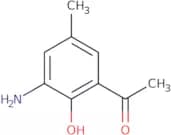
CAS :5-Methyl-1,3,4-oxadiazole-2-thiol is an inhibitor of the reductoisomerase enzyme. It has been shown to inhibit the growth of Brassica species, leading to a herbicidal effect. This compound also has a biological activity that inhibits the biosynthesis of methionine and threonine in bacteria.Formule :C3H4N2OSDegré de pureté :Min. 95 Area-%Couleur et forme :PowderMasse moléculaire :116.14 g/mol3-Amino-2-hydroxy-5-methylacetophenone
CAS :3-Amino-2-hydroxy-5-methylacetophenone is a reagent for organic synthesis, which is used as a building block for the preparation of various chemical compounds. 3-Amino-2-hydroxy-5-methylacetophenone has been shown to be an intermediate in the synthesis of pharmaceuticals. Due to its versatility, this compound can be used as a reaction component, and is also used as a building block in the preparation of speciality chemicals. This product has high quality, and can be used as a useful scaffold or building block in research chemicals. The CAS number for 3-amino-2 hydroxy 5 methyl acetophenone is 70977 71 8.Formule :C9H11NO2Degré de pureté :Min. 95%Masse moléculaire :165.19 g/molN2-Phenoxyacetyl guanine
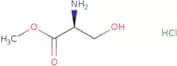
CAS :N2-Phenoxyacetyl guanine is a labile nucleoside that can be synthesized by the aminoacylation of guanosine with phenoxyacetic acid. It has been shown to have an important role in oxidative DNA damage, which may lead to mutagenesis and cancer. N2-Phenoxyacetyl guanine is stereoselective and binds preferentially to the GGC sequence, and it is also aminopropylated at its 2′ position. This nucleoside is not ionizing but can be degraded by radiation or enzymes such as deaminases.Formule :C13H11N5O3Degré de pureté :Min. 95%Masse moléculaire :285.26 g/molL-Serine methyl ester HCl
CAS :L-Serine methyl ester HCl is a non-steroidal anti-inflammatory agent that is used in the treatment of blood disorders. L-Serine methyl ester HCL inhibits the production of leukotrienes, which are mediators of inflammatory responses. It does this by inhibiting the enzyme 5-lipoxygenase and therefore reducing the production of lipid mediators such as leukotrienes, prostaglandins, and thromboxanes. L-Serine methyl ester HCl also has been shown to have biological properties that inhibit hyperproliferative diseases in rats.Formule :C4H9NO3·HClDegré de pureté :Min. 98 Area-%Couleur et forme :PowderMasse moléculaire :155.58 g/molN-(4-methylthio(3H-2,3,5-triazolyl))-3-phenylprop-2-enamide
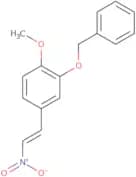
CAS :Please enquire for more information about N-(4-methylthio(3H-2,3,5-triazolyl))-3-phenylprop-2-enamide including the price, delivery time and more detailed product information at the technical inquiry form on this pageFormule :C12H12N4OSDegré de pureté :Min. 95%Couleur et forme :PowderMasse moléculaire :260.32 g/mol1-(3-Benzyloxy-4-methoxyphenyl)-2-nitroethene
CAS :1-(3-Benzyloxy-4-methoxyphenyl)-2-nitroethene (1BMN) is an ethanamine that has a skeleton of five benzene and one methoxybenzene rings. It is an analogue of lamellarin, which has been shown to have efficient synthetic and biological properties. 1BMN is biologically active as a lamellarin analog and may be useful for the treatment of diseases such as cancer, malaria, hypertension, hyperglycemia, hypercholesterolemia, and ulcerative colitis. 1BMN is synthesized from 2-nitroethanol by reacting with 3-bromobenzaldehyde in the presence of sodium hydroxide. This reaction results in the formation of 1BMN in high yield with few side reactions.
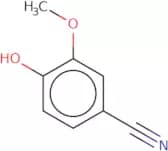
Formule :C16H15NO4Degré de pureté :Min. 95%Couleur et forme :PowderMasse moléculaire :285.29 g/mol4-Hydroxy-3-methoxybenzonitrile
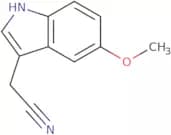
CAS :4-Hydroxy-3-methoxybenzonitrile is a synthetic compound that is used in the synthesis of a variety of other organic compounds. The hydroxyl group on the 3-position of this molecule reacts with nitrogen nucleophiles, such as tetrazole, to form amides. 4-Hydroxy-3-methoxybenzonitrile also has the ability to act as a substrate for tyrosinase and demethylate. This property makes it useful in the synthesis of linear dNMPs and oligodeoxynucleotides.Formule :C8H7NO2Degré de pureté :Min. 98%Couleur et forme :PowderMasse moléculaire :149.15 g/mol5-Methoxyindole-3-acetonitrile
CAS :5-Methoxyindole-3-acetonitrile is a synthetic compound used as a reference for the synthesis of melatonin. It is produced by the addition of magnesium to 5-methoxyindole, followed by reaction with cyanide and nitrile. The synthesis of this compound was first published in 1938 and has since been used as a reference for many other studies. It has been shown that 5-methoxyindole-3-acetonitrile has high performance liquid chromatography properties, with a linear range from 0.5 to 50 mg/mL and an ultraviolet spectrum that falls within the region between 220 nm and 400 nm. A molecular modeling study was conducted on this compound, which showed that it conforms with 4-hydroxy indole ring systems found in natural products such as tryptophan and serotonin. This product also has fluorescent properties, which are caused by its electron withdrawing group (cyano).Formule :C11H10N2ODegré de pureté :Min. 95%Couleur et forme :PowderMasse moléculaire :186.21 g/molD-Phenylalaninol
CAS :D-Phenylalaninol is a chiral, optically active molecule. It is a salt of hydrochloride that is used as a chemical intermediate in the synthesis of other drugs. D-Phenylalaninol has been shown to inhibit mitochondrial membrane potential and decrease hydrogen bond interactions, which may be due to its ability to bind to chloride ions. In addition, this compound has been shown to inhibit pancreatic lipase activity and l-phenylalanine oxidase activity in mammalian cells.
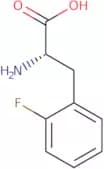
Formule :C9H13NODegré de pureté :Min. 95%Masse moléculaire :151.21 g/mol2-Fluoro-L-phenylalanine
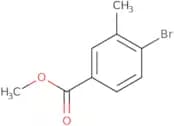
CAS :2-Fluoro-L-phenylalanine is a metallic compound that belongs to the group of polyvinyl acetal inhibitors. It is commonly used in the production of antibodies and as a catalyst for various reactions. This compound has been shown to inhibit the activity of hydrogen fluoride, silver ions, and chloride in different chemical processes. Additionally, 2-Fluoro-L-phenylalanine has been found to interact with human immunoglobulin and phosphatase enzymes, affecting their functionality. Researchers also utilize this compound in experiments involving catalysts and hydrogen atom transfer reactions. If you're looking for high-quality research chemicals, 2-Fluoro-L-phenylalanine is an excellent option.Formule :C9H10FNO2Degré de pureté :Min. 95%Couleur et forme :SolidMasse moléculaire :183.18 g/molMethyl 4-bromo-3-methylbenzoate
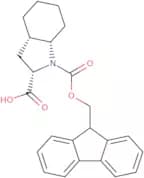
CAS :Methyl 4-bromo-3-methylbenzoate is an aryl boronic acid that has been used in the study of lactams. It has been shown to interact with acidic substances and crystal x-ray diffraction has revealed it to be a carbonyl reductant. Functional theory suggests that this compound is capable of reducing an ester or carboxylic acid using hydrogen gas, forming an alcohol and a carboxylic acid. Methyl 4-bromo-3-methylbenzoate also reacts with maleic anhydride, unsymmetrical dihydroxyacetone, photochromism, and constant light. X-ray crystal structures have revealed the molecule's molecular structure. The methyl group is attached to the 3rd carbon atom on the benzene ring, while the bromine atom is located at the 4th carbon atom on the benzene ring. The carbon atoms are connected through single bonds and there are twoFormule :C9H9BrO2Degré de pureté :Min. 95%Masse moléculaire :229.07 g/molFmoc-L-octahydroindole-2-carboxylic acid
CAS :Fmoc-L-octahydroindole-2-carboxylic acid is a synthetic amino acid that is used in the synthesis of peptides and proteins. It has been shown to be an agonistic ligand for the acetylcholine receptor and may be used as an anti-inflammatory drug. Fmoc-L-octahydroindole-2-carboxylic acid is synthesized by combining piperidine and fmoc-glycine, followed by condensation with iminoacetic acid. The synthesis of this compound can be achieved through solid phase synthesis or chemical methods. The removal of the FMOC group requires acidic conditions such as trifluoroacetic acid or hydrochloric acid.Formule :C24H25NO4Degré de pureté :Min. 98 Area-%Couleur et forme :White PowderMasse moléculaire :391.46 g/mol1-Methyl-D-tryptophan
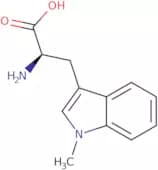
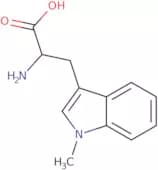
CAS :Produit contrôlé1-Methyl-D-tryptophan (1MT) is a metabolite of tryptophan. It has been shown to inhibit the enzyme IDO1, which is involved in the production of tumor necrosis factor (TNF), and to possess immunomodulatory effects. 1MT may be useful for the treatment of cancer, as it has been shown to inhibit growth and induce apoptosis in human liver and brain tumor cells, as well as in human leukemia cells. 1MT also inhibits the proliferation of myeloid-derived suppressor cells and increases their sensitivity to cytotoxic drugs.
Formule :C12H14N2O2Degré de pureté :Min. 95%Couleur et forme :PowderMasse moléculaire :218.25 g/mol1-(4-Methoxyphenyl)piperazine hydrochloride
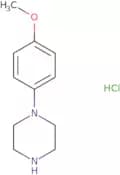
CAS :Produit contrôlé1-(4-Methoxyphenyl)piperazine hydrochloride is a high-potency inhibitor of the K+ channels. It has been shown to inhibit the activity of these channels in lead compound screening and optimization. The modification of potassium channels by 1-(4-Methoxyphenyl)piperazine hydrochloride has been evaluated using a patch clamp technique on rat erythrocytes. This inhibitory activity was found to be concentration dependent and voltage sensitive. 1-(4-Methoxyphenyl)piperazine hydrochloride was also shown to have pharmacological effects, such as analgesia, sedation and muscle relaxation.Formule :C11H16N2O•HClDegré de pureté :Min. 95%Masse moléculaire :228.72 g/molo-Phenanthroline monohydrochloride monohydrate
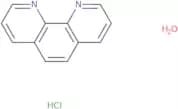
CAS :o-Phenanthroline monohydrochloride monohydrate is a ligand that is used in crystallography to study the crystal structure of metal ions. It has been shown to be an efficient catalyst for the ring-opening of chloroformates, and can also be used as an analytical reagent that is capable of detecting chlorine in organic compounds. The hydrate form of o-phenanthroline monohydrochloride has a molecular formula of C12H14ClN3O4·2H2O and a molecular weight of 392.7 g/mol.Formule :C12H8N2·HCl·H2OCouleur et forme :PowderMasse moléculaire :234.68 g/mol3-Hydroxy-4-methoxybenzoic acid methyl ester
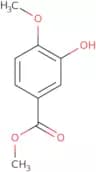
CAS :3-Hydroxy-4-methoxybenzoic acid methyl ester is a phenolic acid that is a potent inhibitor of tyrosinase activity. It has been shown to inhibit the growth of cancer cells by binding to 5-HT2A receptors and inhibiting the production of epidermal growth factor, which leads to a decrease in the expression of tyrosinase. 3-Hydroxy-4-methoxybenzoic acid methyl ester has also been shown to have an inhibitory effect on the synthesis of protocatechuic acid and acetate extract from soybean. This compound was found to be more effective than kojic acid, arbutin, and ascorbic acid.Formule :C9H10O4Degré de pureté :Min. 95%Couleur et forme :PowderMasse moléculaire :182.17 g/mol2-Phenyl-malononitrile
CAS :2-Phenyl-malononitrile is an amide with a malonic acid group. It is a nucleophilic agent that inhibits the activity of histone deacetylases (HDACs). 2-Phenyl-malononitrile binds to the zinc ion in the active site of HDACs, preventing them from catalyzing the removal of acetyl groups from lysine residues on histones and other proteins. The use of 2-phenyl-malononitrile as an inhibitor has been shown to be effective against lipid kinases and protein targets of oxidative stress. It also inhibits transfer reactions involving oxygen nucleophiles, such as hydrochloric acid or carbonyl compounds. In addition, 2-phenyl-malononitrile has been shown to have pharmaceutical preparations for inhibiting cancer cell growth by targeting proteins involved in transcriptional regulation.
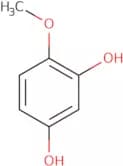
Formule :C9H6N2Degré de pureté :Min. 95%Couleur et forme :SolidMasse moléculaire :142.16 g/mol4-Methoxyresorcinol
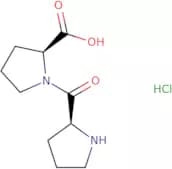
CAS :4-Methoxyresorcinol is a chemical compound that has the molecular formula CHNO. It has a hydroxyl group in the 4-position and a methyl group on the 8-position. The intramolecular hydrogen of this molecule is denatured by heating to about 220°C. This process converts it into resorcinol, which is structurally similar but has different properties. 4-Methoxyresorcinol can be used as a polymerization initiator for polycarboxylic acid or quinoline derivatives, and its analytical methods are used in determining its structure.Formule :C7H8O3Degré de pureté :Min. 95%Couleur et forme :PowderMasse moléculaire :140.14 g/molH-Pro-Pro-OH·HCl
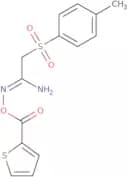
CAS :H-Pro-Pro-OH·HCl is a fine chemical that is commonly used as a building block for organic synthesis. This compound is soluble in water, making it an ideal reactant for use in reactions involving peptides and proteins. H-Pro-Pro-OH·HCl is also useful as an intermediate, research chemical, or speciality chemical. It has been used as a reagent for the preparation of other chemicals and has shown high quality performance in reactions with nucleophiles.Formule :C10H16N2O3·HClDegré de pureté :Min. 95%Couleur et forme :White PowderMasse moléculaire :248.71 g/mol2-Amino-1-aza-3-((4-methylphenyl)sulfonyl)prop-1-enyl thiophene-2-carboxylate
CAS :Please enquire for more information about 2-Amino-1-aza-3-((4-methylphenyl)sulfonyl)prop-1-enyl thiophene-2-carboxylate including the price, delivery time and more detailed product information at the technical inquiry form on this pageFormule :C14H14N2O4S2Degré de pureté :Min. 95%Couleur et forme :PowderMasse moléculaire :338.4 g/molH-Orn-Orn-Orn-OH acetate salt
CAS :H-Orn-Orn-Orn-OH acetate salt is a chemical compound with the molecular formula C10H14O2. It is used as a building block in organic chemistry, often as an intermediate for the synthesis of other compounds, or as a reagent.Formule :C15H32N6O4Degré de pureté :Min. 95%Couleur et forme :PowderMasse moléculaire :360.45 g/molFmoc-NH-PEG8-CH2CH2COOH
CAS :Fmoc-NH-PEG8-CH2CH2COOH is a PEG compound with two different functional groups (also known as heterobifunctional). Unlike homobifunctional PEG compounds (same functional group on both ends), this type of compounds are more versatile as have two different anchor points. Fmoc-NH-PEG8-CH2CH2COOH is used as a linker and spacer to add a PEG moiety, via pegylation (a bioconjugation technique) to proteins, peptides, oligonucleotides, small molecules and nanoparticles.Formule :C34H49NO12Degré de pureté :Min. 95%Couleur et forme :Colorless PowderMasse moléculaire :663.75 g/molAmyloid β-Protein (40-1) hydrochloride salt
CAS :Hydrochloride salt
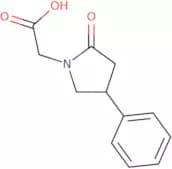
Formule :C194H295N53O58SDegré de pureté :Min. 95%Masse moléculaire :4,329.81 g/mol(2-Oxo-4-phenylpyrrolidin-1-yl)acetic acid
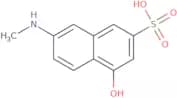
CAS :Phenotropil is a nootropic drug that belongs to the group of aromatic amines. It is a high-activity, active compound with optical activity and an analyzed structure. Phenotropil has been shown to be safe and effective in the treatment of overweight patients with mild cognitive impairment (MCI). Phenotropil has also been used as an adjuvant therapy for brain trauma and cerebrovascular diseases. The most common side effects are nausea, vomiting, diarrhea, dizziness, headache, agitation, drowsiness, insomnia, depression, and hallucinations. Phenotropol can exist as two optical isomers: R-(+)-phenylpiracetam and S-(-)-phenylpiracetam. These optical isomers have different pharmacological properties.Formule :C12H13NO3Degré de pureté :Min. 95%Couleur et forme :PowderMasse moléculaire :219.24 g/mol4-Hydroxy-7-methylamino-2-naphthalenesulfonicacid
CAS :4-Hydroxy-7-methylamino-2-naphthalenesulfonic acid is used as a diazo dye in the textile industry. This compound is used to produce diazotization and then cyanuric chloride by the reaction of 4-hydroxy-7-methylamino-2-naphthalenesulfonic acid with sodium nitrite and hydrochloric acid. The condensate from this reaction is dissolved in an alkaline solution, which reacts with sodium bicarbonate to produce a reactive physicochemical substance that can be used for dyeing fabrics.Formule :C11H11NO4SDegré de pureté :Min. 96 Area-%Couleur et forme :Slightly Brown PowderMasse moléculaire :253.28 g/mol4-Methylbiphenyl
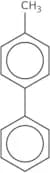
CAS :4-Methylbiphenyl is a chemical compound that belongs to the group of biphenyls. It can be synthesized by reacting methanol with trifluoroacetic acid in the presence of hydrogen fluoride, or it can be extracted from coal tar. The reaction mechanism for this synthesis is similar to the reaction between benzene and nitric acid, which produces nitrobenzene and nitrous oxide as reaction products. 4-Methylbiphenyl has a high selectivity for diazonium salt formation and reacts with diphenyl ether to produce diphenyldiazonium chloride. This compound is soluble in solvents such as carbon disulfide, chloroform, benzene, acetone, ethanol, ethylene dichloride, ethylene glycol monomethylether acetate (EGMEA), dimethoxyethane (DME) and diethylether. 4-MethylbiphenylFormule :C13H12Degré de pureté :Min. 95%Couleur et forme :White PowderMasse moléculaire :168.23 g/mol1-Ethyl-3-methylimidazolium chloride
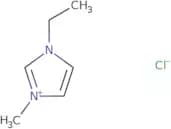
CAS :1-Ethyl-3-methylimidazolium chloride (EMIMCl) is a coordination complex that is acidic and soluble in water. It has transport properties and chemical stability, with a low redox potential of 0.161 V. EMIMCl can be used to produce ionic liquids that are stable and dissolve many organic molecules. EMIMCl has been shown to react with glycosidic bonds in cellulose to produce ionic cellulose, which can then be dissolved in the ionic liquid. The thermal expansion of EMIMCl is about 3.2 x 10^-6/°C at 300 K, while the thermal expansion coefficient for crystalline cellulose is about 9 x 10^-6/°C at 300 K.Formule :C6H11ClN2Degré de pureté :Min. 95%Couleur et forme :PowderMasse moléculaire :146.62 g/molalpha-Methylanisalacetone
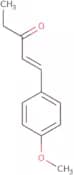
CAS :Alpha-Methylanisalacetone is a chemical substance that is used as a reagent in the production of other chemicals. It is also an allergen and a sensitizer, which may cause health risks. Alpha-Methylanisalacetone can react with trifluoroacetic acid to form alpha-methylbenzeneacetic acid, which can be detected by an ionization detector. This reaction takes about 1 hour. The fluid extract from alpha-methylanisalacetone contains histidine, which reacts with the reagent 2,4-dinitrophenylhydrazine hydrochloride and produces dinitrophenylhydrazine. The analytical method for alpha-methylanisalacetone involves measuring the turbidity of the solution at 660 nm using a spectrophotometer.Formule :C12H14O2Degré de pureté :Min. 95%Couleur et forme :White PowderMasse moléculaire :190.24 g/mol1-Methyl-DL-tryptophan
CAS :Produit contrôlé1-Methyl-DL-tryptophan is a chemical that inhibits the production of tumor necrosis factor (TNF) in mice with a tumor. The compound has been shown to be effective against infectious diseases, including HIV, by inhibiting the production of TNF and other cytokines. 1-Methyl-DL-tryptophan also has the ability to inhibit the activity of toll-like receptor 4 and toll-like receptor 5, which are important in inflammatory responses. 1-Methyl-DL-tryptophan is an indoleamine and may have anti-cancer properties due to its ability to inhibit polymerase chain reaction (PCR).Formule :C12H14N2O2Degré de pureté :Min. 95%Couleur et forme :PowderMasse moléculaire :218.25 g/mol7-Amino-2-(4-methoxyphenyl)[1,2,4]triazolo[1,5-a]pyrimidin-5(4H)-one
CAS :7-Amino-2-(4-methoxyphenyl)[1,2,4]triazolo[1,5-a]pyrimidin-5(4H)-one is a fine chemical that belongs to the category of versatile building blocks. It can be used as a reagent for research purposes and as a speciality chemical for the production of complex compounds. This compound is also an important building block for the synthesis of compounds with high quality and useful scaffolds.Formule :C12H11N5O2Degré de pureté :Min. 95%Couleur et forme :PowderMasse moléculaire :257.25 g/molD-Proline
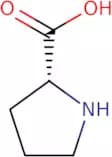
CAS :D-Proline is a non-essential amino acid that can be synthesized by the body. It is a racemic mixture of the two stereoisomers, L-proline and D-proline. Research has shown that D-proline inhibits the enzyme racemase, which converts L-proline to D-proline. Racemase inhibition leads to an accumulation of L-proline, which may reduce disease activity in some cases. D-Proline also inhibits liver cells and trigeminal nerve cells, leading to decreased pain. The asymmetric synthesis of picolinic acid from D-pyridoxal 5'-phosphate catalyzed by prolinase occurs at a pH optimum around 2.8. This reaction is used as a model system for studying chemical biology and antimicrobial peptides. D-Proline can be found in E coli K12 and other bacteria with analytical chemistry techniques such as gas chromatography mass spectrometry (GCFormule :C5H9NO2Couleur et forme :PowderMasse moléculaire :115.13 g/molO-tert-Butyl-D-serine t-butyl ester hydrochloride
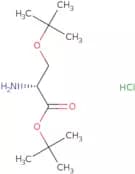
CAS :O-tert-Butyl-D-serine t-butyl ester hydrochloride is a reaction component that can be used as a reagent in research and chemical synthesis. This compound is useful for the synthesis of complex compounds, such as pharmaceuticals and agrochemicals. It is also used in the production of fine chemicals, such as dyes and perfumes. CAS No. 179559-35-4Formule :C11H23NO3·HClDegré de pureté :Min. 95%Couleur et forme :PowderMasse moléculaire :253.77 g/mol1-(2-Methoxyphenyl)-2-nitroethane
CAS :1-(2-Methoxyphenyl)-2-nitroethane is a natural alkaloid that is found in the plant Piper methysticum. This compound has been shown to inhibit the transformation of nitroalkenes to nitropropene and nitrobenzene. The synthetic studies on this compound are mainly focused on its effects on other nitroalkenes. It has been shown that 1-(2-methoxyphenyl)-2-nitroethane can be used as an inhibitor of cyclization reactions, such as the synthesis of indole alkaloids, which are important in many pharmacological processes and biological systems.Formule :C9H9NO3Degré de pureté :Min. 95%Couleur et forme :PowderMasse moléculaire :179.17 g/molN-Methylisoamylamine
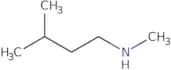
CAS :N-Methylisoamylamine is a molecule that has been found to bind to opioid receptors in the brain, leading to pain relief. It also binds to monoamine oxidase (MAO) and prevents it from breaking down neurotransmitters such as dopamine and serotonin. The drug is an enantiomer of methylamine. This means that it has two chiral centers, which are not identical. N-Methylisoamylamine binds to phosphine in deionized water, forming a cycloaliphatic compound. This reaction is catalyzed by aminotriazole, which is present in tobacco leaves. N-Methylisoamylamine can be used as a binder for hydrogen peroxide and hydrochloric acid, or as a peroxide decomposition catalyst for sulfophenyl compounds. It may also be used as a silicon additive in the manufacturing of semiconductors.Formule :C6H15NDegré de pureté :Min. 97 Area-%Couleur et forme :Clear LiquidMasse moléculaire :101.19 g/molL-b-Phenyllactic acid
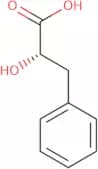
CAS :L-b-Phenyllactic acid is a monocarboxylic acid that is found in urine. It has an inhibitory effect on the binding of certain inhibitors, such as fatty acids and malic acid, to their receptors. L-b-Phenyllactic acid also inhibits the binding of some drugs, such as L-DOPA, to their receptors. This inhibition may be due to hydrogen bonding or receptor binding interactions with specific amino acids in the receptor protein. L-b-Phenyllactic acid has been shown to have cytotoxic effects on leukemia cells and is used for animal experiments.Formule :C9H10O3Degré de pureté :Min. 95%Couleur et forme :PowderMasse moléculaire :166.17 g/mol3-Bromo-6-chloro-7-methylchromone
CAS :3-Bromo-6-chloro-7-methylchromone is a fine chemical that is useful as a building block in organic synthesis. It is a versatile intermediate, and can be used as a reaction component in various chemical reactions. 3-Bromo-6-chloro-7-methylchromone has a CAS number of 263365-48-6 and is classified as a complex compound. This chemical is mainly used for the preparation of other chemicals with more desirable properties.
Formule :C10H6BrClO2Degré de pureté :Min. 95%Couleur et forme :PowderMasse moléculaire :273.51 g/mol1-Butyl-3-methylimidazolium bromide
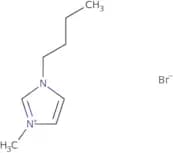
CAS :1-Butyl-3-methylimidazolium bromide is an ionic liquid that has been shown to be a good solvent for cellulose. It is also biocompatible and can be used as a polymer matrix for copper chloride. 1-Butyl-3-methylimidazolium bromide has been shown to be a good model system for studying the interaction between ions and water vapor in liquids. It has been observed that 1-butyl-3-methylimidazolium bromide undergoes hydrogen bonding interactions with water molecules, which may provide the driving force for its solvation of cellulose.Formule :C8H15BrN2Degré de pureté :(¹H-Nmr) Min. 95 Area-%Couleur et forme :PowderMasse moléculaire :219.12 g/mol4.6-Dihydroxy-2-methylpyrimidine
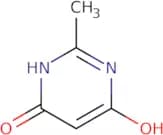
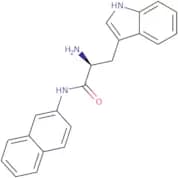
CAS :4,6-Dihydroxy-2-methylpyrimidine is a monomer that is used in the synthesis of polyurethanes. It is an intermediate in the reaction between hydrochloric acid and nitrous acid, which produces 4,6-dichloro-2-methylpyrimidine. The reaction mechanism involves transfer of a methyl group from an organic molecule to hydrochloric acid. This reaction can be carried out at either low or high pH values. The addition of magnesium salt increases the rate of the reaction by increasing the solubility of chloroformate in water. When ethyl esters are used as starting materials, a constant conversion rate can be obtained with a large excess of magnesium salt.Formule :C5H6N2O2Degré de pureté :Min 99%Couleur et forme :PowderMasse moléculaire :126.11 g/molL-Tryptophan β-naphthylamide
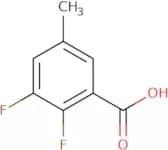
CAS :L-Tryptophan beta-naphthylamide is a fine chemical that is useful for research purposes. It can be used as a versatile building block in the synthesis of other chemicals and can also be used as a reaction component. L-Tryptophan beta-naphthylamide has been used to synthesize complex compounds such as 5,6-dihydroindolizine, which has been shown to have anti-inflammatory properties. This compound can also be used as a reagent in organic synthesis.Formule :C21H19N3ODegré de pureté :Min. 95%Couleur et forme :PowderMasse moléculaire :329.4 g/mol2,3-Difluoro-5-methylbenzoic acid
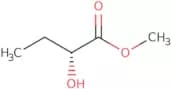
CAS :2,3-Difluoro-5-methylbenzoic acid is a versatile building block that can be used as a reagent in organic chemistry. It is a useful intermediate for the synthesis of more complex compounds. The compound is also a useful scaffold for the preparation of new chemical entities for research purposes.Formule :C8H6F2O2Degré de pureté :Min. 95%Couleur et forme :PowderMasse moléculaire :172.13 g/mol(R)-Methyl 2-hydroxybutanoate
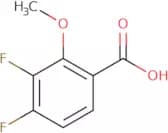
CAS :(R)-Methyl 2-hydroxybutanoate is a synthetic chemical that is used in the esterification reaction to produce methyl esters and as an industrial solvent. This chemical can be synthesized by the reaction of (R)-methyl acetoacetate and hydrochloric acid. The technique for this chemical is a two-step process, which includes hydroxylation followed by hydrogenolysis. The yield rate for this chemical is about 98%.Formule :C5H10O3Degré de pureté :Min. 95%Couleur et forme :Clear LiquidMasse moléculaire :118.13 g/mol3,4-Difluoro-2-methoxybenzoic acid
CAS :3,4-Difluoro-2-methoxybenzoic acid is a chemical compound that can be used as a reaction component or reagent. It is also a useful scaffold for organic synthesis of complex compounds and can be used as a building block to produce fine chemicals. 3,4-Difluoro-2-methoxybenzoic acid has the CAS number 875664-52-1 and is listed under the chemical name 3,4-difluoro-2-methoxybenzoic acid.
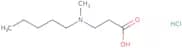
Formule :C8H6F2O3Degré de pureté :Min. 95%Couleur et forme :PowderMasse moléculaire :188.13 g/mol3-(N-Methyl-N-pentylamino)propionic acid hydrochloride
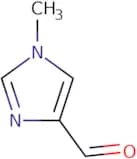
CAS :Trichloroethylene is a chlorinated hydrocarbon that is primarily used as a solvent. The propionic acid is the monosodium salt of 3-(N-Methyl-N-pentylamino)propionic acid hydrochloride, which is an organic compound. The monohydrate and trichloride are two polymorphic forms of this substance. Acetone and unreacted Trichloroethylene are substances that may be formed during the chemical process. The alkaline form of Trichloroethylene may be obtained by refluxing the substance with sodium hydroxide in water or with potassium hydroxide in alcohol. This substance can also exist in a polymorphic form.Formule :C9H20ClNO2Degré de pureté :Min. 95%Couleur et forme :PowderMasse moléculaire :209.71 g/mol1-Methyl-1H-imidazole-4-carbaldehyde
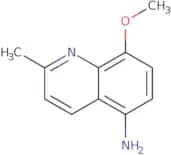
CAS :1-Methyl-1H-imidazole-4-carbaldehyde is an Imidazole derivative. Imidazoles are the most prominent heterocyclic scaffolds found in medical molecules and natural products. Due to the peculiar structural characteristics of imidazole, it is advantageous for imidazole groups to combine with various receptors and enzymes in biological systems, through diverse weak interactions. 1-Methyl-1H-imidazole-4-carbaldehyde is one of many imidazole derivatives that are used as building blocks for a wide variety of target compounds.Formule :C5H6N2ODegré de pureté :Min. 95%Couleur et forme :Slightly Yellow PowderMasse moléculaire :110.11 g/mol8-Methoxy-2-methylquinolin-5-amine monohydrochloride
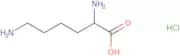
CAS :8-Methoxy-2-methylquinolin-5-amine monohydrochloride is a fine chemical that is used as a versatile building block in the synthesis of complex compounds. 8-Methoxy-2-methylquinolin-5-amine monohydrochloride is an intermediate for the production of research chemicals and pharmaceuticals. It can be used to synthesize speciality chemicals, useful scaffolds, and reagents. It also has a wide range of applications as a reaction component in synthetic organic chemistry. 8-Methoxy-2-methylquinolin-5-amine monohydrochloride has high purity and quality.Formule :C11H12N2O•HClDegré de pureté :Min. 95 Area-%Couleur et forme :PowderMasse moléculaire :224.73 g/molDL-Lysine hydrochloride
CAS :The solubility of DL-Lysine hydrochloride in water is low, with a solubility of 0.01 g/100 mL at 25 °C. The pH of the solution is 7.0 and the concentration is 10.00%. The pH of the solution was determined using a pH meter. The concentration was determined by weight measurements using a balance and a volumetric flask. DL-Lysine hydrochloride reacts with hydrochloric acid to form an amide linkage between lysine residues on adjacent polypeptides or proteins, which may be used as a cross-linking agent for cell culture experiments. This compound has been shown to inhibit the growth of herpes simplex virus type 1 (HSV-1) in cell culture experiments, although it has no effect on HSV-2 because it lacks an amino group at position 2 on its side chain.Formule :C6H14N2O2·HClDegré de pureté :Min. 98%Couleur et forme :PowderMasse moléculaire :182.65 g/mol(S)-Sarpogrelate
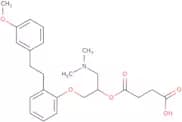
CAS :Serotonin receptor 5-HT2A antagonistFormule :C24H31NO6Degré de pureté :Min. 95%Masse moléculaire :429.51 g/mol(+)-Biotin-sarcosine
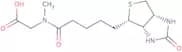
CAS :Please enquire for more information about (+)-Biotin-sarcosine including the price, delivery time and more detailed product information at the technical inquiry form on this pageFormule :C13H21N3SO4Degré de pureté :Min. 95%Masse moléculaire :315.39 g/mol5,10-Methylene-5,6,7,8-tetrahydrofolic acid - mixture of diastereomers
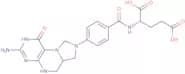
CAS :5,10-Methylene-5,6,7,8-tetrahydrofolic acid is a molecule that is found in cells. It is an essential cofactor for many biological processes. The folate form of 5,10-methylene-5,6,7,8-tetrahydrofolic acid (5MTHF) can be synthesized by the enzyme methylenetetrahydrofolate reductase. This enzyme uses N5,N10-methenyltetrahydrofolate as a substrate and converts it to 5MTHF. The enzyme activity of methylenetetrahydrofolate reductase can be inhibited by methotrexate. In this case 5MTHF will not be produced and the body's supply of folate will decrease. The structural analysis of 5MTHF has been performed using titration calorimetry and x-ray crystallography.Formule :C20H23N7O6Degré de pureté :80%MinCouleur et forme :PowderMasse moléculaire :457.44 g/mol2-Fluoro-2-methyl-1-propanol
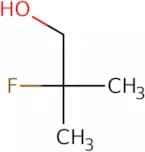
CAS :Please enquire for more information about 2-Fluoro-2-methyl-1-propanol including the price, delivery time and more detailed product information at the technical inquiry form on this page
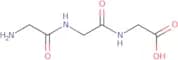
Formule :C4H9FODegré de pureté :Min. 95%Couleur et forme :Colorless PowderMasse moléculaire :92.11 g/molGlycyl-glycyl-glycIne
CAS :Glycyl-glycyl-glycine is a compound that has been shown to have thermal expansion properties. It can be used as a thermometer because it changes its volume in response to temperature changes. Glycyl-glycyl-glycine is structurally similar to the amino acid glycine and can form hydrogen bonds with other molecules. The phase transition temperature of Glycyl-glycyl-glycine has been determined by metal chelate titration calorimetry, which is a technique for measuring the heat capacity change of a chemical reaction. This compound was also found to bind fluorescent probes and methyl myristate, which are compounds often used to study enzyme activities. Glycyl-glycyl-glycine has also been shown to react with x-ray diffraction data and vitro assays, both of which are methods used to study molecular structures.
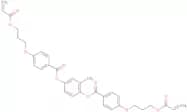
Formule :C6H11N3O4Degré de pureté :Min. 98 Area-%Couleur et forme :PowderMasse moléculaire :189.17 g/mol2-Methyl-1,4-phenylene bis(4-(3-(acryloyloxy)propoxy)benzoate)
CAS :2-Methyl-1,4-phenylene bis(4-(3-(acryloyloxy)propoxy)benzoate) is a polymerizable liquid crystal monomer that can be used as a polymerization initiator. It is an azobenzene with a chiral carbon atom and the chemical structure of the compound is similar to polyacrylate. This drug is resistant to radiation and can be used for diagnostic purposes. It has been shown to be effective in controlling the growth of resistant cultivars such as "Fusarium oxysporum". The synthesis process includes reacting 2-methyl-1,4-phenylene bis(4-(3-(acryloyloxy)propoxy)benzoate) with a molecular weight of 160 g/mol and benzoic acid in dichloromethane at room temperature under stirring.
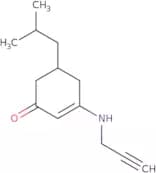
Formule :C33H32O10Degré de pureté :Min. 95%Couleur et forme :White Off-White PowderMasse moléculaire :588.6 g/mol5-(2-methylpropyl)-3-(prop-2-ynylamino)cyclohex-2-en-1-one
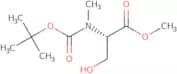
CAS :Please enquire for more information about 5-(2-methylpropyl)-3-(prop-2-ynylamino)cyclohex-2-en-1-one including the price, delivery time and more detailed product information at the technical inquiry form on this pageDegré de pureté :Min. 95%Boc-N-Me-Ser-OMe
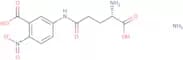
CAS :Boc-N-Me-Ser-OMe is a fine chemical that is used as a building block for the synthesis of a wide range of organic compounds. It is also used as an intermediate in the synthesis of complex compounds and is often used as a reaction component. Boc-N-Me-Ser-OMe has been shown to be useful in the synthesis of pharmaceuticals, agrochemicals, and other chemicals. This compound has been identified by its CAS number: 122902-81-2.Formule :C10H19NO5Degré de pureté :Min. 95%Couleur et forme :PowderMasse moléculaire :233.26 g/molL-Glutamic acid gamma-(3-carboxy-4-nitroanilide) ammonium salt
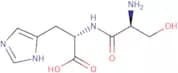
CAS :L-Glutamic acid gamma-(3-carboxy-4-nitroanilide) ammonium salt has been used as a synthetic substrate for gamma-glutamyltransferase (GGT) to determine GGT activity.Formule :C12H16N4O7Degré de pureté :Min. 99 Area-%Couleur et forme :White PowderMasse moléculaire :328.28 g/molH-Ser-His-OH acetate
CAS :H-Ser-His-OH acetate salt is an amide that has been shown to have a neutral pH and to be soluble in organic solvents such as chloroform. It has a biological function of being a serine protease inhibitor. H-Ser-His-OH acetate salt binds to the amino acid histidine and inhibits the activity of serine proteases. This product has been used in fluorescence techniques, immunofluorescence analyses, and molecular biology.Formule :C9H14N4O4·xC2H4O2Degré de pureté :Min. 95%Couleur et forme :PowderMasse moléculaire :242.24 g/molD-4-tert-Butylphenylalanine
CAS :D-4-tert-Butylphenylalanine is a perovskite crystal with a hydrogen bond. It can be used to boost the efficiency of organic semiconductors and has been shown to enhance the performance of encapsulated perovskites. D-4-tert-Butylphenylalanine has also been shown to have synergistic effects with other functional groups, such as carbonyl groups, which may be due to its ability to act as a zwitterion.
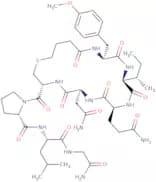
Formule :C13H19NO2Degré de pureté :Min. 95%Couleur et forme :PowderMasse moléculaire :221.3 g/mol1-Butanoic acid-2-(O-methyl-L-tyrosine)-1-carbaoxytocin
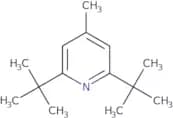
CAS :1-Butanoic acid-2-(O-methyl-L-tyrosine)-1-carbaoxytocin (BMT) is a synthetic analog of oxytocin. Oxytocin is a hormone that is produced in the hypothalamus and released by the pituitary gland to stimulate uterine contractions and milk letdown in mammals. 1-Butanoic acid-2-(O-methyl-L-tyrosine)-1-carbaoxytocin has been shown to bind to the oxytocin receptor and stimulate the release of insulin, which may be useful for treating type 2 diabetes. BMT also stimulates epidermal growth factor (EGF) production and induces skin cell growth. It has been used as an animal health drug for stimulating appetite, increasing weight gain, reducing inflammation, and lowering blood pressure.Formule :C45H69N11O12SDegré de pureté :Min. 95%Couleur et forme :White PowderMasse moléculaire :988.16 g/mol2,6-Di-tert-butyl-4-methylpyridine
CAS :2,6-Di-tert-butyl-4-methylpyridine (2,6-DBMP) is a thianthrene derivative that has been used in asymmetric synthesis and transfer reactions. 2,6-DBMP is synthesized by reacting the appropriate carbonyl chloride with the corresponding 2,6-di-tert butylpyridine. It can also be prepared by the palladium catalyzed coupling of a benzyl halide and an allyl bromide. The compound's stereoselectivity depends on the reactants' configuration at C2. This property makes it useful for the preparation of chiral molecule such as oligosaccharides and methyl glycosides. 2,6-DBMP has shown to have immunomodulatory activity against mutant strains of human erythrocytes in vitro.
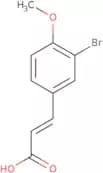
Formule :C14H23NDegré de pureté :Min. 97%Couleur et forme :Solidified MassMasse moléculaire :205.34 g/mol3-Bromo-4-methoxycinnamic acid
CAS :3-Bromo-4-methoxycinnamic acid is an organic compound that is used as a reagent, a useful scaffold, and a useful intermediate. It has been shown to be an excellent building block for the synthesis of complex compounds. 3-Bromo-4-methoxycinnamic acid can be used in the production of fine chemicals.
Formule :C10H9BrO3Degré de pureté :Min. 95%Couleur et forme :PowderMasse moléculaire :257.08 g/mol3-{[(4-Methylphenyl)sulfonyl]amino}benzoic acid
CAS :Please enquire for more information about 3-{[(4-Methylphenyl)sulfonyl]amino}benzoic acid including the price, delivery time and more detailed product information at the technical inquiry form on this pageFormule :C14H13NO4SDegré de pureté :Min. 95%Couleur et forme :PowderMasse moléculaire :291.32 g/mol5-Methoxyisoxazole-4-carboxylic acid ethyl ester
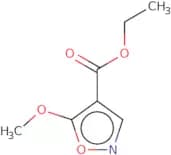
CAS :5-Methoxyisoxazole-4-carboxylic acid ethyl ester is a fine chemical that has been used as a reagent, speciality chemical, and complex building block. It is also useful as a versatile intermediate for the synthesis of other organic compounds. 5-Methoxyisoxazole-4-carboxylic acid ethyl ester has been shown to react with alcohols and amines to form ethers and amides respectively. The compound can be used in the synthesis of polymers and pharmaceutical intermediates. 5-Methoxyisoxazole-4-carboxylic acid ethyl ester has a molecular weight of 210.24 g/mol and CAS No. 1314983-30-6.
Formule :C7H9NO4Degré de pureté :Min. 95%Masse moléculaire :171.15 g/mol4-Methylmorpholine N-oxide
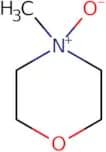
CAS :Intermediate for organic synthesis
Formule :C5H11NO2Degré de pureté :Min 97%Couleur et forme :White PowderMasse moléculaire :117.15 g/molD-(+)-Glyceraldehyde
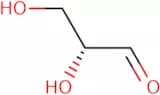
CAS :D-Glyceraldehyde is sold by active weight in solution
Formule :C3H6O3Degré de pureté :85%MinCouleur et forme :Colorless Clear Viscous LiquidMasse moléculaire :90.08 g/mol3-Fluoro-5-methoxybenzonitrile
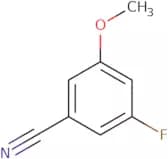
CAS :3-Fluoro-5-methoxybenzonitrile is a useful chemical intermediate that can be used in organic synthesis. It is a versatile building block with a high quality and it is easy to use in the synthesis of complex compounds. 3-Fluoro-5-methoxybenzonitrile has been shown to react as a nucleophile, and it has been used as a reagent for the production of other compounds. This compound also has potential applications in research, such as being an intermediate for the production of pharmaceuticals and agrochemicals. 3-Fluoro-5-methoxybenzonitrile is not classified as hazardous and does not pose any significant risk to human health or the environment.Formule :C8H6FNODegré de pureté :Min. 95%Couleur et forme :PowderMasse moléculaire :151.14 g/mol1-Linoleoyl-rac-glycerol
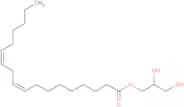
CAS :1-Linoleoyl-rac-glycerol is a lipid with a structure similar to that of linoleic acid. The compound is used as a substrate for the study of the effects of oxygenation on lipid metabolism. 1-Linoleoyl-rac-glycerol has been shown to have anti-inflammatory properties in chronic kidney disease and pancreatitis models, which may be due to its inhibition of pancreatic lipase. 1-Linoleoyl-rac-glycerol is also used as a reaction product in sample preparation techniques, such as thin layer chromatography and high performance liquid chromatography. A variety of reactions can be performed with this compound, including hydrolysis by thrombin or trypsin, esterification with methanol or chloroform, or oxidation by potassium permanganate. 1-Linoleoyl-rac-glycerol has been shown to inhibit the growth of human lung epithelial cells (thp1Formule :C21H38O4Degré de pureté :Min. 95 Area-%Couleur et forme :Clear LiquidMasse moléculaire :354.52 g/mol(5-Chloro-2-methoxyphenyl)(4-(3-nitrophenyl)(2,5-thiazolyl))amine
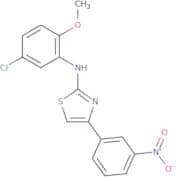
CAS :Please enquire for more information about (5-Chloro-2-methoxyphenyl)(4-(3-nitrophenyl)(2,5-thiazolyl))amine including the price, delivery time and more detailed product information at the technical inquiry form on this page
Degré de pureté :Min. 95%2-Methoxyphenylhydrazine hydrochloride
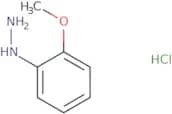
CAS :2-Methoxyphenylhydrazine hydrochloride is a chemical that is used as a research scaffold, building block, or intermediate. It can be used in the synthesis of complex compounds with high quality and purity. This product is soluble in water and alcohols. 2-Methoxyphenylhydrazine hydrochloride has CAS No. 6971-45-5 and a molecular weight of 183.2 g/mol.Formule :C7H10N2O·HClDegré de pureté :Min. 95%Couleur et forme :PowderMasse moléculaire :174.63 g/mol2,3,5,6-Tetramethyl-1,4-phenylenediamine
CAS :2,3,5,6-Tetramethyl-1,4-phenylenediamine is a chemical compound that has been used in clinical pathology and plant physiology. The potential of this molecule as a photosynthetic agent has been studied extensively. It has also been shown to have biochemical properties that are similar to those of chlorophylls. 2,3,5,6-Tetramethyl-1,4-phenylenediamine is able to transfer electrons between molecules in the electron transport chain. It can be found in both prokaryotes and eukaryotes but not in plants or algae. 2,3,5,6-Tetramethyl-1,4-phenylenediamine may be toxic when ingested orally or inhaled and is capable of producing irreversible inhibition when it reacts with oxygen.Formule :C10H16N2Degré de pureté :98 To 102%Couleur et forme :White To Tan SolidMasse moléculaire :164.25 g/molKinetin-9-glucoside
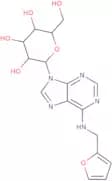
CAS :Kinetin-9-glucoside is a conjugate of kinetin and glucose. It has been shown to inhibit the growth of several types of bacteria, including Pseudomonas aeruginosa, Staphylococcus aureus, and Streptococcus pyogenes. Kinetin-9-glucoside also has anti-inflammatory properties that may be due to its ability to inhibit prostaglandin synthesis. Kinetin-9-glucoside is used in tissue culture for the induction of plant regeneration from callus tissue or from excised root tissues. Kinetin-9-glucoside has been shown to stimulate the formation of apical roots in plantlets and promote cell division in neuronal cells.Formule :C16H19N5O6Degré de pureté :Min. 95 Area-%Couleur et forme :PowderMasse moléculaire :377.35 g/molBoc-L-Phg-OH
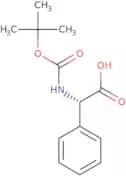
CAS :Boc-L-Phg-OH is a synthetic molecule that binds to the receptor for spasticity and inhibits spasticity. It has been shown to have potent inhibition of t-cell leukemia and virus replication. Boc-L-Phg-OH is a fluorescent compound that can be used as a molecular probe for studies of protein dynamics in living cells. The pharmacokinetic properties of this compound have also been studied, suggesting that it could be an effective treatment for tuberculosis.Formule :C13H17NO4Degré de pureté :Min. 95%Couleur et forme :White PowderMasse moléculaire :251.28 g/mol2,4-Dimethoxy-3-methylbenzyl alcohol
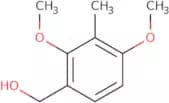
CAS :2,4-Dimethoxy-3-methylbenzyl alcohol is a syntheses and deuterium analogue of orsellinic acid. It has been shown to inhibit bacterial growth in the presence of an oxygen atmosphere.
Formule :C10H14O3Degré de pureté :Min. 95%Masse moléculaire :182.22 g/molN-α-Fmoc-N β-Boc-L-2,3-diaminopropionic acid
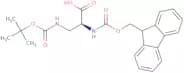
CAS :N-alpha-Fmoc-Nbeta-Boc-L-2,3-diaminopropionic acid is a supramolecular compound that has antiproliferative effects on cancer cells. It can be used to inhibit the activity of tyrosine phosphatases, which are enzymes that regulate cell proliferation and differentiation. This compound has been shown to have synergistic effects with other chemotherapeutic agents in vitro and in vivo. It has also been shown to have a high binding affinity for polyacrylamide gels and is stable under various conditions.Formule :C23H26N2O6Degré de pureté :Min. 95%Couleur et forme :PowderMasse moléculaire :426.46 g/molN-Methyl-N-phenylazetidin-3-amine hydrochloride
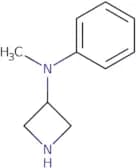
CAS :N-Methyl-N-phenylazetidin-3-amine hydrochloride is a white solid with a melting point of 175°C. It is soluble in water, ethanol, and ether. N-Methyl-N-phenylazetidin-3-amine hydrochloride is an intermediate for the synthesis of chemical compounds that are used in research and development. This compound can be used as a building block to create complex compounds with biological activity. It can also be used as a scaffold to create novel chemical compounds that have not been observed before. The quality of this chemical is high, making it suitable for research purposes.Formule :C10H15N2ClDegré de pureté :Min. 95%Couleur et forme :Solid.Masse moléculaire :198.69 g/mol(5-Bromo-4-methoxyphenyl)acetone
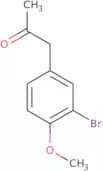
CAS :5-Bromo-4-methoxyphenyl)acetone (BMA) is a versatile building block that is used in the production of fine chemicals, research chemicals, and reagents. It has been shown to be a useful scaffold for the synthesis of complex compounds. BMA is also an intermediate for the production of other chemicals. This chemical has been shown to have high quality with a wide range of uses as a reaction component or useful scaffold.Formule :C10H11BrO2Degré de pureté :Min. 95%Masse moléculaire :243.1 g/mol(+/-)-6-Chloro-7,8-dihydroxy-3-allyl-1-phenyl-2,3,4,5-tetrahydro-1H-3-benzazepine HBr
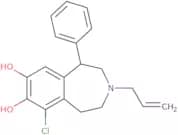
CAS :(+/-)-6-Chloro-7,8-dihydroxy-3-allyl-1-phenyl-2,3,4,5-tetrahydro-1H-3-benzazepine HBr is a model system for Parkinson's disease that has been shown to have similar effects on locomotor activity as the dopamine antagonist haloperidol. The drug enhances dopaminergic and cholinergic transmission in the brain by binding to kappa opioid receptors. This leads to an increased release of dopamine and acetylcholine that can be blocked by drugs such as naloxone and atropine respectively. (+/-)-6-Chloro-7,8-dihydroxy 3-(allyl)-1-(phenyl) 2,3,4,5 tetrahydro 1H 3 benzazepine HBr has been shown to decrease camp levels in the caudate putamen region of ratsFormule :C19H20ClNO2·HBrDegré de pureté :Min. 95%Couleur et forme :PowderMasse moléculaire :410.73 g/molFmoc-Lys(Boc)-Wang resin
Fmoc-Lys(Boc)-Wang resin is a synthetic peptide resin that is used in solid-phase peptide synthesis. It is a resin for the synthesis of short, unprotected peptides and has been used to synthesize sequences found in human insulin and other peptide hormones. Fmoc-Lys(Boc)-Wang resin is also used to synthesize peptides with amino acid sequences that are not found in nature, such as those found on the surface of cancer cells. This resin can be used to create antibodies by linking an antigen with the amino acid sequence of interest.Couleur et forme :Yellow Powder(S)-(+)-2-Phenylpropionic acid
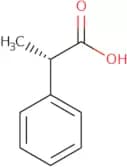
CAS :(S)-(+)-2-Phenylpropionic acid is an organic solvent that is catalyzed by a hydroxy group. It has been shown to be active against bacterial strains in the presence of borohydride reduction and immobilized on polystyrene beads. The enzyme activities were stereoselectively inhibited in the presence of (R)-(-)2-phenylpropionic acid, which is an enantiomer of (S)-(+)2-phenylpropionic acid. This inhibition may be due to the ability of this compound to form a more stable radical coupling with fatty acids such as oleic acid. The reaction temperature can affect the stereoselectivity, with higher temperatures favoring (R)-(-)2-phenylpropionic acid.Formule :C9H10O2Degré de pureté :Min. 98 Area-%Couleur et forme :Clear LiquidMasse moléculaire :150.17 g/molH-Leu-Phe-OH
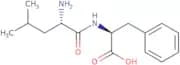
CAS :H-Leu-Phe-OH is a synthetic substrate that has been shown to bind to neutrophils and induce chemotactic activity. H-Leu-Phe-OH binds to the receptor on the surface of neutrophils and increases their recruitment to sites of inflammation. Studies have shown that H-Leu-Phe-OH can also stimulate production of interleukin, which may be useful in treating systemic diseases such as chronic kidney disease. H-Leu-Phe-OH is expressed at high levels in glomeruli, where it is secreted into the glomerular filtrate by proximal tubules. The biological effects of this substance are mediated by intracellular calcium ion release from intracellular stores, which leads to increased levels of messenger RNA for monoclonal antibody production and protein synthesis in neutrophils.
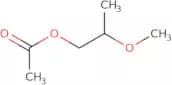
Formule :C15H22N2O3Degré de pureté :Min. 95%Couleur et forme :PowderMasse moléculaire :278.35 g/mol2-Methoxypropyl acetate
CAS :2-Methoxypropyl acetate is a cross-linking agent that is used in water treatment. It is used as an additive to deionized water and can be found in high concentrations in wastewater. 2-Methoxypropyl acetate reacts with xylene to produce light emission, which makes it suitable for use as a chemical marker. The optimum dose of 2-methoxypropyl acetate ranges from 0.025% to 0.2%. 2-Methoxypropyl acetate has been shown to be toxic when injected into rats at doses of 100 mg/kg body weight, but not at doses of 25 mg/kg body weight or less. This compound was also shown to cause protrusion and necrosis of the nasal septum in rats after administration at doses of 500 mg/kg body weight.Formule :C6H12O3Degré de pureté :Min. 95%Couleur et forme :Colourless LiquidMasse moléculaire :132.16 g/mol









![7-Amino-2-(4-methoxyphenyl)[1,2,4]triazolo[1,5-a]pyrimidin-5(4H)-one](/_next/image/?url=https%3A%2Fstatic.cymitquimica.com%2Fproducts%2F3D%2Fthumb-webp%2FFA134729.webp&w=3840&q=75)



![3-{[(4-Methylphenyl)sulfonyl]amino}benzoic acid](/_next/image/?url=https%3A%2Fstatic.cymitquimica.com%2Fproducts%2F3D%2Fthumb-webp%2FFM136721.webp&w=3840&q=75)