Peptides
Sous-catégories appartenant à la catégorie "Peptides"
29634 produits trouvés pour "Peptides"
RHBG Blocking Peptide
A synthetic peptide for use as a blocking control in assays to test for specificity of RHBG antibody, catalog no. 70R-7321
Degré de pureté :Min. 95%SCYL3 Blocking Peptide
A synthetic peptide for use as a blocking control in assays to test for specificity of SCYL3 antibody, catalog no. 70R-3018Degré de pureté :Min. 95%Bnip3l Blocking Peptide
A synthetic peptide for use as a blocking control in assays to test for specificity of Bnip3l antibody, catalog no. 70R-9618Degré de pureté :Min. 95%CBLL1 Blocking Peptide
A synthetic peptide for use as a blocking control in assays to test for specificity of CBLL1 antibody, catalog no. 20R-1225Degré de pureté :Min. 95%MKNK1 Blocking Peptide
A synthetic peptide for use as a blocking control in assays to test for specificity of MKNK1 antibody, catalog no. 70R-10043Degré de pureté :Min. 95%HSD3B1 Blocking Peptide
A synthetic peptide for use as a blocking control in assays to test for specificity of HSD3B1 antibody, catalog no. 70R-7092Degré de pureté :Min. 95%OR2W1 Blocking Peptide
A synthetic peptide for use as a blocking control in assays to test for specificity of OR2W1 antibody, catalog no. 70R-9893Degré de pureté :Min. 95%H-2kb tetramer peptide - VSV
Please enquire for more information about H-2kb tetramer peptide - VSV including the price, delivery time and more detailed product information at the technical inquiry form on this pageH-2kb tetramer peptide - Q7
Please enquire for more information about H-2kb tetramer peptide - Q7 including the price, delivery time and more detailed product information at the technical inquiry form on this page
H-2kb tetramer peptide - E1
Please enquire for more information about H-2kb tetramer peptide - E1 including the price, delivery time and more detailed product information at the technical inquiry form on this pageMuscarinic Toxin 3
A synthetic snake venom peptide, sourced from the Green Mamba, Dendroaspis angusticeps. It can be applied as a specific ligand for Muscarinic Acetylcholine Receptor-4 (M4) and this product is available as a 0.1mg vial with disulfide bonds between Cys3- Cys24, Cys17- Cys42, Cys46- Cys57, and Cys58- Cys63.Formule :C319H489N89O97S8Degré de pureté :Min. 95%Masse moléculaire :7,379.4 g/mol[D-Leu7]-(-)-Ternatin
Ternatin is a type of molecule known as a natural product or secondary metabolite and can be used as a fat accumulation inhibitor against 3T3-L1 adipocytes. Specifically, it is a cyclic peptide isolated from marine sources. Ternatins have been studied for their potential biological activities, including their anticancer properties. These molecules belong to the broader category of natural products, which are compounds derived from living organisms and often possess interesting biological activities that make them of interest for various applications in medicine, agriculture, and other fields.This product comes as a 1mg vial.Degré de pureté :Min. 95%LGALS1 Human
LGALS1 is a cytokine that is secreted by macrophages in response to LPS, IL-1 and TNF. This cytokine has been shown to promote the secretion of inflammatory cytokines, such as IL-6, IL-8 and TNF-α. LGALS1 is also involved in the recruitment of neutrophils and monocytes to sites of inflammation. LGALS1 has been shown to be involved in regulating the expression of proteins that are involved in cell signaling pathways, including NF-κB and MAPK.Degré de pureté :Min. 95%Tityustoxin Ka
CAS :A synthetic scorpion toxin, sourced from the Scorpion, Tityus serrulatus This product is a voltage-dependent K+ channel (A channel) Blocker and it has disulfide bonds between Cys7-Cys28, Cys13-Cys33, and Cys17-Cys35.Formule :C168H275N49O46S7Degré de pureté :Min. 95%Masse moléculaire :3,941.7 g/molMuscarinic Toxin 1
A synthetic snake toxin peptide sourced from the Green Mamba, Dendroaspis angusticeps. It is an agonist for Muscarinic Acetylcholine Receptor-1 (M1) and has disulfide bonds between Cys3-Cys24, Cys17-Cys42, Cys46-Cys58, and Cys59-Cys64. This product is available as a 0.1mg vial.Formule :C326H499N87O101S8Degré de pureté :Min. 95%Masse moléculaire :7,509.5 g/molLipo-Oxytocin-1
Lipidated Oxytocin analog with long-lasting activities. Product has the following disulfide bonds: Cys1-Cys6 and is available as a 0.5mg vial.Degré de pureté :Min. 95%KD20 peptide
KD20 peptide is a lysine-aspartic acid peptide with 20 repeating units. KD20 peptide is used to stimulate CD4+ T cells in vitro and KD20 actions result in protection against abscesses induced by bacteria.
SARS-CoV-2 Spike RBD 348-357 peptide
SARS-CoV-2 Spike RBD 348-357 peptide is an epitope of interest of the SARS-CoV-2 Spike S glycoprotein Receptor-Binding Domain (RBD). SARS-CoV-2 Spike RBD 348-357 peptide is useful for vaccine development and for structure-activity relationship studies SARS-CoV-2 Spike (S) glycoprotein Spike (S) glycoprotein corresponds to one of the leading targets for COVID-19 disease. Present on the surface of Sars-CoV-2 virus, Spike S protein is a class I fusion protein that allows the virus to enter host cells. With a 1 273 aa length, Spike protein has 2 subunits : S1 contains the receptor-binding domain RBD and S2 induces the fusion of the viral envelop with the cellular membrane. SARS-CoV-2 Spike RBD: The receptor-binding domain in SARS-CoV-2 Spike protein allows binding to the Angiotensin-Converting Enzyme receptor 2 (ACE2 receptor) which mediates the viral entry. SB-PEPTIDE also offers SARS-CoV-2 Spike RBD 348-357 (Biotin-LC) peptideSARS-CoV-2 Spike RBD 513-520 peptide
SARS-CoV-2 Spike RBD 513-520 peptide is an epitope of interest of the SARS-CoV-2 Spike S glycoprotein Receptor-Binding Domain (RBD). SARS-CoV-2 Spike RBD 513-520 peptide is useful for vaccine development and for structure-activity relationship studies
SARS-CoV-2 Spike (S) glycoprotein
Spike (S) glycoprotein corresponds to one of the leading targets for COVID-19 disease. Present on the surface of Sars-CoV-2 virus, Spike S protein is a class I fusion protein that allows the virus to enter host cells.
With a 1 273 aa length, Spike protein has 2 subunits : S1 contains the receptor-binding domain RBD and S2 induces the fusion of the viral envelop with the cellular membrane.
SARS-CoV-2 Spike RBD:
The receptor-binding domain in SARS-CoV-2 Spike protein allows binding to the Angiotensin-Converting Enzyme receptor 2 (ACE2 receptor) which mediates the viral entry.
SB-PEPTIDE also offers SARS-CoV-2 Spike RBD 513-520 (Biotin-LC) peptideSARS-CoV-2 Spike RBD 395-430 peptide
SARS-CoV-2 Spike RBD 395-430 peptide is an epitope of interest of the SARS-CoV-2 Spike S glycoprotein Receptor-Binding Domain (RBD). SARS-CoV-2 Spike RBD 395-430 peptide is useful for vaccine development and for structure-activity relationship studies
SARS-CoV-2 Spike (S) glycoprotein
Spike (S) glycoprotein corresponds to one of the leading targets for COVID-19 disease. Present on the surface of Sars-CoV-2 virus, Spike S protein is a class I fusion protein that allows the virus to enter host cells.
With a 1 273 aa length, Spike protein has 2 subunits : S1 contains the receptor-binding domain RBD and S2 induces the fusion of the viral envelop with the cellular membrane.
SARS-CoV-2 Spike RBD:
The receptor-binding domain in SARS-CoV-2 Spike protein allows binding to the Angiotensin-Converting Enzyme receptor 2 (ACE2 receptor) which mediates the viral entry.
SB-PEPTIDE also offers SARS-CoV-2 Spike RBD 395-430 (Biotin-LC) peptideSARS-CoV-2 Spike RBD 319-335 peptide
SARS-CoV-2 Spike RBD 319-335 peptide is an epitope of interest of the SARS-CoV-2 Spike S glycoprotein Receptor-Binding Domain (RBD). SARS-CoV-2 Spike RBD 319-335 peptide is useful for vaccine development and for structure-activity relationship studies
SARS-CoV-2 Spike (S) glycoprotein
Spike (S) glycoprotein corresponds to one of the leading targets for COVID-19 disease. Present on the surface of Sars-CoV-2 virus, Spike S protein is a class I fusion protein that allows the virus to enter host cells.
With a 1 273 aa length, Spike protein has 2 subunits : S1 contains the receptor-binding domain RBD and S2 induces the fusion of the viral envelop with the cellular membrane.
SARS-CoV-2 Spike RBD:
The receptor-binding domain in SARS-CoV-2 Spike protein allows binding to the Angiotensin-Converting Enzyme receptor 2 (ACE2 receptor) which mediates the viral entry.
SB-PEPTIDE also offers SARS-CoV-2 Spike RBD 319-335 (Biotin-LC) peptideTetanus Toxin (830-844) peptide - QYIKANSKFIGITEL
TET 830/Tetanus Toxin (830-844) peptide – QYIKANSKFIGITEL
TAT (47-57) peptide
AT (47-57) peptide, also known as HIV-1 TAT protein, is the most characterized fragment of the HIV transactivator protein (TAT). TAT (47-57) peptide was show to be a cell-penetrating peptide (CPP). TAT (47-57) is an arginine-rich peptide which directly penetrates plasma membrane and stabilized DNA. TAT (47-57) has the ability to translocate the plasma membrane and facilitate the delivery of various cargoes such as protein, peptide, antibodies, and liposomes. It represents an important tool to increase the biodistribution of drugs.ovalbumine 154-159
Ovalbumin 154-159, also nammed TNGIIR peptide, is a portion of interest of the egg white albumen.
ω-Hexatoxin-Hv1a
Blocker of mid-low- (M-LVA) and high-voltage-activated (HVA) insect calcium channel (Ca(v)) currents
RANTES
RANTES (or Regulated upon Activation, Normal T-cell Expressed and Secreted), also known as CCL5 (Chemokine (CC chemokine ligand 5), is a protein classified as a chemotactic cytokine or chemokine.
Chemokines are small soluble proteins that act as molecular signals to induce cellular migration during inflammation.
RANTES is a member of the CC chemokine family and is involved in immunoregulatory and inflammatory processes.
RANTES is expressed in a lot of immune cells and acts as a potent chemoattractant for T-cells, basophils, eosinophils, monocytes and other cell types by playing a major role in recruiting leukocytes into inflammatory sites and to activate them. RANTES also induces proliferation and activation of certain natural killer cells.
RANTES synthesis is induced by TNF-alpha and IL-1 alpha, interacts with CCR3, CCR1 and CCR5 and activates some G-protein coupled receptors.
Many of the biological activities of RANTES (Ca2+ influx, chemotactic response, basophil activation, T-cell signaling) are observed between 40 and 8000 ng/mL.ACE2 biotinylated peptide library
Angiotensin-converting enzyme 2 (ACE2) is an enzyme involved in the cardiovascular system by decreasing arterial pressure by catalyzing the conversion of angiotensin II to angiotensin (1-7). Angiotensin II is a vasoconstrictor and angiotensin (1-7) is a vasodilatator. This effect makes ACE2 a therapeutic target for cardiovascular disease.SARS-CoV-2 Spike RBM 500-509 peptide
SARS-CoV-2 Spike RBM 500-509 peptide is an epitope of interest of the SARS-CoV-2 Spike S glycoprotein Receptor-Binding Motif (RBM). SARS-CoV-2 Spike RBM 500-509 peptide is useful for vaccine development and for structure-activity relationship studies
SARS-CoV-2 Spike (S) glycoprotein
Spike (S) glycoprotein corresponds to one of the leading targets for COVID-19 disease. Present on the surface of Sars-CoV-2 virus, Spike S protein is a class I fusion protein that allows the virus to enter host cells.
With a 1 273 aa length, Spike protein has 2 subunits : S1 contains the receptor-binding domain RBD and S2 induces the fusion of the viral envelop with the cellular membrane.
SARS-CoV-2 Spike RBM:
The receptor-binding domain in SARS-CoV-2 Spike protein contains a receptor-binding motif RBM. SARS-CoV-2 Spike RBM is the main functional motif in RBD and allows contacts between the S protein and the Angiotensin-Converting Enzyme receptor 2 (ACE2 receptor) which mediates the viral entry.
SB-PEPTIDE also offers SARS-CoV-2 Spike RBM 500-509 (Biotin-LC) peptideMBP (85-99)
MBP (85-99) peptide competes with Myelin Basic Protein, it inhibits its binding to HLA-DR2 and IL-2. MBP (85-99) peptide is able to suppress experimental autoimmune encephalomyelitis (EAE).Heavy calcitonin peptide
Heavy calcitonin peptide – Stable Isotope PeptideHuman Calcitonin (hCT) is a 32-amino acid hormone peptide belonging to the Calcitonin/Calcitonin-gene related peptide (CGRP) family, that also comprises amylin, adrenomedullin (AM) and adrenomedullin2/intermedin (AM2/IMD). Calcitonin is characterized by a N-terminal disulfide bond that forms a 7 amino acid ring structure, a region with a α-helix tendency and an amidated C-terminus1.Calcitonin peptide is produced by C cells of the thyroid gland and binds preferentially to the G-protein coupled receptor, calcitonin receptor (CTR)1. Calcitonin receptor signals through activated Gs protein and the production of cAMP second messenger molecules by adenylyl cyclase1. The dissociation constant (Kd) of calcitonin receptors expressed by a human ovarian small cell carcinoma line is approximately 4.6 nM for human Calcitonin2.Calcitonin is involved in the homeostasis of calcium and phosphorus, and the regulation of bone dynamics. At the basal state, calcitonin secretion reduces plasma calcium and phosphorus levels, and promote bone formation. In Calca -/- mice, a murin particle-induced osteolysis model, Calcitonin peptide has been used as a test compound for studying the effects of calcitonin deficiency. It has been shown that artificial calcitonin subsitution inhibits bone resorption by reducing the formation of osteoclasts and thereby the resulting osteolytic reaction3. The Hypocalcemic Human calcitonin was also used as a positive control to monitor changes in serum calcium levels in HHD transgenic mice vaccinated with Parathyroid hormone-related protein (PTH-rP)-derived peptides in the context of anti-cancer immunotherapy study4. Moreover, it has been reported that calcitonin peptide is a potent stimulator of uncapacitated mouse spermatozoa by regulating a specific isoform of adenylyl cyclase and the production of cAMP, which plays a pivotal role in mammalian sperm function5.sb-PEPTIDE provides stable isotope labeled calcitonin peptide. This peptide has been quantified accurately using amino acid analysis.Biotin-FluM1 (58-66)
Biotin-FluM1 (58-66) is the N-ter biotinylated version of FluM1 (58-66). Biotin-FluM1 (58-66) can be used in the analysis of antigen-specific T cells. FluM1 (58-66): FluM1 (58-66) is a short part of the matrix protein of Influenza A virus which is the most abundant component of this enveloped virus localized under the viral lipid envelope. The GILGFVFTL epitope is highly conserved in Influenza A virus strains at a rate of 93% for 69 strains tested. Human Influenza epitopes may bind MHC molecules and then may be recognized by CD8+ cytotoxic T cells. Applications of FluM1 (58-66): FluM1 (58-66) is used to stimulate CTL responses in peripheral blood mononuclear cells (PBMCs). Then, ELISPOT assay is used to quantify peptide epitope specificity and IFN-γ releasing effector cells. FluM1 (58-66) has shown CTL responses qualified of immunodominant with restriction by HLA-A*02:01. It has also been detected CTL responses when FluM1 (58-66) is restricted by all HLA-C. Therefore, FluM1 (58-66) may help to understand the reaction of immune system against Influenza virus of each populations having different HLA type. FluM1 (58-66) has indeed prompted research to develop T-cell vaccine strategies capable of inducing specific CTL responses in patients upon immunization with Influenza M1 antigenic epitope. MVA-NP+M1 vaccine use GILGFVFTL epitope and is tested in clinical trial. Potential cross-reactivity with HIV-1 p17 Gag (77-85): Moreover, FluM1 (58-66) share similarities with HIV-1 p17 Gag (77-85) which can potentially show a cross-reactivity between these epitopes. It has been demonstrated a cross-reactivity and results suggest that immunity following infection by Influenza virus causes specific immune response to HIV-1 p17 Gag (77-85). Sequence: Biotin-GILGFVFTLScrambled Cathelicidin antimicrobial peptide 18
Scrambled LL-37 has the same peptide sequence as LL-37 but loses helixforming property.
Scrambled LL-37 can be used as a negative control of LL-37 studies.Melan-A (26-35) scrambled
SB-peptide offers the scrambled version of Melan-A/MART-1 (26-35). AIEIAGGLTV can be used as a negative control of Melan-A/MART-1 (26-35) studies. SB-peptide offers also Melan-A/MART-1 (26-35) (see section Melan-A/MART-1 (26-35)). Native Melan-A (26-35) decapepetide derives from the melanocyte lineage-specific protein Melan-A/MART-1, which is expressed in almost 75-100% of primary and metastatic melanomas1.Guanylate Kinase 1, human, recombinant
Guanylate kinase 1 is a member of the guanylate kinase family. It is a protein that in humans encoded by the GMNK1 gene. Guanylate kinases catalyze the reversible transfer of phosphate groups from ATP to guanosine diphosphate (GDP). They are involved in regulating the balance between GTP and GDP in cells, which has been shown to be important for many cellular processes, including cell signaling, cytoskeletal remodeling and apoptosis. Guanylate kinase 1 is an inhibitor of receptor tyrosine kinases, with an IC50 value of 2 μM. It also has been shown to be able to activate L-type calcium channels at concentrations greater than 100 μM. The recombinant human guanylate kinase 1 used in this study was expressed in E. coli and purified using affinity chromatography.Degré de pureté :Min. 95%Von Willebrand Factor Heavy Tryptic Peptide Standard (4nmol)
This is a Von Willebrand Factor Heavy Tryptic Peptide Standard for use in protein identification and quantitation. Von Wilebrand Factor is a glycoprotein involved in platelet adhesion and when it is deficient in the body it can result in diseases such as von Willebrand disease.Degré de pureté :Min. 95%GLP-1 (Human, Rat, Mouse)-EIA Kit (1ea)
GLP-1 (Human, Rat, Mouse)-EIA Kit is a ready-to-use kit that contains a recombinant human GLP-1 peptide. This kit is designed for the quantitative measurement of GLP-1 in human serum or plasma by ELISA. It uses a polyclonal antibody to detect the protein and has no cross-reactivity with other pancreatic hormones. The assay can be used with rat and mouse samples as well.
Degré de pureté :Min. 95%C-Peptide (Mouse)-EIA Kit (1ea)
C-Peptide (Mouse)-EIA Kit is a mouse C-peptide EIA kit. It is designed for the quantitative measurement of C peptide in serum samples from mice. The kit contains an antibody that recognizes mouse C peptide, and a conjugate that binds to the antibody. The kit also contains a biotin-labeled anti-mouse IgG antibody, which reacts with the conjugate to form a complex that is subsequently detected by an enzyme-conjugated streptavidin. The amount of complex formed is proportional to the amount of C peptide present in the sample.Degré de pureté :Min. 95%GRP, Human Antiserum
GRP is a protein that belongs to the G-protein-coupled receptor family. It is activated by the ligand ghrelin and has been shown to be involved in the regulation of food intake, energy expenditure, gastric acid secretion and other physiological processes. GRP is also expressed in various types of cells including neurons, pancreatic beta cells, and cardiac myocytes. The antibody against GRP recognizes human GRP with high purity. This antibody can be used as a research tool for studying the functions of GRP or for immunohistochemistry to study the distribution of GRP in tissues.Degré de pureté :Min. 95%ω-Conotoxin MVIIC
CAS :Omega-conotoxins are a group of peptides found in the venom of predatory marine snails. Omega-conotoxin MVIIC is a potent inhibitor of nicotinic acetylcholine receptors. It blocks the activation and desensitization of nicotinic acetylcholine receptor channels and has been used as a research tool to study the function of these proteins. Omega-conotoxin MVIIC binds to its target by interacting with specific sites on the alpha subunit of nicotinic acetylcholine receptor channels, which leads to inhibition of voltage-gated calcium channels. The high purity and low endotoxin levels make this product suitable for life science research applications.Formule :C106H178N40O32S7Degré de pureté :Min. 95%Masse moléculaire :2,749.25 g/molBoc-Gly-Arg-Arg-AMC
CAS :Boc-Gly-Arg-Arg-AMC is a research tool that has a high purity and is used in cell biology, antibody production, ion channels, and protein interactions. It is an inhibitor of ion channels, which can be used for pharmacology to study the function of ion channels. Boc-Gly-Arg-Arg-AMC has also been shown to inhibit binding between the ligand and receptor.
Formule :C29H44N10O7Degré de pureté :Min. 95%Masse moléculaire :644.72 g/molBz-Gly-Lys [Hippuryl-Lysine]
CAS :Bz-Gly-Lys is a peptide that is a derivative of lysine residues. This peptide can compete with the natural substrate, L-lysine, for binding to the active site of creatine kinase and inhibit its enzymatic activity. Bz-Gly-Lys has been shown to be effective in inhibiting monoclonal antibody production in human serum. Furthermore, this peptide can also have inhibitory properties on cell culture and may be useful in the treatment of diabetic patients. The optimum pH for Bz-Gly-Lys is neutral, and hydrolysis by proteases is required for it to be active. It has been shown to inhibit polymerase chain reaction (PCR) procedures. In addition, this peptide has been shown to enhance the inhibitory properties of fatty acids on cell culture.Formule :C15H21N3O4Degré de pureté :Min. 95%Masse moléculaire :307.34 g/molLH-RH (Human)
CAS :Luteinizing hormone-releasing hormone (LH-RH), also known as Gonadotropin-Releasing Hormone (GnRH), stimulates the pituitary gland’s production and secretion of luteinizing hormone and follicle-stimulating hormone. LHRH is a decapeptide and is itself secreted by the hypothalamus. It is crucial for human reproduction and is heavily involved in the regulation of ovulation, sexual development and the onset of puberty. When secreted, GNRH binds to the G-protein coupled receptor, gonadotropin-releasing hormone receptor (GNRHR) located on pituitary gonadotrophic cells in the anterior pituitary. Medically, the understanding of GnRH is paramount, due to its involvement in the pathogensis of central hypogonadism. Any obstructions to its function in the reproductive system can result in the development of human pathologically conditions. It is important to note that analogs of GnRH can be used in pharmacology, in the treatment of gynaecological diseases, through blocking the secretion of estrogen secretion from the ovary. Additional GNRH analogs can be used to treat ovarian cancer, hormone-dependent cancers, endometriosis and modality in infertility. Therefore this product is a useful research tool and is available in a 0.5mg vial.Formule :C55H75N17O13•(C2H4O2)2Degré de pureté :Min. 95%Masse moléculaire :1,302.4 g/molMAL dPEG®6-Acid
CAS :MAL dPEG®6-Acid is a PEG compound with two different functional groups (also known as heterobifunctional). Unlike homobifunctional PEG compounds (same functional group on both ends), this type of compounds are more versatile as have two different anchor points. MAL dPEG®6-Acid is used as a linker and spacer to add a PEG moiety, via pegylation (a bioconjugation technique) to proteins, peptides, oligonucleotides, small molecules and nanoparticles.
Formule :C22H36N2O11Degré de pureté :Min. 95%Masse moléculaire :504.53 g/mol4-Methoxyphenylazoformyl-Phe
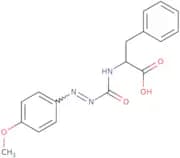
CAS :4-Methoxyphenylazoformyl-Phe is a synthetic molecule that can be used as a research tool in the study of ion channels and ligands. The receptor binding affinity of 4-methoxyphenylazoformyl-Phe is unknown, but it has been shown to activate peptides in living cells. This compound is an inhibitor of ion channels and ligand for G protein coupled receptors. It can be used as a research tool in the study of ion channels and ligands. The receptor binding affinity of 4-methoxyphenylazoformyl-Phe is unknown, but it has been shown to activate peptides in living cells. This compound is an inhibitor of ion channels and ligand for G protein coupled receptors.Formule :C17H17N3O4Degré de pureté :Min. 95%Masse moléculaire :327.33 g/molBz-Tyr-pNA
CAS :Bz-Tyr-pNA is a peptide that has been shown to inhibit the activity of serine proteases. The peptide consists of Boc-Tyr-Nal-pNA, which is an artificial amino acid that has been synthesized for use as a substrate in assays and as a probe in the study of protein structure and function. Bz-Tyr-pNA inhibits the enzyme activity of a recombinant human neutrophil elastase, with an IC50 of about 12.5 μM. This peptide also inhibits the catalytic action of human neutrophil elastase by binding to its active site and blocking access to the substrate Tyr-pNA. It has been shown that Bz-Tyr-pNA can be used as an immunosuppressant to prevent graft rejection, although it is not yet approved for this use.Formule :C22H19N3O5Degré de pureté :Min. 95%Masse moléculaire :405.4 g/molLysyl-Bradykinin (Kallidin) (Human, Bovine)
CAS :Produit contrôléLysyl-bradykinin (kallidin) is a peptide that is a potent activator of non-selective cation channels. It has been shown to activate potassium channels and calcium channels, but not sodium channels. The activation by lysyl-bradykinin leads to an increase in the permeability of the membrane, which can lead to release of neurotransmitters from nerve endings. Lysyl-bradykinin also has been shown to be an inhibitor of protein interactions with the receptor in certain cell lines. The antibody used to measure this inhibition is L1420.Formule :C56H85N17O12Degré de pureté :Min. 95%Masse moléculaire :1,188.40 g/molMAL-dPEG®12-Acid
CAS :MAL-dPEG®12-Acid is a PEG compound with two different functional groups (also known as heterobifunctional). Unlike homobifunctional PEG compounds (same functional group on both ends), this type of compounds are more versatile as have two different anchor points. MAL-dPEG®12-Acid is used as a linker and spacer to add a PEG moiety, via pegylation (a bioconjugation technique) to proteins, peptides, oligonucleotides, small molecules and nanoparticles.Formule :C27H37F4N7O6SDegré de pureté :Min. 95%Masse moléculaire :663.69 g/molLeucine-Enkephalin
CAS :Leucine-Enkephalin is a research tool that binds to the opioid receptor. It is an activator of the receptor and can be used in cell biology, pharmacology, and as a ligand or antibody for receptor studies. Leucine-Enkephalin has been shown to inhibit ion channels in vitro and can be used to study protein interactions. This peptide also exhibits pharmacological effects in vivo, including analgesia, inhibition of gastrointestinal motility, and induction of emesis.Formule :C28H37N5O7Degré de pureté :Min. 95%Masse moléculaire :555.62 g/molOrexin-A (Human, 17-33)
CAS :Orexin-A (Human, 17-33) is a neuropeptide also known as hypocretin-1 and this product is available as a 0.1 mg vial. Orexin-A is primarily produced by a group of neurons located in the lateral hypothalamus of the brain, known as the orexinergic neurons.
Orexin-A is involved in regulating a variety of physiological functions, including the sleep-wake cycle, appetite, energy metabolism, and reward pathways. It acts as an agonist for two G protein-coupled receptors, known as orexin receptor 1 and orexin receptor 2.
Studies have shown that disruption of orexin signaling can lead to sleep disorders, obesity, and other metabolic disorders. Orexin-A has also been studied for its potential as a therapeutic target for the treatment of these disorders.Formule :C79H125N23O22Degré de pureté :Min. 95%Masse moléculaire :1,749 g/molAnti Retinoblastoma (RB) (901-928) Human Serum (50 ul)
CAS :Anti Retinoblastoma (RB) (901-928) Human Serum is a research tool that can be used for the study of cell biology, protein interactions, and pharmacology. Anti Retinoblastoma (RB) (901-928) Human Serum is a ligand that can bind to the receptor and activate its function. It has been found to inhibit ion channels, which are proteins that regulate the flow of ions in cells. It also has been shown to have an effect on cell growth and differentiation.Formule :C37H47N7O9Degré de pureté :Min. 95%Masse moléculaire :733.81 g/molm-dPEG®8-Amine
CAS :m-dPEG®8-Amine is a PEG compound with two different functional groups (also known as heterobifunctional). Unlike homobifunctional PEG compounds (same functional group on both ends), this type of compounds are more versatile as have two different anchor points. m-dPEG®8-Amine is used as a linker and spacer to add a PEG moiety, via pegylation (a bioconjugation technique) to proteins, peptides, oligonucleotides, small molecules and nanoparticles.Degré de pureté :Min. 95%Masse moléculaire :383.48 g/molH-Ala-Ala-Phe-AMC
CAS :H-Ala-Ala-Phe-AMC is a positively charged peptide that binds to the extracellular domain of the human α2δ1 calcium channel. It is a research tool for studying the interactions between ligands and receptors, as well as protein interactions. H-Ala-Ala-Phe-AMC is used to study the pharmacology of ion channels, such as their activation and inhibition by different ligands. H-Ala-Ala-Phe-AMC can be used in cell biology studies to study protein interactions and changes in protein conformation.Formule :C25H28N4O5Degré de pureté :Min. 95%Masse moléculaire :464.51 g/molArphamenine B
CAS :Arphamenine B is an enzyme inhibitor that inhibits metalloproteinases and serine proteases. It has been shown to be a potent osteoinductive agent in cell culture. Arphamenine B has also been found to have a depressant effect on the growth of cells in culture, with lysine residues as the probable site of action. Arphamenine B has also been shown to inhibit soybean trypsin, which is a serine protease enzyme.
Formule :C16H24N4O4H2SO4•H2ODegré de pureté :Min. 95%Masse moléculaire :403.45 g/molFmoc-Thr[Ac4Galß(1- >3)Ac2GalNAcα(1->O)] -OH-O-ß-2,3,4,6-Tetra-O-Acetyl-D-Galactopyranosyl-(1- >3)-O-α-4,6-Di-O-Acetyl-2-Acetamido-2 -Deoxy-D-Galactopyranosyl-(1- >O)-9-Fluorenylmethoxycarbonyl-L-Threonine
CAS :Fmoc-Thr[Ac4Galß(1- >3)Ac2GalNAcα(1->O)] -OH-O-ß-2,3,4,6-Tetra-O-Acetyl-D-Galactopyranosyl-(1- >3)-O-α-4,6-Di-O-Acetyl-2 -Acetamido -2 -Deoxy -D -Galactopyranosyl-(1->0)-9 Fluorenylmethoxycarbonyl L Thr Fmoc Thr is an amino acid that is used in peptide synthesis. It is a protected form of the amino acid threonine that can be cleaved by hydrogen fluoride to yield free Thr. Fmoc Thr has been shown to inhibit the production of inflammatory cytokines and chemokines in vitro.Formule :C45H54N2O21Degré de pureté :Min. 95%Masse moléculaire :958.91 g/molNeuropeptide W-30 (Rat)
CAS :Neuropeptide W-30 (Rat) is a peptide that belongs to the family of neuropeptides. It has been identified as an inhibitor of the ion channel TRPV1 and TRPA1, which are involved in pain perception. Neuropeptide W-30 (Rat) also inhibits the activation of phospholipase C, protein kinase C, and cAMP response element binding protein. Neuropeptide W-30 (Rat) is used as a research tool for studying protein interactions and for pharmacological studies.
Formule :C165H249N49O38SDegré de pureté :Min. 95%Masse moléculaire :3,559.1 g/molGlucagon-like Peptide 2 (Human)
CAS :Glucagon-like peptide 2 (GLP-2) is a protein hormone that belongs to the glucagon family of peptides. GLP-2 has been shown to activate ion channels and regulate the movement of ions across cell membranes, which is important for many physiological processes. GLP-2 also has an inhibitory effect on the release of insulin from beta cells in pancreatic islets. It has been shown to improve glucose tolerance in animal models of Type 2 diabetes by stimulating the production and secretion of insulin from beta cells in pancreatic islets. Additionally, GLP-2 can bind to a receptor on the surface of certain types of immune cells called T lymphocytes and stimulate them to produce cytokines that promote growth and development of other immune cells. Glucagon-like Peptide 2 (Human) is a research tool used in studies involving protein interactions, ligand binding, pharmacology, cell biology, or antibody production. This product is highly purified with a purityFormule :C165H254N44O55SDegré de pureté :Min. 95%Masse moléculaire :3,766.1 g/molAmino-dPEG®6-t-Butyl Ester
CAS :Amino-dPEG®6-t-Butyl Ester is a PEG compound with two different functional groups (also known as heterobifunctional). Unlike homobifunctional PEG compounds (same functional group on both ends), this type of compounds are more versatile as have two different anchor points. Amino-dPEG®6-t-Butyl Ester is used as a linker and spacer to add a PEG moiety, via pegylation (a bioconjugation technique) to proteins, peptides, oligonucleotides, small molecules and nanoparticles.
Formule :C19H39NO8Degré de pureté :Min. 95%Masse moléculaire :409.51 g/molBis-dPEG®29-Acid
CAS :Bis-dPEG®29-Acid is a PEG polymer categorised as homobifunctional PEG (X-PEG X). Used as a linker, bis-dPEG®29-Acid is used to attached PEG to proteins, peptides, oligonucleotides, nanoparticles and small molecules via pegylation, a bioconjugation technique.
Formule :C30H49N5O11S3Degré de pureté :Min. 95%Masse moléculaire :751.94 g/molPyr-AMC
CAS :Pyr-AMC is a novel research tool that can be used to activate or inhibit ion channels, receptors, and other proteins. Pyr-AMC is a ligand for the nicotinic acetylcholine receptor (nAChR) and can be used to study the pharmacology of nAChRs. Pyr-AMC is also a potent inhibitor of voltage-gated potassium channels, which are important for regulating nerve cell membrane potentials. Pyr-AMC has been shown to bind to many types of proteins that play an important role in cell biology. This includes antibodies, ion channels, receptors, and peptides. It has been shown that pyr-amc binds to life sciences products such as antibodies, peptides, and enzymes.Formule :C15H14N2O4Degré de pureté :Min. 95%Masse moléculaire :286.28 g/molZ-Glu-Tyr
CAS :Z-Glu-Tyr is a synthetic substrate of the enzyme cathepsin B. The amino acid sequence of Z-Glu-Tyr has been shown to be identical to the sequence of the natural substrate, L-glutaminyl-L-tyrosine. The activity of the enzyme cathepsin B can be inhibited by Z-Glu-Tyr due to its ability to form a covalent bond with cysteine residues in the active site. This inhibition prevents cleavage of peptide bonds and synthesis of polypeptides, which are necessary for cell growth and division. Z-Glu-Tyr is also an inhibitor of thiol proteases, such as papain and subtilisin, which are enzymes that hydrolyze peptide bonds in proteins.Formule :C22H24N2O8Degré de pureté :Min. 95%Masse moléculaire :444.43 g/molBis-dPEG®21-NHS Ester
CAS :Bis-dPEG®21-NHS Ester is a PEG polymer categorised as homobifunctional PEG (X-PEG X). Used as a linker, bis-dPEG®21-NHS Ester is used to attached PEG to proteins, peptides, oligonucleotides, nanoparticles and small molecules via pegylation, a bioconjugation technique.Formule :C54H96N2O29Degré de pureté :Min. 95%Masse moléculaire :1,237.34 g/molZ-Gly-Pro
CAS :Z-Gly-Pro is a synthetic peptide that has been shown to inhibit proteolytic enzymes. It binds to the active site of the enzyme and blocks its activity. The peptide has also been shown to have locomotor activity, as it stimulates stem cell factor and cell factor production in vitro. Z-Gly-Pro has also been shown to be an inhibitor binding molecule that can bind with other molecules such as inhibitors of proteases and tyrosine kinase receptors. This inhibition may help regulate physiological functions such as locomotion, proliferation, and differentiation of cells.Formule :C15H18N2O5Degré de pureté :Min. 95%Masse moléculaire :306.31 g/molThiol-dPEG®12-Acid
CAS :Thiol-dPEG®12-Acid is a PEG compound with two different functional groups (also known as heterobifunctional). Unlike homobifunctional PEG compounds (same functional group on both ends), this type of compounds are more versatile as have two different anchor points. Thiol-dPEG®12-Acid is used as a linker and spacer to add a PEG moiety, via pegylation (a bioconjugation technique) to proteins, peptides, oligonucleotides, small molecules and nanoparticles.Formule :C27H54O14SDegré de pureté :Min. 95%Masse moléculaire :634.77 g/molLeu-Gly • ½ H2O
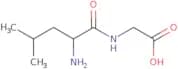
CAS :Leu-Gly is a cyclic peptide that is composed of the amino acid sequence Leu-Gly. It has antimicrobial, anti-inflammatory, and immunomodulatory properties. This peptide exhibits calcium binding, which may be due to its structural analysis with trifluoroacetic acid in human serum. A model system using coli K-12 cells was used to study the biological properties of Leu-Gly. The locomotor activity of these cells was inhibited by Leu-Gly, which may be due to its ability to bind with cyclic adenosine monophosphate (cAMP) receptors on the cell surface. LEU Gly is a member of the class of antimicrobial peptides that are important for fighting infections. It has been shown to have strong activity against E. coli K12 and various strains of Staphylococcus aureus isolated from humans with autoimmune diseases.Formule :C8H16N2O3H2ODegré de pureté :Min. 95%Masse moléculaire :197.23 g/molNeuromedin B (Human, Porcine, Rat)
CAS :Neuromedin B is a neuropeptide that has been shown to activate the TRPC ion channels in mammalian cells. It also has been shown to bind to receptors and have a potent effect on cell biology, as well as being used as a research tool for studying protein interactions. Neuromedin B is found in humans, pigs, and rats, where it is expressed primarily in the brain and gastrointestinal tract. This peptide has been shown to be an inhibitor of some types of ion channels.Formule :C52H73N15O12SDegré de pureté :Min. 95%Masse moléculaire :1,132.3 g/molLeu-pNA
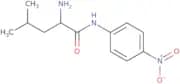
CAS :Leu-pNA is a protein synthesis inhibitor that binds to the active site of the enzyme peptidyl prolyl cis-trans isomerase (PPIase). This inhibitor prevents the enzyme from catalyzing the conversion of proline residues in peptides to their cis or trans isomers. Leu-pNA has been shown to inhibit proteolytic enzymes such as soybean trypsin and activated proteases, and also has an inhibitory effect on polymerase chain reaction (PCR) enzyme activities. The binding of Leu-pNA to PPIase can be reversed by heating at 60°C for 20 minutes.
Formule :C12H17N3O3Degré de pureté :Min. 95%Masse moléculaire :251.28 g/molAzido-dPEG®3-amine
CAS :Azido-dPEG®3-amine is a PEG compound with two different functional groups (also known as heterobifunctional). Unlike homobifunctional PEG compounds (same functional group on both ends), this type of compounds are more versatile as have two different anchor points. Azido-dPEG®3-amine is used as a linker and spacer to add a PEG moiety, via pegylation (a bioconjugation technique) to proteins, peptides, oligonucleotides, small molecules and nanoparticles.Formule :C8H18N4O3Degré de pureté :Min. 95%Masse moléculaire :218.25 g/molDNP-dPEG®4-NHS Ester
CAS :DNP-dPEG®4-NHS Ester is a PEG compound with two different functional groups (also known as heterobifunctional). Unlike homobifunctional PEG compounds (same functional group on both ends), this type of compounds are more versatile as have two different anchor points. DNP-dPEG®4-NHS Ester is used as a linker and spacer to add a PEG moiety, via pegylation (a bioconjugation technique) to proteins, peptides, oligonucleotides, small molecules and nanoparticles.Formule :C50H100O25Degré de pureté :Min. 95%Masse moléculaire :1,101.31 g/molParathyroid Hormone (Human, 1-31 Amide)
CAS :This product which is available as a 0.5mg vial is amino acids 1-31 of the 84 amino acid parathyroid hormone (PTH) and can be used as an adenylate cyclase and bone growth stimulating peptide.
PTH is a peptide hormone that is secreted from the parathyroid gland in the event of abnormal serum calcium levels and it ultimately regulates calcium and phosphate levels in the body. The PTH exerts its activity through binding to the G-protein coupled receptor type 1 PTH receptor, which activates adenylate cyclase or phospholipase C thus activating pathways involved in the mediation of bone resorption and bone formation. This product is suitable for life science applications.Formule :C162H270N50O46S2Degré de pureté :Min. 95%Masse moléculaire :3,718.3 g/molEndothelin-1 (Human)
CAS :Endothelin-1 is a peptide that acts as a vasoconstrictor and plays an important role in the regulation of blood pressure. Endothelin-1 is also an endogenous ligand for two G protein-coupled receptors, ETA and ETB. Interesting Endothelin-1 is the most abundant isoform and is expressed in endothelial cells of every blood vessel. It exerts its vasoconstrictor effects through binding to ETA receptors located on the smooth muscle. This product has disulfide bonds between Cys1-Cys15 and Cys3-Cys11, sourced from Porcine, Canine, Rat, Mouse and Bovine and is available as a 0.1mg vial.
Formule :C109H159N25O32S5Degré de pureté :Min. 95%Masse moléculaire :2,491.9 g/molGIP (Human)
CAS :GIP (Gastric Inhibitory Polypeptide) is a peptide hormone that belongs to the family of incretin hormones. GIP has been shown to have an insulinotropic effect, which is mediated by its activation of glucose-dependent insulin release from pancreatic β-cells. It also has effects on lipid metabolism and plays a role in the regulation of food intake. GIP is produced by K cells in the ileum and colon and released into the bloodstream following food intake. The binding of GIP to its receptors leads to inhibition of gastric acid secretion, stimulation of gallbladder contraction, increased blood flow to the stomach, relaxation of pyloric sphincter muscles, and inhibition of gastric motility. This product is highly pure (> 98%) with no detectable endotoxin or other microbial contamination.
Formule :C226H338N60O66SDegré de pureté :Min. 95%Masse moléculaire :4,983.5 g/molm-dPEG®37-acid
CAS :m-dPEG®37-acid is a PEG compound with two different functional groups (also known as heterobifunctional). Unlike homobifunctional PEG compounds (same functional group on both ends), this type of compounds are more versatile as have two different anchor points. m-dPEG®37-acid is used as a linker and spacer to add a PEG moiety, via pegylation (a bioconjugation technique) to proteins, peptides, oligonucleotides, small molecules and nanoparticles.
Formule :C76H152O39Degré de pureté :Min. 95%Masse moléculaire :1,690 g/mol[Sar1,Val5,Ala8]-Angiotensin II
CAS :Sar1,Val5,Ala8]-Angiotensin II is a peptide with the amino acid sequence of [Sar1,Val5,Ala8]-Angiotensin II. The peptide is a research tool that can be used to study the effects of angiotensin on ion channels and receptor interactions. Sar1,Val5,Ala8]-Angiotensin II has also been shown to inhibit the binding of angiotensin I (AI) to its receptors. Sar1,Val5,Ala8]-Angiotensin II binds to the AT1 receptor and blocks its activation by AI. Sar1,Val5,Ala8]-Angiotensin II is a potent inhibitor of protein interactions and may have applications in pharmacology and cell biology.Formule :C42H65N13O10Degré de pureté :Min. 95%Masse moléculaire :912.05 g/molBIotin-ONp
CAS :Biotin-ONp is a monoclonal antibody that binds to uptake and efflux pump proteins. It is a conjugate of biotin and an oligonucleotide containing a carboxy terminal peptide. This antibody has been used as a model system for the study of peptide hormones and their reaction products. Biotin-ONp has also been used as an analytical chemistry reagent for the determination of growth factors in serum, and for the detection of antibodies in immunoassays using magnetic particles.Formule :C16H19N3O5SDegré de pureté :Min. 95%Masse moléculaire :365.41 g/mol[D-Arg1,D-Pro2,D-Trp7,9,Leu11]-Substance P
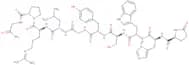
CAS :D-Arg1,D-Pro2,D-Trp7,9,Leu11]-Substance P is a synthetic peptide that can be used as a research tool to study the function of Substance P receptors. It is a ligand for the NK1 receptor and inhibits the activity of ion channels. D-Arg1,D-Pro2,D-Trp7,9,Leu11]-Substance P has been shown to inhibit the binding of substance P to cell membranes in vitro. This peptide also inhibits substance P binding to NK1 receptors in vivo.Formule :C75H108N20O13Degré de pureté :Min. 95%Masse moléculaire :1,497.8 g/molCalciseptine
CAS :A synthetic snake toxin sourced from the black mamba, Dendroaspis polylepis polylepis which can be applied as a L-type Ca2+ channel blocker. This product has disulfide bonds between Cys3-Cys22, Cys17-Cys39, Cys41-Cys52, and Cys53-Cys58 and is available as a 0.1mg vial.
Formule :C299H468N90O87S10Degré de pureté :Min. 95%Masse moléculaire :7,036.1 g/molm-dPEG®36-Azide (Azido-m-dPEG®36)
CAS :m-dPEG®36-Azide (Azido-m-dPEG®36) is a PEG compound with two different functional groups (also known as heterobifunctional). Unlike homobifunctional PEG compounds (same functional group on both ends), this type of compounds are more versatile as have two different anchor points. m-dPEG®36-Azide (Azido-m-dPEG®36) is used as a linker and spacer to add a PEG moiety, via pegylation (a bioconjugation technique) to proteins, peptides, oligonucleotides, small molecules and nanoparticles.
Degré de pureté :Min. 95%Masse moléculaire :1,642.95 g/molGly-Pro-pNA • Tos [GPNT]
CAS :Gly-Pro-pNA • Tos is a peptide that is derived from the sequence of the human beta2 adrenergic receptor. It can be used as a research tool for studying receptor-ligand interactions and for identifying ligands for other receptors. Gly-Pro-pNA • Tos may also be used as an inhibitor of ion channels.Formule :C13H16N4O4•C7H8O3SDegré de pureté :Min. 95%Masse moléculaire :464.49 g/molFmoc-OSu
CAS :Fmoc-OSu is a synthetic amino acid that is used in the synthesis of peptides and other biomolecules. It can be synthesized by solid-phase peptide synthesis using Fmoc chemistry, which involves an acid-labile protecting group. Fmoc-OSu has been shown to inhibit cancer cell growth, although its mechanism is not known. Fmoc-OSu has been shown to have anti-inflammatory effects by inhibiting the proinflammatory cytokine TNFα. Fmoc-OSu has also been shown to have glycan binding properties, which may be due to its ability to bind with sialic acid residues on glycoproteins or glycolipids.Formule :C19H15NO5Degré de pureté :Min. 98.0 Area-%Masse moléculaire :337.33 g/molAzido-dPEG®8-Alcohol
CAS :Azido-dPEG®8-Alcohol is a PEG polymer categorised as monofunctional (OH-PEG-X). Used as a linker, azido-dPEG®8-Alcohol is used to attached PEG to proteins, peptides, oligonucleotides, nanoparticles and small molecules via pegylation, a bioconjugation technique.Degré de pureté :Min. 95%Masse moléculaire :395.45 g/molCCK-Octapeptide (26-33) (Non-Sulfated Form)
CAS :CCK-Octapeptide (26-33) is a peptide that is a member of the cholecystokinin family of peptides. CCK-Octapeptide (26-33) is an activator of the CCK receptor and can be used for research purposes. This peptide has been shown to inhibit ion channels, which are proteins that regulate the flow of ions across cell membranes, and may be used as a pharmacological tool or research tool.
Formule :C49H62N10O13S2Degré de pureté :Min. 95%Masse moléculaire :1,063.2 g/molLys-Ala-AMC
CAS :Lys-Ala-AMC is an activator of ion channels and a ligand for receptors. It is used in research as a tool to study protein interactions, receptor pharmacology, and ion channel pharmacology. Lys-Ala-AMC binds to the α-subunit of voltage gated calcium channels and can activate these channels by increasing the rate of opening. This peptide also inhibits receptor binding by competing with the natural ligand. It has been shown to be an antagonist at the NMDA receptor and can inhibit the binding of glycine to this receptor.
Formule :C19H26N4O4Degré de pureté :Min. 95%Masse moléculaire :374.43 g/moldPEG®4 SATA (S-Acetyl-dPEG®4 NHS Ester)
CAS :dPEG®4 SATA (S-Acetyl-dPEG®4 NHS Ester) is a PEG compound with two different functional groups (also known as heterobifunctional). Unlike homobifunctional PEG compounds (same functional group on both ends), this type of compounds are more versatile as have two different anchor points. dPEG®4 SATA (S-Acetyl-dPEG®4 NHS Ester) is used as a linker and spacer to add a PEG moiety, via pegylation (a bioconjugation technique) to proteins, peptides, oligonucleotides, small molecules and nanoparticles.Formule :C17H27NO9SDegré de pureté :Min. 95%Masse moléculaire :421.46 g/molFmoc-N-Lys-(dPEG®4-Biotin)-OH-(Acid)
CAS :Fmoc-N-Lys-(dPEG®4-Biotin)-OH-(Acid) is an ion channel activator with a molecular weight of 921.5 Da. It has been shown to activate the voltage-gated potassium channels Kv1.2 and Kv1.3 in rat cortical neurons, and inhibit the activity of the voltage-gated sodium channels Nav1.6, Nav1.7, and Nav1.8 in rat dorsal root ganglia neurons. In addition, Fmoc-N-Lys-(dPEG®4-Biotin)-OH-(Acid) has been shown to activate the calcium release activated calcium channels (CRACs) in human erythrocytes and induce the release of arachidonic acid from human platelets. It is a high purity reagent for research purposes only, not for use in humans or animals for any reason other than scientific researchFormule :C89H163F4NO39S2Degré de pureté :Min. 95%Masse moléculaire :2,011.35 g/molm-dPEG®4-Azide (Azido-m-dPEG®4)
CAS :m-dPEG®4-Azide (Azido-m-dPEG®4) is a PEG compound with two different functional groups (also known as heterobifunctional). Unlike homobifunctional PEG compounds (same functional group on both ends), this type of compounds are more versatile as have two different anchor points. m-dPEG®4-Azide (Azido-m-dPEG®4) is used as a linker and spacer to add a PEG moiety, via pegylation (a bioconjugation technique) to proteins, peptides, oligonucleotides, small molecules and nanoparticles.
Formule :C72H145N3O36Degré de pureté :Min. 95%Masse moléculaire :1,628.92 g/molSARS CoV-2 IgG S1
CoV-2 IgG S1 antibody binds to both SARS-CoV and SARS-CoV-2 (COVID-19) with high affinity at amino acids 318-510 in the S1 domain of the Spike protein and can be used in ELISA assays. SARS Coronavirus is an enveloped virus containing three outer structural proteins, namely the membrane (M), envelope (E), and spike (S) proteins. Spike (S)-glycoprotein of the virus interacts with a cellular receptor and mediates membrane fusion to allow viral entry into susceptible target cells. Accordingly, S-protein plays an important role in virus infection cycle and is the primary target of neutralizing antibodies. It has recently been shown that SARS is caused by a human coronavirus. Human coronaviruses are the major cause of upper respiratory tract illness in humans, such as the common cold. Coronaviruses are positive-stranded RNA viruses, featuring the largest viral RNA genomes known to date (27-31 kb). The first step in coronavirus infection is binding of the viral spike protein, a 139-kDa protein, to certain receptors on host cells. The spike protein is the main surface antigen of the coronavirus. The most prominent protein in the culture supernatants infected with SARS virus is a 46 kDa nucleocapsid protein. This suggests that the nucleocapsid protein is a major immunogen that may be useful for early diagnostics.
Recombinant Anti Human SARS CoV-2 IgG1 Kappa Spike S1 is a recombinant monoclonal antibody derived from HEL293 cells, which recognizes the SARS-CoV and SARS-CoV-2 Spike glycoprotein. CoV-2 IgG S1 Antibody binds to both SARS-CoV and SARS-CoV-2 with high affinity at amino acids 318-510 (RBD, Receptor Binding Domain) in the S1 subunit of the Spike protein. The native monoclonal antibody was generated by sequencing peripheral blood lymphocytes of a patient exposed to the SARS-CoV. The ELISA Plate was coated with the target proteins at 5 µg/ml. Primary antibodies were titrated on a 3-fold serial dilution starting at 125 ng/ml, CoV-2 IgG S1 antibody recognises SARS-CoV-2 spike protein subunit 1 (aa 1-674), or 41.6 ng/ml CoV-2 IgG S1 antibody recognised spike protein from SARS-CoV (subunit 1, aa 1-666) and SARS-CoV-2 (subunit 1, aa 1-674). Secondary antibody anti-human IgG conjugated to HRP used in the assay, at 1:4000 concentration. This product was purified through Protein A affinity and avaiable in the formulation: 1mg/ml in PBS and 0.02% Proclin 300F.Degré de pureté :Min. 95%NHS-m-dPEG® (MW = 509)
CAS :NHS-m-dPEG® (MW = 509) is a PEG compound with two different functional groups (also known as heterobifunctional). Unlike homobifunctional PEG compounds (same functional group on both ends), this type of compounds are more versatile as have two different anchor points. NHS-m-dPEG® (MW = 509) is used as a linker and spacer to add a PEG moiety, via pegylation (a bioconjugation technique) to proteins, peptides, oligonucleotides, small molecules and nanoparticles.Degré de pureté :Min. 95%Masse moléculaire :509.54 g/molBoc-Phe-Ser-Arg-AMC
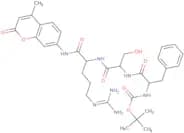
CAS :Boc-Phe-Ser-Arg-AMC is a peptide that can be used as a research tool in the study of protein interactions, receptor activation and ligand binding. It is an inhibitor of ion channels and has been shown to be an antagonist of nicotinic acetylcholine receptors. This product may be used as a research tool for studying cell biology, pharmacology, and life sciences.Formule :C33H43N7O8Degré de pureté :Min. 95%Masse moléculaire :665.74 g/mol





![[D-Leu7]-(-)-Ternatin](/_next/image/?url=https%3A%2Fstatic.cymitquimica.com%2Fproducts%2F3D%2Fthumb-webp%2FTNN-4464-V.webp&w=3840&q=75)


































![Bz-Gly-Lys [Hippuryl-Lysine]](/_next/image/?url=https%3A%2Fstatic.cymitquimica.com%2Fproducts%2F3D%2Fthumb-webp%2FSGK-3047.webp&w=3840&q=75)



![Fmoc-Thr[Ac4Galß(1- >3)Ac2GalNAcα(1->O)] -OH-O-ß-2,3,4,6-Tetra-O-Acetyl-D-Galactopyranosyl-(1- >3)…](/_next/image/?url=https%3A%2Fstatic.cymitquimica.com%2Fproducts%2F3D%2Fthumb-webp%2FCAR-22104.webp&w=3840&q=75)







![[Sar1,Val5,Ala8]-Angiotensin II](/_next/image/?url=https%3A%2Fstatic.cymitquimica.com%2Fproducts%2F3D%2Fthumb-webp%2FPAN-4071-V.webp&w=3840&q=75)

![[D-Arg1,D-Pro2,D-Trp7,9,Leu11]-Substance P](/_next/image/?url=https%3A%2Fstatic.cymitquimica.com%2Fproducts%2F3D%2Fthumb-webp%2FPSP-4172-V.webp&w=3840&q=75)


![Gly-Pro-pNA • Tos [GPNT]](/_next/image/?url=https%3A%2Fstatic.cymitquimica.com%2Fproducts%2F3D%2Fthumb-webp%2FSGP-3074-V.webp&w=3840&q=75)