Peptides
Sous-catégories appartenant à la catégorie "Peptides"
29793 produits trouvés pour "Peptides"
Galanin (3-13)
Galanin is a neuropeptide synthesised and released by the brainstem locus coeruleus (LC). Galanin is expressed in most LC neurons in rodents and humans. Galanin has been shown to inhibit LC activity by hyperpolarising LC neurons, suppressing their spontaneous firing rate, and enhancing alpha2-adrenergic receptor-mediated negative feedback. Galanin is also a potent trophic and neuroprotective factor throughout the nervous system.Galanin is widely distributed in the central nervous, peripheral, and endocrine systems. Galanin's overarching function is as an inhibitory, hyper-polarizing neuromodulator for classical neurotransmitters like acetylcholine and serotonin. Galanin interacts with 3 receptor subtypes, GalR1-3, these G protein-coupled receptors are inserted into the plasma membrane. GalR1 is believed to activate a Gβγ pathway to regulate MAPK activation. GalR2 can also activate the MAPK pathway, but unlike GalR1, there is detectable inositol phosphate production. GalR3 is associated with the Galphai/o pathway. Activation of the receptor leads to a cellular influx of K+. Each receptor has been associated with neurological diseases such as GalR3 with epilepsy.N-terminal fragments naturally occur in vivo, but their relevance is unclear. Some N-terminal fragments reduce metabolic and functional disorders in experimental heart damage. Using N-terminal fragments such as galanin (3-13) can clarify the function of full-length galanin during myocardial ischemia and reperfusion injury. This may highlight new agonists/antagonists for the galanin GalR receptors that can be putative therapeutic targets.
Couleur et forme :PowderMasse moléculaire :1,103.6 g/molClick Maier8
Maier8 is a short basic amphipathic peptide that functions as a cell-penetrating peptide (CPP). Maier8 has been studied in comparison to other CPPs and found to be highly efficient at crossing into the cell without causing cytotoxicity. Furthermore, Maier8 has a long half-life which is vital for effective delivery of the conjugate.Maier8 is labelled at the N-terminus with an alkyne attachment for ease of reaction with an opposite Click reactive partner (azide). Azide-alkyne cycloaddition has become the most popular Click reaction. Alkyne-Maier8 allows a wide variety of applications, particularly for conjugation, modification, and drug delivery.
Couleur et forme :PowderMasse moléculaire :1,588.1 g/molT peptide
Cell permeable peptide where the amyloid forming sequence is homologous to a nucleating sequence from the human Tau protein (306VQIVYK311). Forms long lived oligomers that are taken up by endocytosis and is cytotoxic in multiple cell lines.- Co-localizes with pathological hyperphosphorylated forms of Tau in vitro.
Masse moléculaire :2,194.4 g/molOxidised Alpha-synuclein (1-13)
Alpha-synuclein (1-13) is derived from the alpha-synuclein intrinsically disordered protein which is found in the neurons and presynaptic terminals. Encoded by the SNCA1/PARK1 gene alpha-synclein is structurally composed of 140 amino acids, making up the three domains: N-terminal membrane binding domain, a hydrophobic non-amyloid-β component domain and a hydrophilic C-terminal domain. Usually alpha-synuclein plays a role in protecting neurons from apoptotic stimuli and is involved in synaptic vesical trafficking.Accumulation of alpha-synuclein aggregates can lead to neurodegenerative diseases such as Parkinson disease, dementia with Lewy bodies and multiple system atrophy. It is further involved in the fibrilisation of amyloid-b and tau which play a major role in Alzheimer disease. Amyloid fibrils are formed from alpha synuclein monomers within the cytosol and when bound to membranes these monomers can undergo conformational changes to form protofibrils and then ring like oligomers. This can result in the formation of transmembrane pores which disrupts the membrane, calcium homeostasis and signalling.In familial Parkinson disease the SNCA1 gene, can be subjected to point mutations such as A30P, E46K and A53T, or over expression. These can result in the increased aggregation of alpha-synuclein.The methionine at position 5 is oxidised and the oxidation of methionine is common in neurodegenerative diseases and promotes the accumulation of altered α-synuclein. Furthermore when these methionine residues are oxidised, methionine sulfoxides are produced.
Couleur et forme :PowderMasse moléculaire :1,498.8 g/mol2-Furoyl-LIGRL-amide
PAR2 plays a particular role in protecting the gastric mucosa mediated by capsaicin-sensitive sensory neurons. PAR2 also serves to aid in gut smooth muscle motility- colon inflammation pathway- hyperalgesia and is also anti-inflammatory in other circumstances.Development of selective agonists for PAR2 are crucial for research. (2-Furoyl)-LIGRL-amide is a far more potent agonist than the native PAR2 activating peptide SLIGRL-NH2. In mice, oral administration conferred cytoprotection from gastrointestinal lesions. However, it was inhibited by capsaicin pre-treatment.
Masse moléculaire :663.4 g/mol[Biotin]-GLP-1
Glucagon-like peptide (GLP)-1 is a gastrointestinal peptide hormone with multiple roles in relation to metabolism. The primary role of GLP-1 is increasing insulin secretion in the presence of high plasma glucose levels, in addition, GLP-1 also suppresses glucagon secretion from the pancreas. GLP-1 slows down gastric emptying and regulates appetite, both valuable in reducing food intake and body weight. These roles of GLP-1 make it a useful target in the management of type 2 diabetes mellitus (T2DM).GLP-1 exerts its effects by binding to and activating the class B G protein-coupled receptor (GPCR): GLP-1 receptor (GLP-1R). Receptor activation in turn activates signalling pathways which culminates in insulin secretion via CAMP and Ca2+ signalling.Recently evidence has increased for GLP-1 playing a cardio-protective role as well as regulating immune responses and even in kidney function. GLP-1 may also exert neuroprotective and neurotropic effects as it can decrease endogenous levels of amyloid-β (Aβ) and prevent Aβ-induced cell death.This peptide contains an N-terminal Biotin tag for simple detection and purification.
Couleur et forme :PowderMasse moléculaire :4,335.1 g/mol[5-TAMRA]-LPETAG N-terminal Sortagging
This peptide is recognised and cleaved by the enzyme Sortase A (SrtA) from-Staphylococcus aureus. The catalytic cysteine residue in the active site of SrtA, serves as a nucleophile to cleave the peptide bond between threonine and glycine. Cleavage results in the formation of a thioacyl intermediate between the peptide and SrtA. This intermediate is then resolved by the N-terminus of an (oligo)glycine nucleophile, resulting in the creation of a new peptide bond that links the peptide and its-nucleophile, resulting in the creation of a new peptide bond that links the peptide and its fluorescent- to the incoming nucleophile.- This method of protein labelling is known as sortagging5-Carboxytetramethylrhodamine (5-TAMRA) is a widely used fluorescent dye which excites at 546 nm and emits at 579 nm
Couleur et forme :PowderMasse moléculaire :997.5 g/mol[Ala144]-PLP (139-151)
[Ala144]-PLP (139-151) is the Ala 144 form of Proteolipid protein (PLP), an epitope of immunodominant encephalitogenic PLP and is involved in promoting encephalomyelitis.
Couleur et forme :PowderMasse moléculaire :1,405.6 g/molAIP-I
Auto-inducing peptide (AIP) is a cyclic thiolactone quorum sensing peptide from Staphylococcus aureus which is responsible for activating the agr response. AIP is released from the bacteria and its extracellular concentration is then sensed by a two-component system on the bacterial surface, AgrC and AgrA. AgrC is the membrane histidine kinase receptor and AgrA is a response regulator- upon binding of AIP, AgrC phosphorylates AgrA.AIP accumulates during growth activating an AgrC and AgrA cascade when it reaches a critical signal level. This cascade activates P2 and P3 promoters which autoactivate the agr system and upregulate RNAIII transcription. RNAIII regulates the expression of virulence factors including toxins, super-antigens, and exo-enzymes. Extensive research to identify AIP:AgrC inhibitors aims to find therapeutics against pathogens.AgrD is the precursor peptide of AIP, and AgrB is an integral membrane endopeptidase essential to biosynthesize AIP. This AIP system is conserved among many Gram-positive bacteria. S. aureus strains are categorized into four groups (I-IV) according to their AIP signal and cognate extracellular receptor, AgrC. AIP-I has the characteristic five-residue thiolactone ring with a short N-terminal extension. AIP-I has been used to generate a biosensor for the detection of S. aureus in nanomolar range for use in hospital settings.
Formule :C43H60N8O13S2Couleur et forme :PowderMasse moléculaire :961.11 g/molNeuropeptide S mouse
Neuropeptide S (NPS) is a neuropeptide found in mammalian brains, primarily in neurons in the lateral parabrachial nucleus, the peri-locus coeruleus and the principle sensory 5 nucleus of the trigeminus. NPS in involved in several neuroendocrine, behavioural and inflammatory responses, including: reducing anxiety in mice- suppressing appetite- and inducing wakefulness and hyperactivity. NPS treatment can be used to improve fear extinction in mice and limit fear memory retrieval after fear reduction training, thus making it an interesting target in relation to post-traumatic stress disorder. NPS exerts its actions by binding to a G-protein coupled receptor, NPSR.
Masse moléculaire :2,181.2 g/molEHD1
EHD1 is a member of the C-terminal EPS15-Homology Domain-containing (EHD) protein family and is involved in recycling cell surface receptors.
Masse moléculaire :1,367.7 g/molPEN (Mouse)
Endogenous peptide GPR83 agonist derived from processing of precursor protein, proSAAS, a 26-kDa protein encoded by the PCSK1N gene (chromosomal localization Xp11.3 in humans). It is widely expressed in a number of species where it is involved in feeding, stress modulation and addiction and reward circuits.
Masse moléculaire :2,316.2 g/molHistone H3 (30-41) K36Me2
Histone H3 (30-41) K36Me2 is derived from Histone 3 (H3) which is one of the four core histones (H2A, H2B, H3 and H4) fundamental in compacting eukaryotic DNA into the nucleosome. The nucleosome arises when 147 base pairs of DNA wrap around a H3-H4 tetramer and two H2A-H2B dimers, forming the histone octamer core. Both H4 and H3 are highly conserved and perform roles in binding to segments of DNA which enter and leave the nucleosome and in chromatin formation. Similar to the other core histone, H3 has a globular domain and a flexible N-terminal domain, 'histone tail' which can undergo modifications such as acetylation, methylation, phosphorylation and ubiquitination. Due to histones containing a large number of lysine and arginine residues they have a positive net charge which interacts in an electrostatic manner with the negatively charged phosphate groups in DNA. The transcriptional activation or silencing of the chromatin is controlled by ATP-dependent chromatin remodelling factors and histone modifying enzymes which target histone proteins. Both processes function to alter to change the positioning of the nucleosome, allowing the DNA it to be either available to the transcription machinery or inaccessible.The Histone H3 (30-41) lysine 36 has been dimethylated.
Masse moléculaire :1,337.8 g/molSARS-CoV-2 Nucleoprotein (104-121)
The coronavirus (CoV) nucleoprotein is the major component of CoV structural proteins. The nucleoprotein has a critical role in virus assembly and RNA transcription. The nucleoprotein is essential in the formation of helical ribonucleoproteins and in regulating viral RNA synthesis. The nucleoprotein can also regulate infected host cellular mechanisms. It is highly expressed during infection and may induce protective immune responses against SARS-CoV and SARS-CoV-2.The nucleoprotein residues LSPRWYFYYLGTGPEAGL (104-121) from SARS-CoV-2 have been identified as a T-cell epitope with a predicted HLA restriction. Immune targeting of confirmed epitopes may potentially offer protection against SARS-CoV-2 and help the development of vaccines for long-lasting immunity.
Masse moléculaire :2,089 g/mol(RFR)<sub>4</sub>XB
Cell penetrating peptide with a repeating motif of cationic-nonpolar-cationic (C-N-C) residues, such repeating motifs are important features of membrane-penetrating peptides. This peptide is able to enhance the efficacy and uptake of peptide phosphorodiamidate morpholino oligomers (PPMOs) into bacterial cells. PPMOs are synthetic DNA mimics that bind cRNA and inhibit bacterial gene expression, however these antisense oligomers need help crossing the outer membrane of Gram-negative bacteria due to their molecular weight and polar characteristics. Cell penetrating peptide such as this, when attached to antisense oligomers can improve their entry into Gram-negative bacteria and increased their potency by orders of magnitude.
Couleur et forme :PowderMasse moléculaire :898.5 g/molAcetyl-Claudin-6
Acetly-Claudin-6 is derived from the tight junction protein Claudin-6 which is encoded by the CLDN6 gene and can be found within epithelial cell to cell contacts. The Claudin family are transmembrane proteins containing two extracellular loops and are involved in maintaining cell polarity and controlling paracellular ion flux.The expression of Claudin-6 is most commonly seen in early embryonic development where it plays a role in the regulation of blastocyst formation through tight junction enhancement. It is also an important factor for epidermal differentiation and barrier formation. Although it is more commonly seen in embryonic development it is also expressed in mammary epithelial cells. Studies have also shown Cldn6 to be a tumour suppressor in breast cancer.
Couleur et forme :PowderMasse moléculaire :2,594.4 g/molGRP (14-27), human, porcine
Mammalian bombesin-like neuropeptide- first isolated from pig spinal cord, which can stimulate rat uterine smooth muscle contraction and gastrin and somatostatin secretion in vitro. Increases blood pressure and pancreatic exocrine secretion in dogs.
Couleur et forme :PowderMasse moléculaire :1,666.8 g/molgp96-II
Heat shock protein gp96 inhibitor which binds to and antagonizes gp96 mediated lipopolysaccharide (LPS) induced cytokine production. Anti-inflammatory in a number of in vivo and in vitro models.
Masse moléculaire :4,461.6 g/molbeta-Amyloid (1-12) Biotin
β-Amyloid 1-12 (Aβ1-12) is one of many short Aβ species found in vivo and is formed by the cleavage of amyloid β precursor protein by β- and α-secretase. Amyloid β-protein (Aβ) has been identified as the key subunit of the extracellular plaques found in the brains of patients with Alzheimer disease (AD) and Down syndrome (DS). Aβ has therefore been extensively studied as a potential target for treatment of AD.Aβ is formed from the cleavage of the large, transmembrane protein- APP (amyloid precursor protein). Cleavage of APP by β- and then α-secretases results in the formation of Aβ. Aβ can aggregate to produce amyloid-β oligomers, which are thought to be highly neurotoxic. Over time Aβ can further aggregate to produce the characteristic senile plaques present in AD and DS. Aβ can be degraded by enzymes such as neprilysin, insulin degrading enzyme or endothelin converting enzyme. At physiological levels Aβ may be involved in controlling synaptic activity and neuronal survival.-Biotin is C-terminally linked to the peptide via ethylenediamine for convenient detection and purification. Alternative β-Amyloid fragments and labels are also available, please refer to our peptide catalogue for availability.
Masse moléculaire :1,691.7 g/molHSA (549-558)
The HSA (549-558) peptide is derived from human serum albumin (HSA), a protein present in the blood plasma. It is involved in the transportation of compounds through the blood stream, the maintenance of osmotic blood pressure and could be used to improve drug delivery.
Masse moléculaire :1,128.38 g/molCRAMP (1-39)
Cathelicidin-related anti-microbial peptide (CRAMP) is the mouse homologue of the human LL-37 anti-microbial peptide. CRAMP possesses potent anti-bacterial activity against Gram-positive and Gram-negative bacterial strains with no haemolytic activity. As well as displaying direct anti-microbial activity, CRAMP also binds to lipopolysaccharide (LPS) to neutralise its activity. CRAMP is encoded for by the Cramp gene which is highly expressed in bone marrow and up-regulated by infectious and inflammatory signals, CRAMP is secreted by cells such as neutrophils epithelial cells and macrophages. This peptide represents the mature, extended, form of CRAMP, longer than the 34 amino acid peptide originally isolated from the bone marrow of mice. CRAMP (1-39) has enhanced anti-microbial activity compared to CRAMP (6-39).
Masse moléculaire :4,419.27 g/molSARS-CoV-2 NSP13 (246-260)
The SARS-CoV-2 non-structural protein 13 (NSP13) has been identified as a target for anti-viral therapeutics due to its highly conserved sequence and is essential for viral replication. NSP13 is part of the helicase superfamily 1B. As an NTPase and RNA helicase, NSP13 binds to RNA-dependent RNA polymerase and acts in concert with the replication-transcription complex to stimulate backtracking and further activate NSP13 helicase activity. These factors make NSP13 a good target for developing new antiviral drugs. In addition, the identification of epitopes within the NSP13 sequence can help design more effective SARS-CoV-2 vaccines.Models have predicted epitopes exhibiting antigenicity, stability and interactions with MHC class-I and class-II molecules. NSP13 (246-260) is an epitope candidate with various predicted HLA restrictions. This epitope can be used to better vaccine design for more durable CD4+ and CD8+ T cell responses for long-lasting immunity.
Masse moléculaire :1,723.9 g/molAAV8 capsid protein
This peptide represents part of the capsid protein, which forms the shell, of adeno-associated virus 8 (AAV8). This peptide has high major histocompatibility (MHC) affinity, and the MHC restriction has been identified as a H-2 Dd binder. This epitope can therefore simulate CD8+ T cells and can elicit a robust response from interferon γ (IFN-γ), a cytokine critical for innate immunity and adaptive immunity against viral, and some bacterial and protozoal infections.CD8+ T cells (often called cytotoxic T lymphocytes, or CTLs) are generated in the thymus and express the dimeric co-receptor, CD8, on their surface. CD8+ T cells can recognise peptides presented by MHC class I molecules, which are found on all nucleated cells. CD8+ T cells are important for defence against intracellular pathogens, including viruses and bacteria, and for tumour surveillance, however, they can also contribute to excessive immune responses that leads to immune-mediated damage.AAV8 is a non-disease causing virus that can infect humans and can integrate into the host cell genome. Gene therapy vectors have been created using AAV8 which can persist in an extrachromosomal state without integrating into the genome of the host cell and show promise in recent human clinical trials.
Masse moléculaire :855.4 g/molA6 peptide
CD44 binding peptide derived from residues 136-143 of the connecting peptide domain of human urokinase plasminogen activator (uPA). Modulates CD44-mediated cell signalling but does not bind to the uPA receptor or interfere with the uPA/uPAR interaction. Inhibits migration, invasion, and metastasis of tumour cells in animal models.
Masse moléculaire :910.4 g/molPAF19
PAF19 is an antimicrobial peptide with activity against fungi that cause postharvest decay in fruits. It inhibits the in vitro growth of strains of Penicillium italicum, Penicillium digitatum, and Botrytis cinerea, however it is ineffective against other filamentous fungi (including some that belong to the genus Penicillium) and several yeast and bacterial strains.
Couleur et forme :PowderMasse moléculaire :964.1 g/molHistone H3 (1-20)-[S]-Biotin
Histone H3 (1-20)-[S]-Biotin is derived from Histone 3 (H3) which is one of the four core histones (H2A, H2B, H3 and H4) fundamental in compacting eukaryotic DNA into a structure known as the nucleosome. The nucleosome arises when 147 base pairs of DNA wrap around a H3-H4 tetramer and two H2A-H2B dimers, forming the histone octamer core. Both H4 and H3 are highly conserved and perform roles in binding to segments of DNA which enter and leave the nucleosome and in chromatin formation. Similar to the other core histone, H3 has a globular domain and a flexible N-terminal domain, 'histone tail' which can undergo modifications such as acetylation, methylation, phosphorylation and ubiquitination. Due to histones containing a large number of lysine and arginine residues they have a positive net charge which interacts in an electrostatic manner with the negatively charged phosphate groups in DNA. The transcriptional activation or silencing of the chromatin is controlled by ATP-dependent chromatin remodelling factors and histone modifying enzymes which target histone proteins. Both processes function to alter the positioning of the nucleosome, allowing the DNA it to be either available or inaccessible to the transcription machinery.Another modification process histones can undergo is biotinylation where the covalent attachment of a biotin molecule is catalysed by the enzyme Biotinidase. This cleaves biocytin to generate a biotinyl-thiester intermediate. The biotinyl can then be transferred onto the histone lysine ɛ-amino group which in this case it is covalently attached to Histone 3. Overall the biotinylation sites identified in histone 3 are: K4, K9 and K18. The presence of biotinylated histones have been detected in human cells such as lymphocytes and lymphomas.
Couleur et forme :PowderMasse moléculaire :2,424.4 g/molPD-1 (27-41)
PD-1 (27-41) peptide is derived from the programmed cell death-1 (PD-1) which interacts with its ligand, PD-L1 to regulate immune homeostasis. PD-1 and its ligand PD-L1 are critical in regulating T cell activation, tolerance and immuno-pathology. PD-1 is an immune checkpoint and guards against autoimmunity through two mechanisms. First, it promotes apoptosis of antigen-specific T-cells in lymph nodes. Second, it reduces apoptosis in regulatory T cells.Several types of cancer cells overexpress PD-L1 in order to escape from the PD-1/PD-L1 immuno-surveillance mechanism. Consequently PD-1 inhibitors and PD-L1 inhibitors could be used as a therapeutic in the treatment of cancers.
Couleur et forme :PowderMasse moléculaire :1,679.8 g/molHistone H3 (20-36) K27Me3
The Histone H3 (20-36)-K27Me3 is derived from Histone 3 (H3) which is one of the four core histones (H2A, H2B, H3 and H4) fundamental in compacting eukaryotic DNA into the nucleosome. The nucleosome arises when 147 base pairs of DNA wrap around a H3-H4 tetramer and two H2A-H2B dimers, forming the histone octamer core. Both H4 and H3 are highly conserved and perform roles in binding to segments of DNA which enter and leave the nucleosome and in chromatin formation. Similar to the other core histone, H3 has a globular domain and a flexible N-terminal domain, 'histone tail' which can undergo modifications such as acetylation, methylation, phosphorylation and ubiquitination. Due to histones containing a large number of lysine and arginine residues they have a positive net charge which interacts in an electrostatic manner with the negatively charged phosphate groups in DNA. The transcriptional activation or silencing of the chromatin is controlled by ATP-dependent chromatin remodelling factors and histone modifying enzymes which target histone proteins. Both processes function to alter to change the positioning of the nucleosome, allowing the DNA it to be either available to the transcription machinery or inaccessible.The Histone H3 (20-36) lysine 27 has been trimethylated which is usually a marker of repressive chromatin. H3K27 trimethylation also prevents H3 from interacting with SET1-like complexes, thus inhibiting the trimethylation of H3K4.
Masse moléculaire :1,668 g/molSialokinins I
Peptide derived from the Sialokinin neuropeptide which is involved in smooth muscle contraction. It is homologous to mammalian Substance P and was first identified in mosquito Ae. Aegypti.
Couleur et forme :PowderMasse moléculaire :1,143.5 g/molAra h 3 (278-284) peanut Allergen
Ara h 3 is one of the major allergens from peanut (Arachis hypogaea) out of approximately 13 potentially important allergens described. The Ara h 3 allergen is recognised by serum IgE from approximately 45% of peanut allergy patients.The peanut (Arachis hypogaea) is a member of the legume (Leguminosae) family, which includes beans and peas. Ara h 3 belongs to the glycinin family of legume storage proteins (S11 plant storage proteins) and is extensively proteolytically processed. This peptide represents a trypic peptide of Ara h 3.
Masse moléculaire :884.14 g/mol[5-FAM]-pVec
Cell-penetrating peptides (CPPs) have the ability to cross cell membrane bilayers without causing lethal membrane damage. CPPs themselves can exert biological activity and can be formed endogenously, or alternatively they can enhance transport of different cargoes across cell membranes. Vascular endothelial-cadherin-derived peptide (pVec) is an amphipathic CPP, these are characterised by both hydrophobic and hydrophilic regions. The charged region interacts with the cell membrane, while the hydrophobic region causes membrane perturbation, enabling translocation. pVec is derived from vascular endothelial cadherin, which is able to cross the blood brain barrier. Peptide is labelled with an N-terminal 5-carboxyfluorescein (5-FAM), a widely used green fluorescent tag.
Masse moléculaire :2,567.01 g/molDystrophin (396-405)
Forms of inherited muscular dystrophy such as Duchenne muscular dystrophy (DMD) and Becker muscular dystrophy (BMD) result from mutations targeting the dystrophin gene. These disorders are X-linked, progressive, and cause the gradual weakening of the muscles leading to respiratory failure and ultimately reduces the patient lifespan.In DMD, mutations lead to the production of premature stop codons and hence the truncated dystrophin protein product is vulnerable to nonsense mediated decay and degradation. Therefore, dystrophin production in muscle cells is reduced. On the other hand, nonsense mutations which also contribute to DMD, cause exon skipping in BMD and result in an internally truncated protein product which are partially functional. The symptoms of BMD are later onset compared with DMD which develop in patients between 2 to 7 years.Treatments of dystrophin disorders are in clinical trials including antisense oligonucleotide exon skipping and gene therapy. However, the efficacies of these treatments are not easily quantified. Currently levels of muscular dystrophin are quantified by western blot which can be unreliable. The peptide provided here, aligning residues dystrophin (396-405), has been shown to provide absolute quantification of dystrophin levels from biopsies using parallel reaction monitoring. This will hopefully allow better management of dystrophin disorders with better quantifications tools based on dystrophin (396-405). Further study with this dystrophin fragment could prove to be a vital step in the understanding and treatment of dystrophin disorders. Within our catalogue we also have other peptides tested for dystrophin quantification available plus the full-length dystrophin protein.
dodecapeptide AR71
The dodecapeptide AR71 prevents melanoma inhibitory activity (MIA) dimerisation and hence inhibits (MIA). It therefore has the potential to be used as a therapeutic in melanoma.
Masse moléculaire :1,550.8 g/molCE dipeptide
CE-acid is a dipeptide of glutamate and cysteine. CE-acid has a formal charge of 0 and a range of biological and chemical uses. EC-acid is also available in our catalogue.
Masse moléculaire :250.1 g/molHistone H2A (78-86)
The histone H2A residues 78 to 86 are derived from histone 2A (H2A) which is one of the four core histones (H2A, H2B, H3 and H4) fundamental in compacting eukaryotic DNA into a structure known as the nucleosome. The nucleosome arises when 147 base pairs of DNA wrap around a H3-H4 tetramer and two H2A-H2B dimers, forming the histone octamer core.At the site of DNA entry on the outer nucleosome, the C-terminus of H2A is present and is able to interact with linker histones or other factors. This allows for variation and changes in nucleosome stability to occur. Furthermore Histone H2A has histone variants such as H2A.Z and H2A.X (which are present in all organisms) and these variants alter the organisation of the DNA.Due to histones containing a large number of lysine and arginine residues they have a positive net charge which interacts in an electrostatic manner with the negatively charged phosphate groups in DNA. The transcriptional activation or silencing of the chromatin is controlled by ATP-dependent chromatin remodelling factors and histone modifying enzymes which target histone proteins. Both processes function to alter to change the positioning of the nucleosome, allowing the DNA it to be either available to the transcription machinery or inaccessible.
Couleur et forme :PowderMasse moléculaire :1,144.7 g/molMastoparan
Mastoparan is a 14-residue cationic peptide toxin isolated from the wasp Vespula lewisii venom which shows an important potency as an antimicrobial and anticancer agent but also as a Cell Permeable Peptide.
Mastoparan is mainly known to be a receptor-independant and allosteric regulator of G-protein by stimulating GTPase activity.
Besides modulating the activity of G-protein, Mastoparan have the ability to bind other intracellular targets such as Ca2+-ATP (implicated in Ca2+ release), small GTP binding proteins rho and rac, and many others.
Mastoparan also belongs to the cell permeable peptide (CPP) family. As such, Mastoparan increases the membrane conductance and permeability of planar lipid bilayer and liposomal membranes which leads to enhanced the penetration of Ca2+, Na+ or K+ ions.
Mastoparan have also a potential antibiotic effect due to its potent antimicrobial activity which can turn Mastoparan to a potential drug for infectious diseases.
Some studies have also reported that Mastoparan exhibits potent anti-cancer activities toward leukemia, myeloma, and breast cancer cells with an approximately half maximal inhibitory concentration (IC50) of 9µM, 11µM and 22µM respectively.
Mastoparan have shown to be more specific to cancer cells than to normal cells.Masse moléculaire :1,478 g/molAlyteserin-1b
Alyerserin-1b is a C-terminally α-amidated 23 residue Cationic anti-microbial peptide (AMP). Anti-microbial peptides (AMPs) are produced by the innate immune system and are expressed when the host is challenged by a pathogen. The Alyerserin family of peptides was first identified in norepinephrine-stimulated skin secretions of the midwife toad-Alytes obstetricans-(Alytidae). Alyteserin-1 peptides have limited structural similarity to the ascaphins from the skins of frogs of the Leiopelmatidae family. Alyteserin-1 peptides are selective at inhibiting growth activity of Gram-negative bacteria-such as Escherichia coli and show weak haemolytic activity against human erythrocytes.Alyteserin contain at least 50% hydrophobic amino acids. Hydrophobic residues contribute to the insertion of the peptide into the hydrophobic membrane core which results in membrane disruption and death of the pathogen. Due to their mechanism of action it is less likely for resistance to develop towards them compared to conventional antibiotics.
Couleur et forme :PowderMasse moléculaire :2,292.76 g/molSBP2
Truncated version of SBP1, the fragment of the angiotensin-converting enzyme 2 (ACE2) peptidase domain (PD) alpha1 helix important for the interaction of ACE2 with the severe acute respiratory syndrome (SARS coronavirus receptor binding domain (SARS-CoV-2-RBD). Unlike SBP1, SBP2 does not associate with the spike RBD protein.
B-peptide
B-peptide is an arginine-rich cell-penetrating peptide which can be used in a chimeric fusion peptide which includes a morpholino oligomer (PMO). B-peptide enables the convalently conjugated PMOs or peptides to be transported across cell membranes and can therefore be a useful tool in delivering targeted therapies.
Masse moléculaire :1,861.2 g/molPD-1 (21-35)
PD-1 (21-35) peptide is derived from the programmed cell death-1 (PD-1) which interacts with its ligand, PD-L1 to regulate immune homeostasis. PD-1 and its ligand PD-L1 are critical in regulating T cell activation, tolerance and immuno-pathology. PD-1 is an immune checkpoint and guards against autoimmunity through two mechanisms. First, it promotes apoptosis of antigen-specific T-cells in lymph nodes. Second, it reduces apoptosis in regulatory T cells.Several types of cancer cells overexpress PD-L1 in order to escape from the PD-1/PD-L1 immuno-surveillance mechanism. Consequently PD-1 inhibitors and PD-L1 inhibitors could be used as a therapeutic in the treatment of cancers.
Couleur et forme :PowderMasse moléculaire :1,778.9 g/molAllergen Ara h 1 (560-572)
Ara h 1 is one of the major allergenic proteins from peanut (Arachis hypogaea) which contains approximately 13 potential allergenic proteins.Ara h 1 is a member of the 7/8 S globulin (vicilin) family of seed storage proteins belonging to the cupin superfamily and is the most abundant allergen present in the peanut kernel. Ara h 1 plays an important role in the allergy sensitising procedure and can be recognised by 90% of patients with a peanut allergy.This peptide represents a tryptic peptide of Ara h 1.
Couleur et forme :PowderMasse moléculaire :1,375.7 g/molOvalbumin (324-338), chicken, quail
Ovalbumin (OVA) is the primary protein in egg-white, and is involved in initiating food allergies and asthma. It is a highly immunogenic protein and can be used for peptide conjugation in the development of antibodies.OVA (324-338) is a class I (Kb)-restricted peptide epitope of OVA. The ovalbumin fragment is presented by the class I MHC molecule, H-2Kb.
Masse moléculaire :1,559.8 g/molFz7-21
Binds to the cysteine rich domain of the Frizzled 7 receptor and inhibits Wnt signalling in cultured cells and stem cell function in intestinal organoids.
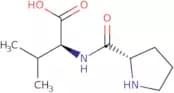
Couleur et forme :PowderMasse moléculaire :1,794.8 g/molH-Pro-Val-OH
CAS :H-Pro-Val-OH is an amide that is used to treat renal disorders by inhibiting leukocyte elastase. It has been shown to be a potent inhibitor of serine proteases, including chymotrypsin and trypsin. H-Pro-Val-OH binds to the active site on serine proteases and blocks the release of peptides from the enzyme. The binding constant for H-Pro-Val-OH with chymotrypsin was found to be in the range of 3 x 10 M, which is significantly higher than that for other amides. In addition, H-Pro-Val-OH inhibits cytolysis by lysosomal enzymes and protects against liver injury caused by chronic liver disease. This drug also shows low molecular weight and high water solubility, making it effective in treating acute hepatitis.
Formule :C10H18N2O3Degré de pureté :Min. 95%Couleur et forme :PowderMasse moléculaire :214.26 g/molPEMT Blocking Peptide
A synthetic peptide for use as a blocking control in assays to test for specificity of PEMT antibody, catalog no. 70R-6491Degré de pureté :Min. 95%CYN 154806 trifluoroacetate
CAS :CYN 154806 is a novel anti-inflammatory drug that inhibits the vasoactive intestinal peptide receptor and has a neuroprotective effect. It also prevents the activation of microglia, which are cells of the central nervous system responsible for immune defense. CYN 154806 is membrane permeable and can inhibit the transcription-polymerase chain reaction (PCR) in mouse hippocampal tissue and human macrophages. CYN 154806 has been shown to have a low bioavailability and a short half-life, making it difficult to measure its pharmacokinetic properties in vivo. However, CYN 154806 does not appear to be toxic at high doses.
Formule :C56H68N12O14S2•(C2HF3O2)xDegré de pureté :Min. 95%Couleur et forme :PowderMasse moléculaire :1,197.34 g/molCEF Control Peptide Pool
CEF (cytomegalovirus, Epstein-Barr virus, and influenza virus) control peptide pool for immune cell activation. CEF32 peptide pool is a positive control for CD8 cell activation.
Des-Pro2-Bradykinin
Des-Pro2-Bradykinin is a peptide that acts as a potent inhibitor of the enzyme kininase. It has been shown to inhibit the production of Angiotensin I Converting Enzyme Inhibitors (ACEs) and peptides in vitro, but not in vivo. Des-Pro2-Bradykinin may be useful for studying the role of kinins in cardiovascular disease and other conditions.
Formule :C45H66N14O10•2CH3COOH•3H2ODegré de pureté :Min. 95%Masse moléculaire :1,137.24 g/molProTx-II
CAS :A spider venom-derived peptide whose sequence is derived from the Tarantula, Thrixopelma pruriens which can be applied as a Na+ Channel (Especially Nav1.7) / Ca2+ Ion Channel Blocker (Gating Modifier). This product has disulfide bonds between Cys2-Cys16, Cys9-Cys21, and Cys15-Cys25 and is available as a trifluoroacetate salt. For a smaller quantity in acetate form, see PTX-4450-S.
Formule :C168H250N46O41S8Degré de pureté :Min. 95%Masse moléculaire :3,826.66 g/molNeurotensin (Human, Bovine, Canine)
CAS :Neurotensin is a neuropeptide that is involved in the regulation of a variety of physiological functions, including neurotransmission, cardiovascular function, and appetite. It is composed of 13 amino acids and is primarily produced in the gastrointestinal tract and the central nervous system.
Neurotensin acts as a neurotransmitter and neuromodulator in the brain, where it is synthesized by neurons in several regions, including the hypothalamus, amygdala, and nucleus accumbens. In addition to its role in neurotransmission, neurotensin has been shown to be involved in the regulation of food intake and energy metabolism. It is thought to promote satiety and reduce food intake by interacting with the hypothalamus and other brain regions involved in appetite regulation.
Neurotensin has also been studied for its potential therapeutic applications as it has been shown to be associated with the pathophysiology of conditions such as Parkinson's disease, pain, schizophrenia, cancer and inflammatory bowel disease.
This product is available as a 0.5mg vial.Formule :C78H121N21O20Degré de pureté :Min. 95%Masse moléculaire :1,672.9 g/molFmoc-Trp(Boc)-OH
CAS :Fmoc-Trp(Boc)-OH is a building block for the synthesis of peptides and other bioactive molecules. It is used in the synthesis of daptomycin, an antibiotic that is used to treat bacterial infections caused by methicillin-resistant Staphylococcus aureus (MRSA). Fmoc-Trp(Boc)-OH is also used as a synthon in the production of natural products such as kynurenine, which has been shown to have anti-cancer properties.
Formule :C31H30N2O6Degré de pureté :Min. 95%Masse moléculaire :526.59 g/molH-Gly-Arg-Ala-Asp-Ser-Pro-OH
CAS :H-Gly-Arg-Ala-Asp-Ser-Pro-OH is a basic protein that is a member of the growth factor β1 family. It has been shown to increase collagen production and inhibit the transcription of pro-apoptotic proteins in the carcinoma cell lines. H-Gly-Arg-Ala-Asp-Ser-Pro-OH is also known as RGD peptides, which are derived from collagen. It has been found to induce genotoxic effects, such as chromosomal aberrations and sister chromatid exchanges, in cells.
Formule :C23H39N9O10Degré de pureté :Min. 95%Masse moléculaire :601.61 g/molBoc-ß-Ala-OH
CAS :Boc-ß-Ala-OH is an amino acid that inhibits the activity of gamma-aminobutyric acid (GABA) receptors. It has been shown to bind to the GABA receptor and block its activation by GABA. Boc-ß-Ala-OH is used as a building block for peptide synthesis, where it can be coupled with other amino acids to form a desired peptide sequence. This amino acid also possesses intramolecular hydrogen bonding interactions, which have been found to contribute to its inhibitory properties. Boc-ß-Ala-OH has a phase transition temperature of 104°C and is soluble in water below this point.
Formule :C8H15NODegré de pureté :Min. 95%Masse moléculaire :189.21 g/molCyclo(Arg-Ala-Asp-D-Phe-Val)
CAS :Cyclo(Arg-Ala-Asp-D-Phe-Val) is an active, cyclic peptide that has been shown to have localized effects on the metaphase, meiosis, and gamete cells. Cyclo(Arg-Ala-Asp-D-Phe-Val) is a cilengitide, which are small molecules that bind to calcium ions and increase intracellular levels of calcium. This leads to the activation of biochemical pathways in cells. Cyclo(Arg-Ala-Asp-D-Phe-Val) has been shown to have a diacylglycerol antagonist effect in porcine oocytes and was used in clinical trials for the treatment of infertility. Cyclo(Arg-Ala-Asp-D-Phe Val) also has apoptotic activity in cancer cells.
Formule :C27H40N8O7Degré de pureté :Min. 95%Masse moléculaire :588.68 g/molFmoc-His(Trt)-OH
CAS :Fmoc-His(Trt)-OH is a synthetic antimicrobial peptide that belongs to the class of acetylcholine. The peptide was found to inhibit the growth of a number of bacterial genera, including Pseudomonas, Acinetobacter and Burkholderia. The sequence of Fmoc-His(Trt)-OH is acetylated at the N-terminus and amidated at the C-terminus. This peptide has been found to have a broad spectrum of activity against drug resistant bacteria. It has also been shown to be active against mammalian cells in addition to bacterial cells, suggesting it may have therapeutic potential for humans as well as animals.
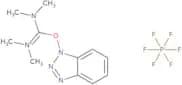
Formule :C40H33N3O4Degré de pureté :Min. 98.0 Area-%Masse moléculaire :619.73 g/molHBTU Reagent
CAS :HBTU is a reagent that is used in the synthesis of peptides. It has been shown to have inhibitory properties and stable complexes with ester linkages. HBTU has been shown to have a negative effect on congestive heart disease, which may be due to its ability to bind to receptors and mimic the effects of peptide hormones. This compound is also used as a model system for mitochondrial membrane potential. HBTU binds covalently to the peptide hormone receptor, which slows down the rate of degradation and increases its resistance to proteases. HBTU can also be used as an immunosuppressant drug in animal models of autoimmune diseases by inhibiting T-cell proliferation and cytokine production.
Formule :C11H16N5OPF6Degré de pureté :Min. 95%Masse moléculaire :379.25 g/molFmoc-D-Tyr(tBu)-OH
CAS :Please enquire for more information about Fmoc-D-Tyr(tBu)-OH including the price, delivery time and more detailed product information at the technical inquiry form on this page
Formule :C28H29NO5Degré de pureté :Min. 95%Masse moléculaire :459.55 g/molAc-Arg-Gly-Lys(Ac)-MCA
CAS :Ac-Arg-Gly-Lys(Ac)-MCA is a peptide that is used as a histone deacetylase substrate. It is an enzyme substrate in the histone deacetylase reaction and it has been shown to inhibit the growth of many bacterial strains. Ac-Arg-Gly-Lys(Ac)-MCA has been shown to inhibit the growth of Staphylococcus aureus, Bacillus subtilis, and Pseudomonas aeruginosa.
Formule :C28H40N8O7Degré de pureté :Min. 95%Masse moléculaire :600.68 g/molH-Gly-Arg-Gly-Asp-Ser-Pro-Cys-OH
CAS :H-Gly-Arg-Gly-Asp-Ser-Pro-Cys-OH is a monoclonal antibody (mAb) that binds to the cell surface receptor, TGFβRI. It has been shown to exhibit biological activities including inhibition of tumor growth and induction of apoptosis in cancer cells. This mAb can be used as a tumor treatment and can also inhibit the proliferation of cells in tissue culture. H-Gly-Arg-Gly-Asp-Ser-Pro-Cys has been shown to inhibit the production of collagen, which may be due to its ability to block integrin activation by binding to the cell surface receptor, αVβ3. HGRGSSPC has also been found to have antiangiogenic properties, which may be due to its ability to bind with high affinity and specificity to αVβ3 on endothelial cells.
Formule :C23H42N10O11SDegré de pureté :Min. 95%Masse moléculaire :690.74 g/molFRETS-25-STD2 (1 umol)
FRETS-25-STD2 is a peptide that is used in pharmacology, cell biology, and research. It acts as an activator of ion channels and receptor proteins. FRETS-25-STD2 also has the ability to inhibit ligand binding to receptors. This product is made up of 25 amino acids and has a purity of 1 umol.Formule :C41H61N15O11Degré de pureté :Min. 95%Masse moléculaire :940.02 g/molFmoc-D-Ile-OH
CAS :Fmoc-D-Ile-OH is a peptide that inhibits the activation of protein interactions. It is also used as a research tool to study the binding of ligands to receptors. Fmoc-D-Ile-OH has been shown to bind to ion channels, such as nicotinic acetylcholine receptor and voltage gated potassium channels. This inhibitor has also been shown to bind with high affinity to a receptor with unknown identity.
Formule :C21H23NO4Degré de pureté :Min. 95%Masse moléculaire :353.42 g/molFor-Met-Leu-pNA
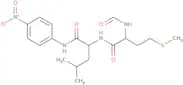
CAS :For-Met-Leu-pNA is a synthetic peptide that can be used as a research tool for studying protein interactions. It has been shown to inhibit ion channels and may be useful in the treatment of epilepsy, especially in cases of drug resistant seizures. For-Met-Leu-pNA is also an inhibitor and can be used as an anticonvulsant.
Formule :C18H26N4O5SDegré de pureté :Min. 95%Masse moléculaire :410.5 g/molElastatinal
CAS :Elastatinal is a natural product that has been shown to inhibit the protease activity of HIV-1. This inhibition may be due to its ability to bind to the cell surface and prevent the assembly of the virus-cell complex. Elastatinal binds to hydroxyl groups on proteins, which may inhibit enzymes in cells by preventing them from carrying out their functions. The biological sample can be any type of biological fluid or tissue, such as blood, saliva, semen, and vaginal secretions. Elastatinal is a natural product that has been shown to inhibit the protease activity of HIV-1. This inhibition may be due to its ability to bind to the cell surface and prevent the assembly of the virus-cell complex. Elastatinal binds to hydroxyl groups on proteins, which may inhibit enzymes in cells by preventing them from carrying out their functions. The biological sample can be any type of biological fluid or tissue, such as blood, saliva, semen, and
Formule :C21H36N8O7Degré de pureté :Min. 95%Masse moléculaire :512.56 g/molFmoc-Thr(tBu)-OH
CAS :Fmoc-Thr(tBu)-OH is an amino acid that is used for the synthesis of amides and esters. It is prepared by the solid-phase synthesis of 2,6-dichloroacetic acid and Fmoc-protected thiomorpholine. The product can be purified by a combination of saponification and trifluoroacetic acid hydrolysis. This amino acid has acidic properties, which may be due to its ability to form ester or amide bonds with other compounds in the presence of a base.
Formule :C23H27NO5Degré de pureté :Min. 98.0 Area-%Masse moléculaire :397.48 g/molBoc-Tyr(Br-Z)-OH
CAS :Boc-Tyr(Br-Z)-OH is a research tool used in the study of protein interactions and receptor pharmacology. It is an ion channel activator that binds to the Ligand-gated Ion channel receptor. Boc-Tyr(Br-Z)-OH has been shown to increase the rate of potassium ion permeability through the channel, which is associated with pain perception. This ligand also decreases calcium ion permeability, which may be beneficial for some conditions such as epilepsy or cardiac arrhythmia.
Formule :C22H24NO7BrDegré de pureté :Min. 95%Masse moléculaire :494.33 g/molFmoc-D-Lys(Boc)-OH
CAS :Fmoc-D-Lys(Boc)-OH is a building block for the synthesis of peptides. It can be used to synthesize chains that are up to 17 amino acids long. Fmoc-D-Lys(Boc)-OH is a protected amino acid with an active group on the alpha carbon and has been used in the synthesis of ganirelix acetate, a peptide that is used in the treatment of prostate cancer. The Boc group is an organic compound that protects the lysine side chain from reacting with other compounds. The Fmoc group is also an organic compound, which helps to protect the side chain from reactions with other compounds. These groups are removed at different stages of synthesis, depending on what type of reaction needs to take place next.
Formule :C26H32N2O6Degré de pureté :Min. 95%Masse moléculaire :468.55 g/molEnterotoxin STp
CAS :Enterotoxin STp is an Escherichia coli Enterotoxin, with the following disulfide bonds: Cys5 and Cys10; Cys6 and Cys14; Cys9 and Cys17 and available as the trifluoroacetate salt.
One-Letter-Code: H-NTFYCCELCCNPACAGCY-OHFormule :C81H110N20O26S6Degré de pureté :Min. 95%Masse moléculaire :1,972.26 g/molBivalirudin
CAS :Bivalirudin is a synthetic cyclic peptide that binds to the ATP-binding cassette transporter and inhibits the activity of the proteolytic enzyme, angiotensin-converting enzyme (ACE). ACE inhibition prevents the conversion of angiotensin I to angiotensin II. Bivalirudin has been shown to be effective in reducing mortality in patients with acute coronary syndrome or undergoing percutaneous coronary intervention. It has also been shown to have pharmacokinetic properties that are similar to those of heparin. The drug has a low dose and is not associated with an increased risk of bleeding. Bivalirudin is an inhibitor and can cause drug interactions when combined with other drugs that are inhibitors or substrates for this type of transporter.
Formule :C98H138N24O33Degré de pureté :Min. 95%Masse moléculaire :2,180.33 g/molBoc-D-Pro-OH
CAS :Boc-D-Pro-OH is a model compound for the synthesis of peptides. Boc-D-Pro-OH has been used in many surface-enhanced Raman spectroscopy studies to investigate the stereochemistry of glycosidic bonds. It has also been used in pharmacokinetic studies to investigate the drug's absorption, distribution, metabolism, and excretion (ADME) properties. The solute is soluble in water due to its hydrophilic nature. Boc-D-Pro-OH is an enantiomer of Boc-L-Pro-OH and a functional group that contains a trifluoromethyl group. This chemical can be used in Tools for Peptide Synthesis with other compounds to form peptides with specific amino acid sequences.
Formule :C10H17NO4Degré de pureté :Min. 95%Masse moléculaire :215.25 g/molBoc-Cys(tBu)-OH
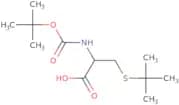
CAS :Boc-Cys(tBu)-OH is a peptide that is an activator of ion channels. It is used as a research tool to study protein interactions, antibody binding, and cell biology. The peptide has been shown to act as an inhibitor of ion channels by binding to the extracellular domain of the receptor and inhibiting ligand binding. It has also been shown to activate potassium channels in mammalian cells.
Formule :C12H23NO4SDegré de pureté :Min. 95%Masse moléculaire :277.38 g/molS-Acm-ß-Mercaptopropionic Acid
CAS :S-Acm-ß-Mercaptopropionic Acid is a selective activator of the human K+ channel KCNQ2/KCNQ3. It is a potent inhibitor of the hERG potassium channel. S-Acm-ß-Mercaptopropionic Acid is a ligand that binds to and activates KCNQ2 and KCNQ3 channels in heart muscle cells. It has shown to be an antibody for the study of ion channels, as well as other receptors and cell biology. This molecule has been used as a research tool for studying protein interactions and pharmacology.
Formule :C6H11NO3SDegré de pureté :Min. 95%Masse moléculaire :177.22 g/molPepstatin A (Synthetic)
CAS :Pepstatin A is a natural product that has been synthesized for use as an inhibitor of proteolytic enzymes. It inhibits the activity of a wide range of proteases and is used in vitro to study the biochemical properties of these enzymes. Pepstatin A inhibits the activity of many important proteases, including those involved in infectious diseases, such as HIV and hepatitis C virus. Pepstatin A binds to the active site on serine proteases, blocking access by their substrates and thereby inhibiting enzyme activity. The binding site is highly conserved among different types of serine protease, with approximately 90% homology between trypsin and chymotrypsin. The inhibitory mechanism involves a specific interaction between pepstatin A's hydrophobic side chain and the catalytic triad residues His57, Asp102, and Ser195 in trypsin or His57, Asp102, and Ser188 in chymotrypsin.
Formule :C34H63N5O9Degré de pureté :Min. 95%Masse moléculaire :685.89 g/molDiprotin B
CAS :Diprotin B is a colony-stimulating factor protein that has inhibitory properties in the colon. It has been shown to be effective in reducing symptoms of bowel disease and inflammatory bowel disease, as well as reducing the recurrence of colon cancer. Diprotin B inhibits the release of inflammatory cytokines such as tumor necrosis factor-α (TNF-α) and interleukin-6 (IL-6). The inhibition of these proinflammatory cytokines may contribute to the anti-inflammatory effects observed with Diprotin B treatment. Diprotin B also prevents cytosolic calcium accumulation, which can lead to cell lysis. This process is mediated by antimicrobial peptides called defensins that are expressed in Paneth cells found in the small intestine and colon. Defensins have also been shown to induce cell lysis through their ability to bind to bacterial membranes.
Formule :C16H29N3O4Degré de pureté :Min. 95%Masse moléculaire :327.43 g/molAc-Arg-Leu-Arg-MCA
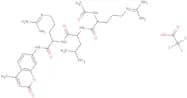
CAS :Ac-Arg-Leu-Arg-MCA is a fluorogenic substrate for the proteasome that can be used in proteasome research. Ac-Arg-Leu-Arg-MCA has been shown to be a useful fluorescent substrate for the ubiquitin proteasome system substrates and peptides and biochemicals. It is also an Enzyme Substrate of the Peptides & Biochemicals section.
Formule :C30H46N10O6Degré de pureté :Min. 95%Masse moléculaire :642.76 g/molBoc-Ile-OH • 1/2 H2O
CAS :Boc-Ile-OH • 1/2 H2O is a synthetic monomer that can be used in peptide synthesis. It is detectable under microscopy and chromatography, and is a component of the Tool for Peptide Synthesis. Boc-Ile-OH • 1/2 H2O has a nature that is synthetic and industrialized, an amino acid composition that is synthetic, and can be used as a monomer in polymerization reactions. This compound also shows enhancement of acidic radical chain reactions. The chromatographic method used to identify this compound utilizes TLC on alumina plates, which are then sprayed with ninhydrin reagent or phosphomolybdic acid reagent. The plate is heated until the solvent evaporates and the residue remains on the plate.
Formule :C11H21NO4H2ODegré de pureté :Min. 95%Masse moléculaire :240.3 g/molX-Neu5Ac
CAS :X-Neu5Ac is a peptide inhibitor of the protein interactions. It has been shown to activate the Ligand, which may be due to its ability to bind to the Receptor. This drug has been used as a research tool for studying ion channels and antibodies. X-Neu5Ac is a high purity product that can be used in life science research.
Formule :C19H22N2O9BrClDegré de pureté :Min. 95%Masse moléculaire :537.74 g/molFmoc-Lys(Biotin)-OH
CAS :Fmoc-Lys(Biotin)-OH is a biotin-reactive derivative of the lysine amino acid. It is used to study the interactions between bacterial pathogens and human cells. Fmoc-Lys(Biotin)-OH has been shown to inhibit the growth of P. aeruginosa in thp-1 cells, which are immortalized human lung epithelial cells. This drug also inhibits the synthesis of proteins in the cell nuclei, which prevents the development of bacterial colonies on solubilized cell nuclei in human serum. The effects of Fmoc-Lys(Biotin)-OH have been observed using an unlabeled drug and preincubation with unlabeled protein to observe cytosolic protein synthesis inhibition. A confocal microscope was used to show that Fmoc-Lys(Biotin)-OH inhibited recombinant proteins that bind to human pathogens, such as Staphylococcus a
Formule :C31H38N4O6SDegré de pureté :Min. 95%Masse moléculaire :594.74 g/molMelittin
CAS :Melittin is a major component of bee venom that has been shown to have antibacterial efficacy against gram-positive bacteria, including methicillin-resistant Staphylococcus aureus. It also demonstrates anti-viral activity, for example it inhibits human immunodeficiency virus and herpes simplex virus. Furthermore it can be used in the treatment of inflammatory-related illnesses due to it inhibiting the phospholipase A2 enzyme. In addition to this Melittin's abaility to inhibit inflammatory mediators such as nitric oxide and cyclooxygenase-2 aids in the treatment of inflammatory diseases. As a result of Melittin having the capabilities of attacking lipid membranes and it surpressing COX-2 mRNA expression it can also be used in the treatment of tumours. The bound form of melittin is not toxic to mammalian cells, but it is toxic when it is released into the cell cytoplasm. Melittin has been shown to inhibit transcriptional regulation and locomotor activity in mice. This may be due to its ability to bind DNA, preventing transcription and translation of certain genes. Lastly It has strong hemolytic activity and been seen to increase insulin secretion via depolarization of pancreatic beta-cells. Melittin is a diverse peptide which can be used ina whole spectrum of research and therapeutic areas.
Formule :C131H229N39O31Degré de pureté :Min. 95%Masse moléculaire :2,846.47 g/molVIP Antagonist
CAS :VIP Antagonist is a drug that inhibits the α7 nicotinic acetylcholine receptor and has been shown to have inhibitory properties against cancer tissues. The drug blocks the response element for VIP, inhibiting cyclase activity. This prevents the production of VIP and other neuropeptides, which are involved in nerve cell growth and survival. VIP Antagonist also inhibits toll-like receptor signaling pathways by blocking TLR2 and TLR4, which are receptors on immune cells that recognize bacterial products. In addition, this drug binds to human immunoglobulin G (IgG) and prevents it from binding to its Fc receptor on immune cells, thus preventing IgG-mediated complement activation or antibody-dependent cellular cytotoxicity.
Formule :C154H257N49O40SDegré de pureté :Min. 95%Masse moléculaire :3,467.06 g/molβ-Defensin-2 (Human) Antiserum
β-defensin-2 Antiserum is a research tool that can be used to study the interactions of ion channels, receptor and ligand. It is likely to be used in pharmacology and protein interactions. β-defensin-2 Antiserum is purified and has an affinity for antibody proteins.
Degré de pureté :Min. 95%Boc-Asp(OcHex)-OH
CAS :Boc-Asp(OcHex)-OH is a peptide with pharmacological and biological properties. It is an inhibitor of the phospholipase A2 enzyme, which plays a role in inflammation. Boc-Asp(OcHex)-OH also has been shown to activate the epidermal growth factor receptor (EGFR). This peptide has been used as a research tool for studying protein interactions and is also used as an antibody.
Formule :C15H25NO6Degré de pureté :Min. 95%Masse moléculaire :315.36 g/molH-His-D-Trp-Ala-Trp-D-Phe-Lys-NH2
CAS :H-His-D-Trp-Ala-Trp-D-Phe-Lys-NH2 is a potent activator of the human growth hormone receptor, which leads to increased levels of insulin growth factor 1 (IGF1). H-His-D-Trp-Ala-Trp-D-Phe-Lys NH2 causes an increase in locomotor activity and somatotrophs. This peptide has been shown to be effective in treating metabolic disorders such as obesity and diabetes mellitus type 2. It also has antiviral properties that may be useful for the treatment of infectious diseases, such as HIV.
Formule :C46H56N12O6Degré de pureté :Min. 95%Masse moléculaire :873.04 g/molH-Ser-Leu-Ile-Gly-Arg-Leu-NH2
CAS :H-Ser-Leu-Ile-Gly-Arg-Leu-NH2 is a cyclase inhibitor that binds to the neurokinin 1 receptor, leading to an inhibition of the release of inflammatory substances in the bowel. HSLIGRL can also inhibit epidermal growth factor (EGF), which suppresses inflammation and cell proliferation. HSLIGRL also inhibits inflammatory bowel disease by decreasing the production of prostaglandins, which are chemical messengers involved in pain and inflammation. HSLIGRL has been shown to be effective against low potency benzalkonium chloride, which is often used as a preservative in pharmaceuticals. This compound has been shown to reduce inflammation by inhibiting proinflammatory cytokines such as TNFα and IL1β.
Formule :C29H56N10O7Degré de pureté :Min. 95%Masse moléculaire :656.83 g/molFmoc-Ser(tBu)-OH
CAS :Fmoc-Ser(tBu)-OH is a synthetic peptide that is used in the synthesis of peptides and proteins. It is synthesized by using a stepwise procedure, which involves the use of morpholine as an organic base to deprotonate the carboxylic acid group and then reacting it with trifluoroacetic acid (TFA) to form the corresponding chloroformate ester. The amide bond is formed by reaction with ammonia or an amine. Finally, it can be reacted with hydrochloric acid to form the corresponding hydrochloride salt, which is insoluble in water. Impurities such as thionyl chloride and chloroformate can be removed by washing with methylene chloride or chloroform, respectively. Fmoc-Ser(tBu)-OH has been shown to be selective for the formation of hydrophobic bonds between amino acids and is not reactive toward other side chains on the protein.
Formule :C22H25NO5Degré de pureté :Min. 98.0 Area-%Masse moléculaire :383.45 g/molBoc-Asp(OBzl)-OH
CAS :Boc-Asp(OBzl)-OH is a cyclic peptide analog with an amino acid sequence homologous to the natural substrate of soybean trypsin. It has been shown to inhibit thrombin by intramolecular hydrogen bonding. Boc-Asp(OBzl)-OH has also been used as a prodrug for the synthesis of other analogs, such as Asp(OBzl)-Bz-NH2, which inhibits human immunodeficiency virus type 1 (HIV-1) protease. This inhibitor has been found to be effective in vitro and in vivo against HIV-1 strains that are resistant to other protease inhibitors, such as saquinavir, indinavir, and ritonavir.
Formule :C16H21NO6Degré de pureté :Min. 95%Masse moléculaire :323.34 g/molPro-OBzl • Cl
CAS :Pro-OBzl • Cl is a monoclonal antibody that binds to the active site of the ns3 protease, which is an enzyme that is involved in the processing of many proteins. Pro-OBzl • Cl has been shown to inhibit cancer cell growth and to reduce microbial infection by decreasing their ability to produce virulence factors. Pro-OBzl • Cl also has been shown to be effective against viruses such as hepatitis B virus. This drug binds to the receptor on the surface of cells and inhibits viral entry into cells.
Formule :C12H15NO2•HCIDegré de pureté :Min. 95%Masse moléculaire :241.7 g/molCyclo(Arg-Ala-Asp-D-Phe-Lys)
CAS :Cyclo(Arg-Ala-Asp-D-Phe-Lys) is a cyclic peptide that has been shown to have antiangiogenic properties. It may be used as a linker for the conjugation of drugs to compounds with different target specificities. Cyclo(Arg-Ala-Asp-D-Phe-Lys) is a negative control peptide that has the RGD sequence, which is the most common motif in peptides that are used for cell targeting. This peptide was tested against human ovarian carcinoma and inhibited endothelial cell proliferation and tumor vasculature formation. Cyclo(Arg-Ala-Asp-D-Phe-Lys) also inhibited angiogenesis in vitro and in vivo, suggesting that it may be useful for the treatment of cancer and other diseases involving abnormal blood vessel growth.
Formule :C28H43N9O7Degré de pureté :Min. 95%Masse moléculaire :617.71 g/molBQ-610
CAS :BQ-610 is a drug that has been shown to improve brain functions and energy metabolism. It also inhibits the transmission of pain signals in the mesenteric region of rats by blocking voltage-dependent calcium channels. BQ-610 is found to suppress the production of endothelin-a receptor, which is an important regulator for many diseases such as infectious diseases, hypertension, and other cardiovascular disorders. The drug has also been shown to reduce oxidative stress by inhibiting cell nuclei and reducing inflammation by inhibiting basic protein synthesis. BQ-610 has been shown to be effective against congestive heart failure in rats by increasing blood flow and improving biochemical properties.
Formule :C36H44N6O6Degré de pureté :Min. 95%Masse moléculaire :656.79 g/molSuc-Phe-Ala-Ala-Phe-pNA
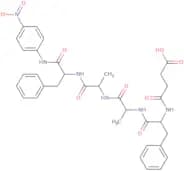
CAS :Suc-Phe-Ala-Ala-Phe-pNA is an amino acid that is a substrate for the serine protease myroilysin. It is used in biochemical research to investigate the physiological function of myroilysin. Suc-Phe-Ala-Ala-Phe-pNA has been shown to be an irreversible inhibitor of myroilysin and inhibits enzyme catalysis.
Formule :C34H38N6O9Degré de pureté :Min. 95%Masse moléculaire :674.70 g/molBoc-D-Ile-OH • 1/2 H2O
CAS :Boc-D-Ile-OH is a cyclohexanone that can be used in peptide synthesis. It has been shown to have affinity for the Tools for Peptide Synthesis and is able to activate primary tumors with metastasis. Boc-D-Ile-OH has been shown to have kinetic parameters, and its pharmacophores are characterized by an organic chemistry approach. This compound is a serine protease inhibitor that blocks the activity of other serine proteases such as chymotrypsin and trypsin.
Formule :C13H21NO4H2ODegré de pureté :Min. 95%Masse moléculaire :240.3 g/molIberiotoxin
CAS :Iberiotoxin a synthetic scorpion toxin sourced from the Buthus tamulus scorpion, has disufide bonds formed between Cys7-Cys28, Cys13-Cys33, and Cys17-Cys35. This prodict can be used as a Ca2+-Activated K+ Channel Blocker (Maxi-K+ Channel Blocker). This peptide can be used in pharmacological studies to investigate the effects of Iberiotoxin on various ion channels and receptors.
Formule :C179H274N50O55S7Degré de pureté :Min. 95%Masse moléculaire :4,230.8 g/molFmoc-Phe-OH
CAS :Fmoc-Phe-OH is a natural compound that has been shown to have antimicrobial properties. The biological properties of Fmoc-Phe-OH are not well understood, but it has been shown to have anticancer effects in some cases and to inhibit axonal growth when combined with the protein laminin. Fmoc-Phe-OH can be synthesized by the reaction of pheine with trifluoroacetic acid followed by treatment with h9c2 cells. The analytical method for determining the concentration of Fmoc-Phe-OH is based on intramolecular hydrogen exchange between hydrogen atoms on the amide group and hydrogens on neighboring methylene groups. This process releases heat, which is detected by a thermometer.
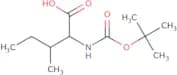
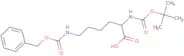
END>Formule :C24H21NO4Degré de pureté :Min. 98.0 Area-%Masse moléculaire :387.44 g/molBoc-Lys(Z)-OH
CAS :Boc-Lys(Z)-OH is an amino acid that is used as a building block for peptide synthesis. It can be used to synthesize Boc-protected L-amino acids, which are useful in the chemical synthesis of peptides and proteins.
Formule :C19H28N2O6Degré de pureté :Min. 95%Masse moléculaire :380.44 g/molCGRP (Rat)
CAS :CGRP (Rat) product with the disulfide Bonds: Cys2-Cys7 and available as a 0.1 mg vial. CGRP is the calcitonin gene-related peptide (CGRP), a neuropeptide that plays an important role in the regulation of vascular tone and blood flow, as well as pain perception, inflammation, and neurogenic inflammation. It is a potent vasodilator and has been implicated in a wide range of physiological and pathophysiological processes.
This product has the potential for use in the study of the physiological and pathological roles of CGRP and to investigate the effects of CGRP on blood vessels, neurons, and other tissues. It has also been used to develop models of migraine headaches and other conditions associated with CGRP dysfunction.Formule :C162H262N50O52S2Degré de pureté :Min. 95%Masse moléculaire :3,806.2 g/molAc-Leu-Leu-Met-H (Aldehyde)
CAS :Ac-Leu-Leu-Met-H (Aldehyde) is a tetrazolium dye that is used as a biological stain for the detection of bacteria in infectious diseases. It binds to toll-like receptor 4 on macrophages and other cells, which triggers a cascade of events leading to bacterial cell lysis. Aldehyde also has been shown to be an autophagy inducer and can cause neuronal death when administered in high doses.
Formule :C19H35N3O4SDegré de pureté :Min. 95%Masse moléculaire :401.57 g/molCamostat Mesilate
CAS :Camostat mesilate is a prodrug that is metabolized to the active form, pemastatin. It is used for the treatment of bowel disease and squamous cell carcinoma. Camostat mesilate inhibits the TNF-α receptor by binding to its response element in vitro and in vivo. The biological properties of camostat mesilate are due to its ability to inhibit TNF-α production by binding to the TNF-α receptor, thereby preventing activation of transcription factors such as nuclear factor kappa B (NFκB). In vitro assays have shown that camostat mesilate induces apoptosis in human carcinoma cell lines through inhibition of growth factor-β1. This drug has also been shown to be effective in treating viral infections, including HIV and herpes zoster.
Formule :C20H22N4O5•CH3SO3HDegré de pureté :Min. 95%Masse moléculaire :494.5 g/molBoc-D-Leu-OH • H2O
CAS :Boc-D-Leu-OH • H2O is an intramolecular hydrogen. It has a helical structure and forms hydrogen bonds with other molecules. Boc-D-Leu-OH • H2O is a cyclic peptide with a hydrophobic side chain and a hydrophilic head group. The peptide has been shown to have antimicrobial activity in the biliary and intestinal tract, as well as chronic pain relief properties. Boc-D-Leu-OH • H2O was found to be effective in animal studies for neuropathic pain, which may be due to its amide structure. A silico analysis revealed that the drug substance had a high binding affinity for the mu opioid receptor and could potentially be used to treat chronic pain caused by inflammation.
Formule :C11H21NO4•H2ODegré de pureté :Min. 95%Masse moléculaire :249.31 g/mol

![[Biotin]-GLP-1](/_next/image/?url=https%3A%2Fstatic.cymitquimica.com%2Fproducts%2F3D%2Fthumb-webp%2FCRB1000881.webp&w=3840&q=75)
![[5-TAMRA]-LPETAG N-terminal Sortagging](/_next/image/?url=https%3A%2Fstatic.cymitquimica.com%2Fproducts%2F3D%2Fthumb-webp%2FCRB1100658.webp&w=3840&q=75)
![[Ala144]-PLP (139-151)](/_next/image/?url=https%3A%2Fstatic.cymitquimica.com%2Fproducts%2F3D%2Fthumb-webp%2FCRB1000329.webp&w=3840&q=75)
![Histone H3 (1-20)-[S]-Biotin](/_next/image/?url=https%3A%2Fstatic.cymitquimica.com%2Fproducts%2F3D%2Fthumb-webp%2FCRB1000542.webp&w=3840&q=75)
![[5-FAM]-pVec](/_next/image/?url=https%3A%2Fstatic.cymitquimica.com%2Fproducts%2F3D%2Fthumb-webp%2FCRB1100281.webp&w=3840&q=75)
![S413-PV-[Cys(Npys)]](/_next/image/?url=https%3A%2Fstatic.cymitquimica.com%2Fproducts%2F3D%2Fthumb-webp%2FCRB1000425.webp&w=3840&q=75)