Peptides
Sous-catégories appartenant à la catégorie "Peptides"
29793 produits trouvés pour "Peptides"
H-R^F-OH
Peptide H-R^F-OH is a Research Peptide with significant interest within the field academic and medical research. This peptide is available for purchase at Cymit Quimica in multiple sizes and with a specification of your choice.
H-Ser-Leu-Ile-Gly-Arg-Leu-NH2
Peptide H-Ser-Leu-Ile-Gly-Arg-Leu-NH2 is a Research Peptide with significant interest within the field academic and medical research. This peptide is available for purchase at Cymit Quimica in multiple sizes and with a specification of your choice.Masse moléculaire :656.83 g/molChemotactic Peptide
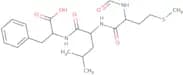
CAS :As a chemotactic peptide, For-Met-Leu-Phe (FMLP) has chemotactic properties, which means it can attract cells. For example it is a chemoattractant for phagocytic leukocytes and neutrophils. Neutrophils which have seven transmembrane G-protein coupled receptors are activated during the acute inflammatory response by FMLP and other chemotactic factors which bind to its surface receptors. This results in the activate of NF- κB, MAPK and PI3K pathways. In particular FMLP is known to induce Interleukin-8 (IL-8) which is responsible for both tissue damage and the pathogenesis of inflammatory processes resulting from neutrophils. Chemotactic peptide have been used to study the function of polymorphonuclear leukocytes and other white blood cells in inflammation. Chemotactic peptides are often used as fluorescent probes to measure intracellular metabolic responses to chemoattractant stimulation. This product is available as a 0.5mg vial.Formule :C21H31N3O5SDegré de pureté :Min. 95%Masse moléculaire :437.55 g/molH-TEFTTALQR^-OH
Peptide H-TEFTTALQR^-OH is a Research Peptide with significant interest within the field academic and medical research. This peptide is available for purchase at Cymit Quimica in multiple sizes and with a specification of your choice.
LCBiot-SMFVYGGCQGNNNNFQSKANC-NH2
Peptide LCBiot-SMFVYGGCQGNNNNFQSKANC-NH2 is a Research Peptide with significant interest within the field academic and medical research. This peptide is available for purchase at Cymit Quimica in multiple sizes and with a specification of your choice.
Biot-GFLTEYVAT-OH
Peptide Biot-GFLTEYVAT-OH is a Research Peptide with significant interest within the field academic and medical research. This peptide is available for purchase at Cymit Quimica in multiple sizes and with a specification of your choice.
C5aR2 agonist
C5a receptor 2 (C5aR2, or C5L2) is a seven transmembrane non-G-protein-signalling receptor which binds the complement activation peptide C5a ligand. The complement cascade is a highly sophisticated network of innate immune proteins that are activated in response to invading pathogens or tissue injury. C5aR2 regulates the release of certain cytokines and is involved in a number of inflammatory conditions. C5aR2 can recruit and form a complex with β-arrestins, which can modulate ERK1/2 signalling in macrophages and neutrophils. C5aR2 has both pro- and anti-inflammatory actions. P32 is a functionally selective C5aR2 ligand which is able to recruit β-arrestin 2 with high efficacy, inhibit C5a-induced ERK1/2 activation and can selectively inhibit LPS-induced IL-6 release from human monocyte-derived macrophages (HMDMs). Functionally selective ligands for C5aR2 such as this are novel tools that can selectively modulate C5a activity and are therefore valuable tools in investigating C5aR2 function.Masse moléculaire :1,118.5 g/molH-LLLLGAGESGK^-OH
Peptide H-LLLLGAGESGK^-OH is a Research Peptide with significant interest within the field academic and medical research. This peptide is available for purchase at Cymit Quimica in multiple sizes and with a specification of your choice.[Tyr]-CNP22, Human
C-type natriuretic peptide (CNP) is a novel urinary biomarker which is part of the natriuretic peptide family. CNP is produced in the kidney and the endothelium and has been localised to renal tubules. CNP expression has also been detected in cardiomyocytes, vascular endothelium, and bone.CNP is synthesized as the precursor 103 amino acid (AA) protein, proCNP (AA 1-103), which is then cleaved into NT-proCNP (AA 1-50) and CNP53 (AA 51-103) by the intracellular endoprotease furin. CNP53 is then cleaved to give the biologically active mature form CNP22 (AA 82-103) and inactive form NT-CNP53 (51-81). CNP primarily acts as an autocrine or paracrine factor and has anti-proliferative and anti-fibrotic properties, including suppression of fibroblast proliferation and collagen production, inhibition of vascular smooth muscle cell proliferation and accelerated regeneration of endothelial cells. CNP is a vasodilator and potent venodilator and slightly elevated levels have been detected in heart failure and renal disease states. CNP has renoprotective properties and is activated during renal injury, where it helps preserve glomerular function and suppress pro-fibrotic processes. Hypoxia, cytokines and fibrotic growth factors, are stimuli for CNP production and release.CNP selectively activates the cell surface particulate guanylyl cyclase receptor B (GC-B), catalysing the conversion of GTP to the downstream second messenger, cyclic guanosine monophosphate (cGMP).Masse moléculaire :2,358.2 g/molBiotin-Nrf2 (69-84)
Nuclear Factor Erythroid 2-Related Factor 2 (Nrf2) and its negative regulator Kelch-Like ECH-Associated Protein 1 (Keap1) provide vital protection in maintaining cellular redox. In parallel, Nrf2 also aids the resolution of inflammation and also tissue repair. In homeostatic conditions, the transcription factor Nrf2 is controlled in a cytoplasmic complex with Keap1 with ubiquitination and protein degradation. Nrf2 has been linked to numerous cancers due to mutations affecting the binding region of Nrf2 to Keap1, resulting in Nrf2 dissociating from the complex. Nrf2 constitutively accumulates in the nucleus and activation of prosurvival genes that promote cancer cell proliferation.The Neh2 region of Nrf2 interacts with Keap1, as shown by nuclear magnetic resonance spectroscopy. The 16 amino acid peptide (AFFAQLQLDEETGEFL) (69-84) flanks the conserved ETGE motif and can replicate the binding to keap1.Therapeutics targeting the Nrf2 signalling pathway and activation of Nrf2 is a keen area of research, with many cancers being linked to Nrf2, particularly pancreatic cancer. Additionally, activation of Nrf2 has become a possible target as a treatment for COVID. Nrf2 (69-84) replicating full-length Nrf2 binding has been helpful in all cases. This Nrf2 (69-84) contains a covalently bonded N-terminal Biotin tag that can be used for detection and purification. If you would prefer the simple peptide, Nrf2 (69-84), it is available from our catalogue.Couleur et forme :PowderMasse moléculaire :2,083 g/mol[Ile8]-Oxytocin
Catalogue peptide; min. 95% purityFormule :C43H66N12O12S2Masse moléculaire :1,007.2 g/molH-GYSIFSYATK^-OH
Peptide H-GYSIFSYATK^-OH is a Research Peptide with significant interest within the field academic and medical research. This peptide is available for purchase at Cymit Quimica in multiple sizes and with a specification of your choice.H-TAVEQAAAELGDTGR^-OH
Peptide H-TAVEQAAAELGDTGR^-OH is a Research Peptide with significant interest within the field academic and medical research. This peptide is available for purchase at Cymit Quimica in multiple sizes and with a specification of your choice.HBV Seq2 aa: 179-186
Custom research peptide; min purity 95%. For different specs please use the Peptide Quote Tool
Formule :C52H70N10O10Masse moléculaire :995.17 g/molLCBiot-KKRYDREFLLGF-OH
Peptide LCBiot-KKRYDREFLLGF-OH is a Research Peptide with significant interest within the field academic and medical research. This peptide is available for purchase at Cymit Quimica in multiple sizes and with a specification of your choice.(Ala1)-PAR-4 (1-6) amide (mouse)
CAS :Custom research peptide; min purity 95%. For different specs please use the Peptide Quote ToolFormule :C34H48N8O7Masse moléculaire :680.8 g/molAIP-II
Auto-inducing peptide (AIP) is a cyclic thiolactone quorum sensing peptide from Staphylococcus aureus which is responsible for activating the agr response. AIP is released from the bacteria and its extracellular concentration is then sensed by a two-component system on the bacterial surface, AgrC and AgrA. AgrC is the membrane histidine kinase receptor and AgrA is a response regulator- upon binding of AIP, AgrC phosphorylates AgrA.AIP accumulates during growth activating an AgrC and AgrA cascade when it reaches a critical signal level. This cascade activates P2 and P3 promoters which autoactivate the agr system and upregulate RNAIII transcription. RNAIII regulates the expression of virulence factors including toxins, super-antigens, and exo-enzymes. Extensive research to identify AIP:AgrC inhibitors aims to find therapeutics against pathogens.AgrD is the precursor peptide of AIP, and AgrB is an integral membrane endopeptidase essential to biosynthesize AIP. This AIP system is conserved among many Gram-positive bacteria. S. aureus strains are categorized into four groups (I-IV) according to their AIP signal and cognate extracellular receptor, AgrC.AIP-II has the conserved thiolactone macrocycle of the AIP family. Asn-3, Leu-8, and Phe-9 have been shown to be critical for activation of the agr response while inhibition relies on Leu-8 and Phe-9. The reactive thiol ester bond is only necessary for activation of the agr response. Further work may provide further AIP:AgrC inhibitors.Couleur et forme :PowderMasse moléculaire :878.4 g/molH-Ala-Ala-Ala-pNA • HCl
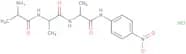
CAS :H-Ala-Ala-Ala-pNA • HCl is a porcine pancreatic elastase inhibitor. It is a chromogenic substrate that inhibits the proteolytic activity of elastase by binding to the active site and blocking its access to the peptide bond. H-Ala-Ala-Ala-pNA • HCl is used as an enzyme inhibitor in biochemistry and molecular biology research, and has been shown to inhibit enzymatic activity of human leukocyte elastase. The peptide is also a substrate for astacin, which cleaves it at the Cys residue.Formule :C15H21N5O5•HClDegré de pureté :Min. 95%Masse moléculaire :387.83 g/molH-EVSPDPSTTGAASPASSSAGGSAAR^-OH
Peptide H-EVSPDPSTTGAASPASSSAGGSAAR^-OH is a Research Peptide with significant interest within the field academic and medical research. This peptide is available for purchase at Cymit Quimica in multiple sizes and with a specification of your choice.
Skeletal muscle-targeted peptide MSP
Gene therapy is potentially an ideal treatment for muscle tissue myopathies but targeting remains an issue. The large volume of muscle in the body versus the requirement for tissue-specificity is of particular concern. This heptapeptide has been shown to preferentially bind skeletal myofibers and thus can be used to study targeting of peptide/gene-delivery to muscle tissue. Research into gene therapy of Duchenne muscular dystrophy (DMD) and spinal muscular atrophy (SMA) has been of particular interest with muscle targeting peptides. This product already shows ideal placement to continue that research to overcome some of these issues.Masse moléculaire :674.4 g/molChromogranin A-derived peptide, WE-14
Custom research peptide; min purity 95%. For different specs please use the Peptide Quote ToolFormule :C73H120N20O23SMasse moléculaire :1,677.9 g/molL17E
CAS :L17E is an endosomolytic peptide derived from the cationic and membrane-lytic spider venom peptide M-lycotoxin and contains a substitution of leucine by glutamic acid at position 17. L17E is able to promote the endocytic uptake and cytosolic delivery of exosome-encapsulated proteins.A major obstacles to intracellular targeting by antibodies is the limited release of the antibodies into the cytosol, once inside endosomes. L17E can achieve an enhanced cellular uptake via the induction of micropinocytosis. Once inside the endosome, positively charged L17E is able to preferentially disrupt negatively charged endosomal membranes to enable a marked cytosolic liberation of antibodies (immunoglobulins G (IgGs)) from endosomes.L17E had little pH dependence and no enhanced helical structure is needed for L17E-mediated membrane lysis.Formule :C134H219N37O32Couleur et forme :PowderMasse moléculaire :2,857.7 g/molSARS-CoV-2 Nucleoprotein (353-370)
The coronavirus (CoV) nucleoprotein is the major component of CoV structural proteins. Also known as the nucleocapsid protein, it is an abundant RNA-binding protein critical for viral genome packaging. These factors make nucleoprotein a good target for developing new antiviral drugs. In addition, the identification of epitopes within the nucleoprotein sequence can help design more effective SARS-CoV-2 vaccines.Models have predicted epitopes exhibiting antigenicity, stability and interactions with MHC class-I and class-II molecules. Nucleoprotein (353-370) is an epitope candidate with various HLA restrictions. This epitope can be used to better vaccine design for more durable CD4+ and CD8+ T cell responses for long-lasting immunity.Masse moléculaire :2,111.1 g/molH-CSRSRSPPKRWSTIF-NH2
Peptide H-CSRSRSPPKRWSTIF-NH2 is a Research Peptide with significant interest within the field academic and medical research. This peptide is available for purchase at Cymit Quimica in multiple sizes and with a specification of your choice.AD01
AD01 is a derivative of the FK506 binding protein-like (FKBPL), and exerts potent anti-angiogenic activity in vitro and in vivo to control tumour growth. Recent studies have shown that AD-01 inhibits Rac-1 activity, and up-regulates RhoA and the actin binding proteins, profilin and vinculin. In this way, the anti-angiogenic proteins, FKBPL, and AD-01, offer a promising and alternative approach for targeting both CD44 positive tumours and vasculature networks. Recent clinical studies have shown that AD01 and other FKBPL-based peptides may offer an alternative for targeting treatment-resistant breast cancer stem cells.Masse moléculaire :2,574.3 g/molAc-NNN-NH2
Peptide Ac-NNN-NH2 is a Research Peptide with significant interest within the field academic and medical research. This peptide is available for purchase at Cymit Quimica in multiple sizes and with a specification of your choice.HLA-A*02:01 Polymerase (417-425)
HLA-A*02 is a class I major histocompatibility complex (MHC) allele which is part of the HLA-A group of human major histocompatibility complex (MHC) leukocyte antigens (HLA). HLA-A is a human MHC class I cell surface receptor and is involved in presenting short polypeptides to the immune system. These polypeptides are typically 7-11 amino acids in length and originate from proteins being expressed by the cell. Cytotoxic T cells in the blood "read" the peptide presented by the complex and should only bind to non-self peptides. If binding occurs, a series of events is initiated culminating in cell death via apoptosis. Hepatitis B virus (HBV) polymerase is a multifunctional enzyme that can use both RNA and DNA as a template for amplification and also has an RNase H function. First the polymerase acts on the HBV pre-genomic RNA (pgRNA) to reverse transcribe it to form the (-) DNA strand. Simultaneously the RNA template is degraded by the polymerases RNase H activity, except for a stretch of RNA at 5' end of the pgRNA which is used to prime the synthesis of the (+) DNA strand. This process results in a new partially double-stranded relaxed circular DNA molecule (rcDNA) within a new capsid.
Masse moléculaire :1,031.6 g/molNeuromedin U-23 (rat)
Custom research peptide; min purity 95%. For different specs please use the Peptide Quote Tool
Formule :C124H180N34O31Masse moléculaire :2,643 g/molYSA amide
YSA binds to the extracellular domain of ephrin type-A receptor 2 (EphA2) with high affinity and selectivity. YSA binding activates EphA2 and its tumour suppressing downstream signalling pathways (including inhibition of the PI3K/Akt and ERK pathways), and promotes receptor internalisation.EphA2 is highly expressed in many types of solid tumour, and the level of EphA2 expression is positively correlated with malignancy and poor prognosis in some cancer types.YSA has been shown to be an effective targeting peptide of chemotherapeutic drugs to EphA2 expressing tumours. YSA-drug conjugates are able to selectively target EphA2 expressing tumours, both activating tumour supressing downstream signalling pathways, and becoming effectively internalised by cancer cells to further increase the potency of the chemotherapeutic drug. YSA-drug conjugates have been shown to be dramatically more effective at inhibiting tumour growth than chemotherapy alone. Selective tumour targeting with YSA could also reduce the systemic toxicity caused by nonselective and highly toxic chemotherapy agents, and thus reduce adverse side effects of chemotherapy.The uncharged C-terminal amide has the potential to increase the biological activity of this peptide.Masse moléculaire :1,345.6 g/molH-NL^VPMVATV-OH
Peptide H-NL^VPMVATV-OH is a Research Peptide with significant interest within the field academic and medical research. This peptide is available for purchase at Cymit Quimica in multiple sizes and with a specification of your choice.Human Influenza Hemagglutinin (HA) Tag (YPYDVPDYA)
Haemagglutinin (HA) peptide YPYDVPDYA – HA Tag
Masse moléculaire :1,101.5 g/molInsulin (Human)
CAS :Human insulin is a peptide hormone produced by beta cells in the pancreas. The insulin receptor is found on the surface of liver, fat, and muscle cells. When binding to its receptor, insulin opens ion channels allowing potassium ions to flow into the cell and sodium ions to flow out of the cell. This change in ion concentration causes an electrical potential across the membrane that triggers an influx of calcium ions from outside the cell. These changes result in an increase in glucose uptake by tissues and inhibition of glucose production by the liver. Insulin also binds to a secondary receptor called IGF-1R (insulin-like growth factor) which activates intracellular signaling pathways involving PI3K and Akt kinase. Insulin can be used as a research tool for studying protein-protein interactions or as a pharmacological agent for diabetes treatment. This product is enzymatically derived from Porcine Insulin A-chain, available as a 0.5mg vial and contains disulfide bonds between CysA6-CysA11,CysA7-CysB7, and CysA20-CysB19.Formule :C257H383N65O77S6Degré de pureté :Min. 95%Masse moléculaire :5,807.6 g/molEBV BRLF1 (148-156) (HLA-A3)
EBV BRLF1 (148-156) (HLA-A3) is an immunodominant CEF control peptide that is derived from the Epstein-Barr virus (EBV). EBV targets B cells, which can cause lytic infection and the consequent death of these cells. Natural killer (NK) cells, invariant (iNKT) cells, CD4T cells and CD8 T cells are essential to control the action of EBV-infected cells. EBV BRLF1 (148-156) (HLA-A3) is defined as a CEF control peptide due to its antigenic properties. Clinically, this peptide is a suitable epitope for CD8+ T cells and can be used to stimulate the release of IFNg. HLA-A3 refers to the cell HLA type that this peptide acts on.The BRLF1 protein is a transcriptional activator that interacts with the amino and carboxy termini of the CREB-binding protein (CBP). CBP activates the lytic EBV gene SM, meaning the interaction between CBP and BRLF1 is responsible for EBV particles switching from latent to lytic viral replication.Masse moléculaire :1,142.6 g/molC-terminal Sortagging-[Cys(AF488)]
This C-terminal Sortagging peptide acts as a (oligo)glycine nucleophile in the final steps of a sortagging protein labelling reaction. This reaction results in the [Cys(AF488)] fluorescent moiety being attached to the C-terminus of the target protein or peptide.A substrate peptide containing the LPXTG motif is recognised and cleaved by the enzyme Sortase A (SrtA) from Staphylococcus aureus. The catalytic cysteine residue in the active site of SrtA, serves as a nucleophile to cleave the peptide bond between threonine and glycine of the substrate peptide. Cleavage results in the formation of a thioacyl intermediate between the substrate peptide and SrtA. This intermediate is then resolved by the N-terminus of this (oligo)glycine nucleophile peptide, resulting in the creation of a new peptide bond that links the substrate peptide to this peptide and its fluorescent dye. This method of protein labelling is known as sortagging.This peptide contains the AF488 fluorescent dye AF488 is a bright green dye with excitation at 488 nm, it is water soluble and stable from pH 4 to pH 10.Couleur et forme :PowderMasse moléculaire :989.2 g/molAF12198
AF12198 is a selective receptor antagonist to the human cytokine, type 1 interleukin-1 (IL-1) and thus blocks IL-1β signalling. AF12198 can inhibit IL-1-induced IL-8 production by human dermal fibroblasts and IL-1-induced intercellular adhesion molecule-1 (ICAM-1) expression by endothelial cells. AF12198 also blocks IL-1 induction of IL-6 and down regulates IL-6 induction in monkeys. AF12198 does not bind the human type II IL-1 receptor, or the murine type I IL-1 receptor.IL-1 influences a wide range of immune and inflammatory responses. Sustained expression of even low levels of IL-1 can be harmful in chronic inflammatory diseases such as rheumatoid arthritis and inflammatory bowel disease.Masse moléculaire :1,895.9 g/molalpha-Gliadin (31 - 43)
This peptide is derived from gliadin wheat protein residues 31-43. It elicits an innate immune response by upregulating expression of interleukin (IL)-15 and cyclooxygenase (COX)-2. This peptide also promotes expression of CD25 on monocytes and macrophages, expression of CD83 on dendritic cells, and p38 MAP kinase activation. Treatment with this peptide allows immunodominant epitopes (57-68 and 62-75) to induce T-cell activation and enterocyte apoptosis.Masse moléculaire :1,526.8 g/molSARS-CoV-2 Nucleoprotein (331-345)
SARS-CoV-2 Nucleoprotein (331-345)Masse moléculaire :1,662.9 g/molFmoc-Acc-OH
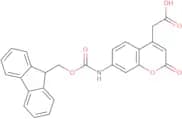
CAS :Fmoc-Acc-OH is a proteolytic amino acid with an apical profile. It is used as a building block for peptide synthesis and as a tool for the synthesis of peptides, proteins, and other biomolecules. Fmoc-Acc-OH has been shown to induce apoptosis in cancer cells and viruses. This amino acid also has biochemical properties that include reversine-treated apoptotic signaling and anti-inflammatory activities.Formule :C26H19NO6Degré de pureté :Min. 95%Masse moléculaire :441.44 g/molSARS-CoV-2 Nucleoprotein (321-335)
The coronavirus (CoV) nucleoprotein is the major component of CoV structural proteins. The nucleoprotein has a critical role in virus assembly and RNA transcription. The nucleoprotein is essential in the formation of helical ribonucleoproteins and in regulating viral RNA synthesis. The nucleoprotein can also regulate infected host cellular mechanisms. It is highly expressed during infection and may induce protective immune responses against SARS-CoV and SARS-CoV-2.The nucleoprotein residues GMEVTPSGTWLTYTG (321-335) from SARS-CoV-2 have been identified as a T-cell epitope with a predicted HLA restriction. Immune targeting of confirmed epitopes may potentially offer protection against SARS-CoV-2 and help the development of vaccines for long-lasting immunity.Masse moléculaire :1,598.7 g/molAprotinin
CAS :Aprotinin is a pharmacological agent that inhibits the activity of enzymes such as plasmin, kallikrein, and trypsin. It is used to prevent or reduce the severity of ischemia-reperfusion injury in heart surgery. Aprotinin also inhibits platelet aggregation and promotes blood coagulation. The drug has been shown to inhibit the activity of x-ray crystallographic inhibitor molecules that are involved in intermolecular hydrogen bonding and multivariate logistic regression. Aprotinin has been shown to have effects on eosinophil cationic protein (ECP), which may be related to its anti-inflammatory properties.Formule :C284H432N84O79S7Degré de pureté :Min. 95%Masse moléculaire :6,511.53 g/molVGB4
Antagonist peptide of VEGF-A and VEGF-B reproducing two binding regions of VEGF-B (loop 1 and loop3) linked together by a receptor binding region of VEGF-A (loop3). Binds to both VEGFR1 and VEGFR2 and inhibits VEGF-A driven proliferation, migration and tube formation in HUVECs.Masse moléculaire :2,708.5 g/molH-ASFHIPQVQVR^-OH
Peptide H-ASFHIPQVQVR^-OH is a Research Peptide with significant interest within the field academic and medical research. This peptide is available for purchase at Cymit Quimica in multiple sizes and with a specification of your choice.
Boc-Arg(Tos)-OH
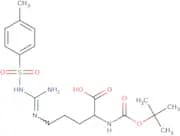
CAS :Boc-Arg(Tos)-OH is a building block used in the synthesis of peptides. It is a solid-phase synthesis that can be used as a catalyst for transfer hydrogenation and transfer chemistry. Boc-Arg(Tos)-OH is typically used to produce lactam, amide, and dermorphin. This molecule is acetylated before use in the synthesis of peptides or proteins.
Formule :C18H28N4O5SDegré de pureté :Min. 95%Masse moléculaire :428.5 g/molI-A(g7) BDC2.5 mimotope
The MHC class II allele I-Ag7 is the allele associated with diabetes in the non-obese diabetic (NOD) mouse. I-Ag7 is also associated with spontaneous mouse models of arthritis and multiple sclerosis. The peptide mimotope mimics the structure of an epitope and therefore causes an antibody response similar to the one elicited by the epitope.Masse moléculaire :1,303.6 g/molP12
Interactions between ECM proteins and growth factors were only thought to concentrate growth factors and to enhance their multimerisation for signalling. However, recent studies indicate that binding of growth factors to ECM proteins may enhance interactions between multi-domain ECM proteins, such as fibronectin (FN), with cell surface receptors, mostly integrins. The discovery of P12 revealed that a small peptide can mimic the role of FN with PDGF-BB, suggesting that some ECM-growth factor interactions may be less complex. P12 can not only bind to PDGF-BB, but also promote cell survival and improve rat skin burns in a dose dependent manner.P12 may have a clinical potential, especially in the reduction of cell death after tissue damage.Masse moléculaire :1,324.7 g/molBiot-LKIQNRQAAASY-OH
Peptide Biot-LKIQNRQAAASY-OH is a Research Peptide with significant interest within the field academic and medical research. This peptide is available for purchase at Cymit Quimica in multiple sizes and with a specification of your choice.
H-DPGSAAPYLK^-OH
Peptide H-DPGSAAPYLK^-OH is a Research Peptide with significant interest within the field academic and medical research. This peptide is available for purchase at Cymit Quimica in multiple sizes and with a specification of your choice.H-LTFPTGR^-OH
Peptide H-LTFPTGR^-OH is a Research Peptide with significant interest within the field academic and medical research. This peptide is available for purchase at Cymit Quimica in multiple sizes and with a specification of your choice.[Gly14]-Humanin
CAS :Humanin is an endogenous peptide which is encoded for by mitochondrial DNA. It has been described as a rescue factor due to it demonstrating the capabilities of abolishing neuronal cell death, therefore is can be used to as a potential treatment of Alzheimer’s disease. Another function of Humanin is it can inhibit mitochondira-dependent apoptosis through preventing the formation of apoptotic bodies and the release of Cytochrome C. Humanin has been found to be related to aging related cardiovascular disease (ACVDs) due to evidence of Humanin serum levels as age increases. Furthermore Humanin increases the expression of antioxidant defense system proteins and impedes complexes I and III from their activity in the electron transport chain in myocardial cells and mitochondria, therefore decreasing oxidative stress damage caused by H2O2. Humanin further reduces reactive oxygen species production and protects cardiomyocytes and fibroblasts, from oxidative stress. Overall Humanin has a variety of protective functions such as mitochondrial homeostasis and redox systems regulation, anti-aging, prevention of myocardial fibrosis, anti-inflammation, metabolism improvement and autophagy promotion. It has also been found to improve beta-cell survival and thus can be used as a diabetes treatment due to it improving insulin secretion and resistance. This Humanin product has had the serine at position 14 on the amino acid chain replaced with a Glycine. This modification has been known to enhance the cytoprotective activity of Humanin by 1000 fold and proves to be highly anti-apoptotic. Therefore this product is of scientific interest for research laboratories. It is available as a 0.5mg vial.Formule :C118H202N34O31S2Degré de pureté :Min. 95%Masse moléculaire :2,657.2 g/molH-FRHDS-NH2
Peptide H-FRHDS-NH2 is a Research Peptide with significant interest within the field academic and medical research. This peptide is available for purchase at Cymit Quimica in multiple sizes and with a specification of your choice.H-YAFGYPS-NH2
Peptide H-YAFGYPS-NH2 is a Research Peptide with significant interest within the field academic and medical research. This peptide is available for purchase at Cymit Quimica in multiple sizes and with a specification of your choice.
Myr-FTEIPTI^-OH
Peptide Myr-FTEIPTI^-OH is a Research Peptide with significant interest within the field academic and medical research. This peptide is available for purchase at Cymit Quimica in multiple sizes and with a specification of your choice.Ac-Gly-Pro-Leu-Asp-AMC
Ac-Gly-Pro-Leu-Asp-MCA [Ac-GPLD-MCA] is a proteasome substrate that is used in the study of the Ubiquitin Proteasome System (UPS). Acetylglycine proline leucine aspartic acid methylamide, or Ac-GPLD-MCA, is a synthetic peptide derived from the sequence of ubiquitin. It is an inhibitor of the proteasome and was shown to be more potent than acetylphenylalanine proline leucine aspartic acid methylamide (APLPDAM), another proteasome inhibitor. Acetylglycine proline leucine aspartic acid methylamide has been shown to inhibit peptides and biochemicals such as amino acids and proteins from being degraded by the proteasomes.Formule :C29H37N5O9Degré de pureté :Min. 95%Masse moléculaire :599.64 g/mol[Nle12] a-factor
[Nle12] alpha-factor is a cyclic analog of the Saccharomyces cerevisiae alpha-factor mating pheromone.Masse moléculaire :1,663.9 g/molH-R^PQQPYPQPQPQY-OH
Peptide H-R^PQQPYPQPQPQY-OH is a Research Peptide with significant interest within the field academic and medical research. This peptide is available for purchase at Cymit Quimica in multiple sizes and with a specification of your choice.
Visperas2pY
An immunoreceptor tyrosine-based activation motif (ITAM) is a phosphorylation site consisting of a conserved sequence of four amino acids that is repeated twice in the cytoplasmic tails of cell-surface non-catalytic tyrosine-phosphorylated receptors. The major role of ITAMs is its involvement in the initiation of signalling pathway and the subsequent activation of immune cells. The motif has the following structure: YxxL/I. where xx are any two amino acids. Two of these signatures are typically separated by between 6 and 8 amino acids in the cytoplasmic tail of the molecule (YxxL/Ix(6-8)YxxL/I). ITAMs are found in the CD3 and θ¶-chains of the T cell receptor (TCR) complex. TCR is a multi-subunit receptor on the surface of T cells. TCR contains two ligand binding chains containing 20 phosphorylation sites, distributed on 10 ITAMs. The TCR θ¶-chain is a homodimer subunit that contains six ITAMs (12 sites). These sites are phosphorylated by the membrane-anchored Src family tyrosine kinase Lck and Fyn and are dephosphorylated by the transmembrane phosphatases CD148 and CD45. When both tyrosines in an ITAM are phosphorylated they generate docking sites for the tandem SH2 domains of the cytosolic tyrosine kinase ZAP-70. Bound ZAP-70 can phosphorylate tyrosines on other substrates that initiate the signal transduction that leads to T cell activation. The multiple ITAMs on the TCR function mainly to amplify subsequent signalling.T cells rely on the TCR to recognize antigens, in the form of peptides bound to major histocompatibility complexes (MHC), on the surfaces of antigen-presenting cells. Binding of TCR to antigen-MCH complexes leads to proliferation, differentiation, and the secretion of effector cytokines, contributing to the elimination of infections.Masse moléculaire :2,672.1 g/molH-LSITGTYDLK-OH
Peptide H-LSITGTYDLK-OH is a Research Peptide with significant interest within the field academic and medical research. This peptide is available for purchase at Cymit Quimica in multiple sizes and with a specification of your choice.Formule :C50H83N11O17Couleur et forme :PowderMasse moléculaire :1,110.26 g/molH-FQTFEGDLK^-OH
Peptide H-FQTFEGDLK^-OH is a Research Peptide with significant interest within the field academic and medical research. This peptide is available for purchase at Cymit Quimica in multiple sizes and with a specification of your choice.
[5-FAM]-IFN-γ receptor (pTyr) peptide
Signal transducers and activators of transcription 1 (STAT1) binding peptide. STAT1 is a biotinylated protein that contains an SH2 domain, which binds to specific phospho (pY)-containing peptide motifs. Interferon &γ- (IFN&γ-/type II IFN) activates STAT1 by its phosphorylation. STAT1 is a critical mediator of cytokine signalling and has been reported as a tumour suppressor in breast cancer, myeloma and leukaemia.IFN&γ- is secreted by immune cells and signals through the IFN&γ- receptor and downstream signalling pathways including the janus kinase (JAK)/STAT pathway. IFN&γ- is a central mediator of the adaptive immune system and regulates macrophage activation to promote the expression of high levels of pro-inflammatory cytokines (Il-1β, IL-12, IL-23, and TNF-α)- production of reactive nitrogen and oxygen intermediates- promotion of CD4+ T helper 1 (Th1) cell response and strong inflammatory activity. IFN&γ- inhibits viral replication and is essential for vaccine-mediated immune responses. IFN&γ- signalling is usually short-lived to elicit recovery of homeostasis, including tissue repair, however IFN-&γ- is elevated in severe adult asthma and is present in the airways of children with severe asthma. This indicates a key role for IFN&γ- in inflammatory conditions.Peptide contains a phosphorylated tyrosine residue and an N-terminal 5-carboxyfluorescein (5-FAM), a widely used green fluorescent tagMasse moléculaire :1,364.5 g/molH-ALPMHIR^-OH
Peptide H-ALPMHIR^-OH is a Research Peptide with significant interest within the field academic and medical research. This peptide is available for purchase at Cymit Quimica in multiple sizes and with a specification of your choice.Ac-LMKNMDPLNDNV-NH2
Peptide Ac-LMKNMDPLNDNV-NH2 is a Research Peptide with significant interest within the field academic and medical research. This peptide is available for purchase at Cymit Quimica in multiple sizes and with a specification of your choice.
Apelin-36 Human
CAS :Apelin-36 (human) is derived from the apelin peptide which acts as a ligand for the apelin receptor (APJ) G protein coupled receptor and is a substrate for angiotensin converting enzyme 2. Preprapelin, encoded for by APLN located on Xq25-26.1, is cleaved to form either apelin 36, apelin 17, apelin 13, or apelin 12. As a member of the adipokine hormone family, which are involved in processes such as vascular homeostasis and angiogenesis, apelin is secreted from adipose tissue.Both apelin and the apelin receptor are widely distributed around the body thus apelin has been found to be associated with cardiovascular diseases, obesity, diabetes and cancer. Studies exploring myocardial infarction showed there to be greater apelin mRNA expression during human heart failure compared to in healthy tissue. Apelin protects against heart failure due to, the pyroglutamyl form of apelin, playing a role in decreasing infarct size of myocardial infarctions. Furthermore in rats with hypertension, the expression of apelin and APJ was decreased.Masse moléculaire :4,193.3 g/molH-VSFELFADK^-OH
Peptide H-VSFELFADK^-OH is a Research Peptide with significant interest within the field academic and medical research. This peptide is available for purchase at Cymit Quimica in multiple sizes and with a specification of your choice.
Cyclo(CLLFVY)
Cyclo(CLLFVY) is a cyclic peptide which binds to the PAS-B domain of HIF-1alpha, thus inhibiting HIF-1 dimerisation and HIF-1 mediated hypoxia signalling.Masse moléculaire :738.4 g/molCONSENSUS B Tat - 15
Custom research peptide; min purity 95%. For different specs please use the Peptide Quote Tool
Masse moléculaire :1,681.8 g/molTNF-alpha (1-26), human
Peptide derived from tumour necrosis factor alpha (TNF-α), a cytokine produced by macrophages, T lymphocytes and natural killer cells. It exerts its function through targeting the transmembrane receptors TNF receptor 1 and TNF receptor 2, the latter of which it has a higher affinity for. When binding to TNF receptor 1 TNF-alpha is pro-apoptotic and when binding to TNF receptor 2 it is anti-apoptotic. TNF-α has further roles in inflammation, immunity and cancer.Expression of the TNF-α gene, located on chromosome 6 in humans is regulated by factors such as nuclear factor kappa b (NFKB).Dysregulation of TNF-α and its receptors can contribute to diseases such as rheumatoid arthritis, Crohn disease and diabetes. Anti-TNF-α can be used as a therapeutic agent to target TNF-α during inflammatory diseases.Masse moléculaire :2,729.4 g/molDnp-Pro-Leu-Gly-Leu-Trp-Ala-D-Arg-NH2
CAS :Dnp-Pro-Leu-Gly-Leu-Trp-Ala-D-Arg-NH2 is a synthetic substrate for the enzyme sodium citrate synthase. Dnp is an inhibitor of the citrate synthase enzyme, which prevents the conversion of oxaloacetate to citrate and the formation of acetyl CoA. The use of deuterium has shown that this compound binds in a manner similar to but more stable than acetic acid. Polyclonal antibodies were raised against this synthetic substrate and found to be effective in inhibiting epidermal growth factor (EGF) synthesis by blocking the activation of EGF receptors on cell surfaces. This process reduces ulceration and cell proliferation in cell culture systems. The antibody also inhibits atherosclerotic lesion development in animal models, as well as collagen production by cells. This protein's tryptophan fluorescence indicates that it is a neutral peptide with a high degree of hydrophobFormule :C45H64N14O11Degré de pureté :Min. 95%Masse moléculaire :977.1 g/mol[5-FAM]-SRC Substrate Peptide
Substrate peptide for Scr, tyrosine kinase, for use in in vitro assays for Src activity.Src is a member of the Src Family tyrosine Kinases (SFKs), a large cytosolic, non-receptor, kinase family that controls multiple signalling pathways in animal cells. Src is a tyrosine kinase proto-oncogene and elevated levels of Src protein are seen in different tumours including: breast- lung- thyroid- glioblastoma- colorectal- pancreatic- prostate- gastric- biliary tract and skin cancer. Src levels are often associated with tumour progression, metastasis, and a poor clinical outcome and therefore Src has been investigated as a therapeutic target.Peptide is labelled with an N-terminal 5-carboxyfluorescein (5-FAM), a widely used green fluorescent tag.
Masse moléculaire :2,027.94 g/mol2-[[(2S)-2-[[2-[[2-[[(2S)-2-[[(2S)-2-[[(2S)-2-[[2-[[(2S)-2-[[(2S)-2-[[(2S)-2-[[(2S)-2-[[2-[[(2S)-2-[[(2S)-2-[[(2S)-2-[[(2S)-6-amino- 2-[[(2S)-2-[[(2S)-4-amino-2-[[(2S,3R)-2-[[(2S)-2,6-diaminohexanoyl]amino]-3-hydroxybutanoyl]amino]-4-oxobutanoyl]amino]-4-
CAS :Custom research peptide; min purity 95%. For different specs please use the Peptide Quote ToolFormule :C80H138N26O24S2Masse moléculaire :1,912.3 g/molLCBiot-EDQVDPRLIDG-OH
Peptide LCBiot-EDQVDPRLIDG-OH is a Research Peptide with significant interest within the field academic and medical research. This peptide is available for purchase at Cymit Quimica in multiple sizes and with a specification of your choice.HXB2 gag NO-103
Custom research peptide; min purity 95%. For different specs please use the Peptide Quote Tool
Masse moléculaire :1,776.1 g/molBiotin TAT (48-60)
Biotin TAT (48-60) is a cell penetrating cationic peptide derived from the N-terminus of the Tat protein, which is a trans-activator of the transcription protein present in the human immunodeficiency virus (HIV). The 48-60 region of the TAT peptide is an arginine-rich bascic domain which as a whole has three domains that function to aid HIV through transactivation, DNA binding and nuclear transport. As a cell penetrating peptide (CPP) TAT aids in the cellular uptake of molecules and hence serves a valuable purpose in transduction methods. This property has been demonstrated through its ability of allowing toxins such as the neurotoxin Botulinum neurotoxin Type A, produced by the Clostridium botulinum type A bacteria to penetrate the skin barrier non-invasively.This peptide has a covalently bonded N-terminal Biotin tag that can be used for detection and purification and contains an N-terminal aminohexanoic acid spacer (Ahx).Masse moléculaire :2,057.2 g/molH-VVSVLTVTHQDWL^NGK-OH
Peptide H-VVSVLTVTHQDWL^NGK-OH is a Research Peptide with significant interest within the field academic and medical research. This peptide is available for purchase at Cymit Quimica in multiple sizes and with a specification of your choice.
(Pyr 3)-Amyloid β-protein (3-42)
CAS :Please enquire for more information about (Pyr 3)-Amyloid β-protein (3-42) including the price, delivery time and more detailed product information at the technical inquiry form on this pageFormule :C196H299N53O55SDegré de pureté :Min. 95%Couleur et forme :PowderMasse moléculaire :4,309.86 g/molLiraglutide acetate
CAS :Liraglutide is a glucagon-like peptide-1 analog that has been shown to be an effective treatment for obesity. Liraglutide targets the adipose tissue and reduces the amount of glucose in the blood by increasing insulin sensitivity, lowering food intake, and reducing appetite. In addition, Liraglutide has been shown to suppress postprandial hyperglycemia and lower plasma glucose levels in patients with type 2 diabetes mellitus. Liraglutide also inhibits neuronal death induced by apoptotic stimuli, which may have potential use as a model system for neurodegenerative diseases such as Parkinson's disease. Liraglutide has also been shown to be an effective therapy for infectious diseases including Crohn's disease and ulcerative colitis. This drug has shown some effectiveness against atherosclerosis in animal models by inducing apoptosis in macrophages that are associated with lesions.Formule :C172H265N43O51Degré de pureté :Min. 95%Masse moléculaire :3,751.29 g/molCMVpp65 - 118 (DEDSDNEIHNPAVFT)
Custom research peptide; min purity 95%. For different specs please use the Peptide Quote Tool
Masse moléculaire :1,702.7 g/molH-GLQAQGYGVR^-OH
Peptide H-GLQAQGYGVR^-OH is a Research Peptide with significant interest within the field academic and medical research. This peptide is available for purchase at Cymit Quimica in multiple sizes and with a specification of your choice.VIP (guinea pig)
Vasoactive intestinal peptide (VIP) is a neuropeptide found throughout the body and the central nervous system. VIP is located within cell bodies and nerve endings of the enteric nervous system, brain and pancreas. VIP neurons in the peripheral system fire to regulate blood vessels, and the CNS innervate cerebral vasculature. VIP binds to G protein-coupled receptors VPAC1 and VPAC2. VIP and VPAC2 are detected in circular smooth muscle cells of cerebral arterioles. VIP and VPAC1 are also found in lymphatic tissue. VIP can block inflammation, modify the Th response favouring Th2 and induce regulatory T cells. Overexpression of each receptor has been linked to various cancers.VIP administration leads to pancreatic bicarbonate-rich fluid secretion but not to the same degree stimulated by secretin. VIP stimulates insulin secretion in a glucose-dependent manner and also stimulates glucagon secretion. Studies have found that in morbidly obese patients, VIP levels are lowered and work to slow gastric and duodenal motility but increase gastric emptying. Therefore, decreasing VIP levels in obese patients may increase weight gain by accelerating gastric emptying.VIP has been well studied in pancreatic acini. VIP is a full agonist of amylase secretion and increases cyclic AMP synchronised with an increase in intracellular Ca2+ triggered by stimuli that act through cholecystokinin (CCK) or cholinergic agonists. Most cAMP increases and amylase secretion appears to be mediated via VPAC1.
Masse moléculaire :3,342.7 g/molH-GLKEIFKAGLGSLVKGIAAHVAS-NH2
Peptide H-GLKEIFKAGLGSLVKGIAAHVAS-NH2 is a Research Peptide with significant interest within the field academic and medical research. This peptide is available for purchase at Cymit Quimica in multiple sizes and with a specification of your choice.
SARS-CoV-2 Spike (1196-1205)
The SARS-CoV-2 spike protein is present on the outside of the virus particles and can bind to angiotensin-converting enzyme II (ACE2) present on the host cells. The C-terminal receptor binding domain (RBD) of the spike protein binds to the N-terminal peptidase M2 domain of ACE2. This receptor binding results in the internalisation of the virus-receptor complex and is, therefore the mechanism of entry of SARS-CoV-2 into host cells.The spike protein residues SLIDLQELGK (1196-1205) from SARS-CoV-2 have been identified as a T-cell epitope with a predicted HLA restriction. Immune targeting of confirmed epitopes may potentially offer protection against SARS-CoV-2 and help the development of vaccines for long-lasting immunity.Masse moléculaire :1,114.6 g/molH-Ser-Phe-Leu-Leu-Arg-Asn-OH
CAS :H-Ser-Phe-Leu-Leu-Arg-Asn-OH is a biocompatible polymer that has been shown to have strong antioxidative properties. This polymer has been used in the development of a new class of drug for the treatment of inflammatory bowel disease, which may be due to its ability to inhibit toll-like receptor activity. H-Ser-Phe-Leu-Leu-Arg-Asn-OH also has potent immunosuppressive and antiinflammatory activities, and is stable at doses up to 200mg/kg. These properties make this polymer an attractive candidate for use as a therapeutic agent in treating bowel disease.Formule :C34H56N10O9Degré de pureté :Min. 95%Masse moléculaire :748.87 g/molCMVpp65 - 81 (MNGQQIFLEVQAIRE)
Custom research peptide; min purity 95%. For different specs please use the Peptide Quote ToolMasse moléculaire :1,776.1 g/mol[Cys]-Influenza Virus Nucleoprotein (311 - 325)
The Influenza Virus Nucleoprotein (311 - 325) is a component of the viral ribonucleotide complex, derived from the influenza virus and it is involved in viral replication, RNA packing and nuclear trafficking. As a monomer it contains basic residues which allow it to bind to single stranded RNA and through its flexible tail loop it has the ability to form NP oligomers.Furthermore NP is able to support the viral polymerase structurally, through associating with the two subunits PB1 and PB2, and it allows the viral ribonucleotide complex to be transported in and out of the nucleus due to its nuclear localisation and nuclear export signals.During influenza viral replication messenger RNA, viral genome RNA and complementary positive-sense RNA are produced and NP is crucial for this replication.Inhibitors of NP have potential to be used to prevent the influenza virus in humans.
Masse moléculaire :1,867.9 g/mol[5-TAMRA]-LPETGG N-terminal Sortagging
This peptide is recognised and cleaved by the enzyme Sortase A (SrtA) from-Staphylococcus aureus. The catalytic cysteine residue in the active site of SrtA serves as a nucleophile to cleave the peptide bond between threonine and glycine. Cleavage results in the formation of a thioacyl intermediate between the peptide and SrtA. This intermediate is then resolved by the N-terminus of an (oligo)glycine nucleophile, resulting in the creation of a new peptide bond that links the peptide and its fluorescent dye to the incoming nucleophile. This method of protein labelling is known as sortagging.5-Carboxytetramethylrhodamine (5-TAMRA) is a widely used fluorescent dye which excites at 546 nm and emits at 579 nm.Couleur et forme :PowderMasse moléculaire :983.4 g/molSARS-CoV-2 Spike (999-1007)
The SARS-CoV-2 spike protein is present on the outside of the virus particles and can bind to angiotensin-converting enzyme II (ACE2) present on the host cells. The C-terminal receptor binding domain (RBD) of the spike protein binds to the N-terminal peptidase M2 domain of ACE2. This receptor binding results in the internalisation of the virus-receptor complex and is, therefore the mechanism of entry of SARS-CoV-2 into host cells.The spike protein residues GRLQSLQTY (999-1007) from C have been identified as a T-cell epitope with a predicted HLA restriction. Immune targeting of confirmed epitopes may potentially offer protection against SARS-CoV-2 and help the development of vaccines for long-lasting immunity.Masse moléculaire :1,064.6 g/molPremelanosome Protein (PMEL) (C-Term)
Custom research peptide; min purity 95%. For different specs please use the Peptide Quote ToolIntegral membrane TGN38A (350-361) acetyl, mouse
Integral membrane protein TGN38 cycles via endosomes between the cell surface and the trans-Golgi network (TGN). Peptides conjugated to the TGN38 sequence inhibit vesicle budding from TGN membranes-in vitro.-This leads to the conclusion that TGN38 is crucial for forming constitutive exocytic vesicles. The trafficking motif SDYQRL in the cytoplasmic domain at the C-terminal contains a critical tyrosine residue (Y). The motif interacts with the medium-chain adaptor subunits of AP-1/2 to allow sorting from the TGN. Mutation of the key tyrosine dramatically reduces binding affinity to AP-1/2. The flanking sequences to the trafficking motif affect the TGN38 localisation of hybrid proteins. Working with the mouse allele TGN38a has helped understand the conservation between mammalian, rat, and mouse TGN protein sequence and function. The TGN38a trafficking motif with flanking regions is provided here in an acid form with N-terminal acetylation.Masse moléculaire :1,489.8 g/molH-RF^-OH
Peptide H-RF^-OH is a Research Peptide with significant interest within the field academic and medical research. This peptide is available for purchase at Cymit Quimica in multiple sizes and with a specification of your choice.Proinsulin 90-104
The development of type I diabetes occurs when auto-aggressive T cells are not controlled by T regulatory cells and are allowed to destroy pancreatic islet cells. This ultimately eliminates the production of insulin within the body. A more precise understanding of the regulatory T cell's antigen specificity by using antigens can provide significant clinical insights into the development of long-term diabetes. The proinsulin 90-104 fragment was used to test antigen-specific T-cell responses in type I diabetes CD4+ T cells. This peptide has helped show that the development of diabetes is linked to an increase in proinsulin-specific T regulatory cells, which may be regulating the rise in auto-aggressive T cells. Further work with the proinsulin 90-104 peptide could help design novel antigen-specific therapy.
Masse moléculaire :1,645.7 g/molP17
Blocks the activity of TGFβ1 in vitro, as measured by its capacity to restore growth of Mv-1-Lu cells in the presence of added TGFβ1. Inhibits TGFβ1-dependent expression of collagen type I mRNA in the liver of mice orally insulted with CCl4.
Masse moléculaire :1,994.1 g/mol5Fam-LPYEGSLLLKLLRAPVEEV-OH
Peptide 5Fam-LPYEGSLLLKLLRAPVEEV-OH is a Research Peptide with significant interest within the field academic and medical research. This peptide is available for purchase at Cymit Quimica in multiple sizes and with a specification of your choice.R5
The peptide R5 is made up of 19 amino acids and it precipitates SiO2 nanostruture silica, using its RRIL motif. It is one of the repetitive peptide sequences forming the protein silaffin sillp in Cylindrotheca fusiformis, a marine diatom.Masse moléculaire :2,012.1 g/molGalanin (2-13)-Biotin
Galanin is a widely distributed neuropeptide in the central nervous system, peripheral regions and endocrine system. Galanin has a role in energy homeostasis. Central injections of galanin to the amygdala led to food intake in rats. Galanin also acts in the CNS to inhibit neurotransmitter release, such as acetylcholine. Galanin has been implicated in numerous neurological conditions, including Alzheimer's disease, depression, and epilepsy.Galanin interacts with 3 receptor subtypes, GalR1-3 which are G protein-coupled receptors inserted into the plasma membrane. GalR1 is believed to activate a Gβγ pathway to regulate MAPK activation. GalR2 can also activate the MAPK pathway, but unlike GalR1, there is detectable inositol phosphate production. GalR3 is associated with the Galphai/o pathway. Activation of the receptor leads to a cellular influx of potassium ions.The galanin active fragment (1-16) has been identified as a highly potent agonist for the galanin receptors. These have become a basis for galanin-based peptides, which are neuroactive. These are being investigated as a potential source for anticonvulsant neuropeptides as a therapeutic for conditions such as epilepsy. A library of galanin fragments has allowed screening of their properties to be assessed and used to generate chimeric peptides. Galanin fragments have different affinities for GalR receptors- however, the N-terminal (1-16) have been shown to have a conserved affinity for the receptors.The galanin fragment (2-13) provided here have a C-terminal biotin label for easy detection and purification. Cymit Quimica Laboratories Ltd is a custom peptide provider. If you desire an alternate tag, please contact us to request a custom synthesis.
Couleur et forme :PowderMasse moléculaire :1,558.8 g/molHistone-H2A-(107-122)-Ac-OH
Custom research peptide; min purity 95%. For different specs please use the Peptide Quote ToolFormule :C81H140N20O23Masse moléculaire :1,762.1 g/molApolipoprotein A-I (APOA1)(86-101)
Apolipoprotein A-I enables the efflux of fat molecules from within cells as high-density lipoprotein (HDL) particles for transport back into LDL particles or to the liver for excretion. HDLs are one of five major groups of lipoproteins.Increasing concentrations of HDL particles are strongly associated with decreasing accumulation of atherosclerosis within the walls of arteries. Apolipoprotein A-I is often used as a biomarker for prediction of cardiovascular diseases, such that low levels of APOA1 are associated with an increased risk of adverse events in patients with coronary artery disease. In such cases, APOA1 can be used as a biomarker to predict cardiovascular disease progression.Masse moléculaire :1,930.9 g/mol








![[Tyr]-CNP22, Human](/_next/image/?url=https%3A%2Fstatic.cymitquimica.com%2Fproducts%2F3D%2Fthumb-webp%2FCRB1001623.webp&w=3840&q=75)

![[Ile8]-Oxytocin](/_next/image/?url=https%3A%2Fstatic.cymitquimica.com%2Fproducts%2F3D%2Fthumb-webp%2FVAC-00300.webp&w=3840&q=75)






















![C-terminal Sortagging-[Cys(AF488)]](/_next/image/?url=https%3A%2Fstatic.cymitquimica.com%2Fproducts%2F3D%2Fthumb-webp%2FCRB1110801.webp&w=3840&q=75)


![[5-FAM]-ERKtide](/_next/image/?url=https%3A%2Fstatic.cymitquimica.com%2Fproducts%2F3D%2Fthumb-webp%2FCRB1100601.webp&w=3840&q=75)










![[Gly14]-Humanin](/_next/image/?url=https%3A%2Fstatic.cymitquimica.com%2Fproducts%2F3D%2Fthumb-webp%2FPHN-4385-V.webp&w=3840&q=75)




![[Nle12] a-factor](/_next/image/?url=https%3A%2Fstatic.cymitquimica.com%2Fproducts%2F3D%2Fthumb-webp%2FCRB1001333.webp&w=3840&q=75)




![[5-FAM]-IFN-γ receptor (pTyr) peptide](/_next/image/?url=https%3A%2Fstatic.cymitquimica.com%2Fproducts%2F3D%2Fthumb-webp%2FCRB1100416.webp&w=3840&q=75)







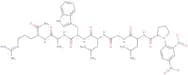
![[5-FAM]-SRC Substrate Peptide](/_next/image/?url=https%3A%2Fstatic.cymitquimica.com%2Fproducts%2F3D%2Fthumb-webp%2FCRB1100604.webp&w=3840&q=75)















![[Cys]-Influenza Virus Nucleoprotein (311 - 325)](/_next/image/?url=https%3A%2Fstatic.cymitquimica.com%2Fproducts%2F3D%2Fthumb-webp%2FCRB1000693.webp&w=3840&q=75)
![[5-TAMRA]-LPETGG N-terminal Sortagging](/_next/image/?url=https%3A%2Fstatic.cymitquimica.com%2Fproducts%2F3D%2Fthumb-webp%2FCRB1100657.webp&w=3840&q=75)