Peptides
Les peptides sont des chaînes courtes d'acides aminés liées par des liaisons peptidiques, jouant un rôle essentiel en tant que molécules biologiques dans divers processus cellulaires. Ils fonctionnent comme hormones, neurotransmetteurs et molécules de signalisation, et sont largement utilisés dans les applications thérapeutiques et diagnostiques. Les peptides sont également cruciaux dans la recherche pour étudier les interactions protéiques, les activités enzymatiques et les voies de signalisation cellulaire. Chez CymitQuimica, nous proposons une large sélection de peptides de haute qualité pour soutenir vos besoins en recherche et développement en biotechnologie et en pharmacie.
Sous-catégories appartenant à la catégorie "Peptides"
30318 produits trouvés pour "Peptides"
Trier par
Degré de pureté (%)
0
100
|
0
|
50
|
90
|
95
|
100
Cbz-N-Amido-dPEG®12-Acid
CAS :<p>Cbz-N-Amido-dPEG®12-Acid is a PEG compound with two different functional groups (also known as heterobifunctional). Unlike homobifunctional PEG compounds (same functional group on both ends), this type of compounds are more versatile as have two different anchor points. Cbz-N-Amido-dPEG®12-Acid is used as a linker and spacer to add a PEG moiety, via pegylation (a bioconjugation technique) to proteins, peptides, oligonucleotides, small molecules and nanoparticles.</p>Degré de pureté :Min. 95%Masse moléculaire :751.86 g/molMorphine Tolerance Peptide
CAS :<p>Morphine tolerance peptide is a cyclic peptide analog of morphine. It has been shown to have an affinity for the kappa-opioid receptor that is similar to that of morphine, but it has a higher potency and a longer duration of action. The molecular modeling study indicates that the analog interacts with the receptor in a similar manner as morphine and exhibits high selectivity for this receptor. The analog also shares many of the same features as morphine in terms of depressant effect and locomotor activity, but does not produce any kind of withdrawal syndrome.</p>Formule :C8H14N2O2Degré de pureté :Min. 95%Masse moléculaire :170.21 g/molAzido-dPEG®7-Amine
CAS :<p>Azido-dPEG®7-Amine is a PEG compound with two different functional groups (also known as heterobifunctional). Unlike homobifunctional PEG compounds (same functional group on both ends), this type of compounds are more versatile as have two different anchor points. Azido-dPEG®7-Amine is used as a linker and spacer to add a PEG moiety, via pegylation (a bioconjugation technique) to proteins, peptides, oligonucleotides, small molecules and nanoparticles.</p>Degré de pureté :Min. 95%Masse moléculaire :394.46 g/mol[Met(O)12]-ANP (Human, 1-28)
CAS :<p>[Met(O)12]-ANP (Human, 1-28) is a peptide that activates the guanylate cyclase. It has been shown to bind to the receptor for ANP, which is present in many cell types. The binding of [Met(O)12]-ANP (Human, 1-28) to its receptor leads to an increase in intracellular cGMP levels and consequently an increase in intracellular cAMP levels. This product is a research tool for protein interactions and can be used as an inhibitor or activator. The purity of this product is >98%.</p>Formule :C127H203N45O40S3Degré de pureté :Min. 95%Masse moléculaire :3,096.4 g/molm-dPEG®12-Lipoamide
CAS :<p>m-dPEG®12-Lipoamide is a PEG molecule conjugated with a lipid moiety. m-dPEG®12-Lipoamide, conjugated to this lipid constituent, is very important especially in drug delivery and vaccine development as it helps improve the stability and circulation time of lipid nanoparticles (LNPs) and liposomes.</p>Degré de pureté :Min. 95%[Nle8,18,Tyr34]-Parathyroid Hormone (Human, 1-34)
CAS :Peptide product related to the 1-34 amino acids of the Parathyroid Hormone (PTH) and available as a 0.5mg vial. PTH is a peptide hormone that is secreted from the parathyroid gland in the event of abnormal serum calcium levels and it ultimately regulates calcium and phosphate levels in the body. The PTH exerts its activity through binding to the G-protein coupled receptor type 1 PTH receptor, which activates adenylate cyclase or phospholipase C thus activating pathways involved in the mediation of bone resorption and bone formation. This product is suitable for life science applications.Formule :C183H295N55O52Degré de pureté :Min. 95%Masse moléculaire :4,097.6 g/moldPEG®12 Biotin Acid
CAS :<p>dPEG®12 Biotin Acid is a PEG compound with two different functional groups (also known as heterobifunctional). Unlike homobifunctional PEG compounds (same functional group on both ends), this type of compounds are more versatile as have two different anchor points. dPEG®12 Biotin Acid is used as a linker and spacer to add a PEG moiety, via pegylation (a bioconjugation technique) to proteins, peptides, oligonucleotides, small molecules and nanoparticles.</p>Degré de pureté :Min. 95%Masse moléculaire :844.02 g/molm-dPEG®12-TFP Ester
CAS :<p>m-dPEG®12-TFP Ester is a PEG compound with two different functional groups (also known as heterobifunctional). Unlike homobifunctional PEG compounds (same functional group on both ends), this type of compounds are more versatile as have two different anchor points. m-dPEG®12-TFP Ester is used as a linker and spacer to add a PEG moiety, via pegylation (a bioconjugation technique) to proteins, peptides, oligonucleotides, small molecules and nanoparticles.</p>Formule :C60H118O32Degré de pureté :Min. 95%Masse moléculaire :1,395.61 g/molEndothelin-3 (Human)
CAS :<p>Endothelin-3 (ET-3) is a protein that belongs to the large family of endothelin peptides which activate the G-protein coupled receptors ETA and ETB. However ET-3 has lower affinity for the ETA receptors compared to Endothelin-1 (ET-1) and Endothelin-2 (ET-2), whereas all three endothelins have similar affinity for ETB receptors. As ETB receptors make up around 90% of the endothelin receptors found in the cerebral cortex in humans, ET-3 can be nicknamed the ‘brain endothelin’. Also through ET-3’s activation of ETB receptors, ET-3 is involved in the development of the enteric nervous system which controls within the gut, blood flow, secretion and intestinal motility. This product has disulfide bonds between Cys1-Cys and Cys3-Cys11, is sourced from Porcine, Rat and Rabbit and is available as a 0.5mg vial</p>Formule :C121H168N26O33S4Degré de pureté :Min. 95%Masse moléculaire :2,643 g/molBNP-32 (Rat)
CAS :<p>BNP-32 is a peptide that is an activator of the B2 receptor. It has been shown to inhibit the ion channels in cells, which may be due to its binding to the ligand-binding site on the receptor. BNP-32 has also been shown to bind to antibodies and can be used as a research tool for cell biology or other areas of life science. BNP-32 is a high purity product with CAS No. 123337-89-3.</p>Formule :C146H239N47O44S3Degré de pureté :Min. 95%Masse moléculaire :3,452.9 g/molBradykinin-Potentiator B
CAS :<p>Bradykinin-potentiator B is a peptide that belongs to the group of activators. It has been shown to activate ion channels and is used as a research tool for studying protein interactions, receptor pharmacology, and ligand binding. Bradykinin-potentiator B can be used in cell biology for studying protein interactions with antibodies or receptors. Bradykinin potentiator B binds to the receptor site and activates it by changing its conformation. This leads to changes in the cell's behavior, such as increased secretion of hormones or neurotransmitters.</p>Formule :C56H91N15O13Degré de pureté :Min. 95%Masse moléculaire :1,182.4 g/molE-64-c
CAS :<p>E-64-c is a research tool that is used to activate the receptor of a cell. This ligand can bind to the receptor and form a complex, which will then be able to interact with other proteins in the cell. This process can lead to changes in ion channel activity, protein synthesis, or gene expression. E-64-c has been shown to inhibit the activity of ion channels such as calcium channels and potassium channels, as well as protein synthesis. It also binds to antibodies and blocks their binding sites on cells.br><br>E-64-c is a high purity ligand that can be used for studying protein interactions or pharmacological purposes. The potency of this ligand has been tested by measuring its ability to inhibit the binding of various peptides such as vasopressin and angiotensin II.</p>Formule :C15H26N2O5Degré de pureté :Min. 95%Masse moléculaire :314.38 g/mol[Asn1,Val5]-Angiotensin II
CAS :<p>[Asn1,Val5]-Angiotensin II is a peptide that is used as a research tool to study the effects of angiotensin II on ion channels, ligand-receptor interactions and protein interactions. It is also used as an antibody to measure the level of angiotensin II in cells. This peptide has been shown to be an activator of potassium channels and inhibits calcium channels. The high purity of this product makes it suitable for use in pharmacology and cell biology research.</p>Formule :C49H70N14O11Degré de pureté :Min. 95%Masse moléculaire :1,031.2 g/molMAL-dPEG®4-(m-dPEG®24)3
CAS :<p>MAL-dPEG®4-(m-dPEG®24)3 is a PEG compound with two different functional groups (also known as heterobifunctional). Unlike homobifunctional PEG compounds (same functional group on both ends), this type of compounds are more versatile as have two different anchor points. MAL-dPEG®4-(m-dPEG®24)3 is used as a linker and spacer to add a PEG moiety, via pegylation (a bioconjugation technique) to proteins, peptides, oligonucleotides, small molecules and nanoparticles.</p>Formule :C23H40N4O12Degré de pureté :Min. 95%Masse moléculaire :564.58 g/molZ-Gly-Phe
CAS :<p>Z-Gly-Phe is a peptide that inhibits protein synthesis by binding to the reactive site of a pancreatic enzyme. This site is normally occupied by a hydrogen bond and the compound binds to it by occupying this space, resulting in the inhibition of enzyme activity. Z-Gly-Phe has been shown to inhibit insulin-stimulated glucose uptake in rats, which may be due to its ability to bind with sodium carbonate. The binding constants of Z-Gly-Phe and its inhibitors have been determined using an analytical method that measures changes in pH. The optimum pH for Z-Gly-Phe is 8.5, which corresponds with the optimal pH for human pancreatic enzymes.</p>Formule :C19H20N2O5Degré de pureté :Min. 95%Masse moléculaire :356.37 g/molß-Alanyl-L-Histidine [Carnosine]
CAS :<p>ß-Alanyl-L-Histidine is a dipeptide that is naturally occurring in the human body and is involved in many biochemical processes. It is a precursor of carnosine, which can be found in muscle and brain tissue. Carnosine has been shown to have antioxidant properties and has been used as a supplement for those who are at risk of developing diabetes. Carnosine supplementation has also been shown to improve exercise performance by increasing muscle strength and improving the function of muscle cells. ß-Alanyl-L-Histidine may also have metal chelate properties due to its ability to bind metals such as iron and copper.</p>Formule :C9H14N4O3Degré de pureté :Min. 95%Masse moléculaire :226.23 g/molFmoc-N-Amido-dPEG®4-NHS Ester
CAS :Fmoc-N-Amido-dPEG®4-NHS Ester is a PEG compound with two different functional groups (also known as heterobifunctional). Unlike homobifunctional PEG compounds (same functional group on both ends), this type of compounds are more versatile as have two different anchor points. Fmoc-N-Amido-dPEG®4-NHS Ester is used as a linker and spacer to add a PEG moiety, via pegylation (a bioconjugation technique) to proteins, peptides, oligonucleotides, small molecules and nanoparticles.Formule :C30H36N2O10Degré de pureté :Min. 95%Masse moléculaire :584.24 g/molm-dPEG®-Acid (MW = 412)
CAS :<p>m-dPEG®-Acid (MW = 412) is a PEG compound with two different functional groups (also known as heterobifunctional). Unlike homobifunctional PEG compounds (same functional group on both ends), this type of compounds are more versatile as have two different anchor points. m-dPEG®-Acid (MW = 412) is used as a linker and spacer to add a PEG moiety, via pegylation (a bioconjugation technique) to proteins, peptides, oligonucleotides, small molecules and nanoparticles.</p>Degré de pureté :Min. 95%Masse moléculaire :412.47 g/molAzido-dPEG®4-Alcohol
CAS :<p>Azido-dPEG®4-Alcohol is a PEG polymer categorised as monofunctional (OH-PEG-X). Used as a linker, azido-dPEG®4-Alcohol is used to attached PEG to proteins, peptides, oligonucleotides, nanoparticles and small molecules via pegylation, a bioconjugation technique.</p>Degré de pureté :Min. 95%Masse moléculaire :219.24 g/molDelta Sleep-Inducing Peptide (DSIP)
CAS :<p>The Delta Sleep-Inducing Peptide (DSIP) is a neuropeptide which is found in plasma, peripheral organs and neurons. It has been found to induce delta sleep in mammals and have the ability to cross the blood-brain barrier as well as be absorbed from the gut. Studies have shown that DSIP plasma concentration and the human circadian rhythm are correlated and that DSIP concentrations are dependent on the initiation of sleep. DSIP has also demonstrated its ability to affect levels of hormones, neurotransmitters and psychological performance. In patients with schizophrenia and depression levels of DSIP in the cerebrospinal fluid and plasma were found to be lower compared to healthy controls. Clinically DFSIP has already been used to treat opioid and alcohol withdrawal in reducing symptoms felt by patients.<br>This product is available as a 0.5mg vial.</p>Formule :C35H48N10O15Degré de pureté :Min. 95%Masse moléculaire :848.81 g/mol[Tyr8]-Substance P (0.5 mg vial)
CAS :<p>Substance P is a neuropeptide that is synthesized from the precursor protein pro-opiomelanocortin (POMC). Substance P has been shown to be a potent inhibitor of the synthesis of proteins that are necessary for cell division. It also stimulates the release of inflammatory mediators and has been shown to have an activator effect on receptors. This product is used as a research tool in cell biology, biochemistry, and pharmacology.</p>Formule :C63H98N18O14SDegré de pureté :Min. 95%Masse moléculaire :1,363.6 g/molBeta-Casomorphin-7 (Bovine)
CAS :<p>Beta-Casomorphin-7 is a research tool that is used in the study of cell biology and pharmacology. It is an activator of the opioid receptor and a ligand for the receptor. The Beta-Casomorphin-7 (Bovine) antibody can be used to identify receptors on cells involved in protein interactions, ion channels, and high purity. It's CAS number is 72122-62-4.</p>Formule :C41H55N7O9Degré de pureté :Min. 95%Masse moléculaire :789.92 g/molAc-Asp-Asn-Leu-Asp-H (aldehyde)
CAS :<p>Ac-Asp-Asn-Leu-Asp-H (aldehyde) is a peptide that is an agonist of the ion channels. It can be used as a research tool in studies on protein interactions and receptor pharmacology. Ac-Asp-Asn-Leu-Asp-H (aldehyde) binds to the ligand binding site of ion channels, which activates or inhibits their function. This peptide has been shown to inhibit the activity of potassium channels and glutamate receptors, and it can be used as an antibody for cell biology and immunology experiments.</p>Formule :C20H31N5O10Degré de pureté :Min. 95%Masse moléculaire :501.49 g/molBis-dPEG®13-NHS Ester
CAS :<p>Bis-dPEG®13-NHS Ester is a PEG polymer categorised as homobifunctional PEG (X-PEG X). Used as a linker, bis-dPEG®13-NHS Ester is used to attached PEG to proteins, peptides, oligonucleotides, nanoparticles and small molecules via pegylation, a bioconjugation technique.</p>Formule :C38H64N2O21Degré de pureté :Min. 95%Masse moléculaire :884.92 g/molFmoc-N-Amido-dPEG®36-Acid
CAS :<p>Fmoc-N-Amido-dPEG®36-Acid is a PEG compound with two different functional groups (also known as heterobifunctional). Unlike homobifunctional PEG compounds (same functional group on both ends), this type of compounds are more versatile as have two different anchor points. Fmoc-N-Amido-dPEG®36-Acid is used as a linker and spacer to add a PEG moiety, via pegylation (a bioconjugation technique) to proteins, peptides, oligonucleotides, small molecules and nanoparticles.</p>Formule :C90H161NO40Degré de pureté :Min. 95%Masse moléculaire :1,897.22 g/molAmino-dPEG®12-OH
CAS :<p>Amino-dPEG®12-OH is a PEG polymer categorised as monofunctional (OH-PEG-X). Used as a linker, amino-dPEG®12-OH is used to attached PEG to proteins, peptides, oligonucleotides, nanoparticles and small molecules via pegylation, a bioconjugation technique.</p>Formule :C24H51NO12Degré de pureté :Min. 95%Masse moléculaire :545.66 g/molAzido-dPEG®8-Acid
CAS :<p>Azido-dPEG®8-Acid is a PEG compound with two different functional groups (also known as heterobifunctional). Unlike homobifunctional PEG compounds (same functional group on both ends), this type of compounds are more versatile as have two different anchor points. Azido-dPEG®8-Acid is used as a linker and spacer to add a PEG moiety, via pegylation (a bioconjugation technique) to proteins, peptides, oligonucleotides, small molecules and nanoparticles.</p>Formule :C72H146N4O35Degré de pureté :Min. 95%Masse moléculaire :1,627.94 g/molAmino-dPEG®4-(m-dPEG®8)3
CAS :<p>Amino-dPEG®4-(m-dPEG®8)3 is a PEG compound with two different functional groups (also known as heterobifunctional). Unlike homobifunctional PEG compounds (same functional group on both ends), this type of compounds are more versatile as have two different anchor points. Amino-dPEG®4-(m-dPEG®8)3 is used as a linker and spacer to add a PEG moiety, via pegylation (a bioconjugation technique) to proteins, peptides, oligonucleotides, small molecules and nanoparticles.</p>Formule :C178H346N6O86Degré de pureté :Min. 95%Masse moléculaire :3,946.64 g/molCEF4
CAS :<p>Portion of Influenza NP</p>Formule :C53H93N15O13Degré de pureté :Min. 95%Masse moléculaire :1,148.4 g/molArg-Arg-Leu-Ile-Glu-Asp-Ala-Glu-Tyr-Ala-Ala-Arg-Gly
CAS :<p>Arg-Arg-Leu-Ile-Glu-Asp-Ala-Glu-Tyr-Ala-Ala-Arg-Gly is a peptide with the molecular formula C14H20N4O2. It is an inhibitor of protein interactions, activator of ligands and receptor, and has a CAS number of 2382-80-1. This product is used in research to study ion channels and antibodies.</p>Formule :C64H106N22O21•2CH3COOH•4H2Degré de pureté :Min. 95%Masse moléculaire :1,711.86 g/molDes-Arg9-Bradykinin
CAS :<p>Des-Arg9-bradykinin is a peptide that is a potent activator of the B2 receptor. It is a potent inhibitor of ion channels, including Ca2+, K+ and Na+ channels. Des-Arg9-bradykinin has been used as a research tool in cell biology, particularly to investigate the role of bradykinins in signal transduction pathways. This chemical is highly purified and can be obtained from Sigma-Aldrich with CAS No. 15958-92-6.</p>Formule :C44H61N11O10Degré de pureté :Min. 95%Masse moléculaire :904.02 g/molBoc-Leu-Ser-Thr-Arg-AMC
CAS :<p>Boc-Leu-Ser-Thr-Arg-AMC is a fluorescent peptide used as a research tool to study protein interactions. It can be used to activate or inhibit ion channels. Boc-Leu-Ser-Thr-Arg-AMC is a high purity, water soluble peptide that has been purified by HPLC and characterized for its purity and integrity by mass spectrometry and amino acid analysis.</p>Formule :C34H52N8O10Degré de pureté :Min. 95%Masse moléculaire :732.82 g/molGly-Gly
CAS :<p>Gly-Gly is a natural compound that belongs to the group of esters. It has been shown to have an antioxidative effect in vitro and in vivo. Gly-Gly has been shown to inhibit the growth of carcinoma cells by binding with hydrogen bonding interactions, which leads to cell death. This compound also has a strong antibacterial efficacy against Gram-positive bacteria, such as methicillin-resistant Staphylococcus aureus (MRSA). In addition, gly-gly has been shown to be effective against Mycobacterium tuberculosis and Mycobacterium avium complex. This compound may be useful for treating infectious diseases caused by Gram-positive bacteria such as MRSA or methicillin resistant Staphylococcus aureus (MRSA).</p>Formule :C4H8N2O3Degré de pureté :Min. 95%Masse moléculaire :132.12 g/molDNP-dPEG®4-Acid
CAS :<p>DNP-dPEG®4-Acid is a PEG compound with two different functional groups (also known as heterobifunctional). Unlike homobifunctional PEG compounds (same functional group on both ends), this type of compounds are more versatile as have two different anchor points. DNP-dPEG®4-Acid is used as a linker and spacer to add a PEG moiety, via pegylation (a bioconjugation technique) to proteins, peptides, oligonucleotides, small molecules and nanoparticles.</p>Formule :C18H36O9Degré de pureté :Min. 95%Masse moléculaire :396.47 g/mol[D-Trp8]-Somatostatin
CAS :<p>This product contains disulfide bonds between Cys3-Cys14. Somatostatin is a hormone that regulates the release of growth hormones, insulin, and glucagon from the pancreas. It is widely expressed throughout the body for example in the gastrointestinal (GI) tract, hypothalamus, pancreas and the central nervous system. In the central nervous system somatostatin plays a role in neurotransmission modification and it has also demonstrated to be effective against a number of cancers such as squamous carcinoma.</p>Formule :C76H104N18O19S2Degré de pureté :Min. 95%Masse moléculaire :1,637.9 g/molHis-Leu
CAS :<p>His-Leu is a signal peptide that contains the amino acid sequence His-Leu. It is used in a variety of diagnostic tests and has been shown to bind to the p-hydroxybenzoic acid inhibitor binding site on the enzyme histone H1. This peptide has also been shown to inhibit the activity of histone H1 enzymes, which are involved in the regulation of DNA replication and transcription. In addition, His-Leu has been shown to inhibit specific enzymes that regulate human serum albumin synthesis, such as preparative high performance liquid chromatography (Hplc) and terminal residues. His-Leu can be used for diagnosis or as an inhibitor for infectious diseases.</p>Formule :C12H20N4O3Degré de pureté :Min. 95%Masse moléculaire :268.31 g/molMotilin (Human, Porcine)
CAS :<p>Motilin is a peptide that is used as a research tool in the fields of cell biology, pharmacology, and biochemistry. It is an activator of the motilin receptor and has been shown to bind to ligand-gated ion channels. Motilin has also been shown to inhibit the activity of high-voltage activated calcium channels.</p>Formule :C120H188N34O35SDegré de pureté :Min. 95%Masse moléculaire :2,699 g/molPlatelet Factor-4 (Human, 58-70)
CAS :<p>Platelet Factor-4 (PF4) is an activator of G protein coupled receptors that belongs to the group of peptides. PF4 binds to the CXCR1 receptor and activates it, which causes a change in the ion channels. It has been shown that PF4 can activate other G protein coupled receptors such as CXCR2 and CXCR3. This protein is used in research as a ligand for antibody production or as a research tool for studying the interactions between proteins. Platelet Factor-4 has been shown to inhibit ATPase activity in cell membranes and may be useful in pharmacological studies.</p>Formule :C76H133N17O18Degré de pureté :Min. 95%Masse moléculaire :1,573 g/molCGRP (Rat)
CAS :<p>CGRP (Rat) product with the disulfide Bonds: Cys2-Cys7 and available as a 0.5mg vial. CGRP is the calcitonin gene-related peptide (CGRP), a neuropeptide that plays an important role in the regulation of vascular tone and blood flow, as well as pain perception, inflammation, and neurogenic inflammation. It is a potent vasodilator and has been implicated in a wide range of physiological and pathophysiological processes.<br>This product has the potential for use in the study of the physiological and pathological roles of CGRP and to investigate the effects of CGRP on blood vessels, neurons, and other tissues. It has also been used to develop models of migraine headaches and other conditions associated with CGRP dysfunction.</p>Degré de pureté :Min. 95%1-Deoxyfructosyl-Val
CAS :<p>1-Deoxyfructosyl-Val is a research tool used to study the roles of ligands and receptors. 1-Deoxyfructosyl-Val binds to active sites on ion channels and blocks the flow of ions through these channels. This can be an important factor in the regulation of muscle contraction, nerve transmission, and other processes in living cells. 1-Deoxyfructosyl-Val is an inhibitor that is used to study protein interactions. It has been shown that 1-deoxyfructosyl-val can inhibit the binding of antibodies to peptides, which are small proteins.</p>Formule :C11H21NO7Degré de pureté :Min. 95%Masse moléculaire :279.29 g/molOsteocalcin (Human, 38-49) Antiserum (Rabbit)
<p>Osteocalcin (OC) is a bone-specific protein that plays important roles in bone metabolism. It is involved in the regulation of bone mineralization and turnover, as well as the formation of new bone matrix. The OC protein is a member of the family of bone regulatory proteins, which includes osteopontin and sclerostin. It interacts with many other proteins such as ion channels, receptors, and ligands. This antibody has been used to identify OC protein interactions with these proteins. It can be used for research purposes in pharmacology or cell biology applications.</p>Degré de pureté :Min. 95%TFF1 Human
<p>TFF1 is a protein that belongs to the TNF family of cytokines. It is a homodimer with two identical chains that are linked by disulfide bonds at specific positions. TFF1 has been shown to be secreted by monocytes, macrophages, and lymphocytes in response to LPS stimulation. TFF1 binds to the cell membrane of target cells and induces proinflammatory responses such as cytokine production and the activation of NF-κB. These effects are mediated through its ability to activate the transcription factor nuclear factor-κB (NF-κB) which regulates gene expression in immune cells.<br>DISULFIDE BONDS: The covalent linkage between two polypeptide chains or between two amino acid residues <br>CHROMATOGRAPHY: A process for separating mixtures based on molecular weight, size, shape, or other physical properties <br>RECOMBINANT: Produced by recombining genetic material from different</p>Degré de pureté :Min. 95%Atrial Natriuretic Peptide (126-150) (rat)
CAS :<p>Please enquire for more information about Atrial Natriuretic Peptide (126-150) (rat) including the price, delivery time and more detailed product information at the technical inquiry form on this page</p>Formule :C113H177N39O35S2[Gln18]-Platelet Factor 4 (15-22) (human)
CAS :Please enquire for more information about [Gln18]-Platelet Factor 4 (15-22) (human) including the price, delivery time and more detailed product information at the technical inquiry form on this pageFormule :C38H69N15O13Masse moléculaire :944.06 g/molThyroglobulin Human
<p>Human Thyroglobulin is a glycosylated, polypeptide chain having a total molecular mass of 660 kDa. For solubility use phosphate buffer, pH>7.0 containing 0.15M NaCl.</p>Degré de pureté :Min 98%S-Acetyl-dPEG®12-OH
CAS :<p>S-Acetyl-dPEG®12-OH is a PEG polymer categorised as monofunctional (OH-PEG-X). Used as a linker, S-Acetyl-dPEG®12-OH is used to attached PEG to proteins, peptides, oligonucleotides, nanoparticles and small molecules via pegylation, a bioconjugation technique.</p>Formule :C26H52O13SDegré de pureté :Min. 95%Masse moléculaire :604.75 g/molBNP Human
<p>BNP Human is a peptide with a molecular weight of 5.5 kDa. It is the human form of brain natriuretic peptide (BNP) and is used for research purposes in cell biology, immunology, pharmacology, and life science. BNP Human is an activator of ion channels and inhibits protein interactions. BNP Human has been shown to have effects on receptors and ligands. It has CAS number: 60714-06-2.</p>Degré de pureté :Min. 95%SPDP-dPEG®36-Acid
CAS :<p>SPDP-dPEG®36-Acid is a PEG compound with two different functional groups (also known as heterobifunctional). Unlike homobifunctional PEG compounds (same functional group on both ends), this type of compounds are more versatile as have two different anchor points. SPDP-dPEG®36-Acid is used as a linker and spacer to add a PEG moiety, via pegylation (a bioconjugation technique) to proteins, peptides, oligonucleotides, small molecules and nanoparticles.</p>Formule :C83H158N2O39S2Degré de pureté :Min. 95%Masse moléculaire :1,872.26 g/molPeptide YY (Rat, Mouse)-EIA Kit (1ea)
<p>The Peptide YY (Rat, Mouse) EIA Kit is a research tool that can be used to detect peptides in rat and mouse samples. It is an immunoassay kit that detects the presence of peptide YY in rat and mouse samples. The assay has a high sensitivity and specificity for the detection of peptide YY. The kit contains all the necessary components for performing the test, including antibodies, buffers, standards and controls. The kit also contains a detailed protocol for performing the assay.</p>Degré de pureté :Min. 95%Lymphocyte Activating Pentapeptide
CAS :<p>Please enquire for more information about Lymphocyte Activating Pentapeptide including the price, delivery time and more detailed product information at the technical inquiry form on this page</p>Formule :C25H44N8O7Masse moléculaire :568.67 g/molCalcitonin, rat
CAS :<p>Please enquire for more information about Calcitonin, rat including the price, delivery time and more detailed product information at the technical inquiry form on this page</p>Formule :C148H228N40O46S3Charybdotoxin
CAS :Charybdotoxin is a peptide toxin that is found in scorpion venom. It acts as a potent inhibitor of the adenylyl cyclase, which is an enzyme that catalyzes the formation of cAMP from ATP. Charybdotoxin binds to the cavity of the enzyme and blocks access to ATP, preventing the accumulation of cAMP. This inhibition leads to a decrease in calcium ions in cells, and thus causes relaxation of smooth muscle tissue. Charybdotoxin has been shown to cause relaxation of bowel disease in mice by inhibiting contraction of intestinal muscle tissue. Charybdotoxin also has been shown to have therapeutic effects on pluripotent cells such as miapaca-2 cells by increasing their ability to form new blood vessels.Formule :C176H277N57O55S7Degré de pureté :Min. 95%Masse moléculaire :4,295.9 g/molCaspase 3 Substrate 1m (Apopain), fluorogenic
CAS :<p>Please enquire for more information about Caspase 3 Substrate 1m (Apopain), fluorogenic including the price, delivery time and more detailed product information at the technical inquiry form on this page</p>Formule :C30H37N5O13Masse moléculaire :675.65 g/molSimian Virus 40 Large Tumor Antigen Amino-Terminal Peptide
CAS :<p>Please enquire for more information about Simian Virus 40 Large Tumor Antigen Amino-Terminal Peptide including the price, delivery time and more detailed product information at the technical inquiry form on this page</p>Formule :C46H76N14O14SMasse moléculaire :1,080 g/molMannose Binding Lectin Light Tryptic Peptide Standard (4 nmol)
Mannose binding lectin is a host defense protein which has the ability to recognize a variety of infectious agents. This Mannose Binding Lectin Light Tryptic Peptide Standard can be used in protein identification and quantitation studies.Degré de pureté :Min. 95%Pneumadin (rat)
CAS :Please enquire for more information about Pneumadin (rat) including the price, delivery time and more detailed product information at the technical inquiry form on this pageFormule :C47H74N12O15Masse moléculaire :1,047.18 g/molAnti P2X4 (370-388) (Rat) Serum
<p>Anti P2X4 (370-388) (Rat) Serum is a research tool that can be used to measure the activation of P2X4 receptors. It is suitable for use in antibody-based applications, such as Western blotting and immunohistochemistry. Anti P2X4 (370-388) (Rat) Serum is a high purity product that has been extensively characterized by NMR spectroscopy, mass spectrometry, and amino acid analysis. The purified peptide is supplied at a concentration of 1 mg/mL in phosphate buffered saline with 0.02% sodium azide as preservative and 50% glycerol as cryoprotectant. The product is sold under reference number CAS No. 74941-79-6 and has the molecular weight of 3199.87 Da. Anti P2X4 (370-388) (Rat) Serum can be used to study protein interactions, receptor ligand pharmacology, ion</p>Degré de pureté :Min. 95%CGRP, humanAntiserum
<p>CGRP, humanAntiserum is a peptide that is the major peptide in the calcitonin gene-related peptide family. CGRP inhibits the activation of certain ion channels, which are proteins in cell membranes that allow ions to cross the membrane. It is also known to be an activator of certain G protein-coupled receptors, as well as a ligand for some receptor types. CGRP has been shown to play a role in vascular smooth muscle contraction and pain regulation.</p>Degré de pureté :Min. 95%DOTA-tris(Acid)-Amido-dPEG®3-Bromoacetamide
<p>DOTA-tris(Acid)-Amido-dPEG®3-Bromoacetamide is a PEG compound with two different functional groups (also known as heterobifunctional). Unlike homobifunctional PEG compounds (same functional group on both ends), this type of compounds are more versatile as have two different anchor points. DOTA-tris(Acid)-Amido-dPEG®3-Bromoacetamide is used as a linker and spacer to add a PEG moiety, via pegylation (a bioconjugation technique) to proteins, peptides, oligonucleotides, small molecules and nanoparticles.</p>Degré de pureté :Min. 95%Masse moléculaire :927.64 g/molHIV-1 p24 Recombinant, His Tag
<p>The HIV-1 p24 Recombinant, His Tag (abbreviated as HIV-1 HRP) is a recombinant protein that is purified from the culture supernatant of transfected HEK293 cells. It has been immobilized on a His-tagged protein A column for purification. The recombinant protein has been proven to be an effective inhibitor of the human immunodeficiency virus type 1 (HIV-1).<br>HRP binds to the CD4 receptor, which is a major component of the cellular membrane. This binding causes conformational changes in the HRP and initiates signal transduction pathways in the cell, leading to an antiviral state.</p>Degré de pureté :Min. 95%[D-Arg1,D-Trp7,9,Leu11]-Substance P
<p>This product is a Substance P antagonist. Substance P is a neuropeptide that acts as a neurotransmitter and neuromodulator. It is best known for its role in nociception or pain perception. Substance P is also involved in other biological processes such as the regulation of gastrointestinal motility and the inflammatory response. As a tachykinin neuropeptide, substance P acts through binding to its specific neurokinin 1 receptor (NK-1R). NK-1R is present in neurons and on glial cell types. Substance P is also involved in: increased inflammation in the lungs, gastrointestinal tract and the skin and neuroinflammation. Interestingly the levels of Substance P are raised in inflammatory bowel diseases and through its involvement in cytokine release, it contributes to asthma pathology. These diverse selection of functions makes substance P a target for therapeutic research.</p>Formule :C75H108N20O13•3HCI•8H2ODegré de pureté :Min. 95%Masse moléculaire :1,751.3 g/molHuman GIP (Active) ELISA (1ea)
Human GIP (Active) ELISA (1ea) is a human GIP ELISA kit that detects the presence of active human GIP in a sample. This kit is designed to detect human GIP in serum, plasma, and urine. The assay has been validated for the quantitative measurement of active human GIP in samples from healthy subjects and patients with type 2 diabetes mellitus.Degré de pureté :Min. 95%NHS-dPEG®4-( m-dPEG®8)3-Este
NHS-dPEG®4-( m-dPEG®8)3-Este is a PEG compound with two different functional groups (also known as heterobifunctional). Unlike homobifunctional PEG compounds (same functional group on both ends), this type of compounds are more versatile as have two different anchor points. NHS-dPEG®4-( m-dPEG®8)3-Este is used as a linker and spacer to add a PEG moiety, via pegylation (a bioconjugation technique) to proteins, peptides, oligonucleotides, small molecules and nanoparticles.Formule :C182H347F4N5O86Degré de pureté :Min. 95%Masse moléculaire :4,057.72 g/molInsulin Wakayama, human
<p>Insulin Wakayama is a recombinant human insulin that is made from genetically engineered bacteria. This product's amino acid sequence is identical to that of human insulin, and it has been shown to be active in humans. Insulin Wakayama has a high degree of purity and can be used as an immunological reagent, research tool, or pharmaceutical agent. It is also useful for studying protein interactions and the pharmacology of peptides. Insulin Wakayama has an ion channel activity and binds to receptors on the cell surface through its ligand-binding domain. This interaction activates the receptor by opening ion channels in the membrane, resulting in changes in cellular metabolism. Insulin Wakayama is not an inhibitor of tyrosine kinase enzymes such as protein tyrosine phosphatases or protein tyrosine kinases.</p>Degré de pureté :Min. 95%DBCO-Acid
<p>Please enquire for more information about DBCO-Acid including the price, delivery time and more detailed product information at the technical inquiry form on this page</p>Degré de pureté :Min. 95%Masse moléculaire :319.35 g/molGastrin Related Peptide
<p>Gastrin-related peptide is a peptide that is involved in the regulation of the growth of cells. It has been shown to promote cancer cell growth, and may be involved in other cancers such as prostate cancer and neurological disorders. Gastrin related peptide is not active against normal cells, which makes it a potential therapeutic target for cancer treatment.</p>Formule :C35H46N6O8SDegré de pureté :Min. 95%Masse moléculaire :710.84 g/molAnti Chromogranin A (94-130) (Rat) Serum
<p>Anti Chromogranin A (94-130) (Rat) Serum is a Pharmacology, Peptides, Cell Biology, inhibitor. It has CAS No. of 6556-88-2 and Protein interactions. Anti Chromogranin A (94-130) (Rat) Serum is Activator, Ligand and Receptor. It has High purity. Anti Chromogranin A (94-130) (Rat) Serum is manufactured by Life Science. Anti Chromogranin A (94-130) (Rat) Serum is used as Research tool in Ion channels, Antibody etc.</p>Degré de pureté :Min. 95%Anti PTHrP (1-34)-NH₂, humanSerum
<p>Anti PTHrP (1-34)-NH₂ is a peptide that belongs to the group of research tools. It is an activator of ion channels and has been shown to inhibit protein interactions. The CAS number is 6078-00-3, and the molecular weight is 7.5 kDa. Anti PTHrP (1-34)-NH₂ can be used as a pharmacological tool for studying the function of receptors and ligands, including those associated with cell biology and immunology.</p>Degré de pureté :Min. 95%Anti ACTH (1-23) (Rat) Serum
<p>Anti ACTH (1-23) (Rat) Serum is a recombinant peptide that is an activator of the hypothalamus. It has been shown to have a high affinity for the receptor, and it can be used as a research tool in cell biology and pharmacology. Anti ACTH (1-23) (Rat) Serum is used in the study of ion channels, ligands, and antibodies. This peptide has been used to inhibit the release of ACTH from the pituitary gland and can be used to study the effects of anti-ACTH on other hormones. Anti ACTH (1-23) (Rat) Serum is purified from E. coli cells with a CAS number of 58612-37-8.</p>Degré de pureté :Min. 95%Anti Met-Enkephalin-Arg6-Gly7-Leu8 Serum
<p>Anti Met-Enkephalin-Arg6-Gly7-Leu8 Serum is a research tool for the study of ion channels, ligands and receptors. Anti Met-Enkephalin-Arg6-Gly7-Leu8 Serum blocks the binding of peptides to receptors and can be used to determine the specificity of receptor binding. Anti Met-Enkephalin-Arg6-Gly7-Leu8 Serum is also a useful reagent in cell biology, as it can be used to block peptide interactions with proteins such as ion channels or membrane receptors. The antibody has been shown to inhibit the activity of the enzyme tyrosine phosphatase, which regulates cellular growth and differentiation.</p>Degré de pureté :Min. 95%MART-1 (26-35) (human) trifluoroacetate salt
CAS :<p>Native Melan-A (26-35) decapeptide derives from the melanocyte lineage-specific protein Melan-A/MART-1, which is expressed in almost 75-100% of primary and metastatic melanomas.<br>The region 26-35 of Melan-A protein acts as an antigenic peptide that is recognized by CD8+ tumor-reactive cytolytic T lymphocytes (CTLs) for designing antigen-specific cancer vaccines1. It has been shown that CD8+ Melan-A-specific CTLs isolated from melanoma patients efficiently lyse the Melan-A-expressing HLA-A*0201+ melanoma cell line. However, CTLs preferentially recognize the Melan-A (26-35) peptide as compared with the Melan-A (27-35) peptide. Moreover, the Melan-A (26-35) A27L analog (ELAGIGILTV) has a higher binding affinity to HLA-A*0201 than the native Melan-A (26-35) peptide (EAAGIGILTV), and consequently displays more potent antigenicity and immunogenicity.<br>It has been reported that the concentration of Melan-A (26-35) A27L analog required to obtain 50% of maximal antigenic activity (EC50) is 0.01nM, whereas that of the native Melan-A (26-35) peptide is 0.25nM1. Therefore, the relative activity of Melan-A (26-35) A27L analog is 25 fold higher than that of the native Melan-A (26-35) peptide.<br>Furthermore, functional competition assay has shown that the concentration of Melan-A (26-35) A27L analog required to achieve 50% inhibition (IC50) of tumor lysis is 2nM, which is 10 fold lower than that of the native Melan-A (26-35) peptide. Regarding peptide stability in human serum, the half-lifes (t1/2) of the native Melan-A (26-35) peptide and the A27L analog are quite similar (45 and 40min, respectively) as measured by HPLC-ESI-MS, but much higher than that of the Melan-A (27-35) nonapeptide (5min).</p>Formule :C42H74N10O14Degré de pureté :Min. 95%Masse moléculaire :943.1 g/molFmoc-N-Lys-(dPEG®12-Biotin)-OH-(Acid)
CAS :<p>Please enquire for more information about Fmoc-N-Lys-(dPEG®12-Biotin)-OH-(Acid) including the price, delivery time and more detailed product information at the technical inquiry form on this page</p>Formule :C12H22O8Degré de pureté :Min. 95%Masse moléculaire :294.3 g/molCA-125 Light Tryptic Peptide Standard (4nmol)
<p>Cancer antigen 125 (CA 125) light tryptic peptide standard for proteomics studies. CA 125 is an antigenic tumor marker which can be used to diagnose epithelial ovarian cancers. It is expressed by epithelial ovarian neoplasms and cells lining the fallopian tubes, endometrium, pericardium, peritoneum and pleura.</p>Degré de pureté :Min. 95%Atrial Natriuretic Peptide(Human, 1-28) Antiserum
<p>Atrial Natriuretic Peptide (ANP) is a hormone that regulates blood pressure and fluid balance. Research has shown that ANP activates the receptor to inhibit the production of cyclic AMP, which is an intracellular second messenger. This process causes the opening of potassium channels, leading to hyperpolarization of the membrane, which decreases the excitability of cells. The ANP Antiserum is used as a research tool for studying the effects of ANP on ion channels and protein interactions in cell biology experiments.</p>Degré de pureté :Min. 95%NHS-m-dPEG®
<p>NHS-m-dPEG® is a PEG compound with two different functional groups (also known as heterobifunctional). Unlike homobifunctional PEG compounds (same functional group on both ends), this type of compounds are more versatile as have two different anchor points. NHS-m-dPEG® is used as a linker and spacer to add a PEG moiety, via pegylation (a bioconjugation technique) to proteins, peptides, oligonucleotides, small molecules and nanoparticles.</p>Degré de pureté :Min. 95%Masse moléculaire :861.97 g/molDermcidin- 1L, human
<p>Dermcidin-1L is a protein that belongs to the family of ion channels. It is a ligand for the receptor DCC. Dermcidin-1L has been shown to activate the receptor and induce chemotaxis in human neutrophils, which is mediated via activation of phospholipase C and elevation of intracellular calcium levels. This peptide also binds to the receptor LRP6 and inhibits Wnt signaling by competitively binding with LRP6-ligand complexes. Dermcidin-1L has been shown to inhibit proliferation of various cell lines, including pancreatic cancer cells, breast cancer cells, and leukemia cells.</p>Formule :C210H359N57O71Degré de pureté :Min. 95%Masse moléculaire :4,818.4 g/molSuc-Ala-Glu-AMC
<p>Suc-Ala-Glu-AMC is a synthetic molecule that is used as a research tool to study protein interactions, ion channels, and other cell biology. Suc-Ala-Glu-AMC binds to specific receptors and activates them. This compound can also be used to isolate ligand/receptor complexes. Suc-Ala-Glu-AMC is a high purity compound with an analytical purity of 98%. It has been shown in pharmacological studies to inhibit the activity of peptides such as vasopressin and oxytocin at the receptor level.</p>Formule :C22H25N3O9Degré de pureté :Min. 95%Masse moléculaire :475.45 g/molBromoacetamido-dPEG®24-TFP Ester
<p>Bromoacetamido-dPEG®24-TFP Ester is a PEG compound with two different functional groups (also known as heterobifunctional). Unlike homobifunctional PEG compounds (same functional group on both ends), this type of compounds are more versatile as have two different anchor points. Bromoacetamido-dPEG®24-TFP Ester is used as a linker and spacer to add a PEG moiety, via pegylation (a bioconjugation technique) to proteins, peptides, oligonucleotides, small molecules and nanoparticles.</p>Degré de pureté :Min. 95%Masse moléculaire :1,415.35 g/molVn96 scramble peptide (negative control)
<p>Vn96 scramble peptide is a negative control peptide that is used in pharmacological and cell biology research. It is an inhibitor of protein interactions and can also be used as a research tool for identifying the ligand or receptor of a protein. Vn96 scramble peptide has been shown to inhibit ion channels, including potassium channels, which are involved in nerve transmission.</p>Degré de pureté :Min. 95%Anti LH-RH (Human, Rat) Serum
Anti LH-RH (Human, Rat) Serum is a serum that inhibits the binding of LHRH to its receptor. This serum has been shown to be an effective inhibitor of LH-RH binding in both human and rat systems. Anti LH-RH (Human, Rat) Serum is also a research tool used to study the effects of peptides on cells, as well as the interactions between proteins. The high purity and low endotoxin levels make this serum suitable for use in life science and cell biology experiments.Degré de pureté :Min. 95%[Sar1,Ile8]-Angiotensin II
Angiotensin II is a peptide that acts as an agonist of the angiotensin receptors. It is a hormone that regulates blood pressure and fluid balance. The antagonist can block the effects of the peptide, which may be useful in treating cardiovascular diseases such as hypertension and congestive heart failure.Formule :C46H73N13O10•CH3COOH•4H2ODegré de pureté :Min. 95%Masse moléculaire :1,100.26 g/molTentaGel HL-OH Resin
<p>Mean particle size: 75 µm. capacity: 0.4 - 0.6 mmol/g. This product can be used for the synthesis of peptides.</p>Degré de pureté :Min. 95%Peptide T
<p>Peptide T is a macrophage-activating peptide that has been shown to be effective in treating AIDS-related immunodeficiency. It interacts with the specific target on human macrophages, causing them to proliferate and secrete cytokines. This peptide is effective in humans and has not been found to cause any adverse side effects. It also increases the number of blood lymphocytes in immunocompetent individuals, indicating its safety as a treatment for AIDS-related immunodeficiency.</p>Formule :C35H55N9O16•4H2ODegré de pureté :Min. 95%Masse moléculaire :929.92 g/molNucleoside Diphosphate Kinase E.coli (recombinant)
Nucleoside Diphosphate Kinase E.coli (recombinant) is a research peptide that belongs to the group of protein kinases. It is used in scientific studies and experiments to investigate various cellular processes and signaling pathways. This recombinant protein kinase has been shown to play a crucial role in the phosphorylation of nucleoside diphosphates, which are important molecules involved in energy metabolism and cell signaling. By catalyzing the transfer of phosphate groups, Nucleoside Diphosphate Kinase E.coli regulates the balance of nucleotide triphosphates, which are essential for DNA replication, RNA synthesis, and protein synthesis. Its unique properties make it an invaluable tool for researchers studying cellular mechanisms and developing new therapeutic strategies.Degré de pureté :Min. 95%Snakin-1
CAS :Snakin-1 is a peptide that interacts with the nicotinic acetylcholine receptor (nAChR). It is a high purity, potent and selective inhibitor of nAChRs.Degré de pureté :Min. 95%VEGI Human
<p>VEGI Human is a cytokine that belongs to the group of proteins. Cytokines are small proteins that act as chemical messengers and regulators in the immune system. They are involved in the regulation of immune responses, including induction, activation, and suppression. VEGI Human is a cytokine that regulates the production of other cytokines. VEGI Human has been shown to have anti-inflammatory properties and can be used for the treatment of inflammation-related diseases such as asthma and arthritis.</p>Degré de pureté :Min. 95%MAL-dPEG®2-TFP Ester
<p>MAL-dPEG®2-TFP Ester is a PEG compound with two different functional groups (also known as heterobifunctional). Unlike homobifunctional PEG compounds (same functional group on both ends), this type of compounds are more versatile as have two different anchor points. MAL-dPEG®2-TFP Ester is used as a linker and spacer to add a PEG moiety, via pegylation (a bioconjugation technique) to proteins, peptides, oligonucleotides, small molecules and nanoparticles.</p>Formule :C81H149F4N3O38Degré de pureté :Min. 95%Masse moléculaire :1,849.04 g/molACE Heavy Tryptic Peptide Standard (4nmol)
<p>Angiotensin converting enzyme (ACE) heavy tryptic peptide standard for use in proteomics studies. ACE is involved in the regulation of blood pressure through converting inactive angiotensin I to active angiotensin II and also degrading active Bradykinin.</p>Degré de pureté :Min. 95%α-2-antiplasmin Light Tryptic Peptide Standard (4nmol)
An Alpha-2-antiplasmin light tryptic peptide standard for protein identification and quantitation studies. Alpha-2-antiplasmin is a serine protease inhibitor of plasmin, an enzyme involved in fibrinolysis.Degré de pureté :Min. 95%Anti Leptin (Rat) Serum
<p>Anti Leptin (Rat) Serum is a peptide that is used as a research tool to activate the receptor. Anti Leptin (Rat) Serum has been shown to inhibit protein interactions and may be used in pharmacology to study the effects of leptin on ion channels. This antibody can be used for immunohistochemistry, Western blotting, and ELISA.</p>Degré de pureté :Min. 95%Lysyl-Bradykinin (Kallidin) (Human, Bovine)
CAS :<p>Lysyl-bradykinin (Kallidin) is a peptide that is a member of the kallikrein family. It has been shown to be an effective inhibitor of the enzyme lysyl oxidase, which is involved in the cross-linking of collagen and elastin. The inhibition of this enzyme leads to the breakdown of collagen and elastin, which are important components for maintaining healthy skin. Lysyl-bradykinin has been immobilized with covalent immobilization techniques and has been shown to be an effective inhibitor of lysyl oxidase in an enzymatic reaction.<br>BRADYKININ: Bradykinins are peptides that are generated from kininogens by kallikreins, including prekallikreins and kallikreins. They act as vasodilators by stimulating smooth muscle cells in the walls of blood vessels to release nitric oxide. Bradykinins also increase</p>Formule :C56H85N17O12•3CH3COOH•4H2ODegré de pureté :Min. 95%Masse moléculaire :1,440.62 g/molAnti PTH (1-15) (Rat) Serum
<p>Anti PTH (1-15) (Rat) Serum is a research tool that is used to study the activity of the parathyroid hormone. This product can be used as an activator or ligand in cell biology experiments. It has been shown to have a high affinity for the parathyroid hormone receptor and can be used to study protein interactions. Anti PTH (1-15) (Rat) Serum can also be used in pharmacological studies and may inhibit ion channels. This product has been shown to bind with peptides, which are small proteins, as well as antibodies and it may also inhibit protein synthesis.</p>Degré de pureté :Min. 95%Neuromedin U Precursor-Related Peptide 33 (Rat, Mouse)
CAS :<p>Neuromedin U Precursor-Related Peptide 33 (Rat, Mouse) is a research tool that can be used to study the effects of neuromedin U on the activation of receptors. This peptide is a ligand for the receptor and has been shown to inhibit ion channels. Neuromedin U Precursor-Related Peptide 33 (Rat, Mouse) may also be used as an antibody or in protein interactions studies. This product is made from high purity materials and can be used in pharmacology and life science experiments.</p>Formule :C174H272N46O47Degré de pureté :Min. 95%Masse moléculaire :3,760.3 g/molPhebestin
CAS :<p>Phebestin is a peptide that activates the immune system. It is an activator of antibodies and an inhibitor of ion channels. Phebestin has been shown to inhibit protein interactions and receptor binding, as well as ligand-receptor binding. It is used in research tools for studying cell biology, pharmacology, and protein interactions. Phebestin has a CAS number of 187402-73-9 and is available in high purity.</p>Formule :C24H31N3O5Degré de pureté :Min. 95%Masse moléculaire :441.53 g/molH-Ala-Pro-OH
CAS :<p>H-Ala-Pro-OH is a molecule that has the ability to bind to the active site of enzymes. It inhibits the activity of esterases and proteases by binding to their active sites and blocking access to substrates. This drug also inhibits the uptake of drugs in cells by competitively inhibiting membrane transport proteins, such as P-glycoprotein. H-Ala-Pro-OH binds to gamma-aminobutyric acid receptors and shows a kinetic effect on this neurotransmitter’s activity. The conformational properties of H-Ala-Pro-OH are not fully understood, but it is thought that its low energy allows it to bind to intracellular proteins more easily than other molecules.</p>Formule :C8H14N2O3Degré de pureté :Min. 95%Couleur et forme :White Off-White PowderMasse moléculaire :186.21 g/molDMD MS Calibrator-2 (25nmol)
<p>The dystrophin protein is encoded for by the DMD gene which when mutated can result in a muscle-wasting diseases, Becker and Duchenne muscular dystrophy. As a member of the β-spectrin/α-actinin protein family the dystrophin cytoskeletal protein has a NH2 – terminal actin binding domain and spectrin-like repeats. This product can be used as a peptide calibrator for Mass Spectroscopy research.</p>Degré de pureté :Min. 95%Biotin-dPEG®24-TFP Ester
Biotin-dPEG®24-TFP Ester is a PEG compound with two different functional groups (also known as heterobifunctional). Unlike homobifunctional PEG compounds (same functional group on both ends), this type of compounds are more versatile as have two different anchor points. Biotin-dPEG®24-TFP Ester is used as a linker and spacer to add a PEG moiety, via pegylation (a bioconjugation technique) to proteins, peptides, oligonucleotides, small molecules and nanoparticles.Formule :C67H117F4N3O28SDegré de pureté :Min. 95%Masse moléculaire :1,520.71 g/molTentaGel® B Boc / NH2 Resin (90 um)
This is a TenetalGel B resin product which represents a line of bifunctional resins that are useful for orthogonal synthesis. TentaGel is a gelatinous resin, an important support for solid phase synthesis. TentaGel resins are constructed with a backbone of low crosslinked polystyrene grafted with polyoxyethylene (polyethylene glycol). The typical chain length of POE (n) is approximately 68 ethylene oxide units or an average MW of 3000. This long chain creates a spacer that effectively separates the reactive site (X) from the crosslinked backbone matrix. Particle size: 90 µm; Boc capacity: 0.2 - 0.3 mmol/g; free NH2 capacity: 4 - 8 µmol/gDegré de pureté :Min. 95%Azido-dPEG®12-TFP Ester
<p>Azido-dPEG®12-TFP Ester is a PEG compound with two different functional groups (also known as heterobifunctional). Unlike homobifunctional PEG compounds (same functional group on both ends), this type of compounds are more versatile as have two different anchor points. Azido-dPEG®12-TFP Ester is used as a linker and spacer to add a PEG moiety, via pegylation (a bioconjugation technique) to proteins, peptides, oligonucleotides, small molecules and nanoparticles.</p>Degré de pureté :Min. 95%Masse moléculaire :791.78 g/molAlpha-Conotoxin MI
CAS :Alpha-conotoxin MI is a peptide toxin that binds to nicotinic acetylcholine receptors. Alpha-conotoxin MI is a high-purity, recombinant peptide that has been shown to be an activator of nicotinic acetylcholine receptors and inhibit the voltage-gated potassium channel. It may be used as a research tool in cell biology, pharmacology, and neuroscience.Formule :C58H88N22O17SDegré de pureté :Min. 95%Masse moléculaire :1,493.7 g/molLeptin Rat
<p>Leptin is a hormone that regulates energy metabolism by modulating appetite and body weight. Leptin is produced by fat cells and signals to the hypothalamus of the brain about how much fat tissue there is. It also helps regulate other metabolic processes, such as insulin resistance and glucose tolerance. Leptin has been shown to have an anorectic effect in rodents, which may be due to its ability to reduce food intake or increase energy expenditure. In humans, leptin levels are higher in obese individuals than in those with normal weight, which indicates that this hormone may play a role in obesity.</p>Degré de pureté :Min. 95%Val-His-[D7]Leu-Thr-Pro-Glu
Please enquire for more information about Val-His-[D7]Leu-Thr-Pro-Glu including the price, delivery time and more detailed product information at the technical inquiry form on this pageFormule :C31H43D7N8O10Degré de pureté :Min. 95%Masse moléculaire :701.82 g/molLP-PLA2 Heavy Tryptic Peptide Standard (4nmol)
Lipoprotein-associated phospholipase A2 (LP-PLA2) heavy tryptic peptide standard for protein identification and quantitation studies. LP-PLA2 is a phospholipase A2 enzyme known as platelet-activating factor acetylhydrolase and it is largely associated with low density lipoprotein in the blood.Degré de pureté :Min. 95%MAL-dPEG®4-Lys(-5(6)-Carboxyfluorescein)-NH-m-dPEG®24
MAL-dPEG®4-Lys(-5(6)-Carboxyfluorescein)-NH-m-dPEG®24 is a PEG compound containing a fluorescein dye used for tagging biomolecules, and serving as fluorescent probe for bioimaging applications.Formule :C94H149N5O39Degré de pureté :Min. 95%Masse moléculaire :1,973.2 g/molAmyloid β (42-1)
<p>Amyloid β (42-1) is a protein that is used as a research tool. Amyloid β (42-1) is an activator of the Ligand Receptor interaction, and also binds to cell surface receptors. It has been shown to inhibit ion channels in cells, which may be related to Alzheimer's disease.</p>Degré de pureté :Min. 95%NRGN Human
<p>NRGN is a protein that is encoded by the neurogranin gene. It is expressed in the human brain and has been shown to be involved in synaptic transmission and memory formation. NRGN binds to calmodulin and phosphorylates protein kinase C, which activates MAPK pathways. The molecular mass of NRGN is about 60 kDa for recombinant human proteins.</p>Degré de pureté :Min. 95%Ac-Asp-Met-Gln-Asp-H aldehyde
CAS :<p>Ac-Asp-Met-Gln-Asp-H aldehyde is a synthetic peptide that has been shown to inhibit protein interactions with the extracellular domain of the human insulin receptor. It also has been shown to activate the receptor, which leads to increased intracellular calcium levels and increased insulin secretion. Ac-Asp-Met-Gln-Asp-H aldehyde may be used as a research tool for studying protein interactions or as an antibody labeling agent. It is highly pure and can be used in cell biology and life science laboratories.</p>Formule :C20H31N5O10SDegré de pureté :Min. 95%Masse moléculaire :533.55 g/molLISA-101
CAS :<p>LISA-101 is a peptide that can be used as a research tool for the study of receptor activation and ligand binding. LISA-101 is an inhibitor of ion channels, which are proteins that allow electrically charged particles to move in and out of cells. LISA-101 binds to receptors on the surface of cells and blocks ion channels from opening. This prevents the flow of ions across the membrane, which blocks nerve impulses, leading to a decrease in pain sensation. LISA-101 has been shown to inhibit voltage-gated sodium channels and calcium channels, both which are involved in pain perception.</p>Formule :C24H26N4O9Degré de pureté :Min. 95%Masse moléculaire :514.48 g/molZ-Glu-Lys(Biotinyl)-Asp-CH2-DMB [Z-EK(bio)D-aomk]
<p>Z-Glu-Lys(Biotinyl)-Asp-CH2-DMB is a peptide that belongs to the class of activators. It is a high purity, ion channel inhibitor and has been shown to inhibit protein interactions. The peptide has also been shown to be an antibody and receptor ligand. Z-Glu-Lys(Biotinyl)-Asp-CH2-DMB is used as a research tool to study ion channels and cell biology. This peptide has been found in the CAS Registry Number 57590-46-8.</p>Formule :C43H56N6O13SDegré de pureté :Min. 95%Masse moléculaire :897 g/molRS 09
CAS :RS09/Toll Like Receptor (TLR) 4 agonist – APPHALSFormule :C31H49N9O9Degré de pureté :Min. 95%Masse moléculaire :691.78 g/molIL 17A/F Human
<p>IL 17A/F Human is a recombinant protein that activates the IL-17 receptor, which is a member of the IL-1 family. It can be used as a research tool in pharmacology and cell biology to study protein interactions. IL 17A/F Human is also an inhibitor of IL-17 and can be used for the treatment of autoimmune diseases.</p>Degré de pureté :Min. 95%Anti Galanin (1-15) (Rat) Serum
<p>Anti Galanin (1-15) (Rat) Serum is a peptide that is expressed in the rat brain and has an inhibitory effect on the release of galanin from neurons. The peptide interacts with high affinity to receptors for galanin, which are present in many tissues, including the central nervous system. Anti Galanin (1-15) (Rat) Serum is used as a research tool for the study of ion channels and ligands. This product can be used as an inhibitor for various activities such as receptor binding, enzyme inhibition, and cell signaling.</p>Degré de pureté :Min. 95%NHS-m-dPEG®(MW = 1214)
CAS :<p>NHS-m-dPEG®(MW = 1214) is a PEG compound with two different functional groups (also known as heterobifunctional). Unlike homobifunctional PEG compounds (same functional group on both ends), this type of compounds are more versatile as have two different anchor points. NHS-m-dPEG®(MW = 1214) is used as a linker and spacer to add a PEG moiety, via pegylation (a bioconjugation technique) to proteins, peptides, oligonucleotides, small molecules and nanoparticles.</p>Degré de pureté :Min. 95%Masse moléculaire :1,214.39 g/molDBCO-dPEG®12-TFP Ester
<p>DBCO-dPEG®12-TFP Ester is a PEG compound with two different functional groups (also known as heterobifunctional). Unlike homobifunctional PEG compounds (same functional group on both ends), this type of compounds are more versatile as have two different anchor points. DBCO-dPEG®12-TFP Ester is used as a linker and spacer to add a PEG moiety, via pegylation (a bioconjugation technique) to proteins, peptides, oligonucleotides, small molecules and nanoparticles.</p>Degré de pureté :Min. 95%Masse moléculaire :1,067.12 g/molAntiproliferative Factor Sialoglycopeptide
<p>Antiproliferative factor Sialoglycopeptide is a research tool that has been shown to activate the immune system. It has been used as a vaccine carrier and in immunotherapy. Antiproliferative factor Sialoglycopeptide binds to the C-type lectin receptor on erythrocytes, triggering an antibody response. This protein also interacts with ion channels, such as Ca2+ channels, and inhibits protein synthesis by inhibiting the tyrosine kinase activity of protein kinase A (PKA). Antiproliferative factor Sialoglycopeptide is a peptide that is active against many types of cancer cells and has been shown to inhibit tumor growth in mice. The CAS number for Antiproliferative Factor Sialoglycopeptide is 12074-48-2.</p>Formule :C63H107N11O29Degré de pureté :Min. 95%Masse moléculaire :1,482.6 g/molFmoc Gly TentaGel® S RAM resin (particle size: 90 µm capacity: 0.2 - 0.25 mmol/g)
Please enquire for more information about Fmoc Gly TentaGel® S RAM resin (particle size: 90 µm capacity: 0.2 - 0.25 mmol/g) including the price, delivery time and more detailed product information at the technical inquiry form on this pageDegré de pureté :Min. 95%NO Synthase I (Human, Rat)-EIA Kit (1ea)
NO Synthase I (Human, Rat)-EIA Kit (1ea) is a kit that includes antibodies, peptide antisera, and other reagents for the detection of nitric oxide synthase. The kit detects nitric oxide synthase by measuring the nitrite concentration in the sample. Nitric oxide synthases catalyze the conversion of L-arginine to citrulline and nitrite. The assay is used to measure NO production in cell culture or tissue samples.Degré de pureté :Min. 95%Amino-dPEG®4-(m-dPEG®12)3
CAS :<p>Amino-dPEG®4-(m-dPEG®12)3 is a PEG compound with two different functional groups (also known as heterobifunctional). Unlike homobifunctional PEG compounds (same functional group on both ends), this type of compounds are more versatile as have two different anchor points. Amino-dPEG®4-(m-dPEG®12)3 is used as a linker and spacer to add a PEG moiety, via pegylation (a bioconjugation technique) to proteins, peptides, oligonucleotides, small molecules and nanoparticles.</p>Formule :C56H107N5O26Degré de pureté :Min. 95%Masse moléculaire :1,266.47 g/molPlectasin
<p>A synthetic antimicrobial peptide whose sequence is derived from the Fungus, Pseudoplectania nigrella. This product has disulfide bonds between Cys4-Cys30, Cys15-Cys37, and Cys19-Cys39 and is available as a hydrochloride salt and as a 0.1mg vial.<br>One letter code: GFGCNGPWDEDDMQCHNHCKSIKGYKGGYCAKGGFVCKCY</p>Formule :C189H267N53O56S7Degré de pureté :Min. 95%Masse moléculaire :4,401.9 g/mol1-Deoxyfructosyl-Val-His-Leu-Thr-Pro-Glu
CAS :1-Deoxyfructosyl-Val-His-Leu-Thr-Pro-Glu is a peptide that binds to ion channels in the cell membrane. It has been shown to activate some receptors and inhibit others, which may be useful for research. The peptide also has an antibody against it, so its purity can be confirmed.Formule :C37H60N8O15Degré de pureté :Min. 95%Masse moléculaire :856.92 g/molSuc-Ala-Leu-Pro-Phe-pNA
CAS :<p>Suc-Ala-Leu-Pro-Phe-pNA is a synthetic peptide that can bind to the beta 2 adrenergic receptor. It is an activator of the receptor and it can be used as a research tool to study protein interactions. This peptide is a potent inhibitor of the receptor. Suc-Ala-Leu-Pro-Phe-pNA binds to the beta 2 adrenergic receptor by preventing the binding of other ligands and thus reducing its activity. The peptide has been shown to bind with high affinity, but low potency, in vitro.<br>Suc-Ala-Leu-Pro-Phe pNA is not toxic as it does not lead to cell death.</p>Formule :C33H42N6O9Degré de pureté :Min. 95%Masse moléculaire :666.72 g/molH-Ile-Phe-OH
CAS :<p>H-Ile-Phe-OH is a β-amyloid inhibitor that has been synthesized to interact with the amyloid protein. It is a peptidic molecule and may be able to inhibit the aggregation of amyloid proteins. This could be beneficial for the treatment of Alzheimer's disease and other neurodegenerative diseases. H-Ile-Phe-OH has been shown to have chemotactic activity, which may be due to its ability to interact with the bacterial cell wall and cause it to release chemotactic substances. This molecule has also been shown to normalize birefringence in Caco-2 cells, which may be due to its ability to stabilize actin cytoskeleton strands.</p>Formule :C15H22N2O3Degré de pureté :Min. 95%Masse moléculaire :278.35 g/molCCK-33 (Porcine) Antiserum
CCK-33 is a peptide that belongs to the family of CCK peptides. It is an inhibitor of the CAS protein, which is involved in cell growth and differentiation. CCK-33 has been shown to inhibit the activation of cells by binding to the receptor sites on the cell membrane. CCK-33 also binds to receptors that are involved in ion channels, such as NMDA receptors and alpha adrenergic receptors. This can be used as a research tool for studying protein interactions and receptor sites. The antibody forms of CCK-33 are widely used in research laboratories because they can be used to block or activate specific proteins or receptors on cells.Degré de pureté :Min. 95%Ubiquitin-AMC
Ubiquitin-AMC is a fluorogenic substrate targeting the deubiquitinating enzymeDegré de pureté :Min. 95%Iberiotoxin
CAS :<p>Iberiotoxin is a neurotoxin that is synthesized by the bacterium Clostridium botulinum. It inhibits the activity of a number of enzymes, including protein kinase C and cyclase, but has no effect on phosphatases. Iberiotoxin has been shown to be effective against models systems of bowel disease, such as colonic inflammation and ulceration. Iberiotoxin binds to specific neuronal receptors in the central nervous system, leading to inhibition of intracellular calcium levels, which may play an important role in the mechanisms of action for this toxin.</p>Formule :C179H274N50O55S7Degré de pureté :Min. 95%Masse moléculaire :4,230.86 g/molAc-Asp-Gln-Thr-Asp-AMC
<p>Ac-Asp-Gln-Thr-Asp-AMC is a synthetic peptide that is used as a research tool for the study of protein interactions and protein function. It can be used to inhibit the activity of ion channels, such as potassium channels, and to activate cell surface receptors. Ac-Asp-Gln-Thr-Asp-AMC has an amino acid sequence that resembles peptides found in naturally occurring proteins. Ac-Asp-Gln-Thr-Asp-AMC also has a molecular weight of 333.6 daltons and a CAS number of 125094–99–0.</p>Formule :C29H36N6O13Degré de pureté :Min. 95%Masse moléculaire :676.63 g/molBoc-Gln-Gly-Arg-AMC
CAS :<p>Boc-Gln-Gly-Arg-AMC is a cell permeable, fluorescent ligand that can activate or inhibit ion channels and receptors. It has been shown to act as an inhibitor of the nicotinic acetylcholine receptor (nAChR) in rat brain synaptosomes. Boc-Gln-Gly-Arg-AMC is used as a research tool in pharmacology, protein interactions, and cell biology. This compound binds to antibodies and can be used as a target for antibody production. Boc-Gln-Gly-Arg-AMC has high purity and is available at low cost.</p>Formule :C28H40N8O8Degré de pureté :Min. 95%Masse moléculaire :616.67 g/molBoc-Glu(OBzl)-Gly-Arg-AMC
CAS :<p>Boc-Glu(OBzl)-Gly-Arg-AMC is a peptide that can be used as a research tool. It has been shown to bind to the nicotinic acetylcholine receptor, which is found in the central and peripheral nervous systems. Boc-Glu(OBzl)-Gly-Arg-AMC has also been shown to inhibit ion channels, such as the voltage gated potassium channel.</p>Formule :C35H45N7O9Degré de pureté :Min. 95%Masse moléculaire :707.77 g/molBoc-Gly-Lys-Arg-AMC
CAS :Boc-Gly-Lys-Arg-AMC is a peptide that is used as a research tool to study the interactions between proteins. It binds to ion channels, receptors, and ligands, and can be used to study protein interactions. It has been reported that Boc-Gly-Lys-Arg-AMC is an activator of acetylcholine receptor and nicotinic acetylcholine receptor. The specificity of this ligand for different ion channels is not known.Formule :C29H44N8O7Degré de pureté :Min. 95%Masse moléculaire :616.71 g/molMet-Leu-AMC
CAS :<p>Met-Leu-AMC is a fluorescent analogue of the amino acid methionine. It is used for cell biology, research, and detection of ligands that bind to ion channels or receptors. Met-Leu-AMC can be used as a high purity reagent for peptide synthesis and as an inhibitor in receptor binding assays. This product has CAS No. 1009549-31-8 and can be used in antibody production, cell biology, and pharmacology studies.</p>Formule :C21H29N3O4SDegré de pureté :Min. 95%Masse moléculaire :419.54 g/molGalanin-like Peptide (Human, 1-60)
<p>Galanin-like peptide (GLP-1) is a human peptide that is a potent activator of the GLP-1 receptor. GLP-1 functions as a ligand for the GLP-1 receptor, which is coupled to G proteins. The activation of this receptor leads to increased calcium influx, which in turn triggers the release of insulin from pancreatic beta cells. GLP-1 also inhibits gastric acid secretion and motility, and functions as an inhibitor of glucagon secretion.<br>GLP-1 has been shown to be a potent inhibitor of ion channels. It binds to Kv3 potassium channels and voltage gated sodium channels, inhibiting their activity by binding to their pore region. In addition, GLP-1 inhibits amyloid beta production by inhibiting protein synthesis in rat brain cells.</p>Formule :C292H451N83O84SDegré de pureté :Min. 95%Masse moléculaire :6,500.3 g/molBradykinin (Human, Bovine, Rat, Mouse)
<p>Bradykinin is a peptide that is generated by the breakdown of kininogen, a protein found in the blood. Bradykinin is an important mediator of inflammation and vasodilation. It also has many other functions, such as the regulation of tissue fluid homeostasis, pain perception, and the release of hormones from endocrine glands. The human form of bradykinin is derived from the precursor molecule kininogen through proteolytic cleavage by kallikrein or kallidin and subsequent conversion to bradykinin by either carboxypeptidases A or B. The bovine form arises from proteolysis at Arg-Arg-Lys-Arg sites whereas rat bradykinin arises from Arg-Lys sites in kininogen. Mouse bradykinin arises primarily from Arg-Arg sites in kininogen.</p>Formule :C50H73N15O11•2CH3COOH•3H2ODegré de pureté :Min. 95%Masse moléculaire :1,234.35 g/molSuc-D-Asp-AMC
CAS :<p>Suc-D-Asp-AMC is a peptide that mimics the endogenous amino acid L-glutamate. It has been shown to inhibit ion channels and ligand-gated receptors, as well as to act as an activator of G protein coupled receptors. Suc-D-Asp-AMC is a high purity and research grade product that can be used in cell biology and pharmacology research. This product is not intended for use in humans or animals, and should only be handled by qualified individuals wearing protective gear.</p>Formule :C18H18N2O8Degré de pureté :Min. 95%Masse moléculaire :390.34 g/molProtein Disulfide Isomerase, human, recombinant
Enzyme that catalyzes the formation of disulfide bonds in proteinsDegré de pureté :Min. 95%t-boc-NH-dPEG®12-Tris(-TFP Ester)3
<p>t-boc-NH-dPEG®12-Tris(-TFP Ester)3 is a PEG compound with two different functional groups (also known as heterobifunctional). Unlike homobifunctional PEG compounds (same functional group on both ends), this type of compounds are more versatile as have two different anchor points. t-boc-NH-dPEG®12-Tris(-TFP Ester)3 is used as a linker and spacer to add a PEG moiety, via pegylation (a bioconjugation technique) to proteins, peptides, oligonucleotides, small molecules and nanoparticles.</p>Formule :C63H84F12N2O24Degré de pureté :Min. 95%Masse moléculaire :1,481.32 g/molRat GIP (Active) ELISA (1ea)
The Rat GIP (Active) ELISA kit is a sandwich enzyme-linked immunosorbent assay for the quantitative measurement of rat GIP in serum. The assay employs monoclonal antibodies to bind and capture the target protein from a sample, followed by a second antibody that recognizes the GIP antigen. Quantitative results are obtained from measuring the amount of enzyme-labeled anti-GIP antibody bound to the captured complex.Degré de pureté :Min. 95%Boc-Leu-Thr-Arg-AMC
CAS :Boc-Leu-Thr-Arg-AMC is a fluorescent ligand used in research as a tool to study ion channels. It is a peptide that activates the receptor, which can be used to inhibit the channel and its function. This compound has high purity and is an inhibitor of ion channels.Formule :C31H47N7O8Degré de pureté :Min. 95%Masse moléculaire :645.75 g/molTentaGel® XV RAM
<p>TentaGel® XV RAM is a particle-based reagent for peptide synthesis. It contains the building blocks for peptides and has been designed to be used in conjunction with a TentaGel® XV reactor. This product is designed to increase the yield of peptides via the use of a patented process that eliminates the need for purification and can reduce reaction time by up to 50%.</p>Degré de pureté :Min. 95%APP669-711
<p>APP669-711, also known as Amyloid Precursor Protein (APP) 669-711 or Aβ−3–40, may have a potential use as a biomarker for Alzheimer's disease.</p>Degré de pureté :Min. 95%Angiotensin (Human, 1-7)
CAS :<p>Angiotensin (Human, 1-7) is a peptide hormone that is produced in the body by the renin-angiotensin system. This peptide hormone helps to regulate blood pressure and blood volume. Angiotensin (Human, 1-7) works by activating both receptors on cells, which causes vasoconstriction and stimulates the release of aldosterone from the adrenal gland. Angiotensin (Human, 1-7) can also stimulate various ion channels and cause vasoconstriction. The antibody against this peptide may be used as a research tool for studying its function in cell biology or as an inhibitor or activator in pharmacology.</p>Formule :C41H62N12O11•CH3COOH•4H2ODegré de pureté :Min. 95%Masse moléculaire :1,031.11 g/molAc-Glu-Ser-Glu-Asn-AMC
CAS :<p>Ac-Glu-Ser-Glu-Asn-AMC is an inhibitor of Protein interactions, which are involved in many biological processes. This compound has been shown to be a high affinity ligand for the Activator receptor and is used as a research tool to study the activation of this protein. Ac-Glu-Ser-Glu-Asn-AMC is also an inhibitor of ion channels, which are membrane proteins that control the flow of ions across cell membranes. Acetylcholine receptors (AChR) have been found to be inhibited by Ac-Glu-Ser-Glu-Asn-AMC, but it does not inhibit nicotinic acetylcholine receptors (nAChR).</p>Formule :C29H36N6O13Degré de pureté :Min. 95%Masse moléculaire :676.63 g/molCalcitonin, humanAntiserum
<p>Calcitonin is a peptide hormone that is involved in the regulation of calcium and phosphate levels. It is used as a research tool to study ion channels, protein interactions, and receptor-ligand interactions. Calcitonin has been shown to inhibit the release of neurotransmitters from nerve cells and to activate certain types of receptors, such as the calcitonin receptor. Calcitonin is a polypeptide that consists of 33 amino acids residues. It binds to the calcitonin receptor with high affinity, but does not activate it.</p>Degré de pureté :Min. 95%Cyclo(Lys-Pro)
CAS :<p>Cyclo(Lys-Pro) is a cyclic peptide that is stabilized by hydrogen bonding. Cyclo(Lys-Pro) binds to the active site of protein kinase A, which prevents the phosphorylation and activation of other proteins. Cyclo(Lys-Pro) has been shown to stabilize proteins and inhibit the formation of amyloid plaques in Alzheimer's disease. The 6-Fluoro-3-indoxyl-beta-D-galactopyranoside is an antituberculosis drug that belongs to the class of rifamycins. It is the most active of the rifamycins for the treatment of tuberculosis. Rifapentine inhibits bacterial growth by binding to DNA dependent RNA polymerase, thereby preventing transcription and replication. The high frequency of human activity has been shown using a patch clamp technique on human erythrocytes. This active form is metabolized through a number of metabolic transformations,</p>Formule :C11H19N3O2Degré de pureté :Min. 95%Masse moléculaire :225.29 g/molAc-Lys-Thr-Lys-Gln-Leu-Arg-AMC
<p>Ac-Lys-Thr-Lys-Gln-Leu-Arg-AMC is a peptide that is used as a research tool in the study of protein interactions. Ac-Lys-Thr-Lys-Gln-Leu-Arg-AMC binds to the acetylcholine receptor (AChR) at the interface between two subunits, which inhibits the formation of ion channels and blocks neurotransmission. This peptide has been shown to be a potent inhibitor of AChR activation by nicotinic agonists, such as acetylcholine (ACh), nicotine, and carbachol. Acetylcholine binding to AChRs induces conformational changes in the receptor that are transmitted across the synapse to activate postsynaptic receptors on muscle cells. Acetylcholine binding triggers an allosteric change in the AChR that results in increased permeability of ion channels, leading to depolarization of</p>Formule :C45H73N13O11Degré de pureté :Min. 95%Masse moléculaire :972.14 g/molZ-Pyr-Gly-Arg-AMC
CAS :<p>Z-Pyr-Gly-Arg-AMC is an inhibitor of protein interactions. It binds to the peptide receptor and blocks the activation of the receptor. This product is a research tool in cell biology, pharmacology, and proteomics.</p>Formule :C31H35N7O8Degré de pureté :Min. 95%Masse moléculaire :633.65 g/molBioreactor Media (exosome rich positive control)
<p>The exosome positive control is a component of our Exosome Kits , products ME-020 and ME-020P and consists of exosomes purified from HEK293 cells. This can also be purchased as a standalone research tool for studying exosomes and their role in regulating cellular function.</p>Degré de pureté :Min. 95%Anti Gonadotropin-Releasing Hormone-Associated Peptide (GAP) (28-56) (Rat) Serum
Anti Gonadotropin-Releasing Hormone-Associated Peptide (GAP) (28-56) (Rat) Serum is a research tool used in the study of ion channels, receptor interactions, and cell biology. GAP binds to the GRP receptor and activates the release of gonadotropin-releasing hormone from the hypothalamus. The purified antibody specifically binds to GAP with high affinity and specificity. This antibody can be used for Western blotting, immunoprecipitation, immunohistochemical staining, or ELISA. Anti Gonadotropin-Releasing Hormone-Associated Peptide (GAP) (28-56) (Rat) Serum is a highly purified protein that can be used in many applications including pharmacology and peptides.Degré de pureté :Min. 95%Anti Luminal Cholecystokinin-Releasing Factor (LCRF) (Rat) Serum
<p>Anti-Luminal Cholecystokinin Releasing Factor (LCRF) is a protein that binds to the LCRF receptor. It is a research tool that can be used in immunohistochemistry and Western blotting. This antibody can be used as a marker of LCRF, which is involved in regulating intestinal motility and gastric emptying.</p>Degré de pureté :Min. 95%Anti Gonadotropin-Releasing Hormone-Associated Peptide (GAP) (34-56), humanSerum
<p>GAP is a natural peptide that has been found to bind to the G protein coupled receptor (GPCR) known as gonadotropin-releasing hormone receptor (GnRH-R). This receptor is linked to ion channels and plays a role in many different biological processes, including cell division and growth. GAP can be used as a research tool for studying how cells work. It can also be used in pharmacology studies, such as determining the effect of GAP on the activity of ion channels or protein interactions.</p>Degré de pureté :Min. 95%H-MDYKDHDGDYKDHDIDYKDDDDK-OH
<p>3x DYKDDDDK peptide, also called 3x FLAG peptide, is a 23 aa length peptide used for the competitive elution of DYKDDDDK-tag fusion proteins (with excess of free 3x DYKDDDDK peptide) under non-denaturing conditions, especially when a DYKDDDDK-tagged protein is sensitive to low pH.</p>GM CSF Mouse
GM-CSF is a cytokine that stimulates the production of neutrophils, macrophages, and other cells of the immune system. GM-CSF is a glycoprotein with a molecular weight of about 26 kD. It has been purified from human blood by RP-HPLC and found to have a sequence of 551 amino acids. The protein is active as freeze dried material or after desiccation at -70°C for 12 months. GM-CSF is commercially available in lyophilized form (Cytokine) or as recombinant proteins (Proteins).Degré de pureté :Min. 95%Click RWmix
<p>Cell penetrating peptides (CPP) are a keen area of molecule design to create the ideal vector for transporting macromolecule cargo into the cell. There is also a crossover of CPP acting as antimicrobial peptides (AMP) due to their ability to permeabilise the lipid membrane. AMPs are now being considered as a tool against the rise of antibiotic-resistant bacteria. CPPs and AMPS tend to be 10 - 30 amino acids long, cationic, and rich in arginine and tryptophan. The RWR motif has been used to generate de novo CPP/AMP peptides with improved functions. Of these, RWmix was shown to have the highest cellular uptake against other RWR synthetics, the lowest cytotoxicity and significant antimicrobial activity.RWmix is provided here with a N-terminal alkyne attachment. Two of the most regularly encountered functional groups for click chemistry are azides and alkynes, and the azide-alkyne cycloaddition has become the most popular click reaction. The use of click chemistry with alkyne-RWmix allows a wide variety of applications particularly for conjugation, modification, and peptide design.</p>Masse moléculaire :2,090.2 g/molSARS-CoV-2 Nucleoprotein (351-365)
<p>The coronavirus (CoV) nucleoprotein is the major component of CoV structural proteins. Also known as the nucleocapsid protein, it is an abundant RNA-binding protein critical for viral genome packaging. These factors make nucleoprotein a good target for developing new antiviral drugs. In addition, the identification of epitopes within the nucleoprotein sequence can help design more effective SARS-CoV-2 vaccines.Models have predicted epitopes exhibiting antigenicity, stability and interactions with MHC class-I and class-II molecules. Nucleoprotein (351-365) is an epitope candidate with various HLA restrictions. This epitope can be used to better vaccine design for more durable CD4+ and CD8+ T cell responses for long-lasting immunity.</p>Masse moléculaire :1,769 g/molMagainin I
<p>Magainins, also known as PGS (peptide glycine serine) are anti-microbial peptides originally isolated from the skin of the African clawed frog Xenopus laevis, they belong to a large family of amphibian amphipathic alpha-helical cationic anti-microbial peptides (CAMPs). Magainin I is active against a wide spectrum of pathogens including Gram-positive and Gram-negative bacteria, fungi and protozoa and has anti-viral properties against HIV and herpes simplex virus. Magainins also displays anti-tumour activities and are known to facilitate wound closure and to reduce inflammation.Magainin peptides act by first binding to and then causing eventual collapse of the membrane. Magainins, carry several positive charges, and interact best with membranes with a negative surface charge, such as bacteria or tumour cells. However they are non-toxic to healthy eukaryotic cells which are charge-neutral at their outer membrane. The physical mode of action of these peptides reduces the ability of target organisms to develop resistance to them, suggesting good therapeutic potential.</p>Couleur et forme :PowderMasse moléculaire :2,321.3 g/molCRAMP (6-39)
<p>Amino acids 6-39 of the cathelicidin-related anti-microbial peptide (CRAMP), the mouse homologue of the human LL-37 anti-microbial peptide.CRAMP possesses potent anti-bacterial activity against Gram-positive and Gram-negative bacterial strains with no haemolytic activity. As well as displaying direct anti-microbial activity, CRAMP also binds to lipopolysaccharide (LPS) to neutralise its activity.CRAMP is a cationic peptide, encoded for by the Camp gene and is highly expressed in bone marrow. Its expression is up-regulated by infectious and inflammatory signals and it is secreted by cells such as neutrophils-epithelial cells-and macrophages.</p>Masse moléculaire :3,878.61 g/mol[Cys(AF647)]-Jak2/3 substrate
<p>This peptide is phosphorylated by Janus kinase 2 and 3 (JAK2 and JAK3) and is an ideal substrate for use in kinase assays. The JAK family of kinases is essential for the signalling of a host of immune modulators in tumour, stromal, and immune cells where they are highly expressed. JAK family proteins mediate the signalling of the interferon (IFN), IL-6, and IL-2 families of cytokines.JAK kinases are associated with cytokine receptors. Cytokine binding to these receptors results in activation of JAK kinases and receptor phosphorylation. Phosphorylated cytokine receptors recruit STAT proteins, which are then phosphorylated by the activated JAK kinases. Phosphorylated STAT proteins form homo- and hetero-dimers that translocate into the nucleus and function as transcription factors.This peptide contains an N-terminal Alexa Fluor 647 florescent dye. A cysteine residue has been added to the N-terminus for conjugation of the dye via the cysteine thiol moiety. AF647 is a bright, far-red-fluorescent dye with excitation between 594 nm and 633 nm, and is pH-insensitive over a wide molar range.</p>Adrenomedullin, humanAntiserum
<p>Adrenomedullin (ADM) is a peptide hormone that is a potent activator of the human endothelium. ADM has been shown to be an inhibitor of ion channels, which are pores in cell membranes through which ions can flow. It also interacts with many other proteins, including receptors and ligands. ADM has been shown to have pharmacological properties such as vasoconstriction and anti-inflammatory effects.</p>Degré de pureté :Min. 95%L-Lysyl-L-cysteine trifluoroacetate
CAS :Please enquire for more information about L-Lysyl-L-cysteine trifluoroacetate including the price, delivery time and more detailed product information at the technical inquiry form on this pageFormule :C9H19N3O3S•(C2HF3O2)xDegré de pureté :Min. 95%Tripartite Motif Containing 21 (RO52), human, recombinant
The Tripartite Motif Containing 21 protein (TRIM21) is a human recombinant that is expressed in E. coli. TRIM21 is a glycosylated polypeptide chain, which has been shown to interact with the HIV-1 Vpu protein. TRIM21 binds to the HIV-1 Vpu protein and prevents it from interacting with the CD4 molecule on T cells, thereby inhibiting viral replication. TRIM21 also has been shown to be involved in the regulation of mRNA stability and translation by binding to polyribosomes and preventing ribosomal translocation.Degré de pureté :Min. 95%Penta-O-glycosylated IgA1 Hinge Region Peptide
<p>GalNAc modified hinge region peptide. Supplied as the TFA salt.Soluble in water, 0.1mM.</p>Formule :C121H193N25O53Masse moléculaire :2,845.96 g/molTentaGel® Macrobead RAM particle size: 140 - 170 µm
Please enquire for more information about TentaGel® Macrobead RAM particle size: 140 - 170 µm including the price, delivery time and more detailed product information at the technical inquiry form on this pageDegré de pureté :Min. 95%Fibrinogen Light Tryptic Peptide Standard (4nmol)
<p>This product is a Fibrinogen Light Tryptic Peptide Standard for protein identification and quantitation. Fibrinogen is glycoprotein produced by the liver and is a precursor to fibrin which makes up blood clots.</p>Degré de pureté :Min. 95%Cyclin-Dependent Kinase Inhibitor 2A, human, recombinant
Cyclin-Dependent Kinase Inhibitor 2A (CDK2A) is a cyclin-dependent kinase inhibitor that inhibits the activity of cyclin-dependent kinases. CDK2A is a protein that belongs to the family of cyclin-dependent kinase inhibitors. It inhibits the activity of various cyclin-dependent kinases and prevents cell growth by suppressing protein synthesis. CDK2A is expressed in many human tissues, including erythrocytes, brain, heart, lung, muscle, pancreas, spleen, and testis. Cyclin-Dependent Kinase Inhibitor 2A can be used as an anti-cancer agent due to its ability to inhibit tumor proliferation.Degré de pureté :Min. 95%Apolipoprotein A1 Light Tryptic Peptide Standard (4nmol)
Apolipoprotein A1 light tryptic peptide standard for protein identification and quantitation studies. Apolipoprotein A1 is a structural component of high density lipoprotein (HDL) and is involved in cellular cholesterol homeostasis and reverse cholesterol transport.Degré de pureté :Min. 95%Hydroxyacyl-Coenzyme A Dehydrogenase, human, recombinant
Hydroxyacyl-Coenzyme A Dehydrogenase is an enzyme that catalyzes the oxidation of hydroxyacyl-CoA to form acetyl-CoA. It is a member of the short-chain dehydrogenases/reductases (SDR) superfamily. Hydroxyacyl-Coenzyme A Dehydrogenase is expressed in many tissues and has been shown to be essential for fatty acid synthesis and catabolism, as well as for the conversion of ketone bodies to acetyl-CoA. It also plays a role in cellular respiration and energy production.Degré de pureté :Min. 95%H-VVNQNAQAL-OH
<p>Peptide H-VVNQNAQAL-OH is a Research Peptide with significant interest within the field academic and medical research. This peptide is available for purchase at Cymit Quimica in multiple sizes and with a specification of your choice.</p>H-VLIQFLQK-OH
<p>Peptide H-VLIQFLQK-OH is a Research Peptide with significant interest within the field academic and medical research. This peptide is available for purchase at Cymit Quimica in multiple sizes and with a specification of your choice.</p>α 1 Antitrypsin Human
<p>α 1 Antitrypsin Human is a research tool that can be used in the study of protein interactions. It is a high-purity, recombinant, human α 1 antitrypsin with an N-terminal hexahistidine tag. It has been specifically designed for use in antibody production and as a pharmacological agent to inhibit trypsin-like enzymes.</p>Degré de pureté :Min. 95%TFP-dPEG®4-Biotinidase Resistant Biotin
CAS :TFP-dPEG®4-Biotinidase Resistant Biotin is a PEG compound with two different functional groups (also known as heterobifunctional). Unlike homobifunctional PEG compounds (same functional group on both ends), this type of compounds are more versatile as have two different anchor points. TFP-dPEG®4-Biotinidase Resistant Biotin is used as a linker and spacer to add a PEG moiety, via pegylation (a bioconjugation technique) to proteins, peptides, oligonucleotides, small molecules and nanoparticles.Formule :C38H51N3O12S2Degré de pureté :Min. 95%Masse moléculaire :805.96 g/molVon Willebrand Factor Light Tryptic Peptide Standard (4nmol)
This is a Von Willebrand Factor Light Tryptic Peptide Standard for use in protein identification and quantitation. Von Wilebrand Factor is a glycoprotein involved in platelet adhesion and when it is deficient in the body it can result in diseases such as von Willebrand disease.Degré de pureté :Min. 95%Boc-Gly-Arg-Arg-AMC trifluoroacetate
CAS :Boc-Gly-Arg-Arg-AMC trifluoroacetate is a potent inhibitor of kinases, which are enzymes that play a crucial role in various cellular processes. It has been shown to effectively inhibit the activity of both Chinese and human kinases. This inhibitor has also demonstrated its efficacy as an anticancer agent by inducing apoptosis in cancer cells. Boc-Gly-Arg-Arg-AMC trifluoroacetate is a medicinal protein analog that can be used for the development of novel inhibitors with improved potency and selectivity. Its potential therapeutic applications make it a promising candidate for cancer treatment. Additionally, this compound can be detected in urine, making it an excellent biomarker for kinase activity in vivo.Formule :C29H44N10O7•(C2HF3O2)xDegré de pureté :Min. 95%Couleur et forme :PowderMesothelin Light Tryptic Peptide Standard (4nmol)
For Protein Identification and QuantitationDegré de pureté :Min. 95%MAL-dPEG®4-Glu(TFP Ester)-NH-dPEG®4-Glu(TFP Ester)-NH-m-dPEG®24
<p>MAL-dPEG®4-Glu(TFP Ester)-NH-dPEG®4-Glu(TFP Ester)-NH-m-dPEG®24 is a peptide containing polyethylene glycol (PEG) as spacer to alter their pharmacokinetic properties and pharmodynamics.</p>Formule :C100H162F8N6O43Degré de pureté :Min. 95%Masse moléculaire :2,288.36 g/molCy5 Biotin
Cy5 Biotin can be used for detecting and quantifying biotin binding sites of avidin, streptavidin or neutravidin. It is water soluble and its red fluorescence is pH independent from pH 4 - 10. The PEG3 spacer between biotin moiety and fluorescent tag minimize steric hindrance involved in binding to avidin, streptavidin or neutravidin.Abs/Em Maxima: 649/671 nmExtinction Coefficient: 250,000Formule :C51H72N6S4O15Degré de pureté :Min. 95%Masse moléculaire :1,136.39 g/molApolipoprotein E N-term Heavy Tryptic Peptide Standard (4nmol)
An apolipoprotein E N-term heavy tryptic peptide standard for use in protein identification and quantitation studies. As part of a fat-binding protein family, apolipoprotein E plays a role in the metabolism of fats in the body through interacting with the low density lipoprotein receptor, which is involved in the catabolism of triglyceride rich lipoproteins. Apolipoprotein E is also a major component in cholesterol metabolism and is a carrier of cholesterol in the brain. Additionally when forming a complex with C1q, apolipoprotein E is an inhibitor of the classical complement pathway. The N and C terminal regions of apolipoprotein are connected by a hinge region and the N-terminal region is an anti parallel four helix bundle with non-polar sides positioning themselves inside the protein.Degré de pureté :Min. 95%ATP Synthase γ Chain, Mitochondria, human, recombinant
This is a vivitide catalogue product. Please send your vivitide product enquiry to sales@vivitide.com for an up-to-date price and availability.Degré de pureté :Min. 95%Fmoc-His(MBom)-OH
CAS :Please enquire for more information about Fmoc-His(MBom)-OH including the price, delivery time and more detailed product information at the technical inquiry form on this pageFormule :C30H29N3O6Degré de pureté :Min. 95%Masse moléculaire :527.57 g/molMannose Binding Lectin Heavy Tryptic Peptide Standard (4 nmol)
Mannose binding lectin is a host defense protein which has the ability to recognize a variety of infectious agents. This Mannose Binding Lectin Heavy Tryptic Peptide Standard can be used in protein identification and quantitation studies.Degré de pureté :Min. 95%Nesfatin-1 (mouse) trifluoroacetate salt
CAS :Please enquire for more information about Nesfatin-1 (mouse) trifluoroacetate salt including the price, delivery time and more detailed product information at the technical inquiry form on this pageFormule :C424H683N117O137Degré de pureté :Min. 95%Masse moléculaire :9,611.67 g/molα-2-Macroglobulin Heavy Tryptic Peptide Standard (4nmol)
An Alpha-2-Macroglobulin heavy tryptic peptide standard for protein identification and quantitation studies. Alpha-2-Macroglobulin is a broad spectrum protease inhibitor which also plays roles in cell migration and in the binding of growth factors and cytokines.Degré de pureté :Min. 95%Haptoglobin Light Tryptic Peptide Standard (4nmol)
<p>This Haptoglobin Light Tryptic Peptide Standard has the potential for use in proteomics studies and in the identification and quantitation of proteins. Haptoglobin is involved in the removal of free hemoglobin and also in neutralizing oxidative damage.</p>Degré de pureté :Min. 95%Boc-Leu-Ser-Thr-Arg-pNA acetate hydrate
CAS :<p>Boc-Leu-Ser-Thr-Arg-pNA acetate hydrate is a substrate for enteropeptidase. It has an acid sequence of Gly-Phe-Lys and an amino acid sequence of Arg-Pro-Gly. Enteropeptidase cleaves the peptide bond between the N and C termini of the peptides with Lys or Arg at the P1 position.</p>Formule :C30H49N9O10•CH3COOH•H2ODegré de pureté :Min. 95%Masse moléculaire :773.83 g/molHuman IgG3 (hinge) Heavy Tryptic Peptide Standard (4nmol)
<p>Human IgG3 (hinge) heavy tryptic peptide standard for use in protein identification and quantitation studies. Human IgG3 is one of the four subclasses of IgG and it induces complement-mediated cellular lysis. Its hinge region is extended and is made up of 62 amino acids.</p>Degré de pureté :Min. 95%Microfibrillar-associated Protein 2, human, recombinant
Microfibrillar-associated protein 2, human, recombinant is a research tool that is used as an activator and ligand for different receptors. It is also known to be a receptor for ion channels and plays an important role in cell biology. Microfibrillar-associated protein 2 has been shown to be involved in the regulation of many cellular processes such as signal transduction, gene transcription, cell adhesion and migration. This protein can also inhibit the activity of other proteins by binding them and preventing their interaction with other proteins or molecules. Microfibrillar-associated protein 2 is purified from E. coli cells and has a purity of >95%.Degré de pureté :Min. 95%dPEG®12-SATA Acid (S-Acetyl-dPEG®12-Acid)
CAS :dPEG®12-SATA Acid (S-Acetyl-dPEG®12-Acid) is a PEG compound with two different functional groups (also known as heterobifunctional). Unlike homobifunctional PEG compounds (same functional group on both ends), this type of compounds are more versatile as have two different anchor points. dPEG®12-SATA Acid (S-Acetyl-dPEG®12-Acid) is used as a linker and spacer to add a PEG moiety, via pegylation (a bioconjugation technique) to proteins, peptides, oligonucleotides, small molecules and nanoparticles.Formule :C29H56O15SDegré de pureté :Min. 95%Masse moléculaire :676.81 g/molH-6-Diazo-5-oxo-D-Nle-OH
CAS :H-6-Diazo-5-oxo-D-Nle-OH is a maleate analog of D-Nle. Maleates are covalent inhibitors of transpeptidase, an enzyme that catalyses the formation of peptide bonds between amino acids. This inhibition affects the physiological function of tumour cells and can be used for the treatment of tumours. Maleates also have affinity for glutathione molecules, which may lead to a decrease in their concentration in the cell and cause a decrease in their protective effects.Formule :C6H9N3O3Masse moléculaire :171.15 g/molD-Arginyl-[Hyp3,Thi5,8,D-Phe7]-Bradykinin
CAS :<p>D-Arginyl-[Hyp3,Thi5,8,D-Phe7]-Bradykinin is a peptide that is used as a pharmacological research tool. It has been shown to activate certain ion channels and bind to certain receptors. This compound has also been shown to inhibit the binding of some ligands to their receptors. D-Arginyl-[Hyp3,Thi5,8,D-Phe7]-Bradykinin has been purified from the venom of a scorpion species Daboia russelii. This peptide is a potent inhibitor for atrial natriuretic peptide receptor B (NPRB).</p>Formule :C56H83N19O13S2Degré de pureté :Min. 95%Masse moléculaire :1,294.5 g/molImmunoglobulins IgM Light Tryptic Peptide Standard (4nmol)
Immunoglobulins IgM Light Tryptic Peptide Standard for protein identification and quantitation studies. IgM is an antibody isotype that is the first type to be produced when the body is invaded by a pathogen and therefore a key indication of infection.Degré de pureté :Min. 95%H-FIFYLKNIV-OH
Peptide H-FIFYLKNIV-OH is a Research Peptide with significant interest within the field academic and medical research. This peptide is available for purchase at Cymit Quimica in multiple sizes and with a specification of your choice.Haptoglobin Heavy Tryptic Peptide Standard (4 nmol)
This Haptoglobin Heavy Tryptic Peptide Standard has the potential for use in proteomics studies and in the identification and quantitation of proteins. Haptoglobin is involved in the removal of free hemoglobin and also in neutralizing oxidative damage.Peptide sequence: H-VTSIQDWVQK^-OHDegré de pureté :Min. 95%Cholesterol ester transfer protein Light Tryptic Peptide Standard (4nmol)
A Cholesterol Ester Transfer Protein (CETP) light tryptic peptide standard responsible for use in protein identification and quantitation studies. CETP is an enzyme which moves cholesterol esters from high density lipoproteins (HDL) to apolioprotein B-containing particles. This action lowers the amount of HDL which may increase the risk of the disease atherosclerosis.Degré de pureté :Min. 95%Z-Val-Ala-Asp(OMe)-CH2F [Z-VAD-FMK]
CAS :Z-Val-Ala-Asp(OMe)-CH2F is a peptide that belongs to the ion channel inhibitor family. It has been shown to inhibit potassium channels and voltage-gated sodium channels, which are important for regulating the flow of ions in cells. Z-Val-Ala-Asp(OMe)-CH2F has also been shown to bind to the receptor for tumor necrosis factor α and downregulate its activity. Z-Val-Ala-Asp(OMe)-CH2F is a useful tool for studying protein interactions and cellular processes such as apoptosis, inflammation, and cell growth.Formule :C22H30N3O7FDegré de pureté :Min. 95%Masse moléculaire :467.49 g/molH-EHYG-OH
<p>Peptide H-EHYG-OH is a Research Peptide with significant interest within the field academic and medical research. This peptide is available for purchase at Cymit Quimica in multiple sizes and with a specification of your choice.</p>H-SQVMNLHNL-OH
<p>Peptide H-SQVMNLHNL-OH is a Research Peptide with significant interest within the field academic and medical research. This peptide is available for purchase at Cymit Quimica in multiple sizes and with a specification of your choice.</p>H-YLDEIPPKF-OH
<p>Peptide H-YLDEIPPKF-OH is a Research Peptide with significant interest within the field academic and medical research. This peptide is available for purchase at Cymit Quimica in multiple sizes and with a specification of your choice.</p>Helospectin I
<p>Helospectin I is a custom research peptide; min purity 95%, TFA salt. For different specs please use the Peptide Quote Tool</p>Hemopexin Light Tryptic Peptide Standard (4nmol)
A Hemopexin Light Tryptic Peptide Standard for use in protein identification and quantitation applications. Hemopexin is a protein found within the plasma which has a high binding affinity for heme.Degré de pureté :Min. 95%High-Mobility Group Box 1, human, recombinant, Hi-5
Hi-5 is a recombinant, human protein that inhibits the high mobility group box 1 (HMGB1), an inflammatory mediator. HMGB1 is produced by activated macrophages and triggers inflammation reactions in response to tissue injury or infection. Hi-5 can be used as a pharmacological tool for the study of HMGB1-mediated inflammation and as a research tool for the discovery of new drugs that target HMGB1. Hi-5 has been shown to inhibit the interaction between HMGB1 and its receptors, which may be due to its ability to bind to both ligands and receptors of HMGB1.Degré de pureté :Min. 95%TRPM8 Blocking Peptide
<p>A synthetic peptide for use as a blocking control in assays to test for specificity of TRPM8 antibody, catalog no. 70R-5149</p>Degré de pureté :Min. 95%ABCB6 Blocking Peptide
<p>A synthetic peptide for use as a blocking control in assays to test for specificity of ABCB6 antibody, catalog no. 70R-4529</p>Degré de pureté :Min. 95%


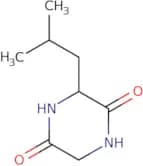

![[Met(O)12]-ANP (Human, 1-28)](/_next/image/?url=https%3A%2Fstatic.cymitquimica.com%2Fproducts%2F3D%2Fthumb-webp%2FPAF-4145-V.webp&w=3840&q=75)

![[Nle8,18,Tyr34]-Parathyroid Hormone (Human, 1-34)](/_next/image/?url=https%3A%2Fstatic.cymitquimica.com%2Fproducts%2F3D%2Fthumb-webp%2FPTH-4129-V.webp&w=3840&q=75)


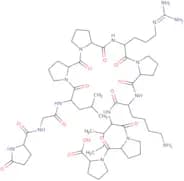
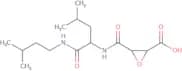
![[Asn1,Val5]-Angiotensin II](/_next/image/?url=https%3A%2Fstatic.cymitquimica.com%2Fproducts%2F3D%2Fthumb-webp%2FPAN-4036-V.webp&w=3840&q=75)

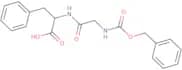
![ß-Alanyl-L-Histidine [Carnosine]](/_next/image/?url=https%3A%2Fstatic.cymitquimica.com%2Fproducts%2F3D%2Fthumb-webp%2FOAH-3085.webp&w=3840&q=75)



![[Tyr8]-Substance P (0.5 mg vial)](/_next/image/?url=https%3A%2Fstatic.cymitquimica.com%2Fproducts%2F3D%2Fthumb-webp%2FPSP-4059-V.webp&w=3840&q=75)
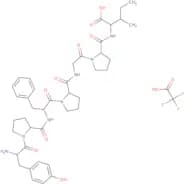





![[D-Trp8]-Somatostatin](/_next/image/?url=https%3A%2Fstatic.cymitquimica.com%2Fproducts%2F3D%2Fthumb-webp%2FPSI-4101-V.webp&w=3840&q=75)
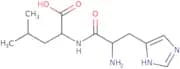






![[Gln18]-Platelet Factor 4 (15-22) (human)](/_next/image/?url=https%3A%2Fstatic.cymitquimica.com%2Fproducts%2F3D%2Fthumb-webp%2FVAC-00001.webp&w=3840&q=75)






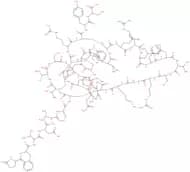







![[D-Arg1,D-Trp7,9,Leu11]-Substance P](/_next/image/?url=https%3A%2Fstatic.cymitquimica.com%2Fproducts%2F3D%2Fthumb-webp%2FPSP-4173.webp&w=3840&q=75)







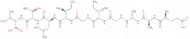








![[Sar1,Ile8]-Angiotensin II](/_next/image/?url=https%3A%2Fstatic.cymitquimica.com%2Fproducts%2F3D%2Fthumb-webp%2FPAN-4016.webp&w=3840&q=75)












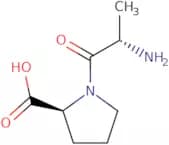






![Val-His-[D7]Leu-Thr-Pro-Glu](/_next/image/?url=https%3A%2Fstatic.cymitquimica.com%2Fproducts%2F3D%2Fthumb-webp%2FTSI-3414-V.webp&w=3840&q=75)






![Z-Glu-Lys(Biotinyl)-Asp-CH2-DMB [Z-EK(bio)D-aomk]](/_next/image/?url=https%3A%2Fstatic.cymitquimica.com%2Fproducts%2F3D%2Fthumb-webp%2FICA-3189-V.webp&w=3840&q=75)
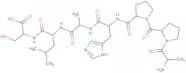








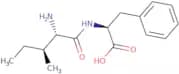





















![[Cys(AF647)]-Jak2/3 substrate](/_next/image/?url=https%3A%2Fstatic.cymitquimica.com%2Fproducts%2F3D%2Fthumb-webp%2FCRB1110313.webp&w=3840&q=75)















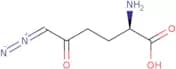
![D-Arginyl-[Hyp3,Thi5,8,D-Phe7]-Bradykinin](/_next/image/?url=https%3A%2Fstatic.cymitquimica.com%2Fproducts%2F3D%2Fthumb-webp%2FPBK-4202-V.webp&w=3840&q=75)



![Z-Val-Ala-Asp(OMe)-CH2F [Z-VAD-FMK]](/_next/image/?url=https%3A%2Fstatic.cymitquimica.com%2Fproducts%2F3D%2Fthumb-webp%2FICA-3188-V.webp&w=3840&q=75)