Peptides
Les peptides sont des chaînes courtes d'acides aminés liées par des liaisons peptidiques, jouant un rôle essentiel en tant que molécules biologiques dans divers processus cellulaires. Ils fonctionnent comme hormones, neurotransmetteurs et molécules de signalisation, et sont largement utilisés dans les applications thérapeutiques et diagnostiques. Les peptides sont également cruciaux dans la recherche pour étudier les interactions protéiques, les activités enzymatiques et les voies de signalisation cellulaire. Chez CymitQuimica, nous proposons une large sélection de peptides de haute qualité pour soutenir vos besoins en recherche et développement en biotechnologie et en pharmacie.
Sous-catégories appartenant à la catégorie "Peptides"
30471 produits trouvés pour "Peptides"
Trier par
Degré de pureté (%)
0
100
|
0
|
50
|
90
|
95
|
100
Immunoglobulins IgM Light Tryptic Peptide Standard (4nmol)
<p>Immunoglobulins IgM Light Tryptic Peptide Standard for protein identification and quantitation studies. IgM is an antibody isotype that is the first type to be produced when the body is invaded by a pathogen and therefore a key indication of infection.</p>Degré de pureté :Min. 95%STK11 Blocking Peptide
<p>A synthetic peptide for use as a blocking control in assays to test for specificity of STK11 antibody, catalog no. 70R-9641</p>Degré de pureté :Min. 95%MED8 Blocking Peptide
<p>A synthetic peptide for use as a blocking control in assays to test for specificity of MED8 antibody, catalog no. 70R-3778</p>Degré de pureté :Min. 95%TTC8 Blocking Peptide
<p>A synthetic peptide for use as a blocking control in assays to test for specificity of TTC8 antibody, catalog no. 70R-2854</p>Degré de pureté :Min. 95%AP1G1 Blocking Peptide
<p>A synthetic peptide for use as a blocking control in assays to test for specificity of AP1G1 antibody, catalog no. 70R-3825</p>Degré de pureté :Min. 95%KCNJ12 Blocking Peptide
<p>A synthetic peptide for use as a blocking control in assays to test for specificity of KCNJ12 antibody, catalog no. 70R-5160</p>Degré de pureté :Min. 95%CTDSPL Blocking Peptide
<p>A synthetic peptide for use as a blocking control in assays to test for specificity of CTDSPL antibody, catalog no. 70R-2916</p>Degré de pureté :Min. 95%EFHA2 Blocking Peptide
<p>A synthetic peptide for use as a blocking control in assays to test for specificity of EFHA2 antibody, catalog no. 70R-3476</p>Degré de pureté :Min. 95%S100A3 Blocking Peptide
<p>A synthetic peptide for use as a blocking control in assays to test for specificity of S100A3 antibody, catalog no. 70R-1096</p>Degré de pureté :Min. 95%KCNMA1 Blocking Peptide
<p>A synthetic peptide for use as a blocking control in assays to test for specificity of KCNMA1 antibody, catalog no. 70R-5152</p>Degré de pureté :Min. 95%Fam55d Blocking Peptide
<p>A synthetic peptide for use as a blocking control in assays to test for specificity of Fam55d antibody, catalog no. 70R-8614</p>Degré de pureté :Min. 95%SLC9A9 Blocking Peptide
<p>A synthetic peptide for use as a blocking control in assays to test for specificity of SLC9A9 antibody, catalog no. 70R-6808</p>Degré de pureté :Min. 95%RBM4 Blocking Peptide
<p>A synthetic peptide for use as a blocking control in assays to test for specificity of RBM4 antibody, catalog no. 70R-4823</p>Degré de pureté :Min. 95%Pro-Phe-Arg-MCA
CAS :<p>Pro-Phe-Arg-MCA is a Research peptide</p>Formule :C30H37N7O5Degré de pureté :Min. 95%Masse moléculaire :575.66 g/molFmoc-N-amido-dPEG®4-TFP Ester
<p>Fmoc-N-amido-dPEG®4-TFP Ester is a PEG compound with two different functional groups (also known as heterobifunctional). Unlike homobifunctional PEG compounds (same functional group on both ends), this type of compounds are more versatile as have two different anchor points. Fmoc-N-amido-dPEG®4-TFP Ester is used as a linker and spacer to add a PEG moiety, via pegylation (a bioconjugation technique) to proteins, peptides, oligonucleotides, small molecules and nanoparticles.</p>Formule :C32H33F4NO8Degré de pureté :Min. 95%Masse moléculaire :635.6 g/molCACNB2 Blocking Peptide
<p>A synthetic peptide for use as a blocking control in assays to test for specificity of CACNB2 antibody, catalog no. 70R-5096</p>Degré de pureté :Min. 95%DNAJB9 Blocking Peptide
<p>A synthetic peptide for use as a blocking control in assays to test for specificity of DNAJB9 antibody, catalog no. 70R-7401</p>Degré de pureté :Min. 95%Carbonic Anhydrase Vb Blocking Peptide (Mitochondrial)
<p>A synthetic peptide for use as a blocking control in assays to test for specificity of CA5B antibody, catalog no. 70R-4459</p>Degré de pureté :Min. 95%C14orf126 Blocking Peptide
<p>A synthetic peptide for use as a blocking control in assays to test for specificity of C14orf126 antibody, catalog no. 70R-9183</p>Degré de pureté :Min. 95%MAML3 Blocking Peptide
<p>A synthetic peptide for use as a blocking control in assays to test for specificity of MAML3 antibody, catalog no. 70R-8733</p>Degré de pureté :Min. 95%HSF5 Blocking Peptide
<p>A synthetic peptide for use as a blocking control in assays to test for specificity of HSF5 antibody, catalog no. 70R-8700</p>Degré de pureté :Min. 95%TCHP Blocking Peptide
<p>A synthetic peptide for use as a blocking control in assays to test for specificity of TCHP antibody, catalog no. 70R-10097</p>Degré de pureté :Min. 95%RAB15 Blocking Peptide
<p>A synthetic peptide for use as a blocking control in assays to test for specificity of RAB15 antibody, catalog no. 70R-9363</p>Degré de pureté :Min. 95%Arsg Blocking Peptide
<p>A synthetic peptide for use as a blocking control in assays to test for specificity of Arsg antibody, catalog no. 70R-9308</p>Degré de pureté :Min. 95%DHRS7B Blocking Peptide
<p>A synthetic peptide for use as a blocking control in assays to test for specificity of DHRS7B antibody, catalog no. 70R-7405</p>Degré de pureté :Min. 95%TRSPAP1 Blocking Peptide
<p>A synthetic peptide for use as a blocking control in assays to test for specificity of TRSPAP1 antibody, catalog no. 70R-1414</p>Degré de pureté :Min. 95%CRF (Human, Rat)
CAS :<p>Corticotropin-Releasing Factor (CRF) (Human, Rat) is a peptide hormone product that is available as a 0.5mg vial and has the potential to be used as a research tool to study the effects of CRF in the body. CRF is a natural hormone that regulates many physiological processes, such as blood pressure, temperature control, and food intake. CRF binds to receptors on cells and triggers a number of cellular responses within the cell. This peptide can be used for pharmacological studies or for antibody production.</p>Formule :C208H344N60O63S2Degré de pureté :Min. 95%Masse moléculaire :4,757.5 g/molt-Boc-N-Amido-dPEG®11-Amine
CAS :<p>t-Boc-N-Amido-dPEG®11-Amine is a PEG compound with two different functional groups (also known as heterobifunctional). Unlike homobifunctional PEG compounds (same functional group on both ends), this type of compounds are more versatile as have two different anchor points. t-Boc-N-Amido-dPEG®11-Amine is used as a linker and spacer to add a PEG moiety, via pegylation (a bioconjugation technique) to proteins, peptides, oligonucleotides, small molecules and nanoparticles.</p>Degré de pureté :Min. 95%Masse moléculaire :644.79 g/molFBXO24 Blocking Peptide
<p>A synthetic peptide for use as a blocking control in assays to test for specificity of FBXO24 antibody, catalog no. 70R-2787</p>Degré de pureté :Min. 95%SPDP-dPEG®24-NHS Ester
CAS :<p>SPDP-dPEG®24-NHS Ester is a PEG compound with two different functional groups (also known as heterobifunctional). Unlike homobifunctional PEG compounds (same functional group on both ends), this type of compounds are more versatile as have two different anchor points. SPDP-dPEG®24-NHS Ester is used as a linker and spacer to add a PEG moiety, via pegylation (a bioconjugation technique) to proteins, peptides, oligonucleotides, small molecules and nanoparticles.</p>Formule :C37H60N4O20Degré de pureté :Min. 95%Masse moléculaire :880.89 g/molBis-dPEG®2-PFP Ester
CAS :<p>Bis-dPEG®2-PFP Ester is a PEG polymer categorised as homobifunctional PEG (X-PEG X). Used as a linker, bis-dPEG®2-PFP Ester is used to attached PEG to proteins, peptides, oligonucleotides, nanoparticles and small molecules via pegylation, a bioconjugation technique.</p>Formule :C20H12F10O6Degré de pureté :Min. 95%Masse moléculaire :538.29 g/mol[Val5]-Angiotensin I (Bovine)
CAS :<p>[Val5]-Angiotensin I (Bovine) is a peptide that activates angiotensin receptors. It is used as a research tool in the study of ion channels and protein interactions. The antibody recognizes the C-terminal region of angiotensin I, which can be used to inhibit the activation of these receptors by preventing binding to their ligands.</p>Formule :C61H87N17O14•CH3COOH•5H2ODegré de pureté :Min. 95%Masse moléculaire :1,432.53 g/molHumanin
CAS :<p>Encoded for by mitochondrial DNA, Humanin is an endogenous peptide known to be a ‘rescue factor’ with the ability to abolish neuronal cell death. This characteristic has promoted Humanin as a potential treatment for Alzheimer’s disease. Another function of Humanin is it can inhibit mitochondira-dependent apoptosis through preventing the formation of apoptotic bodies and the release of Cytochrome C.<br>Humanin has been found to be related to aging related cardiovascular disease (ACVDs) due to evidence of Humanin serum levels as age increases. Furthermore Humanin increases the expression of antioxidant defense system proteins and impedes complexes I and III from their activity in the electron transport chain in myocardial cells and mitochondria, therefore decreasing oxidative stress damage caused by H2O2. Humanin further reduces reactive oxygen species production and protects cardiomyocytes and fibroblasts, from oxidative stress.<br>Overall Humanin has a variety of protective functions such as mitochondrial homeostasis and redox systems regulation, anti-aging, prevention of myocardial fibrosis, anti-inflammation, metabolism improvement and autophagy promotion. It has also been found to improve beta-cell survival and thus can be used as a diabetes treatment due to it improving insulin secretion and resistance. This product is available as a 0.5mg vial.</p>Formule :C119H204N34O32S2Degré de pureté :Min. 95%Masse moléculaire :2,687.2 g/molLys-Thr-Glu-Glu-Ile-Ser-Glu-Val-Asn-Sta-Val-Ala-Glu-Phe
CAS :<p>Lys-Thr-Glu-Glu-Ile-Ser-Glu-Val-Asn-Sta-Val-Ala-Glu-Phe is a peptide that inhibits the interaction between the beta2 adrenergic receptor and its ligand. It is a high purity, nonpeptide inhibitor of the beta2 adrenergic receptor that is useful for research purposes. The antibody to Lys-Thr-Glu-Glu-Ile-Ser-Glu Val Asn Sta Val Ala Glu Phe can be used to identify this peptide in Western blot or ELISA experiments.</p>Formule :C73H118N16O27Degré de pureté :Min. 95%Masse moléculaire :1,651.8 g/molLeucine-Enkephalin (Human, Porcine, Bovine, Rat, Mouse)
CAS :<p>Leucine-Enkephalin is a peptide that is composed of the amino acids leucine and enkephalin. It functions as an endogenous opioid with effects on the brain that include analgesia, sedation, and appetite suppression. Leucine-Enkephalin stimulates κ-opioid receptors in the brain and has been shown to reduce neuronal death caused by energy metabolism deficiency or cerebral ischemia. This peptide also causes autophagy and neurokinin-1 receptor activation, which can lead to significant interactions with physiological effects such as symptoms of anxiety, depression, or addiction.</p>Formule :C28H37N5O7•H2ODegré de pureté :Min. 95%Masse moléculaire :573.64 g/molδ Sleep-Inducing Peptide [DSIP]
CAS :<p>Delta Sleep-Inducing Peptide (DSIP) is a neuropeptide that induces delta sleep in mammals. Studies have shown that DSIP plasma concentrations and the human circadian rhythm are correlated and that DSIP concentrations are dependent on the initiation of sleep. Interestingly DSIP has the ability to cross the blood-brain barrier and can be absorbed from the gut. This neuropeptide is found in plasma, peripheral organs and neurons and its functions extend beyond inducing sleep. For example it has the ability to affect levels of hormones, neurotransmitters and psychological performance. It has also been found that schizophrenia and depression patients have lower concentrations of DSIP in their cerebrospinal fluid and plasma. Clinically DFSIP has already been used to treat opioid and alcohol withdrawal in reducing symptoms felt by patients.</p>Formule :C35H48N10O15Degré de pureté :Min. 95%Masse moléculaire :848.82 g/molBiotin-dPEG®11-NH2
CAS :<p>Biotin-dPEG®11-NH2 is a PEG compound with two different functional groups (also known as heterobifunctional). Unlike homobifunctional PEG compounds (same functional group on both ends), this type of compounds are more versatile as have two different anchor points. Biotin-dPEG®11-NH2 is used as a linker and spacer to add a PEG moiety, via pegylation (a bioconjugation technique) to proteins, peptides, oligonucleotides, small molecules and nanoparticles.</p>Formule :C34H66N4O13SDegré de pureté :Min. 95%Masse moléculaire :770.97 g/molPropargyl Amine
CAS :<p>Propargyl amine is a biologically active compound that has been shown to induce neuronal death in hl-60 cells. It also inhibits the production of neurotrophic factors and induces the formation of coumarin derivatives. Propargyl amine is structurally related to other known neurotoxic compounds, such as coumarin and pyridine. The mechanism of action is currently unknown, but it may involve interactions with ubiquitin ligases or receptor activity. Propargyl amine was found to be an active analogue for the treatment of skin cancer and has shown good analytical properties for use in quantitative analysis. This product should be stored at room temperature in a dry place away from light in order to avoid chemical degradation.</p>Degré de pureté :Min. 95%Masse moléculaire :55.08 g/molNHS-m-dPEG® (MW = 333)
CAS :<p>NHS-m-dPEG® (MW = 333) is a PEG compound with two different functional groups (also known as heterobifunctional). Unlike homobifunctional PEG compounds (same functional group on both ends), this type of compounds are more versatile as have two different anchor points. NHS-m-dPEG® (MW = 333) is used as a linker and spacer to add a PEG moiety, via pegylation (a bioconjugation technique) to proteins, peptides, oligonucleotides, small molecules and nanoparticles.</p>Degré de pureté :Min. 95%Masse moléculaire :333.33 g/molCRF (Ovine)
CAS :<p>This product is an ovine, Corticotropin Release Factor (CRF) and is available as a 0.5mg vial. CRF is a peptide hormone and a key regulator of the hypothalamic-pituitary adrenal (HPA) axis. In response to stress the hypothalams releases CRF which stimulates the production of glucocorticoids and adrenocorticotropin, which are stress hormones. Glucocorticoids are then involved in a negative feedback loop, in that they prevent the pituitary gland and hypothalamus from exhibiting any further endocrine activity. Studies have shown that symptoms of depression can be caused by the over production of CRF due to the overstimulation of the hypothalamic-pituitary adrenal axis. Interestingly CRF receptors are expressed in both glial cells and T cells. Elevated levels of CRF and glucocorticoids prevent T-cell proliferation. During stress cytokines can also stimulate the secretion of CRF. However CRF can also regulate these cytokines. CRF has the potential to be used in the research into depression treatments.</p>Formule :C205H339N59O63SDegré de pureté :Min. 95%Masse moléculaire :4,670.3 g/molBis-dPEG®13-PFP Ester
CAS :<p>Bis-dPEG®13-PFP Ester is a PEG polymer categorised as homobifunctional PEG (X-PEG X). Used as a linker, bis-dPEG®13-PFP Ester is used to attached PEG to proteins, peptides, oligonucleotides, nanoparticles and small molecules via pegylation, a bioconjugation technique.</p>Formule :C42H56F10O17Degré de pureté :Min. 95%Masse moléculaire :1,022.87 g/molGlu(pNA) • H2O
CAS :<p>Glu(pNA) • H2O is a substrate for the enzyme glutaminase, which hydrolyzes the peptide bond between glutamate and pyranose. The hydrolysis of Glu(pNA) • H2O to produce L-glutamic acid (Glu) and pyranose (pNA) is the first step in Glu metabolism. This reaction is important for both the production and degradation of Glu. In addition, Glu is a potent growth factor that plays a role in kidney physiology. The presence of this molecule in the extracellular space may indicate kidney disease or damage, as well as systemic effects on other organs.</p>Formule :C11H13N3O5•H2ODegré de pureté :Min. 95%Masse moléculaire :285.26 g/molAzido-dPEG®24-Acid
CAS :<p>Azido-dPEG®24-Acid is a PEG compound with two different functional groups (also known as heterobifunctional). Unlike homobifunctional PEG compounds (same functional group on both ends), this type of compounds are more versatile as have two different anchor points. Azido-dPEG®24-Acid is used as a linker and spacer to add a PEG moiety, via pegylation (a bioconjugation technique) to proteins, peptides, oligonucleotides, small molecules and nanoparticles.</p>Formule :C51H101N3O26Degré de pureté :Min. 95%Masse moléculaire :1,172.35 g/molStresscopin (Human)
CAS :<p>Stresscopin is a peptide that belongs to the family of activators. It is a molecular "switch" that can be used to control the activity of ion channels and protein interactions. Stresscopin is purified from human tissue and is supplied as lyophilized powder.</p>Formule :C195H326N56O53S2Degré de pureté :Min. 95%Masse moléculaire :4,367.1 g/molm-dPEG®4-Azide (Azido-m-dPEG®4)
CAS :<p>m-dPEG®4-Azide (Azido-m-dPEG®4) is a PEG compound with two different functional groups (also known as heterobifunctional). Unlike homobifunctional PEG compounds (same functional group on both ends), this type of compounds are more versatile as have two different anchor points. m-dPEG®4-Azide (Azido-m-dPEG®4) is used as a linker and spacer to add a PEG moiety, via pegylation (a bioconjugation technique) to proteins, peptides, oligonucleotides, small molecules and nanoparticles.</p>Degré de pureté :Min. 95%Masse moléculaire :233.26 g/molPropargyl Amine
CAS :<p>Propargyl Amine is a monoamine neurotransmitter that is an active analogue of the neurotransmitter epidermal growth factor. It has been shown to have biological effects on skin cancer cells and have potential for use as a drug in the treatment of skin cancer. Propargyl amine has been shown to be an effective inhibitor of rat striatal dopamine uptake and amines, which may be due to its hydroxyl group. This propargylamine binds to the surface of the skin cancer cells, causing them to die. The asymmetric synthesis of propargyl amine has been studied using molecular modeling techniques.</p>Formule :C24H50N4O11Degré de pureté :Min. 95%Masse moléculaire :570.67 g/molBis-dPEG®21-Acid
CAS :<p>Bis-dPEG®21-Acid is a PEG polymer categorised as homobifunctional PEG (X-PEG X). Used as a linker, bis-dPEG®21-Acid is used to attached PEG to proteins, peptides, oligonucleotides, nanoparticles and small molecules via pegylation, a bioconjugation technique.</p>Formule :C46H90O25Degré de pureté :Min. 95%Masse moléculaire :1,043.19 g/molAmylin (Human)
CAS :<p>Amylin is a peptide hormone that is found in the pancreas. It regulates blood glucose levels and plays an important role in diabetes. Amylin is also used as a research tool for studying the function of ion channels, cell biology, protein interactions, and pharmacology.</p>Formule :C165H261N51O55S2Degré de pureté :Min. 95%Masse moléculaire :3,903.3 g/molm-dPEG®8-Lipoamide
CAS :<p>m-dPEG®8-Lipoamide is a PEG molecule conjugated with a lipid moiety. m-dPEG®8-Lipoamide, conjugated to this lipid constituent, is very important especially in drug delivery and vaccine development as it helps improve the stability and circulation time of lipid nanoparticles (LNPs) and liposomes.</p>Formule :C19H35NO7S2Degré de pureté :Min. 95%Masse moléculaire :453.61 g/molCGP 42112
CAS :<p>CGP 42112 is a peptide that inhibits the binding of ligands to their receptors. It has been shown to be an effective inhibitor of protein interactions and has been used in research tools for the study of protein-protein interactions. CGP 42112 is an activator of the Ligand-gated ion channels and can be used as an antibody for receptor detection. This compound has a high purity with a CAS number 127060-75-7.</p>Formule :C52H69N13O11Degré de pureté :Min. 95%Masse moléculaire :1,052.2 g/molTertiapin
CAS :<p>Tertiapin is a synthetic bee venom peptide (Honey Bee, Apis mellifera) containing disulfide bonds between Cys3-Cys14 and Cys5-Cys18. It is an inward rectifier K+ channel blocker and also blocks the activity of calcium activated large conductance potassium channels. The pain and inflammation symptoms experienced after a bee sting is caused by this peptide eventhough bee venom also has the potential to treat pain and inflammation in conditions such as rheumatoid arthritis and multiple sclerosis. This product is available as a 0.1mg vial.</p>Formule :C106H176N34O23S5Degré de pureté :Min. 95%Masse moléculaire :2,455.1 g/molSARS-CoV-2 Nucleoprotein (351-365)
<p>The coronavirus (CoV) nucleoprotein is the major component of CoV structural proteins. Also known as the nucleocapsid protein, it is an abundant RNA-binding protein critical for viral genome packaging. These factors make nucleoprotein a good target for developing new antiviral drugs. In addition, the identification of epitopes within the nucleoprotein sequence can help design more effective SARS-CoV-2 vaccines.Models have predicted epitopes exhibiting antigenicity, stability and interactions with MHC class-I and class-II molecules. Nucleoprotein (351-365) is an epitope candidate with various HLA restrictions. This epitope can be used to better vaccine design for more durable CD4+ and CD8+ T cell responses for long-lasting immunity.</p>Masse moléculaire :1,769 g/mol[Tyr8]-Bradykinin
CAS :<p>[Tyr8]-Bradykinin is a peptide that is an activator of the B2 receptor. It has been shown to have high purity, and can be used as a research tool. This product is also an inhibitor of ion channels, and has been shown to bind to antibody.</p>Formule :C50H73N15O12Degré de pureté :Min. 95%Masse moléculaire :1,076.2 g/molAzido-dPEG®7-Amine
CAS :<p>Azido-dPEG®7-Amine is a PEG compound with two different functional groups (also known as heterobifunctional). Unlike homobifunctional PEG compounds (same functional group on both ends), this type of compounds are more versatile as have two different anchor points. Azido-dPEG®7-Amine is used as a linker and spacer to add a PEG moiety, via pegylation (a bioconjugation technique) to proteins, peptides, oligonucleotides, small molecules and nanoparticles.</p>Formule :C25H51N3O12Degré de pureté :Min. 95%Masse moléculaire :585.69 g/molCCK-33 (Human)
CAS :<p>CCK-33 is a synthetic peptide that is used as a research tool. It binds to the CCK2 receptor and activates it, triggering the release of the neurotransmitter acetylcholine. CCK-33 is also an inhibitor of voltage-gated potassium channels, which are important for neuronal communication. CCK-33 can be used to identify other ligands for this receptor, or as an antibody epitope tag in cell biology studies.</p>Formule :C167H263N51O52S4Degré de pureté :Min. 95%Masse moléculaire :3,945.4 g/molm-dPEG®24-MAL
CAS :<p>m-dPEG®24-MAL is a PEG compound with two different functional groups (also known as heterobifunctional). Unlike homobifunctional PEG compounds (same functional group on both ends), this type of compounds are more versatile as have two different anchor points. m-dPEG®24-MAL is used as a linker and spacer to add a PEG moiety, via pegylation (a bioconjugation technique) to proteins, peptides, oligonucleotides, small molecules and nanoparticles.</p>Formule :C22H39F3N4O7SDegré de pureté :Min. 95%Masse moléculaire :560.63 g/molPTH-rP (Human,1-34 Amide)
CAS :<p>PTH-rP is a peptide that has been used as a research tool for the study of ion channels, protein interactions, and receptor signaling. It is an inhibitor of PTH/PTH-related protein receptor. PTH-rP is a ligand for the PTH/PTH-related protein receptor and can be used to identify novel receptors or ligands. This compound has been shown to have the ability to inhibit cellular proliferation and induce apoptosis in certain cell lines.</p>Formule :C180H288N58O47Degré de pureté :Min. 95%Masse moléculaire :4,016.6 g/molClick RWmix
<p>Cell penetrating peptides (CPP) are a keen area of molecule design to create the ideal vector for transporting macromolecule cargo into the cell. There is also a crossover of CPP acting as antimicrobial peptides (AMP) due to their ability to permeabilise the lipid membrane. AMPs are now being considered as a tool against the rise of antibiotic-resistant bacteria. CPPs and AMPS tend to be 10 - 30 amino acids long, cationic, and rich in arginine and tryptophan. The RWR motif has been used to generate de novo CPP/AMP peptides with improved functions. Of these, RWmix was shown to have the highest cellular uptake against other RWR synthetics, the lowest cytotoxicity and significant antimicrobial activity.RWmix is provided here with a N-terminal alkyne attachment. Two of the most regularly encountered functional groups for click chemistry are azides and alkynes, and the azide-alkyne cycloaddition has become the most popular click reaction. The use of click chemistry with alkyne-RWmix allows a wide variety of applications particularly for conjugation, modification, and peptide design.</p>Masse moléculaire :2,090.2 g/molMOCAc-Gly-Lys-Pro-Ile-Leu-Phe-Phe-Arg-Leu-Lys(Dnp)-D-Arg-NH₂
CAS :<p>MOCAc-Gly-Lys-Pro-Ile-Leu-Phe-Phe-Arg-Leu-Lys(Dnp)-D-Arg is a peptide with ion channel activity. It is a potent activator of potassium channels and has been used in research as a tool for studying ion channel function. MOCAc is not an inhibitor of voltage sensitive sodium channels but does inhibit calcium currents. MOCAc also has been shown to be a ligand for the nicotinic acetylcholine receptor and is able to bind to the beta subunit of this receptor. This peptide binds to the alpha subunit of the calcium channel, leading to inhibition of calcium currents and activation of potassium channels.</p>Formule :C85H122N22O19Degré de pureté :Min. 95%Masse moléculaire :1,756 g/molAzido-dPEG®36-Alcohol
CAS :<p>Azido-dPEG®36-Alcohol is a PEG polymer categorised as monofunctional (OH-PEG-X). Used as a linker, azido-dPEG®36-Alcohol is used to attached PEG to proteins, peptides, oligonucleotides, nanoparticles and small molecules via pegylation, a bioconjugation technique.</p>Degré de pureté :Min. 95%Masse moléculaire :1,628.92 g/molAmino-dPEG®12-ODMT
CAS :<p>Amino-dPEG®12-ODMT is a PEG compound with two different functional groups (also known as heterobifunctional). Unlike homobifunctional PEG compounds (same functional group on both ends), this type of compounds are more versatile as have two different anchor points. Amino-dPEG®12-ODMT is used as a linker and spacer to add a PEG moiety, via pegylation (a bioconjugation technique) to proteins, peptides, oligonucleotides, small molecules and nanoparticles.</p>Formule :C10H20O5Degré de pureté :Min. 95%Masse moléculaire :220.26 g/molGlucagon-like Peptide 1 (Human 7-37)
CAS :<p>GLP-1 is a peptide hormone that is released by the pancreas in response to food intake. This hormone activates receptors on the L cells of the ileum and duodenum, which causes increased production of insulin and decreased production of glucagon. GLP-1 also decreases appetite, slows gastric emptying, and reduces blood glucose levels by increasing the uptake of glucose into muscle cells. GLP-1 has been shown to be effective in reducing body weight, lowering blood pressure and cholesterol levels, improving glycemic control, and preventing diabetes. The GLP-1 receptor is found in ion channels and cell biology as well as pharmacology.</p>Formule :C151H228N40O47Degré de pureté :Min. 95%Masse moléculaire :3,355.7 g/molAdropin (Human, 34-76)
CAS :<p>Adropin is a peptide that binds to the activator domain of phospholipase A2 (PLA2) and inhibits the enzyme. It has been shown to be an inhibitor of PLA2 in human, mouse, and rat cells. Adropin can also inhibit ion channels and cell signaling pathways by binding to cell surface receptors. This research tool may be used for studying protein interactions and pharmacology.</p>Formule :C190H293N55O68S2Degré de pureté :Min. 95%Masse moléculaire :4,499.8 g/molBz-Arg-AMC
CAS :<p>Bz-Arg-AMC is a fluorescent probe that binds to the nicotinic acetylcholine receptor (nAChR) in the presence of calcium ions and emits light when excited by ultraviolet light. It can be used to study the activation of nAChRs, as well as their interactions with other proteins such as peptides. Bz-Arg-AMC has a molecular weight of 551.9 g/mol, with a purity of > 98% and an optical purity of > 99%. This product can be used for research purposes only, not for diagnostic or therapeutic purposes.</p>Formule :C23H25N5O4Degré de pureté :Min. 95%Masse moléculaire :435.48 g/molMet-Met
CAS :<p>Met-Met is a dipeptide that is synthesized from the amino acids methionine and methyltetrahydrofolate. It is used in the synthesis of peptides and biochemicals, as well as in pharmacological treatments for diseases including bacterial infections. Met-Met has significant interactions with dopamine, catechol-o-methyltransferase, and energy metabolism. The enzyme catechol-o-methyltransferase catalyzes the conversion of dopamine to 3,4-dihydroxyphenylacetic acid (DOPAC), which may lead to a decrease in dopamine levels. Met-Met also inhibits the metabolism of catecholamines, leading to an increase in cellular levels of catecholamines such as dopamine and norepinephrine. This inhibition may be responsible for metabolic disorders such as obesity or low body mass index (BMI)</p>Formule :C10H20N2O3S2Degré de pureté :Min. 95%Masse moléculaire :280.41 g/molAzido-dPEG®4-NHS ester
CAS :<p>Azido-dPEG®4-NHS ester is a PEG compound with two different functional groups (also known as heterobifunctional). Unlike homobifunctional PEG compounds (same functional group on both ends), this type of compounds are more versatile as have two different anchor points. Azido-dPEG®4-NHS ester is used as a linker and spacer to add a PEG moiety, via pegylation (a bioconjugation technique) to proteins, peptides, oligonucleotides, small molecules and nanoparticles.</p>Formule :C27H53N3O14Degré de pureté :Min. 95%Masse moléculaire :643.72 g/molBis-dPEG®9-PFP Ester
CAS :<p>Bis-dPEG®9-PFP Ester is a PEG polymer categorised as homobifunctional PEG (X-PEG X). Used as a linker, bis-dPEG®9-PFP Ester is used to attached PEG to proteins, peptides, oligonucleotides, nanoparticles and small molecules via pegylation, a bioconjugation technique.</p>Formule :C34H40F10O13Degré de pureté :Min. 95%Masse moléculaire :846.66 g/molFibronectin Active Fragment (GRGDS)
CAS :<p>Fibronectin is an extracellular matrix protein that plays a critical role in cell adhesion, migration, and differentiation. Fibronectin subunits are composed of repeating units of three types of modules: type I, type II, and type III. The active fragment of fibronectin refers to a small peptide sequence within the type III modules of fibronectin that has been shown to have potent biological activity.<br>The fibronectin active fragment, also known as the cell-binding domain or RGD domain, is a short peptide sequence consisting of the amino acid sequence Arg-Gly-Asp (RGD). This peptide sequence interacts with cell surface receptors known as integrins, which are important for mediating cell adhesion, migration, and signaling.<br>The fibronectin active fragment has been extensively studied as a research tool to investigate the mechanisms of cell adhesion and migration. It has also been used in tissue engineering applications to promote cell attachment and proliferation on synthetic biomaterials. This product is available as a 0.5mg vial.</p>Formule :C17H30N8O9Degré de pureté :Min. 95%Masse moléculaire :490.47 g/mol(3,5-Difluorophenylacetyl)-Ala-Phg-OtBu
CAS :<p>(3,5-Difluorophenylacetyl)-Ala-Phg-OtBu is a peptide that is an inhibitor of Protein interactions. It blocks the binding of the enzyme to its substrate and prevents the conversion of substrate to product. This peptide was used as a research tool for studying protein interactions in cell biology and as an activator for Ligands. This peptide can be used as a reagent for antibody production. The purity of this peptide is high and it has been shown to have no adverse effects in animal research studies.</p>Formule :C23H26N2O4F2Degré de pureté :Min. 95%Masse moléculaire :432.46 g/molAmylin (Rat)
CAS :Produit contrôlé<p>Amylin is a peptide that belongs to the group of activators. It has been shown to be an inhibitor of ion channels, and has also been demonstrated to activate cell signaling pathways. Amylin can be used as a research tool for studying protein interactions, receptor ligands, and pharmacology. Amylin can be used in antibody production or as a high-purity reagent for life science or cell biology applications.</p>Formule :C167H272N52O53S2Degré de pureté :Min. 95%Masse moléculaire :3,920.4 g/molAdenylate Kinase 4, human, recombinant
<p>Adenylate kinase 4 (AK4) is a protein that in humans is encoded by the AK4 gene. AK4 catalyzes the conversion of adenosine triphosphate (ATP) to adenosine monophosphate (AMP). The enzyme has been shown to play an important role in the regulation of cell proliferation and survival, as well as in the regulation of ion channels, neurotransmitter release, and other biological processes. AK4 is also an activator of G-protein coupled receptors and a ligand for certain nuclear receptors. It can also function as an inhibitory receptor for certain G-protein coupled receptors.</p>Degré de pureté :Min. 95%Peptide YY (Human, 3-36)
CAS :<p>Peptide YY (Human, 3-36) is a peptide that is a potent activator of the gut hormone, ghrelin. Peptide YY (Human, 3-36) has been shown to inhibit the activity of ion channels and receptor binding. It is also a ligand for G protein coupled receptors (GPCRs). It has been used as an inhibitor in research for studying protein interactions and receptor signaling pathways.</p>Formule :C180H279N53O54Degré de pureté :Min. 95%Masse moléculaire :4,049.5 g/molSecretin (Porcine)
CAS :<p>Secretin is a peptide that is used as a research tool in the study of ion channels, cell biology, and pharmacology. Secretin is a peptide hormone that is produced in the duodenum and is involved in the regulation of pancreatic bicarbonate, gastric acid and osmoregulation. Secretin binds to secretin receptors which are G-protein coupled receptors and are expressed in pancreatic centroacinar cells. Secretin binds to these receptors and activates adenylate cyclase which converts ATP into cAMP which results in the secretion of bicarbonate from the pancreas. Secretin plays a role in osmoregulation through its effects on the kidney, pitutiary gland and the hypothalamus. This product is available as a 0.5mg vial.</p>Formule :C130H220N44O41Degré de pureté :Min. 95%Masse moléculaire :3,055.4 g/molBis-Maleimide Amine, TFA Salt
CAS :<p>Bis-Maleimide Amine, TFA Salt is a pharmacological research tool that is used to study protein interactions. It is also used as an inhibitor and activator of proteins, specifically ion channels. This product has a CAS number of 62921-76-0, which can be found on the Chemical Abstracts Services website. This product is high purity and is used in life science research. The salt form of this product is used as a ligand for receptor binding studies.</p>Formule :C16H26O7SDegré de pureté :Min. 95%Masse moléculaire :362.44 g/mol[D-Pro2,D-Trp7,9]-Substance P
CAS :<p>This product is a Substance P antagonist and is available as a 0.5mg vial. Substance P is a neuropeptide that is involved in the transmission of pain signals and inflammation. It is a member of the tachykinin neuropeptide family and is produced in the central nervous system and acts through its specific receptor neurokinin 1 receptor (NK-1R). NK-1R is present in neurons and on glial cell types. Substance P is involved in: pain perceptions as a neurotransmitter; gut motility; increased inflammation in the lungs, gastrointestinal tract and the skin and neuroinflammation. Interestingly the levels of Substance P are raised in inflammatory bowel diseases and through its involvement in cytokine release, it contributes to asthma pathology. These diverse selection of functions makes substance P a target for therapeutic research.</p>Formule :C74H106N20O13SDegré de pureté :Min. 95%Masse moléculaire :1,515.8 g/molt-Boc-N-Amido-dPEG®4-Acid
CAS :<p>t-Boc-N-Amido-dPEG®4-Acid is a PEG compound with two different functional groups (also known as heterobifunctional). Unlike homobifunctional PEG compounds (same functional group on both ends), this type of compounds are more versatile as have two different anchor points. t-Boc-N-Amido-dPEG®4-Acid is used as a linker and spacer to add a PEG moiety, via pegylation (a bioconjugation technique) to proteins, peptides, oligonucleotides, small molecules and nanoparticles.</p>Degré de pureté :Min. 95%Masse moléculaire :365.42 g/molCalcitonin (Human)
CAS :<p>Calcitonin is a hormone produced by the C cells (also known as parafollicular cells) in the thyroid gland. Its main function is to regulate the levels of calcium and phosphate in the blood. Calcitonin works by inhibiting the activity of osteoclasts, which are cells that break down bone tissue and release calcium and phosphate into the bloodstream. This leads to a decrease in the amount of calcium and phosphate in the blood.<br>Calcitonin is released in response to high levels of calcium in the blood, and it acts to reduce these levels by increasing the excretion of calcium by the kidneys and inhibiting the absorption of calcium by the intestines. It also promotes the storage of calcium in the bones, which helps to maintain their strength and density.<br>Calcitonin may be used therapeutically to treat conditions such as osteoporosis and hypercalcemia (high levels of calcium in the blood) or even diagnostically as a marker for tumors in medullary thyroid cancer.<br>This product has a disulfide bond between Cys1-Cys7 and is available as a 0.5mg vial.</p>Formule :C151H226N40O45S3Degré de pureté :Min. 95%Masse moléculaire :3,417.8 g/molMAL-dPEG®11-Lipoamide
CAS :<p>MAL-dPEG®11-Lipoamide is a PEG molecule conjugated with a lipid moiety. MAL-dPEG®11-Lipoamide, conjugated to this lipid constituent, is very important especially in drug delivery and vaccine development as it helps improve the stability and circulation time of lipid nanoparticles (LNPs) and liposomes.</p>Formule :C21H37N3O8SDegré de pureté :(%) Min. 97%Masse moléculaire :491.6 g/molAmino-dPEG®4-t-Butyl Ester
CAS :<p>Amino-dPEG®4-t-Butyl Ester is a PEG compound with two different functional groups (also known as heterobifunctional). Unlike homobifunctional PEG compounds (same functional group on both ends), this type of compounds are more versatile as have two different anchor points. Amino-dPEG®4-t-Butyl Ester is used as a linker and spacer to add a PEG moiety, via pegylation (a bioconjugation technique) to proteins, peptides, oligonucleotides, small molecules and nanoparticles.</p>Formule :C22H42O13Degré de pureté :Min. 95%Masse moléculaire :514.56 g/molAPETx2
CAS :<p>APETx2 is a peptide that belongs to the inhibitor class of protein interactions. It has been shown to inhibit the activation of beta-adrenergic receptors by preventing the binding of the ligand, which is a catecholamine. APETx2 also has been shown to be an activator for muscarinic acetylcholine receptors. This peptide is a high purity research tool that can be used as an antibody conjugate in immunohistochemical and immunoprecipitation assays.</p>Formule :C196H280N54O61S6Degré de pureté :Min. 95%Masse moléculaire :4,561 g/molt-boc-N-Amido-dPEG®12-Acid
CAS :<p>t-boc-N-Amido-dPEG®12-Acid is a PEG compound with two different functional groups (also known as heterobifunctional). Unlike homobifunctional PEG compounds (same functional group on both ends), this type of compounds are more versatile as have two different anchor points. t-boc-N-Amido-dPEG®12-Acid is used as a linker and spacer to add a PEG moiety, via pegylation (a bioconjugation technique) to proteins, peptides, oligonucleotides, small molecules and nanoparticles.</p>Formule :C65H119N5O28SDegré de pureté :Min. 95%Masse moléculaire :1,450.72 g/molβ-Sheet Breaker Peptide iAß5
CAS :<p>Beta-Sheet Breaker Peptide iAß5 is a peptide that interacts with amyloid beta proteins to disrupt the formation of beta sheets. It has been shown to inhibit the aggregation of amyloid beta proteins into oligomers and fibrils, and disrupts the self-assembly of amyloid beta protein into various conformations. Beta-Sheet Breaker Peptide iAß5 is a ligand for both receptor and activator binding sites on amyloid beta proteins, inhibiting the interaction of these sites. This inhibits the activation of downstream signalling pathways associated with Alzheimer's disease.</p>Formule :C33H43N5O8Degré de pureté :Min. 95%Masse moléculaire :637.72 g/molAzido-dPEG®4-Acid
CAS :<p>Azido-dPEG®4-Acid is a PEG compound with two different functional groups (also known as heterobifunctional). Unlike homobifunctional PEG compounds (same functional group on both ends), this type of compounds are more versatile as have two different anchor points. Azido-dPEG®4-Acid is used as a linker and spacer to add a PEG moiety, via pegylation (a bioconjugation technique) to proteins, peptides, oligonucleotides, small molecules and nanoparticles.</p>Formule :C11H21N3O6Degré de pureté :Min. 95%Masse moléculaire :291.3 g/molPoly-L-lysine hydrochloride
CAS :<p>Poly-L-Lysine Hydrochloride is a synthetic polymer that has been shown to inhibit the growth of cancer cells. It has also been shown to be effective in preventing neuronal cell death, as well as toxicity caused by exposure to high levels of water vapor. Poly-L-Lysine Hydrochloride can be used as an anticancer agent and has a synergistic effect with other drugs. This polymer is thought to work by blocking the synthesis of DNA, RNA, and proteins, which are vital for the cell's survival.</p>Formule :(C6H14N2O2•HCl)xDegré de pureté :Min. 95%TFP-dPEG®12-Biotinidase Resistant Biotin
CAS :<p>TFP-dPEG®12-Biotinidase Resistant Biotin is a PEG compound with two different functional groups (also known as heterobifunctional). Unlike homobifunctional PEG compounds (same functional group on both ends), this type of compounds are more versatile as have two different anchor points. TFP-dPEG®12-Biotinidase Resistant Biotin is used as a linker and spacer to add a PEG moiety, via pegylation (a bioconjugation technique) to proteins, peptides, oligonucleotides, small molecules and nanoparticles.</p>Formule :C14H26O9Degré de pureté :Min. 95%Masse moléculaire :338.35 g/molα-1-Acid Glycoprotein Light Tryptic Peptide Standard (4nmol)
<p>Alpha-1-Acid Glycoprotein light tryptic peptide standard for protein identification and quantitation. Alpha-1-Acid Glycoprotein is an acute phase protein whose concentration in serum increases during, infection, inflammation and tissue injury.</p>Degré de pureté :Min. 95%Hydroxy-dPEG®6-t-Butyl Ester
CAS :<p>Hydroxy-dPEG®6-t-Butyl Ester is a PEG polymer categorised as monofunctional (OH-PEG-X). Used as a linker, hydroxy-dPEG®6-t-Butyl Ester is used to attached PEG to proteins, peptides, oligonucleotides, nanoparticles and small molecules via pegylation, a bioconjugation technique.</p>Formule :C18H24N2O11Degré de pureté :Min. 95%Masse moléculaire :444.39 g/molAminooxy-dPEG®12-amido-dPEG®12-(m-dPEG®11)3
CAS :<p>Aminooxy-dPEG®12-amido-dPEG®12-(m-dPEG®11)3 is a PEG compound with two different functional groups (also known as heterobifunctional). Unlike homobifunctional PEG compounds (same functional group on both ends), this type of compounds are more versatile as have two different anchor points. Aminooxy-dPEG®12-amido-dPEG®12-(m-dPEG®11)3 is used as a linker and spacer to add a PEG moiety, via pegylation (a bioconjugation technique) to proteins, peptides, oligonucleotides, small molecules and nanoparticles.</p>Formule :C19H37N3O10Degré de pureté :Min. 95%Masse moléculaire :467.51 g/mol[Val5]-Angiotensin I (Bovine) (Bulk)
CAS :<p>Angiotensin I (Bovine) is a synthetic substrate that is used for the measurement of Angiotensin I-converting enzyme activity in vitro. It has been incubated with rat or bovine tissue and can be used as a chromatographic standard. This substrate binds to the active site of the enzyme and undergoes hydrolysis, which generates an increase in pH. The resulting product is then measured fluorimetrically by measuring the decrease in absorbance at 350 nm. This peptide has been found to have a pressor effect and an inhibitory effect on acid secretion.</p>Formule :C61H87N17O14•CH3COOH•5H2ODegré de pureté :Min. 95%Masse moléculaire :1,432.53 g/molDes-Acyl Ghrelin (Human)
CAS :<p>Des-Acyl Ghrelin (Human) is a Des-Octanoylated Ghrelin product available in the Trifluoroacetate Salt form and as a 0.1mg vial. Ghrelin is a peptide horone which plays a role in regulating energy balance, stimulating appetite, nutrient sensing and meal initiation. It influences bodily functions through associating with growth hormone secretagogue receptors (GHS-R) through its unique N-octanoyl group which is linked to its serine 3 residue covalently. It wider functions are in the regulation of insulin resistance, diabetes and obesity. On top of this Ghrelin is also found to be involved with glucose homeostasis, energy homeostasis, cardio-protective effects, bone metabolism and is a potential target for cancer. Therefore it can be used to develop therapies for a whole spectrum of diseases. This molecule is used as a research tool for studying cell biology and pharmacology.</p>Formule :C141H235N47O41Degré de pureté :Min. 95%Masse moléculaire :3,244.7 g/molUrotensin II-Related Peptide (Human, Rat)
CAS :<p>Urotensin II-related peptide (URP) is a potent, selective, nonpeptide antagonist of the calcitonin gene-related peptide receptor. URP inhibits the binding of calcitonin gene-related peptide to its receptor and blocks the effects of this peptide on a variety of cell types. In addition, URP suppresses the release of substance P from sensory neurons in rat skin and blocks neurogenic inflammation. This product is purified by HPLC and has an analytical purity of >95%.</p>Formule :C49H64N10O10S2Degré de pureté :Min. 95%Masse moléculaire :1,017.2 g/molAzido-dPEG® 12-NHS ester
CAS :<p>Azido-dPEG® 12-NHS ester is a PEG compound with two different functional groups (also known as heterobifunctional). Unlike homobifunctional PEG compounds (same functional group on both ends), this type of compounds are more versatile as have two different anchor points. Azido-dPEG® 12-NHS ester is used as a linker and spacer to add a PEG moiety, via pegylation (a bioconjugation technique) to proteins, peptides, oligonucleotides, small molecules and nanoparticles.</p>Degré de pureté :Min. 95%Masse moléculaire :740.79 g/molLiver-Cell Growth Factor
CAS :Produit contrôlé<p>Liver-Cell Growth Factor (LCGF) is a growth factor that stimulates the proliferation of liver cells. LCGF is found in coagulation factors, fatty acids, and peptides. LCGF has been shown to have long-term efficacy in the treatment of liver disease and has been demonstrated to be neuroprotective in animal models of Parkinson's disease. This growth factor also inhibits nucleotidase, which is an enzyme that breaks down nucleotides into mononucleotides and diphosphates. LCGF has been associated with statistically significant improvements in diameter and lysine levels in fetal bovine serum.</p>Formule :C14H24N6O4•CH3COOH•H2ODegré de pureté :Min. 95%Masse moléculaire :418.45 g/molSalusin-β (Human)
CAS :<p>Salusin-Beta is a peptide that belongs to the group of activators. It has been shown to inhibit the activity of ion channels. Salusin-Beta (Human) is an antibody that can be used for research purposes. Salusin-Beta (Human) has been shown to have high purity and it can be used as a reagent for research and development in Cell Biology and Pharmacology.</p>Formule :C115H176N32O21Degré de pureté :Min. 95%Masse moléculaire :2,342.8 g/molCalcicludine
CAS :<p>A synthetic green mamba snake toxin sourced from the green mamba, Dendroaspis angusticeps, which can be used as a neuronal L-type Ca2+ channel blocker. This product has disulfide bonds between Cys7-Cys57, Cys16-Cys40, and Cys32-Cys53 and is available as a 0.1mg vial.</p>Formule :C321H476N86O78S6Degré de pureté :Min. 95%Masse moléculaire :6,980.1 g/molMAL-dPEG®8-NHS Ester
CAS :<p>MAL-dPEG®8-NHS Ester is a PEG compound with two different functional groups (also known as heterobifunctional). Unlike homobifunctional PEG compounds (same functional group on both ends), this type of compounds are more versatile as have two different anchor points. MAL-dPEG®8-NHS Ester is used as a linker and spacer to add a PEG moiety, via pegylation (a bioconjugation technique) to proteins, peptides, oligonucleotides, small molecules and nanoparticles.</p>Formule :C21H40O11SDegré de pureté :Min. 95%Masse moléculaire :500.6 g/molBiotin-OSu
CAS :<p>Biotin-OSu is a biotin derivative that is used as a fluorescence probe for the detection of DNA binding activity. It has been shown to bind to DNA with high affinity in an experimental model. Biotin-OSu binds to the major groove of DNA and can be used to detect dna binding activities, such as protein-DNA interactions, by forming a ternary complex with the target protein and a fluorophore. This compound has also been shown to react with mouse monoclonal antibodies and human serum proteins, which are transfer reactions. Biotin-OSu has also been used as a coupling agent in peptide hormones and streptavidin polymerase chain reactions (PCR). The presence of disulfide bonds in this compound give it stability but limits its solubility.</p>Formule :C14H19N3O5SDegré de pureté :Min. 95%Masse moléculaire :341.39 g/molBis-dPEG®17-NHS Ester
CAS :<p>Bis-dPEG®17-NHS Ester is a PEG polymer categorised as homobifunctional PEG (X-PEG X). Used as a linker, bis-dPEG®17-NHS Ester is used to attached PEG to proteins, peptides, oligonucleotides, nanoparticles and small molecules via pegylation, a bioconjugation technique.</p>Formule :C46H80N2O25Degré de pureté :Min. 95%Masse moléculaire :1,061.13 g/molSARS Spike (408-470, 540-573)
<p>The SARS Spike peptide is a research tool that can be used as an activator and an antibody. It has a high purity and is contained in a CAS number. This peptide can be used for the study of protein interactions, receptor binding, ligand binding, and pharmacology.</p>Degré de pureté :Min. 95%Bis-dPEG®17-PFP Ester
CAS :<p>Bis-dPEG®17-PFP Ester is a PEG polymer categorised as homobifunctional PEG (X-PEG X). Used as a linker, bis-dPEG®17-PFP Ester is used to attached PEG to proteins, peptides, oligonucleotides, nanoparticles and small molecules via pegylation, a bioconjugation technique.</p>Formule :C50H72F10O21Degré de pureté :Min. 95%Masse moléculaire :1,199.08 g/molL-685,458
CAS :<p>L-685,458 is a peptide that is used as a research tool to study protein interactions and the role of ion channels in cell biology. It binds to the receptor site and inhibits the binding of natural ligands. L-685,458 is an inhibitor of ion channels and acts by blocking the voltage-dependent activation of sodium channels. It also blocks potassium channels, which are responsible for regulating membrane potentials and controlling nerve impulses. L-685,458 has been shown to inhibit protein interactions in pharmacology studies with receptor binding assays.</p>Formule :C39H52N4O6Degré de pureté :Min. 95%Masse moléculaire :672.85 g/molEledoisin Related Peptide
CAS :<p>Eledoisin is a novel ion channel activator that belongs to the group of peptides. It has been shown to activate voltage-gated sodium channels and calcium channels in cell culture, which may be due to its ability to inhibit the phosphorylation of L-type channels. Eledoisin also binds to human and rat receptors with high affinity, exhibiting a ligand binding affinity of IC50 = 0.5 nM. The amino acid sequence of eledoisin is related to that of other peptides such as beta-amyloid, calcitonin, bombesin, and thyrotropin releasing hormone (TRH).</p>Formule :C34H58N8O6SDegré de pureté :Min. 95%Masse moléculaire :706.94 g/molCl-Ac-(OH)Leu-Ala-Gly-NH2
CAS :<p>Cl-Ac-(OH)Leu-Ala-Gly-NH2 is a peptide with an amino acid composition of Cl-Ac-(OH)Leu-Ala-Gly. It is synthesized by the chemical reaction of hydrochloric acid and L-alanine. This peptide has been shown to be an irreversible inhibitor of metalloendopeptidase, preventing the breakdown of proteins in the stomach. The pH profile for this peptide is acidic and its molecular weight is approximately 1296 daltons.</p>Formule :C13H23N4O5ClDegré de pureté :Min. 95%Masse moléculaire :350.8 g/molDynorphin A (Human, 1-13)
CAS :<p>As a dynorphin peptide, Dynorphin A has affinity for opioid receptors in particular it favors kappa-opioid receptors and residues 1-13 of the Dynorphin A peptide are crucial for its potency. Kappa-opioid receptors are expressed in the brain, peripheral tissues and the spinal cord and are located in areas involved in pain. For example when Dynorphin A binds to kappa-opioid receptors, dopamine is inhibited in areas of the brain prevalent in drug addiction, thus demonstrated Dynorphin A to have antagonistic effects on the brain reward circuit. Dynorphin A could be a useful research tool for studying analgesia, reward and addiction.<br>This product is available as a 0.5mg vial.</p>Formule :C75H126N24O15Degré de pureté :Min. 95%Masse moléculaire :1,604 g/molMelanin-Concentrating Hormone (Human)
CAS :<p>Melanin-concentrating hormone (MCH) is a neuropeptide that is used to study the regulation of food intake and body weight. MCH binds to its receptor, the melanocortin-4 receptor (MC4R), which is coupled to an ion channel. This binding causes the release of potassium ions from cells, leading to depolarization and increased neuronal excitability. It has been shown that MCH can be used as a research tool for studying ion channels, ligand-receptor interactions, and cell biology.</p>Formule :C105H160N30O26S4Degré de pureté :Min. 95%Masse moléculaire :2,386.8 g/molCbz-N-Amido-dPEG®4-Acid
CAS :<p>Cbz-N-Amido-dPEG®4-Acid is a PEG compound with two different functional groups (also known as heterobifunctional). Unlike homobifunctional PEG compounds (same functional group on both ends), this type of compounds are more versatile as have two different anchor points. Cbz-N-Amido-dPEG®4-Acid is used as a linker and spacer to add a PEG moiety, via pegylation (a bioconjugation technique) to proteins, peptides, oligonucleotides, small molecules and nanoparticles.</p>Degré de pureté :Min. 95%Masse moléculaire :399.44 g/mol2,3,4,6-Tetra-O-Acetyl-α-D-Mannopyranosyl Fluoride
CAS :<p>2,3,4,6-Tetra-O-acetyl-α-D-mannopyranosyl fluoride is a fluorinated glycoside that is used as a reagent in organic synthesis to fluorinate alcohols and amines. It selectively reacts with primary and secondary alcohols to give the corresponding fluorides. The product can be used for the synthesis of carboxylic acids and esters. 2,3,4,6-Tetra-O-acetyl-α-D-mannopyranosyl fluoride is also used in biochemistry research as a substrate for oligosaccharide synthesis. This product has been shown to react with proteins to form peptides and with DNA to form nucleosides.</p>Formule :C14H19O9FDegré de pureté :Min. 95%Masse moléculaire :350.29 g/molSecretin (Human)
CAS :<p>Secretin (human) is a peptide hormone that is produced in the duodenum and is involved in the regulation of pancreatic bicarbonate, gastric acid and osmoregulation. Secretin binds to secretin receptors which are G-protein coupled receptors and are expressed in pancreatic centroacinar cells. Secretin binds to these receptors and activates adenylate cyclase which converts ATP into cAMP which results in the secretion of bicarbonate from the pancreas. Secretin plays a role in osmoregulation through its effects on the kidney, pituitary gland and the hypothalamus. This product is available as a 0.5mg vial.</p>Formule :C130H220N44O40Degré de pureté :Min. 95%Masse moléculaire :3,039.4 g/molFMRF-Amide
CAS :<p>A molluscan cardioexcitatory neuropeptide which has the potential to be used in cell biology, pharmacological, and protein-protein interaction studies. This product is available as an FMRF-Amide.</p>Formule :C29H42N8O4SDegré de pureté :Min. 95%Masse moléculaire :598.76 g/molSomatostatin (Human, Ovine, Porcine, Rat, Mouse)
CAS :<p>Somatostatin is a peptide hormone that has been found to inhibit pituitary growth hormone release as well as endocrine, pancreatic and GI secretions. It is widely expressed throughout the body for example in the gastrointestinal (GI) tract, hypothalamus, pancreas and the central nervous system. In the central nervous system somatostatin plays a role in neurotransmission modification and it has also demonstrated to be effective against a number of cancers such as squamous carcinoma. This product contains disulfide bonds between Cys3-Cys14 and is available as a 0.5mg vial.</p>Formule :C76H10N18O19S2Degré de pureté :Min. 95%Masse moléculaire :1,637.9 g/molAngiotensin IV acetate
CAS :<p>Angiotensin IV (Human) is a peptide hormone and peptidase inhibitor that belongs to the family of angiotensins. It is produced by the renin-angiotensin system and inhibits the action of angiotensin converting enzyme, an enzyme that converts angiotensin I into angiotensin II. Angiotensin IV has been used for research purposes as well as for therapeutic applications in cardiovascular diseases, hypertension, and congestive heart failure. Angiotensin IV is a high purity product with a purity greater than 99%.</p>Formule :C40H54N8O8Degré de pureté :Min. 95%Masse moléculaire :774.91 g/molAc-Val-Asp-Val-Ala-Asp-AMC
CAS :Produit contrôlé<p>Ac-Val-Asp-Val-Ala-Asp-AMC is a research tool used to study the function of ion channels. It is an activator that binds to the receptor site on ATP sensitive potassium channels. Ac-Val-Asp-Val-Ala-Asp-AMC has been shown to inhibit calcium and sodium ion flux through ion channels, as well as high purity and good solubility. This peptide is useful for studying protein interactions, pharmacology, and life science research.</p>Formule :C33H44N6O12Degré de pureté :Min. 95%Masse moléculaire :716.74 g/molAc-Gly-Lys-OMe • AcOH [AGLME]
CAS :<p>Ac-Gly-Lys-OMe • AcOH is a synthetic substrate that is used in enzymatic reactions. This product is a peptide that contains an amide bond and a disulfide bond. It has been shown to be inactive when exposed to human serum for up to 30 minutes. Ac-Gly-Lys-OMe • AcOH has been shown to have inhibitory effects on the activity of monoclonal antibodies as well as dodecyl, which belongs to the group of lipids found in blood plasma. The rate of this reaction increases with increasing temperature and pH, but decreases with increasing concentrations of AGLME or dodecanol.</p>Formule :C11H21N3O4•CH3COOHDegré de pureté :Min. 95%Masse moléculaire :319.35 g/molLipoamido-dPEG®8-Acid
CAS :<p>Lipoamido-dPEG®8-Acid is a PEG molecule conjugated with a lipid moiety. Lipoamido-dPEG®8-Acid, conjugated to this lipid constituent, is very important especially in drug delivery and vaccine development as it helps improve the stability and circulation time of lipid nanoparticles (LNPs) and liposomes.</p>Formule :C41H67F4NO15S2Degré de pureté :Min. 95%Masse moléculaire :954.09 g/molAmyloid β-Protein (42-1)
CAS :<p>Amyloid Beta-Protein (42-1) is a recombinant form of the protein, amyloid beta-protein, that is relevant to Alzheimer's disease. It is used as a research tool and for pharmacological studies. Amyloid Beta-Protein (42-1) has been shown to bind to ion channels and activate them. This product can be used as an antibody or cell biology research tool.</p>Formule :C203H311N55O60SDegré de pureté :Min. 95%Masse moléculaire :4,514 g/molCoV-2 Spike (1000-1200)
<p>CoV-2 Spike (1000-1200) is a ProSpec that is used for the detection of Angiotensin Converting Enzyme 2 (ACE-2). The spike protein binds to ACE-2, which can be found in the human blood plasma. The CoV-2 Spike (1000-1200) can be used for the detection of coronavirus such as MERS-CoV and SARS-CoV. It can also be used to detect Proteins in samples such as COVID-19.</p>Degré de pureté :Min. 95%MAL-dPEG®6-NHS Ester
CAS :<p>MAL-dPEG®6-NHS Ester is a PEG compound with two different functional groups (also known as heterobifunctional). Unlike homobifunctional PEG compounds (same functional group on both ends), this type of compounds are more versatile as have two different anchor points. MAL-dPEG®6-NHS Ester is used as a linker and spacer to add a PEG moiety, via pegylation (a bioconjugation technique) to proteins, peptides, oligonucleotides, small molecules and nanoparticles.</p>Formule :C26H39N3O13Degré de pureté :Min. 95%Masse moléculaire :601.6 g/molS-Acetyl-dPEG®4-OH
CAS :<p>S-Acetyl-dPEG®4-OH is a PEG polymer categorised as monofunctional (OH-PEG-X). Used as a linker, S-Acetyl-dPEG®4-OH is used to attached PEG to proteins, peptides, oligonucleotides, nanoparticles and small molecules via pegylation, a bioconjugation technique.</p>Formule :C10H20O5SDegré de pureté :Min. 95%Masse moléculaire :252.33 g/molBis-dPEG®4-Acid
CAS :<p>Bis-dPEG®4-Acid is a PEG polymer categorised as homobifunctional PEG (X-PEG X). Used as a linker, bis-dPEG®4-Acid is used to attached PEG to proteins, peptides, oligonucleotides, nanoparticles and small molecules via pegylation, a bioconjugation technique.</p>Formule :C10H18O7Degré de pureté :Min. 95%Masse moléculaire :250.25 g/molCyclo(Pro-Thr) (Bulk)
CAS :<p>Cyclo(Thr-Pro) is a flavonol glycoside that has been shown to have neuroprotective activity. Cyclo(Thr-Pro) binds to the mitochondrial membrane potential, which is important in the regulation of the cell's life and death. Cyclo(Thr-Pro) has also been shown to inhibit tumor growth and induce apoptosis in cancer cells. Cyclo(Thr-Pro) has been shown to be reactive with gamma-aminobutyric acid (GABA), an inhibitor of neurotransmitter release from neurons, which may contribute to its anti-inflammatory properties. Cyclo(Thr-Pro) is found in the genus Fusarium, and its natural compounds profile includes caffeine.</p>Formule :C9H14N2O3Degré de pureté :Min. 95%Masse moléculaire :198.22 g/molGly-Gly-Gly
CAS :<p>Gly-Gly-Gly is a fluorescent probe that has been shown to be cytotoxic, with a 1:1 ratio of glycolic acid and glyoxylic acid. Gly-Gly-Gly is an ester hydrochloride that can be used as a fluorescence probe in electrochemical impedance spectroscopy. It has been shown to have biological properties and to be structurally similar to the group P2 polymerase chain reaction (PCR) primer. Gly-Gly-Gly is able to inhibit the polymerase chain reaction by binding to the template DNA strands, inhibiting the formation of the hydrogen bonds required for DNA replication. This inhibition leads to strand breakage, preventing duplication of genetic material.</p>Formule :C6H11N3O4Degré de pureté :Min. 95%Masse moléculaire :189.17 g/molPyr-Phe-Leu-pNA
CAS :<p>Pyr-Phe-Leu-pNA is a proteolytic enzyme that can be used as a pharmaceutical drug. It has been shown to have insecticidal activity against the Anopheles mosquito and other insects, as well as antimicrobial activity against bacteria and fungi. Pyr-Phe-Leu-pNA is activated by tryptophan fluorescence, which is why it is suitable for use in peptide mapping. This enzyme also has an important physiological function in the zymogen activation pathway, which enables it to act as an enzyme substrate. Pyr-Phe-Leu-pNA will also degrade proteins that contain sequences of leishmania protease activity or signal peptide.</p>Formule :C26H31N5O6Degré de pureté :Min. 95%Masse moléculaire :509.55 g/molAmino-dPEG®36-OH
CAS :<p>Amino-dPEG®36-OH is a PEG polymer categorised as monofunctional (OH-PEG-X). Used as a linker, amino-dPEG®36-OH is used to attached PEG to proteins, peptides, oligonucleotides, nanoparticles and small molecules via pegylation, a bioconjugation technique.</p>Formule :C72H147NO36Degré de pureté :Min. 95%Masse moléculaire :1,602.92 g/molDOTA(tBu)3-OH
CAS :<p>DOTA(tBu)3-OH is a Building Block that is used in peptide synthesis. It can be used as a condensation reagent or as a building block for the synthesis of peptides and antibodies. DOTA(tBu)3-OH is also an additive for labelling and building blocks for peptide synthesis. DOTA(tBu)3-OH is stable and not toxic to cells, making it useful in cell culture applications. It has been shown to react with the side chain amino groups of lysine residues on proteins, including antibody molecules.</p>Formule :C28H52N4O8Degré de pureté :Min. 95%Masse moléculaire :572.73 g/molMethyl (Methyl 5-Acetamido-4,7,8,9-Tetra-O-Acetyl-3,5-Dideoxy-2-Thio-D-Glycero-D-Galacto-2-Nonulopyranosid)onate
CAS :<p>Methyl 5-acetamido-4,7,8,9-tetra-O-acetyl-3,5-dideoxy-2-thio-D-glycero-D-galacto-2-nonulopyranoside is a glycosyl compound that is used in the synthesis of peptides and other biochemicals. Methyl 5-(acetamido)-4,7,8,9 tetra O acetyl 3,5 dideoxy 2 thioglycoside has been shown to inhibit bacterial growth by binding to the enzyme beta lactamase. This product is also used as an intermediate for the synthesis of other compounds.</p>Formule :C21H31NO12SDegré de pureté :Min. 95%Masse moléculaire :521.54 g/molDes-Pro2-Bradykinin
CAS :<p>Des-Pro2-Bradykinin is a synthetic peptide that has been shown to be an activator of ion channels, which are proteins that regulate the flow of ions across the cell membrane. Des-Pro2-Bradykinin can also inhibit the binding of ligands (e.g., neurotransmitters) to their receptors and can activate certain G protein coupled receptors. The inhibition of these interactions may have therapeutic potential for a variety of disorders, including pain and inflammation. Des-Pro2-Bradykinin is also an inhibitor of protein interactions with antibodies or ligands and is a pharmacological tool for research in cell biology, pharmacology, and life science.</p>Formule :C45H66N14O10Degré de pureté :Min. 95%Masse moléculaire :963.09 g/molZ-Gly-Leu-NH2
CAS :<p>Z-Gly-Leu-NH2 is a peptide that has been shown to have specificities against the bacteria Staphylococcus. It was obtained by the synthesis of a synthetic peptide with a sequence corresponding to the amino acid sequence of casein, which is a protein found in milk. The peptide contains four amino acids and has been shown to induce cytopathic effect in staphylococci, which are rod-shaped bacteria. This peptide also has high thermostability, which means it can be heated up to 100°C for 10 minutes without changing its activity. Z-Gly-Leu-NH2 is stable at pH 5 and is resistant to proteolytic degradation by subtilisin, making it an ideal candidate for use as a food additive.</p>Formule :C16H23N3O4Degré de pureté :Min. 95%Masse moléculaire :321.37 g/molTyrosyl-Bradykinin
CAS :<p>Tyrosyl-Bradykinin is a peptide that is used as a research tool. It can activate an antibody or receptor and is used in the study of protein interactions. Tyrosyl-Bradykinin has been shown to be an inhibitor of ion channels and can block the activity of ligands and receptors. This peptide has also shown pharmacological properties, such as preventing platelet aggregation and inhibiting the release of histamine from mast cells.</p>Formule :C59H82N16O13Degré de pureté :Min. 95%Masse moléculaire :1,223.4 g/molSuc-Gly-Pro-AMC
CAS :<p>Suc-Gly-Pro-AMC is a research tool that is used to measure the activation of receptors. It binds to the receptor, which changes its conformation and leads to an ion channel opening. The change in ion concentration alters the voltage across the cell membrane, which can be measured. Suc-Gly-Pro-AMC has been shown to inhibit peptide binding to cells that are sensitive to the peptides, such as those with autoimmune diseases.</p>Formule :C21H23N3O7Degré de pureté :Min. 95%Masse moléculaire :429.42 g/molm-dPEG®24-Lipoamide
CAS :<p>m-dPEG®24-Lipoamide is a PEG molecule conjugated with a lipid moiety. m-dPEG®24-Lipoamide, conjugated to this lipid constituent, is very important especially in drug delivery and vaccine development as it helps improve the stability and circulation time of lipid nanoparticles (LNPs) and liposomes.</p>Formule :C35H67NO15S2Degré de pureté :Min. 95%Masse moléculaire :806.03 g/molNma-Gly-Gly-Val-Val-Ile-Ala-Thr-Val-Lys(Dnp)-D-Arg-D-Arg-D-Arg-NH₂
CAS :<p>Nma-Gly-Gly-Val-Val-Ile-Ala-Thr-Val-Lys(Dnp)-D-Arg-D-Arg-D-Arg NH₂ is a peptide that can be used as a research tool to study ion channels. It is an inhibitor of the chloride channel, and it can also inhibit other ion channels. This peptide has been shown to bind to the receptor site of the nicotinic acetylcholine receptor, which is found in muscle and nerve cells. When bound to this receptor, Nma Gly Gly Val Val Ile Ala Thr Val Lys (Dnp) D Arg D Arg D Arg NH2 blocks the passage of ions through the membrane.</p>Formule :C70H116N26O18Degré de pureté :Min. 95%Masse moléculaire :1,609.8 g/molBoc-Leu-Lys-Arg-AMC
CAS :<p>Boc-Leu-Lys-Arg-AMC is an inhibitor of the human erythrocyte receptor for thrombin. It has shown activity in a number of other protein interactions, such as with the human receptor for epidermal growth factor (EGF) and the human receptor for insulin-like growth factor II. Boc-Leu-Lys-Arg-AMC is used as a research tool to study the function of proteins, including ion channels and receptors. This compound is also used as an antibody in immunological studies that examine protein interactions. Boc-Leu-Lys-Arg-AMC can be purchased in high purity and at a reasonable price from our store.</p>Formule :C33H52N8O7Degré de pureté :Min. 95%Masse moléculaire :672.82 g/molCoV-2 S1 (319-529)
<p>CoV-2 S1 (319-529) is a recombinant peptide that was derived from the CoV-2 S1 protein. It is an activator of ion channels and can be used as a research tool in pharmacology and cell biology. This peptide has been shown to bind to the Na+ channel, which is involved in the generation and propagation of nerve impulses, and to modulate its gating properties. It can also inhibit voltage-gated K+ channels, which are involved in the regulation of neuron excitability. CoV-2 S1 (319-529) is purified at > 98% purity and has a CAS number.</p>Degré de pureté :Min. 95%Parathyroid Hormone (Human, 13-34)
CAS :<p>Amino acids 13-34 of the Parathyroid Hormone (PTH) which is a peptide hormone that is secreted from the parathyroid gland in the event of abnormal serum calcium levels and it ultimately regulates calcium and phosphate levels in the body. The PTH exerts its activity through binding to the G-protein coupled receptor type 1 PTH receptor, which activates adenylate cyclase or phospholipase C thus activating pathways involved in the mediation of bone resorption and bone formation. This product is suitable for life science applications and is available as a 0.5mg vial.</p>Formule :C125H199N39O33SDegré de pureté :Min. 95%Masse moléculaire :2,808.2 g/molBiotin BRC4 (1517-1551)
<p>Human BRCA2 is a key contributor to DNA damage repair and thus genomic integrity. Along with RAD51, BRCA2 ensures accurate and timely progression of homologous recombination (HR) at sites of double strand breaks to facilitate repair. BRCA2 also has an important additional function at the replication fork. BRCA2 therefore has anti-tumour properties and mutations in human BRCA2 protein cause a predisposition to breast and ovarian cancers and increase susceptibility to other tumorigenic conditions.BRCA2 interacts with RAD51 through a series of eight motifs called BRC repeats and a separate binding site located in the C-terminal region. Among eight BRC repeats involved in RAD51 binding, BRC4 displays the highest affinity for RAD51. The BRC4-RAD51 interaction may inhibit RAD51 oligomerization. Low concentrations of BRC4 enhance RAD51 binding to single stranded DNA and stimulate RAD51-mediated strand exchange, high concentrations of BRC4 disrupt RAD51 filament formation. Contains an N-terminal biotin tag for easy detection and purification.</p>Masse moléculaire :4,293.4 g/molS-Acetyl-dPEG®8-OH
CAS :<p>S-Acetyl-dPEG®8-OH is a PEG polymer categorised as monofunctional (OH-PEG-X). Used as a linker, S-Acetyl-dPEG®8-OH is used to attached PEG to proteins, peptides, oligonucleotides, nanoparticles and small molecules via pegylation, a bioconjugation technique.</p>Formule :C18H36O9SDegré de pureté :Min. 95%Masse moléculaire :428.54 g/molm-dPEG®4-Lipoamide
CAS :<p>m-dPEG®4-Lipoamide is a PEG molecule conjugated with a lipid moiety. m-dPEG®4-Lipoamide, conjugated to this lipid constituent, is very important especially in drug delivery and vaccine development as it helps improve the stability and circulation time of lipid nanoparticles (LNPs) and liposomes.</p>Formule :C41H72N4O18SDegré de pureté :Min. 95%Masse moléculaire :941.09 g/molm-dPEG®36-MAL
CAS :<p>m-dPEG®36-MAL is a PEG compound with two different functional groups (also known as heterobifunctional). Unlike homobifunctional PEG compounds (same functional group on both ends), this type of compounds are more versatile as have two different anchor points. m-dPEG®36-MAL is used as a linker and spacer to add a PEG moiety, via pegylation (a bioconjugation technique) to proteins, peptides, oligonucleotides, small molecules and nanoparticles.</p>Formule :C80H154N2O39Degré de pureté :Min. 95%Masse moléculaire :1,768.07 g/molFMRF-Amide
CAS :<p>A molluscan cardioexcitatory neuropeptide which has the potential to be used itn cell biology, pharmacological, and protein-protein interaction studies.</p>Formule :C29H42N8O4SCH3COOH•2H2ODegré de pureté :Min. 95%Masse moléculaire :598.8 g/molAla-pNA
CAS :<p>Ala-pNA is a peptide hormone that is related to vasopressin and has been shown to be a potential drug target for renal cell cancer. In vitro studies have shown that Ala-pNA inhibits the growth of human leukemia cells and other carcinoma cell lines. The reduction in cell proliferation was due to the decrease in proteolytic activity, which was due to the inhibition of collagenase synthesis. This peptide hormone also inhibits protein synthesis, leading to decreased production of enzymes such as p-nitrophenyl phosphate synthase and sodium citrate synthase. A study on the use of this compound on rats with induced renal carcinoma showed that it had no toxicological effects.</p>Formule :C9H11N3O3Degré de pureté :Min. 95%Masse moléculaire :209.2 g/molm-dPEG®12-Azide (Azido-m-dPEG®12)
CAS :<p>m-dPEG®12-Azide (Azido-m-dPEG®12) is a PEG compound with two different functional groups (also known as heterobifunctional). Unlike homobifunctional PEG compounds (same functional group on both ends), this type of compounds are more versatile as have two different anchor points. m-dPEG®12-Azide (Azido-m-dPEG®12) is used as a linker and spacer to add a PEG moiety, via pegylation (a bioconjugation technique) to proteins, peptides, oligonucleotides, small molecules and nanoparticles.</p>Formule :C24H28F4N2O9Degré de pureté :Min. 95%Masse moléculaire :564.48 g/molINSL3
<p>Insl3 is a protein that is localized in the ovary and human chorionic gonadotropin. It is also found in human serum. In animals, Insl3 causes fertility. In humans, it stimulates the development of the gubernaculum, which attaches to the testes. The expression of Insl3 increases during puberty and continues to be expressed throughout adulthood. Insl3 is translated from mRNA as a precursor protein with an N-terminal signal peptide sequence that directs its secretion from the cell into the extracellular space. The Insl3 precursor protein has two C-terminal domains: an internal domain and a carboxy-terminal domain. These domains are translated from separate initiation codons on one mRNA molecule. The internal domain contains sequences for translation initiation, ribosome binding sites, and translational stop codons; these sequences are not present in the carboxy-terminal domain. Insl3 can be detected by using an</p>Degré de pureté :Min. 95%NHS-dPEG®4-( m-dPEG®24)3-Ester
CAS :<p>NHS-dPEG®4-( m-dPEG®24)3-Ester is a PEG compound with two different functional groups (also known as heterobifunctional). Unlike homobifunctional PEG compounds (same functional group on both ends), this type of compounds are more versatile as have two different anchor points. NHS-dPEG®4-( m-dPEG®24)3-Ester is used as a linker and spacer to add a PEG moiety, via pegylation (a bioconjugation technique) to proteins, peptides, oligonucleotides, small molecules and nanoparticles.</p>Formule :C15H24N4O8Degré de pureté :Min. 95%Masse moléculaire :388.37 g/molCoV-2-Spike (1-1211)
<p>A human infecting coronavirus (viral pneumonia) called 2019 novel coronavirus, 2019-nCoV, was found in the fish market at the city of Wuhan, Hubei province of China on December 2019. The 2019-nCoV shares an 87% identity to the 2 bat-derived severe acute respiratory syndrome 2018 SARS-CoV-2 located in Zhoushan of eastern China. 2019-nCoV has an analogous receptor-BD-structure to that of 2018 SARS-CoV, even though there is a.a. diversity so thus the 2019-nCoV might bind to ACE2 receptor protein (angiotensin-converting enzyme 2) in humans. While bats are possibly the host of 2019-nCoV, researchers suspect that animal from the ocean sold at the seafood market was an intermediate host. RSCU analysis proposes that the 2019-nCoV is a recombinant within the viral spike glycoprotein between the bat coronavirus and an unknown coronavirus. The CHO derived recombinant protein contains the Coronavirus 2019-Spike Full-Length protein, Wuhan-Hu-1 strain, amino acids 1-1211 having a Mw of 134 kDa fused to His tag at C-terminal. The furin cleavage site (682- 685 a.a.) has been mutated from RRAR to SRAS and the transmembrane domain & intravirion part was replaced with a glycine-serine linker + His-tag. It has been purified by Metal affinity chromatographic technique and the final formulation is avaiable as the CoV-2 spike full length protein solution is supplied in DPBS.</p>Degré de pureté :Min. 95%Azido-dPEG®12-OH
CAS :<p>Azido-dPEG®12-OH is a PEG polymer categorised as monofunctional (OH-PEG-X). Used as a linker, azido-dPEG®12-OH is used to attached PEG to proteins, peptides, oligonucleotides, nanoparticles and small molecules via pegylation, a bioconjugation technique.</p>Degré de pureté :Min. 95%Masse moléculaire :742.94 g/molGastrin I (Human)
CAS :<p>Gastrin I is a peptide hormone that is used as a research tool to study the role of gastrin on different types of cells. It is also used to investigate the effects of this peptide on ion channels and protein interactions. Gastrin I has been shown to be an inhibitor of gastrin, which may be due to its ability to inhibit the production of pro-gastrin by blocking the activation of G cells.</p>Formule :C97H124N20O31SDegré de pureté :Min. 95%Masse moléculaire :2,098.2 g/molAmino-dPEG®2-t-Butyl Ester
CAS :<p>Amino-dPEG®2-t-Butyl Ester is a PEG compound with two different functional groups (also known as heterobifunctional). Unlike homobifunctional PEG compounds (same functional group on both ends), this type of compounds are more versatile as have two different anchor points. Amino-dPEG®2-t-Butyl Ester is used as a linker and spacer to add a PEG moiety, via pegylation (a bioconjugation technique) to proteins, peptides, oligonucleotides, small molecules and nanoparticles.</p>Degré de pureté :Min. 95%Masse moléculaire :233.3 g/molAngiotensin (Human, 1-7)
CAS :<p>Angiotensin (human, 1-7) is a peptide that acts as an agonist for the angiotensin II receptor. It is used in research as a pharmacological tool and in cell biology to study protein interactions and signaling pathways. It is also used to study the role of angiotensin receptors in various diseases such as hypertension and heart disease. Angiotensin (human, 1-7) is supplied at high purity and without any contaminants.</p>Formule :C41H62N12O11Degré de pureté :Min. 95%Masse moléculaire :899 g/molGastrin Related Peptide
<p>Gastrin-related peptide is a peptide that is involved in the regulation of the growth of cells. It has been shown to promote cancer cell growth, and may be involved in other cancers such as prostate cancer and neurological disorders. Gastrin related peptide is not active against normal cells, which makes it a potential therapeutic target for cancer treatment.</p>Formule :C35H46N6O8SDegré de pureté :Min. 95%Masse moléculaire :710.84 g/molFRETS-25Tyr (1 umol) (1umol)
<p>FRETS-25Tyr (1 umol) (1umol) is a peptide that is used as a research tool for the study of protein interactions, receptor function, ion channels and ligand binding. FRETS-25Tyr (1 umol) (1umol) is an activator of protein kinase C and has been shown to inhibit ion channels. This peptide is also used in the study of cell biology, with an antibody that detects it. FRETS-25Tyr (1 umol) (1umol) has high purity and CAS No. 6058-57-2.</p>Degré de pureté :Min. 95%MAL-dPEG®4-Lys(TFA-)-NH-m-dPEG®24
CAS :<p>MAL-dPEG®4-Lys(TFA-)-NH-m-dPEG®24 is a peptide containing polyethylene glycol (PEG) as spacer to alter their pharmacokinetic properties and pharmodynamics.</p>Formule :C75H140F3N5O35Degré de pureté :Min. 95%Masse moléculaire :1,728.94 g/molANP (Human, 1-28)
CAS :<p>ANP (1-28) is a peptide that is secreted by the human heart and has been shown to act as an inhibitor of ion channels and receptors. ANP (1-28) binds to the receptor, which then changes its shape. The receptor then becomes more sensitive to other ligands and it can activate or inhibit cell signaling pathways. ANP (1-28) also binds to antibodies that are used in research tools for cell biology, pharmacology, and protein interactions. This peptide has a high purity level of > 95% with a CAS number of 91917-63-4.</p>Formule :C127H203N45O39S3Degré de pureté :Min. 95%Masse moléculaire :3,080.4 g/molCRF (Human, Rat)
CAS :<p>A (Human, Rat) Corticotropin-Releasing Factor (CRF) product available as a 0.1mg vial. As a peptide hormone CRF regulates the hypothalamic-pituitary adrenal (HPA) axis. The hypothalamus releases CRF during stress and in turn CRF stimulates the production of stress hormones such as glucocorticoids and adrenocorticotropin (ACTH). Glucocorticoids are then involved in a negative feedback loop, in that they prevent the pituitary gland and hypothalamus from exhibiting any further endocrine activity. The overproduction of CRF due to the overstimulation of the hypothalamic-pituitary adrenal axis has been shown to cause symptoms seen in patients with depression. Furthermore studies have shown the expression of CRF receptors in glial cells and T-cells and elevated levels of CRF and glucocorticoids prevent T-cell proliferation. During stress cytokines can also stimulate the secretion of CRF. However CRF can also regulate these cytokines. CRF has the potential to be used in the research into depression treatments.</p>Formule :C208H344N60O63S2Degré de pureté :Min. 95%Masse moléculaire :4,757.5 g/molBoc-Val-OH
CAS :<p>Boc-Val-OH is a natural compound that belongs to the class of ferrocene fatty acid. It has been shown to have antimicrobial properties in cell culture and pharmacokinetic properties in rats. Boc-Val-OH is able to inhibit the activity of serine proteases, which are enzymes that break down proteins and amino acids within cells, as well as cyclopropavir, a virus inhibitor. This compound also has potent inhibitory activity against various microbial strains, including methicillin-resistant Staphylococcus aureus (MRSA) and Helicobacter pylori. Boc-Val-OH has been shown to have hepatoprotective effects in rats with liver damage.</p>Formule :C10H19NO4Degré de pureté :Min. 95%Masse moléculaire :217.26 g/molMastoparan
CAS :Produit contrôlé<p>A cell-penetrating peptide toxin whose sequence is derived from wasp venom and a potent activator of heterotrimeric G proteins. This product is available as a 0.5mg vial.<br>One letter code: INLKALAALAKKIL-NH2</p>Formule :C70H131N19O15Degré de pureté :Min. 95%Masse moléculaire :1,478.9 g/molSuc-[Glu9,Ala11,15]-Endothelin-1 (8-21)
CAS :<p>Suc-[Glu9,Ala11,15]-Endothelin-1 (8-21) is a peptide that has been used as a research tool in pharmacology and protein interactions. Suc-[Glu9,Ala11,15]-Endothelin-1 (8-21) has been shown to be an agonist of the endothelin receptor. Endothelin-1 is a peptide that acts as a vasoconstrictor and plays an important role in the regulation of blood pressure.<br>Endothelin-1 is also an endogenous ligand for two G protein-coupled receptors, ETA and ETB. Interesting Endothelin-1 is the most abundant isoform and is expressed in endothelial cells of every blood vessel. It exerts its vasoconstrictor effects through binding to ETA receptors located on the smooth muscle.</p>Formule :C86H117N17O27Degré de pureté :Min. 95%Masse moléculaire :1,820.9 g/molProlactin-Releasing Peptide (Human)
CAS :<p>Prolactin-Releasing Peptide (Human) is a peptide that belongs to the class of inhibitors. It is a protein inhibitor that binds to the receptor and inhibits the activation of the receptor by its ligand. The binding of this peptide to the receptor prevents it from transmitting signals to other cells, thereby blocking cell function. Prolactin-Releasing Peptide (Human) has been shown to inhibit ion channels and can be used as a research tool in cell biology and pharmacology studies. This product is high purity and has not been shown to have any side effects on humans or animals when administered at therapeutic doses.</p>Formule :C160H252N56O42SDegré de pureté :Min. 95%Masse moléculaire :3,664.1 g/molAmino-dPEG®8-t-boc-hydrazide
CAS :<p>Amino-dPEG®8-t-boc-hydrazide is a PEG compound with two different functional groups (also known as heterobifunctional). Unlike homobifunctional PEG compounds (same functional group on both ends), this type of compounds are more versatile as have two different anchor points. Amino-dPEG®8-t-boc-hydrazide is used as a linker and spacer to add a PEG moiety, via pegylation (a bioconjugation technique) to proteins, peptides, oligonucleotides, small molecules and nanoparticles.</p>Formule :C24H49N3O11Degré de pureté :Min. 95%Masse moléculaire :555.66 g/molSarafotoxin S6b
CAS :<p>Sarafotoxin S6b, sourced from the venom of the Atractaspis engaddensis snake family, is one of four (S6a-d) isopeptides of the Sarafotoxins. This product is a synthetically produced toxin, containing disulfide bonds between Cys1-Cys15 and Cys3-Cys11.Due to their structural and functional homology to the endothelin peptides, Sarafotoxins can enhance vasoconstriction through stimulating the class A G-protein-coupled, endothelin ETA and ETB receptors. This in turn leads to left ventricular dysfunction and bronchoconstriction.<br>As the most potent Sarafotoxin, sarafotoxin S6b binds to both ETA and ETB receptors with a similar affinity to Endothelin-1. This is evident as when given to mice intravenously, sarafotoxin S6b caused cardiac arrest and death in mice almost immediately. Additional characteristics of S6b is its matrix metalloproteinase inhibitory activity due to it exhibiting a fold which is also found in the core region of tissue inhibitors of metalloproteinases (TIMPs).<br>Sarafotoxin S6b can be used as a pharmacological reagent to study the interactions of Endothelins and their corresponding receptors. This product is available as a 0.1mg vial.</p>Formule :C110H159N27O34S5Degré de pureté :Min. 95%Masse moléculaire :2,563.9 g/molLipoamido-dPEG®8-TFP Ester
CAS :<p>Lipoamido-dPEG®8-TFP Ester is a PEG molecule conjugated with a lipid moiety. Lipoamido-dPEG®8-TFP Ester, conjugated to this lipid constituent, is very important especially in drug delivery and vaccine development as it helps improve the stability and circulation time of lipid nanoparticles (LNPs) and liposomes.</p>Formule :C55H110O27Degré de pureté :Min. 95%Masse moléculaire :1,203.45 g/molSARS Spike (306-515)
<p>SARS Coronavirus is an enveloped virus containing 3 outer structural proteins, namely the membrane (M), envelope (E), and spike (S) proteins. Spike (S)-glycoprotein of the virus interacts with a cellular receptor and mediates membrane fusion to allow viral entry into susceptible target cells. Accordingly, S-protein takes part in the virus infection cycle and is the primary target of neutralizing antibodies. The recombinant SARS Spike containing a total of 220 amino acids (306-515) and having a calculated M.W. of 24.8 kDa.SARS Spike is fused to a 6 amino acid His-tag at C-terminus, and is purified by proprietary chromatographic techniques. Of a HEK293 source the formulation of the SARS Spike (306-515) solution (0.5mg/ml) contains Phosphate-Buffered Saline (pH 7.4) and 10% Glycerol.<br>One-Letter Formula: DGSMRVVPSG DVVRFPNITN LCPFGEVFNA TKFPSVYAWE RKKISNCVAD YSVLYNSTFF STFKCYGVSA TKLNDLCFSN VYADSFVVKG DDVRQIAPGQ TGVIADYNYK LPDDFMGCVL AWNTRNIDAT STGNYNYKYR YLRHGKLRPF ERDISNVPFS PDGKPCTPPA LNCYWPLNDY GFYTTTGIGY QPYRVVVLSF ELLNAPATVC GPKLHHHHHH</p>Degré de pureté :Min. 95%β-Casomorphin-5 (Bovine)
CAS :<p>Beta-Casomorphin-5 is a peptide that is isolated from the milk of cows. It has been shown to activate the opioid receptor, and in doing so, inhibits ion channels and ligand-gated channels. Beta-Casomorphin-5 has also been shown to bind with high affinity to an antibody. Beta-Casomorphin-5 is used as a research tool for studying cell biology and pharmacology. It can be used as an inhibitor for certain ion channels and ligand-gated channels.</p>Formule :C30H37N5O7Degré de pureté :Min. 95%Masse moléculaire :579.64 g/molStichodactyla Toxin
CAS :<p>Stichodactyla toxin is a peptide that binds to neuronal ion channels and inhibits the transmission of nerve impulses. It has been shown to bind to the nicotinic acetylcholine receptor (nAChR) and inhibit ligand-gated ion channels, such as glutamate receptors. Stichodactyla toxins have been used as research tools in pharmacology and protein interactions. This toxin may be an inhibitor of cell proliferation, or an activator of apoptosis. The high purity of this toxin makes it suitable for antibody production.</p>Formule :C169H274N54O48S7Degré de pureté :Min. 95%Masse moléculaire :4,054.8 g/moldPEG®8 SATA (S-Acetyl-dPEG®8 NHS Ester)
CAS :<p>dPEG®8 SATA (S-Acetyl-dPEG®8 NHS Ester) is a PEG compound with two different functional groups (also known as heterobifunctional). Unlike homobifunctional PEG compounds (same functional group on both ends), this type of compounds are more versatile as have two different anchor points. dPEG®8 SATA (S-Acetyl-dPEG®8 NHS Ester) is used as a linker and spacer to add a PEG moiety, via pegylation (a bioconjugation technique) to proteins, peptides, oligonucleotides, small molecules and nanoparticles.</p>Degré de pureté :Min. 95%Masse moléculaire :597.67 g/molSuc-Leu-Leu-Val-Tyr-AMC
CAS :<p>Suc-Leu-Leu-Val-Tyr-AMC is a peptide that is an activator of ion channels. It can be used to study the effects of ion channel activation on various cells and tissues. Suc-Leu-Leu-Val-Tyr-AMC has also been shown to inhibit ligand binding to some receptors, such as the acetylcholine receptor. This peptide can also be used as a research tool for pharmacology, protein interactions, and antibody production.</p>Formule :C40H53N5O10Degré de pureté :Min. 95%Masse moléculaire :763.88 g/mol...Amyloid Beta-Protein (Human, 1-42)
CAS :<p>Amino acids 1-42 of the Amyloid beta-protein (Aβ), a major plaque component in Alzheimer's Disease, a neurodegenerative disorder that affects memory and cognitive function. It is thought that these Aβ peptides can aggregate to form insoluble fibrils that are a hallmark of Alzheimer's disease and may contribute to neurodegeneration and cognitive decline.<br>Research is ongoing to better understand the mechanisms underlying Aβ-induced neurodegeneration and to develop therapies that target Aβ to prevent or treat Alzheimer's disease. Aβ peptides, particularly Aβ(1-42), are commonly used in research as a model for Alzheimer's disease to investigate the pathogenesis and potential therapeutic approaches.<br>This product is available in the trifluoroacetate salt form and as a 0.5mg vial.</p>Formule :C203H311N55O60SDegré de pureté :Min. 95%Masse moléculaire :4,514 g/molGlucagon (Human)
CAS :<p>Glucagon (Human) is a recombinant peptide hormone, which is synthesized to mimic the natural glucagon produced by alpha cells in the pancreas. This biopharmaceutical is derived from a DNA recombinant technology source, offering a high level of purity and consistency. Its mode of action involves binding to glucagon receptors on liver cells, stimulating glycogenolysis and gluconeogenesis. This results in the rapid conversion of glycogen into glucose, thereby raising blood sugar levels.Glucagon (Human) is primarily utilized in the treatment of severe hypoglycemia, especially in diabetic patients unable to consume oral glucose due to unconsciousness or confusion. Its application is critical in acute settings where rapid intervention is necessary to prevent neurological damage from prolonged hypoglycemia. Additionally, the research and clinical use of glucagon extend to investigating its potential in counteracting beta-blocker and calcium channel blocker overdoses, where it acts to increase cardiac output. This hormone's pharmaceutical development has provided a crucial tool in both emergency response and broader therapeutic research contexts.</p>Formule :C153H225N43O49SDegré de pureté :Min. 95%Masse moléculaire :3,482.7 g/molSuc-Ile-Ala-AMC
CAS :<p>Suc-Ile-Ala-AMC is an inhibitor of the protein interactions that have been shown to be involved in the activation of ion channels. Suc-Ile-Ala-AMC is a synthetic peptide and can be used as a research tool, in cell biology, or as a reagent for high-resolution mapping of ligand binding sites on proteins. Suc-Ile-Ala-AMC inhibits the activity of acetylcholine receptors by blocking binding sites on the postsynaptic membrane. It also binds to NMDA receptors and blocks calcium influx through these channels.</p>Formule :C23H29N3O7Degré de pureté :Min. 95%Masse moléculaire :459.49 g/molm-dPEG®24-TFP Ester
CAS :<p>m-dPEG®24-TFP Ester is a PEG compound with two different functional groups (also known as heterobifunctional). Unlike homobifunctional PEG compounds (same functional group on both ends), this type of compounds are more versatile as have two different anchor points. m-dPEG®24-TFP Ester is used as a linker and spacer to add a PEG moiety, via pegylation (a bioconjugation technique) to proteins, peptides, oligonucleotides, small molecules and nanoparticles.</p>Formule :C49H101NO24Degré de pureté :Min. 95%Masse moléculaire :1,088.32 g/molObestatin (Human)
CAS :<p>Obestatin is a peptide hormone product available as a 0.1mg vial. It is produced by the same gene that encodes ghrelin another peptide hormone involved in regulating appetite and energy balance. It is believed however that obestatin is in fact a food intake suppressor and may reduce body weight gain in rodents. It also may be a potential ligand for GPR3. However its effects on appetite and energy balance need to be further understood as some studies have suggested that human obestatin may not have significant effects on appetite and energy balance, while others have reported potential roles in regulating glucose metabolism and insulin secretion.</p>Formule :C116H176N32O33Degré de pureté :Min. 95%Masse moléculaire :2,546.8 g/molHydroxy-dPEG®4 t-Butyl Ester
CAS :<p>Hydroxy-dPEG®4 t-Butyl Ester is a PEG polymer categorised as monofunctional (OH-PEG-X). Used as a linker, hydroxy-dPEG®4 t-Butyl Ester is used to attached PEG to proteins, peptides, oligonucleotides, nanoparticles and small molecules via pegylation, a bioconjugation technique.</p>Degré de pureté :Min. 95%Masse moléculaire :322.39 g/molAmyloid β-Protein (Human, 1-42) (Scrambled)
<p>Amyloid beta-protein (Aβ) is a peptide that is involved in the pathogenesis of Alzheimer's disease. The protein is a type of amyloid, and it consists of 39-43 amino acid residues. It was originally discovered as a component of the amyloid plaques that are found in the brains of patients with Alzheimer's disease. Aβ is derived from sequential cleavage by enzymes including β-secretase and γ-secretase, which generate a linear peptide composed of residues 1-42. Cleavage by α-secretase prevents production of Aβ. The linear form can be converted to an insoluble form (amyloid fibrils) through sequential exposure to β- or γ- secretases, or to soluble oligomers (Aβ*). These transformations are thought to be involved in the development and progression of Alzheimer's disease. Amyloid beta protein (1-42) has been shown to bind with high affinity to</p>Degré de pureté :Min. 95%Bromoacetamido-dPEG®24-Amido-DBCO
<p>Bromoacetamido-dPEG®24-Amido-DBCO is a PEG compound with two different functional groups (also known as heterobifunctional). Unlike homobifunctional PEG compounds (same functional group on both ends), this type of compounds are more versatile as have two different anchor points. Bromoacetamido-dPEG®24-Amido-DBCO is used as a linker and spacer to add a PEG moiety, via pegylation (a bioconjugation technique) to proteins, peptides, oligonucleotides, small molecules and nanoparticles.</p>Degré de pureté :Min. 95%Masse moléculaire :1,525.6 g/molSialylglycopeptide
CAS :<p>Sialylglycopeptide is an oligosaccharide that is present in the cell membrane of human erythrocytes. It has been shown to be a ligand for toll-like receptor 2, which is a pattern recognition receptor (PRR) that recognizes pathogen-associated molecular patterns. This molecule is also involved in the inflammatory response and in some infectious diseases. Sialylglycopeptide reacts with nitrite ions to form nitrosogalactopyranoside, which can lead to oxidative injury of cells such as those from the heart or lung. The sialylglycopeptides are also important for lactation, and their levels increase when pregnant women are exposed to glucocorticoids.</p>Formule :C112H189N15O7Degré de pureté :Min. 95%Masse moléculaire :2,865.8 g/molPoly-L-Glutamic Acid Sodium Salt
CAS :<p>Poly-L-glutamic acid sodium salt (PGA) is a biodegradable polymer that can be used as a tissue sealant or to deliver drugs to specific sites in the body. It is also used in wound healing and in the treatment of inflammatory skin conditions such as psoriasis. PGA has been shown to stimulate antibody production, which may be due to its ability to act as an adjuvant for the formation of antibodies. This polymer has been shown to have a positive effect on diastolic and systolic blood pressure levels. PGA has also been shown to have a role in improving disease activity, with some evidence suggesting it may play a role in atrial fibrillation and cardiac function.</p>Formule :(C5H9NO4)x·XNaDegré de pureté :Min. 95%Liraglutide
<p>Liraglutide is sold under the brand name €˜Victoza' and is a medication used to treat diabetes mellitus type 2 and obesity.Liraglutide binds to and activates the GLP-1 (glucagon-like peptide-1) receptor to bring about an increase in insulin secretion and a decrease in glucagon secretion and gastric emptying.</p>Masse moléculaire :3,748.9 g/molβ-Defensin-2, human
<p>β-Defensin-2 is a protein that belongs to the class of defensins. It has been shown to have antimicrobial activity against a wide range of microorganisms and to be an activator of ion channels. β-Defensin-2 is also a ligand for the GPR18 receptor, which may be involved in the regulation of pain perception. β-Defensin-2 is purified from human leukocytes and has a purity of >98%.</p>Formule :C188H305N55O50S6Degré de pureté :Min. 95%Masse moléculaire :4,328.2 g/molBis-dPEG®2-Acid
CAS :<p>Bis-dPEG®2-Acid is a PEG polymer categorised as homobifunctional PEG (X-PEG X). Used as a linker, bis-dPEG®2-Acid is used to attached PEG to proteins, peptides, oligonucleotides, nanoparticles and small molecules via pegylation, a bioconjugation technique.</p>Formule :C24H42N2O11Degré de pureté :Min. 95%Masse moléculaire :534.6 g/molTyrosyl-CNP-22 (Human)
CAS :<p>Tyrosyl-CNP-22 is a peptide that binds to the C-terminal domain of the human N-methyl-D-aspartate receptor (NMDAR) and inhibits its function. It can be used as a pharmacological tool for research. Tyrosyl-CNP-22 is also an activator of the NMDAR, which may have therapeutic applications in conditions such as epilepsy. The peptide has been shown to bind specifically to the NMDAR and inhibit the function of this receptor. This inhibition can be reversed by adding excess glutamate or glycine, which are neurotransmitters that are released from neurons during synaptic transmission. Tyrosyl-CNP-22 has been shown to activate the NMDAR and promote neuronal survival in acute brain injury models, which may have therapeutic implications for conditions such as epilepsy.</p>Formule :C102H166N28O30S3Degré de pureté :Min. 95%Masse moléculaire :2,360.8 g/molCalcitonin (Human)
CAS :<p>Calcitonin is a hormone produced by the C cells (also known as parafollicular cells) in the thyroid gland. Its main function is to regulate the levels of calcium and phosphate in the blood. Calcitonin works by inhibiting the activity of osteoclasts, which are cells that break down bone tissue and release calcium and phosphate into the bloodstream. This leads to a decrease in the amount of calcium and phosphate in the blood.<br>Calcitonin is released in response to high levels of calcium in the blood, and it acts to reduce these levels by increasing the excretion of calcium by the kidneys and inhibiting the absorption of calcium by the intestines. It also promotes the storage of calcium in the bones, which helps to maintain their strength and density.<br>Calcitonin may be used therapeutically to treat conditions such as osteoporosis and hypercalcemia (high levels of calcium in the blood) or even diagnostically as a marker for tumors in medullary thyroid cancer.<br>This product has a disulfide bond between Cys1-Cys7 and is available as a 0.1mg vial.</p>Formule :C151H226N40O45S3Degré de pureté :Min. 95%Masse moléculaire :3,417.8 g/molNPY, humanAntiserum
<p>NPY is a peptide that is released by neurons and acts as an activator. It is also found in the central nervous system and regulates appetite, as well as other autonomic, behavioral, and endocrine functions. NPY has been shown to be an inhibitor of ion channels in the central nervous system. NPY has been shown to bind to receptors on the surface of cells, which are ligands for NPY. This binding activates or inhibits the receptor's signaling pathway. The CAS number for NPY is 1139-14-1 and it has a molecular weight of 9.6 kDa.END></p>Degré de pureté :Min. 95%Ac-Trp-OEt
CAS :<p>Ac-Trp-OEt is a tryptophan derivative that contains an acetyl group, a trityl group, and oleic acid. It is used as a substrate for enzyme assays to investigate the activation energies of enzymes such as chymotrypsin and chymotrypsin-like proteases. Ac-Trp-OEt is fluorescent in the presence of ultraviolet light, which can be detected using spectrophotometry. Ac-Trp-OEt has been used to study the activity of serine proteases such as neurokinin-1 receptor and collagenase. Ac-Trp-OEt also binds to chloride ions with high affinity, which can be used to study ion binding by ion exchange chromatography.</p>Formule :C15H18N2O3Degré de pureté :Min. 95%Masse moléculaire :274.32 g/molBoc-Leu-Arg-Arg-AMC
CAS :<p>Boc-Leu-Arg-Arg-AMC is a synthetic, nonpeptide antagonist of the CGRP receptor. It has been shown to inhibit the binding of peptides to the CGRP receptor and is used as a research tool for studying the pharmacology and protein interactions of this receptor. Boc-Leu-Arg-Arg-AMC has been shown to stimulate ion channel activity in vitro. This compound also has an affinity for antibodies that are specific for CGRP receptors, which can be used as a ligand in immunoassays.</p>Formule :C33H52N10O7Degré de pureté :Min. 95%Masse moléculaire :700.83 g/mol[Pmp1, Tyr(Me)2]-Arg8-Vasopressin
CAS :<p>[Pmp1, Tyr(Me)2]-Arg8-vasopressin is a peptide that has been shown to activate the V2 receptor and inhibit vasopressin-induced water retention. It has also been shown to inhibit the binding of vasopressin to its receptor. The peptide is an excellent research tool for studying the interaction between the V2 receptor and vasopressin. The peptide is supplied at high purity in lyophilized form and can be reconstituted with water or buffer before use.</p>Formule :C52H75N14O12S2Degré de pureté :Min. 95%Masse moléculaire :1,152.4 g/mol[D-Ala2,Met5]-Enkephalinamide
CAS :<p>[D-Ala2,Met5]-Enkephalinamide is a peptide that belongs to the group of opioid peptides. It acts as an agonist and binds to the µ-opioid receptor. This receptor is involved in transmitting signals from outside the cell to inside the cell by regulating ion channels and controlling protein interactions. The binding of [D-Ala2,Met5]-Enkephalinamide to this receptor results in an inhibitory effect on neurotransmitter release, leading to a decrease of pain sensation. It has also been shown that [D-Ala2,Met5]-Enkephalinamide can act as an antagonist at other opioid receptors, such as the κ-opioid receptor.</p>Formule :C28H38N6O6SDegré de pureté :Min. 95%Masse moléculaire :586.7 g/molAmyloid β-Protein (Human, 1-40) (HCl Form)
CAS :<p>Amyloid beta-protein (Aβ) is a peptide that is derived from amyloid precursor protein (APP). Aβ is the main component of amyloid plaques which are found in the brains of people with Alzheimer's disease. It has been shown to be a ligand for LRP1 and LRP2, two receptors involved in the clearance of APP. Amyloid beta-protein (Aβ) is an activator of ion channels in cell membranes and can affect the activity of several types of ion channels, including high-voltage activated potassium channels and low-voltage activated calcium channels.</p>Formule :C194H295N53O58SDegré de pureté :Min. 95%Masse moléculaire :4,329.89 g/molChemotactic Peptide
CAS :<p>Chemotactic peptides are peptides that possess chemotactic properties, which means they attract cells. One well-known chemotactic peptide is For-Met-Leu-Phe (FMLP) and is a chemoattractant for phagocytic leukocytes and neutrophils. During the acute inflammatory response chemotactic factors activate neutrophils which have seven transmembrane G-protein coupled receptors. FMLP bind to these G-protein coupled receptors on the surface of neutrophils and activate NF- κB, MAPK and PI3K pathways. In particular FMLP is known to induce Interleukin-8 (IL-8) which is responsible for both tissue damage and the pathogenesis of inflammatory processes resulting from neutrophils. Chemotactic peptide have been used to study the function of polymorphonuclear leukocytes and other white blood cells in inflammation. Chemotactic peptides are often used as fluorescent probes to measure intracellular metabolic responses to chemoattractant stimulation.</p>Formule :C21H31N3O5SDegré de pureté :Min. 95%Masse moléculaire :437.55 g/molEndothelin-1 (Human)
CAS :<p>Endothelin-1 is a peptide that acts as a vasoconstrictor and plays an important role in the regulation of blood pressure. Endothelin-1 is also an endogenous ligand for two G protein-coupled receptors, ETA and ETB. Interesting Endothelin-1 is the most abundant isoform and is expressed in endothelial cells of every blood vessel. It exerts its vasoconstrictor effects through binding to ETA receptors located on the smooth muscle.<br>This product has disulfide bonds between Cys1-Cys15 and Cys3-Cys11, sourced from Porcine, Canine, Rat, Mouse and Bovine and is available as a 0.5mg vial.</p>Formule :C109H159N25O32S5Degré de pureté :Min. 95%Masse moléculaire :2,491.9 g/molAc-Trp-Glu-His-Asp-AMC
CAS :<p>Ac-Trp-Glu-His-Asp-AMC is a peptide that can be used as a research tool in cell biology and pharmacology. Ac-Trp-Glu-His-Asp-AMC has been shown to inhibit ion channels, which are proteins that control the flow of ions across the cell membrane. It binds to specific receptor sites on the outside of cells, which causes conformational changes in the ion channel that prevent it from opening. Ac-Trp-Glu-His-Asp AMC has been shown to increase the intracellular concentration of calcium ions, which is necessary for muscle contraction and other cellular processes.</p>Formule :C38H40N8O11Degré de pureté :Min. 95%Masse moléculaire :784.77 g/molm-dPEG®24-Azide (Azido-m-dPEG®24)
CAS :<p>m-dPEG®24-Azide (Azido-m-dPEG®24) is a PEG compound with two different functional groups (also known as heterobifunctional). Unlike homobifunctional PEG compounds (same functional group on both ends), this type of compounds are more versatile as have two different anchor points. m-dPEG®24-Azide (Azido-m-dPEG®24) is used as a linker and spacer to add a PEG moiety, via pegylation (a bioconjugation technique) to proteins, peptides, oligonucleotides, small molecules and nanoparticles.</p>Degré de pureté :Min. 95%Masse moléculaire :1,142.32 g/molBz-Gly-His-Leu • H2O [Hippuryl-Histidyl-Leucine]
CAS :<p>Bz-Gly-His-Leu is a peptide that has the amino acid sequence of Hippuryl-Histidyl-Leucine. The peptide binds to Angiotensin I Converting Enzyme I Substrates and prevents the enzyme from converting Angiotensin I to Angiotensin II, thereby lowering blood pressure. Bz-Gly-His-Leu has been shown to be effective in reducing blood pressure in patients with congestive heart failure as well as those with normal cardiac function.</p>Formule :C21H27N5O5•H2ODegré de pureté :Min. 95%Masse moléculaire :447.49 g/molTMPRSS3 Blocking Peptide
<p>A synthetic peptide for use as a blocking control in assays to test for specificity of TMPRSS3 antibody, catalog no. 70R-3257</p>Degré de pureté :Min. 95%Thyrotropin Releasing Hormone (TRH) (Human, Ovine, Porcine, Rat)
CAS :<p>Thyrotropin releasing hormone (TRH) is a peptide that is produced in the hypothalamus. It has various functions, including being an activator of thyroid stimulating hormone (TSH) and releasing growth hormone from the anterior pituitary gland. TRH also has anti-inflammatory effects and is used as a research tool in cell biology. TRH binds to receptors on cells and can activate ion channels, which causes an influx of calcium ions into cells. This leads to the activation of protein kinases, which are important in cell signaling pathways. TRH also interacts with other proteins, such as receptor tyrosine kinases and G-protein coupled receptors.</p>Formule :C16H22N6O4Degré de pureté :Min. 95%Masse moléculaire :362.38 g/molAnti P2X4 (370-388) (Rat) Serum
<p>Anti P2X4 (370-388) (Rat) Serum is a research tool that can be used to measure the activation of P2X4 receptors. It is suitable for use in antibody-based applications, such as Western blotting and immunohistochemistry. Anti P2X4 (370-388) (Rat) Serum is a high purity product that has been extensively characterized by NMR spectroscopy, mass spectrometry, and amino acid analysis. The purified peptide is supplied at a concentration of 1 mg/mL in phosphate buffered saline with 0.02% sodium azide as preservative and 50% glycerol as cryoprotectant. The product is sold under reference number CAS No. 74941-79-6 and has the molecular weight of 3199.87 Da. Anti P2X4 (370-388) (Rat) Serum can be used to study protein interactions, receptor ligand pharmacology, ion</p>Degré de pureté :Min. 95%CGRP, humanAntiserum
<p>CGRP, humanAntiserum is a peptide that is the major peptide in the calcitonin gene-related peptide family. CGRP inhibits the activation of certain ion channels, which are proteins in cell membranes that allow ions to cross the membrane. It is also known to be an activator of certain G protein-coupled receptors, as well as a ligand for some receptor types. CGRP has been shown to play a role in vascular smooth muscle contraction and pain regulation.</p>Degré de pureté :Min. 95%RBM11 Blocking Peptide
<p>A synthetic peptide for use as a blocking control in assays to test for specificity of RBM11 antibody, catalog no. 70R-4591</p>Degré de pureté :Min. 95%m-dPEG®24-Amido-dPEG®24-DSPE
<p>m-dPEG®24-Amido-dPEG®24-DSPE is a PEG compound with two different functional groups (also known as heterobifunctional). Unlike homobifunctional PEG compounds (same functional group on both ends), this type of compounds are more versatile as have two different anchor points. m-dPEG®24-Amido-dPEG®24-DSPE is used as a linker and spacer to add a PEG moiety, via pegylation (a bioconjugation technique) to proteins, peptides, oligonucleotides, small molecules and nanoparticles.</p>Formule :C142H281N2O58PDegré de pureté :Min. 95%Masse moléculaire :2,975.7 g/molGLP-2 (Rat)-EIA Kit (1ea)
<p>GLP-2 (Rat)-EIA Kit is a kit for the qualitative detection of GLP-2 in rat plasma. GLP-2 is a peptide hormone that regulates glucose levels and insulin secretion from the pancreas. This kit can be used to measure the presence of GLP-2 in plasma samples. It is designed for use in conjunction with an ELISA reader.</p>CH3O-PEG-NH2
<p>CH3O-PEG-NH2 is a PEG compound with two different functional groups (also known as heterobifunctional). Unlike homobifunctional PEG compounds (same functional group on both ends), this type of compounds are more versatile as have two different anchor points. CH3O-PEG-NH2 is used as a linker and spacer to add a PEG moiety, via pegylation (a bioconjugation technique) to proteins, peptides, oligonucleotides, small molecules and nanoparticles.</p>Degré de pureté :Min. 95%HSD17B11 Blocking Peptide
<p>A synthetic peptide for use as a blocking control in assays to test for specificity of HSD17B11 antibody, catalog no. 70R-4589</p>Degré de pureté :Min. 95%









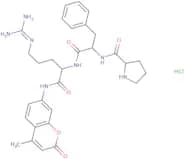









![[Val5]-Angiotensin I (Bovine)](/_next/image/?url=https%3A%2Fstatic.cymitquimica.com%2Fproducts%2F3D%2Fthumb-webp%2FPAN-4069-V.webp&w=3840&q=75)


![δ Sleep-Inducing Peptide [DSIP]](/_next/image/?url=https%3A%2Fstatic.cymitquimica.com%2Fproducts%2F3D%2Fthumb-webp%2FPDS-4054.webp&w=3840&q=75)

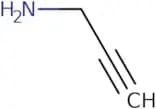
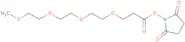



![[Tyr8]-Bradykinin](/_next/image/?url=https%3A%2Fstatic.cymitquimica.com%2Fproducts%2F3D%2Fthumb-webp%2FPBK-4075-V.webp&w=3840&q=75)





![[D-Pro2,D-Trp7,9]-Substance P](/_next/image/?url=https%3A%2Fstatic.cymitquimica.com%2Fproducts%2F3D%2Fthumb-webp%2FPSP-4113-V.webp&w=3840&q=75)







![[Val5]-Angiotensin I (Bovine) (Bulk)](/_next/image/?url=https%3A%2Fstatic.cymitquimica.com%2Fproducts%2F3D%2Fthumb-webp%2FPAN-4069.webp&w=3840&q=75)


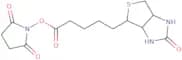


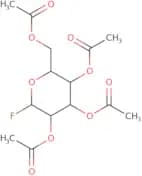

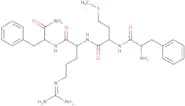


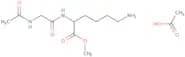
![Ac-Gly-Lys-OMe • AcOH [AGLME]](/_next/image/?url=https%3A%2Fstatic.cymitquimica.com%2Fproducts%2F3D%2Fthumb-webp%2FSGK-3058.webp&w=3840&q=75)







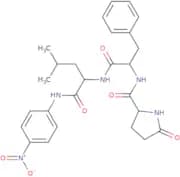



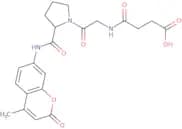











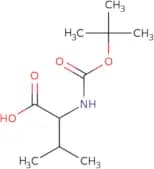

![Suc-[Glu9,Ala11,15]-Endothelin-1 (8-21)](/_next/image/?url=https%3A%2Fstatic.cymitquimica.com%2Fproducts%2F3D%2Fthumb-webp%2FPED-4285-V.webp&w=3840&q=75)







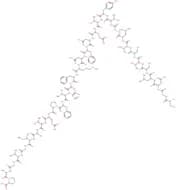


![[Pmp1, Tyr(Me)2]-Arg8-Vasopressin](/_next/image/?url=https%3A%2Fstatic.cymitquimica.com%2Fproducts%2F3D%2Fthumb-webp%2FPVP-4203-V.webp&w=3840&q=75)
![[D-Ala2,Met5]-Enkephalinamide](/_next/image/?url=https%3A%2Fstatic.cymitquimica.com%2Fproducts%2F3D%2Fthumb-webp%2FPEK-4117-V.webp&w=3840&q=75)


![Bz-Gly-His-Leu • H2O [Hippuryl-Histidyl-Leucine]](/_next/image/?url=https%3A%2Fstatic.cymitquimica.com%2Fproducts%2F3D%2Fthumb-webp%2FSGL-3064.webp&w=3840&q=75)