Peptides
Sous-catégories appartenant à la catégorie "Peptides"
29707 produits trouvés pour "Peptides"
SARS-CoV-2 Spike RBD 336-347 peptide
SARS-CoV-2 Spike RBD 336-347 peptide is an epitope of interest of the SARS-CoV-2 Spike S glycoprotein Receptor-Binding Domain (RBD). SARS-CoV-2 Spike RBD 336-347 peptide is useful for vaccine development and for structure-activity relationship studies SARS-CoV-2 Spike (S) glycoprotein Spike (S) glycoprotein corresponds to one of the leading targets for COVID-19 disease. Present on the surface of Sars-CoV-2 virus, Spike S protein is a class I fusion protein that allows the virus to enter host cells. With a 1 273 aa length, Spike protein has 2 subunits : S1 contains the receptor-binding domain RBD and S2 induces the fusion of the viral envelop with the cellular membrane. SARS-CoV-2 Spike RBD: The receptor-binding domain in SARS-CoV-2 Spike protein allows binding to the Angiotensin-Converting Enzyme receptor 2 (ACE2 receptor) which mediates the viral entry. SB-PEPTIDE also offers SARS-CoV-2 Spike RBD 336-347 (Biotin-LC) peptideOvotransferrin (328-332)
Ovotransferrin 328-332, also called Conalbumin 328-332, is a part of the egg white albumen.
SLEWIGAIDPYYGGTSYNQK* - SIL Dinutuximab signature peptide qualifier
Secondary SIL peptide for Dinutuximab detection and quantificationSARS-CoV-2 Spike RBM 480-496 peptide
SARS-CoV-2 Spike RBM 480-496 peptide is an epitope of interest of the SARS-CoV-2 Spike S glycoprotein Receptor-Binding Motif (RBM). SARS-CoV-2 Spike RBM 480-496 peptide is useful for vaccine development and for structure-activity relationship studies SARS-CoV-2 Spike (S) glycoprotein Spike (S) glycoprotein corresponds to one of the leading targets for COVID-19 disease. Present on the surface of Sars-CoV-2 virus, Spike S protein is a class I fusion protein that allows the virus to enter host cells. With a 1 273 aa length, Spike protein has 2 subunits : S1 contains the receptor-binding domain RBD and S2 induces the fusion of the viral envelop with the cellular membrane. SARS-CoV-2 Spike RBM: The receptor-binding domain in SARS-CoV-2 Spike protein contains a receptor-binding motif RBM. SARS-CoV-2 Spike RBM is the main functional motif in RBD and allows contacts between the S protein and the Angiotensin-Converting Enzyme receptor 2 (ACE2 receptor) which mediates the viral entry. SB-PEPTIDE also offers SARS-CoV-2 Spike RBM 480-496 (Biotin-LC) peptideACE2 peptide library
Angiotensin-converting enzyme 2 (ACE2) is an enzyme involved in the cardiovascular system by decreasing arterial pressure by catalyzing the conversion of angiotensin II to angiotensin (1-7). Angiotensin II is a vasoconstrictor and angiotensin (1-7) is a vasodilatator. This effect makes ACE2 a therapeutic target for cardiovascular disease.
NERP-1 - Neuroendocrine regulatory peptide 1
NERP-1 (Human) modulates body fluid homeostasis and suppresses vasopressin release
Neuropeptide RFRP-2 (101-112)
Neuropeptide: Neuropeptides are small signaling molecules produced and released by neurons engaged in many physiological functions. Indeed, neuropeptides act on neural substrates such as G protein-coupled receptors (GPCRs), tyrosine-kinase receptor, insuline-like peptides and also ion channels. Actions of Neuropeptides result in slow-onset, long-lasting modulation of synaptic transmission. Pro-FMRFamide-related neuropeptide VF: Pro-FMRFamide-related neuropeptide VF also called neuropeptide VF precursor are expressed in neurons in mediobasal hypothalamus. Neuropeptide VF precursor is a propeptide which is cleaved in three others peptide: Neuropeptide RFRP-1, RFRP-2 and RFRP-3. Neuropeptide RFRP-2 (101-112): Neuropeptide RFRP-2 (101-112) is very interesting because RFRP-2 shows no inhibitory activity and RFRP-2 sequence is absent in mouse and rat.SSSTAYMHLK* - SIL Dinutuximab signature peptide quantifier
Primary SIL peptide for Dinutuximab detection and quantification
Nucleocapsid biotinylated protein library
The Nucleocapsid Protein (N-protein), also called coronavirus nucleocapsid (N), is the most abundant protein in coronavirus. It is a structural protein that forms complexes with genomic RNA, interacts with the viral membrane protein during virion assembly and plays a critical role in enhancing the efficiency of virus transcription and assembly.
Mouse Beta-Defensin 3 peptide
mouse Beta-Defensin 3 peptide (mBD3), a homolog of human beta-defensin 2 (hBD2), is a cysteine-rich cationic antimicrobial peptide of 41 amino acids which belongs to the defensins family.
Defensin peptides are cationic peptides originally produced in various organs. They are involved in the protection against different kinds of pathogens like bacteria, fungi, and several viruses and play an important role in inflammation and wound repair.
mBD3 peptide showed antimicrobial activity against Gram-negative bacteria S.Aureus and S.pyogenes and against Gram-positive bacteria like certain strains of P.Aeruginosa (MIC of 8 µg/mL) and E.coli (MIC of 16 µg/mL). Antimicrobial activity has also been demonstrated against C.Albicans.
The in vivo and in vitro efficiency of mBD3 against viruses like influenza was also shown. mBD3 can be interesting for therapeutic use.MBP-B MHC II DRB1*15:01 (84-102)
Myelin Basic Protein (MBP)
MBP-B (84-102) DRB1*15:01 is a short part of the myelin basic peptide. Myelin basic protein is one of the major protein found in myelin.
MBP-B (84-102) DRB1*15:01
MBP-B (84-102) DRB1*15:01 is used to stimulate immune response and T cell activity. MBP-B (84-102) DRB1*15:01 is also considered as a reference positive control in binding affinity with DRB1*15:01 molecules.NH2-dPEG®4-Glu(OH)-NH-dPEG®4-Glu(OH)-NH-m-dPEG®24
NH2-dPEG®4-Glu(OH)-NH-dPEG®4-Glu(OH)-NH-m-dPEG®24 is a peptide containing polyethylene glycol (PEG) as spacer to alter their pharmacokinetic properties and pharmodynamics.Formule :C81H157N5O40Degré de pureté :Min. 95%Masse moléculaire :1,841.12 g/molVon Willebrand Factor Heavy Tryptic Peptide Standard (4nmol)
This is a Von Willebrand Factor Heavy Tryptic Peptide Standard for use in protein identification and quantitation. Von Wilebrand Factor is a glycoprotein involved in platelet adhesion and when it is deficient in the body it can result in diseases such as von Willebrand disease.Degré de pureté :Min. 95%Cystatin C Heavy Tryptic Peptide Standard (4nmol)
Cystatin C Heavy Tryptic Peptide Standard for use in protein identification and quantitation studies. Cystatin C is a non-glycosylated, basic protein which can be used as a biomarker to determine kidney function.Degré de pureté :Min. 95%Thymosin-b4 Human Recombinant
Please enquire for more information about Thymosin-b4 Human Recombinant including the price, delivery time and more detailed product information at the technical inquiry form on this pageDegré de pureté :Min. 95%Fmoc-N-Amido-dPEG®5-Acid
Fmoc-N-Amido-dPEG®5-Acid is a PEG compound with two different functional groups (also known as heterobifunctional). Unlike homobifunctional PEG compounds (same functional group on both ends), this type of compounds are more versatile as have two different anchor points. Fmoc-N-Amido-dPEG®5-Acid is used as a linker and spacer to add a PEG moiety, via pegylation (a bioconjugation technique) to proteins, peptides, oligonucleotides, small molecules and nanoparticles.Degré de pureté :Min. 95%Amyloid β-Protein (Human, 1-16)
CAS :Amyloid beta-protein (Aβ) is a peptide that is associated with Alzheimer's disease. It is a research tool for understanding the biology of Aβ. The Aβ peptide has been shown to activate a number of receptors and ion channels, including the nicotinic acetylcholine receptor, which may be due to its ability to bind to these proteins with high affinity. Amyloid beta-protein has also been shown to bind antibodies, which may be due to its ability to act as an antigen. Amyloid beta-protein inhibits the function of ion channels and can be used in pharmacological studies as a tool for understanding how this protein interacts with other proteins.Formule :C84H119N27O28Degré de pureté :Min. 95%Masse moléculaire :1,955 g/molAc-Asp-Glu • H2O
CAS :Ac-Asp-Glu • H2O is a water soluble molecule that belongs to the class of inhibitors. It has been shown to inhibit the polymerase chain reaction and is used as an analytical method for detecting DNA sequences. Ac-Asp-Glu • H2O induces neuronal death in the caudate putamen, thereby causing bowel disease, by inhibiting energy metabolism. This compound also inhibits the synthesis of proteins in the hippocampus, which leads to reduced locomotor activity and eosinophil cationic protein production. Ac-Asp-Glu • H2O is acidic and its concentration–time curve shows a bell shape. The half life of this compound is six hours.Formule :C11H16N2O8•H2ODegré de pureté :Min. 95%Masse moléculaire :322.28 g/molChromogranin A (Human, 286-301 Amide)
CAS :Chromogranin A (Human, 286-301 Amide) is a protein that belongs to the class of peptides. It is a major component of the chromaffin granules in the adrenal medulla and in neuroendocrine cells in various parts of the brain. There are two types of chromogranin A, which have 286-301 amino acids. Chromogranin A is an activator for G-protein coupled receptors, ion channels, and ligands. This protein has been used as a research tool in Cell Biology and as an inhibitor in Pharmacology.
Formule :C78H123N21O27SDegré de pureté :Min. 95%Masse moléculaire :1,819 g/molAIP-I
CAS :AIP-I is a peptide that is an activator of ion channels. The AIP-I peptide is a synthetic analog of the natural ligand, AIP-II. It has been shown to be a potent inhibitor of voltage-gated potassium channels in human embryonic kidney cells and has also been used as a research tool for studying protein interactions and receptor pharmacology.Formule :C43H60N8O13S2Degré de pureté :Min. 95%Masse moléculaire :961.12 g/molBNP-26 (Porcine)
CAS :BNP-26 is a non-peptide, small molecule that regulates ion channels. It binds to the receptor site of ligand-gated ion channels and inhibits the binding of neurotransmitters to the receptor. BNP-26 is an inhibitor that blocks the activation of phospholipase C (PLC) and protein kinase C (PKC), which are enzymes that regulate cell proliferation, differentiation, and apoptosis. BNP-26 is also an antibody cross-linker with high purity and CAS No. 114547-28-3.Formule :C120H198N42O36S2Degré de pureté :Min. 95%Masse moléculaire :2,869.2 g/molAc-Val-Asp-Val-Ala-Asp-H (aldehyde)
CAS :Ac-Val-Asp-Val-Ala-Asp-H (aldehyde) is a peptide that is a cell biology research tool. It is an inhibitor of protein interactions, activator, ligand or receptor. Ac-Val-Asp-Val-Ala-Asp-H (aldehyde) has high purity and is suitable for life science research. Ac-Val-Asp-Val-Ala-Asp-H (aldehyde) can be used as an ion channel inhibitor in pharmacology studies. Ac Val Asp Val Ala Asp H (aldehyde) also functions as an antibody to a protein of interest.Formule :C23H37N5O10Degré de pureté :Min. 95%Masse moléculaire :543.57 g/molBis-dPEG®25-Acid
CAS :Bis-dPEG®25-Acid is a PEG polymer categorised as homobifunctional PEG (X-PEG X). Used as a linker, bis-dPEG®25-Acid is used to attached PEG to proteins, peptides, oligonucleotides, nanoparticles and small molecules via pegylation, a bioconjugation technique.Formule :C54H106O29Degré de pureté :Min. 95%Masse moléculaire :1,219.4 g/molAzido-dPEG® 11-amine
CAS :Azido-dPEG® 11-amine is a PEG compound with two different functional groups (also known as heterobifunctional). Unlike homobifunctional PEG compounds (same functional group on both ends), this type of compounds are more versatile as have two different anchor points. Azido-dPEG® 11-amine is used as a linker and spacer to add a PEG moiety, via pegylation (a bioconjugation technique) to proteins, peptides, oligonucleotides, small molecules and nanoparticles.
Degré de pureté :Min. 95%Masse moléculaire :570.67 g/molAzido-dPEG®24-Alcohol
CAS :Azido-dPEG®24-Alcohol is a PEG polymer categorised as monofunctional (OH-PEG-X). Used as a linker, azido-dPEG®24-Alcohol is used to attached PEG to proteins, peptides, oligonucleotides, nanoparticles and small molecules via pegylation, a bioconjugation technique.Degré de pureté :Min. 95%Masse moléculaire :1,100.29 g/molOxytocin (Human, Porcine, Bovine, Rat, Ovine)
CAS :Oxytocin is a peptide hormone that is produced by the hypothalamus and released by the pituitary gland. It is used to induce labor, control postpartum bleeding and stimulate milk production. Oxytocin also plays a role in sexual arousal, social recognition, and trust. It has been shown to have an inhibitory effect on many types of ion channels, including those found in the heart, central nervous system, and blood vessels. Oxytocin binds to receptors that are found throughout the body and brain. The receptor for oxytocin is known as OXT. This receptor belongs to the G-protein coupled receptor family of receptors. Oxytocin was first isolated from sheep serum in 1906 by Henry Dale and Charles Robert Harington. It was later synthesized in 1953 by Vincent du Vigneaud. This product has disulfide bonds between Cys1-Cys6.
Formule :C43H66N12O12S2Degré de pureté :Min. 95%Masse moléculaire :1,007.2 g/molFmoc-Phe-OH (Ring-D5)
CAS :Fmoc-Phe-OH is a peptide that has been used as a research tool to study protein interactions. This molecule can be used in the inhibition of cellular processes and has been shown to activate the ATPase activity of Na,K-ATPase. Fmoc-Phe-OH is also a ligand that binds to receptors, such as the GABA receptor, through ion channels. This compound may also be used in antibody production or as an immunogen.Formule :C24H26D5NODegré de pureté :Min. 95%Masse moléculaire :392.48 g/molMAL-dPEG®12-NHS Ester
CAS :MAL-dPEG®12-NHS Ester is a PEG compound with two different functional groups (also known as heterobifunctional). Unlike homobifunctional PEG compounds (same functional group on both ends), this type of compounds are more versatile as have two different anchor points. MAL-dPEG®12-NHS Ester is used as a linker and spacer to add a PEG moiety, via pegylation (a bioconjugation technique) to proteins, peptides, oligonucleotides, small molecules and nanoparticles.Formule :C32H52F4O14Degré de pureté :Min. 95%Masse moléculaire :736.75 g/molCyclo(Arg-Gly-Asp-D-Phe-Val)
CAS :Cyclo(Arg-Gly-Asp-D-Phe-Val) is a peptide inhibitor of protein interactions. It binds to the ligand binding site of receptor and inhibits the activation of this receptor. Cyclo(Arg-Gly-Asp-D-Phe-Val) also binds to antibodies and can be used as a research tool for identifying antibody targets.Formule :C26H38N8O7•CH3COOH•2H2ODegré de pureté :Min. 95%Masse moléculaire :670.91 g/molAlpha-Endorphin
CAS :An opioid peptide derived from the polypeptide pro-opiomelanocortin and binds to opioid receptors. It is involved in morphinomimetic behavior and physiologic activities. This product is available as a 0.5mg vial.Formule :C77H120N18O26SDegré de pureté :Min. 95%Masse moléculaire :1,745.9 g/molAngiotensin III (Human)
CAS :Angiotensin III (Human) is a peptide that is an inhibitor of angiotensin-converting enzyme. It has been used in research to study protein interactions and receptor binding, as well as to isolate antibodies against this protein. The peptide is a high purity product with a CAS number of 13602-53-4.Formule :C46H66N12O9Degré de pureté :Min. 95%Masse moléculaire :931.09 g/mol...Bis-ACV
CAS :Bis-ACV is a synthetic compound that has the ability to act as a carbon source for filamentous fungi. It can also be used to regulate the expression of genes and enzymes in filamentous fungi. Bis-ACV has been shown to increase the production of cytosolic calcium, thereby stimulating enzyme activities in various organisms. It is an oligosaccharide with a molecular weight of 548 Daltons and contains two acetyl groups, which are attached to glucose residues on the same side of the molecule. The biological sample was purified by HPLC and the subunits were identified by mass spectrometry. The sequence analysis revealed that Bis-ACV is composed of repeating units that have the structure of N-acetylglucosamine linked via alpha (1->4) glycosidic bonds.
Degré de pureté :Min. 95%Masse moléculaire :724.27 g/molOmega-Agatoxin TK
CAS :A synthetic spider toxin, sourced from the Funnel Web Spider, Agelenopsis aperta. This toxin can be applied as a P-type Ca2+ channel selective blocker and has disulfide bonds between Cys4-Cys20, Cys12-Cys25,Cys19-Cys36 and Cys27-Cys34. This product is available as a 0.1mg vial.Formule :C215H337N65O70S10Degré de pureté :Min. 95%Masse moléculaire :5,273 g/molDiamido-dPEG®11-Diamine
CAS :Diamido-dPEG®11-Diamine is a PEG compound with two different functional groups (also known as heterobifunctional). Unlike homobifunctional PEG compounds (same functional group on both ends), this type of compounds are more versatile as have two different anchor points. Diamido-dPEG®11-Diamine is used as a linker and spacer to add a PEG moiety, via pegylation (a bioconjugation technique) to proteins, peptides, oligonucleotides, small molecules and nanoparticles.Formule :C31H49N3O13S2Degré de pureté :Min. 95%Masse moléculaire :735.87 g/molMAL-dPEG®4-TFP Ester
CAS :MAL-dPEG®4-TFP Ester is a PEG compound with two different functional groups (also known as heterobifunctional). Unlike homobifunctional PEG compounds (same functional group on both ends), this type of compounds are more versatile as have two different anchor points. MAL-dPEG®4-TFP Ester is used as a linker and spacer to add a PEG moiety, via pegylation (a bioconjugation technique) to proteins, peptides, oligonucleotides, small molecules and nanoparticles.Formule :C42H59N5O11SDegré de pureté :Min. 95%Masse moléculaire :842.01 g/molMAL-dPEG®2-Acid
CAS :MAL-dPEG®2-Acid is a PEG compound with two different functional groups (also known as heterobifunctional). Unlike homobifunctional PEG compounds (same functional group on both ends), this type of compounds are more versatile as have two different anchor points. MAL-dPEG®2-Acid is used as a linker and spacer to add a PEG moiety, via pegylation (a bioconjugation technique) to proteins, peptides, oligonucleotides, small molecules and nanoparticles.Formule :C38H63N3O19Degré de pureté :Min. 95%Masse moléculaire :865.92 g/mol2-NBDLG
CAS :2-NBDLG is a potent activator of ion channels, which are membrane proteins that allow the passage of ions across biological membranes. It binds to receptor sites on the cell surface and opens ligand-gated ion channels in the plasma membrane, thereby increasing the permeability of the membrane to sodium ions. 2-NBDLG has been shown to inhibit voltage-gated potassium channels and calcium ion (Ca2+) currents in vitro. This drug also has an affinity for various peptides such as bradykinin and substance P. 2-NBDLG is a high purity product with a CAS number of 174844-42-9.Formule :C12H14N4O8Degré de pureté :Min. 95%Masse moléculaire :342.26 g/molCl-Ac-(OH)Leu-Ala-Gly-NH₂
CAS :Cl-Ac-(OH)Leu-Ala-Gly-NH₂ is a peptide with a molecular weight of 736.2 Da. It is an inhibitor of the enzyme protein kinase C (PKC). Cl-Ac-(OH)Leu-Ala-Gly-NH₂ has been shown to activate PKC by binding to specific domains in the enzyme, which leads to the phosphorylation and activation of PKC's regulatory subunits. This peptide can be used as a research tool in studies involving PKC and also as an antibody carrier for Western blotting and immunohistochemistry.
Formule :C13H23N4O5ClDegré de pureté :Min. 95%Masse moléculaire :350.8 g/molBis-MAL-Lysine-dPEG®4-Acid
CAS :Bis-MAL-Lysine-dPEG®4-Acid is a peptide containing polyethylene glycol (PEG) as spacer to alter their pharmacokinetic properties and pharmodynamics.Formule :C20H28N2O12Degré de pureté :Min. 95%Masse moléculaire :488.44 g/molt-boc-N-Amido-dPEG®8-Acid
CAS :t-boc-N-Amido-dPEG®8-Acid is a PEG compound with two different functional groups (also known as heterobifunctional). Unlike homobifunctional PEG compounds (same functional group on both ends), this type of compounds are more versatile as have two different anchor points. t-boc-N-Amido-dPEG®8-Acid is used as a linker and spacer to add a PEG moiety, via pegylation (a bioconjugation technique) to proteins, peptides, oligonucleotides, small molecules and nanoparticles.Formule :C34H64N6O13SDegré de pureté :Min. 95%Masse moléculaire :796.97 g/molGRF (Human)
CAS :Growth hormone-releasing factor (GRF) or GHRH (growth hormone-releasing hormone).Binds to the growth hormone-releasing hormone receptor (GHRH-R), causing growth hormone secretion. See also GRF (1-29); sermorelin, a shorter fragment. Sequence alignments: porcine: H-YADAIFTNSYRKVLGQLSARKLLQDIMSRQQGERNQEQGARVRL-NH2bovine: H-YADAIFTNSYRKVLGQLSARKLLQDIMNRQQGERNQEQGAKVRL-NH2ovine: H-YADAIFTNSYRKILGQLSARKLLQDIMNRQQGERNQEQGAKVRL-NH2human: H-YADAIFTNSYRKVLGQLSARKLLQDIMSRQQGESNQERGARARL-NH2Formule :C215H358N72O66SDegré de pureté :Min. 95%Masse moléculaire :5,039.7 g/molAngiotensin II (Human)
CAS :Angiotensin II (Human) is a peptide that is produced by the renin-angiotensin system. It has been shown to be an effective inhibitor of the cell adhesion molecule CD44, and can also stimulate the proliferation of cells in culture. Angiotensin II (Human) is a ligand for angiotensin receptors, which are found on many different types of cells. The binding of angiotensin II to these receptors stimulates the production of cyclic AMP, which causes vasoconstriction and increased blood pressure.Formule :C50H71N13O12Degré de pureté :Min. 95%Masse moléculaire :1,046.2 g/molTertiapin
CAS :Tertiapin is a synthetic bee venom peptide (Honey Bee, Apis mellifera) containing disulfide bonds between Cys3-Cys14 and Cys5-Cys18. It is an inward rectifier K+ channel blocker and also blocks the activity of calcium activated large conductance potassium channels. The pain and inflammation symptoms experienced after a bee sting is caused by this peptide eventhough bee venom also has the potential to treat pain and inflammation in conditions such as rheumatoid arthritis and multiple sclerosis. This product is available as a 0.1mg vial.Formule :C106H176N34O23S5Degré de pureté :Min. 95%Masse moléculaire :2,455.1 g/mol[Tyr8]-Bradykinin
CAS :[Tyr8]-Bradykinin is a peptide that is an activator of the B2 receptor. It has been shown to have high purity, and can be used as a research tool. This product is also an inhibitor of ion channels, and has been shown to bind to antibody.Formule :C50H73N15O12Degré de pureté :Min. 95%Masse moléculaire :1,076.2 g/molCCK-33 (Human)
CAS :CCK-33 is a synthetic peptide that is used as a research tool. It binds to the CCK2 receptor and activates it, triggering the release of the neurotransmitter acetylcholine. CCK-33 is also an inhibitor of voltage-gated potassium channels, which are important for neuronal communication. CCK-33 can be used to identify other ligands for this receptor, or as an antibody epitope tag in cell biology studies.Formule :C167H263N51O52S4Degré de pureté :Min. 95%Masse moléculaire :3,945.4 g/molm-dPEG®24-MAL
CAS :m-dPEG®24-MAL is a PEG compound with two different functional groups (also known as heterobifunctional). Unlike homobifunctional PEG compounds (same functional group on both ends), this type of compounds are more versatile as have two different anchor points. m-dPEG®24-MAL is used as a linker and spacer to add a PEG moiety, via pegylation (a bioconjugation technique) to proteins, peptides, oligonucleotides, small molecules and nanoparticles.
Formule :C22H39F3N4O7SDegré de pureté :Min. 95%Masse moléculaire :560.63 g/molPTH-rP (Human,1-34 Amide)
CAS :PTH-rP is a peptide that has been used as a research tool for the study of ion channels, protein interactions, and receptor signaling. It is an inhibitor of PTH/PTH-related protein receptor. PTH-rP is a ligand for the PTH/PTH-related protein receptor and can be used to identify novel receptors or ligands. This compound has been shown to have the ability to inhibit cellular proliferation and induce apoptosis in certain cell lines.Formule :C180H288N58O47Degré de pureté :Min. 95%Masse moléculaire :4,016.6 g/molMOCAc-Gly-Lys-Pro-Ile-Leu-Phe-Phe-Arg-Leu-Lys(Dnp)-D-Arg-NH₂
CAS :MOCAc-Gly-Lys-Pro-Ile-Leu-Phe-Phe-Arg-Leu-Lys(Dnp)-D-Arg is a peptide with ion channel activity. It is a potent activator of potassium channels and has been used in research as a tool for studying ion channel function. MOCAc is not an inhibitor of voltage sensitive sodium channels but does inhibit calcium currents. MOCAc also has been shown to be a ligand for the nicotinic acetylcholine receptor and is able to bind to the beta subunit of this receptor. This peptide binds to the alpha subunit of the calcium channel, leading to inhibition of calcium currents and activation of potassium channels.
Formule :C85H122N22O19Degré de pureté :Min. 95%Masse moléculaire :1,756 g/molAzido-dPEG®36-Alcohol
CAS :Azido-dPEG®36-Alcohol is a PEG polymer categorised as monofunctional (OH-PEG-X). Used as a linker, azido-dPEG®36-Alcohol is used to attached PEG to proteins, peptides, oligonucleotides, nanoparticles and small molecules via pegylation, a bioconjugation technique.
Degré de pureté :Min. 95%Masse moléculaire :1,628.92 g/molAmino-dPEG®12-ODMT
CAS :Amino-dPEG®12-ODMT is a PEG compound with two different functional groups (also known as heterobifunctional). Unlike homobifunctional PEG compounds (same functional group on both ends), this type of compounds are more versatile as have two different anchor points. Amino-dPEG®12-ODMT is used as a linker and spacer to add a PEG moiety, via pegylation (a bioconjugation technique) to proteins, peptides, oligonucleotides, small molecules and nanoparticles.
Formule :C10H20O5Degré de pureté :Min. 95%Masse moléculaire :220.26 g/molGlucagon-like Peptide 1 (Human 7-37)
CAS :GLP-1 is a peptide hormone that is released by the pancreas in response to food intake. This hormone activates receptors on the L cells of the ileum and duodenum, which causes increased production of insulin and decreased production of glucagon. GLP-1 also decreases appetite, slows gastric emptying, and reduces blood glucose levels by increasing the uptake of glucose into muscle cells. GLP-1 has been shown to be effective in reducing body weight, lowering blood pressure and cholesterol levels, improving glycemic control, and preventing diabetes. The GLP-1 receptor is found in ion channels and cell biology as well as pharmacology.Formule :C151H228N40O47Degré de pureté :Min. 95%Masse moléculaire :3,355.7 g/molBz-Arg-AMC
CAS :Bz-Arg-AMC is a fluorescent probe that binds to the nicotinic acetylcholine receptor (nAChR) in the presence of calcium ions and emits light when excited by ultraviolet light. It can be used to study the activation of nAChRs, as well as their interactions with other proteins such as peptides. Bz-Arg-AMC has a molecular weight of 551.9 g/mol, with a purity of > 98% and an optical purity of > 99%. This product can be used for research purposes only, not for diagnostic or therapeutic purposes.
Formule :C23H25N5O4Degré de pureté :Min. 95%Masse moléculaire :435.48 g/molMet-Met
CAS :Met-Met is a dipeptide that is synthesized from the amino acids methionine and methyltetrahydrofolate. It is used in the synthesis of peptides and biochemicals, as well as in pharmacological treatments for diseases including bacterial infections. Met-Met has significant interactions with dopamine, catechol-o-methyltransferase, and energy metabolism. The enzyme catechol-o-methyltransferase catalyzes the conversion of dopamine to 3,4-dihydroxyphenylacetic acid (DOPAC), which may lead to a decrease in dopamine levels. Met-Met also inhibits the metabolism of catecholamines, leading to an increase in cellular levels of catecholamines such as dopamine and norepinephrine. This inhibition may be responsible for metabolic disorders such as obesity or low body mass index (BMI)
Formule :C10H20N2O3S2Degré de pureté :Min. 95%Masse moléculaire :280.41 g/molAzido-dPEG®4-NHS ester
CAS :Azido-dPEG®4-NHS ester is a PEG compound with two different functional groups (also known as heterobifunctional). Unlike homobifunctional PEG compounds (same functional group on both ends), this type of compounds are more versatile as have two different anchor points. Azido-dPEG®4-NHS ester is used as a linker and spacer to add a PEG moiety, via pegylation (a bioconjugation technique) to proteins, peptides, oligonucleotides, small molecules and nanoparticles.
Formule :C27H53N3O14Degré de pureté :Min. 95%Masse moléculaire :643.72 g/mol(3,5-Difluorophenylacetyl)-Ala-Phg-OtBu
CAS :(3,5-Difluorophenylacetyl)-Ala-Phg-OtBu is a peptide that is an inhibitor of Protein interactions. It blocks the binding of the enzyme to its substrate and prevents the conversion of substrate to product. This peptide was used as a research tool for studying protein interactions in cell biology and as an activator for Ligands. This peptide can be used as a reagent for antibody production. The purity of this peptide is high and it has been shown to have no adverse effects in animal research studies.Formule :C23H26N2O4F2Degré de pureté :Min. 95%Masse moléculaire :432.46 g/molAmylin (Rat)
CAS :Produit contrôléAmylin is a peptide that belongs to the group of activators. It has been shown to be an inhibitor of ion channels, and has also been demonstrated to activate cell signaling pathways. Amylin can be used as a research tool for studying protein interactions, receptor ligands, and pharmacology. Amylin can be used in antibody production or as a high-purity reagent for life science or cell biology applications.
Formule :C167H272N52O53S2Degré de pureté :Min. 95%Masse moléculaire :3,920.4 g/molAdenylate Kinase 4, human, recombinant
Adenylate kinase 4 (AK4) is a protein that in humans is encoded by the AK4 gene. AK4 catalyzes the conversion of adenosine triphosphate (ATP) to adenosine monophosphate (AMP). The enzyme has been shown to play an important role in the regulation of cell proliferation and survival, as well as in the regulation of ion channels, neurotransmitter release, and other biological processes. AK4 is also an activator of G-protein coupled receptors and a ligand for certain nuclear receptors. It can also function as an inhibitory receptor for certain G-protein coupled receptors.Degré de pureté :Min. 95%Bis-Maleimide Amine, TFA Salt
CAS :Bis-Maleimide Amine, TFA Salt is a pharmacological research tool that is used to study protein interactions. It is also used as an inhibitor and activator of proteins, specifically ion channels. This product has a CAS number of 62921-76-0, which can be found on the Chemical Abstracts Services website. This product is high purity and is used in life science research. The salt form of this product is used as a ligand for receptor binding studies.Formule :C16H26O7SDegré de pureté :Min. 95%Masse moléculaire :362.44 g/molCalcitonin (Human)
CAS :Calcitonin is a hormone produced by the C cells (also known as parafollicular cells) in the thyroid gland. Its main function is to regulate the levels of calcium and phosphate in the blood. Calcitonin works by inhibiting the activity of osteoclasts, which are cells that break down bone tissue and release calcium and phosphate into the bloodstream. This leads to a decrease in the amount of calcium and phosphate in the blood. Calcitonin is released in response to high levels of calcium in the blood, and it acts to reduce these levels by increasing the excretion of calcium by the kidneys and inhibiting the absorption of calcium by the intestines. It also promotes the storage of calcium in the bones, which helps to maintain their strength and density. Calcitonin may be used therapeutically to treat conditions such as osteoporosis and hypercalcemia (high levels of calcium in the blood) or even diagnostically as a marker for tumors in medullary thyroid cancer. This product has a disulfide bond between Cys1-Cys7 and is available as a 0.5mg vial.Formule :C151H226N40O45S3Degré de pureté :Min. 95%Masse moléculaire :3,417.8 g/molBoc-Leu-Gly-Arg-AMC
CAS :Boc-Leu-Gly-Arg-AMC is a peptide that binds to the receptor for N-methyl-D-aspartate (NMDA) and inhibits the ion channel. It has been used as a research tool to study NMDA receptor interactions, as well as in cell biology and pharmacology. Boc-Leu-Gly-Arg-AMC is a high purity, ionic analog of glutamate that binds to the NMDA receptor without activating it, thereby inhibiting ion flow through the channel. This inhibition can be reversed by adding excess glutamate or glycine. The binding of this compound to the NMDA receptor has been shown to block activation of voltage gated calcium channels and reduce neuronal excitation, which may provide an alternative therapeutic strategy for controlling seizures or other neurological disorders.
Formule :C29H43N7O7Degré de pureté :Min. 95%Masse moléculaire :601.69 g/molm-dPEG®12-Azide (Azido-m-dPEG®12)
CAS :m-dPEG®12-Azide (Azido-m-dPEG®12) is a PEG compound with two different functional groups (also known as heterobifunctional). Unlike homobifunctional PEG compounds (same functional group on both ends), this type of compounds are more versatile as have two different anchor points. m-dPEG®12-Azide (Azido-m-dPEG®12) is used as a linker and spacer to add a PEG moiety, via pegylation (a bioconjugation technique) to proteins, peptides, oligonucleotides, small molecules and nanoparticles.Degré de pureté :Min. 95%Masse moléculaire :585.69 g/molDCCD (Redistilled for Solid-Phase Synthesis)
CAS :DCCD is a chemical inhibitor of the enzyme pyruvate dehydrogenase kinase that is used to study metabolic pathways. It inhibits the activity of this enzyme by binding reversibly to its active site, thereby blocking its phosphorylation of pyruvate dehydrogenase and thus inhibiting the conversion of pyruvate into acetyl-CoA. DCCD also has been shown to have antidiabetic effects in an experimental model. This drug has been used as a reagent for polymyxin B and other chemical inhibitors in vitro experiments.Formule :C13H22N2Degré de pureté :Min. 95%Masse moléculaire :206.33 g/molCCK-Octapeptide (26-33) (Sulfated Form)
CAS :CCK-Octapeptide (26-33) (Sulfated Form) is a peptide that has been shown to have a variety of biological effects. It has been found to enhance the activity of rifampicin against tuberculosis by increasing the activity of the kinase protein. CCK-Octapeptide (26-33) (Sulfated Form) also has natriuretic peptide-like activity, which means it can regulate blood pressure and fluid balance in the body. In addition, it has been shown to inhibit tumor growth and metastasis in animal models, possibly through its ability to modulate guanosine triphosphate-binding proteins. CCK-Octapeptide (26-33) (Sulfated Form) also exhibits trypsin inhibitory activity and thymidine uptake inhibition. Furthermore, it has been studied as a potential treatment for cancer and as an alternative to vasopressin or nesiritide in certain medical conditions where natriuretic peptides are used therFormule :C49H62N10O16S3Degré de pureté :Min. 95%Masse moléculaire :1,143.3 g/mol2-NBDG
CAS :2-NBDG is a fluorescent dye that exhibits high affinity for nucleic acid and protein. It has been used as an inhibitor of protein interactions, activator of ligands, and research tool in the study of ion channels. 2-NBDG has also been used as an antibody to identify receptors, and can be used to measure the concentration of proteins, lipids, and carbohydrates. 2-NBDG is listed by CAS No. 186689-07-6.
Formule :C12H14N4O8Degré de pureté :Min. 95%Masse moléculaire :342.26 g/molDnp-Gln-Gly-Ile-Ala-Gly-Gln-D-Arg
CAS :Dnp-Gln-Gly-Ile-Ala-Gly-Gln-D-Arg is a peptide that has been shown to be an inhibitor of protein interactions. It has been shown to activate the G protein and inhibit the enzyme phospholipase C, which may provide a potential treatment for Alzheimer's Disease. Dnp-Gln-Gly-Ile-Ala-Gly-Gln-D-Arg also has a high purity and is used as a research tool in life science.
Formule :C35H54N14O14Degré de pureté :Min. 95%Masse moléculaire :894.89 g/molDnp-Pro-Gln-Gly-Ile-Ala-Gly-Gln-D-Arg
CAS :Dnp-Pro-Gln-Gly-Ile-Ala-Gly-Gln-D-Arg is a synthetic peptide that is used as a research tool, an activator, and an inhibitor. This peptide is not expected to have any adverse effects on the environment or on animal or human health. It can be used in antibody production and has been shown to inhibit the activity of ion channels. Dnp-Pro-Gln-Gly-Ile-Ala-Gly-Gln-D-Arg binds to receptors and ligands, which may be involved in protein interactions.Formule :C40H61N15O15Degré de pureté :Min. 95%Masse moléculaire :992 g/molDynorphin A (Human)
CAS :Dynorphin A is a peptide that belongs to the dynorphin family and has affinity for all three of the opioid receptors. However it has been found that Dynorphin A favors kappa-opioid receptors which are expressed in the brain, peripheral tissues and the spinal cord and are located in areas involved in pain. For example when Dynorphin A binds to kappa-opioid receptors, dopamine is inhibited in areas of the brain prevalent in drug addiction, thus demonstrated Dynorphin A to have antagonistic effects on the brain reward circuit. Dynorphin A could be a useful research tool for studying analgesia, reward and addiction. This product is available as a 0.5mg vial.Formule :C99H155N31O23Degré de pureté :Min. 95%Masse moléculaire :2,147.5 g/molKisspeptin-10 (Rat) / Metastin (Rat, 43-52)
CAS :Produit contrôléKisspeptin-10 (Rat) / Metastin (Rat, 43-52) is a Research Tool that belongs to the group of Activators and Ligands. It is an agonist for G protein coupled receptor 54 (GPR54). Kisspeptin-10 (Rat) / Metastin (Rat, 43-52) has been shown to inhibit ion channels and act as a potent inhibitor of phosphoinositide 3-kinase. This compound has high purity and can be used in pharmacological research.Formule :C63H83N17O15Degré de pureté :Min. 95%Masse moléculaire :1,318.4 g/molHydroxy-dPEG®12-t-Butyl Ester
CAS :Hydroxy-dPEG®12-t-Butyl Ester is a PEG polymer categorised as monofunctional (OH-PEG-X). Used as a linker, hydroxy-dPEG®12-t-Butyl Ester is used to attached PEG to proteins, peptides, oligonucleotides, nanoparticles and small molecules via pegylation, a bioconjugation technique.Formule :C73H148O37Degré de pureté :Min. 95%Masse moléculaire :1,617.93 g/molApamin
CAS :Small Conductance Ca2+-Activated K+ Channel Blocker derived from bee venom (Honeybee, Apis mellifera). This product has disulfide bonds between Cys1-Cys11 and Cys3-Cys15 and is available as a 0.5mg vial.Formule :C79H131N31O24S4Degré de pureté :Min. 95%Masse moléculaire :2,027.3 g/molFRETS-25Gln (1 umol) (1umol)
FRETS-25Gln is a peptide that can be used as a research tool in the fields of pharmacology and protein interactions. FRETS-25Gln binds to ion channels and activates them, which makes it useful for researching ligand-receptor interactions. The peptide has been shown to bind to the receptor P2X7 and activate the receptor, which may be useful for treating various diseases including arthritis and cancer. FRETS-25Gln also binds to the receptor P2Y1 and inhibits its activity, which may be useful for studying how activation of this receptor leads to increased vascular permeability.
Degré de pureté :Min. 95%Carboxyl-dPEG®4-(m-dPEG®24)3
CAS :Carboxyl-dPEG®4-(m-dPEG®24)3 is a PEG compound with two different functional groups (also known as heterobifunctional). Unlike homobifunctional PEG compounds (same functional group on both ends), this type of compounds are more versatile as have two different anchor points. Carboxyl-dPEG®4-(m-dPEG®24)3 is used as a linker and spacer to add a PEG moiety, via pegylation (a bioconjugation technique) to proteins, peptides, oligonucleotides, small molecules and nanoparticles.
Formule :C11H21N3O6Degré de pureté :Min. 95%Masse moléculaire :291.3 g/molAc-Tyr-OEt • H2O
CAS :Ac-Tyr-OEt • H2O is a peptide with biological properties. It is used as a signal peptide, which is a short sequence of amino acids that directs the protein to the endoplasmic reticulum. Ac-Tyr-OEt • H2O has been shown to have colony stimulating factor activity and can be used in the treatment of diseases such as anemia and cancer. The solid state structure of Ac-Tyr-OEt • H2O was determined by X-ray crystallography and found to be a dimer with two molecules bound together through hydrogen bonding. This peptide interacts with enzymes in the proteolytic pathway, inhibiting their ability to function. Ac-Tyr-OEt • H2O also has inhibitory properties against transfer reactions, which are reactions in which one molecule transfers a part of its chemical group or atoms from one molecule to another. Ac-Tyr-OEt •Formule :C13H17NO4•H2ODegré de pureté :Min. 95%Masse moléculaire :269.3 g/molAlpha-Conotoxin GI
CAS :A synthetic cone snail toxin, sourced from the marine snail, Conus geographus and can be applied as a blocker for the nicotinic acetylcholine receptor. This product is available as a 0.5mg vial with disulfide bonds between Cys2-Cys7 and Cys3-Cys13 and in the hydrochloride salt form.Formule :C55H80N20O18S4Degré de pureté :Min. 95%Masse moléculaire :1,437.6 g/molMidkine (Human, 1-59) Antiserum
Midkine is a protein that belongs to the group of proteoglycans. It is expressed in many tissues, and its function is unknown. Midkine has been shown to have ion channel activity, and it may be involved in receptor binding and ligand-receptor interactions. It may also play a role in cell growth and differentiation due to its ability to activate various cells types. The midkine 1-59 peptide, which corresponds to amino acids 1-59 of the midkine protein sequence, can be used as an inhibitor of this protein. This antibody can also be used as a research tool for investigating protein interactions or studying the effects of peptides on proteins.Degré de pureté :Min. 95%Angiotensin I (Human)
CAS :Angiotensin I (Human) is a protein that is found in the blood and other tissues. It is a peptide hormone, which acts on the kidneys to increase blood pressure and on the heart to increase cardiac output. This protein has been detected in several biological samples such as plasma, serum, or urine. Angiotensin I (Human) can be used as an enzyme form of angiotensin 1-converting enzyme (ACE). ACE catalyzes the conversion of angiotensin I to its active form, angiotensin II. Angiotensin II has been shown to reduce the production of inflammatory cytokines such as tumor necrosis factor-alpha and interleukins. It also stimulates vascular smooth muscle cells and increases the production of nitric oxide by these cells, leading to vasodilation. The measurement of this enzyme form in a sample may help determine disease activity in patients with bowel disease or squamous cell cancer of the skin.Formule :C62H89N17O14•2CH3COOH•4H2ODegré de pureté :Min. 95%Masse moléculaire :1,488.66 g/mol(Z-Leu-Leu-NHCH2)2CO
CAS :(Z-Leu-Leu-NHCH2)2CO is a research tool that activates the receptor. It is a ligand which binds to the receptor and can be used as an inhibitor of ion channels or as a reagent for protein interactions. The molecular weight is 584.8 g/mol and the chemical formula is C10H16N4O3. (Z-Leu-Leu-NHCH2)2CO has been shown to bind to antibodies, ion channels, and cell biology. This product has high purity and can be used in pharmacology, peptides, and life science research.
Formule :C43H64N6O9Degré de pureté :Min. 95%Masse moléculaire :809 g/molBz-DL-Arg-pNA • HCl [DL-BAPA]
CAS :Bz-DL-Arg-pNA • HCl [DL-BAPA] is a trypsin and trypsin-like protease substrate. It is used as a tool in biochemical studies to investigate the degradation of proteins by these enzymes. Bz-DL-Arg-pNA • HCl [DL-BAPA] is also used as an experimental model for diseases that affect enzyme activity, such as rheumatoid arthritis and multiple sclerosis.
Formule :C19H22N6O4•HClDegré de pureté :Min. 95%Masse moléculaire :434.88 g/molMAL-dPEG®6-NHS Ester
CAS :MAL-dPEG®6-NHS Ester is a PEG compound with two different functional groups (also known as heterobifunctional). Unlike homobifunctional PEG compounds (same functional group on both ends), this type of compounds are more versatile as have two different anchor points. MAL-dPEG®6-NHS Ester is used as a linker and spacer to add a PEG moiety, via pegylation (a bioconjugation technique) to proteins, peptides, oligonucleotides, small molecules and nanoparticles.
Formule :C26H39N3O13Degré de pureté :Min. 95%Masse moléculaire :601.6 g/molCyclo(Pro-Thr) (Bulk)
CAS :Cyclo(Thr-Pro) is a flavonol glycoside that has been shown to have neuroprotective activity. Cyclo(Thr-Pro) binds to the mitochondrial membrane potential, which is important in the regulation of the cell's life and death. Cyclo(Thr-Pro) has also been shown to inhibit tumor growth and induce apoptosis in cancer cells. Cyclo(Thr-Pro) has been shown to be reactive with gamma-aminobutyric acid (GABA), an inhibitor of neurotransmitter release from neurons, which may contribute to its anti-inflammatory properties. Cyclo(Thr-Pro) is found in the genus Fusarium, and its natural compounds profile includes caffeine.
Formule :C9H14N2O3Degré de pureté :Min. 95%Masse moléculaire :198.22 g/molGly-Gly-Gly
CAS :Gly-Gly-Gly is a fluorescent probe that has been shown to be cytotoxic, with a 1:1 ratio of glycolic acid and glyoxylic acid. Gly-Gly-Gly is an ester hydrochloride that can be used as a fluorescence probe in electrochemical impedance spectroscopy. It has been shown to have biological properties and to be structurally similar to the group P2 polymerase chain reaction (PCR) primer. Gly-Gly-Gly is able to inhibit the polymerase chain reaction by binding to the template DNA strands, inhibiting the formation of the hydrogen bonds required for DNA replication. This inhibition leads to strand breakage, preventing duplication of genetic material.Formule :C6H11N3O4Degré de pureté :Min. 95%Masse moléculaire :189.17 g/molPyr-Phe-Leu-pNA
CAS :Pyr-Phe-Leu-pNA is a proteolytic enzyme that can be used as a pharmaceutical drug. It has been shown to have insecticidal activity against the Anopheles mosquito and other insects, as well as antimicrobial activity against bacteria and fungi. Pyr-Phe-Leu-pNA is activated by tryptophan fluorescence, which is why it is suitable for use in peptide mapping. This enzyme also has an important physiological function in the zymogen activation pathway, which enables it to act as an enzyme substrate. Pyr-Phe-Leu-pNA will also degrade proteins that contain sequences of leishmania protease activity or signal peptide.Formule :C26H31N5O6Degré de pureté :Min. 95%Masse moléculaire :509.55 g/molAmino-dPEG®36-OH
CAS :Amino-dPEG®36-OH is a PEG polymer categorised as monofunctional (OH-PEG-X). Used as a linker, amino-dPEG®36-OH is used to attached PEG to proteins, peptides, oligonucleotides, nanoparticles and small molecules via pegylation, a bioconjugation technique.Formule :C72H147NO36Degré de pureté :Min. 95%Masse moléculaire :1,602.92 g/molDOTA(tBu)3-OH
CAS :DOTA(tBu)3-OH is a Building Block that is used in peptide synthesis. It can be used as a condensation reagent or as a building block for the synthesis of peptides and antibodies. DOTA(tBu)3-OH is also an additive for labelling and building blocks for peptide synthesis. DOTA(tBu)3-OH is stable and not toxic to cells, making it useful in cell culture applications. It has been shown to react with the side chain amino groups of lysine residues on proteins, including antibody molecules.Formule :C28H52N4O8Degré de pureté :Min. 95%Masse moléculaire :572.73 g/molMethyl (Methyl 5-Acetamido-4,7,8,9-Tetra-O-Acetyl-3,5-Dideoxy-2-Thio-D-Glycero-D-Galacto-2-Nonulopyranosid)onate
CAS :Methyl 5-acetamido-4,7,8,9-tetra-O-acetyl-3,5-dideoxy-2-thio-D-glycero-D-galacto-2-nonulopyranoside is a glycosyl compound that is used in the synthesis of peptides and other biochemicals. Methyl 5-(acetamido)-4,7,8,9 tetra O acetyl 3,5 dideoxy 2 thioglycoside has been shown to inhibit bacterial growth by binding to the enzyme beta lactamase. This product is also used as an intermediate for the synthesis of other compounds.Formule :C21H31NO12SDegré de pureté :Min. 95%Masse moléculaire :521.54 g/molDes-Pro2-Bradykinin
CAS :Des-Pro2-Bradykinin is a synthetic peptide that has been shown to be an activator of ion channels, which are proteins that regulate the flow of ions across the cell membrane. Des-Pro2-Bradykinin can also inhibit the binding of ligands (e.g., neurotransmitters) to their receptors and can activate certain G protein coupled receptors. The inhibition of these interactions may have therapeutic potential for a variety of disorders, including pain and inflammation. Des-Pro2-Bradykinin is also an inhibitor of protein interactions with antibodies or ligands and is a pharmacological tool for research in cell biology, pharmacology, and life science.
Formule :C45H66N14O10Degré de pureté :Min. 95%Masse moléculaire :963.09 g/molZ-Gly-Leu-NH2
CAS :Z-Gly-Leu-NH2 is a peptide that has been shown to have specificities against the bacteria Staphylococcus. It was obtained by the synthesis of a synthetic peptide with a sequence corresponding to the amino acid sequence of casein, which is a protein found in milk. The peptide contains four amino acids and has been shown to induce cytopathic effect in staphylococci, which are rod-shaped bacteria. This peptide also has high thermostability, which means it can be heated up to 100°C for 10 minutes without changing its activity. Z-Gly-Leu-NH2 is stable at pH 5 and is resistant to proteolytic degradation by subtilisin, making it an ideal candidate for use as a food additive.
Formule :C16H23N3O4Degré de pureté :Min. 95%Masse moléculaire :321.37 g/molTyrosyl-Bradykinin
CAS :Tyrosyl-Bradykinin is a peptide that is used as a research tool. It can activate an antibody or receptor and is used in the study of protein interactions. Tyrosyl-Bradykinin has been shown to be an inhibitor of ion channels and can block the activity of ligands and receptors. This peptide has also shown pharmacological properties, such as preventing platelet aggregation and inhibiting the release of histamine from mast cells.
Formule :C59H82N16O13Degré de pureté :Min. 95%Masse moléculaire :1,223.4 g/molSuc-Gly-Pro-AMC
CAS :Suc-Gly-Pro-AMC is a research tool that is used to measure the activation of receptors. It binds to the receptor, which changes its conformation and leads to an ion channel opening. The change in ion concentration alters the voltage across the cell membrane, which can be measured. Suc-Gly-Pro-AMC has been shown to inhibit peptide binding to cells that are sensitive to the peptides, such as those with autoimmune diseases.Formule :C21H23N3O7Degré de pureté :Min. 95%Masse moléculaire :429.42 g/molNma-Gly-Gly-Val-Val-Ile-Ala-Thr-Val-Lys(Dnp)-D-Arg-D-Arg-D-Arg-NH₂
CAS :Nma-Gly-Gly-Val-Val-Ile-Ala-Thr-Val-Lys(Dnp)-D-Arg-D-Arg-D-Arg NH₂ is a peptide that can be used as a research tool to study ion channels. It is an inhibitor of the chloride channel, and it can also inhibit other ion channels. This peptide has been shown to bind to the receptor site of the nicotinic acetylcholine receptor, which is found in muscle and nerve cells. When bound to this receptor, Nma Gly Gly Val Val Ile Ala Thr Val Lys (Dnp) D Arg D Arg D Arg NH2 blocks the passage of ions through the membrane.Formule :C70H116N26O18Degré de pureté :Min. 95%Masse moléculaire :1,609.8 g/molCoV-2 S1 (319-529)
CoV-2 S1 (319-529) is a recombinant peptide that was derived from the CoV-2 S1 protein. It is an activator of ion channels and can be used as a research tool in pharmacology and cell biology. This peptide has been shown to bind to the Na+ channel, which is involved in the generation and propagation of nerve impulses, and to modulate its gating properties. It can also inhibit voltage-gated K+ channels, which are involved in the regulation of neuron excitability. CoV-2 S1 (319-529) is purified at > 98% purity and has a CAS number.
Degré de pureté :Min. 95%Parathyroid Hormone (Human, 13-34)
CAS :Amino acids 13-34 of the Parathyroid Hormone (PTH) which is a peptide hormone that is secreted from the parathyroid gland in the event of abnormal serum calcium levels and it ultimately regulates calcium and phosphate levels in the body. The PTH exerts its activity through binding to the G-protein coupled receptor type 1 PTH receptor, which activates adenylate cyclase or phospholipase C thus activating pathways involved in the mediation of bone resorption and bone formation. This product is suitable for life science applications and is available as a 0.5mg vial.
Formule :C125H199N39O33SDegré de pureté :Min. 95%Masse moléculaire :2,808.2 g/molm-dPEG®4-Lipoamide
CAS :m-dPEG®4-Lipoamide is a PEG molecule conjugated with a lipid moiety. m-dPEG®4-Lipoamide, conjugated to this lipid constituent, is very important especially in drug delivery and vaccine development as it helps improve the stability and circulation time of lipid nanoparticles (LNPs) and liposomes.Formule :C41H72N4O18SDegré de pureté :Min. 95%Masse moléculaire :941.09 g/molm-dPEG®36-MAL
CAS :m-dPEG®36-MAL is a PEG compound with two different functional groups (also known as heterobifunctional). Unlike homobifunctional PEG compounds (same functional group on both ends), this type of compounds are more versatile as have two different anchor points. m-dPEG®36-MAL is used as a linker and spacer to add a PEG moiety, via pegylation (a bioconjugation technique) to proteins, peptides, oligonucleotides, small molecules and nanoparticles.
Formule :C80H154N2O39Degré de pureté :Min. 95%Masse moléculaire :1,768.07 g/molFMRF-Amide
CAS :A molluscan cardioexcitatory neuropeptide which has the potential to be used itn cell biology, pharmacological, and protein-protein interaction studies.
Formule :C29H42N8O4SCH3COOH•2H2ODegré de pureté :Min. 95%Masse moléculaire :598.8 g/molm-dPEG®12-Azide (Azido-m-dPEG®12)
CAS :m-dPEG®12-Azide (Azido-m-dPEG®12) is a PEG compound with two different functional groups (also known as heterobifunctional). Unlike homobifunctional PEG compounds (same functional group on both ends), this type of compounds are more versatile as have two different anchor points. m-dPEG®12-Azide (Azido-m-dPEG®12) is used as a linker and spacer to add a PEG moiety, via pegylation (a bioconjugation technique) to proteins, peptides, oligonucleotides, small molecules and nanoparticles.
Formule :C24H28F4N2O9Degré de pureté :Min. 95%Masse moléculaire :564.48 g/molNHS-dPEG®4-( m-dPEG®24)3-Ester
CAS :NHS-dPEG®4-( m-dPEG®24)3-Ester is a PEG compound with two different functional groups (also known as heterobifunctional). Unlike homobifunctional PEG compounds (same functional group on both ends), this type of compounds are more versatile as have two different anchor points. NHS-dPEG®4-( m-dPEG®24)3-Ester is used as a linker and spacer to add a PEG moiety, via pegylation (a bioconjugation technique) to proteins, peptides, oligonucleotides, small molecules and nanoparticles.
Formule :C15H24N4O8Degré de pureté :Min. 95%Masse moléculaire :388.37 g/molMAL-dPEG®4-(m-dPEG®24)3
CAS :MAL-dPEG®4-(m-dPEG®24)3 is a PEG compound with two different functional groups (also known as heterobifunctional). Unlike homobifunctional PEG compounds (same functional group on both ends), this type of compounds are more versatile as have two different anchor points. MAL-dPEG®4-(m-dPEG®24)3 is used as a linker and spacer to add a PEG moiety, via pegylation (a bioconjugation technique) to proteins, peptides, oligonucleotides, small molecules and nanoparticles.Formule :C23H40N4O12Degré de pureté :Min. 95%Masse moléculaire :564.58 g/molZ-Gly-Phe
CAS :Z-Gly-Phe is a peptide that inhibits protein synthesis by binding to the reactive site of a pancreatic enzyme. This site is normally occupied by a hydrogen bond and the compound binds to it by occupying this space, resulting in the inhibition of enzyme activity. Z-Gly-Phe has been shown to inhibit insulin-stimulated glucose uptake in rats, which may be due to its ability to bind with sodium carbonate. The binding constants of Z-Gly-Phe and its inhibitors have been determined using an analytical method that measures changes in pH. The optimum pH for Z-Gly-Phe is 8.5, which corresponds with the optimal pH for human pancreatic enzymes.Formule :C19H20N2O5Degré de pureté :Min. 95%Masse moléculaire :356.37 g/molFmoc-N-Amido-dPEG®4-NHS Ester
CAS :Fmoc-N-Amido-dPEG®4-NHS Ester is a PEG compound with two different functional groups (also known as heterobifunctional). Unlike homobifunctional PEG compounds (same functional group on both ends), this type of compounds are more versatile as have two different anchor points. Fmoc-N-Amido-dPEG®4-NHS Ester is used as a linker and spacer to add a PEG moiety, via pegylation (a bioconjugation technique) to proteins, peptides, oligonucleotides, small molecules and nanoparticles.Formule :C30H36N2O10Degré de pureté :Min. 95%Masse moléculaire :584.24 g/molAzido-dPEG®4-Alcohol
CAS :Azido-dPEG®4-Alcohol is a PEG polymer categorised as monofunctional (OH-PEG-X). Used as a linker, azido-dPEG®4-Alcohol is used to attached PEG to proteins, peptides, oligonucleotides, nanoparticles and small molecules via pegylation, a bioconjugation technique.Degré de pureté :Min. 95%Masse moléculaire :219.24 g/molδ Sleep-Inducing Peptide (DSIP)
CAS :The Delta Sleep-Inducing Peptide (DSIP) is a neuropeptide which is found in plasma, peripheral organs and neurons. It has been found to induce delta sleep in mammals and have the ability to cross the blood-brain barrier as well as be absorbed from the gut. Studies have shown that DSIP plasma concentration and the human circadian rhythm are correlated and that DSIP concentrations are dependent on the initiation of sleep. DSIP has also demonstrated its ability to affect levels of hormones, neurotransmitters and psychological performance. In patients with schizophrenia and depression levels of DSIP in the cerebrospinal fluid and plasma were found to be lower compared to healthy controls. Clinically DFSIP has already been used to treat opioid and alcohol withdrawal in reducing symptoms felt by patients. This product is available as a 0.5mg vial.Formule :C35H48N10O15Degré de pureté :Min. 95%Masse moléculaire :848.81 g/molAzido-dPEG®8-Acid
CAS :Azido-dPEG®8-Acid is a PEG compound with two different functional groups (also known as heterobifunctional). Unlike homobifunctional PEG compounds (same functional group on both ends), this type of compounds are more versatile as have two different anchor points. Azido-dPEG®8-Acid is used as a linker and spacer to add a PEG moiety, via pegylation (a bioconjugation technique) to proteins, peptides, oligonucleotides, small molecules and nanoparticles.Formule :C72H146N4O35Degré de pureté :Min. 95%Masse moléculaire :1,627.94 g/molArg-Arg-Leu-Ile-Glu-Asp-Ala-Glu-Tyr-Ala-Ala-Arg-Gly
CAS :Arg-Arg-Leu-Ile-Glu-Asp-Ala-Glu-Tyr-Ala-Ala-Arg-Gly is a peptide with the molecular formula C14H20N4O2. It is an inhibitor of protein interactions, activator of ligands and receptor, and has a CAS number of 2382-80-1. This product is used in research to study ion channels and antibodies.
Formule :C64H106N22O21•2CH3COOH•4H2Degré de pureté :Min. 95%Masse moléculaire :1,711.86 g/molDes-Arg9-Bradykinin
CAS :Des-Arg9-bradykinin is a peptide that is a potent activator of the B2 receptor. It is a potent inhibitor of ion channels, including Ca2+, K+ and Na+ channels. Des-Arg9-bradykinin has been used as a research tool in cell biology, particularly to investigate the role of bradykinins in signal transduction pathways. This chemical is highly purified and can be obtained from Sigma-Aldrich with CAS No. 15958-92-6.Formule :C44H61N11O10Degré de pureté :Min. 95%Masse moléculaire :904.02 g/mol4,7,8,9-Ac4-Neu5Troc(2→O)-O-C(CF3)=NPh Methyl Ester
CAS :4,7,8,9-Ac4-Neu5Troc(2→O)-O-C(CF3)=NPh Methyl Ester is a glycosylated peptide that is conjugated with an acetate ester. This compound is a member of the Acetyl Neu5Ac family of glycoconjugates that are found on the surface of cells and are involved in cell-cell interactions and immune responses. 4,7,8,9-Ac4-Neu5Troc(2→O)-O-C(CF3)=NPh Methyl Ester has been shown to inhibit bacterial growth by interfering with the synthesis of bacterial cell walls.
Formule :C29H32N2O14Cl3F3Degré de pureté :Min. 95%Masse moléculaire :795.92 g/molBoc-Leu-Ser-Thr-Arg-AMC
CAS :Boc-Leu-Ser-Thr-Arg-AMC is a fluorescent peptide used as a research tool to study protein interactions. It can be used to activate or inhibit ion channels. Boc-Leu-Ser-Thr-Arg-AMC is a high purity, water soluble peptide that has been purified by HPLC and characterized for its purity and integrity by mass spectrometry and amino acid analysis.Formule :C34H52N8O10Degré de pureté :Min. 95%Masse moléculaire :732.82 g/molGly-Gly
CAS :Gly-Gly is a natural compound that belongs to the group of esters. It has been shown to have an antioxidative effect in vitro and in vivo. Gly-Gly has been shown to inhibit the growth of carcinoma cells by binding with hydrogen bonding interactions, which leads to cell death. This compound also has a strong antibacterial efficacy against Gram-positive bacteria, such as methicillin-resistant Staphylococcus aureus (MRSA). In addition, gly-gly has been shown to be effective against Mycobacterium tuberculosis and Mycobacterium avium complex. This compound may be useful for treating infectious diseases caused by Gram-positive bacteria such as MRSA or methicillin resistant Staphylococcus aureus (MRSA).Formule :C4H8N2O3Degré de pureté :Min. 95%Masse moléculaire :132.12 g/molDNP-dPEG®4-Acid
CAS :DNP-dPEG®4-Acid is a PEG compound with two different functional groups (also known as heterobifunctional). Unlike homobifunctional PEG compounds (same functional group on both ends), this type of compounds are more versatile as have two different anchor points. DNP-dPEG®4-Acid is used as a linker and spacer to add a PEG moiety, via pegylation (a bioconjugation technique) to proteins, peptides, oligonucleotides, small molecules and nanoparticles.Formule :C18H36O9Degré de pureté :Min. 95%Masse moléculaire :396.47 g/molPlatelet Factor-4 (Human, 58-70)
CAS :Platelet Factor-4 (PF4) is an activator of G protein coupled receptors that belongs to the group of peptides. PF4 binds to the CXCR1 receptor and activates it, which causes a change in the ion channels. It has been shown that PF4 can activate other G protein coupled receptors such as CXCR2 and CXCR3. This protein is used in research as a ligand for antibody production or as a research tool for studying the interactions between proteins. Platelet Factor-4 has been shown to inhibit ATPase activity in cell membranes and may be useful in pharmacological studies.Formule :C76H133N17O18Degré de pureté :Min. 95%Masse moléculaire :1,573 g/molHIV-1 p24 Recombinant, His Tag
The HIV-1 p24 Recombinant, His Tag (abbreviated as HIV-1 HRP) is a recombinant protein that is purified from the culture supernatant of transfected HEK293 cells. It has been immobilized on a His-tagged protein A column for purification. The recombinant protein has been proven to be an effective inhibitor of the human immunodeficiency virus type 1 (HIV-1). HRP binds to the CD4 receptor, which is a major component of the cellular membrane. This binding causes conformational changes in the HRP and initiates signal transduction pathways in the cell, leading to an antiviral state.Degré de pureté :Min. 95%NHS-dPEG®4-( m-dPEG®8)3-Este
NHS-dPEG®4-( m-dPEG®8)3-Este is a PEG compound with two different functional groups (also known as heterobifunctional). Unlike homobifunctional PEG compounds (same functional group on both ends), this type of compounds are more versatile as have two different anchor points. NHS-dPEG®4-( m-dPEG®8)3-Este is used as a linker and spacer to add a PEG moiety, via pegylation (a bioconjugation technique) to proteins, peptides, oligonucleotides, small molecules and nanoparticles.Formule :C182H347F4N5O86Degré de pureté :Min. 95%Masse moléculaire :4,057.72 g/molInsulin Wakayama, human
Insulin Wakayama is a recombinant human insulin that is made from genetically engineered bacteria. This product's amino acid sequence is identical to that of human insulin, and it has been shown to be active in humans. Insulin Wakayama has a high degree of purity and can be used as an immunological reagent, research tool, or pharmaceutical agent. It is also useful for studying protein interactions and the pharmacology of peptides. Insulin Wakayama has an ion channel activity and binds to receptors on the cell surface through its ligand-binding domain. This interaction activates the receptor by opening ion channels in the membrane, resulting in changes in cellular metabolism. Insulin Wakayama is not an inhibitor of tyrosine kinase enzymes such as protein tyrosine phosphatases or protein tyrosine kinases.
Degré de pureté :Min. 95%Gamma-Endorphin
CAS :Gamma-Endorphin is a peptide that is used in the field of cell biology, pharmacology, and life science. It is a potent activator of opioid receptors and has been shown to be effective as an analgesic for pain relief.
This product is available as a 0.5mg vial.Formule :C83H131N19O27SDegré de pureté :Min. 95%Masse moléculaire :1,859.1 g/molBrain Natriuretic Peptide(BNP,Porcine,1-26) Antiserum
Brain Natriuretic Peptide is a peptide that belongs to the family of atrial natriuretic peptides. It is primarily secreted by the ventricles in response to high blood pressure, and also acts as an endogenous ligand for the G-protein coupled receptor NPR1. Brain Natriuretic Peptide has been shown to be an activator of ion channels and receptors that are implicated in cell biology, such as potassium channels. Brain Natriuretic Peptide also has been shown to inhibit the effects of peptides such as angiotensin II, which may be due to its ability to inhibit the binding of angiotensin II to its receptor.Degré de pureté :Min. 95%Pentraxin-3, human, recombinant
Pentraxin-3 is a peptide that is an inhibitor of the activator protein. It is used in pharmacology and cell biology research to identify ligands, receptors, and ion channels. Pentraxin-3 has shown to be a useful research tool for learning about the activation of various types of ion channels, including nicotinic acetylcholine receptors, glutamate receptors, and voltage-gated potassium channels. It can also be used as an antibody to identify cells that have been activated by specific ligands or signaling pathways.
Degré de pureté :Min. 95%t-boc-NH-dPEG®24-Tris (-TFP Ester)3
t-boc-NH-dPEG®24-Tris (-TFP Ester)3 is a PEG compound with two different functional groups (also known as heterobifunctional). Unlike homobifunctional PEG compounds (same functional group on both ends), this type of compounds are more versatile as have two different anchor points. t-boc-NH-dPEG®24-Tris (-TFP Ester)3 is used as a linker and spacer to add a PEG moiety, via pegylation (a bioconjugation technique) to proteins, peptides, oligonucleotides, small molecules and nanoparticles.Formule :C87H132F12N2O36Degré de pureté :Min. 95%Masse moléculaire :2,009.97 g/molBig Endothelin-2 (Human, 22-38) Antiserum
Big Endothelin-2 (Human, 22-38) Antiserum is an antibody that binds to the endothelin receptor and blocks the binding of endothelin. It is a research tool that can be used in cell biology and pharmacology to study the effects of endothelin on ion channels, ligands, and receptor activation. Big Endothelin-2 (Human, 22-38) Antiserum has high purity and is suitable for use in immunohistochemistry or Western blotting techniques. It is also used as an inhibitor for other antibodies, such as anti-endothelin antibody.
Degré de pureté :Min. 95%Methoxytrityl-S-dPEG®4 Acid
CAS :Methoxytrityl-S-dPEG®4 Acid is a PEG compound with two different functional groups (also known as heterobifunctional). Unlike homobifunctional PEG compounds (same functional group on both ends), this type of compounds are more versatile as have two different anchor points. Methoxytrityl-S-dPEG®4 Acid is used as a linker and spacer to add a PEG moiety, via pegylation (a bioconjugation technique) to proteins, peptides, oligonucleotides, small molecules and nanoparticles.
Degré de pureté :Min. 95%Masse moléculaire :554.7 g/molNRGN Human
NRGN is a protein that is encoded by the neurogranin gene. It is expressed in the human brain and has been shown to be involved in synaptic transmission and memory formation. NRGN binds to calmodulin and phosphorylates protein kinase C, which activates MAPK pathways. The molecular mass of NRGN is about 60 kDa for recombinant human proteins.Degré de pureté :Min. 95%6-TAMRA-Amyloid beta-Protein (Human, 1-40)
6-TAMRA-Amyloid beta-Protein (Human, 1-40) is a fluorescent dye that has been used to study the interaction of amyloid beta protein with ion channels. It can be used in research as a tool to investigate the pharmacology of peptides and proteins. 6-TAMRA-Amyloid beta-Protein (Human, 1-40) is a high purity product that has been shown to inhibit amyloid beta protein binding to receptors.Degré de pureté :Min. 95%MOCAc-Ser-Glu-Val-Asn-Leu-Asp-Ala-Glu-Phe-Arg-Lys(Dnp)-Arg-Arg-NH2
MOCA is a small peptide with anti-inflammatory properties that binds to the receptor IL-1R. It has been shown to inhibit sodium currents in neurons by binding to the Na+ channel and preventing the influx of sodium ions, which leads to an inhibition of action potentials. MOCA has also been shown to bind with high affinity to the IL-1R and blocks its activity. This inhibition of IL-1R leads to decreased production of proinflammatory cytokines.
MOCA has not been shown to have any affinity for other receptors or ligands.Formule :C86H125N27O29Degré de pureté :Min. 95%Masse moléculaire :2,001.1 g/molUrotensin II (Rat)
A potent vasoconstrictor (Source rat, 110-123) containing disulfide bonds between Cys8-Cys13 and available as a 0.5mg vial.
Urotensin II is a peptide involved in biological systems such as the nervous, endocrine, cardiovascular and renal and in rats it is primarily found in brainstem and spinal cord motor neurons. Like that of urotensin II-related peptide, urotensin II contains the hexapeptide -CYS-TYR-LYS-TRP-PHE-CYS- known as the core and this is crucial to its biological function.
Urotensin II can also increase the concentration of intercellular calcium through binding to its G protein coupled receptor: urotensin-II receptor which causes the activation of Protein kinase C followed by the activation of Phospholipase C.
UT-II has been shown to have a wide range of physiological effects in rats, including vasoconstriction, modulation of blood pressure, and stimulation of the release of aldosterone and vasopressin.
In addition to its physiological effects, UT-II has also been implicated in the pathogenesis of various cardiovascular and metabolic disorders, including hypertension, heart failure, and diabetes. Inhibition of UT-II signaling has been suggested as a potential therapeutic target for these conditions.Formule :C77H102N18O20S2Degré de pureté :Min. 95%Masse moléculaire :1,663.9 g/molNHS-m-dPEG®(MW = 1214)
CAS :NHS-m-dPEG®(MW = 1214) is a PEG compound with two different functional groups (also known as heterobifunctional). Unlike homobifunctional PEG compounds (same functional group on both ends), this type of compounds are more versatile as have two different anchor points. NHS-m-dPEG®(MW = 1214) is used as a linker and spacer to add a PEG moiety, via pegylation (a bioconjugation technique) to proteins, peptides, oligonucleotides, small molecules and nanoparticles.
Degré de pureté :Min. 95%Masse moléculaire :1,214.39 g/molNO Synthase I (Human, Rat)-EIA Kit (1ea)
NO Synthase I (Human, Rat)-EIA Kit (1ea) is a kit that includes antibodies, peptide antisera, and other reagents for the detection of nitric oxide synthase. The kit detects nitric oxide synthase by measuring the nitrite concentration in the sample. Nitric oxide synthases catalyze the conversion of L-arginine to citrulline and nitrite. The assay is used to measure NO production in cell culture or tissue samples.Degré de pureté :Min. 95%Amino-dPEG®4-(m-dPEG®12)3
CAS :Amino-dPEG®4-(m-dPEG®12)3 is a PEG compound with two different functional groups (also known as heterobifunctional). Unlike homobifunctional PEG compounds (same functional group on both ends), this type of compounds are more versatile as have two different anchor points. Amino-dPEG®4-(m-dPEG®12)3 is used as a linker and spacer to add a PEG moiety, via pegylation (a bioconjugation technique) to proteins, peptides, oligonucleotides, small molecules and nanoparticles.Formule :C56H107N5O26Degré de pureté :Min. 95%Masse moléculaire :1,266.47 g/molC Reactive Protein Heavy Tryptic Peptide Standard (4nmol)
C Reactive Protein Heavy Tryptic Peptide Standard for protein identification and quantitation studies. C-reactive protein is an acute phase protein present in blood plasma and is produced by the liver. During inflammation levels of c-reactive protein increase and therefore it can be a useful protein to indicate an infection is present.Degré de pureté :Min. 95%APP669-711
APP669-711, also known as Amyloid Precursor Protein (APP) 669-711 or Aβ−3–40, may have a potential use as a biomarker for Alzheimer's disease.Degré de pureté :Min. 95%6-[D10]Leu-Glargine
Please enquire for more information about 6-[D10]Leu-Glargine including the price, delivery time and more detailed product information at the technical inquiry form on this pageDegré de pureté :Min. 95%SH3-domain GRB2-like 2, human, recombinant
SH3-domain GRB2-like 2, human, recombinant is a protein that in humans is encoded by the SH3GLB2 gene. This protein is a member of the GRB2/SOS1 protein family and contains a SH3 domain. It has been reported to interact with Sos1 and Grb2, and to act as an activator for Ras-dependent signaling pathways. SH3GLB2 has been shown to be involved in the regulation of ion channels, such as calcium-activated potassium channels, and ligand-gated ion channels such as NMDA receptors. Antibodies against this protein are used as research tools for cell biology or immunoassays. SH3GLB2 has also been shown to inhibit the growth of cancer cells by inhibiting their ability to proliferate and migrate.Degré de pureté :Min. 95%Anti PHI (13-27), Human Serum
Anti PHI (13-27) is a peptide that is used as a research tool for cell biology and pharmacology. It has been shown to bind to the human receptor, the peptide sequence of which is the same as that of the human PHI(1-27). This peptide can activate ion channels and inhibit ligand binding to receptors. Anti PHI (13-27) has also been shown to inhibit some protein interactions such as those between activated protein kinase C and its substrates. Anti PHI (13-27) can be used in antibody production, immunoprecipitation, and Western blotting. The CAS number for Anti PHI (13-27) is 207900-10-2.Degré de pureté :Min. 95%Neurofilament Medium Polypeptide Bovine
Neurofilament Medium Polypeptide Bovine is a freeze-dried preparation of the protein neurofilament medium polypeptide. It is used for the quantitative determination of neurofilaments in spinal cord tissue and for functional studies of neurofilaments in neuronal cells. The protein is purified from bovine spinal cord by fractionation with ammonium sulfate precipitation and desalting on a DEAE-cellulose column, followed by two cycles of freeze-drying. The molecular mass is about 190 kDa. Reconstitute in 0.1 M methylammonium chloride and store at 4°C before use.Degré de pureté :Min. 95%Protein A/G (recombinant)
Protein A/G is a recombinant protein that is used to purify immunoglobulins and other proteins. It has been shown to inhibit binding of IgE to mast cells, which may be due to its ability to bind to the Fc receptor on the surface of these cells. Protein A/G has also been shown to bind with high affinity and specificity to the Fc receptor on human platelets, which may be due to its ability to activate phospholipase C-γ (PLC-γ) in these cells. This activation leads to an increase in intracellular calcium concentrations and subsequent activation of protein kinase C (PKC). Protein A/G binds with high affinity and specificity for membrane-bound receptors for many ligands, such as epidermal growth factor (EGF), transforming growth factor β1 (TGFβ1), erythropoietin (EPO), prolactin, follicle stimulating hormone (FSH), luteDegré de pureté :Min. 95%GM3 Labelled by NBD (Ammonium Form)
GM3 Labelled by NBD (Ammonium Form) is a peptide inhibitor of the Ras protein. It binds to Ras and inhibits its activity. This compound is used as a pharmacological tool for research on the Ras protein in cell biology, immunology, neurology, and cancer biology. GM3 Labeled by NBD (Ammonium Form) is also used as a reagent for the study of protein interactions and receptor-ligand binding. This product has high purity and can be used as a research tool in life science laboratories.Formule :C55H90N6O24Degré de pureté :Min. 95%Masse moléculaire :1,219.3 g/molO-6-Methylguanine-DNA Methyltransferase, human, recombinant
O-6-Methylguanine-DNA Methyltransferase, human, recombinant is a recombinant protein that belongs to the class of proteins and enzymes. It is an enzyme that catalyzes the transfer of methyl groups from S-adenosylmethionine to guanine in DNA. The methylated guanines are recognized by proteins that bind to DNA and inhibit transcription. This enzyme has been shown to be important in the development of cancer cells, which may be due to its ability to inhibit DNA repair.
Degré de pureté :Min. 95%Gastrin Related Peptide
Gastrin-related peptide is a peptide that is involved in the regulation of the growth of cells. It has been shown to promote cancer cell growth, and may be involved in other cancers such as prostate cancer and neurological disorders. Gastrin related peptide is not active against normal cells, which makes it a potential therapeutic target for cancer treatment.
Formule :C35H46N6O8SDegré de pureté :Min. 95%Masse moléculaire :710.84 g/molEGF Human, Pichia
EGF is a protein that belongs to the epidermal growth factor family. It has been shown to be an activator of the receptor tyrosine kinase, and binds to the extracellular domain of the receptor with high affinity. EGF is a ligand for the epidermal growth factor receptor (EGFR), and it has been shown that there are many other receptors that can bind to EGF, including insulin-like growth factor 1 receptor (IGF1R), insulin-like growth factor 2 receptor (IGF2R), platelet-derived growth factor A receptor alpha chain (PDGFRα), c-met proto-oncogene, fibroblast growth factor receptor 3 (FGFR3), and nerve growth factor receptor (NGFR). EGF also activates ion channels such as TRPC6 and TRPV4, which are involved in cell proliferation and differentiation.
Degré de pureté :Min. 95%GM CSF Mouse
GM-CSF is a cytokine that stimulates the production of neutrophils, macrophages, and other cells of the immune system. GM-CSF is a glycoprotein with a molecular weight of about 26 kD. It has been purified from human blood by RP-HPLC and found to have a sequence of 551 amino acids. The protein is active as freeze dried material or after desiccation at -70°C for 12 months. GM-CSF is commercially available in lyophilized form (Cytokine) or as recombinant proteins (Proteins).Degré de pureté :Min. 95%H-MDYKDHDGDYKDHDIDYKDDDDK-OH
3x DYKDDDDK peptide, also called 3x FLAG peptide, is a 23 aa length peptide used for the competitive elution of DYKDDDDK-tag fusion proteins (with excess of free 3x DYKDDDDK peptide) under non-denaturing conditions, especially when a DYKDDDDK-tagged protein is sensitive to low pH.
Anti Gonadotropin-Releasing Hormone-Associated Peptide (GAP) (34-56), Human Serum
GAP is a natural peptide that has been found to bind to the G protein coupled receptor (GPCR) known as gonadotropin-releasing hormone receptor (GnRH-R). This receptor is linked to ion channels and plays a role in many different biological processes, including cell division and growth. GAP can be used as a research tool for studying how cells work. It can also be used in pharmacology studies, such as determining the effect of GAP on the activity of ion channels or protein interactions.
Degré de pureté :Min. 95%Pyr-Gly-Arg-AMC
CAS :Pyr-Gly-Arg-AMC is a peptide that can be used as a research tool to study the interactions between proteins in the cell. Pyr-Gly-Arg-AMC binds to the receptor site of ion channels and inhibits their function. The high purity of this product means that it is suitable for use in research.Formule :C23H29N7O6Degré de pureté :Min. 95%Masse moléculaire :499.52 g/molAc-Lys-Thr-Lys-Gln-Leu-Arg-AMC
Ac-Lys-Thr-Lys-Gln-Leu-Arg-AMC is a peptide that is used as a research tool in the study of protein interactions. Ac-Lys-Thr-Lys-Gln-Leu-Arg-AMC binds to the acetylcholine receptor (AChR) at the interface between two subunits, which inhibits the formation of ion channels and blocks neurotransmission. This peptide has been shown to be a potent inhibitor of AChR activation by nicotinic agonists, such as acetylcholine (ACh), nicotine, and carbachol. Acetylcholine binding to AChRs induces conformational changes in the receptor that are transmitted across the synapse to activate postsynaptic receptors on muscle cells. Acetylcholine binding triggers an allosteric change in the AChR that results in increased permeability of ion channels, leading to depolarization of
Formule :C45H73N13O11Degré de pureté :Min. 95%Masse moléculaire :972.14 g/molCalcitonin, Human Antiserum
Calcitonin is a peptide hormone that is involved in the regulation of calcium and phosphate levels. It is used as a research tool to study ion channels, protein interactions, and receptor-ligand interactions. Calcitonin has been shown to inhibit the release of neurotransmitters from nerve cells and to activate certain types of receptors, such as the calcitonin receptor. Calcitonin is a polypeptide that consists of 33 amino acids residues. It binds to the calcitonin receptor with high affinity, but does not activate it.Degré de pureté :Min. 95%Met-Leu-AMC
CAS :Met-Leu-AMC is a fluorescent analogue of the amino acid methionine. It is used for cell biology, research, and detection of ligands that bind to ion channels or receptors. Met-Leu-AMC can be used as a high purity reagent for peptide synthesis and as an inhibitor in receptor binding assays. This product has CAS No. 1009549-31-8 and can be used in antibody production, cell biology, and pharmacology studies.Formule :C21H29N3O4SDegré de pureté :Min. 95%Masse moléculaire :419.54 g/molBoc-Gly-Lys-Arg-AMC
CAS :Boc-Gly-Lys-Arg-AMC is a peptide that is used as a research tool to study the interactions between proteins. It binds to ion channels, receptors, and ligands, and can be used to study protein interactions. It has been reported that Boc-Gly-Lys-Arg-AMC is an activator of acetylcholine receptor and nicotinic acetylcholine receptor. The specificity of this ligand for different ion channels is not known.Formule :C29H44N8O7Degré de pureté :Min. 95%Masse moléculaire :616.71 g/molBoc-Glu(OBzl)-Gly-Arg-AMC
CAS :Boc-Glu(OBzl)-Gly-Arg-AMC is a peptide that can be used as a research tool. It has been shown to bind to the nicotinic acetylcholine receptor, which is found in the central and peripheral nervous systems. Boc-Glu(OBzl)-Gly-Arg-AMC has also been shown to inhibit ion channels, such as the voltage gated potassium channel.Formule :C35H45N7O9Degré de pureté :Min. 95%Masse moléculaire :707.77 g/molBoc-Gln-Gly-Arg-AMC
CAS :Boc-Gln-Gly-Arg-AMC is a cell permeable, fluorescent ligand that can activate or inhibit ion channels and receptors. It has been shown to act as an inhibitor of the nicotinic acetylcholine receptor (nAChR) in rat brain synaptosomes. Boc-Gln-Gly-Arg-AMC is used as a research tool in pharmacology, protein interactions, and cell biology. This compound binds to antibodies and can be used as a target for antibody production. Boc-Gln-Gly-Arg-AMC has high purity and is available at low cost.Formule :C28H40N8O8Degré de pureté :Min. 95%Masse moléculaire :616.67 g/molAc-Asp-Gln-Thr-Asp-AMC
Ac-Asp-Gln-Thr-Asp-AMC is a synthetic peptide that is used as a research tool for the study of protein interactions and protein function. It can be used to inhibit the activity of ion channels, such as potassium channels, and to activate cell surface receptors. Ac-Asp-Gln-Thr-Asp-AMC has an amino acid sequence that resembles peptides found in naturally occurring proteins. Ac-Asp-Gln-Thr-Asp-AMC also has a molecular weight of 333.6 daltons and a CAS number of 125094–99–0.
Formule :C29H36N6O13Degré de pureté :Min. 95%Masse moléculaire :676.63 g/molIberiotoxin
CAS :Iberiotoxin is a neurotoxin that is synthesized by the bacterium Clostridium botulinum. It inhibits the activity of a number of enzymes, including protein kinase C and cyclase, but has no effect on phosphatases. Iberiotoxin has been shown to be effective against models systems of bowel disease, such as colonic inflammation and ulceration. Iberiotoxin binds to specific neuronal receptors in the central nervous system, leading to inhibition of intracellular calcium levels, which may play an important role in the mechanisms of action for this toxin.Formule :C179H274N50O55S7Degré de pureté :Min. 95%Masse moléculaire :4,230.86 g/molUbiquitin-AMC
Ubiquitin-AMC is a fluorogenic substrate targeting the deubiquitinating enzymeDegré de pureté :Min. 95%CCK-33 (Porcine) Antiserum
CCK-33 is a peptide that belongs to the family of CCK peptides. It is an inhibitor of the CAS protein, which is involved in cell growth and differentiation. CCK-33 has been shown to inhibit the activation of cells by binding to the receptor sites on the cell membrane. CCK-33 also binds to receptors that are involved in ion channels, such as NMDA receptors and alpha adrenergic receptors. This can be used as a research tool for studying protein interactions and receptor sites. The antibody forms of CCK-33 are widely used in research laboratories because they can be used to block or activate specific proteins or receptors on cells.Degré de pureté :Min. 95%H-Ile-Phe-OH
CAS :H-Ile-Phe-OH is a β-amyloid inhibitor that has been synthesized to interact with the amyloid protein. It is a peptidic molecule and may be able to inhibit the aggregation of amyloid proteins. This could be beneficial for the treatment of Alzheimer's disease and other neurodegenerative diseases. H-Ile-Phe-OH has been shown to have chemotactic activity, which may be due to its ability to interact with the bacterial cell wall and cause it to release chemotactic substances. This molecule has also been shown to normalize birefringence in Caco-2 cells, which may be due to its ability to stabilize actin cytoskeleton strands.
Formule :C15H22N2O3Degré de pureté :Min. 95%Masse moléculaire :278.35 g/molRS 09
CAS :RS09/Toll Like Receptor (TLR) 4 agonist – APPHALSFormule :C31H49N9O9Degré de pureté :Min. 95%Masse moléculaire :691.78 g/molAlpha-2-antiplasmin Light Tryptic Peptide Standard (4nmol)
An Alpha-2-antiplasmin light tryptic peptide standard for protein identification and quantitation studies. Alpha-2-antiplasmin is a serine protease inhibitor of plasmin, an enzyme involved in fibrinolysis.Degré de pureté :Min. 95%Snakin-1
CAS :Snakin-1 is a peptide that interacts with the nicotinic acetylcholine receptor (nAChR). It is a high purity, potent and selective inhibitor of nAChRs.Degré de pureté :Min. 95%Nucleoside Diphosphate Kinase E.coli (recombinant)
Nucleoside Diphosphate Kinase E.coli (recombinant) is a research peptide that belongs to the group of protein kinases. It is used in scientific studies and experiments to investigate various cellular processes and signaling pathways. This recombinant protein kinase has been shown to play a crucial role in the phosphorylation of nucleoside diphosphates, which are important molecules involved in energy metabolism and cell signaling. By catalyzing the transfer of phosphate groups, Nucleoside Diphosphate Kinase E.coli regulates the balance of nucleotide triphosphates, which are essential for DNA replication, RNA synthesis, and protein synthesis. Its unique properties make it an invaluable tool for researchers studying cellular mechanisms and developing new therapeutic strategies.Degré de pureté :Min. 95%[Sar1,Ile8]-Angiotensin II
Angiotensin II is a peptide that acts as an agonist of the angiotensin receptors. It is a hormone that regulates blood pressure and fluid balance. The antagonist can block the effects of the peptide, which may be useful in treating cardiovascular diseases such as hypertension and congestive heart failure.Formule :C46H73N13O10•CH3COOH•4H2ODegré de pureté :Min. 95%Masse moléculaire :1,100.26 g/molAnti LH-RH (Human, Rat) Serum
Anti LH-RH (Human, Rat) Serum is a serum that inhibits the binding of LHRH to its receptor. This serum has been shown to be an effective inhibitor of LH-RH binding in both human and rat systems. Anti LH-RH (Human, Rat) Serum is also a research tool used to study the effects of peptides on cells, as well as the interactions between proteins. The high purity and low endotoxin levels make this serum suitable for use in life science and cell biology experiments.Degré de pureté :Min. 95%Bromoacetamido-dPEG®24-TFP Ester
Bromoacetamido-dPEG®24-TFP Ester is a PEG compound with two different functional groups (also known as heterobifunctional). Unlike homobifunctional PEG compounds (same functional group on both ends), this type of compounds are more versatile as have two different anchor points. Bromoacetamido-dPEG®24-TFP Ester is used as a linker and spacer to add a PEG moiety, via pegylation (a bioconjugation technique) to proteins, peptides, oligonucleotides, small molecules and nanoparticles.Degré de pureté :Min. 95%Masse moléculaire :1,415.35 g/molDermcidin- 1L, human
Dermcidin-1L is a protein that belongs to the family of ion channels. It is a ligand for the receptor DCC. Dermcidin-1L has been shown to activate the receptor and induce chemotaxis in human neutrophils, which is mediated via activation of phospholipase C and elevation of intracellular calcium levels. This peptide also binds to the receptor LRP6 and inhibits Wnt signaling by competitively binding with LRP6-ligand complexes. Dermcidin-1L has been shown to inhibit proliferation of various cell lines, including pancreatic cancer cells, breast cancer cells, and leukemia cells.Formule :C210H359N57O71Degré de pureté :Min. 95%Masse moléculaire :4,818.4 g/molNHS-m-dPEG®
NHS-m-dPEG® is a PEG compound with two different functional groups (also known as heterobifunctional). Unlike homobifunctional PEG compounds (same functional group on both ends), this type of compounds are more versatile as have two different anchor points. NHS-m-dPEG® is used as a linker and spacer to add a PEG moiety, via pegylation (a bioconjugation technique) to proteins, peptides, oligonucleotides, small molecules and nanoparticles.Degré de pureté :Min. 95%Masse moléculaire :861.97 g/molMART-1 (26-35) (human) trifluoroacetate salt
CAS :Native Melan-A (26-35) decapeptide derives from the melanocyte lineage-specific protein Melan-A/MART-1, which is expressed in almost 75-100% of primary and metastatic melanomas. The region 26-35 of Melan-A protein acts as an antigenic peptide that is recognized by CD8+ tumor-reactive cytolytic T lymphocytes (CTLs) for designing antigen-specific cancer vaccines1. It has been shown that CD8+ Melan-A-specific CTLs isolated from melanoma patients efficiently lyse the Melan-A-expressing HLA-A*0201+ melanoma cell line. However, CTLs preferentially recognize the Melan-A (26-35) peptide as compared with the Melan-A (27-35) peptide. Moreover, the Melan-A (26-35) A27L analog (ELAGIGILTV) has a higher binding affinity to HLA-A*0201 than the native Melan-A (26-35) peptide (EAAGIGILTV), and consequently displays more potent antigenicity and immunogenicity. It has been reported that the concentration of Melan-A (26-35) A27L analog required to obtain 50% of maximal antigenic activity (EC50) is 0.01nM, whereas that of the native Melan-A (26-35) peptide is 0.25nM1. Therefore, the relative activity of Melan-A (26-35) A27L analog is 25 fold higher than that of the native Melan-A (26-35) peptide. Furthermore, functional competition assay has shown that the concentration of Melan-A (26-35) A27L analog required to achieve 50% inhibition (IC50) of tumor lysis is 2nM, which is 10 fold lower than that of the native Melan-A (26-35) peptide. Regarding peptide stability in human serum, the half-lifes (t1/2) of the native Melan-A (26-35) peptide and the A27L analog are quite similar (45 and 40min, respectively) as measured by HPLC-ESI-MS, but much higher than that of the Melan-A (27-35) nonapeptide (5min).Formule :C42H74N10O14Degré de pureté :Min. 95%Masse moléculaire :943.1 g/molHuman GIP (Active) ELISA (1ea)
Human GIP (Active) ELISA (1ea) is a human GIP ELISA kit that detects the presence of active human GIP in a sample. This kit is designed to detect human GIP in serum, plasma, and urine. The assay has been validated for the quantitative measurement of active human GIP in samples from healthy subjects and patients with type 2 diabetes mellitus.Degré de pureté :Min. 95%Pneumadin (rat)
CAS :Please enquire for more information about Pneumadin (rat) including the price, delivery time and more detailed product information at the technical inquiry form on this pageFormule :C47H74N12O15Masse moléculaire :1,047.18 g/molSimian Virus 40 Large Tumor Antigen Amino-Terminal Peptide
CAS :Please enquire for more information about Simian Virus 40 Large Tumor Antigen Amino-Terminal Peptide including the price, delivery time and more detailed product information at the technical inquiry form on this page
Formule :C46H76N14O14SMasse moléculaire :1,080 g/molCaspase 3 Substrate 1m (Apopain), fluorogenic
CAS :Please enquire for more information about Caspase 3 Substrate 1m (Apopain), fluorogenic including the price, delivery time and more detailed product information at the technical inquiry form on this page
Formule :C30H37N5O13Masse moléculaire :675.65 g/molFructose-1,6-Bisphosphatase 1, human, recombinant
Please enquire for more information about Fructose-1,6-Bisphosphatase 1, human, recombinant including the price, delivery time and more detailed product information at the technical inquiry form on this page
Degré de pureté :Min. 95%Charybdotoxin
CAS :Charybdotoxin is a peptide toxin that is found in scorpion venom. It acts as a potent inhibitor of the adenylyl cyclase, which is an enzyme that catalyzes the formation of cAMP from ATP. Charybdotoxin binds to the cavity of the enzyme and blocks access to ATP, preventing the accumulation of cAMP. This inhibition leads to a decrease in calcium ions in cells, and thus causes relaxation of smooth muscle tissue. Charybdotoxin has been shown to cause relaxation of bowel disease in mice by inhibiting contraction of intestinal muscle tissue. Charybdotoxin also has been shown to have therapeutic effects on pluripotent cells such as miapaca-2 cells by increasing their ability to form new blood vessels.Formule :C176H277N57O55S7Degré de pureté :Min. 95%Masse moléculaire :4,295.9 g/molCalcitonin, rat
CAS :Please enquire for more information about Calcitonin, rat including the price, delivery time and more detailed product information at the technical inquiry form on this page
Formule :C148H228N40O46S3Lymphocyte Activating Pentapeptide
CAS :Please enquire for more information about Lymphocyte Activating Pentapeptide including the price, delivery time and more detailed product information at the technical inquiry form on this pageFormule :C25H44N8O7Masse moléculaire :568.67 g/mol[Gln18]-Platelet Factor 4 (15-22) (human)
CAS :Please enquire for more information about [Gln18]-Platelet Factor 4 (15-22) (human) including the price, delivery time and more detailed product information at the technical inquiry form on this pageFormule :C38H69N15O13Masse moléculaire :944.06 g/molAtrial Natriuretic Peptide (126-150) (rat)
CAS :Please enquire for more information about Atrial Natriuretic Peptide (126-150) (rat) including the price, delivery time and more detailed product information at the technical inquiry form on this pageFormule :C113H177N39O35S2TFF1 Human
TFF1 is a protein that belongs to the TNF family of cytokines. It is a homodimer with two identical chains that are linked by disulfide bonds at specific positions. TFF1 has been shown to be secreted by monocytes, macrophages, and lymphocytes in response to LPS stimulation. TFF1 binds to the cell membrane of target cells and induces proinflammatory responses such as cytokine production and the activation of NF-κB. These effects are mediated through its ability to activate the transcription factor nuclear factor-κB (NF-κB) which regulates gene expression in immune cells.
DISULFIDE BONDS: The covalent linkage between two polypeptide chains or between two amino acid residues
CHROMATOGRAPHY: A process for separating mixtures based on molecular weight, size, shape, or other physical properties
RECOMBINANT: Produced by recombining genetic material from differentDegré de pureté :Min. 95%HSP-70 Cofactor (HSP24) E.coli (recombinant)
HSP-70 Cofactor (HSP24) E.coli (recombinant) is a recombinant protein that can be used as a research tool to investigate protein interactions, receptor binding, and peptide activation. HSP-70 Cofactor (HSP24) E.coli (recombinant) binds to the N terminus of Hsp70, which is involved in the chaperone cycle and facilitates the folding of newly synthesized proteins. It also activates peptides by binding to them and stabilizing their tertiary structure. The protein also plays a role in ion channel activity and ligand binding, thereby affecting cellular processes such as receptor signaling, neurotransmitter release, or memory formation. This product has a CAS number of 628255-27-4.END>>Degré de pureté :Min. 95%SARS-CoV-2 Spike protein (674-689)
Please enquire for more information about SARS-CoV-2 Spike protein (674-689) including the price, delivery time and more detailed product information at the technical inquiry form on this pageMasse moléculaire :1,922.9 g/molProtein Kinase C (530-558)
CAS :Please enquire for more information about Protein Kinase C (530-558) including the price, delivery time and more detailed product information at the technical inquiry form on this pageFormule :C148H220N34O51S2Chlorotoxin from Leiurus quinquestriatus (north Africa)
CAS :Chlorotoxin is a neurotoxic peptide that belongs to the class of macrocyclic lactones. It was originally isolated from the venom of the deathstalker scorpion, Leiurus quinquestriatus, which is found in North Africa. Chlorotoxin has potent immunosuppressive and cytotoxic effects that are mediated by its ability to bind to ion channels in cell membranes through disulfide bonds. This peptide induces apoptosis and inhibits tumor growth in mice by targeting cancer cells and inducing cell death. The chlorotoxin molecule is conjugated with a variety of molecules to increase its stability and bioavailability for delivery into cells.Formule :C158H256N52O48S11Degré de pureté :Min. 95%Masse moléculaire :4,004.76 g/molTentaGel® R PHB Resin (90 um)
TentaGel® R PHB Resin (90 um) can be used for the preparation of peptide acids; particle size 90 µm; capacity: 018-023 meq/g and is specially designed for difficult and long sequences.
TentaGel, is a gelatinous resin, an important support for solid phase synthesis. TentaGel resins are constructed with a backbone of low crosslinked polystyrene grafted with polyoxyethylene (polyethylene glycol) as shown below. The typical chain length of POE (n) is approximately 68 ethylene oxide units or an average MW of 3000. This long chain creates a spacer that effectively separates the reactive site (X) from the crosslinked backbone matrix.Degré de pureté :Min. 95%Neuromedin U, human
Neuromedin U is a neuropeptide that has been found to bind to the receptor neuromedin U receptor. It is a potent activator of ion channels and ligand for the neuromedin U receptor. Neuromedin U is also an inhibitor of angiotensin II, histamine, and serotonin release. The purified recombinant human neuromedin U protein is supplied at >98% purity with no detectable endotoxin contamination.Degré de pureté :Min. 95%Abaecin
CAS :Abaecin is a proline-rich cationic antimicrobial peptide (PrAMP) and was isolated from Apis mellifera. Abaecin is a 34 amino acid peptide including 10 prolines positioned uniformly which prevents the α-helical conformation.
Formule :C187H270N48O43Degré de pureté :Min. 95%Masse moléculaire :3,878.51 g/molAprotinin
Aprotinin is a serine protease inhibitor that has been used in clinical settings to reduce blood loss during surgery and prevent postoperative renal failure. It is also used as a cardioplegic solution, which prevents cardiac arrest during cardiac surgery. Aprotinin has been shown to have effects on the cardiovascular system, including increasing the glomerular filtration rate and reducing blood pressure. Aprotinin has also been shown to be safe with few side effects, such as allergic reactions.
Degré de pureté :Min. 95%Acid-dPEG®13-NHS Ester
Acid-dPEG®13-NHS Ester is a PEG compound with two different functional groups (also known as heterobifunctional). Unlike homobifunctional PEG compounds (same functional group on both ends), this type of compounds are more versatile as have two different anchor points. Acid-dPEG®13-NHS Ester is used as a linker and spacer to add a PEG moiety, via pegylation (a bioconjugation technique) to proteins, peptides, oligonucleotides, small molecules and nanoparticles.Formule :C34H61NO19Degré de pureté :Min. 95%Masse moléculaire :787.38 g/molHeat Shock 70kDa Protein-8 , human, recombinant
This is a vivitide catalogue product. Please send your vivitide product enquiry to sales@vivitide.com for an up-to-date price and availability.
Degré de pureté :Min. 95%CNP-53 (Porcine, Rat)
CNP-53 is a peptide that is an inhibitor of protein interactions. It is a peptide sequence consisting of 53 amino acids and has been shown to inhibit the binding of human CNPase to its substrate, cyclic nucleotide monophosphate (cNMP). CNP-53 can also be used as a research tool to study the function of ion channels and receptors. This peptide has been shown to be highly purified and is produced in mammalian cells. It has a CAS number:
Formule :C251H414N82O70S3Degré de pureté :Min. 95%Masse moléculaire :5,796.7 g/molIFN g Rat
IFN-g rat is a peptide that has been used as an activator of immune cells. It binds to the interferon gamma receptor, and promotes the proliferation of T helper cells and B cells, as well as the production of cytokines. IFN-g rat is also used in research to study protein interactions and ligand-receptor binding. IFN-g rat is a recombinant human protein that has been shown to have no detectable levels of pyrogens or endotoxins.
IFN-g Rat is available in bulk quantities from Life Science Research Tools, Inc.Degré de pureté :Min. 95%Anti CRF (24-41), Human Serum
Anti CRF (24-41) is an activator of the CRF receptor, which is a G protein-coupled receptor. This antibody binds to a specific region of the human CRF1 receptor and can be used as a research tool to investigate the function of the CRF receptor. Anti CRF (24-41) can also be used to inhibit cell proliferation and induce apoptosis in cancer cells. It is also used to study protein interactions with fluorescence resonance energy transfer (FRET). This antibody has been shown to inhibit voltage-gated K+ channels in neuronal cells. Anti CRF (24-41) is purified from human serum and can be used for applications such as pharmacology, peptide synthesis, or life science research.
Degré de pureté :Min. 95%Kurtoxin
Kurtoxin is a synthetic scorpion toxin sourced from the scorpion, Parabuthus transvaalicus and can be applied as a T-type Ca2+ channel blocker. This product has disulfide bonds between Cys12-Cys61Cys16-Cys37, Cys23-Cys44, and Cys27-Cys46 and is available as a 0.1mg vial.Formule :C324H478N94O90S8Degré de pureté :Min. 95%Masse moléculaire :7,386.4 g/molCystatin C Light Tryptic Peptide Standard (4nmol)
Cystatin C Light Tryptic Peptide Standard for use in protein identification and quantitation studies. Cystatin C is a non-glycosylated, basic protein which can be used as a biomarker to determine kidney function.Degré de pureté :Min. 95%Serum amyloid A Light Tryptic Peptide Standard (4nmol)
Serum Amyloid A Light Tryptic Peptide Standard can be use in protein identification and quantitation studies and level of serum amyloid A are present at a blood concentration of below 3 mg/L in healthy individual. However elevated levels of this protein are found in inflammatory rheumatic diseases, hence making serum amyloid A an excellent biomarker for these types of diseases.Degré de pureté :Min. 95%[Sar1,Val5,Ala8]-Angiotensin II
Angiotensin II is a peptide hormone that has been found in all vertebrates. Angiotensin II acts as an agonist, binding to receptors and inducing the activation of adenylyl cyclase, which leads to an increase in intracellular cAMP. Angiotensin II also binds to AT1 receptors, leading to vasoconstriction, increased blood pressure and stimulation of the sympathetic nervous system. This peptide has been shown to be a potent antagonist for bradykinin-induced contractions in rat ileum and guinea pig ileum. It is thought that this peptide may have anti-inflammatory actions due to its ability to inhibit the production of inflammatory mediators such as prostaglandins and leukotrienes by inhibiting phospholipase A2 activity.Formule :C42H65N13O10•CH3COOH•4H2ODegré de pureté :Min. 95%Masse moléculaire :1,044.16 g/molLow-Density Lipoprotein Human
Low-density lipoprotein (LDL) is a type of lipoprotein that contains a high proportion of cholesterol and triglycerides. It is called "low-density lipoprotein" because it has less protein and more fat than "high-density lipoproteins", which are the other major group of lipoproteins. LDL is the main carrier of cholesterol in the blood, and carries about 25% of all the body's cholesterol. The LDL receptor is the cellular receptor for LDL, which is located on the surface of liver cells. The binding site for LDL on its receptor is called LDL Receptor Related Protein 1 or LRP1. LRP1 binds to apolipoprotein E on LDL particles and facilitates their uptake into cells by endocytosis.
Degré de pureté :Min. 95%Anti IL-1beta (Rat) Serum
Anti IL-1beta (Rat) Serum is a peptide used as a research tool in immunology and cell biology. It is an inhibitor of the inflammatory cytokine IL-1β, and binds to its receptor with high affinity. This antibody can be used in pharmacological studies to investigate protein interactions. The use of this antibody has been shown to inhibit the activation of ion channels, which may lead to the treatment of diseases such as Alzheimer's disease and epilepsy.





















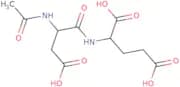







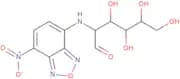

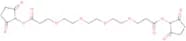


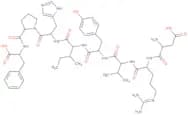

![[Tyr8]-Bradykinin](/_next/image/?url=https%3A%2Fstatic.cymitquimica.com%2Fproducts%2F3D%2Fthumb-webp%2FPBK-4075-V.webp&w=3840&q=75)


![Bz-DL-Arg-pNA • HCl [DL-BAPA]](/_next/image/?url=https%3A%2Fstatic.cymitquimica.com%2Fproducts%2F3D%2Fthumb-webp%2FSRN-3013.webp&w=3840&q=75)


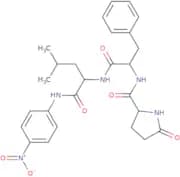


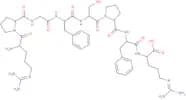

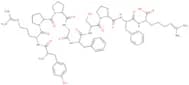
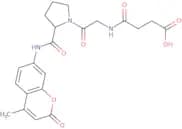


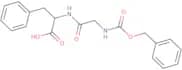





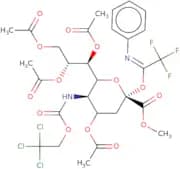











![6-[D10]Leu-Glargine](/_next/image/?url=https%3A%2Fstatic.cymitquimica.com%2Fproducts%2F3D%2Fthumb-webp%2FTSI-3420-V.webp&w=3840&q=75)











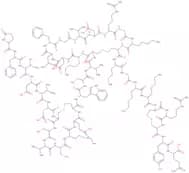

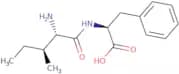
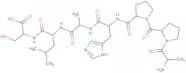


![[Sar1,Ile8]-Angiotensin II](/_next/image/?url=https%3A%2Fstatic.cymitquimica.com%2Fproducts%2F3D%2Fthumb-webp%2FPAN-4016.webp&w=3840&q=75)






![[Gln18]-Platelet Factor 4 (15-22) (human)](/_next/image/?url=https%3A%2Fstatic.cymitquimica.com%2Fproducts%2F3D%2Fthumb-webp%2FVAC-00001.webp&w=3840&q=75)










![[Sar1,Val5,Ala8]-Angiotensin II](/_next/image/?url=https%3A%2Fstatic.cymitquimica.com%2Fproducts%2F3D%2Fthumb-webp%2FPAN-4071.webp&w=3840&q=75)