Peptides
Sous-catégories appartenant à la catégorie "Peptides"
29613 produits trouvés pour "Peptides"
H-2kb tetramer peptide - E1
Please enquire for more information about H-2kb tetramer peptide - E1 including the price, delivery time and more detailed product information at the technical inquiry form on this pageMuscarinic Toxin 3
A synthetic snake venom peptide, sourced from the Green Mamba, Dendroaspis angusticeps. It can be applied as a specific ligand for Muscarinic Acetylcholine Receptor-4 (M4) and this product is available as a 0.1mg vial with disulfide bonds between Cys3- Cys24, Cys17- Cys42, Cys46- Cys57, and Cys58- Cys63.Formule :C319H489N89O97S8Degré de pureté :Min. 95%Masse moléculaire :7,379.4 g/molPeptide T
Peptide T is a synthetic peptide that has been shown to inhibit the activity of protein kinase C. This inhibition may be due to its ability to bind with high affinity and specificity to a site on the receptor protein. Peptide T is a research tool used in studies of cell biology, pharmacology, and physiology. It has been used as an inhibitor for studies of ion channels and has also been used as an activator for studies of receptor-ligand interactions. Peptide T is also known by its CAS number, which is P25657-1-2.Formule :C35H55N9O16Degré de pureté :Min. 95%Masse moléculaire :857.86 g/molZ-Arg-OBzl(p-NO2) hydrobromide
Z-Arg-OBzl(p-NO2) hydrobromide is a research peptide that is commonly used as an enzyme substrate in various biochemical studies. It is widely utilized in the field of molecular biology and biochemistry for its ability to mimic specific enzymatic reactions. This compound is highly pure and has been extensively tested for its quality and reliability. Researchers rely on Z-Arg-OBzl(p-NO2) hydrobromide to accurately measure enzyme activity and understand the mechanisms behind various biological processes. With its precise composition and consistent performance, this research peptide is an essential tool for scientists conducting cutting-edge research in the field.Formule :C21H25N5O6•HBrDegré de pureté :Min. 95%Masse moléculaire :524.36 g/molSchizophrenia Related Peptide
Schizophrenia Related Peptide is a research tool that can be used to study ion channels and receptors. It is an artificial peptide that has the same amino acid sequence as the part of the human brain that is believed to be responsible for schizophrenia. The Schizophrenia Related Peptide can bind to cell membranes and inhibit protein interactions, which may lead to new pharmacological treatments for schizophrenia.
Formule :C15H29N3O5Degré de pureté :Min. 95%Masse moléculaire :331.41 g/molH-GLCTLVAML-OH
EBV BMLF1 (280-288) is an epitope of the early lytic BMLF1 peptide of Epstein-Barr virus. EBV BMLF1 peptide presented by HLA-A*02:01 is one of the most immunogenic T-cell targets from the EBV proteome. EBV BMLF1 (280-288) can be used for the isolation and the stimulation of antigen-specific T cells. Applications of EBV BMLF1 (280-288): CD8+ cells have an important role in controlling Epstein-Barr virus infection. Indeed, the expansion of infected B cells is controlled by CD8+ cytotoxic T cells. Therefore, EBV BMLF1 (280-288) is important in study to detect EBV-specific CD8+ T cells by flow cytometry, per example in peripheral blood mononuclear cells of infected patients. EBV BMLF1 (280-288) is also used to analyze and measure the immune response and cytokine production in PBMCs cells to the virus with an application of ELISPOT assay.Laminin Pentapeptide YIGSR-NH2
CAS :Laminin is a structural protein that provides a scaffold for cell-cell and cell-matrix interactions. Laminin Pentapeptide YIGSR-NH2 is a synthetic peptide that has been shown to be an activator of the laminin receptor and an inhibitor of ion channels. It has also been used as a research tool in studies on antibody production, life science, cell biology, and pharmacology. This peptide is highly pure with no detectable contaminants.Formule :C26H43N9O7•2CH3COOH•2H2ODegré de pureté :Min. 95%Masse moléculaire :749.81 g/molLipo-Oxytocin-1
Lipidated Oxytocin analog with long-lasting activities. Product has the following disulfide bonds: Cys1-Cys6 and is available as a 0.5mg vial.Degré de pureté :Min. 95%MAL-dPEG®3-Lipoamide
CAS :MAL-dPEG®3-Lipoamide is a PEG molecule conjugated with a lipid moiety. MAL-dPEG®3-Lipoamide, conjugated to this lipid constituent, is very important especially in drug delivery and vaccine development as it helps improve the stability and circulation time of lipid nanoparticles (LNPs) and liposomes.
Formule :C42H78N4O14S3Degré de pureté :Min. 95%Masse moléculaire :959.28 g/molAmino-dPEG®4-OH
CAS :Amino-dPEG®4-OH is a PEG polymer categorised as monofunctional (OH-PEG-X). Used as a linker, amino-dPEG®4-OH is used to attached PEG to proteins, peptides, oligonucleotides, nanoparticles and small molecules via pegylation, a bioconjugation technique.
Formule :C8H19NO4Degré de pureté :Min. 95%Masse moléculaire :193.24 g/molAnti IL-1beta (Rat) Serum
Anti IL-1beta (Rat) Serum is a peptide used as a research tool in immunology and cell biology. It is an inhibitor of the inflammatory cytokine IL-1β, and binds to its receptor with high affinity. This antibody can be used in pharmacological studies to investigate protein interactions. The use of this antibody has been shown to inhibit the activation of ion channels, which may lead to the treatment of diseases such as Alzheimer's disease and epilepsy.
Heparanase 1 (HPA1), InSight Polyclonal Rabbit Anti-Human
Heparanase 1 (HPA1) is a protein that in humans is encoded by the HPA1 gene. The protein encoded by this gene hydrolyzes heparan sulfate, which is a negatively charged glycosaminoglycan found in extracellular matrices. It has been shown to be an important regulator of angiogenesis, and it also plays a role in tumor cell migration. InSight Polyclonal Rabbit Anti-Human Heparanase 1 antibody recognizes human heparanase 1 with high affinity and specificity. This antibody will allow you to study the expression and function of this protein in various cell types, as well as its involvement in specific biological processes.Degré de pureté :Min. 95%Anti CRF (24-41), Human Serum
Anti CRF (24-41) is an activator of the CRF receptor, which is a G protein-coupled receptor. This antibody binds to a specific region of the human CRF1 receptor and can be used as a research tool to investigate the function of the CRF receptor. Anti CRF (24-41) can also be used to inhibit cell proliferation and induce apoptosis in cancer cells. It is also used to study protein interactions with fluorescence resonance energy transfer (FRET). This antibody has been shown to inhibit voltage-gated K+ channels in neuronal cells. Anti CRF (24-41) is purified from human serum and can be used for applications such as pharmacology, peptide synthesis, or life science research.
Degré de pureté :Min. 95%Angiotensin III, human
CAS :Produit contrôléAngiotensin III, human is a peptide hormone that acts as an important regulator of blood pressure and fluid balance. It binds to angiotensin receptors on vascular smooth muscle cells, which leads to vasoconstriction and an increase in the permeability of small blood vessels. Angiotensin III also stimulates the release of aldosterone from the adrenal gland, which leads to increased sodium retention and increased water reabsorption by the kidneys. Angiotensin III is used as a treatment for congestive heart failure and pulmonary edema. It has been shown to be effective in preventing myocardial infarction in animal models. The effects of Angiotensin III are mediated by its binding to specific receptors on the surface of cells, leading to changes in cell activity. These effects can be blocked with receptor antagonists such as losartan or valsartan.Formule :C46H66N12O9•2CH3COOH•4H2ODegré de pureté :Min. 95%Masse moléculaire :1,123.26 g/molCNP-53 (Porcine, Rat)
CNP-53 is a peptide that is an inhibitor of protein interactions. It is a peptide sequence consisting of 53 amino acids and has been shown to inhibit the binding of human CNPase to its substrate, cyclic nucleotide monophosphate (cNMP). CNP-53 can also be used as a research tool to study the function of ion channels and receptors. This peptide has been shown to be highly purified and is produced in mammalian cells. It has a CAS number:
Formule :C251H414N82O70S3Degré de pureté :Min. 95%Masse moléculaire :5,796.7 g/molHeat Shock 70kDa Protein-8 , human, recombinant
This is a vivitide catalogue product. Please send your vivitide product enquiry to sales@vivitide.com for an up-to-date price and availability.
Degré de pureté :Min. 95%Acid-dPEG®13-NHS Ester
Acid-dPEG®13-NHS Ester is a PEG compound with two different functional groups (also known as heterobifunctional). Unlike homobifunctional PEG compounds (same functional group on both ends), this type of compounds are more versatile as have two different anchor points. Acid-dPEG®13-NHS Ester is used as a linker and spacer to add a PEG moiety, via pegylation (a bioconjugation technique) to proteins, peptides, oligonucleotides, small molecules and nanoparticles.Formule :C34H61NO19Degré de pureté :Min. 95%Masse moléculaire :787.38 g/molAbaecin
CAS :Abaecin is a proline-rich cationic antimicrobial peptide (PrAMP) and was isolated from Apis mellifera. Abaecin is a 34 amino acid peptide including 10 prolines positioned uniformly which prevents the α-helical conformation.
Formule :C187H270N48O43Degré de pureté :Min. 95%Masse moléculaire :3,878.51 g/molProtein Kinase C (530-558)
CAS :Please enquire for more information about Protein Kinase C (530-558) including the price, delivery time and more detailed product information at the technical inquiry form on this pageFormule :C148H220N34O51S2HSP-70 Cofactor (HSP24) E.coli (recombinant)
HSP-70 Cofactor (HSP24) E.coli (recombinant) is a recombinant protein that can be used as a research tool to investigate protein interactions, receptor binding, and peptide activation. HSP-70 Cofactor (HSP24) E.coli (recombinant) binds to the N terminus of Hsp70, which is involved in the chaperone cycle and facilitates the folding of newly synthesized proteins. It also activates peptides by binding to them and stabilizing their tertiary structure. The protein also plays a role in ion channel activity and ligand binding, thereby affecting cellular processes such as receptor signaling, neurotransmitter release, or memory formation. This product has a CAS number of 628255-27-4.END>>Degré de pureté :Min. 95%Atrial Natriuretic Peptide (126-150) (rat)
CAS :Please enquire for more information about Atrial Natriuretic Peptide (126-150) (rat) including the price, delivery time and more detailed product information at the technical inquiry form on this pageFormule :C113H177N39O35S2[Gln18]-Platelet Factor 4 (15-22) (human)
CAS :Please enquire for more information about [Gln18]-Platelet Factor 4 (15-22) (human) including the price, delivery time and more detailed product information at the technical inquiry form on this pageFormule :C38H69N15O13Masse moléculaire :944.06 g/molCalcitonin, rat
CAS :Please enquire for more information about Calcitonin, rat including the price, delivery time and more detailed product information at the technical inquiry form on this page
Formule :C148H228N40O46S3Prorenin (314-337), human
Prorenin is a peptide that is a member of the renin-angiotensin system. It is an activator of angiotensin converting enzyme that converts angiotensin I to angiotensin II, which has potent cardiovascular effects. Prorenin (314-337) is purified from human plasma by ion exchange chromatography and has a purity >98%. It can be used as a research tool or as an antibody for immunohistochemical staining. Prorenin (314-337) has been shown to inhibit the activity of several ion channels, including Ca2+ channels, Na+ channels, and K+ channels in rat brain cells.Degré de pureté :Min. 95%Fructose-1,6-Bisphosphatase 1, human, recombinant
Please enquire for more information about Fructose-1,6-Bisphosphatase 1, human, recombinant including the price, delivery time and more detailed product information at the technical inquiry form on this page
Degré de pureté :Min. 95%Spike S biotin protein library
Biotinylated version of the Spike (S) glycoprotein which corresponds to one of the leading targets for COVID-19 disease. Present on the surface of Sars-CoV-2 virus, Spike S protein is a class I fusion protein that allows the virus to enter host cells.Biotin-SARS-CoV-2 Spike RBM 500-509 peptide
Biotin-SARS-CoV-2 Spike RBM 500-509 peptide is the biotinylated version of SARS-CoV-2 Spike RBM 500-509 peptide. SARS-CoV-2 Spike RBM 500-509 peptide is an epitope of interest of the SARS-CoV-2 Spike S glycoprotein Receptor-Binding Motif (RBM). Biotin-SARS-CoV-2 Spike RBM 500-509 peptide is useful for vaccine development and for structure-activity relationship studies
SARS-CoV-2 Spike (S) glycoprotein
Spike (S) glycoprotein corresponds to one of the leading targets for COVID-19 disease. Present on the surface of Sars-CoV-2 virus, Spike S protein is a class I fusion protein that allows the virus to enter host cells.
With a 1 273 aa length, Spike protein has 2 subunits : S1 contains the receptor-binding domain RBD and S2 induces the fusion of the viral envelop with the cellular membrane.
SARS-CoV-2 Spike RBM:
The receptor-binding domain in SARS-CoV-2 Spike protein contains a receptor-binding motif RBM. SARS-CoV-2 Spike RBM is the main functional motif in RBD and allows contacts between the S protein and the Angiotensin-Converting Enzyme receptor 2 (ACE2 receptor) which mediates the viral entry.Apidaecin IB
Apidaecin IB is a proline-rich antimicrobial peptide (PrAMP) isolated from Apis mellifera hemolymph. Apidaecin IB mainly possesses activity against Gram-negative bacteria. It has been reported that Apidaecin IB is a non-lytic AMP which enters the cell and inhibits an intracellular target, the chaperone DnaK. Apidaecin IB is not toxic for humans and animals. It has been studied for treating systemic bacterial infections.SARS-CoV-2 Spike RBD 523-541 peptide
SARS-CoV-2 Spike RBD 523-541 peptide is an epitope of interest of the SARS-CoV-2 Spike S glycoprotein Receptor-Binding Domain (RBD). SARS-CoV-2 Spike RBD 523-541 peptide is useful for vaccine development and for structure-activity relationship studies
SARS-CoV-2 Spike (S) glycoprotein
Spike (S) glycoprotein corresponds to one of the leading targets for COVID-19 disease. Present on the surface of Sars-CoV-2 virus, Spike S protein is a class I fusion protein that allows the virus to enter host cells.
With a 1 273 aa length, Spike protein has 2 subunits : S1 contains the receptor-binding domain RBD and S2 induces the fusion of the viral envelop with the cellular membrane.
SARS-CoV-2 Spike RBD:
The receptor-binding domain in SARS-CoV-2 Spike protein allows binding to the Angiotensin-Converting Enzyme receptor 2 (ACE2 receptor) which mediates the viral entry.
SB-PEPTIDE also offers SARS-CoV-2 Spike RBD 523-541 (Biotin-LC) peptideMOG (97-108)
MOG(97-108) corresponds to amino acids 97 to 108 of the myelin oligodendrocyte glycoprotein (MOG).
ADALQAGASQFETSAAK* - SIL Infliximab signature peptide
SIL peptide for Infliximab detection and quantification
V5 peptide
Simian Parainfluenza Virus type 5
V5 peptide is an epitope peptide of Simian Parainfluenza Virus type 5 (SV5) belonging to the Paramyxovirus family. SV5 causes some common human diseases, such as pneumonia, bronchiolitis, measles and mumps.
V5 peptide
V5 peptide represents amino acids 95-108 of SV5 corresponding to RNA polymerase alpha subunit and non-structural protein V. V5 peptide sequence was chosen because high-affinity antibodies can be produced in many different species. V5 peptide is useful as tag for protein purification and detection such as Western blotting, ELISA assays, immunofluorescence, immunoprecipitation assays and for protein purification.Spike S protein library
Spike (S) glycoprotein corresponds to one of the leading targets for COVID-19 disease. Present on the surface of Sars-CoV-2 virus, Spike S protein is a class I fusion protein that allows the virus to enter host cells.Biotin-SARS-CoV-2 Spike RBD 352-365 peptide
Biotin-SARS-CoV-2 Spike RBD 352-365 peptide is the biotinylated version of SARS-CoV-2 Spike RBD 352-365 peptide. SARS-CoV-2 Spike RBD 352-365 peptide is an epitope of interest of the SARS-CoV-2 Spike S glycoprotein Receptor-Binding Domain (RBD). Biotin-SARS-CoV-2 Spike RBD 352-365 peptide is useful for vaccine development and for structure-activity relationship studies SARS-CoV-2 Spike (S) glycoprotein Spike (S) glycoprotein corresponds to one of the leading targets for COVID-19 disease. Present on the surface of Sars-CoV-2 virus, Spike S protein is a class I fusion protein that allows the virus to enter host cells. With a 1 273 aa length, Spike protein has 2 subunits : S1 contains the receptor-binding domain RBD and S2 induces the fusion of the viral envelop with the cellular membrane. SARS-CoV-2 Spike RBD: The receptor-binding domain in SARS-CoV-2 Spike protein allows binding to the Angiotensin-Converting Enzyme receptor 2 (ACE2 receptor) which mediates the viral entry.NY-ESO-1 (123-137) DRB1*04:01
NY-ESO-1 protein:
NY-ESO-1 (123-137) DRB1*04:01 is an epitope analogue of the New York esophageal squamous cell carcinoma-1, also named cancer testis. NY-ESO-1 is expressed in 82% of neuroblastomas and 46% of melanomas but also in many others solid tumors and hematological malignancies. That’s why, NY-ESO-1 peptides are attractive targets for specific immunotherapies and for the stimulation of human NY-ESO-1 specific CD8+ T cells.
Applications of NY-ESO-1 (123-137) DRB1*04:01:
Results of studies suggest after stimulation of NY-ESO-1 (123-137) DRB1*04:01 specific T cells and IFN- ELISPOT and chronium release assays that NY-ESO-1 (123-137) DRB1*04:01 can be an immunogenic epitope encoded by NY-ESO-1. NY-ESO-1 (123-137) DRB1*04:01 contains epitope capable of binding HLA-DR molecules.LSITIRPR* - SIL Dupilumab signature peptide quantifier
Primary SIL peptide for Dupilimab detection and quantification
OVA 257-264 scrambled
SB-peptide offers the scrambled version of OVA 257-264. FILKSINE can be used as a negative control of OVA 257-264 studies.
SB-peptide offers also OVA 257-264 (see section OVA 257-264).
Ovalbumin protein:
OVA 257-264 (H-2Kb) is an epitope of interest of the egg white albumen, ovalbumin. Ovalbumin is a glycoprotein that is sufficiently large and complex to be mildly immunogenic. Indeed, it has been demonstrated that Ovalbumin contains B-cell epitopes which are recognized by specific IgE antibodies and CD4 T cell epitopes restricted by the MHC I-Ad molecule in mice and by HLA-D molecule in human.
Applications of OVA 257-264:
OVA 257-264 is used to stimulate T cells in PBMCs and to quantify peptide epitope specificity and IFN-γ releasing effector cells by ELISPOT assay. OVA 257-264 is also used to test new adjuvant in immunotherapeutic vaccine development. OVA 257-264 can form a stable hydrogel and stimulate a immune response. This reaction seems to be linked with OVA 257-264 property to self-assemble into a hydrogel.
Sequence:C45H74N10013Biotin-SARS-CoV-2 Spike RBD 523-541 peptide
Biotin-SARS-CoV-2 Spike RBD 523-541 peptide is the biotinylated version of SARS-CoV-2 Spike RBD 523-541 peptide. SARS-CoV-2 Spike RBD 523-541 peptide is an epitope of interest of the SARS-CoV-2 Spike S glycoprotein Receptor-Binding Domain (RBD). Biotin-SARS-CoV-2 Spike RBD 523-541 peptide is useful for vaccine development and for structure-activity relationship studies
SARS-CoV-2 Spike (S) glycoprotein
Spike (S) glycoprotein corresponds to one of the leading targets for COVID-19 disease. Present on the surface of Sars-CoV-2 virus, Spike S protein is a class I fusion protein that allows the virus to enter host cells.
With a 1 273 aa length, Spike protein has 2 subunits : S1 contains the receptor-binding domain RBD and S2 induces the fusion of the viral envelop with the cellular membrane.
SARS-CoV-2 Spike RBD:
The receptor-binding domain in SARS-CoV-2 Spike protein allows binding to the Angiotensin-Converting Enzyme receptor 2 (ACE2 receptor) which mediates the viral entry.LEWIGEIDPSESNTNYNQK* - SIL Vedolozumab signature peptide quantifier
SIL peptide for Vedolozumab detection and quantificationBiotin-SARS-CoV-2 Spike RBM 438-458 peptide
Biotin-SARS-CoV-2 Spike RBM 438-458 peptide is the biotinylated version of SARS-CoV-2 Spike RBM 438-458 peptide. SARS-CoV-2 Spike RBM 438-458 peptide is an epitope of interest of the SARS-CoV-2 Spike S glycoprotein Receptor-Binding Motif (RBM). Biotin-SARS-CoV-2 Spike RBM 438-458 peptide is useful for vaccine development and for structure-activity relationship studies
SARS-CoV-2 Spike (S) glycoprotein
Spike (S) glycoprotein corresponds to one of the leading targets for COVID-19 disease. Present on the surface of Sars-CoV-2 virus, Spike S protein is a class I fusion protein that allows the virus to enter host cells.
With a 1 273 aa length, Spike protein has 2 subunits : S1 contains the receptor-binding domain RBD and S2 induces the fusion of the viral envelop with the cellular membrane.
SARS-CoV-2 Spike RBM:
The receptor-binding domain in SARS-CoV-2 Spike protein contains a receptor-binding motif RBM. SARS-CoV-2 Spike RBM is the main functional motif in RBD and allows contacts between the S protein and the Angiotensin-Converting Enzyme receptor 2 (ACE2 receptor) which mediates the viral entry.YASESISGIPSR* - SIL Cetuximab signature peptide quantifier
Primary SIL peptide for Cetuximab detection and quantification
Biotin-SARS-CoV-2 Spike RBD 395-430 peptide
Biotin-SARS-CoV-2 Spike RBD 395-430 peptide is the biotinylated version of SARS-CoV-2 Spike RBD 395-430 peptide. SARS-CoV-2 Spike RBD 395-430 peptide is an epitope of interest of the SARS-CoV-2 Spike S glycoprotein Receptor-Binding Domain (RBD). Biotin-SARS-CoV-2 Spike RBD 395-430 peptide is useful for vaccine development and for structure-activity relationship studies
SARS-CoV-2 Spike (S) glycoprotein
Spike (S) glycoprotein corresponds to one of the leading targets for COVID-19 disease. Present on the surface of Sars-CoV-2 virus, Spike S protein is a class I fusion protein that allows the virus to enter host cells.
With a 1 273 aa length, Spike protein has 2 subunits : S1 contains the receptor-binding domain RBD and S2 induces the fusion of the viral envelop with the cellular membrane.
SARS-CoV-2 Spike RBD:
The receptor-binding domain in SARS-CoV-2 Spike protein allows binding to the Angiotensin-Converting Enzyme receptor 2 (ACE2 receptor) which mediates the viral entry.Human GIP (Active) ELISA (1ea)
Human GIP (Active) ELISA (1ea) is a human GIP ELISA kit that detects the presence of active human GIP in a sample. This kit is designed to detect human GIP in serum, plasma, and urine. The assay has been validated for the quantitative measurement of active human GIP in samples from healthy subjects and patients with type 2 diabetes mellitus.Degré de pureté :Min. 95%Total GLP-1-HS ELISA (1ea)
The Total GLP-1-HS ELISA (1ea) is a sandwich enzyme-linked immunosorbent assay that measures the concentration of active GLP-1 in human serum. The assay employs a monoclonal antibody specific to human GLP-1 and an enzyme conjugate, which is a radiolabeled anti-human GLP-1 antibody. The Total GLP-1-HS ELISA (1ea) has been validated for use with samples from both healthy subjects and subjects with type 2 diabetes mellitus.Degré de pureté :Min. 95%MART-1 (26-35) (human) trifluoroacetate salt
CAS :Native Melan-A (26-35) decapeptide derives from the melanocyte lineage-specific protein Melan-A/MART-1, which is expressed in almost 75-100% of primary and metastatic melanomas. The region 26-35 of Melan-A protein acts as an antigenic peptide that is recognized by CD8+ tumor-reactive cytolytic T lymphocytes (CTLs) for designing antigen-specific cancer vaccines1. It has been shown that CD8+ Melan-A-specific CTLs isolated from melanoma patients efficiently lyse the Melan-A-expressing HLA-A*0201+ melanoma cell line. However, CTLs preferentially recognize the Melan-A (26-35) peptide as compared with the Melan-A (27-35) peptide. Moreover, the Melan-A (26-35) A27L analog (ELAGIGILTV) has a higher binding affinity to HLA-A*0201 than the native Melan-A (26-35) peptide (EAAGIGILTV), and consequently displays more potent antigenicity and immunogenicity. It has been reported that the concentration of Melan-A (26-35) A27L analog required to obtain 50% of maximal antigenic activity (EC50) is 0.01nM, whereas that of the native Melan-A (26-35) peptide is 0.25nM1. Therefore, the relative activity of Melan-A (26-35) A27L analog is 25 fold higher than that of the native Melan-A (26-35) peptide. Furthermore, functional competition assay has shown that the concentration of Melan-A (26-35) A27L analog required to achieve 50% inhibition (IC50) of tumor lysis is 2nM, which is 10 fold lower than that of the native Melan-A (26-35) peptide. Regarding peptide stability in human serum, the half-lifes (t1/2) of the native Melan-A (26-35) peptide and the A27L analog are quite similar (45 and 40min, respectively) as measured by HPLC-ESI-MS, but much higher than that of the Melan-A (27-35) nonapeptide (5min).Formule :C42H74N10O14Degré de pureté :Min. 95%Masse moléculaire :943.1 g/molNHS-m-dPEG®
NHS-m-dPEG® is a PEG compound with two different functional groups (also known as heterobifunctional). Unlike homobifunctional PEG compounds (same functional group on both ends), this type of compounds are more versatile as have two different anchor points. NHS-m-dPEG® is used as a linker and spacer to add a PEG moiety, via pegylation (a bioconjugation technique) to proteins, peptides, oligonucleotides, small molecules and nanoparticles.Degré de pureté :Min. 95%Masse moléculaire :861.97 g/molBromoacetamido-dPEG®24-TFP Ester
Bromoacetamido-dPEG®24-TFP Ester is a PEG compound with two different functional groups (also known as heterobifunctional). Unlike homobifunctional PEG compounds (same functional group on both ends), this type of compounds are more versatile as have two different anchor points. Bromoacetamido-dPEG®24-TFP Ester is used as a linker and spacer to add a PEG moiety, via pegylation (a bioconjugation technique) to proteins, peptides, oligonucleotides, small molecules and nanoparticles.Degré de pureté :Min. 95%Masse moléculaire :1,415.35 g/molAnti LH-RH (Human, Rat) Serum
Anti LH-RH (Human, Rat) Serum is a serum that inhibits the binding of LHRH to its receptor. This serum has been shown to be an effective inhibitor of LH-RH binding in both human and rat systems. Anti LH-RH (Human, Rat) Serum is also a research tool used to study the effects of peptides on cells, as well as the interactions between proteins. The high purity and low endotoxin levels make this serum suitable for use in life science and cell biology experiments.Degré de pureté :Min. 95%Nucleoside Diphosphate Kinase E.coli (recombinant)
Nucleoside Diphosphate Kinase E.coli (recombinant) is a research peptide that belongs to the group of protein kinases. It is used in scientific studies and experiments to investigate various cellular processes and signaling pathways. This recombinant protein kinase has been shown to play a crucial role in the phosphorylation of nucleoside diphosphates, which are important molecules involved in energy metabolism and cell signaling. By catalyzing the transfer of phosphate groups, Nucleoside Diphosphate Kinase E.coli regulates the balance of nucleotide triphosphates, which are essential for DNA replication, RNA synthesis, and protein synthesis. Its unique properties make it an invaluable tool for researchers studying cellular mechanisms and developing new therapeutic strategies.Degré de pureté :Min. 95%Snakin-1
CAS :Snakin-1 is a peptide that interacts with the nicotinic acetylcholine receptor (nAChR). It is a high purity, potent and selective inhibitor of nAChRs.Degré de pureté :Min. 95%GLP-1 (Human, Rat, Mouse)-EIA Kit (1ea)
GLP-1 (Human, Rat, Mouse)-EIA Kit is a ready-to-use kit that contains a recombinant human GLP-1 peptide. This kit is designed for the quantitative measurement of GLP-1 in human serum or plasma by ELISA. It uses a polyclonal antibody to detect the protein and has no cross-reactivity with other pancreatic hormones. The assay can be used with rat and mouse samples as well.
Degré de pureté :Min. 95%C-Peptide (Mouse)-EIA Kit (1ea)
C-Peptide (Mouse)-EIA Kit is a mouse C-peptide EIA kit. It is designed for the quantitative measurement of C peptide in serum samples from mice. The kit contains an antibody that recognizes mouse C peptide, and a conjugate that binds to the antibody. The kit also contains a biotin-labeled anti-mouse IgG antibody, which reacts with the conjugate to form a complex that is subsequently detected by an enzyme-conjugated streptavidin. The amount of complex formed is proportional to the amount of C peptide present in the sample.Degré de pureté :Min. 95%GRP, Human Antiserum
GRP is a protein that belongs to the G-protein-coupled receptor family. It is activated by the ligand ghrelin and has been shown to be involved in the regulation of food intake, energy expenditure, gastric acid secretion and other physiological processes. GRP is also expressed in various types of cells including neurons, pancreatic beta cells, and cardiac myocytes. The antibody against GRP recognizes human GRP with high purity. This antibody can be used as a research tool for studying the functions of GRP or for immunohistochemistry to study the distribution of GRP in tissues.Degré de pureté :Min. 95%Fmoc-N-Amido-dPEG®5-Acid
Fmoc-N-Amido-dPEG®5-Acid is a PEG compound with two different functional groups (also known as heterobifunctional). Unlike homobifunctional PEG compounds (same functional group on both ends), this type of compounds are more versatile as have two different anchor points. Fmoc-N-Amido-dPEG®5-Acid is used as a linker and spacer to add a PEG moiety, via pegylation (a bioconjugation technique) to proteins, peptides, oligonucleotides, small molecules and nanoparticles.Degré de pureté :Min. 95%Amyloid β-Protein (Human, 1-16)
CAS :Amyloid beta-protein (Aβ) is a peptide that is associated with Alzheimer's disease. It is a research tool for understanding the biology of Aβ. The Aβ peptide has been shown to activate a number of receptors and ion channels, including the nicotinic acetylcholine receptor, which may be due to its ability to bind to these proteins with high affinity. Amyloid beta-protein has also been shown to bind antibodies, which may be due to its ability to act as an antigen. Amyloid beta-protein inhibits the function of ion channels and can be used in pharmacological studies as a tool for understanding how this protein interacts with other proteins.Formule :C84H119N27O28Degré de pureté :Min. 95%Masse moléculaire :1,955 g/molBoc-Gly-Arg-Arg-AMC
CAS :Boc-Gly-Arg-Arg-AMC is a research tool that has a high purity and is used in cell biology, antibody production, ion channels, and protein interactions. It is an inhibitor of ion channels, which can be used for pharmacology to study the function of ion channels. Boc-Gly-Arg-Arg-AMC has also been shown to inhibit binding between the ligand and receptor.
Formule :C29H44N10O7Degré de pureté :Min. 95%Masse moléculaire :644.72 g/molBz-Gly-Lys [Hippuryl-Lysine]
CAS :Bz-Gly-Lys is a peptide that is a derivative of lysine residues. This peptide can compete with the natural substrate, L-lysine, for binding to the active site of creatine kinase and inhibit its enzymatic activity. Bz-Gly-Lys has been shown to be effective in inhibiting monoclonal antibody production in human serum. Furthermore, this peptide can also have inhibitory properties on cell culture and may be useful in the treatment of diabetic patients. The optimum pH for Bz-Gly-Lys is neutral, and hydrolysis by proteases is required for it to be active. It has been shown to inhibit polymerase chain reaction (PCR) procedures. In addition, this peptide has been shown to enhance the inhibitory properties of fatty acids on cell culture.Formule :C15H21N3O4Degré de pureté :Min. 95%Masse moléculaire :307.34 g/molLH-RH (Human)
CAS :Luteinizing hormone-releasing hormone (LH-RH), also known as Gonadotropin-Releasing Hormone (GnRH), stimulates the pituitary gland’s production and secretion of luteinizing hormone and follicle-stimulating hormone. LHRH is a decapeptide and is itself secreted by the hypothalamus. It is crucial for human reproduction and is heavily involved in the regulation of ovulation, sexual development and the onset of puberty. When secreted, GNRH binds to the G-protein coupled receptor, gonadotropin-releasing hormone receptor (GNRHR) located on pituitary gonadotrophic cells in the anterior pituitary. Medically, the understanding of GnRH is paramount, due to its involvement in the pathogensis of central hypogonadism. Any obstructions to its function in the reproductive system can result in the development of human pathologically conditions. It is important to note that analogs of GnRH can be used in pharmacology, in the treatment of gynaecological diseases, through blocking the secretion of estrogen secretion from the ovary. Additional GNRH analogs can be used to treat ovarian cancer, hormone-dependent cancers, endometriosis and modality in infertility. Therefore this product is a useful research tool and is available in a 0.5mg vial.Formule :C55H75N17O13•(C2H4O2)2Degré de pureté :Min. 95%Masse moléculaire :1,302.4 g/molMAL dPEG®6-Acid
CAS :MAL dPEG®6-Acid is a PEG compound with two different functional groups (also known as heterobifunctional). Unlike homobifunctional PEG compounds (same functional group on both ends), this type of compounds are more versatile as have two different anchor points. MAL dPEG®6-Acid is used as a linker and spacer to add a PEG moiety, via pegylation (a bioconjugation technique) to proteins, peptides, oligonucleotides, small molecules and nanoparticles.
Formule :C22H36N2O11Degré de pureté :Min. 95%Masse moléculaire :504.53 g/mol4-Methoxyphenylazoformyl-Phe
CAS :4-Methoxyphenylazoformyl-Phe is a synthetic molecule that can be used as a research tool in the study of ion channels and ligands. The receptor binding affinity of 4-methoxyphenylazoformyl-Phe is unknown, but it has been shown to activate peptides in living cells. This compound is an inhibitor of ion channels and ligand for G protein coupled receptors. It can be used as a research tool in the study of ion channels and ligands. The receptor binding affinity of 4-methoxyphenylazoformyl-Phe is unknown, but it has been shown to activate peptides in living cells. This compound is an inhibitor of ion channels and ligand for G protein coupled receptors.Formule :C17H17N3O4Degré de pureté :Min. 95%Masse moléculaire :327.33 g/molBz-Tyr-pNA
CAS :Bz-Tyr-pNA is a peptide that has been shown to inhibit the activity of serine proteases. The peptide consists of Boc-Tyr-Nal-pNA, which is an artificial amino acid that has been synthesized for use as a substrate in assays and as a probe in the study of protein structure and function. Bz-Tyr-pNA inhibits the enzyme activity of a recombinant human neutrophil elastase, with an IC50 of about 12.5 μM. This peptide also inhibits the catalytic action of human neutrophil elastase by binding to its active site and blocking access to the substrate Tyr-pNA. It has been shown that Bz-Tyr-pNA can be used as an immunosuppressant to prevent graft rejection, although it is not yet approved for this use.Formule :C22H19N3O5Degré de pureté :Min. 95%Masse moléculaire :405.4 g/molLysyl-Bradykinin (Kallidin) (Human, Bovine)
CAS :Produit contrôléLysyl-bradykinin (kallidin) is a peptide that is a potent activator of non-selective cation channels. It has been shown to activate potassium channels and calcium channels, but not sodium channels. The activation by lysyl-bradykinin leads to an increase in the permeability of the membrane, which can lead to release of neurotransmitters from nerve endings. Lysyl-bradykinin also has been shown to be an inhibitor of protein interactions with the receptor in certain cell lines. The antibody used to measure this inhibition is L1420.Formule :C56H85N17O12Degré de pureté :Min. 95%Masse moléculaire :1,188.40 g/molMAL-dPEG®12-Acid
CAS :MAL-dPEG®12-Acid is a PEG compound with two different functional groups (also known as heterobifunctional). Unlike homobifunctional PEG compounds (same functional group on both ends), this type of compounds are more versatile as have two different anchor points. MAL-dPEG®12-Acid is used as a linker and spacer to add a PEG moiety, via pegylation (a bioconjugation technique) to proteins, peptides, oligonucleotides, small molecules and nanoparticles.Formule :C27H37F4N7O6SDegré de pureté :Min. 95%Masse moléculaire :663.69 g/molLeucine-Enkephalin
CAS :Leucine-Enkephalin is a research tool that binds to the opioid receptor. It is an activator of the receptor and can be used in cell biology, pharmacology, and as a ligand or antibody for receptor studies. Leucine-Enkephalin has been shown to inhibit ion channels in vitro and can be used to study protein interactions. This peptide also exhibits pharmacological effects in vivo, including analgesia, inhibition of gastrointestinal motility, and induction of emesis.Formule :C28H37N5O7Degré de pureté :Min. 95%Masse moléculaire :555.62 g/molOrexin-A (Human, 17-33)
CAS :Orexin-A (Human, 17-33) is a neuropeptide also known as hypocretin-1 and this product is available as a 0.1 mg vial. Orexin-A is primarily produced by a group of neurons located in the lateral hypothalamus of the brain, known as the orexinergic neurons.
Orexin-A is involved in regulating a variety of physiological functions, including the sleep-wake cycle, appetite, energy metabolism, and reward pathways. It acts as an agonist for two G protein-coupled receptors, known as orexin receptor 1 and orexin receptor 2.
Studies have shown that disruption of orexin signaling can lead to sleep disorders, obesity, and other metabolic disorders. Orexin-A has also been studied for its potential as a therapeutic target for the treatment of these disorders.Formule :C79H125N23O22Degré de pureté :Min. 95%Masse moléculaire :1,749 g/molAnti Retinoblastoma (RB) (901-928) Human Serum (50 ul)
CAS :Anti Retinoblastoma (RB) (901-928) Human Serum is a research tool that can be used for the study of cell biology, protein interactions, and pharmacology. Anti Retinoblastoma (RB) (901-928) Human Serum is a ligand that can bind to the receptor and activate its function. It has been found to inhibit ion channels, which are proteins that regulate the flow of ions in cells. It also has been shown to have an effect on cell growth and differentiation.Formule :C37H47N7O9Degré de pureté :Min. 95%Masse moléculaire :733.81 g/molm-dPEG®8-Amine
CAS :m-dPEG®8-Amine is a PEG compound with two different functional groups (also known as heterobifunctional). Unlike homobifunctional PEG compounds (same functional group on both ends), this type of compounds are more versatile as have two different anchor points. m-dPEG®8-Amine is used as a linker and spacer to add a PEG moiety, via pegylation (a bioconjugation technique) to proteins, peptides, oligonucleotides, small molecules and nanoparticles.Degré de pureté :Min. 95%Masse moléculaire :383.48 g/molH-Ala-Ala-Phe-AMC
CAS :H-Ala-Ala-Phe-AMC is a positively charged peptide that binds to the extracellular domain of the human α2δ1 calcium channel. It is a research tool for studying the interactions between ligands and receptors, as well as protein interactions. H-Ala-Ala-Phe-AMC is used to study the pharmacology of ion channels, such as their activation and inhibition by different ligands. H-Ala-Ala-Phe-AMC can be used in cell biology studies to study protein interactions and changes in protein conformation.Formule :C25H28N4O5Degré de pureté :Min. 95%Masse moléculaire :464.51 g/molArphamenine B
CAS :Arphamenine B is an enzyme inhibitor that inhibits metalloproteinases and serine proteases. It has been shown to be a potent osteoinductive agent in cell culture. Arphamenine B has also been found to have a depressant effect on the growth of cells in culture, with lysine residues as the probable site of action. Arphamenine B has also been shown to inhibit soybean trypsin, which is a serine protease enzyme.
Formule :C16H24N4O4H2SO4•H2ODegré de pureté :Min. 95%Masse moléculaire :403.45 g/molFmoc-Thr[Ac4Galß(1- >3)Ac2GalNAcα(1->O)] -OH-O-ß-2,3,4,6-Tetra-O-Acetyl-D-Galactopyranosyl-(1- >3)-O-α-4,6-Di-O-Acetyl-2-Acetamido-2 -Deoxy-D-Galactopyranosyl-(1- >O)-9-Fluorenylmethoxycarbonyl-L-Threonine
CAS :Fmoc-Thr[Ac4Galß(1- >3)Ac2GalNAcα(1->O)] -OH-O-ß-2,3,4,6-Tetra-O-Acetyl-D-Galactopyranosyl-(1- >3)-O-α-4,6-Di-O-Acetyl-2 -Acetamido -2 -Deoxy -D -Galactopyranosyl-(1->0)-9 Fluorenylmethoxycarbonyl L Thr Fmoc Thr is an amino acid that is used in peptide synthesis. It is a protected form of the amino acid threonine that can be cleaved by hydrogen fluoride to yield free Thr. Fmoc Thr has been shown to inhibit the production of inflammatory cytokines and chemokines in vitro.Formule :C45H54N2O21Degré de pureté :Min. 95%Masse moléculaire :958.91 g/molNeuropeptide W-30 (Rat)
CAS :Neuropeptide W-30 (Rat) is a peptide that belongs to the family of neuropeptides. It has been identified as an inhibitor of the ion channel TRPV1 and TRPA1, which are involved in pain perception. Neuropeptide W-30 (Rat) also inhibits the activation of phospholipase C, protein kinase C, and cAMP response element binding protein. Neuropeptide W-30 (Rat) is used as a research tool for studying protein interactions and for pharmacological studies.
Formule :C165H249N49O38SDegré de pureté :Min. 95%Masse moléculaire :3,559.1 g/molGlucagon-like Peptide 2 (Human)
CAS :Glucagon-like peptide 2 (GLP-2) is a protein hormone that belongs to the glucagon family of peptides. GLP-2 has been shown to activate ion channels and regulate the movement of ions across cell membranes, which is important for many physiological processes. GLP-2 also has an inhibitory effect on the release of insulin from beta cells in pancreatic islets. It has been shown to improve glucose tolerance in animal models of Type 2 diabetes by stimulating the production and secretion of insulin from beta cells in pancreatic islets. Additionally, GLP-2 can bind to a receptor on the surface of certain types of immune cells called T lymphocytes and stimulate them to produce cytokines that promote growth and development of other immune cells. Glucagon-like Peptide 2 (Human) is a research tool used in studies involving protein interactions, ligand binding, pharmacology, cell biology, or antibody production. This product is highly purified with a purityFormule :C165H254N44O55SDegré de pureté :Min. 95%Masse moléculaire :3,766.1 g/molAmino-dPEG®6-t-Butyl Ester
CAS :Amino-dPEG®6-t-Butyl Ester is a PEG compound with two different functional groups (also known as heterobifunctional). Unlike homobifunctional PEG compounds (same functional group on both ends), this type of compounds are more versatile as have two different anchor points. Amino-dPEG®6-t-Butyl Ester is used as a linker and spacer to add a PEG moiety, via pegylation (a bioconjugation technique) to proteins, peptides, oligonucleotides, small molecules and nanoparticles.
Formule :C19H39NO8Degré de pureté :Min. 95%Masse moléculaire :409.51 g/molBis-dPEG®29-Acid
CAS :Bis-dPEG®29-Acid is a PEG polymer categorised as homobifunctional PEG (X-PEG X). Used as a linker, bis-dPEG®29-Acid is used to attached PEG to proteins, peptides, oligonucleotides, nanoparticles and small molecules via pegylation, a bioconjugation technique.
Formule :C30H49N5O11S3Degré de pureté :Min. 95%Masse moléculaire :751.94 g/molPyr-AMC
CAS :Pyr-AMC is a novel research tool that can be used to activate or inhibit ion channels, receptors, and other proteins. Pyr-AMC is a ligand for the nicotinic acetylcholine receptor (nAChR) and can be used to study the pharmacology of nAChRs. Pyr-AMC is also a potent inhibitor of voltage-gated potassium channels, which are important for regulating nerve cell membrane potentials. Pyr-AMC has been shown to bind to many types of proteins that play an important role in cell biology. This includes antibodies, ion channels, receptors, and peptides. It has been shown that pyr-amc binds to life sciences products such as antibodies, peptides, and enzymes.Formule :C15H14N2O4Degré de pureté :Min. 95%Masse moléculaire :286.28 g/molZ-Glu-Tyr
CAS :Z-Glu-Tyr is a synthetic substrate of the enzyme cathepsin B. The amino acid sequence of Z-Glu-Tyr has been shown to be identical to the sequence of the natural substrate, L-glutaminyl-L-tyrosine. The activity of the enzyme cathepsin B can be inhibited by Z-Glu-Tyr due to its ability to form a covalent bond with cysteine residues in the active site. This inhibition prevents cleavage of peptide bonds and synthesis of polypeptides, which are necessary for cell growth and division. Z-Glu-Tyr is also an inhibitor of thiol proteases, such as papain and subtilisin, which are enzymes that hydrolyze peptide bonds in proteins.Formule :C22H24N2O8Degré de pureté :Min. 95%Masse moléculaire :444.43 g/molBis-dPEG®21-NHS Ester
CAS :Bis-dPEG®21-NHS Ester is a PEG polymer categorised as homobifunctional PEG (X-PEG X). Used as a linker, bis-dPEG®21-NHS Ester is used to attached PEG to proteins, peptides, oligonucleotides, nanoparticles and small molecules via pegylation, a bioconjugation technique.Formule :C54H96N2O29Degré de pureté :Min. 95%Masse moléculaire :1,237.34 g/molZ-Gly-Pro
CAS :Z-Gly-Pro is a synthetic peptide that has been shown to inhibit proteolytic enzymes. It binds to the active site of the enzyme and blocks its activity. The peptide has also been shown to have locomotor activity, as it stimulates stem cell factor and cell factor production in vitro. Z-Gly-Pro has also been shown to be an inhibitor binding molecule that can bind with other molecules such as inhibitors of proteases and tyrosine kinase receptors. This inhibition may help regulate physiological functions such as locomotion, proliferation, and differentiation of cells.Formule :C15H18N2O5Degré de pureté :Min. 95%Masse moléculaire :306.31 g/molThiol-dPEG®12-Acid
CAS :Thiol-dPEG®12-Acid is a PEG compound with two different functional groups (also known as heterobifunctional). Unlike homobifunctional PEG compounds (same functional group on both ends), this type of compounds are more versatile as have two different anchor points. Thiol-dPEG®12-Acid is used as a linker and spacer to add a PEG moiety, via pegylation (a bioconjugation technique) to proteins, peptides, oligonucleotides, small molecules and nanoparticles.Formule :C27H54O14SDegré de pureté :Min. 95%Masse moléculaire :634.77 g/molLeu-Gly • ½ H2O
CAS :Leu-Gly is a cyclic peptide that is composed of the amino acid sequence Leu-Gly. It has antimicrobial, anti-inflammatory, and immunomodulatory properties. This peptide exhibits calcium binding, which may be due to its structural analysis with trifluoroacetic acid in human serum. A model system using coli K-12 cells was used to study the biological properties of Leu-Gly. The locomotor activity of these cells was inhibited by Leu-Gly, which may be due to its ability to bind with cyclic adenosine monophosphate (cAMP) receptors on the cell surface. LEU Gly is a member of the class of antimicrobial peptides that are important for fighting infections. It has been shown to have strong activity against E. coli K12 and various strains of Staphylococcus aureus isolated from humans with autoimmune diseases.Formule :C8H16N2O3H2ODegré de pureté :Min. 95%Masse moléculaire :197.23 g/molNeuromedin B (Human, Porcine, Rat)
CAS :Neuromedin B is a neuropeptide that has been shown to activate the TRPC ion channels in mammalian cells. It also has been shown to bind to receptors and have a potent effect on cell biology, as well as being used as a research tool for studying protein interactions. Neuromedin B is found in humans, pigs, and rats, where it is expressed primarily in the brain and gastrointestinal tract. This peptide has been shown to be an inhibitor of some types of ion channels.Formule :C52H73N15O12SDegré de pureté :Min. 95%Masse moléculaire :1,132.3 g/molLeu-pNA
CAS :Leu-pNA is a protein synthesis inhibitor that binds to the active site of the enzyme peptidyl prolyl cis-trans isomerase (PPIase). This inhibitor prevents the enzyme from catalyzing the conversion of proline residues in peptides to their cis or trans isomers. Leu-pNA has been shown to inhibit proteolytic enzymes such as soybean trypsin and activated proteases, and also has an inhibitory effect on polymerase chain reaction (PCR) enzyme activities. The binding of Leu-pNA to PPIase can be reversed by heating at 60°C for 20 minutes.
Formule :C12H17N3O3Degré de pureté :Min. 95%Masse moléculaire :251.28 g/molAzido-dPEG®3-amine
CAS :Azido-dPEG®3-amine is a PEG compound with two different functional groups (also known as heterobifunctional). Unlike homobifunctional PEG compounds (same functional group on both ends), this type of compounds are more versatile as have two different anchor points. Azido-dPEG®3-amine is used as a linker and spacer to add a PEG moiety, via pegylation (a bioconjugation technique) to proteins, peptides, oligonucleotides, small molecules and nanoparticles.Formule :C8H18N4O3Degré de pureté :Min. 95%Masse moléculaire :218.25 g/molDNP-dPEG®4-NHS Ester
CAS :DNP-dPEG®4-NHS Ester is a PEG compound with two different functional groups (also known as heterobifunctional). Unlike homobifunctional PEG compounds (same functional group on both ends), this type of compounds are more versatile as have two different anchor points. DNP-dPEG®4-NHS Ester is used as a linker and spacer to add a PEG moiety, via pegylation (a bioconjugation technique) to proteins, peptides, oligonucleotides, small molecules and nanoparticles.Formule :C50H100O25Degré de pureté :Min. 95%Masse moléculaire :1,101.31 g/molParathyroid Hormone (Human, 1-31 Amide)
CAS :This product which is available as a 0.5mg vial is amino acids 1-31 of the 84 amino acid parathyroid hormone (PTH) and can be used as an adenylate cyclase and bone growth stimulating peptide.
PTH is a peptide hormone that is secreted from the parathyroid gland in the event of abnormal serum calcium levels and it ultimately regulates calcium and phosphate levels in the body. The PTH exerts its activity through binding to the G-protein coupled receptor type 1 PTH receptor, which activates adenylate cyclase or phospholipase C thus activating pathways involved in the mediation of bone resorption and bone formation. This product is suitable for life science applications.Formule :C162H270N50O46S2Degré de pureté :Min. 95%Masse moléculaire :3,718.3 g/molEndothelin-1 (Human)
CAS :Endothelin-1 is a peptide that acts as a vasoconstrictor and plays an important role in the regulation of blood pressure. Endothelin-1 is also an endogenous ligand for two G protein-coupled receptors, ETA and ETB. Interesting Endothelin-1 is the most abundant isoform and is expressed in endothelial cells of every blood vessel. It exerts its vasoconstrictor effects through binding to ETA receptors located on the smooth muscle. This product has disulfide bonds between Cys1-Cys15 and Cys3-Cys11, sourced from Porcine, Canine, Rat, Mouse and Bovine and is available as a 0.1mg vial.
Formule :C109H159N25O32S5Degré de pureté :Min. 95%Masse moléculaire :2,491.9 g/molGIP (Human)
CAS :GIP (Gastric Inhibitory Polypeptide) is a peptide hormone that belongs to the family of incretin hormones. GIP has been shown to have an insulinotropic effect, which is mediated by its activation of glucose-dependent insulin release from pancreatic β-cells. It also has effects on lipid metabolism and plays a role in the regulation of food intake. GIP is produced by K cells in the ileum and colon and released into the bloodstream following food intake. The binding of GIP to its receptors leads to inhibition of gastric acid secretion, stimulation of gallbladder contraction, increased blood flow to the stomach, relaxation of pyloric sphincter muscles, and inhibition of gastric motility. This product is highly pure (> 98%) with no detectable endotoxin or other microbial contamination.
Formule :C226H338N60O66SDegré de pureté :Min. 95%Masse moléculaire :4,983.5 g/molm-dPEG®37-acid
CAS :m-dPEG®37-acid is a PEG compound with two different functional groups (also known as heterobifunctional). Unlike homobifunctional PEG compounds (same functional group on both ends), this type of compounds are more versatile as have two different anchor points. m-dPEG®37-acid is used as a linker and spacer to add a PEG moiety, via pegylation (a bioconjugation technique) to proteins, peptides, oligonucleotides, small molecules and nanoparticles.
Formule :C76H152O39Degré de pureté :Min. 95%Masse moléculaire :1,690 g/mol[Sar1,Val5,Ala8]-Angiotensin II
CAS :Sar1,Val5,Ala8]-Angiotensin II is a peptide with the amino acid sequence of [Sar1,Val5,Ala8]-Angiotensin II. The peptide is a research tool that can be used to study the effects of angiotensin on ion channels and receptor interactions. Sar1,Val5,Ala8]-Angiotensin II has also been shown to inhibit the binding of angiotensin I (AI) to its receptors. Sar1,Val5,Ala8]-Angiotensin II binds to the AT1 receptor and blocks its activation by AI. Sar1,Val5,Ala8]-Angiotensin II is a potent inhibitor of protein interactions and may have applications in pharmacology and cell biology.Formule :C42H65N13O10Degré de pureté :Min. 95%Masse moléculaire :912.05 g/molBIotin-ONp
CAS :Biotin-ONp is a monoclonal antibody that binds to uptake and efflux pump proteins. It is a conjugate of biotin and an oligonucleotide containing a carboxy terminal peptide. This antibody has been used as a model system for the study of peptide hormones and their reaction products. Biotin-ONp has also been used as an analytical chemistry reagent for the determination of growth factors in serum, and for the detection of antibodies in immunoassays using magnetic particles.Formule :C16H19N3O5SDegré de pureté :Min. 95%Masse moléculaire :365.41 g/mol[D-Arg1,D-Pro2,D-Trp7,9,Leu11]-Substance P
CAS :D-Arg1,D-Pro2,D-Trp7,9,Leu11]-Substance P is a synthetic peptide that can be used as a research tool to study the function of Substance P receptors. It is a ligand for the NK1 receptor and inhibits the activity of ion channels. D-Arg1,D-Pro2,D-Trp7,9,Leu11]-Substance P has been shown to inhibit the binding of substance P to cell membranes in vitro. This peptide also inhibits substance P binding to NK1 receptors in vivo.Formule :C75H108N20O13Degré de pureté :Min. 95%Masse moléculaire :1,497.8 g/molCalciseptine
CAS :A synthetic snake toxin sourced from the black mamba, Dendroaspis polylepis polylepis which can be applied as a L-type Ca2+ channel blocker. This product has disulfide bonds between Cys3-Cys22, Cys17-Cys39, Cys41-Cys52, and Cys53-Cys58 and is available as a 0.1mg vial.
Formule :C299H468N90O87S10Degré de pureté :Min. 95%Masse moléculaire :7,036.1 g/molm-dPEG®36-Azide (Azido-m-dPEG®36)
CAS :m-dPEG®36-Azide (Azido-m-dPEG®36) is a PEG compound with two different functional groups (also known as heterobifunctional). Unlike homobifunctional PEG compounds (same functional group on both ends), this type of compounds are more versatile as have two different anchor points. m-dPEG®36-Azide (Azido-m-dPEG®36) is used as a linker and spacer to add a PEG moiety, via pegylation (a bioconjugation technique) to proteins, peptides, oligonucleotides, small molecules and nanoparticles.
Degré de pureté :Min. 95%Masse moléculaire :1,642.95 g/molGly-Pro-pNA • Tos [GPNT]
CAS :Gly-Pro-pNA • Tos is a peptide that is derived from the sequence of the human beta2 adrenergic receptor. It can be used as a research tool for studying receptor-ligand interactions and for identifying ligands for other receptors. Gly-Pro-pNA • Tos may also be used as an inhibitor of ion channels.Formule :C13H16N4O4•C7H8O3SDegré de pureté :Min. 95%Masse moléculaire :464.49 g/molFmoc-OSu
CAS :Fmoc-OSu is a synthetic amino acid that is used in the synthesis of peptides and other biomolecules. It can be synthesized by solid-phase peptide synthesis using Fmoc chemistry, which involves an acid-labile protecting group. Fmoc-OSu has been shown to inhibit cancer cell growth, although its mechanism is not known. Fmoc-OSu has been shown to have anti-inflammatory effects by inhibiting the proinflammatory cytokine TNFα. Fmoc-OSu has also been shown to have glycan binding properties, which may be due to its ability to bind with sialic acid residues on glycoproteins or glycolipids.Formule :C19H15NO5Degré de pureté :Min. 98.0 Area-%Masse moléculaire :337.33 g/molAzido-dPEG®8-Alcohol
CAS :Azido-dPEG®8-Alcohol is a PEG polymer categorised as monofunctional (OH-PEG-X). Used as a linker, azido-dPEG®8-Alcohol is used to attached PEG to proteins, peptides, oligonucleotides, nanoparticles and small molecules via pegylation, a bioconjugation technique.Degré de pureté :Min. 95%Masse moléculaire :395.45 g/molCCK-Octapeptide (26-33) (Non-Sulfated Form)
CAS :CCK-Octapeptide (26-33) is a peptide that is a member of the cholecystokinin family of peptides. CCK-Octapeptide (26-33) is an activator of the CCK receptor and can be used for research purposes. This peptide has been shown to inhibit ion channels, which are proteins that regulate the flow of ions across cell membranes, and may be used as a pharmacological tool or research tool.
Formule :C49H62N10O13S2Degré de pureté :Min. 95%Masse moléculaire :1,063.2 g/molLys-Ala-AMC
CAS :Lys-Ala-AMC is an activator of ion channels and a ligand for receptors. It is used in research as a tool to study protein interactions, receptor pharmacology, and ion channel pharmacology. Lys-Ala-AMC binds to the α-subunit of voltage gated calcium channels and can activate these channels by increasing the rate of opening. This peptide also inhibits receptor binding by competing with the natural ligand. It has been shown to be an antagonist at the NMDA receptor and can inhibit the binding of glycine to this receptor.
Formule :C19H26N4O4Degré de pureté :Min. 95%Masse moléculaire :374.43 g/moldPEG®4 SATA (S-Acetyl-dPEG®4 NHS Ester)
CAS :dPEG®4 SATA (S-Acetyl-dPEG®4 NHS Ester) is a PEG compound with two different functional groups (also known as heterobifunctional). Unlike homobifunctional PEG compounds (same functional group on both ends), this type of compounds are more versatile as have two different anchor points. dPEG®4 SATA (S-Acetyl-dPEG®4 NHS Ester) is used as a linker and spacer to add a PEG moiety, via pegylation (a bioconjugation technique) to proteins, peptides, oligonucleotides, small molecules and nanoparticles.Formule :C17H27NO9SDegré de pureté :Min. 95%Masse moléculaire :421.46 g/molFmoc-N-Lys-(dPEG®4-Biotin)-OH-(Acid)
CAS :Fmoc-N-Lys-(dPEG®4-Biotin)-OH-(Acid) is an ion channel activator with a molecular weight of 921.5 Da. It has been shown to activate the voltage-gated potassium channels Kv1.2 and Kv1.3 in rat cortical neurons, and inhibit the activity of the voltage-gated sodium channels Nav1.6, Nav1.7, and Nav1.8 in rat dorsal root ganglia neurons. In addition, Fmoc-N-Lys-(dPEG®4-Biotin)-OH-(Acid) has been shown to activate the calcium release activated calcium channels (CRACs) in human erythrocytes and induce the release of arachidonic acid from human platelets. It is a high purity reagent for research purposes only, not for use in humans or animals for any reason other than scientific researchFormule :C89H163F4NO39S2Degré de pureté :Min. 95%Masse moléculaire :2,011.35 g/molm-dPEG®4-Azide (Azido-m-dPEG®4)
CAS :m-dPEG®4-Azide (Azido-m-dPEG®4) is a PEG compound with two different functional groups (also known as heterobifunctional). Unlike homobifunctional PEG compounds (same functional group on both ends), this type of compounds are more versatile as have two different anchor points. m-dPEG®4-Azide (Azido-m-dPEG®4) is used as a linker and spacer to add a PEG moiety, via pegylation (a bioconjugation technique) to proteins, peptides, oligonucleotides, small molecules and nanoparticles.
Formule :C72H145N3O36Degré de pureté :Min. 95%Masse moléculaire :1,628.92 g/molSARS CoV-2 IgG S1
CoV-2 IgG S1 antibody binds to both SARS-CoV and SARS-CoV-2 (COVID-19) with high affinity at amino acids 318-510 in the S1 domain of the Spike protein and can be used in ELISA assays. SARS Coronavirus is an enveloped virus containing three outer structural proteins, namely the membrane (M), envelope (E), and spike (S) proteins. Spike (S)-glycoprotein of the virus interacts with a cellular receptor and mediates membrane fusion to allow viral entry into susceptible target cells. Accordingly, S-protein plays an important role in virus infection cycle and is the primary target of neutralizing antibodies. It has recently been shown that SARS is caused by a human coronavirus. Human coronaviruses are the major cause of upper respiratory tract illness in humans, such as the common cold. Coronaviruses are positive-stranded RNA viruses, featuring the largest viral RNA genomes known to date (27-31 kb). The first step in coronavirus infection is binding of the viral spike protein, a 139-kDa protein, to certain receptors on host cells. The spike protein is the main surface antigen of the coronavirus. The most prominent protein in the culture supernatants infected with SARS virus is a 46 kDa nucleocapsid protein. This suggests that the nucleocapsid protein is a major immunogen that may be useful for early diagnostics.
Recombinant Anti Human SARS CoV-2 IgG1 Kappa Spike S1 is a recombinant monoclonal antibody derived from HEL293 cells, which recognizes the SARS-CoV and SARS-CoV-2 Spike glycoprotein. CoV-2 IgG S1 Antibody binds to both SARS-CoV and SARS-CoV-2 with high affinity at amino acids 318-510 (RBD, Receptor Binding Domain) in the S1 subunit of the Spike protein. The native monoclonal antibody was generated by sequencing peripheral blood lymphocytes of a patient exposed to the SARS-CoV. The ELISA Plate was coated with the target proteins at 5 µg/ml. Primary antibodies were titrated on a 3-fold serial dilution starting at 125 ng/ml, CoV-2 IgG S1 antibody recognises SARS-CoV-2 spike protein subunit 1 (aa 1-674), or 41.6 ng/ml CoV-2 IgG S1 antibody recognised spike protein from SARS-CoV (subunit 1, aa 1-666) and SARS-CoV-2 (subunit 1, aa 1-674). Secondary antibody anti-human IgG conjugated to HRP used in the assay, at 1:4000 concentration. This product was purified through Protein A affinity and avaiable in the formulation: 1mg/ml in PBS and 0.02% Proclin 300F.Degré de pureté :Min. 95%NHS-m-dPEG® (MW = 509)
CAS :NHS-m-dPEG® (MW = 509) is a PEG compound with two different functional groups (also known as heterobifunctional). Unlike homobifunctional PEG compounds (same functional group on both ends), this type of compounds are more versatile as have two different anchor points. NHS-m-dPEG® (MW = 509) is used as a linker and spacer to add a PEG moiety, via pegylation (a bioconjugation technique) to proteins, peptides, oligonucleotides, small molecules and nanoparticles.Degré de pureté :Min. 95%Masse moléculaire :509.54 g/molBoc-Phe-Ser-Arg-AMC
CAS :Boc-Phe-Ser-Arg-AMC is a peptide that can be used as a research tool in the study of protein interactions, receptor activation and ligand binding. It is an inhibitor of ion channels and has been shown to be an antagonist of nicotinic acetylcholine receptors. This product may be used as a research tool for studying cell biology, pharmacology, and life sciences.Formule :C33H43N7O8Degré de pureté :Min. 95%Masse moléculaire :665.74 g/molSomatostatin
CAS :Somatostatin is a peptide hormone that is produced by the hypothalamus and inhibits the release of growth hormones, stimulates the release of insulin from the pancreas, and inhibits the release of glucagon from the pancreas. Somatostatin also has biological properties that inhibit neuronal death in combination therapy groups. It has been shown to have cell factor activity which may contribute to its antitumor activity. Somatostatin also has pro-apoptotic properties in vitro assays at physiological levels, making it an excellent target for cancer therapy.
Formule :C76H104N18O19S2Degré de pureté :Min. 95%Masse moléculaire :1,637.9 g/molMAL-dPEG®4-Acid
CAS :MAL-dPEG®4-Acid is a PEG compound with two different functional groups (also known as heterobifunctional). Unlike homobifunctional PEG compounds (same functional group on both ends), this type of compounds are more versatile as have two different anchor points. MAL-dPEG®4-Acid is used as a linker and spacer to add a PEG moiety, via pegylation (a bioconjugation technique) to proteins, peptides, oligonucleotides, small molecules and nanoparticles.
Degré de pureté :Min. 95%Masse moléculaire :416.42 g/molSuc-Gly-Pro-Leu-Gly-Pro-AMC
CAS :Suc-Gly-Pro-Leu-Gly-Pro-AMC is a high purity, monoclonal antibody that can be used as a research tool or as an inhibitor. It has been shown to inhibit ion channels and protein interactions. Suc-Gly-Pro-Leu-Gly-Pro-AMC is also known as a ligand for the receptor. It has been shown to activate the receptor and cause a change in the cell membrane permeability by increasing calcium flux, which leads to an increase in intracellular calcium levels. Suc-Gly-Pro-Leu-Gly-Pro-AMC is found in Cell Biology and Pharmacology research studies.
Formule :C34H44N6O10Degré de pureté :Min. 95%Masse moléculaire :696.75 g/molMAL-dPEG®4- NHS Ester
CAS :MAL-dPEG®4- NHS Ester is a PEG compound with two different functional groups (also known as heterobifunctional). Unlike homobifunctional PEG compounds (same functional group on both ends), this type of compounds are more versatile as have two different anchor points. MAL-dPEG®4- NHS Ester is used as a linker and spacer to add a PEG moiety, via pegylation (a bioconjugation technique) to proteins, peptides, oligonucleotides, small molecules and nanoparticles.Degré de pureté :Min. 95%Masse moléculaire :513.5 g/molAzido-dPEG®8-NHS ester
CAS :Azido-dPEG®Sub>8-NHS Ester is a PEG compound with two different functional groups (also known as heterobifunctional). Unlike homobifunctional PEG compounds (same functional group on both ends), this type of compounds are more versatile as have two different anchor points. Azido-dPEG®Sub>8-NHS Ester is used as a linker and spacer to add a PEG moiety, via pegylation (a bioconjugation technique) to proteins, peptides, oligonucleotides, small molecules and nanoparticles.Formule :C23H40N4O12Degré de pureté :Min. 95%Masse moléculaire :564.58 g/molβ-Casomorphin-5 (Bovine)
CAS :Beta-casomorphin-5 (BCM-5) is a peptide that is released from the digestion of casein in milk. It is an analog of casomorphin-7, which has been shown to have opioid activity. BCM-5 has been found to inhibit the proliferation of cells and induce apoptosis by binding to P21, a protein that controls the cell cycle. BCM-5 also binds to the mu-opioid receptor and inhibits gastric acid secretion. The conformational properties of BCM-5 have been determined with analytical methods such as LC/MS/MS, NMR, and FTIR. These studies have shown that BCM-5 adopts a ß-sheet conformation when bound to mucin glycoprotein or other proteins.Formule :C30H37N5O7•(H2O)2Degré de pureté :Min. 95%Masse moléculaire :615.67 g/molNPY (Porcine, Bovine)
CAS :NPY is a peptide that belongs to the family of neuropeptides. It is an endogenous regulator of appetite and energy expenditure in the central nervous system, which has been shown to act as a neurotransmitter and neuromodulator. NPY is also an activator of ion channels, such as potassium channels, sodium channels, and calcium channels. NPY has been shown to bind with high affinity to receptors in the brain, heart, lungs, kidneys, and intestines. The binding of NPY to its receptor leads to activation of protein interactions. This process can lead to changes in cell physiology or regulation of physiological functions by altering gene expression or changing the concentration of ions in the blood. NPY has also been shown as an inhibitor for many different ligands and receptors including dopamine D1 receptors and serotonin 5-HT2A/C receptors.Formule :C190H287N55O57Degré de pureté :Min. 95%Masse moléculaire :4,253.6 g/molMOCAc-Tyr-Val-Ala-Asp-Ala-Pro-Lys(Dnp)-NH₂
MOCAc-Tyr-Val-Ala-Asp-Ala-Pro-Lys(Dnp)-NH₂ is a protein inhibitor with a molecular weight of 1405.8 g/mol. It has a CAS number of 129857-88-6 and is available at high purity. MOCAc-Tyr-Val-Ala-Asp-Ala-Pro-Lys(Dnp)-NH₂ is used in research as an inhibitor, activator, or ligand for proteins. This product has been used in the study of ion channels, receptor binding, and cell biology.Formule :C53H65N11O18Degré de pureté :Min. 95%Masse moléculaire :1,144.1 g/molMethionine-Enkephalin (Human, Porcine, Bovine, Rat, Mouse)
CAS :Methionine-Enkephalin is a peptide that is derived from the amino acid methionine. It has been shown to act on ion channels and the receptor, as well as having a number of other biological effects. Methionine-Enkephalin can be used in research for pharmacology and protein interactions. This product is an antibody against methionine-enkephalin. It can be used for cell biology and immunology research, as it recognizes the peptide sequence of methionine-enkephalin. This antibody can also be used to inhibit the activity of this peptide.Formule :C27H35N5O7SDegré de pureté :Min. 95%Masse moléculaire :573.66 g/molm-dPEG®8-MAL
CAS :m-dPEG®8-MAL is a PEG compound with two different functional groups (also known as heterobifunctional). Unlike homobifunctional PEG compounds (same functional group on both ends), this type of compounds are more versatile as have two different anchor points. m-dPEG®8-MAL is used as a linker and spacer to add a PEG moiety, via pegylation (a bioconjugation technique) to proteins, peptides, oligonucleotides, small molecules and nanoparticles.Formule :C56H111NO28Degré de pureté :Min. 95%Masse moléculaire :1,246.47 g/molCoV-2 S1 (1-681)
A human infecting coronavirus (viral pneumonia) called 2019 novel coronavirus, 2019-nCoV was found in the fish market at the city of Wuhan, Hubei province of China on December 2019.The 2019-nCoV shares an 87% identity to the 2 bat-derived severe acute respiratory syndrome 2018 SARS-CoV-2 located in Zhoushan of eastern China. 2019-nCoV has an analogous receptor-BD-structure to that of 2018 SARS-CoV, even though there is a.a. diversity so thus the 2019-nCoV might bind to ACE2 receptor protein (angiotensin-converting enzyme 2) in humans.While bats are probably the host of 2019-nCoV, researchers suspect that animal from the ocean sold at the seafood market was an intermediate host. RSCU analysis proposes that the 2019-nCoV is a recombinant within the viral spike glycoprotein between the bat coronavirus and an unknown coronavirus. The HEK293-derived recombinant protein contains the Coronavirus 2019-nCoV Spike Glycoprotein S1, Wuhan-Hu-1 strain, amino acids 1-681 fused to Fc tag at C-terminal having a M.W. of 76 kDa. PNTA Sepharose-Affinity Purification was used to purify the product which is avaiable as the formulation: CoV-2 S1 protein solution is supplied PBS pH 7.4.Degré de pureté :Min. 95%PACAP27 (Human, 1-27 Amide)
CAS :PACAP27 is a peptide that is used as a research tool. PACAP27 binds to the receptor for pituitary adenylate cyclase-activating polypeptide (PACAP). The binding of PACAP27 to the receptor leads to activation of adenylyl cyclase, which increases intracellular levels of cAMP. This increase in cAMP may lead to cellular responses such as increased ion channel activity and increased protein synthesis.Formule :C142H224N40O39SDegré de pureté :Min. 95%Masse moléculaire :3,147.6 g/molAdrenomedullin (Human)
CAS :Adrenomedullin (human) is a research tool that has been shown to activate the ligand receptor. It is a member of the vasoactive peptide family, which includes adrenalin and noradrenaline. Adrenomedullin binds to the cell surface receptors on smooth muscle cells and endothelial cells and activates ion channels. This research tool is also known as AM.Formule :C264H406N80O77S3Degré de pureté :Min. 95%Masse moléculaire :6,028.7 g/molNeuroendocrine Regulatory Peptide-1 (Human)
CAS :This Neuroendocrine Regulatory Peptide-1 (human) product can be used as an endogenous suppressor of vasopressin release and is available as a 0.1mg vial. The neuroendocrine regulatory peptide-1 (NERP1) is derived from VGF and it colocalizes with vasopressin in the hypothalamus and it has been found that NERPs prevent vasopressin release from the hypothalamus. Thus NERP1 is involved in body fluid homeostasis through modulating the release of vasopressin.Formule :C113H192N36O39Degré de pureté :Min. 95%Masse moléculaire :2,679 g/molNeurokinin A (Human, Porcine, Rat, Mouse)
CAS :Neurokinin A is a peptide that belongs to the tachykinin family and has been shown to activate receptors, such as NK-1. It is a potent inhibitor of ion channels and has also been shown to inhibit ligand binding to the receptor. Neurokinin A is used in research for studying protein interactions, receptor effects, peptides, and ion channels. It can be used in cell biology for studying life science and research tools for high purity and antibody production. This product is not intended for therapeutic use.
Formule :C50H80N14O14SDegré de pureté :Min. 95%Masse moléculaire :1,133.3 g/mol[Pyr1]-Apelin-13 (Human, Bovine)
CAS :Apelin-13 is a peptide that belongs to the class of activators. It has been shown to activate the ATP-sensitive potassium ion channels and inhibit the calcium ion channels in cells. Apelin-13 also binds to receptors on cells, which leads to activation of signaling pathways. The affinity for these receptors has been determined using an antibody. In addition, it has been shown that Apelin-13 interacts with other proteins and ligands in a variety of ways through protein interactions and receptor binding.Formule :C69H108N22O16SDegré de pureté :Min. 95%Masse moléculaire :1,533.8 g/molm-dPEG®11-OH
CAS :m-dPEG®11-OH is a PEG polymer categorised as monofunctional (OH-PEG-X). Used as a linker, m-dPEG®11-OH is used to attached PEG to proteins, peptides, oligonucleotides, nanoparticles and small molecules via pegylation, a bioconjugation technique.Degré de pureté :Min. 95%Masse moléculaire :516.62 g/molMAL-dPEG®8-Acid
CAS :MAL-dPEG®8-Acid is a PEG compound with two different functional groups (also known as heterobifunctional). Unlike homobifunctional PEG compounds (same functional group on both ends), this type of compounds are more versatile as have two different anchor points. MAL-dPEG®8-Acid is used as a linker and spacer to add a PEG moiety, via pegylation (a bioconjugation technique) to proteins, peptides, oligonucleotides, small molecules and nanoparticles.
Formule :C19H38O10SDegré de pureté :Min. 95%Masse moléculaire :458.57 g/molt-boc-N-Amido-dPEG®12-OH
CAS :t-boc-N-Amido-dPEG®12-OH is a PEG polymer categorised as monofunctional (OH-PEG-X). Used as a linker, t-boc-N-amido-dPEG®12-OH is used to attached PEG to proteins, peptides, oligonucleotides, nanoparticles and small molecules via pegylation, a bioconjugation technique.
Formule :C29H59NO14Degré de pureté :Min. 95%Masse moléculaire :645.78 g/molSARS Spike (14-1195)
SARS Coronavirus is an enveloped virus containing 3 outer structural proteins, namely the membrane (M), envelope (E), and spike (S) proteins. Spike (S)-glycoprotein of the virus interacts with a cellular receptor and mediates membrane fusion to allow viral entry into susceptible target cells. Accordingly, S-protein takes part in virus infection cycle and is the primary target of neutralizing antibodies. SARS Spike is produced in Sf9 Baculovirus cells and is a single, glycosylated polypeptide chain containing 1188 amino acids (14-1195 aa) and having a molecular mass of 131.9kDa.SARS Spike is fused to a 6 amino acid His tag at C-terminus and purified by proprietary chromatographic techniques. The formulation of the SARS Spike (14-1195) solution (0.25mg/ml) contains Phosphate-Buffered Saline (pH 7.4) and 10% Glycerol. Its biological activity has been measured by its binding ability in a functional ELISA with Human ACE-2. For long term storage it is recommended to add a carrier protein (0.1% HSA or BSA). One-Letter Formula: SDLDRCTTFD DVQAPNYTQH TSSMRGVYYP DEIFRSDTLY LTQDLFLPFY SNVTGFHTIN HTFGNPVIPF KDGIYFAATE KSNVVRGWVF GSTMNNKSQS VIIINNSTNV VIRACNFELC DNPFFAVSKP MGTQTHTMIF DNAFNCTFEY ISDAFSLDVS EKSGNFKHLR EFVFKNKDGF LYVYKGYQPI DVVRDLPSGF NTLKPIFKLP LGINITNFRA ILTAFSPAQD IWGTSAAAYF VGYLKPTTFM LKYDENGTIT DAVDCSQNPL AELKCSVKSF EIDKGIYQTS NFRVVPSGDV VRFPNITNLC PFGEVFNATK FPSVYAWERK KISNCVADYS VLYNSTFFST FKCYGVSATK LNDLCFSNVY ADSFVVKGDD VRQIAPGQTG VIADYNYKLP DDFMGCVLAW NTRNIDATST GNYNYKYRYL RHGKLRPFER DISNVPFSPD GKPCTPPALN CYWPLNDYGF YTTTGIGYQP YRVVVLSFEL LNAPATVCGP KLSTDLIKNQ CVNFNFNGLT GTGVLTPSSK RFQPFQQFGR DVSDFTDSVR DPKTSEILDI SPCAFGGVSV ITPGTNASSE VAVLYQDVNC TDVSTAIHAD QLTPAWRIYS TGNNVFQTQA GCLIGAEHVD TSYECDIPIG AGICASYHTV SLLRSTSQKS IVAYTMSLGA DSSIAYSNNT IAIPTNFSIS ITTEVMPVSM AKTSVDCNMY ICGDSTECAN LLLQYGSFCT QLNRALSGIA AEQDRNTREV FAQVKQMYKT PTLKYFGGFN FSQILPDPLK PTKRSFIEDL LFNKVTLADA GFMKQYGECL GDINARDLIC AQKFNGLTVL PPLLTDDMIA AYTAALVSGT ATAGWTFGAG AALQIPFAMQ MAYRFNGIGV TQNVLYENQK QIANQFNKAI SQIQESLTTT STALGKLQDV VNQNAQALNT LVKQLSSNFG AISSVLNDIL SRLDKVEAEV QIDRLITGRL QSLQTYVTQQ LIRAAEIRAS ANLAATKMSE CVLGQSKRVD FCGKGYHLMS FPQAAPHGVV FLHVTYVPSQ ERNFTTAPAI CHEGKAYFPR EGVFVFNGTS WFITQRNFFS PQIITTDNTF VSGNCDVVIG IINNTVYDPL QPELDSFKEE LDKYFKNHTS PDVDLGDISG INASVVNIQK EIDRLNEVAK NLNESLIDLQ ELGKYEQYIK WPHHHHHHDegré de pureté :Min. 95%m-dPEG®48-MAL
CAS :m-dPEG®48-MAL is a PEG compound with two different functional groups (also known as heterobifunctional). Unlike homobifunctional PEG compounds (same functional group on both ends), this type of compounds are more versatile as have two different anchor points. m-dPEG®48-MAL is used as a linker and spacer to add a PEG moiety, via pegylation (a bioconjugation technique) to proteins, peptides, oligonucleotides, small molecules and nanoparticles.
Formule :C104H202N2O51Degré de pureté :Min. 95%Masse moléculaire :2,296.7 g/molDes-Arg10-Kallidin
CAS :Produit contrôléKallidin is a peptide that is found in the venom of the Brazilian pit viper (Bothrops jararaca). It has been shown to activate ion channels and receptors. Des-Arg10-Kallidin is a research tool that can be used in cell biology, pharmacology, and life science research. This peptide binds to antibodies and creates an ion channel when it binds to a receptor. Kallidin also inhibits protein interactions by binding to the active site of proteases such as thrombin, trypsin, and cathepsin B. The high purity of this peptide makes it ideal for use in pharmaceuticals.Formule :C50H73N13O11Degré de pureté :Min. 95%Masse moléculaire :1,032.2 g/molEpoxomicin
CAS :Epoxomicin is an activator that binds to the ligand-binding site of a receptor. It has been used as a research tool in cell biology, pharmacology, and immunology. Epoxomicin has been shown to inhibit ion channels by binding to them and blocking their activity. This property makes epoxomicin a good candidate for the treatment of epilepsy. Epoxomicin also inhibits protein synthesis through inhibition of ribosomal S6 kinase, which is involved in signal transduction pathways.
Formule :C28H50N4O7Degré de pureté :Min. 95%Masse moléculaire :554.72 g/molBis-dPEG®13-Acid
CAS :Bis-dPEG®13-Acid is a PEG polymer categorised as homobifunctional PEG (X-PEG X). Used as a linker, bis-dPEG®13-Acid is used to attached PEG to proteins, peptides, oligonucleotides, nanoparticles and small molecules via pegylation, a bioconjugation technique.
Formule :C30H58O17Degré de pureté :Min. 95%Masse moléculaire :690.77 g/molThiol-dPEG®4-Acid
CAS :Thiol-dPEG®4-Acid is a PEG compound with two different functional groups (also known as heterobifunctional). Unlike homobifunctional PEG compounds (same functional group on both ends), this type of compounds are more versatile as have two different anchor points. Thiol-dPEG®4-Acid is used as a linker and spacer to add a PEG moiety, via pegylation (a bioconjugation technique) to proteins, peptides, oligonucleotides, small molecules and nanoparticles.Degré de pureté :Min. 95%Masse moléculaire :282.35 g/molβ-Endorphin (Human)
CAS :Human beta-endorphin is an opioid receptor agonist that belongs to the group of endogenous opioids. It is released by the pituitary gland and binds to receptors in the brain, where it stimulates the release of dopamine, which acts on many regions of the brain. Beta-endorphin has been used as a research tool for its ability to activate opioid receptors and study ligand-receptor interactions. This protein has also been used as a tool for studying ion channels, cell biology, pharmacology, and protein interactions. This product is available as an 0.5mg vial.Formule :C158H251N39O46SDegré de pureté :Min. 95%Masse moléculaire :3,465 g/molAc-Ile-Glu-Thr-Asp-AMC
CAS :Ac-Ile-Glu-Thr-Asp-AMC is a high purity, water soluble peptide consisting of the amino acid sequence Ile-Glu-Thr-Asp. Ac-Ile-Glu-Thr-Asp-AMC has been shown to activate the nicotinic acetylcholine receptor and inhibit ligand binding to the NMDA glutamate receptor in rat cortical neurons. Ac-Ile-Glu-Thr-Asp AMC is also an inhibitor of voltage gated potassium channels and has been used as a research tool for studying ion channel function.Formule :C31H41N5O12Degré de pureté :Min. 95%Masse moléculaire :675.68 g/molGuanylin (Human)
CAS :Guanylin is a human gastrointestinal hormone which can be used to activate the transmembrane receptor Guanylate Cyclase C on the intestinal epithelial cells surface. This product contains disulfide bonds between Cys4-Cys12 and Cys7-Cys15 and is available as a 0.1mg vial.Formule :C58H87N15O21S4Degré de pureté :Min. 95%Masse moléculaire :1,458.7 g/mol[Pyr3]-Amyloid Beta-Protein (Human, 3-42)
CAS :[Pyr3]-Amyloid Beta-Protein (Human, 3-42) is a fragment of the human amyloid beta protein that inhibits ion channels and ligand-activated receptors. It has been shown to be an inhibitor of ion channel activity in vitro. [Pyr3]-Amyloid Beta-Protein (Human, 3-42) is a synthetic peptide that can be used as a research tool for investigating the effects of amyloid beta protein on cell biology.Formule :C196H299N53O55SDegré de pureté :Min. 95%Masse moléculaire :4,309.9 g/mol2-Deoxy-2-Phthalimido-3,4,6-Tri-O-Acetyl-α-D-Glucopyranosyl Fluoride
CAS :2-Deoxy-2-Phthalimido-3,4,6-Tri-O-Acetyl-α-D-Glucopyranosyl Fluoride is a glycosyl compound that is used as a fluorinating agent. It reacts with proteins to form glycosyl fluorides by the action of fluoride ion, which introduces fluorine atoms into the carbohydrate side chains of proteins. This product is specifically designed for use in peptide synthesis. 2DGTGF may be used in the preparation of peptides for use in protein sequencing and mapping techniques.Formule :C20H20NO9FDegré de pureté :Min. 95%Masse moléculaire :437.37 g/molVIP (Human, Porcine)
CAS :VIP is a peptide that is an activator of cAMP-dependent protein kinase (PKA) and phospholipase C. It also inhibits the release of histamine from mast cells, stimulates gastric acid secretion, and causes vasodilation. VIP has been shown to interact with a number of proteins including ion channels and receptors. The peptide is a ligand for the neuropeptide Y receptor (NPY-R) and is involved in the regulation of appetite, immune responses, and blood pressure. VIP can be used as a research tool for studying protein interactions or as an inhibitor in pharmacological studies.Formule :C147H238N44O42SDegré de pureté :Min. 95%Masse moléculaire :3,325.8 g/molAmastatin
CAS :Amastatin is a natural protease inhibitor that has been shown to bind to the active site of serine proteases, such as trypsin and chymotrypsin. It also binds to other peptide substrates, such as angiotensin II, vasopressin and bradykinin. Amastatin is used in research as a tool for the study of protein interactions, receptor-ligand binding and ion channel activity. Amastatin is an activator of the high-affinity state of the beta-adrenergic receptor.Formule :C21H38N4O8Degré de pureté :Min. 95%Masse moléculaire :474.55 g/molAc-Val-Glu-Ile-Asp-H (aldehyde)
CAS :Ac-Val-Glu-Ile-Asp-H (aldehyde) is a synthetic peptide that is used as an inhibitor to study the effects of protein interactions. Ac-Val-Glu-Ile-Asp-H (aldehyde) binds to the active site of the enzyme, which prevents the enzyme from functioning and can be used as a research tool. Ac-Val-Glu-Ile-Asp-H (aldehyde) has been shown to activate some receptors and ligands, such as ion channels and antibodies.Formule :C22H36N4O9Degré de pureté :Min. 95%Masse moléculaire :500.54 g/molZ-Gly-Phe-NH2
CAS :Z-Gly-Phe-NH2 is a peptide that inhibits protein synthesis by binding to the ribosome. It has been shown to inhibit enzyme preparations containing peptides and proteins, such as hydrogen bond formation, phase transition temperature, uptake, and inhibitory effect. This molecule may be used in biochemical or molecular studies of protein synthesis. The uptake of Z-Gly-Phe-NH2 can be inhibited by ouabain binding. Z-Gly-Phe-NH2 also has a ca2+ response when calcium ionophores are applied to Xenopus oocytes.
Formule :C19H20N2O5Degré de pureté :Min. 95%Masse moléculaire :355.39 g/molOrexin-B (Human)
CAS :Orexin B, also known as hypocretin-2, is a neuropeptide that is produced by a small group of neurons in the hypothalamus, a region of the brain that plays a critical role in regulating various physiological functions, including sleep, appetite, and energy balance. Orexin B plays a role in promoting wakefulness and arousal and studies have shown that disruptions in the orexin system are associated with various sleep disorders, including narcolepsy and insomnia. In addition, orexin B has been shown to be involved in the regulation of appetite and energy metabolism, and is being explored as a potential target for the treatment of obesity and other metabolic disorders. Therefore, orexin B is an important neuropeptide and is an active area of research in neuroscience and medicine. This product is available as a 0.1mg vialFormule :C123H212N44O35SDegré de pureté :Min. 95%Masse moléculaire :2,899.3 g/molNHS-dPEG®24-Biotin
CAS :NHS-dPEG®24-Biotin is a PEG compound with two different functional groups (also known as heterobifunctional). Unlike homobifunctional PEG compounds (same functional group on both ends), this type of compounds are more versatile as have two different anchor points. NHS-dPEG®24-Biotin is used as a linker and spacer to add a PEG moiety, via pegylation (a bioconjugation technique) to proteins, peptides, oligonucleotides, small molecules and nanoparticles.Formule :C9H20O4SDegré de pureté :Min. 95%Masse moléculaire :224.32 g/molFibronectin Active Fragment (RGDS)
CAS :Fibronectin is an extracellular matrix protein that plays a critical role in cell adhesion, migration, and differentiation. Fibronectin subunits are composed of repeating units of three types of modules: type I, type II, and type III. The active fragment of fibronectin refers to a small peptide sequence within the type III modules of fibronectin that has been shown to have potent biological activity.
The fibronectin active fragment, also known as the cell-binding domain or RGD domain, is a short peptide sequence consisting of the amino acid sequence Arg-Gly-Asp (RGD). This peptide sequence interacts with cell surface receptors known as integrins, which are important for mediating cell adhesion, migration, and signaling.
The fibronectin active fragment has been extensively studied as a research tool to investigate the mechanisms of cell adhesion and migration. It has also been used in tissue engineering applications to promote cell attachment and proliferation on synthetic biomaterials.Formule :C15H27N7O8CH3COOH•2H2ODegré de pureté :Min. 95%Masse moléculaire :499.48 g/molUrotensin II (Human)
CAS :A potent vasoconstrictor, available in the hydrochloride form with disulfide bonds between Cys5-Cys10 and as a 0.5mg vial. Urotensin II (UT-II) is a peptide that is found in humans and other vertebrates and is involved in biological systems such as the nervous, endocrine, cardiovascular and renal. Like that of urotensin II-related peptide, urotensin II contains the hexapeptide -CYS-TYR-LYS-TRP-PHE-CYS- known as the core and this is crucial to its biological function. Urotensin II can also increase the concentration of intercellular calcium through binding to its G protein coupled receptor: urotensin-II receptor which causes the activation of Protein kinase C followed by the activation of Phospholipase C. UT-II is widely distributed throughout the body, with highest concentrations found in the cardiovascular system, particularly in the heart and blood vessels. UT-II has been shown to have a wide range of physiological effects in humans, including vasoconstriction, modulation of blood pressure, and stimulation of the release of aldosterone and vasopressin. In addition to its physiological effects, UT-II has also been implicated in the pathogenesis of various cardiovascular and metabolic disorders, including hypertension, heart failure, and diabetes. Inhibition of UT-II signaling has been suggested as a potential therapeutic target for these conditions.Formule :C64H85N13O18S2Degré de pureté :Min. 95%Masse moléculaire :1,388.6 g/molNeuromedin S (Rat)
CAS :Neuromedin S (Rat) is a peptide that is a potent inhibitor of protein interactions. It binds to the extracellular domain of the receptor and blocks its interaction with the ligand. This can be used as a research tool for studying the role of proteins in cell biology, pharmacology, or ion channels. Neuromedin S (Rat) is a high-purity peptide with CAS No. 843782-19-4 that has been shown to inhibit ligand binding to receptors in vitro and in vivo. Neuromedin S (Rat) also inhibits agonist-induced activation of ion channels at micromolar concentrations and blocks voltage-gated sodium currents at nanomolar concentrations. It has been used to study the role of neurexins in transmission at synapses between neurons by blocking their interaction with neuroligins.Formule :C193H307N57O49SDegré de pureté :Min. 95%Masse moléculaire :4,241.9 g/molAdrenomedullin (Human, 22-52)
CAS :This product is an antagonist of adrenomedulin which is a vasodilator peptide hormone and also plays a role in the stimulation of angiogenesis which can be seen as a negative to human health as it helps tumors to extend their blood supply. This product is available as a 0.5mg vial.Formule :C159H252N46O48Degré de pureté :Min. 95%Masse moléculaire :3,576 g/molAzido-dPEG®12-acid
CAS :Azido-dPEG®12-acid is a PEG compound with two different functional groups (also known as heterobifunctional). Unlike homobifunctional PEG compounds (same functional group on both ends), this type of compounds are more versatile as have two different anchor points. Azido-dPEG®12-acid is used as a linker and spacer to add a PEG moiety, via pegylation (a bioconjugation technique) to proteins, peptides, oligonucleotides, small molecules and nanoparticles.Formule :C73H147N3O36Degré de pureté :Min. 95%Masse moléculaire :1,642.95 g/molNHS-dPEG®4-Biotinidase Resistant Biotin
CAS :NHS-dPEG®4-Biotinidase Resistant Biotin is a PEG compound with two different functional groups (also known as heterobifunctional). Unlike homobifunctional PEG compounds (same functional group on both ends), this type of compounds are more versatile as have two different anchor points. NHS-dPEG®4-Biotinidase Resistant Biotin is used as a linker and spacer to add a PEG moiety, via pegylation (a bioconjugation technique) to proteins, peptides, oligonucleotides, small molecules and nanoparticles.Formule :C15H32N2O5Degré de pureté :Min. 95%Masse moléculaire :160.21 g/molm-dPEG®7-Tosylate
CAS :m-dPEG®7-Tosylate is a PEG compound with two different functional groups (also known as heterobifunctional). Unlike homobifunctional PEG compounds (same functional group on both ends), this type of compounds are more versatile as have two different anchor points. m-dPEG®7-Tosylate is used as a linker and spacer to add a PEG moiety, via pegylation (a bioconjugation technique) to proteins, peptides, oligonucleotides, small molecules and nanoparticles.
Formule :C27H45NO12Degré de pureté :Min. 95%Masse moléculaire :575.65 g/molBis-dPEG®25-NHS Ester
CAS :Bis-dPEG®25-NHS Ester is a PEG polymer categorised as homobifunctional PEG (X-PEG X). Used as a linker, bis-dPEG®25-NHS Ester is used to attached PEG to proteins, peptides, oligonucleotides, nanoparticles and small molecules via pegylation, a bioconjugation technique.Formule :C62H112N2O33Degré de pureté :Min. 95%Masse moléculaire :1,413.55 g/molProlactin-Releasing Peptide (Rat)
CAS :Prolactin-Releasing Peptide (Rat) is a cyclic 18-amino acid peptide that is an inhibitor of the prolactin releasing hormone. It has been shown to have a high specificity for the prolactin releasing hormone receptor and has been used as a research tool in cell biology and pharmacology. This peptide can be used to study protein interactions, which may be due to its ability to act as an activator or ligand for receptors. Prolactin-Releasing Peptide (Rat) is also able to inhibit ion channels, such as voltage-gated potassium channels and calcium channels. This peptide can also be used to generate antibodies against the prolactin releasing hormone receptor.
Formule :C156H242N54O43SDegré de pureté :Min. 95%Masse moléculaire :3,594 g/molBis-dPEG®7-PFP Ester
CAS :Bis-dPEG®7-PFP Ester is a PEG polymer categorised as homobifunctional PEG (X-PEG X). Used as a linker, bis-dPEG®7-PFP Ester is used to attached PEG to proteins, peptides, oligonucleotides, nanoparticles and small molecules via pegylation, a bioconjugation technique.
Formule :C30H32F10O11Degré de pureté :Min. 95%Masse moléculaire :758.55 g/molCRF (Ovine)
CAS :Corticotropin Releasing Factor (CRF) is a peptide hormone involved in the regulation of the neuroendocrine system, the hypothalamic-pituitary-adrenal (HPA) axis. The hypothalamus releases CRF during stress and in turn CRF stimulates the production of stress hormones such as glucocorticoids and adrenocorticotropin (ACTH). A negative feedback loop is created as glucocorticoids then prevents further endocrine activity exhibited by the pituitary gland and hypothalamus. Interestingly in patients with depression, it has been found that the hypothalamic-pituitary adrenal axis is over stimulated thus increased production of CRF occurs resulting in depression symptoms. Furthermore studies have shown the expression of CRF receptors in glial cells and T-cells and elevated levels of CRF and glucocorticoids prevent T-cell proliferation. During stress cytokines can also stimulate the secretion of CRF. However CRF can also regulate these cytokines. CRF has the potential to be used in the research into depression treatments.
This product is available as a 0.1mg vial.Formule :C205H339N59O63SDegré de pureté :Min. 95%Masse moléculaire :4,670.3 g/molNojirimycin Bisulfite
CAS :Nojirimycin Bisulfite is a potent inhibitor of protein synthesis. It is a receptor-selective ligand that binds to the extracellular domain of the epidermal growth factor (EGF) receptor, thereby inhibiting receptor signaling. Nojirimycin Bisulfite has also been shown to inhibit ion channels and ligand-gated ion channels. Nojirimycin Bisulfite has been shown to bind to both peptides and antibodies, which makes it a useful research tool for studying protein interactions.
Formule :C6H13NO7SDegré de pureté :Min. 95%Masse moléculaire :243.23 g/molGIP (Human)
CAS :GIP is a peptide that is produced by the cells of the small intestine. GIP has been shown to be an inhibitor of insulin secretion and, in turn, may help regulate glucose levels. It also regulates growth hormone release in response to food intake. GIP acts as a ligand for the receptor known as the “gastric inhibitory polypeptide receptor” which is found on pancreatic beta cells and duodenal L-cells. This protein has been shown to activate ion channels and regulate their activity. The GIP receptor is also expressed on certain types of cancer cells, including breast cancer and colorectal cancer. Antibodies have been generated against this protein for use in research tools such as Western blotting or immunohistochemistry.Formule :C226H338N60O66SDegré de pureté :Min. 95%Masse moléculaire :4,983.5 g/molIL 1 α Human
IL-1α is a cytokine protein that has been shown to be involved in the immune system. IL-1α is an activator of the receptor and is also a ligand for it. The protein has been shown to activate ion channels, which are proteins that allow ions to pass through either by diffusion or by facilitated transport. This activation causes cells to produce more hydrogen ions, which leads to an increase in the acidity of the cell. IL-1α has also been shown to inhibit cell proliferation and induce apoptosis.
Degré de pureté :Min. 95%Suc-Ala-Ala-Ala-pNA
CAS :Suc-Ala-Ala-Ala-pNA is a peptide that binds to the acetylcholine receptor and activates it. This peptide has been shown to have potential as a research tool for studying the pharmacology of acetylcholine receptors in vitro. It has also been used as an inhibitor of neuronal ion channels, such as potassium channels, that are involved in the transmission of nerve impulses. Suc-Ala-Ala-Ala-pNA is not suitable for use in humans because it would be broken down by proteases before it could reach its target, but this peptide has applications in cell biology and neuroscience.Formule :C19H25N5O8Degré de pureté :Min. 95%Masse moléculaire :451.43 g/molMAL-dPEG®4-Acid
CAS :MAL-dPEG®4-Acid is a PEG compound with two different functional groups (also known as heterobifunctional). Unlike homobifunctional PEG compounds (same functional group on both ends), this type of compounds are more versatile as have two different anchor points. MAL-dPEG®4-Acid is used as a linker and spacer to add a PEG moiety, via pegylation (a bioconjugation technique) to proteins, peptides, oligonucleotides, small molecules and nanoparticles.
Formule :C18H28N2O9Degré de pureté :Min. 95%Masse moléculaire :315.39 g/molLys-AMC
CAS :Lys-AMC is a potent and selective activator of the TRPM2 ion channel. It binds to the extracellular loop of the TRPM2 receptor, which is located in the membrane of cells. Lys-AMC activates TRPM2 by binding to its extracellular loop and opening it, allowing calcium ions to enter the cell. This leads to a change in cellular activity, such as increased production of reactive oxygen species or altered gene expression. Lys-AMC can be used for research purposes or as an inhibitor of TRPM2 channels.br>br> Lys-AMC is a high purity product with a CAS number of 92605-76-0. It has been shown to bind specifically and selectively to TRPM2 receptors without any cross reactivity with other proteins, making it an ideal tool for research purposes. Lys-AMC can be used as an antibody or cell biology reagent that can inhibit TRPM2 channels.br>br>Formule :C16H21N3O3Degré de pureté :Min. 95%Masse moléculaire :303.36 g/molAmino-dPEG®36-t-Butyl Ester
CAS :Amino-dPEG®36-t-Butyl Ester is a PEG compound with two different functional groups (also known as heterobifunctional). Unlike homobifunctional PEG compounds (same functional group on both ends), this type of compounds are more versatile as have two different anchor points. Amino-dPEG®36-t-Butyl Ester is used as a linker and spacer to add a PEG moiety, via pegylation (a bioconjugation technique) to proteins, peptides, oligonucleotides, small molecules and nanoparticles.Formule :C79H159NO38Degré de pureté :Min. 95%Masse moléculaire :1,731.09 g/molAc-Arg-OMe • HCl
CAS :Ac-Arg-OMe • HCl is a labile peptide that has been shown to be homologous to the human Arg-Gly-Asp (RGD) sequence. Ac-Arg-OMe • HCl is activated by trypsin and trypsin-like proteases, but inactivated by hemolytic activity and conformation. Ac-Arg-OMe • HCl is an enzyme substrate for peptidases such as trypsin and trypsin like proteases. It has been shown to be a molecule that interacts with various proteins, including hemoglobin.
Formule :C9H18N4O3•HCIDegré de pureté :Min. 95%Masse moléculaire :266.72 g/molAc-Phe-OEt
CAS :Ac-Phe-OEt is a covalently conjugated bifunctional peptide that has been synthesized by linking the amino acid phenylalanine to the amino acid ethyl ester of oleic acid. Ac-Phe-OEt exhibits a high affinity for bacterial serine proteases (Km=0.1 μM) and lysine residues (Ki=4 μM). This peptide also binds to immobilized cytochalasin, which prevents the formation of amyloid fibrils. Ac-Phe-OEt can be used in enzyme catalysis as an inhibitor or competitive inhibitor, as well as being immobilized on surfaces. The kinetic data suggests that Ac-Phe-OEt competes with lysine residues for binding to bacterial serine proteases and inhibits their activity.Formule :C13H17NO3Degré de pureté :Min. 95%Masse moléculaire :235.28 g/molApelin-36 (Human)
CAS :Apelin-36 is a peptide hormone that is derived from a larger precursor protein. It is a member of the apelin peptide family, which is involved in regulating cardiovascular and metabolic functions. Apelin-36 binds to a G protein-coupled receptor called APJ (apelin receptor), which is widely expressed in various tissues. The interaction between apelin-36 and APJ receptor leads to a range of physiological effects, such as cardiac contractility stimulation and blood pressure suppression as well as lowering body weight and improving glucose homeostasis. Research has shown that apelin-36 may have therapeutic potential in the treatment of cardiovascular diseases, such as hypertension and heart failure, as well as metabolic disorders, such as obesity and diabetes. Apelin-36 has also been implicated in other physiological processes, including inflammation, angiogenesis, and cancer progression. This product is available as a 0.1 mg vial.Formule :C184H297N69O43SDegré de pureté :Min. 95%Masse moléculaire :4,195.8 g/molBis-dPEG®3-Acid
CAS :Bis-dPEG®3-Acid is a PEG polymer categorised as homobifunctional PEG (X-PEG X). Used as a linker, bis-dPEG®3-Acid is used to attached PEG to proteins, peptides, oligonucleotides, nanoparticles and small molecules via pegylation, a bioconjugation technique.Formule :C45H55F4NO11Degré de pureté :Min. 95%Masse moléculaire :861.92 g/molTyrosyl-CRF (Human, Rat)
CAS :Tyrosyl-CRF is a protein-based activator of the catecholamine receptor. It can be used as a research tool to study the function of the catecholamine receptor and ion channels, or as an inhibitor of these receptors. Tyrosyl-CRF binds to the alpha subunit of the catecholamine receptor. This binding causes conformational changes in the receptor that activate it when tyrosine residues are present in the cytoplasmic domain. Tyrosyl-CRF is also able to bind to other proteins such as peptides and antibodies, which may have therapeutic potential for use in diseases such as cancer, Alzheimer's disease, and Parkinson's disease.Formule :C217H353N61O65S2Degré de pureté :Min. 95%Masse moléculaire :4,920.6 g/molMethionine-Enkephalin (Human, Porcine, Bovine, Rat, Mouse)
CAS :Methionine-Enkephalin (ME) is a peptide that has been shown to bind to the opioid receptor and inhibit the production of pro-inflammatory cytokines. ME has been shown to have an inhibitory effect on human liver cells, as well as on cultured human epidermal cells. ME may also have a role in epidermal growth factor receptors, which could be related to its anti-inflammatory effects.
Formule :C27H35N5O7S•H2ODegré de pureté :Min. 95%Masse moléculaire :591.68 g/molSPDP-dPEG®36-NHS Ester
CAS :SPDP-dPEG®36-NHS Ester is a PEG compound with two different functional groups (also known as heterobifunctional). Unlike homobifunctional PEG compounds (same functional group on both ends), this type of compounds are more versatile as have two different anchor points. SPDP-dPEG®36-NHS Ester is used as a linker and spacer to add a PEG moiety, via pegylation (a bioconjugation technique) to proteins, peptides, oligonucleotides, small molecules and nanoparticles.Formule :C87H161N3O41S2Degré de pureté :Min. 95%Masse moléculaire :1,969.33 g/molm-dPEG®24-Amine
CAS :m-dPEG®24-Amine is a PEG compound with two different functional groups (also known as heterobifunctional). Unlike homobifunctional PEG compounds (same functional group on both ends), this type of compounds are more versatile as have two different anchor points. m-dPEG®24-Amine is used as a linker and spacer to add a PEG moiety, via pegylation (a bioconjugation technique) to proteins, peptides, oligonucleotides, small molecules and nanoparticles.Degré de pureté :Min. 95%Masse moléculaire :1,088.32 g/molAc-Tyr-Val-Lys-Asp-H (aldehyde)
CAS :Ac-Tyr-Val-Lys-Asp-H (aldehyde) is a peptide that is used as a research tool in cell biology and pharmacology. Ac-Tyr-Val-Lys-Asp-H (aldehyde) is an inhibitor of the ion channels TRPV1 and TRPA1, which are involved in pain perception. Ac-Tyr-Val-Lys-Asp-H (aldehyde) also binds to the receptor for bradykinin, which is involved in inflammatory reactions. Ac-Tyr-Val-Lys-Asp-H (aldehyde) has been shown to inhibit protein interactions with the receptors for acetylcholine, serotonin, histamine, dopamine, and other neurotransmitters. The CAS number for this compound is 178603–78–6Formule :C26H39N5O8Degré de pureté :Min. 95%ANP (Human, 1-28)
CAS :ANP (Human, 1-28) is a peptide with the sequence of amino acids 1-28 of the human atrial natriuretic peptide. ANP (Human, 1-28) is an activator of the receptor for ANP which belongs to the G protein coupled receptor superfamily. This peptide has been shown to inhibit ion channels and ligands and can be used as a research tool in cell biology, such as cell culture and immunohistochemistry.Degré de pureté :Min. 95%Amino-dPEG®12-Tris (dPEG®12-Tris (m-dPEG®11)3)3
CAS :Amino-dPEG®12-Tris (dPEG®12-Tris (m-dPEG®11)3)3 is a PEG compound with two different functional groups (also known as heterobifunctional). Unlike homobifunctional PEG compounds (same functional group on both ends), this type of compounds are more versatile as have two different anchor points. Amino-dPEG®12-Tris (dPEG®12-Tris (m-dPEG®11)3)3 is used as a linker and spacer to add a PEG moiety, via pegylation (a bioconjugation technique) to proteins, peptides, oligonucleotides, small molecules and nanoparticles.Formule :C3H5NDegré de pureté :Min. 95%Masse moléculaire :55.08 g/molAmino-dPEG®6-acid
CAS :Amino-dPEG®6-acid is a PEG compound with two different functional groups (also known as heterobifunctional). Unlike homobifunctional PEG compounds (same functional group on both ends), this type of compounds are more versatile as have two different anchor points. Amino-dPEG®6-acid is used as a linker and spacer to add a PEG moiety, via pegylation (a bioconjugation technique) to proteins, peptides, oligonucleotides, small molecules and nanoparticles.
Formule :C15H31NO8Degré de pureté :Min. 95%Masse moléculaire :353.41 g/molm-dPEG®4-OH
CAS :m-dPEG®4-OH is a PEG polymer categorised as monofunctional (OH-PEG-X). Used as a linker, m-dPEG®4-OH is used to attached PEG to proteins, peptides, oligonucleotides, nanoparticles and small molecules via pegylation, a bioconjugation technique.
Formule :C19H30N2O7S2Degré de pureté :Min. 95%Masse moléculaire :462.58 g/molXenin-25 (Human)
CAS :Xenin-25 is a peptide that is an activator of ion channels. It is used as a research tool and in antibody production to study the binding of antibodies to their receptors. Xenin-25 can be used to inhibit protein interactions, such as receptor-ligand or enzyme-substrate interactions. It has been shown to have pharmacological effects on ligand binding and ion channel activation, which may be due to its ability to bind to proteins with high affinity and specificity.
Formule :C139H224N38O32SDegré de pureté :Min. 95%Masse moléculaire :2,971.6 g/molBis-dPEG®3-PFP Ester
CAS :Bis-dPEG®3-PFP Ester is a PEG polymer categorised as homobifunctional PEG (X-PEG X). Used as a linker, bis-dPEG®3-PFP Ester is used to attached PEG to proteins, peptides, oligonucleotides, nanoparticles and small molecules via pegylation, a bioconjugation technique.Formule :C22H16F10O7Degré de pureté :Min. 95%Masse moléculaire :582.34 g/molElastatinal
CAS :Elastatinal is a research tool that is used to activate cells by binding to a receptor on the cell surface. Elastatinal belongs to the Ligand class of compounds and has been shown to bind to various ion channels and receptors, including cell surface receptors. This ligand binds with high affinity to the α-adrenergic receptor (α-AR) and activates cells that express this receptor. It also inhibits the binding of other ligands, such as bradykinin, which may be useful in pharmacology. Elastatinal is an inhibitor of protein interactions, which can be used in Cell Biology studies.Formule :C21H36N8O7Degré de pureté :Min. 95%Masse moléculaire :512.56 g/molGlucagon-like Peptide 1 (Human, 7-36 Amide)
CAS :Glucagon-like peptide 1 (GLP-1) is a peptide hormone that belongs to the glucagon family. It is a 36 amino acid polypeptide and is naturally synthesized in the ileum of humans, pigs, and cows. GLP-1 is an activator of ion channels, which are protein structures that regulate the flow of ions across cell membranes. This hormone also has been shown to inhibit the activity of protein interactions at the cell membrane or ligand binding to receptors.Formule :C149H226N40O45Degré de pureté :Min. 95%Masse moléculaire :3,297.6 g/molNPY (Human, Rat)
CAS :NPY is a potent inhibitor of the ion channel TRPM2. This protein has been shown to be involved in a variety of physiological functions, including regulation of body weight and food intake, sleep-wake cycles, and pain perception. It is also an important regulator of neuronal excitability. NPY (Human) can be used as a research tool for studying protein interactions or investigating the function of ion channels in cellular systems. NPY (Rat) can be used as an antibody for immunohistochemistry or Western blotting experiments.Formule :C189H285N55O57SDegré de pureté :Min. 95%Masse moléculaire :4,271.7 g/molSubstance P (Human, Bovine, Rat, Mouse)
CAS :Substance P is a member of the tachykinin neuropeptide family which is produced in the central nervous system (CNS) and acts through its specific receptor neurokinin 1 receptor (NK-1R). NK-1R is present in neurons and on glial cell types. Substance P is involved in: pain perceptions as a neurotransmitter; gut motility; increased inflammation in the lungs, gastrointestinal tract and the skin and neuroinflammation. Interestingly the levels of Substance P are raised in inflammatory bowel diseases and through its involvement in cytokine release, it contributes to asthma pathology. These diverse selection of functions makes substance P a target for therapeutic research. This product is available as a 0.5 mg vial.Formule :C63H98N18O13SDegré de pureté :Min. 95%Masse moléculaire :1,347.6 g/molNHS-dPEG®4-Biotin
CAS :NHS-dPEG®4-Biotin is a PEG compound with two different functional groups (also known as heterobifunctional). Unlike homobifunctional PEG compounds (same functional group on both ends), this type of compounds are more versatile as have two different anchor points. NHS-dPEG®4-Biotin is used as a linker and spacer to add a PEG moiety, via pegylation (a bioconjugation technique) to proteins, peptides, oligonucleotides, small molecules and nanoparticles.
Formule :C22H32N2O13Degré de pureté :(%) Min. 98%Masse moléculaire :532.5 g/molBis-dPEG®21-PFP Ester
CAS :Bis-dPEG®21-PFP Ester is a PEG polymer categorised as homobifunctional PEG (X-PEG X). Used as a linker, bis-dPEG®21-PFP Ester is used to attached PEG to proteins, peptides, oligonucleotides, nanoparticles and small molecules via pegylation, a bioconjugation technique.Formule :C58H88F10O25Degré de pureté :Min. 95%Masse moléculaire :1,375.29 g/mol














![[Gln18]-Platelet Factor 4 (15-22) (human)](/_next/image/?url=https%3A%2Fstatic.cymitquimica.com%2Fproducts%2F3D%2Fthumb-webp%2FVAC-00001.webp&w=3840&q=75)










































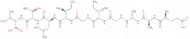







![Bz-Gly-Lys [Hippuryl-Lysine]](/_next/image/?url=https%3A%2Fstatic.cymitquimica.com%2Fproducts%2F3D%2Fthumb-webp%2FSGK-3047.webp&w=3840&q=75)
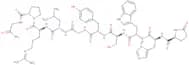

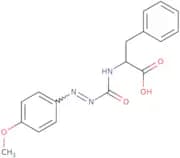


![Fmoc-Thr[Ac4Galß(1- >3)Ac2GalNAcα(1->O)] -OH-O-ß-2,3,4,6-Tetra-O-Acetyl-D-Galactopyranosyl-(1- >3)…](/_next/image/?url=https%3A%2Fstatic.cymitquimica.com%2Fproducts%2F3D%2Fthumb-webp%2FCAR-22104.webp&w=3840&q=75)


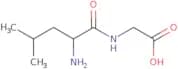

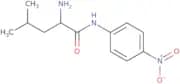


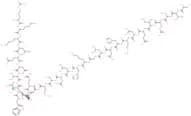


![[Sar1,Val5,Ala8]-Angiotensin II](/_next/image/?url=https%3A%2Fstatic.cymitquimica.com%2Fproducts%2F3D%2Fthumb-webp%2FPAN-4071-V.webp&w=3840&q=75)

![[D-Arg1,D-Pro2,D-Trp7,9,Leu11]-Substance P](/_next/image/?url=https%3A%2Fstatic.cymitquimica.com%2Fproducts%2F3D%2Fthumb-webp%2FPSP-4172-V.webp&w=3840&q=75)


![Gly-Pro-pNA • Tos [GPNT]](/_next/image/?url=https%3A%2Fstatic.cymitquimica.com%2Fproducts%2F3D%2Fthumb-webp%2FSGP-3074-V.webp&w=3840&q=75)


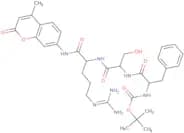
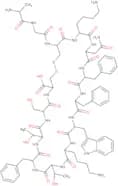


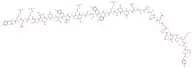

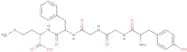


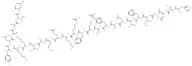


![[Pyr1]-Apelin-13 (Human, Bovine)](/_next/image/?url=https%3A%2Fstatic.cymitquimica.com%2Fproducts%2F3D%2Fthumb-webp%2FPAP-4361-V.webp&w=3840&q=75)


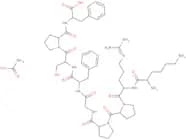
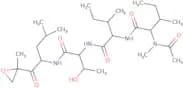



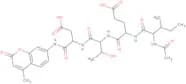
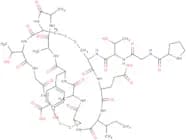
![[Pyr3]-Amyloid Beta-Protein (Human, 3-42)](/_next/image/?url=https%3A%2Fstatic.cymitquimica.com%2Fproducts%2F3D%2Fthumb-webp%2FPAB-4367-V.webp&w=3840&q=75)