Substrats d'enzymes
Les substrats enzymatiques sont des molécules sur lesquelles les enzymes agissent pour catalyser des réactions chimiques. Le substrat se lie au site actif de l'enzyme, où il subit une transformation spécifique pour former le produit de la réaction. Les substrats enzymatiques sont des outils essentiels dans la recherche pour étudier la cinétique enzymatique, la spécificité et le mécanisme d'action. Ils sont également utilisés dans les essais diagnostiques et les études biochimiques. Chez CymitQuimica, nous offrons une sélection diversifiée de substrats enzymatiques de haute qualité pour soutenir vos recherches en enzymologie et biochimie.
Sous-catégories appartenant à la catégorie "Substrats d'enzymes"
1527 produits trouvés pour "Substrats d'enzymes"
Trier par
Degré de pureté (%)
0
100
|
0
|
50
|
90
|
95
|
100
4-Methylumbelliferyl phosphate, disodium salt trihydrate
CAS :<p>Sensitive fluorogenic substrate for fluorometric and UV-spectrophotometric assays of phosphatases.</p>Formule :C10H13Na2O9PMasse moléculaire :354.16 g/mol2,5-dioxabicyclo[2.2.1]heptan-7-one
<p>Please enquire for more information about 2,5-dioxabicyclo[2.2.1]heptan-7-one including the price, delivery time and more detailed product information at the technical inquiry form on this page</p>Formule :C5H6O3Degré de pureté :Min. 95%Masse moléculaire :114.10 g/mol4-Nitrophenyl b-L-arabinofuranoside
CAS :<p>Chromogenic substrate targeting alpha-L-arabinofuranosidase</p>Degré de pureté :Min. 95%Couleur et forme :White/Off-White SolidMasse moléculaire :271.22 g/mol4-Methylumbelliferyl 4-O-(α-L-fucopyranosyl)-β-D-galactopyranoside
CAS :<p>4-Methylumbelliferyl 4-O-(alpha-L-fucopyranosyl)-beta-D-galactopyranoside is a fluorogenic substrate for alpha-L-fucosidase. After enzymatic cleaveage, free 4-methylumbelliferone (also known as hymecromone) is released, exhibiting blue fluorescence upon excitation with UV light. The strongest fluorescence of 4-methylumbelliferone requires deprotonation of the hydroxyl group (thus requires alkaline pH), with a maximal fluorescence intensity obtained with excitation at 350 to 370 nm and emission at 440 to 470 nm. The use of 4-methylumbelliferyl 4-O-(alpha-L-fucopyranosyl)-beta-D-galactopyranosideas a substrate for measuring the alpha-L-fucosidase activity is used for fucosidosis diagnosis and in screening studies of glycoprotein metabolism disorders.</p>Formule :C22H28O12Degré de pureté :Min. 95 Area-%Couleur et forme :PowderMasse moléculaire :484.45 g/molLuc-phosphate Na enhanced
<p>Luc-phosphate Na enhanced is a bioluminescent substrate used to detect phosphatase activity in bacterial assays.</p>Formule :C18H12N2Na3O7PS2Degré de pureté :Min. 97 Area-%Masse moléculaire :531.95 g/mol5-Bromo-4-chloro-3-indolyl a-D-maltopyranoside
CAS :<p>5-Bromo-4-chloro-3-indolyl a-D-maltopyranoside is a chromogenic substrate used to detect the specific enzymatic activity of alpha-glucosidase. After cleavage, 5-bromo-4-chloro-indoxyl is released, resulting in a blue to blue-green color change in bacterial colonies or media. 5-Bromo-4-chloro-3-indolyl a-D-maltopyranoside is used in Pompe disease screening and glycogen storage disorder diagnosis.</p>Formule :C20H25BrClNO11Degré de pureté :Min. 95%Couleur et forme :PowderMasse moléculaire :570.77 g/mol4-Trifluoromethylumbelliferyl-β-D-galactopyranoside
CAS :<p>4-Trifluoromethylumbelliferyl-beta-D-galactopyranoside is a fluorogenic substrate for beta-galactosidase. It is used in the detection of beta-galactosidase activity in cell lysates and culture media, as well as in food testing. This compound has been shown to be highly pure, with a purity greater than 98%. 4-Trifluoromethylumbelliferyl-beta-D-galactopyranoside has also been shown to have high chemiluminescence, making it an ideal candidate for use in diagnostics.</p>Formule :C16H15F3O8Masse moléculaire :392.29 g/molD-Luciferin sodium salt
CAS :<p>Bioluminescent substrate for luciferase</p>Formule :C11H7N2NaO3S2Degré de pureté :Min. 99 Area-%Couleur et forme :PowderMasse moléculaire :302.3 g/molNaphthol AS-D chloroacetate
CAS :<p>Histochemical substrate for esterase</p>Formule :C20H16ClNO3Degré de pureté :Min. 98 Area-%Couleur et forme :PowderMasse moléculaire :353.8 g/molAminoseleno-D-luciferin
CAS :<p>Selenium analogue of firefly luciferin with red-shifted bioluminescence</p>Formule :C11H9N3O2SSeDegré de pureté :Min. 95%Masse moléculaire :326.23 g/mol5-Cyano-3-indoxyl-β-D-galactopyranoside
<p>For detection of beta-galactosidase activity. <br>The colors of the chromogen can be adjusted by incorporating different functional groups, e.g. cyano or nitro group, which yields purple or black green colonies with beta-galactosidase positive strain.</p>Formule :C15H16N2O6Masse moléculaire :320.3 g/molAldol® 484 acetate, Biosynth Patent: EP 2427431 and US 8940909
CAS :Produit contrôlé<p>Aldol® 484 acetate is a chromogenic substrate for carboxylesterases yielding a red precipitate. In contrast to classical indoxyl substrates, Aldol® substrates can be used under aerobic and anaerobic conditions.</p>Formule :C22H16ClFN2O3Degré de pureté :Min. 95%Couleur et forme :PowderMasse moléculaire :410.83 g/molEsculetin-7-β-D-galactopyranoside
<p>Esculetin-7-beta-D-galactopyranoside, also known as 6,7-Dihydroxycoumaryl-7-beta-D-galactopyranoside, is a fluorogenic substrate used in the detection of beta-galactosidase activity. This coumarin derivative, when hydrolyzed, yields esculetin (6,7-dihydroxycoumarin) which, in the presence of iron salts, forms a brown-black complex.</p>Formule :C15H16O9Degré de pureté :Min. 95%Masse moléculaire :340.28 g/mol6-Bromo-2-naphthyl α-D-mannopyranoside
CAS :<p>Chromogenic substrate to visualize the activity of alpha-D-mannopyranoside; red color produced</p>Formule :C16H17BrO6Degré de pureté :Min. 95%Couleur et forme :PowderMasse moléculaire :385.21 g/molDehydroluciferin
CAS :<p>Dehydroluciferin is a bioluminescence probe that is a potent inhibitor of the firefly luciferase reaction. It is a byproduct of the oxidation of luciferin, the substrate for firefly luciferase, which catalyzes the bioluminescence reaction. It can also form during the synthesis or storage of luciferin. Its presence can potentially lead to issues in bioluminescent assays.</p>Formule :C11H6N2O3S2Degré de pureté :Min. 97 Area-%Couleur et forme :PowderMasse moléculaire :278.31 g/mol4-Methylumbelliferyl 2-acetamido-2-deoxy-a-D-glucopyranoside
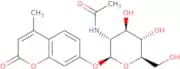
CAS :<p>4-Methylumbelliferyl 2-acetamido-2-deoxy-alpha-D-glucopyranoside is a fluorogenic substrate for alpha-N-acetylglucosaminidase. After enzymatic cleaveage, free 4-methylumbelliferone (also known as hymecromone) is released, exhibiting blue fluorescence upon excitation with UV light. The strongest fluorescence of 4-methylumbelliferone requires deprotonation of the hydroxyl group (thus requires alkaline pH), with a maximal fluorescence intensity obtained with excitation at 350 to 370 nm and emission at 440 to 470 nm. The use of 4-methylumbelliferyl 2-acetamido-2-deoxy-alpha-D-glucopyranosideas a substrate for measuring the alpha-N-acetylglucosaminidase activity is used for Sanfilippo syndrome B screening and mucopolysaccharidosis diagnosis.</p>Formule :C18H21NO8Degré de pureté :Min. 98 Area-%Couleur et forme :PowderMasse moléculaire :379.36 g/mol4-Nitrocatechol sulfate dipotassium salt
CAS :<p>Chromogenic sulfatase substrate</p>Formule :C6H3NO7SK2Degré de pureté :Min. 98 Area-%Couleur et forme :PowderMasse moléculaire :311.35 g/mol3-(7-Hydroxycoumarin-3-carboxamido)propyl 4-O-(b-D-galactopyranosyl)-b-D-glucopyranoside
<p>3-(7-Hydroxycoumarin-3-carboxamido)propyl 4-O-(b-D-galactopyranosyl)-b-D-glucopyranoside is a fluorogenic substrate that is used for the detection of beta-galactosidase. It has been shown to be an efficient substrate for the enzyme beta galactosidase and can be used to detect this enzyme in cell culture media and other diagnostic applications. 3-(7-Hydroxycoumarin-3-carboxamido)propyl 4-O-(b-D-galactopyranosyl)-b-D-glucopyranoside can also be used as a chromogenic substrate, which is added to a reaction mixture containing beta galactosidase, where it is hydrolyzed by the enzyme to produce a blue color. This product also has food testing and environmental testing applications.</p>Degré de pureté :Min. 95%4-Nitrophenyl b-L-arabinopyranoside
CAS :<p>4-Nitrophenyl beta-L-arabinopyranoside is a chromogenic substrate for beta-L-arabinosidase. Upon hydrolysis, para-nitrophenol is released yielding a yellowish colour. 4-Nitrophenyl beta-L-arabinopyranoside is used in different applications such as the Bacterial arabinan degradation assays, gut microbiome analysis</p>Formule :C11H13NO7Degré de pureté :Min. 98 Area-%Couleur et forme :White PowderMasse moléculaire :271.22 g/mol4-Nitrophenyl 2-acetamido-4-O-(2-acetamido-2-deoxy-b-D-glucopyranosyl)-2-deoxy-a-D-galactopyranoside
<p>4-Nitrophenyl 2-acetamido-4-O-(2-acetamido-2-deoxy-b-D-glucopyranosyl)-2-deoxy-a-D-galactopyranoside is an enzyme substrate that is used in the detection of phenylalanine, tyrosine, and tryptophan. It is also used for environmental testing, bioluminescence, culture media, chemiluminescence, fluorogenic substrate, food testing, diagnostics and other applications.</p>Degré de pureté :Min. 95%Couleur et forme :Off-White PowderMasse moléculaire :545.49 g/mol1-Naphthyl β-D-galactopyranoside
CAS :<p>1-Naphthyl b-D-galactopyranoside is a chromogenic substrate used to detect the presence of beta-galactosidase enzymes. The enzyme cleaves the substrate to produce a colored product that can be quantified and visualized. This substrate is commonly used in applications such as the detection of lacZ gene expression in bacterial colonies or in histochemical staining of tissues to identify beta-galactosidase activity.</p>Formule :C16H18O6Degré de pureté :Min. 95%Couleur et forme :PowderMasse moléculaire :306.32 g/mol6-Bromo-2-naphthyl b-D-glucuronide
CAS :<p>6-Bromo-2-naphthyl beta-D-glucuronide is a substrate for beta-glucuronidase, an enzyme involved in detoxification and bacterial metabolism. Upon enzymatic hydrolysis, it releases 6-bromo-2-naphthol, which forms a detectable dye when reacted with diazonium salts. This compound is widely used in microbiology to detecting E. coli in water testing and histochemical staining. 6-Bromo-2-naphthyl beta-D-glucuronide is also been used in cancer research studies. It has been found that some tumors are related to a high activity of beta-glucuronidase, responsible to reactivate the carcinogens and promote tumor progression, developing a drug resistance to chemotherapy.</p>Formule :C16H15BrO7Degré de pureté :Min 97%Couleur et forme :White Off-White PowderMasse moléculaire :399.2 g/mol4-Nitrophenyl a-L-arabinopyranoside
CAS :<p>Substrate for a-L-arabinopyranosidase</p>Formule :C11H13NO7Degré de pureté :Min. 98 Area-%Couleur et forme :White PowderMasse moléculaire :271.22 g/molAldol® 467 β-D-galactopyranoside, Biosynth Patent: EP 2427431 and US 8940909
CAS :<p>Aldol® 467 beta-D-galactopyranoside is a chromogenic and fluorogenic enzyme substrate used for detection of beta-galactosidase activity. The colorless product is cleaved by lactose-utilizing bacteria grown in liquid or solid media, yielding yellow coloration and green fluorescence. Aldol® 467 beta-D-galactopyranoside can also be used in beta-galactosidase gene reporter assays or immunoassay applications (ELISA). Aldol® 467 beta-D-galactopyranoside can be used under aerobic and anaerobic conditions.</p>Formule :C29H28ClNO9Degré de pureté :Min. 95%Couleur et forme :PowderMasse moléculaire :570 g/mol4-Nitrophenyl a-D-mannopyranoside
CAS :<p>4-Nitrophenyl a-D-mannopyranoside is a chromogenic pNP enzyme substrate that enables the detection and quantification of a-D-mannosidase activity in various biological samples through a colorimetric assay. The hydrolysis of the substrate by the enzyme releases 4-nitrophenol, a yellow compound whose absorption can be measured spectrophotometrically. Applications for this substrate span biomedical research, disease diagnostics, and industrial enzyme production.</p>Formule :C12H15NO8Degré de pureté :Min. 98.0 Area-%Couleur et forme :Off-White PowderMasse moléculaire :301.25 g/molNaphthol AS-MX acetate
CAS :<p>Modified naphtol AS substrate used in histochemical and cytochemical staining</p>Formule :C21H19NO3Degré de pureté :Min. 80%Couleur et forme :White Off-White PowderMasse moléculaire :333.38 g/mol4-Methylumbelliferyl phosphate bis(cyclohexylammonium) salt
CAS :<p>Sensitive fluorogenic substrate for fluorometric and UV-spectrophotometric assays of phosphatases. This may also be used for in-gel assays</p>Formule :C22H35N2O6PDegré de pureté :Min 99%Couleur et forme :White to off-white solid.Masse moléculaire :454.50 g/mol5-Nitro-3-indolyl-b-D-galactopyranoside
<p>5-Nitro-3-indolyl-b-D-galactopyranoside is a substrate for a number of enzymes, including beta-galactosidase, beta-glucuronidase, and beta-mannosidase. It is used as an enzyme substrate in diagnostics to measure the activity of these enzymes. 5N3IG was also used to study the effects of conjugation on enzyme activity. 5N3IG is available in high purity and high quality at CAS No.</p>Degré de pureté :Min. 95%2'-(4-Methylumbelliferyl)-α-D-N-acetylneuraminic acid, sodium salt
CAS :<p>4-Methylumbelliferyl N-acetyl-a-D-neuraminic acid sodium salt (4-MUNANA) is a fluorogenic substrate of neuraminidase. 4-Methylumbelliferone is released from 4-MUNANA by neuraminidase in the assay and can be detected fluorometrically with excitation at 365-380 nm and emission at 445-454 nm. It can also be used for fluorescent staining of sialidases in PAGE.</p>Formule :C21H24NNaO11Degré de pureté :Min. 98 Area-%Masse moléculaire :489.42 g/mol7-((4'-L-Alaninamido)-rac-(3'-octanoyloxy)butyloxy) coumarin trifluoroacetate salt
CAS :<p>This Clips-O substrate 7-(4'-L-Alaninamido)-rac-(3'-octanoyloxy)butyloxy) coumarin allows the detection of three enzymatic activities (L-alanine aminopeptidase, C8-esterase and oxidation of 4-amino-3-hydroxybutyloxy either enzymatically or by exposure to sodium periodate) with one single substrate and give a positive fluorescent signal only in presence of all activities. The main virtues of Clips-O substrates are an increased stability towards non-enzymatic hydrolysis that results in a reduced background and high sensitivity.</p>Formule :C26H35F3N2O8Degré de pureté :Min. 95%Couleur et forme :PowderMasse moléculaire :560.56 g/mol3,4-Cyclohexenoesculetin β-D-glucuronide
<p>Chromogenic substrate for beta-glucuronidase</p>Degré de pureté :Min. 95%β-Naphthyl stearate
CAS :<p>Beta-naphthyl stearate is a chromogenic substrate for measuring enzymatic activity.</p>Degré de pureté :Min. 95%Couleur et forme :PowderMasse moléculaire :410.63 g/mol4-Methylumbelliferyl-α-D-glucopyranoside
CAS :<p>Fluorogenic substrate for α-D-glucosidase. It has been used in studies of Pompe's disease (Glycogen Storage Disease). Used for differentiation and enumeration of Enterobactersakazakii based on α-glucosidase activity.</p>Formule :C16H18O8Degré de pureté :Min. 99 Area-%Masse moléculaire :338.32 g/molAldol® 518 α-D-galactopyranoside, Biosynth Patent: EP 2427431 and US 8940909
CAS :<p>Aldol® 518 alpha-D-galactopyranoside is a chromogenic and fluorogenic enzyme substrate used for detection of alpha-galactosidase activity. The enzyme substrate is cleaved by alpha-galactosidase positive bacteria and yeasts in liquid or solid media, yielding red color and red fluorescence signal. Aldol® 518 alpha-D-galactopyranoside can also be used to detect alpha-galactosidase (encoded by the Mel1 gene) in yeast gene reporter assays or for identification of alpha-gal positive transformants on agar plates. Aldol® 518 alpha-D-galactopyranoside can be used under aerobic and anaerobic conditions.</p>Formule :C29H29ClN2O7Degré de pureté :Min. 95.0 Area-%Masse moléculaire :553.01 g/molLuc-Enterococcus K
<p>Luc-Enterococcus K (LK) is a Chromogenic substrate that can be used for the detection of Enterococcus. LK is a conjugate of beta-lactamase and luciferase, which are both enzymes. LK is used in diagnostics to detect the presence of Enterococcus in food and environmental samples. LK can also be used as a chemiluminescent substrate for the detection of Enterococcus in clinical specimens or as an enzyme substrate for the detection of Enterococcus in clinical specimens. CAS No.: 64739-74-8</p>Formule :C17H17KN2O8S2Degré de pureté :Min. 94 Area-%Masse moléculaire :480.55 g/molCoelenterazine - lyopholised
CAS :<p>Coelenterazine is a bio-luminescent substrate of luciferases such as Renilla luciferase (Rluc) and Gaussia luciferase (Gluc). The main applications of Coelenterazine are monitoring of reporter genes and chemiluminescence-based methods for Calcium detection. The substrate is also used in bioluminescence resonance energy transfer (BRET), ELISA, HTS and chemiluminescent detection of superoxide anion and peroxynitritein cells or tissues. About this grade Coelenterazine, native, dried (C-7002): in order to provide milligram and sub-milligram quantities of native Coelenterazine we pre-dissolve the substance; defined amounts of Coelenterazine are subsequently dried under nitrogen in individual vials. Coelenterazine, native, dried is identical in quality and chemistry to our product Coelenterazine, native which is provided as a powder.<br>Information to the user: since Coelenterazine is sensitive to oxygen, degas your solvents for stock solutions, if possible. To dissolve Coelenterazine, native, dried please proceed as follows. 1) Add the appropriate amount of solvent. If possible through the septum using a needle. Otherwise open the cap with pliers. 2) Vortex the closed vial briefly to completely dissolve the content of the vial. 3) Take out the solution, if possible with a needle through the septum.</p>Formule :C26H21N3O3Degré de pureté :Min. 95 Area-%Masse moléculaire :423.48 g/mol7-((4'-L-Alaninamido)-rac-3'-hydroxybutyloxy) coumarin
<p>This Clips-O substrate 7-((4'-L-Alaninamido)-rac-3'-hydroxybutyloxy) coumarin allows the detection of single and dual enzymatic activity (L-alanine aminopetidase and oxidation of 4-amino-3-hydroxybutyloxy spacer either enzymatically or by exposure to sodium periodate) with a single substrate resulting in a fluorescent signal. The main virtues of Clips-O substrates are an increased stability towards non-enzymatic hydrolysis that results in a reduced background and high sensitivity.</p>Formule :C16H20N2O5Degré de pureté :Min. 95%Couleur et forme :PowderMasse moléculaire :320.35 g/mol5-Bromo-4-chloro-3-indolyl palmitate
CAS :<p>5-Bromo-4-chloro-3-indolyl palmitate is a chromogenic substrate used to detect the specific enzymatic activity of lipase. After cleavage, 5-bromo-4-chloro-indoxyl is released, resulting in a blue to blue-green color change in bacterial colonies or media. 5-Bromo-4-chloro-3-indolyl palmitate is used in lipase activity assays or cystic fibrosis diagnostics.</p>Degré de pureté :Min. 95%Couleur et forme :PowderMasse moléculaire :484.9 g/molAldol® 518 α-D-glucopyranoside, Biosynth Patent: EP 2427431 and US 8940909
CAS :<p>Aldol® 518 alpha-D-glucopyranoside is a fluorogenic enzyme substrate used for detection of alpha-D-glucosidase activity. The colorless enzyme substrate is cleaved by alpha-D-glucosidase, generating red fluorescent signal and in some conditions, an orange colour in the visible spectrum can get formed, staining bacterial colonies in faint orange coloration. Aldol® 518 alpha-D-glucopyranoside can be used under aerobic and anaerobic conditions.</p>Formule :C29H29ClN2O7Degré de pureté :Min. 95.0 Area-%Masse moléculaire :553 g/molDL-threo-2-methylisocitrate sodium salt
CAS :<p>DL-threo-2-methylisocitrate sodium salt is an enzyme substrate for isocitrate lyase 1 (ICL1), an enzyme involved in the glyoxylate cycle, a metabolic pathway that allows organisms to convert acetate into glucose. It is also a substrate for bovine heart aconitase and acts as inhibitor of TPN-linked isocitrate dehydrogenase.</p>Formule :C7H10O7·xNaDegré de pureté :Min. 95%Couleur et forme :PowderMasse moléculaire :206.15 g/mol2-Chloro-4-nitrophenyl a-D-maltotrioside
CAS :<p>2-Chloro-4-nitrophenyl a-D-maltotrioside (2CNP) is a potent hypoglycemic agent that has been shown to decrease postprandial blood glucose levels in humans. 2CNP is a white crystalline solid that is soluble in water and ethanol. The transfer reactions of 2CNP are enhanced by benzalkonium chloride, which forms an organic complex with the drug. The optimum concentration for the hypoglycemic effect of 2CNP is determined to be 10 μM, which can be detected using an optical sensor. This compound also inhibits α-amylase and other enzymes involved in carbohydrate metabolism, leading to the accumulation of glycogen and lowering the blood glucose level.</p>Formule :C24H34CiNO18Degré de pureté :Min. 95%Couleur et forme :Off-White Yellow PowderMasse moléculaire :659.98 g/molLuc-Salmonella
<p>Luc-Salmonella is a conjugate of the enzyme luciferase and the substrate 5-bromo-4-chloro-3-indolyl phosphate. Luc-Salmonella has been used for diagnostic purposes in the detection of bacteria in culture media, as well as in environmental and food testing. Luc-Salmonella can be used to detect Salmonella, which is a bacterium that can cause gastrointestinal disease. Luminescence is measured using a luminometer or fluorimeter with an excitation wavelength of 485 nm and emission wavelengths at 510 nm. Luminescence from Luc-Salmonella is typically measured after 1 hour incubation with bacterial cells.<br>Luc-Salmonella has been shown to have high purity and quality due to its unique composition of enzyme substrate. This product has been tested for contamination by sensitive assays such as chemiluminescence, bioluminescence, or fluorescence. The purity level of Luc-Sal</p>Degré de pureté :Min. 96 Area-%Ref: 3D-L-8281
5mgÀ demander10mgÀ demander25mgÀ demander50mgÀ demander100mgÀ demander-Unit-mgmgÀ demander5-Bromo-4-chloro-3-indoxyl-1-acetate
CAS :<p>5-Bromo-4-chloro-3-indoxyl-1-acetate is a chromogenic substrate used to detect the specific enzymatic activity of esterase. After cleavage, 5-bromo-4-chloro-indoxyl is released, resulting in a blue to blue-green color change in bacterial colonies or media. 5-Bromo-4-chloro-3-indoxyl-1-acetate is used in bacterial esterase activity assays (e.g. Pseudomonas spp.).</p>Degré de pureté :Min. 95%Couleur et forme :PowderMasse moléculaire :288.52 g/mol5-Bromo-4-chloro-3-indoxyl phosphate, dipotassium salt
CAS :<p>Also known as BCIP; can be used for visualization of phosphatase labelled antibodies on Western blots. This method quickly became extremely popular in diagnostics and biology research.</p>Formule :C8H4BrClK2NO4PCouleur et forme :Brown Off-White PowderMasse moléculaire :402.65 g/mol4-Methylumbelliferyl b-D-galactopyranoside-6-sulphate sodium salt - Moscerdam™ biochemical purity
CAS :<p>4-MU-Gal-6S (M4A) is a fluorogenic substrate of galactose-6-sulfate sulfatase (GALNS), used for the diagnosis of Mucopolysaccharidosis IV type A (MPS IV A). MPS IV, also known as Morquio syndrome, is a rare metabolic disorder in which the human body cannot process glycosaminoglycans (GAGs). MPS IV A is caused by the deficiency of the enzyme N-acetyl-galactosamine-6-sulfatase resulting in accumulation of keratan and chondroitin sulfate in tissues. M4A is used as the GALNS substrate in the anti-lysosomal enzyme antibody assay for the treatments of lysosomal storage disorders (LSDs) with enzyme replacement therapies (ERTs).</p>Formule :C16H17NaO11SDegré de pureté :Min. 97 Area-%Couleur et forme :White PowderMasse moléculaire :440.36 g/mol2-Naphthyl caprylate
CAS :<p>2-Naphthyl caprylate is a substrate that is employed in an assays for carboxylesterase and lipase and when hydrolyzed, produces 2-naphthol, a compound that can also be identified via fluorescence analysis. By combining it with a diazonium salt, the formation of the corresponding azo dye occurs. In particular, this substrate is used to detect the extracellular lipase of Pseudomonas fluorescens B52.</p>Formule :C18H22O2Degré de pureté :Min. 95%Couleur et forme :White PowderMasse moléculaire :270.37 g/mol3-Indoxyl caprylate
CAS :<p>3-Indoxyl caprylate is an enzyme substrate used in a variety of diagnostic applications, including the detection of various bacterial and viral infections. It is used as a substrate for beta-galactosidase, which can be detected by bioluminescence or chromogenic substrates. 3-Indoxyl caprylate also serves as a ligand for receptor binding and has been shown to bind to CD4 receptors on human T cells. 3-Indoxyl caprylate is also used as an enzyme substrate in the detection of DNA polymerases, RNA polymerases, and ATPases. This product is available with a high purity that ranges from 98% to 99%. 3-Indoxyl caprylate is soluble in water, alcohols, acetone, acetic acid, and chloroform.</p>Formule :C16H21NO2Masse moléculaire :259.35 g/molRef: 3D-I-5690
1gÀ demander5gÀ demander10gÀ demander500mgÀ demander2500mgÀ demander-Unit-ggÀ demanderAldol® 458 β-D-galactopyranoside, Biosynth Patent: EP 2427431 and US 8940909
CAS :<p>Aldol® 458 beta-D-galactopyranoside is a chromogenic and fluorogenic enzyme substrate used for detection of beta-galactosidase activity. The colorless enzyme substrate is cleaved by lactose utilizing bacteria grown in liquid or solid media, yielding yellow coloration and green fluorescence. Aldol® 458 beta-D-galactopyranoside can also be used in beta-galactosidase gene reporter assays or immunoassay applications (ELISA). Aldol® 458 beta-D-galactopyranoside can be used under aerobic and anaerobic conditions.</p>Formule :C22H23NO8Degré de pureté :Min. 95 Area-%Couleur et forme :PowderMasse moléculaire :429.42 g/molD-Luciferin 6'-O-phosphate trisodium salt
CAS :<p>Chemiluminescent substrate for phosphatase</p>Formule :C11H6N2Na3O6PS2Degré de pureté :Min. 94 Area-%Couleur et forme :PowderMasse moléculaire :426.25 g/molL-Luciferin, potassium salt
CAS :<p>L-Luciferin is an enzyme substrate that is used in the detection of bioluminescence. It is a fluorogenic substrate that can be used to detect the presence of glucose in urine. L-Luciferin is also a chemiluminescent substrate that can be used to detect ATP, which is required for cell metabolism. L-Luciferin has been shown to be stable at pH levels ranging from 2.5 to 9 and can be stored for up to 3 years when stored at 4°C with no light or oxygen exposure. This product has CAS No. 754978-59-1, indicating high purity and quality. L-Luciferin will not stain or react with other compounds, making it highly suitable for use as a conjugate in diagnostic tests or as a ligand in fluorescent staining reactions.</p>Formule :C11H7KN2O3S2Degré de pureté :Min. 98.0 Area-%Masse moléculaire :318.42 g/mol6-Bromo-2-naphthyl b-D-glucopyranoside
CAS :<p>6-Bromo-2-naphthyl b-D-glucopyranoside is an enzyme substrate used in chromogenic assays with beta-glucosidases. It has been used in culture media for the identification of Legionella pneumophila.</p>Formule :C16H17BrO6Degré de pureté :Min. 98 Area-%Couleur et forme :PowderMasse moléculaire :385.21 g/mol2-Naphthyl-β-D-Glucuronide Sodium Salt
CAS :<p>2-Naphthyl-beta-D-glucuronide sodium salt is an enzyme substrate to detect beta-glucuronidase. The enzyme cleaves the glycosidic bond in 2-naphthyl-beta-D-glucuronide to release 2-naphtol and glucuronic acid. Beta-glucuronidase activity assays are important in many fields such as cancer research, as the enzyme is expressed in some tumors and its activity can be targeted for cancer therapy. The enzyme has also an important role in drug metabolism as it recognizes and binds to drug glucuronide conjugate (as 2-naphthyl-beta-D-glucuronide) facilitating its hydrolysis to release the active part. 2-Naphthyl-beta-D-glucuronide sodium salt has a higher solubility as it is in its salt form.</p>Formule :C16H15NaO7Degré de pureté :Min. 95%Couleur et forme :PowderMasse moléculaire :342.28 g/mol2-Nitrophenyl-N-acetyl-β-D-glucosaminide
CAS :<p>Chromogenic β-Glucosaminidase substrate yielding a yellow absorbent solution upon cleavage.</p>Formule :C14H18N2O8Degré de pureté :Min. 99 Area-%Masse moléculaire :342.31 g/molAldol® 470 choline phosphate, Biosynth Patent: EP 2427431 and US 8940909
CAS :<p>Aldol® 470 choline phosphate is a chromogenic and fluorogenic enzyme substrate used for detection of phosphatidyl-choline specific phospholipase C (PC-PLC, EC 3.1.4.3) activity. The colorless product is cleaved by PC-PLC positive microorganisms in liquid or solid media, yielding a yellow color and green fluorescence. Aldol® 470 choline phosphate therefore, enables the detection and identification of PC-PLC positive pathogenic bacteria, such as, Clostridium perfringens, Pseudomonas aeruginosa, Helicobacter pylori, Legionella pneumophila, Bacillus cereus, Bacillus anthracis, Listeria monocytogenes, and others. Aldol® 470 choline phosphate can be used under aerobic and anaerobic conditions.</p>Formule :C28H31N2O7PDegré de pureté :Min. 95%Couleur et forme :PowderMasse moléculaire :538.53 g/mol6-Chloro-3-indoxyl-3-acetate
CAS :<p>6-Chloro-3-indoxyl-3-acetate is a chromogenic substrate for carboxylesterase yielding a salmon colored precipitate upon cleavage. Mainly used in histochemistry.</p>Degré de pureté :Min. 95%Couleur et forme :White PowderMasse moléculaire :209.63 g/molAquaSpark® β-D-glucuronide, 10 mM in DMSO, Ramot at Tel-Aviv University Ltd. Patent family WO 2017/130191
CAS :<p>For use in bacterial detection</p>Formule :C34H37ClO13Degré de pureté :Min. 95%Couleur et forme :Clear LiquidMasse moléculaire :688.19 g/molAldol® 484 β-D-glucopyranoside, Biosynth Patent: EP 2427431 and US 8940909
CAS :<p>Aldol® 484 beta-D-glucopyranoside is a chromogenic and fluorogenic enzyme substrate used for detection of beta-glucosidase activity. The colorless enzyme substrate is cleaved by bacteria producing beta-glucosidase in liquid or solid media, yielding intense red color and green fluorescent signal. Aldol® 484 beta-D-glucopyranoside can be used under aerobic and anaerobic conditions.</p>Formule :C26H24ClFN2O7Degré de pureté :Min. 95%Couleur et forme :PowderMasse moléculaire :530.93 g/mol4-Methylumbelliferyl cholin phosphate
CAS :<p>4-Methylumbelliferyl phosphocholine, commonly known as 4-MUPC, is a synthetic phosphodiester used as an enzyme substrate for phospholipase enzymes. 4-MUPC is used as a fluorogenic substrate to measure the activity of phopholipases, which are important mediators of cell signalling.</p>Formule :C15H20NO6PDegré de pureté :Min. 99.0 Area-%Masse moléculaire :341.30 g/mol4-Methylumbelliferyl 2-O-(a-L-fucopyranosyl)-b-D-galactopyranoside
CAS :<p>4-Methylumbelliferyl 2-O-(a-L-fucopyranosyl)-b-D-galactopyranoside is an enzyme substrate used in chromogenic assays of alpha-fucosidases. It is also used for glycoprocessing enzymes in synthesis.</p>Degré de pureté :Min. 95%Masse moléculaire :484.45 g/mol4-Methylumbelliferyl lignocerate
CAS :<p>4-Methylumbelliferyl lignocerate is a fluorogenic substrate for lipase. After enzymatic cleaveage, free 4-methylumbelliferone (also known as hymecromone) is released, exhibiting blue fluorescence upon excitation with UV light. The strongest fluorescence of 4-methylumbelliferone requires deprotonation of the hydroxyl group (thus requires alkaline pH), with a maximal fluorescence intensity obtained with excitation at 350 to 370 nm and emission at 440 to 470 nm. The use of 4-methylumbelliferyl lignocerateas a substrate for measuring the lipase activity is used for X-linked adrenoleukodystrophy diagnosis and peroxisomal disorder screening.</p>Formule :C34H54O4Degré de pureté :Min. 95%Couleur et forme :PowderMasse moléculaire :526.79 g/mol3-Nitrophenyl β-D-glucopyranoside
CAS :<p>3-Nitrophenyl beta-D-glucopyranoside is a chromogenic enzyme substrate commonly used to assay for beta-glucosidase activity. Upon hydrolysis by the enzyme, it produces a yellow product that can be easily detected by spectrophotometry. This substrate is often used in the field of carbohydrate chemistry and biochemistry to study enzyme kinetics and inhibition in both in vitro and in vivo systems.</p>Formule :C12H15NO8Degré de pureté :Min. 95%Couleur et forme :White Yellow PowderMasse moléculaire :301.25 g/mol5-Bromo-6-chloro-3-indoxyl phosphate, disodium salt trihydrate
CAS :<p>Water soluble substrate for visualizing alkaline phosphatase activity. Produces a magenta colored insoluble end product that is detected visually, when used together with nitroblue tetrazolium. The substrate system is versatile and functions in a variety of applications, including Northern, Southern, and Western blotting, in situ hybridization, ELISAs and immunohistochemistry.</p>Formule :C8H10BrClNNa2O7PDegré de pureté :Min. 99.0 Area-%Masse moléculaire :424.49 g/mol4-Chloro-1-naphthol
CAS :<p>Substrate for horseradish peroxidase</p>Formule :C10H7ClODegré de pureté :Min. 96.0 Area-%Couleur et forme :Brown PowderMasse moléculaire :178.61 g/mol4-Methylumbelliferyl b-D-glucosaminide - Moscerdam™ biochemical purity
CAS :<p>A substrate used for the diagnosis of Sanfilippo disease C (MPS III C).</p>Formule :C16H19NO7Degré de pureté :Min. 98 Area-%Couleur et forme :White PowderMasse moléculaire :337.32 g/molL-Phenylalanine 7-amido-4-methylcoumarin, trifluoroacetate salt
CAS :<p>Please enquire for more information about L-Phenylalanine 7-amido-4-methylcoumarin, trifluoroacetate salt including the price, delivery time and more detailed product information at the technical inquiry form on this page</p>Formule :C21H19F3N2O5Degré de pureté :Min. 99 Area-%Masse moléculaire :436.39 g/molRef: 3D-P-3500
1gÀ demander5gÀ demander10gÀ demander500mgÀ demander2500mgÀ demander-Unit-ggÀ demander4-Nitrophenyl-β-L-fucopyranoside
CAS :<p>4-Nitrophenyl-beta-L-fucopyranoside is a chromogenic substrate used in the determination of alpha-glucosidase activity. The formation of phenol from 4-nitrophenyl leads to the production of a yellow color that can be quantified by measuring its absorbance at 490 nm. This assay is based on the principle that alpha-glucosidase hydrolyzes sucrose into glucose and fructose, which are then oxidized to form 4-nitrophenol and 4-nitroanomeric acid, respectively. The reaction product is detected by measuring the absorption at 490 nm.</p>Formule :C12H15NO7Masse moléculaire :285.26 g/molNaphthol AS-TR phosphate
CAS :<p>Modified naphtol AS substrate used in histochemical and cytochemical staining</p>Formule :C18H15ClNO5PDegré de pureté :Min. 95%Couleur et forme :Off-White PowderMasse moléculaire :391.74 g/mol2-Nitrophenyl b-D-xylopyranoside
CAS :<p>Chromogenic substrates targeting beta-xylosidase</p>Degré de pureté :Min. 95%Couleur et forme :PowderMasse moléculaire :271.22 g/mol4-Methylumbelliferyl-N-acetyl-β-D-glucosaminide-6-sulfate, sodium salt
CAS :<p>4-Methylumbelliferyl 2-acetamido-2-deoxy-beta-D-glucopyranoside-6-sulfate sodium salt is a high-quality fluorogenic substrate specifically designed for the detection and quantification of various enzymes, including beta-glucosidases and sulfatases. Upon hydrolysis by the target enzyme, this substrate releases the highly fluorescent 4-methylumbelliferone, allowing for real-time monitoring and accurate measurement of enzyme activities in biochemical assays, diagnostic tests, and research applications. 4-Methylumbelliferyl 2-acetamido-2-deoxy-beta-D-glucopyranoside-6-sulfate sodium salt has excellent solubility in water, ensuring a consistent and reliable performance in different experimental conditions. This versatile substrate is an essential tool for researchers and industry professionals who require a sensitive and reproducible detection method for enzymes of interest.</p>Formule :C18H20NNaO11SDegré de pureté :Min. 98.0 Area-%Masse moléculaire :481.41 g/molRef: 3D-M-5505
5mgÀ demander25mgÀ demander50mgÀ demander100mgÀ demander250mgÀ demander-Unit-ggÀ demanderN-CBZ-L-Lysyl-L-lysyl-L-arginine 7-amido-4-methylcoumarin triacetate
CAS :Produit contrôlé<p>N-CBZ-L-Lysyl-L-lysyl-L-arginine 7-amido-4-methylcoumarin triacetate is a synthetic peptide substrate used as a fluorogenic substrate for aminopeptidase.</p>Formule :C35H51N9O7•(C2H4O2)3Degré de pureté :Min. 95%Couleur et forme :PowderMasse moléculaire :903.03 g/mol4-Methylumbelliferyl-β-D-glucuronic acid dihydrate
CAS :<p>4-Methylumbelliferyl beta-D-glucuronide (MUG) is commonly used as a substrate for detecting beta-glucuronidase. MUG is used for identifying E. coli contamination in food, drinking water, clinical samples and for rapid bacterial identification in blood cultures. It is recommended in international normatives (ISO, DIN) as a fluorogenic substrate for detection of E. coli. MUG is also a tool assaying the glucuronidase gene in plants.</p>Formule :C16H20O11Degré de pureté :Min. 99 Area-%Masse moléculaire :388.33 g/molD-Luciferin Firefly, sodium salt monohydrate
CAS :<p>Water soluble substrate for firefly luciferase.</p>Formule :C11H9N2NaO4S2Degré de pureté :Min. 99.0 Area-%Masse moléculaire :320.32 g/mol4-Nitrophenyl-β-D-glucopyranoside
CAS :<p>Chromogenic β-glucosidase substrate yielding a yellow solution upon cleavage.</p>Formule :C12H15NO8Degré de pureté :Min. 99.0 Area-%Masse moléculaire :301.25 g/molNaphthol AS-BI b-D-glucuronide
CAS :<p>Chromogenic substrate to visualize beta-glucuronidase activity; produces a red color</p>Formule :C24H22BrNO9Degré de pureté :Min. 98 Area-%Couleur et forme :White PowderMasse moléculaire :548.34 g/mol4-Nitrophenyl 2-acetamido-2-deoxy-a-D-glucopyranoside
CAS :<p>4-Nitrophenyl 2-acetamido-2-deoxy-a-D-glucopyranoside is a chromogenic pNP substrate specifically designed for the analysis of N-acetylglucosaminidase activity. Upon enzyme action, the substrate releases 4-nitrophenol, a yellow compound that can be detected by spectrophotometric methods, providing a reliable and sensitive means of quantifying enzyme activity. This versatile substrate is widely used in biochemical studies, disease diagnostics, and the enzyme production industry.</p>Formule :C14H18N2O8Couleur et forme :White Off-White PowderMasse moléculaire :342.3 g/mol5-Bromo-4-chloro-3-indoxyl-α-D-fucopyranoside
CAS :<p>5-Bromo-4-chloro-3-indoxyl-alpha-D-fucopyranoside is a photosynthetic agent that belongs to the class of fucopyranosides. It is a non-proteinogenic amino acid that has been shown to be encoded in chloroplasts and mitochondria in photosynthetic organisms. 5B4C3IF has also been found to be involved in the synthesis of polynucleotides and polypeptides, as well as the regulation of biomass.</p>Formule :C14H15BrClNO5Masse moléculaire :392.64 g/molRef: 3D-B-7134
1gÀ demander5gÀ demander250mgÀ demander500mgÀ demander2500mgÀ demander-Unit-ggÀ demanderL-Proline 7-amido-4-methylcoumarin hydrobromide
CAS :<p>L-Proline 7-amido-4-methylcoumarin hydrobromide is a fluorogenic substrate that is used to measure esterase and peptidase activity in a variety of animal and microbial sources. This compound has been shown to have a lipase activity. L-Proline 7-amido-4-methylcoumarin hydrobromide is also used as an enzyme preparation and as an enzyme source.</p>Formule :C15H17BrN2O3Masse moléculaire :353.22 g/molRef: 3D-P-7280
1gÀ demander5gÀ demander10gÀ demander500mgÀ demander2500mgÀ demander-Unit-ggÀ demander6-Bromo-2-naphthyl a-D-glucopyranoside
CAS :<p>6-Bromo-2-naphthyl alpha-D-glucopyranoside is a chromogenic substrate used to detect alpha-glucosidase enzyme activity. When cleaved by the enzyme alpha-glucosidase, it releases 6-bromo-2-naphthol, which can be coupled with diazonium salts (for example 4'-amino-2,3'-dimethylazobenzene, also known as Fast Garnet GBC) to form a colored precipitate. 6-Bromo-2-naphthyl alpha-D-glucopyranoside is used in biochemical assays, histochemistry, and diagnostic tests for conditions like lysosomal storage disorders (e.g. Pompe disease) and carbohydrate metabolism studies.</p>Formule :C16H17BrO6Degré de pureté :Min. 95%Couleur et forme :White Off-White PowderMasse moléculaire :385.21 g/molLuciferin-α-D-glucoside, potassium salt
<p>Luciferin-alpha-D-glucoside, potassium salt is a bioluminescence substrate for the detection of various enzymes. It is used to detect the presence of alkaline phosphatase, acid phosphatase, and diaphorase. Luciferin-alpha-D-glucoside, potassium salt is also used as a chromogenic substrate for the determination of glucose in blood and urine, as well as a fluorogenic substrate for the determination of uric acid in urine. This product has high purity and quality and is available in conjugates with antibodies or other ligands that are useful for immunoassays.</p>Formule :C17H17KN2O8S2Degré de pureté :Min. 85 Area-%Masse moléculaire :480.55 g/molRef: 3D-L-8127
5mgÀ demander10mgÀ demander25mgÀ demander50mgÀ demander100mgÀ demander-Unit-mgmgÀ demander6-Chloro-3-indoxyl choline phosphate
CAS :<p>6-Chloro-3-indoxyl choline phosphate is a chromogenic substrate for phosphatidylcholine-specific phospholipase C (PC-PLC) for the detection of mibrobial metabolites. The use of this specific substrate permits monitoring the activity of PC-PLC. This an important enzyme for the regulation of steady-state levels of phosphatidylcholine (PC) and diacylglycerol (DAG). Abnormally high levels of PC-PLC activity in various tissues have been linked to many disease progressions.</p>Formule :C13H18ClN2O4PDegré de pureté :Min. 99 Area-%Couleur et forme :PowderMasse moléculaire :332.72 g/molSalmon-pal
CAS :<p>6-Chloro-1H-indol-3-yl hexadecanoate is a chromogenic substrate for an enzyme that oxidizes it to produce a blue color. It can be used in the diagnosis of bacterial infections, such as tuberculosis and leprosy. 6CHIH is a ligand for various enzymes, including lactate dehydrogenase, which catalyzes the conversion of pyruvate to lactic acid. This compound reacts with oxygen to produce light in the presence of a catalyst. 6CHIH is also used as a fluorescent tag for protein labeling and detection.<br>6CHIH has been shown to be effective in detecting bacteria in food products and water samples using bioluminescence techniques. The high purity and quality of this compound make it suitable for use in diagnostics, culture media, and environmental testing.</p>Degré de pureté :Min. 95%Masse moléculaire :406 g/molLuc-Enterobacteria Na
<p>Luc-Enterobacteria Na is a fluorogenic substrate that can be used for the detection of Enterobacteriaceae. This product has been shown to have high purity and a CAS number. Luc-Enterobacteria Na is also conjugated with an enzyme substrate, making it suitable for detecting the presence of bacterial colonies in culture media.</p>Degré de pureté :Min. 95%4-Methylumbelliferyl 2-acetamido-2-deoxy-a-D-glucopyranoside-6-sulfate sodium salt - Moscerdam™ biochemical purity
CAS :<p>A substrate used for the diagnosis of Sanfilippo disease type D (MPS IIID).</p>Formule :C18H20NNaO11SDegré de pureté :Min. 95%Couleur et forme :White PowderMasse moléculaire :481.41 g/mol5-Bromo-4-chloro-3-indoxyl-N-acetyl-β-D-galactosaminide
CAS :<p>5-Bromo-4-Chloro-3-Indoxyl-N-Acetyl-Beta-D-Galactosaminide is a chromogenic substrate for detecting beta-galactosidase and GalNAc-transferase enzymes. Upon hydrolysis by the enzyme, it produces a blue-green colored compound that can be detected visually or measured spectrophotometrically. This substrate is useful in characterizing the activity of Beta-Galactosidase and GalNAc-transferase enzymes involved in glycobiology research and diagnostic applications.</p>Formule :C16H18BrClN2O6Degré de pureté :Min. 98 Area-%Couleur et forme :Crystalline PowderMasse moléculaire :449.68 g/mol1-Naphthyl a-D-galactopyranoside
CAS :<p>1-Naphthyl a-D-galactopyranoside is a chromogenic substrate use to detect alpha-galactosidase activity.</p>Formule :C16H18O6Degré de pureté :Min. 95%Couleur et forme :PowderMasse moléculaire :306.31 g/mol4-Methylumbelliferyl-α-L-fucopyranoside
CAS :<p>Fluorogenic substrate for α-L-Fucosidase yielding a blue fluorescent solution upon cleavage.</p>Formule :C16H18O7Masse moléculaire :322.32 g/mol4-Methylumbelliferyl 3-deoxy-D-glycero-a-D-galacto-2-nonulosonic acid sodium salt
CAS :<p>4-Methylumbelliferyl 3-deoxy-D-glycero-a-D-galacto-2-nonulosonic acid sodium salt is a fluorogenic substrate that can be used to detect enzyme activity. It reacts with the enzyme β-galactosidase, which hydrolyzes lactose in the presence of oxygen and hydrogen peroxide. The product is 4methylumbelliferone, which emits light in the presence of luciferin and an oxidizing agent. This product is used for diagnostics, food testing, and environmental testing. CAS No. 123269-95-4</p>Degré de pureté :Min. 95%Masse moléculaire :489.41 g/molNaphthol AS-BI β-L-fucopyranoside
CAS :<p>Substrate for the detection of beta-D-fucosidase</p>Formule :C24H24BrNO7Degré de pureté :Min. 95%Masse moléculaire :518.35 g/molAquaSpark® caprylate, 10 mM in DMSO, Ramot at Tel-Aviv University Ltd. Patent family WO 2017/130191
CAS :<p>Chemiluminescent substrate for C8-esterase and lipase</p>Formule :C36H43ClO8Degré de pureté :Min. 95%Couleur et forme :Clear LiquidMasse moléculaire :639.18 g/mol4-Methylumbelliferyl-β-D-glucopyranoside
CAS :<p>Fluorogenic substrate for beta-glucosidase yielding a blue fluorescent solution. Used for the detection of beta-glucosidase as an indicator of Enterococci.</p>Formule :C16H18O8Degré de pureté :Min. 99 Area-%Masse moléculaire :338.32 g/molN-α-CBZ-L-citrulline-p-nitroanilide
CAS :<p>Nalpha-CBZ-L-Citrulline-p-nitroanilide is a synthetic chromogenic enzyme substrate used in protease enzymatic stutides. After hydrolysis, p-nitroaniline is released, which produces a yellow color detectable spectrophotometrically at 405 nm.</p>Formule :C20H23N5O6Degré de pureté :Min. 95%Masse moléculaire :429.43 g/molAldol® 470 acetate, Biosynth Patent: EP 2427431 and US 8940909
CAS :Produit contrôlé<p>Aldol® 470 acetate is a Fluorogenic substrate that is used in enzymatic reactions to produce a fluorescent product. Aldol® 470 acetate can be used as a ligand or a chromogenic substrate. This product is also used in diagnostic tests, such as conjugates and chemiluminescence, to detect the presence of certain enzymes or microorganisms. It can be used in culture media to measure the amount of certain enzymes, such as phosphatases or proteases, and has been shown to have high purity and quality. This product has CAS No. 1318785-37-3, 1318785-38-4, 1318785-39-5, 1318785-40-6 and 1318785-41-7.</p>Formule :C25H21NO5Degré de pureté :Min. 95%Couleur et forme :PowderMasse moléculaire :415.44 g/molAldol® 484 α-D-glucopyranoside, Biosynth Patent: EP 2427431 and US 8940909
CAS :<p>Aldol® 484 alpha-D-glucopyranoside is a chromogenic and fluorogenic enzyme substrate for alpha-glucosidase activity (EC 3.2.1.20, alpha-1,4-glucosidase, also known as maltase). The colorless enzyme substrate is cleaved by bacteria producing this enzyme in liquid or solid media, yielding orange color. Green fluorescence is also generated if a suitable matrix is present such as: cellulose acetate filters, polypropylene tubes or microplates and polyethylene vials. Aldol® 484 alpha-D-glucopyranoside can be used under aerobic and anaerobic conditions.</p>Formule :C26H24ClFN2O7Degré de pureté :Min. 95%Couleur et forme :PowderMasse moléculaire :530.93 g/molN,N,N',N'-Tetramethyl-p-phenylenediamine dihydrochloride
CAS :<p>Reducing co-substrate for heme peroxidases; test reagent in microbiology</p>Formule :C10H16N2·2HClDegré de pureté :Min. 95%Couleur et forme :White PowderMasse moléculaire :237.17 g/mol4-Methylumbelliferyl-β-L-fucopyranoside
CAS :<p>4-Methylumbelliferyl-beta-L-fucopyranoside is a fluorogenic substrate that is used in food testing. It also has uses as a chromogenic substrate and a ligand for biological studies. 4-Methylumbelliferyl-beta-L-fucopyranoside is a conjugate of 4-methylumbelliferone and beta-D-fucopyranosyl ester, which is an enzyme substrate for the detection of phosphatases. This product can be used to detect the activity of phosphatase enzymes in various media, including culture media, environmental testing, and staining. 4MUFBPY also has chemiluminescent properties that can be used for bioluminescence assays.</p>Formule :C16H18O7Masse moléculaire :322.31 g/molRef: 3D-M-5541
1gÀ demander5gÀ demander250mgÀ demander500mgÀ demander2500mgÀ demander-Unit-ggÀ demander4-Chloro-3-Indoxyl-1,3-diacetate
CAS :<p>4-Chloro-3-indoxyl-1,3-diacetate is a fluorogenic or chromogenic substrate used in food testing. It is also an enzyme substrate that can be used to detect the presence of bioluminescence. 4-Chloro-3-indoxyl-1,3-diacetate has been shown to have high purity and high quality for use in diagnostic kits. 4-Chloro-3-indoxyl-1,3-diacetate is a ligand that is conjugated with other molecules to form complexes for use in fluorescence and chemiluminescence experiments.</p>Degré de pureté :Min. 95%Masse moléculaire :251.67 g/molCoelenterazine e
CAS :<p>Coelenterazine and its derivatives spontaneously complex with aequorin to develop a Ca2+-dependent fluorescent signal.</p>Formule :C28H23N3O3Degré de pureté :Min. 95%Couleur et forme :PowderMasse moléculaire :449.5 g/mol4-Methylumbelliferyl-α-L-rhamnopyranoside
CAS :<p>4-Methylumbelliferyl-alpha-L-rhamnopyranoside is a fluorogenic substrate for alpha-L-rhamnosidase. After enzymatic cleaveage, free 4-methylumbelliferone (also known as hymecromone) is released, exhibiting blue fluorescence upon excitation with UV light. The strongest fluorescence of 4-methylumbelliferone requires deprotonation of the hydroxyl group (thus requires alkaline pH), with a maximal fluorescence intensity obtained with excitation at 350 to 370 nm and emission at 440 to 470 nm. The use of 4-methylumbelliferyl-alpha-L-rhamnopyranosideas a substrate for measuring the alpha-L-rhamnosidase activity is used for detection of bacterial infection.</p>Formule :C16H18O7Degré de pureté :Min. 98 Area-%Couleur et forme :PowderMasse moléculaire :322.32 g/molNucleic Acid Dye Green I, 10,000X in DMSO
CAS :<p>Green I is a nucleic acid dye that has been shown to have antioxidative properties. It inhibits protein synthesis in mammalian cells by binding to the DNA and blocking transcription. Green I has also been shown to inhibit the growth of tumor cells and to cause cell death by oxidative damage. Green I is not genotoxic, but it can cause false positive results in genotoxicity tests. Green I has also been shown to be a potential biomarker for renal cell cancer, as well as a prognostic marker for this cancer. This dye enhances polymerase chain reaction (PCR) and is used in biological research because of its ability to bind with proteins and form complexes with DNA.</p>Formule :C32H37N4SMasse moléculaire :509.27 g/mol4-Methylumbelliferyl phosphate, bis(2-amino-2-methyl-1,3-propanediol) salt
CAS :<p>Sensitive fluorogenic substrate for fluorometric and UV-spectrophotometric assays of phosphatases.</p>Formule :C18H31N2O10PDegré de pureté :Min. 98.0 Area-%Masse moléculaire :466.43 g/mol4-Methylumbelliferyl a-L-idopyranosiduronic acid sodium salt
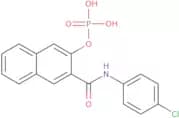
CAS :<p>PAIRED PRODUCT AVAILABLE: alpha-L-iduronidase Enzyme, FI179383.<br>4MU-alpha-L-idopyranosiduronic acid is a fluorogenic substrate for alpha-L-iduronidase. Active alpha-L-iduronidase cleaves the MU moiety from the synthetic substrate, which results in release of a fluorescent signal (Ex 360 nm / Em 455 nm). The reaction is stopped by the addition of sodium carbonate. 4MU-alpha-L-idopyranosiduronic acid is used in alpha-L-iduronidase assays in the context of biochemical characterisation of samples from patients affected by lysosomal storage disease mucopolysaccharidosis I (MPS I).</p>Formule :C16H15NaO9Degré de pureté :Min. 98 Area-%Couleur et forme :White PowderMasse moléculaire :374.27 g/mol4-Nitrophenyl β-D-galactofuranoside
CAS :<p>Chromogenic substrate for beta-galactofuranosidase</p>Formule :C12H15NO8Degré de pureté :Min. 98 Area-%Couleur et forme :White PowderMasse moléculaire :301.25 g/mol4-Methylumbelliferyl b-D-ribofuranoside
CAS :<p>The 4-Methylumbelliferyl b-D-ribofuranoside is a top-notch fluorogenic substrate for glycosidase activity detection. Upon hydrolysis by enzymes, it generates a strongly fluorescent 4-methylumbelliferone molecule, enabling rapid assay results and real-time monitoring of enzymatic reactions. This product is suitable for many biological research applications, such as in vitro analysis, diagnostic testing, and drug discovery. With its high sensitivity and specificity, it delivers consistent and accurate results, making it an essential tool for scientists and researchers.</p>Formule :C15H16O7Degré de pureté :Min. 95%Couleur et forme :White PowderMasse moléculaire :308.28 g/mol4-Methylumbelliferyl 3-O-(N-acetylneuraminyl)-b-D-glucopyranoside
<p>4-Methylumbelliferyl 3-O-(N-acetylneuraminyl)-b-D-glucopyranoside is a chromogenic substrate. It is used for the detection of glycoproteins and glycolipids in food testing, staining, environmental testing, and diagnostics. It can also be used as a fluorogenic substrate for the detection of glycoproteins and glycolipids in fluorescence microscopy. 4-methylumbelliferyl 3-O-(N-acetylneuraminyl)-b-D-glucopyranoside has been shown to be a ligand for the lectin receptor Galectin 9, which is involved in inflammation and cancer cell growth. 4-methylumbelliferyl 3-O-(N-acetylneuraminyl)-b-D-glucopyranoside has been shown to be an enzyme substrate for alkaline phosphatase, β</p>Degré de pureté :Min. 95%4-Nitrophenyl-β-D-maltopyranoside
CAS :<p>Chromogenic β-maltosidase substrate yielding a yellow solution upon cleavage.</p>Formule :C18H25NO13Degré de pureté :Min. 99.0 Area-%Masse moléculaire :463.40 g/molRef: 3D-N-4492
1gÀ demander5gÀ demander10gÀ demander500mgÀ demander2500mgÀ demander-Unit-ggÀ demander4-Nitrophenyl β-D-xylobioside
CAS :<p>4-Nitrophenyl beta-D-xylobioside is a chromogenic substrate for xylanase. Upon hydrolysis, para-nitrophenol is released yielding a yellowish colour. 4-Nitrophenyl beta-D-xylobioside is used in different applications such as the Xylan degradation studies, paper/pulp industry applications</p>Formule :C16H21NO11Degré de pureté :Min. 95%Couleur et forme :White PowderMasse moléculaire :403.34 g/molL-Ala-PAB-Resorufin
CAS :<p>L-Ala-PAB-resorufin is a highly sensitive chromogenic and fluorogenic indicator for L-alanine aminopeptidase activity and related enzymes occurring in prokaryotic as well as eukaryotic organisms. After removal of the L-alanyl substructure by enzymatic hydrolysis and spontaneous elimination of the para-aminobenzyl spacer, the initially orange colored compound yields an intense pink color and red fluorescence.</p>Formule :C22H19N3O4Degré de pureté :Min. 70 Area-%Couleur et forme :PowderMasse moléculaire :389.4 g/mol2,4-Dinitrophenyl β-D-glucopyranoside
CAS :<p>2,4-Dinitrophenyl-beta-D-glucopyranoside is a chromogenic substrate used to assay enzymes, such as glucosidases. These enzymes catalyze the hydrolysis of glycosidic bonds in sugars.</p>Formule :C12H14N2O10Degré de pureté :Min. 95%Couleur et forme :PowderMasse moléculaire :346.25 g/mol4-Methylumbelliferyl phosphate, free acid
CAS :<p>A sensitive fluorogenic substrate for fluorometric and UV-spectrophotometric assays of phosphatases. It is used for the detection of C. perfringens because acid phosphatase is a highly specific indicator for C. perfringens.</p>Formule :C10H9O6PMasse moléculaire :256.15 g/molL-Pro-PAB-Resorufin
<p>L-Pro-PAB-Resorufin is a highly sensitive chromogenic and fluorogenic indicator for L-proline aminopeptidase activity and related enzymes occurring in prokaryotic as well as eukaryotic organisms. After removal of the L-proline amide substructure by enzymatic hydrolysis and spontaneous elimination of the para-amino-benzyl (PAB) spacer, the initially orange colored compound yields an intense pink color. In addition, the released chromophor is an excellent fluorophor showing red fluorescence at an emission wavelength of 580 to 600 nm when excited at 560 to 570 nm.</p>Formule :C24H21N3O4Degré de pureté :Min. 70 Area-%Couleur et forme :PowderMasse moléculaire :415 g/mol2-Nitrophenyl α-D-glucopyranoside
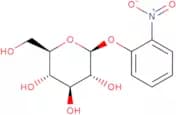
CAS :<p>2-Nitrophenyl a-D-glucopyranoside is a chromogenic substrate commonly used to assay the activity of glucosidases. Upon cleavage of the glycosidic bond by glucosidases, the released 2-nitrophenyl group yields a yellow color detectable by spectrophotometry. This substrate has high sensitivity and is widely used in a variety of applications, including drug discovery and enzyme kinetics studies.</p>Formule :C12H15NO8Degré de pureté :Min. 95%Couleur et forme :White to off-white solid.Masse moléculaire :301.25 g/mol6-Chloro-3-indolyl 2-acetamido-2-deoxy-β-D-glucopyranoside
CAS :<p>6-Chloro-3-indolyl 2-acetamido-2-deoxy-b-D-glucopyranoside is a pink enzyme substrate commonly used in biochemical research and diagnostic applications. This compound is a derivative of indolyl glucopyranoside, which is known for its ability to produce a colored product upon enzymatic hydrolysis. 6-Chloro-3-indolyl 2-acetamido-2-deoxy-b-D-glucopyranoside is particularly useful for studying glycosidases, enzymes that cleave glycosidic bonds in complex carbohydrates. Its pink coloration makes it an ideal choice for colorimetric assays, enabling researchers to monitor enzyme activity in real-time and facilitating the development of new diagnostic tools and therapeutic strategies.</p>Formule :C16H19ClN2O6Degré de pureté :Min. 95%Couleur et forme :White to off-white solid.Masse moléculaire :370.78 g/mol2-Naphthyl b-D-galactopyranoside
CAS :<p>2-Naphthyl beta-D-galactopyranoside is a glycoside that is found in the flowers of the plant Eschscholzia californica. It is used as a localizer for bacterial strains and can be hydrolyzed by enzymes to release naphthalene. 2-Naphthyl beta-D-galactopyranoside has been shown to inhibit the growth of corynebacterium and diazonium salt, which may be due to its ability to bind to DNA and disrupt protein synthesis. The potential use of this molecule is for its insolubility, which prevents it from being absorbed by skin cells.</p>Formule :C16H18O6Degré de pureté :Min. 99 Area-%Couleur et forme :PowderMasse moléculaire :306.31 g/mol4-Methylumbelliferyl β-D-cellohexaoside
CAS :<p>4-Methylumbelliferyl beta-D-cellohexaoside is a fluorogenic substrate for cellulase. After enzymatic cleaveage, free 4-methylumbelliferone (also known as hymecromone) is released, exhibiting blue fluorescence upon excitation with UV light. The strongest fluorescence of 4-methylumbelliferone requires deprotonation of the hydroxyl group (thus requires alkaline pH), with a maximal fluorescence intensity obtained with excitation at 350 to 370 nm and emission at 440 to 470 nm. The use of 4-methylumbelliferyl beta-D-cellohexaosideas a substrate for measuring the cellulase activity is used for detecting bacterial infection and gut microbiome analysis.</p>Formule :C46H68O33Degré de pureté :Min. 95%Couleur et forme :PowderMasse moléculaire :1,149.01 g/molD-Luciferin Firefly
CAS :<p>Luciferin (also in its salt form) is the substrate of luciferase, an enzyme that catalyzes a light-producing reaction. It is a bioluminescent substrate used to assay ATP availability. It also serves as a versatile scaffold to design other luminogenic enzyme substrates.</p>Formule :C11H8N2O3S2Degré de pureté :Min. 98 Area-%Couleur et forme :PowderMasse moléculaire :280.32 g/mol4-Nitrophenyl b-D-thioglucopyranoside
CAS :<p>4-Nitrophenyl b-D-thioglucopyranoside is a highly sensitive chromogenic substrate designed for the colorimetric detection and quantification of thioglucosidase enzymes. Upon enzymatic cleavage, it releases a highly absorbing 4-nitrophenyl moiety, generating a yellow color that can be readily measured spectrophotometrically. This substrate is widely utilized in the study of enzyme kinetics, substrate specificity, and inhibitor screening for thioglucosidases involved in various metabolic pathways and biological processes.</p>Formule :C12H15NO7SDegré de pureté :Min. 95%Couleur et forme :White PowderMasse moléculaire :317.32 g/mol2-Nitrophenyl b-D-arabinopyranoside
<p>2-Nitrophenyl b-D-arabinopyranoside is a chemical compound that is used in the detection of ATP by chemiluminescence. It acts as a substrate for enzymes such as luciferase and catalase, which catalyze the oxidation of 2-nitrophenyl b-D-arabinopyranoside to phenol and carbon dioxide with the release of light. This reaction can be used in diagnostic applications such as detecting bacteria in culture media or diagnosing food spoilage. 2-Nitrophenyl b-D-arabinopyranoside can also be used as a conjugate to detect proteins or nucleic acids by fluorescence spectroscopy. The CAS number for this compound is 107772-06-1.</p>Degré de pureté :Min. 95%Masse moléculaire :271.22 g/molLuciferin-β-D-galactoside
CAS :<p>Luciferin-beta-D-galactoside is an acceptor in immunoassays. It is used as a label for specific antibodies and antigens, and the light emitted by this compound can be measured with a luminometer. Luciferin-beta-D-galactoside binds to the bacterial enzyme β-galactosidase, which catalyzes the hydrolysis of lactose to form glucose and galactose. Mammalian cells have been used as a source of β-galactosidase in order to measure luciferin-beta-D-galactoside activity. The substrate specificity of this enzyme has also been studied using mammalian tissue extracts.</p>Formule :C17H18N2O8S2Degré de pureté :Min. 95 Area-%Masse moléculaire :442.46 g/molRef: 3D-L-8121
5mgÀ demander10mgÀ demander25mgÀ demander50mgÀ demander100mgÀ demander-Unit-ggÀ demander2-Naphthyl b-D-glucopyranoside monohydrate
CAS :<p>2-Naphthyl-lpha-D-glucopyranoside is a substrate for α-glucosidase. 2-Naphthol is released upon hydrolyzation. By simultaneous coupling with a suitable staining reagent, such as hexazonium p-rosaniline, the corresponding reddish-brown azo-dye is formed. Naphthols can also be detected by fluorescence analysis.</p>Degré de pureté :Min. 95%Couleur et forme :PowderMasse moléculaire :324.33 g/mol5-Bromo-4-chloro-3-indolyl a-D-mannopyranoside
CAS :<p>5-Bromo-4-chloro-3-indolyl a-D-mannopyranoside is a chromogenic substrate used to detect the specific enzymatic activity of alpha-mannosidase. After cleavage, 5-bromo-4-chloro-indoxyl is released, resulting in a blue to blue-green color change in bacterial colonies or media. 5-Bromo-4-chloro-3-indolyl a-D-mannopyranoside is used in alpha-mannosidosis diagnosis and other lysosomal storage disorder.</p>Formule :C14H15BrClNO6Degré de pureté :Min. 95 Area-%Couleur et forme :PowderMasse moléculaire :408.63 g/molAldol® 458 phosphate, disodium salt, Biosynth Patent: EP 2427431 and US 8940909
CAS :<p>Aldol® 458 phosphate is a chromogenic and fluorogenic enzyme substrate used for detection of phosphatase activity. The colorless enzyme substrate is cleaved by phosphatases secreted by bacteria grown in liquid media, yielding yellow color and green fluorescence. Aldol® 458 phosphate can also be used in assays involving phosphatase-coupled antibodies in immunoassay applications (ELISA). Aldol® 458 phosphate can be used under aerobic and anaerobic conditions.</p>Formule :C16H12NNa2O6PDegré de pureté :Min. 95%Couleur et forme :PowderMasse moléculaire :391.22 g/molSTAADIUM™ PeptiZide L-Ala
<p>STAADIUM(TM) PeptiZide L-Ala, Patent pending is a chemiluminescent substrate that reacts with hydrogen peroxide to produce light. It can be used in diagnostic applications such as the detection of blood or fecal stains and in tests for the presence of enzymes or antibodies. STAADIUM(TM) PeptiZide L-Ala, Patent pending is an excellent choice for use with bacterial culture media and food testing. This product has been shown to have high purity and quality.</p>Formule :C15H18ClN3O2SDegré de pureté :Min. 95%Masse moléculaire :339.84 g/molNaphthol AS nonanoate
CAS :<p>Modified naphtol AS substrate used in histochemical and cytochemical staining</p>Formule :C26H29NO3Degré de pureté :Min. 95%Couleur et forme :PowderMasse moléculaire :403.51 g/molOstazin brilliant red H-3B galactomannan
<p>Ostazin Brilliant Red H-3B Galactomannan is a chemiluminescent substrate used for the detection of β-1,4-galactomannans. It reacts with the glucose residues on the mannan backbone to produce a red fluorescent product. This product can be detected by spectrophotometry at an excitation wavelength of 395 nm and emission wavelength of 510 nm. The Ostazin Brilliant Red H-3B Galactomannan substrate is useful in detecting Staphylococcus aureus, Streptococcus pyogenes, Streptococcus pneumoniae, Group A streptococci, Group B streptococci, Group D streptococci, Group G streptococci, and Group C streptococci.</p>Degré de pureté :Min. 95%4-Nitrophenyl phosphate mono(2-amino-2-ethyl-1,3-propanediol) salt monohydrate
CAS :<p>4-Nitrophenyl phosphate mono(2-amino-2-ethyl-1,3-propanediol) salt monohydrate is a chromogenic substrate that can be used to detect the presence of alkaline phosphatase. It is also used in food testing and diagnostics. 4NPPMD is a substrate for the enzyme alkaline phosphatase, which has been shown to play a role in the inflammatory response. The production of 4NPPMD by bacteria in the environment can be detected with chemiluminescence or bioluminescence. This product has been shown to react with both horseradish peroxidase and alkaline phosphatase, as well as other enzymes that are involved in metabolic pathways. This substrate also has high purity and fluorescence properties.</p>Formule :C11H21N2O9PDegré de pureté :Min. 95 Area-%Masse moléculaire :356.26 g/mol4-Methylumbelliferyl 2-acetamido-2-deoxy-β-D-glucopyranoside-6-sulfate potassium salt
CAS :<p>4-Methylumbelliferyl 2-acetamido-2-deoxy-beta-D-glucopyranoside-6-sulfate potassium salt is a fluorogenic substrate for beta-N-acetylglucosaminidase. After enzymatic cleaveage, free 4-methylumbelliferone (also known as hymecromone) is released, exhibiting blue fluorescence upon excitation with UV light. The strongest fluorescence of 4-methylumbelliferone requires deprotonation of the hydroxyl group (thus requires alkaline pH), with a maximal fluorescence intensity obtained with excitation at 350 to 370 nm and emission at 440 to 470 nm. The use of 4-methylumbelliferyl 2-acetamido-2-deoxy-beta-D-glucopyranoside-6-sulfate potassium saltas a substrate for measuring the beta-N-acetylglucosaminidase activity is used for diagnosis of Mucopolysaccharidosis IIIB (MPS IIIB) (a rare lysosomal storage disorder) and Sanfilippo B syndrome screening.</p>Formule :C18H20KNO11SDegré de pureté :Min. 95%Couleur et forme :White Off-White PowderMasse moléculaire :497.52 g/molLuciferin-α-D-galactoside, sodium salt
<p>Luciferin-alpha-D-galactoside, sodium salt is a fluorogenic substrate for use in food testing and environmental testing. It can be used as a chromogenic substrate for the detection of conjugates of bile acids and cholesterol. This product is also used in diagnostic medical tests, such as ligand binding assays, chemiluminescence, and bioluminescence.</p>Degré de pureté :Min. 95%4-Nitrophenyl phosphate, bis(cyclohexylammonium) salt
CAS :<p>Chromogenic substrate yielding a soluble yellow chromophor for the colorimetric assay of phosphatases.</p>Formule :C18H32N3O6PDegré de pureté :97.0 To 103.0%Masse moléculaire :417.45 g/molAquaSpark® HRP probe
CAS :<p>Please enquire for more information about AquaSpark® HRP probe including the price, delivery time and more detailed product information at the technical inquiry form on this page</p>Formule :C38H38ClNO11Masse moléculaire :720.16 g/mol2-Chloro-4-nitrophenyl b-D-galactopyranoside
CAS :<p>2-Chloro-4-nitrophenyl-beta-D-galactopyranoside is a chromogenic substrate used to test enzyme activities. It is commonly used in molecular biology research for the detection and measurement of beta-galactosidase activity.</p>Formule :C12H14ClNO8Degré de pureté :Min. 95%Couleur et forme :White PowderMasse moléculaire :335.69 g/mol4-Methylumbelliferyl heptanoate
CAS :<p>Lipase targeting MOSCERDAM® substrate</p>Formule :C17H20O4Degré de pureté :Min. 95%Couleur et forme :White PowderMasse moléculaire :288.34 g/mol7-((4'-L-Alaninamido)-rac-3'-hydroxybutyloxy) coumarin hydrochloride
<p>This Clips-O substrate 7-((4'-L-Alaninamido)-rac-3'-hydroxybutyloxy) coumarin allows the detection of single and dual enzymatic activity (L-alanine aminopetidase and oxidation of 4-amino-3-hydroxybutyloxy spacer either enzymatically or by exposure to sodium periodate) with a single substrate resulting in a fluorescent signal. The main virtues of Clips-O substrates are an increased stability towards non-enzymatic hydrolysis that results in a reduced background and high sensitivity.</p>Formule :C16H21ClN2O5Degré de pureté :Min. 95%Couleur et forme :PowderMasse moléculaire :356.8 g/molAldol® 515 N-glutaryl-L-phenylalanine amide potassium salt, Biosynth Patent: EP 2427431 and US 8940909
CAS :<p>Aldol® 515 N-glutaryl-L-phenylalanine amide is a chromogenic and fluorogenic enzyme substrate used for detection of L-glutamate-phenylalanine (GluPhe)-specific peptidase activity. The colorless enzyme substrate is cleaved the GluPhe-specific peptidase, yielding development of orange-red coloration. In addition, red fluorescence is generated when Aldol® 355 fluorescence enhancer or a suitable matrix is present. Aldol® 515 N-glutaryl-L-phenylalanine amide can be used in enzyme assays and live bacterial cultures. Aldol® 515 N-glutaryl-L-phenylalanine amide is suitable for use in liquid and solid media, under aerobic as well as anaerobic conditions.</p>Formule :C37H35KN4O5Degré de pureté :Min. 95%Couleur et forme :PowderMasse moléculaire :654.8 g/mol4-Nitrophenyl 2-acetamido-2-deoxy-β-D-glucopyranoside-6-sulfate potassium
CAS :<p>4-Nitrophenyl 2-acetamido-2-deoxy-beta-D-glucopyranoside-6-sulfate potassium is a chromogenic substrate for N-acetylglucosamine-6-sulfatase. Upon hydrolysis, para-nitrophenol is released yielding a yellowish colour. 4-Nitrophenyl 2-acetamido-2-deoxy-beta-D-glucopyranoside-6-sulfate potassium is used in different applications such as the Mucopolysaccharidosis IIID (Sanfilippo D) screening</p>Formule :C14H17N2O11S•KDegré de pureté :Min. 95%Couleur et forme :PowderMasse moléculaire :460.46 g/mol4-Methylumbelliferyl 2-acetamido-2-deoxy-a-D-galactopyranoside - Moscerdam™ biochemical purity
CAS :<p>A fluorogenic substrate for the detection of lysosomal enzyme N-acetyl-α-D-galactopyranosiaminidase (NAGA), which is driving the pathogenesis of Schindler disease. Also substrate for endo-α-N-acetylgalactosaminidase (O-glycosidase), which cleaves O-linked core 1 and core 3 disaccharides from glycoproteins.</p>Formule :C18H21NO8Degré de pureté :Min. 98 Area-%Couleur et forme :White PowderMasse moléculaire :379.36 g/molLuc-Listeria Na
<p>Luc-Listeria Na is a chemiluminescent substrate that is used as a reporter molecule in enzyme assays. Luc-Listeria Na reacts with the luciferase enzyme, emitting light. The light emission can be detected using a luminometer and the intensity of light is proportional to the amount of substrate present. Luc-Listeria Na has been shown to react with Listeria monocytogenes and other bacteria that are resistant to conventional staining techniques. This product has passed testing for purity and quality, as well as being tested for its ability to cause an adverse effect on the environment when disposed of.</p>Degré de pureté :Min. 95%2-Nitrophenyl b-D-galactopyranoside-6-phosphate cyclohexylammonium salt
CAS :<p>2-Nitrophenyl beta-D-galactopyranoside-6-phosphate cyclohexylammonium salt is a chromogenic substrate used to detect the enzymatic activity of beta-galactosidase-6-phosphatase. After cleavage, the nitrophenyl moiety is released exhibiting a light yellowish color. 2-Nitrophenyl beta-D-galactopyranoside-6-phosphate cyclohexylammonium salt is used in diagnostic assays such as lysosomal storage disorder.</p>Degré de pureté :Min. 95%Couleur et forme :PowderMasse moléculaire :480.4 g/mol4-Nitrophenyl N,N',N''-triacetyl-b-D-chitotriose
CAS :<p>Substrate for determining hydrolytic activity of chitinase</p>Degré de pureté :Min. 95%Couleur et forme :White PowderMasse moléculaire :748.69 g/mol5-Bromo-6-chloro-3-indolyl α-D-glucopyranoside
CAS :<p>5-Bromo-6-chloro-3-indolyl α-D-glucopyranoside is a chromogenic substrate that yields a magenta-colored product after cleavage. The chromophore 5-bromo-6-chloro-indoxyl is released, generating the observable color. It is used in Pompe disease diagnostics, a glycogen storage disorder, that measures the deffiency of alpha-glucosidase (GAA) that could lead to the accumulation of glycogen in lysosomes.</p>Formule :C14H15BrClNO6Degré de pureté :Min. 95%Couleur et forme :PowderMasse moléculaire :408.63 g/mol4-Nitrophenyl a-D-thiomannopyranoside
CAS :<p>4-Nitrophenyl a-D-thiomannopyranoside is a chemiluminescence substrate that can be used to measure the activity of β-galactosidase, an enzyme involved in the hydrolysis of lactose. This product is available as a white to yellowish powder and has been shown to have high purity and quality. It also displays strong fluorescence when reacted with hydrogen peroxide and has been used for diagnostics tests such as staining, food testing, and enzyme substrate reactions.</p>Degré de pureté :Min. 95%Masse moléculaire :317.32 g/mol4-Nitrophenyl α-L-rhamnopyranoside
CAS :<p>Chromogenic substrate for alpha-L-rhamnosidase</p>Formule :C12H15NO7Degré de pureté :Min. 99 Area-%Couleur et forme :White Slightly Yellow PowderMasse moléculaire :285.25 g/mol2-Chloro-4-nitrophenyl-α-L-fucopyranoside
CAS :<p>Alternative chromogenic substrate for alpha-D-galactosidase</p>Formule :C12H14ClNO7Degré de pureté :Min. 98 Area-%Couleur et forme :White PowderMasse moléculaire :319.69 g/molBCM® O157:H7(+)
<p>BIOSYNTH Culture Medium for the isolation andidentification of Escherichia coli O157:H7</p>Chlorophenol red-β-D-cellotrioside
CAS :<p>Chromogenic substrate for cellulases; red color</p>Formule :C37H42Cl2O20SDegré de pureté :Min. 95%Couleur et forme :Orange to red solid.Masse moléculaire :909.69 g/mol4-Methylumbelliferyl-β-D-galactopyranoside
CAS :<p>Fluorogenic substrate for β-D-galactosidase yielding a blue fluorescent solution upon cleavage.</p>Formule :C16H18O8Degré de pureté :Min. 98.0 Area-%Masse moléculaire :338.32 g/molAldol® 515 palmitate, Biosynth Patent: EP 2427431 and US 8940909
CAS :<p>Aldol® 515 palmitate is a chromogenic substrate that is used in food testing, diagnostics, and other applications. It has a high purity and is conjugated to various ligands for specific applications. Aldol® 515 palmitate is an excellent chemiluminescent substrate for the detection of ATP and other nucleotides. It also has high bioluminescence activity for the detection of adenosine-5'-triphosphate (ATP) or luciferin as well as enzyme substrates to measure β-galactosidase or β-glucuronidase activity.</p>Formule :C39H50N2O3Degré de pureté :Min. 95.0 Area-%Masse moléculaire :594.83 g/mol2-Naphthyl-α-D-glucopyranoside
CAS :<p>2-Naphthyl-α-D-glucopyranoside is a substrate for α-glucosidase. 2-Naphthol is released upon hydrolyzation. By simultaneous coupling with a suitable staining reagent, such as hexazonium p-rosaniline, the corresponding reddish-brown azo-dye is formed. Naphthols can also be detected by fluorescence analysis.</p>Formule :C16H18O6Degré de pureté :Min. 98.0 Area-%Masse moléculaire :306.32 g/mol2-Nitrophenyl b-D-xylobioside
CAS :<p>2-Nitrophenyl b-D-xylobioside is a chromogenic substrate for the enzyme xylanase.</p>Degré de pureté :Min. 95%Couleur et forme :PowderMasse moléculaire :403.34 g/mol4-Methylumbelliferyl lignocerate
CAS :<p>This botanical is a download for the Floral Database.</p>Formule :C34H54O4Degré de pureté :Min. 95 Area-%Masse moléculaire :526.81 g/molRef: 3D-M-5720
1gÀ demander5gÀ demander250mgÀ demander500mgÀ demander2500mgÀ demander-Unit-ggÀ demander4-Methylumbelliferyl-β-D-mannopyranoside
CAS :<p>Fluorogenic substrate for detection of β-D-mannosidase.</p>Formule :C16H18O8Degré de pureté :Min. 99.0 Area-%Masse moléculaire :338.31 g/mol4-Methylumbelliferyl sulfate potassium salt
CAS :<p>4-Methylumbelliferyl sulfate potassium salt serves as a superior fluorogenic substrate in enzyme detection assays. Upon enzymatic hydrolysis, it releases a highly fluorescent 4-methylumbelliferone moiety, enabling real-time analysis and quantification of enzyme activities. This product is ideal for a variety of biological assay applications, including in vitro diagnostics, drug discovery, and research purposes. Its excellent sensitivity, specificity, and performance ensure accurate and consistent results every time.</p>Formule :C10H7KO6SDegré de pureté :Min. 98 Area-%Couleur et forme :White PowderMasse moléculaire :294.32 g/mol4-Methylumbelliferyl b-D-cellopentoside
CAS :<p>A fluorogenic MOSCERDAM® substrate targeting cellulases</p>Formule :C40H58O28Degré de pureté :Min. 95%Couleur et forme :White To Off-White SolidMasse moléculaire :986.89 g/molFluorescein di-β-D-glucopyranoside
CAS :<p>Fluorogenic substrate targeting beta-glucosidase</p>Formule :C32H32O15Degré de pureté :Min. 95%Couleur et forme :PowderMasse moléculaire :656.59 g/molN-(3-Sulfopropyl)-3,3',5,5'-tetramethylbenzidine sodium salt
CAS :<p>N-(3-Sulfopropyl)-3,3',5,5'-tetramethylbenzidine (TMB) sodium salt is a highly sensitive chromogenic substrate used for the detection and quantification of peroxidase enzyme activity. This water-soluble substrate undergoes a color change from colorless to blue upon oxidation by peroxidase enzymes in the presence of hydrogen peroxide. The reaction can be stopped by adding an acid, resulting in a yellow color that can be measured spectrophotometrically. TMB sodium salt is widely used in various applications, including enzyme-linked immunosorbent assays (ELISA), immunohistochemistry, and other diagnostic tests, due to its high sensitivity, low background signal, and excellent stability.</p>Degré de pureté :Min. 95%Couleur et forme :PowderMasse moléculaire :384.47 g/mol4-Methylumbelliferyl myo-inositol-1-phosphate N-methyl-morpholine salt
CAS :<p>Please enquire for more information about 4-Methylumbelliferyl myo-inositol-1-phosphate N-methyl-morpholine salt including the price, delivery time and more detailed product information at the technical inquiry form on this page</p>Formule :C16H19O11P·C5H11NOCouleur et forme :PowderMasse moléculaire :519.44 g/molMethionine Assay Kit (Fluorometric)
<p>The Methionine Assay Kit (Fluorometric) is a kit containing the fluorogenic substrate needed for the determination of total methionine content. The kit is used to detect and quantify methionine in various food products, as well as in environmental samples. This assay can be used to measure free or protein-bound methionine. The fluorometric kit contains a conjugate that binds to the methionine molecule and provides a fluorescent signal proportional to the amount of bound methionine. The fluorescence intensity is measured on a fluorometer and converted into concentrations of methionine per gram of sample.</p>Degré de pureté :Min. 95%Lipase substrate
CAS :<p>Synthetic chromogenic substrate for detection of lipase enzyme activity that produces a red coloured product, Suitable for use in serum of plasma matrices. This lipase substrate is commonly used in veterinary diagnostics for monitoring and detecting canine pancreatitis,</p>Formule :C45H69NO8Masse moléculaire :752.03 g/mol4-Nitrophenyl a-D-xylopyranoside
CAS :<p>The 4-Nitrophenyl a-D-xylopyranoside is a highly sensitive and reliable chromogenic substrate tailored for the detection and analysis of alpha-D-xylosidase enzyme activity. Upon enzymatic hydrolysis, it forms 4-nitrophenol, a yellow compound with remarkable fluorescence that enables a straightforward, quantitative assay in areas including environmental science, metabolism studies, and enzyme modifier exploration.</p>Formule :C11H13NO7Degré de pureté :Min. 95%Couleur et forme :White PowderMasse moléculaire :271.22 g/mol4-Nitrophenyl-β-D-lactopyranoside
CAS :<p>Chromogenic substrate for cellobiohydrolase and endoglucanase.</p>Formule :C18H25NO13Degré de pureté :Min. 99.0 Area-%Masse moléculaire :463.40 g/mol4-Methylumbelliferyl butyrate
CAS :<p>Methylumbelliferyl butyrate is structurally based on 4-methylumbelliferone and is a MOSCERDAM® substrate. It targets the esterase enzyme.</p>Formule :C14H14O4Degré de pureté :Min. 95%Couleur et forme :White PowderMasse moléculaire :246.26 g/mol6-Chloro-3-indolyl b-D-glucuronide sodium salt
CAS :<p>6-Chloro-3-indolyl b-D-glucuronide sodium salt is a chromogenic substrate for beta-glucuronidase, a reporter gene used to monitor gene expression by detecting the enzyme's activity. It yields a salmon colored precipitate upon cleavage.</p>Degré de pureté :Min. 95%Couleur et forme :PowderMasse moléculaire :365.7 g/mol4-Nitrophenyl b-D-glucopyranoside-6-phosphate
CAS :<p>4-Nitrophenyl beta-D-glucopyranoside-6-phosphate is a chromogenic substrate for glucose-6-phosphatase. Upon hydrolysis, para-nitrophenol is released yielding a yellowish colour. 4-Nitrophenyl beta-D-glucopyranoside-6-phosphate is used in different applications such as the Glycogen storage disease diagnosis (e.g., von Gierke disease)</p>Formule :C12H16NO11PDegré de pureté :Min. 98 Area-%Couleur et forme :PowderMasse moléculaire :381.23 g/mol6-Chloro-3-indolyl 2-acetamido-2-deoxy-b-D-galactopyranoside
CAS :<p>6-Chloro-3-indolyl 2-acetamido-2-deoxy-b-D-galactopyranoside is a chromogenic substrate for N-acetyl-beta-galactosaminidase. It produces a salmon-pink color after enzymatic cleavage.</p>Degré de pureté :Min. 95%Couleur et forme :White PowderMasse moléculaire :370.78 g/mol2-Nitrophenyl-β-D-cellobioside
CAS :<p>Chromogenic substrate for β-D-Cellobiosidase yielding a yellow solution upon cleavage.</p>Formule :C18H25NO13Degré de pureté :Min. 98.0 Area-%Masse moléculaire :463.4 g/mol4-Methylumbelliferyl-2-O-(a-L-fucopyranosyl)-a-L-fucopyranoside
<p>4-Methylumbelliferyl-2-O-(alpha-L-fucopyranosyl)-alpha-L-fucopyranoside is a fluorogenic substrate for alpha-L-fucosidase. After enzymatic cleaveage, free 4-methylumbelliferone (also known as hymecromone) is released, exhibiting blue fluorescence upon excitation with UV light. The strongest fluorescence of 4-methylumbelliferone requires deprotonation of the hydroxyl group (thus requires alkaline pH), with a maximal fluorescence intensity obtained with excitation at 350 to 370 nm and emission at 440 to 470 nm. The use of 4-methylumbelliferyl-2-O-(alpha-L-fucopyranosyl)-alpha-L-fucopyranosideas a substrate for measuring the alpha-L-fucosidase activity is used for fucosidosis diagnosis.</p>Degré de pureté :Min. 95%Couleur et forme :White PowderMasse moléculaire :468.45 g/mol4-Nitrophenyl-α-L-fucopyranoside
CAS :<p>Chromogenic substrate yielding a soluble yellow chromophor for the colorimetric assay of α-L-fucosidase, especially in human serum.</p>Formule :C12H15NO7Degré de pureté :Min. 98 Area-%Masse moléculaire :285.26 g/mol5-Bromo-4-chloro-3-indoxyl oleate
CAS :<p>5-Bromo-4-chloro-3-indoxyl oleate is a chromogenic substrate used to detect the specific enzymatic activity of lipase. After cleavage, 5-bromo-4-chloro-indoxyl is released, resulting in a blue to blue-green color change in bacterial colonies or media. 5-Bromo-4-chloro-3-indoxyl oleate is used in lipid metabolism disorder screening.</p>Formule :C26H37BrClNO2Degré de pureté :Min. 95%Couleur et forme :PowderMasse moléculaire :510.93 g/mol4-Methylumbelliferyl 2-acetamido-2-deoxy-b-D-glucopyranoside-6-sulfate sodium salt
CAS :<p>4-Methylumbelliferyl 2-acetamido-2-deoxy-beta-D-glucopyranoside-6-sulfate sodium salt is a high-quality fluorogenic substrate specifically designed for the detection and quantification of various enzymes, including beta-glucosidases and sulfatases. Upon hydrolysis by the target enzyme, this substrate releases the highly fluorescent 4-methylumbelliferone, allowing for real-time monitoring and accurate measurement of enzyme activities in biochemical assays, diagnostic tests, and research applications. 4-Methylumbelliferyl 2-acetamido-2-deoxy-beta-D-glucopyranoside-6-sulfate sodium salt has excellent solubility in water, ensuring a consistent and reliable performance in different experimental conditions. This versatile substrate is an essential tool for researchers and industry professionals who require a sensitive and reproducible detection method for enzymes of interest.</p>Formule :C18H20NO11SNaDegré de pureté :Min. 98 Area-%Couleur et forme :White PowderMasse moléculaire :481.41 g/mol5-Bromo-4-chloro-3-indoxyl-α-D-N-acetylneuraminic acid, cyclohexylammonium salt
<p>5-Bromo-4-chloro-3-indoxyl-alpha-D-N-acetylneuraminic acid, cyclohexylammonium salt is a chemiluminescent substrate that provides a significant increase in light emission. It has a CAS number of 59820-92-0 and is supplied in high purity and high quality. This product is used for the detection of various biological reactions, including diagnostics, enzyme substrates, food testing, and more.</p>Degré de pureté :Min. 95%Resorufin β-D-cellobioside
CAS :<p>Resorufin beta-D-cellobioside is a fluorogenic substrate for the enzyme beta-glucosidase. It is soluble in water and can be used as a chromogenic substrate for beta-galactosidase. Resorufin beta-D-cellobioside is also used as a ligand to study protein interactions, such as those between lectins and glycoproteins. This product is of high purity and quality, with CAS No. 1000404-48-7.</p>Formule :C24H27NO13Degré de pureté :Min. 95 Area-%Masse moléculaire :537.47 g/molRef: 3D-R-2056
10mgÀ demander25mgÀ demander50mgÀ demander100mgÀ demander250mgÀ demander-Unit-ggÀ demanderL-Phenylalanine 7-amido-4-methylcoumarin trifluoroacetate salt
CAS :<p>L-Phenylalanine 7-amido-4-methylcoumarin trifluoroacetate salt is a fluorogenic peptide substrate for aminopeptidase. This AMC peptide substrate is normally used to rapidly profile the N-terminal specificity of proteases.</p>Formule :C19H18N2O3•C2HF3O2Degré de pureté :Min. 98 Area-%Couleur et forme :White PowderMasse moléculaire :436.38 g/mol4-Nitrophenyl 2-O-trans-feruloyl-a-L-arabinofuranoside
CAS :<p>4-Nitrophenyl 2-O-trans-feruloyl-alpha-L-arabinofuranoside is a chromogenic substrate for alpha-L-arabinofuranosidase. Upon hydrolysis, para-nitrophenol is released yielding a yellowish colour. 4-Nitrophenyl 2-O-trans-feruloyl-alpha-L-arabinofuranoside is used in different applications such as the Plant biomass analysis, bacterial arabinan degradation assays</p>Formule :C21H21NO10Degré de pureté :Min. 95%Couleur et forme :PowderMasse moléculaire :447.39 g/molN-Acetyl-glycine p-nitroanilide
CAS :<p>Substrate for hydrolases</p>Formule :C10H10N2O5Degré de pureté :Min. 95%Couleur et forme :Yellow powder.Masse moléculaire :238.2 g/mol6'-(Diethylamino)spiro[isobenzofuran-1(3H),9'-[9H]xanthen]-3'-yl b-D-glucopyranoside
<p>6'-(Diethylamino)spiro[isobenzofuran-1(3H),9'-[9H]xanthen]-3'-yl b-D-glucopyranoside is a fluorogenic substrate that is used in diagnostic applications. It has been shown to be a useful ligand for the determination of enzyme activity, and it can also be used to detect bacterial culture media contaminants. 6'-(Diethylamino)spiro[isobenzofuran-1(3H),9'-[9H]xanthen]-3'-yl b-D-glucopyranoside is used as an enzyme substrate in chemiluminescent assays, and with other reagents, it can be used for the detection of environmental contaminants. This product has a CAS number of 55426-02-8 and can be found on the website www.sigmaaldrich.com/catalog/product</p>Degré de pureté :Min. 95%Masse moléculaire :494.49 g/mol2-O-(4-Nitrophenyl)-a-D-N-glycolylneuraminic acid
CAS :<p>2-O-(4-Nitrophenyl)-a-D-N-glycolylneuraminic acid is commonly used to measure the activity of sialidase enzymes, specifically those that cleave glycoconjugates containing 2-O-(4-nitrophenyl)-alpha-D-N-glycolylneuraminic acid. The resulting product can be detected by measuring the absorbance at a specific wavelength using a spectrophotometer. This substrate offers a high degree of specificity for glycolylneuraminic acid-containing substrates and is useful for both research and diagnostic purposes.</p>Degré de pureté :Min. 95%Couleur et forme :PowderMasse moléculaire :446.36 g/mol5-Bromo-4-chloro-3-indolyl a-L-arabinofuranoside
<p>5-Bromo-4-chloro-3-indolyl a-L-arabinofuranoside is a chromogenic substrate used to detect the specific enzymatic activity of alpha-L-arabinofuranosidase. After cleavage, 5-bromo-4-chloro-indoxyl is released, resulting in a blue to blue-green color change in bacterial colonies or media. 5-Bromo-4-chloro-3-indolyl a-L-arabinofuranoside is used in bacterial arabinan degradation assays (e.g. Bacillus spp.).</p>Formule :C13H13BrClNO5Degré de pureté :Min. 98.0 Area-%Couleur et forme :PowderMasse moléculaire :378.6 g/mol4-Nitrophenyl b-D-cellotetraoside
CAS :<p>4-Nitrophenyl b-D-cellotetraoside is a chromogenic substrate utilized for the detection and quantification of cellulase enzyme activity. Cellulase enzymes hydrolyze the beta-1,4-glycosidic bonds of cellulose, a major component of plant cell walls. Upon cleavage by cellulase, it releases 4-nitrophenol, a compound that exhibits a yellow color and absorbs strongly at 405 nm, allowing for easy spectrophotometric measurements of cellulase activity levels in various sample types, including bacterial and fungal cultures, environmental samples, and industrial applications.</p>Formule :C30H45NO23Degré de pureté :Min. 95%Couleur et forme :PowderMasse moléculaire :787.67 g/mol2-Chloro-4-nitrophenyl b-D-maltoside
<p>2-Chloro-4-nitrophenyl b-D-maltoside is a fluorescent substrate used in diagnostic kits. It is used to detect the presence of beta-glucuronidase enzymes, which are found in many bacteria and fungi. 2-Chloro-4-nitrophenyl b-D-maltoside has been shown to be a superior substrate for beta-glucuronidase as it can be used at lower concentrations and is more stable than other substrates. The enzyme hydrolyzes the 2,4 nitrophenyl ester bond and releases the fluorogenic product 4-(2'-hydroxyethyl)benzene diazonium chloride (HED). This product emits light under ultraviolet light, making it ideal for use in Bioluminescence Assays.</p>Degré de pureté :Min. 95%Aldol® 455 alpha-D-glucopyranoside - Biosynth Patent: EP 2427431 and US 8940909
<p>Aldol® 455 alpha-D-glucopyranoside is a high quality, environmentally tested, staining, and ligand for bioluminescent assays. It has been shown to be a chromogenic substrate for diagnostics and a fluorogenic substrate for enzymes such as alpha-glucosidase, producing a yellow/green-orange color. Aldol® 455 alpha-D-glucopyranoside is also used in culture media and food testing.</p>Formule :C27H24ClNO7Degré de pureté :Min. 95 Area-%Couleur et forme :PowderMasse moléculaire :509.93 g/molIPTG
CAS :<p>Isopropyl-beta-D-thiogalactopyranoside (IPTG) is a non-metabolizable allolactose analogue, widely used in molecular biology for overexpression of recombinant proteins from inducible systems under the control of lac promoter. IPTG binds to the LacI repressor and causes its release from the lac operator, allowing gene expression of lac operon to take place. IPTG is present in vectors of pGEX, pGEM-T, pET, pRSET, pMAL class and others.</p>Formule :C9H18O5SDegré de pureté :Min. 99 Area-%Couleur et forme :White PowderMasse moléculaire :238.3 g/mol2-Fluoro-4-nitrophenyl b-D-galactopyranoside
CAS :<p>2-Fluoro-4-nitrophenyl b-D-galactopyranoside is a chromogenic substrate in enzymatic assays with β-galactosidase. Commonly abbreviated as PFONPG, it is a hydrophilic compound that can be dissolved in saline and blood samples, which makes it a suitable candidate for diagnostic applications as a gene reporter probe by simple analytic methodologies. 2-Fluoro-4-nitrophenyl b-D-galactopyranoside have been used to detect and monitor the growth of prostate tumor cells.</p>Degré de pureté :Min. 95%Couleur et forme :PowderMasse moléculaire :319.24 g/molNaphthol AS-E phosphate, 60%
CAS :<p>Histochemical substrate for alkaline phosphatase</p>Formule :C17H13ClNO5PDegré de pureté :(%) Min. 60%Couleur et forme :SolidMasse moléculaire :377.72 g/molEthyl umbelliferone-3-carboxylate-α-D-glucopyranoside
<p>Ethyl umbelliferone-3-carboxylate-a-D-glucopyranoside is a fluorogenic substrate used for detecting alpha-glucosidase activity in enzymatic assays. When alpha-glucosidase cleaves , the glycosidic bond, umbelliferone-3-carboxylate is released, which exhibits strong fluorescence. This substrate is commonly utilized in glycobiology research, diagnostic tests, and high-throughput screening of enzyme inhibitors.</p>Formule :C18H20O10Degré de pureté :Min. 95%Couleur et forme :Off-white to yellow solid.Masse moléculaire :396.35 g/mol2-Nitrophenyl b-D-glucopyranoside
CAS :<p>Chromogenic substrate for beta-glucosidase</p>Formule :C12H15NO8Degré de pureté :Min. 99 Area-%Couleur et forme :Off-White Yellow PowderMasse moléculaire :301.25 g/molLuc-Enterobacteria Na
<p>Luc-Enterobacteria Na is a bioluminescent substrate for bacterial luciferase used to detect Enterobacteriaceae. The enzyme luciferase oxidizes luciferin with FMNH₂ and O₂ via luxAB genes, emitting blue light.</p>Formule :C17H17NaN2O8S2Degré de pureté :Min. 94 Area-%Masse moléculaire :464.44 g/molAldol® 584 β-D-glucuronic acid, triethylammonium salt, Biosynth Patent: EP 2427431 and US 8940909
CAS :<p>Aldol 584 is a chromogenic substrate that is used in enzymatic assays to detect the presence of an enzyme. It is a triethylammonium salt with beta-D-glucuronic acid. Aldol 584 is used in diagnostic procedures and can be used as a substrate for fluorogenic substrates and chemiluminescent substrates. This product has been shown to be effective in detecting the presence of bile in feces, erythrocyte hemolysis, and the presence of proteinases in human urine. It can also be used as a food testing agent or to measure bacterial activity in culture media.</p>Formule :C37H46ClN3O10Degré de pureté :Min. 95%Couleur et forme :PowderMasse moléculaire :728.2 g/mol4-Nitrophenyl decanoate
CAS :<p>4-Nitrophenyl decanoate is a chromogenic substrate for lipase. Upon hydrolysis, para-nitrophenol is released yielding a yellowish colour. 4-Nitrophenyl decanoate is used in different applications such as the Pancreatic insufficiency diagnosis, lipid metabolism studies</p>Formule :C16H23NO4Degré de pureté :Min. 97 Area-%Couleur et forme :PowderMasse moléculaire :293.36 g/mol6-Nitro-3-indoxyl-β-D-galactopyranoside
<p>For the detection of beta-galactosidase activity</p>Formule :C14H16N2O8Masse moléculaire :340.29 g/mol4-Methylumbelliferone
CAS :<p>4-Methylumbelliferone is a coumarin derivative that inhibits the activity of enzymes such as p-nitrophenyl phosphate oxidase and aminopeptidase. It is used in vitro to study oxidative injury, which plays a role in the pathogenesis of inflammatory diseases, including primary sclerosing cholangitis and bone marrow transplantation. 4-Methylumbelliferone has been shown to induce apoptosis by increasing reactive oxygen species levels and activating toll-like receptor 4 (TLR4). It also has inhibitory effects on osteosarcoma cell proliferation in vitro.</p>Formule :C10H8O3Masse moléculaire :176.17 g/mol5-Nitro-3-indoxyl-β-D-galactopyranoside
<p>For the detection of beta-galactosidase activity</p>Formule :C14H16N2O8Masse moléculaire :340.29 g/mol4-Methylumbelliferyl 6-deoxy-2,3,4,6-tetra-O-acetyl-6-thio-β-D-glucopyranoside
<p>4-Methylumbelliferyl 6-deoxy-2,3,4,6-tetra-O-acetyl-6-thio-beta-D-glucopyranoside is a fluorogenic substrate for beta-glucosidase. After enzymatic cleaveage, free 4-methylumbelliferone (also known as hymecromone) is released, exhibiting blue fluorescence upon excitation with UV light. The strongest fluorescence of 4-methylumbelliferone requires deprotonation of the hydroxyl group (thus requires alkaline pH), with a maximal fluorescence intensity obtained with excitation at 350 to 370 nm and emission at 440 to 470 nm. The use of 4-methylumbelliferyl 6-deoxy-2,3,4,6-tetra-O-acetyl-6-thio-beta-D-glucopyranosideas a substrate for measuring the beta-glucosidase activity is used for Gaucher disease diagnosis.</p>Formule :C24H26O11SDegré de pureté :Min. 95%Couleur et forme :White to off-white solid.Masse moléculaire :522.52 g/molAquaSpark® 510 Calibration Probe, Ramot at Tel-Aviv University Ltd. Patent family WO 2017/130191
CAS :<p>AquaSpark® Calibration Probe is a water-soluble dioxetane-based chemiluminescent probe. Deprotonation of the free phenol group of the calibration probe under mild basic conditions results in an emissive decomposition process. No addition of enhancer or sensitizing agent is required to produce the bright green light emission in aqueous solutions.<br>AquaSpark® Calibration Probe is used for:<br><br>Demonstration experiment susing only the probe and an aqueous solution or water;<br>Evaluation of the AquaSpark® maximum light emission;<br>Functional tests of luminometers, plate readers and cameras;<br>Comparison with other probes bearing an enzyme labile group in order to build concentration/response curves;<br>Validation and comparison between different AquaSpark® probes.</p>Formule :C21H23ClO6Degré de pureté :Min. 95%Couleur et forme :PowderMasse moléculaire :406.12 g/molChitin azure
CAS :<p>Chitin azure is a chromogenic substrate for chitinases. It is one of the few specific substrates for this enzyme that produces chito-oligosaccharides from chitin.</p>Couleur et forme :PowderGlycyl-glycine 7-amido-4-methylcoumarin hydrochloride
CAS :<p>Glycyl-glycine 7-amido-4-methylcoumarin hydrochloride (Gly-Gly-AMC) is a fluorescent compound that can be used as a probe for the transfer of glycine in the brain. Gly-Gly-AMC binds to Langerhans cells and is transferred by an anterograde axonal transport mechanism from the peripheral nervous system to the central nervous system. The binding of Gly-Gly-AMC to Langerhans cells has been shown to activate them, which induces the release of inflammatory mediators into the surrounding tissue. This activity may be due to increased levels of calcium ions, which are known to induce exocytosis in these cells. Glycine is also involved in depression and other mental disorders, as well as muscle and brain activity.</p>Formule :C14H16ClN3O4Masse moléculaire :325.75 g/mol4-Methylumbelliferyl 2-acetamido-2-deoxy-b-D-glucopyranoside
CAS :<p>Fluorogenic substrate for chitinase</p>Formule :C18H21NO8Degré de pureté :Min. 99 Area-%Couleur et forme :White Off-White PowderMasse moléculaire :379.36 g/molIsopropyl-β-D-thiogalactopyranoside - non-animal origin
CAS :<p>A non-metabolizable allolactose analogue, widely used in molecular biology for overexpression of recombinant proteins from inducible systems under the control of lac promoter. IPTG binds to the LacI repressor and causes its release from the lac operator, allowing gene expression to take place. Present in vectors of pGEX, pGEM-T, pET, pRSET, pMAL class and others.</p>Formule :C9H18O5SDegré de pureté :Min. 99.0 Area-%Masse moléculaire :238.3 g/molD-Psicose 6-phosphate sodium
CAS :<p>D-Psicose 6-phosphate sodium is an analog from D-psicose, a rare, natural monosaccharide with 70% the sweetness of sucrose. It is used as a low-calorie sweetener in food industry. In research, it is used to investigate its effects on metabolism, diabetes, and other health conditions.</p>Formule :C6H13O9P•NaDegré de pureté :90%MinCouleur et forme :PowderMasse moléculaire :283.14 g/mol4-Methylumbelliferyl-N,N-diacetyl-β-D-chitobioside
CAS :<p>4-Methylumbelliferyl-N,N-diacetyl-beta-D-chitobioside is a molecule that has been expressed in the yeast Pichia pastoris. It can be used as a fluorescent probe for chitinase activity and has been shown to be sensitive to tryptophan residues and aromatic residues in proteins. 4-Methylumbelliferyl-N,N-diacetyl-beta-D-chitobioside has also been used as a fluorescent probe for isozymes of glucose phosphate isomerase. The nature of the trisaccharide is unknown, but it appears to be hydrophobic.</p>Formule :C26H34N2O13Degré de pureté :Min. 99.0 Area-%Masse moléculaire :582.57 g/molLuc-coliforms Na
CAS :<p>Luc-coliforms Na is a high quality, chromogenic substrate for the detection of coliforms. It is used widely in the food industry to detect whether coliforms are present in milk, cheese, and other dairy products. Luc-coliforms Na provides a color change from yellow to blue when it reacts with coliforms and has a high pH range of 4.0-8.0. Luc-coliforms Na has a CAS number of 93824-43-4.</p>Degré de pureté :Min. 95%3-Nitrophenyl b-D-galactopyranoside
CAS :<p>Chromogenic substrate targeting beta-galactosidase</p>Formule :C12H15NO8Couleur et forme :PowderMasse moléculaire :301.25 g/mol


![2,5-dioxabicyclo[2.2.1]heptan-7-one](/_next/image/?url=https%3A%2Fstatic.cymitquimica.com%2Fproducts%2F3D%2Fthumb-webp%2FKAA21803.webp&w=3840&q=75)
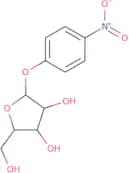


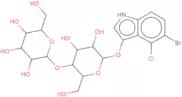

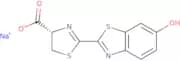
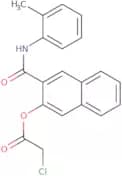
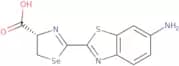

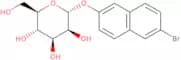
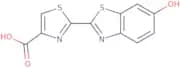
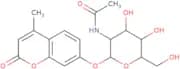


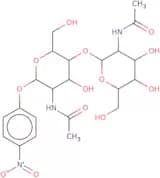
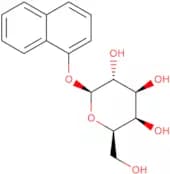

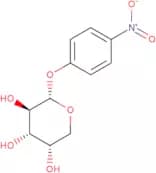


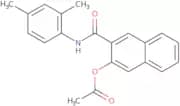


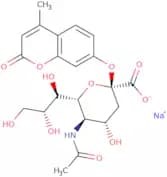
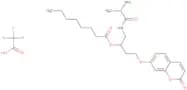



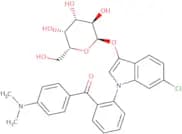
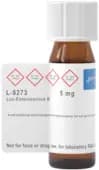

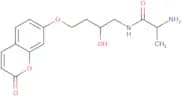


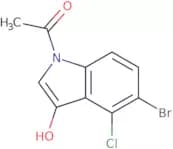
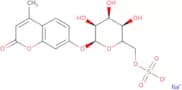

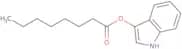


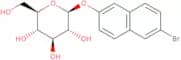
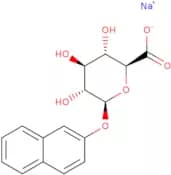


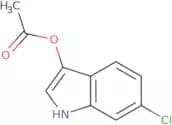



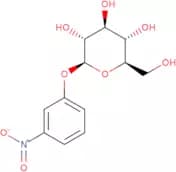


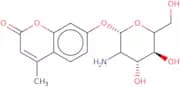


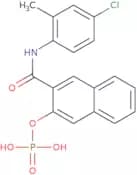


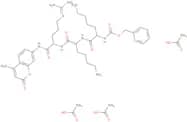


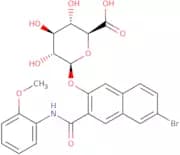


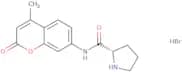
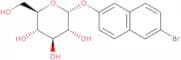



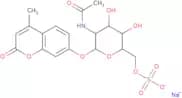
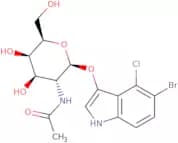
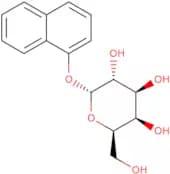
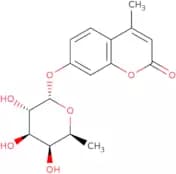
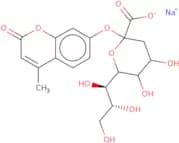


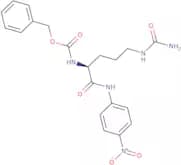


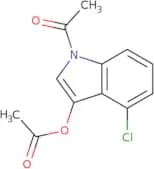

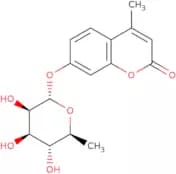


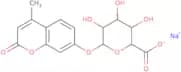


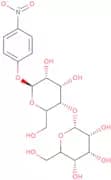
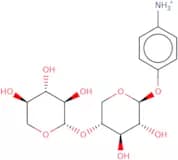
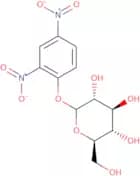


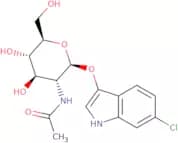
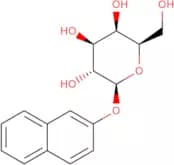
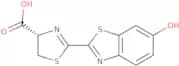


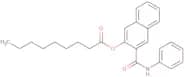

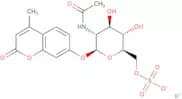

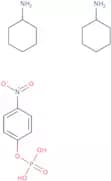

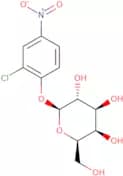
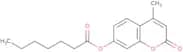

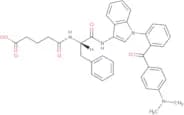


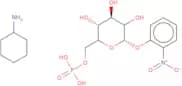
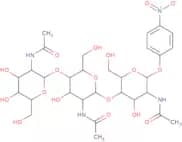


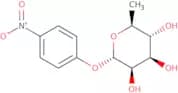
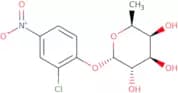



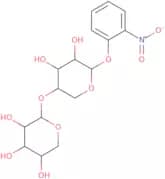


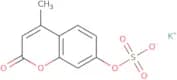
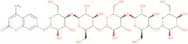

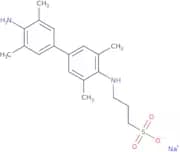


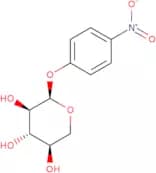


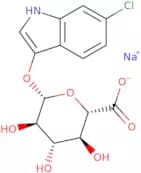
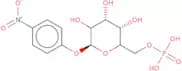
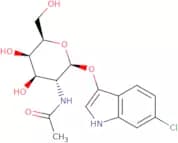


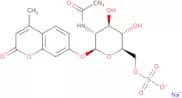


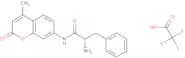
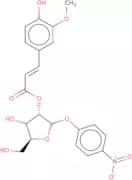

![6'-(Diethylamino)spiro[isobenzofuran-1(3H),9'-[9H]xanthen]-3'-yl b-D-glucopyranoside](/_next/image/?url=https%3A%2Fstatic.cymitquimica.com%2Fproducts%2F3D%2Fthumb-webp%2FED139090.webp&w=3840&q=75)