Sanità
Trovati 98 prodotti per "Sanità".
Kucers' the Use of Antibiotics
Grayson, M. Lindsay
Scheduled closure of pharmpress.com
M. Lindsay Grayson, MD Editor in Chief
Product code MC_KUC
DESCRIPTION:
This leading reference brings together information on antimicrobial agents in a manner that is unrivalled. Kucers' outlines the clinical use of all antimicrobials - antibiotics, antifungals, antiparasitic and antiviral agents. The recent addition of antiparasitic agents means it now covers the whole of antimicrobial therapy.
Features include a diagram of the chemical structure for each compound, many more tables to better summarise susceptibility data, drug dosing and to collate important clinical trials, and new sections regarding clinically important pharmacokinetic/pharmacodynamic data and drug interactions.
CONTENTS:
Contributors
Foreword
Obituary
Preface
Abbreviations
Copyright
Antibiotics
Anti-Fungal Drugs
Anti-Parasitic Drugs
Anti-Viral Drugs
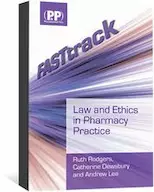
FASTtrack: Law and Ethics in Pharmacy Practice
Rodgers, Ruth; Dewsbury, Catherine; Lea, Andrew
First edition
Scheduled closure of pharmpress.com
Ruth Rodgers - Clinical Lecturer in Pharmacy Practice, Law and Ethics and Catherine Dewsbury - Clinical Lecturer in Pharmacy Practice, Law and Ethics, Medway School of Pharmacy, UK and Andrew Lea - Lecturer in Pharmacy Practice
ISBN 978 0 85369 885 2
Published Mar 2010
Paperback 234 x 156mm (176pp)
DESCRIPTION:
Law and Ethics in Pharmacy Practice focuses on what pharmacy students really need to know in order to pass exams. Concise, bulleted information, key points, and an all-important self-assessment section which includes MCQs. Pharmacy law and ethics, along with the knowledge of drugs and their uses, forms the foundation upon which professional pharmacy practice is built. This book covers key legislation affecting pharmacy and the pharmacist practitioner, including how laws are made, how they come into effect and are enforced.
It is an invaluable resource either as a study aid or as a companion to the established textbook, Dale and Appelbe's Pharmacy and Medicines Law and Medicines, Ethics and Practice .
Are your exams coming up? Are you drowning in textbooks and lecture notes and wondering where to begin? Take the FASTtrack route to study successfully for your examinations. FASTtrack provides the ultimate lecture notes and is a must-have for all pharmacy undergraduate students wanting to revise and test themselves for forthcoming exams.
FASTtrack: Law and Ethics in Pharmacy Practice is also available as an eBook.
CONTENTS:
1. Legislation
2. The Medicines Act 1968
3. Veterinary Medicines Regulations
4. Misuse of Drugs Act 1971
5. Health Acts 1999 and 2006
6. NHS Legislation
7. Other legislation relevant to pharmacy practice
8. Professional registration and regulation
9. Ethics and professionalism
10. Pharmacy practice problems, challenges and dilemmas
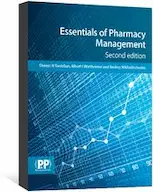
Colore e forma:234 x 156mmEssentials of Pharmacy Management
Tootelian, Dennis H; Wertheimer, Albert I; Mikhailitchenko, Andrey
Second edition
Scheduled closure of pharmpress.com
Dennis H. Tootelian - Professor of Marketing, College of Business Administration, California State University; Albert I. Wertheimer - Professor of Pharmacy, Department of Pharmacy Practice, Temple University School of Pharmacy; and Andrey Mikhailitchenko - Assistant Professor of Marketing, College of Business Administration, California State University.
ISBN 978 0 85711 018 3
Published Sep 2012
Paperback 246 x 189mm (464pp)
DESCRIPTION:
Essentials of Pharmacy Management is an accessible introduction to management in an increasingly business-oriented environment. It provides a jump-start to leadership roles and career advancement.
This textbook provides pharmacy students with an understanding of business processes used, and how those processes impact their practice of pharmacy in providing patient care. The material provides those who aspire to become managers in healthcare organizations with a foundation of how to manage in an environment that is focused on "the business of healthcare." For pharmacists who prefer not to move into management positions, the book explains how and why business decisions are made relative to practice.
Written in an easy-to-use and understandable form, the text is direct and to the point, focussing on the basics of good business practice. Special features include cases that allow students to apply what they have learned in the chapters to business situations within the context of various practice settings. Essentials of Pharmacy Management provides all the valuable management information required in one reference; useful today and in the years ahead.
Essentials of Pharmacy Management is also available as an ebook.
CONTENTS:
Section 1: Pharmacy Practice in Perspective
1. The Evolving Nature of Pharmacy Practice
2. The Role of Business in Pharmacy Practice
3. Going Into "Business in Independent, Chain, and Hospital Pharmacy Settings
Section 2: Planning and Risk Management
4. Developing Business Plans and Policies
5. Risk and Insurance Management
Section 3: Accounting and Financial Management
6. Accounting and Financial Records
7. Use of Accounting and Financial Records
Section 4: Marketing Strategies
8. Prescription Product and Service Strategies
9. Pharmacy Location, Layout and Merchandising
10. Pricing Procedures and Credit Policies
11. Promotion and Personal Selling
Section 5: Organising and Staffing the Pharmacy
12. Organising and Staffing the Pharmacy
13. Employee Orientation, Training and Compensating
14. Personnel Relations
Section 6: Pharmacy Operations Management
15. Purchasing and Inventory Control
16. Operations Management
17. Measuring the Success of the Pharmacy
Answers to Self-test Questions
REVIEWS:
Doody's Notes, May 2013
"This introductory level book provides a foundation for pharmacy management...
...Pharmacy is more than clinical management of patients, it is a business, and this book details the basic aspects of running a pharmacy operation...
...Topics such as pricing, pharmacy layout, risk management, and personnel management are covered. Charts and case studies help illustrate the topics."
Barbara L. Giacomelli, PharmD, MBA, Doody's Notes, May 2013
October 2012
"...it did highlight several areas that I hadn't first thought about, such as appraising readiness to become an entrepreneur...
...this book seems to cover most bases, as well as including self-test questions at the end of each chapter with answers at the end of the book, and cases to look through. Overall, if you are considering owning your own pharmacy, or managing one, in the future, then this book is a good starting point."
Charlotte Goodwin, British Pharmaceutical Students Association, October 2012
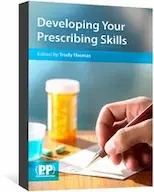
Colore e forma:246 x 189mmDeveloping Your Prescribing Skills
Thomas, Trudy
First edition
Scheduled closure of pharmpress.com
Edited by Trudy Thomas-Head of Clinical and Professional Postgraduate Programmes Lead, Medway School of Pharmacy, UK
ISBN 978 0 85369 881 4
Published Dec 2010
Paperback 234 x 156 mm (176pp)
DESCRIPTION:
Developing Your Prescribing Skills helps practitioners and all new prescribers to assess their current skills, and recognise their skills gaps. It identifies ways to meet learning needs and be accountable for prescribing, both as individuals and teams. Using 'real life' case scenarios, it takes a practical view of the main issues facing prescribers in all walks of practice. This book encourages the reader to apply the generic prescribing skills covered in each chapter to their own practice through the use of reflective exercises with feedback from experienced prescribers, suggested areas for further study, mind maps and top tips.
Chapters offer information and advice on:
- taking a good history
- prioritising in polypharmacy
- consultations and prescribing in paediatrics
- monitoring prescribing
- ethical decision making in prescribing
- establishing partnerships with patients
- influences on prescribing.
Developing Your Prescribing Skills is an invaluable resource for all new prescribers including junior doctors and GPs, and non-medical prescribers such as pharmacists, nurses and allied health professionals. Developing Your Prescribing Skills is also available as an eBook.
CONTENTS:
1. Introduction to Prescribing and This Book
2. Being Accountable for Your Prescribing
3. Taking a Good History
4. Consultations Involving Children
5. Prioritising in Polypharmacy
6. Practical Prescribing In Paediatrics
7. Monitoring Prescribing
8. Ethical Decision Making in Prescribing
9. Prescribing As Part of a Team
10. Establishing Partnerships with Patients
11. Influences on Prescribing
REVIEWS:
Mar-2011, Doody's Notes
"This book uses real-life case scenarios to describe the art of prescribing for those new to the field...The reflective questions are a great way to think about the scenario and its clinical aspects...This book offers an excellent approach to learning. The use of real-life scenarios is always a useful tool for educating new practitioners. This is what makes this book unique"
Zina T. Saidi, Pharm.D. (Jeanes Hospital), Doody's Notes, March 2011.
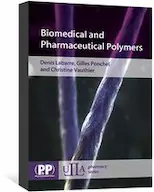
Colore e forma:234 x 156 mmBiomedical and Pharmaceutical Polymers
Labarre, Denis; Ponchel, Gilles; Vauthier, Christine
First edition
Scheduled closure of pharmpress.com
Denis Labarre, Faculty of Pharmacy, University Paris South, France; Gilles Ponchel, Faculty of Pharmacy, University Paris South, France; Christine Vauthier, CNRS, France
ISBN 978 0 85369 730 5
Published Oct 2010
Paperback 234 x 156mm (176pp)
DESCRIPTION:
Biomedical and Pharmaceutical Polymers is the only book available for introducing polymers to graduate or post-graduate students who use them in the biomedical and pharmaceutical fields.
Polymers are becoming increasingly present in the domain of health yet introduction to polymers is not frequently taught. This much needed and timely book will provide students with an introduction to general concepts of polymer science and some insights into speciality polymers. In four sections the book covers:
- why study polymers for the health sciences?
- general characteristics of polymers
- main methods and processes to synthesize polymers
- special properties of polymers
The final section of the book also contains case studies and detailed examples of biomedical and pharmaceutical applications.
Biomedical and Pharmaceutical Polymers is a user-friendly textbook which will be an essential reference for postgraduate pharmaceutical science students, pharmaceutical scientists worldwide and pharmacy undergraduate students with an interest in polymers.
Biomedical and Pharmaceutical Polymers is also available as an eBook.
CONTENTS:
1. Introduction: Why study polymers for the health sciences
- Polymers are large molecules that nature relies on
- A brief history of polymers
- Definitions
- Morphology and nomenclature of polymers
2. General characteristics of polymers
- Characterisation of polymers
- Specific properties of polymers in the presence of liquid media
- Relationships between structure of polymers and cohesion of materials
- Properties of polymers as materials
3. Main methods and processes to synthesise polymers
- Why there is a need to synthesise polymers
- Introducing step and chain polymerisation
- Some examples of step polymerisation: from small reagents and from prepolymers
- Free radical chain polymerisation
- Limitations of polymerisation
- Overview of other synthetic methods
- Polymerisation reaction processes
- Copolymerisation
- Modifications of polymers
4. Special properties of polymers, case studies and detailed examples of applications
- Properties of block copolymers: phase separation in solution and at solid state
- Biodegradable and bioerodible polymers
- Applications of polymers in biomedical uses
- Applications of polymers in pharmaceutical uses
Glossary
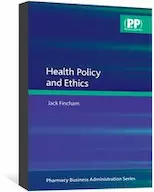
Colore e forma:234 x 156mmHealth Policy and Ethics
Fincham, Jack
First edition
Scheduled closure of pharmpress.com
Jack Fincham - Professor of Pharmacy Practice and Administration, School of Pharmacy, University of Missouri Kansas City, Missouri, USA
ISBN 978 0 85369 838 8
Published Jun 2011
Paperback 234 x 156mm (320pp)
DESCRIPTION:
This text provides comprehensive, concise coverage of international health policy and ethics. It explains health policy and its influencers, and how policy directly affects health and health care. The book has an in-depth review of pertinent background concepts, current issues, future needs and assessments. Coverage includes:
- health care systems, policies, impacts and influencers
- health care quality concerns
- justice and access to care
- social and cultural issues
- regulatory actions
- global public health problems.
Health Policy and Ethics is an essential resource for graduate students in pharmacy administration, social pharmacy and health policy, PharmD students, and those involved in health policy decision making. Health Policy and Ethics is also available as an eBook.
CONTENTS:
1. Introduction: the growing disparity of excess and deprivation in healthcare
2. Health care systems and health policy
3. Quality issues
4. Justice and access to care
5. Social and cultural issues in healthcare
6. Varying organizational roles
7. Reimbursement issues
8. Health policy and regulatory actions - focus on tobacco
9. Global public health and ethical issues
10. Key policy issues
11. Health impacts and health policy influencers
12. Summary, global health, and global health policy
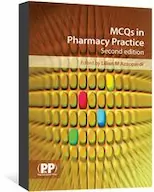
Colore e forma:234 x 156mmMCQs in Pharmacy Practice
Azzopardi, Lilian M
Second edition
Scheduled closure of pharmpress.com
Edited by Lilian M Azzopardi - Head, Department of Pharmacy
ISBN 978 0 85369 839 5
Published Sep 2009
Paperback 234 x 156mm (464pp)
DESCRIPTION:
Designed as a study aid, MCQs in Pharmacy Practice covers topics commonly featured in pharmacy undergraduate, registration and licensing multiple choice examinations.
The book is divided into open book and closed book sections and has a total of 800 multiple choice questions intended to assess students' knowledge, analytical skills, and ability to apply this knowledge base in clinical practice.
Topics include:
- general pharmacy practice interventions
- pharmaceutical calculations
- doses and strengths
- nomenclature and abbreviations
- dosage forms
- biochemical tests
- side-effects
- common diseases
In this second edition, newly formatted MCQs have moved to a more detailed question style demanding accruement of knowledge, decision-making skills, factual accuracy and its application to realistic clinical situations. All information has been updated to reflect the content of the BNF at time of print, ensuring practical and contemporary questions. This comprehensive book edited by Lilian Azzopardi, chairperson of the examination boards in pharmacy practice, will be an invaluable resource for undergraduate or postgraduate students preparing to sit a multiple choice examination in pharmacy. MCQs in Pharmacy Practice is also available as an eBook.
CONTENTS:
Section 1: Open book questions
Test 1
Test 2
Test 3
Test 4
Section 2: Closed book questions
Test 5
Test 6
Test 7
Test 8
Appendix A: Proprietary (trade) names and equivalent generic names
Appendix B: Definitions of conditions
Appendix C: Abbreviations and acronyms
Appendix D: Performance statistics
REVIEWS:
02-Oct-09, IJPC
'A great review for pharmacists, pharmacy students, and for use in an intern program. This latest edition is divided into both "open book" and "closed book" sections and contains a total of 800 multiple choice questions designed to assess participants knowledge, analytical skills, and the ability to apply this knowledge base in clinical practice.'
The International Journal of Pharmaceutical Compounding, Volume 6, Issue 40, 2nd October 2009
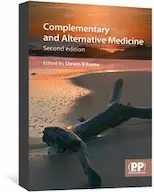
Colore e forma:234 x 156mmComplementary and Alternative Medicine
Kayne, Steven B
Second edition
Scheduled closure of pharmpress.com
Edited by Steven B Kayne - Honorary Consultant Pharmacist, Glasgow Homeopathic Hospital; Visiting Lecturer in Complementary Medicine, University of Strathclyde School of Pharmacy, Glasgow, UK
ISBN 978 0 85369 763 3
Published Nov 2008
Paperback 234 x 156mm (624pp)
DESCRIPTION:
Complementary medical treatments are now increasingly popular and the public demand for information and treatment is growing rapidly. It is therefore essential that all pharmacists have good knowledge of the main aspects of complementary therapies as they are meeting more and more patients who want advice and treatment with alternative therapies.
This book provides a practical introduction and reference source on the products most frequently requested in community pharmacies and in hospitals. Chapters on other complementary therapies such as massage are also included for information so that pharmacists can give knowledge-based advice to the public.
Additionally CAM is now an integral part of every MPharm course in the UK and of the pharmacy degree course in the USA. This book has been adopted by universities both in the UK and the USA. Indeed in the UK, this is an essential textbook that includes all aspects of CAM covered in the MPharm degree.
For the new edition, all main areas including homeopathy, aromatherapy and herbalism are updated and two new sections added. All legal issues are updated and legal information included from USA, Australia and New Zealand. Plus, evidence based material and research has been updated and more case studies included. The book also focuses a lot more on application as well as information and is more interactive.
A contribution from the USA has been included, as Steven Kayne enlisted a renowned expert to write chapters for this new edition.
CONTENTS:
Part 1: Introduction to CAM
1. The Concepts of CAM
2. Integrative Medicine
3. Delivering CAM
4. CAM in the USA
5. The Evidence Base for CAM
6. Pharmacovigilance of Complementary Medicines
Part 2 Therapies Involving Use of Remedies
7. Homeopathy and Anthroposophy
8. Medical Herbalism
9. Aromatherapy
10. Flower Therapies
Part 3 Traditional Medicine
11. The Traditional Healthcare Environment
12. Traditional Chinese Medicine
13. Indian Ayurvedic Medicine
Part 4 Other Therapies and Diagnostic Techniques
14. Naturopathy
15. Diagnostic Techniques
16. Manual Therapies
17. Mind and Body Therapies
REVIEWS:
01-Dec-08, Doody's Notes
'This is a well written book and offers a good description of alternative medicine.'
Doody's Review Service, 2008
01-Apr-09
'With the advent of healthcare consumerism, people are now encouraged to be largely responsible for their own health. And so complementary medicines are becoming ever more widely used.'
Unknown , An article abridged from Complementary and Alternative Medicine, 2nd Edition
From the reviews of the previous edition
'...this book provides a detailed and comprehensive resource that will provide the pharmacist and the pharmacy counter staff with the background and information needed to be able to advise patients and the public on the safe, effective and appropriate use of complementary medicines and therapies.'
Jo Barnes (Pharmaceutical Journal)
'...an essential text for pharmacists and a valuable one for other healthcare professionals.'
Edzard Ernst (FACT)
'...Dr Kayne takes the largest areas of interest - homeopathy, herbal remedies and aromatherapy - and tries to give a balanced view of evidence related to use of various therapies...'
New Zealand Pharmacy
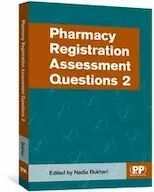
Colore e forma:234 x 156mmPharmacy Registration Assessment Questions 2
Edited by Bukhari, Nadia
First Edition
Scheduled closure of pharmpress.com
Nadia Bukhari - Senior Teaching Fellow in Pharmacy Practice & Pre-Reg Co-ordinator, UCL School of Pharmacy.
ISBN 978 0 85711 326 9
Published Feb 2018
Paperback 216 x 138mm (224pp)
DESCRIPTION:
Pharmacy Registration Assessment Questions 2 is the second volume in a series that follows on from the previous, highly popular Pharmacy Registration Assessment Questions. It features more than 400 entirely new, closed book and calculation questions. It can be used in conjunction with the previous volume or on its own. All questions are in line with current GPhC guidance, enabling you to prepare for the pharmaceutical pre-registration exam with confidence. This invaluable tool will help you familiarise yourself with the current style of questions, and give you a head start on preparation, planning and implementation. Questions are based on BNF74 and BNF for Children 2017-2018, alongside the most current treatment guidelines available. Questions feature patient information and pictorial representation of conditions, replicating those you may encounter in the real exam. This revision aid gives you the opportunity to practice a variety of question styles found in the assessment including: - Single best answer questions - Extended matching questions - Calculations Nadia Bukhari is Senior Teaching Fellow in Pharmacy Practice & Pre-Registration Co-ordinator at the UCL School of Pharmacy. She is also the chairwoman for the Royal Pharmaceutical Society Pre-Registration conferences.
EXAM GUIDE:
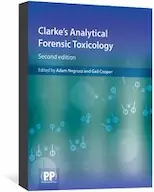
Clarke's Analytical Forensic Toxicology
Negrusz, Adam; Cooper, Gail
Second edition
Scheduled closure of pharmpress.com
Edited by Adam Negrusz, Associate Professor of Forensic Science, University of Illinois, and Gail Cooper, Lead Forensic Toxicologist and Senior Lecturer, Department of Forensic Medicine and Science, University of Glasgow.
ISBN 978 0 85711 054 1
Published May 2013
Paperback 246 x 189mm (656pp)
DESCRIPTION:
Clarke's Analytical Forensic Toxicology offers you a fresh perspective on the drugs and poisons that you are most likely to encounter in forensic toxicology. It focuses on collection, extraction and analysis.
This second edition is fully updated to reflect advances in analytical and forensic toxicology. New and extended chapters include:
- sampling, storage and stability
- in-utero exposure to drugs of abuse
- drug-facilitated sexual assault
- extraction.
Additional features are included from the fourth edition of Clarke's Analysis of Drugs and Poisons .
Forensic science laboratory workers will find this comprehensive textbook an invaluable tool.
For students and teachers of forensic science, toxicology, clinical pharmacology and analytical chemistry, this is a crucial resource. It provides unrivalled coverage of analytical forensic toxicology.
Clarke's Analytical Forensic Toxicology is also available as an eBook.
CONTENTS:
1. Introduction to Forensic Toxicology
2. Pharmacokinetics and Metabolism
3. Drugs of Abuse
4. Other Substances Encountered in Clinical and Forensic Toxicology
5. Workplace Drug Testing
6. Alternative Specimens
7. Postmortem Toxicology
8. Clinical Toxicology, Therapeutic Drug Monitoring, In Utero Exposure to Drugs of Abuse
9. Drug Abuse in Sport
10. Drug-Facilitated Sexual Assault
11. Alcohol, Drugs and Driving
12. Forensic Chemistry and Solid Dosage Form Identification
13. Sampling, Storage and Stability
14. Extraction
15. Colour Tests and Thin-Layer Chromatography
16. Immunoassays
17. Ultraviolet, Visible and Fluorescence Spectrophotometry
18. Infrared Spectroscopy
19. Gas Chromatography
20. High-Performance Liquid Chromatography
21. Mass Spectrometry
22. Quality Assurance and Control in the Toxicology Laboratory
REVIEWS:
November 2013, CHOICE
"This new edition is based on content in volume 1 of Clarke's Analysis of Drugs and Poisons, and modified for student use...
...this volume is full of useful information that will allow students to become familiar with the field. Summing up: Recommended. Upper-division undergraduates and graduate students."
J. Allison, The College of New Jersey, CHOICE (51:3) November 2013.
July 2013, TIAFT Bulletin
"...a useful reference for students both undergraduate and postgraduate, as well as toxicologists who are relatively new to this discipline...
...There are many chapters from experienced toxicologists (many who are familiar to us) and the book is well structured and follows a consistent approach to understanding the essentials of forensic toxicology...
...There is a comprehensive number of chapters on techniques (extraction and analysis) and the major chromatographic approaches are covered well by recognised authors with considerable expertise...
...So if you have the 4th edition of Clarke's Analysis of Drugs and Poisons would you also buy this volume as well? Yes I would because the book is geared to a more novice readership - students, researchers and inexperienced toxicologists."
Dimitri Gerostamoulos, TIAFT Bulletin 43(2), July 2013.
From the reviews of the previous edition:
"This book combines the pertinent subjects from the larger text with significant new chapters of more current interest, such as in-utero drug exposures and drug-facilitated sexual assault...
...it is a useful review for forensic toxicology in general, and an excellent explanation of the various techniques in analytical forensic toxicology. Practicing clinical toxicologists will find it a welcome addition to their references...
...it also covers the most important areas toxicologists will encounter, namely drug and alcohol impaired driving, sport toxicology, workplace drug testing, and postmortem toxicology. In-depth chapters cover all major analytical methods (i.e., immunoassay, GC, HPLC, MS, etc.), which practicing toxicologists will find useful"
Michael G Holland, Doody's Notes, 24th July 2009
"Affordable, comprehensive reference for students, researchers and both budding and practicing laboratory scientists...
...A very useful look up guide to what's what in techniques, drugs, metabolites, reagents and other things forensic. It's very easy on the eye with abbreviations in bold blue...
...Clarke's is essential reading matter for the forensic and clinical toxicologist. This edition, in soft cover, is very well presented and covers an exhaustive range of both esoteric and general topics."
Dr John Lewis, Bulletin of the International Association of Forensic Toxicologists Volume XXXIX Number 1
"The structure of the book is a wealthy mixture of problem-orientated and methodology orientated approach and covers all important aspects of the field."
Sandor Gorog, Trends in Analytical Chemistry, Vol. 28, No. 1, 2009
Colore e forma:246 x 189mmStockley's Drug Interactions
Preston, Claire L.
Scheduled closure of pharmpress.com
Edited by Claire L. Preston
Product code MC_STOCK
DESCRIPTION:
Stockley's Drug Interactions is still the most indispensible and authoritative international source of drug interaction information. Based upon the many thousands of published clinical papers and reports, it provides a series of detailed, yet concise, monographs designed for quick and easy reference.
Each monograph contains a summary, clinical evidence for the interaction under discussion, its probable mechanism, clinical importance, and management.
INTERACTIONS CHECKER:
Stockley's Drug Interactions and the Stockley's Interactions Checker - a handy comparison
We've received some questions from users recently asking about the differences between Stockley's Drug Interactions and the Stockley's Interactions Checker , and why information contained in the Checker is not always found in Stockley's Drug Interactions . For all our Stockley's users, here are the answers:
What are the main differences between the products?
The Stockley's Interactions Checker provides healthcare professionals with a quick way to check for potential drug interactions. It gives a fast ready-reference to whether drugs can safely be taken together, and provides brief advice on how to manage the interaction.
Stockley's Drug Interactions provides concise, accurate, and detailed clinically relevant information on individual and related drug interactions in the form of monographs. Each monograph covers clinical evidence, mechanism, importance and management. It is based on all available published sources and is fully referenced.
Why is it that sometimes, interactions information in the Checker does not appear in Stockley's Drug Interactions?
The vast majority of messages in the Checker are derived from the monographs in Stockley's Drug Interactions , and currently, the interactions content in the Checker is updated on a monthly basis.
Stockley's Drug Interactions is updated quarterly, giving more time to review all the literature and revise the full monograph. So, when information is updated for the Checker it will not appear in Stockley's Drug Interactions until the full monograph is revised. For example, information that is updated in the Checker first might relate to a new drug, a new safety update from the MHRA or FDA, or a new dose adjustment.
Which Interactions resource should I use?
- If you need a quick answer to your interactions query, use the Stockley's Interactions Checker. If you require more detail or an understanding of why an interactions occurs, use Stockley's Drug Interactions. However, because of the differences between the two products, if you don't find the information you need in Stockley's Drug Interactions, try searching for the interaction in the Stockley's Interactions Checker.
The table below provides a quick comparison between the two products:
Stockley's Drug Interactions
Stockley's Interactions Checker
Provide detailed, fully-referenced information about a drug interaction
Gives you a quick answer to your interactions query
Summarises the available clinical evidence and explains how to manage the interaction
Consists of 2 short lines: what happens and what you should do
Explains the mechanism of the interaction
Links to the full monograph in Stockley's Drug Interactions should you require more detail
Includes drug-drug, drug-herb, drug-food interactions
Includes drug-drug, drug-herb, drug-food interactions
International in coverage
International in coverage
Download this information as a printable PDF.
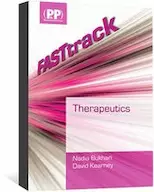
FASTtrack: Therapeutics
Bukhari, Nadia; Kearney, David
First edtion
Scheduled closure of pharmpress.com
Nadia Bukhari - Masters of Pharmacy Programme Manager and Pre registration co-ordinator and David Kearney - Senior Pharmacist in Neurology, University Hospitals of Leicester NHS Trust
ISBN 978 0 85369 775 6
Published Jun 2009
Paperback 234 x 156mm (240pp)
DESCRIPTION:
FASTtrack: Therapeutics is a revision book for pharmacy students. It covers all the main systems of the body with a summary of therapeutics in these areas.
This book focuses on what you really need to know in order to pass exams. Concise, bulleted information, key points, tips and an all-important self-assessment section which includes MCQs, case studies, sample essay questions and worked examples.
Therapeutics is a branch of medicine that is related to the application of drugs and other remedies for preventing, curing or healing disease. Many aspects should be considered when determining the appropriateness of therapy for patients.
Each chapter explores a different medical condition. By focusing on the key points of each disease state, this book provides you with a concise overview of therapeutics.
Are your exams coming up? Are you drowning in textbooks and lecture notes and wondering where to begin? Take theFASTtrackroute to successful study for your examinations. FASTtrack provides the ultimate lecture notes and is a must-have for all pharmacy students wanting to study and test themselves for forthcoming exams.
FASTtrack: Therapeutics is also available as an eBook.
CONTENTS:
1. Basic Biochemistry
2. Hypertension
3. Angina
4. Heart Failure
5. Ischaemic Heart Disease
6. Stroke
7. Asthma
8. Chronic Obstructive Pulmonary Disease
9. Inflammatory Bowel Disease (Ulcerative Colitis & Crohn's Disease)
10. Gastro Oesophageal Reflux Disease
11. Peptic Ulcer
12. Constipation
13. Diarrhea
14. Liver Disease
15. Acute Renal Failure
16. Chronic Renal Failure
17. Tuberculosis
18. Bacterial Infections
19. Epilepsy
20. Parkinson's
21. Alzheimers
22. Depression
23. Schizophrenia
24. Pain
25. Diabetes
26. Hypothyroidism
27. Hyperthyroidism
28. Eczema
29. Psoriasis
30. Glaucoma
31. Rheumatoid Arthritis
32. Osteoarthritis
33. Gout:
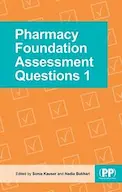
Colore e forma:234 x 156mmPharmacy Foundation Assessment Questions 1
Edited by Nadia Bukhari and Sonia Kauser
Scheduled closure of pharmpress.com
ISBN 978 0 857114501
Published Jan 2023
DESCRIPTION:
Following on from the popular Pharmacy RegistrationAssessment Questions series, Pharmacy Foundation Assessment Questions featuresover 400 revision questions. Along with guidance about how to prepare for, andapproach taking the new GPhC Registration Assessment exams.
The questions and guidance are fully aligned to the latestguidance regarding the assessment process from the GPhC. Questions are based onlatest editions of both the BNF an BNFC, alongside the most current treatmentguidelines available at the time of writing. This book also includes questions featuring prescriptions, patientinformation and pictures of conditions, replicating the type of questionsstudents may encounter in the real exam.
This revision aid gives students the opportunity to practicea variety of questions on styles ahead of the assessment including:
single best answer questions
extended matching questions
calculations
Written by a team of experienced authors who all work withfoundation trainee pharmacists every day and including questions that arepractical and will truly challenge students.
This book is the handy guide to help students prepare for their exams.
About the authors
Nadia Bukhari is Associate Professor in Pharmacy Practice at the UCL School of Pharmacy.
Sonia Kauser is a Primary Care Pharmacist and Lecturer in Pharmacy Practice at the University of Manchester.
CONTENTS:
Table of contents
Preface
Acknowledgements
About the authors
Abbreviations
Introduction to the Assessment
How to use this book
Single Best Answer Questions (SBA)
Extended Matching Questions (EMQ)
Calculations
Case studies
Answers
Index
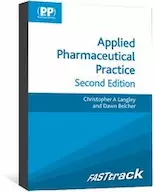
FASTtrack: Applied Pharmaceutical Practice
Langley, Christopher A; Belcher, Dawn
Second edition
Scheduled closure of pharmpress.com
Christopher A. Langley - Professor of Pharmacy Law and Practice, Aston University School of Pharmacy, and Dawn Belcher - Teaching Fellow, Pharmacy Practice, Aston University School of Pharmacy.
ISBN 978 0 85711 056 5
Published Apr 2012
Paperback 234 x 156mm (208pp)
DESCRIPTION:
FASTtrack: Applied Pharmaceutical Practice focuses on what you really need to know in order to pass exams. Concise, bulleted information, chapter overviews, key points, and an all-important self-assessment section which includes MCQs. This FASTtrack book has been written to guide the student pharmacist or pharmacy technician through the main stages involved in pharmaceutical dispensing.
FASTtrack: Applied Pharmaceutical Practice accompanies the compulsory dispensing courses found in all undergraduate MPharm programmes and equivalent technical training courses. It is an invaluable resource either as a study aid or as a companion to the core reference text Applied Pharmaceutical Practice .
Changes for the new edition include:
- Information on revisions to the community pharmacy contract
- Additional content on new advanced community pharmacy services
- Revised worked examples and student questions
- Updated prescription labelling information, including the use of new cautionary and warning labels
- Updated references and bibliography.
Read an interview with the authors discussing the new edition of the book, recording videos together, and their desert island essentials.
Are your exams coming up? Are you drowning in textbooks and lecture notes and wondering where to begin? Take the FASTtrack route to study successfully for your examinations. FASTtrack provides the ultimate lecture notes and is a must-have for all pharmacy students wanting to study and test themselves for forthcoming exams.
FASTtrack: Applied Pharmaceutical Practice is also available as an ebook.
CONTENTS:
1. Introduction, medicines classification and standard operating procedures
2. NHS supply in the community 1: prescription forms and prescribing
3. NHS supply in the community 2: prescribers and the dispensing process
4. NHS supply within hospitals
5. Non-NHS supply
6. Controlled drugs
7. Emergency supply
8. Patient counselling and communication 1: the basics of patient communication
9. Patient counselling and communication 2: product-specific counselling points
10. Poisons and spirits
Appendix 1: Commonly encountered qualifications of healthcare professionals
Appendix 2: Abbreviations commonly used within pharmacy
REVIEWS:
2013
"Applied Pharmaceutical Practice is good for all years and all stages of the MPharm course whether you are a first year learning from scratch or just refreshing your addled fourth year memory. It's great for practical dispensing, OSCEs, law exams or for anyone working in a pharmacy as a student, technician or newly qualified pharmacist...a brilliantly written book, student friendly, as well as being clear and interesting enough to read from cover to cover"
Katrina Fredericks, BPSA pharmacy student, 2013.
Colore e forma:234 x 156mmFASTtrack: Pharmaceutical Compounding and Dispensing
Langley, Christopher A; Belcher, Dawn
Second edition
Scheduled closure of pharmpress.com
Christopher A. Langley - Senior Lecturer in Pharmacy Practice, Aston University School of Pharmacy, and Dawn Belcher - Lecturer in Pharmacy Practice, Aston University School of Pharmacy
ISBN 978 0 85711 055 8
Published May 2012
Paperback 234 x 156mm (224pp)
DESCRIPTION:
FASTtrack: Pharmaceutical Compounding and Dispensing focuses on what you really need to know in order to pass exams. Concise, bulleted information, key points, tips and an all-important self-assessment section which includes MCQs, case studies, sample essay questions and worked examples. Based on the successful textbook, Pharmaceutical Compounding and Dispensing , this FASTtrack book has been designed to assist the student compounder in understanding the key dosage forms encountered within extemporaneous dispensing.
For this new second edition all the references to modern texts (for example, the BNF ) have been updated, as well as labelling to reflect changes since the publication of the first edition. Some worked examples have been changed owing to the availability of pharmaceutical ingredients. Free access to online videos demonstrating various dispensing procedures is included.
Are your exams coming up? Are you drowning in textbooks and lecture notes and wondering where to begin? Take the FASTtrack route to successful study for your examinations. FASTtrack provides the ultimate lecture notes and is a must-have for all pharmacy students wanting to study and test themselves for forthcoming exams.
FASTtrack: Pharmaceutical Compounding and Dispensing is also available as an ebook.
CONTENTS:
1. Introduction
2. Solutions
3. Suspensions
4. Emulsions
5. Creams
6. Ointments, Pastes and Gels
7. Suppositories and Pessaries
8. Powders and Capsules
Bibilography
Further Reading
Appendix 1: Glossary of Terms Used in Formulations
Appendix 2: Abbreviations Commonly Used Within Pharmacy
Appendix 3: Formulae Contents
REVIEWS:
Jul-2012, Doody's Notes
"Of value to new practitioners involved in compounding nonsterile pharmaceutical preparations...Each chapter starts with an overview of the dosage form followed by discussions of general methods, a number of worked examples, and then a self-assessment section...each chapter includes both key points and tips. The detail included in the examples in the chapters on dosage forms is exceptional...it delivers a practical guide for students whose curricula continue to provide didactic and practice experiences in compounding."
Joseph Boullata, PharmD (University of Pennsylvania College of Nursing), Doody's Notes, July 2012
From the reviews of the previous edition:
15-Nov-09, Future Pharmacist
'This book (has the) ability to stand as both a perfect revision guide and possible reference resource. This book is well worth the money paid and time spent reading. I would definitely say this book is an essential read for all pharmacy students'
Ryan Hamilton, Future Pharmacist, British Pharmaceutical Students' Association, Winter 2009
08-Oct-08, American Journal of Pharmaceutical Education
'This book is a well organised and comprehensive review of extemporaneous pharmaceutical compounding and dispensing written by British educators. Overall this book is an excellent review of extemporaneous compounding and dispensing following the British National Formulary. This book would be a useful addition to the resource and reference library of pharmacy educators and practicing pharmacists seeking a review of extemporaneous pharmaceutical compounding and dispensing.'
Deborah Lester Strong, PharmD, American Journal of Pharmaceutical Education 2008 72 (5) Article 123 October 2008
08-Oct-08, Chemist and Druggist
'FASTtrack Pharmaceutical Compounding and Dispensing is an ideal small and compact textbook for both students and pharmacists involved in extemporaneous dispensing.'
Elizabeth Robinson, student, Keele University, Chemist and Druggist published online on October 2008
01-Feb-08, Doody Enterprises, Inc
'This book provides readers with a handy and useful guide to preparing accurate and effective pharmaceutical compounds and extemporaneous preparations. This is certainly written for students of pharmacy, but it is also useful for working pharmacists as a handy reference when they need to recall how to prepare/compound different dosage forms. Calculation examples and self assessment questions are a nice feature, particularly for pharmacy students. I was pleasantly surprised by this book. It certainly refreshed my memory of these topics from pharmacy school and it serves to remind us as pharmacists that this still is part of the job, albeit much less frequently.'
Patrick J. McDonnell, PharmD. Temple University School of Pharmacy. Doody Enterprises, Inc. February 2008
Colore e forma:234 x 156mmApplication and Review of Pediatric Pharmacotherapy
Glover, Mark L
Second edition
Scheduled closure of pharmpress.com
Mark L Glover - Associate Professor and Director, College of Pharmacy, Nova Southeastern University, USA
ISBN 978 0 85369 941 5
Published Jan 2011
Paperback 234 x 156 mm (496pp)
DESCRIPTION:
Increase your understanding of pharmacotherapy prescribed to pediatric patients with these realistic case studies.
Application and Review of Pediatric Pharmacotherapy is designed as a self-assessment tool, comprising over 1,000 multiple choice questions. It enhances your knowledge of pediatric pharmacotherapy by allowing application of textbook information to case-based scenarios.
The pharmacotherapy issues that are most likely to be encountered during your exposure to pediatric medicine are covered in four sections:
- neonatal intensive care
- pediatric intensive care
- pediatric in-patient
- pediatric out-patient
Pharmacy, nursing and medical students and residents often receive limited exposure to pediatric pharmacology during their education. As a result, providing medical care for a pediatric patient can be intimidating. This book provides a pharmacological resource to help prepare your for pediatric clinical experiences. Application and Review of Pediatric Pharmacotherapy is also available as an eBook.
CONTENTS:
Module 1: Neonatal Intensive Care
Module 2: Pediatric Intensive Care
Module 3: Pediatric In-Patient
Module 4: Pediatric Out-Patient
REVIEWS:
Mar-2011, Doody's Notes
"The book uses case studies to illustrate different pediatric ailments and their treatments in a variety of care settings. It is comprehensive in its representation of various settings and the pharmacotherapy for different maladies. It is unique in its format of providing questions and answers with explanation...This is a good pharmacotherapy review book for students who may be studying for board exams or wanting a supplemental study guide with comprehensive applied case studies."
Judith Klevan, BA Biology, BS Pharmacy, Doody's Notes, March 2011
Colore e forma:234 x 156 mmMinor Illness or Major Disease
Addison, Brian; Brown, Alyson; Edwards, Ruth; and Gray, Gwen
Sixth edition
Scheduled closure of pharmpress.com
Brian Addison, Alyson Brown, Ruth Edwards, Gwen Gray are from the School of Pharmacy and Life Sciences, Faculty of Health and Social Care, Robert Gordon University, Aberdeen, UK.
ISBN 978 0 85711 214 9
Published Jul 2016
Paperback 246 x 189mm (272pp)
DESCRIPTION:
Minor Illness or Major Disease eBook discusses in detail the diagnosis and management of frequently encountered ailments in community pharmacy practice. As well as being a well-established undergraduate textbook, this book aims to aid pharmacists with differentiating between a minor illness and a major disease that would need immediate referral to a medical practitioner.
This sixth edition has been thoroughly revised with updated advice and up to date information about pharmacy medicines. In addition it also:
- Utilises a problem-based learning approach with case studies throughout
- Includes trigger cases, management options, pharmacist and general practitioner opinions, self-assessment questions, summary of key points and key referral criteria
- Carries a further reading section at the end of most chapters, focusing on reviews and evidence of the efficacy of over-the-counter medicines.
Minor Illness or Major Disease is essential reading for pharmacy undergraduates and pre-registration students. It is also invaluable for community pharmacists.
CONTENTS:
Introduction
Gastrointestinal Illnesses
Respiratory Illnesses
Central Nervous System
Infections and Infestations
Obstetrics, Gynaecology and Urinary System
Eyes, Ears and Oral Health
Nutrition
Dermatology
REVIEWS:
Irish Pharmacy Union, November 2016
"The latest incarnation of such a valuable text comes courtesy of the well-established and renowned Pharmacy Practice team at Robert Gordons University Aberdeen...
...Differential diagnostic reasoning is presented throughout the chapter text, thereby allowing the reader to feel better informed when they ask that question of themselves - "Is this a Minor Illness or a Major Disease?" - when confronted with any clinical presentation...
...Text presentation is clear, concise and well delivered, with the result that the book itself represents an easily-accessible reference resource for the reader which can be cross-referenced with the BNF...
...The sixth edition of Minor Illness or Major Disease provides us with a timely update to what is already a stalwart within the Community Pharmacy practice resource library."
Noel Stenson, Irish Pharmacy Union, November 2016
The Pharmaceutical Journal, September 2016
"This latest edition offers a new approach to the management of minor illness, the most obvious difference from previous editions being the reformatting of the book to mirror the structure of the British National Formulary . The book also uses the problem-based learning approach where minor illnesses are discussed in the context of case studies...
...A pharmacist and a general medical practitioner or dietitian responds to the case. This illustrates the similarities and differences in approach by two different healthcare professionals...
...Each chapter ends with a series of self-assessment questions, the styles of which reflect those encountered in university or professional examinations...
...The book is well structured and easy to use. The tables are clear and concise and the photographs and illustrations are of the highest quality. It should be read by pharmacy undergraduates and preregistration trainees, and it will also be of great value to community pharmacists."
Laurence A. Goldberg, The Pharmaceutical Journal, 26 September 2016.
From the reviews of the previous edition:
"The book is, thankfully, easily navigable and readable, and thus of great benefit in quick referral, it additionally allow for self-assessment with use of a series of reflective questions to encourage learning not only as an undergraduate but as a qualified professional...The authorship is comprehensible and non-patronising, with further counseling options also noted within specific chapters linking the core scientific knowledge to practical reality.
Grace Hatton, BPSA Eastern Area Coordinator, BPSA e-newsletter, May 2012
"an excellent introductory chapter explaining the role of pharmacists in the community...The book makes use of handy, user-friendly tables, chapter summaries and other features...This would be a useful companion book for those studying pharmacy and it could be helpful in course work in ambulatory care and /or used as a supplement for students in their ambulatory and /or community practice experiences"
Patrick J. McDonnell, Pharm.D., Doody's Notes, May 2012
Pharmaceutical Calculations Workbook
Rees, Judith A; Smith, Ian
First edition
Scheduled closure of pharmpress.com
Judith A Rees - Senior Lecturer, School of Pharmacy and Pharmaceutical Sciences, University of Manchester and Ian Smith - Boots Teacher Practitioner, School of Pharmacy and Pharmaceutical Sciences, University of Manchester
ISBN 978 0 85369 602 5
Published Nov 2005
Paperback 246 x 189mm (240pp)
DESCRIPTION:
Pharmaceutical Calculations Workbook is the companion self-study aid to Introduction to Pharmaceutical Calculations . It contains practice calculations (with answers) similar to those encountered in pharmacy exams and in practice. Each chapter contains a variety of exercises for practising calculations using the methods covered in the companion text. Tables for completion are included in addition to individual drug- or patient-specific questions. This workbook will be invaluable to pharmacy students and preregistration pharmacists, as well as others who want to practise basic pharmaceutical calculations.
Save money by buying our special calculations package.
CONTENTS:
1. Calculations involving rational numbers
2. Calculations involving systems of units
3. Calculations involving concentrations
4. Calculations involving dilutions
5. Calculations involving formulations
6. Calculations involving doses
7. Calculations involving density, displacement volumes and displacement values
8. Calculations involving molecular weights
9. Calculations involving parenteral solutions
REVIEWS:
15-Oct-06, American Journal of Pharmaceutical Education
'Pharmaceutical Calculations Workbook provides a source of practice problems for students desiring more preparation, as well as providing a self-assessment resource to assure basic pharmacy calculations skills.'
Ann Zweber, BPharm, Oregon State University. American Journal of Pharmaceutical Education. v.70(5); Oct 15, 2006 (review received from the authors)
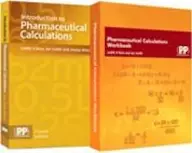
Colore e forma:246 x 189mmIntroduction to Pharmaceutical Calculations and Pharmaceutical Calculations Workbook
Scheduled closure of pharmpress.com
ISBN 978 0 85711 246 0
Published Apr 2015
DESCRIPTION:
Buy both of these books together to take advantage of the special package price.
If bought individually, £54.98.
Package contains:
Introduction to Pharmaceutical Calculations , 4th edition
Written by experienced pharmacy lecturers and a teacher practitioner, this book will help you tackle every type of pharmaceutical calculation and is ideal for both students and pre-regs. Every chapter contains learning objectives, worked examples and sample questions and has been fully updated.
Pharmaceutical Calculations Workbook
This is the companion self-study workbook to Introduction to Pharmaceutical Calculations. It contains practice calculations (with answers) similar to those that might be presented in pharmacy examinations and in practice. This workbook will be invaluable to pharmacy undergraduates and preregistration pharmacists, as well as others who want to practise basic pharmaceutical calculations.
Adverse Drug Reactions
Edited by Anne Lee & Melinda Cuthbert
Third Edition
Scheduled closure of pharmpress.com
ISBN 9780857114006
Published Mar 2023
Paperback 496pp
DESCRIPTION:
Adverse reactions to medicines continue to present a considerable burden on healthcare, causing considerable morbidity and mortality. Healthcare professionals need to understand the problem of adverse drug reactions and be aware of how they can be prevented and managed. The new 3rd edition of Adverse Drug Reactions is a practical guide to the reactions that affect particular organ systems. Covers the most common types of reaction, how to recognise them, and the medicines implicated most often. Offers practical guidance on the most appropriate management of suspected adverse drug reactions. Includes clear learning objectives & case studies About the editors Melinda Cuthbert is Associate Director Pharmacy (Acute), NHS Lothian, Edinburgh Anne Lee is Chief Pharmacist, Scottish Medicines Consortium, Healthcare Improvement Scotland
CONTENTS:
Introduction to adverse drug reactions and pharmacovigilance: Melinda Cuthbert;
Side effects and patients: Sheila C Noble;
Pharmacogenetics: Munir Pirmohamed, Victoria Rollinson;
Pregnancy: Jane Bass, Matthew Caldwell, Sophie Lumley, Catherine Nelson-Piercy, Nanda Surabhi ;
Drug-induced cutaneous reactions: David Clifford, Sylwia Michlewska, Joanna Skwarski;
Gastrointestinal system: Benjamin Kelly Hannan, Lynne Michelle Merchant, Duncan James Wilson;
Hepatic disorders: Robbie Cord;
Renal disorders: Aileen Dunleavy;
Endocrine disorders: Yvonne Clark; Elaine McIvor;
Respiratory disorders: Fiona McTaggart, Jenny Scott;
Musculoskeletal disorders: Christine Randall;
Blood disorders: Kelly Baillie;
Mental health disorders: Anne Lee;
Cardiovascular effects: Aaron Linstead;
Neurological disorders: Fiona Needleman;
Sexual dysfunction and infertility: Sherry A Wright, Joo Thong;